Cracking a skill-specific interview, like one for Whistle Communication, requires understanding the nuances of the role. In this blog, we present the questions you’re most likely to encounter, along with insights into how to answer them effectively. Let’s ensure you’re ready to make a strong impression.
Questions Asked in Whistle Communication Interview
Q 1. Explain the importance of whistleblower protection programs.
Whistleblower protection programs are crucial for fostering ethical conduct and transparency within organizations and society at large. They encourage individuals to report illegal or unethical activities without fear of retaliation, fostering a culture of accountability and preventing potential harm. Imagine a company knowingly releasing a faulty product; without a robust whistleblower program, that dangerous product might never be recalled. These programs act as a safety net, protecting individuals who bravely come forward and ensuring that wrongdoing is addressed.
- Deterring wrongdoing: The mere existence of a program can deter illegal and unethical behavior.
- Protecting whistleblowers: These programs shield individuals from potential job loss, demotion, or other forms of retribution.
- Improving organizational culture: They cultivate a culture of trust and ethical behavior where employees feel empowered to report concerns.
- Preventing financial losses and reputational damage: Early detection of wrongdoing often prevents significant financial losses and reputational damage to the organization.
Q 2. Describe the legal framework surrounding whistleblower disclosures.
The legal framework surrounding whistleblower disclosures varies significantly across jurisdictions but generally includes laws protecting whistleblowers from retaliation and providing mechanisms for reporting and investigating allegations. The Sarbanes-Oxley Act (SOX) in the US, for instance, offers strong protection to whistleblowers reporting financial fraud. Similarly, the Dodd-Frank Act provides protection for those reporting securities violations. These laws often specify procedures for reporting, investigation, and potential remedies for violations. Failure to comply with these laws can lead to significant penalties for organizations.
Key elements often include:
- Anti-Retaliation Provisions: Laws explicitly prohibit retaliation against whistleblowers.
- Reporting Mechanisms: Designated channels for reporting concerns, such as hotlines or websites.
- Investigation Procedures: Clear guidelines on how allegations will be investigated impartially.
- Remedies for Violations: Mechanisms for addressing wrongdoing and compensating whistleblowers for damages.
Q 3. What are the key elements of a robust whistleblower reporting system?
A robust whistleblower reporting system is the backbone of an effective program. It needs to be accessible, confidential, and impartial. Key elements include:
- Multiple Reporting Channels: Offering various ways to report, such as a hotline, online portal, email, and in-person reporting to designated individuals, caters to diverse comfort levels.
- Clear Reporting Procedures: Simple, straightforward instructions on how to submit a report, avoiding jargon and complexity.
- Independent Investigation Unit: An unbiased team dedicated to investigating reports, separate from the implicated departments to ensure impartiality.
- Confidentiality Protections: Robust measures to protect the anonymity and identity of the whistleblower.
- Feedback Mechanism: Regular updates on the status of the investigation to keep the whistleblower informed.
- Protection Against Retaliation: Clear policies and procedures to protect whistleblowers from any form of retaliation.
Q 4. How do you ensure confidentiality in whistleblower cases?
Ensuring confidentiality is paramount in whistleblower cases. This requires a multi-layered approach:
- Anonymous Reporting Options: Allowing whistleblowers to submit reports without revealing their identity.
- Secure Reporting Systems: Utilizing encrypted communication channels and secure data storage to protect information from unauthorized access.
- Limited Access to Information: Restricting access to whistleblower reports to only authorized personnel involved in the investigation.
- Legal Protection: Implementing robust legal protections to prevent the disclosure of whistleblower identities.
- Training for Investigators: Providing investigators with thorough training on maintaining confidentiality and handling sensitive information.
Think of it like a secure vault – only authorized individuals with the right key can access the information.
Q 5. Explain the process of investigating a whistleblower report.
Investigating a whistleblower report requires a systematic and impartial approach. A typical process includes:
- Report Intake and Assessment: Reviewing the report to determine its scope and seriousness.
- Initial Investigation: Gathering preliminary evidence and interviewing relevant parties.
- Formal Investigation: Conducting a more thorough investigation, potentially including witness interviews, document reviews, and forensic analysis.
- Report Preparation: Compiling a detailed report outlining the findings of the investigation.
- Decision-Making and Remediation: Determining appropriate actions based on the findings, including disciplinary measures or remedial actions.
- Closure: Communicating the outcome of the investigation to the whistleblower (while maintaining confidentiality) and taking steps to prevent similar incidents.
Q 6. What are the potential challenges in managing whistleblower reports?
Managing whistleblower reports presents several challenges:
- Retaliation Concerns: Whistleblowers may fear retaliation, even with protections in place.
- Maintaining Confidentiality: Protecting the whistleblower’s identity while conducting a thorough investigation is crucial and complex.
- Investigative Complexity: Investigations can be time-consuming, resource-intensive, and require specialized expertise.
- Potential for False Allegations: Dealing with unfounded or malicious accusations requires careful assessment.
- Balancing Competing Interests: Finding a fair balance between protecting whistleblowers and ensuring due process for those accused.
- Managing Public Perception: Handling the public relations aspect of a high-profile whistleblower case effectively.
Q 7. How do you determine the credibility of a whistleblower’s report?
Determining the credibility of a whistleblower’s report involves a thorough assessment of multiple factors:
- Source Credibility: Considering the whistleblower’s position, knowledge, and potential biases.
- Evidence Corroboration: Seeking independent verification of the claims through documents, witness statements, or other evidence.
- Consistency of Information: Assessing whether the information provided is consistent and credible.
- Plausibility of Allegations: Evaluating how likely the alleged events are to have occurred.
- Motivation of the Whistleblower: Understanding the whistleblower’s motives and potential for personal gain or malice.
It’s important to avoid prematurely dismissing reports due to perceived bias, but a comprehensive assessment is necessary to establish the validity of the allegations.
Q 8. How do you handle retaliation claims related to whistleblower disclosures?
Retaliation claims following whistleblower disclosures are taken extremely seriously. We have a robust process in place to investigate such claims thoroughly and impartially. This begins with a confidential report, which is immediately reviewed by a dedicated team. We use a multi-step process:
- Confidential Intake: All claims are handled with strict confidentiality, ensuring the whistleblower feels safe to report.
- Preliminary Investigation: We gather evidence, interview potential witnesses, and review relevant documentation. This phase aims to establish whether there is sufficient evidence to warrant a full investigation.
- Formal Investigation: If a preliminary investigation suggests potential retaliation, a full-scale investigation commences. This often involves external legal counsel to ensure objectivity and compliance with all relevant regulations.
- Remedial Action: Depending on the findings, corrective actions could range from mandatory training programs for involved parties to disciplinary actions, including termination, for those found to have retaliated.
- Ongoing Monitoring: We implement preventative measures and continuously monitor the situation to prevent further retaliation and ensure a safe reporting environment.
For example, in a previous case, an employee who reported accounting irregularities faced subtle but significant pressure from their supervisor. Our investigation uncovered these actions, leading to disciplinary action for the supervisor and support for the whistleblower.
Q 9. Describe different methods for reporting whistleblowing incidents (e.g., hotline, online portal).
We offer multiple avenues for reporting whistleblowing incidents, designed to cater to different preferences and levels of comfort. These include:
- Confidential Hotline: A 24/7 phone line staffed by trained professionals who ensure confidentiality and guide reporters through the process. This is ideal for those who prefer a direct, verbal report.
- Online Portal: A secure, encrypted website allowing anonymous submissions of reports with supporting documentation. This method is beneficial for those who prefer written communication and the ability to attach evidence.
- In-Person Reporting: Employees can report directly to designated ethics officers or human resources personnel, particularly useful for complex issues requiring immediate discussion.
- Written Report: A formal written report, submitted via mail or internal email to the appropriate department. This offers a documented record of the report, though less conducive to immediate feedback.
Each method guarantees confidentiality and provides clear instructions on how to submit a report, emphasizing the importance of detailed information and evidence.
Q 10. How do you ensure the anonymity of whistleblowers?
Anonymity is paramount. We use several strategies to protect whistleblowers’ identities:
- Dedicated Reporting Systems: Our hotline and online portal utilize secure systems that do not collect personally identifiable information unless voluntarily provided by the reporter.
- Coded Reporting: Whistleblowers can use unique codes or aliases during communication to maintain anonymity while facilitating follow-up.
- Data Encryption: All reported information is encrypted, safeguarding it from unauthorized access.
- Limited Access: Only authorized personnel with a need-to-know basis can access reports and their associated information. Access is carefully monitored and logged.
- External Reviewers: For complex cases, we may use external investigators who are unaware of the whistleblower’s identity.
Imagine a situation where an employee is fearful of repercussions. Our systems enable them to report wrongdoing without jeopardizing their job or personal safety.
Q 11. What steps should be taken to protect whistleblowers from retaliation?
Protecting whistleblowers from retaliation is a top priority. Our comprehensive strategy involves:
- Strict Anti-Retaliation Policies: Clearly defined policies that outline prohibited actions and the consequences for retaliation. These are communicated to all employees.
- Confidential Investigations: Prompt and thorough investigations of all retaliation claims, ensuring a fair and unbiased process.
- Robust Training Programs: Regular training for managers and employees to raise awareness about whistleblowing protections and the importance of reporting.
- Legal Protection: We ensure that legal counsel is available to advise and represent whistleblowers facing retaliation.
- Employee Support: Providing emotional and practical support to whistleblowers throughout the process, including access to counseling services if needed.
This proactive approach fosters a culture where ethical conduct is encouraged, and individuals feel safe to report wrongdoing without fear of negative consequences.
Q 12. How do you balance the need for confidentiality with the need for investigation?
Balancing confidentiality with the need for investigation requires a delicate approach. We use a phased strategy:
- Initial Confidentiality: The initial report and investigation are conducted in strict confidence. The whistleblower’s identity is protected unless it’s crucial to the investigation and they consent.
- Gradual Disclosure: As the investigation progresses, information is disclosed only to those directly involved and on a need-to-know basis.
- Data Minimization: We collect only the necessary information to conduct a thorough investigation and avoid collecting unnecessary personal data.
- Secure Data Handling: All data is securely stored and accessed under strict control, limiting the risk of unauthorized disclosure.
- Transparent Communication: We maintain open communication with the whistleblower, keeping them informed of the investigation’s progress while respecting their need for confidentiality.
This approach ensures a thorough investigation while safeguarding the whistleblower’s privacy and promoting trust.
Q 13. Describe your experience handling sensitive information related to whistleblower reports.
Throughout my career, I’ve consistently handled sensitive information related to whistleblower reports with the utmost care and discretion. I’ve been involved in numerous investigations, ranging from minor workplace issues to significant financial irregularities. My experience includes:
- Maintaining Confidentiality: Strictly adhering to confidentiality protocols, ensuring that sensitive information is not disclosed to unauthorized individuals.
- Secure Data Management: Implementing secure data storage and access control measures to prevent unauthorized access or breaches.
- Objective Investigation: Conducting impartial investigations, basing conclusions on evidence and adhering to legal and ethical guidelines.
- Detailed Documentation: Maintaining meticulous records of all communication, interviews, and evidence gathered during investigations.
- Legal Compliance: Ensuring that all actions and processes are in compliance with relevant laws and regulations.
My commitment to confidentiality and ethical conduct is unwavering. I understand the significant impact that whistleblowing can have on individuals and organizations, and I treat each report with the seriousness it deserves.
Q 14. What is your understanding of Sarbanes-Oxley Act (SOX) and its relevance to whistleblowing?
The Sarbanes-Oxley Act of 2002 (SOX) is a crucial piece of legislation in the context of whistleblowing, particularly within publicly traded companies. SOX aims to protect investors by improving the accuracy and reliability of corporate disclosures. A key element of SOX is the establishment of robust whistleblower protection mechanisms. Specifically:
- Protection against Retaliation: SOX explicitly prohibits retaliation against whistleblowers who report suspected violations of securities laws. This protection extends to employees, contractors, and even outside individuals who provide information about such violations.
- Confidential Reporting Channels: Companies are required to establish confidential reporting channels for employees to report potential violations without fear of reprisal.
SOX’s impact on whistleblowing is immense. It underscores the importance of ethical conduct in the corporate world and provides substantial legal protection to individuals who come forward to report wrongdoing. Non-compliance can result in severe penalties for organizations.
Q 15. What is your understanding of the Dodd-Frank Wall Street Reform and Consumer Protection Act?
The Dodd-Frank Wall Street Reform and Consumer Protection Act is a landmark legislation passed in the United States in 2010 in response to the 2008 financial crisis. A key component of Dodd-Frank is its robust whistleblower protection program. This program incentivizes individuals with knowledge of financial fraud to report it to the Securities and Exchange Commission (SEC) or the Commodity Futures Trading Commission (CFTC). It offers significant rewards, potentially up to 30% of the monetary sanctions collected, to whistleblowers who provide original information leading to successful enforcement actions. The Act also protects whistleblowers from retaliation by their employers.
Essentially, Dodd-Frank aims to create a culture of transparency and accountability in the financial industry by empowering individuals to expose wrongdoing. This is achieved through strong protections for whistleblowers and substantial financial incentives for reporting.
Career Expert Tips:
- Ace those interviews! Prepare effectively by reviewing the Top 50 Most Common Interview Questions on ResumeGemini.
- Navigate your job search with confidence! Explore a wide range of Career Tips on ResumeGemini. Learn about common challenges and recommendations to overcome them.
- Craft the perfect resume! Master the Art of Resume Writing with ResumeGemini’s guide. Showcase your unique qualifications and achievements effectively.
- Don’t miss out on holiday savings! Build your dream resume with ResumeGemini’s ATS optimized templates.
Q 16. Explain the False Claims Act and its implications for whistleblowers.
The False Claims Act (FCA) is a federal law designed to combat fraud against the government. It allows private citizens, known as whistleblowers or qui tam relators, to sue companies or individuals who they believe have defrauded the government. If the government joins the lawsuit (intervenes) and the whistleblower’s allegations are proven true, the whistleblower can receive a significant portion (typically 15-30%) of the recovered funds. Even if the government doesn’t intervene, the whistleblower can still pursue the case independently.
The implications for whistleblowers under the FCA are significant. They can receive substantial financial rewards, contributing to a powerful deterrent against government fraud. However, it’s important to note that whistleblowers face risks, including potential retaliation from the accused party. Therefore, strong legal representation is crucial. The FCA includes provisions to protect whistleblowers from retaliation, but enforcing these protections can be a complex process.
Q 17. How do you ensure compliance with relevant regulations concerning whistleblower protection?
Ensuring compliance with whistleblower protection regulations involves a multi-faceted approach. First, we must thoroughly understand all applicable laws and regulations, including Dodd-Frank, the FCA, and any relevant state laws. This requires ongoing training and staying updated on legal developments. We develop and implement comprehensive whistleblower policies and procedures that clearly outline reporting channels, protection measures, and investigation processes. These policies must be easily accessible and communicated effectively to all employees.
Second, we establish a confidential and secure reporting system. This might include a dedicated hotline, an online portal, or a designated individual for receiving reports. It’s crucial that these channels are truly anonymous and protected from unauthorized access. Third, we provide training to all employees on whistleblower protection policies, emphasizing the importance of reporting suspected wrongdoing and the protections afforded to whistleblowers. Finally, we conduct regular audits and reviews to ensure that our policies and procedures are effective and compliant. Investigations of reported issues are handled fairly, impartially, and promptly, with a commitment to transparency.
Q 18. Describe a situation where you had to manage a complex whistleblower case.
In one case, a senior manager reported concerns about potential accounting irregularities within the company. The allegations were complex, involving multiple departments and potentially spanning several years. The initial report lacked specific details, making it crucial to conduct a thorough and sensitive investigation. We used a phased approach. First, we conducted preliminary interviews with the whistleblower to clarify the allegations and gather additional information. We carefully documented each conversation, focusing on maintaining confidentiality and protecting the whistleblower’s identity. Then, we initiated a formal internal investigation, engaging an external forensic accounting firm to ensure impartiality and enhance credibility. Throughout the process, we maintained regular communication with the whistleblower, providing updates on the progress and addressing their concerns. The investigation ultimately uncovered significant accounting inaccuracies, leading to corrective actions and reporting to relevant regulatory bodies. The whistleblower’s courage and our meticulous investigation ensured the integrity of the company’s financial reporting.
Q 19. What are the ethical considerations in handling whistleblower reports?
Ethical considerations in handling whistleblower reports are paramount. Maintaining confidentiality is crucial. Whistleblowers must feel safe reporting potential wrongdoing without fear of reprisal. Objectivity and impartiality are also essential in the investigation process. All allegations must be thoroughly investigated, regardless of the source or perceived credibility. We must ensure that the investigation is fair and avoids any bias or prejudgment. We have a duty to protect whistleblowers from retaliation, which can take many forms, from subtle intimidation to outright dismissal. We must strive to create a just and supportive environment that encourages responsible reporting of misconduct. Transparency, while balancing confidentiality, is important to assure the whistleblower the process is progressing appropriately and is being taken seriously.
Q 20. How do you communicate effectively with whistleblowers?
Effective communication with whistleblowers is crucial for a successful outcome. It involves active listening, empathy, and clear, concise communication. We ensure the whistleblower understands the reporting process, the timeline for the investigation, and the protections in place. Regular updates are provided to keep them informed. The communication style must be respectful, recognizing the bravery and vulnerability of the whistleblower. We must also maintain a degree of confidentiality, ensuring only necessary individuals have access to the information shared. While reassuring the whistleblower, we also manage their expectations, explaining that investigations can be complex and time-consuming. We emphasize a collaborative approach where the whistleblower’s input is valued and their concerns are taken seriously.
Q 21. How do you ensure that investigations are conducted fairly and impartially?
Ensuring fair and impartial investigations requires a structured approach. First, we establish an independent investigation team, free from any potential conflicts of interest. External investigators can often provide an added layer of objectivity. Clear guidelines and protocols should be established, including a defined scope, investigative methods, and documentation requirements. All evidence gathered must be meticulously documented and reviewed for accuracy and completeness. The investigation team must be trained in interviewing techniques and unbiased fact-finding. Throughout the process, we document everything, including communications with the whistleblower, and maintain a detailed audit trail. Transparency, where appropriate, and maintaining the confidentiality of the whistleblower are also key to maintaining fairness and impartiality. The findings of the investigation must be documented clearly and impartially, regardless of whether they support or refute the initial allegations.
Q 22. What are the potential consequences of failing to properly address a whistleblower report?
Failing to properly address a whistleblower report can have severe consequences, ranging from reputational damage and financial penalties to legal repercussions and even criminal charges. The severity depends on the nature of the alleged wrongdoing and the organization’s response (or lack thereof).
- Reputational Harm: Ignoring or dismissing a legitimate report can severely damage an organization’s reputation, eroding public trust and impacting investor confidence. News of a cover-up can be devastating.
- Financial Penalties: Regulatory bodies can impose substantial fines for non-compliance with whistleblower protection laws. This can include back payments, compensation for damages, and ongoing monitoring costs.
- Legal Action: Whistleblowers who suffer retaliation may file lawsuits, leading to costly legal battles and potentially significant payouts. The organization could also face lawsuits from those harmed by the unreported misconduct.
- Criminal Charges: In cases involving serious crimes like fraud or environmental violations, the organization itself may face criminal prosecution, resulting in even steeper penalties and lasting damage.
- Loss of Talent: Employees may lose confidence in the organization’s ethical standards and leave, taking valuable skills and knowledge with them.
For example, a company ignoring a report of accounting fraud could face SEC investigations, hefty fines, and a significant drop in stock value. Conversely, a proactive and thorough response can demonstrate ethical leadership and protect the organization’s interests.
Q 23. How do you mitigate the risks associated with whistleblower retaliation?
Mitigating the risk of whistleblower retaliation requires a multi-pronged approach focusing on prevention, investigation, and remediation.
- Strong Whistleblower Protection Policy: A clear, comprehensive policy is crucial. It must guarantee confidentiality, protect against retaliation, and outline a clear reporting process. Employees must be educated about the policy and its protections.
- Confidential Reporting Mechanisms: Offer multiple channels for reporting, such as a dedicated hotline, online portal, or designated individual. Ensure these channels are anonymous and secure.
- Thorough and Impartial Investigations: All reports must be investigated promptly and impartially by a designated team independent of the implicated individuals or departments. Investigations should follow a structured process with clear documentation.
- Retaliation Prevention Training: Train managers and supervisors to recognize and prevent retaliatory behavior. This training should emphasize the legal and ethical ramifications of retaliation.
- Prompt and Appropriate Action: If wrongdoing is found, take swift and decisive action. This shows employees that the organization takes reports seriously and is committed to ethical conduct.
- Regular Policy Review and Updates: The policy should be reviewed and updated regularly to reflect legal changes and best practices.
Imagine a scenario where an employee reports safety violations. A well-structured response would involve immediately halting the unsafe practices, launching an investigation, and taking appropriate disciplinary actions against those responsible, all while ensuring the safety and well-being of the reporting employee.
Q 24. What are the best practices for creating a culture of open communication and ethical conduct?
Cultivating a culture of open communication and ethical conduct requires a sustained commitment from leadership and a comprehensive strategy.
- Leadership Commitment: Top management must visibly champion ethical conduct and demonstrate a commitment to transparency and accountability. This starts from the top and permeates down through the organization.
- Ethical Training: Provide regular and engaging ethics training to all employees, covering relevant laws, company policies, and ethical decision-making frameworks. Use scenarios and case studies to make the training relatable.
- Open Communication Channels: Create various channels for employees to voice concerns, including suggestion boxes, town hall meetings, and open-door policies. Ensure these channels are safe and effective.
- Clear Code of Conduct: Develop and widely distribute a clear and concise code of conduct that outlines the organization’s values, ethical standards, and expected behaviors. Make it easily accessible and understandable.
- Whistleblower Protection: Implement a robust whistleblower protection program, ensuring confidentiality, protection against retaliation, and a clear reporting process.
- Performance Evaluation: Include ethical conduct as a key component of performance evaluations to reinforce the importance of ethical behavior.
- Accountability Mechanisms: Establish clear accountability mechanisms for unethical behavior, ensuring fair and consistent disciplinary actions.
Think of it like building a strong foundation for a house. Each element – leadership, training, communication, etc. – is a crucial brick in the wall, and all must work together to create a structure where ethical conduct is the norm.
Q 25. Describe your experience working with external agencies in whistleblower investigations (e.g., law enforcement, regulatory bodies).
My experience collaborating with external agencies like law enforcement and regulatory bodies in whistleblower investigations has been multifaceted. It involves navigating legal complexities, maintaining confidentiality, and ensuring seamless information sharing.
- Coordination and Communication: Effective communication is paramount. This includes regular updates, clear documentation, and adherence to legal protocols for information sharing.
- Legal Counsel: Engaging legal counsel with experience in whistleblower investigations and regulatory compliance is crucial for navigating the legal landscape and ensuring that all actions are compliant with relevant laws.
- Information Sharing: Collaborating with agencies involves carefully managing the release of information, protecting the identity of whistleblowers, and complying with data privacy regulations.
- Transparency and Cooperation: Maintaining transparency with external agencies is essential for building trust and facilitating a smooth investigation. Cooperation fosters a more efficient and effective process.
For instance, in one case, I worked closely with the SEC to investigate allegations of securities fraud. Our coordinated approach, including timely information sharing and adherence to legal protocols, ensured a successful investigation and outcome.
Q 26. How do you maintain the integrity of the investigation process?
Maintaining the integrity of the investigation process is paramount. This involves several key steps:
- Impartiality: The investigation must be conducted impartially, avoiding any bias or preconceived notions. The investigators should be independent of the implicated individuals or departments.
- Due Process: All individuals involved should be afforded due process, including the opportunity to respond to allegations and present evidence.
- Confidentiality: Maintaining confidentiality is crucial to protecting the identity of whistleblowers and encouraging future reporting. This requires secure systems and protocols for handling sensitive information.
- Documentation: Meticulous record-keeping is essential. All evidence, interviews, and findings should be thoroughly documented and securely stored.
- Chain of Custody: If physical evidence is involved, a strict chain of custody must be maintained to ensure the integrity of the evidence.
- Objectivity: Investigators must remain objective throughout the process, basing their conclusions on evidence rather than assumptions or personal opinions.
Think of it as a scientific experiment. Every step must be carefully documented and controlled to ensure the results are reliable and trustworthy. Without integrity, the entire process is compromised.
Q 27. Explain how technology can be utilized to improve whistleblower reporting and protection.
Technology plays a vital role in improving whistleblower reporting and protection. Secure online reporting systems, encrypted communication tools, and data analytics can significantly enhance the process.
- Secure Online Reporting Portals: These platforms offer anonymous and secure channels for reporting, protecting the whistleblower’s identity and ensuring the confidentiality of the report.
- Encrypted Communication: End-to-end encryption ensures that communications between the whistleblower and the organization are secure and cannot be intercepted by third parties.
- Data Analytics: Analyzing reported data can identify trends, patterns, and potential systemic issues, allowing organizations to proactively address risks and prevent future misconduct.
- AI-powered Red Flag Detection: Artificial intelligence can be used to analyze data and identify potential red flags that may indicate wrongdoing, allowing for early intervention.
- Blockchain Technology: Blockchain technology can provide an immutable record of whistleblower reports, enhancing the transparency and security of the process.
For example, a secure online portal can allow employees to submit reports with enhanced anonymity features like multi-factor authentication and anonymous email addresses. This increases reporting confidence and protects sensitive information.
Key Topics to Learn for Whistle Communication Interview
- Effective Communication Strategies: Understand various communication models and their applications in diverse professional settings. Consider how to tailor your approach based on audience and context.
- Active Listening and Feedback Techniques: Explore practical exercises in active listening and providing constructive feedback. Prepare examples demonstrating your ability to understand and respond effectively to different communication styles.
- Nonverbal Communication: Analyze the impact of body language, tone, and visual aids on message delivery. Practice presenting information confidently and engagingly.
- Conflict Resolution and Negotiation: Explore strategies for resolving workplace conflicts effectively and negotiating mutually beneficial outcomes. Prepare case studies or examples showcasing your conflict resolution skills.
- Crisis Communication Management: Learn about effective strategies for handling communication during a crisis, including identifying key stakeholders and delivering timely and accurate information.
- Digital Communication Best Practices: Discuss the nuances of email etiquette, professional online presence, and appropriate use of various digital communication tools.
- Cross-Cultural Communication: Explore the challenges and opportunities of communicating effectively across different cultural backgrounds. Prepare examples demonstrating your sensitivity and adaptability.
- Presentation Skills: Practice delivering clear, concise, and engaging presentations. Consider different presentation styles and how to adapt them to your audience.
Next Steps
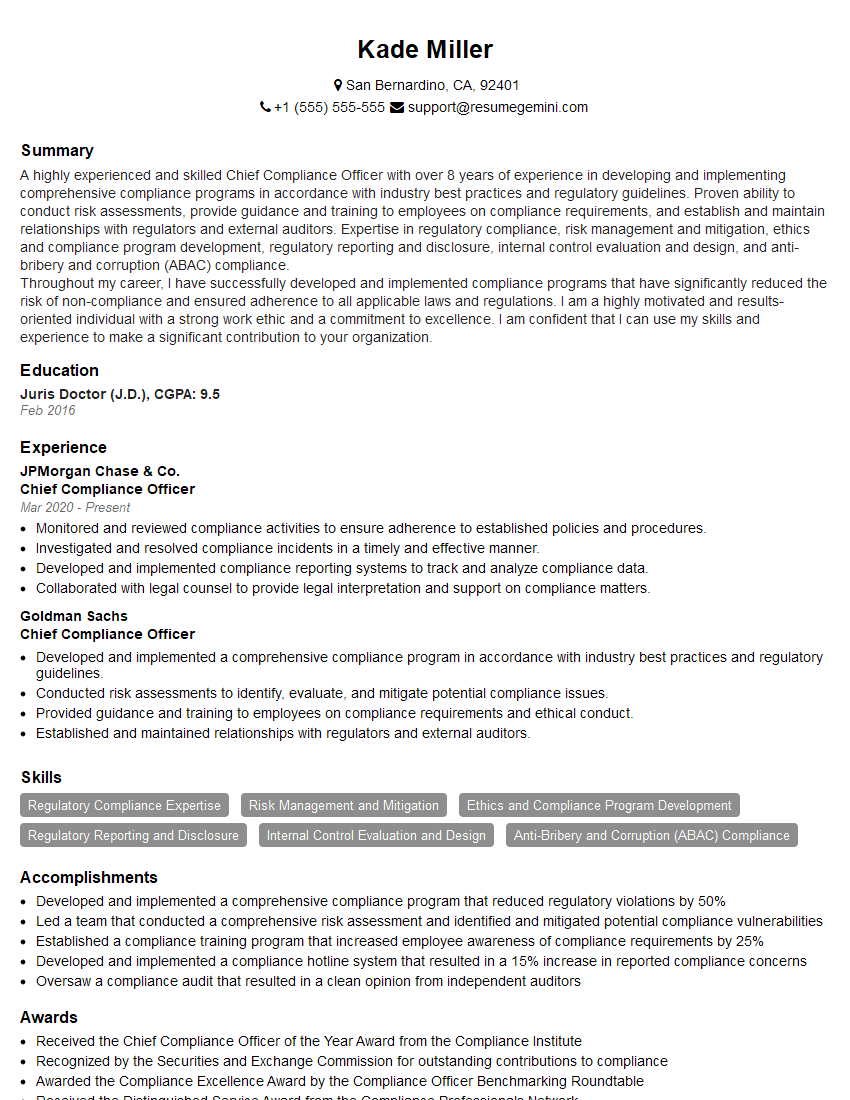
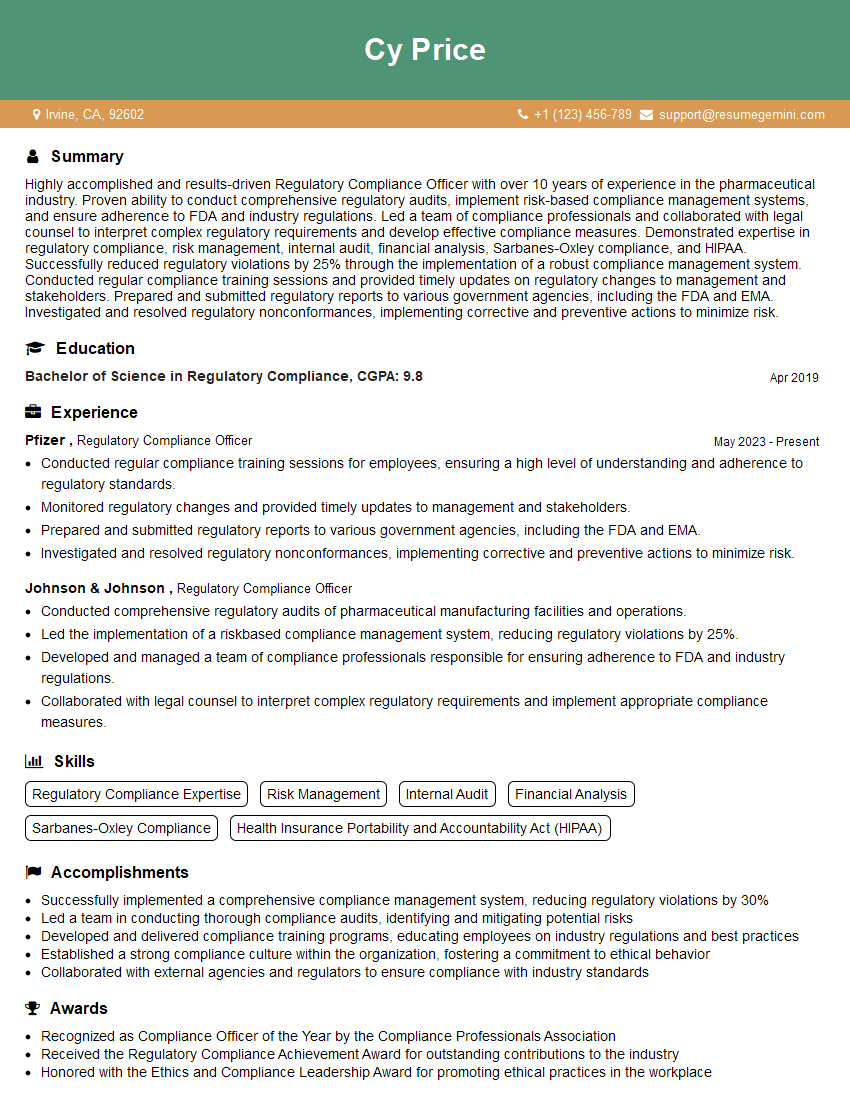
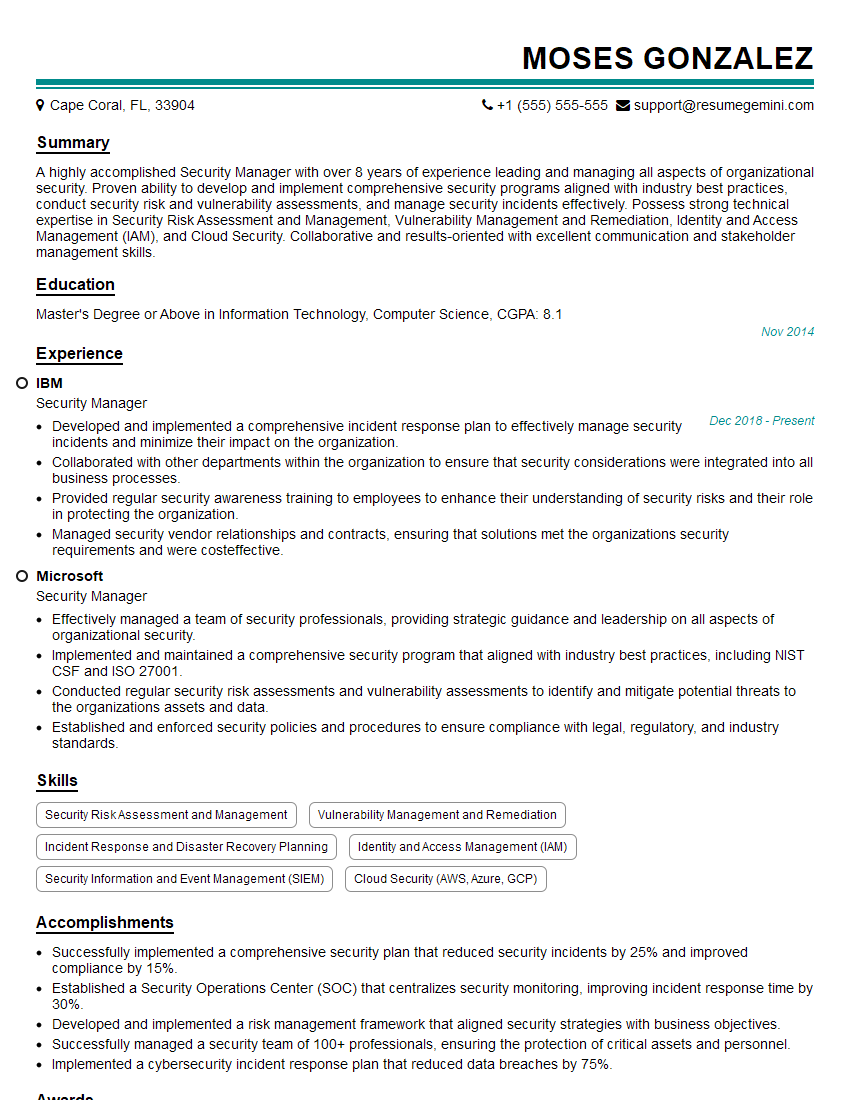
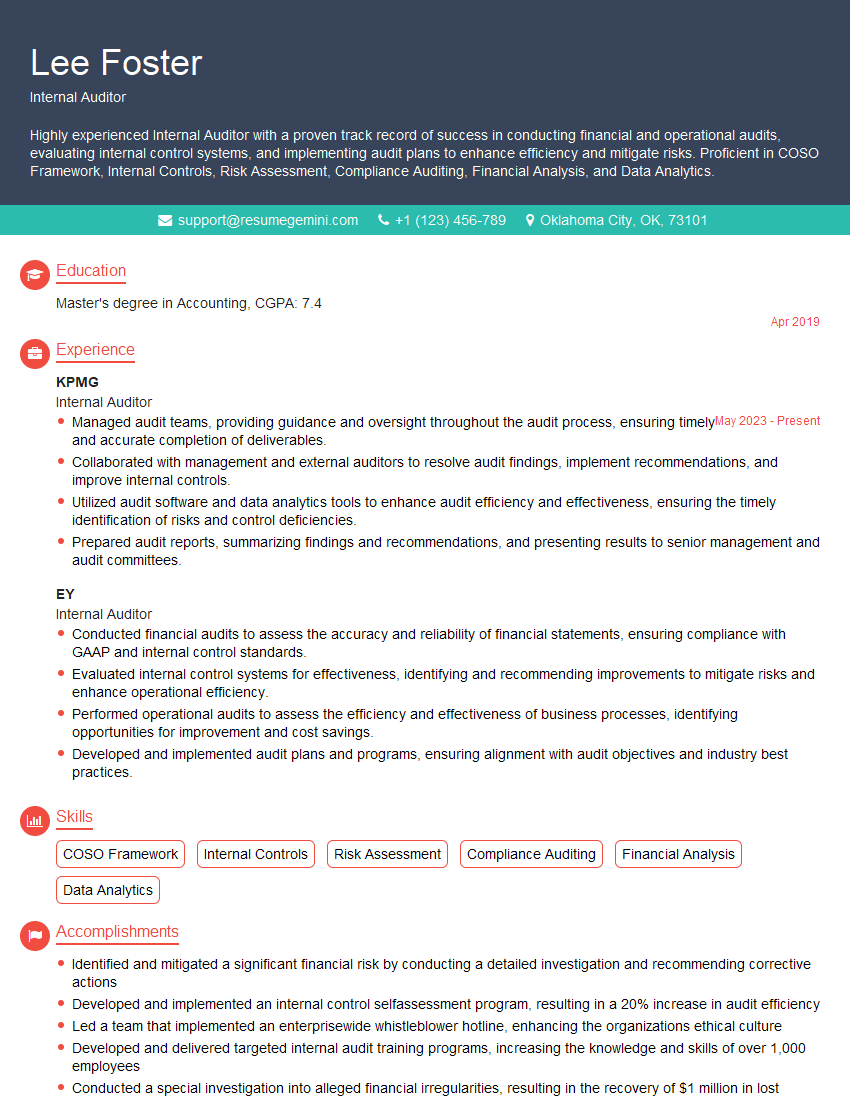
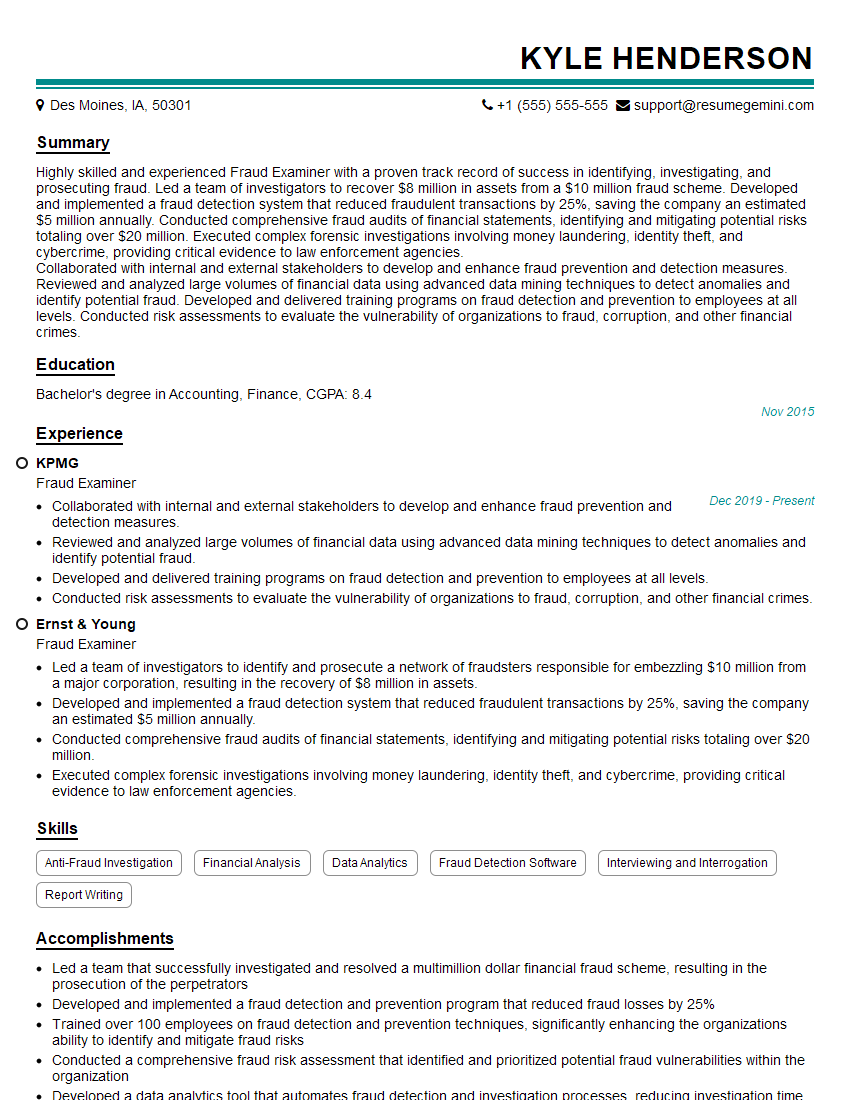
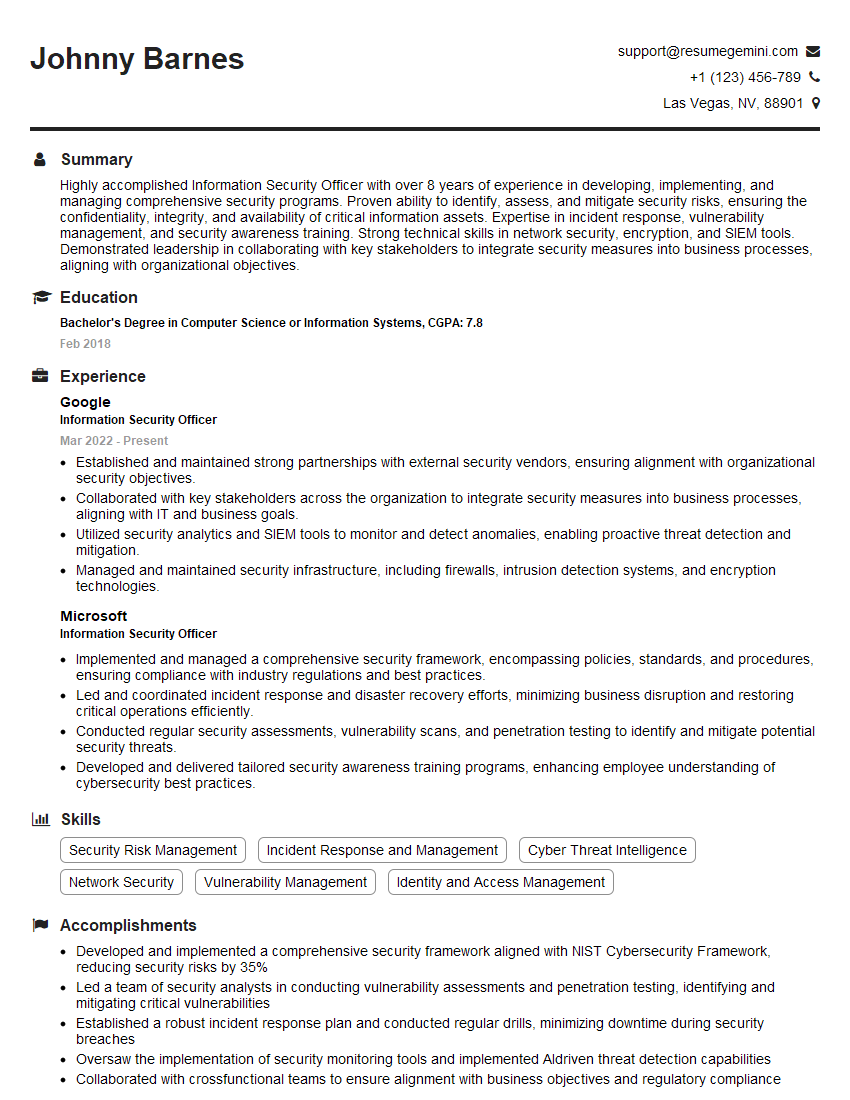
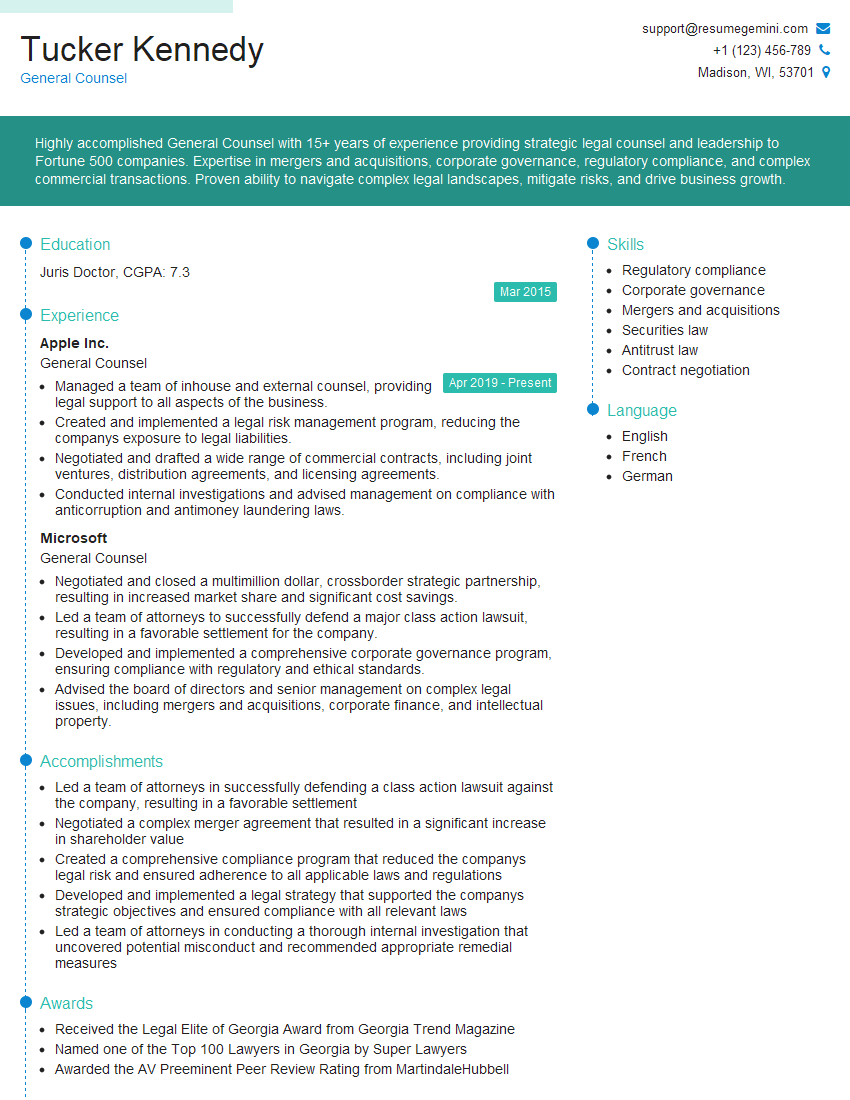
Mastering Whistle Communication—the art of clear, concise, and effective communication—is crucial for career advancement in today’s dynamic workplace. It’s a highly sought-after skill that significantly impacts your ability to collaborate effectively, influence decisions, and achieve your professional goals. To maximize your job prospects, create an ATS-friendly resume that highlights your communication expertise. We strongly recommend using ResumeGemini, a trusted resource, to build a professional resume that showcases your skills and experience effectively. Examples of resumes tailored to Whistle Communication are available below to help guide you.
Explore more articles
Users Rating of Our Blogs
Share Your Experience
We value your feedback! Please rate our content and share your thoughts (optional).
What Readers Say About Our Blog
Very informative content, great job.
good