Feeling uncertain about what to expect in your upcoming interview? We’ve got you covered! This blog highlights the most important Wildlife Control interview questions and provides actionable advice to help you stand out as the ideal candidate. Let’s pave the way for your success.
Questions Asked in Wildlife Control Interview
Q 1. Describe your experience with various trapping methods for different wildlife species.
Trapping methods vary significantly depending on the target species and the situation. For example, small mammals like mice and rats are often controlled using snap traps or multi-catch traps. These are relatively inexpensive and effective for indoor use. Larger rodents like squirrels or raccoons might require larger cage traps, often baited with food such as peanut butter or fruit. For more elusive animals, live traps are crucial. These allow for capture without harm, facilitating safe relocation. I’ve used Tomahawk live traps extensively for raccoons, skunks, and opossums. For birds, specialized nets or exclusion devices are often more appropriate than traps. The key is choosing a trap that is species-specific and humane, minimizing stress and injury.
- Snap traps: Effective for mice and rats, but present a risk of injury if not set correctly.
- Cage traps: Versatile for various sizes of animals, enabling safe relocation.
- Live traps: Humane and allow for safe handling and release of animals.
- Exclusion devices: Prevent access to areas without harming the animal.
Selecting the right trap involves considering the animal’s size, behavior, and the environment. For instance, a raccoon wouldn’t fit in a mouse trap, and a trap placed in plain sight is far less effective than one camouflaged within its natural environment. Experience teaches you to anticipate the animal’s movements and preferences when selecting and placing traps.
Q 2. Explain the humane handling and relocation procedures for common nuisance animals.
Humane handling and relocation necessitate prioritizing the safety of both the animal and the handler. It begins with appropriate personal protective equipment (PPE), including thick gloves, long sleeves, and eye protection. Common nuisance animals like raccoons, skunks, and opossums can be unpredictable. After securing the animal in a live trap, it’s crucial to handle it carefully and minimally, minimizing stress. Relocation involves transporting the animal to a suitable habitat, ideally a significant distance from the original location to prevent it from returning. It is critical to check local regulations and obtain necessary permits before relocation. Simply dropping an animal off somewhere new is rarely sufficient; suitable habitat and prey availability are factors that require careful consideration. Sometimes, on-site exclusion measures are preferable to relocation, where practical.
For instance, if a raccoon is raiding a garbage can, we’d secure the garbage, install a proper lid, and possibly place exclusion devices to prevent future access rather than simply relocating the animal. Ethical considerations should always drive decision-making; the goal isn’t simply to remove the animal, but to solve the underlying problem and prevent future conflict.
Q 3. How do you identify and address potential health and safety risks associated with wildlife control?
Wildlife control inherently involves potential health and safety risks. Animals can carry diseases like rabies, leptospirosis, or hantavirus. Direct contact should be minimized, and PPE is essential. Furthermore, the environment itself can pose risks; sharp objects, uneven terrain, and potential encounters with other wildlife are all factors to be considered. Careful assessment of the situation before engaging is crucial. This includes identifying the species involved, understanding their behavior, and assessing any environmental hazards. A thorough risk assessment is vital before initiating any control measures.
For example, approaching a cornered or aggressive skunk requires extra caution due to the potential for spraying. Similarly, dealing with a raccoon exhibiting symptoms of rabies necessitates immediate contact with health authorities and adherence to strict safety protocols. Thorough training and adherence to standard operating procedures are paramount in mitigating risks.
Q 4. What are the legal and ethical considerations regarding wildlife removal in your area?
Legal and ethical considerations are paramount. In many areas, trapping and relocating wildlife are regulated. Permits may be required depending on the species and the locality. Understanding local laws and obtaining necessary authorizations before undertaking any wildlife control measures is essential. Ethical considerations focus on minimizing harm to the animals. Humane trapping techniques, careful handling, and responsible relocation practices are crucial. The goal is always to resolve the conflict effectively while adhering to both the letter and the spirit of the law and ethical wildlife management practices.
For example, some jurisdictions prohibit the relocation of certain species entirely, while others mandate certain distances for relocation. Understanding these nuances and respecting wildlife protection laws is critical. Illegal actions can result in hefty fines and legal repercussions.
Q 5. Detail your experience with wildlife damage assessment and prevention strategies.
Wildlife damage assessment involves identifying the extent of damage caused by wildlife, pinpointing the cause, and determining the species responsible. This requires careful observation, evidence collection (e.g., droppings, tracks, damage patterns), and often involves talking to the affected property owners. Prevention strategies are then tailored to address the specific problem. This might include securing garbage, repairing damaged structures, installing exclusion devices, or using repellents. The goal is to create an environment that is less attractive to the wildlife while also mitigating the chances of damage.
For example, if raccoons are accessing a home’s attic, a thorough assessment might reveal entry points via gaps in the roofline or improperly sealed vents. The prevention strategy would then focus on sealing these entry points and using repellents to discourage future attempts to access the attic. Understanding the ‘why’ behind the wildlife’s behavior is key to implementing effective prevention strategies.
Q 6. Explain your knowledge of different wildlife exclusion techniques.
Wildlife exclusion techniques aim to prevent wildlife from accessing areas they shouldn’t be. These techniques are crucial in preventing damage and conflict. Common methods include sealing entry points into buildings, using wire mesh to protect vulnerable areas, installing chimney caps to deter birds and animals, and utilizing specialized hardware to seal holes around pipes, vents, or other openings. The effectiveness of these techniques depends on identifying all access points and ensuring a thorough seal.
For example, excluding bats from a building might require sealing all gaps and cracks around the roofline, eaves, and soffits, then installing one-way exclusion devices that allow bats to exit but prevent re-entry. This needs careful planning and execution; a poorly implemented exclusion can cause more harm than good. Similarly, protecting gardens from rabbits often involves using fencing or wire mesh, buried deep enough to prevent digging.
Q 7. Describe your experience working with various wildlife control tools and equipment.
My experience encompasses a wide range of tools and equipment. This includes various types of traps (snap traps, cage traps, live traps), specialized netting for birds, exclusion devices such as one-way doors for bats, protective gear (gloves, eye protection, respirators), and tools for repairing damages such as sealants, wire mesh, and wood. In addition, I use thermal imaging cameras to locate animal entry points and often rely on binoculars and spotting scopes for accurate identification of species from a safe distance. I am also proficient in using various repellents, from commercially available products to more organic solutions.
Knowing when and how to use each tool effectively is vital. For example, thermal imaging can quickly identify areas of heat loss in a building, highlighting potential animal entry points that might otherwise be missed. Knowing the appropriate repellent for a given species, and understanding its limitations, is also critical for successful wildlife management. Maintaining and regularly checking equipment is as essential as selecting the right tools for the job.
Q 8. How do you handle aggressive or defensive wildlife during removal operations?
Handling aggressive or defensive wildlife requires a cautious and strategic approach, prioritizing both animal and human safety. My primary method involves creating distance and minimizing stress. This often begins with assessing the situation; identifying the species, its behavior, and the immediate environment is crucial. I’d never approach an aggressive animal directly. Instead, I utilize barriers like fences or strategically placed objects to create separation. Non-lethal methods are preferred first. This can include using hazing techniques— loud noises, bright lights, or water sprays—to deter the animal from a specific area. If these methods prove ineffective, I would employ appropriate, humane capture techniques, such as using specialized traps designed for the animal’s size and species, and always adhering to all relevant permits and regulations. The capture process would be followed by relocation to a safe and suitable habitat, far from human dwellings, or, in certain situations, euthanasia – always under the guidance of wildlife regulations and after careful consideration of all alternatives, as a last resort if the animal poses an immediate danger to the public. For example, a rabid raccoon exhibiting aggressive behavior near a school playground necessitates immediate and decisive action, prioritizing public safety.
Q 9. What are the common signs of rabies or other zoonotic diseases in wildlife?
Recognizing signs of rabies or other zoonotic diseases in wildlife is essential for preventing human exposure. Rabies, for example, often manifests as unusual behavioral changes. This could include daytime activity in nocturnal animals, aggression in normally docile animals, excessive salivation, disorientation, paralysis, and difficulty swallowing. Other zoonotic diseases might present with different symptoms. For example, Lyme disease, transmitted by ticks, could show itself in lethargy, fever, or lameness. Leptospirosis, contracted through contact with contaminated water or urine, may present with jaundice, fever, or kidney problems. It’s crucial to remember that not all sick animals have rabies or another zoonotic disease; other illnesses or injuries could be causing the symptoms. If I observe a wild animal exhibiting unusual behavior, I would always maintain a safe distance and avoid contact. Reporting the sighting to the relevant wildlife or health authorities is paramount. They have the resources to assess the animal’s health safely and appropriately, potentially performing testing to confirm a disease diagnosis. Never attempt to handle a sick wild animal yourself.
Q 10. Explain your understanding of wildlife behavior and ecology relevant to control measures.
Understanding wildlife behavior and ecology is fundamental to effective wildlife control. Knowledge of species-specific habits, like feeding patterns, breeding cycles, and territoriality, allows me to predict their movements and anticipate potential conflict points. This information directs the selection of appropriate control methods. For instance, understanding that raccoons are opportunistic omnivores helps determine effective exclusion techniques, such as sealing entry points to buildings or using specialized traps baited with food items they are naturally attracted to. Knowing that deer follow established paths helps in strategic placement of deer repellents or fencing. Ecology informs habitat management strategies. By understanding the ecosystem’s dynamics, we can create wildlife-friendly environments that minimize human-wildlife conflict. For example, promoting natural predators or providing alternative food sources reduces the likelihood of animals entering human habitats in search of food. This holistic approach ensures both wildlife and human populations can co-exist more safely.
Q 11. How do you determine the appropriate course of action for a particular wildlife conflict situation?
Determining the appropriate course of action for a wildlife conflict involves a structured approach. First, I conduct a thorough assessment of the situation. This includes identifying the species involved, the nature of the conflict (damage to property, threat to safety), the frequency and severity of incidents, and the location. I evaluate the available options considering the least intrusive and most humane approach. This typically involves a hierarchy of options: 1) Non-lethal deterrents (hazing, repellents, exclusion methods). 2) Trapping and relocation (if appropriate and legally permissible). 3) Lethal control (only as a last resort and under strict regulations, when dealing with diseased, dangerous animals, or when less invasive methods have failed. ). After selecting an appropriate strategy, a detailed plan is implemented, and progress is monitored and adjusted as needed. Effective communication with the client throughout this process is essential, keeping them informed of the steps taken and the rationale behind the decisions.
Q 12. Describe your experience in communicating with clients about wildlife control procedures and results.
Client communication is paramount. I strive to provide clear, concise, and informative updates throughout the wildlife control process. Initial consultations involve assessing the problem, explaining the potential solutions, outlining the process, addressing concerns, and obtaining consent. During the operation, I keep clients updated on progress, answering any questions they may have. After completion, I provide a detailed report summarizing the actions taken, results achieved, and recommendations for preventing future incidents. For example, after successfully removing a family of skunks from a client’s crawlspace, I would provide details on how the entry points were sealed, ensuring the problem wouldn’t reoccur, and offer preventative tips like proper trash disposal. This proactive approach fosters trust and ensures client satisfaction. I also emphasize using easily understood terms and visual aids whenever appropriate to enhance comprehension and alleviate any anxieties the client may have.
Q 13. How do you maintain accurate records and reports for wildlife control activities?
Maintaining accurate records is crucial for accountability and to track trends in wildlife conflicts. My record-keeping involves a detailed log of each wildlife control operation, including date, time, location, species involved, methods employed, results obtained, and any challenges encountered. This data is meticulously documented in a digital database, allowing for efficient retrieval and analysis. For example, the database tracks the number of nuisance wildlife calls received in a particular area, helping identify hotspots requiring preventative measures or larger scale habitat management. In addition to the operational log, I maintain client records, including contact information, service requests, and reports. These records are essential for complying with permits and regulations and provide valuable data for improving future wildlife management strategies. Reports summarizing this data are provided to clients and relevant regulatory authorities as required.
Q 14. What is your experience with dealing with hazardous materials related to wildlife control?
Dealing with hazardous materials is an inherent aspect of wildlife control. This can involve exposure to animal waste (carrying pathogens), pesticides (used in integrated pest management), and bloodborne diseases. My training encompasses the safe handling and disposal of these materials. This involves using appropriate personal protective equipment (PPE), such as gloves, eye protection, and respirators, adhering strictly to safety protocols, and following established procedures for cleaning and disinfecting work areas. I always utilize EPA-approved disinfectants to eliminate potential pathogens after handling waste or carcasses. Proper disposal of hazardous materials is also crucial. I follow all regulations for the safe disposal of pesticides and other chemicals, as well as the proper handling of carcasses. This careful management of hazardous materials protects both myself and the environment, ensuring safety throughout all wildlife control operations.
Q 15. Explain your knowledge of relevant environmental regulations and permits.
Navigating environmental regulations is paramount in wildlife control. My understanding encompasses federal, state, and local laws protecting various species and governing wildlife removal and relocation. For example, the Endangered Species Act (ESA) in the US strictly regulates handling of listed species, demanding permits and adherence to specific protocols. Similarly, many states have their own wildlife protection laws and licensing requirements for professionals. I’m intimately familiar with the permitting processes, which often involve submitting detailed plans outlining capture methods, relocation sites, and monitoring strategies. I regularly consult state wildlife agencies and the relevant federal agencies to ensure complete compliance with all applicable laws and regulations before undertaking any wildlife control operation. This includes understanding the nuances of migratory bird treaties and restrictions around the handling of protected raptors or bats. Failure to comply can result in hefty fines and legal repercussions, emphasizing the critical importance of staying updated on these ever-evolving regulations.
Career Expert Tips:
- Ace those interviews! Prepare effectively by reviewing the Top 50 Most Common Interview Questions on ResumeGemini.
- Navigate your job search with confidence! Explore a wide range of Career Tips on ResumeGemini. Learn about common challenges and recommendations to overcome them.
- Craft the perfect resume! Master the Art of Resume Writing with ResumeGemini’s guide. Showcase your unique qualifications and achievements effectively.
- Don’t miss out on holiday savings! Build your dream resume with ResumeGemini’s ATS optimized templates.
Q 16. How do you prioritize multiple wildlife control tasks or emergencies?
Prioritizing tasks involves a tiered approach. Immediate threats to human safety or property always take precedence. For instance, a bear actively breaking into a home necessitates immediate action, superseding a less urgent situation like squirrel removal from an attic. I use a risk assessment matrix considering factors like species, potential for harm, and property damage. Emergencies are handled using a ‘first-come, first-served’ approach, while non-emergency calls are scheduled based on urgency and logistical factors, such as my availability and location. This matrix helps ensure efficient resource allocation and a systematic approach to prioritization. Clear and effective communication with clients is also crucial to manage expectations and convey the reason for any prioritization decisions.
Q 17. Describe a time you had to adapt your approach due to unforeseen circumstances during a wildlife call.
During a raccoon removal from a chimney, I encountered an unexpected obstacle: the flue was too narrow for standard traps. My initial plan involved a one-way door trap, but the size proved problematic. Adapting my approach required thinking creatively. I researched alternative methods, consulted with a colleague, and ultimately decided to use a specialized pole trap designed for narrow spaces. This involved safely accessing the chimney from the roof and using specialized tools to maneuver the trap into place. The adaptation ensured successful removal without causing damage to the chimney or harm to the animal. The incident highlighted the importance of having contingency plans and being open to alternative techniques when unforeseen circumstances arise in the field.
Q 18. What is your understanding of wildlife population management techniques?
Wildlife population management encompasses various techniques aimed at maintaining healthy and balanced ecosystems. This can include habitat management (restoration, creation, protection), population monitoring (tracking densities, distribution), and control methods (hunting, trapping, relocation, sterilization). Understanding carrying capacity—the maximum population size an environment can sustain—is key. For example, overpopulation of deer can lead to overgrazing and habitat degradation. Management strategies in such cases might include regulated hunting seasons or habitat modification to reduce carrying capacity. Conversely, underpopulation of a keystone species can upset the balance. Reintroduction programs or habitat enhancement can then be implemented. It’s crucial to employ scientifically sound, ethically responsible, and sustainable practices, always considering the impact on the broader ecosystem.
Q 19. How do you prevent the re-entry of wildlife after removal?
Preventing re-entry involves a multi-pronged approach focusing on addressing the root cause of the initial intrusion. After removing an animal, we must identify and eliminate the attractants that drew it to the property in the first place. This could involve securing garbage cans, removing accessible food sources, and repairing any damaged areas, such as holes in the foundation or damaged siding. Physical barriers, such as one-way doors, screens, and mesh, are vital in blocking access points. In some cases, installing repellents, like ultrasonic devices or strong-smelling substances, can deter animals from returning. Following up with homeowners to ensure they maintain these preventative measures is equally crucial for long-term success. A combination of these methods provides the best chance of preventing future problems.
Q 20. Describe your experience with habitat modification strategies to deter wildlife.
Habitat modification is a crucial, often proactive, wildlife control strategy. It involves altering the environment to make it less attractive or accessible to target species. For example, removing dense vegetation near a home can reduce hiding places for rodents, while properly storing firewood can eliminate habitats for insects and reptiles. Fencing can create physical barriers, preventing access to certain areas. For deer, we might recommend planting thorny shrubs to act as natural deterrents. These methods can be especially effective as a preventative measure, significantly reducing the likelihood of wildlife-human conflict. It’s important to understand the specific behavioral ecology of the target species to create effective modifications. Careful consideration must be given to the potential impact of the changes on other species and the overall ecosystem. The goal is not to eliminate habitat entirely but to make the environment less hospitable to the problem species while maintaining ecological balance.
Q 21. Explain your knowledge of different types of wildlife deterrents and their effectiveness.
Wildlife deterrents vary greatly in type and effectiveness. Physical barriers, like fences and screens, are highly effective but require significant installation and maintenance. Repellents, including visual (shiny tapes, balloons), auditory (ultrasonic devices), olfactory (predator urine, strong-smelling chemicals), and taste deterrents (bitter-tasting sprays), offer less permanent solutions. Their effectiveness is highly variable, depending on the species, the strength of the repellent, and the animal’s prior experience. Trapping and relocation are common control methods, yet their success rate varies, and ethical concerns often arise. Each species responds differently to deterrents. For instance, a visual deterrent might effectively deter birds, but a raccoon might be largely unfazed. Careful assessment of the species, the severity of the issue, and the surrounding environment is necessary to select the most appropriate and ethical deterrents.
Q 22. How do you ensure the safety of both yourself and the public during wildlife control operations?
Safety is paramount in wildlife control. It’s a two-pronged approach focusing on personal safety and public protection. My protocols begin with a thorough risk assessment of the situation. This includes identifying the species involved, its potential for aggression, and environmental factors like terrain and potential hazards. I then select appropriate personal protective equipment (PPE), which might range from simple gloves and eye protection to specialized bite-resistant clothing and safety harnesses for tree work.
For public safety, I establish a safe perimeter around the operation, using warning signs and, if necessary, temporary barriers to keep people and pets at a safe distance. Clear communication is vital; I will inform neighbors of the operation, explaining the process and expected duration, reassuring them of the safety measures in place.
For example, when dealing with a raccoon in a residential attic, I would first ensure the homeowner and their family are safely inside, then secure the area outside to prevent accidental contact with the animal during removal. I always prioritize non-lethal methods where possible, aiming for a quick and safe capture and relocation.
Q 23. How familiar are you with local wildlife rehabilitation centers and their protocols?
I maintain strong working relationships with several local wildlife rehabilitation centers. Knowing their protocols is crucial for ethical and legal compliance. This includes understanding their admission criteria (species, injuries, health status), their quarantine procedures, and their release protocols.
I’m familiar with the paperwork involved, such as the proper documentation required for transferring animals, including species identification and health assessments. This ensures the animal receives the best possible care while minimizing the risk of disease transmission. Knowing their limitations is also vital; some centers specialize in specific species or types of injuries, so knowing which center is best suited for a particular animal is essential.
For instance, I recently worked with a rehabilitator specializing in raptors after rescuing an injured owl. Their expertise ensured the bird received specialized care and had the best chance of being released back into the wild.
Q 24. Describe your experience working with different types of traps and their limitations.
My experience encompasses a variety of traps, each with its own strengths and limitations. I regularly use live traps (Havahart traps) for small mammals such as raccoons, squirrels, and opossums. These traps are humane, ensuring the animal is captured alive and unharmed. However, they are not suitable for larger animals or those exhibiting aggressive behavior.
For more aggressive animals or those in precarious locations, I might utilize one-way doors or exclusion devices. These are effective for preventing animals from entering a specific area but don’t capture the animal. Snare traps are used cautiously and only when absolutely necessary, adhering to strict regulations and safety protocols. Their use is often limited to specific situations and species and requires extensive knowledge to avoid injury to the animal or the operator.
Each trap’s effectiveness depends on the target species, location, and the specific situation. The limitations are often dictated by safety, the animal’s behavior and the local regulations. For example, while a live trap works well for a raccoon in a backyard, it’s unsuitable for a venomous snake.
Q 25. How do you handle public complaints regarding wildlife issues?
Handling public complaints requires a calm, professional, and empathetic approach. My first step is active listening—understanding the nature of their concern, the extent of the problem, and the impact it has on their lives. I then proceed with a thorough assessment of the situation, either through a phone consultation or an on-site visit.
This assessment allows me to determine the species involved, the extent of the problem, and what actions need to be taken. This might involve providing educational information to address the root cause of the problem (e.g., proper garbage disposal to deter raccoons), or implementing a removal strategy based on the assessment of the situation.
I always provide follow-up, keeping the complainant updated throughout the process and ensuring their concerns have been addressed. For example, a complaint about a bird nesting on a porch would involve educating the homeowner about protecting birds’ nests and explaining why removal is generally not necessary unless safety is threatened.
Q 26. What software or technology do you use to manage wildlife control operations?
Technology plays a significant role in streamlining wildlife control operations. I utilize a combination of software and mobile applications for scheduling, client management, and record-keeping. My current system includes a CRM (Customer Relationship Management) system for scheduling appointments, tracking client interactions, and managing invoices.
I use a dedicated field service management app on my mobile device to record job details, including species involved, trap locations, and the outcome of each operation. This data is vital for trend analysis and identifying recurring problems in specific areas. Google Maps is integral for navigation and efficient route planning, minimizing travel time and maximizing operational efficiency.
The use of digital tools increases operational efficiency, improves communication, ensures comprehensive record-keeping for compliance, and streamlines the entire process from initial contact to job completion.
Q 27. Explain your experience in collaborating with other professionals, such as law enforcement or animal control.
Collaboration is key in wildlife control. I regularly work with various professionals, including law enforcement, animal control officers, and even pest control specialists. For example, when dealing with a potentially dangerous animal like a large, aggressive dog, contacting animal control is essential to ensure both public and animal safety.
Working with law enforcement is sometimes necessary when dealing with illegally trapped animals or instances of animal cruelty. Clear communication, mutual respect, and a shared understanding of roles and responsibilities are crucial for successful collaboration. I also collaborate with other wildlife professionals for advice on complex cases or to access specialized equipment or expertise.
In one instance, collaboration with a veterinarian was essential when I captured an injured owl. Their knowledge of avian injuries and care ensured the animal received proper medical attention.
Q 28. What are your long-term career goals within wildlife control?
My long-term career goals center around advancing my expertise and contributing to the field of wildlife control. I am keen on developing specialized skills in handling specific challenging species and situations. This includes furthering my knowledge in conflict resolution techniques to improve human-wildlife interactions.
I aim to become a recognized expert in humane wildlife control practices, potentially leading educational initiatives and workshops to train others in safe and ethical wildlife handling. Ultimately, I want to build a respected reputation for delivering high-quality, humane services to the community while improving human-wildlife coexistence.
Key Topics to Learn for Your Wildlife Control Interview
- Wildlife Identification and Behavior: Understanding the characteristics, habitats, and behaviors of common nuisance wildlife species (e.g., raccoons, squirrels, birds, rodents). This includes recognizing signs of their presence and predicting potential conflicts.
- Trapping and Removal Techniques: Safe and humane trapping methods, proper handling and relocation procedures, knowledge of relevant local regulations and permits.
- Exclusion and Prevention Strategies: Designing and implementing strategies to prevent future wildlife entry into buildings and other structures. This includes assessing vulnerabilities and recommending appropriate solutions.
- Damage Assessment and Repair: Identifying and assessing damage caused by wildlife, recommending appropriate repairs, and estimating associated costs.
- Health and Safety Protocols: Understanding and adhering to safety protocols when handling wildlife, including awareness of potential zoonotic diseases and proper use of personal protective equipment (PPE).
- Customer Service and Communication: Effectively communicating with clients, addressing their concerns, and providing professional advice.
- Legal and Ethical Considerations: Familiarity with local, state, and federal laws and regulations concerning wildlife control, and understanding ethical considerations related to animal welfare.
- Problem-Solving and Critical Thinking: Developing creative and effective solutions to complex wildlife control issues, considering various factors and potential outcomes.
Next Steps
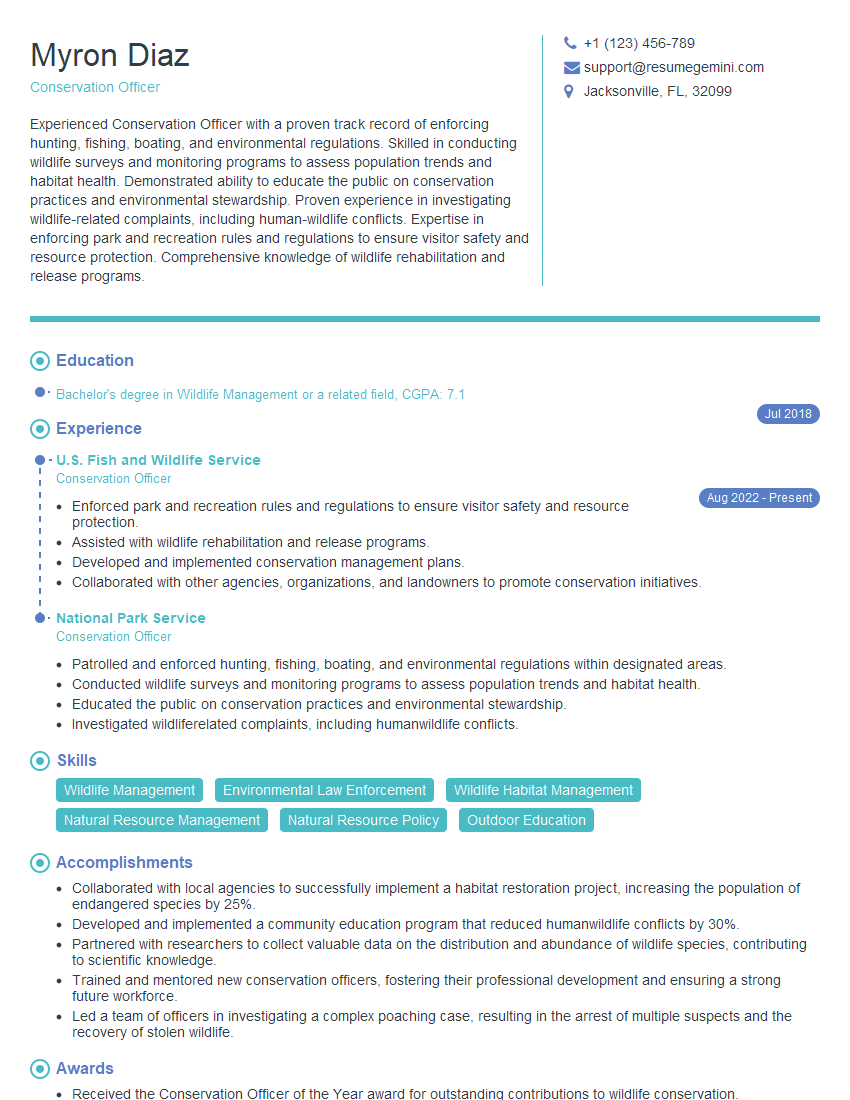
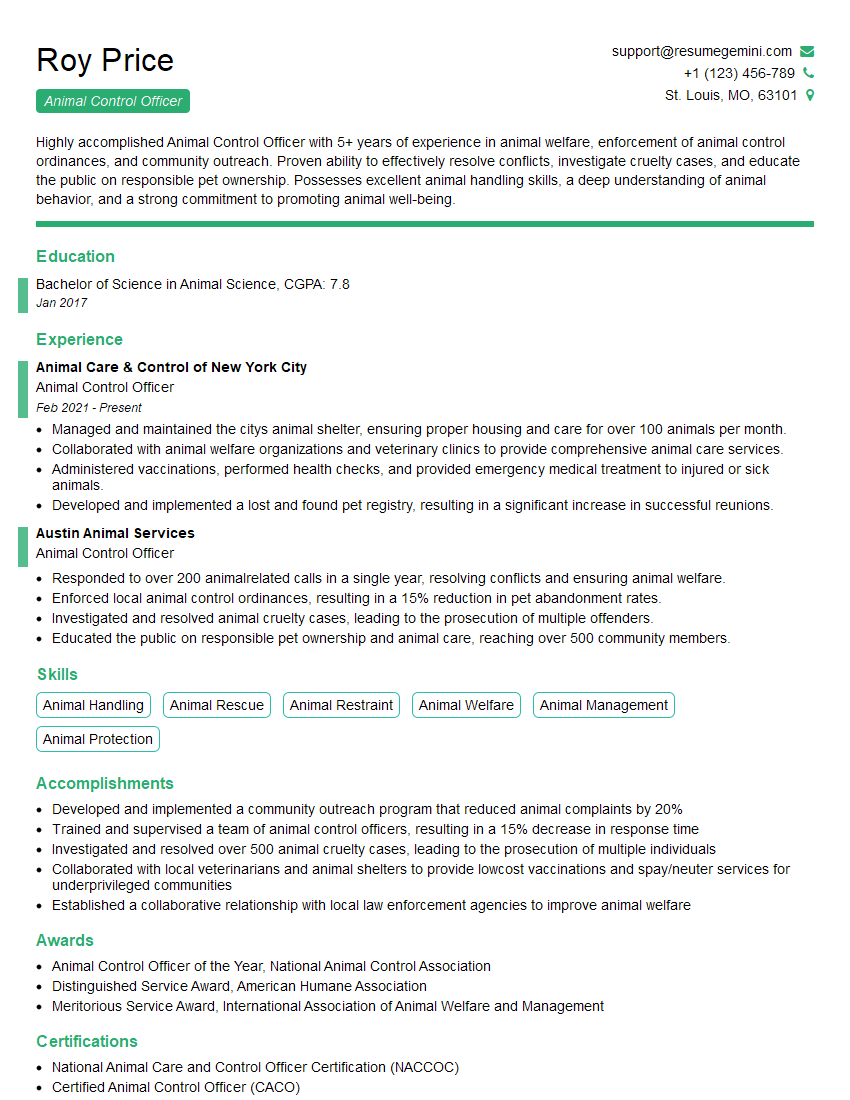
Mastering wildlife control opens doors to a rewarding career with diverse opportunities for growth, from independent contractor to team leader in a larger organization. To maximize your job prospects, creating a strong, ATS-friendly resume is crucial. ResumeGemini can help you craft a professional and compelling resume that highlights your skills and experience effectively. We provide examples of resumes tailored specifically to the wildlife control industry to give you a head start. Invest time in building a resume that truly represents your capabilities – it’s your first impression to potential employers.





Explore more articles
Users Rating of Our Blogs
Share Your Experience
We value your feedback! Please rate our content and share your thoughts (optional).
What Readers Say About Our Blog
Very informative content, great job.
good