Every successful interview starts with knowing what to expect. In this blog, we’ll take you through the top Wildlife Ecology and Biology interview questions, breaking them down with expert tips to help you deliver impactful answers. Step into your next interview fully prepared and ready to succeed.
Questions Asked in Wildlife Ecology and Biology Interview
Q 1. Explain the concept of ecological niche.
An ecological niche describes the role and position a species has in its environment; how it meets its needs for food and shelter, how it survives, and how it reproduces. It’s more than just where an organism lives (its habitat); it encompasses all aspects of its interactions with the environment. Think of it like a species’ job description within the ecosystem.
For example, two bird species might live in the same tree (same habitat), but one might feed on insects in the canopy, while the other forages for seeds on the ground. They occupy different niches because their resource use and interactions differ.
Understanding niches is crucial for conservation. If we know a species’ niche, we can better predict how it might respond to environmental changes, such as habitat loss or the introduction of invasive species. For example, knowing that a specific plant relies on a particular pollinator helps us understand the consequences of pollinator decline on that plant’s survival.
Q 2. Describe different population growth models and their limitations.
Population growth models help us understand how populations change over time. Two fundamental models are exponential and logistic growth.
Exponential growth assumes unlimited resources, leading to a population that grows at a constant rate (e.g., dN/dt = rN, where N is population size, t is time, and r is the per capita growth rate). This is rarely seen in nature for long periods because resource limitations eventually kick in.
Logistic growth incorporates carrying capacity (K), the maximum population size the environment can sustain. The growth rate slows as the population approaches K (e.g., dN/dt = rN((K-N)/K)). This model is more realistic as it considers resource limitations.
Limitations of these models include:
Oversimplification: They assume constant birth and death rates, uniform resource distribution, and a closed population (no migration).
Environmental stochasticity: Unpredictable environmental events (e.g., droughts, fires) are not included.
Density dependence: The models often don’t fully account for complex density-dependent factors (e.g., disease outbreaks, competition) which affect growth rates as population density changes.
More sophisticated models exist to address these limitations, but even those have challenges in incorporating the full complexity of ecological interactions.
Q 3. What are the major threats to biodiversity?
Major threats to biodiversity are interconnected and often exacerbate each other. Key threats include:
Habitat loss and fragmentation: This is the biggest driver, driven by agriculture, urbanization, and deforestation. It reduces available space and resources for species, isolating populations and increasing their vulnerability.
Climate change: Alterations in temperature, precipitation patterns, and extreme weather events disrupt ecosystems, leading to range shifts, altered phenology (timing of biological events), and increased extinction risk.
Pollution: Air, water, and soil pollution contaminate habitats, harming organisms directly and disrupting ecosystem function.
Invasive species: Introduced species can outcompete native species for resources, prey on them, or introduce diseases, disrupting ecosystem balance.
Overexploitation: Unsustainable harvesting of resources (e.g., overfishing, poaching) depletes populations and can lead to collapse.
Addressing these threats requires a multifaceted approach involving conservation efforts, policy changes, and public awareness.
Q 4. Discuss the impact of climate change on wildlife populations.
Climate change poses significant threats to wildlife populations. Changes in temperature and precipitation patterns are altering habitats, disrupting species interactions, and increasing the frequency and intensity of extreme weather events.
Range shifts: Species are shifting their geographic ranges in response to changing climates, often unable to adapt quickly enough. This can lead to range contractions and species extinctions.
Phenological mismatch: Changes in the timing of biological events (e.g., migration, breeding, flowering) can disrupt species interactions. For example, if a bird’s migration timing doesn’t match the peak availability of its food source, it could face starvation.
Increased frequency of extreme weather events: More frequent and intense heatwaves, droughts, floods, and wildfires cause direct mortality and habitat destruction, devastating wildlife populations.
Ocean acidification: Increased CO2 absorption by oceans reduces pH, harming marine organisms, especially those with calcium carbonate shells or skeletons.
Understanding these impacts is essential for developing effective conservation strategies, including habitat management and assisted migration.
Q 5. Explain the principles of habitat restoration.
Habitat restoration aims to recover degraded or destroyed habitats to their former ecological condition. The principles include:
Setting clear goals and objectives: Defining the desired ecological state and the metrics used to measure success is crucial.
Understanding site history and ecology: Knowing the historical vegetation, soil types, and other ecological features helps inform restoration strategies.
Addressing limiting factors: Identifying and mitigating factors preventing habitat recovery (e.g., pollution, invasive species) is vital.
Using appropriate restoration techniques: This might involve removing invasive species, reintroducing native plants, restoring hydrology, or managing grazing pressure.
Monitoring and adaptive management: Regular monitoring allows assessing progress and adapting strategies as needed. It’s often an iterative process.
Successful restoration requires collaboration between scientists, land managers, and local communities. For example, restoring a wetland might involve removing pollutants, replanting native vegetation, and controlling invasive plant species. Monitoring water quality, plant growth, and bird populations helps measure the effectiveness of the restoration efforts and guide future actions.
Q 6. How do you conduct a wildlife population survey?
Wildlife population surveys are crucial for understanding population size, distribution, and trends. The method selected depends on the species, its habitat, and available resources. Methods include:
Complete counts: Suitable for small, easily observable populations. Rarely feasible for larger populations.
Sampling methods: More common, using techniques like:
Transects: Walking or driving along lines and counting animals seen.
Quadrats: Counting animals within defined areas.
Mark-recapture: Capturing, marking, and releasing animals, then recapturing to estimate population size (e.g., using capture-mark-recapture models).
Remote sensing: Using aerial photography, satellite imagery, or drones to detect animals or their signs.
Data analysis involves using statistical methods to estimate population parameters and assess their uncertainty. Important considerations include sampling design, potential biases, and the ethical treatment of animals.
Q 7. Describe different methods for analyzing wildlife data.
Analyzing wildlife data often involves a combination of descriptive and inferential statistics. Common methods include:
Descriptive statistics: Summarizing data using measures like means, medians, standard deviations, and frequency distributions.
Inferential statistics: Making inferences about populations based on sample data. This includes techniques like:
t-tests and ANOVAs: Comparing population means.
Regression analysis: Modeling relationships between variables (e.g., population size and environmental factors).
Survival analysis: Analyzing time-to-event data (e.g., time until death or migration).
Capture-mark-recapture models: Estimating population size and survival rates from mark-recapture data.
Spatial analysis: Using GIS software to analyze spatial patterns of wildlife distributions.
Statistical software packages like R or SPSS are commonly used. Choosing the appropriate method depends on the research question, data type, and assumptions about the data.
Q 8. What are the ethical considerations in wildlife research?
Ethical considerations in wildlife research are paramount, ensuring the well-being of animals and the integrity of scientific findings. We must prioritize animal welfare above all else, minimizing stress, pain, and suffering. This involves obtaining appropriate permits and adhering to strict guidelines for handling, capture, and marking animals. The ‘3Rs’ – Replacement, Reduction, and Refinement – guide ethical practices. Replacement encourages finding alternatives to using animals whenever possible. Reduction aims to use the fewest animals necessary to obtain statistically robust results. Refinement focuses on minimizing the impact of procedures on animals. For example, instead of lethal sampling, we might use non-invasive techniques such as camera trapping or scat analysis. Transparency and data sharing are also crucial for maintaining ethical standards. We must ensure our research is conducted with integrity, avoiding bias and accurately representing our findings to the public and relevant stakeholders.
Transparency also extends to acknowledging any potential conflicts of interest and ensuring that research results are used responsibly, and don’t contribute to harmful practices.
Q 9. Explain the concept of trophic levels and food webs.
Trophic levels describe the position an organism occupies in a food chain. Think of it like a pyramid; the base represents producers (plants) that capture energy from the sun. Herbivores (primary consumers) feed on producers. Carnivores (secondary consumers) prey on herbivores, and tertiary consumers (like apex predators) sit at the top, preying on other carnivores. Food webs are more complex than simple chains, showing the interconnectedness of multiple food chains within an ecosystem. For example, a single herbivore might feed on multiple plant species, and a carnivore might hunt various herbivores. These interactions illustrate the flow of energy and nutrients through an ecosystem. If one part of the web is disrupted, such as a decline in a particular plant species, this can have ripple effects through the whole system, potentially leading to cascading effects on several trophic levels.
Imagine a simple food web: Grass (producer) → Rabbit (primary consumer) → Fox (secondary consumer). A change in the grass population, like a drought, can directly impact the rabbit population and ultimately affect the fox population. Food webs illustrate the complex interdependencies within an ecosystem.
Q 10. Describe the role of keystone species in an ecosystem.
Keystone species are those that exert a disproportionately large influence on their environment relative to their abundance. Their removal can trigger dramatic changes in the ecosystem’s structure and function. They don’t necessarily have the highest biomass, but their ecological roles are crucial. For example, sea otters are keystone species in kelp forests. By preying on sea urchins, they prevent the urchins from overgrazing kelp, maintaining the kelp forest ecosystem that supports a vast array of other species. If sea otters were removed, urchin populations would explode, leading to the destruction of the kelp forest and the loss of habitat for many other species. Similar roles are played by wolves in regulating elk populations and influencing plant communities in Yellowstone National Park, showcasing the power these keystone species have in maintaining biodiversity.
Q 11. What are the different types of wildlife diseases?
Wildlife diseases encompass a wide range, including infectious and non-infectious illnesses. Infectious diseases are caused by pathogens like viruses (rabies, avian influenza), bacteria (brucellosis, tuberculosis), fungi (white-nose syndrome in bats), and parasites (heartworms, ticks). Non-infectious diseases are often linked to environmental factors such as malnutrition, pollution, or genetic defects. These can include metabolic disorders, cancers, and reproductive problems. Zoonotic diseases are particularly important, referring to illnesses that can spread between animals and humans, such as rabies, Lyme disease, and Ebola. Studying wildlife diseases is crucial for understanding disease dynamics, preventing outbreaks, and protecting both animal and human health. For example, understanding the spread of avian influenza amongst bird populations is vital for protecting poultry farms and human populations.
Q 12. How do you manage wildlife conflicts with humans?
Managing wildlife conflicts with humans requires a multifaceted approach combining preventative measures, mitigation strategies, and public education. Preventative measures include habitat management to reduce wildlife-human encounters, such as creating barriers or improving infrastructure to prevent animals from accessing human areas. Mitigation strategies might involve deterrents like noisemakers, fences, or repellent sprays. In cases of serious conflict, such as attacks by predators on livestock, lethal control might be necessary, but it should be a last resort and used judiciously. Public education plays a crucial role in raising awareness about responsible co-existence, reducing conflict potential, and increasing tolerance among human populations. For instance, educating farmers about methods to protect their crops from deer will reduce human-wildlife conflict significantly. Successful management requires a careful balance between human needs and the conservation of wildlife.
Q 13. Explain the concept of invasive species and their impact.
Invasive species are non-native organisms introduced to an ecosystem where they cause ecological or economic harm. These species often lack natural predators or competitors in their new environment, allowing them to proliferate rapidly. Their impacts can be devastating, outcompeting native species for resources, disrupting food webs, introducing diseases, and altering habitats. The zebra mussel, introduced to the Great Lakes, is a prime example. It has dramatically altered the lake ecosystem, impacting native mussel populations and clogging water intake pipes. Similarly, the introduction of the brown tree snake to Guam has led to the extinction of several native bird species. Management of invasive species is crucial for maintaining biodiversity and ecosystem health, often involving a combination of prevention, eradication, and control measures.
Q 14. What are the different conservation strategies?
Conservation strategies aim to protect biodiversity and ecosystem integrity. These can be broadly categorized into in-situ and ex-situ approaches. In-situ conservation involves protecting species within their natural habitats, for instance through the establishment of protected areas such as national parks and reserves, habitat restoration, sustainable land management practices, and anti-poaching measures. Ex-situ conservation involves protecting species outside their natural habitats, through methods like captive breeding programs in zoos or botanical gardens, seed banks, and cryopreservation of genetic material. Other strategies include community-based conservation, involving local communities in the conservation process, and policy interventions such as laws to protect endangered species, regulate trade in wildlife products, and combat pollution. Successful conservation requires an integrated approach, drawing upon a range of strategies tailored to specific contexts and species.
Q 15. Discuss the importance of wildlife corridors.
Wildlife corridors are essentially pathways that connect isolated patches of habitat, allowing animals to move freely between them. Think of them as bridges or tunnels for wildlife, enabling crucial behaviors like migration, breeding, and foraging. Their importance lies in mitigating the negative impacts of habitat fragmentation caused by human activities like deforestation and urbanization.
- Genetic Diversity: Corridors promote gene flow between populations, preventing inbreeding and increasing overall genetic resilience to disease and environmental changes. Imagine a small, isolated population of deer – a corridor could introduce new genes, strengthening their population.
- Population Viability: By connecting fragmented habitats, corridors increase the size and connectivity of populations, making them less vulnerable to local extinctions. For example, a dwindling population of wolves in one area might be boosted by individuals moving in from another, via a corridor.
- Range Expansion: Corridors allow species to expand their range to adapt to changing environmental conditions. This is crucial in the face of climate change, as species need to shift their distribution to find suitable habitats.
- Species Interactions: Corridors facilitate interactions between different species, supporting the complexity and stability of ecological communities. This could involve predator-prey relationships or symbiotic interactions crucial for the ecosystem’s health.
Designing effective corridors requires careful consideration of species’ needs, landscape features, and potential threats. For instance, a corridor needs to be wide enough and provide sufficient cover to protect animals from predators and human disturbance. A poorly designed corridor might act as a ‘death trap’ for animals if it increases exposure to dangers.
Career Expert Tips:
- Ace those interviews! Prepare effectively by reviewing the Top 50 Most Common Interview Questions on ResumeGemini.
- Navigate your job search with confidence! Explore a wide range of Career Tips on ResumeGemini. Learn about common challenges and recommendations to overcome them.
- Craft the perfect resume! Master the Art of Resume Writing with ResumeGemini’s guide. Showcase your unique qualifications and achievements effectively.
- Don’t miss out on holiday savings! Build your dream resume with ResumeGemini’s ATS optimized templates.
Q 16. How do you assess the health of a wildlife population?
Assessing wildlife population health involves a multifaceted approach, combining various techniques to understand their abundance, survival rates, reproduction, and overall condition. It’s like conducting a thorough health check-up, but for an entire population.
- Population Size and Density: Techniques such as mark-recapture studies, camera trapping, and aerial surveys help estimate the number of individuals within a given area. For example, in a mark-recapture study, we might capture, tag, and release a sample of animals, then recapture a new sample later and estimate population size based on the proportion of tagged animals.
- Survival Rates: Tracking individual animals over time allows us to estimate survival probabilities, determining factors like predation or disease. This can be done using radio collars or other tracking methods.
- Reproductive Success: Monitoring birth rates, litter sizes, and juvenile survival helps assess the reproductive capacity of a population. For instance, tracking the number of successful nests in bird populations is a key indicator.
- Body Condition: Evaluating body mass, fat reserves, and overall physical condition provides insights into the nutritional state of individuals. This can be measured through direct capture and measurements or non-invasive techniques like using images from camera traps.
- Genetic Diversity: Analyzing genetic markers helps assess genetic variation within a population, which is crucial for long-term health and adaptation. Low genetic diversity can increase vulnerability to diseases.
Interpreting this data requires careful statistical analysis and consideration of various factors that might influence the results. For example, changes in prey availability might affect body condition even if a population is otherwise healthy. A holistic approach is crucial.
Q 17. Explain the concept of metapopulations.
A metapopulation is a group of spatially separated populations of the same species that interact through occasional dispersal of individuals. Think of it like a network of interconnected islands, each inhabited by a separate but related population of the same species. This interaction is key to the survival of the entire metapopulation.
- Patch Dynamics: Each individual habitat patch supporting a local population may experience fluctuations in size and occupancy. Some patches may be occupied, while others may be temporarily empty.
- Dispersal: Movement of individuals between patches is crucial for maintaining the metapopulation. This dispersal can help recolonize empty patches and rescue declining populations.
- Connectivity: The degree of connectivity between patches greatly influences the metapopulation’s overall stability. Highly connected patches allow for easier dispersal and greater resilience.
- Extinction and Colonization: Local extinction and recolonization are normal processes within a metapopulation. The balance between these two processes determines the overall persistence of the metapopulation.
Understanding metapopulations is essential for conservation efforts. For example, designing protected areas that account for connectivity between patches is crucial for preserving endangered species with metapopulation structures. The concept highlights the importance of maintaining not just individual populations, but also the connections that allow them to persist.
Q 18. Describe the principles of landscape ecology.
Landscape ecology studies the relationship between spatial patterns and ecological processes across a range of scales. It’s about understanding how the arrangement of habitats – forests, grasslands, rivers, etc. – affects the distribution and abundance of species and the functioning of ecosystems.
- Spatial Heterogeneity: Landscapes are rarely uniform. Landscape ecology recognizes and quantifies the heterogeneity in habitat types, their arrangement, and their connectivity.
- Scale: Processes operate at different scales, from the individual organism to the entire landscape. Landscape ecology considers these multiple scales and their interactions.
- Connectivity: The degree to which habitats are connected influences the movement of organisms and the flow of resources. This connectivity is often represented as networks.
- Patch Dynamics: The size, shape, and arrangement of habitat patches influence the species that can survive within them. Large, connected patches generally support more species than small, isolated patches.
- Human Impacts: Landscape ecology often focuses on the impacts of human activities, such as fragmentation, pollution, and climate change, on landscape structure and function.
Imagine a forest fragmented by roads. Landscape ecology helps us understand how this fragmentation affects wildlife movement, gene flow, and overall biodiversity. By applying its principles, we can design better conservation strategies, such as creating wildlife corridors to reconnect fragmented habitats.
Q 19. What is the role of GIS in wildlife management?
Geographic Information Systems (GIS) are powerful tools for wildlife management, providing a platform to visualize, analyze, and manage spatial data related to wildlife and their habitats.
- Habitat Mapping: GIS allows for the creation of detailed maps of different habitat types, identifying areas suitable for specific species. This is crucial for habitat conservation and restoration projects.
- Species Distribution Modeling: GIS can be used to predict species distribution based on environmental factors and presence/absence data. This aids in identifying priority areas for conservation.
- Monitoring Wildlife Movement: By integrating GPS tracking data into GIS, we can map animal movement patterns, identifying crucial habitat corridors and areas of high use.
- Assessing Habitat Fragmentation: GIS tools are invaluable for quantifying the degree of habitat fragmentation, which helps in prioritizing corridors and conservation efforts.
- Planning Conservation Interventions: GIS facilitates the spatial planning of conservation interventions, such as protected area design and management, allowing for efficient allocation of resources.
For example, using GIS, we can overlay habitat suitability maps with road networks to pinpoint areas where wildlife crossings might be most effective. This data-driven approach enhances decision-making in wildlife management.
Q 20. How do you design a wildlife research project?
Designing a robust wildlife research project follows a structured process, similar to a scientific method:
- Identify a Research Question: Start with a clear, focused research question. For instance: “How does habitat fragmentation affect the genetic diversity of the Northern Spotted Owl?”
- Literature Review: Thoroughly review existing literature on the topic. This helps to contextualize your research and avoid unnecessary duplication.
- Develop Hypotheses: Formulate testable hypotheses that address your research question. For example: “Increased habitat fragmentation will lead to decreased genetic diversity in Northern Spotted Owls.”
- Study Design: Choose an appropriate study design based on your question and resources. This might involve observational studies, experiments, or modelling.
- Data Collection: Develop a rigorous data collection protocol. This might include field surveys, remote sensing, or genetic analysis.
- Data Analysis: Plan the statistical analysis that will be used to test your hypotheses.
- Interpretation and Reporting: Interpret the results in the context of your hypotheses and existing literature, and report your findings clearly and concisely.
Throughout the process, ethical considerations are paramount. Research protocols must be designed to minimize the impact on wildlife and their habitats. Obtaining necessary permits and adhering to ethical guidelines is crucial.
Q 21. Describe the challenges of working in remote field locations.
Working in remote field locations presents many unique challenges:
- Logistics: Accessing remote sites can be difficult and expensive, often involving long travel times and challenging terrain. This might involve hiking, using boats, or even relying on pack animals.
- Weather: Extreme weather conditions can disrupt research activities and pose safety risks. Be prepared for unexpected changes in weather and potential delays.
- Safety: Remote areas can be dangerous, with potential risks from wildlife encounters, accidents, and exposure to the elements. Safety protocols and appropriate training are crucial.
- Infrastructure: Limited or lack of infrastructure poses challenges for accommodation, communication, and access to supplies. Planning and preparedness are key to overcome this.
- Teamwork and Communication: Strong teamwork and effective communication are crucial, especially in challenging situations. A well-coordinated team is essential for effective research and safety.
- Equipment Maintenance: Maintaining equipment in harsh conditions can be difficult. Regular maintenance and contingency plans are vital.
Imagine working in the Amazon rainforest during the rainy season! Dealing with mudslides, swollen rivers, and the constant threat of rain can make even simple tasks challenging. Adaptability and strong problem-solving skills are essential for successfully overcoming these challenges.
Q 22. Explain the importance of public education in wildlife conservation.
Public education is the cornerstone of successful wildlife conservation. It fosters a sense of responsibility and stewardship towards our natural world, ultimately influencing behaviors and policy decisions that impact wildlife populations. Without public support and understanding, even the most well-intentioned conservation efforts can fail.
- Raising Awareness: Educating the public about endangered species, habitat loss, and the impacts of human activities (e.g., poaching, pollution) is crucial. For example, campaigns highlighting the plight of the African elephant or the impacts of plastic on marine life can galvanize support for conservation initiatives.
- Promoting Responsible Behavior: Public education programs can encourage environmentally friendly practices, such as reducing carbon footprints, responsible tourism, and supporting sustainable businesses. This can minimize the negative human impact on wildlife habitats and species.
- Building Political Will: A well-informed public is more likely to support policies that protect wildlife and their habitats. This includes advocating for stronger environmental regulations, increased funding for conservation projects, and the enforcement of anti-poaching laws.
- Fostering Citizen Science: Engaging the public in citizen science projects, like wildlife monitoring or data collection, empowers individuals to contribute directly to conservation efforts, leading to a greater sense of ownership and responsibility.
In essence, effective public education translates scientific knowledge into actionable steps that individuals and communities can take to protect wildlife. It’s about building a culture of conservation, one person at a time.
Q 23. How do you collect and analyze data from camera traps?
Camera trapping is a powerful non-invasive technique for monitoring wildlife populations. Data collection and analysis involve several key steps.
- Camera Deployment: Cameras are strategically placed in areas with high wildlife activity, considering factors like vegetation cover, animal trails, and water sources. The exact location and orientation of each camera are carefully recorded using GPS coordinates.
- Data Retrieval: After a set period (e.g., several weeks or months), the SD cards from the cameras are retrieved. The time-stamped images and videos provide invaluable information on species presence, abundance, activity patterns, and even individual identification (through unique markings).
- Data Management: The images and videos are organized, backed up, and stored using a robust database system. This often involves using dedicated software designed for camera trap data management.
- Data Analysis: This stage involves identifying species in each image/video, counting individual animals, and analyzing activity patterns (e.g., diurnal vs. nocturnal activity). Software like
Rwith packages such ascamtrapRare commonly used for this purpose. Statistical methods are employed to estimate population density and occupancy. Image recognition AI is increasingly aiding in this process, improving efficiency and accuracy.
For example, in a study on jaguar density, I used camera trap data collected over a year to estimate the number of jaguars per square kilometer in a specific region using capture-recapture techniques. The results provided critical insight into the conservation status of the population within that area.
Q 24. What are the differences between observational and experimental studies in wildlife research?
Observational and experimental studies are two fundamental approaches in wildlife research, each with distinct strengths and limitations.
- Observational Studies: These studies involve observing and recording wildlife behavior and ecology without manipulating the environment or the animals themselves. They are often used to describe species interactions, habitat use, and population dynamics. For example, a long-term study monitoring the foraging behavior of chimpanzees in a specific forest would be considered observational.
- Experimental Studies: These involve manipulating a specific variable (e.g., food availability, predator presence) to test a hypothesis about its effects on wildlife. A controlled experiment, for example, could involve manipulating the density of a prey species to observe its effect on the population dynamics of its predator. Randomized controlled trials are ideal, but logistical constraints in wildlife studies often necessitate less rigorous designs.
The key difference lies in the level of control: observational studies are descriptive, while experimental studies are designed to establish cause-and-effect relationships. Often, a combination of both approaches is used to gain a comprehensive understanding of a research question.
Q 25. Describe your experience with different wildlife sampling techniques.
My experience encompasses a broad range of wildlife sampling techniques tailored to different species and research questions.
- Line Transects: Used to estimate animal density by counting individuals observed along a predetermined line. This is effective for relatively large, easily visible animals. I’ve used this technique for assessing bird populations in grasslands.
- Quadrat Sampling: A method where a defined area (quadrat) is sampled to determine the abundance or distribution of organisms within it. This is suitable for sedentary species or those with limited mobility. I have employed this for assessing plant species diversity in various habitats.
- Mark-Recapture: Used to estimate population size by capturing, marking, and releasing a sample of individuals, then recapturing and counting marked individuals at a later time. This is very effective for mobile species. I’ve used this with small mammals using live traps and PIT tags.
- Mist Netting: A method of capturing birds using fine nets. This allows for individual assessment (age, sex, weight etc.) and banding for subsequent monitoring. I used mist nets extensively during bird surveys in tropical forests.
- Camera Trapping (as described previously): A non-invasive technique providing valuable data on elusive species.
The choice of sampling technique depends on several factors, including the species being studied, the research question, the available resources, and the accessibility of the study area.
Q 26. Discuss your understanding of wildlife telemetry and tracking technologies.
Wildlife telemetry and tracking technologies are revolutionizing our ability to study animal movements, behavior, and ecology. These technologies use electronic devices attached to animals to transmit data remotely.
- GPS Collars: These collars transmit location data via satellite, providing detailed information on animal movements over large spatial scales. I’ve used these on large mammals like deer and wolves to study their home ranges and migration patterns.
- VHF Transmitters: These transmitters operate at lower frequencies than GPS and require researchers to manually locate the animal using a receiver and antenna. They are often smaller and lighter than GPS collars, suitable for smaller animals.
- Accelerometers and Gyroscopes: These sensors measure animal movement and orientation, providing insights into behavior (e.g., foraging, resting, social interactions). I’ve used this type of data to understand the energy expenditure of various species.
- Data Loggers: These devices record various biological data, such as body temperature, heart rate, or activity levels. They are later retrieved and downloaded, offering invaluable physiological information.
Data from these technologies are analyzed using GIS software and statistical methods to understand animal movement ecology, habitat use, and responses to environmental changes. For example, analyzing GPS data from migrating birds could reveal crucial stopover sites and identify potential threats to their migration routes.
Q 27. Explain how you would develop a management plan for an endangered species.
Developing a management plan for an endangered species is a complex process requiring a multi-faceted approach. The process typically involves the following steps:
- Assessment of the species’ status: This involves a thorough review of existing data on the species’ population size, distribution, habitat requirements, and threats. This might involve population viability analyses (PVAs).
- Identification of threats: This stage pinpoints the key factors driving the species towards extinction, such as habitat loss, poaching, climate change, or disease.
- Setting conservation goals and objectives: Clear, measurable, achievable, relevant, and time-bound (SMART) goals are crucial. For example, a goal might be to increase the population size by 20% within 10 years.
- Development of strategies and actions: This involves designing specific interventions to address the identified threats. These could include habitat restoration, anti-poaching efforts, captive breeding programs, or community engagement initiatives.
- Implementation and monitoring: This involves putting the plan into action and regularly monitoring its effectiveness. Adaptive management, which involves adjusting the plan based on monitoring results, is crucial.
- Evaluation and reporting: Regular evaluations assess the progress toward the stated goals and the overall effectiveness of the management plan. Transparent reporting is essential for accountability and informing future management decisions.
For example, a management plan for a critically endangered primate might include habitat protection measures, community-based conservation programs to reduce human-wildlife conflict, and captive breeding programs to supplement wild populations.
Q 28. How do you evaluate the effectiveness of conservation interventions?
Evaluating the effectiveness of conservation interventions is critical for ensuring that resources are used efficiently and that the desired outcomes are achieved. This typically involves:
- Setting measurable indicators: Before implementing an intervention, it’s crucial to define specific, measurable indicators that reflect the success or failure of the intervention. For example, if the intervention aims to reduce habitat loss, a measurable indicator could be the percentage change in habitat area over time.
- Data collection and analysis: This involves collecting data on the indicators both before and after the intervention. Statistical methods (e.g., before-after control-impact design) can be used to assess the effect of the intervention on the chosen indicators.
- Comparison with control groups (where feasible): If possible, a control group (an area or population not subjected to the intervention) can be used to provide a benchmark for comparison. This allows for a more robust evaluation of the intervention’s effectiveness.
- Qualitative data collection: Gathering qualitative data, such as interviews with stakeholders, can provide additional insights into the social and economic impacts of conservation interventions and the community’s perspectives.
- Adaptive management: The evaluation results should inform adjustments to the intervention strategy. This adaptive management approach allows for course correction based on the observed outcomes, leading to greater conservation effectiveness over time.
For example, if a conservation intervention aims to increase the population size of a particular bird species, the success of the intervention could be assessed by comparing the population size before and after the intervention, and by comparing the population size in the intervention area with a control area.
Key Topics to Learn for Wildlife Ecology and Biology Interview
- Population Ecology: Understanding population dynamics, growth models (exponential, logistic), and factors influencing population size (e.g., birth, death, immigration, emigration). Practical application: Designing and interpreting population viability analyses for conservation efforts.
- Community Ecology: Exploring species interactions (competition, predation, symbiosis), community structure, and biodiversity. Practical application: Assessing the impact of habitat fragmentation on species richness and community composition.
- Behavioral Ecology: Examining animal behavior in relation to their environment and survival. Practical application: Designing research to investigate mating strategies or foraging behavior.
- Conservation Biology: Focusing on the preservation of biodiversity and the management of threatened species. Practical application: Developing and implementing conservation strategies for endangered species.
- Wildlife Management: Applying ecological principles to manage wildlife populations for human benefit and ecological sustainability. Practical application: Developing hunting regulations or habitat restoration plans.
- Data Analysis and Modeling: Proficiency in statistical software (e.g., R) and ecological modeling techniques for analyzing and interpreting ecological data. Practical application: Using statistical methods to analyze population trends or assess the effectiveness of conservation interventions.
- Research Methods: Understanding various research methodologies used in wildlife ecology and biology, including experimental design, data collection techniques, and data analysis. Practical application: Designing and conducting field studies to investigate ecological questions.
Next Steps
Mastering Wildlife Ecology and Biology opens doors to a fulfilling career in conservation, research, wildlife management, and environmental consulting. A strong foundation in these areas is essential for success. To significantly enhance your job prospects, crafting a compelling and ATS-friendly resume is crucial. ResumeGemini is a trusted resource that can help you build a professional resume that highlights your skills and experience effectively. ResumeGemini provides examples of resumes tailored to Wildlife Ecology and Biology, helping you present your qualifications in the best possible light. Take the next step towards your dream career – build a standout resume with ResumeGemini today!
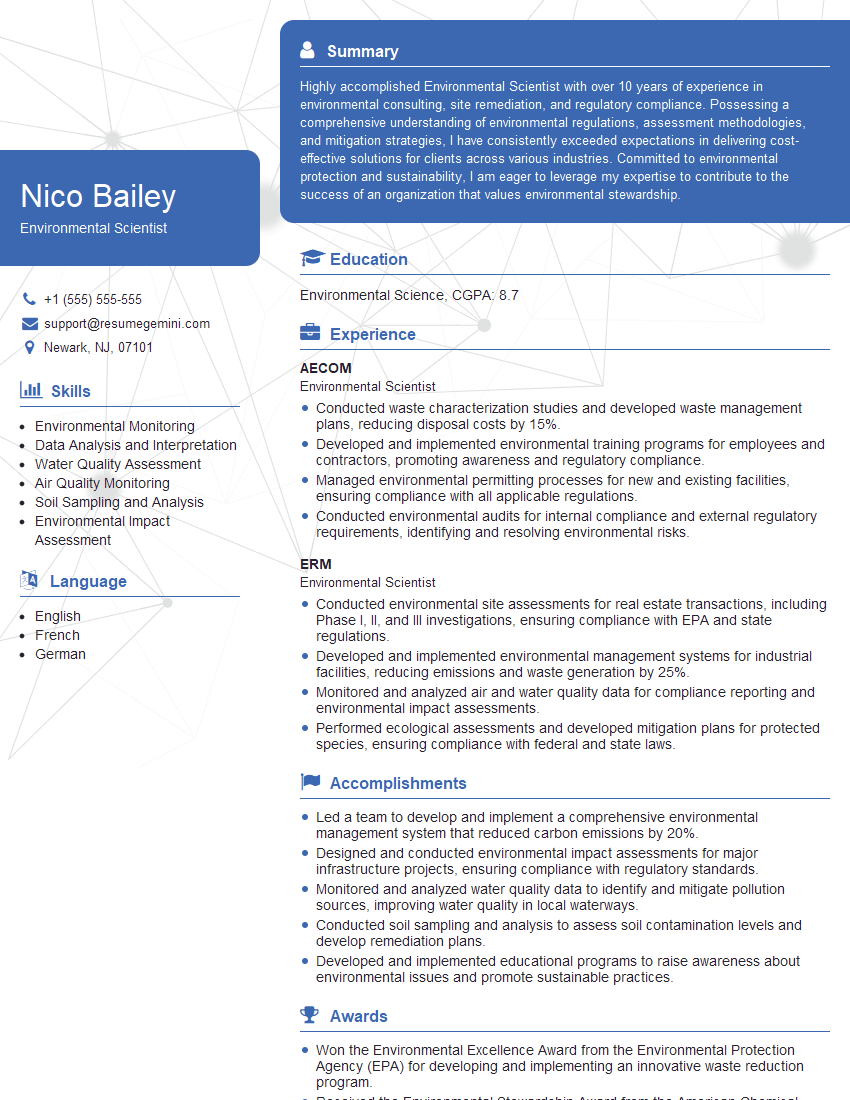
Environmental Scientist Resume Sample
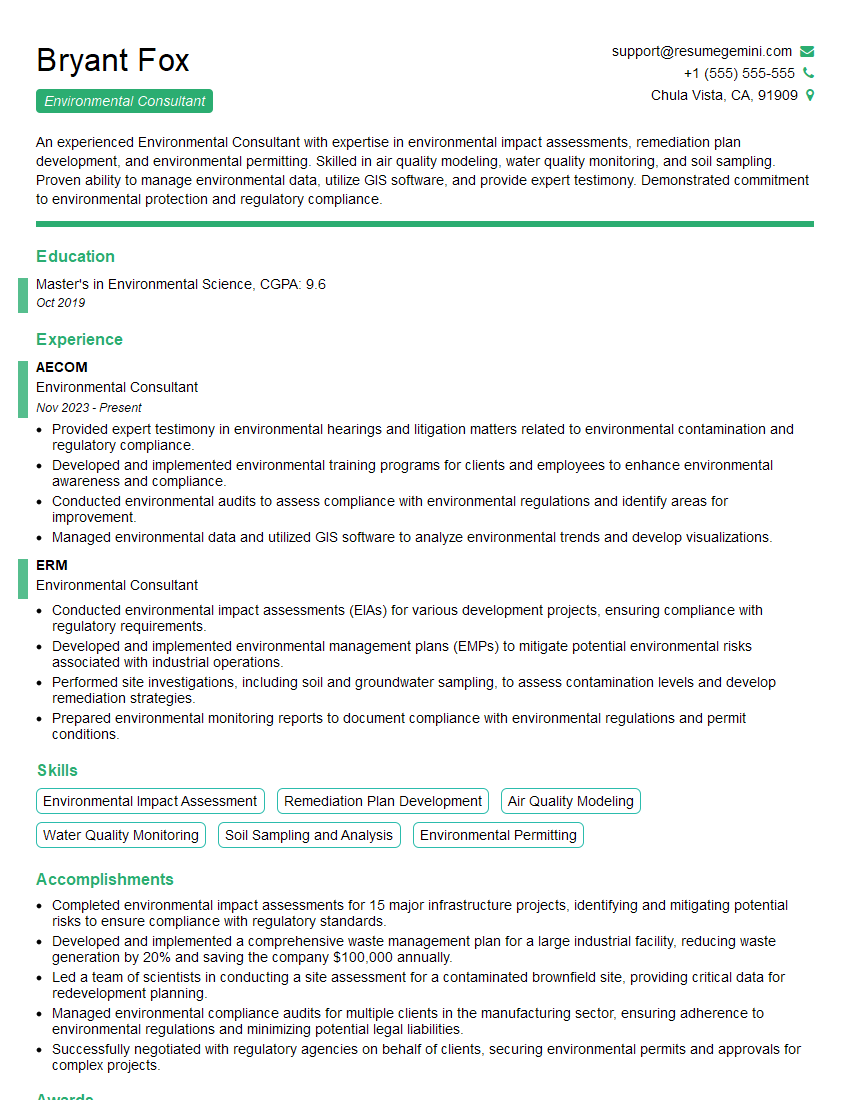
Environmental Consultant Resume Sample
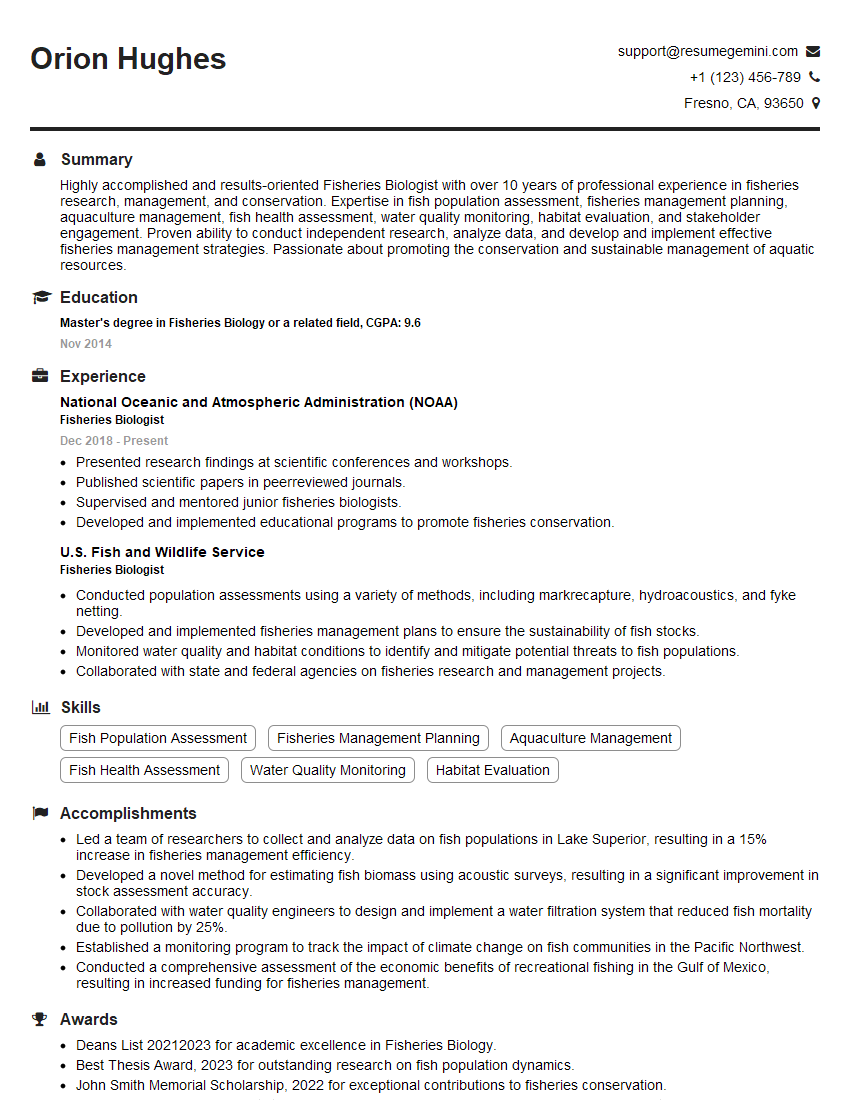
Fisheries Biologist Resume Sample

Wildlife Biologist Resume Sample

Wildlife Ecologist Resume Sample

Wildlife Manager Resume Sample

Zoologist Resume Sample
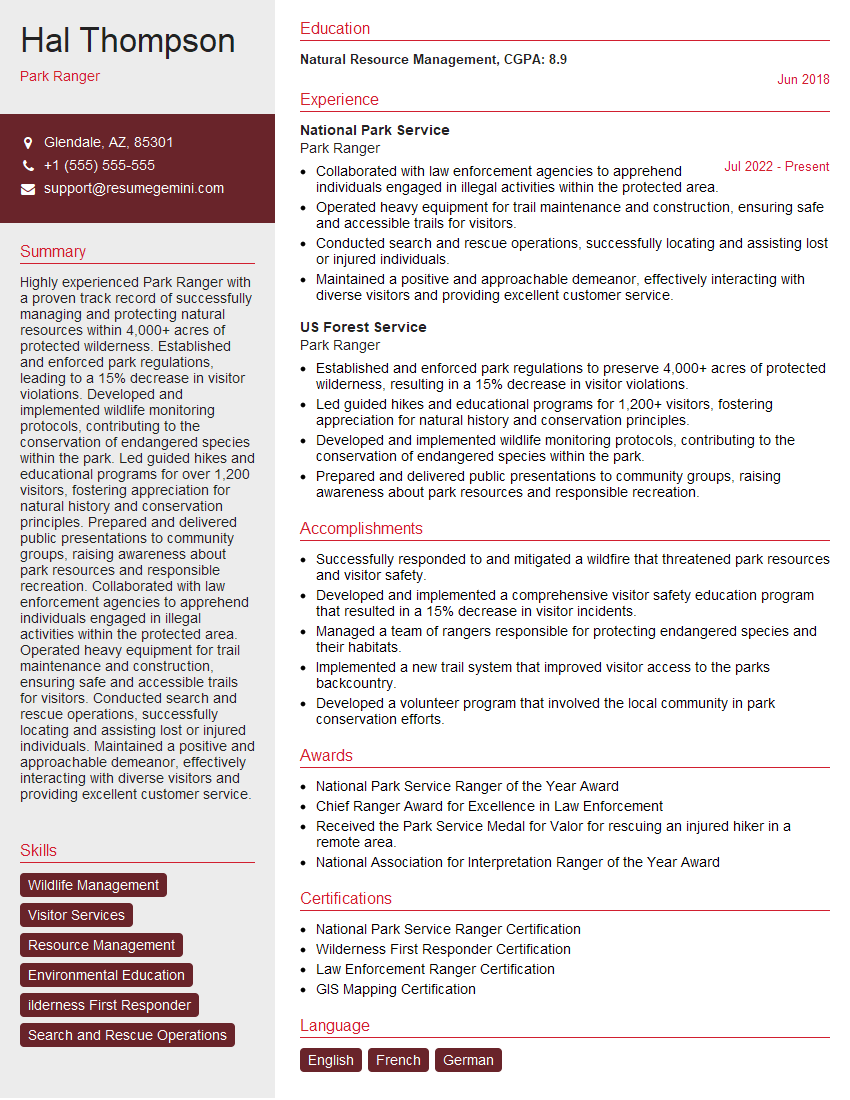
Park Ranger Resume Sample

Wildlife Veterinarian Resume Sample

Wildlife Rehabilitator Resume Sample
Explore more articles
Users Rating of Our Blogs
Share Your Experience
We value your feedback! Please rate our content and share your thoughts (optional).
What Readers Say About Our Blog
Very informative content, great job.
good