Feeling uncertain about what to expect in your upcoming interview? We’ve got you covered! This blog highlights the most important Wildlife Management Planning interview questions and provides actionable advice to help you stand out as the ideal candidate. Let’s pave the way for your success.
Questions Asked in Wildlife Management Planning Interview
Q 1. Describe your experience with population viability analysis (PVA).
Population viability analysis (PVA) is a powerful tool we use to assess the long-term probability of a species persisting in a given habitat. It’s essentially a risk assessment for a population, considering factors like birth rates, death rates, habitat loss, and disease. My experience with PVA involves using various software packages like Vortex and RAMAS to build stochastic models. For example, in a project involving the Florida panther, I incorporated data on road mortality, inbreeding depression, and prey availability to predict the probability of the population exceeding a critical threshold within the next 50 years. The results informed conservation strategies, including habitat restoration and road mitigation.
The process usually starts with gathering comprehensive data on the species’ demographics and environmental factors influencing it. This data is then used to construct a model which simulates population dynamics over a long period, incorporating uncertainty and stochasticity. The output provides estimates of extinction risk, allowing managers to prioritize conservation actions.
Q 2. Explain the principles of habitat fragmentation and its impact on wildlife.
Habitat fragmentation occurs when a continuous habitat is broken up into smaller, isolated patches. Imagine a forest being divided by roads, agricultural fields, or urban development. This has devastating consequences for wildlife.
- Reduced habitat area: Smaller patches simply cannot support the same number of individuals as a large, continuous habitat.
- Increased edge effects: The edges of fragments experience different microclimates, increased predation risk (from edge-loving species), and altered species composition. Think of the increased sunlight and wind at the edges of a forest fragment, potentially affecting plant and animal communities.
- Reduced gene flow: Isolated populations face inbreeding depression, which can reduce their fitness and increase susceptibility to disease. Imagine two small groups of deer unable to interbreed; genetic diversity is lost, making them weaker and less resilient.
- Increased isolation: Animals may be unable to move between fragments to find food, mates, or escape threats. This leads to smaller, more vulnerable populations.
Mitigation strategies include creating wildlife corridors to connect fragmented habitats and protecting large, intact areas of habitat.
Q 3. How do you assess the carrying capacity of a given habitat for a specific species?
Assessing carrying capacity—the maximum number of individuals a habitat can sustainably support—is a complex process. It’s not just about the amount of food available. We need to consider many factors.
- Food availability: How much food is there, and how nutritious is it? This involves understanding the nutritional needs of the target species and the abundance and distribution of food resources.
- Water availability: Access to clean water is crucial. This includes considering the location of water sources and their quality.
- Shelter and cover: Animals need places to hide from predators and the elements. The amount and quality of shelter provided by the habitat need to be assessed.
- Disease and parasite prevalence: High densities can increase the spread of diseases, lowering carrying capacity.
- Human impact: Human activities such as hunting, pollution, and habitat disturbance can dramatically reduce carrying capacity.
Often, we use a combination of field surveys (counting animals and food resources), remote sensing (analyzing habitat characteristics through satellite imagery), and modeling techniques to estimate carrying capacity. It’s important to understand that carrying capacity isn’t a static number, it fluctuates depending on environmental conditions.
Q 4. What are the different methods used for wildlife population estimation?
Estimating wildlife populations is crucial for effective management. We employ various methods, each with its strengths and weaknesses:
- Complete counts: Possible for small, easily observable populations. This is often impractical in reality.
- Mark-recapture methods: Animals are captured, marked (e.g., tagged, collared), released, and then recaptured at a later time. The proportion of marked individuals in the second sample provides an estimate of the population size. This is a widely-used technique.
N = (M*C)/Rwhere N is the population size, M is the number of animals marked in the first capture, C is the number of animals captured in the second capture, and R is the number of marked animals recaptured. - Distance sampling: Observers record the distances to sighted animals along transects. This method accounts for detection probability, which increases the accuracy of the estimate.
- Index methods: These methods don’t provide precise population estimates but give an indication of relative abundance. Examples include scat counts or vocalization surveys.
- Aerial surveys: Used for large populations or species that are easily spotted from the air.
The choice of method depends on the species, its habitat, available resources, and the desired level of accuracy.
Q 5. Discuss the role of GIS in wildlife management planning.
Geographic Information Systems (GIS) are indispensable in wildlife management planning. GIS allows us to integrate and analyze spatial data to make informed decisions.
- Habitat mapping: We can create maps showing the distribution of different habitats and their suitability for various species.
- Species distribution modeling: GIS helps predict where species are likely to be found based on environmental factors. This assists in prioritizing conservation areas.
- Connectivity analysis: We can assess how connected different habitat patches are, identifying potential wildlife corridors or areas needing restoration to enhance connectivity.
- Monitoring and tracking: GIS can track animal movements and habitat use over time, providing valuable insights into population dynamics.
- Planning protected areas: GIS facilitates the design and management of protected areas by optimizing their placement and size to maximize conservation effectiveness.
For example, I used GIS to identify potential wildlife corridors for a fragmented mountain lion population, considering factors like land ownership, road density, and habitat quality. This helped prioritize areas for land acquisition and habitat restoration.
Q 6. Explain your experience with designing and implementing wildlife monitoring programs.
Designing and implementing wildlife monitoring programs requires careful planning. It starts by defining clear objectives—what questions are we trying to answer? Are we assessing population trends, habitat use, or the effectiveness of management interventions?
My experience includes developing monitoring programs for various species, using a range of techniques (as discussed in the previous answer). For example, I designed a long-term monitoring program for a migratory bird population. This involved establishing standardized survey protocols, training field crews, using data management systems, and analyzing data to track population changes over time. A critical aspect is to maintain consistency in data collection methods to ensure that trends are accurately reflected.
Program design considerations include: selecting appropriate survey methods, establishing sampling design (e.g., random, stratified), determining the frequency and duration of data collection, data quality control and ensuring data is available for analysis and interpretation.
Q 7. How do you incorporate stakeholder engagement in wildlife management decisions?
Stakeholder engagement is paramount to successful wildlife management. It ensures that conservation efforts are socially acceptable, effective, and sustainable. We can’t simply impose conservation plans on communities.
My approach to stakeholder engagement involves:
- Identifying key stakeholders: This includes landowners, local communities, indigenous groups, government agencies, and conservation organizations.
- Building relationships and trust: Open communication and mutual respect are essential. Understanding differing perspectives and concerns is key.
- Participatory planning: Involving stakeholders in the planning process allows them to contribute their knowledge and perspectives. This could include workshops, public forums, or collaborative mapping exercises.
- Conflict resolution: Addressing disagreements and finding compromises among stakeholders is critical for achieving common ground.
- Transparency and accountability: Keeping stakeholders informed about project progress and decisions fosters trust and builds support.
For instance, in a project involving the relocation of a threatened species, I organized a series of community meetings to discuss the relocation plan, address concerns, and seek input from local residents. This collaborative approach resulted in a relocation plan that was both effective and accepted by the community.
Q 8. Describe your understanding of endangered species recovery planning.
Endangered species recovery planning is a complex, iterative process aimed at increasing the population size and improving the conservation status of threatened species. It involves a thorough understanding of the species’ biology, ecology, and threats, as well as the social and political context. The process begins with a comprehensive assessment of the species’ status, identifying critical threats to survival (habitat loss, poaching, disease, etc.). This assessment informs the development of a recovery plan, which lays out specific, measurable, achievable, relevant, and time-bound (SMART) goals and actions. For instance, a plan might focus on habitat restoration, captive breeding, anti-poaching measures, or disease management. The plan is then implemented, monitored, and adapted based on ongoing evaluation.
Example: The recovery plan for the California Condor involved a captive breeding program to boost the population, coupled with habitat restoration and lead poisoning mitigation efforts (lead is toxic to condors). Regular monitoring and adaptive management strategies were key to its success.
Success is measured by factors like population growth rate, habitat quality improvement, and reduction of identified threats. It’s crucial to involve stakeholders – local communities, government agencies, NGOs – to ensure buy-in and long-term success.
Q 9. What are the common challenges in wildlife translocation projects?
Wildlife translocation, moving animals from one location to another, faces several challenges. Genetic factors are crucial; introducing individuals with low genetic diversity can lead to inbreeding depression. Disease transmission is another major risk; introducing disease to a naive population can be devastating. Habitat suitability in the release location is paramount; animals need adequate resources like food and shelter. Social dynamics within the recipient population need consideration; newcomers may face aggression or competition for resources. Pre- and post-release monitoring is critical to track survival and adaptation. There can also be logistical and financial constraints, including capturing, transporting, and monitoring the animals.
Example: A translocation project for black-footed ferrets failed initially because of inadequate disease screening, leading to the death of many released individuals. Careful planning, including thorough health checks and habitat assessments, is crucial for successful translocations.
Q 10. How do you evaluate the effectiveness of wildlife management strategies?
Evaluating the effectiveness of wildlife management strategies relies on robust monitoring and data analysis. We use various indicators, depending on the management goals. Population monitoring involves tracking population size, density, age structure, and sex ratio. Habitat monitoring assesses changes in habitat quality and quantity. Threat assessment measures the impact of factors like poaching, disease, or habitat loss. Statistical analysis helps us determine whether changes in these indicators are statistically significant and likely due to the management actions. We may use before-after-control-impact (BACI) designs to compare changes in the managed area to a control area.
Example: Evaluating the impact of a hunting regulation might involve comparing population trends in the managed area with trends in an area with different regulations. A significant increase in population size in the managed area, coupled with stable or declining populations in the control area, would suggest the regulation was effective.
Q 11. Explain your experience with conflict resolution between human activities and wildlife.
Conflict resolution between human activities and wildlife requires a multi-faceted approach emphasizing collaboration and communication. I’ve worked extensively on human-wildlife conflict, particularly with large carnivores. Addressing these conflicts often involves identifying the root causes: is it due to livestock depredation, crop raiding, or human safety concerns? Solutions vary depending on the specific conflict. These can include: non-lethal deterrents (fences, guard animals, noise devices), lethal control (as a last resort and strictly regulated), compensation programs for livestock losses, community education and outreach to change human behavior, and habitat modification to reduce overlap between humans and wildlife.
Example: In a case involving human-elephant conflict, we implemented a combination of electric fences, community-based anti-poaching patrols, and a compensation scheme for crop damage. This integrated strategy proved more effective than any single measure.
Q 12. Discuss your knowledge of different wildlife management techniques (e.g., hunting, trapping).
Wildlife management employs a range of techniques, each with its own advantages and disadvantages. Hunting is a common tool for population control, particularly for game species, but ethical and sustainable hunting practices are crucial. Careful regulation, including quotas and hunting seasons, ensures the sustainability of the population. Trapping is used for population control, research, or relocation, but requires careful consideration of animal welfare and public safety. Habitat management involves restoring or enhancing habitats to benefit wildlife, which might include reforestation, prescribed burning, or controlling invasive species. Protected area establishment creates safe havens for wildlife, safeguarding critical habitats from further degradation. Each technique should be carefully selected and implemented based on species-specific needs and ecological context.
Example: In managing deer populations, a combination of hunting and habitat management (thinning forests to create better foraging grounds) is often more effective than hunting alone.
Q 13. How do you interpret wildlife data to inform management decisions?
Interpreting wildlife data is fundamental to effective management. This process involves several steps: data collection (e.g., through surveys, camera traps, GPS tracking), data cleaning and analysis (e.g., using statistical software to identify trends and patterns), and data interpretation to draw meaningful conclusions that guide management actions. The type of data informs the analysis; for example, population density data might inform harvest levels, while movement data might guide habitat connectivity projects. Understanding the limitations and uncertainties of the data is crucial. Spatially explicit data (e.g., GPS locations) can be analyzed using GIS software to map habitat use and identify critical areas.
Example: Analyzing camera trap data showing a decline in the number of sightings of a particular species in a certain area might signal the need for habitat restoration or enhanced protection in that location.
Q 14. Describe your understanding of wildlife disease management and prevention.
Wildlife disease management and prevention involve surveillance, monitoring, and control measures. Surveillance uses various methods (e.g., blood samples, necropsy) to detect and track diseases within wildlife populations. Early detection is critical. Prevention strategies include vaccination programs, biosecurity measures to reduce disease transmission (e.g., quarantine of animals), and habitat management to enhance wildlife health. Control measures might involve culling infected individuals (as a last resort and with ethical considerations) or treating individual animals. The implementation of these measures depends heavily on the type of disease, its mode of transmission, and its impact on the affected species.
Example: The management of rabies in wildlife often involves oral vaccination programs to immunize a significant portion of the population, reducing the risk of transmission to humans and other wildlife.
Q 15. How do you prioritize conservation efforts among multiple species or habitats?
Prioritizing conservation efforts requires a multifaceted approach that balances scientific data with societal values and resource availability. We can’t save everything at once, so a structured prioritization framework is crucial. I typically employ a combination of approaches, including:
- Species-level prioritization: This involves assessing species vulnerability (using metrics like IUCN Red List status, population size, and genetic diversity), their ecological importance (keystone species, umbrella species), and the feasibility and cost-effectiveness of conservation actions. For instance, a critically endangered species with a small, isolated population might receive higher priority than a common species with a wide range, even if both are ecologically important.
- Habitat-level prioritization: This focuses on identifying and prioritizing habitats that support the greatest number of threatened species or provide crucial ecosystem services. This often involves mapping biodiversity hotspots, areas of high endemism (species found nowhere else), or essential habitats like breeding grounds or migration corridors. For example, protecting a wetland vital for multiple migratory bird species would be a higher priority than protecting a less diverse habitat.
- Multi-criteria decision analysis (MCDA): This is a formal method that weighs multiple criteria (e.g., species threat level, habitat quality, cost, public support) to rank conservation options. This approach provides transparency and objectivity to decision-making. A simple scoring system can be used, assigning weights to each criterion to calculate an overall score for each option.
Ultimately, effective prioritization involves engaging with stakeholders (landowners, government agencies, local communities) to ensure that conservation goals are aligned with societal values and resources are allocated appropriately.
Career Expert Tips:
- Ace those interviews! Prepare effectively by reviewing the Top 50 Most Common Interview Questions on ResumeGemini.
- Navigate your job search with confidence! Explore a wide range of Career Tips on ResumeGemini. Learn about common challenges and recommendations to overcome them.
- Craft the perfect resume! Master the Art of Resume Writing with ResumeGemini’s guide. Showcase your unique qualifications and achievements effectively.
- Don’t miss out on holiday savings! Build your dream resume with ResumeGemini’s ATS optimized templates.
Q 16. What is your experience with developing and implementing wildlife management plans?
Throughout my career, I’ve been involved in the development and implementation of numerous wildlife management plans, ranging from local-scale projects to regional conservation strategies. My experience encompasses all phases of plan development, from initial needs assessments and stakeholder engagement to on-the-ground implementation and monitoring. For example, in a recent project focused on restoring a degraded riparian habitat, I led the team in:
- Needs Assessment: Identifying the key threats to wildlife (e.g., habitat loss, invasive species) and defining specific conservation objectives.
- Data Collection and Analysis: Gathering data on wildlife populations, habitat characteristics, and land ownership. This included using GIS software (ArcGIS) to map critical habitats and analyze spatial patterns of wildlife distribution.
- Stakeholder Engagement: Working with landowners, government agencies, and local communities to build consensus and support for the conservation plan.
- Plan Development: Defining specific conservation actions (e.g., habitat restoration, invasive species control, and public education), establishing measurable objectives, and outlining a timeline and budget.
- Implementation and Monitoring: Overseeing the implementation of conservation actions, and monitoring their effectiveness through regular surveys and data analysis to ensure that the plan is achieving its objectives and making adaptive management changes as needed.
In another project involving the management of a migratory bird population, I utilized population viability analysis (PVA) modeling to assess the long-term viability of the population under different management scenarios. This helped us to prioritize conservation actions that were most likely to improve the population’s chances of survival.
Q 17. How do you incorporate climate change considerations into wildlife management planning?
Climate change is a significant and pervasive threat to wildlife, and its impacts must be explicitly considered in all aspects of wildlife management planning. This involves anticipating how climate change may affect species distributions, habitat suitability, and ecological interactions. My approach integrates climate change considerations in the following ways:
- Climate change projections: Incorporating downscaled climate projections into habitat suitability models to predict future changes in habitat availability and distribution. For instance, we can use climate models to predict changes in temperature and precipitation and then use this information to predict which areas will become more or less suitable for a given species.
- Vulnerability assessments: Assessing the vulnerability of different species and habitats to climate change impacts. This includes considering factors like species’ physiological tolerances, dispersal abilities, and the presence of suitable refugia (areas that offer protection from climate change impacts).
- Adaptive management strategies: Developing flexible management strategies that can be adjusted in response to changing climate conditions. This might involve creating wildlife corridors to facilitate species movement, establishing protected areas in locations projected to remain suitable, or assisting with species relocation.
- Climate-resilient habitat restoration: Designing habitat restoration projects that are resilient to climate change impacts. This might involve selecting species that are better adapted to projected future conditions or creating more diverse habitats to increase their resilience.
For example, in a project concerning the conservation of a mountain lion population, we incorporated climate change projections into our habitat suitability models to identify areas that would likely remain suitable for mountain lions in the future. This informed our recommendations for protected area expansion and wildlife corridor design.
Q 18. Explain your knowledge of relevant legislation and regulations (e.g., ESA).
A deep understanding of relevant legislation and regulations is essential for effective wildlife management. My knowledge encompasses various acts, including the Endangered Species Act (ESA) in the US, and equivalent legislation in other regions. I understand the intricacies of species listing criteria, critical habitat designation, and the development and implementation of recovery plans. I also have a working knowledge of other relevant legislation, such as the Migratory Bird Treaty Act, the Clean Water Act, and state-level environmental regulations.
Understanding the ESA, for example, involves comprehending the legal definitions of ‘endangered’ and ‘threatened’ species, the process for listing species, and the restrictions on activities that may jeopardize listed species or their habitats. This knowledge is vital in ensuring that all management actions comply with legal requirements and avoid potential legal challenges.
Furthermore, I am familiar with permitting processes and environmental impact assessments required before undertaking projects potentially affecting wildlife. This involves reviewing project proposals to assess potential impacts, recommending mitigation measures, and ensuring that project developers comply with applicable environmental regulations. My experience extends to working with various regulatory agencies to navigate the permitting process and secure approvals for wildlife-related projects.
Q 19. Describe your experience with data analysis software relevant to wildlife management.
Proficiency in data analysis software is crucial for effective wildlife management. I have extensive experience using a range of software packages including:
- ArcGIS: For geographic information systems (GIS) analysis, spatial data management, habitat mapping, and species distribution modeling.
- R: A powerful statistical computing environment for conducting statistical analyses, developing custom models, and visualizing data, including population viability analysis (PVA) and species distribution modeling. For example, I’ve used R to develop customized scripts for analyzing capture-recapture data and building predictive models of species occurrence based on environmental variables.
- SAS: For advanced statistical analysis, particularly useful for large datasets and complex statistical modelling. I’ve utilized SAS for analyzing long-term monitoring data to assess trends in wildlife populations and habitat change.
- Program MARK: Specialized software for capture-recapture data analysis, essential for estimating population size and survival rates.
I am proficient in data cleaning, transformation, and visualization, ensuring the accuracy and reliability of analyses. My expertise extends to selecting appropriate statistical methods for various research questions and communicating results effectively to both technical and non-technical audiences.
Q 20. How do you assess the potential impacts of development projects on wildlife?
Assessing the potential impacts of development projects on wildlife requires a systematic approach involving several key steps:
- Baseline data collection: Gathering data on existing wildlife populations, habitats, and ecological processes within the project area. This typically involves field surveys, remote sensing data, and GIS analysis.
- Impact prediction: Using various methods (e.g., habitat suitability models, population viability analysis, expert judgment) to predict how the proposed development will affect wildlife populations and their habitats. For instance, we might use habitat suitability models to predict the loss of suitable habitat due to development.
- Mitigation planning: Developing strategies to minimize or avoid adverse impacts on wildlife. This may include habitat restoration or creation, wildlife crossings, or changes in project design.
- Monitoring and evaluation: Monitoring the effectiveness of mitigation measures after the project is complete and evaluating whether the actual impacts align with predictions. Adaptive management may be needed if the mitigation efforts prove ineffective.
For instance, in evaluating the impacts of a highway project on a local deer population, I might use habitat fragmentation models to predict the increase in road mortality and habitat loss. Based on this, I would recommend mitigation measures, such as the construction of wildlife crossings to reduce roadkill and habitat restoration to compensate for habitat loss.
Q 21. What is your experience with habitat restoration and enhancement projects?
I have extensive experience in habitat restoration and enhancement projects, which often involve a combination of ecological restoration principles and practical on-the-ground implementation. Successful projects require careful planning, stakeholder engagement, and long-term monitoring.
My experience includes projects involving:
- Riparian restoration: Restoring degraded streamside habitats to improve water quality, provide habitat for riparian-dependent species, and reduce erosion. This has involved planting native vegetation, controlling invasive species, and improving stream morphology.
- Wetland creation and restoration: Constructing or restoring wetlands to provide habitat for wetland-dependent species and improve water quality. This often involves grading, installing water control structures, and planting native wetland vegetation.
- Forest restoration: Planting trees, controlling invasive species, and managing forest understory to restore forest structure and function. This may involve thinning overstocked stands or removing invasive plants.
- Prairie restoration: Restoring native prairie grasslands by controlling invasive species, burning, and planting native prairie species. This requires understanding the complex dynamics of prairie ecosystems and the role of fire in maintaining prairie biodiversity.
Each project typically involves a thorough assessment of the site’s ecological history and present condition. We develop detailed restoration plans that specify objectives, methods, timelines, and monitoring protocols. We also closely monitor the success of restoration efforts and make adjustments as needed. A critical component is evaluating the success using quantifiable metrics such as plant cover, species richness, and wildlife use.
Q 22. Describe your understanding of invasive species management.
Invasive species management is the practice of controlling or eradicating non-native species that negatively impact native ecosystems. It’s a complex issue requiring a multi-pronged approach. Successful management hinges on early detection, rapid response, and a deep understanding of the invasive species’ biology, ecology, and spread mechanisms.
- Prevention: This is the most cost-effective strategy. It involves strict border controls to prevent the introduction of new invasive species, and biosecurity measures to minimize the risk of unintentional introductions (e.g., cleaning hiking boots).
- Early Detection and Rapid Response: Monitoring programs are crucial to identify new invasions quickly. Rapid response involves immediate action to control small populations before they become widespread. This often involves manual removal, targeted herbicide application, or biological control agents.
- Control and Eradication: Once an invasive species is established, control efforts aim to reduce its population size and limit its impact. Methods include mechanical removal, chemical control (pesticides), biological control (introducing natural predators or pathogens), and habitat manipulation.
- Long-Term Management: For some invasive species, complete eradication is unrealistic. In these cases, the goal shifts to long-term management to maintain the invasive species at low levels and minimize its ecological and economic impacts. This often requires ongoing monitoring and adaptive management strategies.
For example, the control of the brown tree snake in Guam involved a multi-faceted approach including trapping, the use of detection dogs and even the introduction of natural predators. However, complete eradication is still ongoing.
Q 23. How do you communicate complex scientific information to non-technical audiences?
Communicating complex scientific information to non-technical audiences requires careful planning and execution. I use several techniques to achieve clarity and engagement:
- Simplify Language: Avoid jargon and technical terms whenever possible. If I must use a technical term, I provide a clear and concise definition in simple terms.
- Use Analogies and Metaphors: Comparing complex concepts to familiar everyday experiences helps people grasp difficult ideas more easily. For example, explaining population dynamics using the analogy of a bank account can be very helpful.
- Visual Aids: Charts, graphs, maps, and images make information easier to understand and remember. A well-designed infographic can communicate a wealth of information quickly and efficiently.
- Storytelling: People connect with narratives. Incorporating real-world examples, case studies, and personal anecdotes makes the information more relatable and memorable.
- Interactive Sessions: Facilitating discussions, Q&A sessions, and hands-on activities encourages audience participation and enhances understanding.
- Tailoring the Message: The message should be adapted to the audience’s background, level of knowledge, and interests.
For instance, when explaining the impact of habitat loss on a particular bird species, I might use a compelling visual of the habitat before and after loss, followed by a simple explanation relating this loss to the reduction in available nesting sites. The story of the bird’s struggle then becomes a powerful way to communicate a complex ecological concept.
Q 24. Explain your experience with budget management and grant writing in wildlife management.
Budget management and grant writing are crucial skills in wildlife management. I have extensive experience in both. I’ve successfully managed budgets ranging from $50,000 to over $500,000, always ensuring transparency and accountability.
- Budgeting: I develop detailed budgets, meticulously track expenditures, and ensure adherence to allocated funds. This involves forecasting needs, prioritizing activities, and regularly monitoring progress to stay within budget constraints.
- Grant Writing: I have a proven track record of securing grants from various funding agencies. This includes identifying suitable funding opportunities, developing strong proposals that clearly articulate the project goals, methodologies, and anticipated outcomes, and addressing reviewers’ concerns through revisions.
For example, I successfully secured a $200,000 grant from the National Fish and Wildlife Foundation to fund a research project on the population dynamics of an endangered species. This involved writing a compelling proposal highlighting the project’s scientific merit, potential impact, and a realistic budget. Project management and detailed reporting are key for successful grant applications and to secure future funding.
Q 25. How do you handle unexpected challenges or setbacks in wildlife management projects?
Unexpected challenges are inevitable in wildlife management. My approach involves a combination of proactive planning, adaptability, and effective problem-solving:
- Risk Assessment: I identify potential challenges during the planning phase. This allows me to develop contingency plans and mitigation strategies to minimize the impact of unforeseen events.
- Adaptive Management: I am flexible and adapt my plans as needed based on new information or changing circumstances. This often involves monitoring the project’s progress, evaluating results, and making adjustments as necessary.
- Collaboration and Communication: When facing setbacks, I collaborate with stakeholders, including researchers, land managers, and community members, to brainstorm solutions and develop effective strategies.
- Troubleshooting: I systematically analyze the problem, identify the root cause, and implement solutions effectively and efficiently. Sometimes, this involves seeking expert advice or employing novel approaches.
For example, during a reintroduction program for a threatened bird species, we experienced unexpectedly high predation rates by local predators. This led us to adapt our management strategy by increasing nest protection and modifying the release site to provide greater cover. The ability to adjust plans and remain solution-oriented are essential for success in such dynamic projects.
Q 26. Describe your understanding of wildlife telemetry and its applications.
Wildlife telemetry involves using electronic devices to remotely monitor the location, behavior, and physiological data of animals. It is a powerful tool with a wide range of applications in wildlife management.
- Tracking Animal Movements: Telemetry provides crucial data on animal home ranges, migration patterns, habitat use, and dispersal. This information is essential for understanding animal ecology and managing their habitats effectively.
- Monitoring Population Dynamics: By tracking individual animals, we can assess population size, density, survival rates, and reproductive success. This information can inform conservation strategies and management decisions.
- Studying Animal Behavior: Telemetry can reveal details about animal behavior, such as foraging patterns, social interactions, and responses to environmental changes. This can help understand animal needs and improve management practices.
- Assessing Habitat Suitability: Telemetry data can be used to assess the quality of different habitats. This helps identify critical habitats that need protection or restoration.
Examples include using GPS collars to track the movements of wolves to understand their range and prey selection, and accelerometers to monitor the activity levels and health of endangered sea turtles.
Q 27. What are some ethical considerations in wildlife management practices?
Ethical considerations are paramount in wildlife management. Our actions must always prioritize the well-being of animals and the integrity of ecosystems. Key ethical considerations include:
- Animal Welfare: We must minimize stress and suffering caused by research, capture, handling, or translocation. All procedures should be carefully reviewed and approved by relevant ethics committees.
- Scientific Rigor: We need to ensure that our management practices are based on sound scientific evidence, avoiding actions that are not supported by data or that could have unintended negative consequences.
- Transparency and Accountability: We must be open and transparent about our management practices and decisions, and accountable for the outcomes.
- Social Equity: Wildlife management decisions should be equitable and inclusive, ensuring that the benefits and burdens are fairly distributed among stakeholders, considering perspectives of local communities.
- Precautionary Principle: In situations where there is uncertainty about the potential consequences of our actions, we should err on the side of caution and prioritize the conservation of biodiversity.
For example, using lethal control methods for invasive species should only be considered after carefully evaluating the potential impacts and exploring non-lethal alternatives. Open communication with the public about the reasons for these decisions is crucial.
Q 28. How do you ensure the sustainability of wildlife management initiatives?
Ensuring the sustainability of wildlife management initiatives requires a holistic and long-term perspective. Key elements include:
- Adaptive Management: Regularly monitoring and evaluating the effectiveness of management practices, and making adjustments as needed to optimize outcomes. This ensures that our strategies remain relevant and effective over time.
- Community Engagement: Involving local communities and stakeholders in decision-making processes promotes buy-in and ensures that management plans are socially acceptable and feasible. Collaboration fosters long-term support for conservation initiatives.
- Financial Sustainability: Developing diverse funding sources, including government grants, private donations, and ecotourism, to ensure long-term financial stability. Secure and diverse funding is crucial for sustainable initiatives.
- Capacity Building: Training and educating future generations of wildlife managers, researchers, and conservation practitioners ensures the continuation of knowledge and expertise. Capacity building invests in future generations and sustainable practices.
- Ecosystem-Based Management: Considering the broader ecological context and managing entire ecosystems rather than focusing on individual species. Ecosystem-based management ensures the sustainability of habitats and the biodiversity they support.
For example, establishing a community-based ecotourism program can generate income for local communities while promoting wildlife conservation and sustainable land use practices. This ensures that the community benefits from conservation efforts, encouraging their continued support.
Key Topics to Learn for Wildlife Management Planning Interview
- Habitat Management: Understanding habitat selection, carrying capacity, and techniques for habitat restoration and enhancement. Practical application includes designing management plans for specific species or ecosystems.
- Population Dynamics: Analyzing population trends, utilizing mark-recapture studies, and applying population models to inform management decisions. Practical application involves predicting future population sizes and managing harvest strategies.
- Wildlife Conflict Management: Developing strategies to mitigate human-wildlife conflict, such as crop raiding, livestock depredation, and vehicle collisions. Practical application includes designing and implementing non-lethal deterrent methods.
- Conservation Planning & Legislation: Familiarity with relevant environmental laws and regulations, and the ability to integrate conservation goals into management plans. Practical application includes navigating permitting processes and complying with regulations.
- Data Analysis & GIS: Proficiency in using GIS software and statistical methods to analyze wildlife data, create maps, and monitor population trends. Practical application includes using spatial data to inform habitat management decisions.
- Adaptive Management: Understanding the principles of adaptive management, including monitoring, evaluation, and adjustment of management strategies based on results. Practical application involves incorporating feedback loops into management plans to optimize outcomes.
- Stakeholder Engagement & Communication: Effectively communicating management plans to diverse stakeholders, including landowners, agencies, and the public. Practical application involves facilitating collaborative decision-making processes.
Next Steps
Mastering Wildlife Management Planning is crucial for advancing your career in this dynamic field. A strong understanding of these key concepts demonstrates your expertise and commitment to effective conservation. To significantly boost your job prospects, creating a compelling and ATS-friendly resume is essential. ResumeGemini offers a powerful platform for crafting professional resumes tailored to the specific requirements of your target roles. We provide examples of resumes specifically designed for Wildlife Management Planning positions to help you present your qualifications effectively. Take advantage of this resource to build a resume that makes a lasting impression on potential employers.
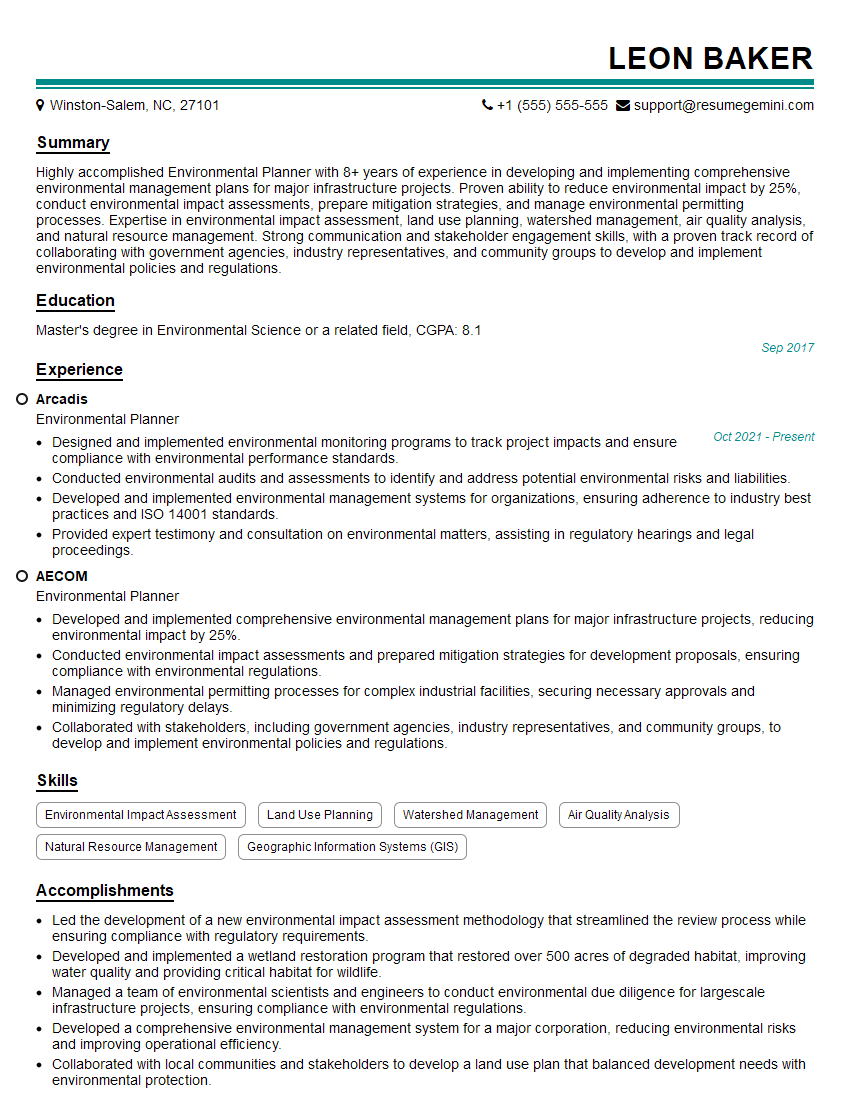
Environmental Planner Resume Sample
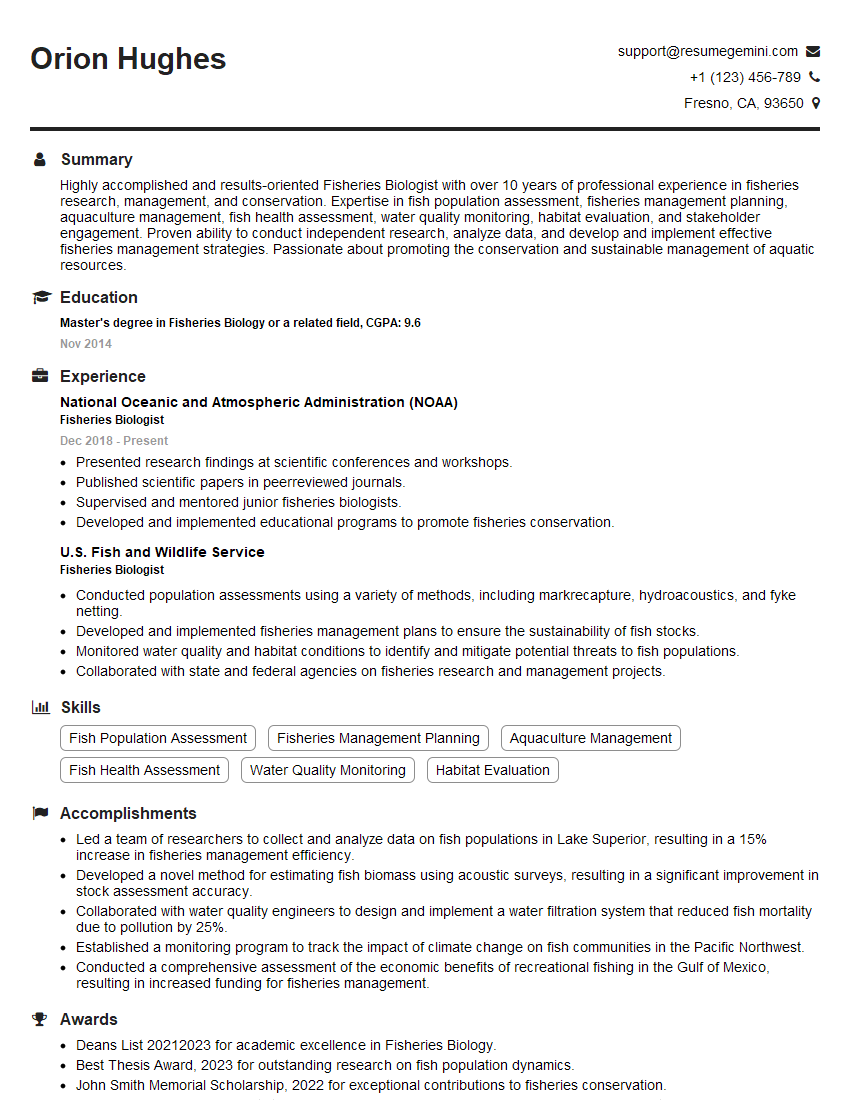
Fisheries Biologist Resume Sample

Wildlife Biologist Resume Sample
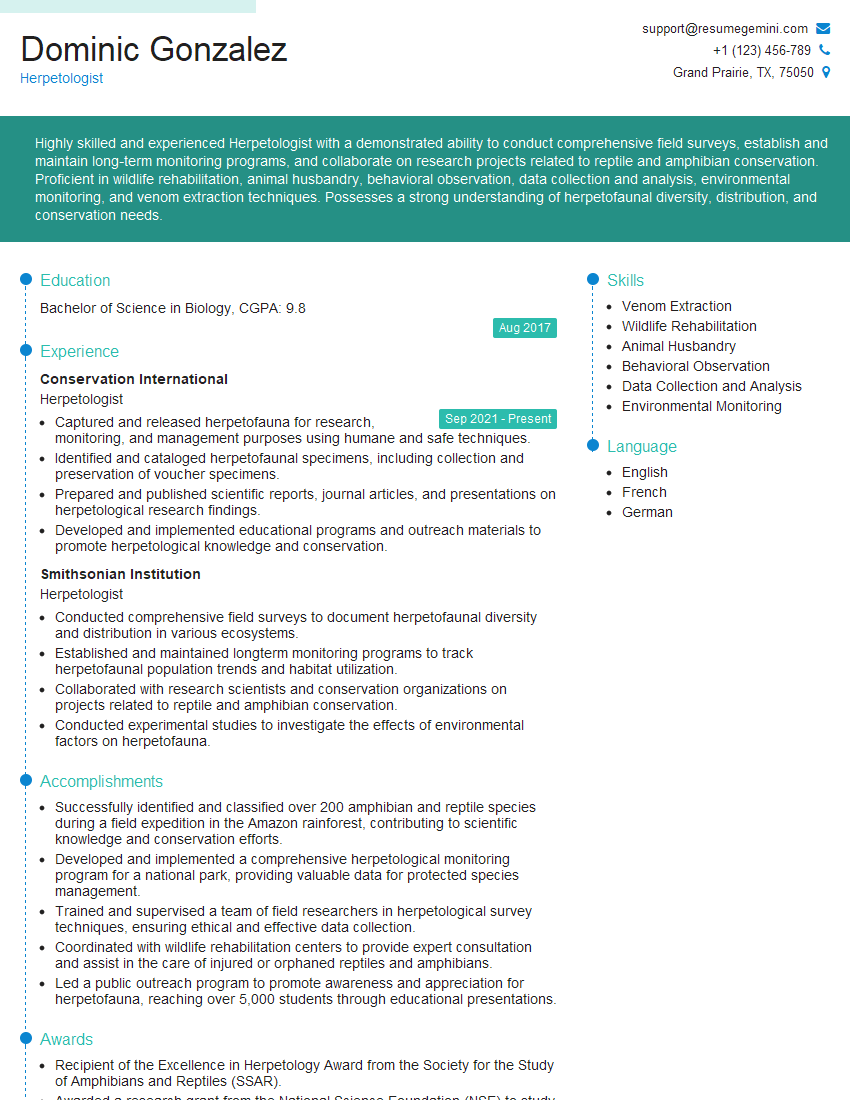
Herpetologist Resume Sample
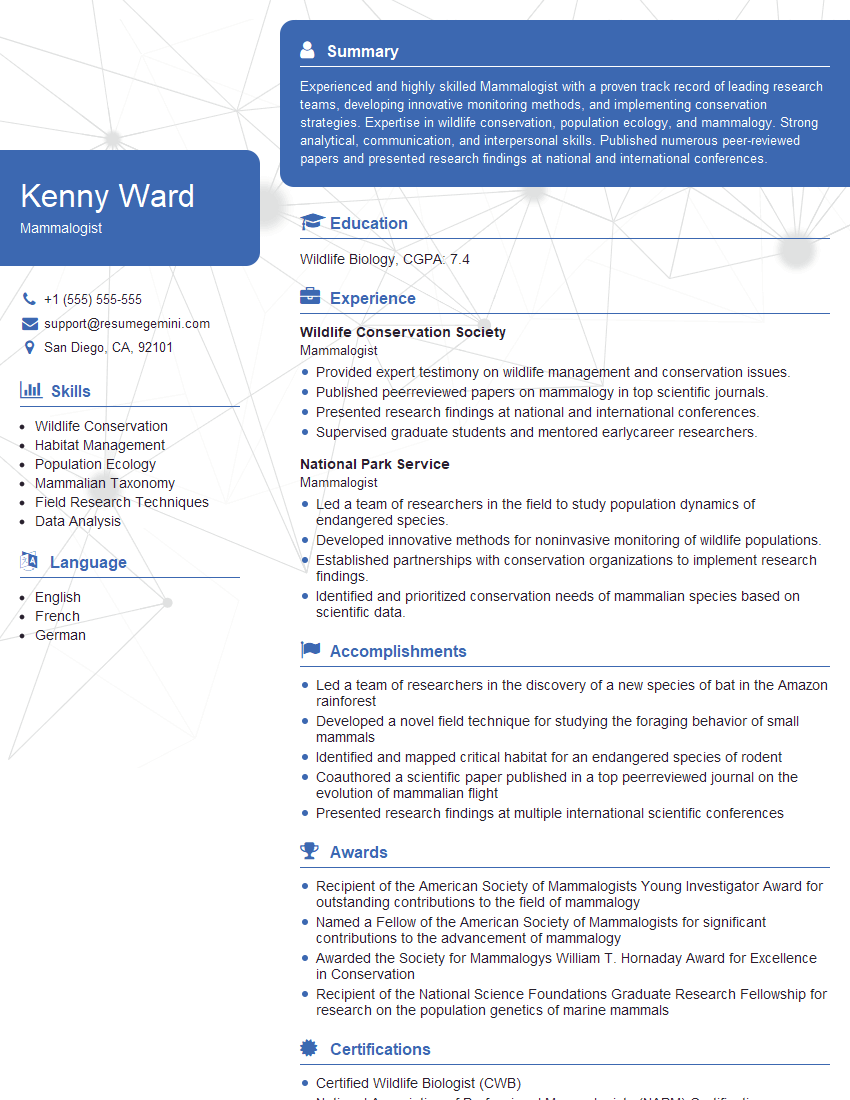
Mammalogist Resume Sample
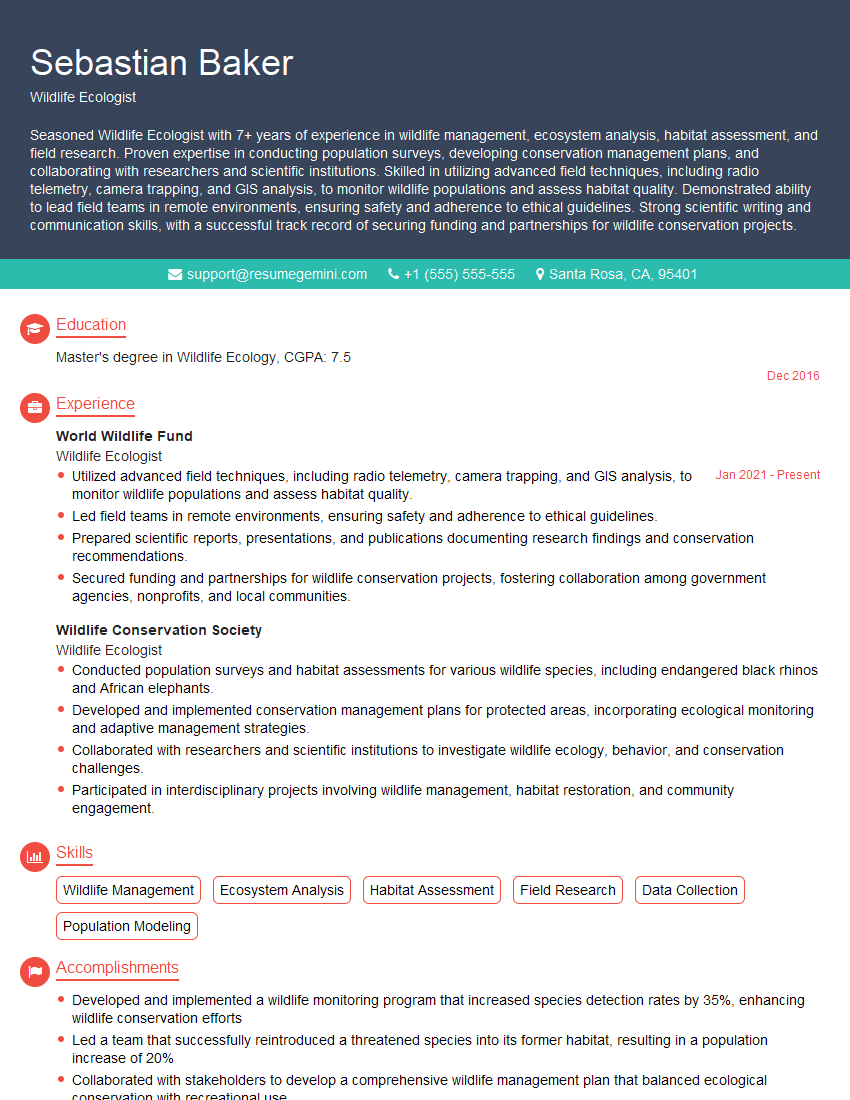
Wildlife Ecologist Resume Sample
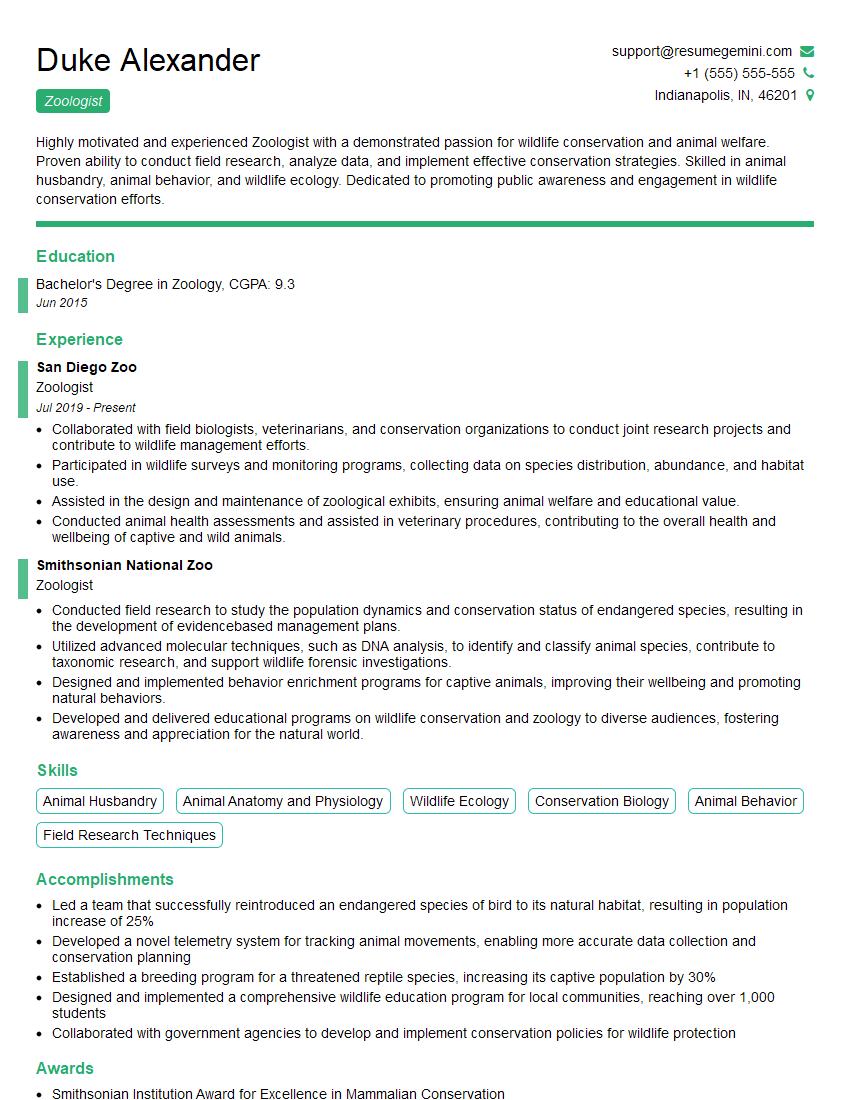
Zoologist Resume Sample
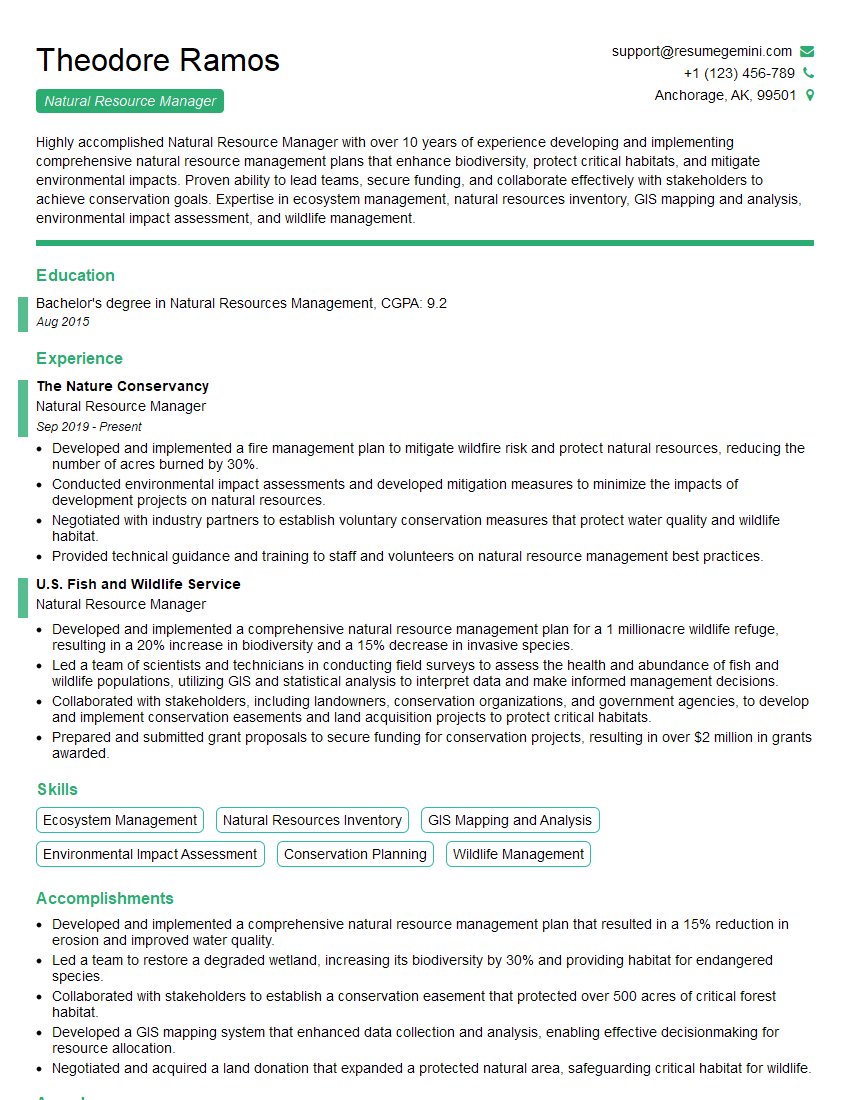
Natural Resource Manager Resume Sample

Wildlife Rehabilitator Resume Sample
Explore more articles
Users Rating of Our Blogs
Share Your Experience
We value your feedback! Please rate our content and share your thoughts (optional).
What Readers Say About Our Blog
Very informative content, great job.
good