Every successful interview starts with knowing what to expect. In this blog, we’ll take you through the top Wildlife Policy interview questions, breaking them down with expert tips to help you deliver impactful answers. Step into your next interview fully prepared and ready to succeed.
Questions Asked in Wildlife Policy Interview
Q 1. Explain the difference between CITES and ESA.
CITES (the Convention on International Trade in Endangered Species of Wild Fauna and Flora) and ESA (the US Endangered Species Act) are both crucial international and national legal frameworks, respectively, designed to protect endangered and threatened species, but they differ significantly in their scope and implementation.
CITES is a multilateral treaty signed by 184 countries. It regulates international trade in specimens of wild animals and plants, aiming to ensure that such trade does not threaten their survival. It lists species in three Appendices, reflecting varying degrees of threat and trade restrictions. For example, Appendix I lists species threatened with extinction, prohibiting commercial trade. Appendix II lists species not necessarily threatened with extinction but that could become so without trade controls.
ESA, on the other hand, is a US domestic law. It focuses on the conservation of threatened and endangered species within the United States and its territories. The ESA lists species as endangered or threatened based on factors like population size, habitat loss, and disease. It prohibits the ‘taking’ of listed species, which includes harming, harassing, or killing them, and requires the creation of recovery plans to help these species recover.
In essence, CITES deals with international trade, while the ESA focuses on domestic protection. A species listed under CITES might also be listed under the ESA, receiving protection under both frameworks. Think of CITES as a global net, and ESA as a national fence, both working to protect wildlife.
Q 2. Describe the role of stakeholder engagement in wildlife policy.
Stakeholder engagement is absolutely critical for successful wildlife policy. It involves actively including all parties affected by or interested in wildlife conservation in the policy-making process. This includes a diverse range of individuals and groups, such as:
- Government agencies: Responsible for implementing and enforcing regulations.
- Conservation organizations: Playing a vital role in research, advocacy, and on-the-ground conservation efforts.
- Local communities: Often directly impacted by wildlife conservation policies, their knowledge and perspectives are invaluable.
- Indigenous peoples: Often have traditional knowledge and deep connections to the land, providing crucial insights into wildlife management.
- Landowners and land managers: Their actions significantly affect wildlife habitat, thus their collaboration is vital.
- Businesses: Their activities can have a direct impact on wildlife; their cooperation is needed to mitigate negative consequences.
- Scientists: Providing crucial data and research to inform policy development.
Effective stakeholder engagement ensures that policies are well-informed, equitable, and more likely to achieve their conservation goals. For instance, engaging local communities can lead to policies that are culturally sensitive and more easily accepted, increasing compliance and conservation success.
Q 3. How would you assess the effectiveness of a wildlife conservation program?
Assessing the effectiveness of a wildlife conservation program requires a multi-faceted approach. We need to move beyond simply looking at the number of animals, and consider a range of ecological, social, and economic factors.
A robust assessment would involve:
- Monitoring population trends: Tracking changes in the abundance and distribution of target species over time, using techniques like population surveys, camera trapping, and genetic analysis.
- Habitat assessment: Evaluating the quality and quantity of critical habitats, assessing factors like habitat loss, fragmentation, and degradation.
- Evaluating program outputs and outcomes: Did the program achieve its stated objectives? This involves measuring the direct impacts of the program’s activities (outputs) and their wider effects on wildlife populations and ecosystems (outcomes).
- Analyzing socio-economic impacts: Understanding how the program affected local communities, livelihoods, and human well-being. Did it create economic opportunities related to conservation, e.g., ecotourism?
- Adaptive management: Continuously monitoring and evaluating the program, making adjustments based on the feedback gathered. Conservation is an ongoing process, not a one-time project.
For example, if a program aimed to increase tiger numbers, the assessment would not only track tiger population size but also consider habitat protection success, human-wildlife conflict mitigation measures effectiveness, and economic benefits to local communities involved in anti-poaching efforts.
Q 4. What are the key challenges in balancing wildlife conservation and human development?
Balancing wildlife conservation and human development is one of the most significant challenges facing conservationists today. Often, human activities directly compete with wildlife for resources like land, water, and food. This competition creates conflicts.
Key challenges include:
- Habitat loss and fragmentation: Human expansion into natural areas destroys and fragments wildlife habitats, isolating populations and reducing their ability to thrive.
- Human-wildlife conflict: Conflicts arise when wildlife damages crops, livestock, or poses a threat to human safety. This can lead to retaliatory killings of animals.
- Unsustainable resource use: Overexploitation of natural resources, such as overfishing and logging, depletes wildlife populations and degrades their habitats.
- Pollution: Pollution contaminates water sources, harms wildlife directly, and negatively impacts their habitats.
- Climate change: Alters habitats and disrupts ecological balance, increasing stress on wildlife populations.
Effective solutions require integrated approaches that consider both conservation needs and human development priorities. For example, creating protected areas that also provide economic opportunities for local communities through ecotourism can help balance conservation and development goals. Similarly, promoting sustainable land-use practices and providing alternative livelihoods can reduce human-wildlife conflict.
Q 5. Discuss the impact of climate change on wildlife populations and policy responses.
Climate change is a major threat to wildlife populations, altering habitats, disrupting ecological interactions, and increasing the risk of extinction. Changes in temperature, precipitation patterns, and sea levels directly impact the distribution, abundance, and behavior of wildlife.
Some examples of impacts:
- Range shifts: As climates change, species are forced to migrate to find suitable habitats, which may not always be possible.
- Phenological mismatch: Changes in the timing of seasonal events, like migration or breeding, can disrupt crucial ecological interactions, such as the relationship between pollinators and plants.
- Increased frequency and intensity of extreme weather events: Extreme events like droughts, floods, and heatwaves can cause mass mortality of wildlife.
- Sea-level rise: Threatens coastal and marine ecosystems, including coral reefs and mangroves.
Policy responses need to be comprehensive and integrated. They must include:
- Mitigation: Reducing greenhouse gas emissions to limit future climate change.
- Adaptation: Helping wildlife adapt to the changing climate through habitat restoration, protected area management, and assisted migration.
- International cooperation: Addressing climate change requires global cooperation, with nations working together to implement effective policies.
For instance, protected area management plans need to incorporate climate change projections, identifying areas that will likely remain suitable habitat in the future and adjusting management strategies accordingly.
Q 6. Explain the concept of ecosystem services and their relevance to wildlife policy.
Ecosystem services are the various benefits that humans derive from ecosystems. These benefits are crucial for human well-being and are directly linked to the health of wildlife populations.
Examples of ecosystem services include:
- Clean water: Healthy ecosystems, like forests and wetlands, filter and purify water.
- Pollination: Wildlife, particularly insects, play a vital role in pollinating crops and wild plants.
- Climate regulation: Forests and oceans help regulate the climate by absorbing carbon dioxide.
- Soil fertility: Healthy soils are essential for agriculture and depend on the activity of soil organisms.
- Recreation and tourism: Wildlife viewing and other recreational activities generate economic benefits and support local communities.
The relevance of ecosystem services to wildlife policy is that their provision directly depends on biodiversity. Protecting wildlife and their habitats ensures the continued provision of these crucial services. For example, protecting forests not only conserves biodiversity but also provides clean water, regulates the climate, and prevents soil erosion, thereby benefiting humans.
Integrating ecosystem services into wildlife policy requires considering the economic value of these services when making conservation decisions. This can help justify the costs of conservation by demonstrating the long-term economic benefits.
Q 7. How do you evaluate the scientific validity of information used in wildlife policy decisions?
Evaluating the scientific validity of information used in wildlife policy decisions is crucial for ensuring that policies are effective and well-informed. This process requires a critical assessment of the quality and reliability of the scientific evidence.
Key steps include:
- Peer review: Has the information been reviewed by other experts in the field? Peer-reviewed publications are generally considered more reliable than non-peer-reviewed sources.
- Data quality: How reliable and accurate are the data? Consider the methods used to collect the data, the sample size, and the potential for bias.
- Study design: Was the study well-designed and conducted rigorously? Consider factors such as the study design, statistical analysis, and potential confounding variables.
- Transparency and reproducibility: Is the methodology clear and transparent? Can the study be reproduced by others to verify the results?
- Synthesis of evidence: Does the evidence support the conclusions drawn? Consider the overall body of evidence on the topic, not just individual studies.
- Uncertainty and limitations: Does the information acknowledge limitations and uncertainties? Scientific findings are rarely absolute and acknowledging limitations is crucial for responsible policy-making.
A rigorous evaluation of scientific information, combined with expert judgment and stakeholder input, enhances the likelihood that wildlife policies are sound, effective, and truly contribute to conservation success.
Q 8. Describe your experience with environmental impact assessments related to wildlife.
Environmental Impact Assessments (EIAs) are crucial for predicting and mitigating the effects of projects on wildlife. My experience spans over a decade, encompassing numerous EIAs for infrastructure projects (roads, dams, pipelines), resource extraction (mining, logging), and large-scale developments. This involved leading field surveys to assess biodiversity, habitat suitability, and species sensitivity. I’ve utilized various methodologies including habitat modeling, population viability analysis, and species distribution modeling (SDM) to predict impacts. For example, in an EIA for a proposed highway, we identified a critical migration route for a threatened ungulate species. This led to recommendations for wildlife crossings (underpasses or overpasses) and habitat mitigation measures to minimize the project’s impact.
Further, my experience includes reviewing and critiquing EIAs submitted by others. This often requires a deep understanding of the applicable regulations and guidelines, as well as the ability to identify methodological weaknesses and suggest improvements. A recent example was my review of an EIA that inadequately assessed the cumulative impacts of multiple mining projects on a fragile ecosystem. My critique ultimately resulted in a more comprehensive and robust assessment.
Q 9. What is your understanding of adaptive management in wildlife conservation?
Adaptive management is a structured, iterative approach to wildlife conservation that embraces uncertainty. It’s not about having all the answers upfront; rather, it’s about learning and adjusting as you go. Think of it like navigating with a map that’s constantly being updated based on your observations and experiences. It involves setting clear objectives, implementing management actions, monitoring the outcomes, and then using that information to modify future actions. This cyclical process ensures that conservation strategies are flexible and responsive to changing conditions.
For example, imagine managing a population of a threatened bird species. You might initially implement a habitat restoration program. Monitoring the bird population’s response will tell you if this is effective. If not, you might try alternative strategies such as predator control or supplementary feeding, continuously adjusting your approach based on what you observe.
A key component of adaptive management is embracing uncertainty. Ecological systems are complex, and our understanding of them is always incomplete. Adaptive management acknowledges this inherent uncertainty and explicitly plans for monitoring and adjustment.
Q 10. How would you prioritize competing conservation goals with limited resources?
Prioritizing competing conservation goals with limited resources demands a strategic approach. I typically employ a multi-criteria decision analysis (MCDA) framework. This involves identifying all competing goals (e.g., protecting endangered species, preserving habitat connectivity, managing invasive species), assigning weights reflecting their relative importance (based on scientific data, stakeholder input, and policy objectives), and evaluating the potential effectiveness and cost of each action. This framework allows for a transparent and objective assessment.
For instance, if protecting an endangered species and restoring degraded habitat are competing priorities, I would use this framework to analyze the potential benefits (species population increase, habitat improvement) versus costs (financial investment, time commitment) of each action. Then, I would rank the options based on their scores. This objective assessment helps to distribute limited resources effectively and ensure that the conservation actions have the greatest positive impact.
Another important aspect is stakeholder engagement. Open communication and collaboration with different stakeholders help to ensure that the prioritization process is fair and considers all relevant perspectives.
Q 11. Explain the legal framework surrounding endangered species protection in your region.
(Note: This answer will need to be tailored to a specific region. The following is a generalized example based on the US Endangered Species Act.) The legal framework surrounding endangered species protection is complex and varies by region, but generally involves legislation and regulations designed to protect threatened and endangered species and their habitats. In the United States, the Endangered Species Act (ESA) is the cornerstone of this protection. The ESA prohibits the taking (harming, harassing, pursuing, hunting, shooting, wounding, killing, trapping, capturing, or collecting) of listed species and mandates the designation of critical habitat.
The ESA also provides a framework for recovery planning, involving the development of conservation strategies to help endangered species recover and eventually be delisted. Enforcement mechanisms include penalties for violations and permit requirements for activities that may affect listed species. The process of listing a species as endangered or threatened involves rigorous scientific review, and there are opportunities for public comment and legal challenges.
Beyond the ESA, other state and local laws might provide additional protection for endangered species. It’s crucial to be familiar with the specific legislative and regulatory frameworks within your operating region.
Q 12. Discuss the role of international collaboration in addressing wildlife threats.
International collaboration is essential for addressing transboundary wildlife threats such as illegal wildlife trade, climate change impacts, and the spread of invasive species. Many wildlife populations don’t respect national borders, requiring international cooperation to effectively manage them. This involves sharing data, coordinating conservation efforts, and harmonizing policies. International treaties and conventions, such as CITES (Convention on International Trade in Endangered Species), play a critical role in this collaboration by providing a framework for managing the international trade in wildlife.
For example, combating illegal poaching of elephants requires coordinated efforts among range states to strengthen law enforcement, improve anti-poaching strategies, and address the demand for ivory in consumer markets. International partnerships are also vital for addressing climate change impacts on wildlife, as climate change transcends national borders and affects species across the globe. Similarly, the management of invasive species often requires international cooperation to prevent their spread and mitigate their effects on native ecosystems.
Effective international collaboration requires strong communication, trust-building, and a commitment to shared goals. It’s not simply about signing agreements; it’s about fostering genuine partnerships and shared responsibility.
Q 13. Describe your experience with developing or implementing wildlife management plans.
I have extensive experience in developing and implementing wildlife management plans, ranging from local-scale projects to large-scale, multi-agency initiatives. This typically involves a multi-step process starting with a comprehensive assessment of the ecological context, including species distribution, habitat quality, and threats. Next, specific goals and objectives are established, aligning with broader conservation priorities. These goals might include population recovery, habitat restoration, or mitigating human-wildlife conflict.
Following this, we develop a range of management actions, such as habitat manipulation, population control, or educational outreach. Implementation involves coordinating resources, securing necessary permits, and collaborating with various stakeholders (landowners, local communities, government agencies). A key aspect is the development of robust monitoring programs to track the effectiveness of management actions, allowing for adjustments based on the data collected. For example, I worked on a project developing a management plan for a declining bird species, which involved habitat restoration, nest box installation, and predator control. The subsequent monitoring showed a positive population response, demonstrating the efficacy of the plan.
Thorough documentation is crucial throughout the entire process, including outlining objectives, methodologies, monitoring protocols, and results. This facilitates transparency and allows for ongoing evaluation and improvement.
Q 14. How do you communicate complex scientific information to non-scientific audiences?
Communicating complex scientific information to non-scientific audiences requires skillful translation and adaptation. The key is to avoid jargon, use clear and concise language, and present information in a relatable and engaging manner. Visual aids such as graphs, charts, and photographs are invaluable for conveying data effectively. Narratives and storytelling can also make information more accessible and memorable. Analogies and real-world examples that connect with the audience’s experience can further enhance understanding.
For example, when explaining the concept of climate change and its impact on wildlife, I might use the analogy of a fever in a human body to describe the effect of rising temperatures on ecological systems. Or, I might describe specific case studies of species affected by climate change, illustrating the impacts with photos of changed habitats or altered species ranges. It’s vital to tailor the communication approach to the specific audience, recognizing that different groups will have different levels of prior knowledge and interests.
Interactive workshops, presentations, and citizen science projects can also be effective communication tools, allowing for two-way interaction and fostering a greater sense of ownership and participation in conservation efforts.
Q 15. What are the ethical considerations in wildlife management and conservation?
Ethical considerations in wildlife management and conservation are complex and multifaceted, demanding a careful balancing act between human needs and the well-being of wildlife populations. It’s not simply about protecting animals; it’s about making informed decisions that consider the social, economic, and ecological impacts.
- Animal welfare: Minimizing suffering during capture, relocation, or culling is paramount. This includes using humane methods and ensuring quick, painless deaths when necessary. For example, using dart guns with appropriate anesthetic doses for immobilization is preferred over methods that inflict greater pain.
- Intergenerational equity: We have a responsibility to protect wildlife for future generations. Overexploitation of resources or habitat destruction today jeopardizes the availability of these resources for the future. This is a core principle in sustainable wildlife management.
- Fairness and justice: Decisions regarding wildlife management must consider the rights and needs of various stakeholders, including local communities whose livelihoods may depend on wildlife resources. Ignoring their perspectives can lead to conflicts and undermine conservation efforts.
- Biodiversity conservation: Focusing solely on charismatic megafauna often overshadows the importance of preserving entire ecosystems and the intricate web of life within them. Protecting keystone species and maintaining ecological integrity are crucial ethical considerations.
- Precautionary principle: In situations of scientific uncertainty, erring on the side of caution is vital. If there’s a risk of causing significant harm to wildlife, it’s ethically responsible to adopt a conservative approach until more information is available. For example, introducing a new invasive species control method should be done carefully and with trials before large-scale implementation.
Ultimately, ethical wildlife management necessitates a transparent and inclusive decision-making process, considering the ecological, social, and economic implications of every action.
Career Expert Tips:
- Ace those interviews! Prepare effectively by reviewing the Top 50 Most Common Interview Questions on ResumeGemini.
- Navigate your job search with confidence! Explore a wide range of Career Tips on ResumeGemini. Learn about common challenges and recommendations to overcome them.
- Craft the perfect resume! Master the Art of Resume Writing with ResumeGemini’s guide. Showcase your unique qualifications and achievements effectively.
- Don’t miss out on holiday savings! Build your dream resume with ResumeGemini’s ATS optimized templates.
Q 16. How would you address illegal wildlife trade in a specific context?
Addressing illegal wildlife trade requires a multi-pronged approach targeting supply, demand, and enforcement. Let’s consider the context of the ivory trade:
- Reducing Demand: Public awareness campaigns are essential to highlight the devastating consequences of ivory poaching, such as elephant population decline and ecosystem disruption. Educating consumers about the illegality and ethical implications of purchasing ivory products is crucial. This often involves showcasing the beauty and value of living elephants.
- Targeting Supply: This involves strengthening law enforcement at multiple levels, from border control to tackling poaching syndicates. Advanced technology like DNA tracking can help identify the origin of ivory and trace it back to poachers. Improved collaboration between international organizations and law enforcement agencies is also needed.
- Community Engagement: Working with local communities living near elephant habitats is essential. Providing alternative livelihood opportunities reduces the reliance on poaching for income. Empowering local communities to become part of the solution, rather than simply victims, is key.
- Strengthening Legal Frameworks: International agreements like CITES (Convention on International Trade in Endangered Species of Wild Fauna and Flora) need robust enforcement mechanisms. Countries need to strengthen their domestic legislation and allocate resources to wildlife crime investigations.
A successful strategy involves integrating these approaches. For instance, a campaign highlighting the connection between ivory purchasing and elephant poaching, combined with stronger border controls and community-based conservation programs, would create a more effective response.
Q 17. Discuss the challenges of monitoring and enforcing wildlife regulations.
Monitoring and enforcing wildlife regulations present significant challenges due to the vastness of habitats, limited resources, and the clandestine nature of wildlife crime. These challenges can be broadly categorized as:
- Resource limitations: Lack of funding, personnel, and equipment hinders effective monitoring and enforcement. Many protected areas are understaffed and lack the necessary technology to detect and respond to violations.
- Accessibility issues: Monitoring remote and difficult-to-access areas, such as dense forests or vast marine environments, poses a considerable logistical hurdle. This makes it easier for poachers and illegal wildlife traders to operate undetected.
- Technological limitations: While technology is improving, sophisticated methods are still needed to detect illegal activities, especially in remote areas. This includes enhancing surveillance technology, data analysis capabilities, and communication systems.
- Corruption: Corruption within government agencies can weaken enforcement efforts. Bribery and collusion can undermine the effectiveness of regulations and make it difficult to bring perpetrators to justice.
- Transnational nature of wildlife crime: Illegal wildlife trade often involves complex cross-border operations, making international cooperation essential. This requires effective communication and information sharing between nations, often hampered by differing legal frameworks and political priorities.
To address these challenges, a combination of improved technology, increased funding, stronger international cooperation, and community engagement is vital. For example, the use of drones for aerial surveillance and camera traps for ground monitoring can greatly enhance enforcement efforts.
Q 18. Explain your understanding of habitat fragmentation and its impact on wildlife.
Habitat fragmentation is the breaking up of large, continuous habitats into smaller, isolated patches. This occurs primarily due to human activities like deforestation, urbanization, and road construction. The impact on wildlife is severe and multifaceted:
- Reduced population size: Smaller habitat patches can only support smaller populations, increasing their vulnerability to extinction due to genetic bottlenecks, inbreeding, and demographic stochasticity (random fluctuations in birth and death rates).
- Increased edge effects: The edges of fragmented habitats experience altered environmental conditions, such as increased sunlight, wind, and predation, negatively affecting the species adapted to the core habitat.
- Loss of genetic diversity: Isolation limits gene flow between populations, leading to reduced genetic diversity and potentially lower adaptability to changing environmental conditions.
- Increased human-wildlife conflict: As wildlife is forced into smaller areas and closer proximity to humans, conflicts over resources and safety increase.
- Disrupted ecological processes: Fragmentation can interrupt natural ecological processes, such as migration routes and nutrient cycling, affecting the entire ecosystem.
For example, the construction of roads through a forest can fragment the habitat, isolating populations of animals that rely on large, contiguous areas for foraging and breeding. This can lead to population decline and even local extinctions.
Q 19. What are the different approaches to wildlife conflict resolution?
Wildlife conflict resolution involves finding solutions to problems arising from interactions between humans and wildlife. Different approaches exist, depending on the specific conflict:
- Mitigation measures: These aim to prevent conflicts before they occur. Examples include: building fences to keep wildlife out of agricultural fields, using livestock guarding dogs to protect herds from predators, and modifying infrastructure (e.g., roads, bridges) to create wildlife crossings.
- Compensation programs: Providing financial compensation to people who experience losses due to wildlife (e.g., crop damage, livestock predation) can help reduce resentment and encourage cooperation in conservation efforts.
- Translocation: Relocating animals from areas of high conflict to more suitable habitats can reduce human-wildlife interactions. This requires careful planning and consideration of the animals’ welfare and the receiving habitat’s capacity.
- Community-based conservation: Engaging local communities in wildlife management and conservation can help build support for coexistence and sustainable resource management. This often involves sharing benefits from tourism or other conservation-related activities.
- Culling or lethal control: In some cases, when other methods have failed and human safety or livestock welfare are seriously threatened, culling may be considered. This should be a last resort, carefully managed and based on sound scientific principles and ethical considerations.
The most effective approach usually involves a combination of these strategies, tailored to the specific context. For instance, a community-based conservation program might incorporate mitigation measures, compensation, and education to foster peaceful coexistence between humans and wildlife.
Q 20. How do you measure the success of a wildlife conservation initiative?
Measuring the success of a wildlife conservation initiative requires a multifaceted approach that goes beyond simply counting animals. It involves assessing progress across several dimensions:
- Population trends: Monitoring population sizes and trends of target species is a fundamental measure of success. This often involves population viability analysis to estimate the likelihood of long-term persistence.
- Habitat condition: Assessing the quality and extent of habitat is crucial. Indicators might include forest cover, water availability, and habitat connectivity.
- Community engagement: Evaluating the level of community participation and support for conservation initiatives is critical for long-term success. Surveys and participatory monitoring can be useful tools.
- Impact on human well-being: Assessing whether the initiative has improved the livelihoods of local communities, reduced human-wildlife conflict, or promoted sustainable resource use is important.
- Policy and institutional changes: Evaluating whether the initiative has led to improved laws, regulations, or institutional capacity for wildlife management is vital for sustainability.
- Cost-effectiveness: Analyzing the cost-effectiveness of the intervention relative to the conservation outcomes achieved helps ensure efficient resource allocation.
It’s important to use a combination of quantitative and qualitative data to obtain a holistic view of success. For example, comparing population trends before and after the implementation of a conservation program, along with interviews with local communities about their perceptions of the program’s impact, can provide a comprehensive assessment.
Q 21. Describe your experience with GIS and spatial data analysis in wildlife management.
Geographic Information Systems (GIS) and spatial data analysis are indispensable tools in modern wildlife management. My experience involves utilizing GIS for various applications, including:
- Habitat mapping and analysis: I’ve used GIS to map and analyze wildlife habitats, identifying areas of high ecological value, fragmentation patterns, and potential threats. This involves integrating various data layers, such as land cover, elevation, and proximity to human settlements.
- Species distribution modeling: I’ve used GIS and spatial statistical software to develop species distribution models, predicting the potential range of species based on environmental variables. This is crucial for identifying areas needing conservation attention.
- Monitoring wildlife movements: Tracking animal movements using GPS collars and analyzing the resulting data in GIS provides valuable insights into their habitat use, migration patterns, and response to environmental changes.
For instance, analyzing GPS data in ArcGIS to create home range maps and identify key habitat features used by a specific species. - Planning conservation interventions: GIS supports the planning and implementation of conservation strategies, such as identifying suitable locations for protected areas, designing wildlife corridors, or prioritizing areas for habitat restoration.
- Assessing human-wildlife conflict: I’ve used GIS to analyze the spatial distribution of human-wildlife conflict incidents, helping identify areas of high conflict and inform mitigation strategies. This often involves overlaying spatial data on human settlements, agricultural lands, and wildlife movement patterns.
My proficiency in GIS extends to various software packages, including ArcGIS and QGIS, and I am skilled in spatial statistics and remote sensing techniques. This expertise allows me to effectively visualize, analyze, and interpret spatial data to support evidence-based decision-making in wildlife management.
Q 22. What are the economic implications of wildlife conservation policies?
Wildlife conservation policies, while crucial for biodiversity, have significant economic implications. These can be both costs and benefits. On the cost side, we see expenses related to protected area management (staffing, infrastructure, anti-poaching patrols), research and monitoring programs, habitat restoration projects, and compensation for farmers experiencing crop damage from wildlife. These costs can be substantial, especially in developing countries with limited resources.
However, there are also significant economic benefits. Ecotourism, for example, generates revenue through visitor spending on accommodation, guides, and park entrance fees. The sustainable harvesting of non-timber forest products, such as medicinal plants or fruits, can provide income for local communities. Furthermore, healthy ecosystems provide invaluable ecosystem services such as clean water, pollination, and carbon sequestration, all of which have significant economic value.
Consider the example of Costa Rica, where ecotourism has become a major contributor to the national economy, directly supporting jobs and indirectly benefitting related sectors. Conversely, the cost of inaction—the loss of biodiversity and ecosystem services—can lead to far greater economic losses in the long run, such as reduced agricultural yields or increased vulnerability to natural disasters.
Q 23. How can wildlife policy contribute to sustainable tourism?
Wildlife policy plays a vital role in fostering sustainable tourism. Well-designed policies can create incentives for responsible tourism development that minimizes negative impacts on wildlife and their habitats. This involves several key strategies:
- Establishing protected areas: Designated areas safeguard wildlife habitats and offer unique tourism experiences, such as wildlife viewing or birdwatching.
- Regulating tourism activities: Policies can limit visitor numbers, control access to sensitive areas, and establish guidelines for tour operators to minimize disturbance to wildlife.
- Promoting community-based tourism: Involving local communities in tourism development ensures that benefits are shared, creating incentives for conservation.
- Supporting sustainable infrastructure: Investing in eco-friendly accommodations and transportation reduces the environmental footprint of tourism.
- Raising awareness: Effective communication campaigns can educate tourists about responsible wildlife viewing practices and the importance of conservation.
The success of community-based tourism in places like Maasai Mara in Kenya demonstrates how local communities can actively participate in wildlife conservation while benefiting economically. Conversely, poorly managed tourism can lead to habitat degradation, wildlife disturbance, and unsustainable economic growth.
Q 24. Explain your familiarity with different wildlife population monitoring techniques.
Wildlife population monitoring is crucial for effective conservation. Various techniques are employed, each with its strengths and limitations. These range from simple to highly sophisticated methods:
- Visual surveys: Simple counts of animals observed along transects or from vantage points. Suitable for large mammals but can be biased depending on observer skill and animal behavior.
- Camera trapping: Motion-activated cameras provide photographic evidence of animal presence and abundance. Effective for elusive species, but requires careful camera placement and data analysis.
- Mark-recapture studies: Animals are captured, marked, and released, then recaptured at a later date to estimate population size. Requires careful methodology and is best suited for specific species.
- Genetic analysis: DNA analysis of scat or hair samples can be used to estimate population size and genetic diversity. A powerful technique, but can be expensive and requires specialized expertise.
- Remote sensing: Satellite imagery and aerial surveys are used to assess habitat extent and potentially monitor large populations. Useful for large-scale assessments but may not be suitable for all species.
The choice of technique depends on the species being monitored, the available resources, and the research objectives. Often, a combination of methods is used to obtain a more comprehensive understanding of population dynamics.
Q 25. Discuss the role of community-based conservation in wildlife management.
Community-based conservation (CBC) is a participatory approach to wildlife management that recognizes the importance of engaging local communities in conservation efforts. It acknowledges that local people often possess valuable knowledge about their environment and have a vested interest in the sustainable use of natural resources. Successful CBC initiatives are characterized by:
- Shared decision-making: Local communities are involved in planning and implementing conservation projects.
- Benefit-sharing: Communities receive tangible benefits from conservation, such as employment opportunities, access to resources, or revenue sharing from tourism.
- Capacity building: Communities are provided with training and resources to participate effectively in conservation.
- Secure tenure rights: Local communities need secure rights to their land and resources to incentivize conservation.
- Conflict resolution: Mechanisms are in place to address conflicts between conservation goals and community needs.
The success of CBC has been demonstrated in numerous locations globally. For instance, in some parts of Africa, communities have established successful wildlife conservancies where they manage wildlife populations and benefit from tourism revenue. Effective CBC empowers local communities and leads to more sustainable conservation outcomes.
Q 26. How do you identify and mitigate potential conflicts between conservation and other land uses?
Conflicts between conservation and other land uses, such as agriculture, logging, or mining, are common. Identifying and mitigating these conflicts requires a multi-faceted approach:
- Stakeholder engagement: Involving all affected parties (farmers, businesses, conservation organizations) in dialogue to identify shared interests and concerns.
- Spatial planning: Careful zoning of land uses to minimize overlap between conservation areas and conflicting activities.
- Incentive programs: Providing financial or other incentives to landowners who adopt conservation-friendly practices, such as wildlife-friendly farming techniques.
- Conflict mitigation strategies: Implementing measures to reduce human-wildlife conflict, such as electric fencing or livestock guarding dogs.
- Law enforcement: Enforcing regulations to prevent illegal activities that harm wildlife or their habitats.
- Environmental impact assessments: Conducting thorough assessments to evaluate the potential impacts of development projects on wildlife and biodiversity.
For example, integrating wildlife corridors into agricultural landscapes can allow wildlife to move safely between habitats, while also providing ecological benefits to the farmland. Addressing these conflicts requires careful planning, collaboration, and often, a willingness to compromise among different stakeholders.
Q 27. What are the implications of habitat restoration for wildlife populations?
Habitat restoration plays a crucial role in improving the condition of degraded ecosystems and supporting wildlife populations. The implications can be profound:
- Increased habitat availability: Restoration efforts create new habitats or improve the quality of existing ones, supporting increased wildlife numbers.
- Improved connectivity: Restoring fragmented habitats creates corridors that allow wildlife to move between different areas, enhancing genetic diversity and resilience.
- Enhanced ecosystem services: Restored habitats provide a range of benefits, including improved water quality, carbon sequestration, and pollination services.
- Species recovery: Habitat restoration is crucial for the recovery of threatened and endangered species. The recovery of the California condor is a prime example of how habitat restoration, combined with other conservation measures, can lead to successful species recovery.
- Economic benefits: Restored ecosystems can generate economic opportunities through ecotourism or sustainable resource harvesting.
However, habitat restoration projects require careful planning and execution. It’s essential to select appropriate restoration techniques, monitor progress, and adapt strategies as needed to achieve desired outcomes. Understanding the ecological processes and species-specific requirements is critical for success.
Q 28. Describe your understanding of the precautionary principle in wildlife conservation.
The precautionary principle in wildlife conservation emphasizes the importance of taking preventative action to protect biodiversity even in the absence of complete scientific certainty. It acknowledges that the potential consequences of inaction (e.g., species extinction) can be irreversible and far-reaching. Therefore, the principle advocates for erring on the side of caution when making decisions that may affect wildlife.
In practice, the precautionary principle means that:
- Uncertainty should not be used to justify inaction: If there is a possibility of significant harm to wildlife, action should be taken even if the precise extent of the risk is not fully known.
- The burden of proof lies with those proposing an activity: Those who wish to undertake activities that may impact wildlife have the responsibility to demonstrate that their actions will not cause significant harm.
- A wide range of perspectives should be considered: Decision-making should involve stakeholders from various backgrounds, including scientists, local communities, and policymakers.
- Adaptive management should be adopted: Conservation strategies should be flexible and adaptable, allowing for adjustments based on new information and monitoring results.
The precautionary principle is crucial in addressing emerging threats to wildlife, such as climate change or the introduction of invasive species, where uncertainty is high but the potential consequences are potentially devastating.
Key Topics to Learn for Wildlife Policy Interview
- Conservation Biology Principles: Understanding the ecological principles underpinning wildlife conservation strategies, including habitat management, population dynamics, and species interactions.
- Wildlife Legislation and Policy Frameworks: Familiarize yourself with key national and international laws, treaties, and conventions related to wildlife protection and management. Consider analyzing case studies of successful and unsuccessful policy implementation.
- Stakeholder Engagement and Collaboration: Develop your understanding of effective communication and negotiation skills to work with diverse stakeholders (e.g., government agencies, NGOs, landowners, local communities) in developing and implementing wildlife policies.
- Environmental Economics and Valuation: Grasp the principles of cost-benefit analysis, ecosystem services valuation, and economic instruments used in wildlife conservation policy. Be prepared to discuss the economic impacts of different policy options.
- Data Analysis and Interpretation: Develop your skills in analyzing wildlife population data, habitat suitability models, and other relevant datasets to inform policy decisions. Practicing data visualization techniques will be beneficial.
- Policy Evaluation and Adaptive Management: Understand the process of monitoring and evaluating the effectiveness of wildlife policies, and the importance of adaptive management strategies to adjust policies based on new information and changing circumstances.
- Climate Change and Wildlife Conservation: Explore the impacts of climate change on wildlife populations and habitats, and the role of policy in mitigating these impacts and building resilience.
- Ethical Considerations in Wildlife Management: Be prepared to discuss the ethical dimensions of wildlife conservation, including animal welfare, human-wildlife conflict, and the rights of indigenous communities.
Next Steps
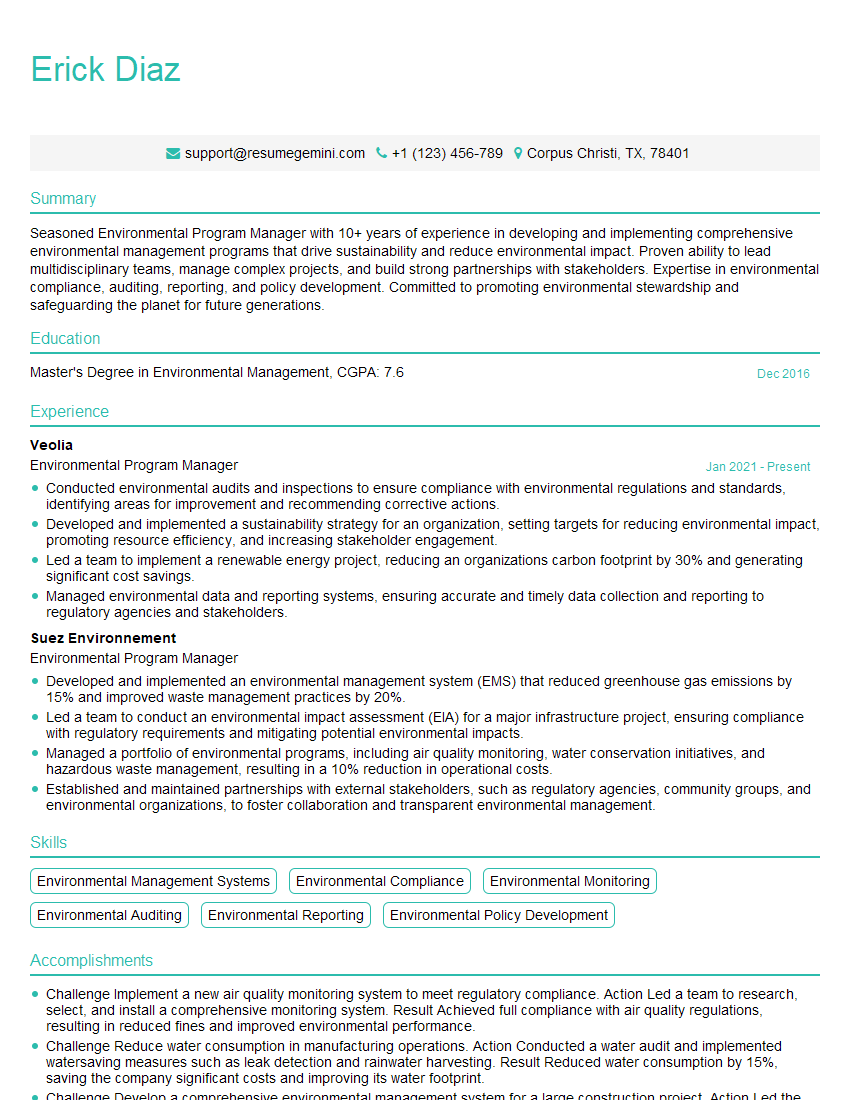
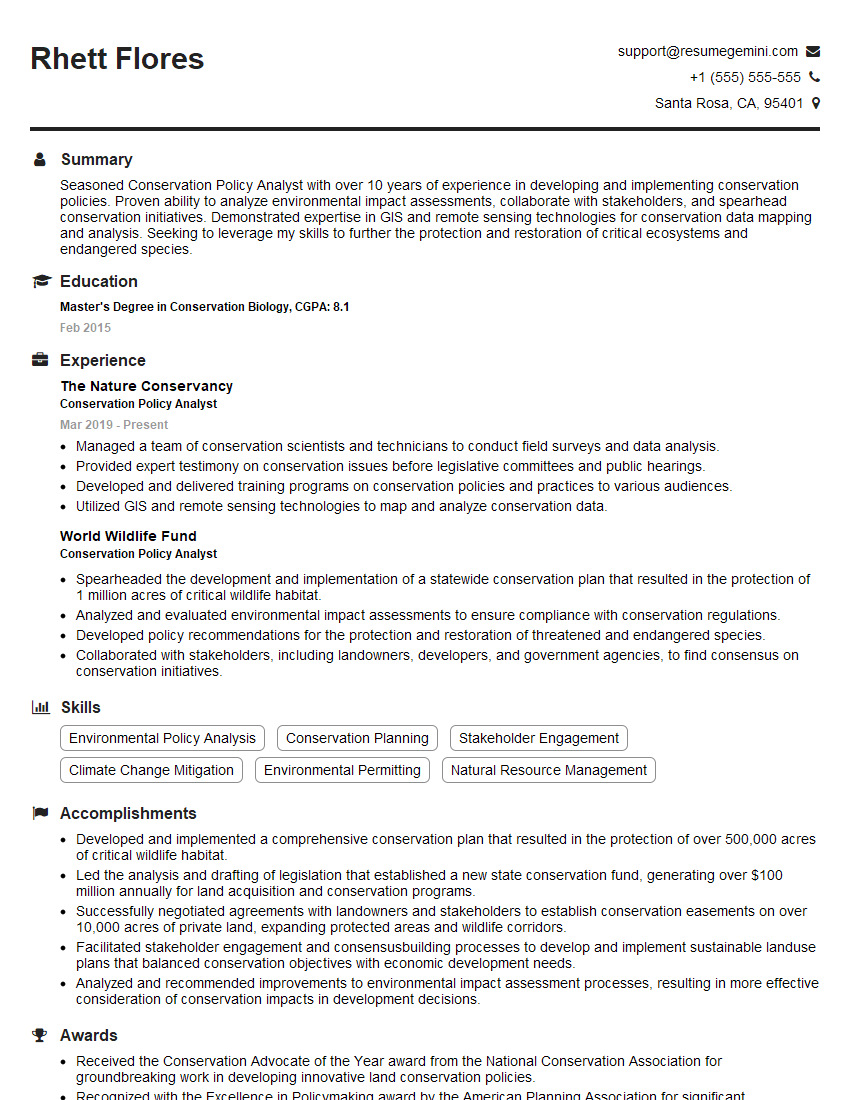
Mastering Wildlife Policy is crucial for a successful and impactful career in conservation. A strong understanding of these complex issues will significantly enhance your job prospects and allow you to contribute meaningfully to the protection of wildlife and their habitats. To maximize your chances, create a compelling and ATS-friendly resume that highlights your skills and experience. ResumeGemini is a trusted resource that can help you build a professional and effective resume tailored to the specific requirements of Wildlife Policy roles. Examples of resumes tailored to this field are available to help guide you.


Explore more articles
Users Rating of Our Blogs
Share Your Experience
We value your feedback! Please rate our content and share your thoughts (optional).
What Readers Say About Our Blog
Very informative content, great job.
good