Feeling uncertain about what to expect in your upcoming interview? We’ve got you covered! This blog highlights the most important Demonstrated leadership and management skills interview questions and provides actionable advice to help you stand out as the ideal candidate. Let’s pave the way for your success.
Questions Asked in Demonstrated leadership and management skills Interview
Q 1. Describe your experience leading a team through a significant project.
Leading a team through a significant project requires a blend of strategic planning, effective communication, and motivational leadership. In my previous role at Acme Corp, we undertook a complete overhaul of our customer relationship management (CRM) system. This was a high-stakes project with tight deadlines and involved a cross-functional team of 15 individuals from engineering, sales, and marketing.
My approach began with clearly defining project goals and breaking them down into smaller, manageable tasks. We utilized Agile methodologies, holding daily stand-up meetings to track progress, identify roadblocks, and ensure everyone remained aligned. I fostered open communication, encouraging team members to share concerns and suggestions. Regular feedback sessions allowed me to monitor individual performance and provide support where needed. We celebrated milestones along the way to maintain team morale and momentum. The project was successfully completed ahead of schedule and significantly improved customer satisfaction.
The success hinged on my ability to not only manage tasks but also to build a cohesive and motivated team. I believe in leading by example, demonstrating commitment and hard work. This fosters trust and respect, which are essential for achieving collective goals in challenging projects.
Q 2. How do you delegate tasks effectively?
Effective delegation involves understanding your team members’ strengths and weaknesses, as well as the specific requirements of each task. I believe in assigning tasks based on individual skills and capabilities, ensuring each person is given an opportunity to excel. Before delegating, I provide clear instructions, outlining expectations, deadlines, and available resources.
I also empower my team members by granting them autonomy and the authority to make decisions within their designated areas of responsibility. Regular check-ins help me monitor progress, offer support, and address any challenges. For instance, when delegating a complex coding task, I wouldn’t just assign it but also schedule a brainstorming session to ensure the team member fully understands the task and has the necessary resources, potentially even pairing them with a senior member for support. This approach ensures that tasks are not only completed but also contribute to the professional development of my team.
Q 3. How do you motivate team members to achieve their goals?
Motivating a team involves understanding individual needs and aspirations. I believe in creating a positive and supportive work environment where individuals feel valued and appreciated. This starts with clear communication of goals and expectations, making sure everyone understands their role and contribution to the bigger picture.
I use a combination of strategies: recognizing and rewarding achievements, both big and small; offering opportunities for professional development; providing regular feedback and constructive criticism; and fostering a collaborative team spirit. For instance, I recently implemented a peer-recognition program where team members can acknowledge each other’s contributions, creating a culture of appreciation and boosting morale. This also helps highlight best practices and promotes learning across the team.
Q 4. Describe a time you had to manage conflict within a team.
Conflict is inevitable in any team environment. During a project involving a tight deadline, two team members had a disagreement regarding the best approach to a particular module. Instead of ignoring the conflict, I facilitated a discussion where both individuals were able to express their perspectives.
My approach was to actively listen to both sides, identify the root cause of the disagreement, and then work collaboratively to find a solution that met the needs of the project and the concerns of both team members. This involved identifying common ground, exploring alternative solutions, and ultimately agreeing on a compromise that leveraged the strengths of both approaches. Post-resolution, I emphasized the importance of open communication and respectful dialogue in future situations. The result was not only a successful resolution of the conflict but also a strengthened team dynamic.
Q 5. How do you provide constructive feedback to your team members?
Constructive feedback is crucial for growth and improvement. My approach emphasizes specificity, focusing on observable behaviors and their impact rather than making personal judgments. I use the SBI (Situation-Behavior-Impact) method, describing the situation, the specific behavior observed, and the impact of that behavior. For example, instead of saying ‘You’re not a team player,’ I might say, ‘During the last meeting, you interrupted Sarah several times, which prevented her from fully explaining her point and slowed down the progress of our discussion.’
I frame feedback as an opportunity for growth and improvement, offering concrete suggestions for improvement. I also encourage two-way communication, allowing the team member to respond and share their perspective. The goal is not to criticize but to help the individual understand how they can improve their performance.
Q 6. Describe your approach to performance management.
My approach to performance management is proactive and holistic. It starts with setting clear expectations and goals at the beginning of the performance cycle. I hold regular one-on-one meetings to monitor progress, provide support, and address any challenges. I use a combination of qualitative and quantitative measures to assess performance. This includes reviewing completed projects, evaluating contributions to team goals, and gathering feedback from peers and clients.
Performance reviews are not just annual events but an ongoing process of feedback and development. I create a performance improvement plan (PIP) if necessary, setting clear expectations and outlining steps to improve performance. The emphasis is always on growth and improvement, providing support and resources to help team members achieve their full potential.
Q 7. How do you measure the success of your team’s performance?
Measuring team success goes beyond simply completing projects on time and within budget. I use a multi-faceted approach, considering several key performance indicators (KPIs) aligned with the overall business objectives. This might include metrics such as project completion rates, customer satisfaction scores, team efficiency, and individual performance ratings.
For instance, in the CRM project mentioned earlier, success was measured not only by the timely launch of the new system but also by improvements in customer satisfaction (measured through surveys) and a demonstrable increase in sales efficiency. Regular reporting and analysis of these KPIs help us to track our progress, identify areas for improvement, and celebrate successes. This data-driven approach ensures that our efforts are aligned with our strategic goals and deliver tangible value to the organization.
Q 8. How do you handle pressure and tight deadlines?
Handling pressure and tight deadlines effectively requires a proactive and organized approach. It’s not about simply working harder, but working smarter. My strategy involves a multi-pronged approach:
- Prioritization: I utilize methods like Eisenhower Matrix (urgent/important) to prioritize tasks, ensuring the most critical ones are tackled first. This prevents feeling overwhelmed by focusing on what truly matters.
- Time Management: I break down large projects into smaller, manageable tasks with realistic deadlines. Using project management tools like Trello or Asana aids in tracking progress and identifying potential bottlenecks early on. I also utilize time-blocking techniques to allocate specific time slots for focused work.
- Communication: Open and transparent communication is crucial. If deadlines are at risk, I proactively communicate this to stakeholders, exploring potential solutions collaboratively rather than waiting until it’s a crisis.
- Delegation: I effectively delegate tasks based on team members’ strengths and skillsets, ensuring everyone feels empowered and the workload is distributed fairly.
- Self-Care: Maintaining a work-life balance is critical for sustained performance under pressure. This includes adequate sleep, exercise, and breaks to prevent burnout.
For example, during a critical product launch, we faced a significant delay due to a third-party vendor. Instead of panicking, I immediately convened a team meeting to assess the impact and identify alternative solutions. We successfully re-prioritized tasks, leveraged internal resources, and ultimately launched the product with minimal impact on the overall timeline.
Q 9. Describe a time you had to make a difficult decision that impacted your team.
One challenging decision involved restructuring a team to improve efficiency and collaboration. We were facing decreasing project success rates due to internal silos and communication breakdowns. After careful analysis of team performance, individual strengths, and project workflows, I decided to reorganize the team into cross-functional units.
This was difficult because it meant some individuals had to change roles and some team members initially resisted the change. To mitigate the resistance, I held individual meetings with each team member to explain the rationale behind the restructuring and to address their concerns. I emphasized the long-term benefits for both the individual and the team as a whole. I also provided adequate training and support to help everyone adapt to the new structure. The result was a significant improvement in project success rates and overall team morale after an initial period of adjustment. Open communication and demonstrating that the decision was made with the team’s best interests at heart proved vital.
Q 10. How do you build and maintain strong relationships with your team members?
Building and maintaining strong relationships with team members is the foundation of effective leadership. It involves a blend of empathy, communication, and active engagement.
- Active Listening: I make a conscious effort to actively listen to my team members’ concerns, ideas, and feedback. I ensure they feel heard and valued.
- Regular Communication: I maintain open lines of communication, holding regular team meetings, one-on-one check-ins, and utilizing collaborative tools to foster seamless information sharing.
- Recognition and Appreciation: I consistently acknowledge and appreciate individual and team accomplishments, both big and small. Celebrating successes strengthens team cohesion and motivation.
- Mentorship and Support: I actively mentor team members, providing guidance, support, and opportunities for growth and development. This fosters a sense of trust and mutual respect.
- Team-Building Activities: I organize occasional team-building activities to improve camaraderie and foster stronger relationships outside of formal work settings.
For example, by regularly checking in with each team member on their progress and challenges, I was able to identify that one team member was struggling with a specific technical skill. I then arranged for additional training and mentorship which boosted both their confidence and overall team performance.
Q 11. How do you foster a positive and productive work environment?
A positive and productive work environment is characterized by trust, respect, collaboration, and clear communication. I foster this by:
- Clear Expectations: Setting clear goals, roles, and responsibilities removes ambiguity and promotes accountability.
- Open Communication: Encouraging open dialogue and feedback ensures everyone feels comfortable expressing their thoughts and concerns.
- Collaborative Culture: Promoting teamwork and collaboration through shared projects and cross-functional initiatives.
- Work-Life Balance: Recognizing the importance of work-life balance and encouraging team members to take breaks and prioritize their well-being.
- Continuous Improvement: Regularly soliciting feedback and making adjustments to processes and practices to optimize efficiency and morale.
For example, I implemented a system of regular feedback sessions where team members could openly discuss challenges, ideas for improvement, and offer constructive criticism, creating a culture of continuous improvement and openness.
Q 12. How do you identify and develop the strengths of your team members?
Identifying and developing team members’ strengths is crucial for maximizing their potential and overall team performance. My approach involves:
- 360-Degree Feedback: Utilizing multiple sources of feedback (self, peers, supervisors) to gain a holistic understanding of each individual’s strengths and weaknesses.
- Performance Reviews: Conducting regular performance reviews that focus not only on achievements but also on identifying areas for growth and development.
- Skill Assessments: Employing various skill assessments to pinpoint specific talents and areas where further training might be beneficial.
- Mentorship and Coaching: Providing mentorship and coaching to help team members develop their skills and reach their full potential.
- Delegation and Empowerment: Assigning tasks and projects that challenge individuals and provide opportunities to utilize and enhance their strengths.
For instance, I discovered a team member had a knack for data analysis during a routine project. I subsequently assigned her to a more data-centric role, providing her with opportunities to develop her skills further, leading to both increased individual performance and improved team efficiency.
Q 13. Describe your experience with strategic planning and execution.
Strategic planning and execution require a systematic and collaborative approach. My experience encompasses:
- Vision and Goal Setting: Clearly defining the team’s vision, mission, and long-term goals. This provides a roadmap for decision-making and resource allocation.
- SWOT Analysis: Conducting thorough SWOT (Strengths, Weaknesses, Opportunities, Threats) analyses to understand our position in the market and identify areas for improvement and potential risks.
- Resource Allocation: Strategically allocating resources (budget, personnel, time) to achieve our goals effectively and efficiently.
- Action Planning: Developing detailed action plans with timelines, responsibilities, and key performance indicators (KPIs) to track progress.
- Monitoring and Evaluation: Regularly monitoring progress against KPIs, adjusting plans as needed, and conducting post-project reviews to identify lessons learned.
In a previous role, we successfully launched a new product line using a strategic planning framework. The process involved thorough market research, competitive analysis, product development, marketing strategy, and a phased rollout. Through meticulous planning and execution, we achieved our projected sales targets within the first year.
Q 14. How do you adapt your leadership style to different situations and individuals?
Adapting my leadership style to different situations and individuals is critical for effective management. I employ a situational leadership approach, adjusting my style based on the team member’s competence and commitment level.
- Delegating: For highly competent and committed individuals, I delegate tasks with minimal supervision, fostering autonomy and ownership.
- Participating: For individuals with high commitment but low competence, I offer support, guidance, and share my expertise to improve their skills.
- Selling: When faced with a situation requiring a quick turnaround or involving less experienced team members, I provide clear directions and support, explaining the rationale behind the decisions.
- Telling: In emergency situations, I take charge, provide clear and direct instructions, and ensure that tasks are completed efficiently and effectively.
For example, I adapted my leadership style when working with a new team member who was highly motivated but lacked experience in our specific software. I adopted a ‘selling’ approach – providing clear instructions, regular check-ins, and offering support and guidance, leading to their rapid integration into the team.
Q 15. How do you handle underperforming team members?
Addressing underperformance requires a thoughtful, multi-step approach. It begins with a clear understanding of expectations and performance metrics. I start by having a private, one-on-one conversation with the team member, focusing on specific instances of underperformance, not general criticisms. I use the Situation-Behavior-Impact (SBI) model to clearly articulate the issue. For example, “In the recent project launch (Situation), your report was submitted late (Behavior), resulting in delays for the marketing team (Impact).”
Next, I collaboratively identify the root causes. Are there skill gaps? Is there a lack of resources? Are there personal challenges affecting their work? This requires active listening and empathy. Based on this, we develop a performance improvement plan (PIP) with clear, measurable goals, deadlines, and the necessary support – whether that’s mentorship, training, or adjusting workload. Regular check-ins are crucial to monitor progress, offer support, and make adjustments as needed. If, despite these efforts, performance doesn’t improve, more formal disciplinary actions may be necessary, always following company policy.
For instance, in a previous role, a team member consistently missed deadlines. Through conversations, we discovered they were struggling with time management. We implemented a project management tool and provided training, resulting in a significant improvement in their performance and overall team output.
Career Expert Tips:
- Ace those interviews! Prepare effectively by reviewing the Top 50 Most Common Interview Questions on ResumeGemini.
- Navigate your job search with confidence! Explore a wide range of Career Tips on ResumeGemini. Learn about common challenges and recommendations to overcome them.
- Craft the perfect resume! Master the Art of Resume Writing with ResumeGemini’s guide. Showcase your unique qualifications and achievements effectively.
- Don’t miss out on holiday savings! Build your dream resume with ResumeGemini’s ATS optimized templates.
Q 16. Describe your experience with budgeting and resource allocation.
Budgeting and resource allocation are critical for effective team management. My approach is data-driven and strategic. I begin by understanding the overall organizational goals and aligning the team’s budget with these objectives. This involves analyzing historical data, projecting future needs, and considering potential risks. I utilize various budgeting methods, such as zero-based budgeting or incremental budgeting, depending on the project and context. Resource allocation considers both financial and human capital. I assess team member skill sets, workload capacity, and project timelines to distribute resources effectively. This often involves prioritization, making tough choices about which projects to fund and which resources to allocate to maximize impact.
For example, in my previous role, we were faced with budget cuts. Through careful analysis, I identified areas where we could streamline operations without sacrificing quality. By prioritizing key projects and reallocating resources strategically, we were able to maintain productivity and even deliver ahead of schedule within the reduced budget. This involved using project management software to accurately track expenses and resources, enabling data-driven decision-making.
Q 17. How do you stay organized and manage multiple priorities?
Managing multiple priorities requires a systematic approach. I use a combination of techniques, including prioritization matrices (like Eisenhower Matrix), time blocking, and task management software. The Eisenhower Matrix helps me categorize tasks by urgency and importance, enabling me to focus on the most critical items first. Time blocking allows me to dedicate specific time slots to particular tasks, minimizing distractions and improving focus. Task management software, such as Asana or Trello, provides a centralized platform to track progress, delegate responsibilities, and ensure accountability.
Furthermore, I regularly review my priorities and adjust my schedule as needed. Unexpected issues arise, and adaptability is key. Effective communication with my team is also vital. Keeping everyone informed of priorities ensures everyone is working toward the same goals, preventing duplication and maximizing efficiency. Regular team meetings provide opportunities for collaboration, updates, and resolving roadblocks.
Q 18. How do you use technology to improve team efficiency?
Technology plays a significant role in improving team efficiency. I leverage various tools to streamline communication, collaboration, and project management. For communication, we use platforms like Slack or Microsoft Teams for instant messaging, file sharing, and video conferencing. This minimizes email clutter and facilitates quick information exchange. For collaboration, tools like Google Workspace or Microsoft 365 provide shared document editing, making real-time collaboration seamless. For project management, I utilize tools like Asana, Trello, or Jira to track progress, assign tasks, and manage deadlines. This ensures transparency and accountability within the team.
In one instance, we transitioned from email-based communication to a project management tool. This improved communication clarity, streamlined workflow, and significantly reduced the time spent on administrative tasks. Data visualization tools were also employed to track key metrics, enabling data-driven decision-making and improvements in project efficiency.
Q 19. How do you ensure accountability within your team?
Accountability is fostered through clear expectations, transparent communication, and regular feedback. I start by establishing clear roles, responsibilities, and performance metrics for each team member. This includes outlining key performance indicators (KPIs) and outlining how individual contributions contribute to overall team goals. Regular progress updates, both individually and as a team, provide opportunities for monitoring performance and addressing any potential issues early on. I utilize performance management systems to track progress against established KPIs and provide constructive feedback regularly.
Furthermore, I encourage a culture of open communication where team members feel comfortable sharing challenges and seeking support. This fosters trust and mutual accountability. When issues arise, I focus on problem-solving collaboratively, rather than assigning blame. This approach encourages ownership and a proactive approach to addressing challenges.
Q 20. Describe a time you had to make a difficult decision with limited information.
In a previous role, our team was developing a new software feature with a tight deadline. A critical component failed during testing, leaving us with limited time to find a solution with incomplete information about the root cause. I had to make a quick decision: either release the software with a known, but minor, bug, or delay the launch, risking missing the critical market window. I gathered my team, and we analyzed the available data, assessing the risk of releasing the software with the minor bug versus the consequences of a delayed launch.
We weighed the potential impact on users, considering the severity of the bug and the potential for a larger negative impact of missing the launch window. After a thorough discussion, we decided to release the software with the minor bug, immediately starting work on a patch for the next release. We also made a communication plan to inform users of the minor issue and the timeline for the patch. The decision was not ideal, but under the circumstances, it was the most responsible choice, minimizing overall risk and prioritizing timely delivery, even with the minor caveat.
Q 21. How do you communicate effectively with different stakeholders?
Effective communication with different stakeholders requires adapting my approach based on their needs and communication preferences. For senior management, I focus on concise, results-oriented reports, highlighting key achievements and challenges. For team members, I use clear, specific instructions and provide regular feedback and support. For clients, I prioritize transparency, responsiveness, and relationship building. I tailor my communication style to the audience, ensuring the message is clear, concise, and relevant.
I use a variety of communication channels, including face-to-face meetings, email, presentations, and project management software. I always prioritize active listening, seeking to understand different perspectives and addressing concerns promptly. Building strong relationships based on trust and mutual respect is crucial for effective communication and collaboration across all stakeholder groups. For example, I regularly hold Q&A sessions with clients to maintain transparency and address their concerns directly.
Q 22. How do you handle criticism and feedback?
I view criticism and feedback as invaluable opportunities for growth. I don’t take it personally; instead, I see it as a chance to improve my performance and the team’s effectiveness. My approach is structured and involves several key steps:
- Active Listening: I listen attentively to understand the feedback fully, asking clarifying questions to ensure I grasp the perspective entirely.
- Seeking Clarity: I strive for specificity. Vague criticism is less helpful, so I’ll ask for concrete examples and actionable suggestions for improvement.
- Self-Reflection: Once I’ve understood the feedback, I take time for self-reflection. Is there validity to the criticism? What can I learn from this experience?
- Action Planning: Based on my reflection, I develop a plan for improvement. This might involve seeking additional training, adjusting my management style, or implementing new processes.
- Follow-up: I follow up with the person who provided the feedback to demonstrate my commitment to improvement and discuss my action plan. This shows respect and accountability.
For example, in a previous role, a team member provided feedback that my communication during project updates was too technical. Following my process, I implemented more visual aids and simplified my language, resulting in improved team understanding and project success.
Q 23. Describe your experience with change management.
Change management is a critical aspect of effective leadership. My experience encompasses a wide range of approaches, from incremental adjustments to complete organizational overhauls. I believe in a structured, communicative approach that minimizes disruption and maximizes buy-in. This involves:
- Assessment and Planning: I begin by thoroughly assessing the need for change, identifying potential challenges, and developing a clear plan with measurable goals and timelines.
- Communication and Transparency: Open and honest communication throughout the entire process is vital. This involves keeping the team informed every step of the way, addressing concerns, and actively soliciting feedback.
- Stakeholder Engagement: Identifying key stakeholders and engaging them early in the process ensures their concerns are addressed and builds support for the change.
- Training and Support: Providing adequate training and support is crucial to enable team members to adapt successfully to the changes.
- Monitoring and Adjustment: Continuous monitoring allows for adjustments to the plan as needed, based on progress and feedback. Flexibility is key to successfully navigating change.
In a past project, we transitioned to a new project management software. I facilitated workshops, provided individual training sessions, and addressed concerns proactively. This resulted in a smooth transition with minimal disruption to productivity.
Q 24. How do you build consensus among team members with differing opinions?
Building consensus among team members with differing opinions is a fundamental skill for effective leadership. It requires skillful facilitation, active listening, and a focus on finding common ground. My approach involves:
- Active Listening and Understanding: I begin by ensuring everyone feels heard. This involves giving each person ample time to express their opinions and perspectives without interruption.
- Identifying Common Goals: I help the team focus on the shared objectives and goals of the project, reminding everyone of the bigger picture.
- Identifying Areas of Agreement: I highlight areas where team members already agree, building a foundation for further collaboration.
- Creative Problem Solving: I encourage brainstorming and collaborative problem-solving to find solutions that address the concerns of all parties involved.
- Compromise and Negotiation: Sometimes compromise is necessary. I guide the team through a negotiation process to find mutually acceptable solutions.
For example, during a strategic planning session, team members had strongly differing opinions on the best marketing approach. By facilitating open discussion and highlighting the shared goal of increased market share, we collaboratively developed a hybrid strategy that incorporated elements from everyone’s suggestions.
Q 25. How do you measure your own leadership effectiveness?
Measuring leadership effectiveness is an ongoing process that requires both objective and subjective assessments. I utilize a multi-faceted approach:
- Team Performance: I track team performance metrics such as project completion rates, quality of work, and customer satisfaction. Improvements in these areas directly reflect the effectiveness of my leadership.
- Employee Feedback: Regular 360-degree feedback surveys, coupled with one-on-one meetings, provide valuable insights into how my leadership is perceived by team members.
- Individual Growth: I assess the professional development and growth of individual team members. Are they learning and advancing their skills under my guidance?
- Process Improvement: I track the efficiency and effectiveness of team processes. Are we working smarter, not just harder?
- Self-Reflection: Regular self-reflection, journaling, and seeking mentorship provide crucial insights into my strengths and areas for improvement.
Using a combination of these methods provides a holistic picture of my leadership effectiveness. It allows for continuous improvement and adaptation to changing circumstances.
Q 26. Describe your experience mentoring or coaching team members.
Mentoring and coaching are essential parts of my leadership philosophy. I believe in fostering a culture of continuous growth and development within my teams. My approach focuses on:
- Identifying Development Needs: Through regular one-on-one meetings and performance reviews, I identify each team member’s strengths, weaknesses, and aspirations.
- Personalized Development Plans: Based on these needs, I work with each team member to create a personalized development plan that includes specific goals, timelines, and action steps.
- Providing Guidance and Support: I offer regular guidance, feedback, and support to help team members achieve their goals. This includes providing resources, connecting them with mentors, and offering constructive criticism.
- Empowerment and Delegation: I empower team members to take ownership of their work and development. I delegate tasks appropriately, fostering a sense of responsibility and accomplishment.
- Celebrating Successes: I actively celebrate team members’ successes, both big and small, reinforcing positive behaviors and motivating continued growth.
For instance, I mentored a junior team member who lacked confidence in public speaking. Through a structured plan involving practice sessions, feedback, and opportunities to present in low-stakes settings, she significantly improved her communication skills and was able to confidently lead presentations.
Q 27. How do you prioritize tasks and manage time effectively?
Effective task prioritization and time management are critical for success, both individually and as a team leader. My approach involves a combination of strategic planning and practical techniques:
- Prioritization Matrix: I use a prioritization matrix (like the Eisenhower Matrix) to categorize tasks based on urgency and importance. This helps me focus on high-impact activities.
- Time Blocking: I allocate specific time blocks for different tasks, ensuring focused work without constant interruptions.
- Delegation: I delegate tasks effectively, assigning responsibilities to team members based on their skills and availability.
- Regular Planning: I conduct regular planning sessions with my team to review progress, identify roadblocks, and adjust priorities as needed.
- Tool Utilization: I leverage project management tools (like Jira, Asana, etc.) to track tasks, monitor progress, and collaborate effectively with the team.
For example, I recently used the Eisenhower Matrix to prioritize tasks during a critical project deadline. Focusing on the high-impact, urgent tasks allowed us to meet the deadline successfully while still making progress on less urgent but important items.
Q 28. How do you maintain work-life balance while managing a team?
Maintaining work-life balance while managing a team is a constant challenge, but it’s crucial for both my well-being and the team’s effectiveness. My strategy focuses on several key areas:
- Effective Delegation: I trust my team and delegate effectively, avoiding the trap of micromanagement and freeing up time for myself.
- Clear Boundaries: I establish clear boundaries between work and personal life, setting aside specific times for family and personal activities.
- Time Management: I prioritize tasks effectively and use time management techniques to optimize my work hours, preventing burnout.
- Team Empowerment: Empowering my team reduces my workload and allows team members to feel ownership, boosting morale and their professional growth.
- Self-Care: I prioritize self-care activities such as exercise, hobbies, and spending time with loved ones to prevent stress and maintain a healthy work-life balance.
By proactively managing my time and empowering my team, I ensure that I maintain a healthy work-life balance without compromising the success of the team. It’s not always easy, but it’s an ongoing priority and crucial for long-term success.
Key Topics to Learn for Demonstrated Leadership and Management Skills Interviews
- Vision & Strategy: Articulating your ability to define clear goals, develop strategic plans, and effectively communicate the vision to your team.
- Team Building & Motivation: Highlighting your experience in fostering collaboration, building strong teams, and motivating individuals to achieve shared objectives. Consider examples of conflict resolution and team performance improvement.
- Delegation & Empowerment: Demonstrating your skill in assigning tasks effectively, providing necessary support, and empowering team members to take ownership and initiative.
- Decision-Making & Problem-Solving: Showcasing your ability to analyze situations, make informed decisions under pressure, and effectively solve complex problems using a structured approach.
- Performance Management & Feedback: Explaining your approach to providing constructive feedback, setting performance expectations, and conducting performance reviews. Include examples of recognizing and rewarding achievements.
- Change Management: Describing your experience leading teams through organizational changes, managing resistance, and ensuring smooth transitions.
- Communication & Interpersonal Skills: Highlighting your effective communication style, active listening skills, and ability to build rapport with individuals at all levels.
- Accountability & Responsibility: Demonstrating your ownership of outcomes, your willingness to take responsibility for both successes and failures, and your commitment to continuous improvement.
Next Steps
Mastering demonstrated leadership and management skills is crucial for career advancement, unlocking opportunities for greater responsibility and higher earning potential. A strong, ATS-friendly resume is essential for getting your application noticed by recruiters. ResumeGemini can help you craft a compelling resume that showcases your leadership and management capabilities effectively. We provide examples of resumes tailored to highlight demonstrated leadership and management skills, making it easier for you to present your qualifications in the best possible light. Take advantage of these resources to enhance your job prospects and advance your career.
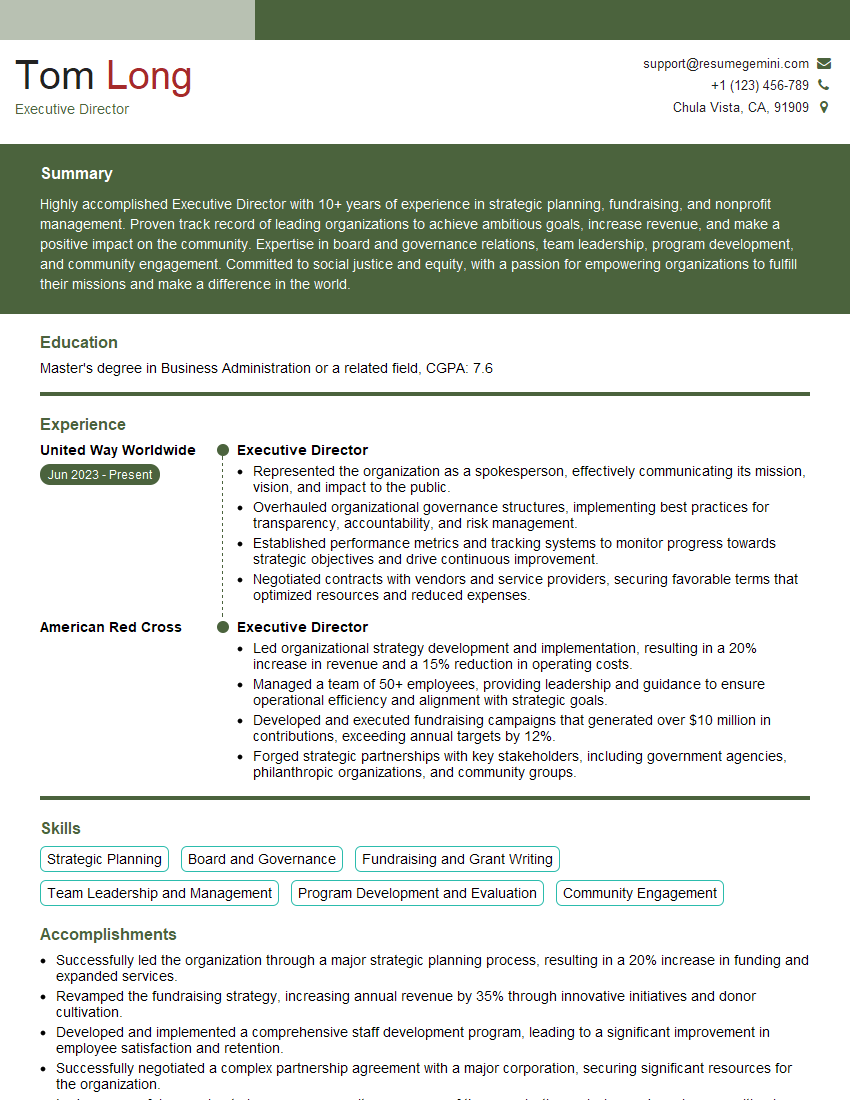
Executive Director Resume Sample
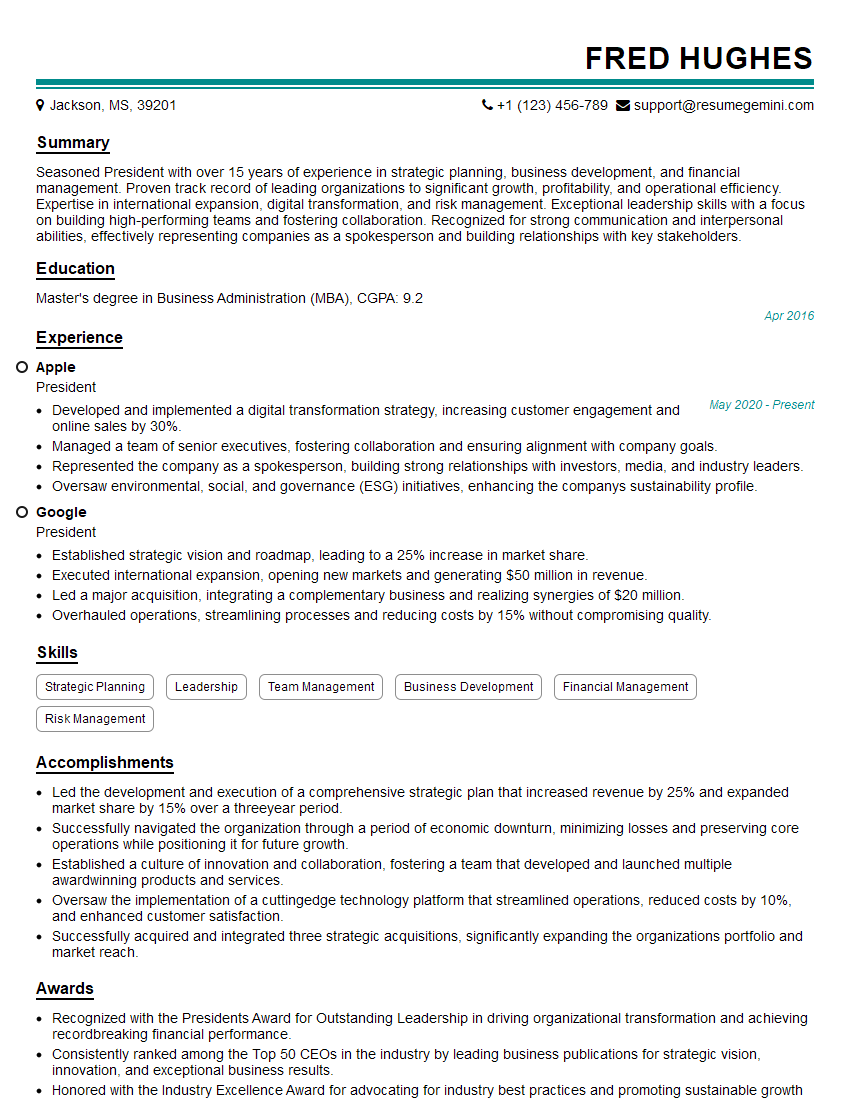
President Resume Sample
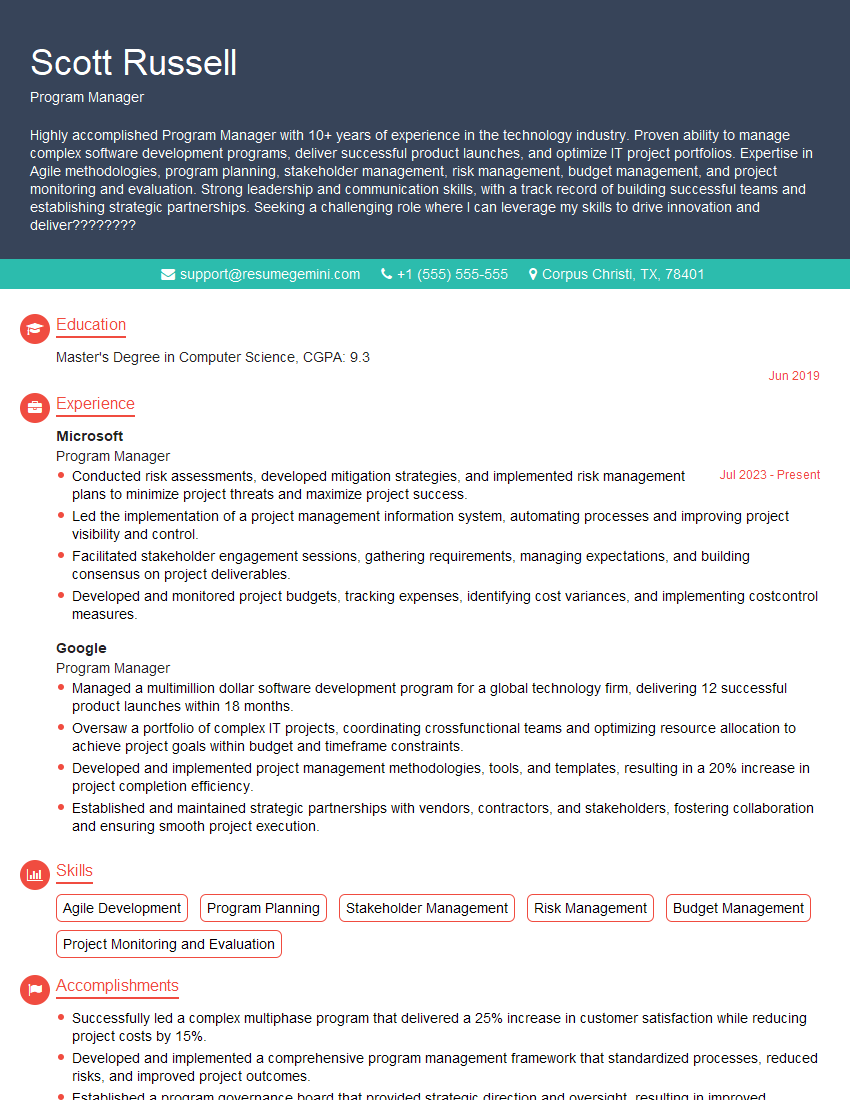
Program Manager Resume Sample
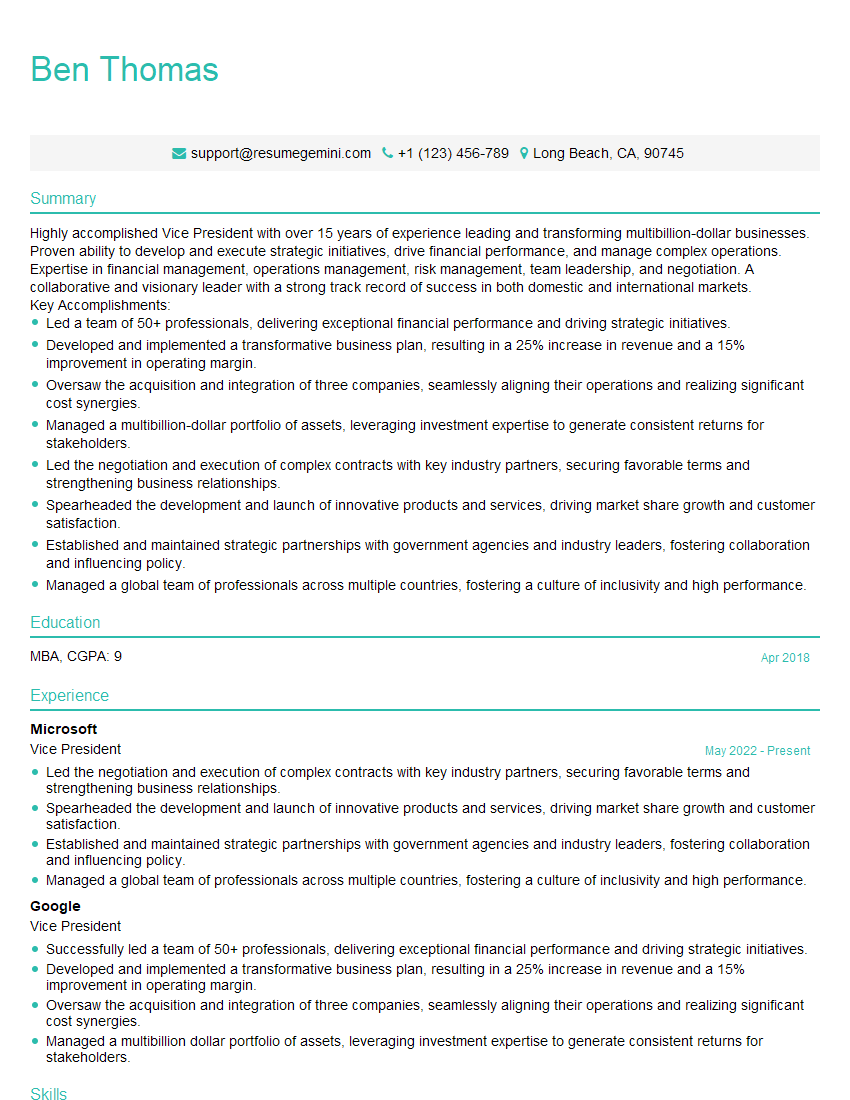
Vice President Resume Sample
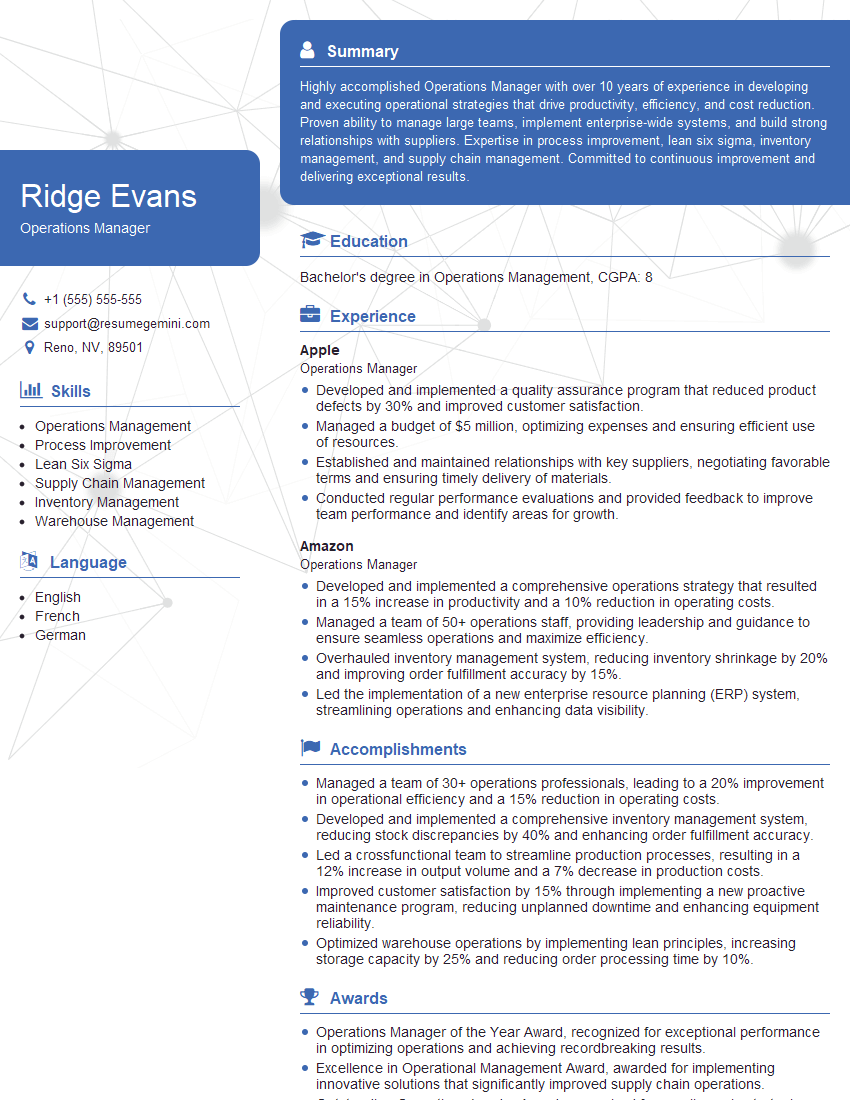
Operations Manager Resume Sample
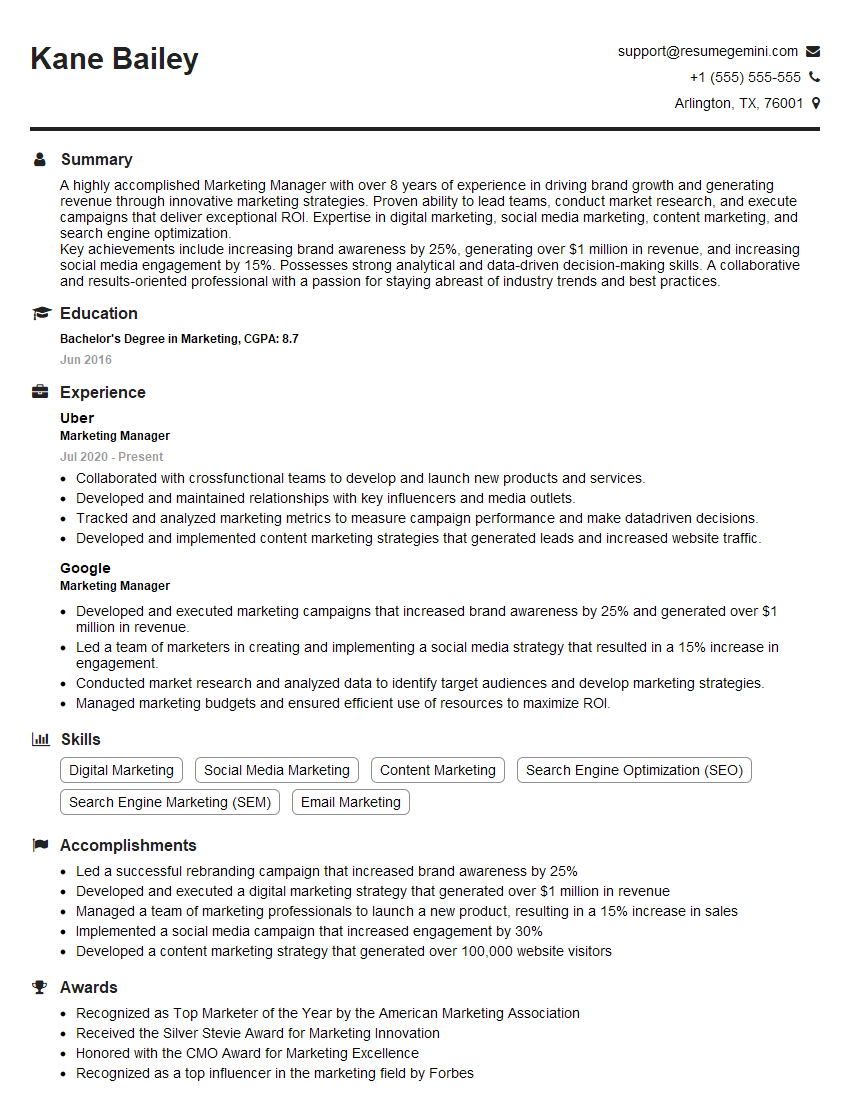
Marketing Manager Resume Sample
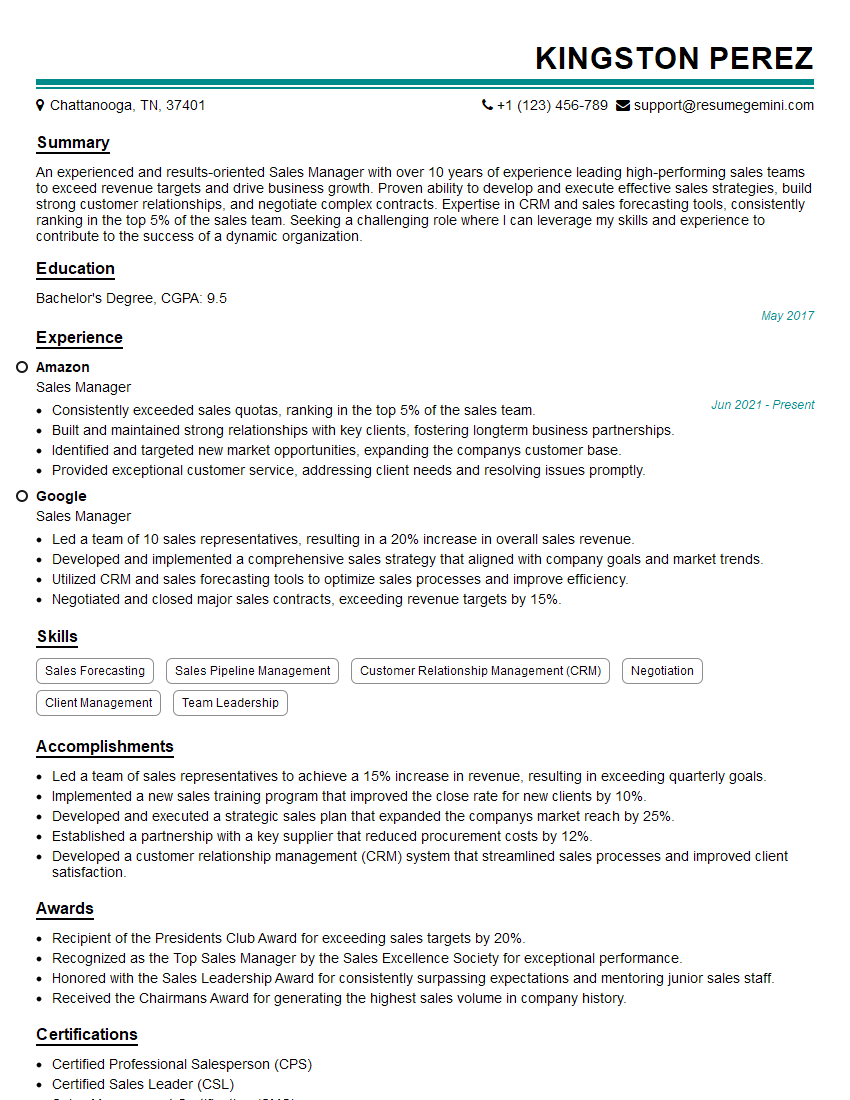
Sales Manager Resume Sample
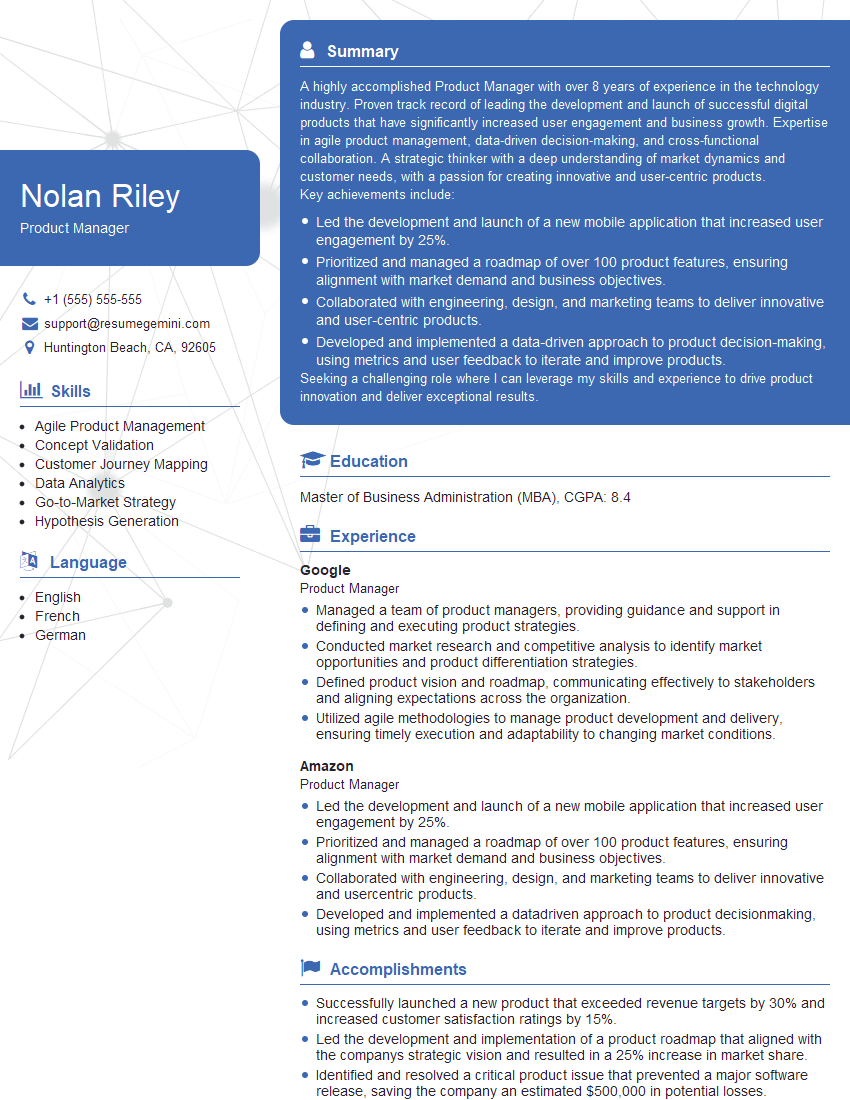
Product Manager Resume Sample
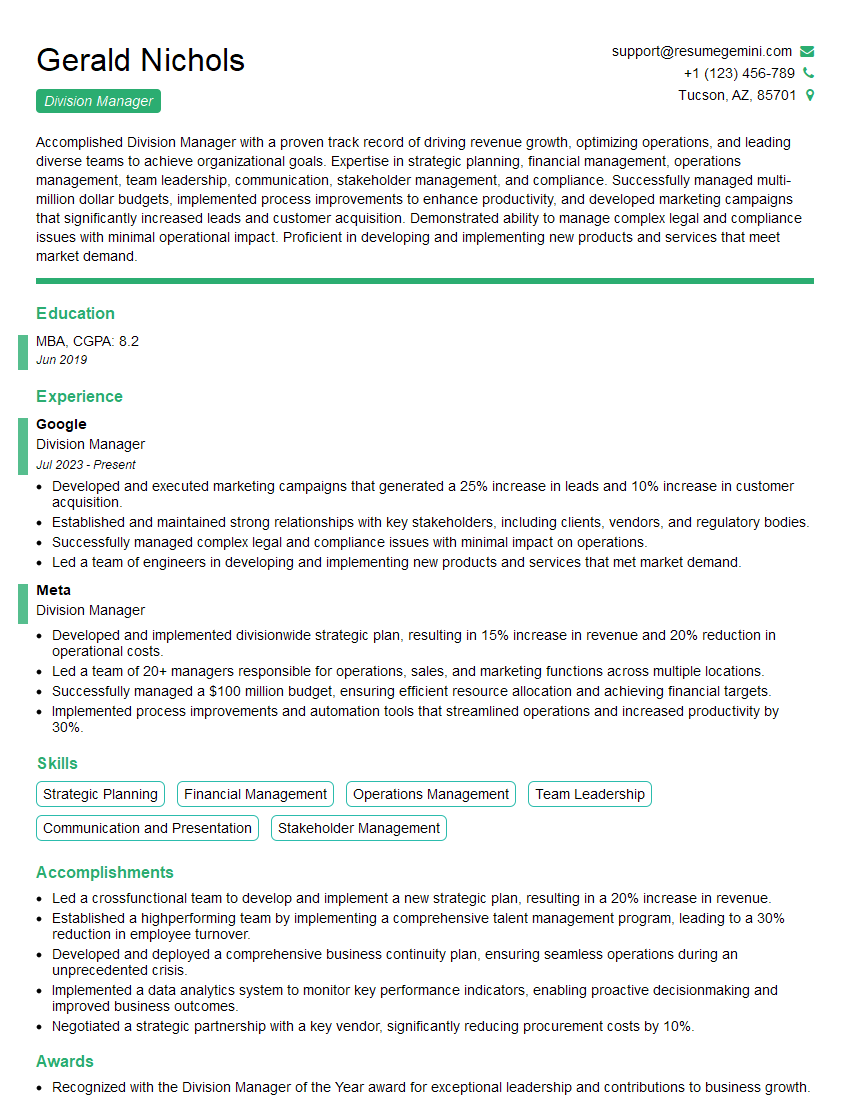
Division Manager Resume Sample
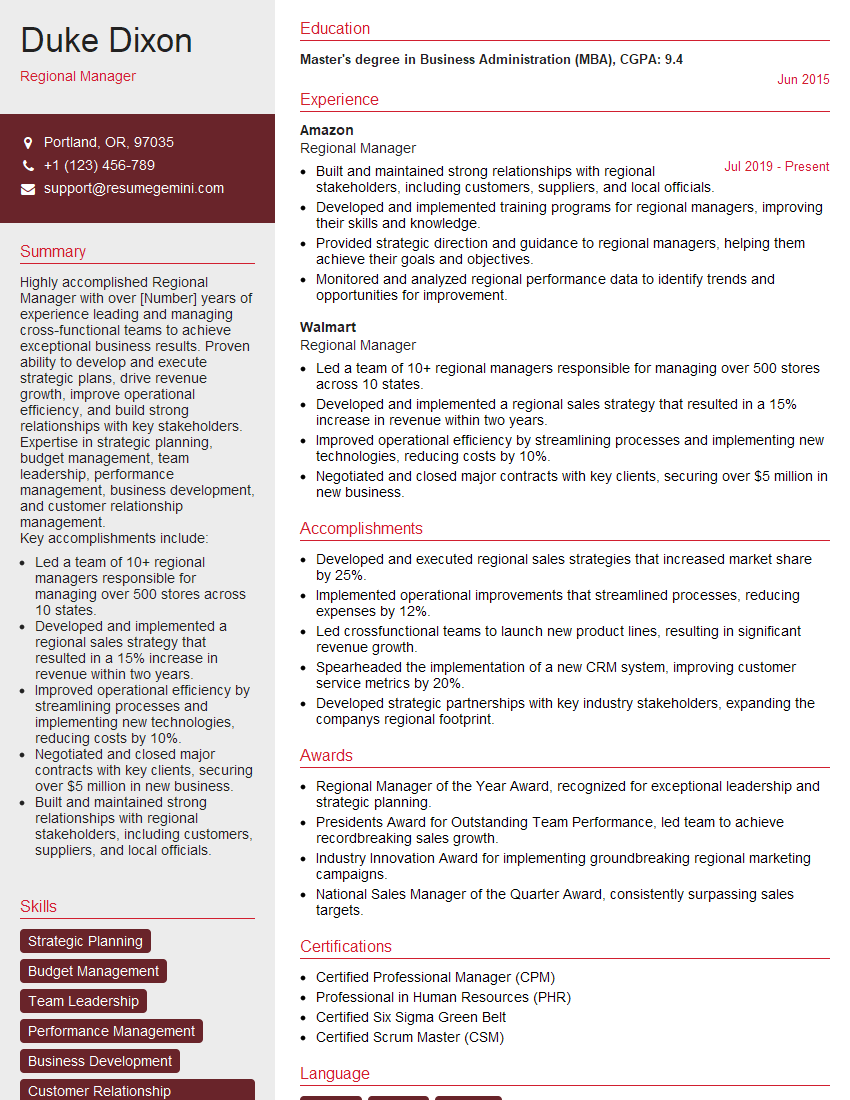
Regional Manager Resume Sample
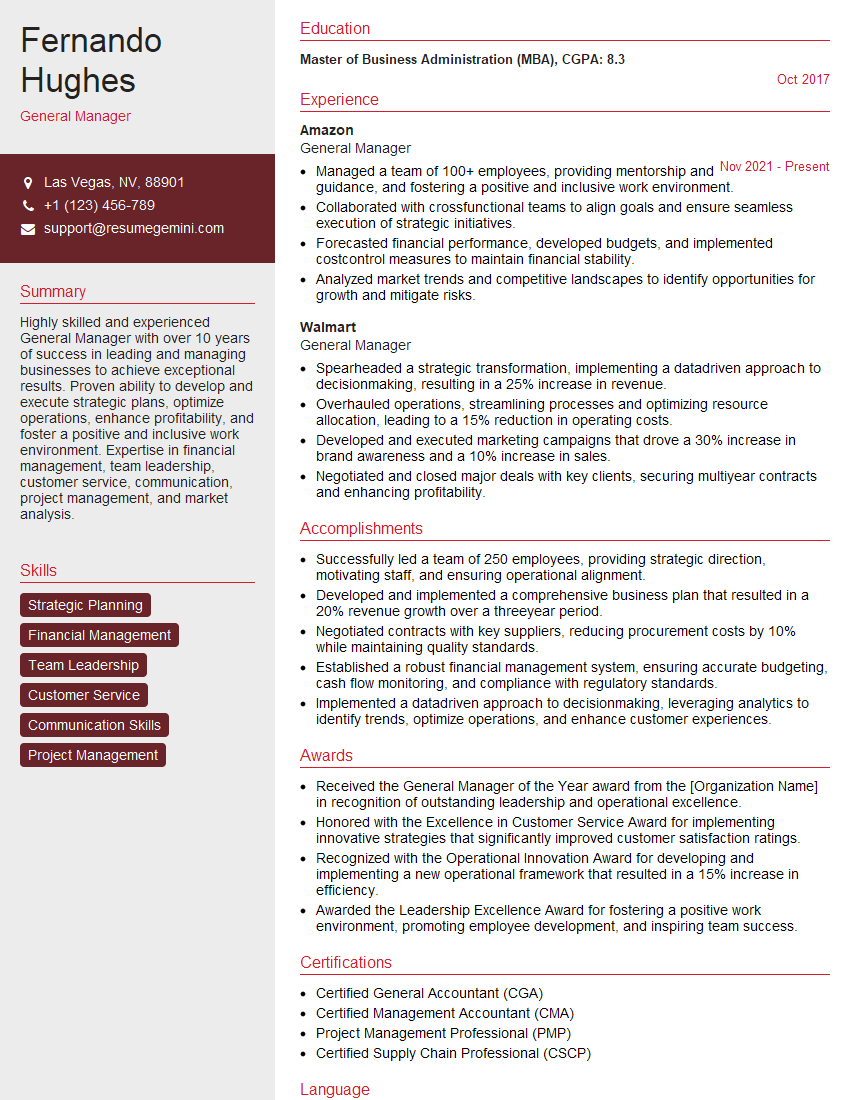
General Manager Resume Sample
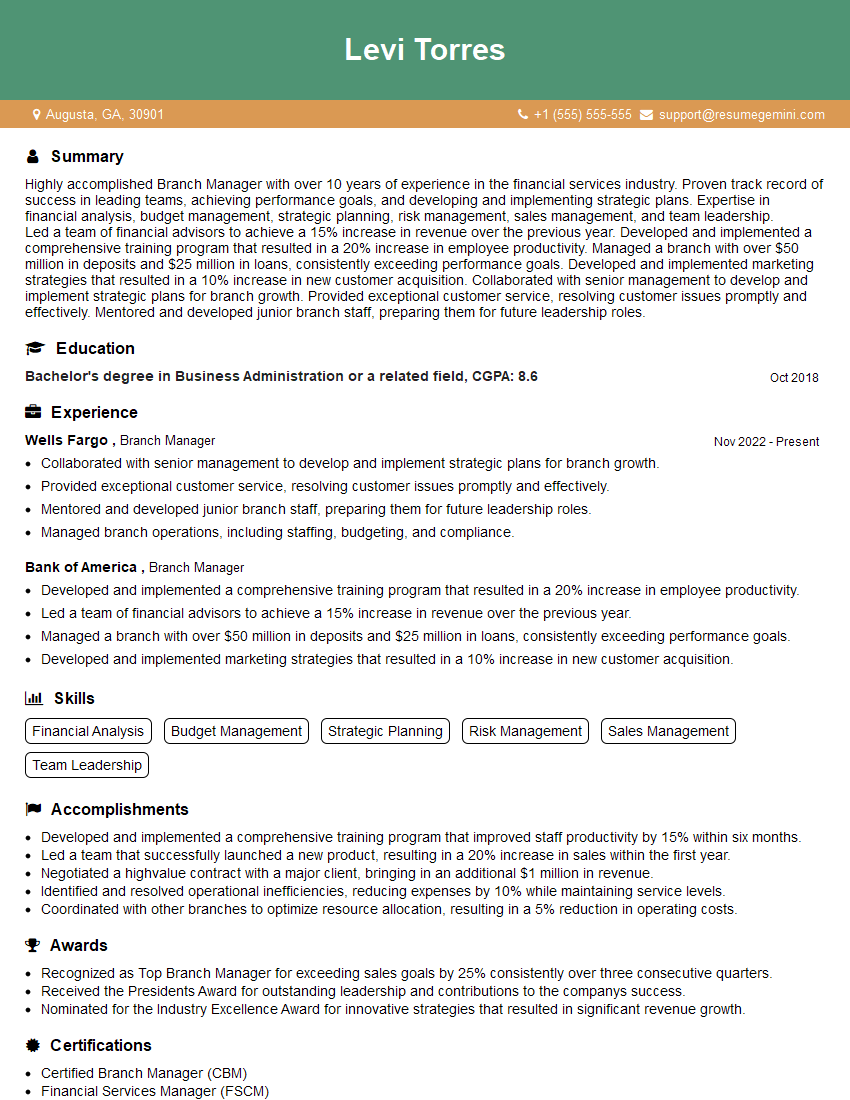
Branch Manager Resume Sample
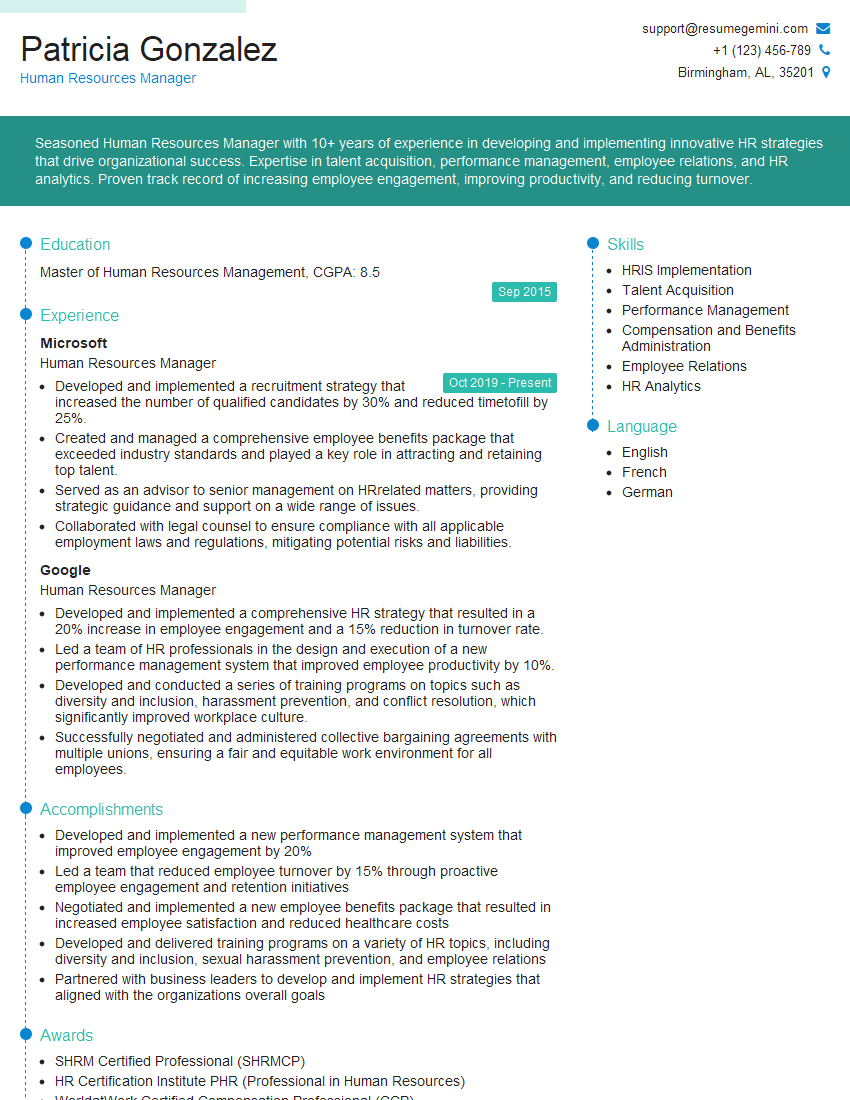
Human Resources Manager Resume Sample
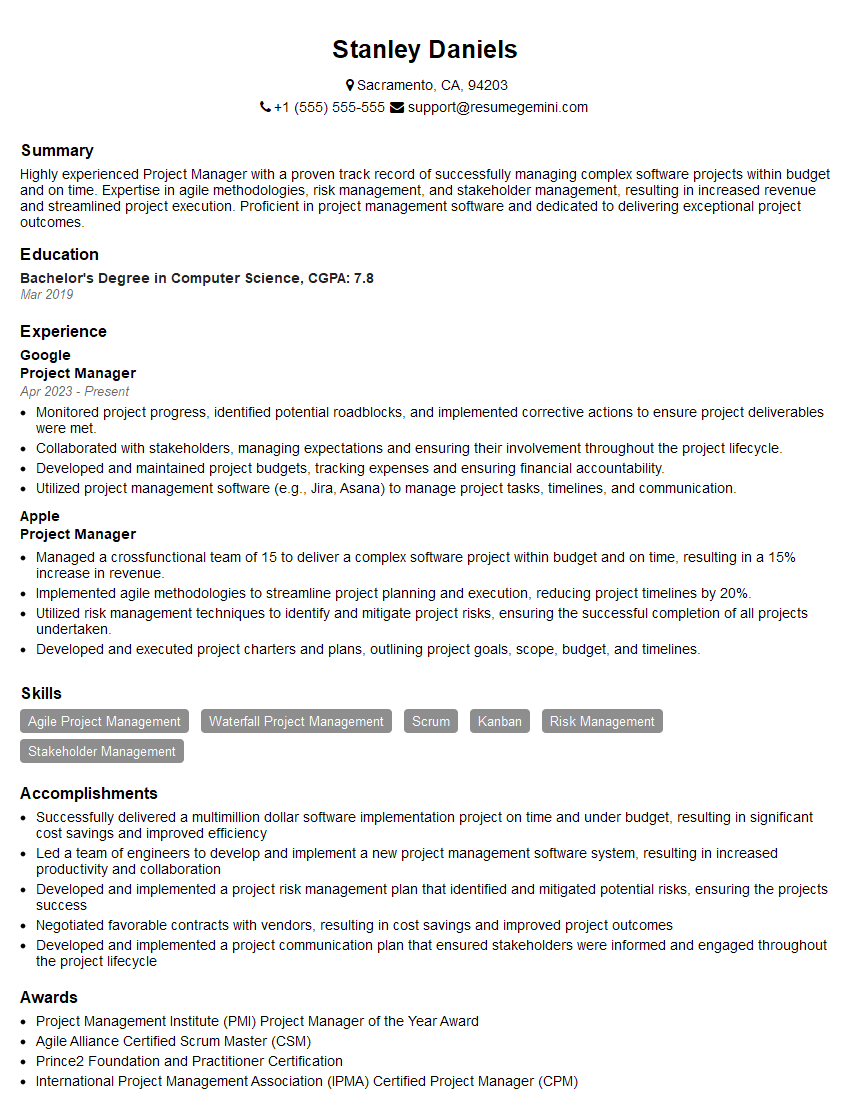
Project Manager Resume Sample
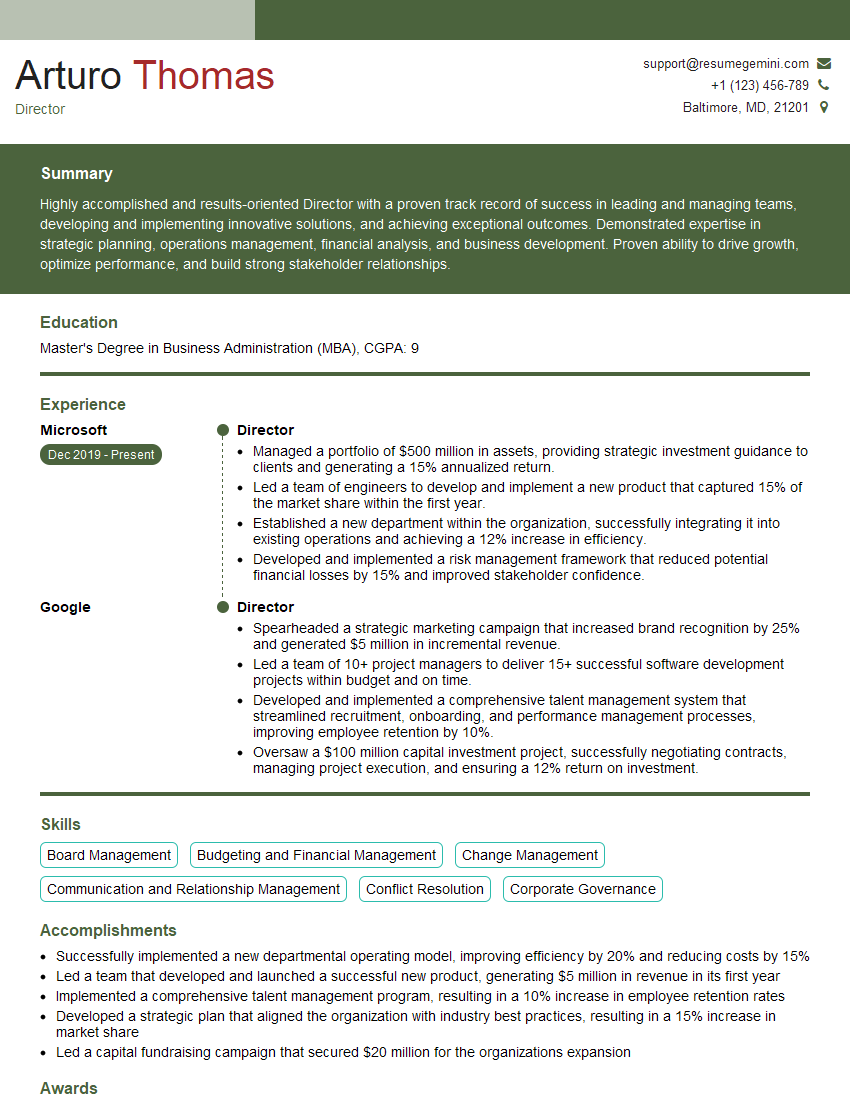
Director Resume Sample
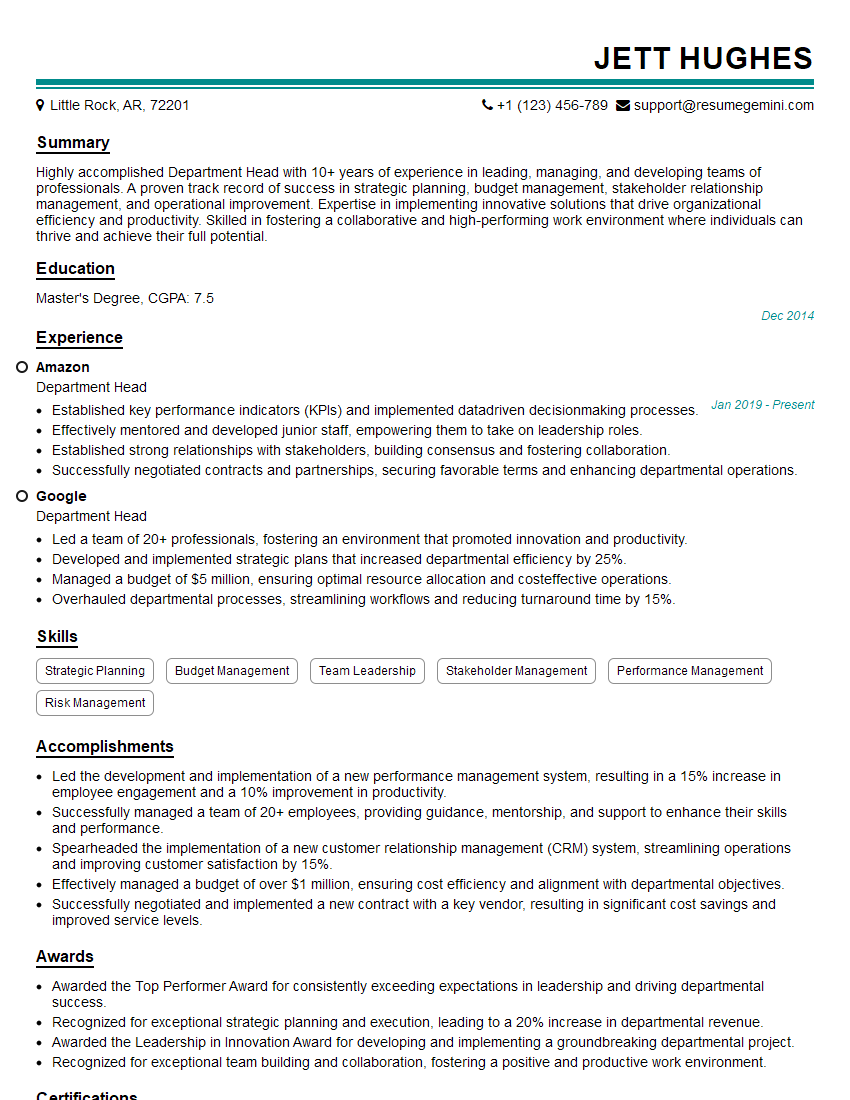
Department Head Resume Sample
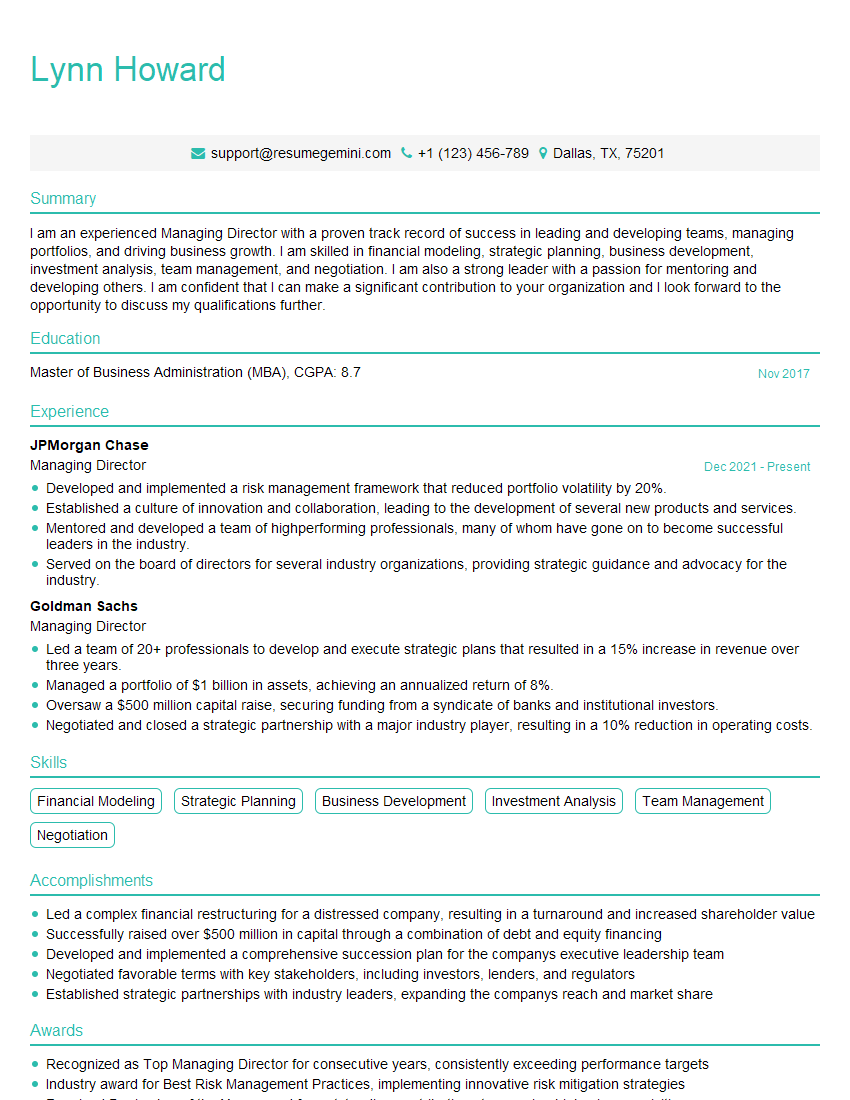
Managing Director Resume Sample
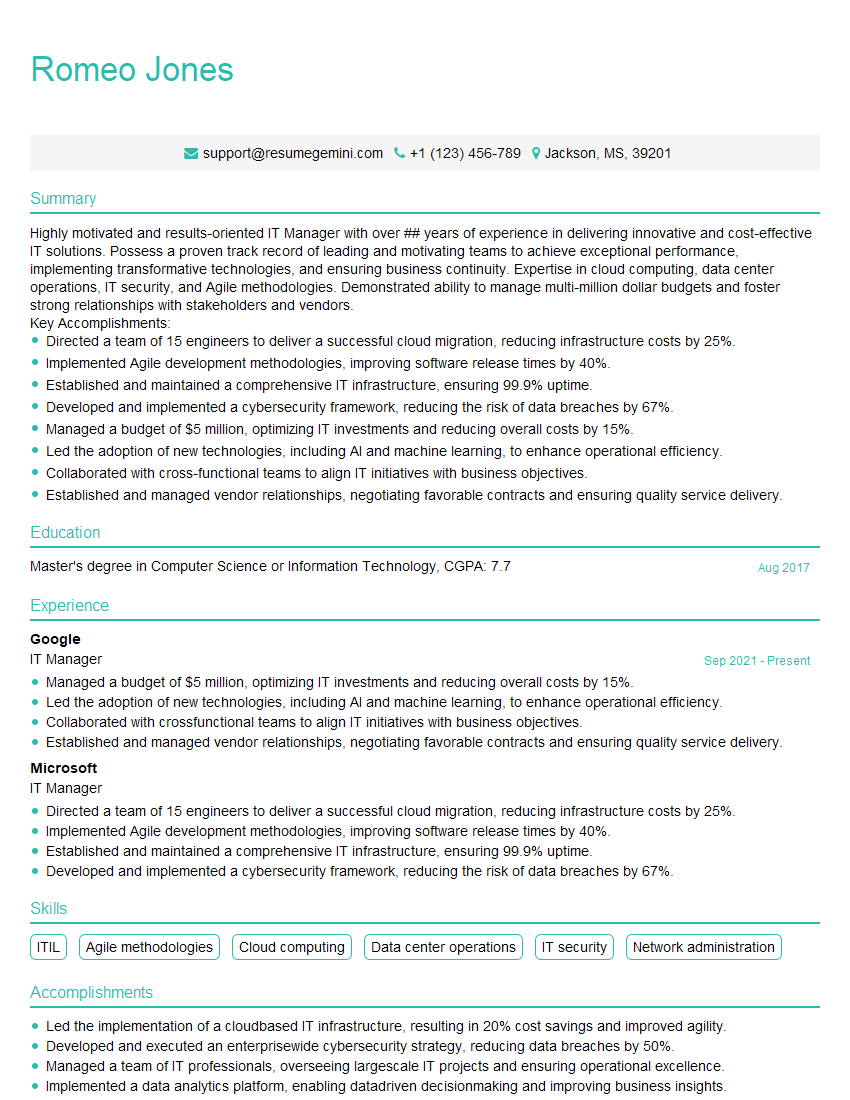
IT Manager Resume Sample
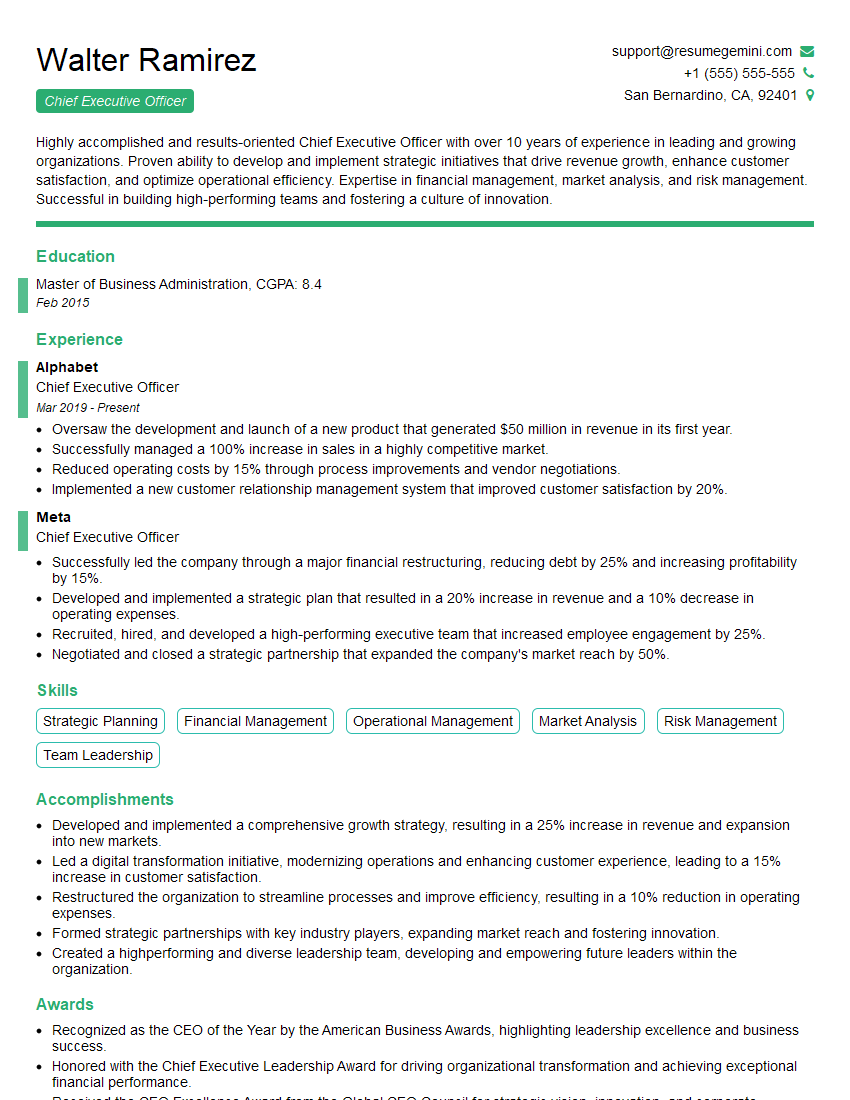
Chief Executive Officer Resume Sample
- Executive Director
- President
- Program Manager
- Vice President
- Operations Manager
- Marketing Manager
- Sales Manager
- Product Manager
- Division Manager
- Regional Manager
- General Manager
- Branch Manager
- Human Resources Manager
- Project Manager
- Director
- Department Head
- Managing Director
- IT Manager
- Chief Executive Officer
Explore more articles
Users Rating of Our Blogs
Share Your Experience
We value your feedback! Please rate our content and share your thoughts (optional).
What Readers Say About Our Blog
Very informative content, great job.
good