Feeling uncertain about what to expect in your upcoming interview? We’ve got you covered! This blog highlights the most important Willingness to Learn and Continue Professional Development interview questions and provides actionable advice to help you stand out as the ideal candidate. Let’s pave the way for your success.
Questions Asked in Willingness to Learn and Continue Professional Development Interview
Q 1. Describe a time you sought out training to improve a specific skill.
Proactive skill development is crucial for career advancement. A recent example involved improving my data visualization skills. Recognizing that creating compelling data stories was essential for my role, I sought out a course on Tableau. I chose this specific platform because of its widespread industry use and powerful features. The course covered everything from basic chart creation to advanced techniques like interactive dashboards and data blending. I dedicated time each week, practicing with real datasets from my work and personal projects. This training significantly improved my ability to communicate complex data insights effectively, resulting in more impactful presentations and improved stakeholder engagement. The structured learning, combined with hands-on practice, allowed me to quickly master the software and apply it immediately to my work.
Q 2. What methods do you use to stay updated on industry trends?
Staying abreast of industry trends requires a multi-faceted approach. I regularly read industry publications like Harvard Business Review and MIT Sloan Management Review, focusing on articles related to my field. I also actively participate in online communities, such as LinkedIn groups and relevant subreddits, where professionals discuss current challenges and innovations. Attending webinars and online conferences offers valuable insights from thought leaders and provides a platform to network with other professionals. Finally, I subscribe to relevant newsletters and podcasts, which deliver concise updates directly to my inbox. This combination of active and passive learning keeps me informed on the latest advancements and emerging best practices.
Q 3. How do you identify your learning gaps and address them?
Identifying learning gaps is an ongoing process of self-assessment and feedback. I regularly review my performance against project goals and key performance indicators (KPIs). Constructive criticism from colleagues and managers provides valuable insights into areas needing improvement. I also actively seek out feedback during performance reviews and utilize 360-degree feedback mechanisms when available. Once a gap is identified, I prioritize addressing it through targeted learning. This might involve online courses, mentorship, or shadowing colleagues with expertise in that area. For instance, realizing a weakness in project management methodologies, I enrolled in a course on Agile project management, which directly addressed this gap and improved my project delivery capabilities.
Q 4. What resources do you typically utilize for professional development?
My professional development arsenal is quite diverse. I leverage online learning platforms like Coursera and Udemy for structured courses on specific skills. Industry-specific conferences and workshops offer invaluable networking opportunities and exposure to cutting-edge technologies. Books and articles remain essential for in-depth knowledge, providing a foundation for understanding complex concepts. Mentorship relationships are invaluable for receiving personalized guidance and feedback. Finally, I utilize internal training resources provided by my employer, accessing learning management systems (LMS) and participating in internal knowledge-sharing sessions.
Q 5. Describe your approach to learning new technologies or software.
Learning new technologies requires a structured approach. I begin by understanding the software’s purpose and core functionalities through online tutorials and documentation. I then move on to hands-on practice using sample projects or creating my own. This allows me to grasp the basics. I then focus on applying the software to real-world problems, starting with small projects to build confidence and gradually increasing complexity. For instance, when learning Python, I started with simple scripts to automate basic tasks before moving onto more complex data analysis projects. Active participation in online communities and forums helps resolve challenges and accelerates learning. The key is consistent practice and tackling progressively challenging tasks.
Q 6. Share an example of a time you learned from a mistake.
Learning from mistakes is an integral part of professional growth. Once, I underestimated the complexity of a project, leading to a missed deadline. Instead of dwelling on the negative, I analyzed the root cause. I realized I hadn’t adequately broken down the project into smaller, manageable tasks, leading to poor time management. This experience prompted me to adopt more rigorous project planning techniques, such as using work breakdown structures (WBS) and Gantt charts, ensuring more accurate time estimations and improved project delivery in future endeavors. This mistake significantly enhanced my project management skills.
Q 7. How do you prioritize learning activities amidst your work responsibilities?
Prioritizing learning amidst work responsibilities requires careful planning. I allocate specific time slots in my schedule dedicated to learning, treating it as an important meeting. This could be an hour before work, during lunch, or after work hours. I leverage commute time by listening to podcasts or audiobooks. Breaking down larger learning goals into smaller, manageable tasks allows me to incorporate learning into my daily routine without feeling overwhelmed. This makes the process less daunting and more sustainable. Finally, I track my progress and celebrate milestones to maintain motivation and prevent burnout. This structured approach ensures professional development remains a consistent and integrated aspect of my routine.
Q 8. What are your preferred learning styles?
My preferred learning styles are a blend of visual, kinesthetic, and auditory learning. I find that I retain information best when I can see it visually presented, such as through diagrams, charts, or presentations. I also benefit from hands-on activities (kinesthetic learning) where I can actively apply what I’m learning. For example, working through a coding exercise or participating in a role-play scenario helps solidify my understanding. Finally, I find auditory learning effective, particularly through lectures, discussions, and podcasts. I often listen to educational podcasts while commuting, which allows me to absorb information passively. I believe that a combination of these methods provides the most comprehensive and effective learning experience.
Q 9. How do you measure the effectiveness of your professional development efforts?
Measuring the effectiveness of professional development is crucial. I employ a multi-faceted approach. Firstly, I assess the immediate impact – did the training directly improve my skills or knowledge in the specific area? I track this through self-assessment, using checklists or rubrics to gauge my proficiency. Secondly, I look for behavioral changes – am I applying the new skills and knowledge in my daily work? I actively seek feedback from colleagues and supervisors to see if the training has resulted in noticeable improvements in my performance. Thirdly, I measure long-term impact by evaluating the contribution of my improved skills to project outcomes and overall team performance. For instance, if a training on project management led to a significant reduction in project completion time or improved efficiency, that’s a clear indication of success. Finally, I regularly reflect on my professional development experiences, documenting my learnings and identifying areas for future growth.
Q 10. Describe a time you had to quickly learn a new skill to meet a deadline.
During a critical project involving a new CRM system, we faced a tight deadline with only a week to integrate the system fully. My team was unfamiliar with the CRM’s API and lacked the expertise needed to automate certain data migration processes. To meet the deadline, I immersed myself in the CRM’s API documentation and online tutorials. I started with the basics, focusing on fundamental concepts before tackling more advanced features. I used online forums and consulted with colleagues familiar with similar systems. Through this concentrated effort and by leveraging online resources, I was able to successfully learn the API and automate the critical data migration tasks, ensuring project completion within the timeframe.
Q 11. What are your long-term professional development goals?
My long-term professional development goals center around becoming a recognized expert in my field and contributing to the advancement of the industry. This involves mastering advanced techniques, developing strong leadership skills, and staying at the forefront of technological innovation. Specifically, I plan to pursue a relevant advanced certification within the next two years to solidify my expertise. I also aim to actively mentor junior colleagues and contribute to open-source projects to enhance my collaborative skills and expand my network. Ultimately, my goal is to become a thought leader capable of driving innovation and shaping the future of the industry.
Q 12. How do you adapt to changing technologies or industry practices?
Adapting to changing technologies and industry practices is vital in my profession. I proactively engage in continuous learning by subscribing to industry publications, attending webinars, and participating in online courses. I follow industry leaders on social media and attend conferences to stay abreast of current trends. When new technologies emerge, I adopt a structured approach: I start by researching the technology’s capabilities and potential applications, then I experiment with it through small projects or simulations before integrating it into larger projects. This phased approach minimizes risks and allows for a gradual assimilation of new tools and techniques. For example, when a new programming language was introduced, I started with online tutorials and small personal projects before incorporating it into my work.
Q 13. Describe a time you mentored or coached someone.
I recently mentored a junior colleague who was struggling with a complex data analysis project. I used a structured approach that combined guidance and independent learning. I started by clearly outlining the project goals and expectations, then I helped her break down the complex task into smaller, manageable steps. I provided regular feedback on her progress, highlighting her strengths and suggesting areas for improvement. I emphasized the importance of critical thinking and problem-solving. I also encouraged her to explore different resources and techniques, fostering her independent learning capabilities. Through this mentorship, she not only completed the project successfully but also significantly improved her analytical skills and confidence.
Q 14. How do you incorporate feedback into your learning process?
I actively seek and incorporate feedback into my learning process as a critical component of growth. When receiving feedback, I first actively listen and ask clarifying questions to ensure I fully understand the perspective offered. I then objectively analyze the feedback, identifying both strengths and weaknesses. I document the feedback and prioritize action items based on their impact. I make a conscious effort to apply the feedback to my future projects and tasks, monitoring my progress to see if improvements have been made. Finally, I follow up with the person who provided the feedback to demonstrate my commitment to continuous improvement and to discuss my progress. This iterative process allows for continuous refinement and improvement of my skills and approach.
Q 15. What is your preferred method for receiving feedback on your performance?
I find the most effective feedback is delivered in a structured, two-part process. First, I value specific, actionable feedback directly related to my performance on a particular task or project. Vague comments like ‘good job’ are less helpful than detailed critiques pointing out both strengths and areas for improvement. For example, instead of ‘your presentation was good,’ I’d prefer ‘Your presentation was well-structured and your data visualizations were excellent. However, the conclusion could be strengthened by adding a more concrete call to action.’ Second, I appreciate a follow-up conversation where I can ask clarifying questions and discuss how to implement the suggestions. This ensures I understand the feedback and can actively work on improvement.
I also believe in a culture of continuous feedback, rather than relying solely on annual reviews. Regular check-ins with my manager, or even peer feedback on specific tasks, helps me track my progress and make adjustments more frequently.
Career Expert Tips:
- Ace those interviews! Prepare effectively by reviewing the Top 50 Most Common Interview Questions on ResumeGemini.
- Navigate your job search with confidence! Explore a wide range of Career Tips on ResumeGemini. Learn about common challenges and recommendations to overcome them.
- Craft the perfect resume! Master the Art of Resume Writing with ResumeGemini’s guide. Showcase your unique qualifications and achievements effectively.
- Don’t miss out on holiday savings! Build your dream resume with ResumeGemini’s ATS optimized templates.
Q 16. How do you handle situations where you encounter unfamiliar concepts or challenges?
Encountering unfamiliar concepts or challenges is part of professional growth! My approach involves a structured problem-solving process. First, I thoroughly research the topic, utilizing online resources, professional publications, and seeking out experts within my network. For instance, if I’m tasked with learning a new programming language for a project, I would start by identifying reputable online courses and tutorials, reading relevant documentation, and potentially connecting with colleagues who are proficient in that language. Secondly, I break down complex challenges into smaller, manageable steps. This helps prevent feeling overwhelmed and allows me to celebrate small wins along the way. Finally, I embrace experimentation and don’t shy away from making mistakes. Learning from errors is crucial to mastering new skills.
For example, when faced with a complex statistical analysis, I wouldn’t try to understand everything at once. Instead, I’d focus on learning one statistical concept at a time, practicing with sample data sets, and gradually building my understanding. I view these challenges as opportunities for skill development rather than obstacles.
Q 17. What steps do you take to ensure that your learning is relevant to your role?
Relevance is key to effective learning. I ensure my learning aligns with my role through several strategies. First, I regularly review my job description and performance goals to identify skill gaps and areas for improvement. Then, I actively seek out learning opportunities directly related to these identified needs. This might involve attending industry conferences, taking relevant online courses, or participating in internal training programs. I also proactively seek out mentorship opportunities from colleagues with expertise in areas I want to develop. For instance, if my performance review highlights the need to improve my project management skills, I would enroll in a project management course, attend a workshop on Agile methodologies, or seek advice from a more experienced project manager within the company.
Finally, I track the impact of my learning by monitoring my performance on tasks and projects related to the new skills. This allows for a continuous feedback loop ensuring that the learning investments are delivering tangible results.
Q 18. Describe your experience with online learning platforms or courses.
I have extensive experience with various online learning platforms, including Coursera, edX, Udemy, and LinkedIn Learning. I find these platforms offer unparalleled access to a vast range of courses and resources. I prefer platforms with structured learning paths, interactive exercises, and opportunities for peer interaction. I’ve successfully completed several professional certifications through these platforms, improving my skills in areas such as data analysis, project management, and digital marketing. I especially appreciate the flexibility of online learning, allowing me to learn at my own pace and fit it into my busy schedule. However, I also recognize the importance of self-discipline and actively create a dedicated learning space and schedule to maximize my engagement and retention.
For example, while completing a Coursera course on data analysis, I utilized the platform’s discussion forums to interact with other learners and instructors, helping me learn from different perspectives and troubleshooting challenges effectively.
Q 19. How do you maintain your motivation to continue learning?
Maintaining learning motivation requires a multifaceted approach. First, I set clear, achievable learning goals and break them down into smaller, manageable steps. This creates a sense of accomplishment as I complete each step, keeping me motivated. I also regularly reflect on my progress and celebrate my successes, both big and small. Second, I connect my learning to my professional aspirations. Understanding how new skills will contribute to my career progression helps reinforce my commitment. Finally, I diversify my learning methods to avoid boredom and maintain engagement. This means I mix online courses with books, workshops, and even mentoring sessions.
For instance, after completing a challenging online course, I might reward myself with a professional conference or a relevant book on a topic that excites me, keeping the learning journey engaging and rewarding.
Q 20. How do you evaluate the quality and value of professional development opportunities?
I evaluate professional development opportunities based on several key criteria. First, I assess the relevance to my current role and future career goals. Does this opportunity directly address a skill gap or help me achieve my career aspirations? Second, I examine the credibility and reputation of the provider. Is this a reputable organization, experienced instructor, or well-regarded course? Third, I look at the learning methodology. Does it incorporate interactive exercises, real-world case studies, or peer interaction? Fourth, I consider the cost-benefit analysis. Does the potential return on investment—in terms of enhanced skills and career advancement—justify the time and financial investment? Finally, I seek feedback from colleagues who have previously participated in similar opportunities.
For example, before committing to an expensive executive education program, I would thoroughly research the faculty, alumni network, course curriculum, and look for reviews and testimonials from past participants to gauge its value.
Q 21. Have you ever failed to learn something? How did you handle it?
Yes, I’ve certainly faced challenges where I struggled to master a new skill or concept. One instance involved learning a complex statistical software package. Despite investing considerable time and effort, I initially found it extremely difficult to grasp the intricacies of the software. My response was to adjust my approach. Instead of giving up, I sought out more targeted learning resources, including one-on-one tutoring from a colleague and focused practice on smaller, more manageable projects. I also realized the importance of breaking down complex tasks into smaller, digestible components and celebrating smaller wins. While frustrating at times, the experience taught me the importance of persistence, seeking external support when needed, and adapting my learning strategies for optimal results.
The key takeaway is that failure in learning is an opportunity to refine our approach and identify areas where we can improve our learning strategies.
Q 22. How do you transfer knowledge gained from one project to another?
Transferring knowledge between projects is crucial for efficiency and continuous improvement. It’s about identifying transferable skills and adapting them to new contexts. I approach this systematically, beginning with a thorough post-project review. This review focuses on identifying what worked well, what didn’t, and what new skills or insights I gained.
For example, on a recent project involving Agile development, I learned the importance of daily stand-ups for communication and issue identification. I subsequently applied this practice to a later project managing a marketing campaign, leading to improved team collaboration and faster problem resolution. I also actively document my learnings, creating a personal knowledge base accessible across projects. This might include writing detailed reports, creating short summaries, or adding insights to my professional portfolio. This systematic approach ensures that valuable lessons are not lost and can be readily applied in future endeavors.
Q 23. Describe a time you sought feedback to improve your skillset.
Seeking feedback is essential for growth. I actively solicit it to identify blind spots and areas for improvement. During a recent project involving data analysis, I presented my findings to a senior colleague. While they praised my technical skills, they pointed out that my presentation lacked clarity and conciseness. This feedback was invaluable.
I subsequently enrolled in a short online course on effective data visualization and presentation techniques. I then practiced applying these new techniques, focusing on using simpler charts and concise explanations. When I presented my next set of findings, the feedback was significantly more positive, highlighting the improvements in clarity and impact. This experience reinforced the importance of regularly seeking constructive criticism and using it to enhance my skillset.
Q 24. How do you integrate new learning into your daily workflow?
Integrating new learning seamlessly into my daily workflow requires a structured approach. I believe in the power of small, consistent changes rather than radical overhauls. I prioritize identifying one or two key takeaways from any new learning experience and then deliberately apply them.
For instance, after attending a workshop on project management methodologies, I started utilizing a Kanban board for task management in my daily work. I didn’t abandon my existing workflow entirely; instead, I gradually integrated the new tool, focusing on its key benefits like better visualization of task progress and improved prioritization. This gradual implementation ensures that new knowledge is absorbed organically without disrupting the existing flow of work.
Q 25. How do you proactively seek opportunities for professional growth?
Proactive professional growth is a continuous process. I actively seek opportunities by engaging in several strategies. I regularly review industry trends and emerging technologies to identify skills gaps and areas ripe for development. I also actively participate in online courses, webinars, and workshops, leveraging platforms such as Coursera, LinkedIn Learning, and industry-specific conferences. Furthermore, I look for mentorship opportunities, connecting with experienced professionals in my field to gain insights and guidance.
Networking is also crucial. Attending industry events and actively engaging with colleagues and peers allows me to discover new opportunities and learn from others’ experiences. I also actively seek challenging projects and responsibilities, stretching my capabilities and building new skills organically within my current role.
Q 26. Describe a time you challenged your own assumptions during learning.
Challenging assumptions is vital for true learning. I had a preconceived notion that a certain software program was too complex for my needs. However, after attending a training session and working with it, I realized my assumptions were incorrect. The program had powerful features that simplified my workflow significantly.
This experience taught me the importance of open-mindedness and hands-on experimentation before forming firm opinions about new tools and technologies. I now actively seek out opportunities to test my assumptions, understanding that challenging ingrained beliefs often leads to breakthroughs and enhanced skill development.
Q 27. How do you manage multiple learning initiatives simultaneously?
Juggling multiple learning initiatives requires careful planning and prioritization. I utilize a project management approach, breaking down each initiative into smaller, manageable tasks with clear deadlines. I employ time-blocking techniques to dedicate specific time slots to each learning activity, ensuring consistent progress without feeling overwhelmed. Furthermore, I regularly review my progress and adjust my schedule as needed, ensuring alignment with my overall learning goals.
I use tools like digital calendars and task management apps to track my progress and stay organized. This structured approach allows me to effectively manage multiple learning initiatives without compromising the quality of my work or feeling burned out.
Q 28. What strategies do you use to overcome learning plateaus?
Learning plateaus are inevitable, but they don’t have to signal the end of progress. When I hit a plateau, I actively analyze the situation to identify the root cause. It could be a lack of challenging tasks, inadequate resources, or a need for different learning approaches.
Strategies to overcome this include seeking a mentor for guidance, exploring alternative learning materials (books, podcasts, different online courses), or collaborating with peers to tackle the challenge from a different perspective. It may also involve stepping back to re-evaluate my goals and redefine my learning path. Essentially, the key is to actively experiment with different approaches until a solution is found and learning momentum is restored.
Key Topics to Learn for Willingness to Learn and Continue Professional Development Interview
- Growth Mindset: Understanding and demonstrating a growth mindset – a belief that abilities can be developed through dedication and hard work – is crucial. This involves showcasing your proactive approach to challenges and your commitment to continuous improvement.
- Self-Directed Learning: Highlight your strategies for identifying skill gaps, seeking out resources (online courses, books, workshops), and independently mastering new concepts. Provide specific examples of how you’ve learned new skills outside of formal training.
- Adaptability and Resilience: Discuss your ability to adapt to changing environments, embrace new technologies, and bounce back from setbacks. Share experiences where you faced challenges and how you leveraged learning to overcome them.
- Seeking Feedback and Applying it: Emphasize your proactive approach to seeking feedback and your ability to constructively apply it to improve performance. Describe instances where you sought feedback and the positive impact it had on your skills and work.
- Professional Development Planning: Demonstrate your ability to plan for future professional growth. This could involve outlining your long-term career goals and the steps you’re taking to achieve them, including specific skills you’re developing.
- Transferable Skills: Highlight how skills acquired in one area can be applied to new challenges and roles. This showcases your adaptability and willingness to learn across diverse contexts.
- Technology and Industry Trends: Show your awareness of current trends in your field and your proactive approach to staying updated. This could involve mentioning specific technologies, methodologies, or industry publications you follow.
Next Steps
Mastering the art of showcasing your willingness to learn and pursue professional development is vital for career advancement. It demonstrates initiative, adaptability, and a commitment to long-term success. To significantly improve your job prospects, crafting an ATS-friendly resume that highlights these skills is essential. We strongly recommend using ResumeGemini to build a compelling and effective resume. ResumeGemini offers tools and resources to help you showcase your commitment to continuous learning, and examples of resumes tailored to highlight Willingness to Learn and Continue Professional Development are available for your review.
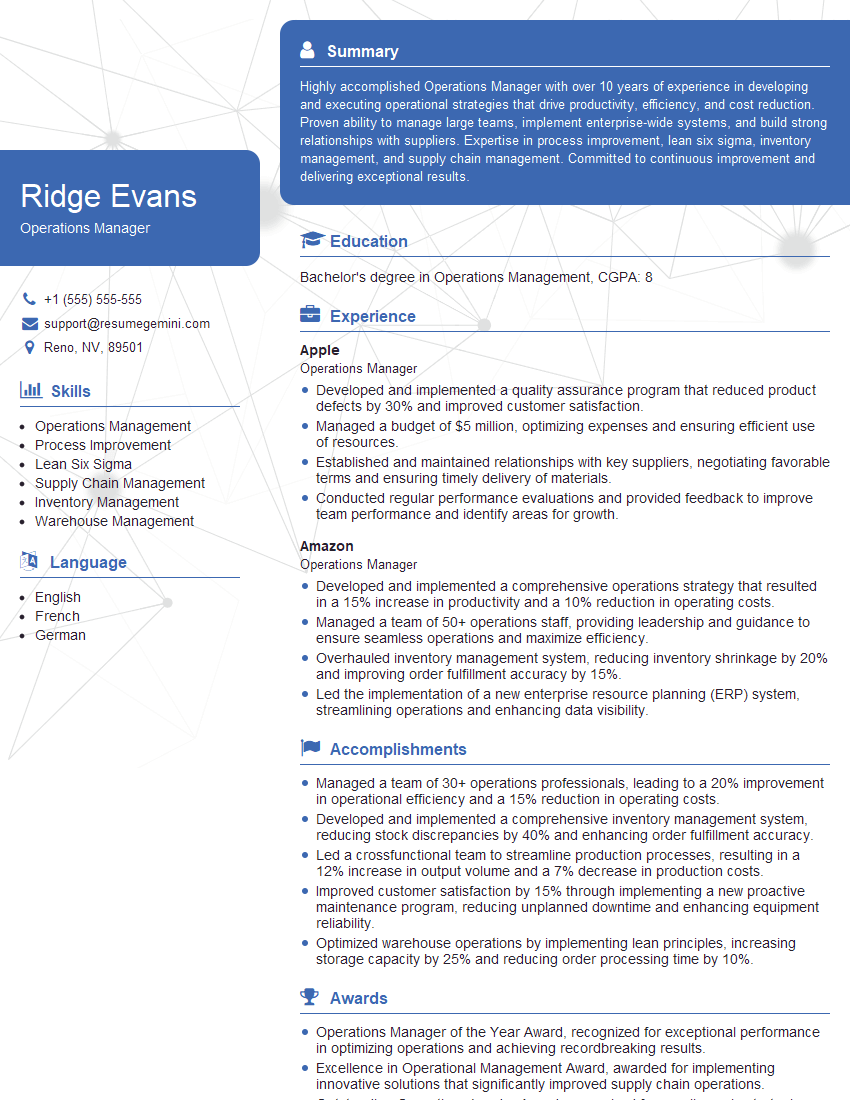
Operations Manager Resume Sample
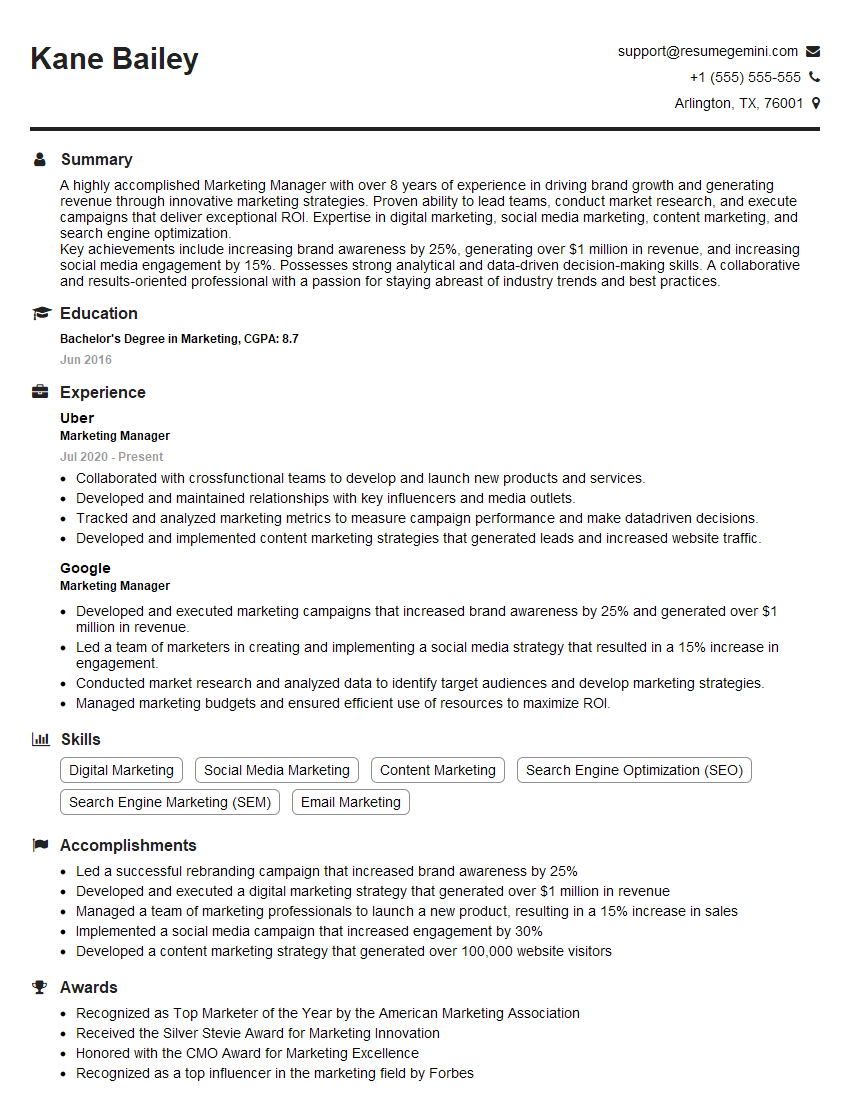
Marketing Manager Resume Sample
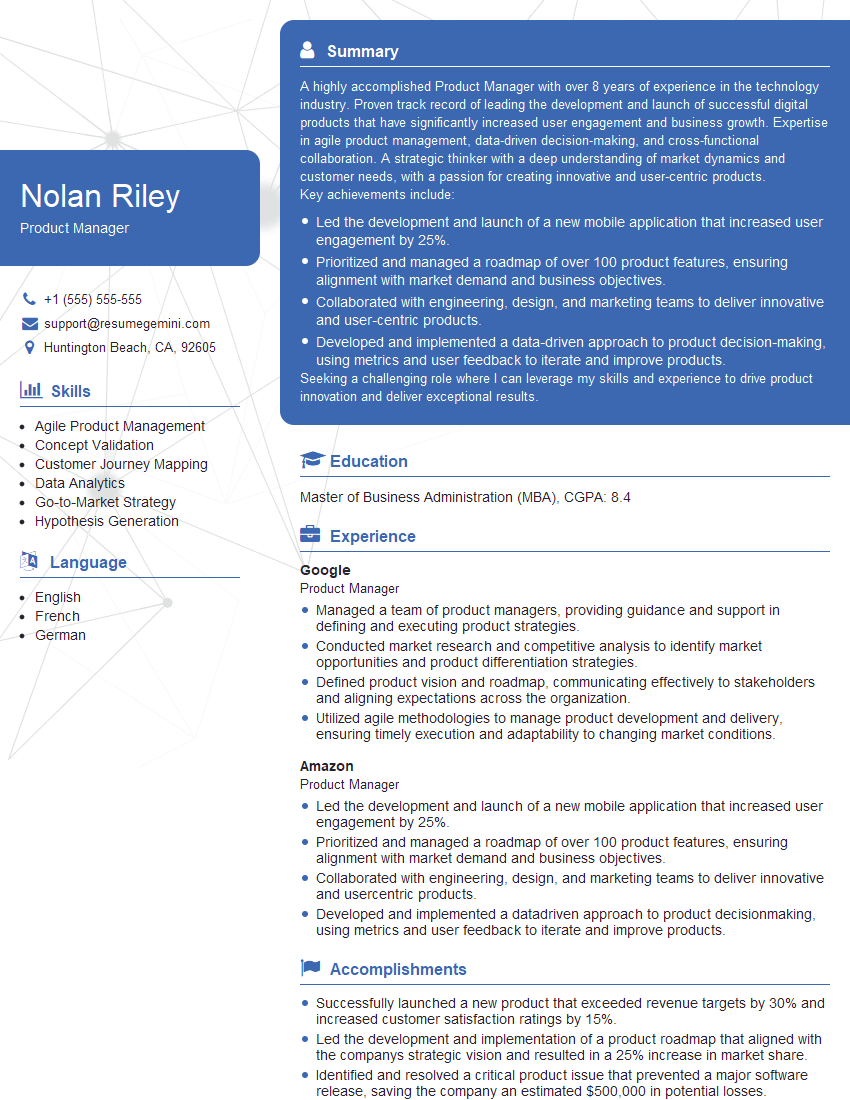
Product Manager Resume Sample
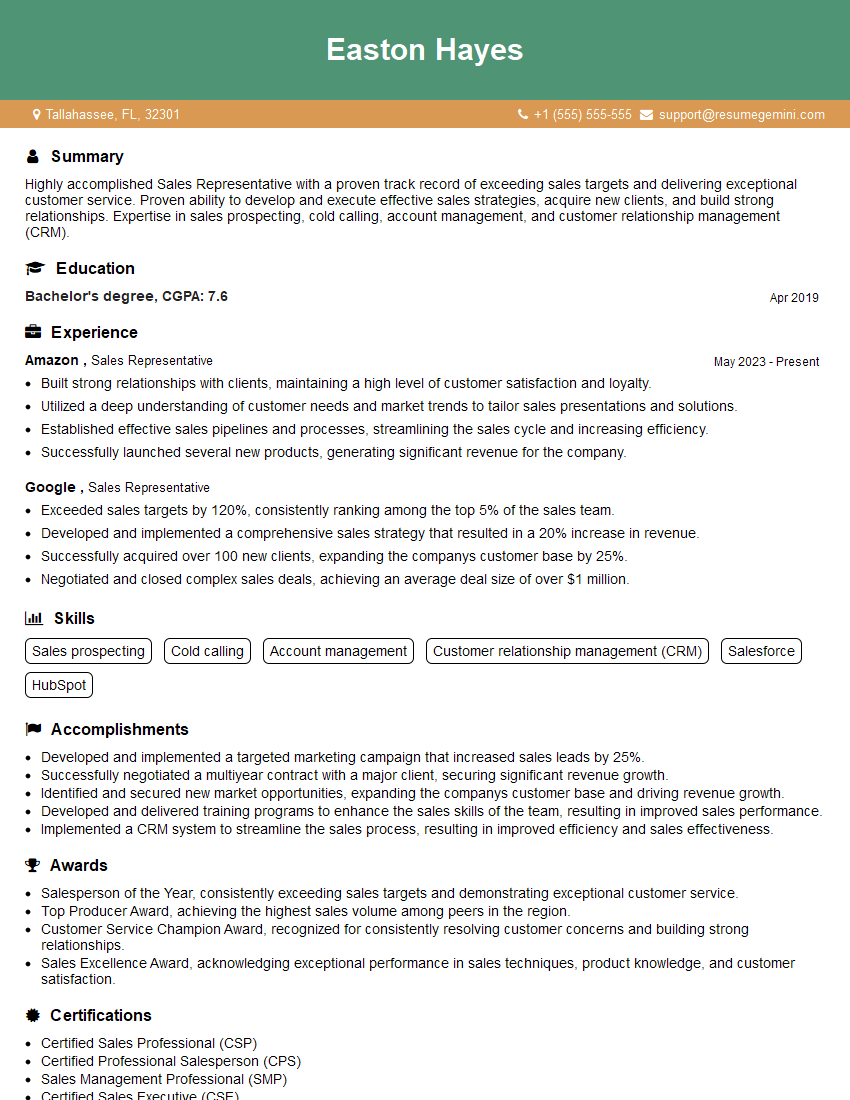
Sales Representative Resume Sample
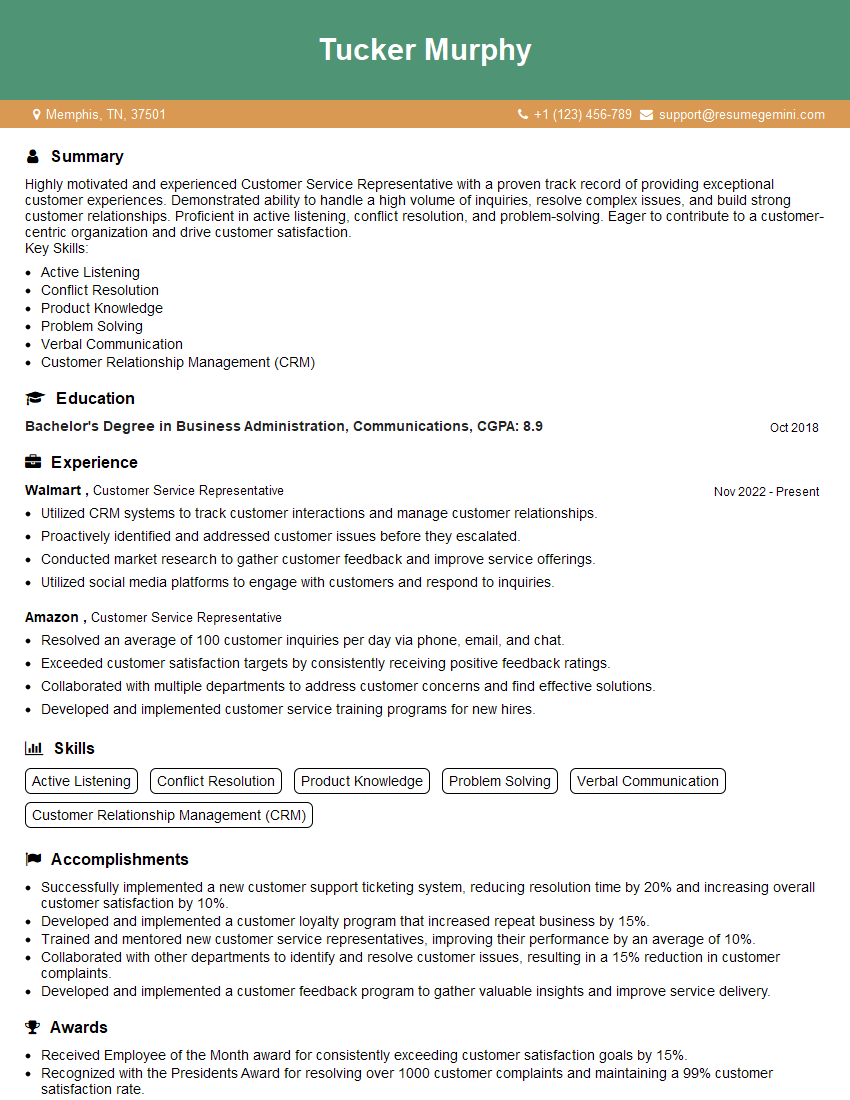
Customer Service Representative Resume Sample
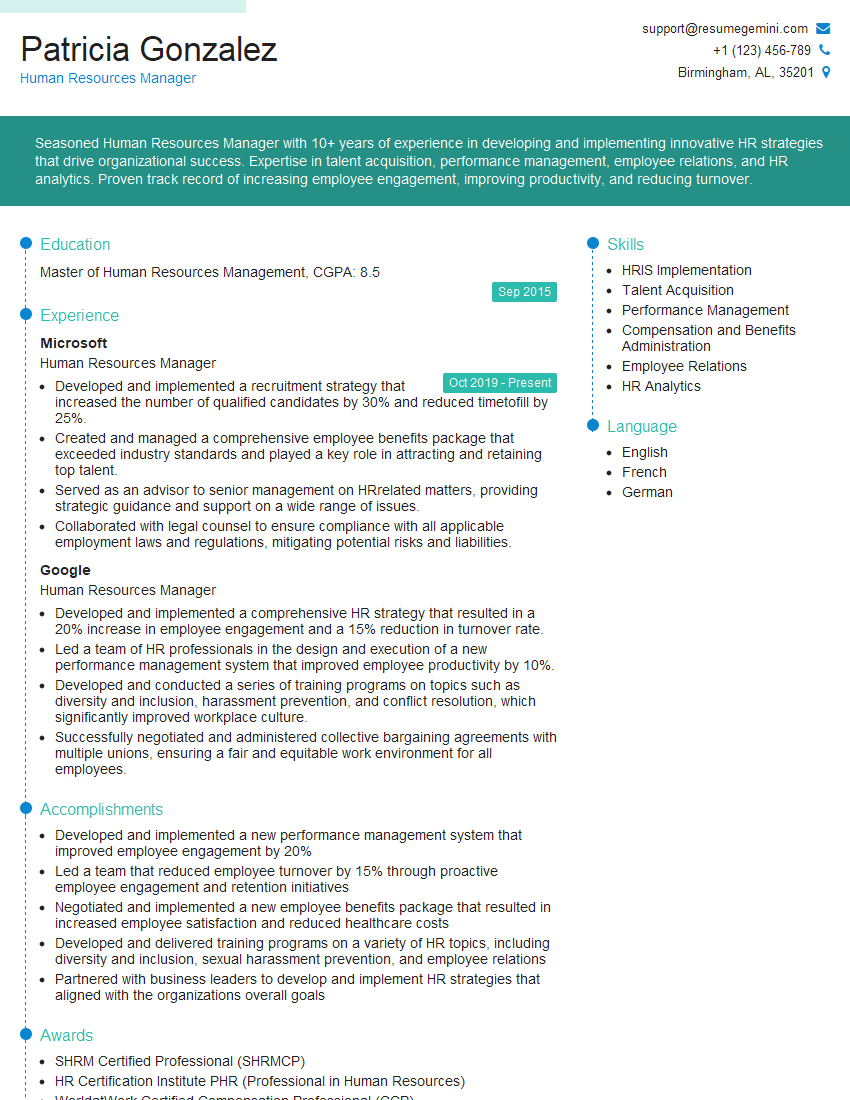
Human Resources Manager Resume Sample
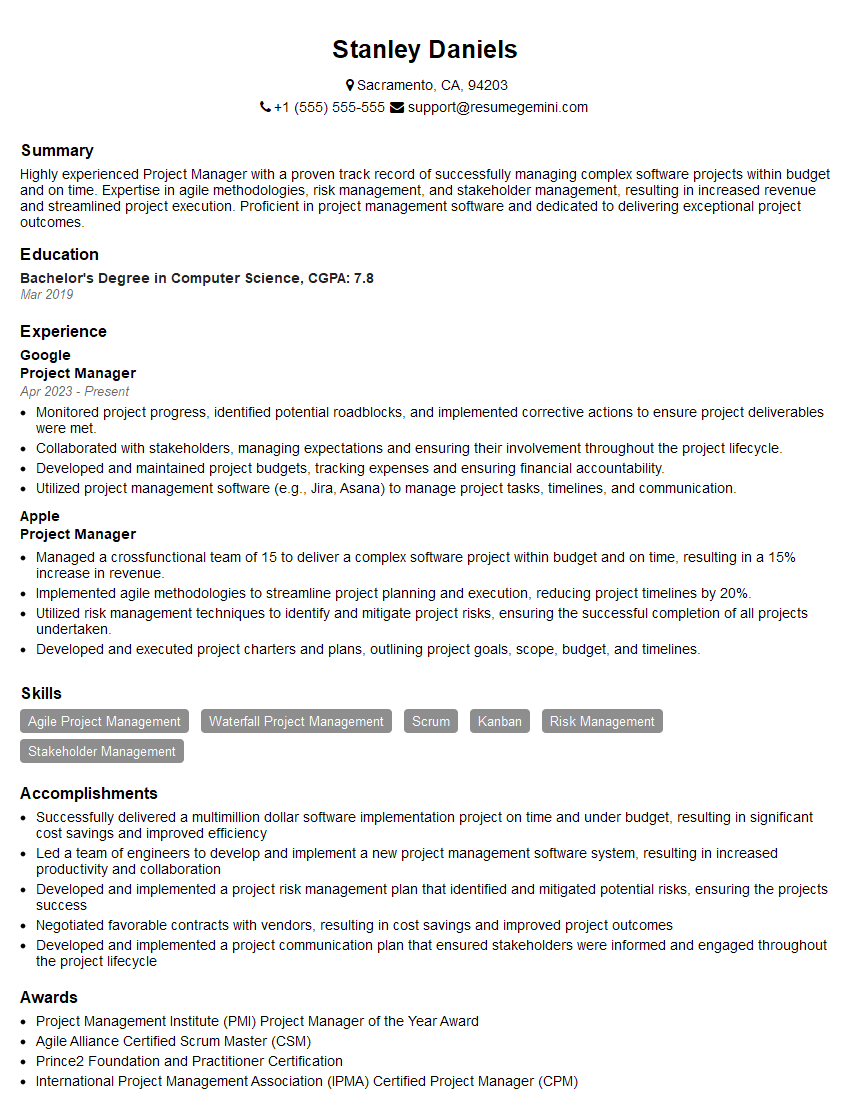
Project Manager Resume Sample
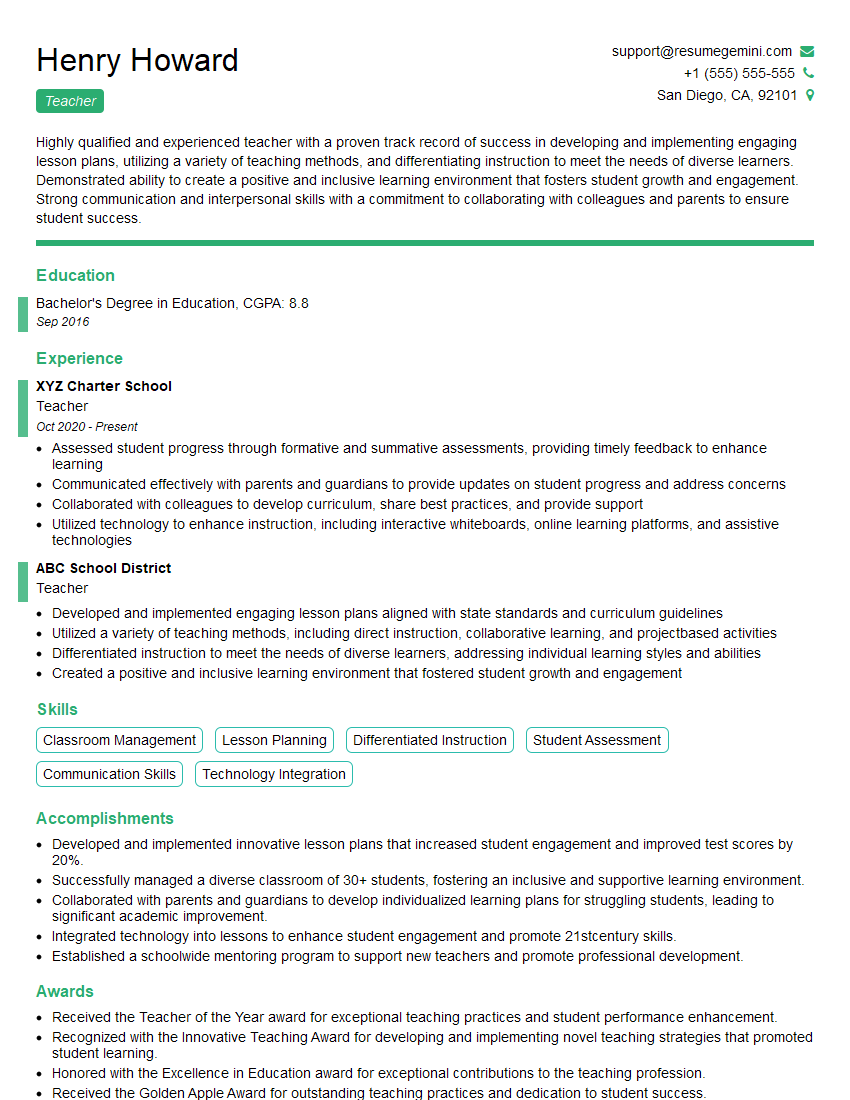
Teacher Resume Sample
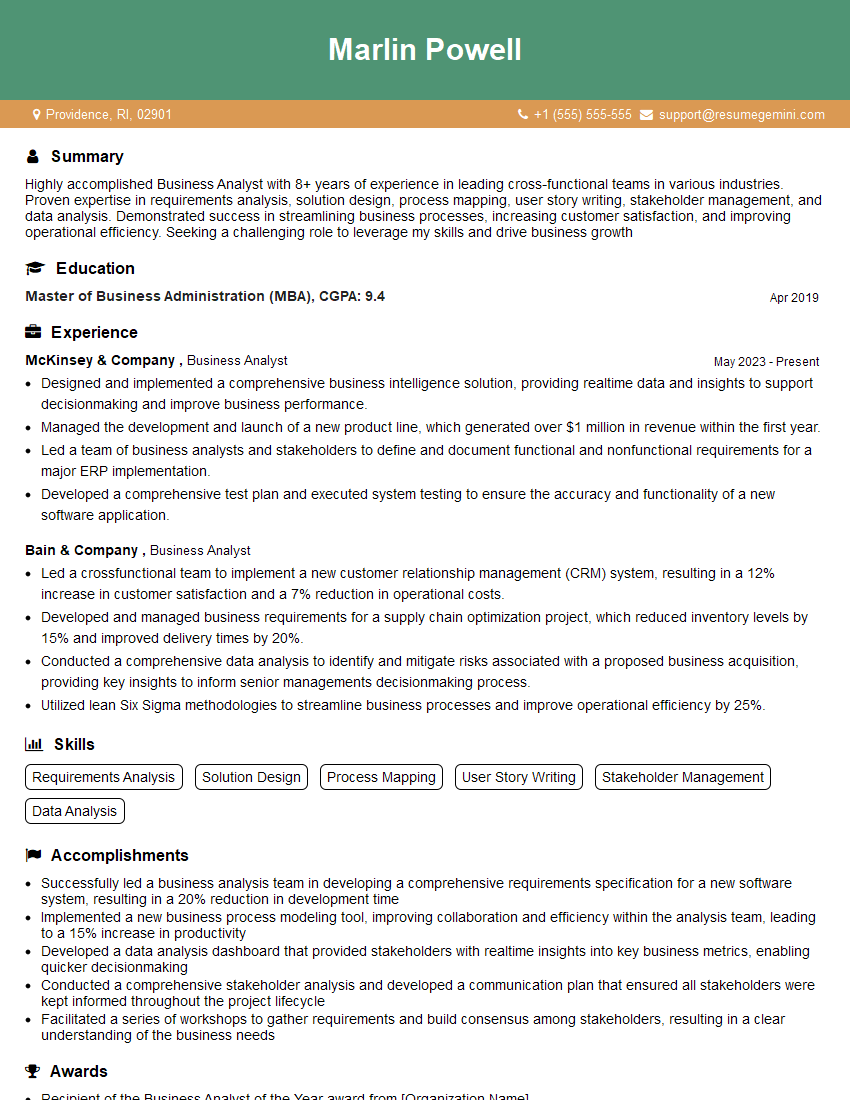
Business Analyst Resume Sample
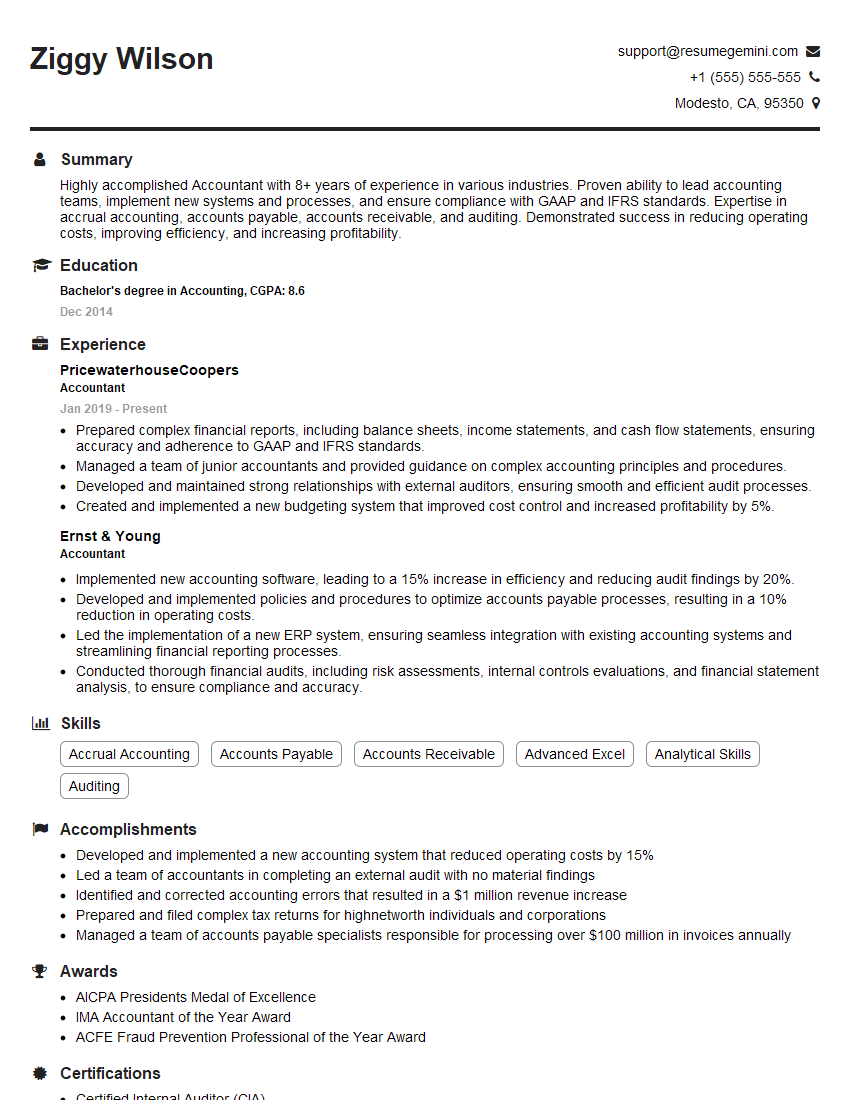
Accountant Resume Sample
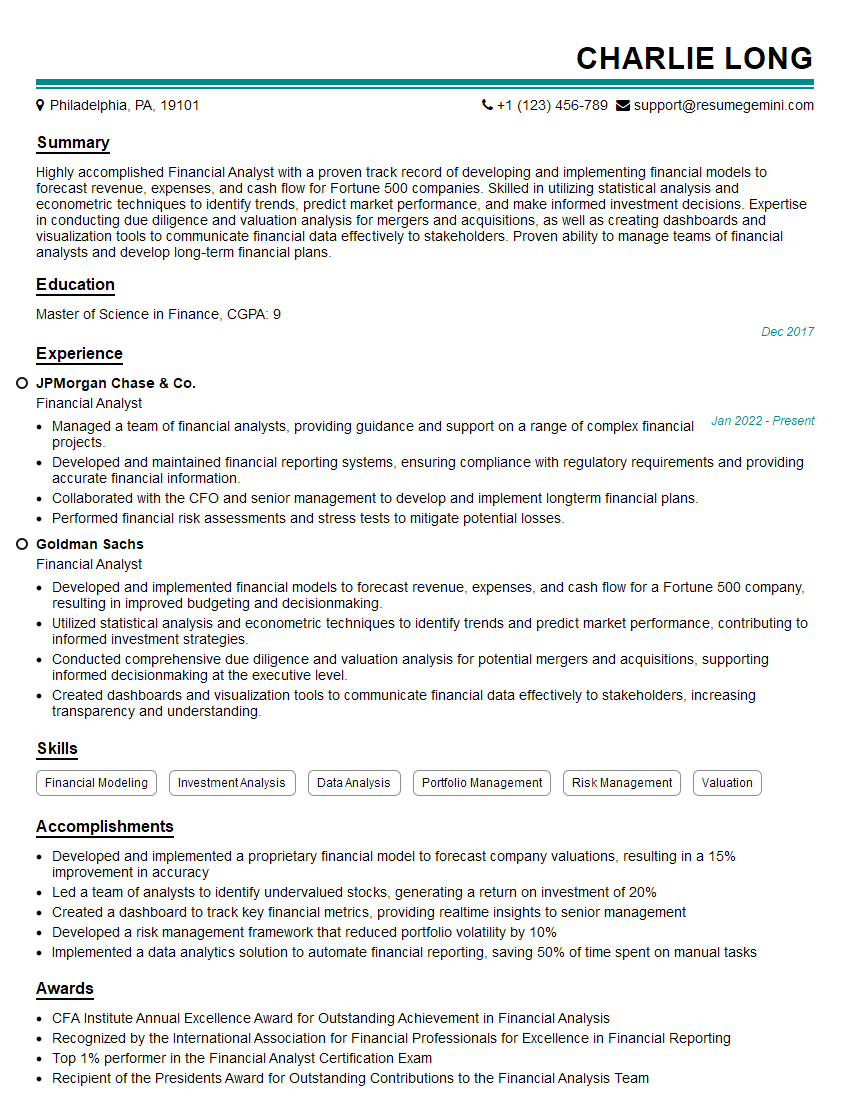
Financial Analyst Resume Sample
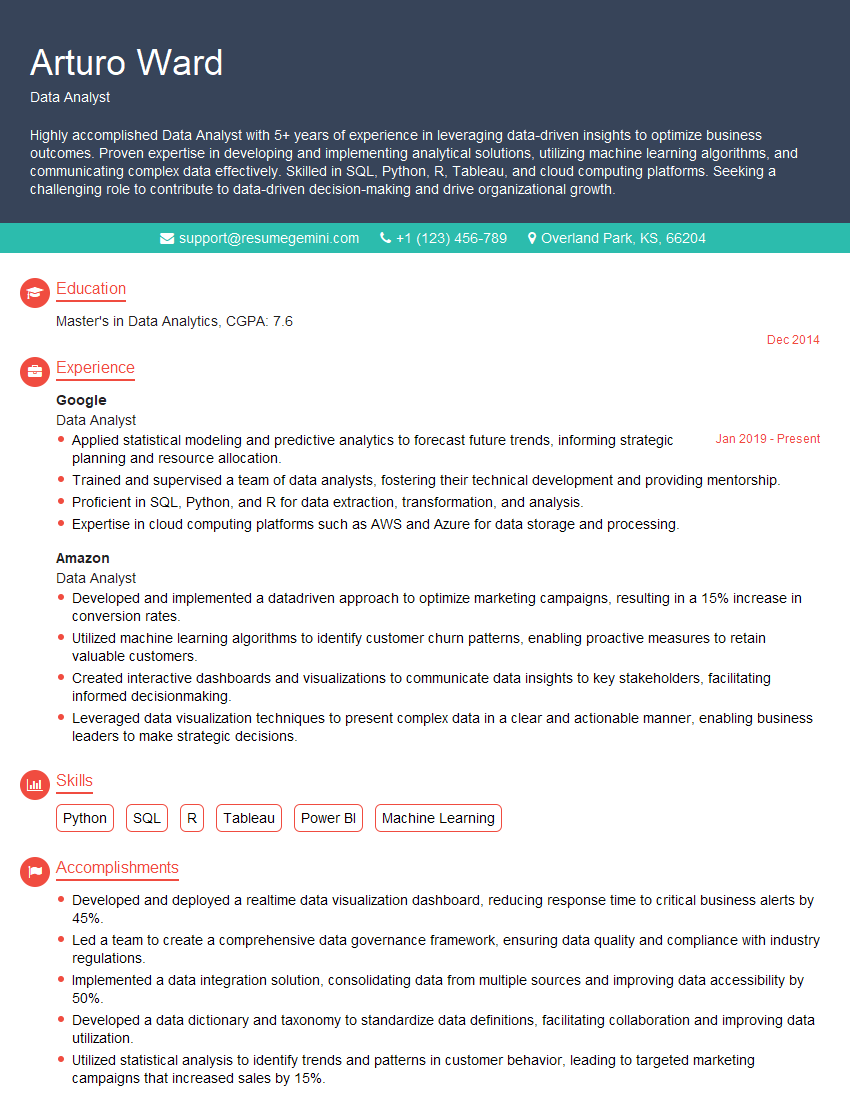
Data Analyst Resume Sample
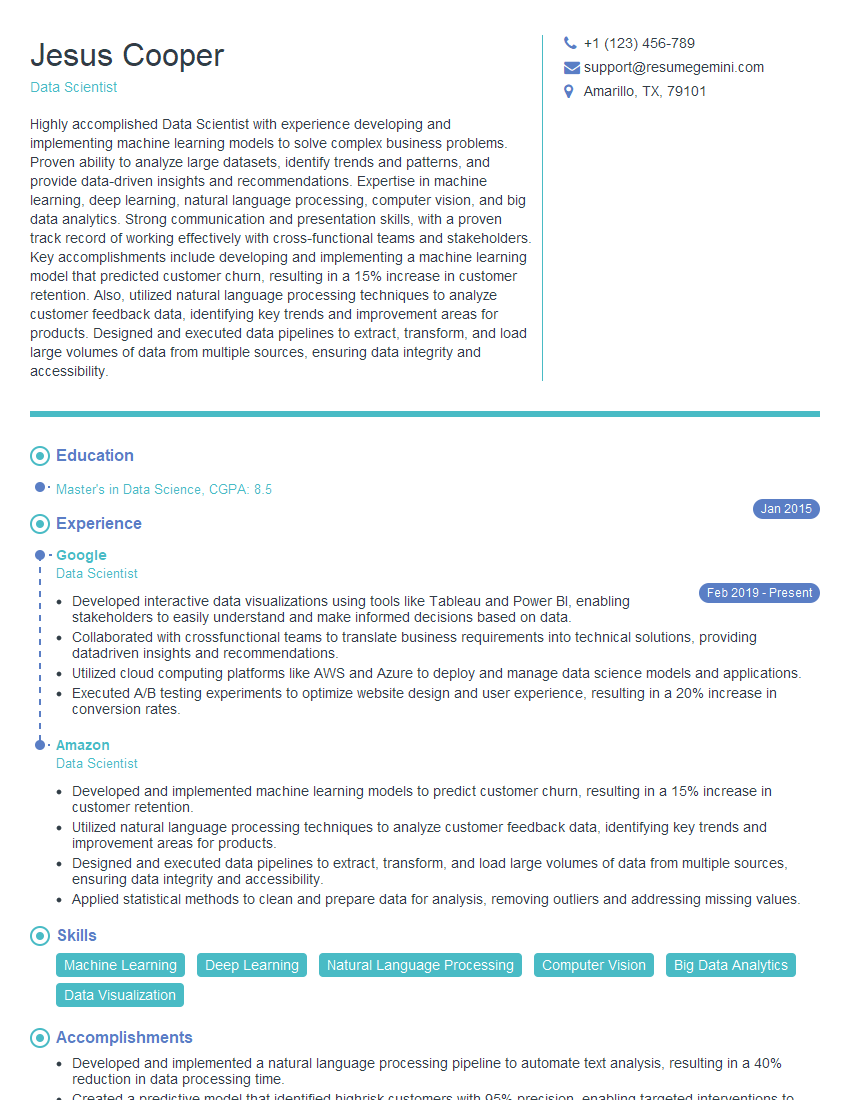
Data Scientist Resume Sample
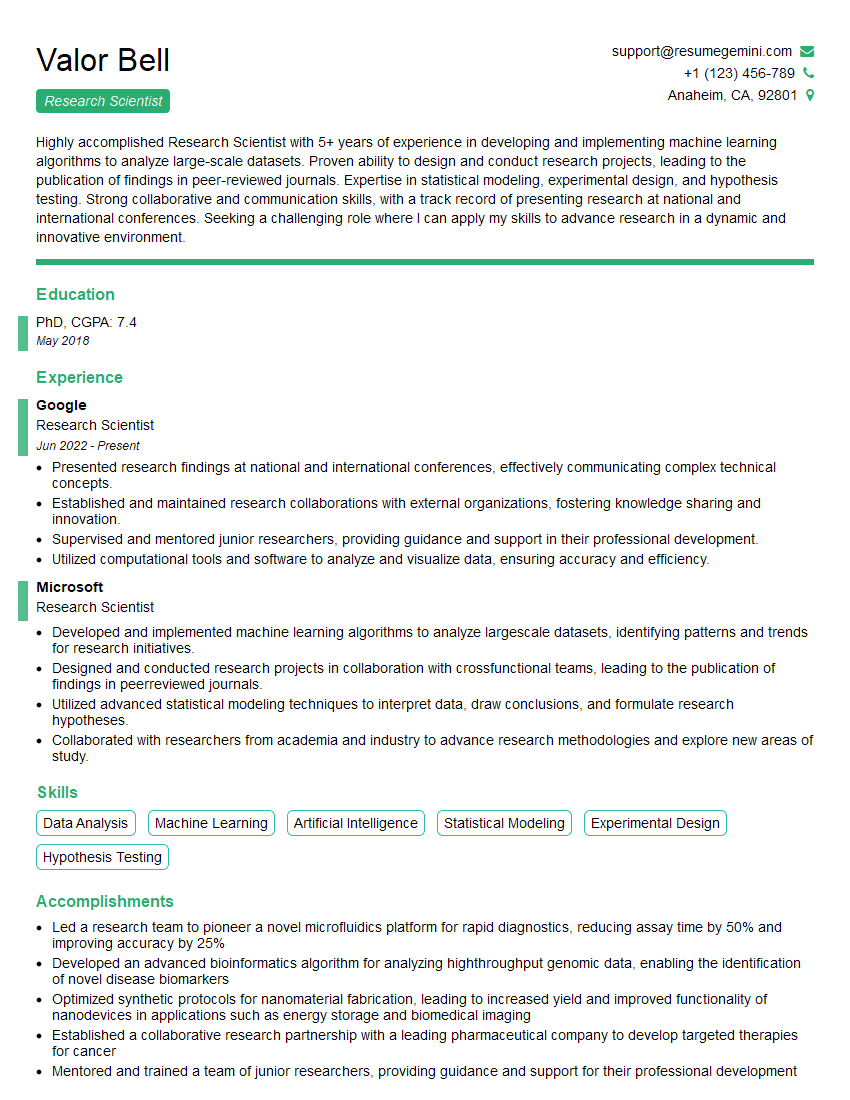
Research Scientist Resume Sample
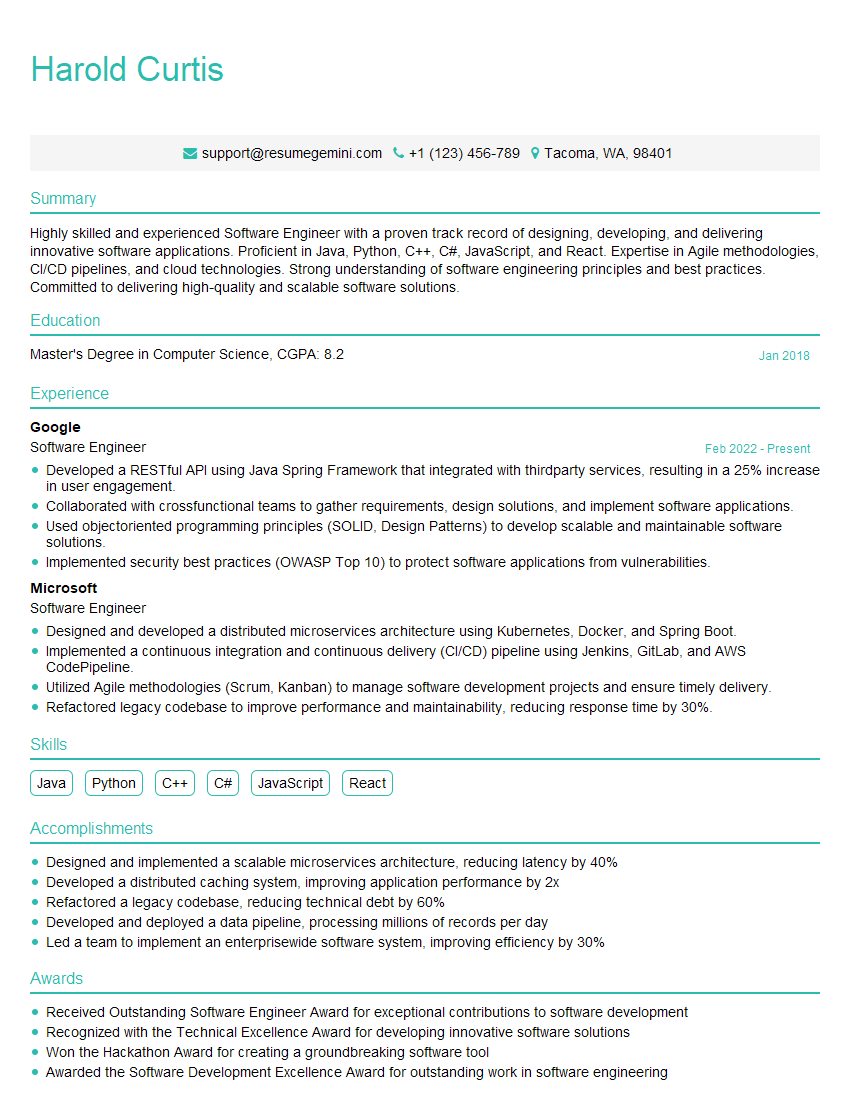
Software Engineer Resume Sample
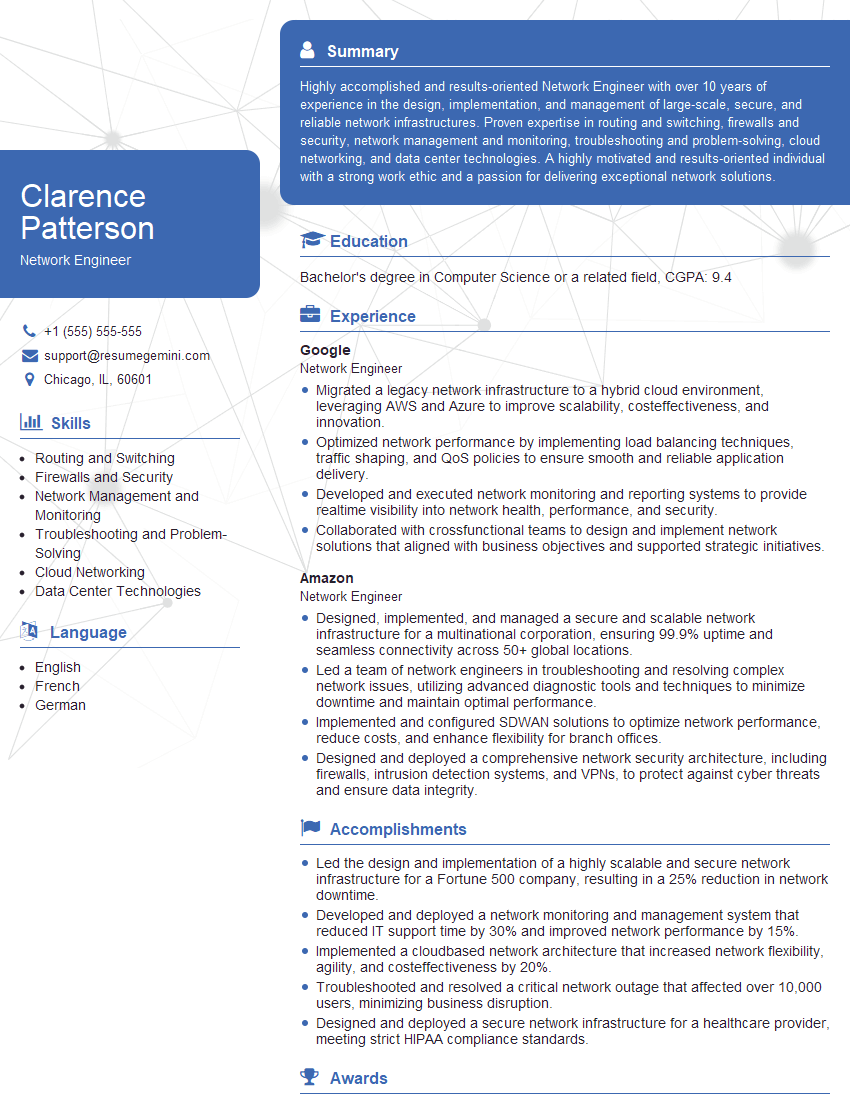
Network Engineer Resume Sample
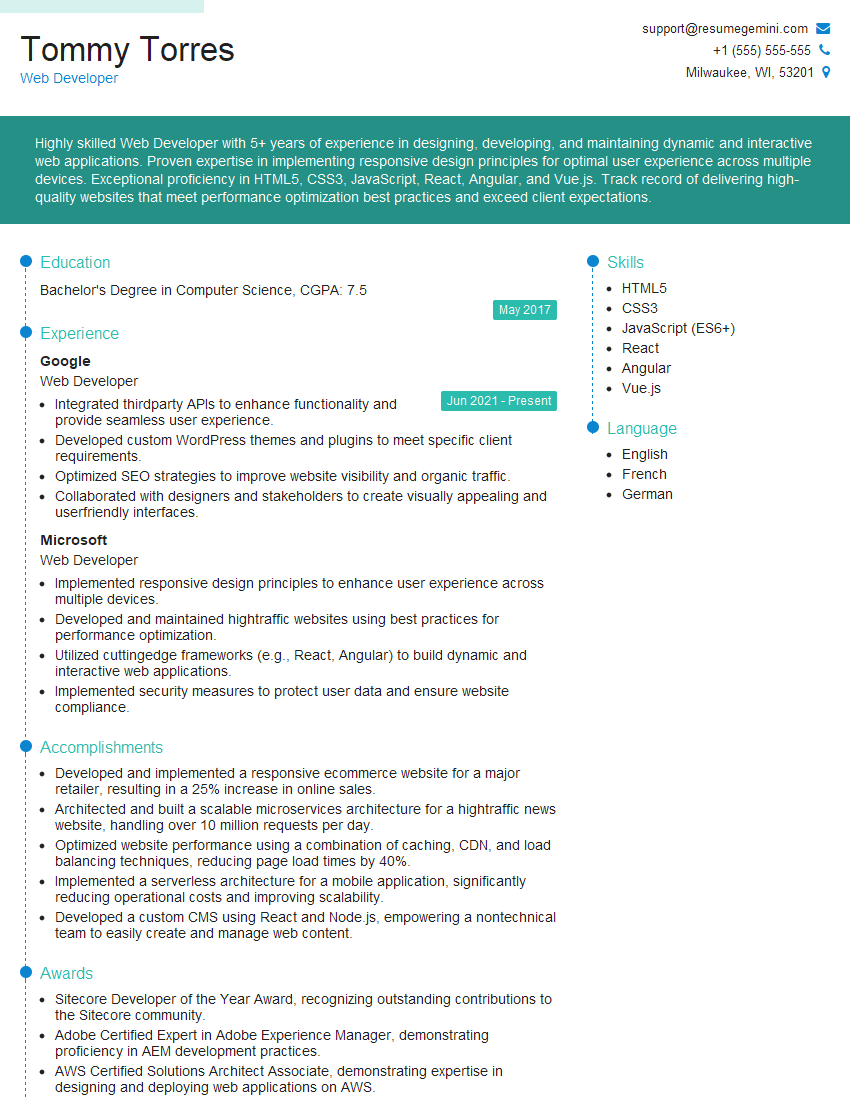
Web Developer Resume Sample
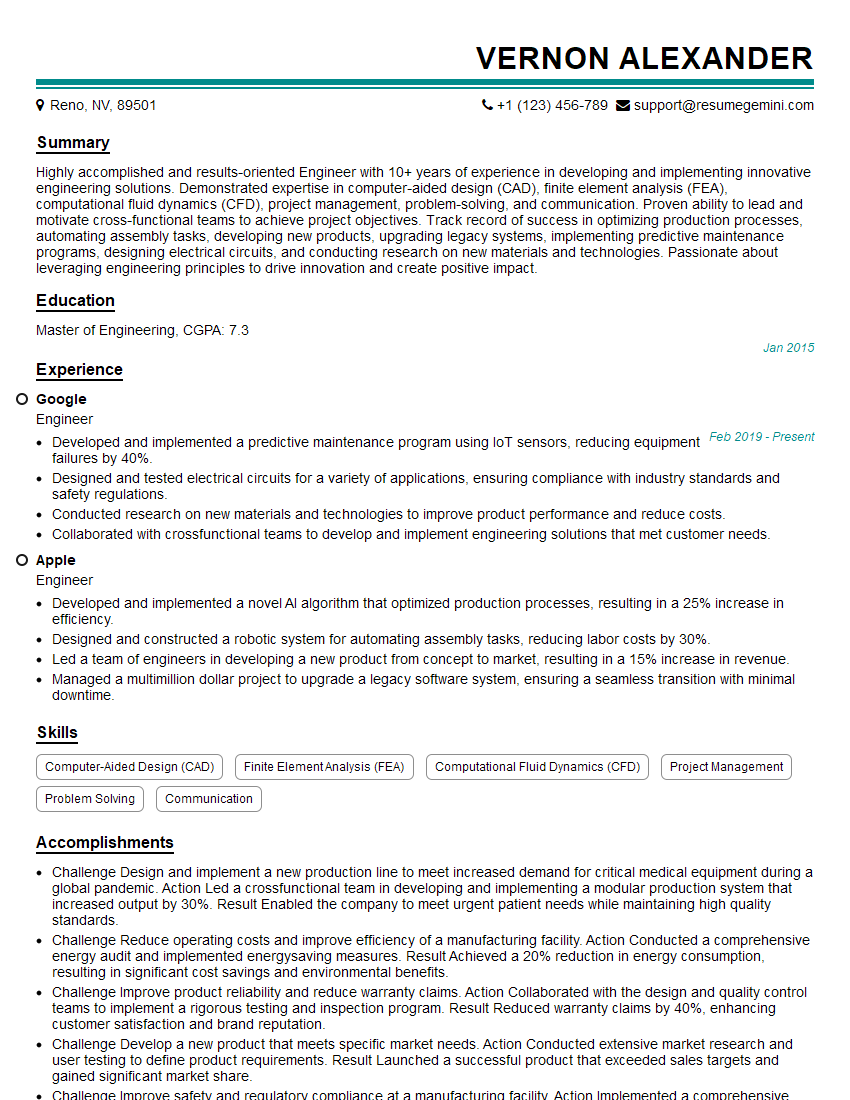
Engineer Resume Sample
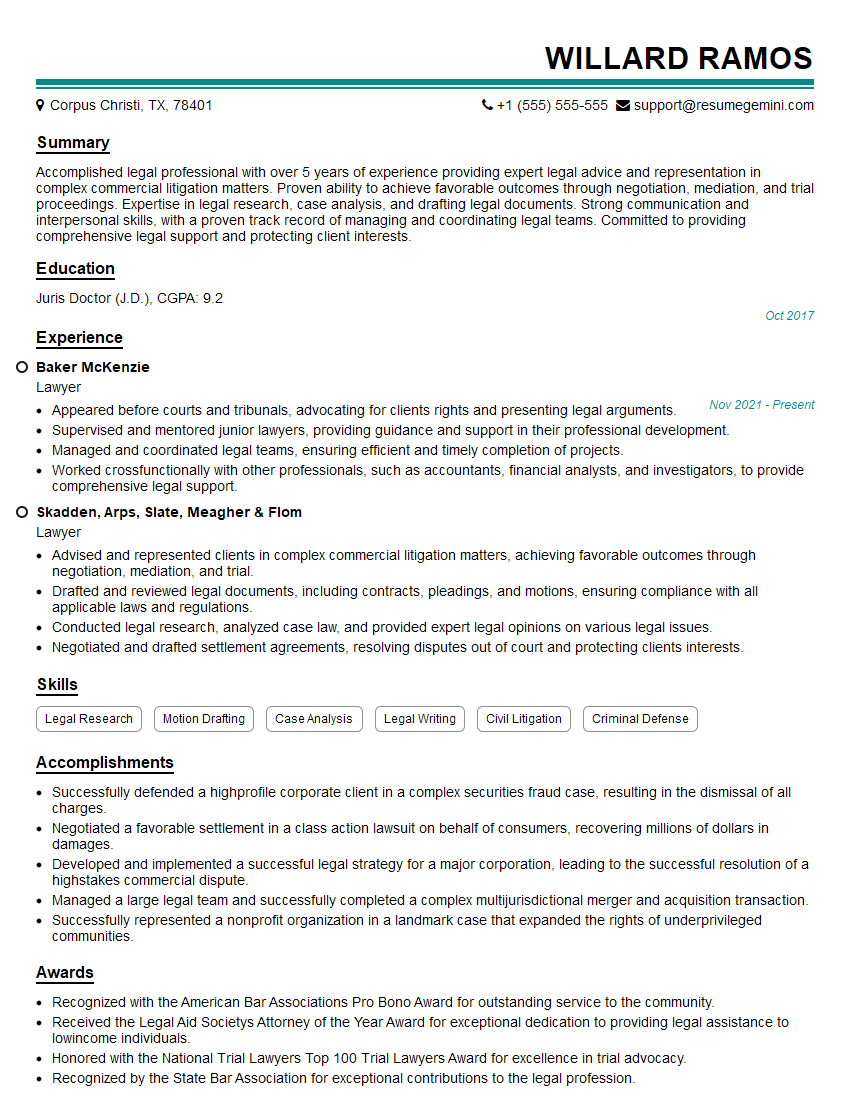
Lawyer Resume Sample
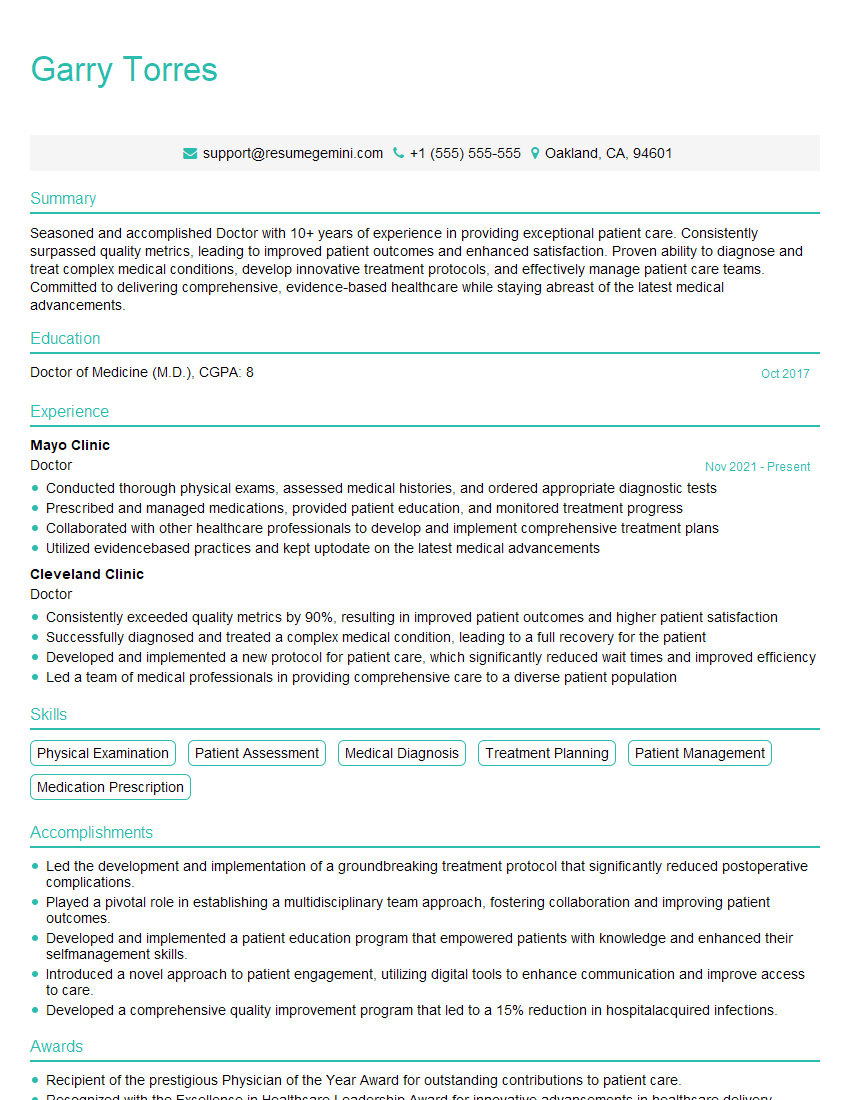
Doctor Resume Sample
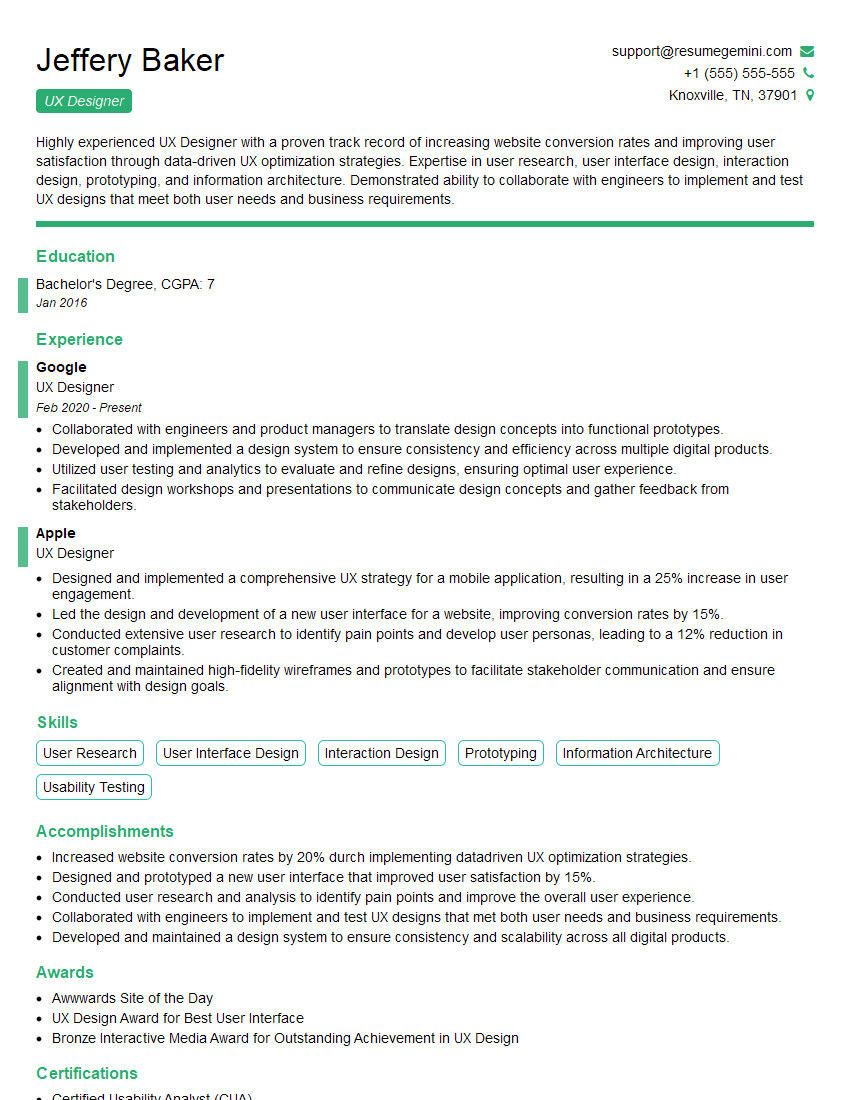
UX Designer Resume Sample
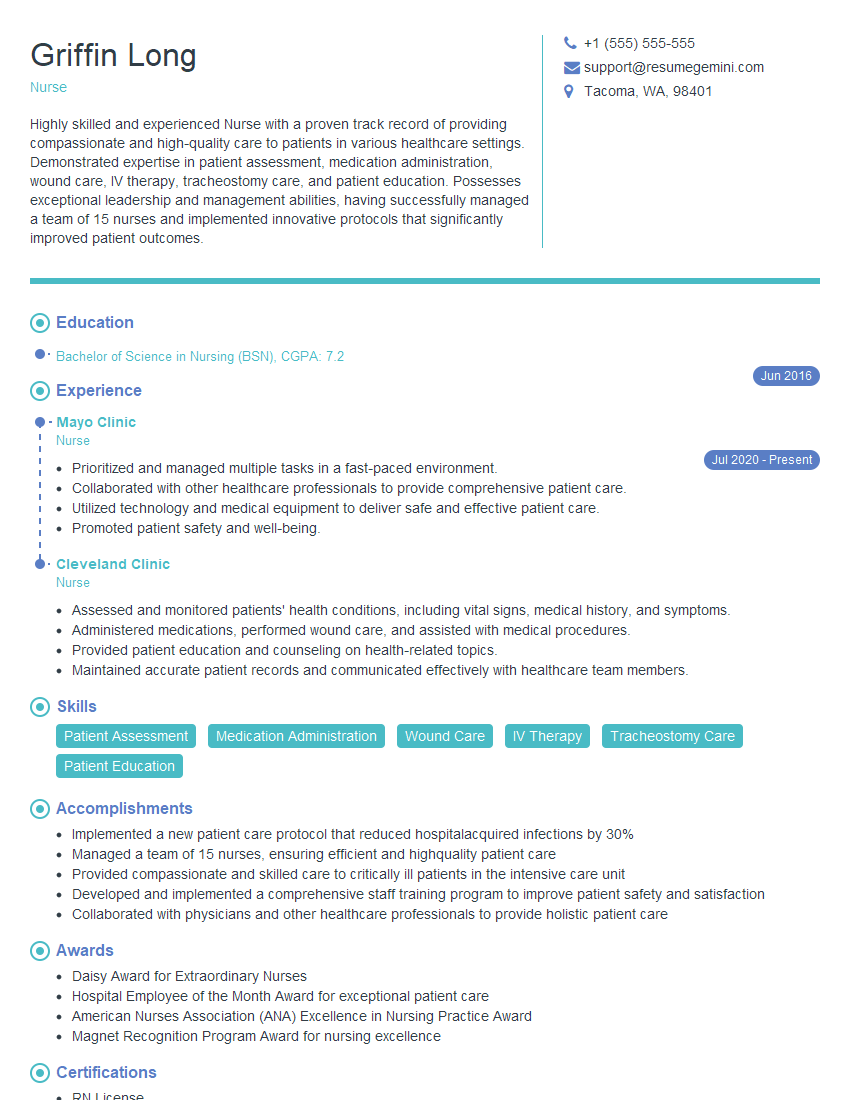
Nurse Resume Sample
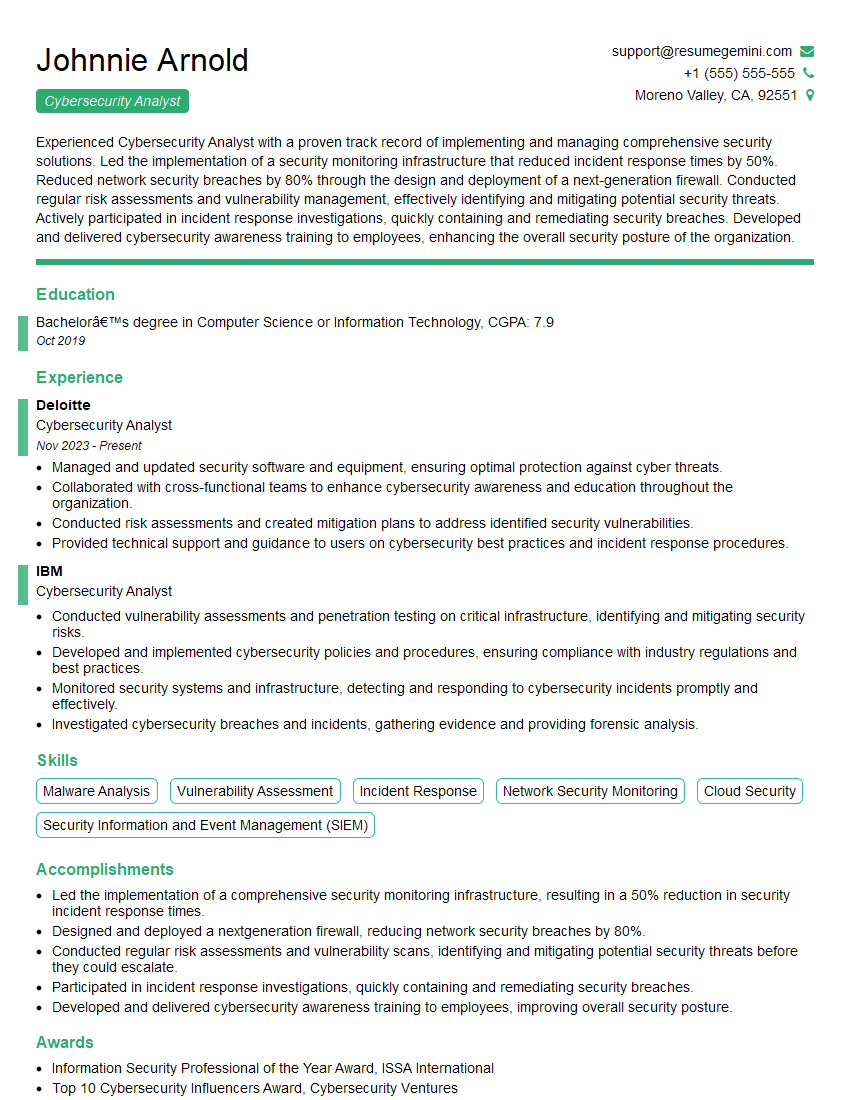
Cybersecurity Analyst Resume Sample
- Operations Manager
- Marketing Manager
- Product Manager
- Sales Representative
- Customer Service Representative
- Human Resources Manager
- Project Manager
- Teacher
- Business Analyst
- Accountant
- Financial Analyst
- Data Analyst
- Data Scientist
- Research Scientist
- Software Engineer
- Network Engineer
- Web Developer
- Engineer
- Lawyer
- Doctor
- UX Designer
- Nurse
- Cybersecurity Analyst
Explore more articles
Users Rating of Our Blogs
Share Your Experience
We value your feedback! Please rate our content and share your thoughts (optional).
What Readers Say About Our Blog
Hello,
we currently offer a complimentary backlink and URL indexing test for search engine optimization professionals.
You can get complimentary indexing credits to test how link discovery works in practice.
No credit card is required and there is no recurring fee.
You can find details here:
https://wikipedia-backlinks.com/indexing/
Regards
NICE RESPONSE TO Q & A
hi
The aim of this message is regarding an unclaimed deposit of a deceased nationale that bears the same name as you. You are not relate to him as there are millions of people answering the names across around the world. But i will use my position to influence the release of the deposit to you for our mutual benefit.
Respond for full details and how to claim the deposit. This is 100% risk free. Send hello to my email id: [email protected]
Luka Chachibaialuka
Hey interviewgemini.com, just wanted to follow up on my last email.
We just launched Call the Monster, an parenting app that lets you summon friendly ‘monsters’ kids actually listen to.
We’re also running a giveaway for everyone who downloads the app. Since it’s brand new, there aren’t many users yet, which means you’ve got a much better chance of winning some great prizes.
You can check it out here: https://bit.ly/callamonsterapp
Or follow us on Instagram: https://www.instagram.com/callamonsterapp
Thanks,
Ryan
CEO – Call the Monster App
Hey interviewgemini.com, I saw your website and love your approach.
I just want this to look like spam email, but want to share something important to you. We just launched Call the Monster, a parenting app that lets you summon friendly ‘monsters’ kids actually listen to.
Parents are loving it for calming chaos before bedtime. Thought you might want to try it: https://bit.ly/callamonsterapp or just follow our fun monster lore on Instagram: https://www.instagram.com/callamonsterapp
Thanks,
Ryan
CEO – Call A Monster APP
To the interviewgemini.com Owner.
Dear interviewgemini.com Webmaster!
Hi interviewgemini.com Webmaster!
Dear interviewgemini.com Webmaster!
excellent
Hello,
We found issues with your domain’s email setup that may be sending your messages to spam or blocking them completely. InboxShield Mini shows you how to fix it in minutes — no tech skills required.
Scan your domain now for details: https://inboxshield-mini.com/
— Adam @ InboxShield Mini
Reply STOP to unsubscribe
Hi, are you owner of interviewgemini.com? What if I told you I could help you find extra time in your schedule, reconnect with leads you didn’t even realize you missed, and bring in more “I want to work with you” conversations, without increasing your ad spend or hiring a full-time employee?
All with a flexible, budget-friendly service that could easily pay for itself. Sounds good?
Would it be nice to jump on a quick 10-minute call so I can show you exactly how we make this work?
Best,
Hapei
Marketing Director
Hey, I know you’re the owner of interviewgemini.com. I’ll be quick.
Fundraising for your business is tough and time-consuming. We make it easier by guaranteeing two private investor meetings each month, for six months. No demos, no pitch events – just direct introductions to active investors matched to your startup.
If youR17;re raising, this could help you build real momentum. Want me to send more info?
Hi, I represent an SEO company that specialises in getting you AI citations and higher rankings on Google. I’d like to offer you a 100% free SEO audit for your website. Would you be interested?
Hi, I represent an SEO company that specialises in getting you AI citations and higher rankings on Google. I’d like to offer you a 100% free SEO audit for your website. Would you be interested?
good