Are you ready to stand out in your next interview? Understanding and preparing for Willingness to learn and embrace new technologies interview questions is a game-changer. In this blog, we’ve compiled key questions and expert advice to help you showcase your skills with confidence and precision. Let’s get started on your journey to acing the interview.
Questions Asked in Willingness to learn and embrace new technologies Interview
Q 1. Describe a time you learned a new technology outside of your formal training.
Learning new technologies is a continuous process for me, and a prime example is my self-driven acquisition of Python. Outside of any formal coursework, I needed to automate a complex data analysis task at my previous role. Spreadsheets were becoming unwieldy, and I recognized Python’s potential for efficiency. I started with free online tutorials focusing on data manipulation libraries like Pandas and NumPy.
I began with small, manageable projects: scripting simple calculations, automating data cleaning, and gradually tackling more complex tasks. This hands-on approach allowed me to solidify my understanding and build confidence. For example, I initially struggled with list comprehensions, but persistent practice and debugging helped me master them. Ultimately, I automated a weekly report that previously took hours, significantly improving my team’s productivity. This experience highlighted the value of iterative learning and the power of tackling challenges step-by-step.
Q 2. What strategies do you employ to stay current with the latest technological advancements?
Staying current in the rapidly evolving tech landscape requires a multi-pronged approach. I subscribe to several reputable tech newsletters, such as those from InfoQ and Hacker News, which provide curated articles and insights into emerging technologies. I also actively participate in online communities like Stack Overflow and Reddit’s programming subreddits, where I can engage with other developers, ask questions, and learn from shared experiences.
Furthermore, I regularly attend webinars and online conferences, often free or low-cost, which offer deeper dives into specific technologies. Finally, I dedicate time each week to exploring new tools or concepts, even if it’s just for 30 minutes. This consistent engagement allows me to maintain a broad understanding of technological advancements relevant to my field.
Q 3. How do you approach learning a complex new technology?
My approach to learning a complex new technology is systematic and structured. I believe in breaking down the learning process into manageable chunks. Firstly, I begin with a high-level understanding of the technology’s purpose and architecture. This often involves reading introductory materials, blog posts, or watching overview videos to get a foundational grasp.
Next, I focus on mastering the core concepts and functionalities. I often use a combination of official documentation, online tutorials, and practical exercises. I find that actively building small projects helps reinforce my understanding much better than passive reading. For instance, when learning a new cloud platform, I might start with a simple deployment of a ‘Hello World’ application. As I progress, I gradually increase the complexity of my projects, consistently challenging myself to apply what I’ve learned. Throughout this process, I regularly review my work and seek feedback to identify areas for improvement.
Q 4. What resources do you utilize to learn new technologies (e.g., online courses, documentation, etc.)?
My technology learning toolkit is diverse and tailored to the specific technology. For foundational knowledge, I frequently utilize platforms like Coursera and edX, which offer structured courses from leading universities and industry experts.
Official documentation is an invaluable resource; it provides precise and accurate information, often including code examples and best practices. I also leverage online communities like Stack Overflow and forums specific to the technology I’m learning. These platforms offer peer support, practical solutions to common problems, and insights from experienced users. Finally, I explore YouTube channels and blogs focusing on specific technologies to gain alternative perspectives and practical demonstrations.
Q 5. Explain your process for evaluating the value and applicability of a new technology.
Evaluating the value and applicability of a new technology requires a critical and pragmatic approach. I start by identifying the problem or opportunity that the technology aims to address. Then, I assess its capabilities against existing solutions, considering factors like cost, ease of implementation, scalability, security, and long-term maintenance.
For instance, if considering a new database technology, I’d compare its performance characteristics (speed, data storage capacity) against our current system. I also weigh the cost of migration, training, and ongoing support against the potential benefits like improved efficiency or scalability. I always conduct thorough research, looking for case studies, reviews, and independent benchmarks to support my evaluation. Ultimately, the decision to adopt a new technology rests on a careful cost-benefit analysis, factoring in both technical and business considerations.
Q 6. How do you handle the frustration of encountering difficulties while learning a new technology?
Learning new technologies inevitably involves encountering frustrating setbacks. My strategy focuses on proactive problem-solving and maintaining a positive mindset. I start by carefully reviewing my code or process, attempting to identify the root cause of the issue. I utilize debugging tools, meticulously examining error messages and logs.
If I’m stuck, I seek help from online communities or colleagues, clearly explaining the problem and what I’ve already tried. I find that breaking down a complex problem into smaller, more manageable parts often makes it easier to identify the source of the issue. It’s crucial to remember that setbacks are opportunities for learning; analyzing where things went wrong helps prevent future mistakes. Celebrating small victories along the way also helps maintain motivation and perseverance.
Q 7. Describe a situation where you had to quickly adapt to a new technology or process.
During a critical project, our team had to suddenly migrate from one version control system to another due to an unexpected vendor shutdown. We had less than a week to complete the transition. This required a quick learning curve for everyone involved.
We started by assigning specific tasks to team members based on their skillsets. Some focused on migrating the existing codebase, others on configuring the new system, and still others on providing training and support to the rest of the team. We prioritized the most critical components first, focusing on a phased rollout rather than trying to migrate everything at once. This pragmatic approach, coupled with intense collaboration and shared learning resources, allowed us to successfully complete the transition within the tight deadline, minimizing disruption to the project.
Q 8. How do you prioritize learning new technologies when faced with competing demands?
Prioritizing new technology learning amidst competing demands requires a strategic approach. I use a system that combines urgency, importance, and potential impact. I start by creating a prioritized list, ranking technologies based on their relevance to current projects, long-term company goals, and my own career development. For instance, a technology crucial for an immediate project takes precedence over one that’s beneficial long-term but doesn’t have an immediate deadline. I then allocate specific time blocks in my schedule dedicated solely to learning, ensuring this time isn’t encroached upon by other tasks. Finally, I track my progress and adjust the prioritization as needed, regularly reviewing the list to ensure alignment with evolving priorities.
- Urgency: Technologies needed for immediate projects.
- Importance: Technologies crucial for long-term goals.
- Impact: Potential improvements in efficiency or innovation.
Q 9. How do you determine which new technologies are worth investing your time in?
Determining which technologies deserve my time involves a thorough evaluation process. I consider factors such as industry trends, market demand, company strategy, and the technology’s potential to solve existing problems or create new opportunities. I research thoroughly, reading industry publications, attending webinars, and networking with professionals. For example, if my company is moving towards cloud-based solutions, I’d prioritize learning relevant cloud platforms like AWS, Azure, or GCP. If I identify a gap in our current workflow, I’d research technologies that can address that deficiency. This avoids wasting time on irrelevant technologies and focuses my energy on those with the greatest potential return.
Q 10. Can you give an example of a time you identified a need for a new technology and successfully implemented it?
In my previous role, we struggled with managing a large volume of customer data spread across multiple spreadsheets. This led to inefficiencies and errors. I identified a need for a Customer Relationship Management (CRM) system. After researching several options, I proposed implementing Salesforce. I then developed a phased implementation plan, starting with a pilot program involving a small team. This allowed us to test the system, identify and resolve issues, and train users before a full-scale rollout. The result was a significant improvement in data management, reporting accuracy, and overall team efficiency. The implementation also involved creating custom reports and dashboards in Salesforce to visualize key metrics, demonstrating how understanding the underlying capabilities of the technology allows for maximum impact.
Q 11. How do you stay motivated to learn new technologies over the long term?
Maintaining long-term motivation in technology learning requires a multi-faceted approach. I set realistic goals, breaking down complex technologies into smaller, manageable learning modules. This prevents feeling overwhelmed and provides a sense of accomplishment as I complete each step. I also actively seek out opportunities to apply my new skills, whether through personal projects or contributing to work initiatives. This practical application reinforces learning and provides intrinsic motivation. Joining online communities and attending industry events keeps me updated with the latest advancements and connects me with other professionals, fostering a sense of community and shared passion for technology. Continuous learning is a journey, not a destination, and celebrating milestones, big or small, helps to maintain momentum.
Q 12. What are your preferred methods for sharing your knowledge of new technologies with colleagues?
Sharing knowledge is a key part of my professional approach. I use a variety of methods, tailored to the audience and the technology being shared. For quick tips and tricks, I utilize informal methods like brief email updates, quick explanations during team meetings, or impromptu code reviews. For more in-depth knowledge transfer, I prefer workshops, presentations, or creating internal documentation, including wikis or tutorials. For instance, when I learned a new scripting language, I created a series of short video tutorials demonstrating practical examples, making it easily accessible to my colleagues. This allows for different learning styles and accommodates diverse availability constraints of my peers.
Q 13. Describe a time you had to learn a new technology under pressure.
During a critical system outage, our primary database went down unexpectedly. We needed to quickly migrate to a backup server, which required me to learn and configure a new backup and restore system I had not used before. The pressure was immense, as downtime meant significant financial losses. I used online documentation, troubleshooting guides, and internal resources, working closely with the system administrator. Although stressful, the experience solidified my troubleshooting skills and emphasized the importance of thorough documentation and proactive disaster recovery planning. I learned to approach complex issues systematically by first identifying the root cause, then executing solutions according to the established prioritization.
Q 14. How do you manage the learning curve when adopting a new technology within a team environment?
Managing the learning curve in a team environment is crucial. I advocate for a collaborative approach. This involves initiating discussions early in the process to identify individual skill gaps and allocate resources effectively. I suggest establishing a mentor-mentee program within the team, pairing more experienced members with those who are new to the technology. Regular team meetings and workshops dedicated to the new technology provide opportunities for everyone to share their progress, troubleshoot challenges, and reinforce learning. Providing easily accessible documentation, tutorials, and hands-on practice exercises ensures that everyone progresses at their own pace while remaining aligned with project goals. This helps to create a supportive learning environment and ensures that the whole team achieves competency.
Q 15. What steps do you take to ensure that you are effectively using a new technology?
Effectively using a new technology involves a structured approach. It’s not just about passively absorbing information; it’s about active engagement and iterative improvement.
- Structured Learning: I start with a clear learning objective. What specific problem will this technology solve? What are the key features I need to master? I then identify reputable learning resources – official documentation, tutorials, online courses, or even books – tailoring my approach to the complexity of the technology.
- Hands-on Practice: Theory is only half the battle. I build small, incremental projects to apply my knowledge. This could be anything from a simple script to a more complex application, depending on the technology. This active learning is crucial for solidifying my understanding.
- Experimentation and Iteration: I embrace experimentation. I don’t shy away from trying different approaches and making mistakes. Each failure is a learning opportunity. I document my progress, noting what worked and what didn’t, allowing me to refine my approach over time.
- Community Engagement: I actively participate in relevant online communities or forums. This provides invaluable exposure to diverse perspectives, troubleshooting assistance, and best practices from experienced users. It’s a fantastic way to learn from others’ successes and mistakes.
For example, when learning Python, I started with basic data structures and control flow, then built a small web scraper, constantly iterating and improving its efficiency and robustness based on feedback and further learning.
Career Expert Tips:
- Ace those interviews! Prepare effectively by reviewing the Top 50 Most Common Interview Questions on ResumeGemini.
- Navigate your job search with confidence! Explore a wide range of Career Tips on ResumeGemini. Learn about common challenges and recommendations to overcome them.
- Craft the perfect resume! Master the Art of Resume Writing with ResumeGemini’s guide. Showcase your unique qualifications and achievements effectively.
- Don’t miss out on holiday savings! Build your dream resume with ResumeGemini’s ATS optimized templates.
Q 16. How do you identify and mitigate the risks associated with adopting a new technology?
Risk mitigation when adopting new technologies is paramount. It’s about understanding potential downsides and proactively addressing them.
- Risk Assessment: I begin by thoroughly researching the technology, identifying potential risks such as security vulnerabilities, compatibility issues, or integration challenges. This often involves reviewing security audits, user reviews, and comparing it with existing solutions.
- Proof of Concept (POC): Before a full-scale deployment, I often develop a POC. This allows me to test the technology in a controlled environment, identifying and addressing potential problems before they impact the larger system.
- Phased Rollout: Instead of a sudden, full-scale implementation, I prefer a phased rollout. This allows for gradual integration, minimizing disruption and providing opportunities for feedback and adjustments based on real-world usage.
- Backup and Recovery Plan: A crucial part of risk mitigation is having a robust backup and recovery plan. This ensures business continuity in case of unexpected issues or failures.
- Monitoring and Evaluation: Post-implementation, continuous monitoring is essential. This allows for early detection of any problems and provides data for ongoing improvement and optimization.
For instance, before implementing a new cloud-based solution, I’d conduct a security assessment, perform a POC to test integration with existing systems, and then roll it out to a small team before company-wide adoption, constantly monitoring performance and security.
Q 17. How do you measure your success in learning and implementing a new technology?
Measuring success in learning and implementing a new technology isn’t simply about completing a course; it’s about demonstrable results.
- Defined Metrics: I set clear, measurable goals before starting the learning process. These might include specific skills to acquire, projects to complete, or performance benchmarks to achieve.
- Project Completion: Successfully completing a project that utilizes the new technology is a key indicator of success. This demonstrates practical application and problem-solving abilities.
- Efficiency Gains: Did the new technology improve efficiency or productivity? Measuring time saved, cost reductions, or improved workflow processes are concrete metrics of success.
- User Feedback: If the technology impacts end-users, gathering feedback is crucial. Positive user reviews and increased user satisfaction indicate successful implementation.
- Continuous Improvement: Even after successful implementation, continuous monitoring and improvement are essential. Tracking key metrics over time helps gauge ongoing success and identify areas for further optimization.
For example, after implementing a new automation tool, I’d measure the reduction in manual tasks, the improvement in data accuracy, and user satisfaction through surveys, demonstrating tangible improvements in efficiency and productivity.
Q 18. What are some of the challenges you foresee in learning and adapting to future technologies?
The rapid pace of technological advancement presents several challenges.
- Constant Learning Curve: The sheer volume of new technologies emerging necessitates continuous learning and adaptation. Keeping up with this pace can be demanding and requires a dedicated commitment to lifelong learning.
- Skill Obsolescence: Previously valuable skills can quickly become obsolete as new technologies replace older ones. This requires proactive upskilling and reskilling to remain competitive and relevant.
- Integration Complexity: Integrating new technologies with existing systems can be complex and time-consuming, requiring careful planning and execution to avoid disruptions and compatibility issues.
- Security Risks: New technologies often introduce new security vulnerabilities. Staying informed about potential threats and implementing appropriate safeguards is crucial.
- Ethical Considerations: The ethical implications of new technologies need careful consideration. Understanding and addressing potential biases, privacy concerns, and societal impacts is essential.
For example, the rise of AI and machine learning necessitates understanding its capabilities and limitations, ensuring ethical implementation and mitigating potential biases in algorithms.
Q 19. How do you balance learning new technologies with your existing responsibilities?
Balancing learning new technologies with existing responsibilities requires effective time management and prioritization.
- Time Blocking: I dedicate specific time slots in my schedule for learning, treating it as a critical task. This could be during lunch breaks, evenings, or even weekends, depending on my schedule and learning needs.
- Prioritization: I prioritize learning activities based on their relevance to my current responsibilities and long-term career goals. This ensures I focus on the most impactful learning opportunities first.
- Incremental Learning: Instead of trying to learn everything at once, I break down the learning process into smaller, manageable chunks. This allows for gradual progress without overwhelming my existing workload.
- Active Learning: I prioritize active learning techniques like hands-on projects and practical applications, maximizing learning efficiency and minimizing wasted time.
- Delegation and Automation: Where possible, I delegate routine tasks or automate processes to free up time for learning and development.
For example, I might dedicate 30 minutes each evening to learning a new programming language, focusing on specific modules relevant to my current project, while delegating less critical tasks during the day.
Q 20. Describe your experience with different learning styles and which ones work best for you when mastering new technologies.
My learning style is a blend of visual, kinesthetic, and auditory learning. I find that a multi-modal approach is most effective.
- Visual Learning: I benefit greatly from diagrams, charts, and videos. Visual aids help me understand complex concepts more easily.
- Kinesthetic Learning: Hands-on practice is crucial for me. Building projects, experimenting with code, or using interactive tutorials greatly enhances my understanding.
- Auditory Learning: Listening to podcasts, lectures, or online discussions helps me process and retain information. Explaining concepts aloud also helps reinforce my learning.
When mastering new technologies, I utilize all three styles. I might start with a video tutorial, then build a small project to apply what I’ve learned, and finally discuss my experiences and challenges with colleagues or online communities. This combination allows for a deeper and more effective understanding.
Q 21. How do you handle conflicting information or approaches when learning a new technology?
Conflicting information is a common challenge when learning new technologies. Resolving these conflicts requires a critical and analytical approach.
- Source Evaluation: I critically evaluate the source of information. Is it from a reputable author, organization, or community? Does the source have a history of accuracy and reliability?
- Cross-Referencing: I cross-reference information from multiple sources to identify consistent patterns and discrepancies. This helps me identify potential biases or inaccuracies.
- Practical Testing: When faced with conflicting approaches, I often test them in a controlled environment. This allows me to determine which approach is more effective in practice.
- Community Input: Seeking input from the wider community, whether through online forums or discussions with colleagues, can provide valuable insights and help resolve conflicting information.
- Documentation Review: I always refer back to the official documentation of the technology. This is usually the most authoritative and reliable source of information.
For example, if I encounter conflicting tutorials on a particular function in a programming language, I’d check the official documentation, compare the different approaches, test them experimentally, and seek feedback from experienced developers before settling on the most reliable method.
Q 22. How do you incorporate feedback from colleagues and mentors when learning a new technology?
I actively seek and value feedback as a crucial part of my learning process. When learning a new technology, I don’t view feedback as criticism, but as a guide for improvement. I incorporate it in a structured way:
- Active Listening: I carefully listen to the feedback, asking clarifying questions to ensure complete understanding.
- Prioritization: I prioritize feedback based on its impact and relevance to my current learning goals. Not all feedback is equally important.
- Implementation and Experimentation: I implement the suggested changes, experimenting with different approaches to see what works best for me and the project.
- Reflection and Iteration: After implementing the feedback, I reflect on the results and iterate my approach based on the outcomes. This continuous cycle of refinement is key.
For example, while learning Kubernetes, a senior colleague suggested I use YAML linters for better configuration management. I immediately implemented this suggestion, finding it drastically improved the readability and maintainability of my deployment files. This feedback directly contributed to a more efficient and error-free workflow.
Q 23. How do you stay up-to-date on industry best practices related to new technologies?
Staying current in the fast-paced world of technology demands a multifaceted approach. I utilize a combination of strategies:
- Following Industry Leaders: I follow influential individuals and organizations on platforms like Twitter, LinkedIn, and through their blogs. This provides insights into emerging trends and best practices.
- Participating in Online Communities: Active participation in forums like Stack Overflow, Reddit communities (r/programming, etc.), and technology-specific groups on LinkedIn fosters collaboration and access to collective knowledge.
- Attending Webinars and Conferences: Webinars and conferences, both online and in-person, offer invaluable opportunities to learn from experts and network with peers.
- Reading Technical Documentation and Blogs: Thorough engagement with official documentation and reputable technology blogs helps me grasp the intricacies of a technology and understand its best uses.
- Experimentation and Hands-on Practice: The most effective method is actively working with the technology. Building personal projects allows for direct application of learned concepts and identification of potential challenges.
For instance, to stay updated on advancements in serverless computing, I regularly read AWS’s blog, participate in relevant AWS user groups, and actively experiment with serverless frameworks in my personal projects.
Q 24. What specific technologies are you currently interested in learning?
Currently, I’m particularly interested in expanding my knowledge in several areas:
- Large Language Models (LLMs) and their applications in software development: I want to understand how LLMs can be integrated to improve coding efficiency and automate tasks.
- Advanced DevOps practices, particularly around infrastructure-as-code (IaC) and GitOps: My goal is to master tools like Terraform and Argo CD to build robust and scalable infrastructure.
- Quantum computing fundamentals: While still in its early stages, I believe understanding the potential of quantum computing is crucial for future technological advancements.
These areas align with my professional goals and current projects, and represent exciting frontiers in the tech landscape.
Q 25. Describe a time you had to unlearn a skill or technique to adopt a new and better technology.
During a recent project, our team transitioned from a monolithic architecture to a microservices architecture. This required me to ‘unlearn’ certain development patterns associated with monolithic systems. Initially, I struggled with concepts like distributed tracing and managing independent deployments.
Specifically, my previous experience involved debugging using a single codebase, and understanding the flow of data was straightforward. Microservices, however, necessitate understanding inter-service communication and tracing requests across multiple services. I had to actively shift my approach to debugging, utilizing tools like Jaeger and Zipkin to track requests across services. I embraced online resources, tutorials, and collaborated extensively with my team to master these new techniques. The result was a more scalable and maintainable system and a significant boost in my understanding of distributed systems.
Q 26. How have you leveraged personal projects to expand your technological skillset?
Personal projects have been instrumental in expanding my skillset. They provide a risk-free environment to experiment and learn from mistakes.
- Building a personal website: This project enhanced my front-end development skills (React, HTML, CSS) and taught me about responsive design and deployment strategies.
- Developing a Machine Learning model for sentiment analysis: This project allowed me to hone my Python programming skills and understand the practical application of ML algorithms.
- Creating a Dockerized application: This project solidified my understanding of containerization and improved my DevOps skills.
These projects not only broadened my technical knowledge but also built my portfolio, showcasing my abilities to potential employers.
Q 27. How do you approach debugging and problem-solving in the context of learning new technologies?
Debugging and problem-solving in the context of learning new technologies is an iterative process that relies on a structured approach:
- Reproduce the error consistently: The first step is to ensure the error isn’t a one-off event. This allows for systematic investigation.
- Isolate the problem: Break down the problem into smaller, manageable components to pinpoint the source of the error.
- Utilize debugging tools: Leverage debuggers (like pdb in Python or browser developer tools) to step through code, inspect variables, and understand the program’s execution flow.
- Consult documentation and online resources: Search for similar error messages or consult the technology’s official documentation. Stack Overflow and other online communities are also invaluable resources.
- Seek help from peers: Collaboration often reveals solutions that might have been missed independently. Explaining the problem to someone else can often clarify the issue.
For instance, while learning TensorFlow, I encountered a memory allocation error. By systematically reducing the dataset size and inspecting memory usage using system monitoring tools, I was able to identify the root cause – inefficient data handling. This problem-solving process strengthened my understanding of TensorFlow’s memory management.
Q 28. What aspects of learning new technologies do you find most challenging and how do you overcome them?
One of the most challenging aspects is overcoming the initial steep learning curve and dealing with feelings of being overwhelmed. The sheer volume of information and the complexity of some technologies can be daunting.
I mitigate these challenges by:
- Breaking down the learning process into smaller, manageable chunks: Instead of trying to learn everything at once, I focus on mastering one concept at a time.
- Setting realistic goals and celebrating milestones: This helps maintain motivation and prevents burnout.
- Utilizing various learning methods: I combine reading documentation with hands-on practice, watching tutorials, and engaging in online communities to cater to different learning styles.
- Embracing failure as a learning opportunity: Mistakes are inevitable. I view them as valuable chances to learn and improve.
Learning a new technology is a marathon, not a sprint. By adopting a structured and persistent approach, I continually improve my ability to navigate the challenges and unlock the potential of new technologies.
Key Topics to Learn for Willingness to Learn and Embrace New Technologies Interview
- Growth Mindset: Demonstrate your understanding of continuous learning and your proactive approach to acquiring new skills. Highlight examples where you’ve sought out new knowledge independently.
- Adaptability and Problem-Solving: Showcase instances where you’ve faced unfamiliar technologies or situations and explain your strategies for overcoming challenges. Emphasize your ability to quickly adapt to changing requirements.
- Learning Strategies: Discuss your preferred methods for learning new technologies (e.g., online courses, documentation, mentorship, hands-on projects). Explain how you assess your learning progress and identify areas for improvement.
- Technology Curiosity: Express genuine enthusiasm for emerging technologies and explain how you stay updated on industry trends. Mention relevant blogs, podcasts, or communities you follow.
- Practical Application: Describe projects where you’ve successfully integrated new technologies or processes. Quantify your achievements whenever possible (e.g., increased efficiency, cost savings, improved performance).
- Transferable Skills: Highlight skills applicable across different technologies (e.g., problem-solving, critical thinking, teamwork). Show how your experience in one area translates to learning new technologies.
- Resourcefulness: Explain how you effectively utilize available resources (documentation, online communities, colleagues) to learn and troubleshoot technical issues.
Next Steps
Mastering your ability to communicate your willingness to learn and embrace new technologies is crucial for career advancement in today’s rapidly evolving technological landscape. A strong resume showcasing this attribute is key to unlocking greater job opportunities. To make your resume stand out and get noticed by Applicant Tracking Systems (ATS), focus on using clear, concise language and quantifiable achievements. ResumeGemini can help you craft a professional, ATS-friendly resume that highlights your skills and experience effectively. Examples of resumes tailored to demonstrate your willingness to learn and embrace new technologies are available, showcasing how to effectively present this crucial skill set to prospective employers.
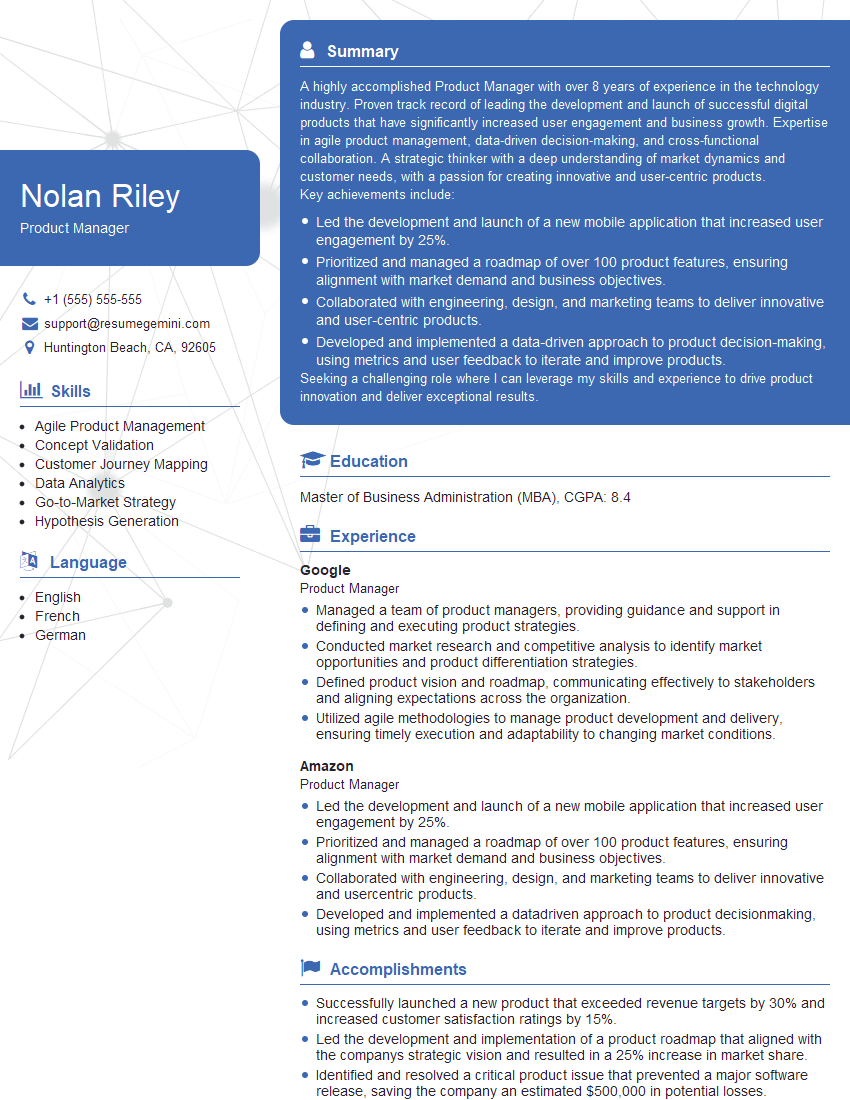
Product Manager Resume Sample
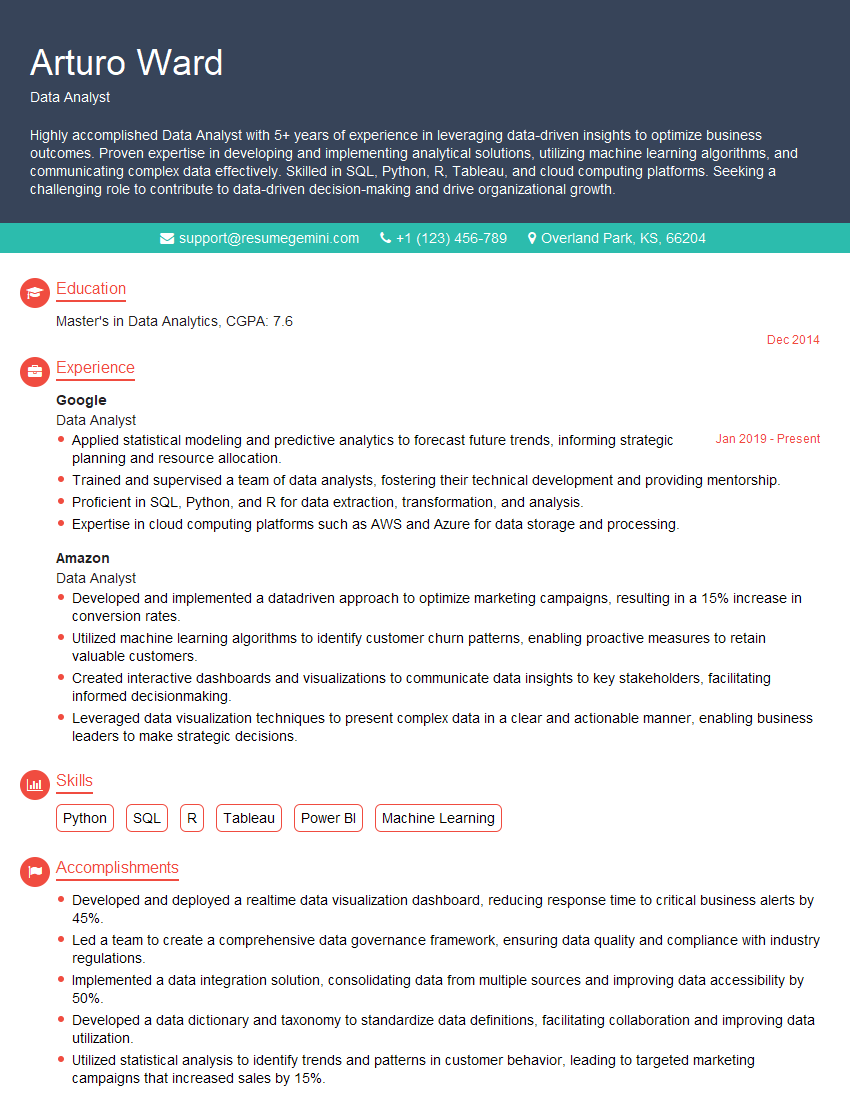
Data Analyst Resume Sample
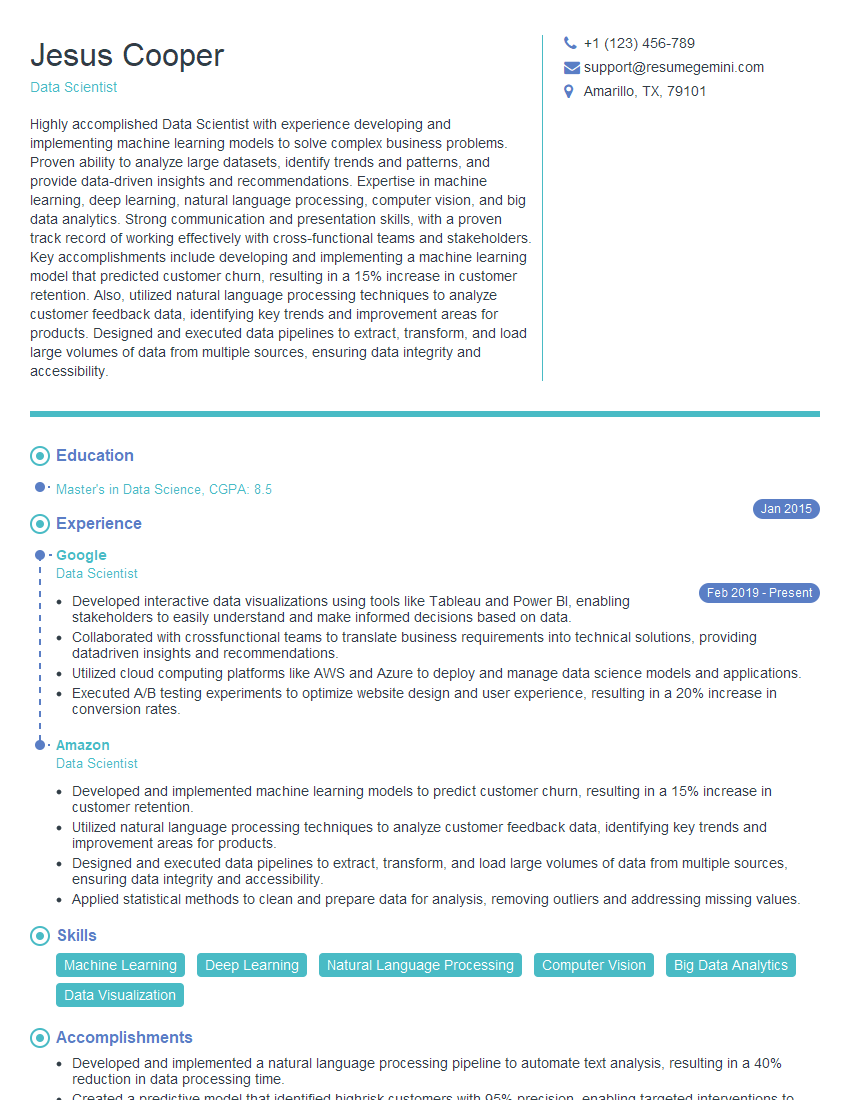
Data Scientist Resume Sample
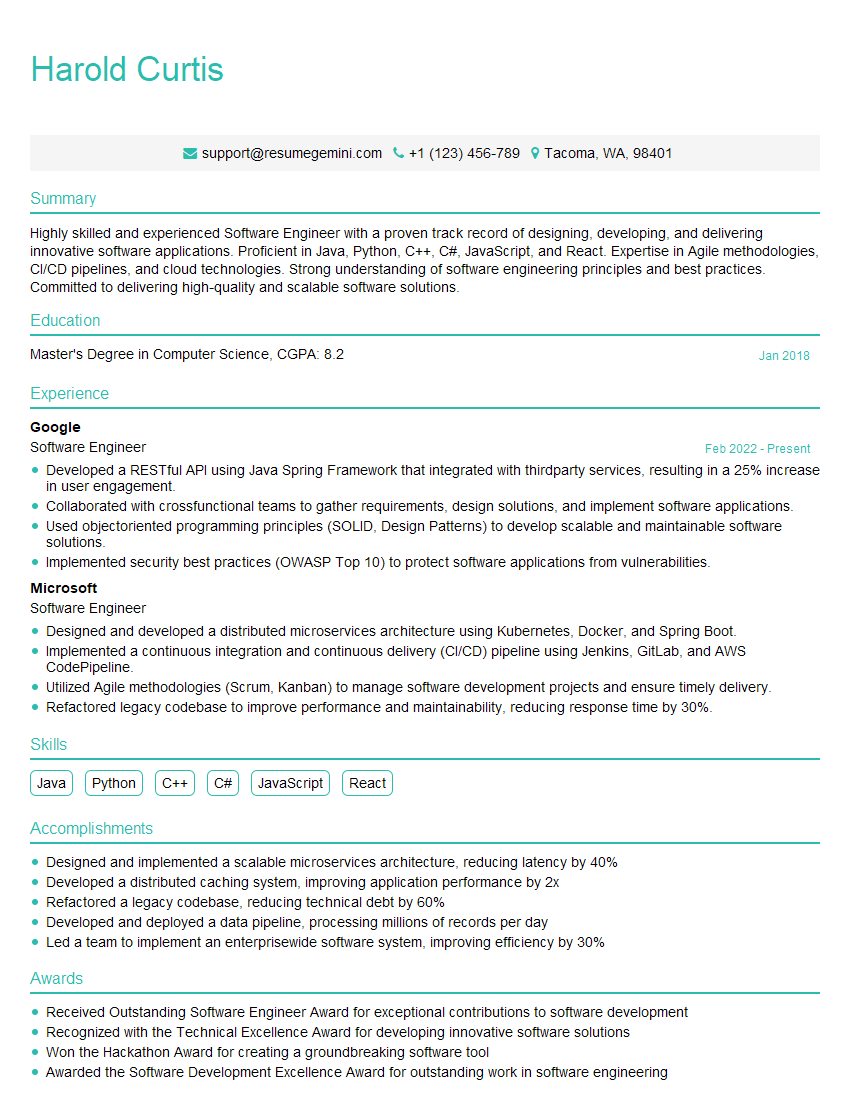
Software Engineer Resume Sample
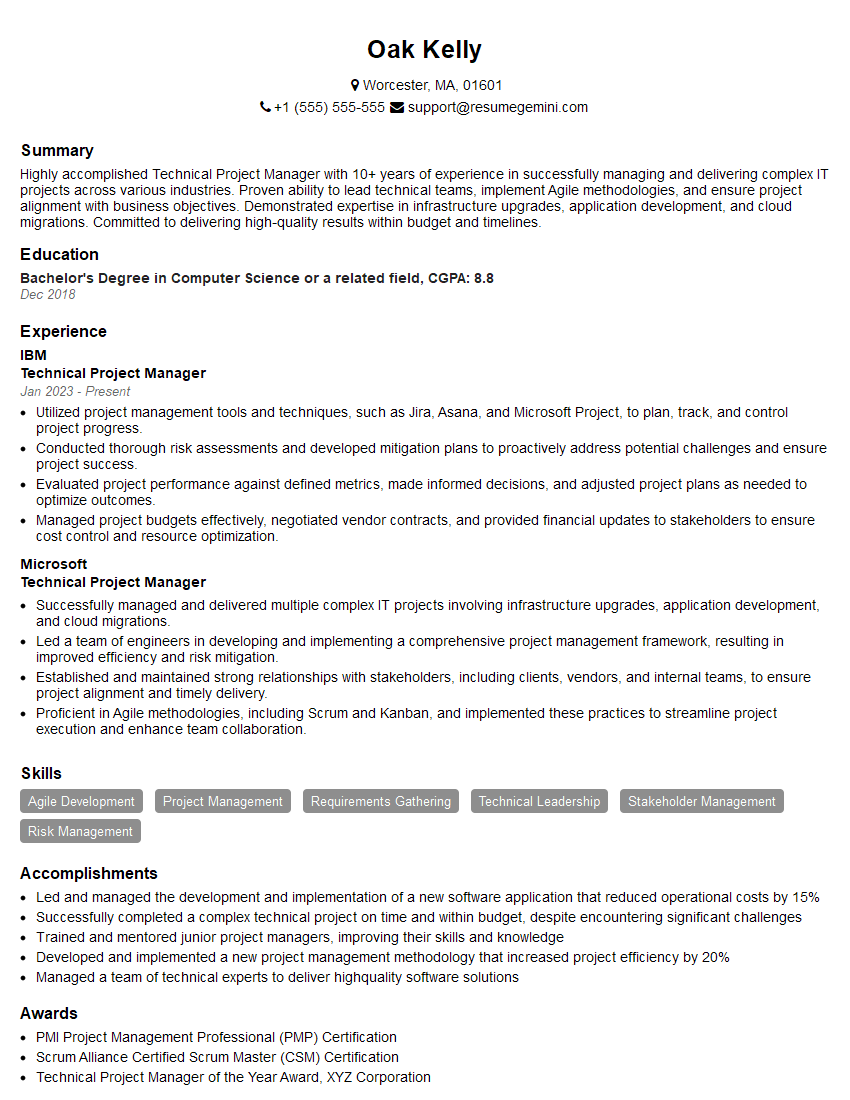
Technical Project Manager Resume Sample
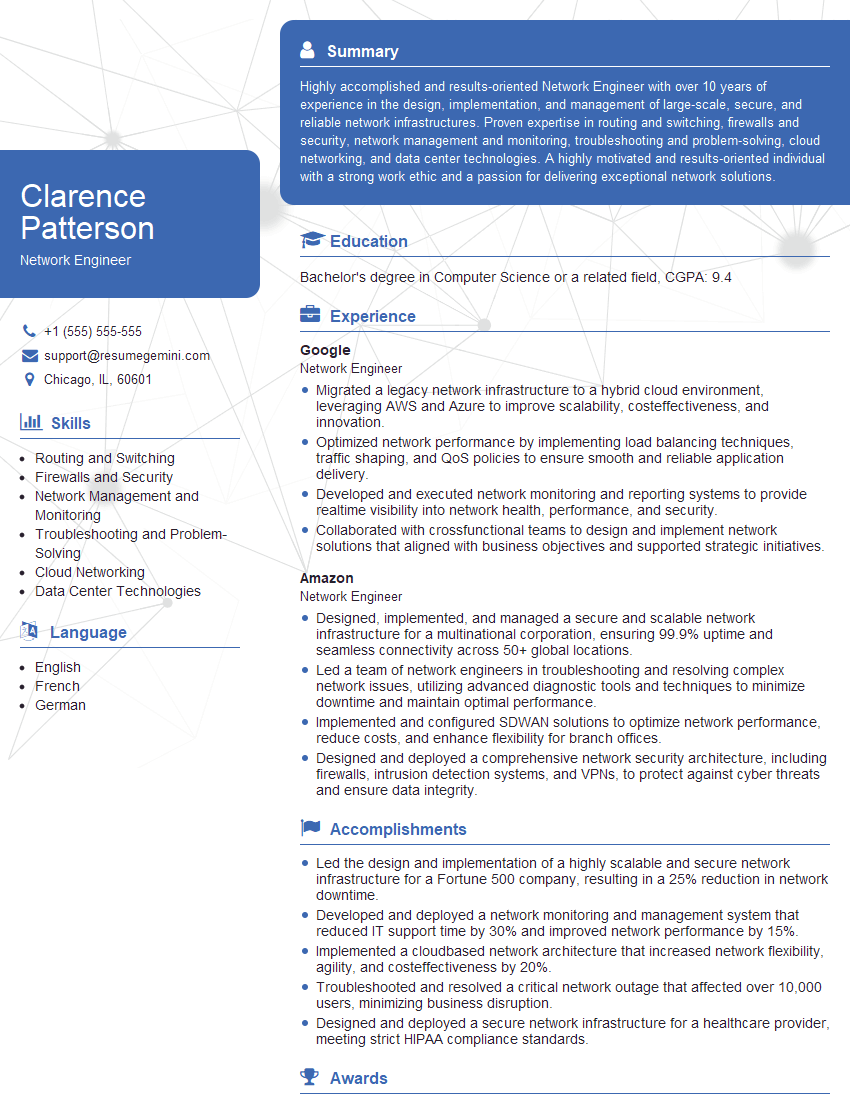
Network Engineer Resume Sample
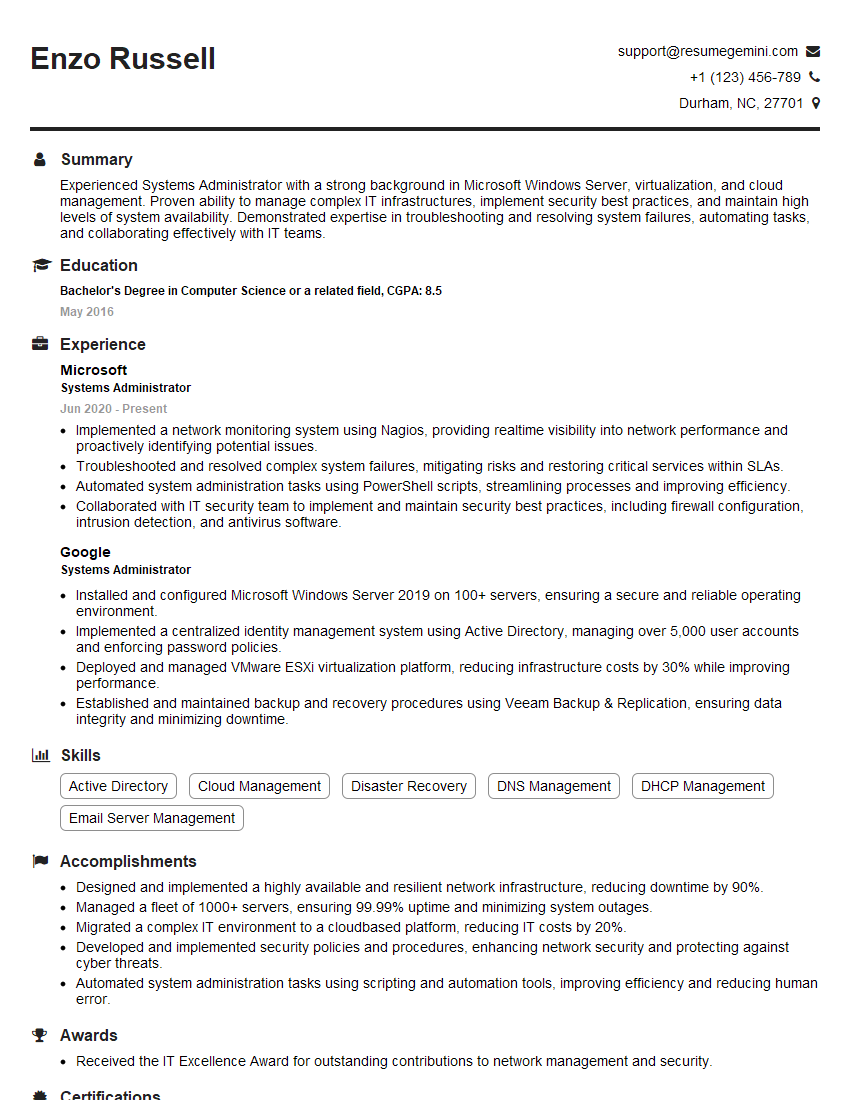
Systems Administrator Resume Sample
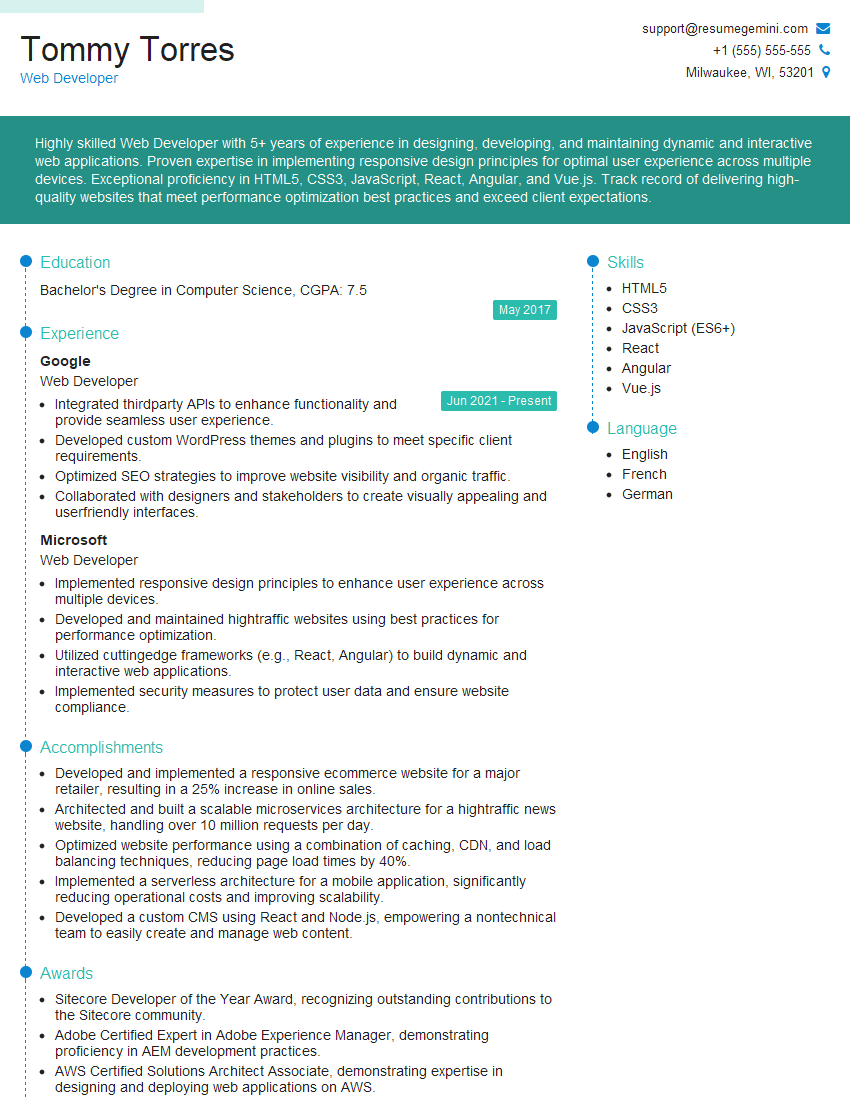
Web Developer Resume Sample
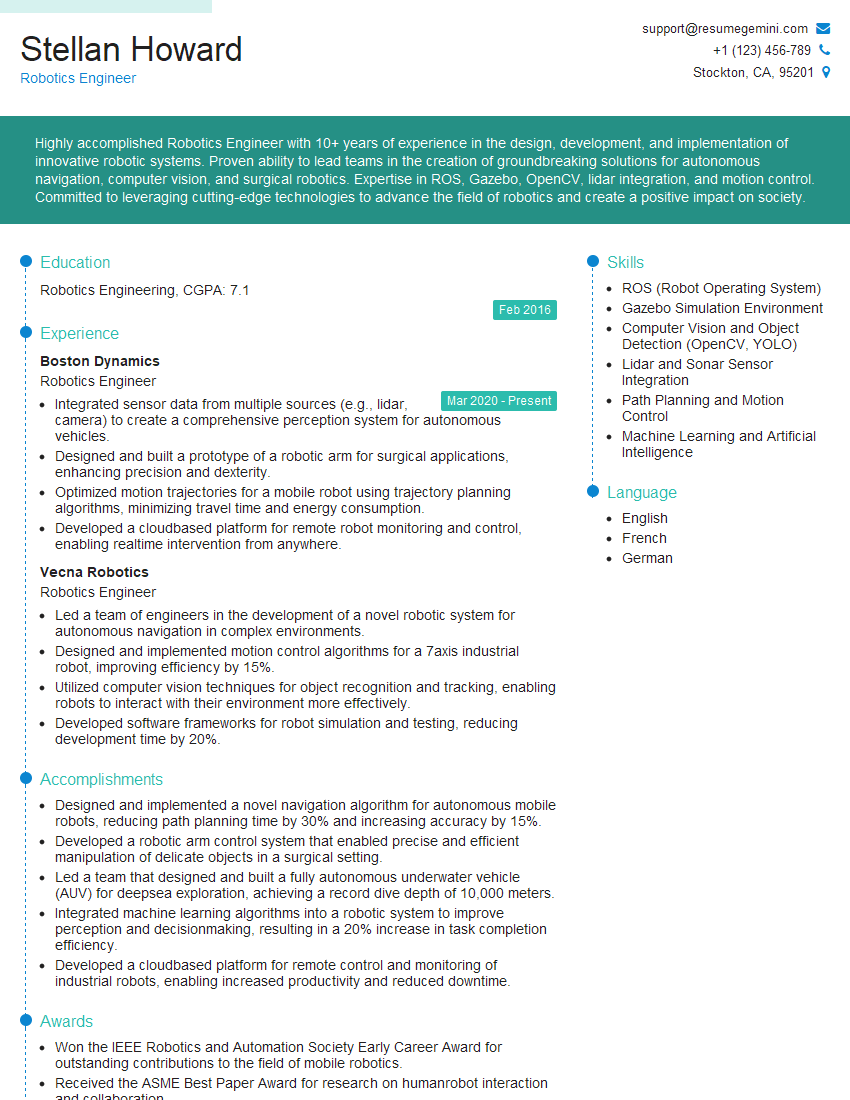
Robotics Engineer Resume Sample

Technical Writer Resume Sample
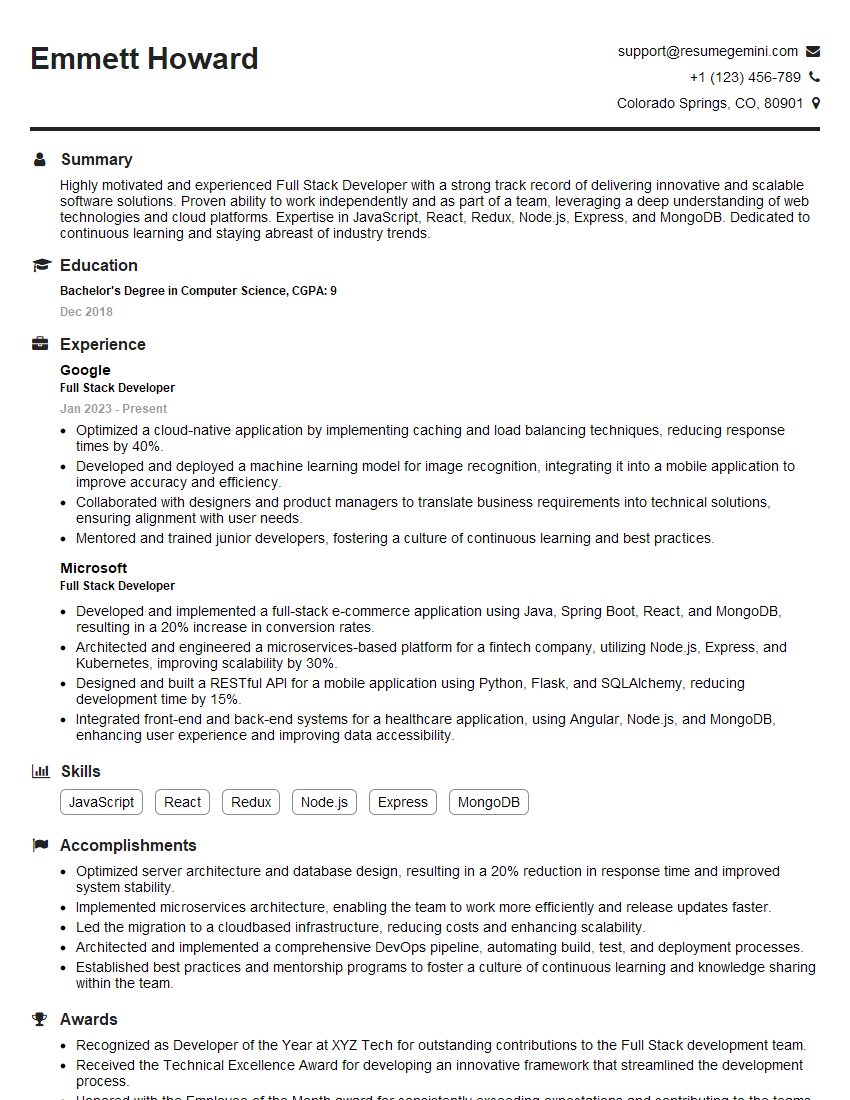
Full Stack Developer Resume Sample
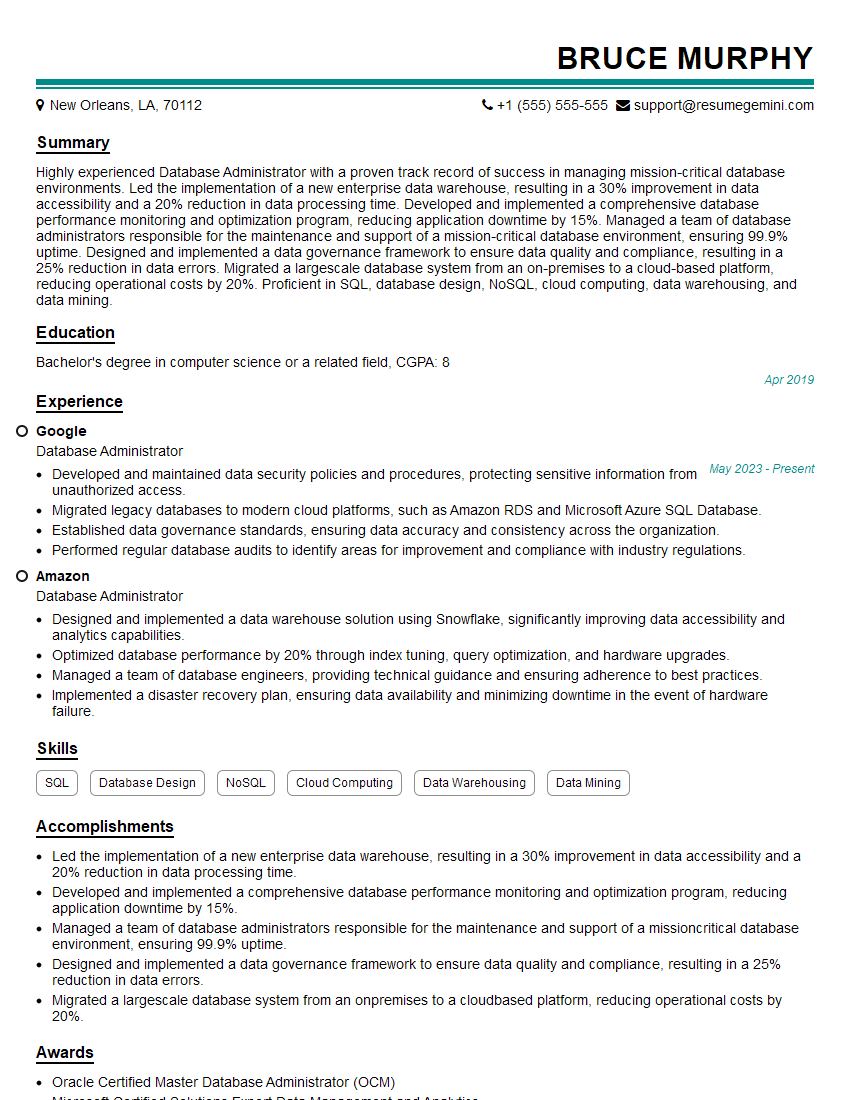
Database Administrator Resume Sample
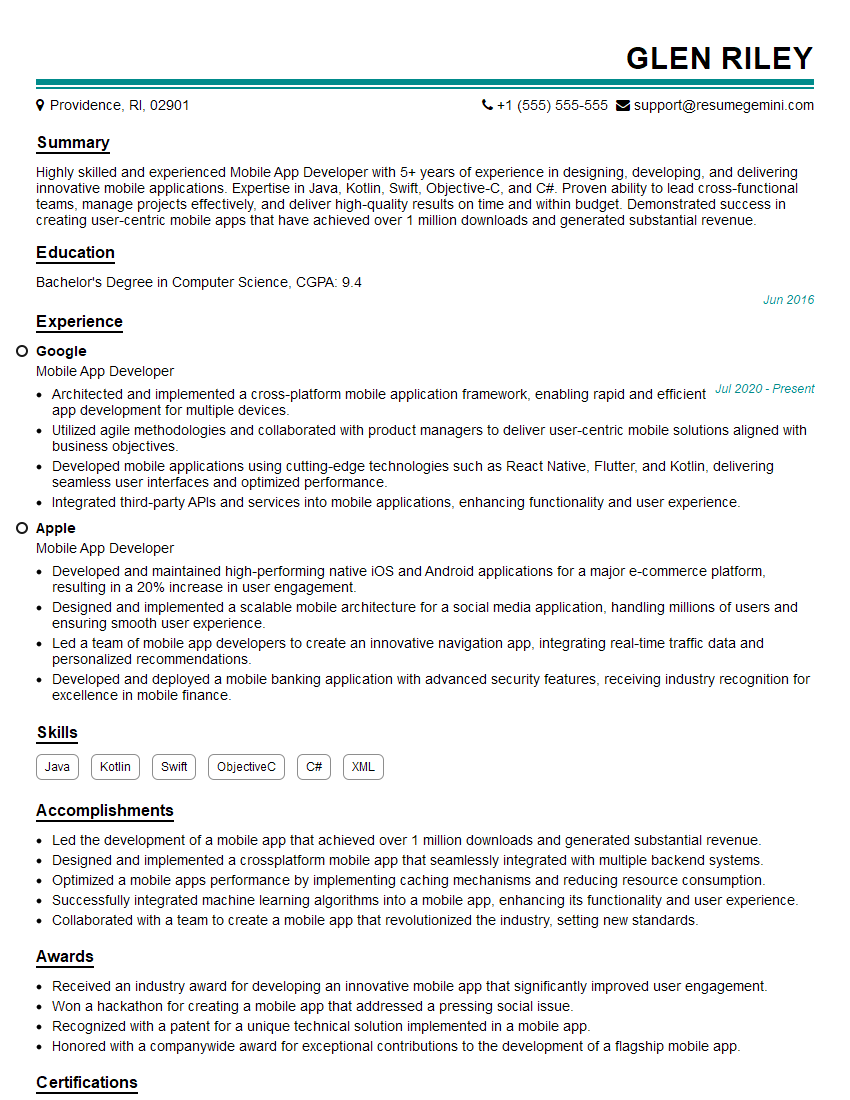
Mobile App Developer Resume Sample
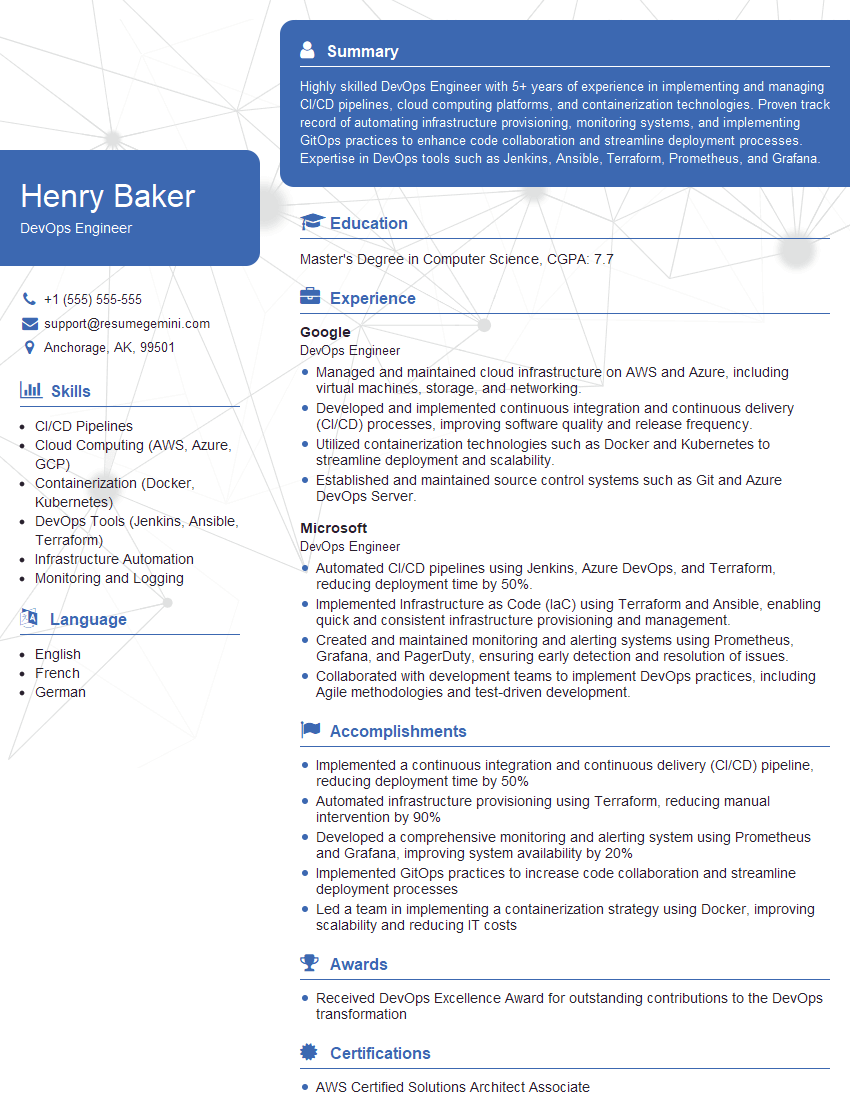
DevOps Engineer Resume Sample
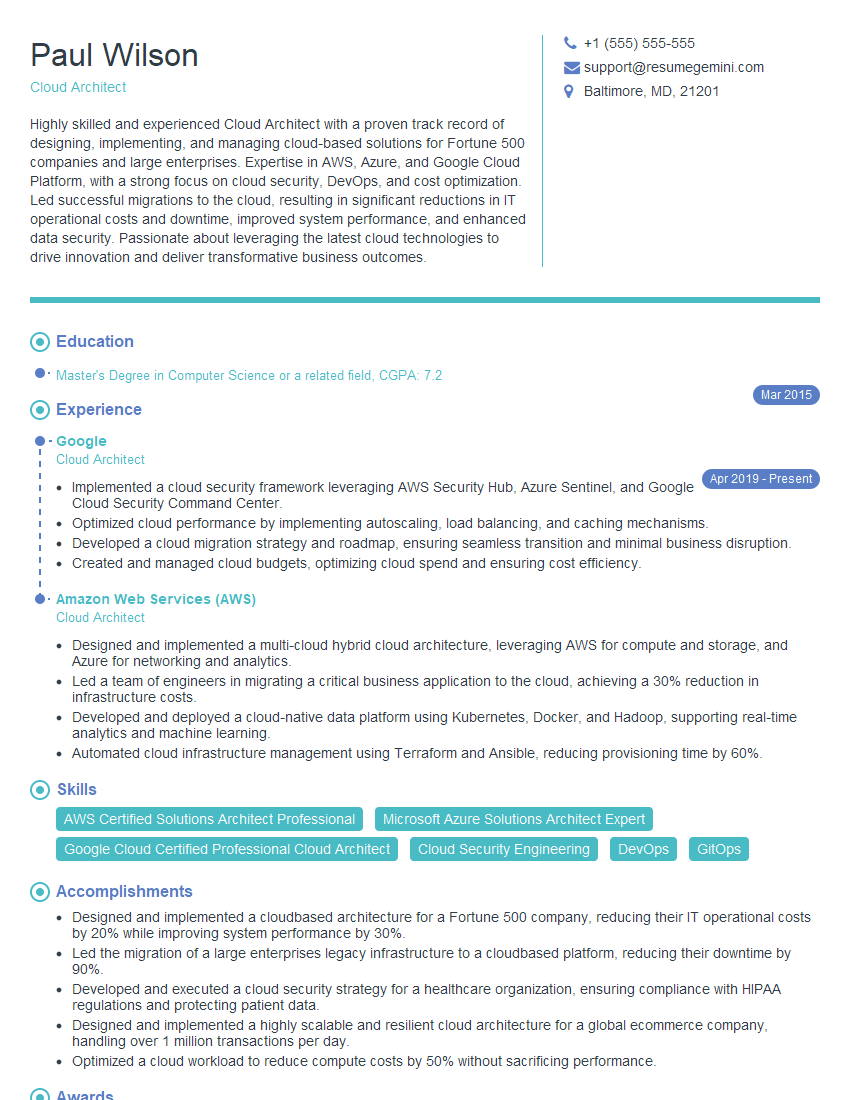
Cloud Architect Resume Sample
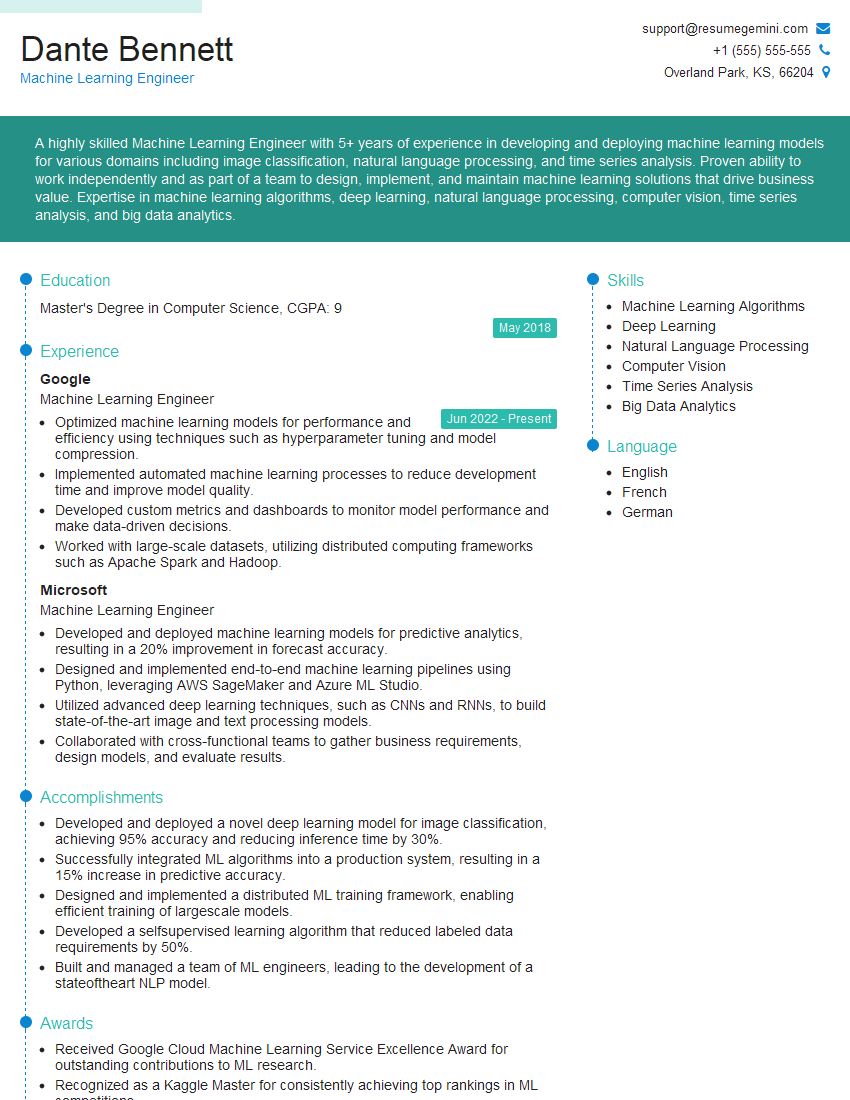
Machine Learning Engineer Resume Sample
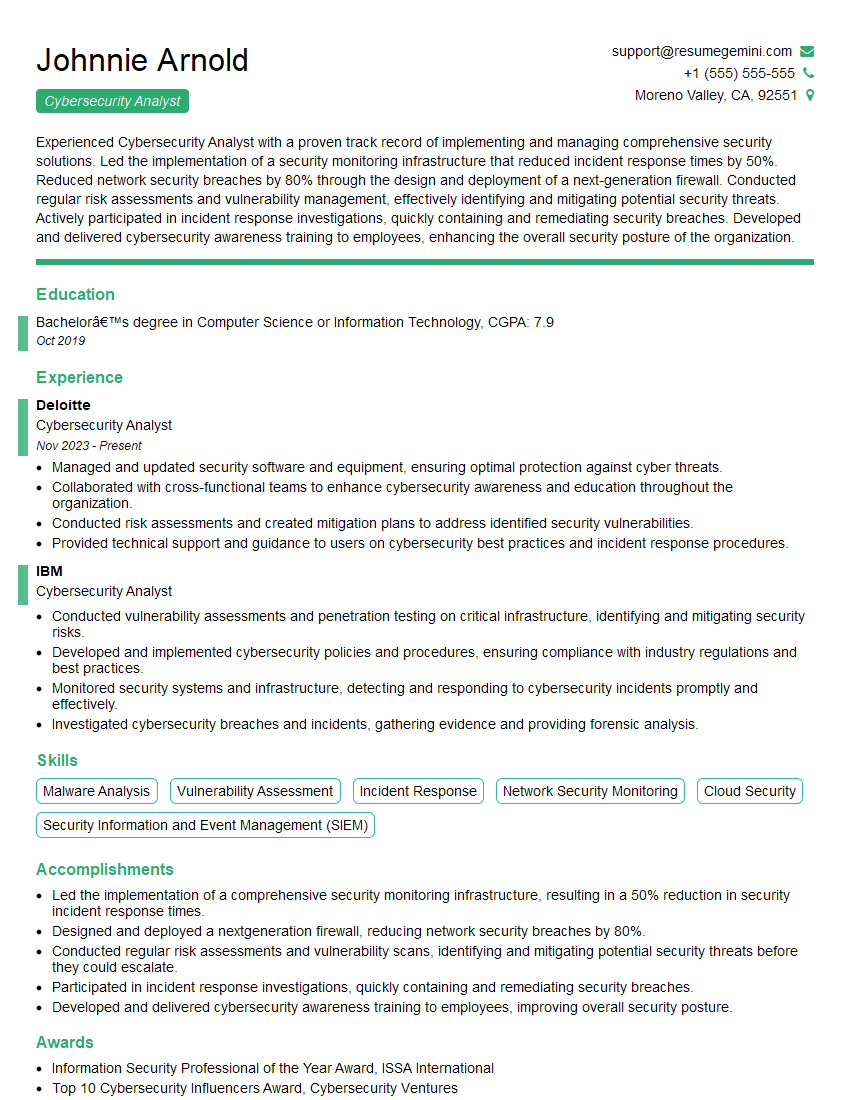
Cybersecurity Analyst Resume Sample
- Product Manager
- Data Analyst
- Data Scientist
- Software Engineer
- Technical Project Manager
- Network Engineer
- Systems Administrator
- Web Developer
- Robotics Engineer
- Technical Writer
- Full Stack Developer
- Database Administrator
- Mobile App Developer
- DevOps Engineer
- Cloud Architect
- Machine Learning Engineer
- Cybersecurity Analyst
Explore more articles
Users Rating of Our Blogs
Share Your Experience
We value your feedback! Please rate our content and share your thoughts (optional).
What Readers Say About Our Blog
Very informative content, great job.
good