Preparation is the key to success in any interview. In this post, we’ll explore crucial Woodland Management interview questions and equip you with strategies to craft impactful answers. Whether you’re a beginner or a pro, these tips will elevate your preparation.
Questions Asked in Woodland Management Interview
Q 1. Explain the principles of sustainable forestry.
Sustainable forestry is all about managing forests in a way that meets the needs of the present without compromising the ability of future generations to meet their own needs. It’s a balancing act between economic benefits (like timber production) and ecological integrity (maintaining biodiversity, water quality, and overall forest health). Key principles include:
- Maintaining biodiversity: Protecting a wide range of tree species, understory plants, and wildlife habitats.
- Protecting soil health: Implementing practices that minimize soil erosion, compaction, and nutrient depletion. This often involves careful planning of logging roads and harvesting techniques.
- Conserving water resources: Managing forests to protect water quality and quantity, preventing excessive runoff and sedimentation.
- Climate change mitigation and adaptation: Forests are carbon sinks, so sustainable practices aim to maximize carbon storage while also ensuring forests can withstand the impacts of climate change (e.g., drought, increased pest infestations).
- Economic viability: Sustainable forestry must be economically viable for landowners and forest managers to ensure its long-term success. This means finding ways to generate revenue while preserving forest health.
- Community engagement: Working with local communities and stakeholders to ensure sustainable forestry practices are accepted and supported.
For example, a sustainable forestry plan might involve selective logging – harvesting only mature trees while leaving younger trees to grow – rather than clear-cutting, which can severely damage the ecosystem.
Q 2. Describe different silvicultural systems and their applications.
Silvicultural systems are the methods used to regenerate and manage forests. Different systems are chosen based on factors like species, site conditions, and management objectives. Some common systems include:
- Clearcutting: Removing all trees from an area. It’s often used for fast-growing species but can have significant negative impacts on biodiversity and soil erosion if not done carefully. It might be appropriate in areas needing regeneration of shade-intolerant species.
- Shelterwood cutting: Removing trees in stages, leaving some mature trees to provide shelter for seedlings and young trees. This system mimics natural forest succession.
- Seed-tree cutting: Leaving a few seed trees to regenerate the area naturally. Best suited for species with good seed dispersal.
- Selection cutting: Harvesting individual trees or small groups of trees selectively, leaving the rest of the forest intact. This system mimics natural forest dynamics and maintains forest structure over time. Ideal for maintaining biodiversity and maximizing long-term timber production.
- Coppice system: Cutting trees at the base, allowing them to regenerate from sprouts. This is common for species that readily resprout.
The choice of system depends on the specific goals – rapid timber production might favor clearcutting, but biodiversity conservation would lean towards selection cutting or shelterwood.
Q 3. How do you assess forest health and identify potential threats?
Assessing forest health involves a multi-faceted approach combining field observations, remote sensing, and data analysis. I begin by visually inspecting the trees, looking for signs of disease, insect infestation, or other stressors. This might involve:
- Crown condition assessment: Evaluating the density, color, and overall health of the tree crowns.
- Stem analysis: Inspecting the tree trunks for signs of damage, decay, or abnormal growth.
- Soil sampling: Determining soil nutrient levels, moisture content, and compaction.
- Monitoring wildlife populations: Assessing the presence and abundance of indicator species.
Remote sensing techniques, like aerial photography or satellite imagery, can provide a broader view of the forest and help identify areas of concern. GIS software is invaluable for integrating this data and creating maps to visualize patterns of forest health and identify potential threats, such as outbreaks of pests or diseases.
For example, a sudden increase in crown discoloration in a specific area on a satellite image could indicate a pest infestation or disease outbreak requiring further investigation on the ground.
Q 4. What are the key indicators of a healthy woodland ecosystem?
A healthy woodland ecosystem exhibits a variety of key indicators:
- High tree species diversity: A diverse range of tree species of different ages and sizes indicating a resilient forest.
- Abundant understory vegetation: A rich and diverse understory supporting various plant and animal life.
- Healthy soil: Soil with good structure, moisture retention, and nutrient levels essential for tree growth and overall ecosystem function.
- Abundant wildlife: A diverse range of animals, including indicator species sensitive to environmental change, demonstrating ecosystem health.
- Absence of widespread disease or pest outbreaks: A balanced ecosystem is generally more resistant to outbreaks.
- Stable water cycles: Consistent water flow and minimal soil erosion indicate a healthy hydrologic system.
Think of it like a well-balanced garden: a thriving ecosystem showcases a complex interplay of organisms that supports each other and maintains equilibrium.
Q 5. Explain your experience with forest inventory techniques.
My experience with forest inventory techniques includes utilizing both traditional and modern methods. I’m proficient in:
- Fixed-area plots: Establishing plots of a predetermined size and measuring all trees within them. This provides accurate estimates of tree density and basal area.
- Variable-radius plots: Using angle gauges or prism to sample trees based on their size, allowing efficient sampling of larger trees.
- Distance sampling: Measuring distances to trees along transects to estimate tree density.
- LiDAR (Light Detection and Ranging): Utilizing LiDAR data for accurate measurements of forest structure, height, and canopy cover. This offers detailed information unattainable through traditional methods.
I’ve utilized these techniques in various projects, from assessing timber volume to monitoring forest growth and change over time. For example, I recently used LiDAR data to create a detailed 3D model of a forest, allowing precise estimation of timber volume and identification of areas with high risk of windthrow.
Q 6. Describe your experience with GIS software in a forestry context.
I have extensive experience using GIS software (ArcGIS, QGIS) in forestry. I utilize GIS for:
- Spatial analysis: Analyzing spatial patterns of forest characteristics like tree species distribution, forest health, and timber volume.
- Map creation: Creating detailed maps showing forest boundaries, timber stands, roads, and other features.
- Data integration: Integrating data from various sources, such as forest inventories, remote sensing, and GPS data, into a comprehensive GIS database.
- Modeling: Simulating forest growth and development, predicting the effects of management practices, and assessing risks of forest fires or pests.
- Planning: Assisting in the planning and implementation of forest management activities, such as timber harvesting and road construction.
For instance, I used GIS to model the potential spread of a disease outbreak in a forest, helping prioritize areas for treatment and reducing the overall impact.
Q 7. How do you manage timber harvesting to minimize environmental impact?
Minimizing the environmental impact of timber harvesting requires careful planning and execution. Key strategies include:
- Selective logging: Harvesting only mature trees, leaving younger trees to grow and maintain forest structure.
- Reduced-impact logging (RIL): Utilizing techniques to minimize soil disturbance and damage to residual trees. This might include using directional felling to reduce damage to nearby trees and careful road construction to minimize soil erosion.
- Careful planning of logging roads: Minimizing road construction to reduce habitat fragmentation and soil erosion. Proper drainage and erosion control measures are crucial.
- Stream buffer zones: Establishing buffer zones along streams and rivers to protect water quality and riparian habitats. These areas are kept free of logging activities.
- Reforestation and afforestation: Planting trees after harvesting to ensure rapid regeneration and maintain forest cover.
- Monitoring and assessment: Regularly monitoring environmental impacts of harvesting operations to ensure they meet standards and adjust practices as needed.
For example, in a recent project, we used RIL techniques, pre-harvest surveys to identify sensitive areas, and implemented strict streamside buffer zones to minimize the impact of a timber harvest on water quality and biodiversity.
Q 8. How do you plan and implement reforestation projects?
Reforestation projects require meticulous planning and execution. It’s not just about planting trees; it’s about restoring a functional ecosystem. The process begins with a thorough site assessment, analyzing factors like soil type, topography, climate, and existing vegetation. This helps determine the most suitable tree species for the area – we wouldn’t plant redwoods in a desert!
Next comes the planning phase, where we detail the project scope, budget, timeline, and planting strategies. This includes sourcing seedlings from reputable nurseries, securing necessary permits and approvals, and developing a detailed planting plan, often involving GIS mapping to optimize tree placement for maximum growth and minimal competition. Implementation involves preparing the site (clearing invasive species, soil preparation), planting the seedlings (following specific techniques to ensure survival), and establishing a robust monitoring and maintenance program. This latter stage is crucial – regular monitoring allows us to identify and address problems early on, such as disease outbreaks or pest infestations. For example, in a recent project, we used a combination of native species and fast-growing pioneer species to accelerate reforestation and ecological succession. We also implemented a watering system for the first two years to ensure seedling survival during dry periods.
Q 9. What are the common challenges in managing woodland pests and diseases?
Woodland pest and disease management is a constant challenge, requiring vigilance and proactive strategies. Common challenges include the introduction of invasive species (like the emerald ash borer), outbreaks of native pests (like gypsy moths), and the spread of fungal diseases (like root rot). These threats can devastate entire stands of trees, impacting biodiversity and the economic value of the woodland.
Effective management requires integrated pest management (IPM) approaches, combining various techniques to minimize harm to the environment and promote long-term sustainability. This might include monitoring for early signs of infestation (regular surveys and scouting), using biological control agents (introducing natural predators or pathogens), employing selective chemical treatments only when absolutely necessary, and promoting tree health through proper silvicultural practices (e.g., thinning, pruning) to reduce stress and improve resistance. For example, in a recent project dealing with a bark beetle infestation, we used a combination of pheromone traps to monitor beetle populations, selective logging to remove infested trees, and preventative measures in surrounding areas to contain the spread.
Q 10. Describe your experience with forest fire prevention and management.
Forest fire prevention and management is paramount in woodland management. My experience encompasses both preventative measures and active firefighting strategies. Prevention focuses on reducing fuel loads through controlled burns (prescribed fires conducted under carefully controlled conditions), creating firebreaks (strategic clearing of vegetation), and public education campaigns to raise awareness about fire safety. Prescribed burns, for instance, mimic natural fire regimes and help reduce the risk of large, uncontrolled wildfires by removing flammable underbrush.
When fires do occur, rapid response and effective suppression are crucial. This involves deploying firefighting crews, utilizing aerial resources (water bombers, helicopters), and employing various suppression techniques depending on the fire’s intensity and behavior. Post-fire management is also critical, including assessing the damage, implementing erosion control measures, and potentially undertaking reforestation efforts to restore the affected areas. In one instance, a quick response to a lightning-ignited fire, combined with strategic deployment of firebreaks, limited the damage significantly, preventing the loss of an entire section of old-growth forest.
Q 11. How do you balance economic considerations with environmental protection in woodland management?
Balancing economic considerations with environmental protection is a core tenet of sustainable woodland management. It’s not a zero-sum game; we can achieve both economic benefits and environmental stewardship through thoughtful planning and management. Economic considerations might include timber harvesting, carbon sequestration projects, or ecotourism initiatives. Environmental protection involves maintaining biodiversity, protecting water resources, and mitigating climate change impacts.
The key is to adopt practices that maximize long-term value rather than short-term gains. For example, sustainable timber harvesting methods, like selective logging, allow for continued timber production while preserving forest structure and biodiversity. Similarly, carbon sequestration projects can generate revenue while simultaneously contributing to climate change mitigation. Certification programs, such as the Forest Stewardship Council (FSC), provide a framework for verifying sustainable forest management practices, enhancing the marketability of sustainably produced timber and other forest products. In practice, this balance often involves careful negotiations and collaboration with stakeholders to find mutually agreeable solutions.
Q 12. What are the legal and regulatory frameworks governing woodland management in your area?
The legal and regulatory frameworks governing woodland management vary depending on location, but generally involve a complex interplay of federal, state, and local laws. Key aspects typically include regulations related to timber harvesting (licenses, quotas), environmental protection (water quality standards, endangered species protection), and land use planning (zoning regulations).
These regulations are designed to ensure the sustainable management of woodland resources, protect biodiversity, and minimize environmental impacts. For instance, we must adhere to strict guidelines concerning the amount of timber that can be harvested, the methods used, and the protection of sensitive habitats. Non-compliance can result in significant penalties. Staying informed about these regulations and ensuring compliance is an ongoing process requiring a strong understanding of the legal landscape and working closely with relevant regulatory agencies.
Q 13. Describe your experience with working with stakeholders and community members.
Effective woodland management requires collaboration and communication with a diverse range of stakeholders, including landowners, local communities, environmental organizations, and government agencies. My experience in this area involves building trust, facilitating open dialogue, and finding common ground.
This often involves attending community meetings, organizing workshops, and actively engaging in public consultations to gather feedback and address concerns. Transparency is key – providing clear and accessible information about management plans and their potential impacts helps build support and understanding. In one project, I worked closely with a local community concerned about the impact of a proposed timber harvest. By incorporating their feedback into the plan, modifying the harvesting techniques, and committing to reforestation efforts, we were able to gain their support and ensure the project proceeded smoothly and sustainably.
Q 14. How do you develop and manage a woodland management plan?
Developing and managing a woodland management plan is a systematic process. It begins with a comprehensive assessment of the woodland’s resources, including its ecological characteristics, timber resources, and potential uses. This assessment informs the goals and objectives of the plan, such as timber production, biodiversity conservation, recreation, or carbon sequestration.
The plan then outlines the specific management activities, including timber harvesting schedules, prescribed burns, reforestation efforts, and trail maintenance, all aligned with the established goals. A well-structured plan incorporates a monitoring and evaluation component, with regular assessments to track progress, identify potential problems, and adapt strategies as needed. This iterative process ensures the plan remains responsive to changes in environmental conditions and stakeholder needs. For example, a well-developed plan might include detailed maps showing timber stands, designated harvest areas, and proposed reforestation sites, along with timelines, budgets, and performance indicators. Regular monitoring allows for adjustments, helping to ensure the plan remains effective and adaptive over time.
Q 15. What are the key differences between even-aged and uneven-aged silviculture?
Even-aged and uneven-aged silviculture are two fundamentally different approaches to managing forests, distinguished primarily by the age structure of the trees. Even-aged management aims for a stand of trees of relatively uniform age, typically created through clear-cutting followed by planting or natural regeneration. This creates a monoculture with a more predictable timber yield but reduces biodiversity. Uneven-aged management, conversely, strives to maintain a forest with trees of various ages and sizes, mimicking a natural forest structure. This approach is often achieved through selective harvesting, removing individual trees or small groups to promote growth and maintain a diverse age distribution. Think of it like this: even-aged is like a field of wheat, all planted at the same time, while uneven-aged is like a mature natural forest with trees of all ages growing together.
- Even-aged: Simpler management, often more cost-effective in the short term, higher timber yields in the short term, lower biodiversity, susceptible to pest outbreaks and increased risk of soil erosion.
- Uneven-aged: More complex management, higher biodiversity, increased resilience to disturbances, more continuous timber yield, but requires more skilled management and may have lower short-term yields.
The best approach depends on the specific goals of the management plan – whether it prioritizes timber production, biodiversity conservation, or a balance between the two.
Career Expert Tips:
- Ace those interviews! Prepare effectively by reviewing the Top 50 Most Common Interview Questions on ResumeGemini.
- Navigate your job search with confidence! Explore a wide range of Career Tips on ResumeGemini. Learn about common challenges and recommendations to overcome them.
- Craft the perfect resume! Master the Art of Resume Writing with ResumeGemini’s guide. Showcase your unique qualifications and achievements effectively.
- Don’t miss out on holiday savings! Build your dream resume with ResumeGemini’s ATS optimized templates.
Q 16. Explain your understanding of forest ecology and biodiversity.
Forest ecology and biodiversity are intrinsically linked. Forest ecology studies the interactions between organisms (trees, plants, animals, fungi, bacteria) and their environment within a woodland ecosystem. This includes understanding nutrient cycling, energy flow, species interactions (competition, predation, symbiosis), and the effects of environmental factors like climate and soil conditions. Biodiversity, in this context, refers to the variety of life at all levels – from genes to ecosystems. A healthy forest ecosystem with high biodiversity is more resilient to disturbances, pests, and disease, and more productive over the long term.
For example, a diverse forest might contain various tree species, understory plants, shrubs, fungi, and a wide array of animals, all interacting in complex ways. This complexity contributes to greater ecosystem stability. If one species is affected by a disease, the ecosystem’s resilience is higher with a diverse mix of other species. Conversely, a monoculture (even-aged forest with one tree species) is far more vulnerable to catastrophic loss from a disease or pest affecting its single dominant tree species.
Understanding forest ecology is crucial for effective woodland management. It guides decisions on harvesting techniques, species selection, pest control, and overall conservation strategies, enabling sustainable management practices.
Q 17. How do you assess the carbon sequestration potential of a woodland?
Assessing the carbon sequestration potential of a woodland involves multiple steps and depends on the specific woodland’s characteristics. The primary method relies on calculating the aboveground and belowground biomass (the total mass of living organic matter) and estimating the carbon content within that biomass. Belowground biomass is more challenging to measure directly and often requires estimations based on models relating aboveground biomass to root biomass.
- Inventory: This involves measuring the diameter at breast height (DBH) and height of trees to estimate their volume and biomass using allometric equations (mathematical relationships between tree dimensions and biomass). This can also include assessing the biomass of other vegetation components like understory and shrubs.
- Carbon Content Estimation: Once biomass is calculated, a carbon content factor (typically around 50% for dry biomass) is applied to determine the carbon stored in the vegetation.
- Soil Carbon Assessment: Soil samples are taken at different depths to analyze soil organic carbon content. This can be complex and may involve specialized laboratory analysis.
- Growth Modelling: To project future carbon sequestration, growth models are employed, forecasting how the biomass will change over time based on factors like species, growth rates, and management practices.
Remote sensing techniques such as LiDAR (Light Detection and Ranging) and satellite imagery can be used to efficiently estimate biomass over large areas, though these data often need ground-truthing with on-site measurements to ensure accuracy.
Q 18. What are the economic benefits of sustainable woodland management?
Sustainable woodland management offers a range of economic benefits that extend beyond immediate timber profits. It fosters long-term economic viability and environmental sustainability. Here are a few key benefits:
- Increased Timber Value: Sustainable practices can lead to higher quality timber, commanding better prices in the market. Well-managed forests produce larger, straighter trees with fewer defects.
- Enhanced Biodiversity and Ecosystem Services: A healthy, biodiverse forest provides numerous ecosystem services, such as clean water, carbon sequestration, and recreation opportunities, that have significant economic value.
- Reduced Risk of Catastrophic Events: Sustainable forestry reduces the risk of devastating wildfires, pest outbreaks, and soil erosion, saving costs associated with mitigation and recovery.
- Carbon Credits and Payments for Ecosystem Services (PES): Forests that effectively sequester carbon can generate revenue through carbon credit markets, and other ecosystem services can lead to additional revenue streams.
- Ecotourism and Recreation: Sustainable forest management can attract ecotourism and recreation, generating income for local communities.
In essence, sustainable management is an investment that yields long-term economic returns while protecting the environment. Short-term profits may be lower in some cases, but the long-term economic and environmental benefits far outweigh any short-term losses.
Q 19. How do you address issues of illegal logging and deforestation?
Addressing illegal logging and deforestation requires a multi-pronged approach that combines law enforcement, community engagement, and sustainable economic alternatives. It’s not a simple problem and requires a comprehensive strategy.
- Strengthening Law Enforcement: This includes improving monitoring systems, increasing patrols, and enforcing existing laws with stricter penalties. Technological advancements such as satellite monitoring and GPS tracking can be instrumental in detecting and preventing illegal activities. International collaboration is also crucial to combat cross-border illegal logging.
- Community Engagement and Education: Involving local communities in forest protection is crucial. This can involve providing alternative livelihoods, promoting sustainable forestry practices, and educating communities about the importance of forest conservation. When local people are directly involved in protection, they are more likely to report illegal activities.
- Promoting Sustainable Forestry Certification: Supporting and promoting sustainable forestry certification schemes (like the Forest Stewardship Council – FSC) ensures that timber comes from legally and sustainably managed forests, reducing the demand for illegally sourced wood.
- Improving Governance and Transparency: Good governance and transparent forest management policies are essential to prevent corruption and ensure accountability. This often involves creating systems for tracking timber from the forest to the market.
- Supporting Legal Timber Markets: Strong and well-regulated timber markets that value sustainably sourced wood help reduce the demand for illegally harvested products.
This complex issue demands a collaborative effort between governments, NGOs, local communities, and businesses. Each component of this strategy needs robust implementation for meaningful and lasting success.
Q 20. Describe your experience with using different types of forestry equipment.
My experience encompasses a wide range of forestry equipment, from basic hand tools to sophisticated machinery. I am proficient in using chainsaws (various sizes and models), felling axes, brush cutters, skidders (for transporting logs), feller bunchers (for cutting and gathering trees), and harvesters (for cutting, processing, and loading trees). I also have experience with smaller equipment like pruning saws, measuring tapes, and GPS devices for mapping and surveying.
Safety is paramount. I always adhere to strict safety protocols when using any equipment, including proper personal protective equipment (PPE) like helmets, safety glasses, and hearing protection. Regular maintenance and inspections are also critical to ensuring the safe and efficient operation of all machinery. My experience includes both operating and maintaining this equipment, a crucial aspect of responsible forestry work.
For instance, during a recent project involving selective logging in a steep terrain, choosing the right skidder with appropriate traction was vital for minimizing soil disturbance and damage to the remaining trees. Effective equipment selection directly impacts both efficiency and the environmental footprint of forestry operations.
Q 21. Explain your experience with data analysis and reporting in forestry.
Data analysis and reporting are crucial aspects of modern forestry management. My experience involves collecting, analyzing, and reporting data from various sources, including field measurements (tree diameters, heights, species composition), remote sensing data (LiDAR, satellite imagery), and growth models. I’m proficient in using statistical software packages (like R or SPSS) and GIS (Geographic Information Systems) software (like ArcGIS) for data analysis and visualization.
For instance, I recently used LiDAR data to create a detailed 3D model of a forest, which allowed for accurate estimation of forest biomass and carbon storage. I then used this data, along with ground-based measurements, to create reports detailing the carbon sequestration potential of the forest under different management scenarios. This information was crucial for supporting decisions regarding sustainable harvesting practices and carbon credit initiatives.
I also have experience creating clear and concise reports using various methods for stakeholders including presentations, maps and charts, and technical reports. Effective communication of data-driven insights is essential for informing decision-making and promoting transparency and accountability in forestry management.
Q 22. How do you monitor and evaluate the success of woodland management initiatives?
Monitoring and evaluating woodland management success requires a multifaceted approach, combining quantitative data with qualitative observations. We need to establish clear, measurable objectives before any initiative begins. For example, if the goal is to increase biodiversity, we wouldn’t just look at the total number of species but also assess the relative abundance of different species and the overall health of the ecosystem.
- Quantitative methods: These involve collecting numerical data. This could include measuring tree growth rates using diameter at breast height (DBH) measurements, assessing timber volume, monitoring water quality, or tracking changes in species populations through surveys or camera traps. We might use statistical analysis to compare data collected before and after implementing management actions.
- Qualitative methods: These methods focus on observations and assessments of the woodland’s overall condition. For instance, we’d conduct visual inspections to assess canopy cover, understory vegetation, and signs of disease or pest infestations. We might also consult with local communities or stakeholders to understand their perspectives on the changes observed.
- Indicators and Metrics: We select key indicators that reflect the success of our objectives. If we are aiming for improved carbon sequestration, we would monitor carbon stocks in the biomass and soil. For improved habitat, we’d monitor species richness and abundance of indicator species.
- Adaptive Management: Monitoring isn’t a one-time event. It’s an ongoing process that informs adaptive management. We regularly review our data, compare it to our objectives, and adjust our management strategies as needed. This cyclical approach ensures that we are continually improving our management practices.
For example, in a project aimed at restoring a degraded woodland, we might set baseline measurements of soil health, plant diversity, and water quality. After implementing restoration practices like tree planting and invasive species removal, we’d monitor these same indicators over time to assess the effectiveness of our interventions. Any deviations from expected outcomes would prompt a review of our approach.
Q 23. How do you manage conflicts between different land uses within a woodland area?
Managing conflicts between different land uses within a woodland requires careful planning and stakeholder engagement. Often, competing interests involve conservation, recreation, timber production, and potentially agriculture. A collaborative approach is key.
- Stakeholder Engagement: The first step involves identifying all stakeholders – from local residents and recreational users to timber companies and conservation groups. Facilitated workshops and open dialogues allow everyone to express their concerns and priorities.
- Spatial Planning: Careful zoning can minimize conflict. For instance, areas of high biodiversity might be designated as nature reserves, while areas suitable for sustainable timber harvesting can be zoned for forestry activities. Recreational areas could be defined with clearly marked trails to minimize disturbance to sensitive habitats.
- Integrated Management Plans: Developing an overarching management plan that incorporates the needs and goals of all stakeholders is crucial. This plan should clearly define acceptable levels of impact for each land use and outline mechanisms for conflict resolution.
- Negotiation and Compromise: Reaching consensus often requires compromise. For example, a timber company might agree to leave buffer zones around sensitive habitats in exchange for access to other areas. This requires skilled negotiation and a willingness to find mutually beneficial solutions.
- Regulation and Enforcement: In some cases, regulations may be necessary to manage conflicts. This could involve restrictions on access, limitations on logging activities, or guidelines for recreational use. Effective enforcement is critical for ensuring compliance.
For example, in a woodland used for both timber harvesting and public recreation, we might establish designated trails and designated logging zones, separated by buffer zones to minimize disruption to recreational activities and protect sensitive habitats within the logging area. Clear signage and public awareness campaigns can help reduce conflicts.
Q 24. What are the impacts of climate change on woodland ecosystems?
Climate change poses significant threats to woodland ecosystems worldwide. The effects are complex and interconnected, impacting everything from tree physiology to species distribution.
- Increased Temperatures and Drought: Higher temperatures and altered precipitation patterns lead to increased frequency and intensity of droughts, stressing trees and making them more susceptible to pests, diseases, and wildfires. This can lead to increased tree mortality and shifts in forest composition.
- Pest and Disease Outbreaks: Warmer temperatures can expand the ranges of pest insects and diseases, increasing the likelihood of devastating outbreaks that weaken or kill trees. This is particularly problematic for already stressed trees weakened by drought.
- Changes in Species Distribution: As climates shift, tree species may struggle to survive in their current locations. Some species may migrate to higher altitudes or latitudes in search of more suitable conditions, while others may face extinction. This can disrupt ecosystem dynamics and reduce biodiversity.
- Increased Wildfires: Drought and increased temperatures create ideal conditions for wildfires, leading to larger and more intense fires that can significantly damage or destroy entire forests. This also releases large amounts of carbon dioxide into the atmosphere, further exacerbating climate change.
- Altered Hydrological Cycles: Changes in precipitation patterns can affect water availability in woodlands, impacting tree growth and overall ecosystem productivity. This can also affect water quality and downstream ecosystems.
For example, the mountain pine beetle epidemic in western North America, fueled by warmer winters and drier summers, has devastated vast areas of pine forests. Understanding these complex interactions is crucial for developing effective adaptation and mitigation strategies.
Q 25. Describe your experience with developing and implementing conservation strategies.
My experience in developing and implementing conservation strategies spans various projects, focusing on both habitat restoration and species protection. I’ve been involved in projects ranging from reforestation efforts to the creation of wildlife corridors. A key aspect of my work is a strong emphasis on evidence-based decision-making and adaptive management.
- Habitat Restoration: I’ve led projects focusing on the restoration of degraded woodlands. This involved assessing the causes of degradation (e.g., past logging practices, invasive species), developing site-specific restoration plans, and implementing practices like tree planting, invasive species removal, and prescribed burns to promote natural regeneration.
- Species Protection: My work has included developing and implementing strategies to protect endangered or threatened species. This might involve habitat improvement projects, the creation of protected areas, or the development of management plans to address specific threats to a species.
- Community Engagement: Effective conservation strategies require community engagement. I’ve worked with local communities, landowners, and other stakeholders to develop and implement conservation projects that address local needs and priorities.
- Monitoring and Evaluation: I have a strong focus on monitoring the success of conservation strategies. This involves collecting data on various indicators (e.g., tree growth, species abundance, habitat quality) to assess whether projects are achieving their goals and to inform adaptive management adjustments.
- Collaboration and Partnerships: Successful conservation requires collaboration. I have worked with a wide range of partners, including government agencies, NGOs, and private landowners to implement conservation projects.
For example, in a project to protect an endangered bird species, I worked with landowners to implement habitat restoration projects on their land, including the planting of native trees and shrubs and the creation of artificial nesting structures. We also collaborated with local communities to raise awareness about the species and its conservation needs. Through regular monitoring, we could track the species’ population and adjust our strategies as needed.
Q 26. How do you prioritize different management objectives in a woodland?
Prioritizing management objectives in a woodland requires a structured approach that considers various factors, including ecological, economic, and social considerations. Often, multiple objectives must be balanced.
- Defining Objectives: Clearly define all management objectives. This could include timber production, biodiversity conservation, carbon sequestration, recreation, and water resource management. Each objective should be measurable and time-bound.
- Stakeholder Input: Engage stakeholders to understand their priorities and preferences. This ensures that management decisions are socially acceptable and reflect the needs of the community.
- Risk Assessment: Identify potential risks and trade-offs associated with each objective. For example, intensive timber harvesting may increase short-term economic benefits but could negatively impact biodiversity in the long term.
- Multi-criteria Decision Analysis (MCDA): Employing MCDA techniques allows for a structured evaluation of multiple objectives. This involves assigning weights to each objective reflecting its importance and evaluating different management options based on their performance across all objectives.
- Adaptive Management: Prioritization is not static. Regularly monitor and evaluate the effectiveness of the chosen management plan. Adjust priorities as new information becomes available or circumstances change.
For example, a woodland might prioritize biodiversity conservation in sensitive areas while allowing for sustainable timber harvesting in other zones. This might involve applying different management techniques depending on the specific objectives of each zone. Regular monitoring would allow adjustments to ensure objectives are being met across the woodland.
Q 27. Explain your understanding of forest certification schemes (e.g., FSC).
Forest certification schemes, such as the Forest Stewardship Council (FSC), provide a framework for sustainable forest management. These schemes establish standards for responsible forestry practices and allow consumers and businesses to identify products from sustainably managed forests.
- FSC Principles and Criteria: The FSC has developed ten principles and associated criteria for responsible forest management. These principles cover aspects such as environmental protection, social responsibility, and economic viability. They address issues like biodiversity conservation, soil protection, water quality, worker rights, and community involvement.
- Certification Process: To achieve FSC certification, forest owners and managers must demonstrate that their operations meet the FSC standards. This involves an independent assessment by a certified auditor who verifies compliance with the criteria.
- Chain of Custody: The FSC also has a chain-of-custody system that tracks certified wood products from the forest to the consumer. This ensures that products labeled with the FSC logo are genuinely from sustainably managed sources.
- Benefits of Certification: FSC certification can provide several benefits, including enhanced market access for certified products, improved forest management practices, and increased stakeholder engagement. It also helps build trust among consumers and businesses.
- Limitations of Certification: While FSC certification represents a significant step towards sustainable forestry, it has some limitations. The standards may not be fully applicable in all contexts, and the cost of certification can be a barrier for some forest owners.
For example, a timber company seeking FSC certification would need to demonstrate compliance with the FSC standards through a rigorous audit process. This might involve showing evidence of biodiversity monitoring, sustainable logging practices, and community engagement initiatives. Once certified, their products can be labeled with the FSC logo, enhancing their market value and demonstrating their commitment to responsible forestry.
Key Topics to Learn for Woodland Management Interview
- Sustainable Forestry Practices: Understanding and applying principles of sustainable harvesting, reforestation, and forest conservation. This includes knowledge of different harvesting methods and their environmental impact.
- Forest Health & Pest Management: Identifying and addressing threats to forest health, such as diseases, pests, and invasive species. Practical application includes developing and implementing integrated pest management strategies.
- Forest Inventory & Measurement: Proficiency in various forest inventory techniques, data analysis, and the use of GIS and remote sensing technologies for accurate forest assessment. This includes understanding different sampling methods and their applications.
- Forest Planning & Management: Developing and implementing long-term forest management plans, considering ecological, economic, and social factors. Practical application includes creating silvicultural prescriptions and budget allocation.
- Wildlife Management & Habitat Conservation: Understanding the ecological role of wildlife and implementing strategies to promote biodiversity and habitat conservation within forested areas. This includes knowledge of wildlife habitat requirements and management techniques.
- Forest Economics & Policy: Understanding the economic aspects of woodland management, including timber valuation, cost-benefit analysis, and relevant forestry policies and regulations.
- Legal & Regulatory Compliance: Familiarity with relevant environmental regulations, land use planning, and permitting processes related to woodland management.
Next Steps
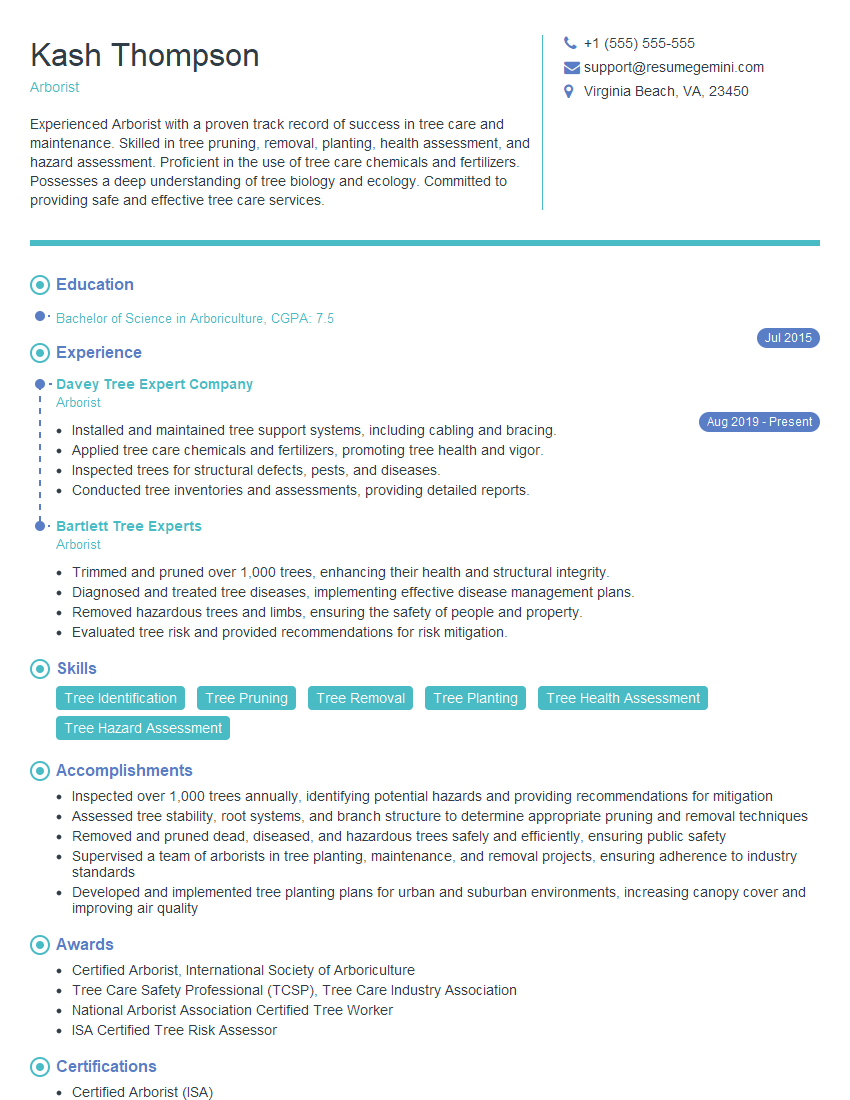
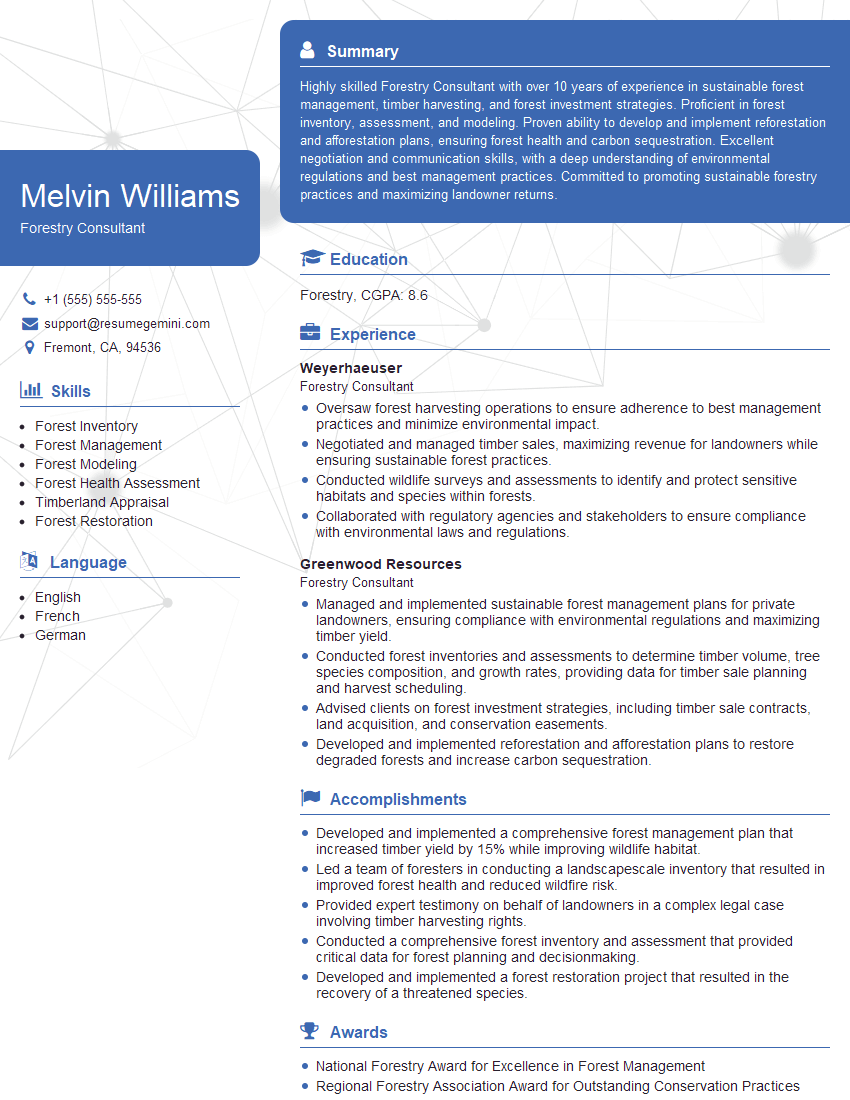
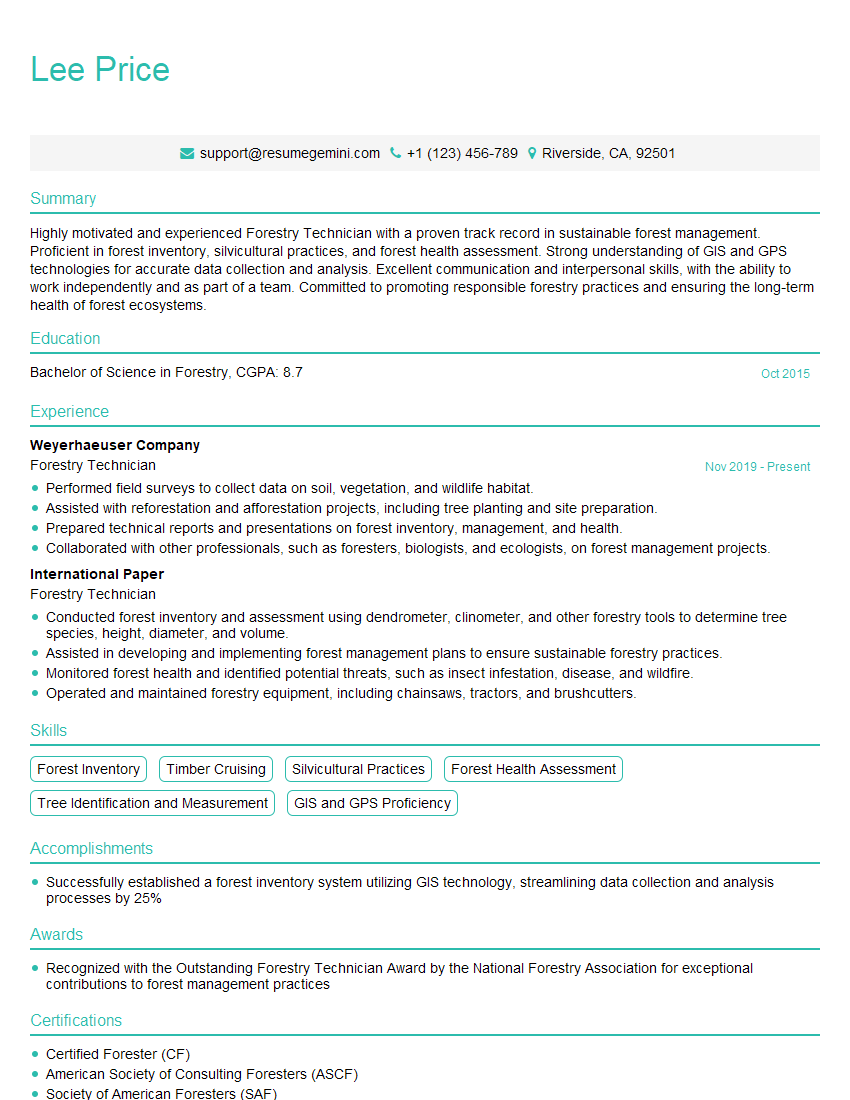
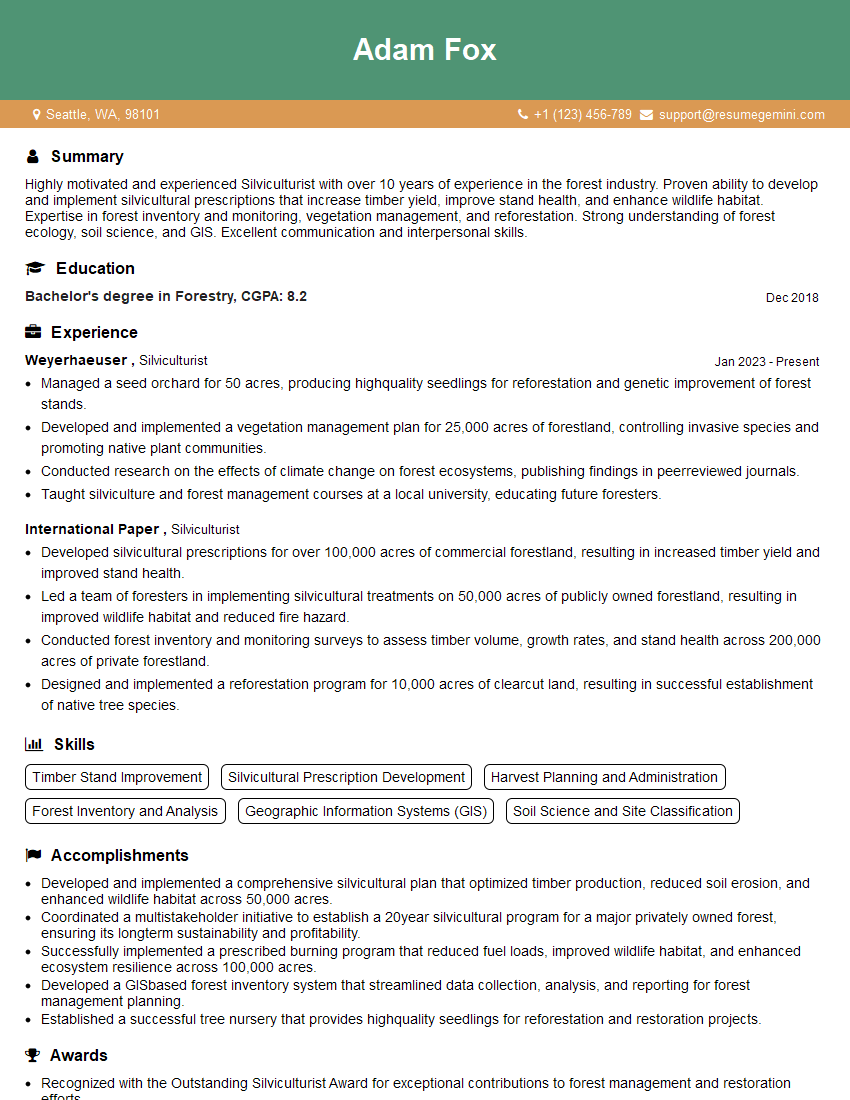
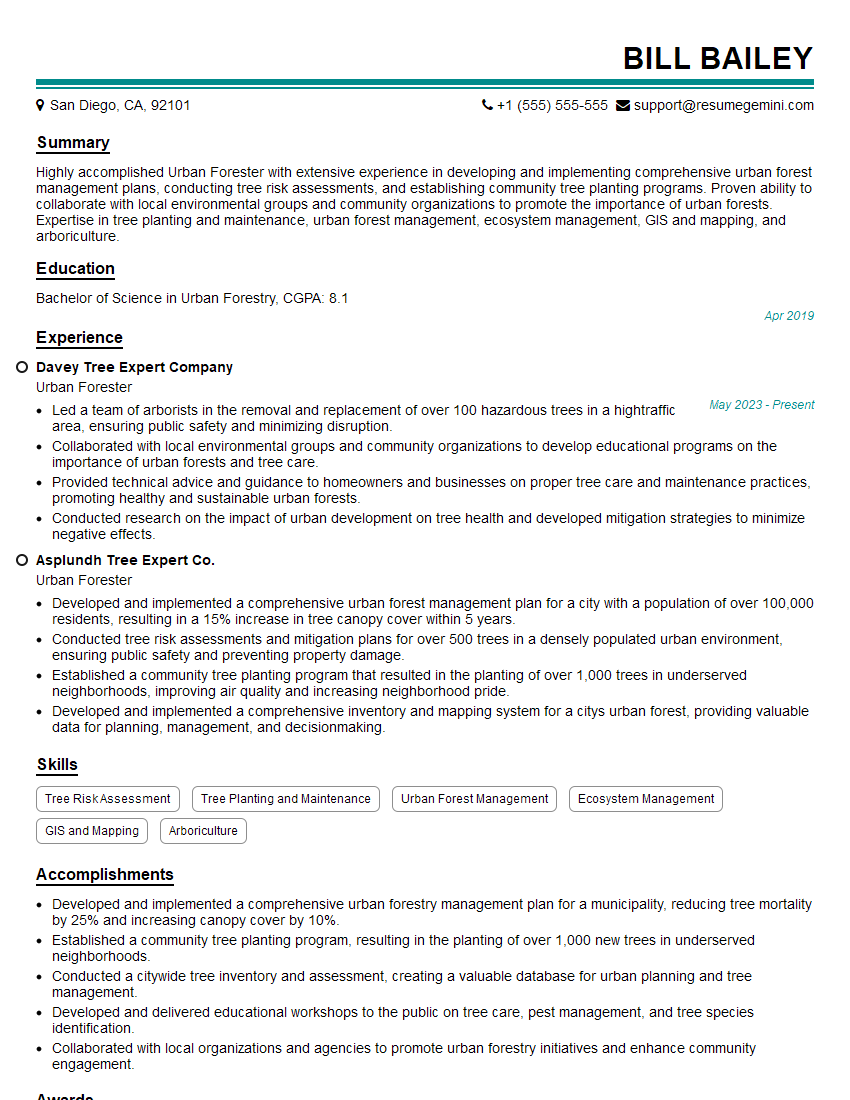
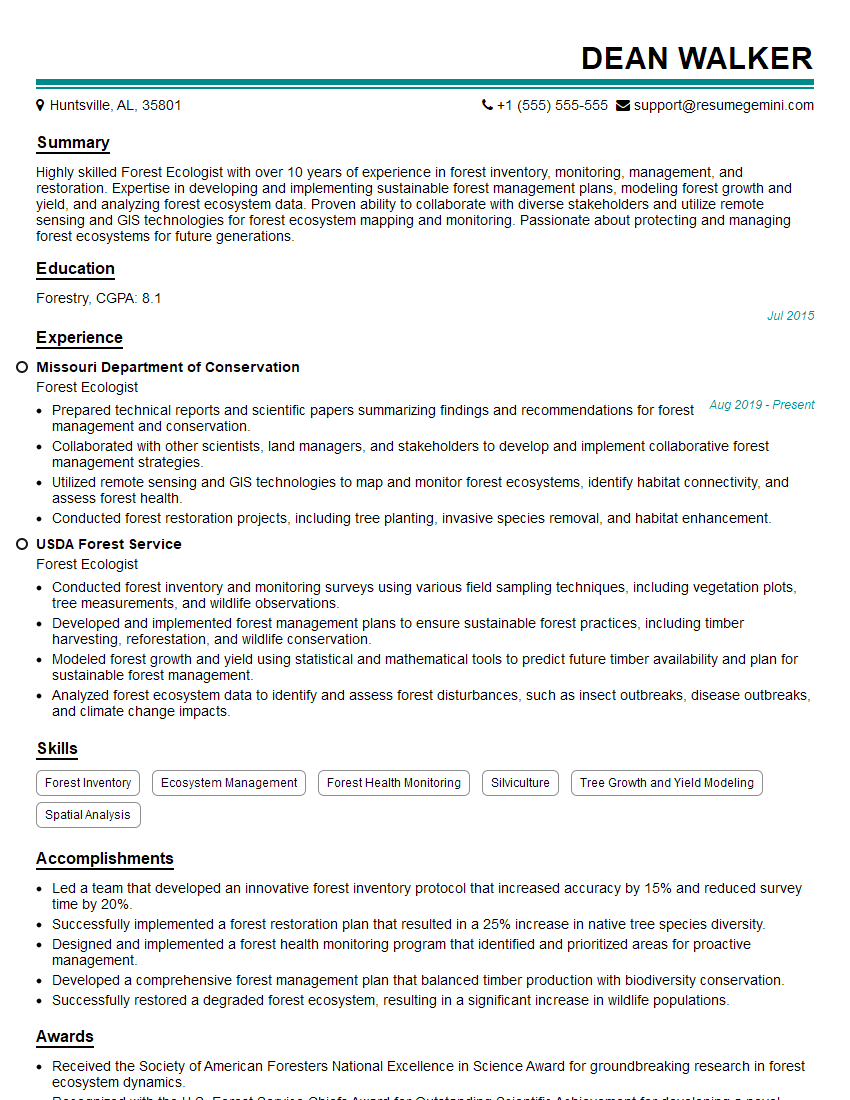
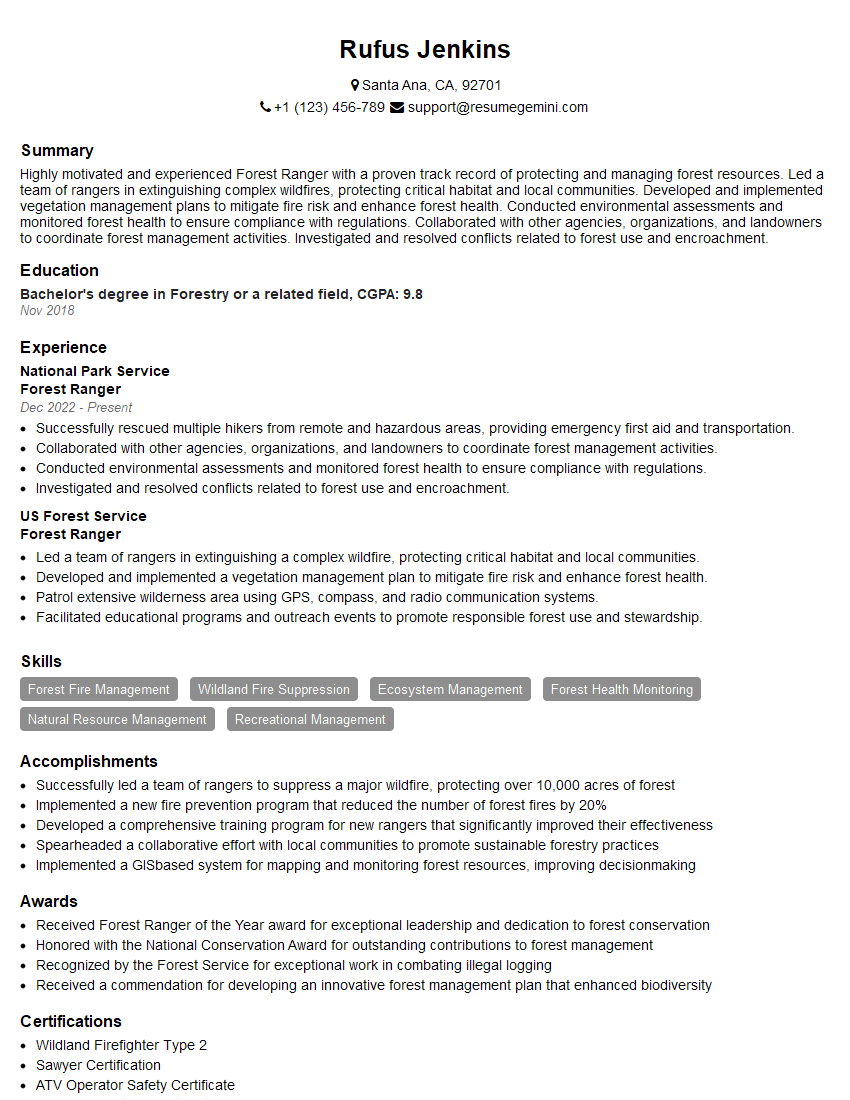
Mastering woodland management opens doors to a rewarding career with significant opportunities for growth and impact. A strong understanding of sustainable practices and forest ecosystems is highly valued in today’s job market. To maximize your chances of landing your dream role, crafting an ATS-friendly resume is crucial. ResumeGemini can significantly enhance your resume-building experience, helping you create a compelling document that showcases your skills and experience effectively. ResumeGemini provides examples of resumes tailored specifically to the Woodland Management field, giving you a head start in presenting yourself as the ideal candidate.

Explore more articles
Users Rating of Our Blogs
Share Your Experience
We value your feedback! Please rate our content and share your thoughts (optional).
What Readers Say About Our Blog
Very informative content, great job.
good