Interviews are more than just a Q&A session—they’re a chance to prove your worth. This blog dives into essential Work independently with minimal supervision interview questions and expert tips to help you align your answers with what hiring managers are looking for. Start preparing to shine!
Questions Asked in Work independently with minimal supervision Interview
Q 1. Describe a situation where you had to manage a project with minimal guidance.
In my previous role at Acme Corp, I was tasked with developing a new marketing campaign website from the ground up. While I had a high-level brief outlining the goals and target audience, the specifics of design, functionality, and content strategy were largely left to my discretion. This meant I had to independently manage the entire project lifecycle, from initial planning and design to development, testing, and launch.
I approached this by first creating a detailed project plan, breaking down the website into manageable modules. This plan included timelines, resource allocation (primarily my own time), and key milestones. I used a Kanban board to track my progress visually and identify potential bottlenecks early on. Regular self-assessments ensured I stayed on track and adjusted the plan as needed. The website launched successfully and exceeded expectations, demonstrating my ability to manage complex projects with minimal supervision.
Q 2. How do you prioritize tasks when working independently?
Prioritizing tasks when working independently requires a structured approach. I typically use a combination of methods, starting with a clear understanding of project goals and deadlines. I then employ a matrix that considers urgency and importance, often visualized using a simple quadrant system.
- Urgent & Important: These tasks are tackled immediately. Think of a critical bug fix or a looming deadline.
- Important but Not Urgent: These are planned strategically into the schedule. This might involve proactive research, process improvements, or long-term planning.
- Urgent but Not Important: These require careful evaluation. While urgent, are they truly essential or can they be delegated or postponed?
- Neither Urgent nor Important: These are generally postponed or eliminated. They may be distractions or low-value activities.
This approach, coupled with time-blocking and regular review, allows me to stay focused and efficient while working independently.
Q 3. What strategies do you use to stay organized and on track when working autonomously?
Staying organized and on track when working autonomously relies on a combination of tools and techniques. I’m a strong advocate for utilizing project management software like Asana or Trello to track tasks, deadlines, and progress. These tools allow for clear visualization of the workload and facilitate effective time management.
Beyond software, I maintain a detailed personal to-do list, frequently reviewed and updated. I break down large tasks into smaller, more manageable sub-tasks. This makes progress more visible and less daunting. Regular time-blocking sessions also ensure dedicated focus on specific tasks, minimizing interruptions and promoting focused work. Finally, I maintain a clean and organized digital workspace, making it easy to find information and resources when needed.
Q 4. How do you handle unexpected challenges or setbacks when working independently?
Unexpected challenges are inevitable, especially when working independently. My first step is always to assess the situation calmly and systematically. What is the nature of the problem? What are the potential consequences? What resources do I have available?
After assessment, I develop a contingency plan. This might involve seeking advice from colleagues or researching solutions online. If the problem is significant, I proactively communicate the issue and my proposed solution to relevant stakeholders. My goal is to be transparent and find a timely solution that minimizes disruption. I view setbacks as learning opportunities, always documenting my process and the solutions I implement to improve future projects.
Q 5. Describe your experience working remotely or independently.
I have extensive experience working remotely and independently, both in previous roles and through freelance projects. My remote work experience has honed my self-discipline and time-management skills. I’ve learned the importance of clear communication, proactive updates, and the necessity of setting boundaries between work and personal life. This experience has fostered a high level of self-reliance and accountability.
For example, in a freelance project involving website development, I managed all aspects of the project remotely, communicating regularly with the client through video calls and project management software. This demonstrated my ability to operate effectively in a virtual environment and deliver high-quality work autonomously.
Q 6. How do you proactively seek clarification or support when needed while maintaining independence?
Proactively seeking clarification or support while maintaining independence is a delicate balance. I believe in being self-sufficient and exploring all possible avenues before seeking help. However, I recognize that asking for help is a sign of strength, not weakness.
I usually start by thoroughly researching the issue. If I’m still stuck, I prepare concise, well-defined questions before contacting colleagues or supervisors. This ensures efficient use of everyone’s time. I prioritize clear communication, providing sufficient context to enable others to understand the problem and offer relevant assistance. This approach maintains my independence while ensuring I have the support I need to succeed.
Q 7. How do you measure your own progress and ensure accountability when working without direct supervision?
Measuring progress and ensuring accountability when working without direct supervision requires a proactive and self-directed approach. I set clear, measurable goals at the outset of any project, breaking them down into smaller, achievable milestones. I regularly track my progress against these milestones, using tools like project management software and personal to-do lists.
Regular self-evaluation is crucial. I reflect on my accomplishments, identify areas for improvement, and adjust my approach as needed. This might involve refining my methods, seeking feedback from colleagues (even if it’s not direct supervision), or reassessing my priorities. Ultimately, my commitment to delivering high-quality work and meeting deadlines serves as my primary measure of accountability.
Q 8. How do you manage your time effectively when working independently?
Effective time management when working independently hinges on proactive planning and disciplined execution. It’s not just about working hard, but working smart. I employ a blend of techniques to optimize my workflow.
- Prioritization: I use methods like the Eisenhower Matrix (urgent/important) to prioritize tasks, ensuring I focus on high-impact activities first. This prevents me from getting bogged down in less crucial tasks.
- Time Blocking: I allocate specific time blocks for particular tasks in my day. This creates structure and helps me stay on track. For example, I might dedicate two hours in the morning to focused coding and an hour in the afternoon for responding to emails.
- Regular Breaks: Taking short, regular breaks is crucial to maintain focus and prevent burnout. The Pomodoro Technique (25 minutes of work followed by a 5-minute break) is a helpful strategy I often use.
- Project Management Tools: I leverage tools like Trello or Asana to break down large projects into smaller, manageable tasks. This provides a clear visual representation of my progress and helps me stay organized.
For example, during a recent freelance project involving website development, I used time blocking to allocate specific time slots for design, coding, testing, and client communication. This structured approach ensured I delivered the project on time and within budget.
Q 9. Describe a time you had to make a critical decision without immediate input from a supervisor.
During a critical software update, a major bug was discovered just hours before the scheduled deployment. My supervisor was unavailable due to an emergency. I had to decide whether to proceed with the deployment, risking a system failure, or delay it, potentially impacting the project timeline and client expectations.
I systematically assessed the situation:
- Risk Assessment: I carefully analyzed the severity and potential impact of the bug. I ran multiple tests to understand its scope and how it might affect users.
- Solution Exploration: I explored potential workarounds or temporary fixes that could mitigate the risk without requiring a complete code rewrite.
- Communication Plan: I formulated a plan to communicate my decision and its rationale to the relevant stakeholders, including potential mitigation strategies and contingency plans.
After careful consideration, I decided to delay the deployment to ensure a stable and reliable launch. I documented all my findings and rationale thoroughly. This proactive approach, while delaying the project slightly, ultimately prevented a major system failure and protected the company’s reputation.
Q 10. How do you stay motivated and focused when working independently?
Maintaining motivation and focus when working independently requires self-discipline and proactive strategies. I find that a combination of intrinsic and extrinsic motivators helps me stay on track.
- Goal Setting: Setting clear, achievable goals – both short-term and long-term – provides a sense of purpose and direction. Breaking down large projects into smaller, manageable tasks helps maintain momentum.
- Regular Reflection: Taking time to reflect on my progress and celebrate accomplishments reinforces positive feelings and encourages continued effort.
- Healthy Lifestyle: Maintaining a healthy lifestyle – including regular exercise, proper nutrition, and adequate sleep – is crucial for energy levels and cognitive function.
- Accountability Partner: Discussing my progress and challenges with a trusted colleague or mentor provides external accountability and helps me stay motivated.
- Change of Scenery: Sometimes, a change of environment can boost creativity and focus. Working from a coffee shop or co-working space can offer a refreshing alternative to working from home.
For example, I find setting daily goals – like completing a specific coding task or finishing a section of a report – provides a sense of accomplishment and keeps me focused throughout the day. Regular reflection helps me identify areas where I excel and areas needing improvement.
Q 11. What tools or techniques do you use to enhance your productivity while working independently?
To enhance productivity while working independently, I rely on a range of tools and techniques. This is crucial for efficiently managing my time and workload.
- Project Management Software: Asana, Trello, or Jira for task management, project tracking, and collaboration (even if it’s just with myself).
- Note-Taking Apps: Evernote, OneNote, or Google Keep for capturing ideas, meeting notes, and research.
- Calendar & Reminders: Google Calendar, Outlook Calendar, or similar tools for scheduling appointments, deadlines, and reminders.
- Communication Platforms: Slack, Microsoft Teams, or email for efficient communication with clients or collaborators.
- Focus Apps & Extensions: Freedom or Forest for minimizing distractions and promoting concentration.
- Code Editors/IDEs: VS Code, Sublime Text, or similar for efficient coding.
For instance, using Asana allows me to visualize my workflow, break down large tasks into smaller ones, and track my progress across multiple projects. This organized approach significantly boosts my efficiency.
Q 12. How do you handle ambiguity or uncertainty when working independently?
Ambiguity and uncertainty are inherent challenges of independent work. However, a structured approach helps me navigate these situations.
- Information Gathering: I proactively seek information to clarify any unclear aspects of a task or project. This might involve researching relevant documentation, consulting online resources, or reaching out to colleagues or clients for clarification.
- Assumption Documentation: If certain aspects remain ambiguous, I explicitly document my assumptions and rationale for proceeding based on those assumptions. This creates transparency and allows for easy adjustments if new information emerges.
- Iterative Approach: I adopt an iterative approach, starting with a feasible solution, testing it, and making adjustments as I gain more clarity. This allows me to adapt and refine my approach as needed.
- Seeking Feedback: Regularly seeking feedback from clients or stakeholders helps to validate my approach and identify areas where clarification is needed.
For example, when faced with a vaguely defined project requirement, I’d first clarify with the client what their specific needs are and what they consider success. Then, I’d create a working prototype based on my understanding and seek feedback early in the process.
Q 13. How do you ensure the quality of your work when working independently?
Maintaining high-quality work when working independently requires a strong commitment to self-discipline and attention to detail. Here’s how I approach quality assurance:
- Self-Review & Editing: I rigorously review and edit my work multiple times before submitting it, using checklists and style guides to ensure consistency and accuracy.
- Testing & Validation: I conduct thorough testing to identify and fix any errors or bugs. This might involve unit testing, integration testing, or user acceptance testing, depending on the project.
- Version Control: I leverage version control systems like Git to track changes, manage revisions, and facilitate collaboration (even if it’s just with past versions of my own work).
- Feedback Incorporation: I actively solicit and incorporate feedback from clients, colleagues, or mentors to improve the quality of my work.
For a recent writing project, I used a detailed checklist to ensure consistency in tone, style, and grammar. I also reviewed my work several times, each time with a different focus (e.g., grammar one pass, clarity the next).
Q 14. How do you communicate your progress and results effectively when working independently?
Effective communication is paramount when working independently. Regular and transparent updates ensure stakeholders are informed and aligned.
- Regular Progress Reports: I provide regular progress reports to keep clients or managers updated on my work. These reports typically include summaries of completed tasks, upcoming tasks, and any roadblocks encountered.
- Clear & Concise Communication: I communicate clearly and concisely, using appropriate channels (email, project management software, video calls) depending on the context and urgency of the information.
- Proactive Updates: I proactively communicate any potential delays or challenges, providing solutions or mitigating strategies whenever possible.
- Documentation: I meticulously document my work, including decisions, processes, and any relevant findings. This documentation serves as a record of progress and helps facilitate communication with stakeholders.
For example, for a long-term software project, I would use a project management tool to update my client weekly with progress, highlighting completed milestones and any anticipated delays. I would also schedule regular video calls for more detailed discussions.
Q 15. Describe a time you identified a problem and independently developed a solution.
In my previous role, we were tasked with streamlining our client onboarding process. I noticed that the existing system relied heavily on manual data entry, leading to inconsistencies and delays. This was a significant problem as it impacted our client satisfaction and team efficiency. I independently developed a solution using Python and a lightweight database. First, I analyzed the current process to pinpoint bottlenecks. Then, I designed a script that automated the data entry process, pulling information from client forms and inputting it directly into the database, ensuring data consistency and reducing manual effort. This also included validation checks to minimize errors. Finally, I implemented a user-friendly interface for team members to easily monitor and manage the process. This significantly reduced onboarding time by approximately 60%, improved data accuracy, and freed up team members to focus on other crucial tasks. The success of this independent project resulted in its adoption across the entire department.
Career Expert Tips:
- Ace those interviews! Prepare effectively by reviewing the Top 50 Most Common Interview Questions on ResumeGemini.
- Navigate your job search with confidence! Explore a wide range of Career Tips on ResumeGemini. Learn about common challenges and recommendations to overcome them.
- Craft the perfect resume! Master the Art of Resume Writing with ResumeGemini’s guide. Showcase your unique qualifications and achievements effectively.
- Don’t miss out on holiday savings! Build your dream resume with ResumeGemini’s ATS optimized templates.
Q 16. How do you adapt to changing priorities or requirements when working independently?
Adapting to changing priorities when working independently requires a flexible and organized approach. I utilize project management techniques like agile methodologies, breaking down tasks into smaller, manageable units. When a priority shifts, I reassess my to-do list, prioritizing tasks based on their impact and urgency. I communicate the changes and their impact on my timeline proactively to relevant stakeholders. For example, if a high-priority task emerges unexpectedly, I might temporarily pause less critical tasks, focusing my attention on the new priority, then revise my timeline accordingly. Transparency and open communication are key to managing expectations.
Q 17. How do you handle conflicting priorities when working independently?
Conflicting priorities are a common challenge when working independently. My approach involves a structured prioritization process. I use a matrix that considers both urgency and importance. Urgent and important tasks get immediate attention. Important but not urgent tasks are scheduled. Urgent but not important tasks are delegated if possible, or their deadlines are renegotiated. Finally, tasks that are neither urgent nor important are either postponed or eliminated. This prioritization matrix helps me focus my energy on the most impactful tasks and prevent feeling overwhelmed. Regularly reviewing and adjusting this matrix keeps me aligned with shifting priorities.
Q 18. What are your preferred methods for receiving feedback when working independently?
I prefer regular, informal feedback rather than infrequent, large-scale reviews. My preferred methods include brief check-ins with my manager or team lead, where we discuss progress and any roadblocks. I also find regular updates and informal discussions extremely valuable, allowing for timely adjustments and course corrections. Furthermore, I actively seek feedback through peer reviews, if applicable, and by incorporating data-driven metrics whenever possible to objectively measure my progress and identify areas for improvement. Constructive criticism is vital for continuous improvement, and I welcome it as an opportunity to learn and grow.
Q 19. How do you ensure your work aligns with overall team goals while working independently?
Ensuring alignment with team goals while working independently involves consistent communication and proactive planning. Before embarking on a project, I carefully review the team’s objectives and ensure my tasks directly contribute to these broader goals. I regularly communicate my progress and any potential roadblocks to my team lead or manager, making sure my work remains aligned with the overarching strategy. For example, I may schedule regular team meetings to ensure my work complements the efforts of others. This collaborative approach ensures that my independent work remains a valuable and integrated part of the team’s overall success.
Q 20. Describe a situation where you had to troubleshoot a technical problem independently.
During a critical system update, I encountered an unexpected database error that prevented user logins. My initial troubleshooting involved reviewing the error logs to identify the root cause. I systematically checked the database configuration, server logs, and network connectivity, confirming there were no external issues. The logs pointed towards a data integrity problem in a specific table. Using SQL commands, I carefully examined the corrupted data, identified the problematic entries, and developed a script to repair the corrupted records. After thoroughly testing the script in a staging environment, I applied the fix to the live database. The issue was resolved quickly and user access was restored, preventing significant service disruption. This experience highlighted the importance of systematic troubleshooting and the value of having strong SQL skills.
Q 21. How do you use technology to support your independent work?
Technology plays a crucial role in supporting my independent work. I rely heavily on project management software such as Jira or Asana for task management, tracking progress, and collaborating with team members. Communication tools like Slack or Microsoft Teams facilitate seamless communication and information sharing. Cloud-based storage solutions like Google Drive or Dropbox ensure data accessibility and version control. I also leverage various programming languages and development tools based on project requirements, and utilize virtual machines or cloud computing services for testing and development purposes. Choosing the right technology based on the task at hand is fundamental to maintaining efficiency and productivity.
Q 22. How do you stay updated on relevant industry trends and best practices when working independently?
Staying updated in a rapidly evolving field like technology requires a proactive approach. I leverage a multi-pronged strategy to ensure I remain current with industry trends and best practices. This includes regularly subscribing to relevant newsletters and industry publications like those from leading tech companies or specialized journals. I also actively participate in online communities such as relevant subreddits, forums, and LinkedIn groups, engaging in discussions and learning from the experiences shared by others. Further, I dedicate time to attending webinars and online courses, often offered by platforms like Coursera or edX. Finally, I prioritize reading white papers and technical documentation released by leading companies and research institutions. This comprehensive approach keeps me informed about innovations, emerging technologies, and the best ways to implement them.
For example, if I’m working on a machine learning project, I might subscribe to newsletters from Google AI, OpenAI, and relevant academic journals. Participation in online communities allows me to quickly learn about newly released libraries or best practices for model deployment.
Q 23. How do you handle criticism or feedback constructively when working independently?
Constructive criticism is vital for growth, especially when working independently. My approach involves actively seeking feedback and viewing it as an opportunity for improvement rather than a personal attack. I first listen attentively to the feedback, clarifying any points I don’t understand. Then, I objectively evaluate the feedback, separating valid concerns from subjective opinions. This involves considering whether the criticism relates to technical skill, project management, or communication. If the feedback is valid, I document the points and create a plan to address them, focusing on specific actions and timelines for improvement. Finally, I follow up with the person who provided the feedback, expressing my gratitude and outlining the steps I’m taking to implement the suggestions. This demonstrates professionalism and commitment to growth.
For instance, if a client provides feedback on a website design, I might identify specific elements needing improvement, like navigation or responsiveness. I would then create a revised design incorporating their feedback, explaining the changes made and resubmitting it for review. This iterative process ensures alignment and project success.
Q 24. What steps do you take to prevent errors or mistakes when working independently?
Preventing errors is crucial for maintaining efficiency and client satisfaction. I employ a multi-layered approach, beginning with meticulous planning and detailed documentation. Before starting a project, I break down the tasks into smaller, manageable steps, outlining a clear workflow and dependencies between tasks. I use version control systems like Git to track code changes, allowing for easy rollback if errors occur. Furthermore, I implement rigorous testing procedures, including unit tests, integration tests, and user acceptance testing, to identify and address issues early on. I also utilize tools like linters and code analysis to catch potential errors before they impact the project. Finally, I maintain a detailed log of all work performed, simplifying debugging and troubleshooting.
For example, when developing software, writing unit tests for individual functions before integrating them helps to quickly pinpoint and resolve problems. Similarly, using a version control system allows me to revert to previous stable versions if a significant error is introduced.
Q 25. How do you maintain a positive and productive work environment when working independently?
Maintaining a positive and productive work environment when working independently requires conscious effort. I structure my day to ensure a balance between work and personal life. This includes setting clear working hours and adhering to them as much as possible, avoiding burnout by taking regular breaks throughout the day. I also create a dedicated workspace, free from distractions, that promotes focus and concentration. Furthermore, I prioritize physical and mental health by engaging in regular exercise, maintaining a healthy diet, and getting sufficient sleep. I also make time for activities I enjoy, ensuring a healthy work-life balance which improves overall productivity and well-being. Regular communication with clients or collaborators is equally important in preventing feelings of isolation and maintaining a positive working relationship.
For example, I might dedicate my mornings to focused work, take a break for exercise in the afternoon, and then spend the evening on less demanding tasks, or personal time.
Q 26. Describe your experience with project management tools and techniques used while working independently.
I have extensive experience using various project management tools and techniques. For task management, I frequently utilize tools like Trello or Asana to organize tasks, set deadlines, and track progress. These tools are particularly helpful for visualizing workflows and dependencies between different tasks within a project. For larger projects, I often employ Agile methodologies, breaking the project into sprints with regular reviews to ensure alignment with goals and client expectations. I also rely on time-tracking software, such as Toggl Track, to monitor my time allocation for different tasks, allowing for accurate billing and identifying areas for improvement in efficiency. I use collaborative tools like Google Docs or Microsoft Teams to ensure seamless collaboration when working with clients or other team members. Finally, I create detailed project plans using tools like Microsoft Project or Gantt charts, ensuring all tasks and deadlines are clearly defined.
For example, in a recent web development project, I utilized Trello to manage individual tasks, and I held regular sprint reviews with the client using Google Meet to ensure the final product met their expectations.
Q 27. How do you manage your workload to avoid burnout when working independently?
Avoiding burnout while working independently requires proactive management of workload. I start by realistically assessing my capacity and setting achievable goals. I avoid overcommitting by carefully considering the scope of each project and setting realistic deadlines. I break down large projects into smaller, manageable tasks, preventing feelings of being overwhelmed. Prioritization is key—I use techniques like the Eisenhower Matrix (urgent/important) to focus on high-priority tasks first. I schedule regular breaks throughout the day to rest and recharge, avoiding prolonged periods of intense work. I also set boundaries between work and personal life, ensuring sufficient time for relaxation and hobbies to prevent burnout. Regular self-assessment is crucial; I periodically review my workload and adjust my schedule as needed to maintain a sustainable pace.
For instance, instead of taking on three large projects simultaneously, I might choose one large and two smaller projects to better manage my time and avoid feeling overwhelmed.
Q 28. How would you describe your ability to work independently and manage your time effectively?
I possess a strong ability to work independently and manage my time effectively. My experience working on numerous independent projects has honed my self-discipline and organizational skills. I’m adept at setting clear goals, prioritizing tasks, and adhering to deadlines without constant supervision. I thrive in environments where I can take ownership of projects and manage my own time, adapting my schedule to maximize productivity. I am comfortable working autonomously, yet I am also a strong team player and actively seek feedback to ensure alignment and improve my performance. My ability to manage time effectively allows me to consistently deliver high-quality work within agreed-upon timelines. I am confident in my ability to meet deadlines and manage multiple projects concurrently while maintaining a high level of attention to detail.
For example, in my previous role freelancing as a web developer, I managed multiple client projects simultaneously, consistently delivering high-quality websites on time and within budget, without requiring external management.
Key Topics to Learn for “Work Independently with Minimal Supervision” Interview
- Self-Management & Organization: Understanding and implementing effective time management techniques, prioritization strategies, and task delegation (even if self-delegation). This includes proactive planning and tracking of progress.
- Proactive Problem Solving: Demonstrating the ability to identify potential roadblocks, research solutions independently, and implement effective resolutions. This involves documenting the problem-solving process and outcomes.
- Communication & Reporting: Effectively communicating progress updates, challenges, and successes to supervisors. This includes choosing appropriate communication methods and maintaining clear, concise reporting documentation.
- Initiative & Resourcefulness: Showcasing a proactive approach to work, seeking out necessary resources independently, and demonstrating initiative beyond assigned tasks. This includes exploring new tools and methods to improve efficiency.
- Quality Assurance & Attention to Detail: Highlighting commitment to producing high-quality work, attention to detail, and the ability to perform thorough self-reviews and quality checks before seeking approval.
- Adaptability & Flexibility: Demonstrating the ability to adjust to changing priorities, manage unexpected challenges, and work effectively in ambiguous situations. This includes the ability to re-prioritize tasks effectively.
Next Steps
Mastering the ability to work independently with minimal supervision is crucial for career advancement. It demonstrates responsibility, initiative, and a capacity for high-level performance, opening doors to more challenging and rewarding roles. To significantly enhance your job prospects, focus on creating an ATS-friendly resume that highlights these skills effectively. ResumeGemini is a trusted resource to help you build a professional resume that showcases your capabilities. We provide examples of resumes tailored to emphasize “Work Independently with Minimal Supervision,” so you can see how to best present your experience.
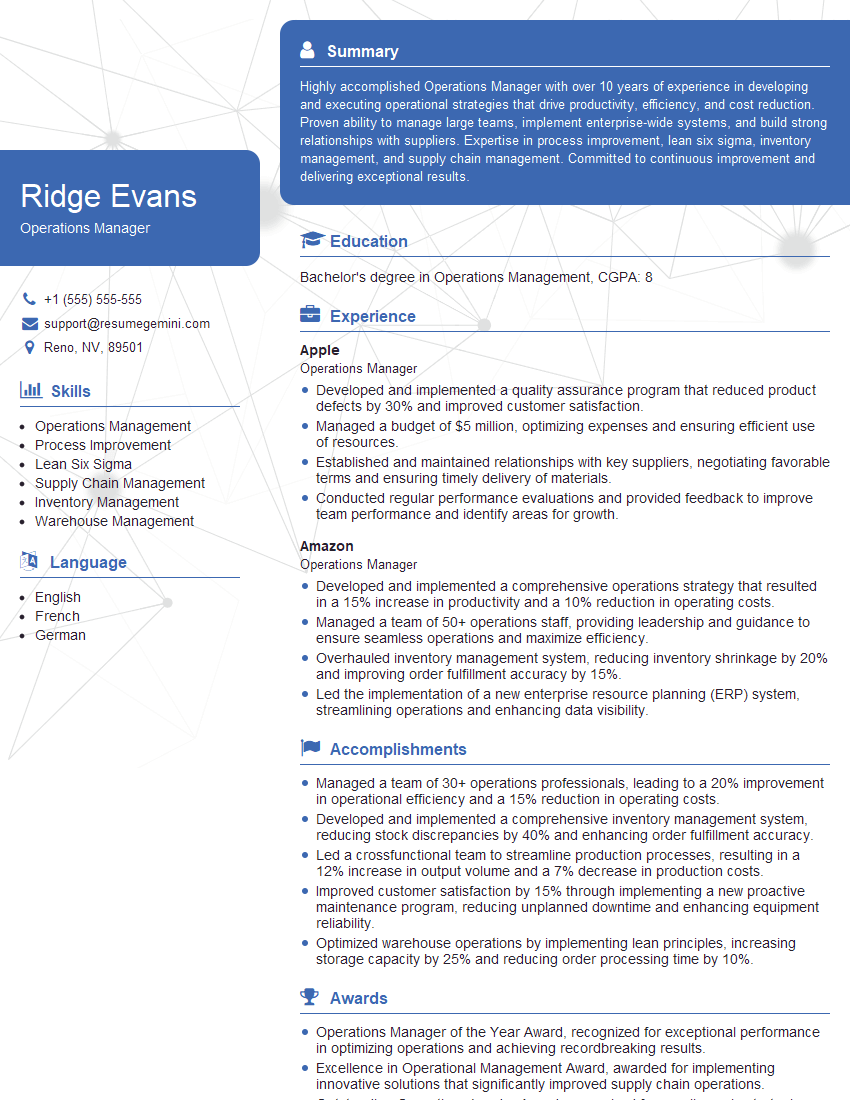
Operations Manager Resume Sample
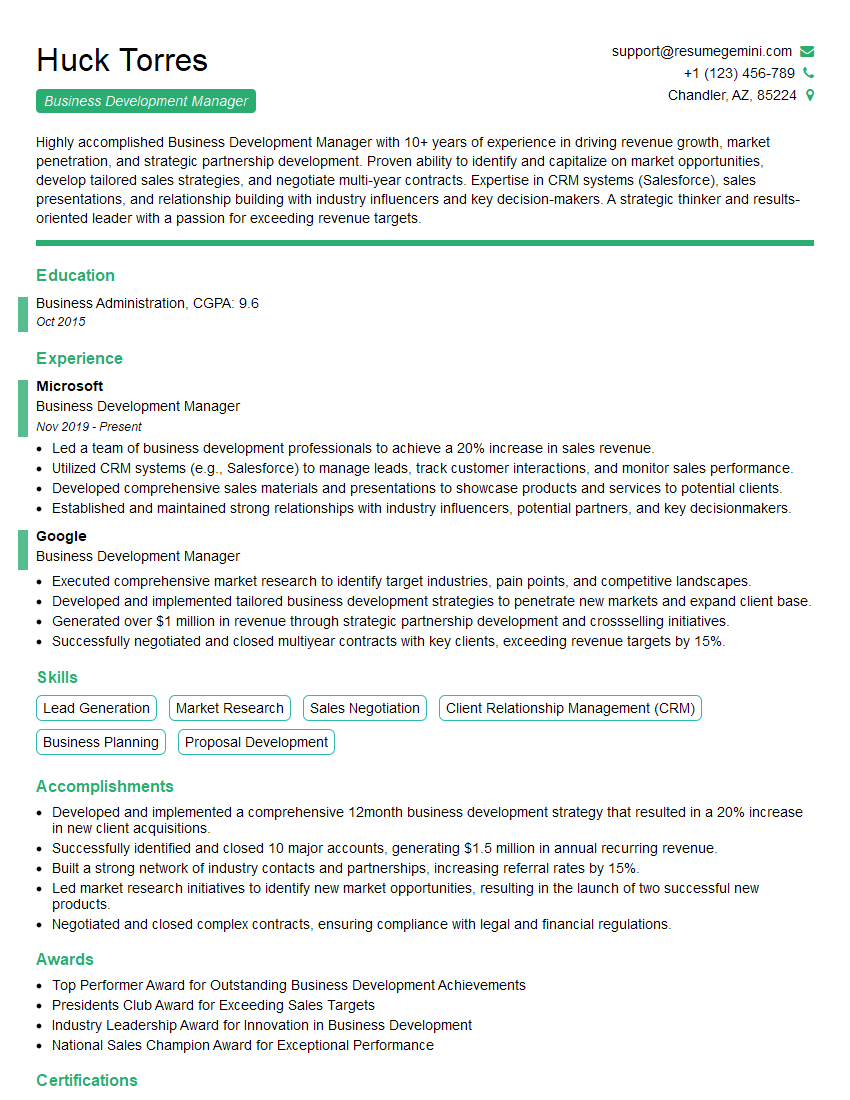
Business Development Manager Resume Sample
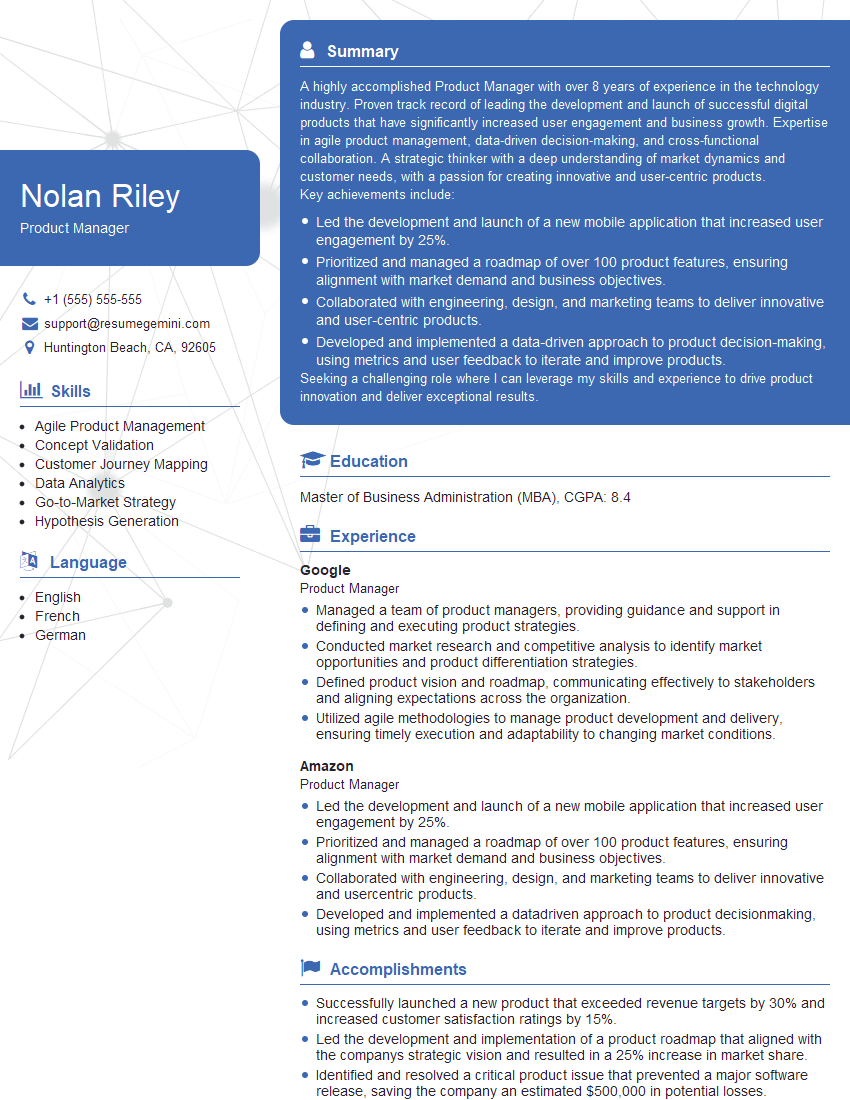
Product Manager Resume Sample
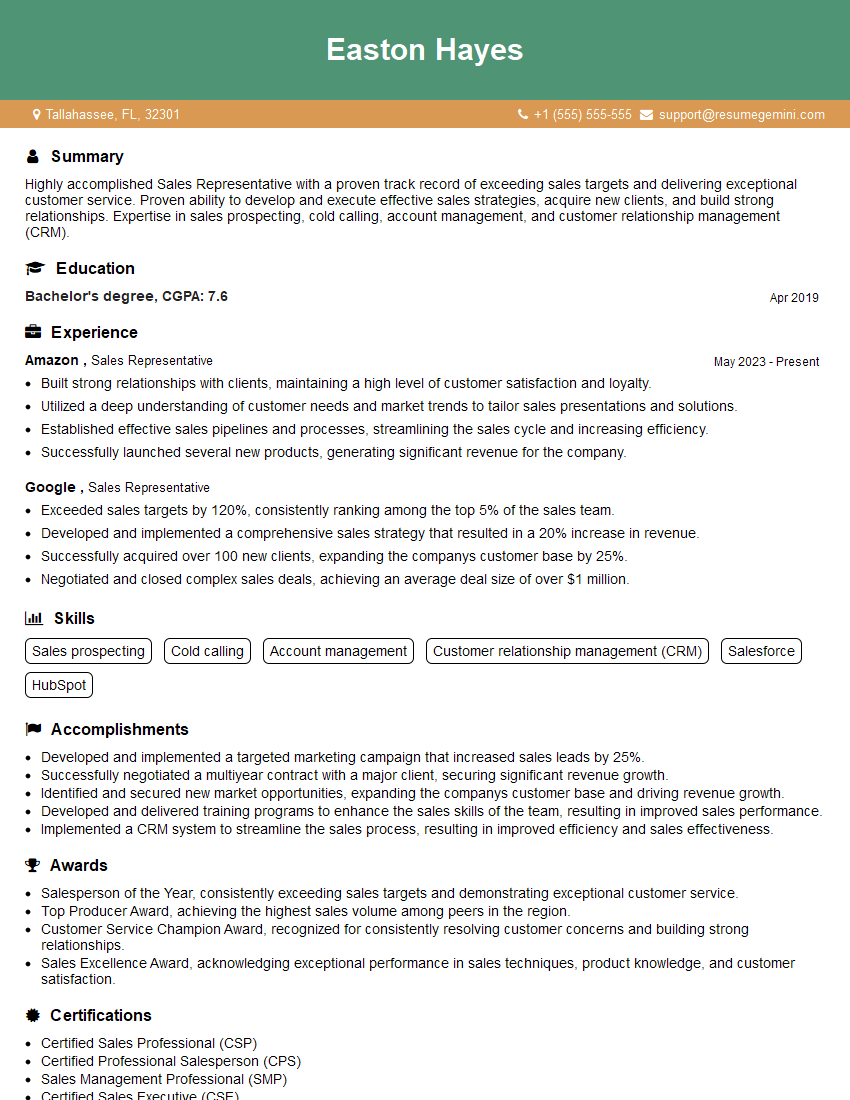
Sales Representative Resume Sample
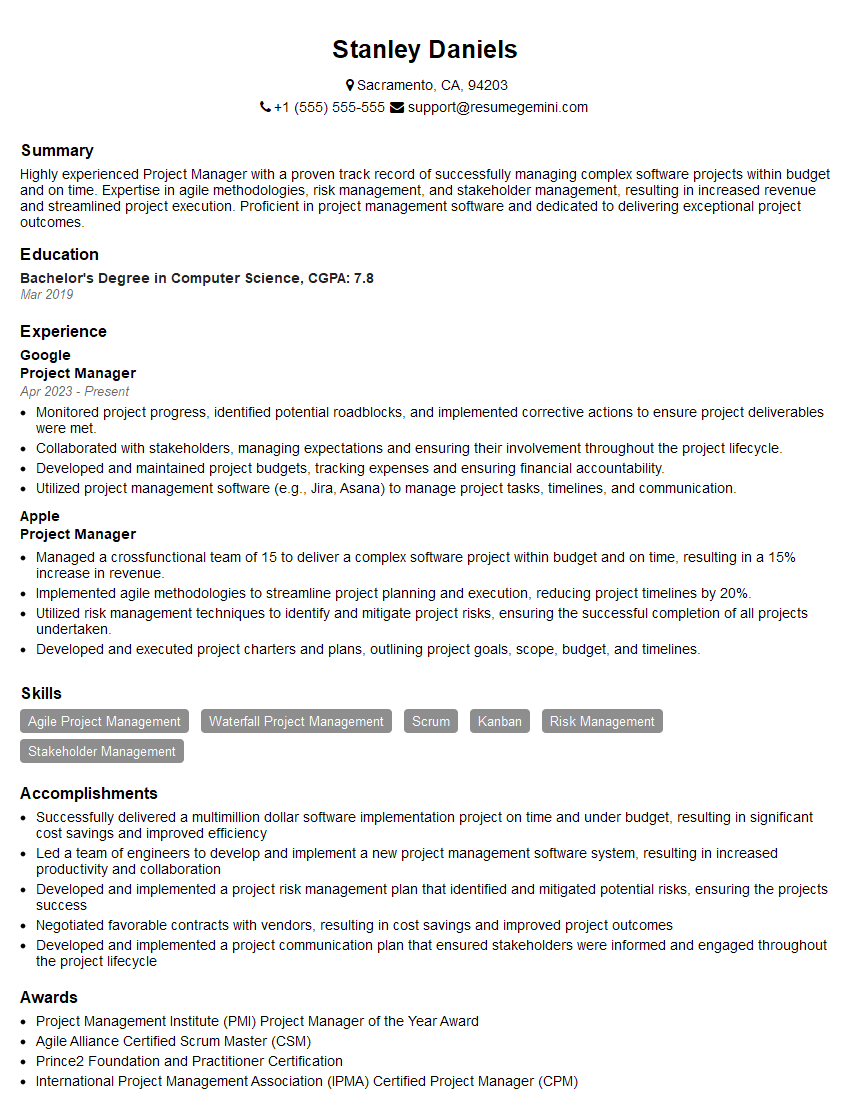
Project Manager Resume Sample
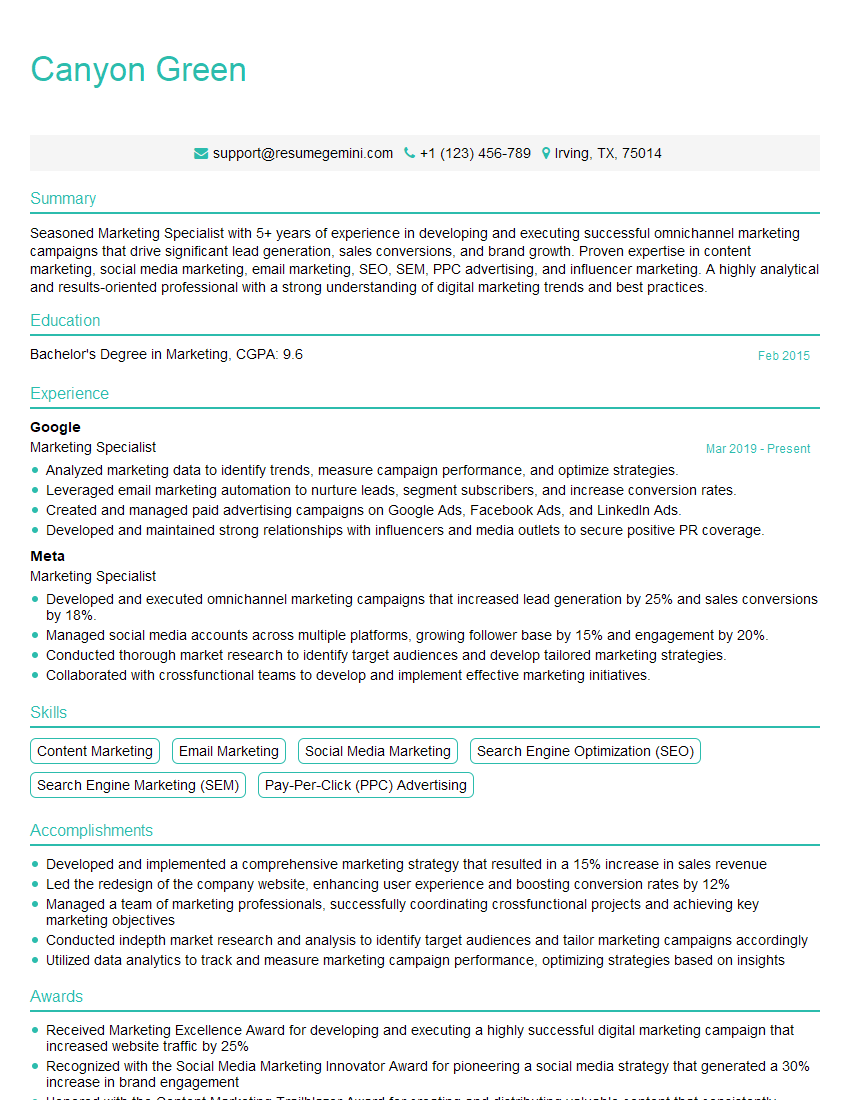
Marketing Specialist Resume Sample
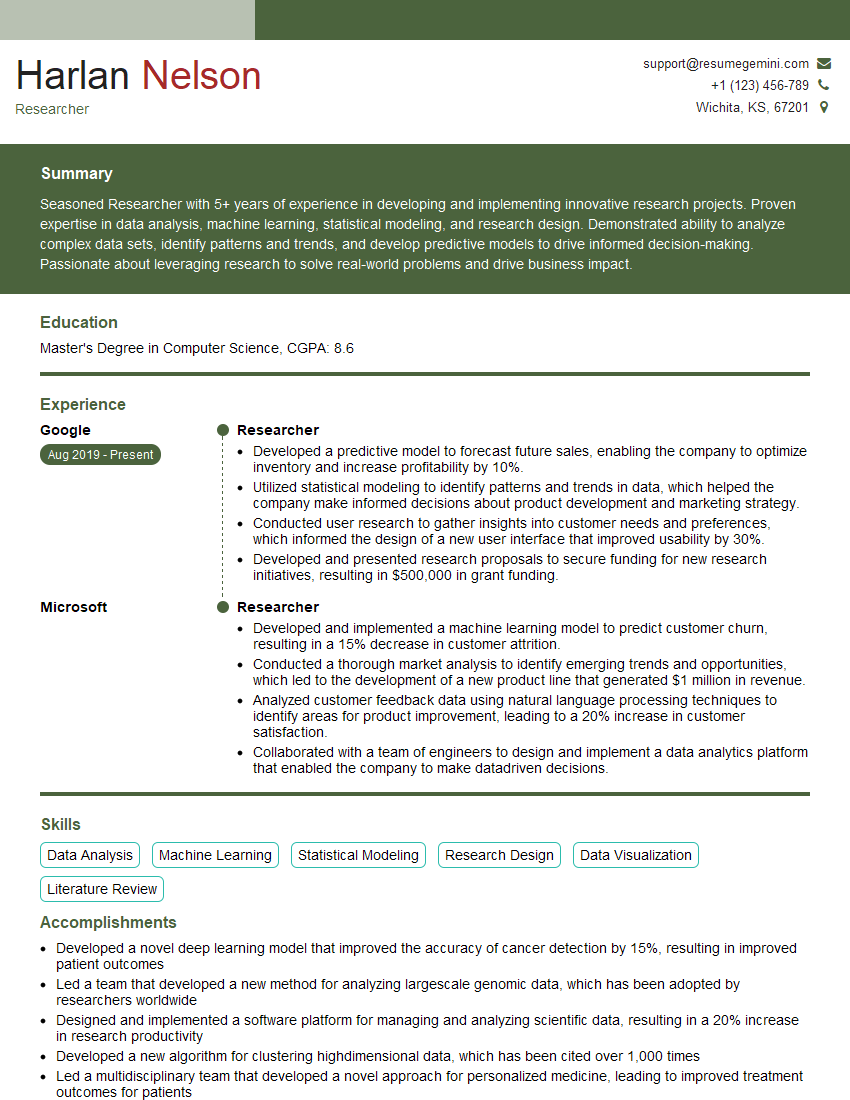
Researcher Resume Sample
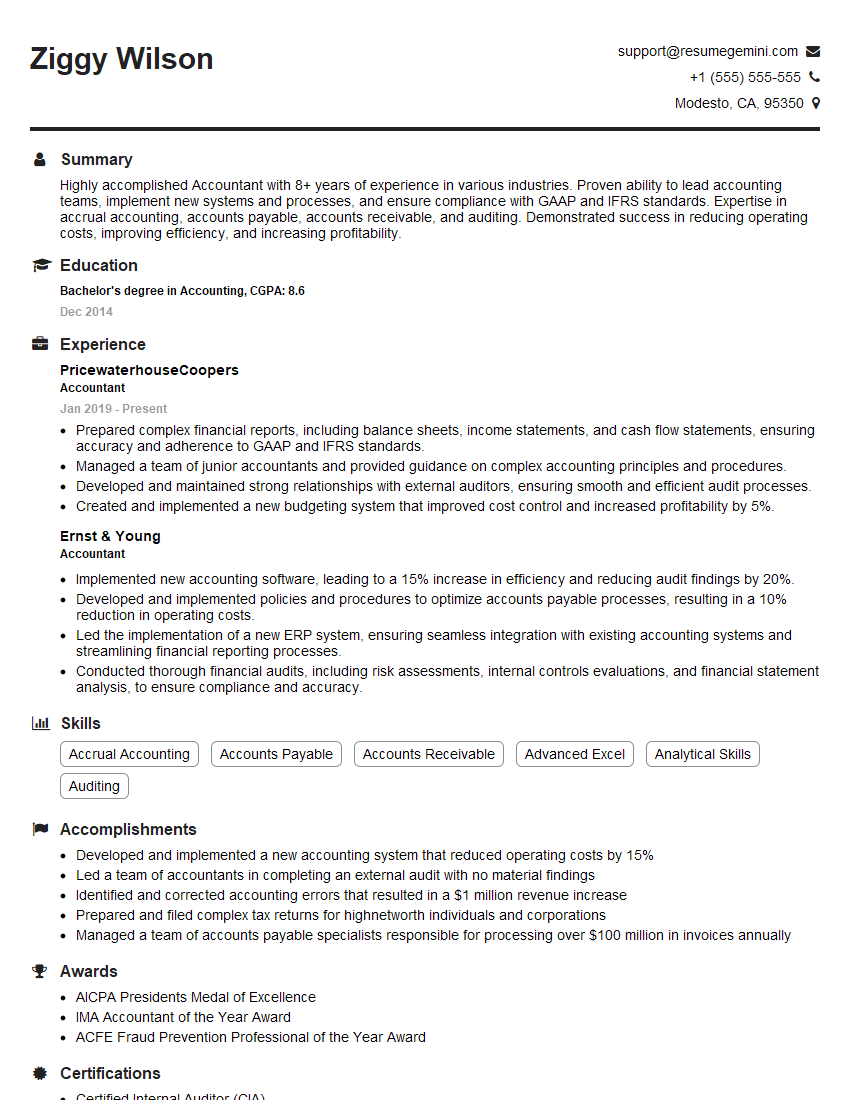
Accountant Resume Sample
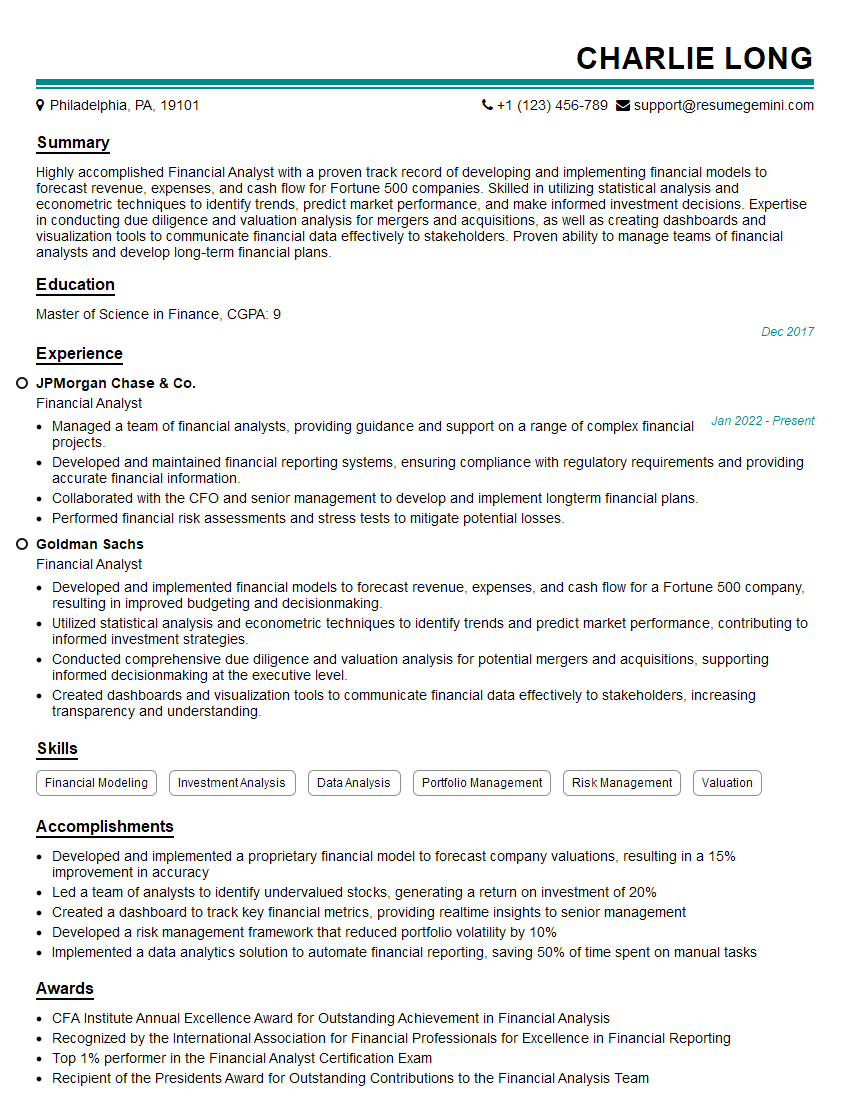
Financial Analyst Resume Sample
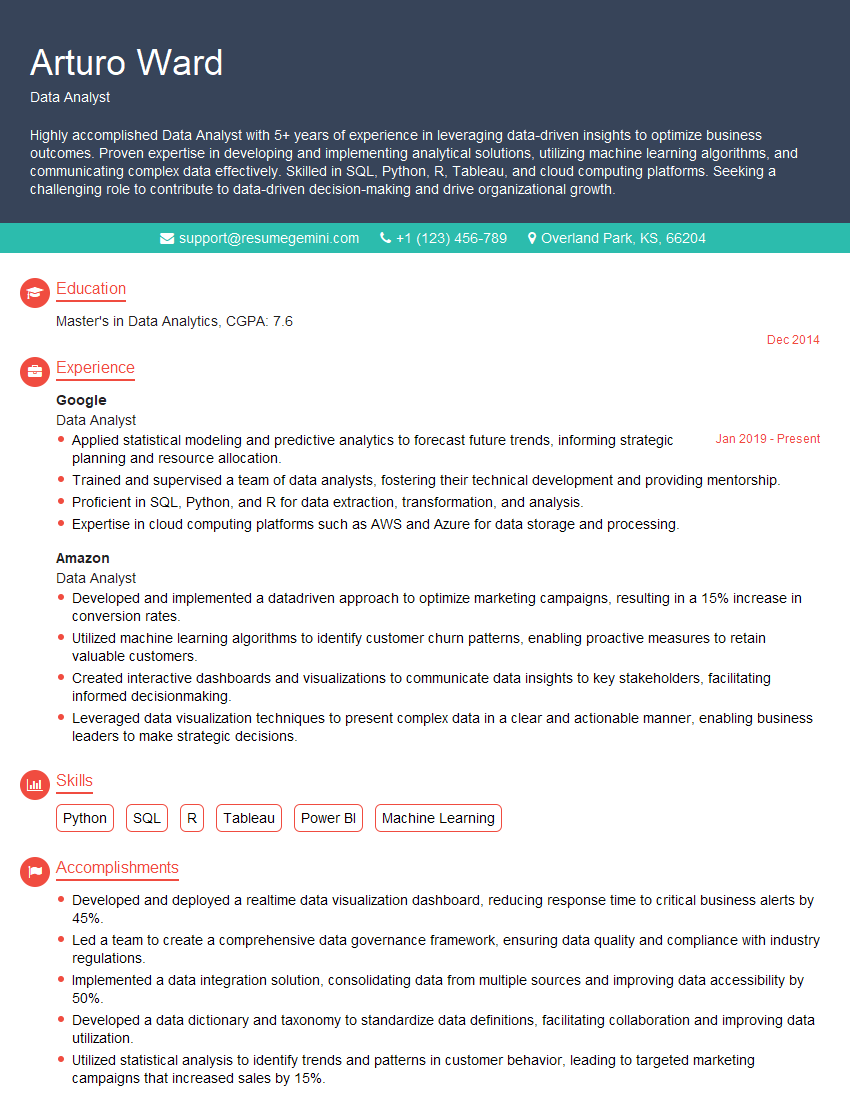
Data Analyst Resume Sample
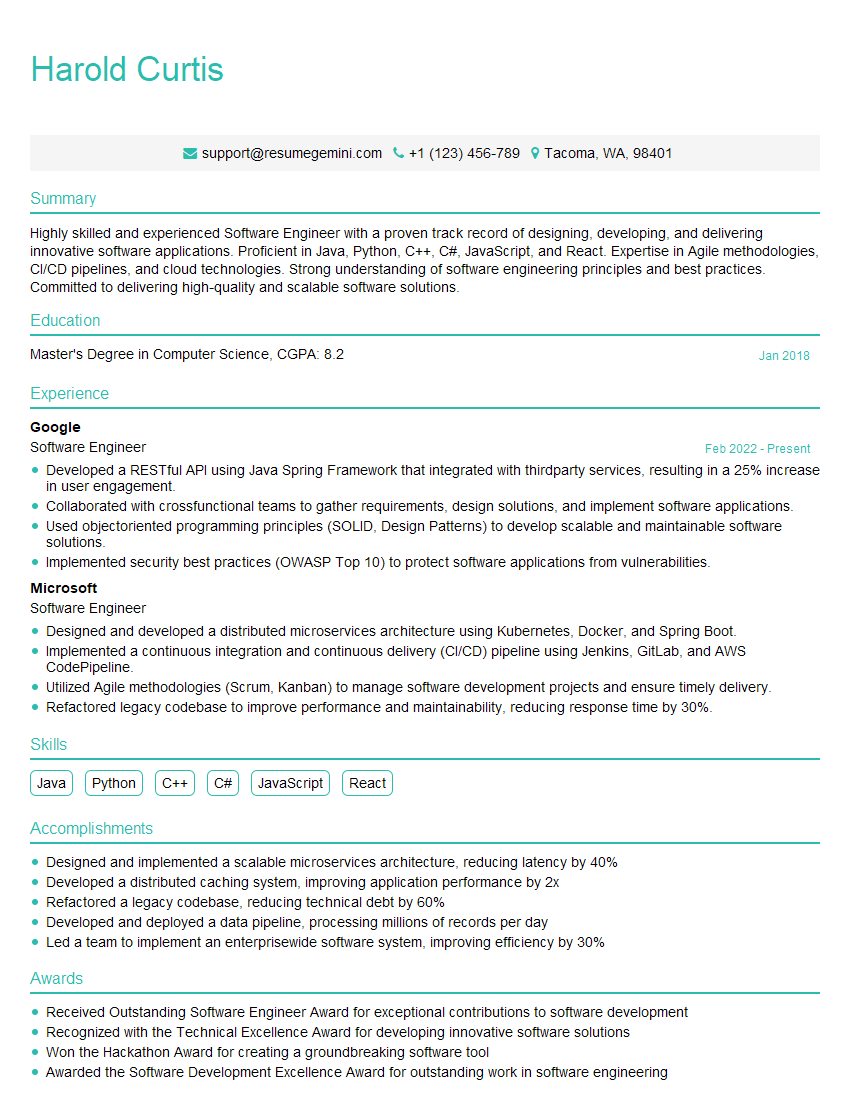
Software Engineer Resume Sample
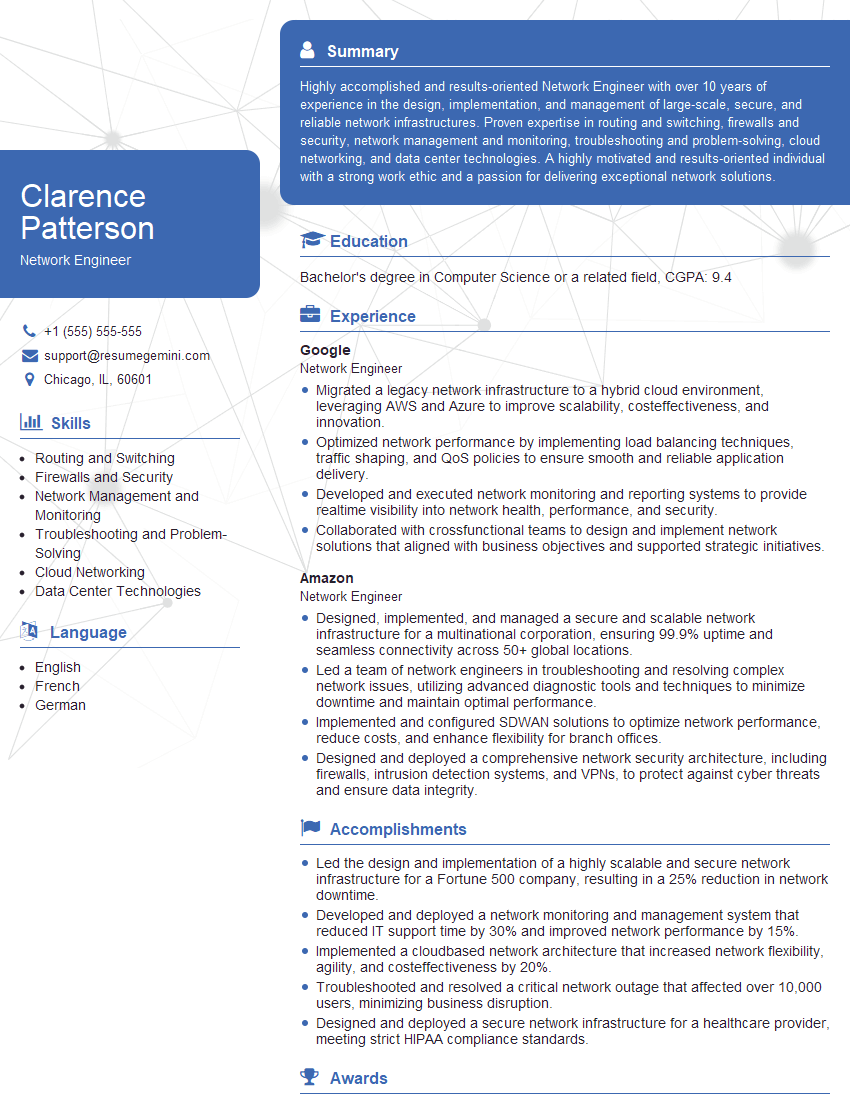
Network Engineer Resume Sample
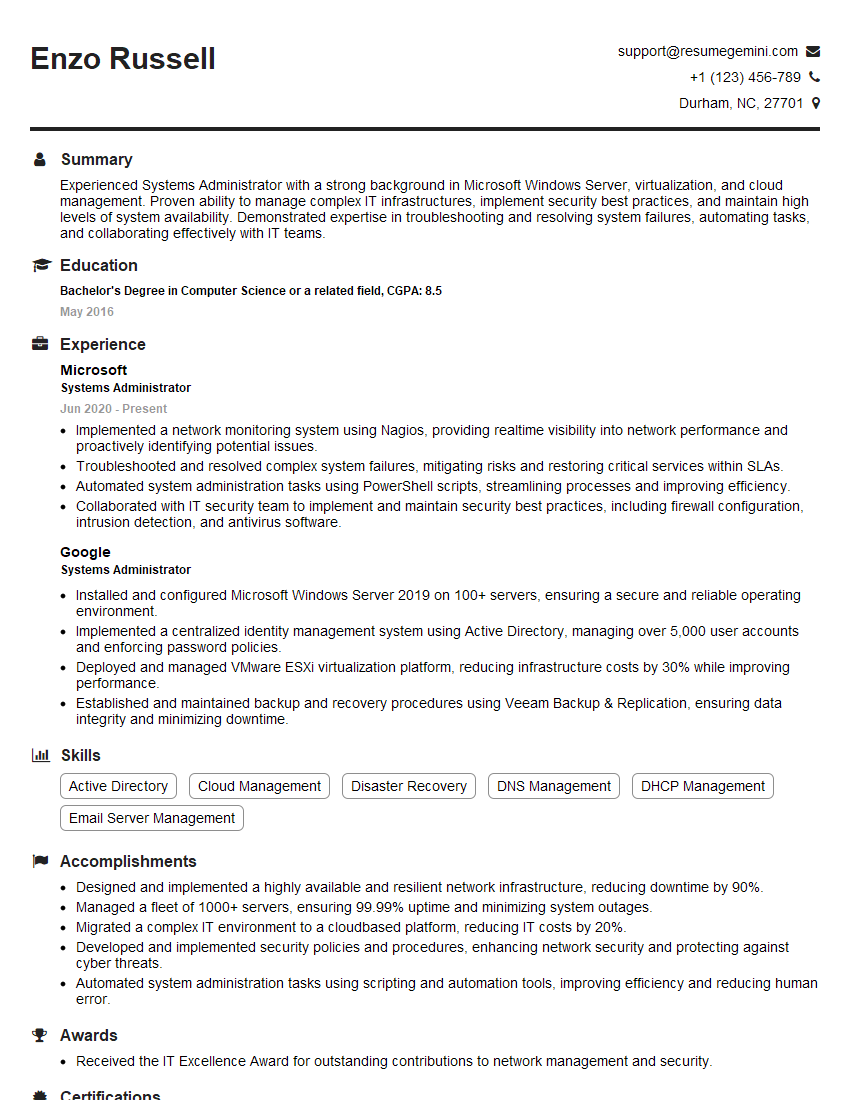
Systems Administrator Resume Sample
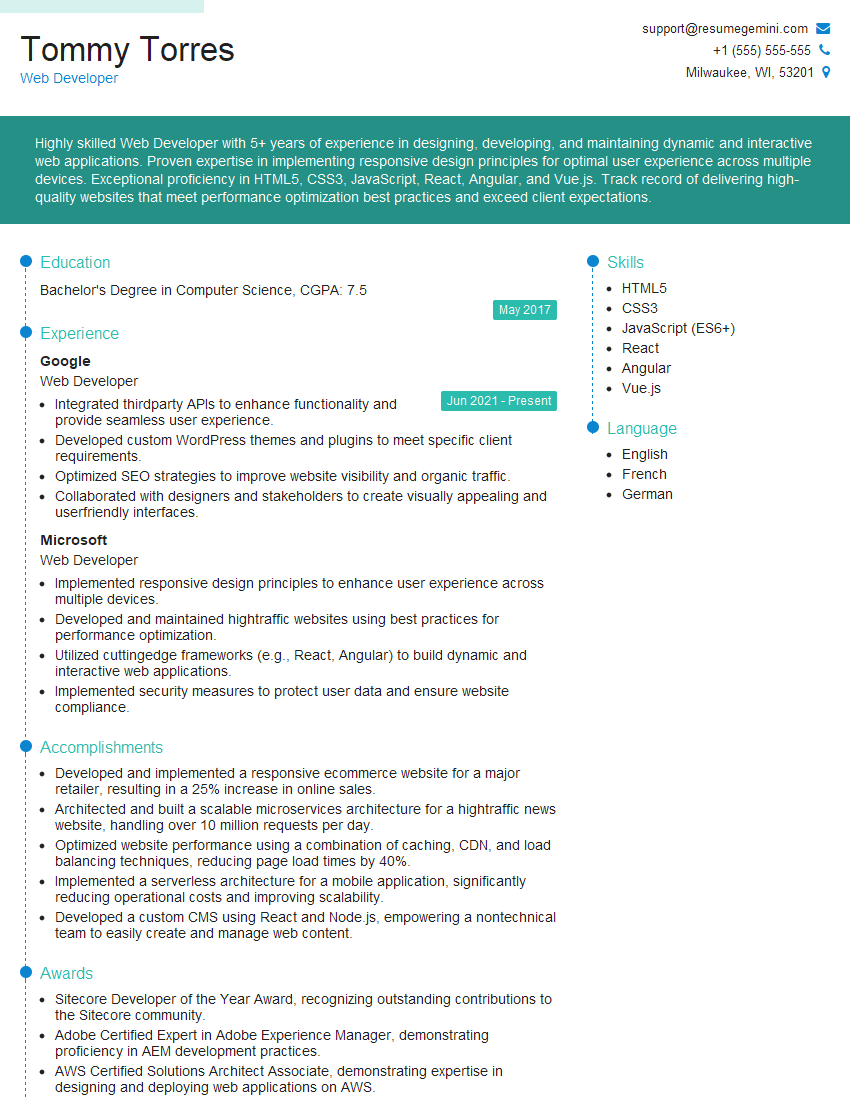
Web Developer Resume Sample
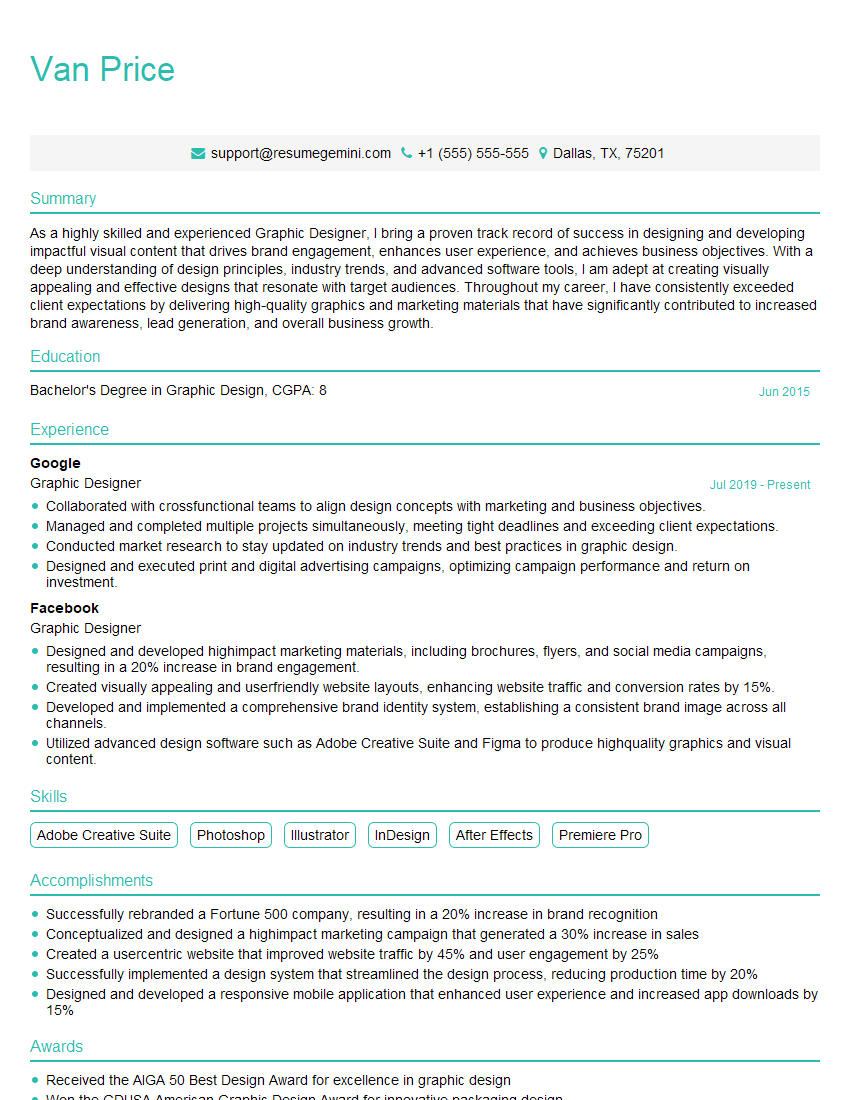
Graphic Designer Resume Sample
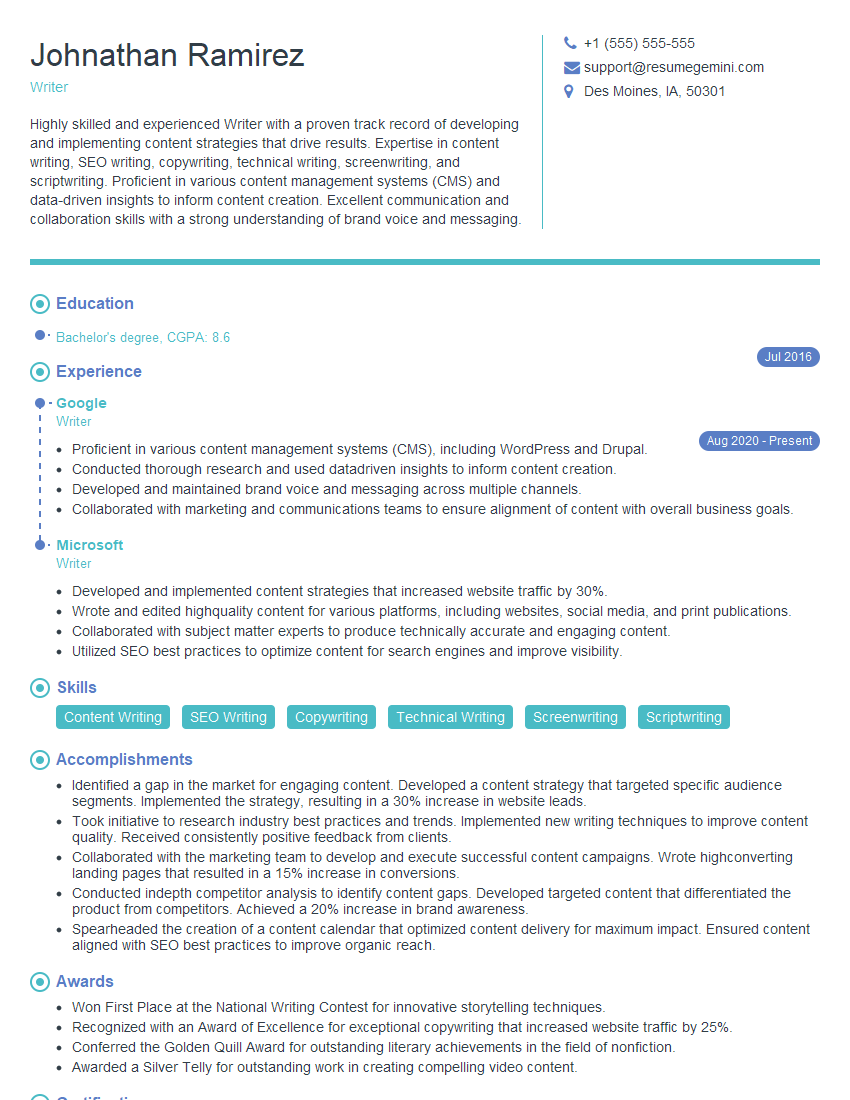
Writer Resume Sample
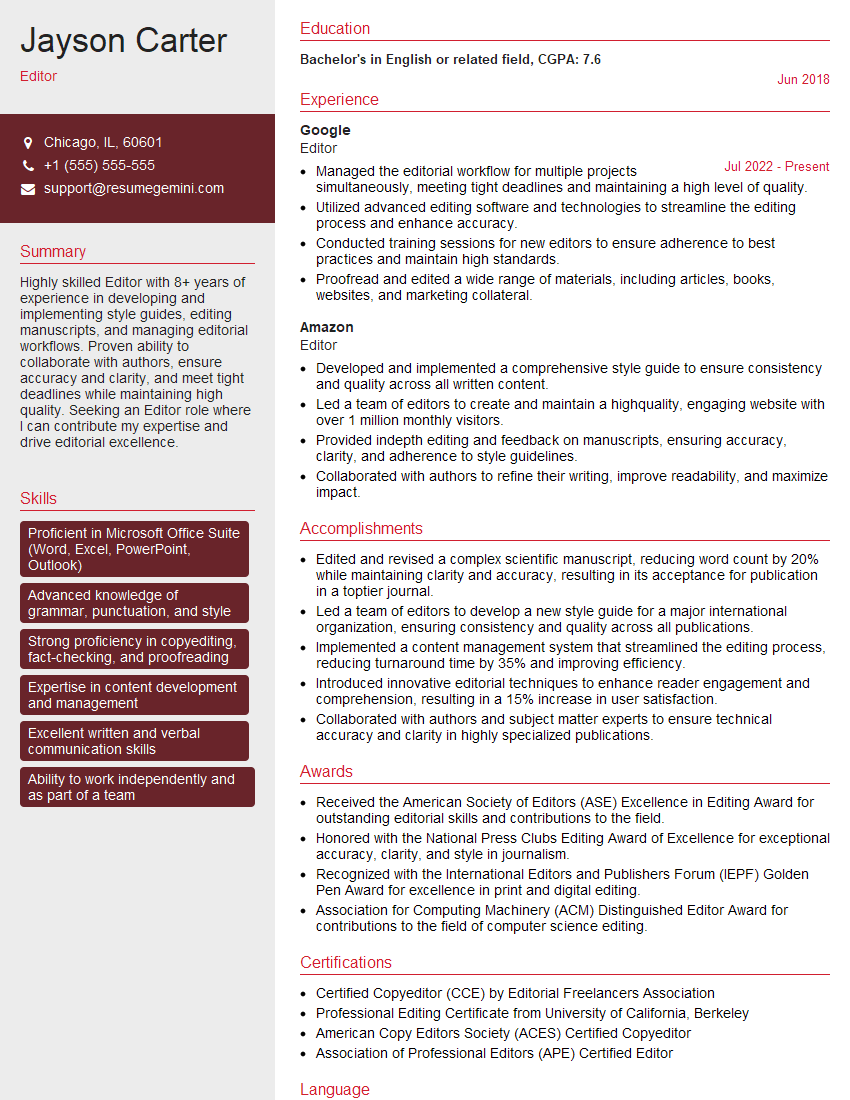
Editor Resume Sample

Technical Writer Resume Sample
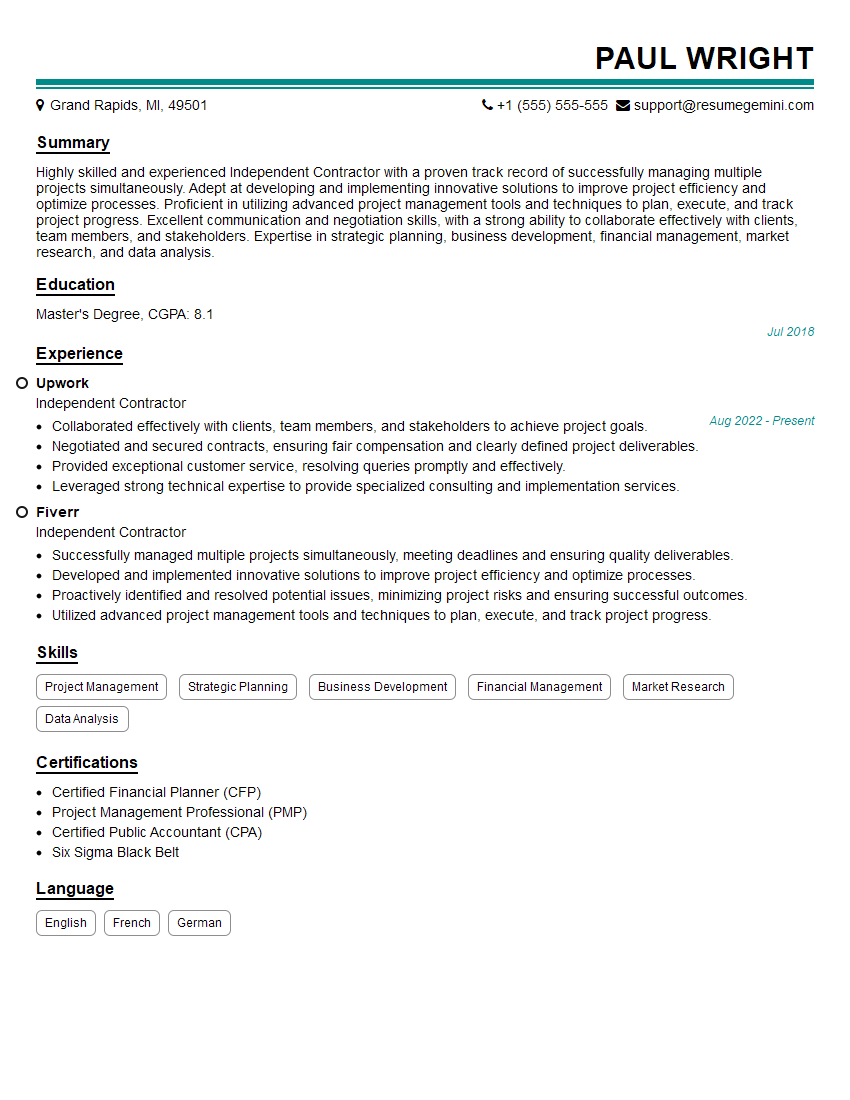
Independent Contractor Resume Sample
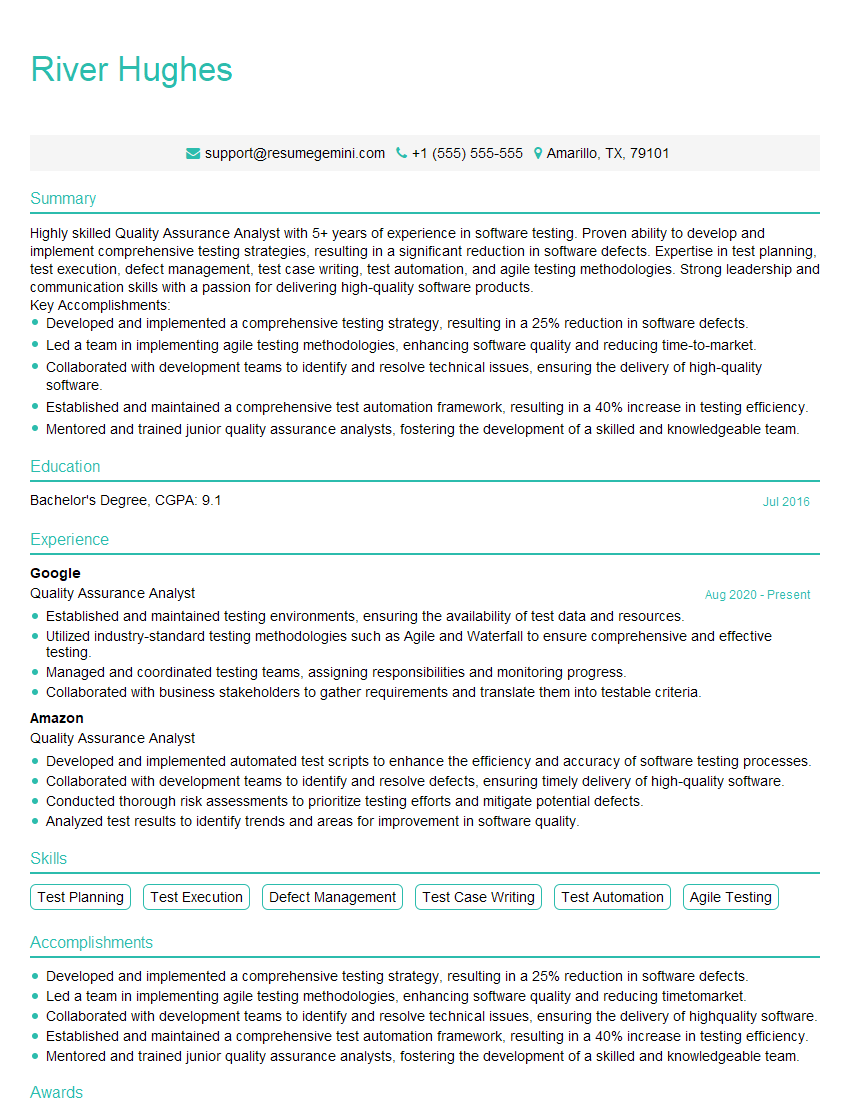
Quality Assurance Analyst Resume Sample
- Operations Manager
- Business Development Manager
- Product Manager
- Sales Representative
- Project Manager
- Marketing Specialist
- Researcher
- Accountant
- Financial Analyst
- Data Analyst
- Software Engineer
- Network Engineer
- Systems Administrator
- Web Developer
- Graphic Designer
- Writer
- Editor
- Technical Writer
- Independent Contractor
- Quality Assurance Analyst
Explore more articles
Users Rating of Our Blogs
Share Your Experience
We value your feedback! Please rate our content and share your thoughts (optional).
What Readers Say About Our Blog
Very informative content, great job.
good