Interviews are more than just a Q&A session—they’re a chance to prove your worth. This blog dives into essential Working in a cold and wet environment interview questions and expert tips to help you align your answers with what hiring managers are looking for. Start preparing to shine!
Questions Asked in Working in a cold and wet environment Interview
Q 1. Describe your experience working in cold and wet conditions.
My experience working in cold and wet environments spans over 10 years, primarily in offshore construction and marine research. I’ve worked in various climates, from the frigid waters of the North Atlantic to the consistently damp conditions of the Pacific Northwest. This involved prolonged exposure to temperatures ranging from near freezing to slightly above, often combined with high winds, rain, and snow. I’ve participated in projects involving underwater cable laying, offshore platform maintenance, and marine wildlife surveys, all requiring significant adaptation to challenging weather conditions.
For instance, during a marine survey project in the North Sea, we spent weeks on a research vessel facing constant exposure to freezing spray and high winds. This required meticulous planning and precise execution of tasks, always prioritizing safety and efficiency given the challenging environment.
Q 2. What safety precautions do you take when working in a cold and wet environment?
Safety in cold and wet environments relies on a layered approach. It begins with proper planning and risk assessment: understanding weather forecasts, potential hazards (e.g., ice, strong currents), and available resources. Key precautions include:
- Appropriate clothing: This is discussed in more detail in question 4.
- Buddy system: Never work alone. Constant visual and communication checks are critical in case of emergency.
- Regular breaks in warm, dry areas: Preventing prolonged exposure is paramount.
- Hydration and nutrition: Cold temperatures can mask dehydration symptoms; maintaining proper hydration and consuming high-energy foods is essential.
- Communication plan: Having clear communication protocols and emergency contact information readily available.
- Safety equipment: Including personal flotation devices (PFDs), appropriate footwear, and potentially specialized equipment like immersion suits (discussed in question 5).
Q 3. How do you handle hypothermia prevention and recognition?
Hypothermia prevention is the cornerstone of working safely in cold, wet environments. It involves actively preventing heat loss through layered clothing, minimizing time spent in cold water, and staying hydrated and nourished. Recognition requires awareness of the symptoms: shivering, confusion, slurred speech, drowsiness, and loss of coordination. Early symptoms might be subtle – feeling unusually cold or clumsy – so regular self-monitoring is crucial.
If hypothermia is suspected, immediate action is required. The individual needs to be moved to a warm, dry place, warm fluids given (if conscious), and emergency services contacted. In severe cases, advanced medical care is necessary.
I’ve received extensive training in hypothermia recognition and response, including administering first aid and utilizing emergency hypothermia treatment techniques. This includes understanding the different stages of hypothermia and implementing appropriate protocols at each stage.
Q 4. What types of protective clothing are appropriate for various cold and wet conditions?
Protective clothing for cold and wet environments must address both insulation and water resistance. The layering principle is key:
- Base layer (wicking): Made of synthetic materials or merino wool to draw moisture away from the skin.
- Mid-layer (insulating): Fleece or down jackets to trap warm air.
- Outer layer (waterproof and windproof): A high-quality waterproof jacket and trousers are essential to block wind and rain.
- Specialized gear: Depending on the conditions, this could include waterproof gloves, hats, and insulated boots. In extremely cold or wet conditions, an immersion suit or drysuit might be required.
The specific clothing requirements depend heavily on the intensity and duration of exposure. For short periods in moderately cold conditions, a less extensive layering system may suffice. However, for extended exposure to harsh conditions, a more robust and comprehensive approach is mandatory.
Q 5. Explain your experience using specialized equipment in cold and wet conditions.
My experience with specialized equipment in cold and wet conditions includes working with underwater remotely operated vehicles (ROVs) for subsea inspections, using underwater cutting and welding equipment for offshore repairs, and operating specialized winches and cranes in harsh marine environments. Safety protocols for these operations are extremely stringent, involving rigorous equipment checks and pre-operational safety briefings.
For example, during ROV operations, careful handling of the equipment’s tether and maintaining constant communication with the ROV pilot are crucial. With underwater welding equipment, specialized safety procedures must be followed to prevent electrocution and equipment malfunction in the wet environment.
Q 6. Describe a time you encountered a safety hazard in a cold and wet environment. How did you handle it?
During an offshore platform maintenance project, a section of scaffolding collapsed in high winds and heavy rain. Luckily, no one was directly underneath at the moment, but it posed a serious risk. I immediately initiated emergency procedures:
- Secured the area: Ensured no one approached the damaged scaffolding.
- Informed the supervisor and emergency response team: Ensured prompt assessment of the damage and repair planning.
- Assisted in the evacuation of personnel from the affected area: Prioritized the safety of all personnel.
- Supported the investigation into the cause of the collapse: A thorough investigation was crucial to avoid future incidents.
This experience reinforced the importance of rigorous safety inspections, proper equipment maintenance, and adherence to safety protocols, even in seemingly routine tasks. A thorough risk assessment and proactive safety measures are crucial for preventing such incidents.
Q 7. What is your experience with cold water immersion and rescue procedures?
I possess extensive training in cold water immersion and rescue procedures, including swift water rescue techniques and the use of specialized equipment like throw bags and rescue ropes. Cold water immersion presents a significant threat due to rapid heat loss. Understanding the effects of cold water shock and the progressive stages of hypothermia is crucial for effective rescue.
My training includes both theoretical knowledge and practical drills simulating various scenarios. I’m proficient in techniques for safely approaching and rescuing an individual from cold water, providing immediate post-rescue care, and coordinating with emergency medical services.
Q 8. How familiar are you with weather forecasting and its relevance to cold and wet work?
Weather forecasting is absolutely crucial for working in cold and wet environments. Accurate predictions allow for proactive planning and mitigation of risks. I utilize various resources, including meteorological services and specialized weather apps designed for outdoor work, to understand not just temperature, but also wind chill, precipitation type and intensity, and potential for rapid weather changes. For example, knowing a sudden drop in temperature is expected allows me to adjust clothing layers or plan for extra breaks to avoid hypothermia. Knowing heavy snowfall is forecast informs decisions about equipment transport and potential delays. Essentially, it’s risk management at its core – preparation based on reliable information.
Q 9. How do you maintain your equipment in cold and wet conditions?
Maintaining equipment in cold, wet conditions requires a meticulous approach. Firstly, proper storage is paramount; I ensure all equipment is stored in a dry, sheltered area whenever possible, using waterproof covers or sealed containers. Regular cleaning and lubrication are essential to prevent corrosion and freezing. For example, after each workday, I clean and lubricate any moving parts of my tools, paying particular attention to areas exposed to moisture. Additionally, I check for signs of wear and tear – cracks, rust, or loose components. Preventative maintenance is key to extending the lifespan of equipment and ensuring its reliable operation in these harsh conditions. This might involve replacing parts proactively rather than waiting for failure in a difficult situation.
Q 10. Describe your experience with cold weather-related injuries and first aid.
I’ve encountered various cold weather-related injuries, including mild hypothermia, frostnip, and minor injuries exacerbated by cold and wet conditions. My first-aid training is extensive, covering everything from recognizing the early signs of hypothermia (shivering, confusion, slurred speech) to treating frostbite (gradual rewarming, pain management). I also know the importance of prompt removal from the cold environment and seeking medical help when necessary. I always carry a comprehensive first-aid kit specifically tailored for cold weather emergencies, including extra warm layers, heat packs, and blister treatment. For instance, on one occasion, a colleague experienced frostnip on his fingers. I immediately moved him to a warmer location, provided warm drinks, and carefully removed any wet clothing. In a more serious situation, I wouldn’t hesitate to call emergency services and follow their instructions precisely.
Q 11. How do you stay motivated and productive in challenging cold and wet weather?
Maintaining motivation and productivity in harsh conditions requires a multi-faceted approach. Physical preparation is crucial: I prioritize proper nutrition, hydration, and sufficient rest before each workday. Mentally, I break down large tasks into smaller, manageable goals, rewarding myself for each milestone achieved. A strong sense of team camaraderie also helps; sharing the challenge with others and supporting each other enhances morale. I also emphasize the importance of understanding *why* the work is important, connecting the task to a larger purpose. This sense of purpose keeps motivation high, even on the coldest and wettest days. For example, knowing I’m contributing to a crucial infrastructure project (say, repairing power lines during a storm) provides motivation to overcome challenging weather conditions.
Q 12. What are the key differences between working in a cold, dry environment vs. a cold, wet environment?
The key difference between cold, dry and cold, wet environments lies in the effect of moisture on heat loss. In a cold, dry environment, heat loss primarily occurs through conduction, convection, and radiation. However, in cold, wet conditions, the addition of moisture significantly accelerates heat loss due to evaporation. Water is an excellent conductor of heat, drawing warmth away from the body much faster than air. This means that the perceived temperature, or wind chill, is drastically lower in a wet, cold environment. A -5°C day with rain will feel significantly colder than a -5°C day with clear skies. This greatly impacts clothing choices and the need for extra layers and moisture-wicking materials.
Q 13. How do you assess risk and make safety decisions in varying conditions?
Risk assessment in varying conditions involves a systematic approach. I start by identifying potential hazards, such as slippery surfaces, falling objects, hypothermia, and equipment malfunction. Next, I analyze the likelihood and severity of each hazard, considering factors like weather conditions, terrain, and the task at hand. Based on this analysis, I implement appropriate control measures, ranging from simple precautions (wearing appropriate footwear) to more complex strategies (adjusting work schedules to avoid peak weather events). A crucial element is continuous monitoring; I regularly reassess the situation and adjust my safety plan as needed, ensuring everyone on the team is aware of changes and follows updated procedures. Ultimately, safety is non-negotiable; if the risk is deemed too high, I have the authority to halt work until conditions improve.
Q 14. What are the different layers of cold weather clothing, and their purpose?
Effective cold weather clothing utilizes a layering system to maximize insulation and manage moisture. The three main layers are:
- Base layer: This layer (typically made of merino wool or synthetic materials) wicks moisture away from the skin, preventing sweat from chilling the body. It should be close-fitting but not restrictive.
- Mid layer: This insulating layer traps warm air, providing bulk insulation. Common materials include fleece or down. The thickness of this layer can be adjusted based on the severity of the cold.
- Outer layer: This protective layer shields against wind, rain, and snow. It should be waterproof and windproof, allowing breathability to prevent overheating and moisture buildup. Materials like Gore-Tex are commonly used.
This layering approach allows for adaptability to changing conditions; adding or removing layers throughout the day helps regulate body temperature effectively, maintaining comfort and preventing hypothermia or overheating.
Q 15. Explain your experience with using ropes and harnesses in cold and wet environments.
My experience with ropes and harnesses in cold and wet environments is extensive. I’ve worked in various settings, from offshore wind turbine maintenance to high-angle rescue operations in mountainous terrain during winter storms. Proper rope selection is critical; synthetic ropes like those made from nylon or polyester are preferred over natural fibers like hemp or sisal, as they retain their strength even when wet and frozen. We always inspect ropes meticulously before each use, checking for fraying, cuts, or any signs of degradation. Harnesses must be similarly inspected, ensuring all buckles and straps are secure and functioning correctly. In extremely cold temperatures, we might use additional layers of insulation under the harness to prevent chafing and discomfort. Furthermore, we utilize specialized cold-weather gloves that still allow dexterity for knot-tying and harness adjustments. The use of appropriate safety systems like self-retracting lifelines (SRLs) is mandatory to prevent falls, and these systems need to be compatible with the low-temperature conditions.
For example, during a recent offshore wind turbine repair, we had to rappel down a tower in freezing rain. The combination of the wet rope and cold temperatures made the descent challenging, but our pre-inspection and use of appropriate safety equipment prevented any accidents. We also employed a secondary safety line as an extra precaution in such high-risk conditions.
Career Expert Tips:
- Ace those interviews! Prepare effectively by reviewing the Top 50 Most Common Interview Questions on ResumeGemini.
- Navigate your job search with confidence! Explore a wide range of Career Tips on ResumeGemini. Learn about common challenges and recommendations to overcome them.
- Craft the perfect resume! Master the Art of Resume Writing with ResumeGemini’s guide. Showcase your unique qualifications and achievements effectively.
- Don’t miss out on holiday savings! Build your dream resume with ResumeGemini’s ATS optimized templates.
Q 16. Describe your understanding of cold-weather survival techniques.
Cold-weather survival hinges on three core principles: staying dry, retaining body heat, and signaling for help. Staying dry is paramount because wet clothing dramatically accelerates heat loss. We use layered clothing systems – base layers wicking moisture away from the skin, insulating mid-layers trapping warm air, and waterproof outer layers shedding precipitation. Keeping the head, hands, and feet warm is crucial since these extremities lose heat most rapidly. This involves insulated hats, gloves or mittens (mittens offer better insulation than gloves), and insulated, waterproof boots. Retaining body heat involves seeking shelter from the wind and elements, consuming high-energy foods to fuel metabolism and body heat production, and conserving energy by avoiding strenuous activity unless absolutely necessary. Signaling for help involves carrying a brightly coloured emergency blanket, whistle, and a personal locator beacon (PLB) or satellite messenger, especially when working in remote locations. Knowing how to build a simple snow shelter if needed is a vital skill.
Imagine being caught in a blizzard during a remote work assignment. The knowledge of building a snow cave to provide even minimal shelter from wind and snow could be the difference between survival and hypothermia. Likewise, the ability to signal rescuers using a PLB, even if severely hampered by cold, could be life-saving.
Q 17. How familiar are you with relevant safety regulations and standards for cold and wet work?
I am very familiar with relevant safety regulations and standards for cold and wet work. This includes OSHA regulations (in the US) or equivalent national standards in other countries. These regulations cover areas like personal protective equipment (PPE) requirements, fall protection protocols, cold stress awareness, and emergency response procedures. I have completed extensive training in cold-weather safety, including hypothermia and frostbite prevention, and I hold several certifications related to working at heights and in hazardous environments. Specific regulations will vary depending on the industry and location, but the core principles remain consistent: risk assessment, hazard mitigation, and the use of appropriate safety equipment are non-negotiable.
For instance, I’m well-versed in the standards for using and inspecting fall-arrest systems, including the proper inspection intervals and retirement criteria for safety harnesses and ropes in cold conditions. Understanding these standards isn’t just about compliance; it’s about actively ensuring the safety of myself and my team.
Q 18. Describe a challenging situation you faced in a cold and wet environment and how you overcame it.
During a dam repair project in a mountainous region during a severe winter storm, a section of scaffolding collapsed, injuring a co-worker. The immediate priority was to ensure his safety and provide first aid. The storm was intense – heavy snow, high winds, and sub-zero temperatures. We had to carefully extract him from the wreckage while minimizing further risk. The challenge was navigating the treacherous conditions and coordinating rescue efforts while ensuring the safety of everyone involved. We used our cold-weather training to assess the situation quickly, implement a risk mitigation strategy, and initiate an efficient rescue. This included providing immediate first aid, contacting emergency services, securing the surrounding area, and utilizing the remaining stable scaffolding to facilitate the rescue, all while battling the harsh weather.
We successfully rescued our colleague and provided him with prompt medical care. The experience highlighted the importance of risk assessment, teamwork, and adhering to safety protocols, even in the most extreme conditions.
Q 19. How do you communicate effectively in a cold and wet environment, especially in emergencies?
Effective communication in cold and wet environments, particularly during emergencies, relies on clear, concise messaging and robust communication channels. In such conditions, voice communication can be hampered by wind, rain, and distance. We use a combination of methods. Pre-determined hand signals are essential, especially when visual cues are compromised by poor visibility. Two-way radios, preferably with waterproof housings, are crucial for maintaining communication between team members. For long-range communication, satellite phones or personal locator beacons (PLBs) can be life-saving. In addition, establishing clear communication protocols before any operation starts is crucial, clarifying roles, reporting procedures, and emergency procedures.
For example, a simple system of hand signals to indicate ‘stop’, ‘proceed with caution’, or ’emergency’ avoids the potential for miscommunication during a critical moment like a rescue.
Q 20. What measures do you take to prevent frostbite and/or trench foot?
Preventing frostbite and trench foot requires a multi-pronged approach emphasizing prevention over cure. The core principles are maintaining dry feet and hands, avoiding prolonged exposure to cold, and ensuring adequate blood circulation. This involves wearing multiple layers of warm, dry socks (wool or synthetic materials are best, avoiding cotton), waterproof and insulated boots that are slightly larger to accommodate thick socks, and regularly changing wet socks and gloves. Regular movement and keeping hands and feet warm are critical. In extremely cold environments, chemical hand and foot warmers provide additional protection. We monitor our team members for any early signs of frostbite or trench foot – numbness, tingling, discoloration – and address them promptly. This can involve warming affected extremities gradually, applying appropriate medical treatment, and seeking medical attention.
An example is our routine of having designated break times to remove wet gloves and warm hands, even for short periods. This preventative measure ensures that the risks of frostbite are greatly reduced.
Q 21. How do you adapt your work schedule or methods to weather conditions?
Weather conditions heavily influence work schedules and methods. We constantly monitor weather forecasts and adjust our plans accordingly. In severe conditions, work may be suspended entirely to prioritize safety. When working in milder cold and wet weather, we’ll adopt a flexible schedule to avoid working during the coldest or wettest parts of the day. Work methods may also be adapted. For example, we might adjust rigging techniques to account for increased wind speeds or use additional anchors to enhance stability on slippery surfaces. Safety briefings before starting work become even more critical to outline any changes made based on the conditions, reminding the crew of the increased risks.
If heavy snowfall is forecast, we might decide to complete indoor tasks and reschedule outdoor work. Likewise, high wind warnings might mean we delay tasks that involve working at heights until conditions improve.
Q 22. What experience do you have with working at heights in cold and wet conditions?
My experience with working at heights in cold and wet conditions is extensive. I’ve worked on numerous projects involving offshore wind turbine maintenance, bridge inspections, and telecommunications tower repairs in challenging weather. Safety is paramount, so I’m fully certified in rope access techniques and have a thorough understanding of fall protection systems specific to these conditions. For instance, during a wind turbine maintenance project in the North Sea, we used specialized harnesses, insulated ropes, and self-retracting lifelines to mitigate the risks associated with both height and the elements. We also had detailed weather forecasts and implemented contingency plans for sudden changes in wind speed or precipitation. Moreover, proper cold weather gear, including insulated coveralls, heated undergarments, and waterproof gloves, is crucial for maintaining dexterity and preventing hypothermia at height.
Q 23. What is your understanding of the effects of cold on materials and equipment?
Cold temperatures significantly impact materials and equipment. Metals become brittle and more prone to fracturing, while lubricants thicken, reducing efficiency and potentially causing equipment failure. For example, hydraulic fluids can become sluggish, affecting the performance of cranes or other heavy machinery. Plastics and rubber also lose flexibility, becoming stiffer and more susceptible to cracking. Moisture, combined with cold, accelerates corrosion. Understanding these effects allows for preventative measures, such as using specialized cold-weather lubricants, preheating equipment before use, and selecting materials appropriate for the temperature range. Regular inspection for signs of cracking, corrosion, or wear and tear is critical. For instance, during a project involving repairing a pipeline in sub-zero temperatures, we had to pre-heat the welding equipment and use specialized cold-weather-resistant welding rods to ensure the integrity of the repair.
Q 24. How do you handle extreme weather events while working outdoors?
Handling extreme weather events requires a proactive approach. We closely monitor weather forecasts and adjust our work schedule accordingly. If severe weather is predicted, we implement safety protocols, including halting work and seeking shelter. This might involve relocating to a designated safe area, utilizing emergency shelters, or postponing activities until conditions improve. Communication is crucial. We maintain constant communication with our team, supervisors, and potentially local authorities to ensure everyone’s safety and to share updates on changing conditions. Personal safety equipment is regularly checked and we know to seek appropriate medical attention if someone experiences hypothermia or frostbite. During a blizzard that struck while we were working on a remote construction site, we promptly evacuated personnel to a nearby heated building and suspended all outdoor operations until the storm subsided.
Q 25. What is your experience working with or maintaining specialized vehicles in cold and wet conditions?
My experience includes maintaining and operating various vehicles in challenging conditions, including snowmobiles, all-terrain vehicles (ATVs), and specialized tracked vehicles. This requires routine maintenance that goes beyond standard procedures. For example, we use cold-weather specific engine oils, antifreeze, and ensure batteries are properly charged and insulated. Regular checks for leaks, and ensuring tires are properly inflated are essential. Preheating engines before use is crucial in extremely cold climates. In one instance, I was responsible for maintaining a fleet of snowmobiles used for accessing a remote power generation facility in Arctic conditions. This involved daily inspections, diligent lubrication, and a thorough understanding of the vehicle’s capabilities and limitations in snow and ice.
Q 26. How do you ensure the proper functioning of your equipment in cold and wet conditions?
Ensuring equipment functions properly involves several key steps. First, using cold-weather-rated equipment is a must. Then, pre-heating equipment before use can significantly improve performance. Regular lubrication with appropriate cold-weather lubricants is essential to prevent seizing and ensure smooth operation. We perform routine maintenance checks, paying close attention to potential points of failure. Keeping equipment clean and dry, as much as possible, is also important to prevent corrosion and ice build-up. During a project involving surveying equipment in a rainy, mountainous region, we used waterproof protective cases, regularly cleaned and dried the equipment, and ensured battery life was adequate for the cold conditions.
Q 27. Describe your experience with underwater work or activities in cold conditions.
While my primary expertise is not in underwater work, I have participated in projects requiring surface level activities near cold water, such as installing sub-sea cables. This experience emphasized the crucial importance of understanding the dangers of cold water immersion and appropriate safety procedures, including the use of immersion suits and personal flotation devices. Safety briefings and emergency response plans were paramount to ensure swift and effective reactions in case of an incident. The emphasis was on rapid extraction and immediate rewarming procedures should someone become unexpectedly immersed.
Q 28. How do you prioritize safety when working independently in a remote cold and wet environment?
Prioritizing safety when working independently in remote locations requires meticulous planning and self-reliance. Before commencing work, I always file a detailed plan with a supervisor, including the location, planned activities, and expected return time. I carry comprehensive emergency supplies, including first-aid kits, extra food and water, appropriate clothing, and communication devices (satellite phone, personal locator beacon). Regular check-ins with my supervisor are crucial, as is awareness of my physical and mental state. Identifying potential hazards and developing mitigation strategies is paramount. For instance, before a solo survey mission in a remote Alaskan forest, I ensured my snowmobile was fully maintained, I had sufficient fuel, and I communicated my route and estimated return time to my base camp. Regular self-checks for signs of hypothermia or frostbite are essential.
Key Topics to Learn for Working in a Cold and Wet Environment Interview
- Understanding Hypothermia and Cold Stress: Learn the physiological effects of prolonged exposure to cold and wet conditions, including the stages of hypothermia and the risks involved.
- Appropriate Clothing and Personal Protective Equipment (PPE): Discuss the importance of layering clothing, selecting waterproof and windproof materials, and utilizing appropriate PPE such as gloves, hats, and boots for different cold and wet environments. Consider the practical application of choosing the right gear for specific tasks and weather conditions.
- Safety Procedures and Emergency Response: Understand protocols for working safely in cold and wet environments, including recognizing signs of hypothermia in oneself and others, knowing emergency procedures, and the proper use of safety equipment.
- Maintaining Equipment in Adverse Conditions: Explore the challenges of maintaining tools and machinery in cold and wet conditions and strategies for preventing damage and ensuring optimal performance. Consider practical examples like lubrication, storage, and regular maintenance checks.
- Environmental Awareness and Risk Mitigation: Discuss awareness of potential hazards like slips, trips, and falls, and the importance of risk assessment and mitigation strategies in wet and icy conditions. This includes understanding weather forecasts and adapting work practices accordingly.
- Physical Fitness and Endurance: Explain the importance of maintaining physical fitness and stamina for working in demanding cold and wet environments, and how to prepare your body for the rigors of the job.
Next Steps
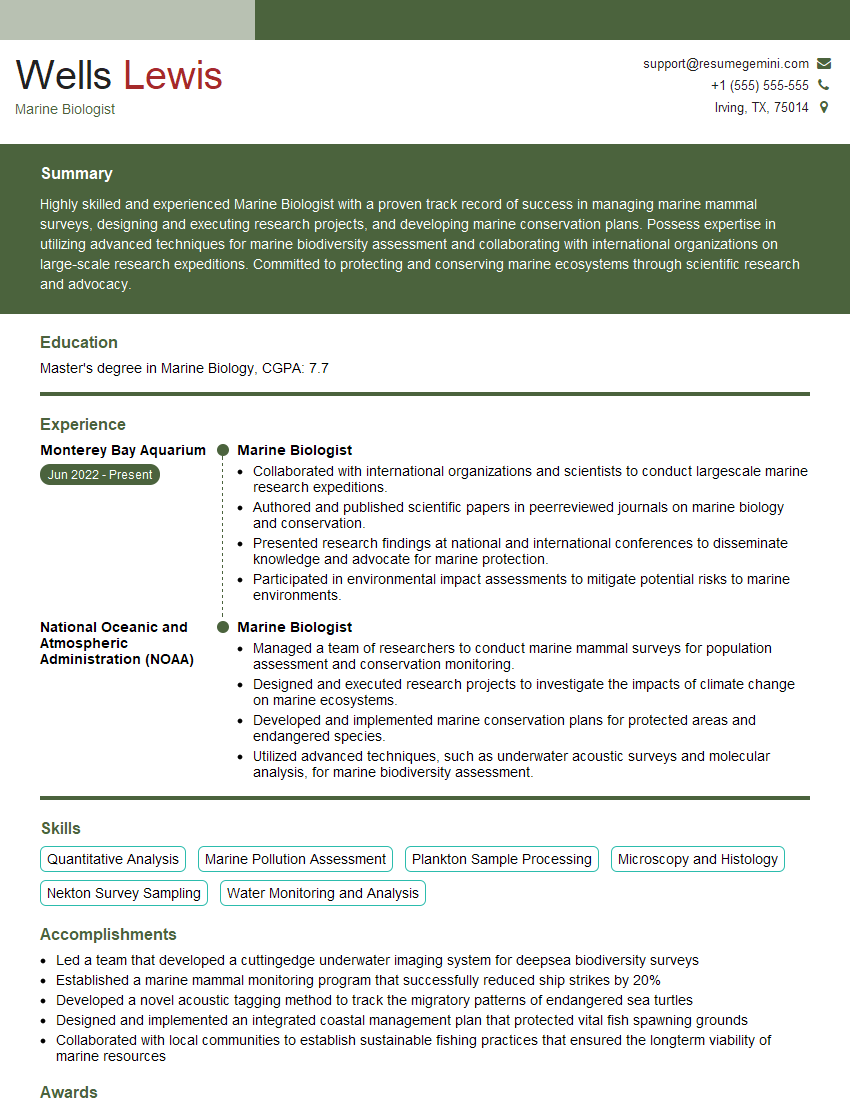
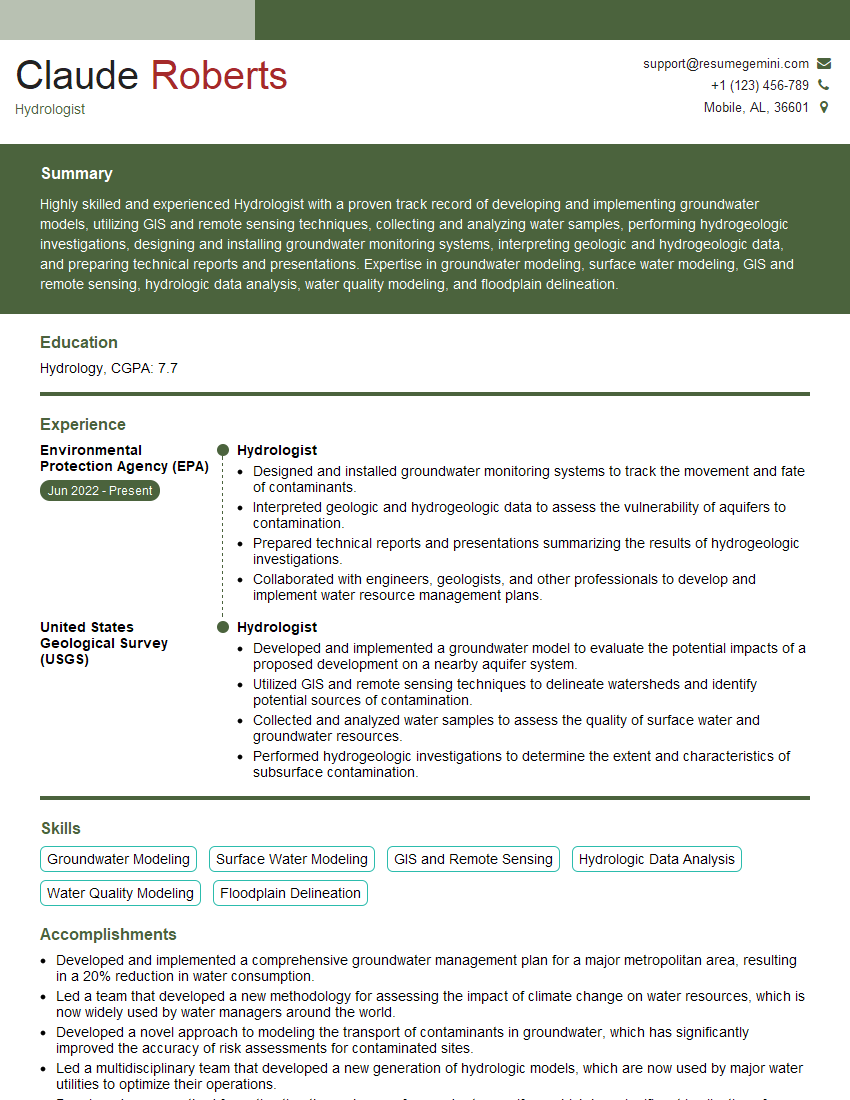
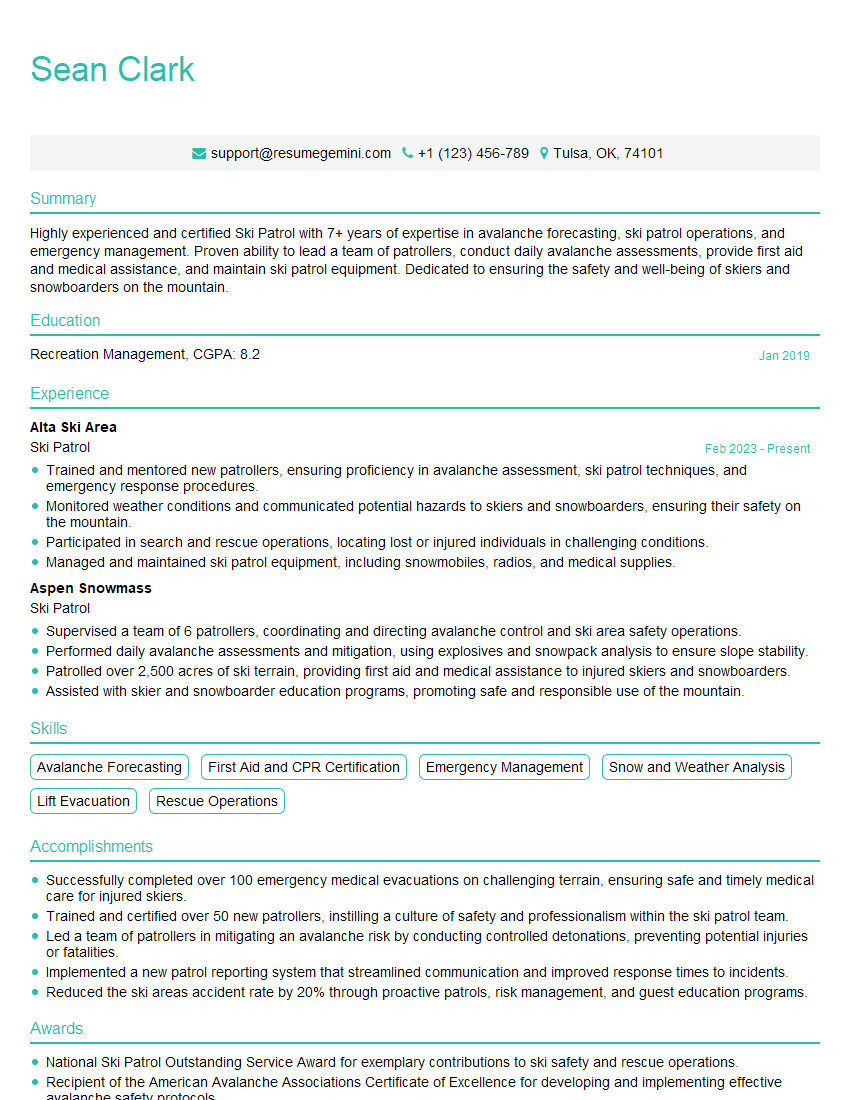
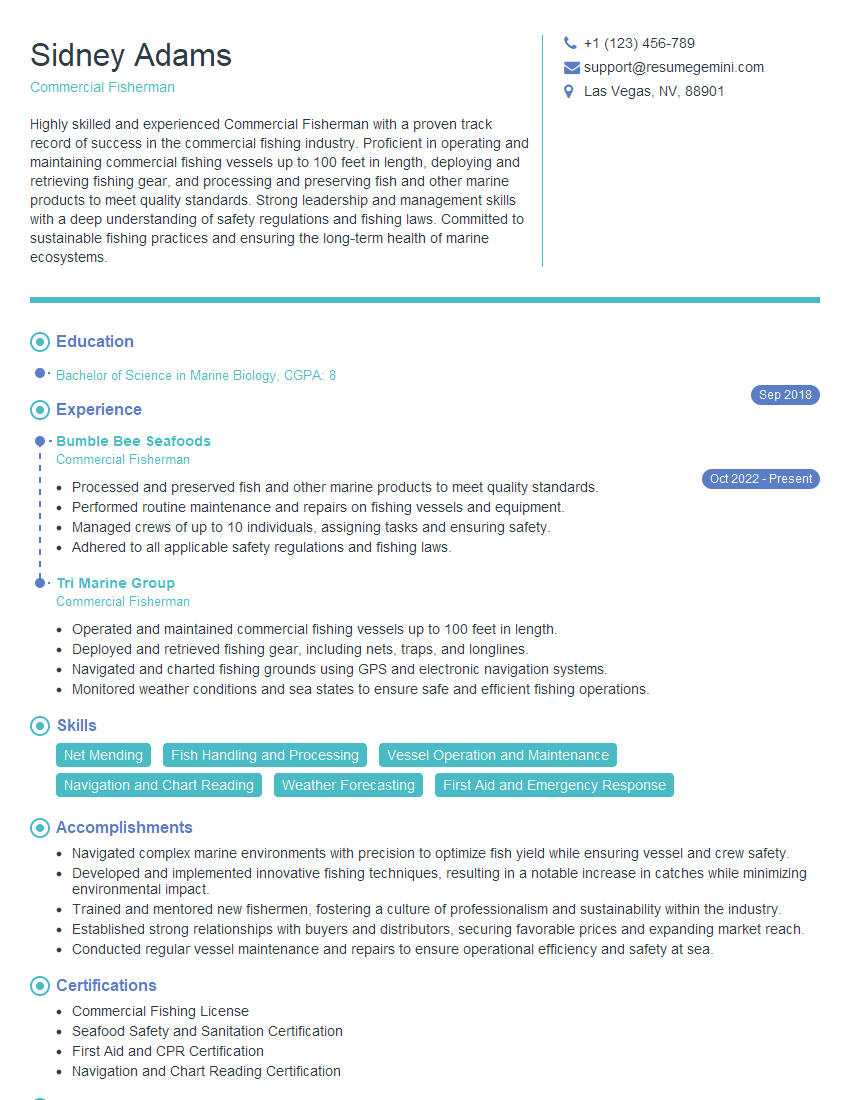
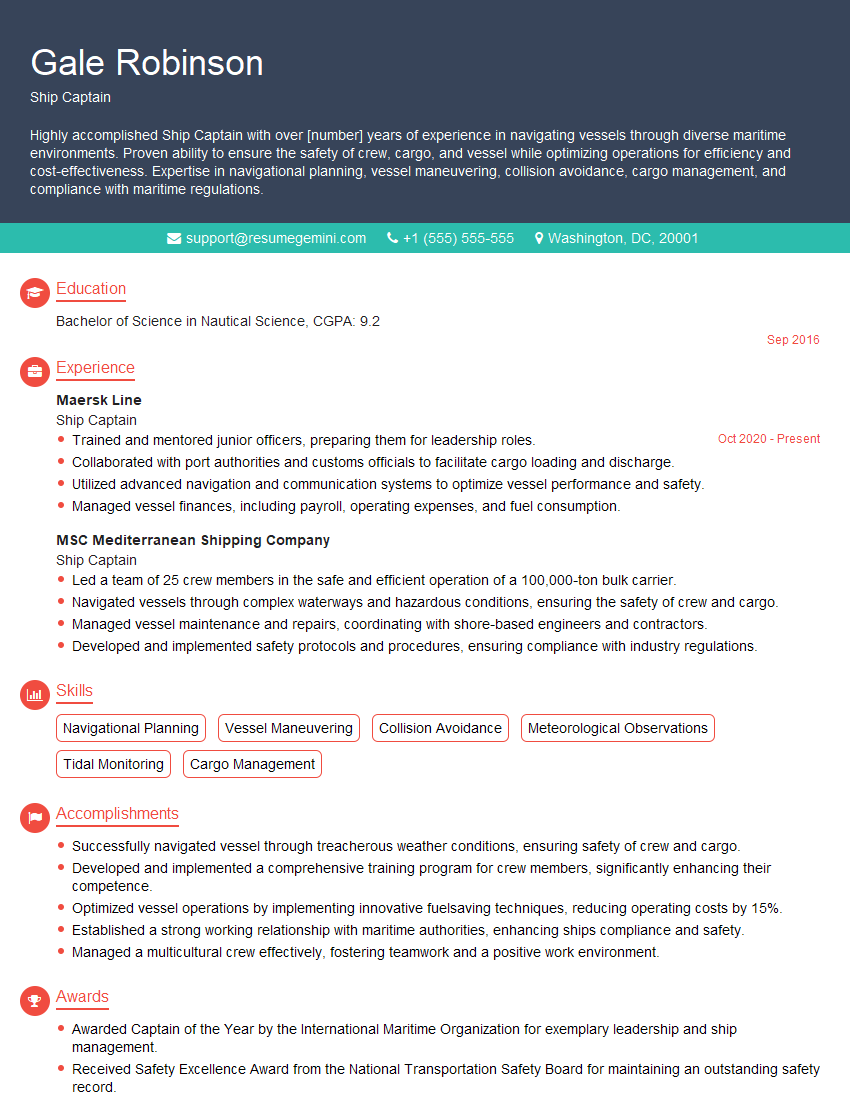
Mastering the skills and knowledge necessary for working in cold and wet environments significantly enhances your employability across various industries, from construction and agriculture to maritime and outdoor recreation. A strong resume is crucial for showcasing your preparedness for these challenging roles. Creating an ATS-friendly resume increases your chances of getting noticed by recruiters. ResumeGemini is a trusted resource that can help you build a professional and impactful resume, highlighting your relevant skills and experience effectively. Examples of resumes tailored to working in cold and wet environments are available to help guide you. Invest the time to craft a compelling resume – it’s a vital step towards your success.



Explore more articles
Users Rating of Our Blogs
Share Your Experience
We value your feedback! Please rate our content and share your thoughts (optional).
What Readers Say About Our Blog
Very informative content, great job.
good