The thought of an interview can be nerve-wracking, but the right preparation can make all the difference. Explore this comprehensive guide to Working in a GMP environment interview questions and gain the confidence you need to showcase your abilities and secure the role.
Questions Asked in Working in a GMP environment Interview
Q 1. Explain the importance of Good Manufacturing Practices (GMP).
Good Manufacturing Practices (GMP) are a set of guidelines that ensure the consistent production of high-quality products that are safe for their intended use. Think of it as a comprehensive recipe book for manufacturing, ensuring every batch is consistent and meets the required standards. These standards cover all aspects of production, from the raw materials used to the final product packaging and storage. The importance of GMP lies in protecting consumer safety and public health. Without strict adherence to GMP, there’s a significant risk of producing contaminated, ineffective, or even dangerous products. This can lead to recalls, legal issues, and damage to a company’s reputation.
For instance, in pharmaceutical manufacturing, GMP ensures that medications are potent, pure, and free from harmful contaminants. In the food industry, GMP helps prevent foodborne illnesses. In cosmetics, it guarantees product safety and quality. In essence, GMP is the foundation of trust and reliability in any industry that produces products for public consumption.
Q 2. Describe your experience with GMP documentation.
My experience with GMP documentation spans over [Number] years, encompassing various roles including [mention roles like Quality Control, Production, Quality Assurance]. I’m proficient in creating, reviewing, and maintaining a wide range of GMP documentation, including Standard Operating Procedures (SOPs), batch records, deviation reports, change control documents, and training records. I understand the critical importance of accurate, complete, and readily retrievable documentation for audit trails and regulatory compliance.
For example, I’ve developed several SOPs for critical processes such as aseptic filling or equipment cleaning validation, ensuring that each step is clearly defined with specific instructions and acceptance criteria. I’ve also been involved in reviewing batch records to ensure compliance with established procedures and specifications. My experience also includes using electronic documentation systems like [mention specific systems e.g., TrackWise, SAP] which provides version control, audit trails, and data integrity.
Q 3. How do you ensure compliance with cGMP regulations?
Ensuring compliance with cGMP (current Good Manufacturing Practices) regulations is a continuous and multifaceted process. It requires a proactive approach, combining preventative measures with robust investigation and corrective actions. My strategy focuses on several key areas:
- Proactive Training: Ensuring all personnel receive regular and comprehensive training on cGMP principles and specific procedures relevant to their roles.
- SOP Adherence: Strict adherence to documented Standard Operating Procedures (SOPs) for all processes.
- Regular Audits and Inspections: Conducting both internal and external audits to identify potential weaknesses and ensure compliance. This includes self-inspections, mock audits, and preparation for regulatory inspections.
- Robust Quality Systems: Implementing robust quality management systems, including deviation investigations, change control, and CAPA (Corrective and Preventative Action) systems.
- Data Integrity: Maintaining meticulous records and ensuring the integrity and reliability of all data generated throughout the manufacturing process, including electronic systems.
- Continuous Improvement: Regularly reviewing and updating procedures to address emerging challenges and incorporate best practices.
For instance, I was involved in implementing a new cleaning validation program that significantly reduced the risk of cross-contamination. This involved detailed risk assessments, method development, and meticulous documentation, all contributing to enhanced cGMP compliance.
Q 4. What are the key differences between cGMP and other GMP guidelines?
While both cGMP and other GMP guidelines (like those for food, cosmetics, or medical devices) share the overarching goal of ensuring product quality and safety, they differ significantly in their specifics. cGMP, specifically focusing on pharmaceutical and biopharmaceutical manufacturing, has a much higher level of regulatory scrutiny and detailed requirements due to the critical nature of the products involved. Other GMP guidelines may have less stringent requirements, depending on the risk associated with the product.
For example, cGMP regulations in pharmaceuticals emphasize stringent control over microbial contamination, sterility assurance, and analytical testing, including specific validation requirements for equipment and processes. Food GMP guidelines, while emphasizing safety, might have different foci, such as allergen control or preventing foodborne pathogens. The regulatory authorities and specific requirements also vary significantly. The FDA oversees cGMP in the US, while other countries have their own agencies and specific regulations.
Q 5. Explain your understanding of deviation investigations.
Deviation investigations are crucial for identifying the root cause of any unexpected event that occurs during manufacturing. It is a systematic process to understand *why* a deviation occurred, preventing recurrence. My approach involves a structured investigation, typically following a five-why analysis and a detailed root cause analysis (RCA).
The process begins with documenting the deviation precisely. Then, we identify the immediate cause, followed by a deeper exploration using tools like the five-whys to uncover the root cause. Once identified, we implement corrective actions to prevent the deviation from happening again. This process is carefully documented and reviewed for effectiveness. A thorough investigation not only resolves the immediate problem but also identifies systemic issues that require changes in procedures or training. A typical deviation report would include the deviation description, immediate cause, root cause analysis, corrective actions, preventative actions, and effectiveness checks.
For example, if a batch failed a purity test, the investigation would involve reviewing the manufacturing process, checking raw material specifications, analyzing equipment performance data, and reviewing personnel training. This could ultimately reveal a faulty piece of equipment, a poorly calibrated instrument, or a deficiency in employee training, all of which can be addressed with corrective and preventative actions.
Q 6. Describe your experience with change control processes.
Change control processes are critical for ensuring that any modifications to a manufacturing process or product are implemented safely and without compromising product quality or safety. My experience with change control involves participating in the review and approval of proposed changes, ensuring they are thoroughly documented and evaluated for potential impact. This typically involves a formal change control request, a risk assessment, an impact assessment, and approval from relevant stakeholders.
The process starts with submitting a formal change control request describing the proposed change and its rationale. Then, a risk assessment is conducted to evaluate potential impact on product quality, safety, and regulatory compliance. Depending on the risk level, a more extensive impact assessment may be necessary. The proposed changes undergo review and approval by a change control board before implementation. After implementation, the change is monitored for effectiveness, and any further adjustments are made as needed. This entire process is meticulously documented, ensuring a complete audit trail.
For instance, I’ve been involved in implementing changes to a manufacturing process to increase efficiency while maintaining GMP compliance. This involved submitting a change control request, conducting a thorough risk assessment, identifying potential impacts, and obtaining necessary approvals. The implemented change was then thoroughly monitored for effectiveness and documented accordingly.
Q 7. How do you handle non-conformances in a GMP environment?
Handling non-conformances in a GMP environment requires a structured approach that prioritizes immediate containment, thorough investigation, and effective corrective actions to prevent recurrence. The process begins with identifying and isolating the non-conforming material or product to prevent its release. This often involves quarantining the affected items. A thorough investigation is then launched to determine the root cause of the non-conformance, similar to a deviation investigation. This involves gathering data, interviewing personnel, and reviewing relevant documentation.
Based on the investigation’s findings, corrective actions are defined and implemented to address the root cause. This might involve retraining staff, modifying processes, or replacing equipment. Depending on the severity and nature of the non-conformance, a formal CAPA (Corrective and Preventative Action) plan may be required. The effectiveness of corrective actions is monitored, and follow-up actions are taken if necessary. All aspects of the non-conformance process, from initial identification to final resolution, are meticulously documented.
For example, if a batch of product showed excessive particulate matter, we would immediately quarantine the batch, investigate the cause (e.g., faulty filtration system, contamination during processing), implement corrective actions (e.g., replacing the filter, cleaning equipment), and document the entire process, including the disposition of the non-conforming batch.
Q 8. Explain your experience with CAPA (Corrective and Preventive Action).
CAPA, or Corrective and Preventive Action, is a systematic process for addressing quality issues and preventing their recurrence in a GMP environment. Think of it like a quality detective agency – investigating incidents, finding root causes, and implementing solutions to ensure it doesn’t happen again.
In my experience, this involved everything from identifying deviations during manufacturing (like a batch failing a purity test) to addressing non-conformances reported by quality control. The process typically follows these steps:
- Investigation: Thoroughly examining the deviation to understand its cause. This might involve reviewing batch records, interviewing personnel, analyzing equipment data, and conducting root cause analysis (RCA) using methods like the 5 Whys or Fishbone diagrams.
- Corrective Action: Addressing the immediate problem. For instance, if a batch failed, it might be quarantined, retested, or rejected. This immediate fix stops further issues.
- Preventive Action: Implementing changes to prevent similar issues in the future. This might involve updating standard operating procedures (SOPs), improving equipment maintenance, or providing additional training to personnel. Let’s say we found the root cause of a contamination issue was insufficient cleaning protocols. Our preventative action would be to update the cleaning SOP and implement additional checks.
- Verification: Checking to make sure the corrective and preventive actions were effective and that the problem is truly resolved. We might conduct a follow-up audit or monitor key quality indicators to confirm that the implemented changes are holding.
I’ve successfully managed numerous CAPAs across different products and manufacturing processes, always focusing on a data-driven approach and effective communication across teams to drive continuous improvement.
Q 9. Describe your knowledge of GMP validation processes.
GMP validation is the documented process that confirms a process consistently produces a product meeting its predetermined specifications and quality attributes. It’s like a rigorous test drive for your manufacturing process to ensure it’s reliable and safe. My knowledge encompasses various validation types, including:
- Process Validation: Demonstrating that a manufacturing process consistently produces a product meeting quality requirements. This might involve designing experiments to confirm that factors like temperature, pressure, and mixing time have a predictable effect on the final product.
- Cleaning Validation: Verifying that cleaning procedures effectively remove residues from equipment, preventing cross-contamination. This involves residue testing and statistical analysis to confirm that the cleaning procedure meets predetermined acceptance criteria.
- Equipment Qualification: Ensuring that equipment performs as expected throughout its lifecycle. This includes installation qualification (IQ), operational qualification (OQ), and performance qualification (PQ).
For example, during process validation for a tablet compression process, we’d use statistical methods like Design of Experiments (DOE) to determine the impact of parameters on tablet hardness and weight uniformity. Then we’d generate a process validation report demonstrating that the process is robust and consistently produces high-quality tablets. I have significant experience designing, executing, and documenting these validations, adhering to regulatory guidelines like those from the FDA and EMA.
Q 10. Explain the role of quality control in a GMP environment.
Quality Control (QC) in a GMP environment is the independent testing and verification that ensures the product meets the required quality standards. It’s the final gatekeeper before a product is released to the market. Think of it as the quality assurance team that checks if the product meets the expected standards and specification, acting as an independent verification to ensure that the GMP guidelines are met.
QC activities include testing raw materials, in-process materials, and finished products. This testing might involve various analytical techniques like HPLC, spectrophotometry, or microbiological assays. QC also plays a crucial role in investigating any discrepancies or failures identified and initiates corrective actions. It also maintains comprehensive documentation of all testing and results, ensuring complete traceability throughout the manufacturing process. I’ve been involved in many QC projects where timely and accurate testing contributed significantly in identifying potential problems before release and maintaining product quality standards.
Q 11. How do you ensure data integrity in a GMP environment?
Data integrity in a GMP environment is paramount. It means ensuring that data is complete, consistent, accurate, reliable, and attributable. It’s all about building trust in the data used to make critical decisions. Compromised data integrity could result in significant consequences, even product recalls. It needs to be managed with extreme care and rigor.
To ensure data integrity, we use a multi-pronged approach:
- ALCOA+ Principles: Following the ALCOA+ principles (Attributable, Legible, Contemporaneous, Original, Accurate + Complete, Enduring, Available) ensures data is properly documented and tracked. Every data point should be traceable to the person who created it, when it was created, and any changes made to it.
- Electronic Systems Validation: Using validated electronic data systems with built-in controls to prevent unauthorized access or modification of data. This includes security measures, audit trails, and backup systems.
- Standard Operating Procedures (SOPs): Having detailed SOPs that specify the procedures to be followed for data handling, including data entry, review, and approval. All data must be meticulously recorded according to strict protocols, ensuring consistency.
- Regular Audits and Inspections: Conducting regular audits and inspections to identify potential data integrity issues and verify that processes are being followed correctly.
In my experience, adherence to these principles and continuous vigilance has been critical to maintaining a high level of data integrity, particularly when utilizing complex software and automated systems.
Q 12. What are your experiences with audits in a GMP environment?
Audits in a GMP environment are crucial for ensuring compliance with regulations and maintaining the quality of products. They’re like comprehensive check-ups for your manufacturing operations. I’ve participated in numerous internal and external audits, both as an auditor and an auditee.
During internal audits, I’ve worked with teams to assess compliance with GMP guidelines, SOPs, and company policies, identifying areas for improvement and making sure that our facility and processes align with regulatory requirements. External audits, often conducted by regulatory agencies like the FDA, are even more rigorous, testing how well our processes stand up to external scrutiny.
My experience has taught me the importance of meticulous record-keeping, clear and concise documentation, and proactive measures to address any identified deficiencies. Effective preparation and a strong understanding of GMP regulations are vital for a successful audit. A positive audit is a great demonstration of our dedication to manufacturing high-quality and safe products.
Q 13. Explain your understanding of equipment qualification and calibration.
Equipment qualification and calibration are essential aspects of GMP compliance, ensuring that equipment used in manufacturing is fit for its intended purpose and produces accurate and reliable results. It’s like making sure your tools are perfectly tuned before starting any major project.
Equipment Qualification involves a series of documented tests and checks to verify that the equipment is suitable for its intended use. This typically includes:
- Installation Qualification (IQ): Verifying that the equipment was installed correctly and meets specifications.
- Operational Qualification (OQ): Confirming that the equipment operates within its specified parameters.
- Performance Qualification (PQ): Demonstrating that the equipment consistently produces results within the required specifications under normal operating conditions.
Calibration involves regularly verifying the accuracy of measuring equipment against a known standard. This is usually done by comparing the equipment’s readings to a traceable standard and adjusting the equipment to maintain its accuracy. For example, a balance would be calibrated regularly using certified weights. Both equipment qualification and calibration need to be documented completely and systematically, showing full traceability and ensuring that the data we’re using is reliable.
Q 14. Describe your experience with cleaning validation.
Cleaning validation is a critical aspect of GMP manufacturing, ensuring that equipment is thoroughly cleaned between batches to prevent cross-contamination and ensure product quality and safety. It’s like making sure your kitchen is spotless before preparing a new meal to prevent cross-contamination.
The process typically involves:
- Defining Cleaning Procedures: Establishing detailed cleaning procedures, including the cleaning agents, equipment, and time required.
- Identifying Critical Residues: Identifying the potential residues that could remain after cleaning, determining the acceptable limits for each residue.
- Sampling and Analysis: Collecting samples from equipment surfaces after cleaning and analyzing them using appropriate analytical techniques (e.g., HPLC, swab testing) to determine the amount of remaining residue.
- Validation of Cleaning Method: Determining whether the cleaning method consistently removes residues to below the acceptable limits. Statistical analysis is often employed to confirm consistency and reliability of the cleaning procedure.
I’ve been involved in numerous cleaning validation studies, where careful attention to detail and the rigorous application of statistical methods have been key to ensuring that the cleaning procedures are effective and consistently meet GMP requirements. Documentation is crucial in this process, allowing for complete traceability and demonstrating that the cleaning procedures are reliable.
Q 15. How do you handle out-of-specification (OOS) results?
Handling out-of-specification (OOS) results requires a rigorous and documented investigation to determine the root cause and ensure patient safety. It’s not simply about discarding the batch; it’s about understanding why the results deviated from specifications.
My approach follows a structured process:
- Immediate Actions: Secure the batch, review all relevant documentation (batch records, SOPs, equipment logs), and alert the appropriate personnel (Quality Control, Quality Assurance, Production).
- Investigation: A thorough investigation team is formed to identify potential causes. This often involves reviewing raw materials, equipment calibration records, environmental monitoring data, and operator training records. We use tools like Fishbone diagrams (Ishikawa diagrams) to systematically explore potential causes.
- Root Cause Analysis: We delve into the root cause, not just the immediate problem. For example, an OOS result for potency might stem from inaccurate weighing of active pharmaceutical ingredient (API), a faulty instrument, or even a deviation from the approved manufacturing process.
- Corrective and Preventive Actions (CAPA): Once the root cause is identified, we implement CAPAs to prevent recurrence. These actions might include retraining personnel, recalibrating equipment, revising SOPs, or improving raw material testing procedures. We carefully document all CAPA activities.
- Reporting and Documentation: The entire investigation, including findings, root cause analysis, and CAPAs, is meticulously documented in a detailed OOS report. This report is reviewed and approved by appropriate personnel before any corrective actions are implemented.
For instance, in a previous role, we experienced an OOS result for tablet hardness. Our investigation revealed a malfunctioning tablet press. After repair and recalibration, we re-tested the batch and it met specifications. We then implemented a preventative maintenance schedule for the tablet press to prevent future occurrences.
Career Expert Tips:
- Ace those interviews! Prepare effectively by reviewing the Top 50 Most Common Interview Questions on ResumeGemini.
- Navigate your job search with confidence! Explore a wide range of Career Tips on ResumeGemini. Learn about common challenges and recommendations to overcome them.
- Craft the perfect resume! Master the Art of Resume Writing with ResumeGemini’s guide. Showcase your unique qualifications and achievements effectively.
- Don’t miss out on holiday savings! Build your dream resume with ResumeGemini’s ATS optimized templates.
Q 16. Explain your understanding of risk assessment in a GMP environment.
Risk assessment in a GMP environment is a proactive process of identifying, analyzing, and controlling potential hazards that could compromise product quality, safety, or regulatory compliance. It’s about minimizing risks before they cause problems, rather than reacting to them after the fact.
A typical risk assessment involves:
- Identifying Hazards: Pinpointing potential problems like cross-contamination, equipment failure, deviations from SOPs, or operator errors.
- Analyzing Risks: Evaluating the likelihood of each hazard occurring and the severity of its potential impact. We often use risk matrices to visually represent this.
- Implementing Controls: Developing and implementing controls to mitigate identified risks. These could be engineering controls (e.g., automated systems), administrative controls (e.g., SOPs, training), or personal protective equipment (PPE).
- Monitoring and Review: Regularly monitoring the effectiveness of implemented controls and updating the risk assessment as needed. This is an iterative process.
Think of it like building a house: a thorough risk assessment is like planning the structure to ensure stability and safety. It identifies potential risks like weak foundations or faulty wiring and addresses them before construction, minimizing the chances of future damage or accidents.
Q 17. Describe your experience with process validation.
Process validation is the documented evidence that provides a high degree of assurance that a specific process will consistently produce a product meeting its predetermined specifications and quality attributes. It’s not a one-time event but an ongoing process.
My experience includes participation in various stages of process validation, from designing validation protocols to analyzing results and reporting conclusions. This includes:
- Defining the Process: Clearly outlining the process steps, parameters, and critical quality attributes (CQAs).
- Developing Validation Protocols: Creating detailed protocols that specify the parameters to be monitored, the acceptance criteria, and the statistical methods used for analysis.
- Executing Validation Runs: Conducting multiple validation runs to demonstrate consistent performance according to the defined parameters.
- Analyzing Results: Thoroughly analyzing the collected data to determine if the process consistently meets pre-defined acceptance criteria. This might involve statistical process control (SPC) charts.
- Reporting and Documentation: Compiling a comprehensive validation report that includes all the data, analysis, conclusions, and approval signatures.
For example, I was involved in the validation of a new tablet coating process. We designed a protocol that included parameters such as coating weight, film thickness, and dissolution rate. After conducting multiple batches, we statistically analyzed the data and confirmed that the process consistently met specifications. The validation report was then submitted to the regulatory authorities.
Q 18. Explain your knowledge of material traceability in a GMP setting.
Material traceability in a GMP environment ensures that the origin and history of all materials used in the manufacturing process are fully documented and readily retrievable. It’s crucial for product recall and investigations, as well as quality control.
This involves:
- Unique Identification: Each material is uniquely identified, often with batch numbers, lot numbers, and expiration dates.
- Record Keeping: Detailed records of material movement, including receipts, storage, and usage, are maintained. This often involves using a computerized system for efficient tracking.
- Documentation: All documentation related to material traceability is carefully maintained and easily accessible. This includes certificates of analysis (CoA), supplier information, and test results.
- Auditable Trail: The entire history of a material, from its origin to its final use, should be easily auditable.
Imagine a situation where a batch of finished product is found to be contaminated. Robust material traceability allows for the rapid identification of the contaminated raw material, enabling efficient recall and preventing further distribution of faulty product. In my experience, we’ve used barcode scanners and ERP systems to facilitate efficient tracking of materials from receiving to finished product.
Q 19. How do you maintain a cleanroom environment according to GMP standards?
Maintaining a cleanroom environment according to GMP standards requires a multi-faceted approach focused on controlling contamination. It’s not just about cleaning; it’s about preventing contamination in the first place.
Key aspects include:
- Cleanroom Design and Construction: Cleanrooms are designed to minimize the introduction and circulation of airborne particles. This includes features like HEPA filters, airlocks, and controlled airflow.
- Environmental Monitoring: Regular monitoring of particle counts, microbial contamination, and other environmental parameters is essential to ensure the cleanroom remains within acceptable limits.
- Cleaning and Disinfection: Regular and thorough cleaning and disinfection procedures are critical. This requires appropriate cleaning agents, validated cleaning methods, and trained personnel.
- Personnel Training: Personnel working in cleanrooms require comprehensive training on aseptic techniques, gowning procedures, and cleanroom behavior. Proper gowning helps prevent contamination from personnel themselves.
- Equipment Qualification and Maintenance: Equipment used within the cleanroom must be qualified to ensure it functions correctly and doesn’t introduce contamination. Regular maintenance prevents equipment from becoming a source of contamination.
For example, in one of my roles, we implemented a color-coded cleaning system to ensure that different areas of the cleanroom were cleaned with appropriate cleaning agents and at the required frequency. This system, combined with regular environmental monitoring and rigorous personnel training, significantly reduced contamination levels.
Q 20. Describe your experience with batch record review.
Batch record review is a critical step in ensuring product quality and compliance with GMP. It’s a systematic examination of the batch record to verify that the manufacturing process was conducted according to approved procedures and that the final product meets quality specifications.
My experience involves:
- Reviewing Documentation: Carefully reviewing all aspects of the batch record, including weighing records, equipment logs, in-process testing results, and deviations.
- Verification of Compliance: Checking that all steps in the manufacturing process were executed in accordance with the approved manufacturing instructions (AMIs) and SOPs.
- Data Integrity: Assessing the accuracy, completeness, and reliability of the data recorded in the batch record. This includes checking for any discrepancies or inconsistencies.
- Deviation Investigations: Investigating any deviations from the approved procedures and assessing their impact on product quality.
- Approval and Release: Approving the batch record if no critical deviations were observed and the product meets quality specifications. Approvals are documented with signatures and dates.
For example, I recently reviewed a batch record where a minor deviation in temperature occurred during a drying process. Although it was within acceptable limits, we still documented it and investigated its potential impact. We concluded that the deviation did not affect product quality, and the batch was released.
Q 21. Explain your knowledge of different types of GMP documentation (e.g., SOPs, batch records).
GMP documentation forms the backbone of a quality system. Different types of documentation serve different purposes, all essential for maintaining compliance and producing safe, high-quality products.
Some key types of GMP documentation include:
- Standard Operating Procedures (SOPs): These documents detail the steps for performing specific tasks. They ensure consistency and reduce variability in manufacturing processes. Example:
SOP for Cleaning and Sanitizing Equipment - Batch Records: These documents record the entire history of a manufacturing batch, including materials used, process parameters, and test results. They provide a complete auditable trail of the manufacturing process.
- Master Batch Records (MBRs): The MBR is the template used to create individual batch records. It provides the approved instructions for manufacturing a specific product.
- Deviations and Change Control Documents: These documents describe any deviations from approved procedures or processes, along with investigations and corrective actions taken. They track and document changes made to the manufacturing processes.
- Validation Documents: These documents demonstrate that equipment and processes perform as intended. They include equipment qualification (EQ), process validation, and cleaning validation documents.
- Quality Control (QC) Test Methods: Detailed procedures for testing raw materials and finished products to ensure they meet quality specifications.
All GMP documentation must be accurate, complete, and readily retrievable. Maintaining good documentation practices is crucial for demonstrating regulatory compliance and ensuring product quality and patient safety.
Q 22. How do you ensure the accuracy and reliability of analytical testing data?
Ensuring the accuracy and reliability of analytical testing data in a GMP environment is paramount. It hinges on a robust quality system encompassing meticulous method validation, proper instrument calibration and maintenance, well-trained personnel, and comprehensive data management.
Method Validation: We rigorously validate analytical methods to ensure they are fit for purpose. This includes demonstrating accuracy, precision, linearity, range, specificity, and robustness. Think of it like testing a recipe – we need to prove it consistently produces the expected results.
Calibration and Maintenance: All analytical instruments undergo regular calibration and preventative maintenance according to a strict schedule. This prevents instrument drift and ensures consistent, reliable readings. Imagine a scale – it needs regular calibration to accurately weigh ingredients.
Personnel Training: Analysts receive comprehensive training on the methods, instruments, and data handling procedures. Proficiency testing and ongoing competency assessments further ensure consistent performance. Think of it as a chef learning precise cooking techniques.
Data Integrity: Data integrity is maintained through electronic data capture (EDC) systems, audit trails, and robust change control procedures. This prevents errors and ensures traceability. It’s like keeping a detailed logbook in a kitchen, recording each step of the process.
Quality Control Samples: Including quality control (QC) samples alongside test samples allows for monitoring the accuracy and precision of the assay. These serve as checks and balances throughout the process.
Q 23. Describe your understanding of environmental monitoring in a GMP environment.
Environmental monitoring (EM) in a GMP environment is crucial for preventing contamination of products. It involves systematically monitoring the microbial and particulate contamination levels in the manufacturing environment. This helps ensure product quality and safety.
Monitoring Locations: EM involves sampling from various locations, including cleanrooms, equipment surfaces, and air. The frequency and locations are determined by risk assessment. High-risk areas, like filling lines, get more frequent monitoring.
Sampling Methods: Various techniques are employed, including settle plates, contact plates, air samplers, and surface swabs, each tailored to the specific monitoring location. Think of it like using different tools for cleaning various parts of a kitchen.
Alert Levels: Pre-defined alert and action levels are established, triggering investigations when contamination exceeds acceptable limits. This proactive approach minimizes the risk of contamination affecting products.
Data Analysis and Trending: EM data is analyzed and trended to identify patterns and potential issues. This allows for prompt identification and remediation of contamination sources. It’s like a dashboard showing the overall cleanliness of the production area.
Corrective Actions: Any deviations from established limits trigger thorough investigations to determine the root cause and implement corrective and preventive actions (CAPA) to prevent recurrence. This is vital for continuous improvement.
Q 24. What are your experiences with supplier audits in a GMP context?
My experience with supplier audits in a GMP context focuses on evaluating the quality systems and manufacturing practices of our suppliers to ensure they meet our stringent requirements. These audits verify that materials and services received conform to GMP guidelines and specifications.
Audit Planning: A detailed audit plan is developed outlining the scope, objectives, and methodology. This plan is customized based on the supplier’s specific processes and the materials or services they provide.
On-Site Assessment: On-site visits involve reviewing documentation, observing processes, and interviewing personnel to assess compliance with GMP guidelines. We focus on areas like raw material sourcing, manufacturing processes, quality control, and documentation practices.
Documentation Review: A thorough review of documentation is critical. This includes GMP-related documents such as SOPs, batch records, certificates of analysis, and quality control data.
Gap Analysis and Reporting: After the audit, a report is generated highlighting any identified gaps or non-conformances. The supplier is given an opportunity to provide corrective actions, which are subsequently reviewed for effectiveness.
Relationship Management: Building a strong working relationship with our suppliers is key. We collaborate to address any identified issues and help them improve their GMP practices. It’s about fostering mutual understanding and commitment to quality.
Q 25. Explain your approach to problem-solving in a GMP environment.
My approach to problem-solving in a GMP environment emphasizes a structured, systematic methodology. I follow a root cause analysis (RCA) approach, which helps identify the underlying cause of a problem rather than just addressing the symptoms.
Define the Problem: Clearly define the problem, collecting all relevant data and information.
Identify Potential Causes: Brainstorm potential causes using techniques like the 5 Whys, Fishbone diagrams, or fault tree analysis.
Verify Root Cause: Analyze data and investigate the identified potential causes to determine the root cause.
Develop Corrective Actions: Develop and implement effective corrective actions to prevent recurrence.
Verification and Validation: Verify the effectiveness of the corrective actions and validate the implemented solution.
Documentation: Meticulous documentation is essential throughout the entire process, complying with all GMP documentation requirements.
For example, if a batch failed due to high levels of impurities, I would investigate the entire process, checking raw material quality, manufacturing conditions, and analytical testing procedures to determine the root cause, preventing similar issues in the future.
Q 26. Describe a time you had to deal with a significant GMP related issue.
In a previous role, we experienced an out-of-specification (OOS) result for a critical quality attribute during routine testing. This triggered a thorough investigation, which involved retracing the entire production batch and reviewing all associated documentation. Initial suspicions centered on a potentially faulty piece of equipment.
We employed a multidisciplinary team comprising quality control, manufacturing, and engineering personnel. Our investigation revealed a subtle malfunction in a temperature control system, leading to inconsistencies in processing parameters. We immediately implemented corrective actions, including the repair of the equipment and thorough retraining of staff on operating procedures. We also implemented additional process monitoring and control measures to prevent recurrence.
The incident led to an enhanced quality control system. This included more frequent calibration of equipment and the implementation of more robust quality checks, ultimately improving the overall quality of our product.
Q 27. How do you stay updated on changes and developments in GMP regulations?
Staying updated on changes and developments in GMP regulations is crucial. I employ a multi-pronged approach:
Regulatory Agency Websites: Regularly reviewing websites of regulatory agencies such as the FDA (Food and Drug Administration), EMA (European Medicines Agency), and other relevant authorities for updates, guidance documents, and enforcement actions.
Industry Publications and Journals: Staying informed through industry publications, journals, and newsletters focused on GMP and related regulatory changes.
Professional Organizations: Actively participating in professional organizations and attending conferences, seminars, and webinars to network with peers and learn about best practices.
Training Courses: Regularly undertaking relevant training courses to update my knowledge and maintain my GMP competency.
Internal Communication: Maintaining open communication and collaborating with colleagues to share insights and knowledge related to regulatory updates.
Q 28. What are your strengths and weaknesses related to working in a GMP environment?
Strengths: My strengths lie in my meticulous attention to detail, my ability to systematically solve problems, and my strong understanding of GMP principles. I’m a proactive team player and excel in a collaborative environment, able to communicate effectively with various departments to address challenges. My experience with various analytical techniques and data analysis enhances my ability to contribute effectively to the quality control aspect.
Weaknesses: One area I am continuously working on is delegation. In the past, my focus on ensuring the utmost accuracy sometimes hindered my ability to effectively delegate tasks. I am actively implementing strategies to improve my delegation skills and better utilize the strengths of my team members to improve efficiency without compromising quality. This includes creating clear processes and documentation to support effective task handover.
Key Topics to Learn for Working in a GMP environment Interview
- GMP Principles and Regulations: Understand the core principles of Good Manufacturing Practices and relevant regulations (e.g., FDA 21 CFR Part 11, EU GMP guidelines). Be prepared to discuss their importance in ensuring product quality and safety.
- Documentation and Record Keeping: Discuss the critical role of accurate and complete documentation in a GMP environment. Consider examples of different types of GMP documentation and the potential consequences of errors or omissions.
- Deviation Management and CAPA: Explain your understanding of deviation management processes and Corrective and Preventive Actions (CAPA). Be ready to discuss how you would approach investigating and resolving deviations to maintain compliance.
- Quality Control and Quality Assurance: Understand the differences between QC and QA and how they contribute to maintaining product quality. Be prepared to discuss quality control testing methods and quality assurance procedures.
- Cleanroom Practices and Contamination Control: Explain your understanding of aseptic techniques, cleanroom classifications, and contamination control strategies. Be ready to discuss practical applications in a manufacturing setting.
- Change Control and Validation: Discuss the importance of change control processes and how they help prevent negative impacts on product quality. Explain your understanding of equipment and process validation.
- Audits and Inspections: Understand the purpose and process of internal and external audits and inspections. Be prepared to discuss your experience (if any) participating in or preparing for such events.
- Problem-Solving and Troubleshooting: Demonstrate your ability to approach and resolve problems systematically in a GMP environment. Highlight your analytical skills and decision-making abilities.
Next Steps
Mastering the intricacies of a GMP environment is crucial for career advancement in the pharmaceutical, biotechnology, and medical device industries. These roles demand meticulous attention to detail, unwavering commitment to quality, and a strong understanding of regulatory compliance. To significantly enhance your job prospects, crafting an ATS-friendly resume is essential. This allows your qualifications to be easily identified by applicant tracking systems, increasing your chances of landing an interview. ResumeGemini is a trusted resource that can help you build a professional and impactful resume. They provide examples of resumes tailored to GMP environments, giving you a head start in showcasing your skills and experience effectively. Take the next step towards your dream career – build a winning resume today!
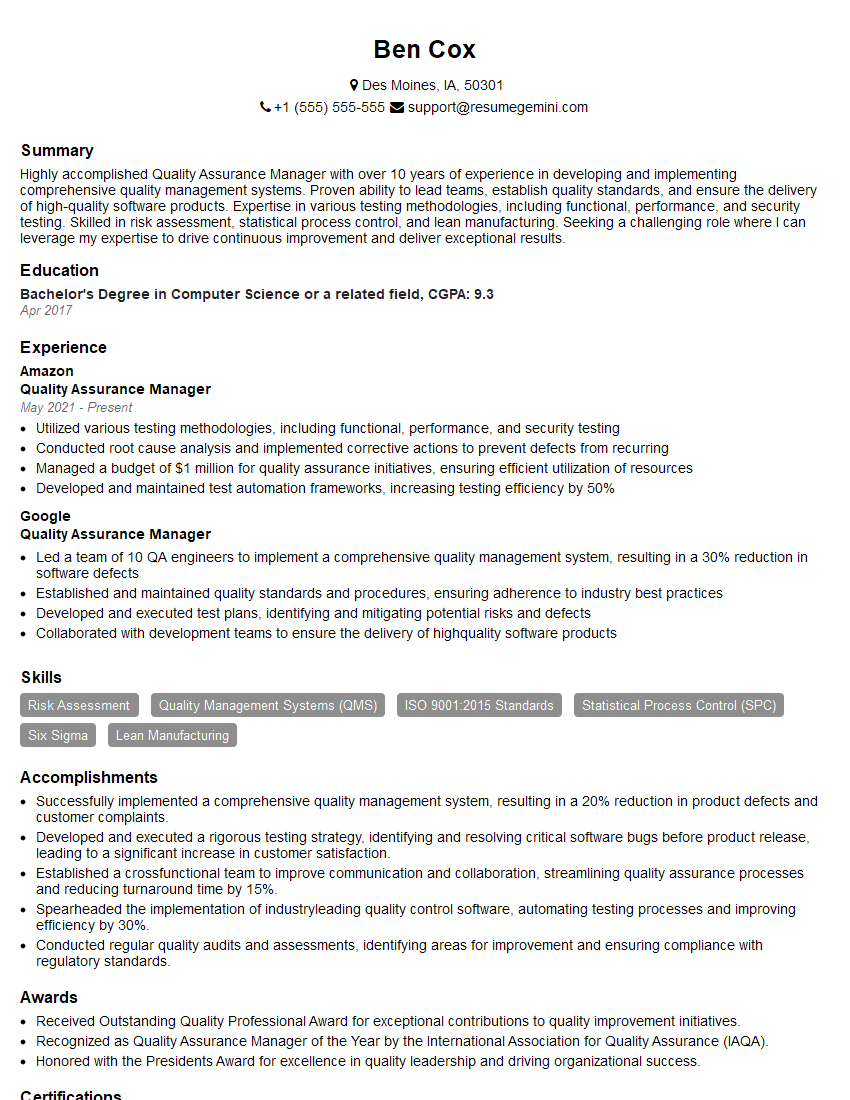
Quality Assurance Manager Resume Sample
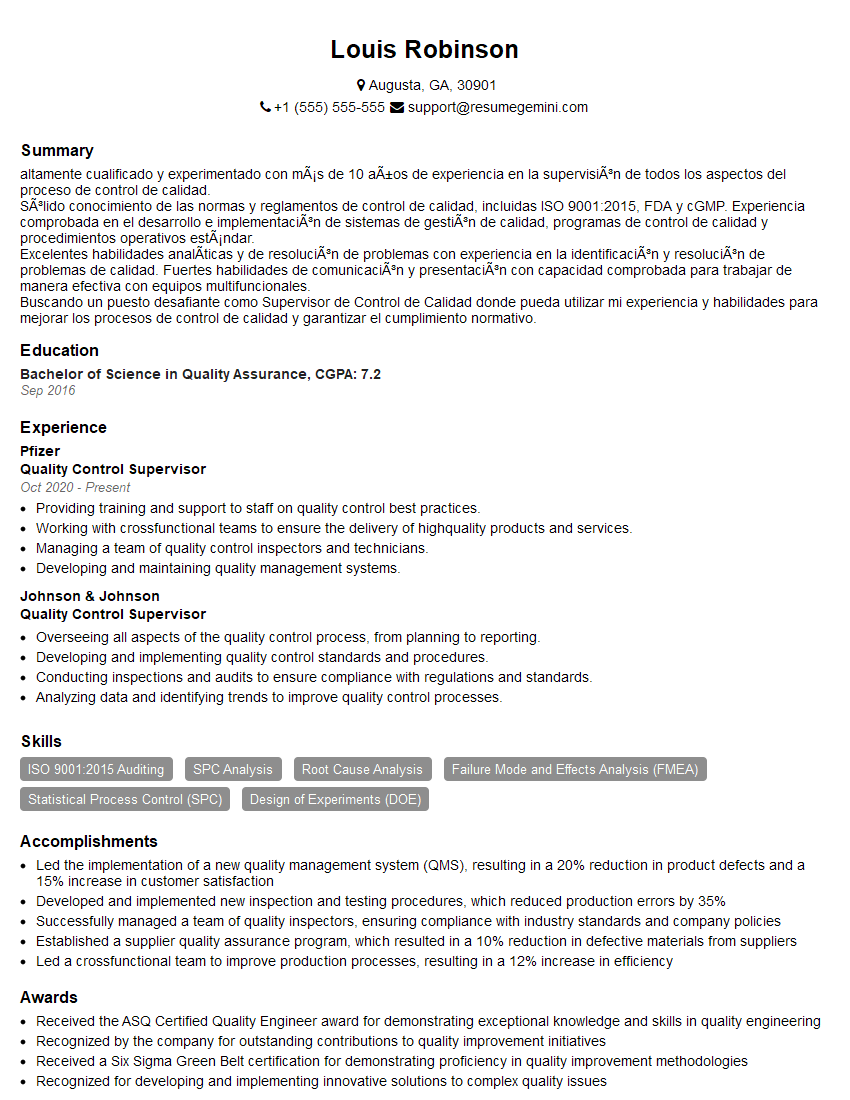
Quality Control Supervisor Resume Sample
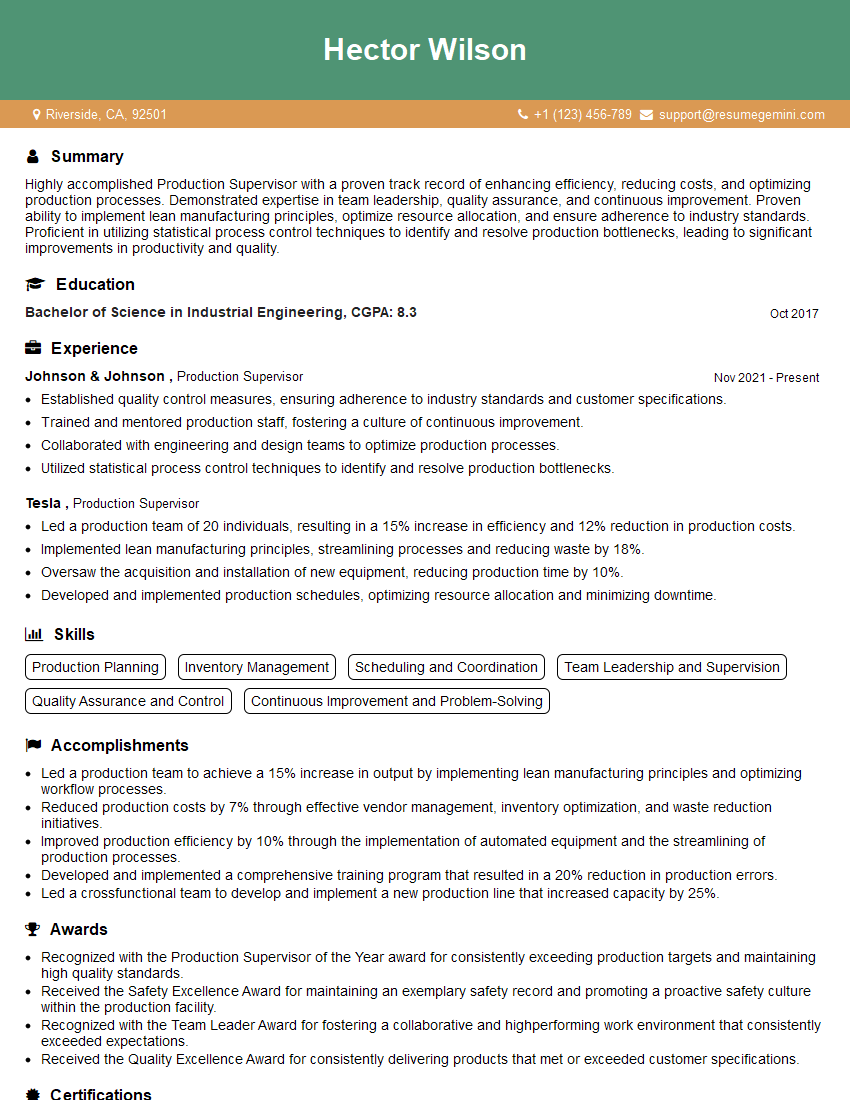
Production Supervisor Resume Sample
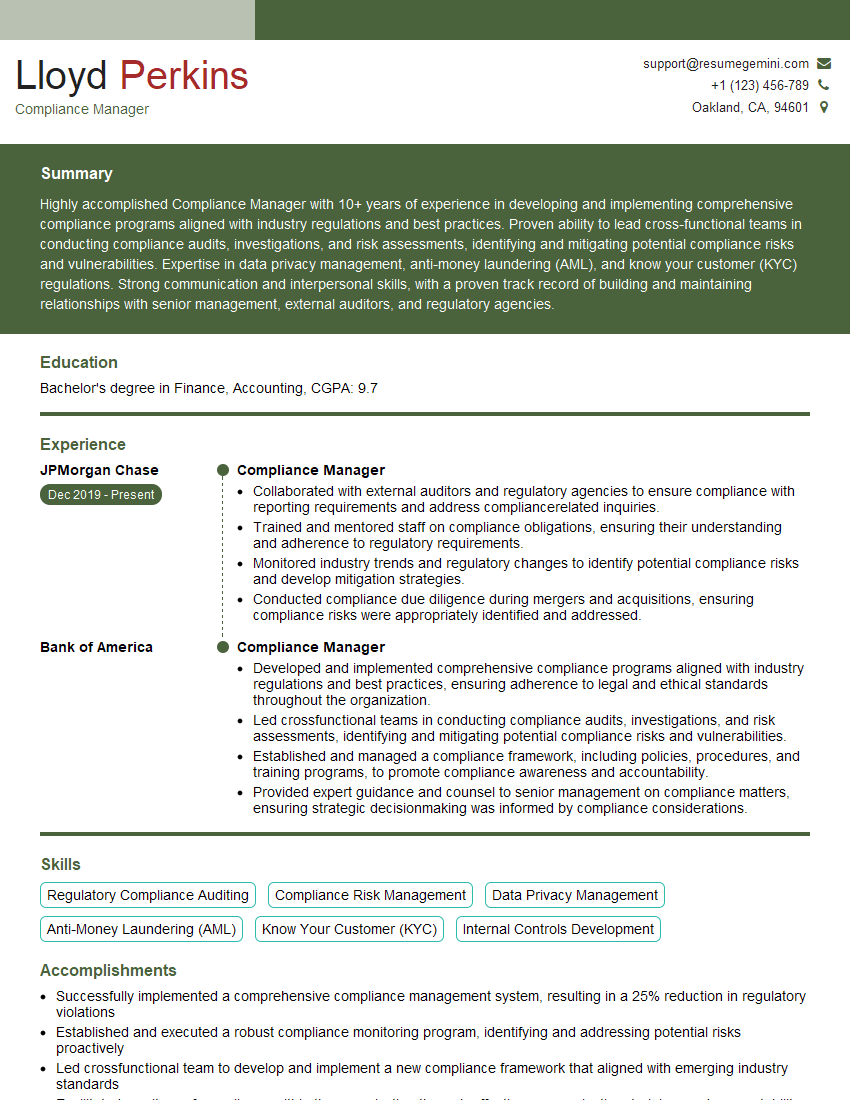
Compliance Manager Resume Sample
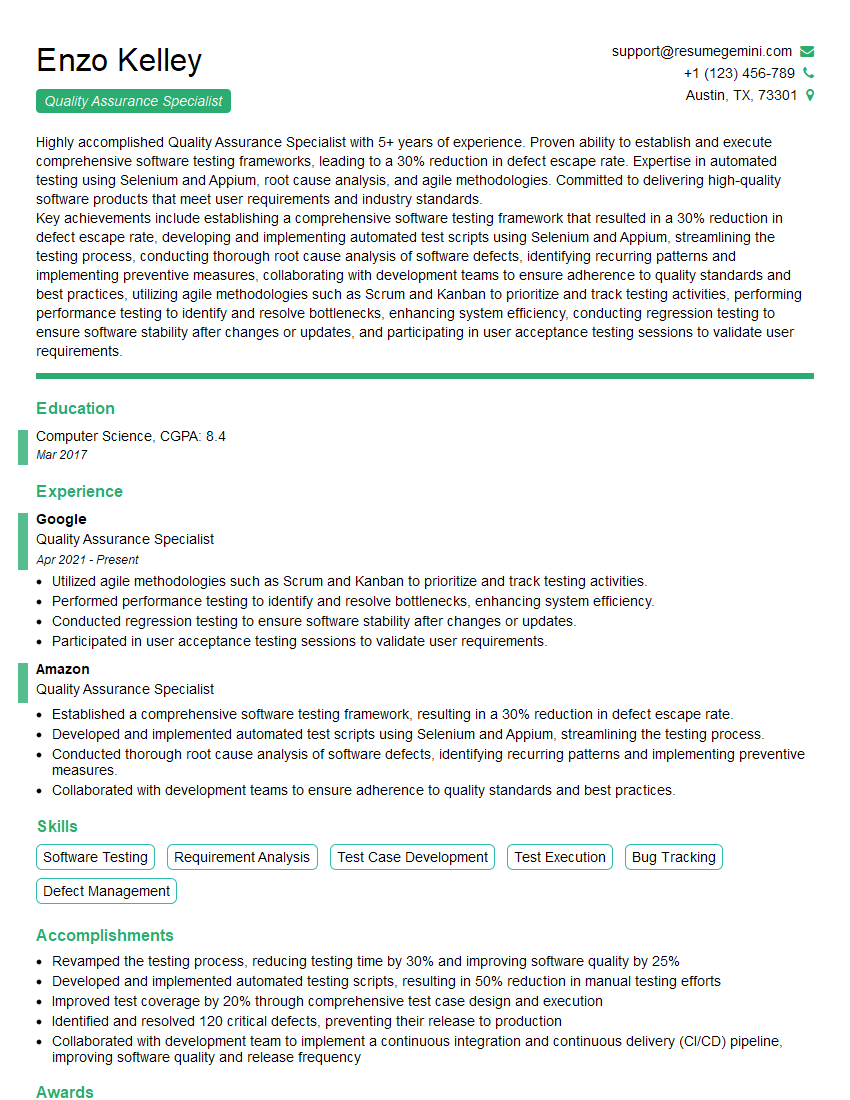
Quality Assurance Specialist Resume Sample
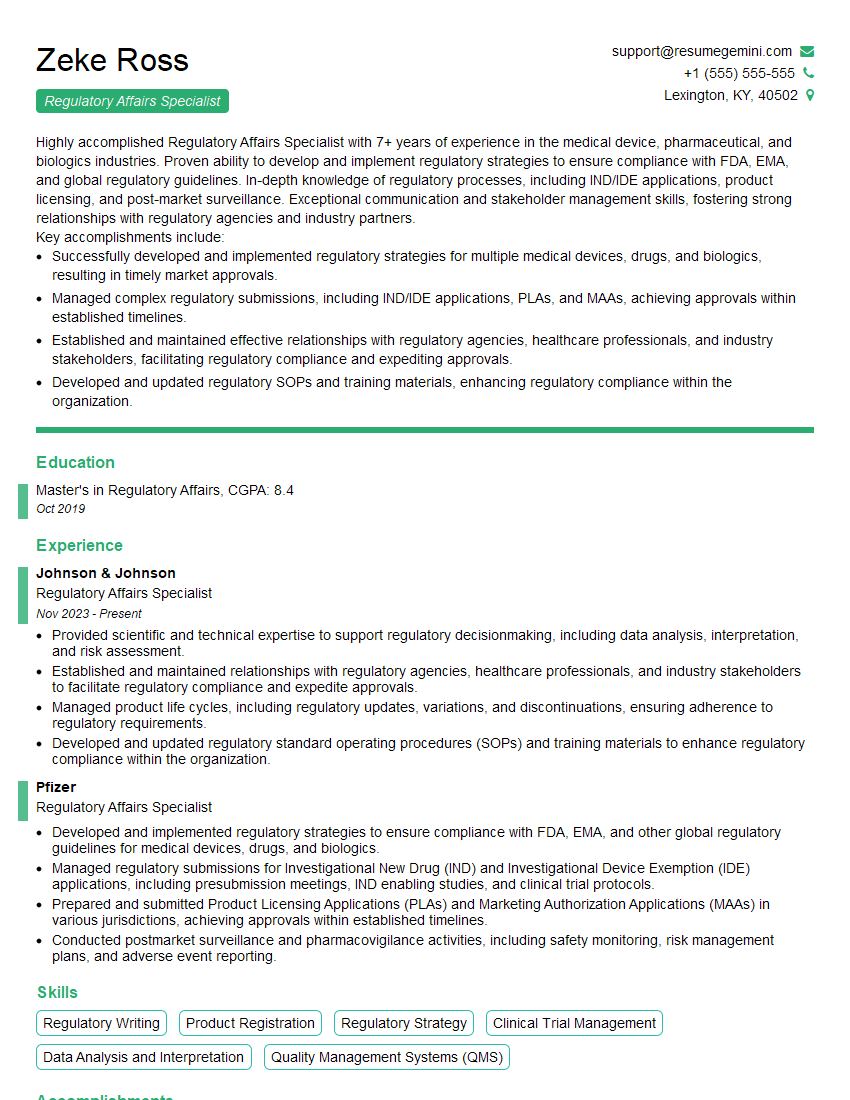
Regulatory Affairs Specialist Resume Sample
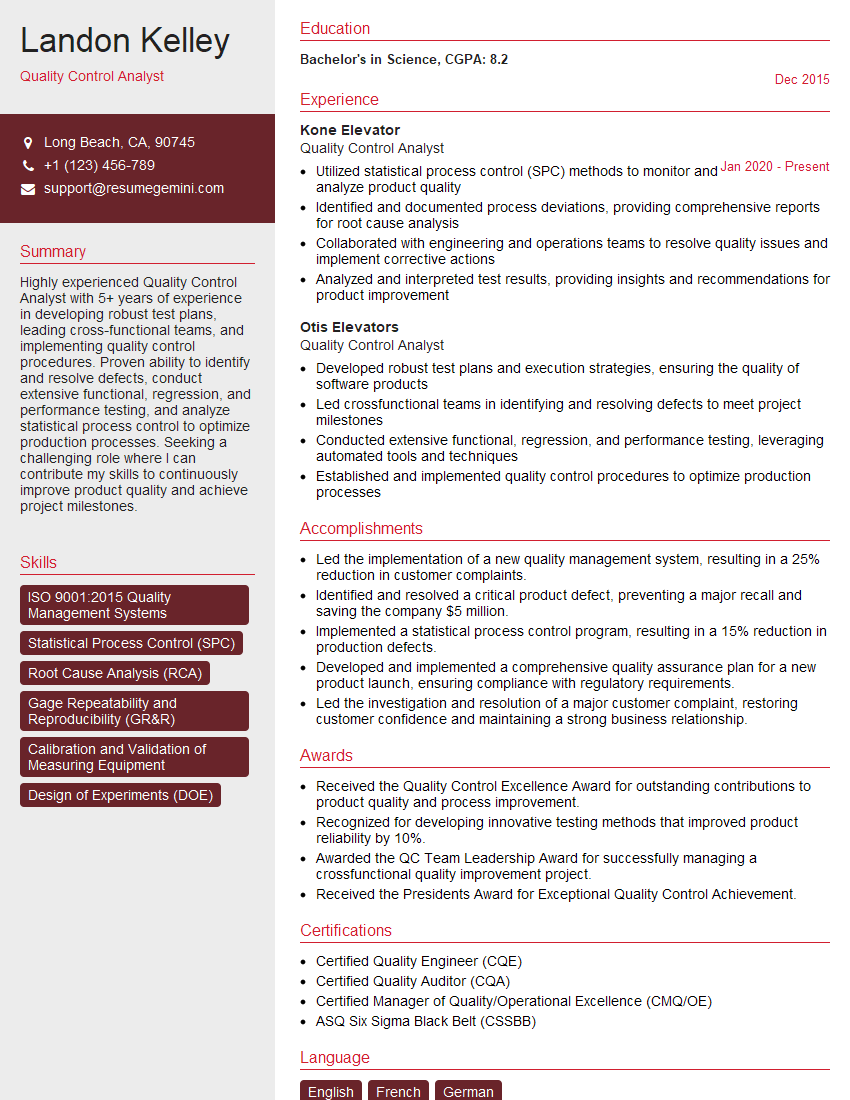
Quality Control Analyst Resume Sample
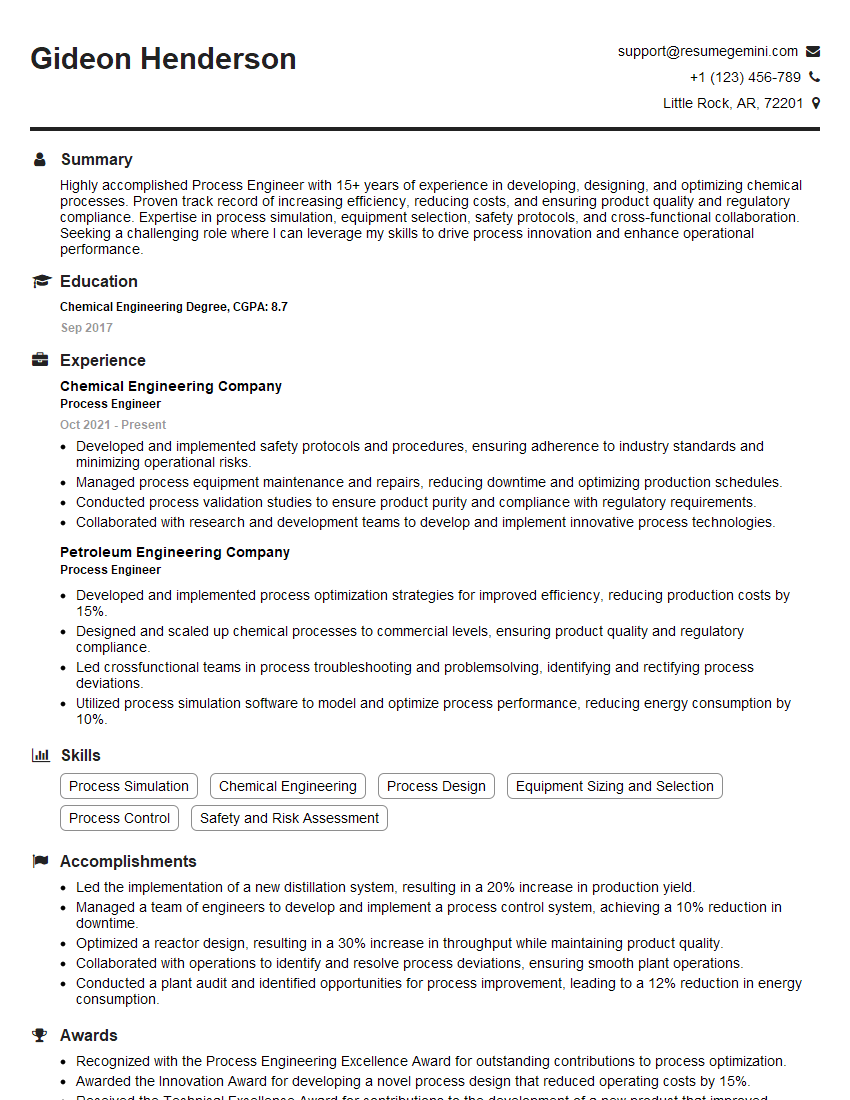
Process Engineer Resume Sample
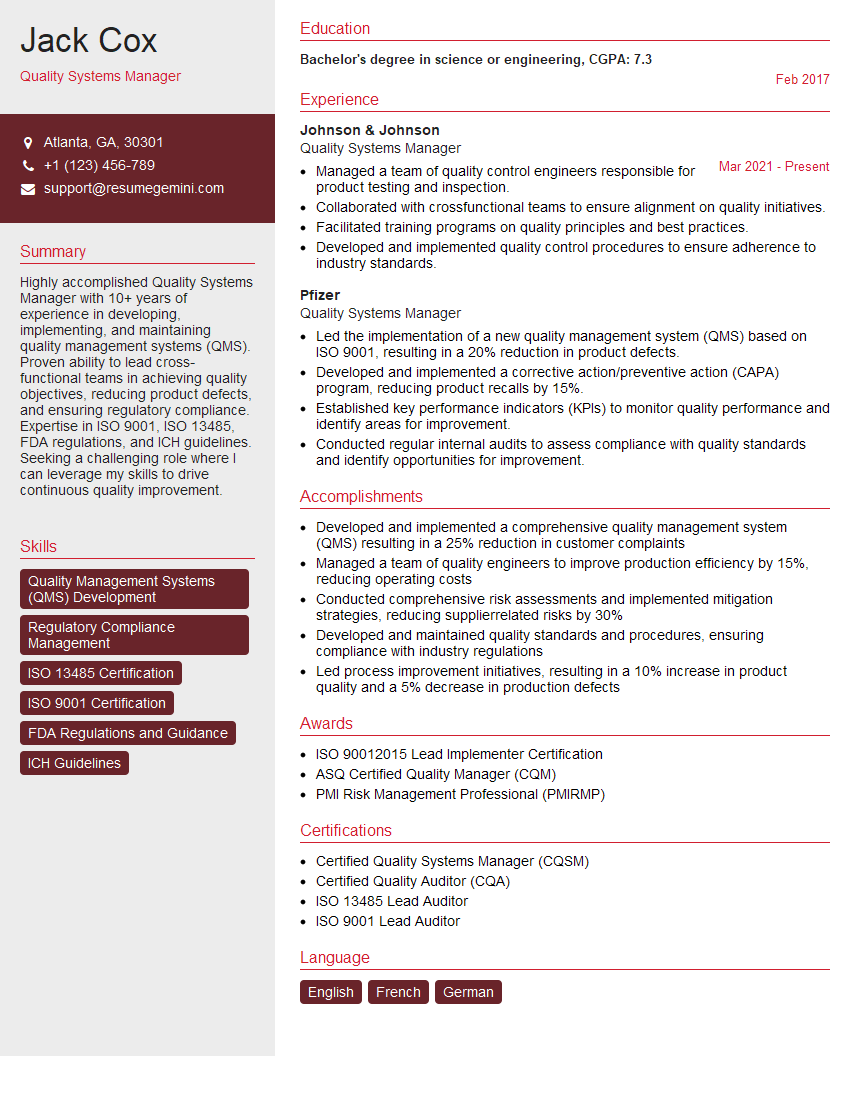
Quality Systems Manager Resume Sample
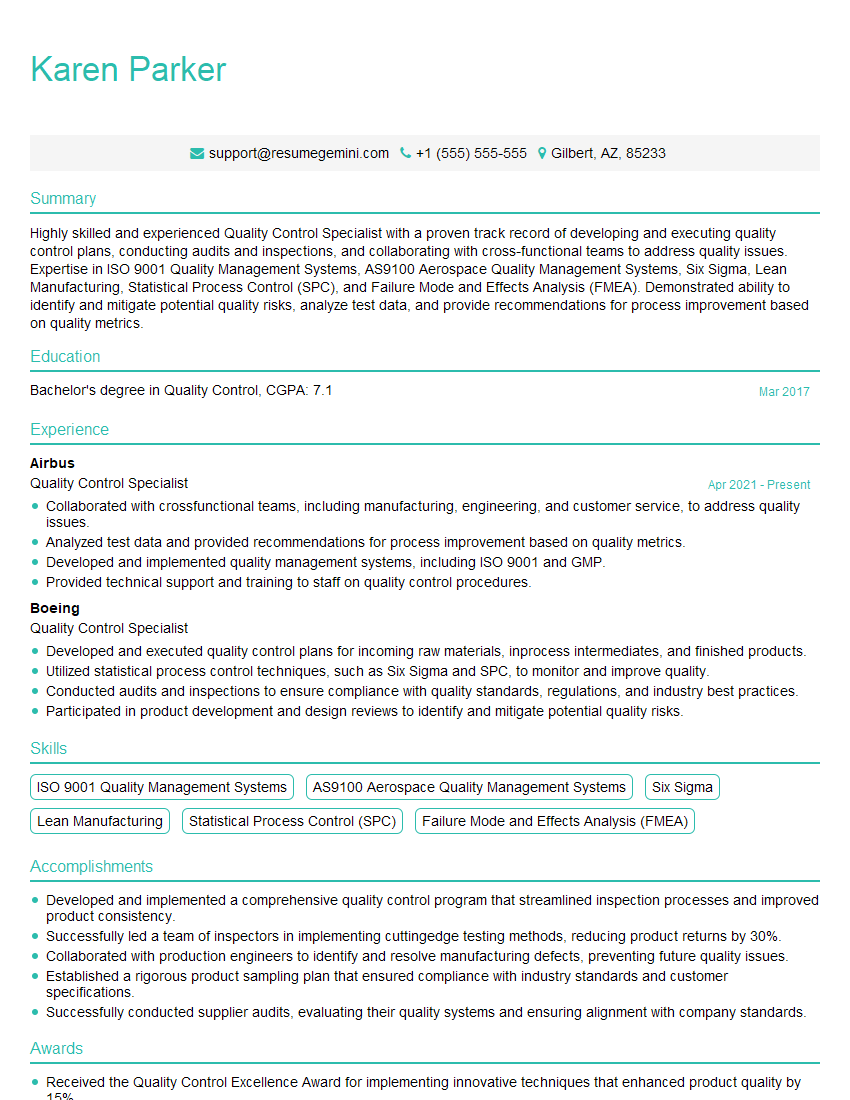
Quality Control Specialist Resume Sample
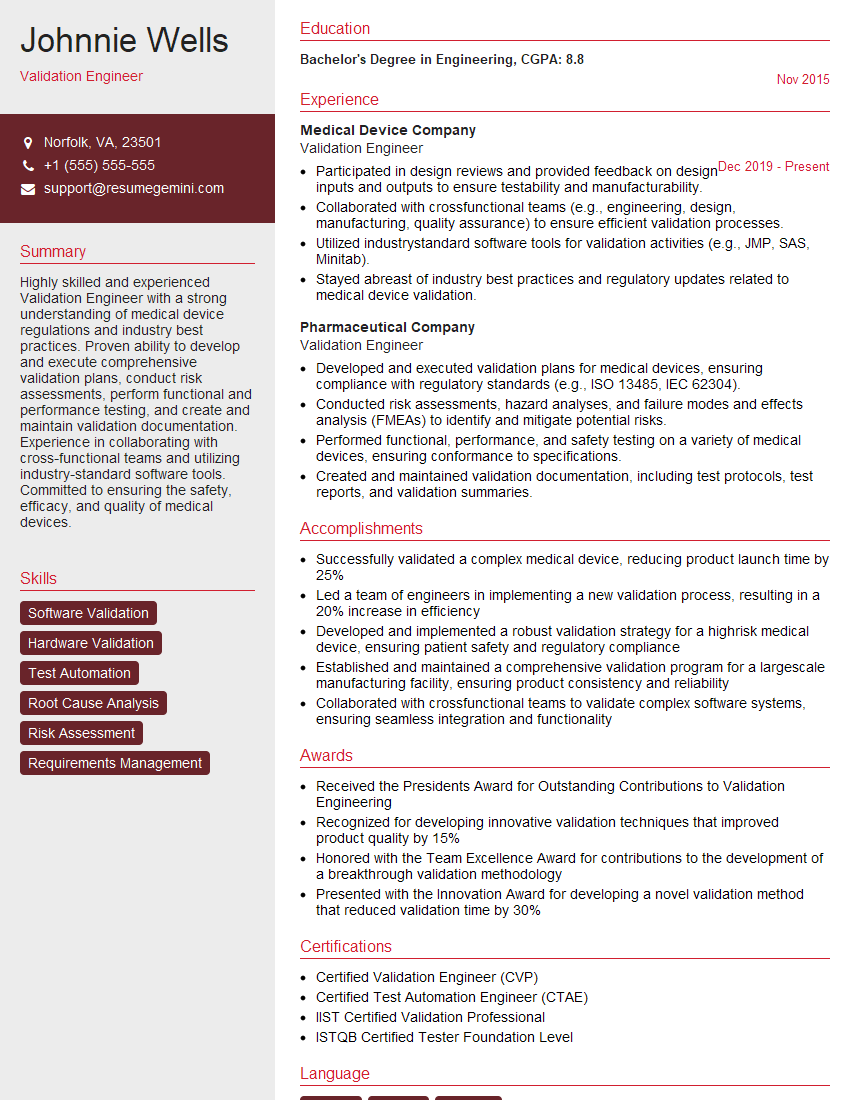
Validation Engineer Resume Sample
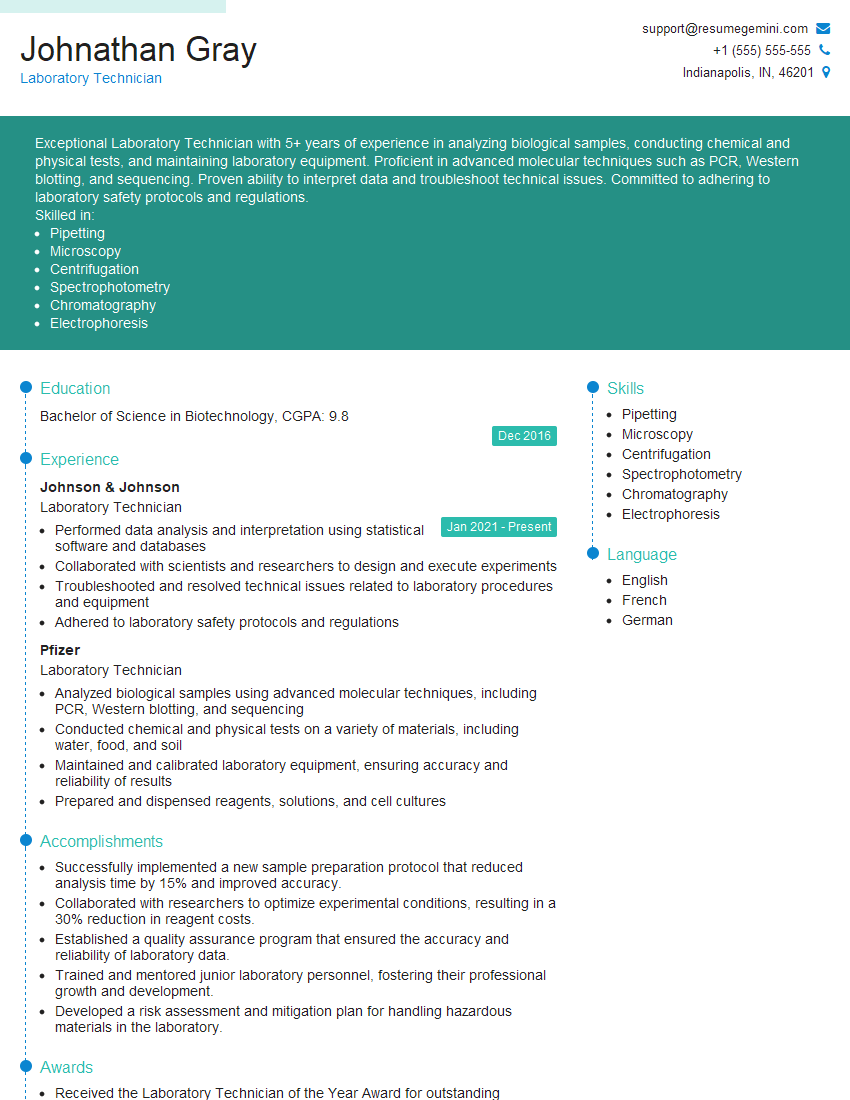
Laboratory Technician Resume Sample
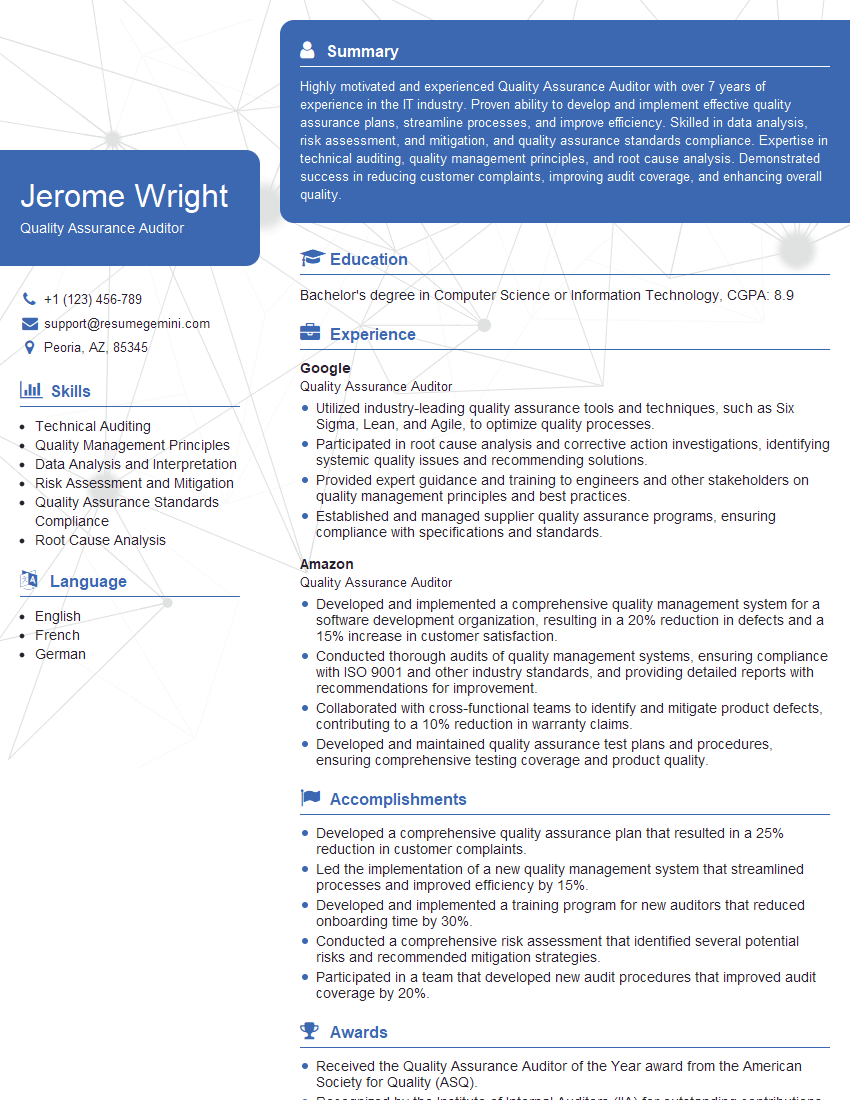
Quality Assurance Auditor Resume Sample
- Quality Assurance Manager
- Quality Control Supervisor
- Production Supervisor
- Compliance Manager
- Quality Assurance Specialist
- Regulatory Affairs Specialist
- Quality Control Analyst
- Process Engineer
- Quality Systems Manager
- Quality Control Specialist
- Validation Engineer
- Laboratory Technician
- Quality Assurance Auditor
Explore more articles
Users Rating of Our Blogs
Share Your Experience
We value your feedback! Please rate our content and share your thoughts (optional).
What Readers Say About Our Blog
Very informative content, great job.
good