Are you ready to stand out in your next interview? Understanding and preparing for Working in different weather conditions interview questions is a game-changer. In this blog, we’ve compiled key questions and expert advice to help you showcase your skills with confidence and precision. Let’s get started on your journey to acing the interview.
Questions Asked in Working in different weather conditions Interview
Q 1. Describe your experience working in extreme heat.
Working in extreme heat requires a proactive approach to prevent heat-related illnesses. My experience includes several projects where temperatures regularly exceeded 100°F (38°C). I’ve learned that it’s not just about the temperature, but also humidity and the intensity of the work. For example, while working on a pipeline project in the Arizona desert, the combination of high temperatures and physical exertion meant we needed to meticulously plan our work schedules and hydration strategies.
We implemented a buddy system, where workers checked on each other regularly for signs of heat exhaustion or heat stroke. We also took frequent breaks in shaded areas, utilizing cooling stations with fans and ice water when available. The key was recognizing the early warning signs – dizziness, headache, nausea – and addressing them immediately. Ignoring these could lead to serious health consequences.
Q 2. How do you protect yourself from the sun during outdoor work?
Sun protection is paramount in outdoor work. My approach is multi-layered. Firstly, I always wear a wide-brimmed hat to shade my face, neck, and ears. Secondly, I use high SPF (30 or higher) broad-spectrum sunscreen, applying it liberally and reapplying it every two hours, or more frequently if sweating heavily. I also wear long-sleeved, light-colored, and loose-fitting clothing to protect exposed skin. This clothing is often treated with UPF (Ultraviolet Protection Factor) for additional sun protection.
In addition to personal protection, I often advocate for seeking shade whenever possible, especially during peak sun hours. If working in vehicles, ensuring they are properly air-conditioned is critical. Finally, I’ve learned the importance of scheduling work during cooler parts of the day to minimize sun exposure.
Q 3. What measures do you take to stay hydrated while working in hot weather?
Hydration is crucial in hot weather. Simply drinking water when thirsty is insufficient; it’s about proactive hydration. I start my day by drinking a significant amount of water before starting work. Throughout the day, I sip water consistently, aiming to drink at least a liter every hour, even if I don’t feel thirsty. I avoid sugary drinks and caffeine, as these can dehydrate you. Electrolyte drinks can be beneficial during prolonged strenuous activity, as they replace essential salts lost through sweat.
On projects, we’ve established designated hydration stations with readily accessible water coolers and ice. We monitor each other’s fluid intake, and supervisors emphasize the importance of staying hydrated throughout the workday. Ignoring hydration needs can lead to heat exhaustion and severely impact work performance and safety.
Q 4. Explain your experience working in extreme cold.
Working in extreme cold presents a different set of challenges. I’ve had extensive experience working in sub-zero temperatures, particularly during winter construction projects in mountainous regions. The major risks include frostbite and hypothermia. For instance, during a wind turbine installation project in the Canadian Rockies, temperatures plummeted to -20°F (-29°C). The wind chill made it feel even colder, increasing the risk of rapid heat loss.
In such conditions, careful planning and layered clothing are essential. We worked in short bursts, with frequent warm-up breaks in heated shelters. Teamwork was critical; we kept a close eye on each other for signs of cold-related injuries, ensuring everyone was properly dressed and maintaining adequate warmth.
Q 5. How do you prevent hypothermia while working outdoors in cold temperatures?
Preventing hypothermia requires a multi-pronged approach. The core principle is to maintain body heat. This involves wearing multiple layers of clothing, trapping warm air between each layer. The layers should consist of a wicking base layer (to draw moisture away from the skin), an insulating mid-layer (such as fleece or down), and a windproof and waterproof outer layer. Proper headgear, gloves, and waterproof boots are also critical. I always choose clothing made of materials designed to retain body heat even when wet.
Regular movement also generates body heat and improves circulation. We schedule work to minimize prolonged exposure to cold, and take frequent short breaks in heated areas. Consuming warm, high-energy drinks and foods throughout the workday helps maintain body temperature. Finally, recognizing the early signs of hypothermia (shivering, confusion, drowsiness) is key to prompt intervention.
Q 6. What is your experience with working in heavy rain or snow?
Working in heavy rain or snow demands a different set of safety precautions. Visibility is significantly reduced, and the risk of slips, trips, and falls increases dramatically. In situations involving high winds and precipitation, visibility can be severely hampered. I recall working on a bridge repair project during a blizzard. We had to employ extra safety measures, including high-visibility clothing, enhanced lighting, and additional personnel to ensure everyone’s safety.
Essential equipment includes waterproof clothing and footwear to prevent hypothermia and ensure comfort. Proper lighting and signaling are crucial for visibility. Using non-slip mats or traction devices where possible also helps prevent accidents. Finally, careful work planning and task scheduling are paramount to minimize exposure to inclement weather.
Q 7. Describe your strategy for staying safe during thunderstorms or lightning storms.
Thunderstorms and lightning storms pose a serious threat. My strategy prioritizes early detection and immediate action. I monitor weather forecasts closely, and if a storm is approaching, we immediately cease outdoor operations. We seek shelter in a substantial, enclosed building. If a building isn’t immediately available, we’ll seek shelter in a hard-top vehicle, ensuring that we are not touching any metal parts.
It’s crucial to avoid tall trees, open fields, and bodies of water. If caught outdoors and a lightning strike is imminent, we’ll adopt a crouching position, minimizing our contact with the ground. It’s essential to wait at least 30 minutes after the last thunderclap before resuming outdoor activities. This time period ensures the risk of subsequent lightning strikes is significantly minimized.
Q 8. How do you adapt your work schedule to account for extreme weather conditions?
Adapting my work schedule to extreme weather involves a proactive, multi-step approach. Firstly, I meticulously monitor weather forecasts – not just the day’s prediction, but also the extended forecast for potential changes. Secondly, I prioritize tasks based on weather sensitivity. For example, tasks requiring delicate equipment or outdoor exposure are scheduled for periods of optimal weather. Thirdly, I build in flexibility. This might involve extending work hours on milder days to compensate for potential delays or incorporating buffer time into my schedule to accommodate unexpected weather events.
For example, during a period of predicted heavy rain, I might prioritize indoor tasks like data analysis or equipment maintenance, while rescheduling outdoor surveys for a drier period. In situations where outdoor work is unavoidable, I establish alternative work locations or utilize weather protection measures like shelters or tarps.
Q 9. What safety precautions do you take when working in high winds?
Working in high winds demands stringent safety protocols. The first and foremost precaution is assessing wind speed and direction. If wind speeds are excessively high (beyond what’s safe for the task), work should cease immediately. Secure any loose materials or equipment that could become airborne projectiles. This includes securing ladders, tools, and temporary structures. Secondly, maintain a stable footing. Avoid working on elevated platforms or in areas where strong winds could easily knock you off balance. Wear appropriate clothing – sturdy, wind-resistant apparel that minimizes the risk of being blown around.
For instance, during a recent project involving erecting scaffolding in a windy area, we postponed work until wind speeds subsided below the safe limit. We secured all scaffolding components with extra bracing and used safety harnesses and lifelines to prevent falls.
Q 10. How do you maintain equipment functionality in various weather conditions?
Maintaining equipment functionality across diverse weather conditions involves a combination of preventative measures and reactive adjustments. Preventative measures include proper storage and routine maintenance. This involves keeping equipment clean and dry, lubricating moving parts regularly, and protecting sensitive components from moisture and extreme temperatures using waterproof covers or specialized storage containers. Reactive adjustments might involve using protective coatings, adjusting fuel mixtures in colder climates, or implementing alternative power sources when necessary.
Imagine working with a drone in varying temperatures. Before each flight, I’d check the battery life, which is affected by both heat and cold. In cold weather, I might need to use a battery warmer, and in hot weather I’d use a cooling system for optimal battery performance. I always thoroughly inspect the drone for any moisture damage or signs of malfunction after each use, especially if it has been exposed to rain or snow.
Q 11. Describe a time you had to adjust your work plan due to unexpected weather.
During a bridge inspection project, an unexpected blizzard struck. Our original plan involved using drones for aerial photography. However, the blizzard created extremely dangerous conditions with reduced visibility and high winds. The risk of the drone malfunctioning or becoming damaged in the blizzard was significant. We immediately adjusted our plan, opting to postpone the drone photography until the weather cleared and using ground-based observations in the meantime. This allowed us to gather some preliminary data while ensuring the safety of our team and equipment. Once the weather improved, we completed the drone photography without incident, making use of the ground data as a supplement to our overall findings.
Q 12. What safety equipment do you typically use to protect yourself in adverse weather?
The safety equipment I use varies depending on the specific weather conditions, but generally includes high-visibility clothing to enhance visibility in poor weather, waterproof and windproof outerwear for protection from the elements, sturdy footwear with good traction to prevent slips and falls on wet or icy surfaces, safety helmets and gloves, and potentially eye protection from wind, rain, or snow.
For extreme cold, I’d add layers of thermal clothing, including thermal underwear, fleece mid-layers, and insulated outer jackets and pants. In hot weather, I’d prioritize lightweight, breathable clothing and use sunscreen and hats to protect from the sun. In wet conditions, waterproof boots and rain gear are crucial.
Q 13. Explain your understanding of weather-related safety regulations and procedures.
My understanding of weather-related safety regulations and procedures encompasses a broad range of legal and industry best practices. This includes adhering to local and national weather advisories and warnings, understanding and following site-specific safety plans that address weather contingencies, knowing the limitations of equipment and personnel under various weather conditions and the procedures to follow in an emergency, and the importance of reporting any weather-related incidents or near misses to the appropriate authorities immediately.
For example, I’m familiar with OSHA guidelines for working in extreme temperatures, as well as regulations surrounding the use of personal protective equipment (PPE) in various weather situations. I also am aware of regulations specific to our industry concerning the suspension of work in hazardous weather conditions.
Q 14. How do you communicate weather-related concerns to your supervisor or team?
Communicating weather-related concerns is a crucial aspect of ensuring safety. I utilize several methods. Firstly, I regularly monitor weather reports and forecasts and proactively inform my supervisor and team of potential weather-related challenges. I clearly explain the potential risks and suggest appropriate preventive measures, such as postponing certain tasks or implementing additional safety precautions. Secondly, I maintain open communication throughout the workday, providing updates on changing weather conditions and any impacts on work progress or safety. Finally, in emergency situations, I immediately communicate urgent concerns to my supervisor using the most efficient means available (phone, radio, etc.), and follow any instructions provided.
For instance, if a sudden thunderstorm approaches while we’re working outdoors, I would immediately notify the team and supervisor, suggesting a temporary halt in operations until the storm passes. If a team member expresses concerns about working in high winds, I’d acknowledge their concerns, review the safety precautions already in place, and possibly suggest alternative work plans if necessary.
Q 15. What are the common weather-related hazards in your field of work?
Weather-related hazards are a significant concern in many outdoor professions. The specific hazards depend heavily on the type of work, but common ones include:
- Extreme temperatures: Heatstroke and hypothermia are serious risks in excessively hot or cold conditions.
- Precipitation: Heavy rain, snow, or ice can create slippery surfaces, reduce visibility, and damage equipment. Flash floods are also a significant threat in certain areas.
- Strong winds: High winds can cause objects to fall, make working at heights extremely dangerous, and impede progress on many tasks.
- Lightning: A direct lightning strike is life-threatening; even proximity to a strike can be dangerous.
- Fog: Reduced visibility in fog drastically increases the risk of accidents, particularly in transportation or construction.
- Severe weather events: Hurricanes, tornadoes, blizzards, and thunderstorms present a wide range of immediate dangers, from flying debris to flooding.
Understanding these hazards is crucial for proactive risk management.
Career Expert Tips:
- Ace those interviews! Prepare effectively by reviewing the Top 50 Most Common Interview Questions on ResumeGemini.
- Navigate your job search with confidence! Explore a wide range of Career Tips on ResumeGemini. Learn about common challenges and recommendations to overcome them.
- Craft the perfect resume! Master the Art of Resume Writing with ResumeGemini’s guide. Showcase your unique qualifications and achievements effectively.
- Don’t miss out on holiday savings! Build your dream resume with ResumeGemini’s ATS optimized templates.
Q 16. Describe your experience with using weather forecasting tools to plan your work.
Weather forecasting is integral to my work planning. I routinely use various tools, including:
- National Weather Service forecasts: I rely on these for general weather outlooks, including alerts for severe weather events. The detailed information provided, including predicted temperature, precipitation, wind speed, and probability of various events, is invaluable.
- Specialized weather apps: These apps often provide more localized information, hyper-focused on my specific work area. Some offer hourly updates, crucial for short-term decision making.
- Satellite imagery: I sometimes use satellite images to visually assess current cloud cover, precipitation patterns, and the potential for severe weather development. This gives a more holistic picture than just numerical data.
Using these tools, I’ll adjust my work schedule to avoid the worst of the weather, prioritizing safety. For example, if heavy rain is predicted, I might postpone outdoor tasks or arrange for appropriate protective measures. If a severe weather alert is issued, work is halted immediately.
Q 17. Have you ever worked in a situation where weather conditions caused a project delay? How did you handle it?
Yes, I’ve experienced project delays due to unexpected weather. During a road construction project, an unanticipated blizzard hit, making it impossible to work safely for two days. Here’s how I handled it:
- Safety First: The immediate priority was the safety of the crew. We implemented our severe weather protocol, ensuring everyone was accounted for and in a safe location.
- Communication: I communicated the delay to all stakeholders, including clients, supervisors, and subcontractors. Transparency is key in these situations.
- Risk Assessment: Once the weather cleared, we conducted a thorough risk assessment of the site, checking for any damage to equipment or materials.
- Revised Schedule: A revised schedule was created to account for the lost time. We explored options for accelerated work, but only if safety wasn’t compromised.
- Documentation: I meticulously documented the weather event, the delay, and all corrective actions. This is crucial for insurance claims and project reporting.
The key takeaway is a flexible approach combined with a commitment to safety.
Q 18. How do you assess the risk of working in different weather conditions?
Risk assessment for varying weather conditions is a systematic process involving these steps:
- Identify Hazards: This involves listing all potential weather-related dangers based on the forecast and the nature of the work. For instance, working at heights during high winds presents a far different set of risks than working indoors during a heatwave.
- Assess Likelihood and Severity: Each identified hazard is evaluated for its likelihood of occurrence and the potential severity of its consequences. A high-likelihood, high-severity hazard demands immediate action.
- Risk Control Measures: For each hazard, appropriate control measures are developed. This might include postponing work, using specialized equipment, implementing safety protocols, or providing appropriate personal protective equipment (PPE).
- Monitoring and Review: Throughout the task, the weather conditions and the effectiveness of the control measures are continually monitored and adjusted as needed.
This approach ensures a proactive and adaptable strategy, prioritizing safety and minimizing disruption.
Q 19. Describe your experience with emergency procedures related to severe weather.
Emergency procedures for severe weather are paramount. Our procedures involve:
- Weather Monitoring: Continuous monitoring of weather forecasts and alerts.
- Communication Plan: A clearly defined communication plan ensures everyone receives timely warnings and instructions.
- Designated Safe Locations: Identifying and designating safe locations where personnel can shelter during severe weather.
- Emergency Equipment: Access to emergency equipment, including first-aid kits, emergency radios, and backup power.
- Evacuation Procedures: Clear evacuation procedures are practiced regularly, ensuring a smooth and safe evacuation if necessary.
- Post-Event Assessment: A post-event assessment identifies areas for improvement in our emergency response plan.
Regular drills and training ensure everyone understands and can implement these procedures effectively.
Q 20. What are the signs of heat exhaustion or hypothermia, and how do you respond to them?
Recognizing and responding to heat exhaustion and hypothermia is crucial.
- Heat Exhaustion: Symptoms include heavy sweating, weakness, dizziness, headache, nausea, and rapid pulse. Response includes moving the person to a cool place, providing fluids, and removing excess clothing. Seek medical attention if symptoms don’t improve quickly.
- Hypothermia: Symptoms start with shivering, numbness, confusion, and drowsiness. As it worsens, shivering stops, consciousness decreases, and the person becomes unresponsive. Response requires immediate warming, preferably with warm (not hot) blankets and fluids. Medical attention is essential.
Prevention is key. This includes proper hydration, appropriate clothing for the conditions, and taking regular breaks in the shade or shelter during extreme temperatures.
Q 21. How do you stay motivated while working in challenging weather conditions?
Maintaining motivation in challenging weather is tough, but crucial. Here’s how I do it:
- Focus on the positive: I concentrate on the accomplishment and the impact of my work, even in tough conditions. Knowing my work contributes to a larger goal boosts my morale.
- Teamwork: Working with a supportive team creates a sense of camaraderie that helps overcome difficulties. Mutual encouragement and shared challenges make the job more manageable.
- Proper Gear: Using high-quality, comfortable, and appropriate clothing and equipment makes a huge difference in comfort and safety, enhancing motivation.
- Safety Procedures: Knowing that thorough safety procedures are in place reduces stress and enhances confidence, thus improving morale.
- Self-Care: Sufficient rest, proper nutrition, and hydration before, during, and after work is essential for maintaining physical and mental stamina.
Remember, safety is paramount. If the conditions are too dangerous, stopping work is not a sign of weakness but a demonstration of responsible decision-making.
Q 22. Describe your experience with working in areas prone to natural disasters.
My experience working in disaster-prone areas is extensive. For instance, I’ve worked on construction projects in hurricane-prone regions of the Gulf Coast, where we had to implement stringent safety protocols and adjust our schedules based on impending storms. We utilized advanced weather forecasting tools and established communication channels to ensure everyone’s safety and to minimize project delays. In another instance, I was involved in post-earthquake recovery efforts, where adapting to the unpredictable terrain and damaged infrastructure presented unique challenges. We prioritized the safe removal of debris while ensuring the safety of both our team and the affected community.
These experiences emphasized the crucial role of proactive planning, thorough risk assessment, and robust emergency response protocols. It’s not just about reacting to disasters; it’s about anticipating them and mitigating their impact.
Q 23. How do you prioritize safety and productivity when weather conditions are unpredictable?
Prioritizing safety and productivity in unpredictable weather requires a balanced approach. Safety always comes first. This involves constantly monitoring weather forecasts, having clear communication protocols, and implementing immediate suspension of work when conditions become hazardous. For example, during a thunderstorm, we immediately cease operations and seek appropriate shelter. Productivity is then optimized by proactively planning for potential weather delays. This includes having backup plans, flexible scheduling, and ensuring we have appropriate equipment for varying conditions. We might prioritize tasks that are less susceptible to weather disruptions or preemptively secure equipment to prevent damage.
Think of it like a tightrope walk: you need to maintain a balance. Overemphasizing productivity at the cost of safety is unacceptable, while being overly cautious could lead to project delays. Finding the right equilibrium is key, and it often requires quick decision-making based on the evolving situation.
Q 24. What are some ways you can improve your safety and efficiency while working in different weather conditions?
Improving safety and efficiency involves several strategies. First, investing in appropriate weather-resistant gear is crucial. This includes high-visibility clothing, protective footwear, waterproof jackets, and hard hats. Second, training is vital. We regularly conduct training sessions on recognizing hazardous weather conditions, implementing emergency procedures, and using safety equipment effectively. Third, we leverage technology – weather apps, real-time monitoring tools, and communication systems – to get early warnings and coordinate actions quickly. Fourth, we incorporate weather-resilient work practices. This might involve scheduling tasks based on optimal weather windows or using materials and methods that are less vulnerable to environmental conditions.
For example, on a construction site in a snowy climate, we would use heated tents for breaks, invest in anti-slip boots for workers, and schedule the most sensitive tasks for the less snowy periods.
Q 25. Have you ever experienced a weather-related workplace accident? What lessons did you learn?
Yes, I once experienced a weather-related incident where high winds unexpectedly caused scaffolding to collapse on a construction site. Thankfully, no one was seriously injured, primarily due to our pre-existing safety protocols and our prompt evacuation. However, the incident highlighted the limitations of even the most thorough planning. We learned to even more closely scrutinize weather forecasts, implement more frequent safety checks, and revise our risk assessments to account for unforeseen circumstances.
This experience reinforced the importance of continuous improvement, rigorous safety training, and a culture of proactive risk management. It’s a reminder that even with meticulous planning, unexpected events can occur, and we must always be prepared to adapt and respond.
Q 26. Describe your knowledge of different types of weather and their impact on your work.
My knowledge of weather encompasses various types and their impact. For example, extreme heat necessitates frequent breaks, hydration, and the use of sun protection. High winds pose risks of falling objects, requiring appropriate safety measures like securing equipment and materials. Heavy rain can lead to slips, trips, and falls, necessitating the use of appropriate footwear and cautionary measures. Snow and ice make movement treacherous, requiring specialized equipment and training. Severe weather events like hurricanes, tornadoes, and blizzards necessitate immediate evacuation and suspension of work.
Understanding these impacts allows me to develop effective contingency plans, allocate resources efficiently, and make informed decisions to ensure the safety and productivity of my team. It is not simply about ‘knowing’ the weather, but applying this knowledge proactively to mitigate any potential impact on the work.
Q 27. How do you maintain your physical and mental well-being while working in various weather conditions?
Maintaining physical and mental well-being in diverse weather conditions is paramount. This starts with adequate hydration, frequent breaks, and wearing suitable clothing to regulate body temperature. For mental well-being, maintaining open communication within the team is essential. Sharing concerns and ensuring everyone feels supported can create a more resilient and positive work environment, even during stressful weather conditions. We also promote the use of stress-management techniques like mindfulness and proper sleep routines, recognizing that extreme weather can increase workload and overall stress levels.
We treat mental and physical health as equally important facets of safe and productive work, as neglecting either can impact work performance and safety.
Q 28. How do you communicate effectively with colleagues and supervisors regarding weather-related concerns?
Effective communication is essential. We utilize multiple channels: regular briefings, daily safety meetings, and readily available emergency contact information. During severe weather, we use dedicated communication systems to ensure clear and timely updates to all team members and supervisors. This includes providing weather updates, outlining work adjustments, and clearly communicating any safety concerns. I make it a point to be transparent and proactively address any weather-related questions or concerns, fostering an open dialogue that values everyone’s input and enhances overall safety.
Clear and frequent communication prevents misunderstandings and ensures everyone is on the same page regarding safety measures and operational adjustments.
Key Topics to Learn for Working in Different Weather Conditions Interview
- Safety Procedures: Understanding and implementing safety protocols for various weather conditions (heat, cold, rain, wind, etc.). This includes knowing appropriate clothing, equipment, and emergency procedures.
- Environmental Awareness: Recognizing the impact of different weather patterns on tasks and adapting your approach accordingly. For example, understanding how rain affects visibility or how extreme heat affects productivity.
- Equipment Maintenance: Knowing how to properly maintain equipment in diverse weather conditions to prevent damage and ensure optimal performance. This includes understanding the limitations of equipment in extreme weather.
- Personal Preparedness: Preparing yourself physically and mentally for working in challenging weather. This includes understanding the signs of heatstroke, hypothermia, and other weather-related health risks.
- Communication & Teamwork: Effective communication with colleagues and supervisors regarding weather-related challenges and safety concerns. This highlights the importance of teamwork in mitigating risks.
- Problem-Solving in Adverse Conditions: Developing creative solutions to overcome obstacles presented by unpredictable weather. This includes adapting work schedules and tasks as needed.
- Regulatory Compliance: Understanding relevant safety regulations and industry standards concerning work in different weather conditions.
Next Steps
Mastering the skills and knowledge related to working in different weather conditions is crucial for career advancement in many industries. Demonstrating adaptability and a commitment to safety is highly valued by employers. To increase your chances of landing your dream job, focus on building an ATS-friendly resume that effectively showcases your abilities. ResumeGemini is a trusted resource that can help you craft a professional and impactful resume. We provide examples of resumes tailored to highlight experience in working in different weather conditions, ensuring you present yourself in the best possible light to potential employers.
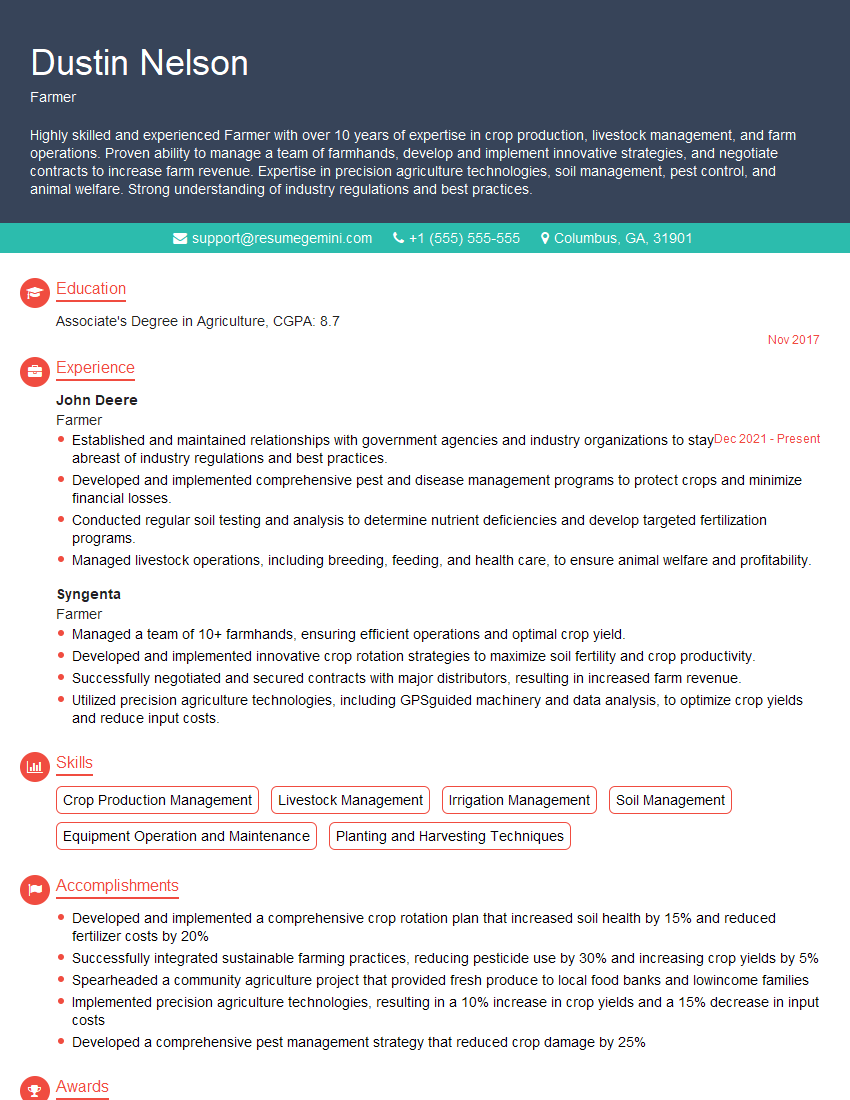
Farmer Resume Sample
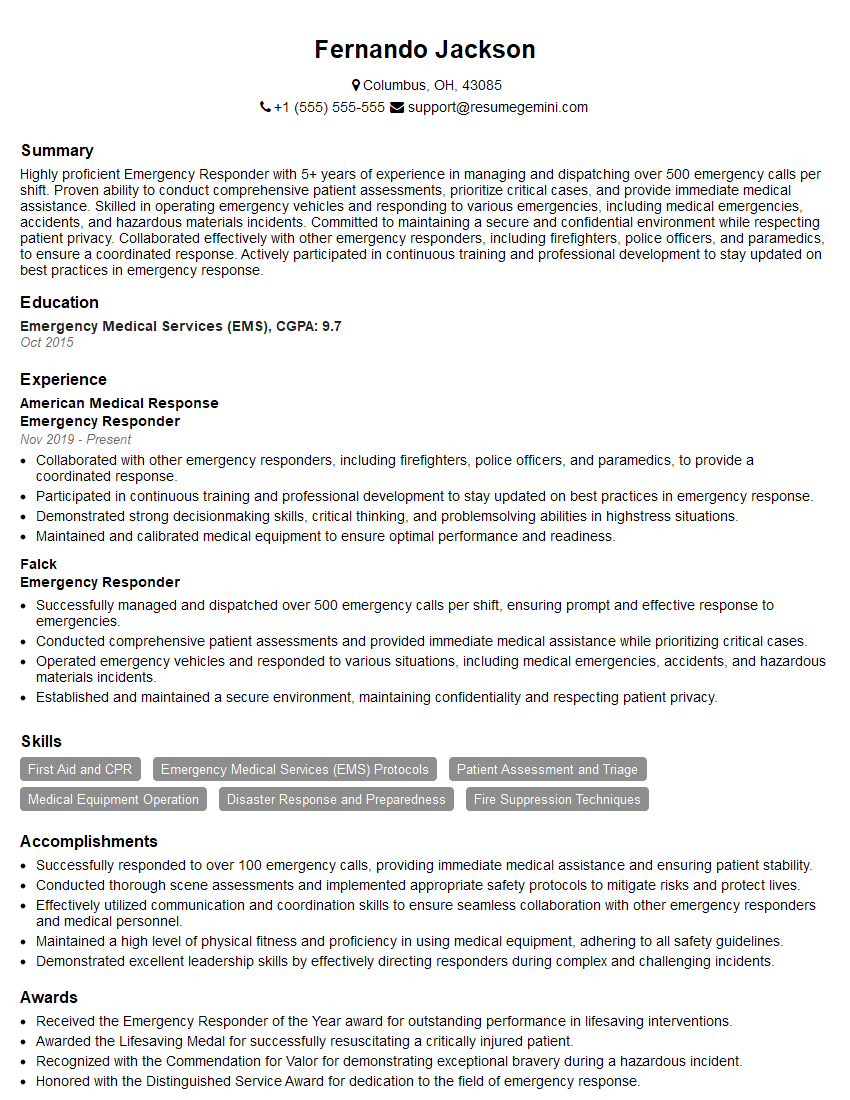
Emergency Responder Resume Sample
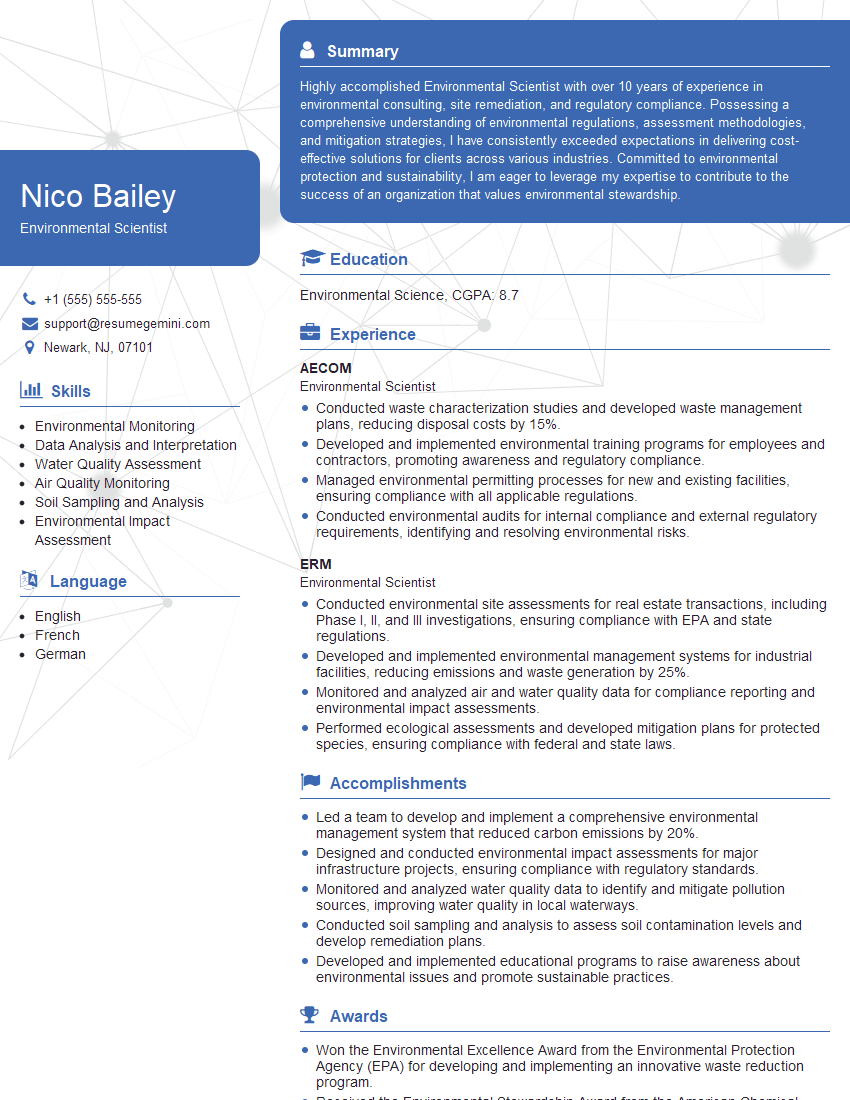
Environmental Scientist Resume Sample
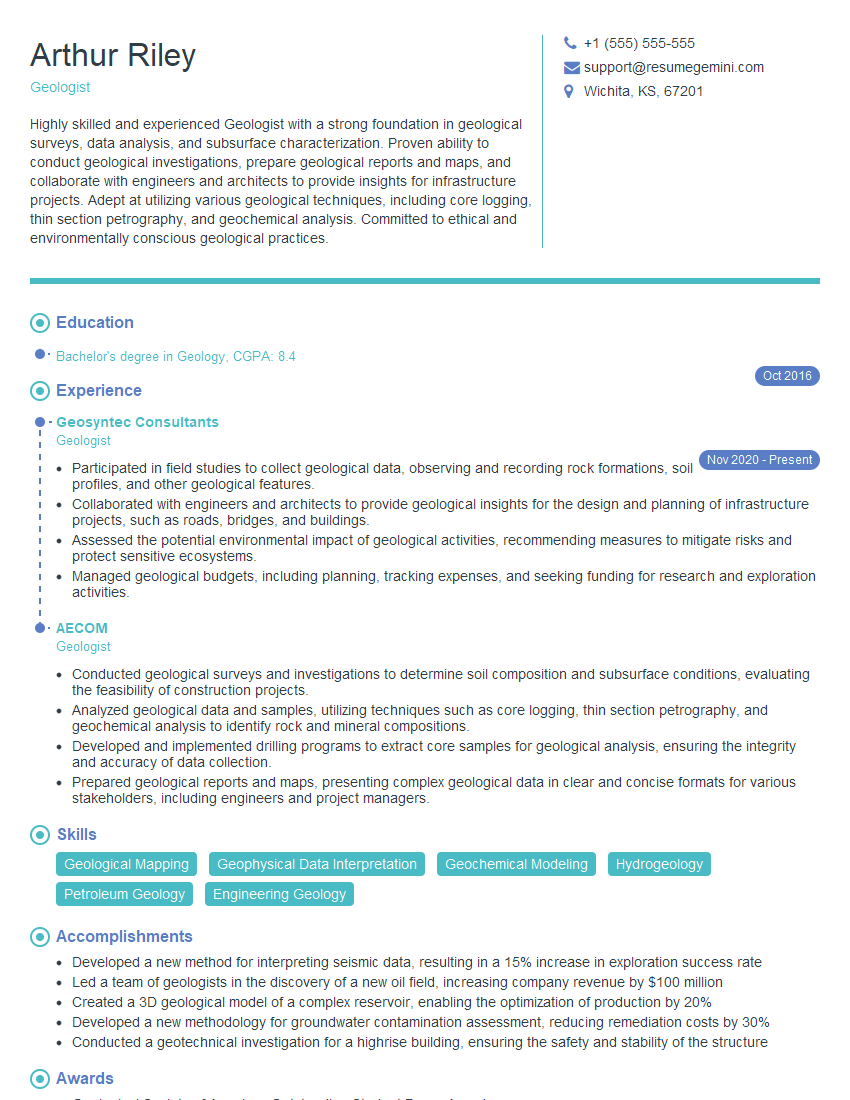
Geologist Resume Sample
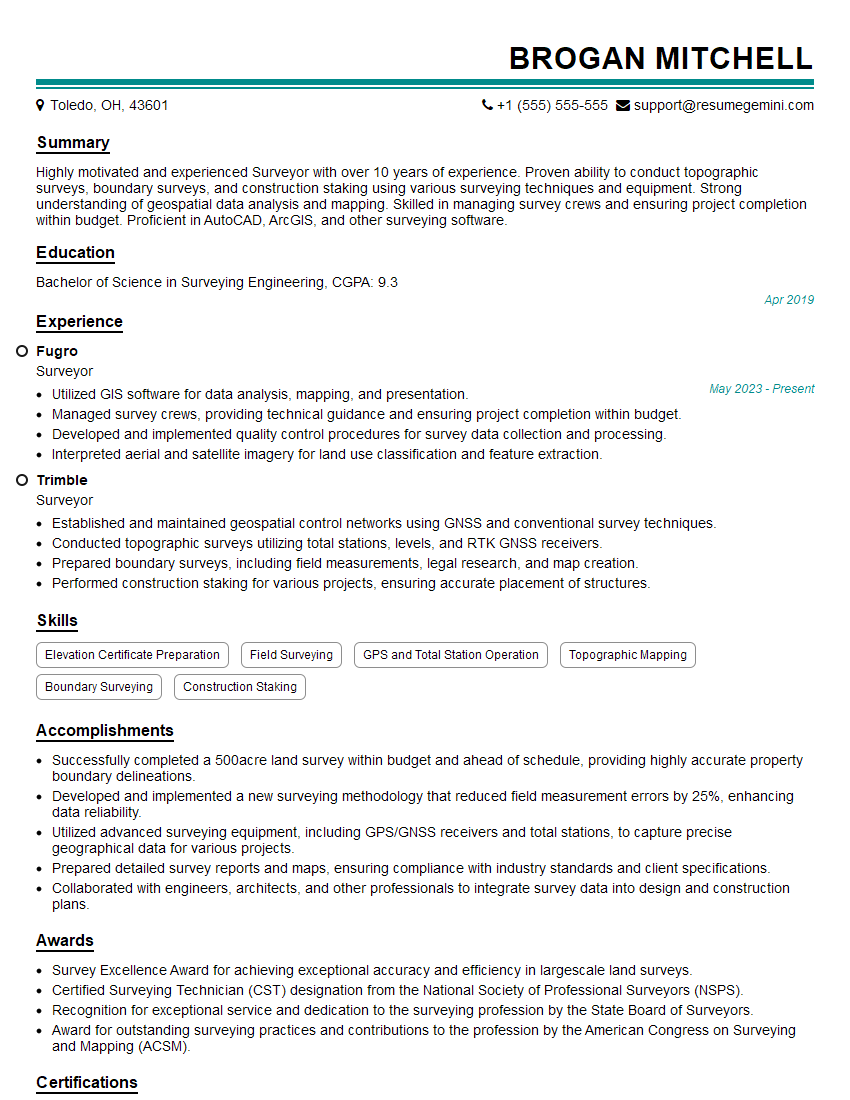
Surveyor Resume Sample
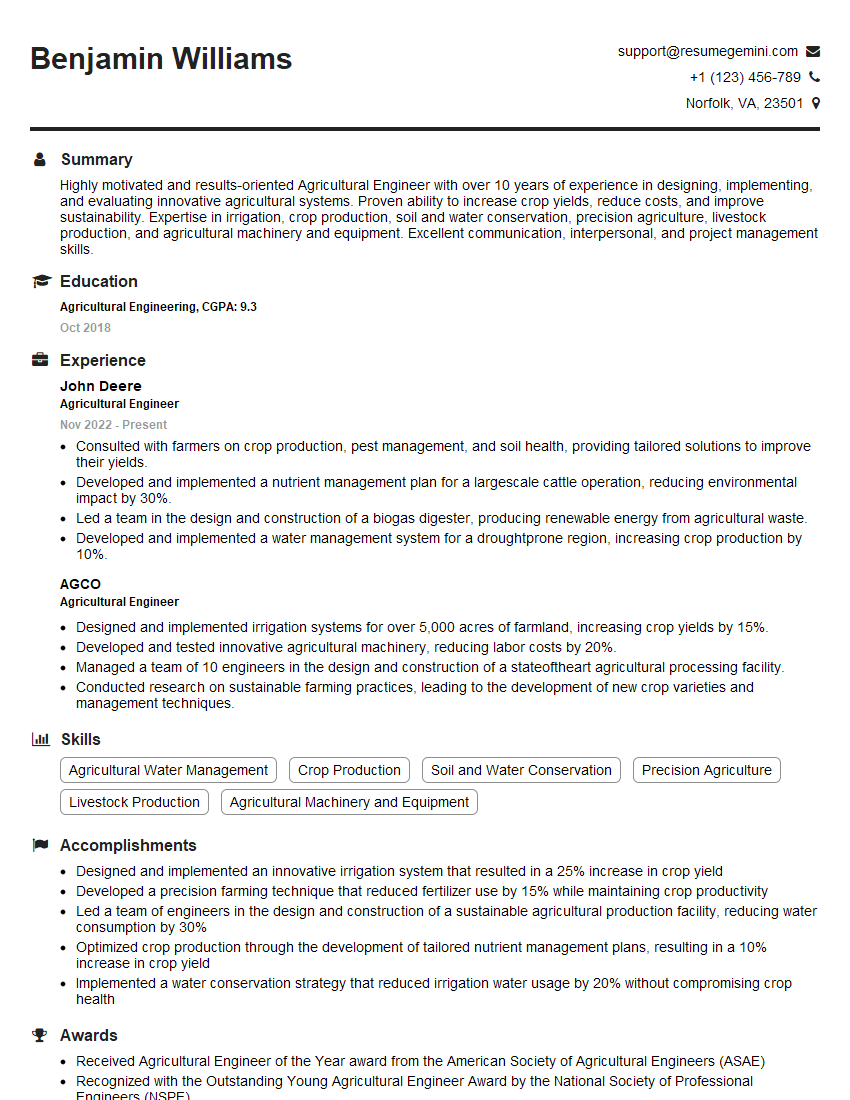
Agricultural Engineer Resume Sample
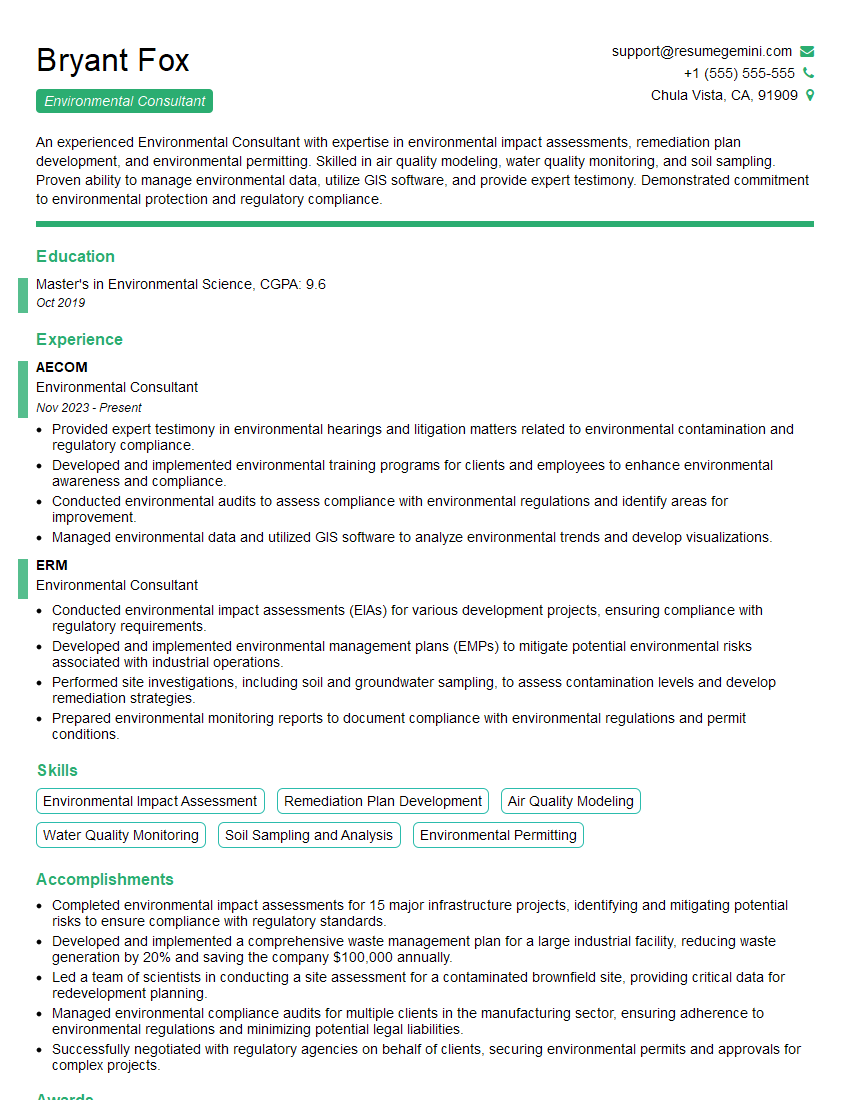
Environmental Consultant Resume Sample

Field Technician Resume Sample
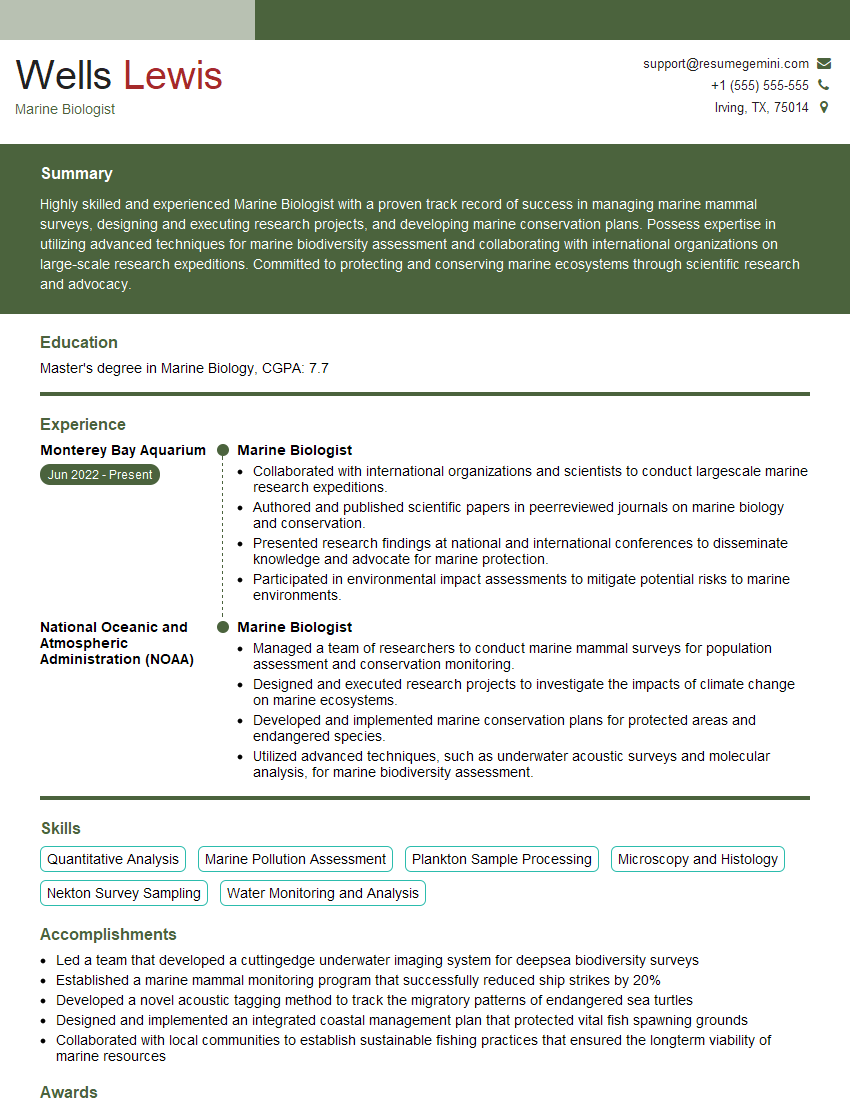
Marine Biologist Resume Sample
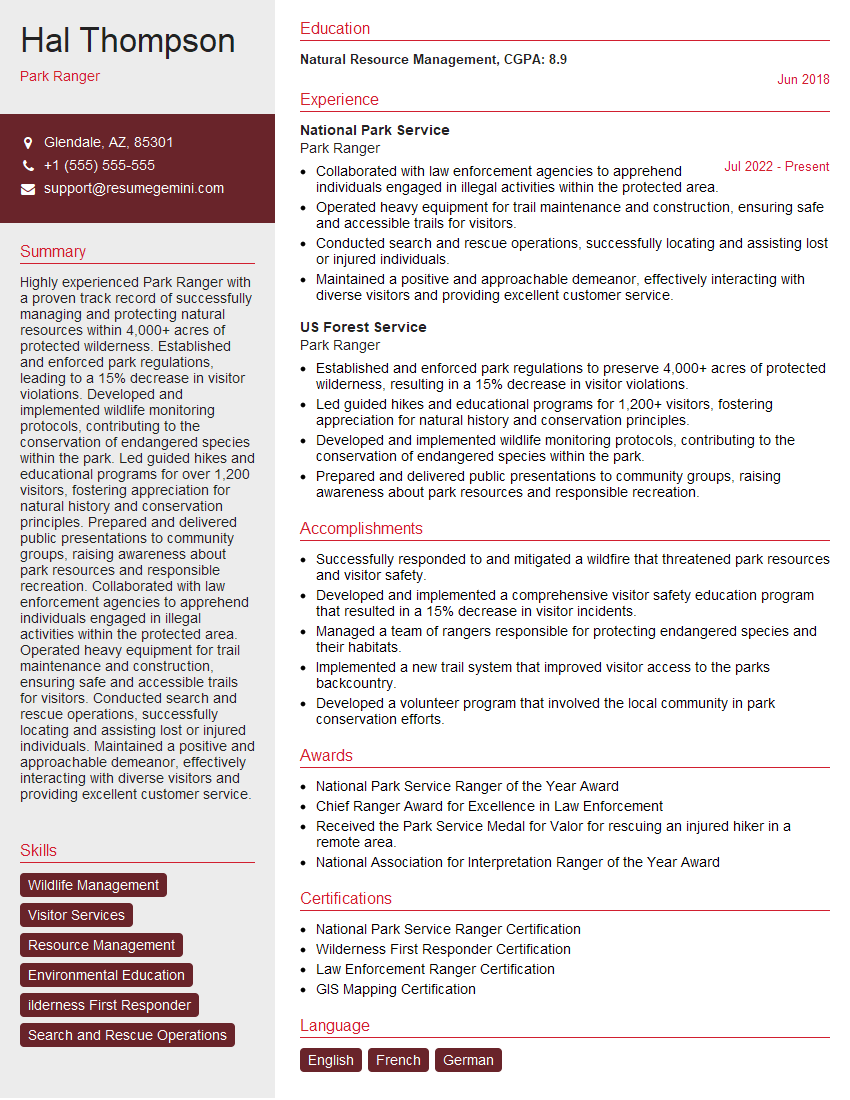
Park Ranger Resume Sample
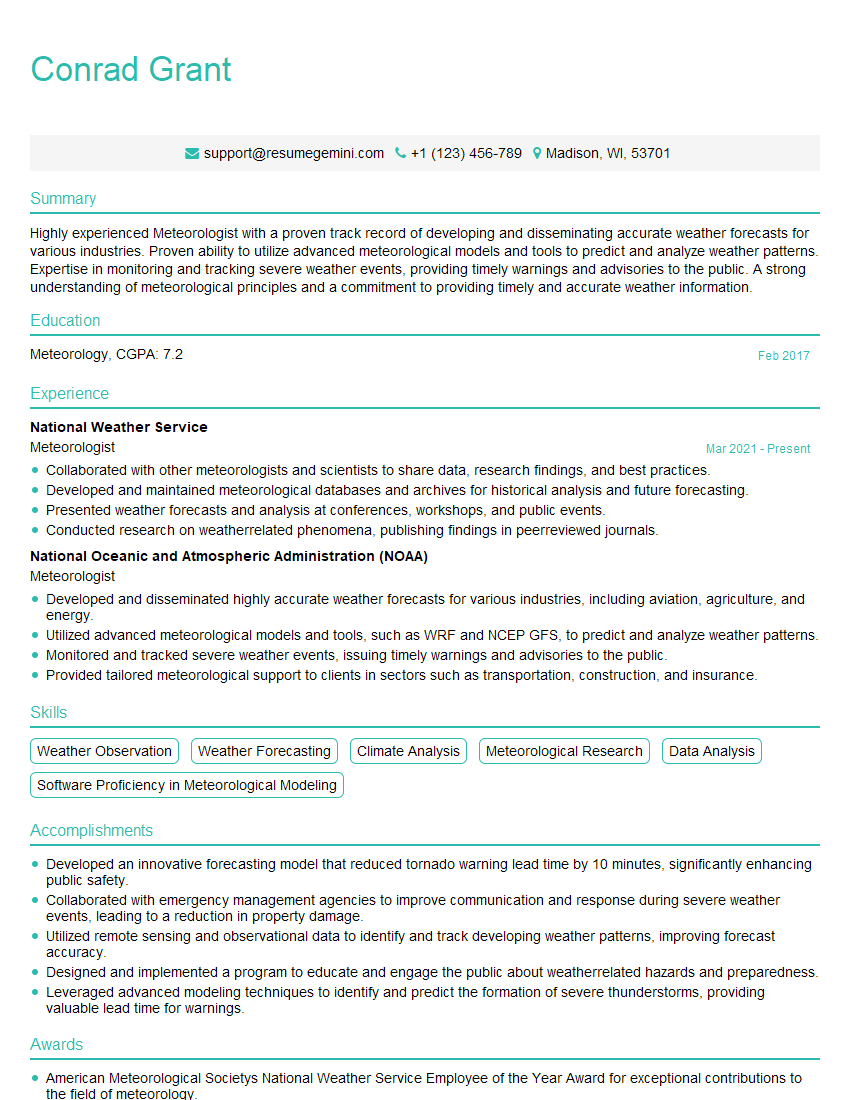
Meteorologist Resume Sample
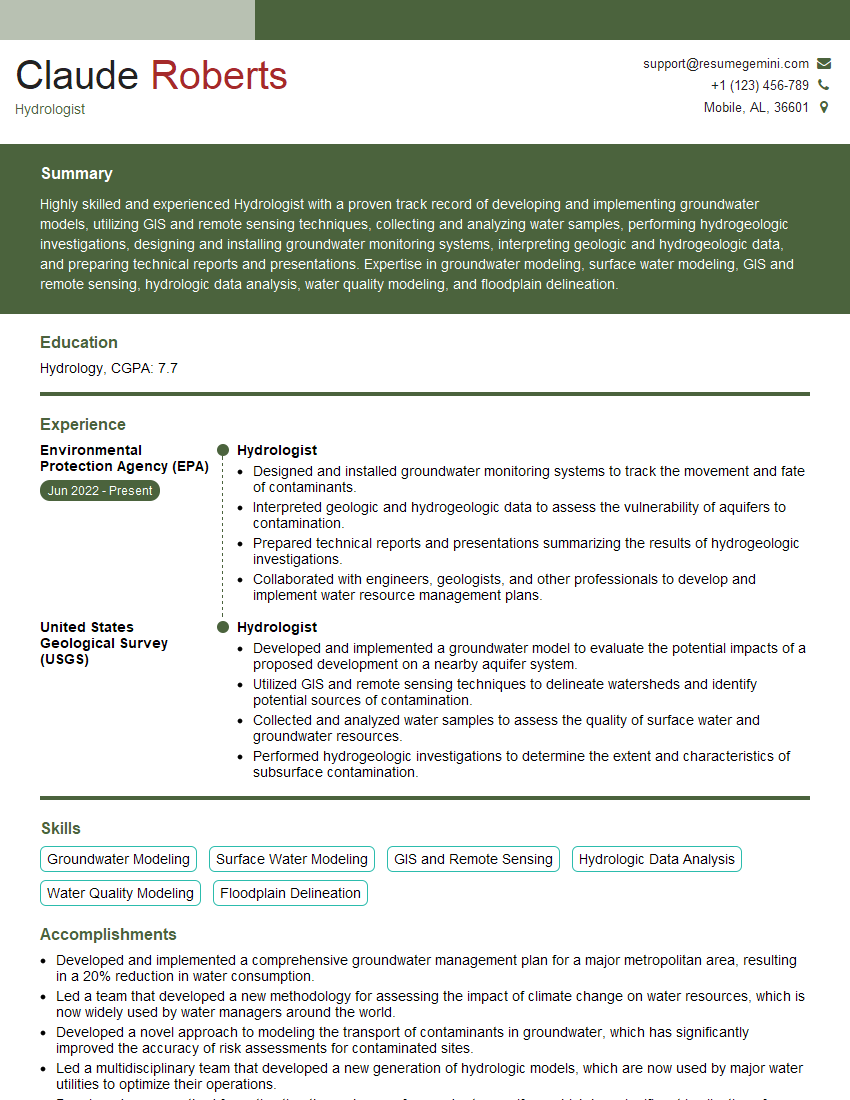
Hydrologist Resume Sample
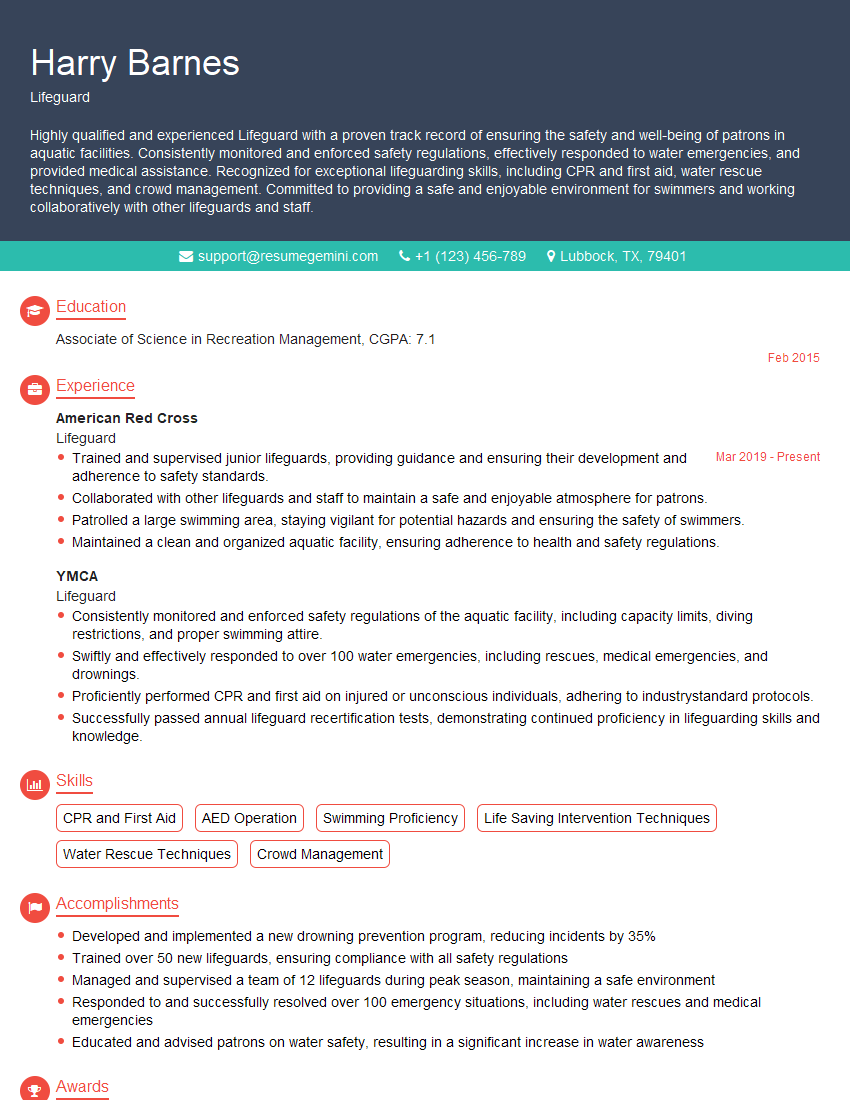
Lifeguard Resume Sample
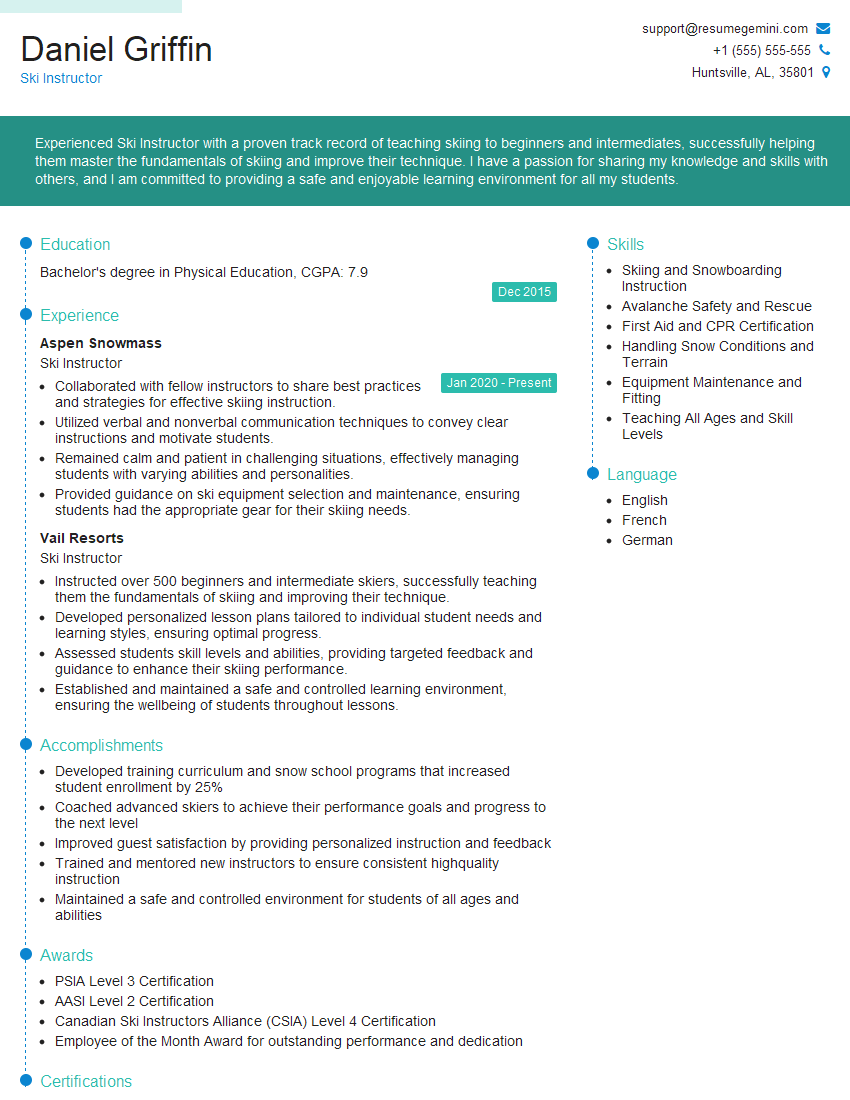
Ski Instructor Resume Sample
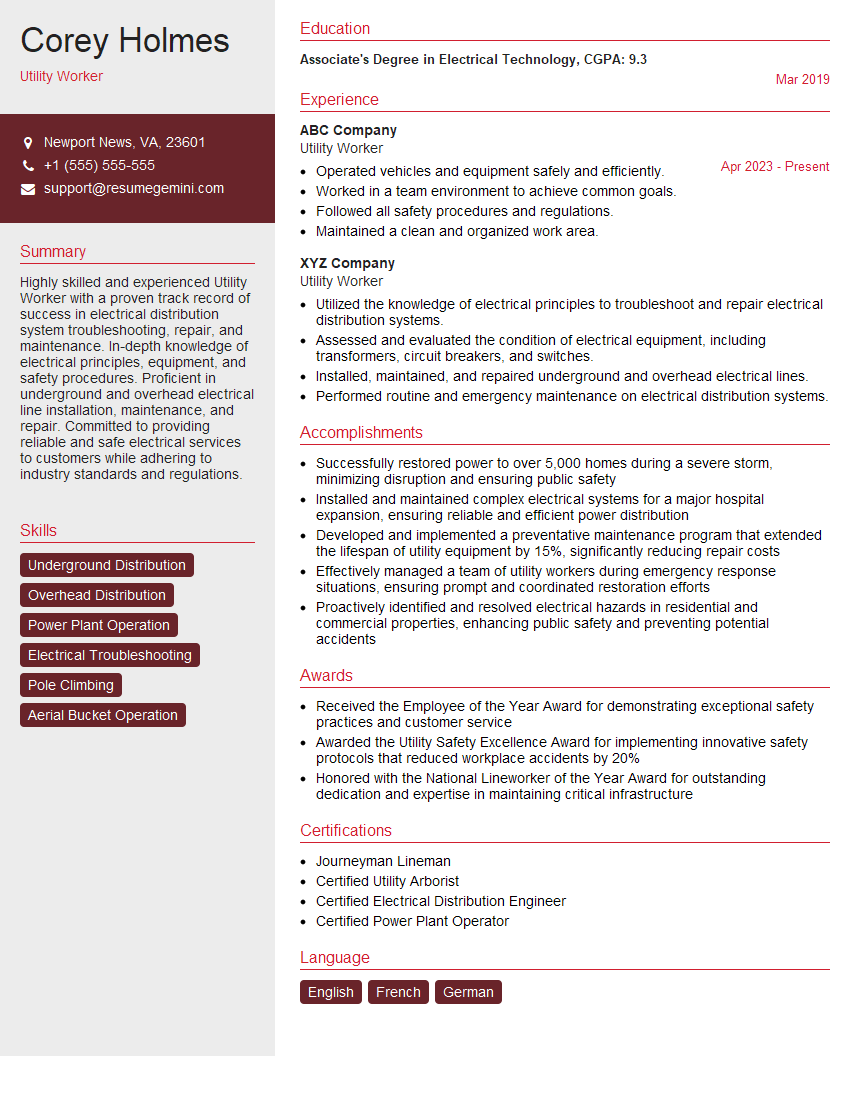
Utility Worker Resume Sample
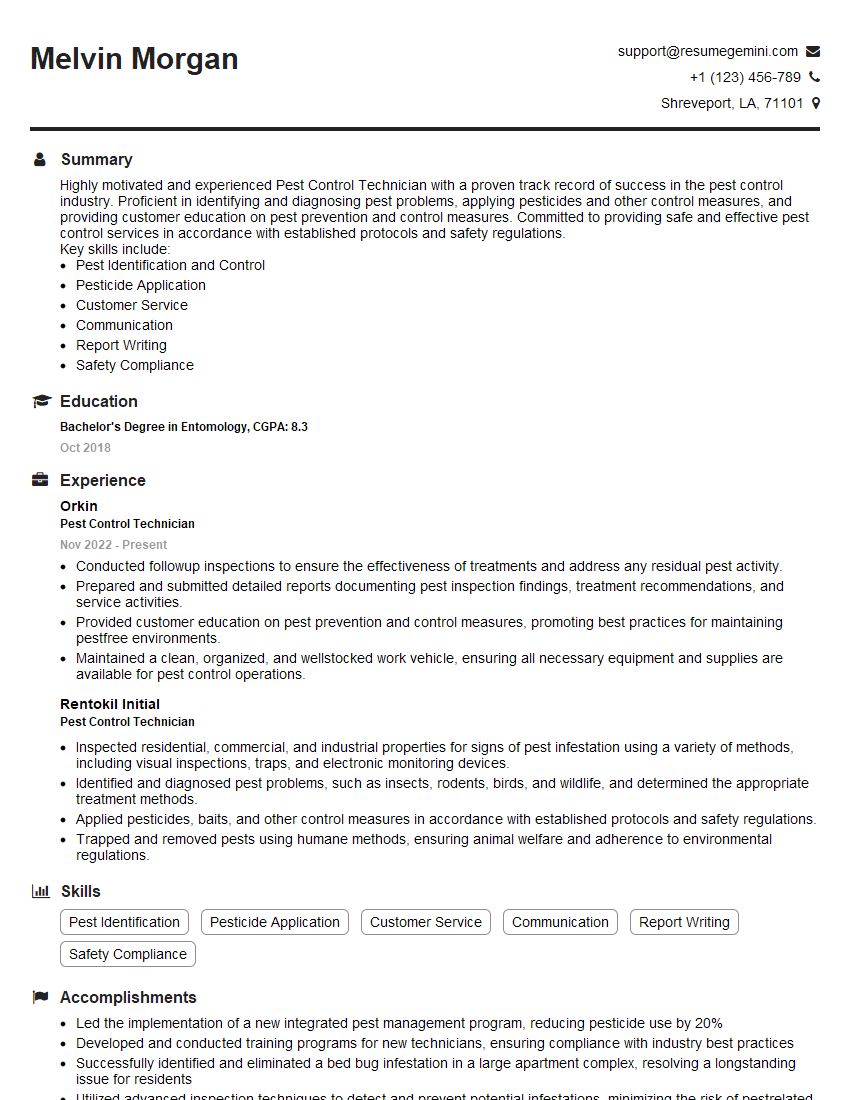
Pest Control Technician Resume Sample
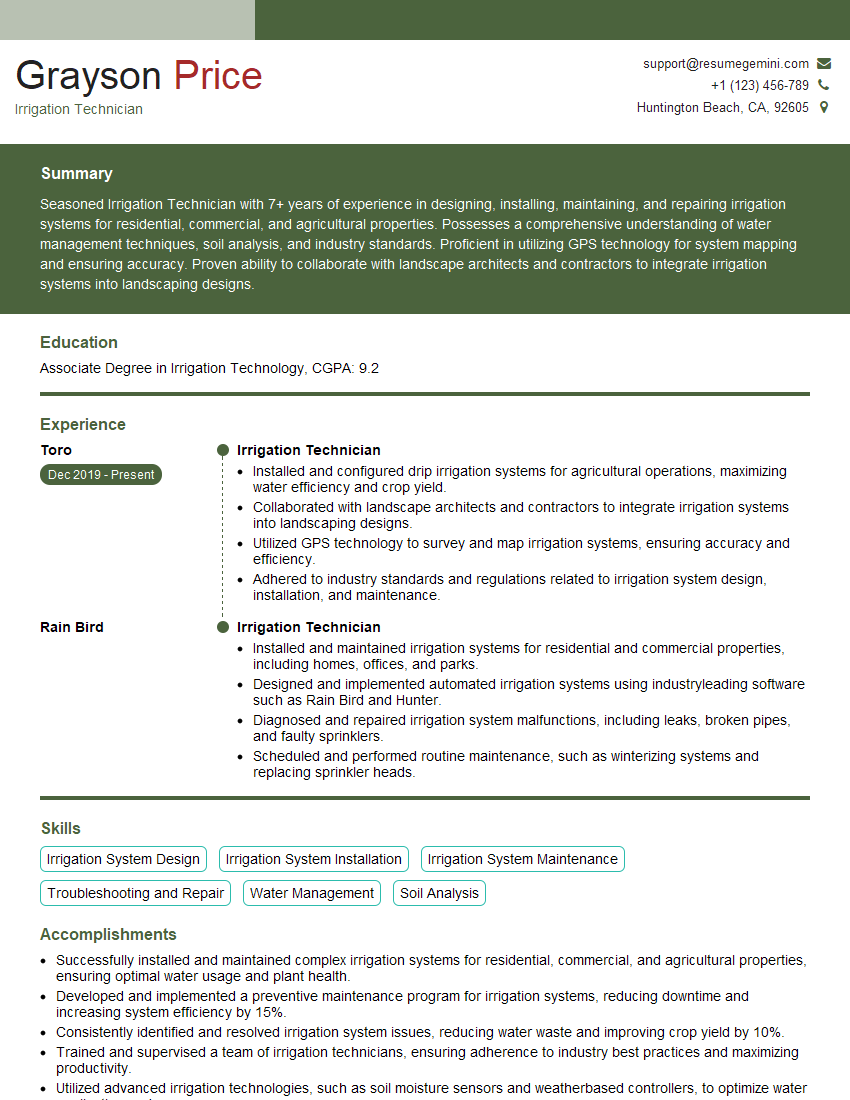
Irrigation Technician Resume Sample

Tree Surgeon Resume Sample
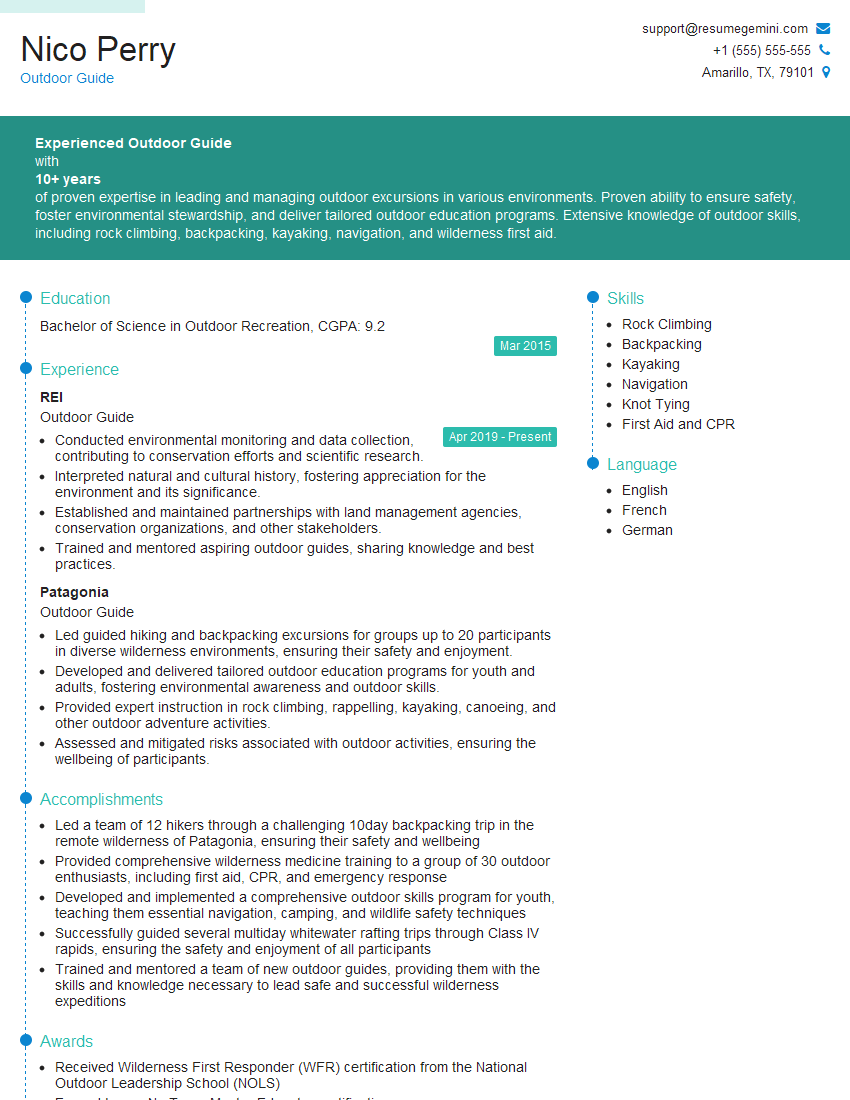
Outdoor Guide Resume Sample
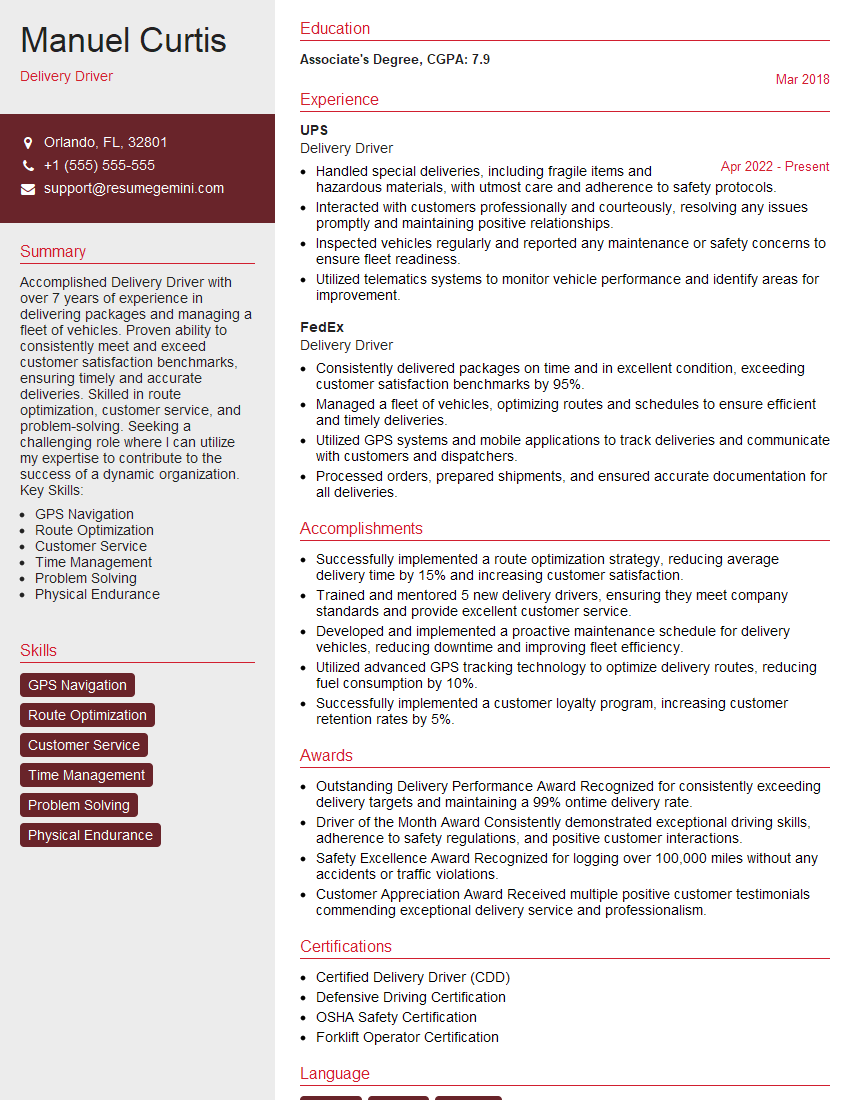
Delivery Driver Resume Sample
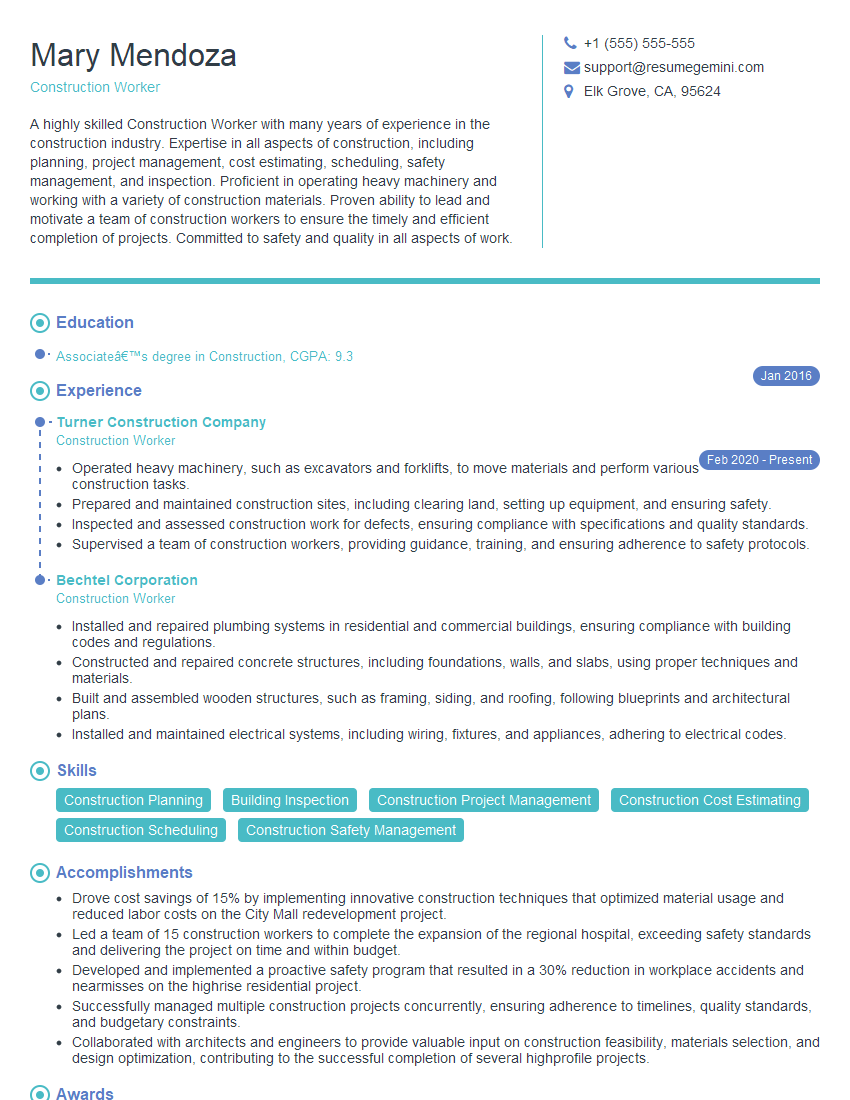
Construction Worker Resume Sample
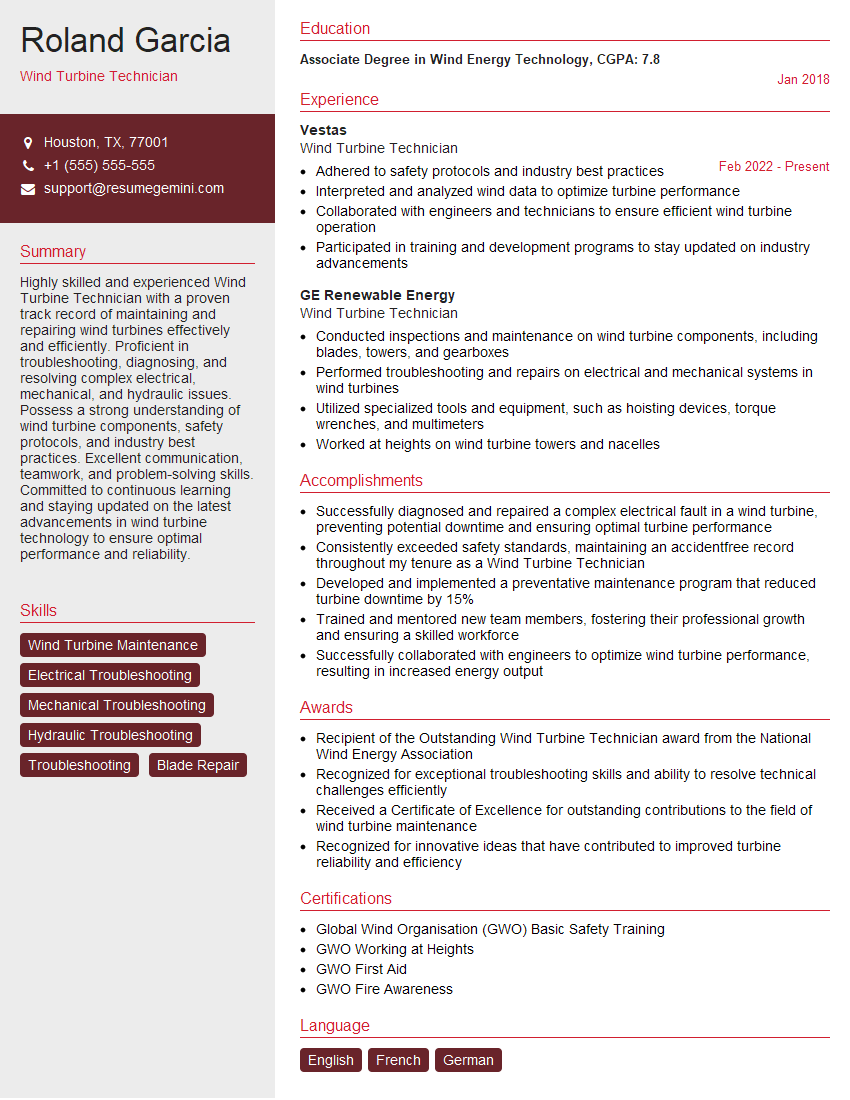
Wind Turbine Technician Resume Sample
- Farmer
- Emergency Responder
- Environmental Scientist
- Geologist
- Surveyor
- Agricultural Engineer
- Environmental Consultant
- Field Technician
- Marine Biologist
- Park Ranger
- Meteorologist
- Hydrologist
- Lifeguard
- Ski Instructor
- Utility Worker
- Pest Control Technician
- Irrigation Technician
- Tree Surgeon
- Outdoor Guide
- Delivery Driver
- Construction Worker
- Wind Turbine Technician
Explore more articles
Users Rating of Our Blogs
Share Your Experience
We value your feedback! Please rate our content and share your thoughts (optional).
What Readers Say About Our Blog
Very informative content, great job.
good