Unlock your full potential by mastering the most common Working knowledge of construction methods and materials interview questions. This blog offers a deep dive into the critical topics, ensuring you’re not only prepared to answer but to excel. With these insights, you’ll approach your interview with clarity and confidence.
Questions Asked in Working knowledge of construction methods and materials Interview
Q 1. Describe your experience with different types of foundations (e.g., slab-on-grade, pile, caisson).
Foundation selection is crucial for a building’s stability and longevity. My experience encompasses a range of foundation types, each suited to specific soil conditions and structural loads.
Slab-on-Grade: This is a cost-effective solution for simpler structures on stable soil. It involves pouring a reinforced concrete slab directly onto the ground after proper site preparation, including compaction and the addition of a vapor barrier. I’ve used this on numerous residential projects, ensuring proper drainage and minimizing potential moisture issues. A key consideration is soil testing to assess bearing capacity.
Pile Foundations: Used when dealing with weak or unstable soil, pile foundations transfer the building’s load to a stronger soil stratum deeper down. I’ve worked extensively with driven piles (hammered into the ground) and cast-in-place piles (concrete poured into pre-drilled holes), selecting the appropriate type based on project needs and geological assessments. For instance, on a recent waterfront project, we opted for helical piles due to the challenging soil conditions.
Caisson Foundations: These are large-diameter, deep foundations, often used for high-rise buildings or structures with heavy loads. They provide exceptional stability in challenging soil profiles. My involvement with caissons included overseeing their excavation, reinforcement, and concrete pouring, ensuring precise alignment and depth according to geotechnical recommendations. For a high-rise project in a dense urban area, this approach minimized ground settlement concerns.
Q 2. Explain the process of concrete pouring and curing.
Concrete pouring and curing are critical steps ensuring structural integrity. The process is more involved than simply pouring concrete; it requires precision and attention to detail at each stage.
Preparation: Before pouring, the formwork (molds) must be meticulously constructed, ensuring proper alignment and bracing to prevent deformation. Reinforcement bars (rebar) are precisely placed within the forms according to the structural design.
Pouring: Concrete is typically delivered by truck mixers and is poured in layers, consolidating each layer to remove air pockets (using vibrators) and ensure uniform density. This prevents weak points and honeycombing. The continuous placement of concrete is crucial to ensure a homogenous mix.
Curing: This is the critical period where the concrete gains its strength. Curing involves maintaining the concrete’s moisture and temperature within optimal ranges. Methods include covering the concrete with wet burlap or using curing compounds to prevent rapid moisture loss. Adequate curing time is essential to achieve design strength. I’ve utilized various curing methods, adapting them according to weather conditions and the type of concrete mix.
Q 3. What are the different types of structural steel and their applications?
Structural steel comes in various grades and forms, each designed for specific applications. The selection depends on factors like strength requirements, corrosion resistance, and budget.
Mild Steel (A36): This is a common, cost-effective grade used for many structural elements, offering a good balance of strength and weldability. I’ve employed it extensively in frameworks for smaller commercial projects.
High-Strength Low-Alloy Steel (HSLA): These steels offer higher strength-to-weight ratios, allowing for lighter structures. They are more expensive but ideal for large-scale projects or applications demanding strength optimization. We used HSLA steel in a recent high-rise construction project to minimize overall weight and improve structural efficiency.
Weathering Steel (Corten Steel): This steel develops a protective oxide layer, reducing the need for extensive painting and maintenance. It’s ideal for exterior applications where aesthetics and longevity are paramount, but initial costs are higher than mild steel. I incorporated Corten steel in a museum project, contributing to its visually striking exterior.
Q 4. Describe your experience with various roofing systems.
Roofing system selection relies heavily on factors such as building design, climate, budget, and aesthetic preferences. My experience covers a diverse range of systems:
Built-up Roofing (BUR): This traditional system involves layers of asphalt and felt, providing excellent waterproofing. It’s durable but requires specialized labor and can be less aesthetically pleasing than other options. I’ve used BUR on several flat-roof industrial buildings where cost-effectiveness and durability were primary concerns.
Single-Ply Membranes (TPO, EPDM, PVC): These synthetic membranes are lightweight, easy to install, and offer good waterproofing. TPO membranes, for instance, are increasingly popular for their reflectivity and energy efficiency. I prefer single-ply systems for their speed of installation and reduced labor costs, particularly for large commercial roof applications.
Shingle Roofing: Asphalt shingles remain a common choice for residential and smaller commercial structures due to their affordability and ease of installation. I’ve worked on numerous residential projects using different shingle types, ensuring proper underlayment and ventilation for longevity.
Q 5. How do you ensure quality control during construction?
Quality control is an ongoing process, not an afterthought. It begins with thorough planning and extends to every stage of construction. My approach involves:
Regular Inspections: Frequent inspections of materials, workmanship, and adherence to blueprints are essential. I personally conduct inspections at key milestones, checking for accuracy and compliance with quality standards.
Testing: Concrete strength testing, soil testing, and material testing are vital to verify that materials meet specifications. I rely on third-party testing labs for independent verification.
Documentation: Maintaining comprehensive documentation, including daily logs, inspection reports, and material certifications, enables effective tracking and problem-solving. A detailed record of any deviations from the plan is maintained.
Communication: Open communication with subcontractors, suppliers, and the project team is essential to identify and address potential issues promptly.
Q 6. What are your preferred methods for managing construction schedules and budgets?
Effective schedule and budget management are intertwined. I utilize a combination of methods for optimal project control.
Critical Path Method (CPM): This scheduling technique helps identify critical tasks and their impact on overall project duration. By focusing on the most time-sensitive tasks, I can effectively manage project timelines. I use project management software to visually represent the CPM and track progress.
Earned Value Management (EVM): EVM provides a comprehensive framework for tracking project performance against planned budget and schedule. By monitoring earned value, I can quickly identify potential cost overruns or schedule delays and make appropriate adjustments.
Regular Progress Meetings: Frequent meetings with the project team allow for timely problem identification and resolution. They also facilitate open communication and team collaboration, fostering a proactive approach to budget and schedule management.
Q 7. Explain your understanding of building codes and regulations.
A thorough understanding of building codes and regulations is paramount for legal compliance and public safety. My knowledge spans various codes, including IBC (International Building Code), local ordinances, and accessibility standards (ADA).
Code Compliance: I ensure all aspects of design and construction comply with the relevant codes and regulations. This involves reviewing plans for code compliance, selecting appropriate materials, and implementing required safety measures.
Permitting: I’m familiar with the permitting process and ensure all necessary permits are obtained before commencing construction. This involves preparing and submitting accurate permit applications, addressing any concerns raised by the authorities.
Inspections: I coordinate and actively participate in inspections by building officials to ensure compliance throughout the project lifecycle. Any required modifications are promptly addressed.
Staying Updated: The building codes evolve, so staying abreast of changes and updates is crucial. I continuously update my knowledge through professional development and relevant publications.
Q 8. Describe your experience with different types of masonry materials and construction techniques.
My experience encompasses a wide range of masonry materials and techniques. I’ve worked extensively with various types of brick, including common clay bricks, facing bricks offering aesthetic appeal, and engineering bricks known for their high strength. I’m also proficient in working with concrete blocks, ranging from standard hollow blocks for infill walls to denser, more specialized blocks for load-bearing applications. Furthermore, I have experience with natural stone masonry, using materials like granite, limestone, and sandstone, requiring precise craftsmanship and specialized tools for cutting and shaping.
In terms of construction techniques, I’m familiar with traditional methods like running bond and Flemish bond for brickwork, ensuring both structural integrity and visual appeal. I’m also experienced in reinforced masonry construction, incorporating steel reinforcement to enhance the structural strength of walls and columns, a crucial aspect for seismic zones or high-load situations. My experience extends to cavity wall construction, which incorporates an air gap for insulation and moisture control, a common practice in modern building design.
For instance, on a recent project involving a historic building restoration, we used traditional lime mortar and careful brick selection to match the existing structure, ensuring the integrity of the building’s heritage. On a modern high-rise project, I oversaw the implementation of reinforced concrete block construction, carefully planning the reinforcement placement for optimal structural performance.
Q 9. How do you handle unexpected site challenges or delays?
Unexpected site challenges are inevitable in construction. My approach involves a proactive, problem-solving mindset. First, I assess the situation thoroughly, identifying the root cause of the delay or challenge. This might involve soil testing revealing unexpected conditions, equipment malfunctions, or material supply chain issues.
Next, I develop and present several mitigation strategies to the project team. This often involves brainstorming sessions with engineers, subcontractors, and the client. Solutions might range from adjusting the construction schedule, procuring alternative materials, or implementing innovative construction methods. Clear communication is key; I make sure to keep all stakeholders updated throughout the process.
For example, on a recent project, unexpectedly high water table levels threatened the foundation. We quickly convened a meeting with the geotechnical engineers and adjusted the foundation design, incorporating dewatering solutions to minimize project delay. Open communication with the client throughout the process ensured that the revised approach was understood and approved.
Q 10. What are your strategies for risk management in construction projects?
Risk management is an integral part of every project I undertake. My approach uses a multi-layered strategy focusing on identification, assessment, and mitigation. I start by identifying potential risks – these could be schedule delays, cost overruns, material shortages, safety incidents, or even regulatory changes. I use a combination of checklists, risk registers, and project experience to create a comprehensive risk inventory.
The next step involves assessing the likelihood and potential impact of each identified risk. A risk matrix helps prioritize critical risks, focusing our efforts on the most impactful ones. For each significant risk, we develop mitigation strategies – contingency plans to address the issue if it arises. These strategies might include insurance coverage, alternative material sources, or dedicated safety training programs.
For example, on a large-scale project, we anticipated potential material price fluctuations. We mitigated this risk by locking in early prices with suppliers for a significant portion of the needed materials, protecting the project from unexpected cost increases.
Q 11. Explain your knowledge of different types of wood and their applications in construction.
My knowledge of wood types and their applications is extensive. I’m familiar with softwoods, like pine and fir, known for their affordability and ease of working, often used in framing, sheathing, and decking. Hardwoods, such as oak, maple, and cherry, offer greater strength and durability, making them suitable for flooring, cabinetry, and high-end finishes. Engineered wood products like plywood, oriented strand board (OSB), and laminated veneer lumber (LVL) are also frequently used, offering cost-effective and consistent properties.
The selection of wood depends on the specific application and required properties. For example, pressure-treated lumber is essential for applications exposed to the elements, preventing rot and insect infestation. In structural applications, the grade of lumber and its load-bearing capacity are crucial considerations. In interior finishes, the aesthetic appeal, grain pattern, and durability are primary selection criteria.
I recall a project where we used sustainably sourced Douglas fir for the structural framing, minimizing environmental impact. The interior finishes incorporated sustainably harvested cherry wood, reflecting the client’s commitment to environmentally responsible building.
Q 12. How do you select appropriate materials for specific construction tasks?
Material selection is a crucial aspect of successful construction. My process is guided by several key factors: project specifications, budget constraints, local availability, and environmental considerations. I start by reviewing the project design documents, understanding the required performance characteristics for each component. This informs the selection of materials that meet the specified strength, durability, fire resistance, and aesthetic requirements.
Budget constraints often necessitate finding cost-effective alternatives while maintaining quality and performance. Availability also plays a role; we need to ensure timely procurement of materials. Furthermore, I always consider the environmental impact, favoring sustainably sourced and recycled materials whenever feasible. Life-cycle assessments help in comparing the environmental footprints of different materials.
For instance, on a recent project with a sustainable design brief, we opted for recycled steel for structural components and low-VOC (volatile organic compound) paints for interior finishes, reducing the project’s overall environmental impact.
Q 13. Describe your experience with different types of insulation materials.
My experience includes working with a variety of insulation materials, each with its own properties and applications. Fiberglass insulation is a common choice for its affordability and relatively good thermal performance. Spray foam insulation offers superior air sealing and thermal resistance but is more expensive. Cellulose insulation, a recycled paper product, provides good thermal performance and is environmentally friendly. Mineral wool insulation, made from recycled glass or rock, offers excellent fire resistance.
The choice of insulation depends on factors like the climate, building type, and budget. In cold climates, higher R-value insulation is essential for energy efficiency. In humid climates, moisture-resistant insulation is critical to prevent mold growth. Fire-rated insulation is crucial in certain building areas to meet safety regulations.
On a recent project, we used spray foam insulation in the attic to maximize energy efficiency, while mineral wool was chosen for the exterior walls, ensuring good fire protection and sound insulation.
Q 14. Explain the different stages of a construction project lifecycle.
The construction project lifecycle typically involves several key stages. It begins with the pre-construction phase, encompassing activities like site investigation, design development, permitting, and budgeting. This is crucial for establishing a solid foundation for the project. Then comes the construction phase, which includes site preparation, foundation work, framing, MEP (Mechanical, Electrical, and Plumbing) installations, interior finishes, and exterior works. This is where the building takes physical shape.
Following this is the testing and commissioning phase, ensuring all systems function correctly and meet the specified requirements. This includes testing HVAC, plumbing, electrical systems, and fire protection systems. The handover phase involves the transfer of the completed project to the client, including necessary documentation and training. Finally, the post-construction phase encompasses warranty periods, defect rectification, and ongoing maintenance.
Understanding each phase and its dependencies is crucial for efficient project management and successful completion. Each phase has its own set of risks and challenges, and proper planning and management are vital for mitigating those risks and delivering the project on time and within budget.
Q 15. How do you ensure safety on a construction site?
Ensuring safety on a construction site is paramount. It’s not just about complying with regulations; it’s about fostering a culture of safety where everyone goes home unharmed each day. My approach is multifaceted and starts with a robust safety plan, developed collaboratively with the entire team. This plan outlines specific safety procedures for every task, from the initial site survey to final handover.
- Pre-construction Phase: This includes thorough risk assessments, identifying potential hazards like unstable ground, electrical lines, or hazardous materials. We’d implement measures like site surveys, soil testing, and utility locating before any work begins.
- Daily Safety Meetings (Tool Box Talks): Daily briefings ensure everyone is aware of the day’s tasks and potential risks. We use these meetings to highlight specific hazards, reinforce safe working practices, and address any safety concerns raised by the team.
- Personal Protective Equipment (PPE): Strict adherence to PPE use is mandatory. We provide and enforce the use of hard hats, safety boots, high-visibility clothing, gloves, and eye protection, tailored to the specific tasks. Regular inspections of PPE ensure it remains in good condition.
- Training and Certification: All workers receive adequate training on safety procedures, the use of machinery and equipment, and emergency response protocols. We ensure proper certification for operating specific equipment (e.g., forklifts, cranes).
- Incident Reporting and Investigation: A clear process for reporting and investigating all incidents, no matter how minor, is crucial. This allows us to identify root causes, prevent recurrence, and improve safety practices. We utilize incident reporting software to track and analyze safety data.
- Regular Site Inspections: Frequent inspections by safety officers help identify and address potential hazards before they cause incidents. These inspections are documented and used to continually refine safety procedures.
For example, on a recent high-rise project, we implemented a rigorous fall protection program, including the use of safety nets and harnesses, resulting in a zero-incident record for falls.
Career Expert Tips:
- Ace those interviews! Prepare effectively by reviewing the Top 50 Most Common Interview Questions on ResumeGemini.
- Navigate your job search with confidence! Explore a wide range of Career Tips on ResumeGemini. Learn about common challenges and recommendations to overcome them.
- Craft the perfect resume! Master the Art of Resume Writing with ResumeGemini’s guide. Showcase your unique qualifications and achievements effectively.
- Don’t miss out on holiday savings! Build your dream resume with ResumeGemini’s ATS optimized templates.
Q 16. What are your experience with different types of waterproofing methods?
I have extensive experience with various waterproofing methods, choosing the best approach depends heavily on the specific project, the type of structure, and the local climate. My experience includes:
- Membrane Waterproofing: This includes various types of membranes like EPDM, TPO, and PVC. EPDM is a durable, flexible rubber membrane suitable for flat roofs and basements. TPO is a thermoplastic membrane known for its UV resistance and longevity, and PVC offers cost-effectiveness and easy installation. I’ve used these on both new construction and renovation projects.
- Liquid Applied Waterproofing: These are coatings applied to surfaces, offering seamless protection. We’ve used cementitious coatings, polyurethane, and acrylic-based systems, depending on the substrate and application. For example, a cementitious coating provides excellent protection for concrete structures in damp environments.
- Sheet Waterproofing: This involves using pre-fabricated sheets of waterproof material, often bitumen or rubberized asphalt, for protection against water penetration. These are commonly used in basements and underground structures.
- Integral Waterproofing: This method involves adding waterproofing additives to the concrete mix during the pouring process. This creates a waterproof concrete structure, ideal for applications with less space for external waterproofing.
I’ve successfully resolved multiple waterproofing issues on projects where previous methods had failed, often involving identifying the root cause of the leak, such as cracks or improper drainage, and then implementing a tailored solution. For example, on a historical building restoration, we identified inadequate drainage as the root cause of water damage. Implementing new drainage systems coupled with a liquid-applied waterproofing system solved the problem effectively.
Q 17. What is your understanding of sustainable building practices?
Sustainable building practices are at the core of my approach. It’s about constructing buildings that minimize their environmental impact throughout their entire lifecycle, from construction to demolition. This encompasses several key areas:
- Energy Efficiency: We incorporate energy-efficient design elements such as high-performance windows, insulation, and HVAC systems to reduce energy consumption. This includes exploring options like solar panels and geothermal heating/cooling.
- Water Conservation: Strategies like low-flow fixtures, rainwater harvesting systems, and efficient irrigation techniques are essential for minimizing water usage. We always factor in local climate and water availability.
- Material Selection: Choosing sustainable materials with low embodied energy and minimal environmental impact is crucial. This includes using recycled content, locally sourced materials to reduce transportation costs and emissions, and materials with low VOC emissions (Volatile Organic Compounds).
- Waste Reduction: Implementing effective waste management strategies minimizes construction waste through careful planning, material reuse, and recycling. Precise estimations and prefabrication can dramatically reduce waste.
- Lifecycle Assessment: A thorough lifecycle assessment considers the environmental impact of a building throughout its entire lifecycle from material extraction to disposal, allowing for informed material and design choices.
For instance, on a recent project, we used cross-laminated timber (CLT), a sustainable and strong material that reduced carbon emissions significantly compared to traditional steel and concrete construction. We also incorporated a green roof to reduce stormwater runoff and improve insulation.
Q 18. How do you communicate effectively with contractors and subcontractors?
Effective communication is the backbone of any successful construction project. My approach prioritizes clear, concise, and regular communication with all stakeholders, including contractors and subcontractors. This involves:
- Regular Meetings: Holding regular meetings, both on-site and virtual, to discuss progress, address concerns, and coordinate tasks. These meetings involve all relevant parties.
- Clear Communication Channels: Establishing a variety of communication channels, including email, project management software, and on-site briefings, to cater to different preferences and needs. Ensuring clarity is key.
- Detailed Documentation: Maintaining meticulous records of all communications, decisions, and changes, including meeting minutes, emails, and project updates. This helps track progress and resolve conflicts efficiently.
- Constructive Feedback: Providing timely and constructive feedback to contractors and subcontractors, highlighting both successes and areas for improvement. This promotes a collaborative and supportive environment.
- Conflict Resolution: Developing strategies for addressing and resolving conflicts promptly and professionally. This may involve mediation or formal dispute resolution if necessary.
For example, on a recent project, we used a collaborative project management platform to ensure transparency and readily available communication among all parties, which significantly improved the overall project efficiency and reduced delays.
Q 19. Describe your experience with using project management software.
I’m proficient in various project management software, including Procore, Autodesk BIM 360, and Microsoft Project. My experience spans using these tools for various tasks, including:
- Scheduling and Task Management: Creating detailed project schedules, assigning tasks, tracking progress, and managing deadlines effectively. This allows for real-time monitoring of project progress and the identification of potential delays.
- Document Control: Storing and managing project documents, ensuring that everyone has access to the latest versions of plans, specifications, and other relevant information. This reduces confusion and errors.
- Cost Control: Tracking project costs, managing budgets, and identifying potential cost overruns. This allows for proactive management of financial resources.
- Collaboration and Communication: Facilitating communication and collaboration among team members, contractors, and subcontractors. This ensures efficient information flow and coordination.
- Reporting and Analysis: Generating reports on project progress, costs, and other key metrics. This enables data-driven decision-making and continuous improvement.
For example, on a large-scale renovation project, we used Procore to centralize all project information, improving communication and reducing errors related to document version control. The real-time progress tracking enabled us to identify and address potential issues promptly, ensuring the project remained on schedule and within budget.
Q 20. What are your strengths and weaknesses in construction management?
My strengths lie in my proactive approach to problem-solving, strong communication skills, and my ability to lead and motivate teams. I thrive in fast-paced environments and am adept at managing multiple projects simultaneously while maintaining a high level of attention to detail. I am also experienced in negotiating contracts and managing budgets effectively.
One area I’m always striving to improve is delegating tasks more effectively. While I enjoy being hands-on, I recognize the importance of empowering team members and trusting them with greater responsibility. I’m actively working on developing this skill by implementing more structured delegation processes and providing regular feedback to my team.
Q 21. Explain your knowledge of different types of concrete mixes and their applications.
My understanding of concrete mixes is comprehensive. The properties of concrete are heavily influenced by the mix design, which is tailored to the specific application. I am familiar with various types, including:
- Normal Strength Concrete: This is the most common type, suitable for general construction purposes like foundations, slabs, and walls. The mix design is determined by compressive strength requirements.
- High-Strength Concrete: Used where higher compressive strength is needed, such as in high-rise buildings or structures subjected to significant loads. These mixes typically utilize higher cement content and special admixtures.
- Lightweight Concrete: Used when weight reduction is crucial, such as in floor slabs or precast elements. Lightweight aggregates like expanded clay or shale are used to reduce density.
- High-Performance Concrete (HPC): This type of concrete excels in terms of strength, durability, and workability. Specialized admixtures and controlled curing methods are employed to achieve its superior properties.
- Self-Consolidating Concrete (SCC): This concrete flows easily without segregation, allowing for placement in congested reinforcement areas. It requires careful mix design and specialized admixtures.
The choice of concrete mix depends on various factors like compressive strength requirements, durability needs (resistance to freeze-thaw cycles, chemical attacks), workability requirements, and budget. For example, in a coastal environment, we’d choose a concrete mix with high sulfate resistance to prevent deterioration from seawater. For a high-rise building, high-strength concrete with proper mix design and admixtures is critical for structural integrity.
Q 22. How do you handle conflict resolution on a construction site?
Conflict resolution on a construction site is crucial for maintaining productivity and a safe work environment. My approach is proactive, focusing on preventing conflicts before they escalate. This involves clear communication, establishing expectations from the outset with all stakeholders (subcontractors, suppliers, and the client), and fostering a collaborative atmosphere.
However, when conflicts do arise, I follow a structured approach:
- Identify the issue: Pinpoint the root cause of the conflict, avoiding assumptions. For example, a delay might stem from material shortages, equipment malfunction, or miscommunication.
- Gather information: Talk to all involved parties to understand their perspectives. Active listening is key here.
- Facilitate a meeting: Bring everyone together in a neutral setting to discuss the problem openly and respectfully.
- Brainstorm solutions: Collaboratively explore potential solutions, considering the impact on the project timeline, budget, and safety.
- Agree on a solution: Document the agreed-upon solution clearly, assigning responsibilities and deadlines.
- Monitor and follow up: Check in regularly to ensure the agreed-upon solution is implemented effectively and address any new issues that arise.
For example, on a recent project, a disagreement arose between the electrical and plumbing subcontractors regarding conduit placement. By facilitating a meeting and actively listening to both sides, we identified a simple adjustment in the plans that satisfied both parties and avoided significant delays.
Q 23. What is your experience with different types of drywall installation methods?
Drywall installation is a common task I’ve performed numerous times, utilizing various methods depending on the project’s requirements and the type of drywall used. These include:
- Standard installation: This involves screwing drywall sheets to the framing using self-tapping screws, ensuring proper spacing and fastener depth to prevent cracking.
- Taping and finishing: After installation, the joints are taped using mesh tape and compound, sanded smooth, and primed for painting to create a seamless surface. This step is crucial for a professional finish.
- Special finishes: Some projects might require specialized drywall techniques like corner bead installation, using specialized tools to create clean, sharp corners.
- Soundproofing techniques: In cases requiring enhanced sound insulation, double layers of drywall with resilient channels installed between them are used to effectively reduce sound transmission.
- Fire-resistant drywall: This type of drywall is used in specific locations to enhance fire resistance, requiring careful installation to maintain its effectiveness.
My experience encompasses working with various types of drywall including standard gypsum board, moisture-resistant drywall (used in bathrooms and kitchens), and fire-rated drywall. I’m comfortable with both residential and commercial projects, adapting my methods accordingly.
Q 24. Explain the process of preparing a construction site for work.
Preparing a construction site for work is a critical step that ensures safety, efficiency, and smooth project execution. It’s like setting the stage for a play; everything needs to be in place before the actors (workers) can begin. The process involves several key steps:
- Site Survey and Assessment: This involves a thorough assessment of the site, identifying potential hazards, utilities locations (gas, water, electric), and access points.
- Site Clearing and Grading: Removing debris, vegetation, and leveling the ground to create a stable and safe working area.
- Fencing and Security: Erecting perimeter fences and implementing security measures to protect the site from unauthorized access and theft.
- Establishing Access Roads and Parking: Creating designated access points and parking areas for vehicles and equipment to facilitate smooth movement and minimize congestion.
- Utility Management: Locating and protecting underground utilities, either by marking their locations or performing temporary relocation as needed. This is a safety-critical step.
- Temporary Facilities: Setting up temporary facilities such as toilets, handwashing stations, storage areas, and potentially offices depending on the project scale.
- Waste Management Plan: Implementing a plan for managing construction waste, including proper segregation, disposal, and recycling.
For example, on a recent high-rise project, we had to carefully coordinate utility shutdowns and relocations with the city, ensuring minimal disruption to the surrounding area. This involved detailed planning and communication with utility companies weeks in advance.
Q 25. How do you ensure compliance with environmental regulations?
Compliance with environmental regulations is paramount in construction. Ignoring these can lead to significant fines, project delays, and reputational damage. My approach is proactive, starting with thorough research of applicable local, state, and federal regulations before the project even begins.
Specific actions I take include:
- Stormwater Management: Implementing erosion and sediment control measures to prevent runoff pollution.
- Waste Management: Developing and implementing a detailed waste management plan to minimize waste, promote recycling and proper disposal of hazardous materials.
- Air Quality Control: Using equipment that minimizes air pollution and implementing measures to control dust, such as dust suppression systems.
- Hazardous Material Handling: Following strict protocols for handling, storing, and disposing of hazardous materials such as asbestos, lead paint, and chemicals.
- Environmental Impact Assessment: Conducting regular site inspections and monitoring activities to ensure compliance and identify potential issues early.
- Documentation: Maintaining detailed records of environmental compliance activities, including permits, inspections, and waste disposal records.
I’ve had experiences working on projects requiring specific permits and approvals related to endangered species protection, requiring close collaboration with environmental agencies and careful planning to minimize our project’s impact.
Q 26. Describe your experience working with BIM (Building Information Modeling) software.
I have extensive experience using Building Information Modeling (BIM) software, primarily Revit and AutoCAD. BIM is a game-changer for construction, enabling better collaboration, coordination, and visualization throughout the project lifecycle.
My experience includes:
- 3D Modeling: Creating detailed 3D models of buildings, including architectural, structural, and MEP (Mechanical, Electrical, and Plumbing) systems.
- Coordination: Detecting and resolving clashes between different building systems before construction begins, preventing costly rework on site.
- Quantity Takeoff: Generating accurate material quantities directly from the model for better cost estimating and procurement.
- 4D Simulation: Using BIM software to create 4D simulations that visualize the construction process over time, aiding in scheduling and identifying potential bottlenecks.
- Collaboration: Using cloud-based BIM platforms to share models and collaborate with architects, engineers, and contractors in real-time.
For example, on a recent hospital renovation, the BIM model helped us identify a clash between the new HVAC system and existing ductwork early in the design phase, allowing us to revise the plans and avoid significant delays and cost overruns. The ability to quickly visualize the project in 3D also allowed us to easily communicate complex concepts to the client.
Q 27. Explain your understanding of different types of excavation techniques.
Excavation techniques vary widely depending on the soil conditions, project requirements, and the depth of excavation. My experience includes various methods:
- Conventional Excavation: This involves using excavators and other earthmoving equipment to remove soil and rock. This is the most common method for many projects.
- Trenching: Used for creating narrow, deep trenches for utilities such as pipelines and cables. Specialized trenching machines are often employed.
- Shoring and Sloping: To prevent cave-ins during excavation, shoring (using temporary supports) or sloping (cutting back the sides of the excavation at an angle) are used, depending on soil conditions and depth.
- Blast Excavation: Used for removing rock in areas where other methods are impractical, requiring strict safety protocols and permits. This is less frequent in my experience, used primarily on large-scale projects.
- Underpinning: A specialized technique involving supporting existing foundations during excavation or construction work near them, essential for maintaining structural integrity.
On one project, we encountered unexpectedly unstable soil conditions. Instead of proceeding with conventional excavation, we implemented shoring techniques to ensure the safety of our crew and avoid potential collapses. This required a change order and careful monitoring of soil stability during the excavation process.
Q 28. What is your experience with different types of finishing materials (e.g., paint, tile, flooring)?
My experience with finishing materials is extensive, encompassing various materials and installation methods.
- Paint: I’m proficient in various painting techniques, using different types of paint (latex, oil-based, etc.) for interior and exterior applications, paying attention to surface preparation for a quality finish. I understand the importance of proper priming and multiple coats for durability and aesthetic appeal.
- Tile: I’m experienced in installing ceramic, porcelain, and natural stone tiles, ensuring proper substrate preparation, adhesive selection, and grout application. Levelness and precision are key in tile installation.
- Flooring: I’ve worked with various flooring materials, including hardwood, laminate, vinyl, and carpet. My experience covers installation, including underlayment selection and proper moisture barrier installation in appropriate applications.
- Other Finishes: My expertise also extends to other finishes such as drywall taping and finishing, trim installation, and caulking.
A recent project involved installing intricate mosaic tiles in a high-end bathroom. This required careful planning, precise cutting, and meticulous installation to ensure a flawless finish that met the client’s expectations. This demonstrates my understanding of material selection, proper installation, and attention to detail in achieving high-quality results.
Key Topics to Learn for Working Knowledge of Construction Methods and Materials Interview
- Foundation Systems: Understanding different foundation types (e.g., slab-on-grade, basement, pile foundations), their suitability for various soil conditions, and common construction methods. Consider practical applications like choosing the right foundation for a specific project based on site analysis.
- Framing Techniques: Knowledge of wood framing, steel framing, and concrete framing methods. Be prepared to discuss load-bearing walls, shear walls, and the importance of proper bracing. Think about how different framing techniques impact the overall structural integrity and cost of a building.
- Exterior Finishes: Familiarity with various exterior wall systems (e.g., brick veneer, stucco, siding), their installation methods, and maintenance requirements. Consider the impact of different materials on building aesthetics, energy efficiency, and durability.
- Roofing Systems: Understanding different roofing materials (e.g., asphalt shingles, tile, metal), their installation techniques, and the importance of proper slope and drainage. Be ready to discuss practical considerations like lifespan, cost, and weather resistance.
- Building Codes and Regulations: Awareness of relevant building codes and regulations concerning construction methods and materials. This demonstrates a commitment to safety and compliance. Be prepared to discuss how these regulations impact construction decisions.
- Material Properties and Selection: Understanding the properties of common construction materials (e.g., strength, durability, cost) and their appropriate selection based on project requirements. Discuss scenarios where material selection involves trade-offs between cost and performance.
- Construction Sequencing and Scheduling: A basic understanding of the logical sequence of construction tasks and the importance of efficient scheduling to manage resources and meet deadlines. Consider the potential consequences of delays or improper sequencing.
- Health and Safety Regulations: Familiarity with common health and safety regulations and procedures relevant to construction sites. This is crucial to demonstrate a commitment to safe work practices.
Next Steps
Mastering working knowledge of construction methods and materials is crucial for career advancement in the construction industry, opening doors to more senior roles and higher earning potential. A well-crafted, ATS-friendly resume is your first step toward securing your dream job. ResumeGemini is a trusted resource to help you build a professional and impactful resume that showcases your skills effectively. Examples of resumes tailored to highlight expertise in construction methods and materials are available to further assist your job search.
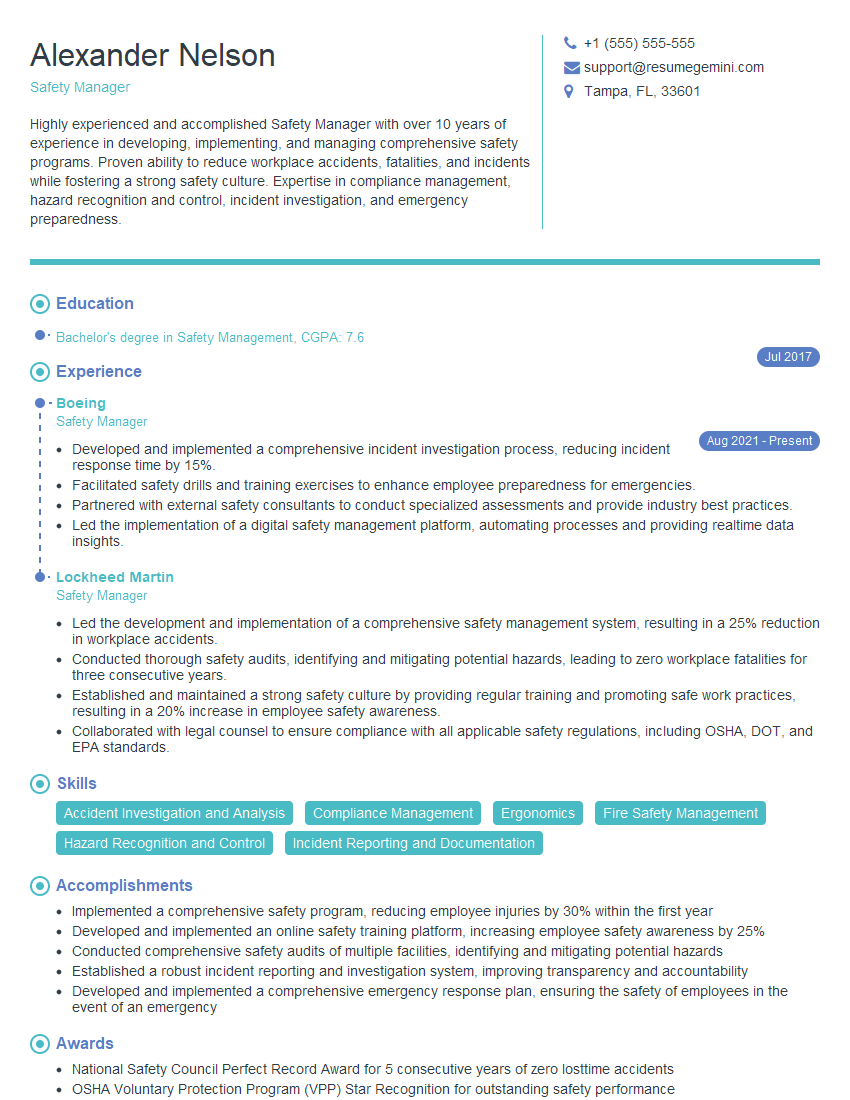
Safety Manager Resume Sample
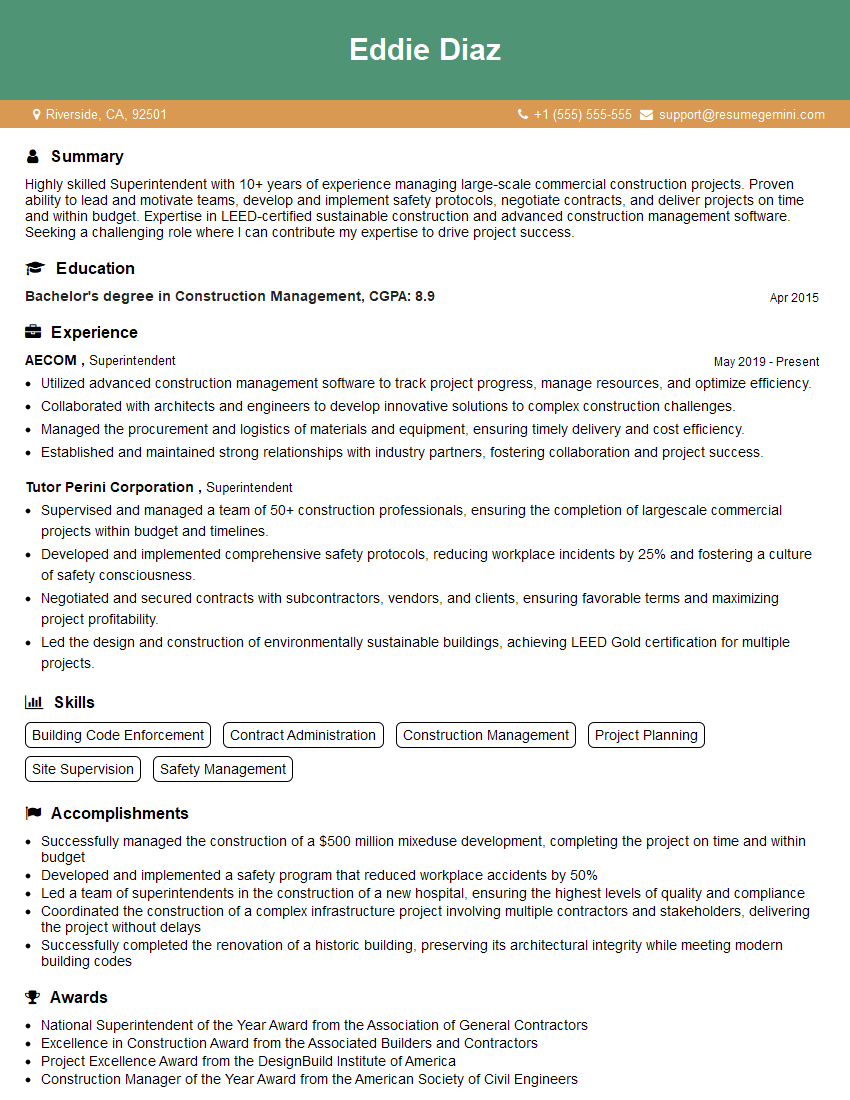
Superintendent Resume Sample
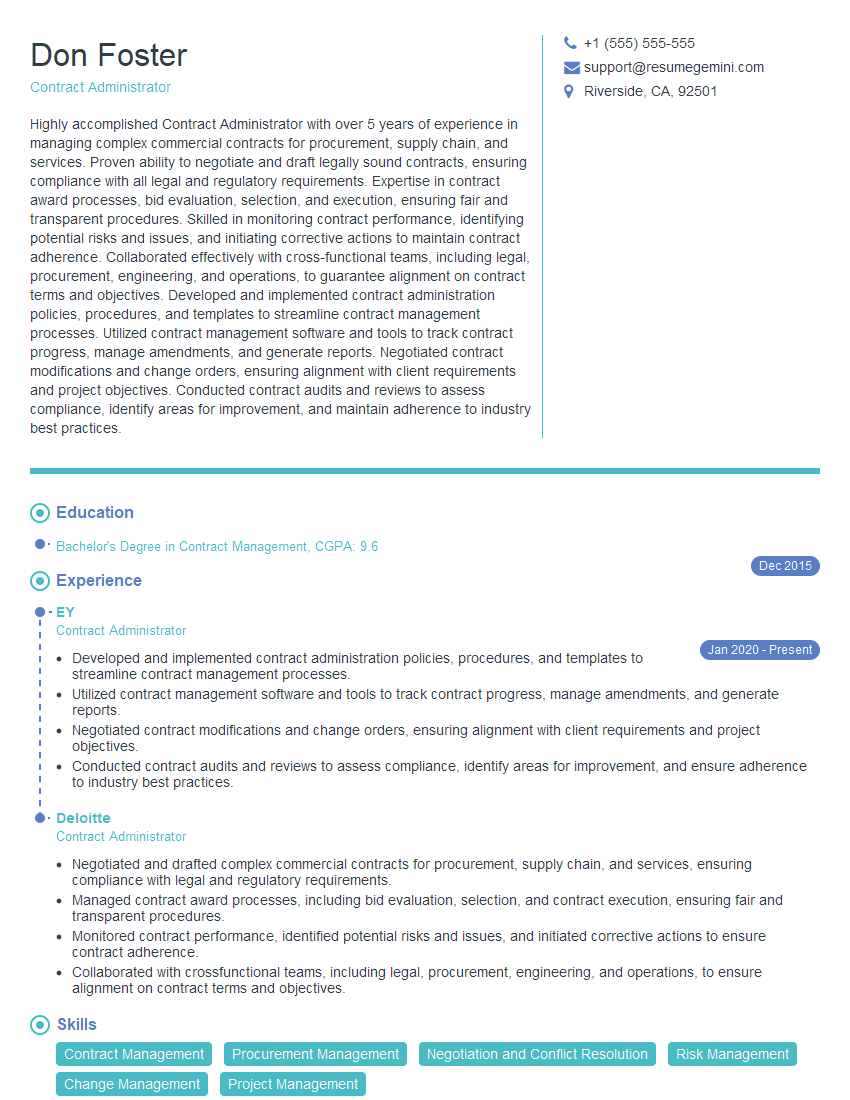
Contract Administrator Resume Sample
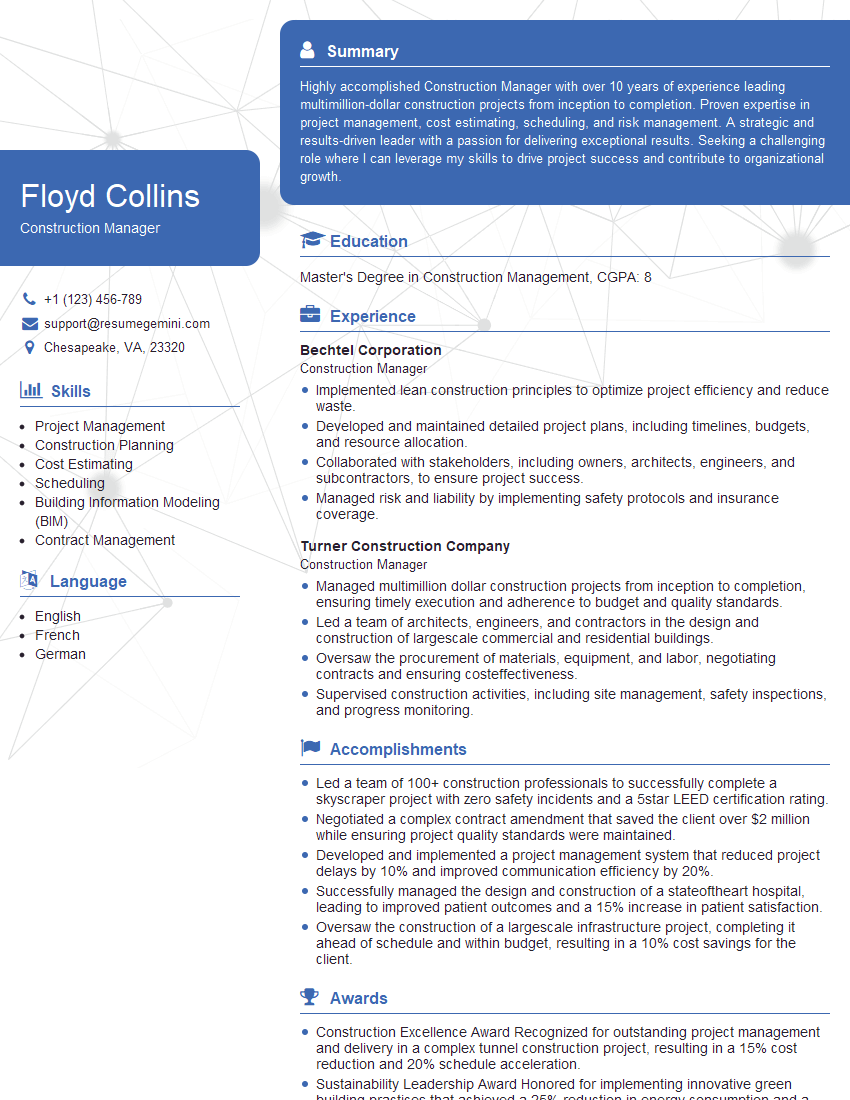
Construction Manager Resume Sample

Project Manager Resume Sample

Project Engineer Resume Sample
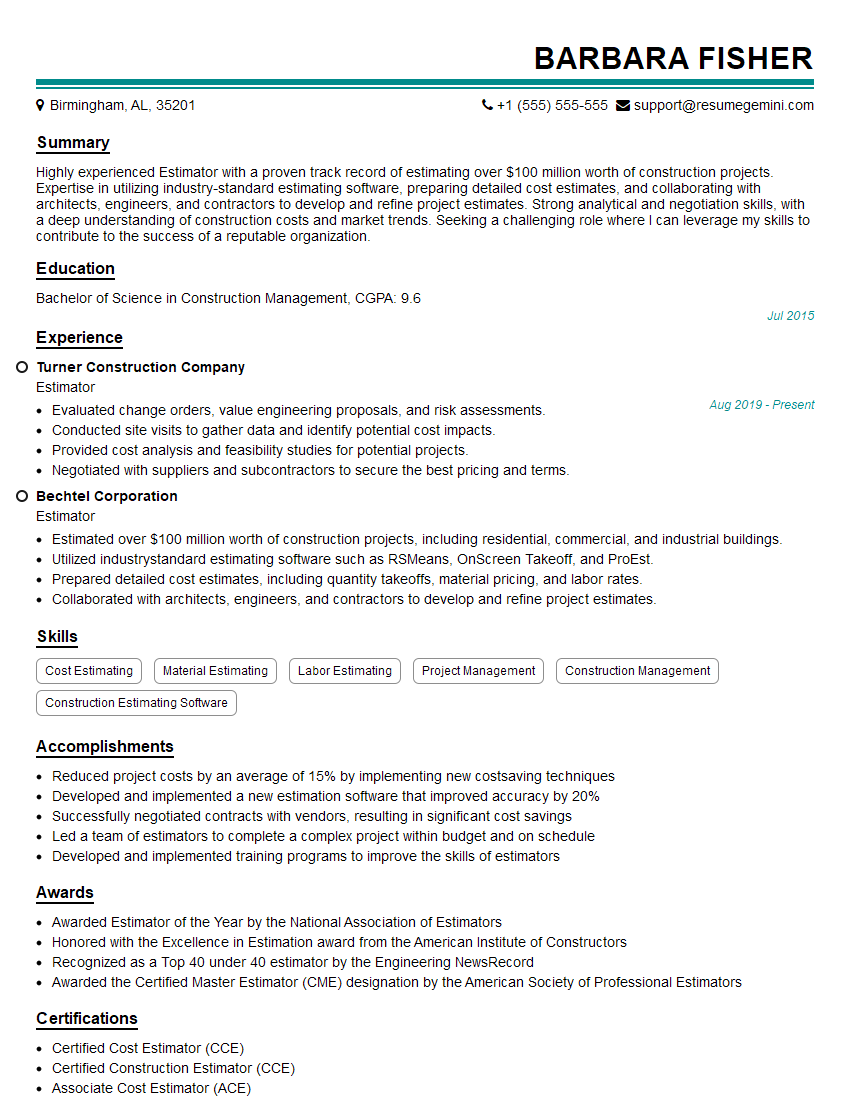
Estimator Resume Sample
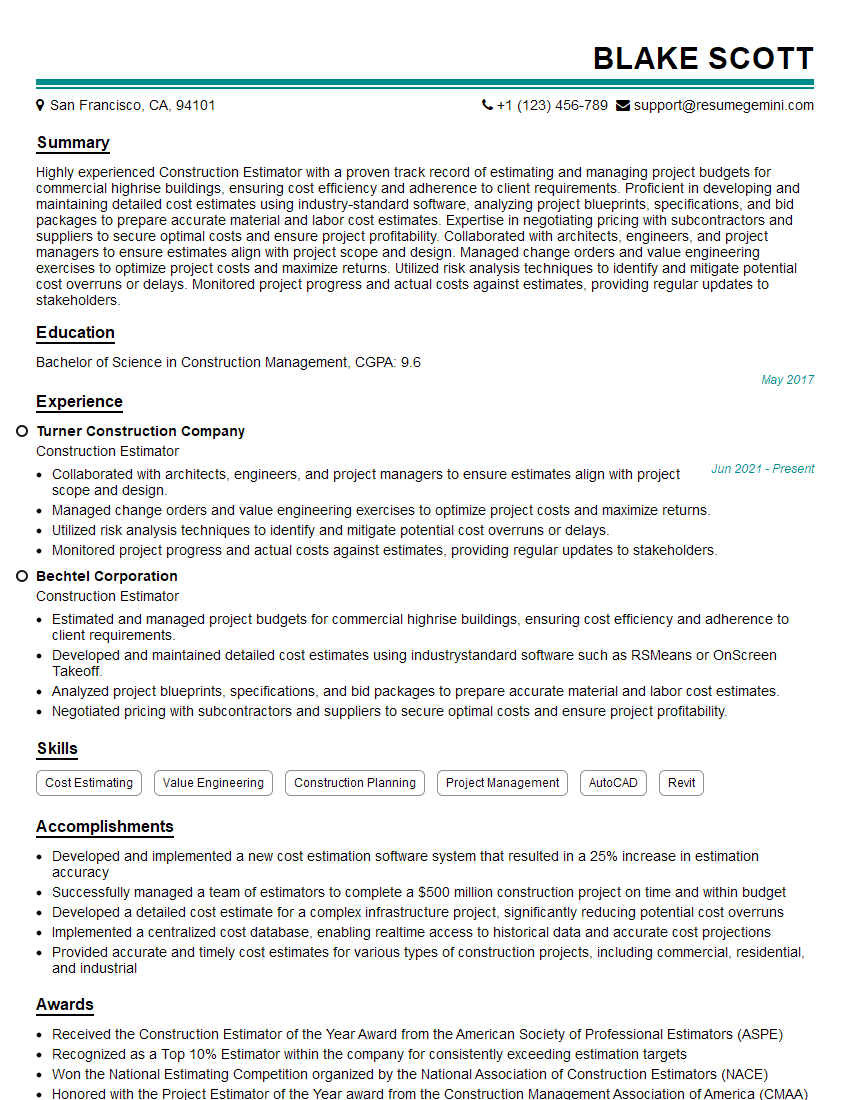
Construction Estimator Resume Sample
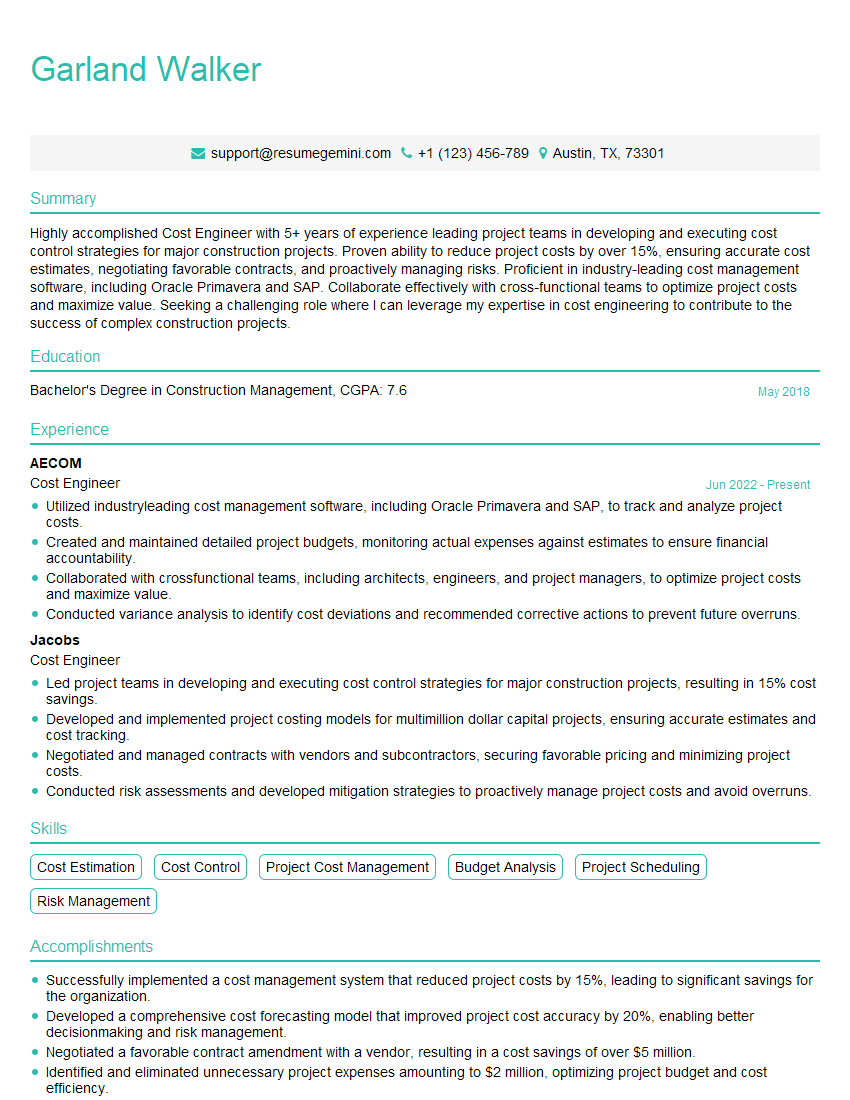
Cost Engineer Resume Sample
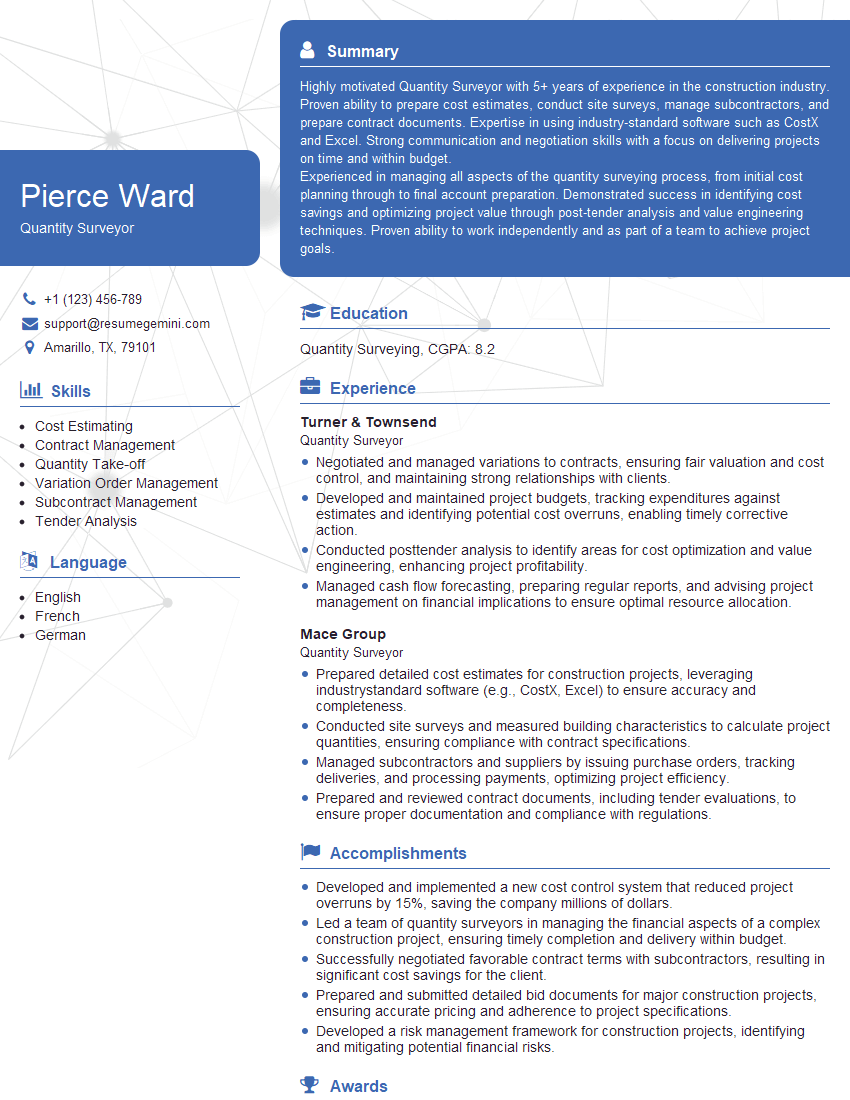
Quantity Surveyor Resume Sample
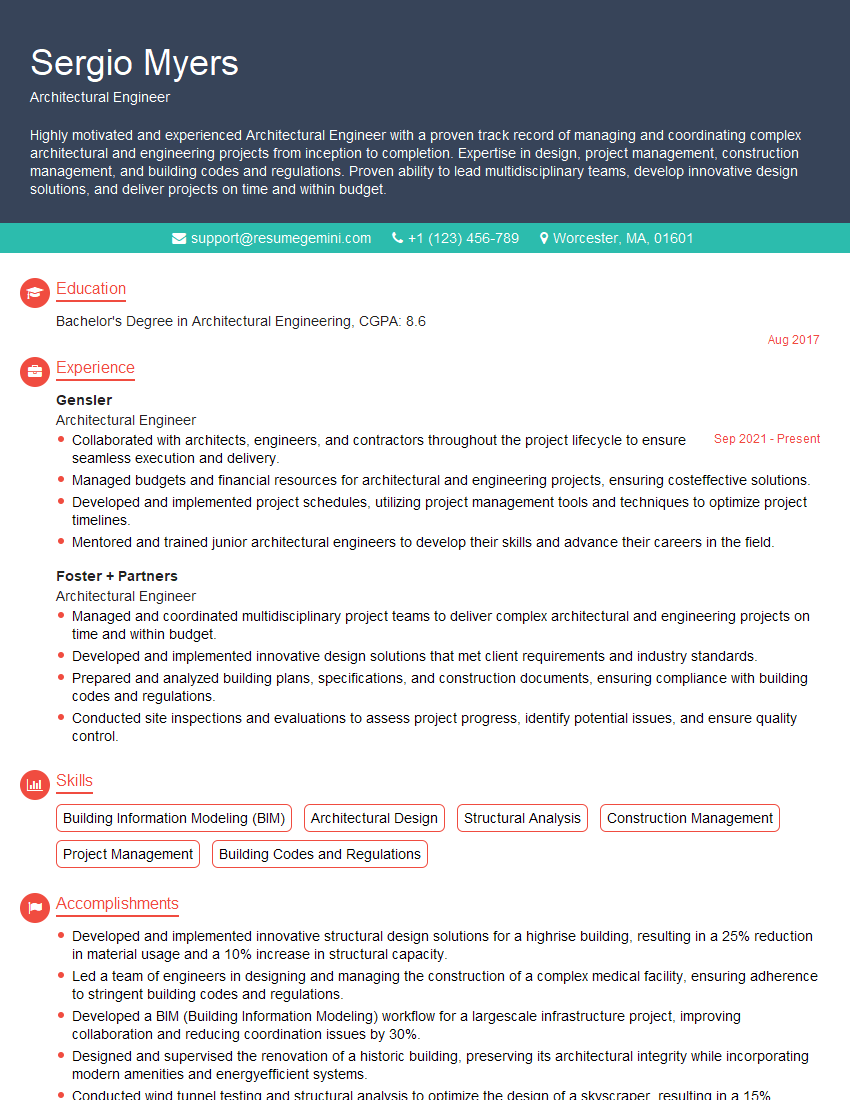
Architectural Engineer Resume Sample
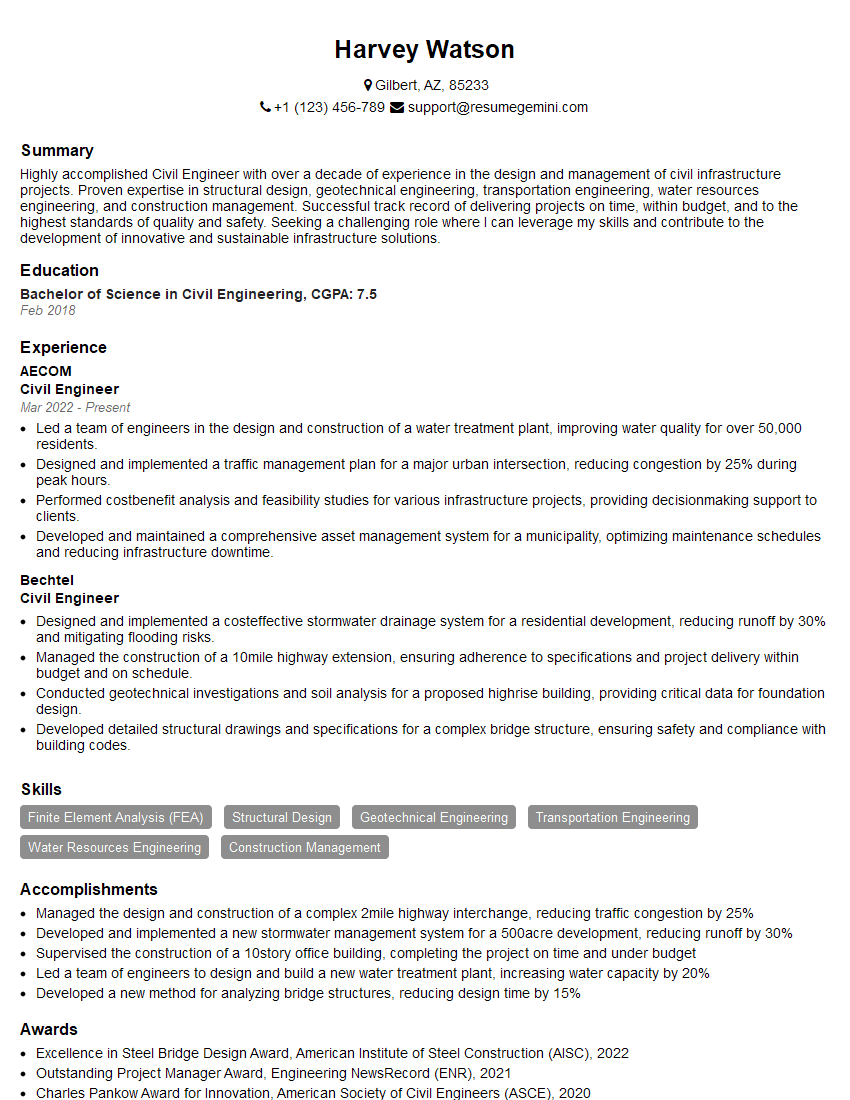
Civil Engineer Resume Sample
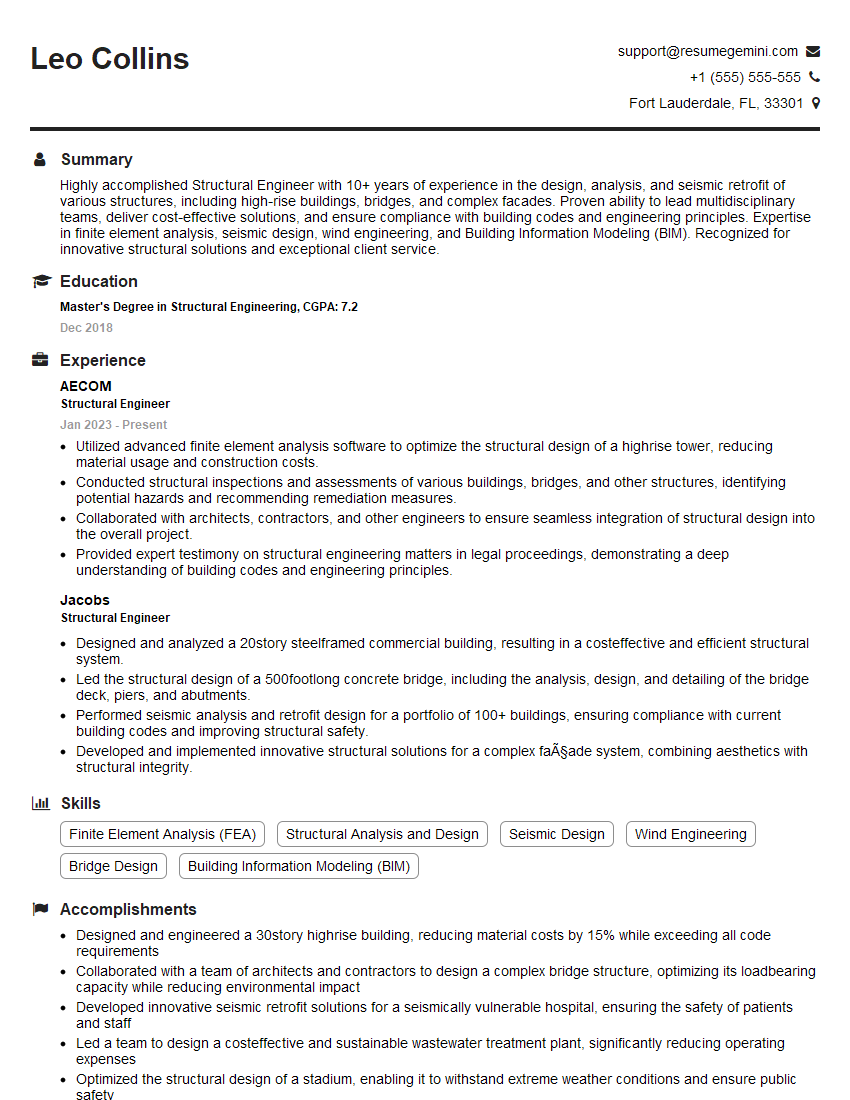
Structural Engineer Resume Sample
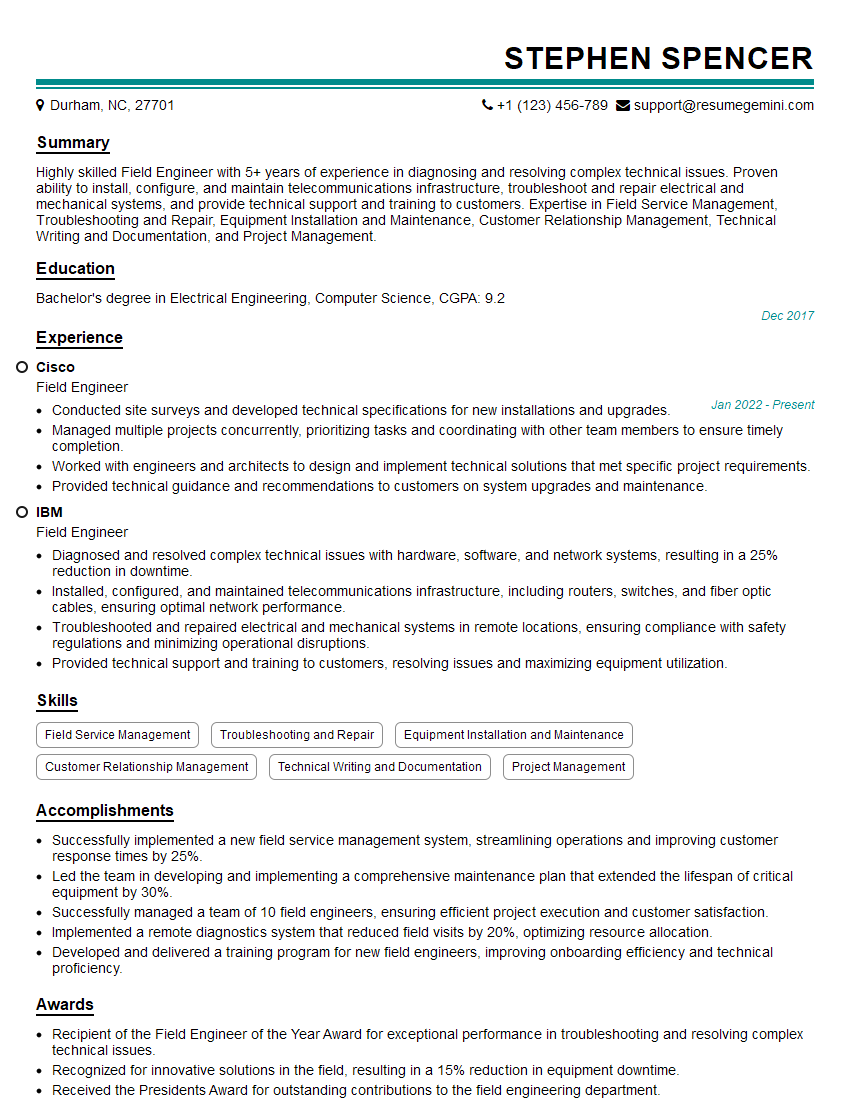
Field Engineer Resume Sample
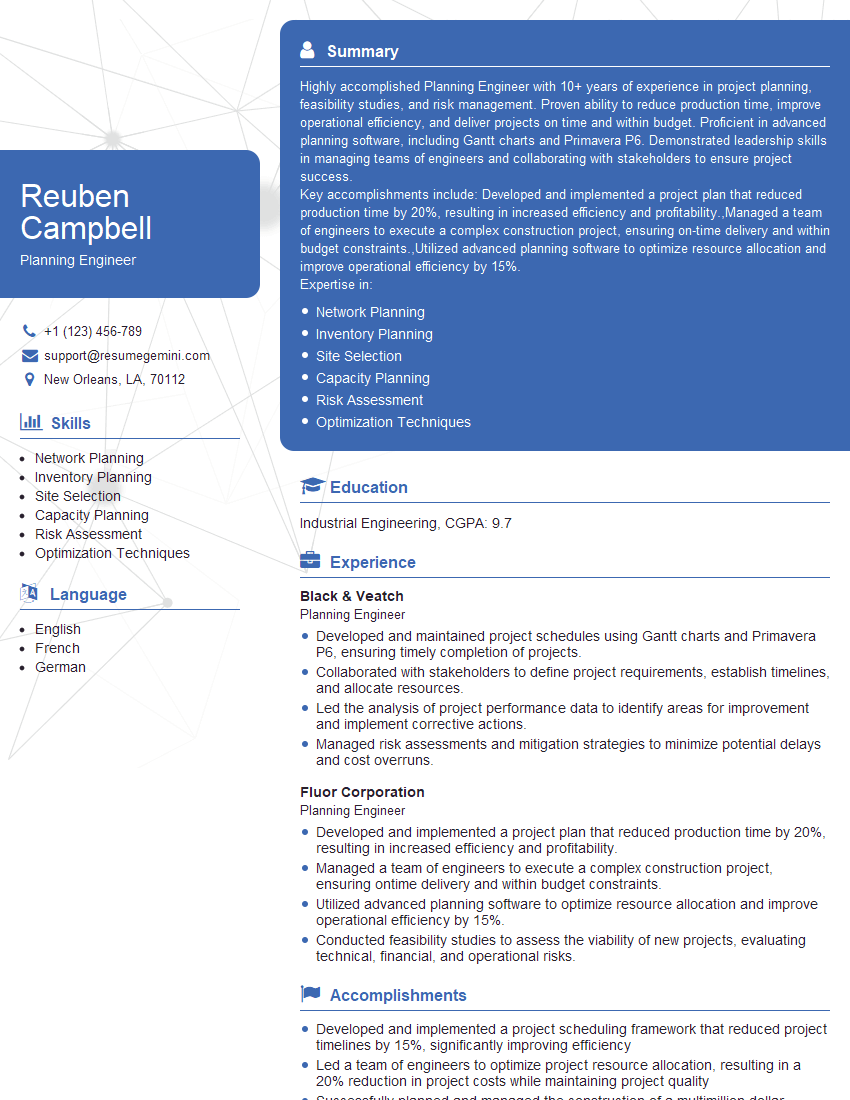
Planning Engineer Resume Sample
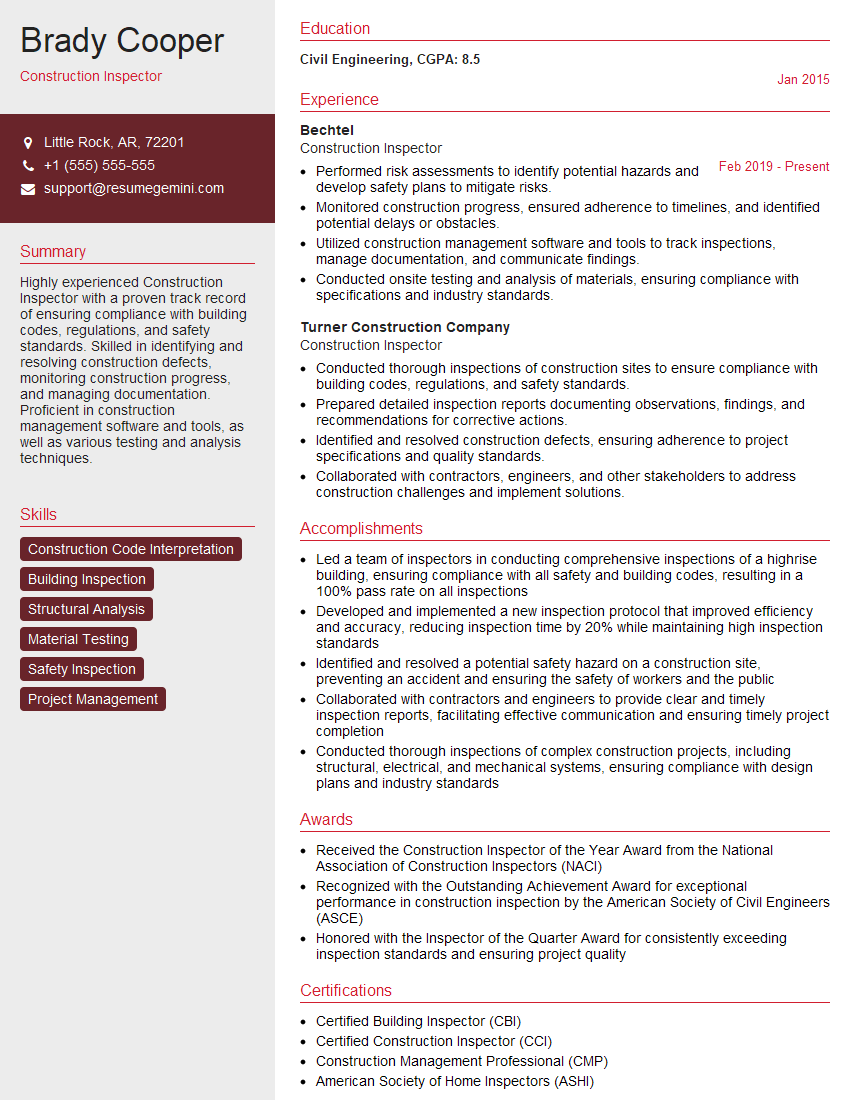
Construction Inspector Resume Sample
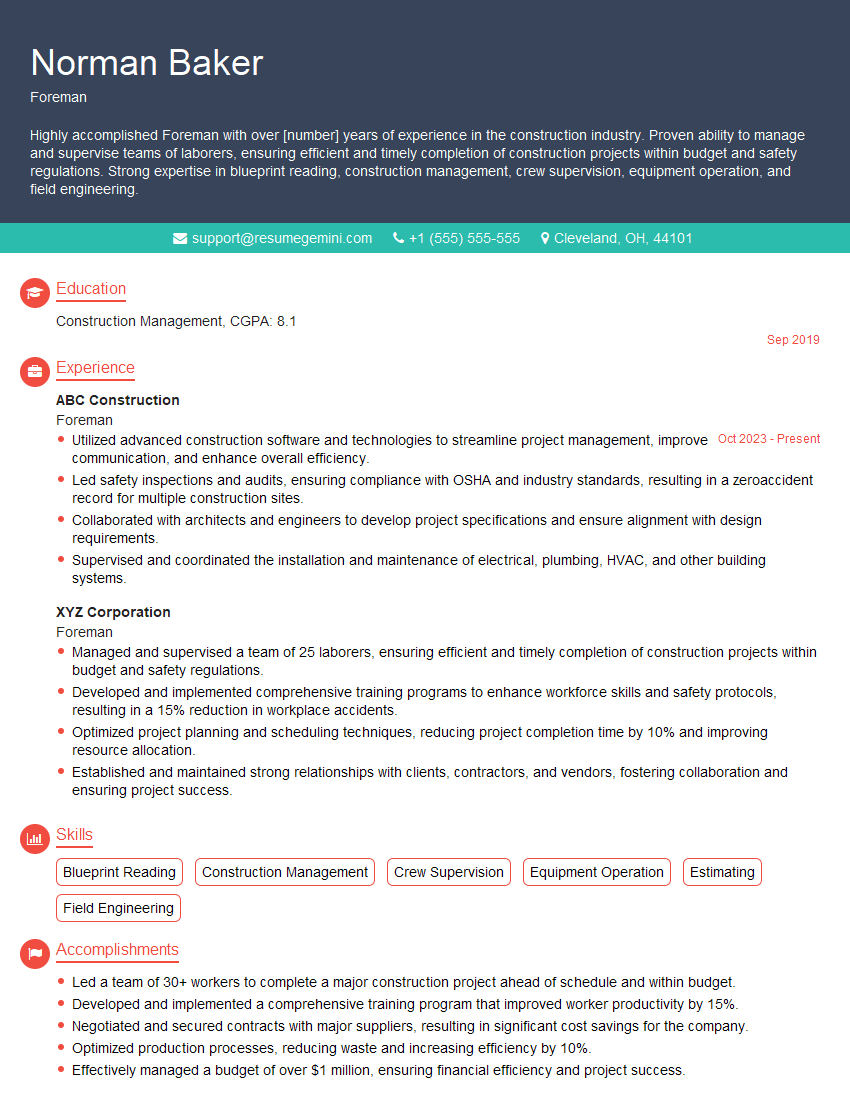
Foreman Resume Sample

Quality Control Inspector Resume Sample
- Safety Manager
- Superintendent
- Contract Administrator
- Construction Manager
- Project Manager
- Project Engineer
- Estimator
- Construction Estimator
- Cost Engineer
- Quantity Surveyor
- Architectural Engineer
- Civil Engineer
- Structural Engineer
- Field Engineer
- Planning Engineer
- Construction Inspector
- Foreman
- Quality Control Inspector
Explore more articles
Users Rating of Our Blogs
Share Your Experience
We value your feedback! Please rate our content and share your thoughts (optional).
What Readers Say About Our Blog
Very informative content, great job.
good