The thought of an interview can be nerve-wracking, but the right preparation can make all the difference. Explore this comprehensive guide to Workplace Safety Standards interview questions and gain the confidence you need to showcase your abilities and secure the role.
Questions Asked in Workplace Safety Standards Interview
Q 1. What are the key elements of a comprehensive workplace safety program?
A comprehensive workplace safety program is the cornerstone of a healthy and productive work environment. It’s not just about adhering to regulations; it’s about fostering a safety-first culture. Key elements include:
- Management Commitment and Responsibility: Leadership must visibly champion safety, allocating resources and demonstrating a genuine commitment to injury prevention. This isn’t just lip service; it involves active participation in safety meetings, setting safety goals, and holding individuals accountable.
- Hazard Identification and Risk Assessment: This involves systematically identifying potential hazards (e.g., slippery floors, unguarded machinery, chemical exposure) and assessing the likelihood and severity of potential injuries. This often involves job hazard analyses (JHAs) and workplace inspections.
- Hazard Control and Prevention: Once hazards are identified, effective controls must be implemented. This could include engineering controls (e.g., guarding machinery), administrative controls (e.g., work permits, safety procedures), and personal protective equipment (PPE) like safety glasses or respirators. The hierarchy of controls (elimination, substitution, engineering, administrative, PPE) should be followed, prioritizing the most effective methods.
- Safety Training and Education: Regular, comprehensive training is crucial. This includes initial safety orientation, job-specific training, and refresher courses. Training should be engaging, relevant, and tailored to the specific needs of the workforce.
- Emergency Preparedness and Response: Having well-defined emergency procedures, including evacuation plans, first aid protocols, and emergency contact information, is vital. Regular drills and training ensure preparedness.
- Recordkeeping and Reporting: Maintaining accurate records of safety incidents, inspections, training, and other safety-related activities is essential for continuous improvement and compliance with regulations. Thorough accident investigation is key to identifying root causes and preventing future occurrences.
- Employee Participation and Communication: Creating a culture where employees feel empowered to report hazards and participate in safety initiatives is critical. Open communication channels and regular safety meetings encourage proactive engagement.
For example, a construction company might implement a comprehensive program that includes daily safety toolbox talks, regular site inspections, and mandatory training on the safe use of power tools and fall protection equipment.
Q 2. Describe your experience conducting workplace safety audits and inspections.
I have extensive experience conducting workplace safety audits and inspections across diverse industries. My approach is systematic and thorough, ensuring all aspects of the workplace are evaluated. I typically follow a structured checklist based on relevant regulations and industry best practices. This includes:
- Pre-audit planning: Reviewing existing safety documentation, understanding the company’s operations, and scheduling the audit with key personnel.
- On-site inspection: A thorough walk-through of the facility, observing work practices, examining equipment, and reviewing safety documentation. I pay close attention to details, noting any deviations from safety standards or potential hazards.
- Interviews: Speaking with employees at all levels to gather their perspectives on safety practices and concerns.
- Documentation: Creating detailed reports that document findings, including photos and videos, and recommendations for corrective actions.
- Follow-up: Working with the company to implement corrective actions and verifying their effectiveness.
For instance, during an audit of a manufacturing plant, I identified a lack of proper machine guarding, leading to a recommendation for immediate corrective action and operator retraining. The follow-up ensured the guards were installed and workers received updated training.
Q 3. Explain your understanding of OSHA regulations (or relevant country-specific regulations).
My understanding of OSHA regulations (Occupational Safety and Health Administration in the US) is comprehensive. I am familiar with the General Duty Clause, which mandates employers to provide a safe and healthful workplace, as well as specific standards addressing hazards like fall protection, lockout/tagout, hazard communication, and personal protective equipment (PPE). I am also aware of OSHA’s recordkeeping requirements and enforcement procedures. (Note: For other countries, the equivalent regulatory body and its specific regulations would apply, such as the HSE in the UK or similar agencies worldwide.)
I understand that OSHA standards are performance-based, meaning they specify the outcome but allow flexibility in how employers achieve compliance. For example, OSHA’s fall protection standard requires employers to protect workers from falls, but it doesn’t dictate a single method. Employers can choose from various fall protection systems, depending on the specific task and work environment. This requires a good understanding of the regulations and engineering controls to select the appropriate safety measures. I also have knowledge of OSHA’s penalties for non-compliance, which reinforces the importance of proactive safety management.
Q 4. How do you identify and assess workplace hazards?
Identifying and assessing workplace hazards requires a systematic approach. This typically involves:
- Workplace Inspections: Regular walkthroughs of the workplace to visually identify potential hazards. This can be done using checklists tailored to the specific industry and work processes.
- Job Hazard Analysis (JHA): A detailed step-by-step analysis of each job task to identify potential hazards and assess risks associated with each step. This helps in developing specific controls and training.
- Incident Investigations: Thorough investigation of past incidents to understand root causes and identify preventive measures. This is crucial for proactive hazard control.
- Employee Feedback: Encouraging employees to report hazards and near misses. They often have firsthand knowledge of potential risks that might not be apparent to management.
- Data Analysis: Analyzing safety data to identify trends and patterns in injuries and incidents. This can help prioritize hazard control efforts.
For example, during a JHA for a chemical handling process, we might identify hazards such as chemical spills, inhalation exposure, and fire risks. The assessment would then involve quantifying the likelihood and severity of each hazard, leading to the implementation of appropriate control measures, such as proper ventilation, personal protective equipment, and emergency response plans.
Q 5. What are your methods for developing and implementing safety training programs?
Developing and implementing effective safety training programs requires a multi-faceted approach. I begin by:
- Needs Assessment: Identifying specific training needs based on identified hazards, job tasks, and employee skill gaps. This often involves analyzing incident reports and conducting employee interviews.
- Curriculum Development: Creating a training curriculum that is engaging, informative, and relevant to the target audience. The training should use a variety of methods, including lectures, demonstrations, hands-on activities, and interactive exercises.
- Delivery Methods: Using appropriate training methods, such as classroom sessions, online modules, or on-the-job training, depending on the topic and learner preferences. I often incorporate scenario-based training to enhance engagement and knowledge retention.
- Evaluation and Feedback: Measuring the effectiveness of the training through tests, assessments, and observations. This feedback is used to improve future training programs.
- Documentation: Maintaining records of training attendance, completion certificates, and employee performance evaluations. This is vital for compliance and demonstrating training effectiveness.
For example, when developing training on lockout/tagout procedures, I would incorporate hands-on practice with actual equipment, along with written tests and observation of safe work practices. Regular refresher training would ensure continued competency and address any changes in equipment or procedures.
Q 6. Describe your experience investigating workplace accidents and incidents.
Investigating workplace accidents and incidents is a critical part of improving safety performance. My approach is based on a systematic investigation methodology, including:
- Securing the Scene: The first step is to secure the accident scene, preserving evidence and ensuring the safety of personnel.
- Gathering Information: Collecting evidence such as witness statements, photos, videos, and equipment documentation. I also interview witnesses and individuals involved in the incident.
- Analyzing the Evidence: Identifying contributing factors and root causes of the accident. This involves a thorough examination of the physical environment, equipment, procedures, and human factors.
- Developing Corrective Actions: Based on the root cause analysis, formulating recommendations to prevent similar incidents in the future. This may involve changes to equipment, procedures, training, or management systems.
- Reporting: Documenting the findings and recommendations in a formal report, which is shared with relevant stakeholders.
For instance, during an investigation into a forklift accident, I might identify root causes such as inadequate training, poor visibility, and unsafe operating procedures. This would lead to recommendations for improved training, modifications to the work environment, and implementation of stricter operating procedures.
Q 7. How do you ensure compliance with safety regulations and standards?
Ensuring compliance with safety regulations and standards is an ongoing process that requires proactive measures. My approach involves:
- Staying Updated: Keeping abreast of changes in regulations and best practices. This involves regular review of relevant legislation, industry standards, and publications.
- Regular Inspections and Audits: Conducting regular workplace inspections and audits to identify potential hazards and ensure compliance with established procedures and regulations.
- Implementing Corrective Actions: Promptly addressing any identified non-compliances through appropriate corrective actions. This may involve engineering controls, administrative controls, or employee training.
- Recordkeeping and Documentation: Maintaining accurate and up-to-date records of all safety-related activities, including training records, inspection reports, and incident investigations. This demonstrates compliance efforts and provides valuable data for continuous improvement.
- Employee Engagement: Encouraging employee participation in safety programs and providing them with the necessary training and resources to comply with safety standards. This fosters a safety-conscious work environment.
- Management Oversight: Ensuring that management actively supports and promotes compliance with safety regulations. This includes setting safety goals, providing resources, and holding individuals accountable.
For example, in a manufacturing setting, we might implement a regular safety inspection program, coupled with a comprehensive training program and a system for promptly reporting and addressing safety concerns. This proactive approach helps maintain compliance and creates a strong safety culture.
Q 8. How do you handle employee resistance to safety protocols?
Addressing employee resistance to safety protocols requires a multi-pronged approach focused on understanding the root cause of the resistance and implementing strategies that foster collaboration and buy-in. It’s rarely about outright defiance; often, it stems from lack of understanding, perceived inconvenience, or even past negative experiences with safety initiatives.
- Open Communication and Education: I start by actively listening to employees’ concerns. Perhaps the protocol is unclear, overly burdensome, or doesn’t seem relevant to their specific task. Clear, concise training, coupled with interactive sessions or demonstrations, can significantly improve understanding and acceptance. For example, if resistance to wearing PPE is due to discomfort, providing a variety of options and allowing for trial periods can help.
- Involvement and Empowerment: Instead of dictating safety measures, I involve employees in the process. Joint safety committees or suggestion boxes allow for feedback and the opportunity to shape safety practices. Employees who feel heard and valued are more likely to comply.
- Positive Reinforcement and Incentives: Recognizing and rewarding safe behavior – through verbal praise, small incentives, or even company-wide recognition – is critical. Focusing on positive reinforcement fosters a culture of safety rather than one of punishment.
- Addressing Underlying Issues: Resistance might sometimes indicate a deeper issue, such as inadequate equipment, unrealistic deadlines, or a lack of management support. Addressing these underlying concerns is crucial for long-term success. For example, if safety procedures are slowing down production, we need to analyze workflow to find efficiencies, not just enforce the procedures rigidly.
- Consistent Enforcement: Finally, consistent and fair enforcement of safety protocols is crucial. It’s about ensuring everyone is on the same page and that safety isn’t treated as optional. However, enforcement should always be coupled with support and understanding.
Q 9. What are your strategies for promoting a strong safety culture within a workplace?
Building a strong safety culture isn’t a one-time event; it’s an ongoing process that requires consistent effort and commitment from leadership and employees alike. It’s about creating an environment where safety is not just a priority but a value embedded in every aspect of the workplace.
- Leadership Commitment: Visible and vocal support from senior management is paramount. Leaders need to champion safety initiatives, actively participate in safety training, and lead by example. Their commitment sets the tone for the entire organization.
- Employee Involvement: Creating opportunities for employees to participate in safety programs, such as safety committees, hazard identification programs, and near-miss reporting, fosters a sense of ownership and responsibility.
- Open Communication and Feedback: Regular safety meetings, newsletters, and easily accessible communication channels ensure that information is shared effectively. Openly soliciting feedback helps identify concerns and allows for timely problem-solving.
- Training and Education: Providing comprehensive, engaging, and regularly updated safety training is crucial. This goes beyond basic compliance training and includes training on specific job hazards, emergency procedures, and relevant legislation.
- Recognition and Reward: Acknowledging and rewarding safe behavior is essential. This could be through awards, certificates, or simply public recognition during team meetings. This positive reinforcement strengthens the safety culture.
- Continuous Improvement: Regularly reviewing and updating safety programs and procedures based on incident reports, near misses, and audits is essential for continuous improvement. A strong safety culture is dynamic and adaptable.
Q 10. Explain your understanding of risk assessment methodologies.
Risk assessment methodologies are systematic processes used to identify, analyze, and evaluate potential hazards and risks within a workplace. The goal is to proactively mitigate these risks and prevent accidents or injuries. Several methodologies exist, but they all share common elements.
- Hazard Identification: This involves systematically identifying potential hazards through various techniques such as workplace inspections, job hazard analyses (JHA), checklists, and employee input. For example, a JHA for operating a forklift might include identifying hazards like uneven surfaces, blind spots, and moving objects.
- Risk Analysis: Once hazards are identified, the likelihood of the hazard occurring and the severity of potential consequences are assessed. This often involves using a matrix or scoring system. A common approach is to consider the probability (likelihood) and impact (severity) of each hazard and then assign a risk level (e.g., low, medium, high).
- Risk Evaluation: The identified risks are prioritized based on their level of severity and likelihood. This helps determine which hazards require immediate attention and which can be addressed later.
- Risk Control: Effective control measures are developed and implemented to mitigate or eliminate the identified risks. These controls can be hierarchical (elimination, substitution, engineering controls, administrative controls, PPE) aiming for the most effective measures first.
- Monitoring and Review: The effectiveness of the implemented controls is regularly monitored and the risk assessment is reviewed and updated periodically to account for changes in the workplace, processes, or legislation.
Examples of methodologies include HAZOP (Hazard and Operability Study) and FMEA (Failure Mode and Effects Analysis), each with its own strengths and applications.
Q 11. Describe your experience with the development and implementation of emergency response plans.
Developing and implementing effective emergency response plans is crucial for ensuring employee safety and minimizing damage in the event of an incident. My experience encompasses all stages, from initial planning and development to regular drills and post-incident reviews.
- Needs Assessment: This starts with a thorough assessment of potential emergencies specific to the workplace, considering factors like the type of work, location, and potential hazards. This might involve identifying potential scenarios such as fires, chemical spills, medical emergencies, or natural disasters.
- Plan Development: A detailed emergency response plan is then developed, outlining procedures for evacuation, communication, first aid, emergency contact information, and roles and responsibilities for each team member. The plan should include clear, concise instructions and diagrams.
- Training and Drills: Regular training and drills are conducted to familiarize employees with the plan and ensure they know how to react in various emergency situations. Drills should cover different scenarios, such as fire drills and emergency evacuation procedures, and incorporate feedback for improvement. This training is crucial for effective response.
- Communication System: A robust communication system is essential, ensuring that information can be disseminated quickly and effectively during an emergency. This might include emergency alarms, two-way radios, or mobile phone alerts. This communication system should be tested regularly during drills.
- Post-Incident Review: After an emergency, a thorough review of the response is conducted to identify areas for improvement in the plan and training procedures. This critical step improves the plan’s effectiveness.
For example, in a previous role, I developed an emergency response plan for a chemical processing plant that incorporated detailed procedures for handling chemical spills, including evacuation routes, protective equipment usage, and emergency contact information for relevant authorities.
Q 12. How do you measure the effectiveness of your safety programs?
Measuring the effectiveness of safety programs requires a comprehensive approach using both leading and lagging indicators. Lagging indicators show the results of past performance, while leading indicators predict future performance. Combining both provides a holistic view.
- Lagging Indicators: These focus on the outcomes of safety programs, such as the number of accidents, injuries, illnesses, lost-time incidents, and near misses. Analyzing trends in these indicators reveals the overall effectiveness of safety measures. A decreasing trend is positive, while an increase signals the need for immediate review and action.
- Leading Indicators: These focus on the processes and behaviors that drive safety performance. Examples include the number of safety inspections conducted, the participation rate in safety training, the number of safety suggestions implemented, the number of near misses reported, and employee safety survey results. Improved leading indicators suggest a strengthening safety culture and reduced future risk.
- Data Analysis and Reporting: Regular data collection, analysis, and reporting are vital for monitoring progress. Using dashboards and visual representations of data helps identify trends and areas needing attention. This should involve clear reporting and readily-accessible information.
- Audits and Inspections: Regular safety audits and inspections assess compliance with safety regulations and identify potential hazards. These audits should be thorough and provide detailed reports with action plans for addressing identified issues.
- Employee Surveys and Feedback: Employee surveys can gauge attitudes toward safety, identify areas for improvement, and measure employee perception of safety performance. This information is vital for understanding the effectiveness of initiatives from the employee perspective.
Q 13. What are your strategies for improving workplace safety performance?
Improving workplace safety performance is a continuous process that requires a proactive and data-driven approach. It goes beyond simply reacting to incidents; it requires anticipating risks and implementing preventative measures.
- Proactive Hazard Identification: Implementing robust hazard identification programs, such as regular safety inspections and JHA’s, allows for early identification of potential hazards and prevents incidents from occurring.
- Targeted Interventions: Analyzing safety data to identify trends and patterns helps prioritize areas needing improvement. This data-driven approach allows for targeted interventions that focus resources on the most critical issues.
- Improving Training and Communication: Ensuring employees have the appropriate training and are provided with clear and concise safety information is crucial. This includes regular refresher training, updates on new procedures, and opportunities for feedback.
- Enhancing Safety Culture: Building a strong safety culture where employees feel empowered to speak up, report hazards, and contribute to safety improvement initiatives. This can involve promoting safety leadership, recognizing safe behavior, and fostering open communication.
- Technology and Innovation: Leveraging technology such as safety management software and wearable technology to improve data collection, monitoring, and risk assessment. This could include using sensors to monitor environmental conditions or wearable technology to track worker location and vital signs.
- Regular Review and Updates: Continuously reviewing safety programs and procedures to ensure their effectiveness and adapting them based on the changing needs of the workplace and new legislation.
Q 14. How do you manage safety documentation and reporting?
Effective management of safety documentation and reporting is vital for ensuring compliance, improving safety performance, and demonstrating accountability. It requires a systematic approach to document creation, storage, retrieval, and disposal.
- Centralized System: Implementing a centralized system for storing all safety documents, such as safety policies, procedures, training records, incident reports, risk assessments, and audit reports. This could be a physical filing system or a digital document management system.
- Version Control: Utilizing version control for all documents to ensure everyone is working with the latest version and prevents confusion caused by outdated documents. This is particularly important for procedures and risk assessments.
- Secure Storage: Ensuring that all documents are stored securely to protect sensitive information. This includes both physical security for paper documents and appropriate access controls for digital documents.
- Accessibility: Making safety documents readily accessible to all employees who need them. This involves clear labeling, user-friendly organization, and the appropriate dissemination methods.
- Reporting System: Establishing a standardized reporting system for all safety-related incidents, near misses, and observations. This system should allow for consistent reporting, tracking, and analysis of data. This system should be easily accessible and encourage reporting.
- Regular Audits: Conducting regular audits of safety documentation to ensure its completeness, accuracy, and compliance with relevant regulations. These audits should provide detailed reports and recommendations for improvement.
- Data Retention Policies: Implementing clear data retention policies that comply with all legal and regulatory requirements. This ensures only necessary documents are kept and that records are disposed of properly once they are no longer needed.
Q 15. Describe your experience with personal protective equipment (PPE).
Personal Protective Equipment (PPE) is crucial for minimizing workplace hazards. My experience encompasses selecting, implementing, and auditing PPE programs across various industries. This includes ensuring compliance with relevant OSHA standards and other applicable regulations. I’ve worked with a wide range of PPE, from basic safety glasses and gloves to specialized respirators, hearing protection, and fall protection harnesses.
For example, in a construction project, I oversaw the implementation of a comprehensive PPE program, ensuring that workers consistently used hard hats, safety boots, high-visibility vests, and appropriate hand protection based on the specific task. We also conducted regular inspections to ensure PPE was in good condition and properly fitted. In a manufacturing setting, I helped establish a respirator program, including fit testing and training, to protect workers from airborne hazards.
Beyond the provision of PPE, a critical aspect of my work involves employee training. This training covers not only how to use the equipment correctly but also the importance of its proper maintenance and storage. It’s not just about handing out equipment; it’s about fostering a safety-first culture.
Career Expert Tips:
- Ace those interviews! Prepare effectively by reviewing the Top 50 Most Common Interview Questions on ResumeGemini.
- Navigate your job search with confidence! Explore a wide range of Career Tips on ResumeGemini. Learn about common challenges and recommendations to overcome them.
- Craft the perfect resume! Master the Art of Resume Writing with ResumeGemini’s guide. Showcase your unique qualifications and achievements effectively.
- Don’t miss out on holiday savings! Build your dream resume with ResumeGemini’s ATS optimized templates.
Q 16. Explain your understanding of ergonomics and its role in workplace safety.
Ergonomics focuses on designing workplaces and jobs to fit the capabilities and limitations of the people who do the work. It aims to reduce the risk of musculoskeletal disorders (MSDs) – injuries to muscles, tendons, nerves, and other soft tissues – through adjustments to posture, movement, and workstation design. It’s a proactive approach to safety, aiming to prevent injuries before they occur.
In my experience, incorporating ergonomic principles has significantly improved workplace safety and productivity. For instance, I worked with a company that was experiencing a high rate of carpal tunnel syndrome among its data entry employees. By implementing ergonomic assessments, providing adjustable chairs and keyboards, and implementing regular stretch breaks, we significantly reduced the incidence of these injuries. This not only improved employee well-being but also boosted morale and productivity. We also implemented changes to workstations to allow for variations in posture and movements, thereby reducing the likelihood of repetitive strain injuries.
Q 17. How do you address near-miss incidents?
Near-miss incidents, while not resulting in injuries or damage, are valuable indicators of potential hazards. My approach to addressing these involves a thorough investigation to identify the root cause. This isn’t just about finding the immediate cause, but delving deeper to understand the underlying systemic issues that may have contributed.
I use a structured investigation process, involving interviews with those involved, reviewing relevant documentation, and analyzing the work environment. The goal is to determine corrective actions to prevent similar incidents from occurring in the future. For example, if a worker almost tripped over a loose cable, the investigation wouldn’t stop at identifying the cable. It would explore why the cable was loose, whether proper cable management procedures were in place, and whether employees received adequate training on maintaining a safe work environment.
Following the investigation, I develop and implement corrective actions, often involving retraining, improved procedures, or modifications to the workplace itself. This information is also documented and shared to reinforce safe work practices and prevent future occurrences. Regular follow-ups are crucial to ensure the effectiveness of implemented solutions.
Q 18. What is your experience with safety committees or teams?
I have extensive experience participating in and leading safety committees and teams. These collaborative environments are crucial for fostering a strong safety culture and promoting open communication regarding safety concerns. I’ve found that a well-functioning safety committee can be a powerful force for positive change within an organization.
My role typically involves facilitating meetings, guiding discussions, analyzing safety data, and developing and implementing action plans to address identified hazards. I also help to ensure that the committee’s recommendations are effectively communicated to management and implemented across the organization. I believe in involving employees at all levels in the safety process – their input is invaluable in identifying and addressing hazards.
For example, in one organization, I worked with a safety committee to identify and address a significant increase in slips and falls. We analyzed the incidents, implemented improvements to lighting and flooring, and provided additional training on proper footwear and safe walking practices. The result was a considerable reduction in slips and falls, demonstrating the effectiveness of collaborative safety initiatives.
Q 19. Describe your understanding of lockout/tagout procedures.
Lockout/Tagout (LOTO) procedures are critical for preventing accidental energization or startup of machinery during maintenance or repair. They ensure that equipment is de-energized, isolated, and rendered incapable of unexpected operation. My experience encompasses the development, implementation, and training related to LOTO procedures, ensuring compliance with OSHA standards.
These procedures typically involve several steps: 1. Preparation: Identifying the energy sources, selecting appropriate lockout devices, and gathering necessary tools. 2. Lockout: Disconnecting energy sources and applying lockout devices. 3. Tagout: Attaching tags to the lockout devices, clearly indicating who locked out the equipment and the reason. 4. Verification: Testing to ensure that the equipment is de-energized. 5. Restoration: Removal of lockout devices, verifying equipment operation, and documenting the entire process.
I’ve provided LOTO training to numerous employees across diverse industries, emphasizing the importance of meticulous adherence to procedures. Failure to follow these procedures can result in serious injury or fatality. Regular audits and drills ensure that employees remain proficient and that the system remains effective.
Q 20. How do you handle conflict resolution in relation to safety concerns?
Conflict resolution regarding safety concerns requires a collaborative and respectful approach. My strategy focuses on open communication, active listening, and a commitment to finding mutually agreeable solutions. I aim to understand each party’s perspective, identifying the underlying issues driving the conflict.
My approach involves several steps: 1. Facilitation: Creating a safe space for open dialogue. 2. Clarification: Ensuring everyone understands the safety concerns and the perspectives of others. 3. Collaboration: Working together to identify solutions that address the safety concerns and respect the interests of all parties. 4. Documentation: Recording the agreement and any follow-up actions. 5. Follow-up: Monitoring the effectiveness of the implemented solutions.
For example, I’ve mediated conflicts between management and employees regarding the implementation of new safety procedures. By facilitating a discussion that focused on the shared goal of safety, we were able to address concerns and reach a consensus on a workable solution. This approach builds trust and strengthens the safety culture.
Q 21. What is your experience with hazard communication programs?
Hazard Communication programs are essential for informing employees about the potential hazards associated with the chemicals and other substances they handle in the workplace. My experience includes developing, implementing, and maintaining these programs in accordance with OSHA’s Hazard Communication Standard (HCS). This includes ensuring that Safety Data Sheets (SDSs) are readily available and easily accessible.
A comprehensive hazard communication program involves several key elements: 1. Inventory: Identifying all hazardous chemicals in the workplace. 2. Labeling: Ensuring all containers are properly labeled with hazard warnings and pictograms. 3. SDS Access: Making SDSs readily available to employees. 4. Training: Providing employees with training on how to interpret labels, understand SDSs, and handle hazardous chemicals safely. 5. Communication: Effectively communicating safety information to employees through various channels.
I’ve successfully implemented hazard communication programs in diverse settings, including manufacturing plants, laboratories, and construction sites. These programs have significantly enhanced employee awareness and improved safe handling practices, leading to a reduction in workplace incidents.
Q 22. Explain your understanding of machine guarding and safety.
Machine guarding is crucial for preventing injuries from moving machine parts. It involves using barriers, devices, or methods to protect workers from hazards like rotating shafts, pinch points, and cutting blades. Effective machine guarding should be designed to prevent access to hazardous areas while still allowing for safe operation and maintenance.
- Types of Guards: These include fixed guards (permanently attached), interlocked guards (prevent operation when open), and adjustable guards (allowing for varying workpiece sizes).
- Safeguarding Principles: The hierarchy of controls should be followed: elimination, substitution, engineering controls (guarding), administrative controls (procedures), and finally, PPE (Personal Protective Equipment) as a last resort.
- Example: In a woodworking shop, a circular saw must have a blade guard that covers the blade except during the cutting process. A properly designed guard prevents accidental contact, even if a worker’s hand slips.
Safety is paramount, and a well-guarded machine significantly reduces the risk of serious injury or fatality. Regular inspection and maintenance of guarding mechanisms are crucial to ensure they remain effective.
Q 23. How do you ensure safety in confined spaces?
Confined space entry requires a structured and systematic approach to ensure worker safety. These spaces are enclosed, and entry involves significant hazards like oxygen deficiency, toxic gases, and engulfment.
- Permit-Required Confined Space Program: This program outlines detailed procedures, including atmospheric monitoring, ventilation, and rescue plans. It involves identifying all confined spaces, assessing the hazards, and implementing controls.
- Atmospheric Monitoring: Before entry, the atmosphere must be tested for oxygen levels, flammable gases, and toxic substances. Continuous monitoring is often necessary during the operation.
- Ventilation: Adequate ventilation is critical to remove harmful gases and ensure sufficient oxygen. This could involve mechanical ventilation or other methods.
- Rescue Plan: A comprehensive rescue plan, including trained personnel and equipment, is essential in case of emergencies.
- Lockout/Tagout Procedures: Energy sources must be isolated and locked out to prevent accidental start-up of equipment.
Example: Entering a storage tank to clean it requires a detailed permit outlining all safety measures, atmospheric testing results, and a designated rescue team ready on standby.
Q 24. What are your strategies for preventing falls from heights?
Falls from heights are a leading cause of workplace fatalities. Prevention strategies focus on eliminating or controlling fall hazards through a combination of engineering controls, administrative controls, and personal protective equipment.
- Engineering Controls: This is the most effective approach – guardrails, safety nets, and personal fall arrest systems (PFAS) should be used whenever possible.
- Administrative Controls: Includes training, safe work procedures, inspections, and regular supervision to ensure compliance.
- Personal Protective Equipment (PPE): Harnesses, lanyards, and safety helmets are used as a final line of defense when other controls aren’t feasible. Proper training and inspection are essential to use PPE correctly.
- Example: Working on a rooftop requires installing guardrails and using a safety harness with a lanyard attached to an anchor point. This provides multiple layers of protection should a fall occur.
Regular inspections of fall protection equipment are critical to prevent system failures. It’s crucial that employees are trained and competent in the use of any fall protection equipment they are required to use.
Q 25. How do you manage workplace violence prevention programs?
Workplace violence prevention programs aim to create a safe and respectful work environment. A multi-faceted approach is needed, involving risk assessment, training, policies, and procedures.
- Risk Assessment: Identify potential hazards, including factors that can contribute to violence, such as stress, workload, and inadequate security.
- Training: Employees need training on recognizing signs of potential violence, de-escalation techniques, reporting procedures, and self-protection strategies.
- Policies and Procedures: Clear policies should be established that outline unacceptable behavior, reporting mechanisms, and disciplinary actions.
- Security Measures: Implementing security measures such as security cameras, well-lit areas, and emergency response procedures is essential.
- Zero Tolerance Policy: A firm stance against violence creates a culture of respect and safety.
Example: Regular training sessions that teach employees how to handle confrontational situations and how to report incidents of harassment or violence are crucial.
Q 26. Describe your experience with conducting safety inspections of electrical equipment.
Conducting safety inspections of electrical equipment requires a thorough understanding of electrical safety standards and regulations. These inspections aim to identify potential hazards and prevent electrical accidents.
- Visual Inspection: Checking for damaged insulation, frayed wires, loose connections, and signs of overheating.
- Testing: Using appropriate testing equipment (e.g., multimeters) to verify proper grounding, insulation resistance, and voltage levels.
- Lockout/Tagout Procedures: Before any inspection or maintenance, the power must be completely isolated and locked out to prevent accidental energization.
- Documentation: Maintaining detailed records of inspections, including dates, findings, and corrective actions taken.
- Compliance with Standards: Inspections must adhere to relevant standards such as OSHA’s standards for electrical safety.
Example: Before working on any electrical panel, a qualified electrician would perform a thorough visual inspection and use a lockout/tagout procedure to ensure the power is completely off. They’d also test the equipment’s grounding and insulation resistance using a multimeter. Any issues discovered would be documented and addressed before the equipment is re-energized.
Q 27. What is your experience with working with contractors to ensure safety compliance?
Working with contractors requires a robust process to ensure they adhere to the same safety standards as the company. This includes pre-qualification, site-specific safety plans, and regular monitoring.
- Pre-qualification: Vetting contractors based on their safety records, insurance coverage, and adherence to safety standards.
- Site-Specific Safety Plans: Developing detailed plans outlining the specific hazards on the job site and the control measures to be implemented.
- Orientation and Training: Providing contractors with information on site-specific hazards, emergency procedures, and company safety rules.
- Regular Inspections: Conducting regular inspections to monitor contractor adherence to the safety plan.
- Communication: Maintaining open communication with contractors to address any safety concerns promptly.
Example: Before a contractor begins work on a construction site, a comprehensive safety orientation is provided, reviewing the site-specific safety plan and emphasizing the importance of using PPE and adhering to lockout/tagout procedures.
Q 28. How do you stay up-to-date on the latest workplace safety standards and regulations?
Staying current with workplace safety standards and regulations is crucial for maintaining a safe work environment. This requires a proactive and multifaceted approach.
- Professional Organizations: Membership in organizations like OSHA (Occupational Safety and Health Administration) and other industry-specific groups provides access to updated information, training, and networking opportunities.
- Industry Publications and Journals: Keeping up to date with the latest research and developments by reading relevant industry publications.
- Training Courses and Seminars: Regular participation in training courses and seminars on new regulations and best practices.
- Government Websites: Regularly checking government websites (e.g., OSHA’s website) for updates to regulations and guidance documents.
- Networking with Other Professionals: Sharing best practices and staying abreast of new developments by engaging with other safety professionals.
Example: Regularly attending webinars and conferences offered by OSHA or other relevant safety organizations ensures knowledge of the latest updates in safety regulations and best practices.
Key Topics to Learn for Workplace Safety Standards Interview
- Hazard Identification and Risk Assessment: Understand methodologies like HAZOP, What-If analysis, and Job Safety Analysis (JSA). Learn to practically apply these to real-world workplace scenarios, identifying potential hazards and mitigating risks effectively.
- Occupational Safety and Health Regulations: Familiarize yourself with relevant legislation and standards (e.g., OSHA, ANSI) in your region. Be prepared to discuss specific regulations and their practical application in maintaining a safe work environment. Consider the implications of non-compliance.
- Personal Protective Equipment (PPE): Go beyond simply listing PPE types. Understand the selection criteria for appropriate PPE based on identified hazards, the limitations of different PPE, and proper usage and maintenance procedures. Discuss relevant standards for PPE selection and certification.
- Emergency Response and Procedures: Know different emergency procedures (fire, evacuation, first aid) and be able to describe your role in managing emergencies effectively. Practical experience in emergency response training will be highly beneficial.
- Incident Investigation and Reporting: Understand root cause analysis techniques and the importance of thorough incident investigation to prevent recurrence. Be prepared to discuss the process of incident reporting and documentation.
- Safety Training and Communication: Discuss effective methods for delivering safety training to diverse workforces. Consider different learning styles and communication techniques to ensure safety awareness is achieved.
- Ergonomics and Musculoskeletal Disorders (MSDs): Understand principles of ergonomics and how to identify and mitigate risks associated with MSDs. This includes practical application of ergonomic principles in workstation design and job task analysis.
- Safety Management Systems (SMS): Demonstrate understanding of different SMS frameworks (e.g., ISO 45001) and their practical implementation in achieving a robust safety culture within organizations.
Next Steps
Mastering Workplace Safety Standards is crucial for career advancement in many industries. A strong understanding of these concepts demonstrates commitment to a safe and productive work environment, making you a highly valuable asset to any organization. To maximize your job prospects, invest time in crafting an ATS-friendly resume that highlights your skills and experience. ResumeGemini is a trusted resource that can help you build a professional and impactful resume. We provide examples of resumes tailored to Workplace Safety Standards to help you get started.
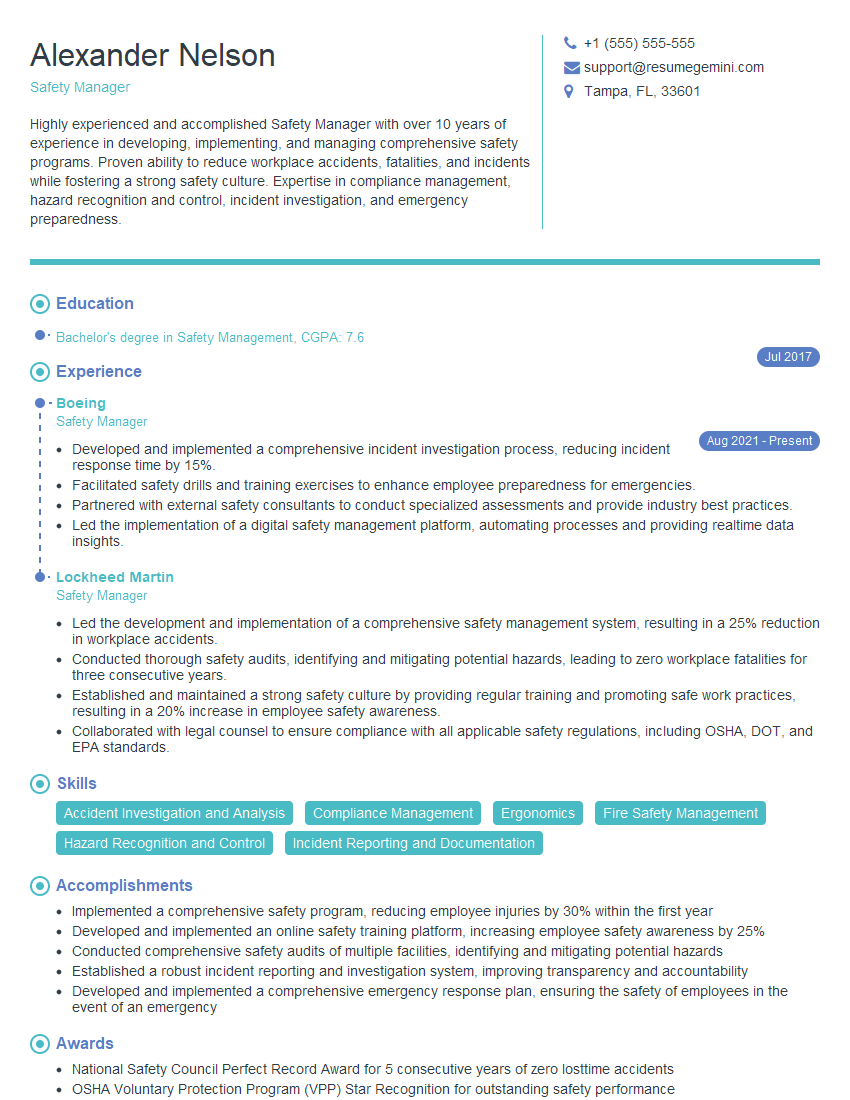
Safety Manager Resume Sample
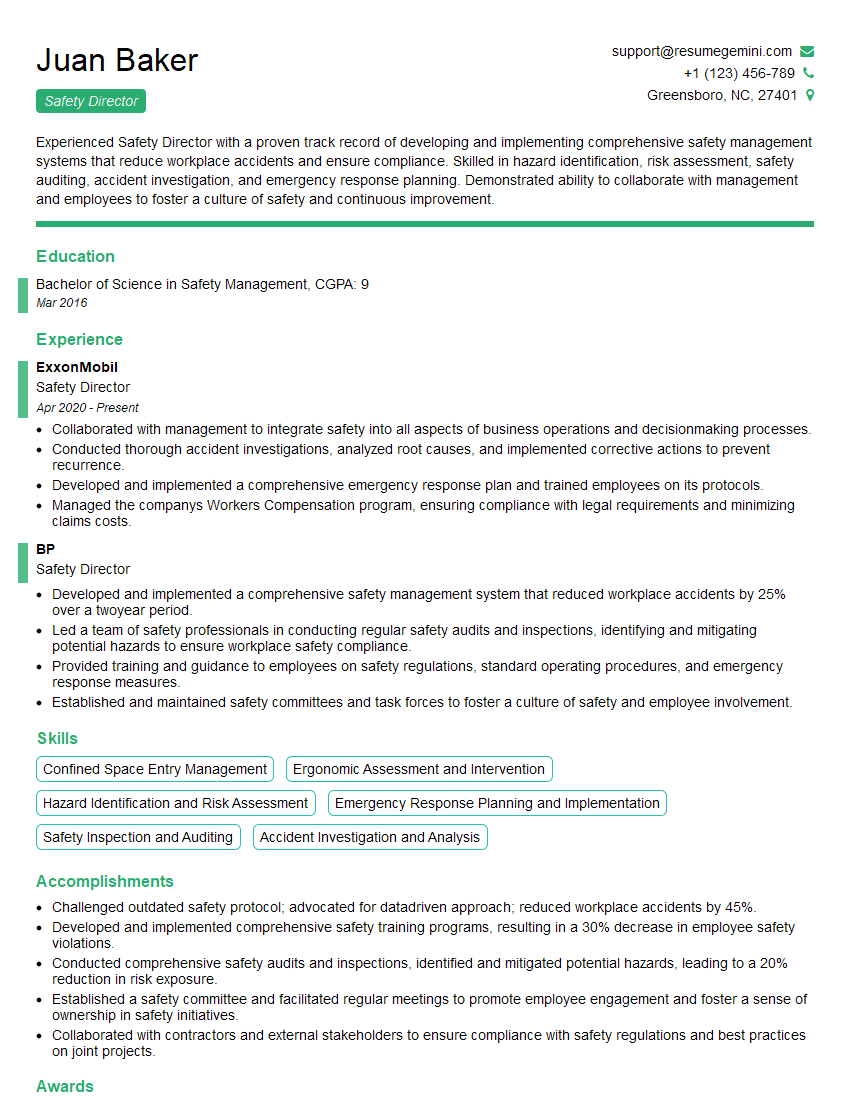
Safety Director Resume Sample
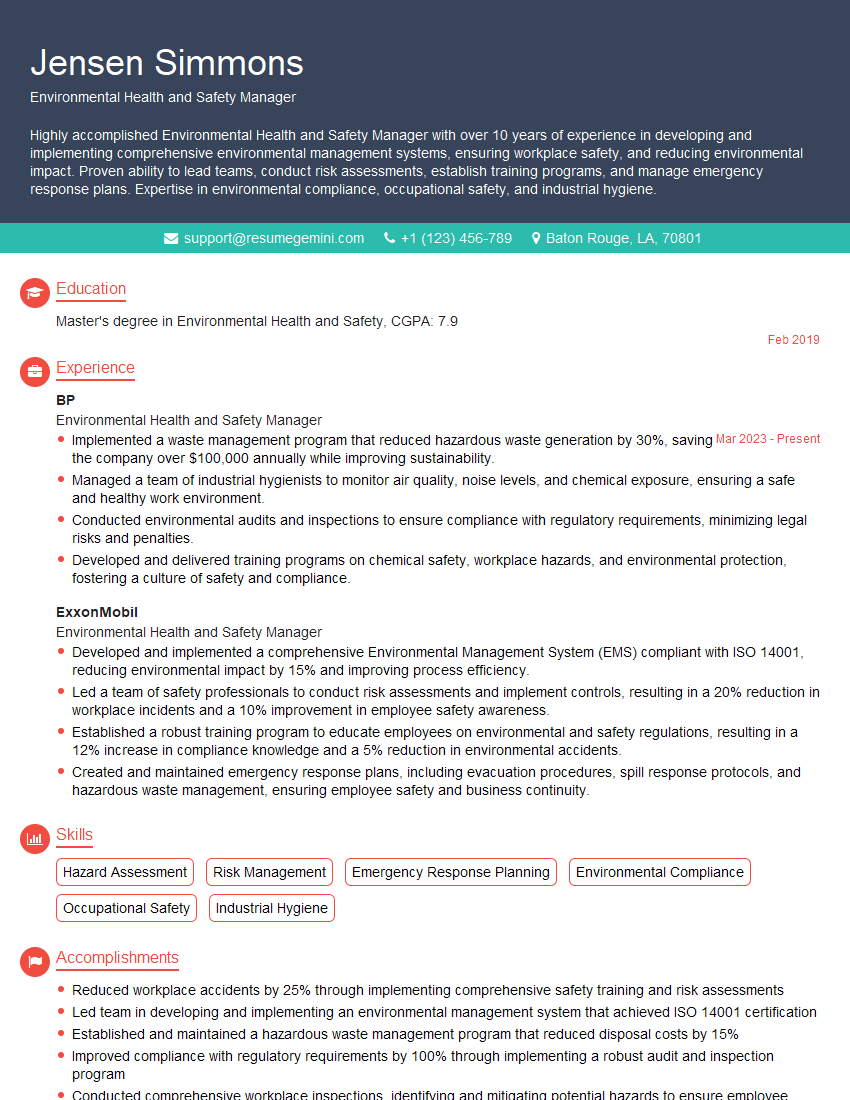
Environmental Health and Safety Manager Resume Sample
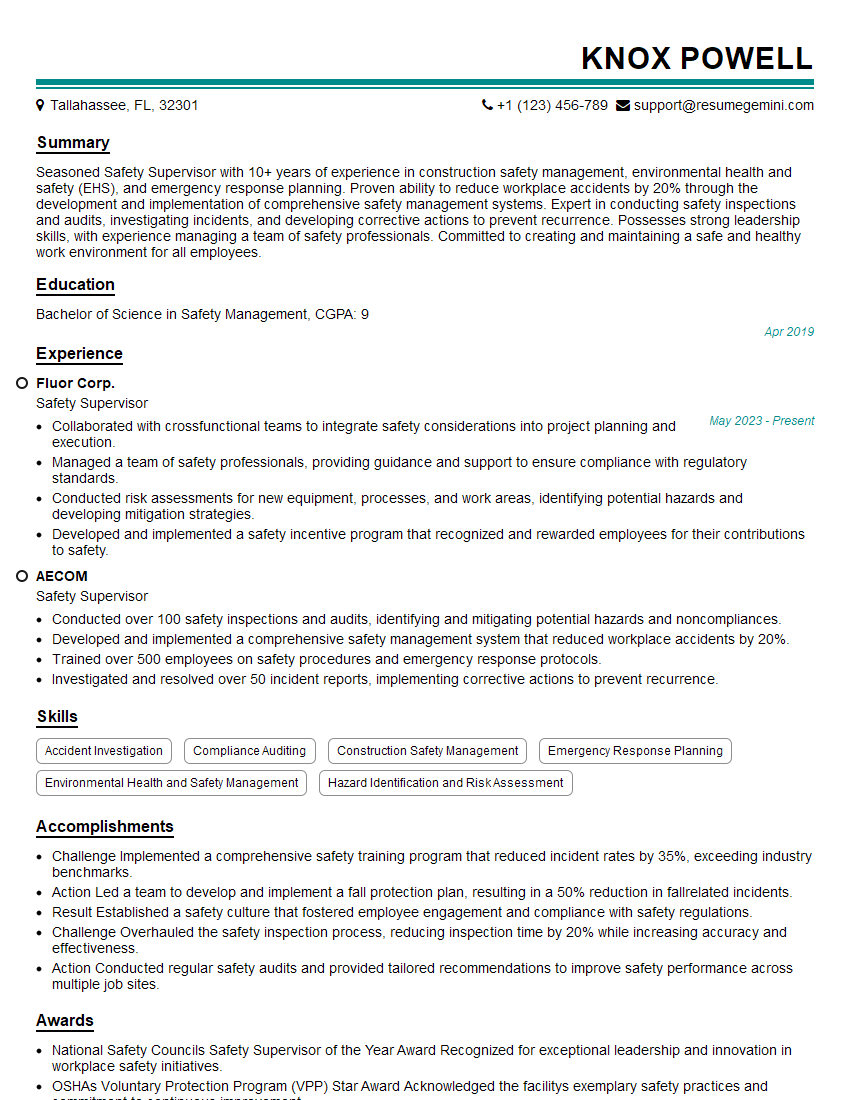
Safety Supervisor Resume Sample

Compliance Officer Resume Sample
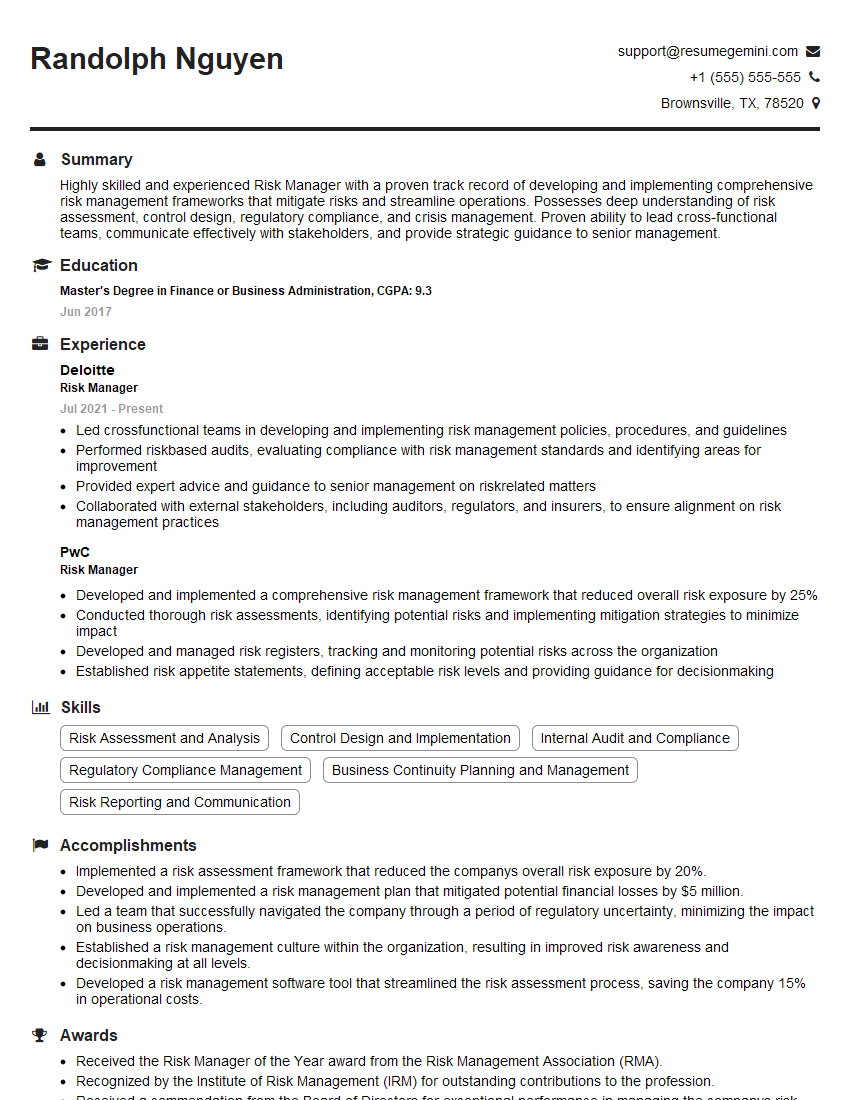
Risk Manager Resume Sample
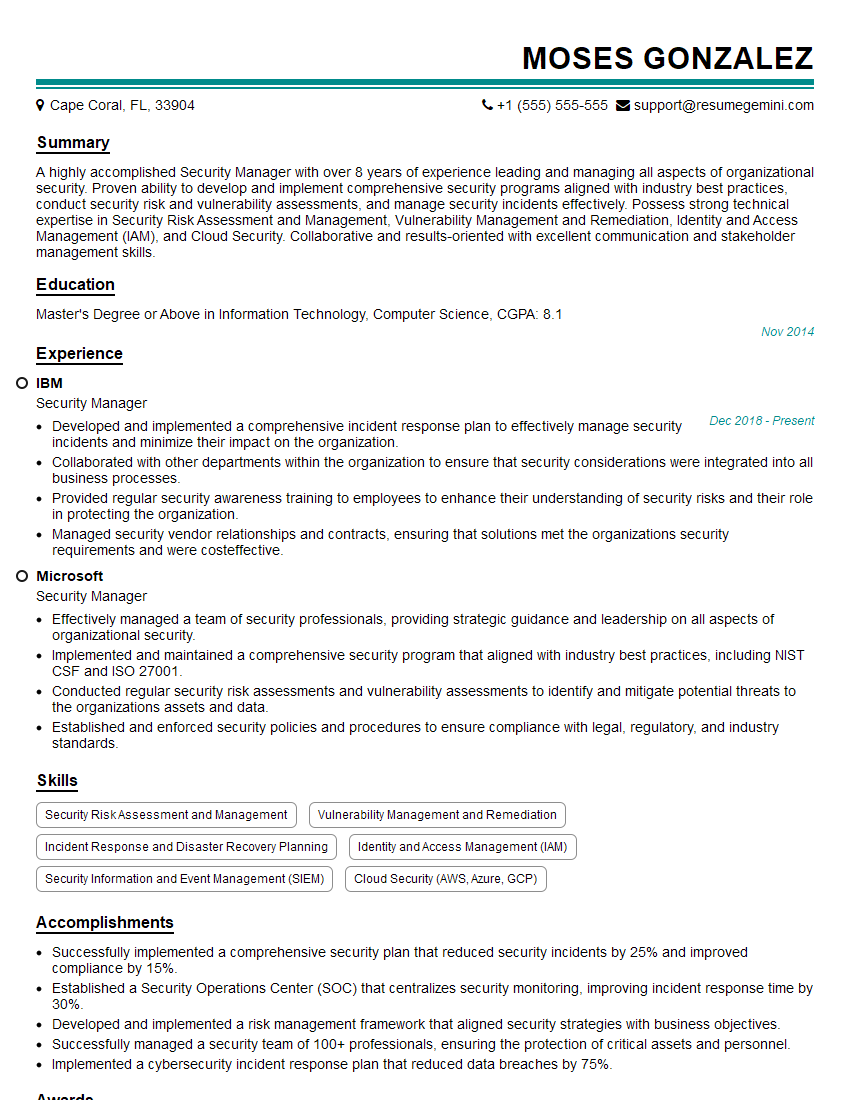
Security Manager Resume Sample
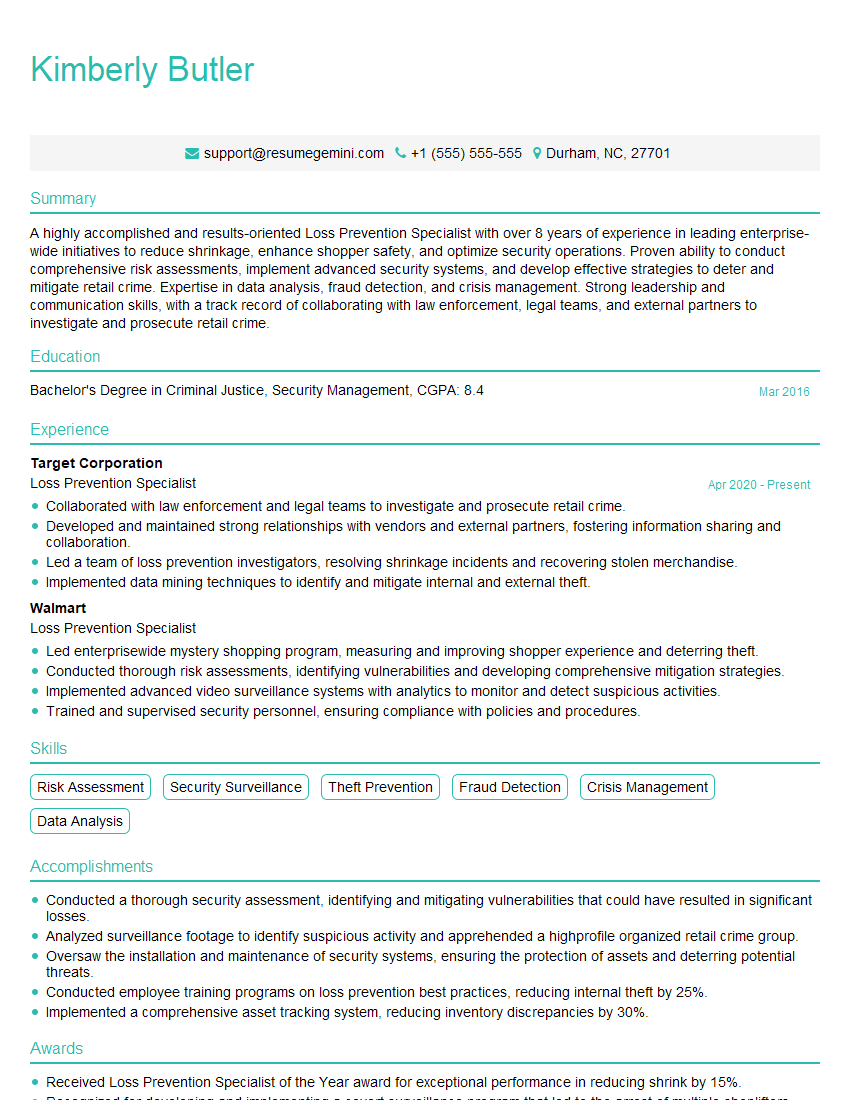
Loss Prevention Specialist Resume Sample
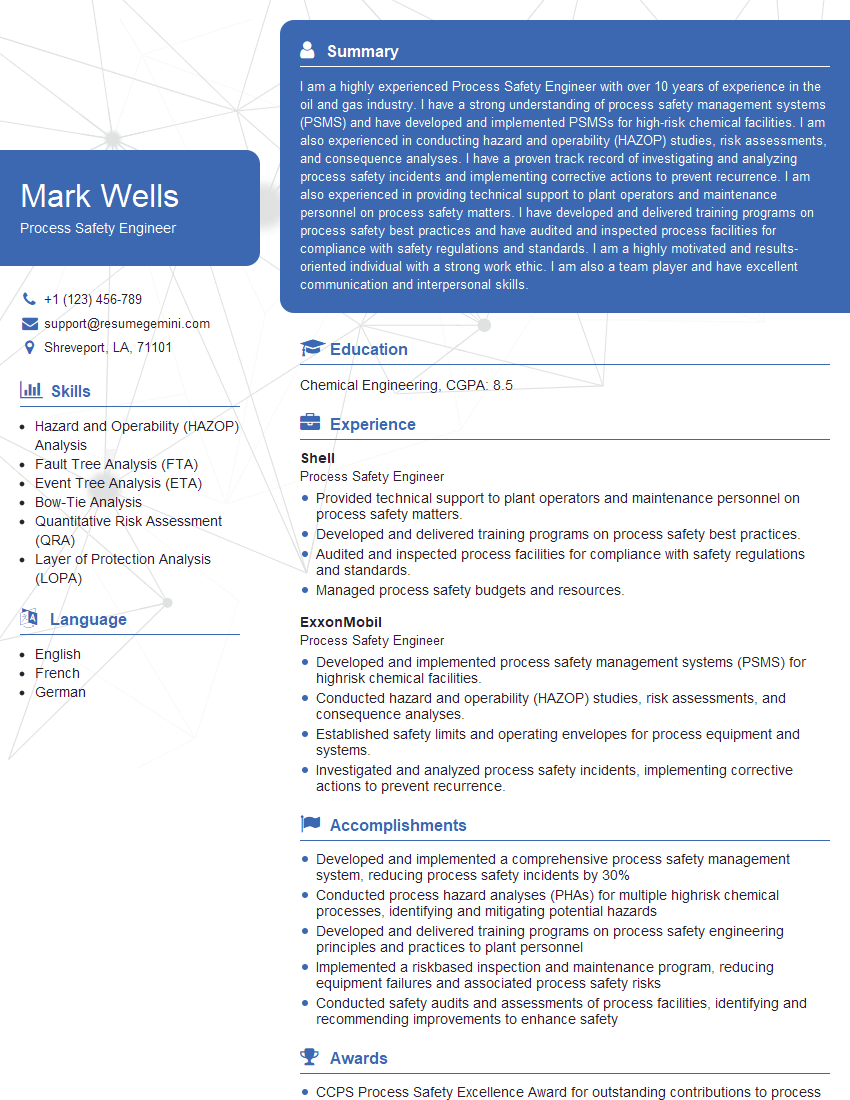
Process Safety Engineer Resume Sample
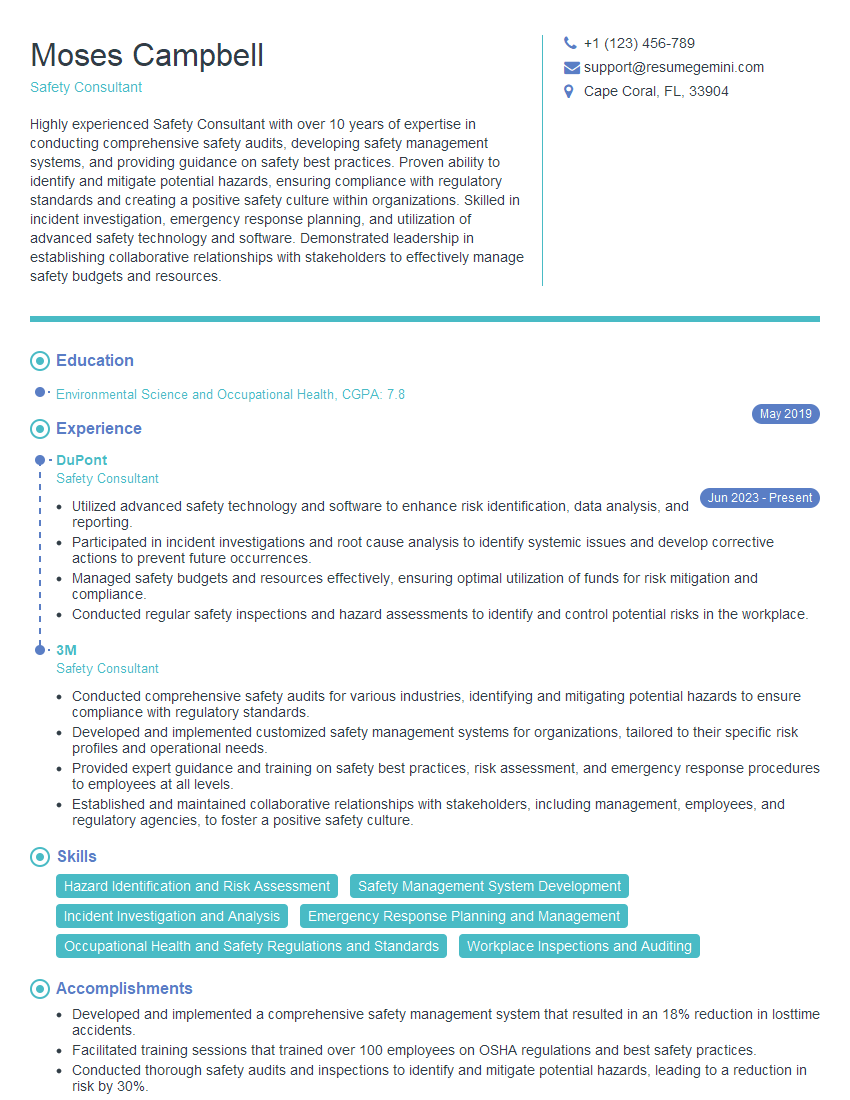
Safety Consultant Resume Sample
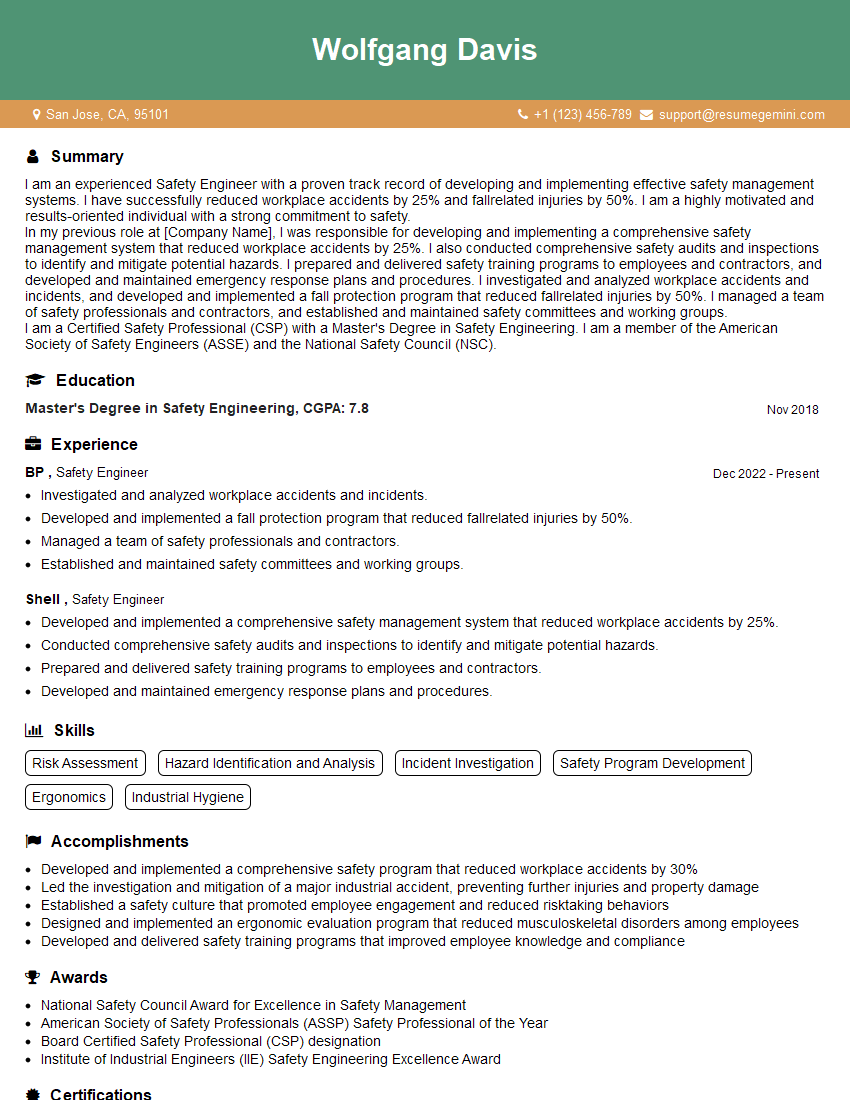
Safety Engineer Resume Sample
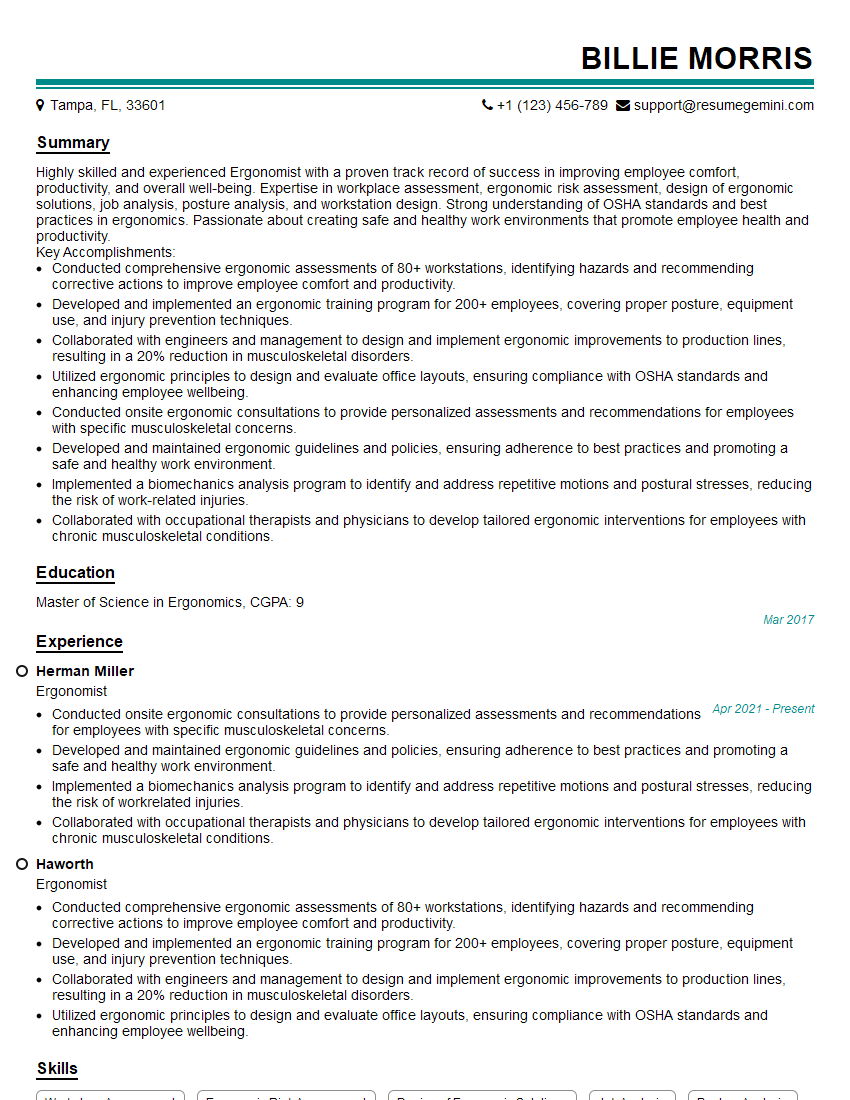
Ergonomist Resume Sample
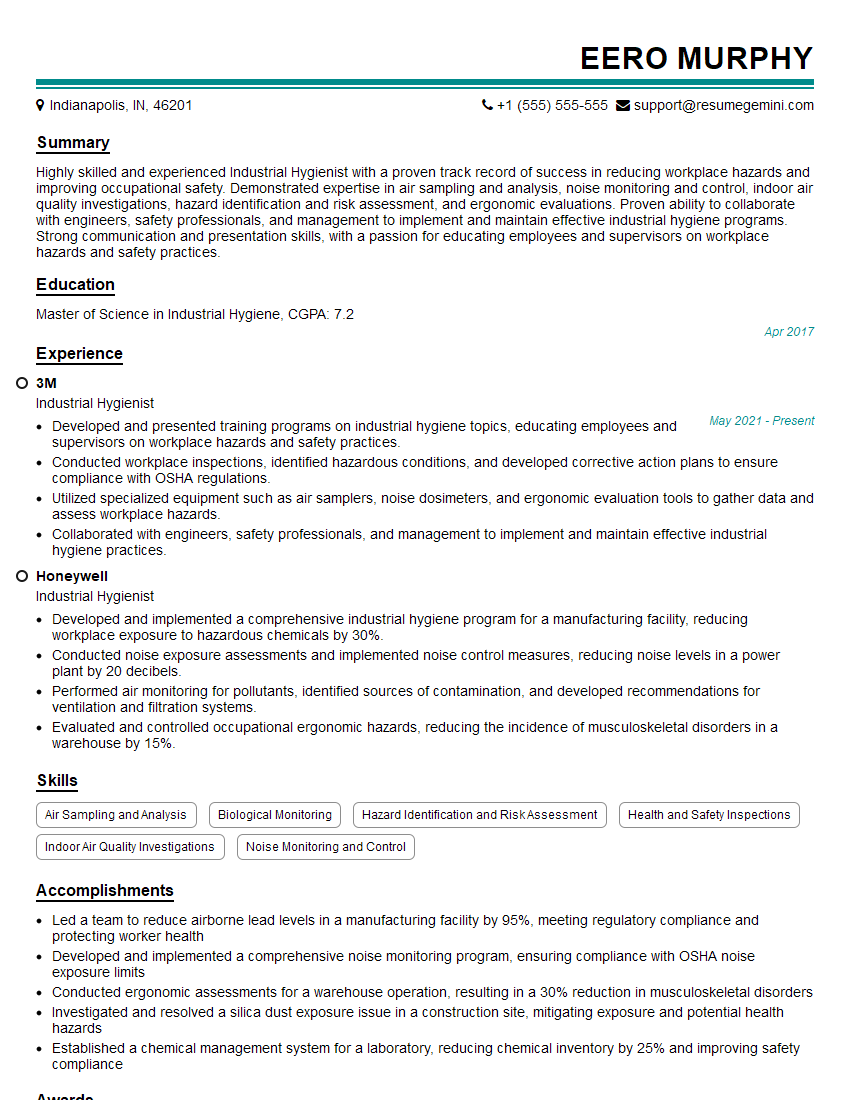
Industrial Hygienist Resume Sample
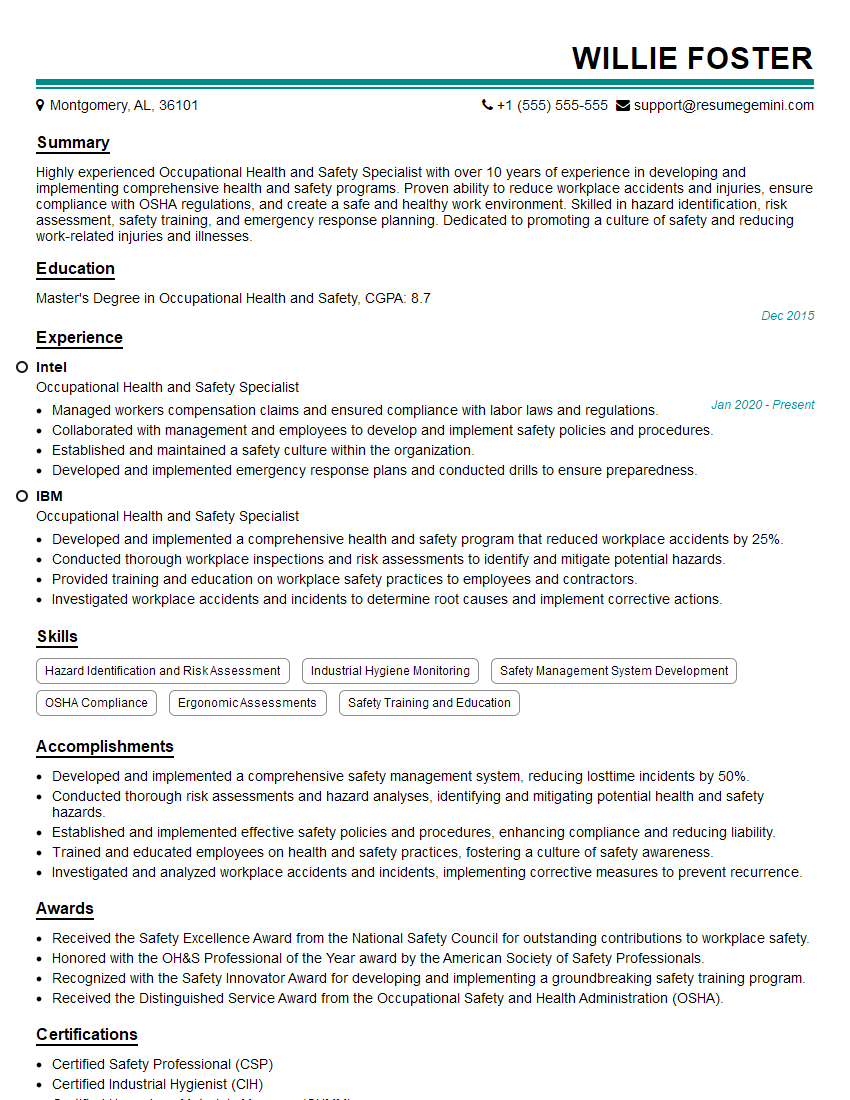
Occupational Health and Safety Specialist Resume Sample
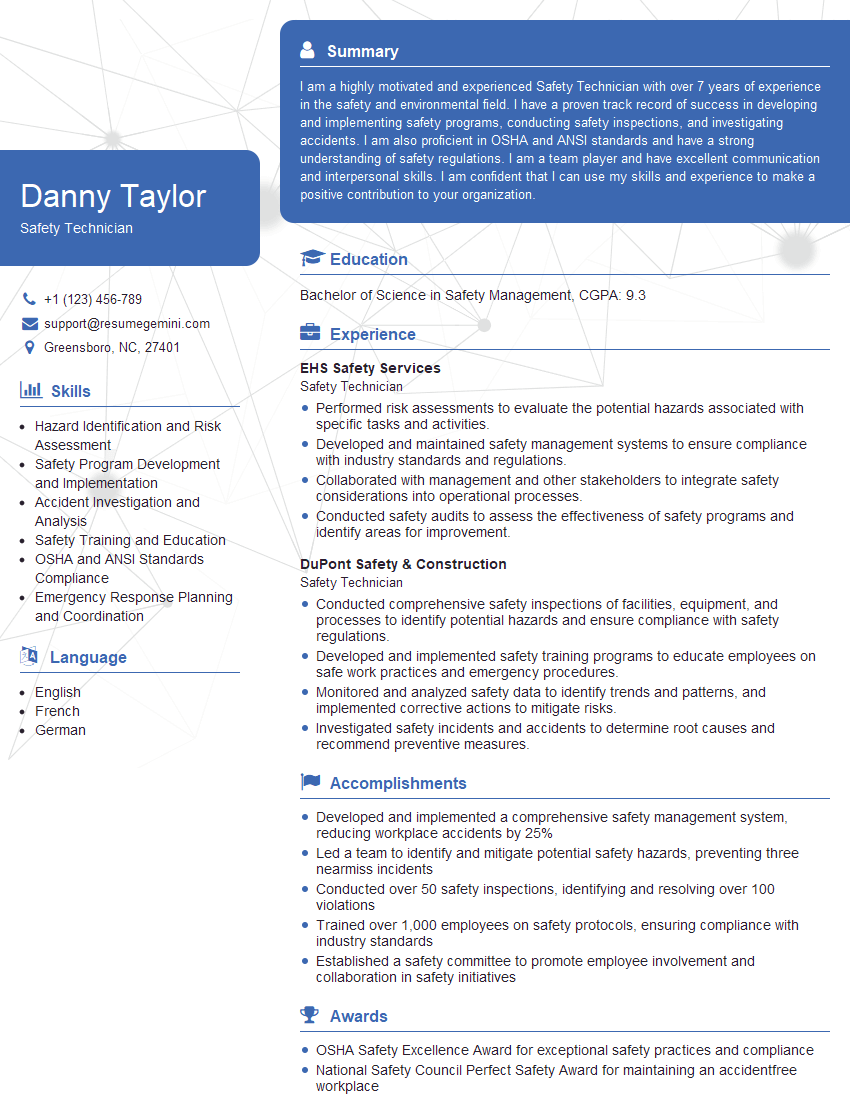
Safety Technician Resume Sample
- Safety Manager
- Safety Director
- Environmental Health and Safety Manager
- Safety Supervisor
- Compliance Officer
- Risk Manager
- Security Manager
- Loss Prevention Specialist
- Process Safety Engineer
- Safety Consultant
- Safety Engineer
- Ergonomist
- Industrial Hygienist
- Occupational Health and Safety Specialist
- Safety Technician
Explore more articles
Users Rating of Our Blogs
Share Your Experience
We value your feedback! Please rate our content and share your thoughts (optional).
What Readers Say About Our Blog
Very informative content, great job.
good