Are you ready to stand out in your next interview? Understanding and preparing for Conceptual Thinking interview questions is a game-changer. In this blog, we’ve compiled key questions and expert advice to help you showcase your skills with confidence and precision. Let’s get started on your journey to acing the interview.
Questions Asked in Conceptual Thinking Interview
Q 1. Describe a time you identified a flawed assumption in a project.
Identifying flawed assumptions is crucial for successful project management. It involves critically examining the underlying beliefs that guide our decisions. A flawed assumption, if left unchecked, can lead to significant deviations from the project goals and wasted resources.
In a recent project involving the development of a new e-commerce platform, the initial assumption was that our target demographic was primarily familiar with online shopping. This led us to focus heavily on features that optimized the checkout process, neglecting aspects such as user onboarding and intuitive navigation for less tech-savvy users. Through user research (focus groups and surveys), we discovered a significant portion of our target audience was less comfortable with online transactions. This revealed a fundamental flaw in our initial assumption. We adapted by simplifying the user interface, adding detailed instructions, and incorporating customer support features. This course correction ensured project success and ultimately improved customer satisfaction.
Q 2. How do you approach solving complex problems with limited information?
Solving complex problems with limited information requires a structured approach that blends critical thinking, creativity, and iterative refinement. It’s about making informed decisions despite uncertainty.
- Define the problem clearly: Even with limited information, clearly articulate the problem’s core components. What are the desired outcomes? What are the known constraints?
- Gather available information: Collect all relevant data, even if it’s fragmented or incomplete. Identify potential sources of additional information.
- Generate hypotheses: Based on the available information, develop multiple possible explanations or solutions. Prioritize those that seem most plausible.
- Test hypotheses: Design experiments or simulations to test your hypotheses, even with limited resources. Look for patterns and evidence to support or refute your assumptions.
- Iterate and refine: Based on the results of your tests, refine your understanding of the problem and adjust your hypotheses. This iterative process allows you to refine your approach as more information becomes available.
For example, imagine troubleshooting a malfunctioning server with limited access logs. You would start by identifying the observable symptoms (e.g., slow response times, error messages). You’d then generate hypotheses (e.g., hardware failure, software bug, network issue) and test them methodically (e.g., checking server logs, running diagnostic tools) to narrow down the possibilities until you identify the root cause.
Q 3. Explain your process for generating creative solutions to challenging business problems.
Generating creative solutions requires a deliberate process that moves beyond conventional thinking. It involves exploring diverse perspectives and challenging assumptions.
- Embrace brainstorming: Facilitate a collaborative environment where diverse ideas are encouraged without immediate judgment. Techniques like mind mapping can help visualize connections between ideas.
- Challenge assumptions: Actively question the underlying assumptions driving the problem. What if the problem were defined differently? What unconventional solutions could be considered?
- Explore analogies: Look for parallels between the problem and seemingly unrelated fields. Drawing analogies can spark innovative perspectives.
- Lateral thinking: Consider solutions that might seem illogical or counterintuitive at first glance. This approach can open doors to unexpected breakthroughs.
- Prototype and iterate: Develop a rough prototype of your solution to test its feasibility. This iterative process allows for refinement and improvement based on feedback.
For instance, when facing declining sales, instead of solely focusing on price reductions, a creative solution might involve creating a unique customer experience, launching a targeted marketing campaign that highlights the product’s value proposition, or exploring new distribution channels.
Q 4. Describe a time you had to synthesize information from diverse sources to reach a conclusion.
Synthesizing information from diverse sources is a crucial skill that requires careful evaluation, critical thinking, and effective organization. It’s about weaving together seemingly disparate threads to form a cohesive narrative.
During a market analysis for a new product launch, I needed to synthesize data from various sources: customer surveys, competitor analyses, industry reports, and internal sales data. I began by creating a structured framework to organize the information. Then, I critically evaluated the reliability and validity of each source, considering potential biases. I identified common themes and patterns across the data sets, highlighting areas of agreement and disagreement. Ultimately, I constructed a comprehensive market overview that informed product development and marketing strategies. This allowed us to identify a specific target market niche and tailor our product to their needs, thereby increasing our chances of success.
Q 5. How would you explain a complex technical concept to a non-technical audience?
Explaining complex technical concepts to a non-technical audience requires clear communication and the ability to simplify information without sacrificing accuracy. It’s about bridging the gap between technical expertise and general understanding.
Imagine explaining the concept of cloud computing. Instead of using technical jargon like ‘virtualization’ or ‘API,’ I would use analogies: ‘Imagine your computer’s files stored in a massive, secure, and always-accessible online storage space, allowing you to access them from anywhere.’ I would then focus on the key benefits: cost savings, scalability, and accessibility. Visual aids such as diagrams or simple illustrations can enhance understanding. The key is to tailor your explanation to the audience’s level of understanding and prioritize clarity and simplicity.
Q 6. Explain your understanding of systems thinking and how it informs your decision-making.
Systems thinking is a holistic approach to understanding complex phenomena by considering the interconnectedness of different components. It moves beyond linear cause-and-effect relationships and recognizes the feedback loops and emergent properties within a system.
In my decision-making process, systems thinking informs my approach by encouraging me to consider the broader context of a problem. Before making a decision, I try to identify the key components of the system, their relationships, and the potential impact of my actions on the entire system. This holistic perspective often reveals unintended consequences or unexpected opportunities that a more narrow, linear approach might miss. For example, implementing a new marketing campaign might not only increase sales but also impact customer support resources, necessitating adjustments in other areas. Systems thinking helps me anticipate and mitigate such potential ramifications, resulting in more robust and well-rounded decisions.
Q 7. Describe a time you identified a root cause rather than treating symptoms.
Identifying the root cause, rather than just treating symptoms, is crucial for effective problem-solving. Treating symptoms often provides only temporary relief and may even mask the underlying problem, leading to recurring issues.
In a past project, we experienced consistent delays in software releases. Initially, we focused on treating the symptom: pushing back deadlines. However, by employing a root cause analysis (using the ‘5 Whys’ technique), we discovered the root cause was a lack of efficient communication and collaboration between development and testing teams. By improving communication channels and implementing a streamlined workflow, we addressed the root cause, eliminating the delays permanently. This systematic approach not only solved the immediate problem but also improved overall project efficiency and team collaboration.
Q 8. How do you approach identifying patterns and trends in data or information?
Identifying patterns and trends in data involves a multi-step process that blends analytical skills with conceptual understanding. It starts with a clear understanding of the data’s context and the questions we aim to answer. Then, I employ a combination of techniques.
- Data Visualization: I begin by visually representing the data through charts, graphs, and other visual aids. This often reveals patterns that are not immediately apparent in raw data. For example, a scatter plot might highlight a correlation between two variables, or a time series graph could reveal seasonal trends.
- Statistical Analysis: Statistical methods, such as regression analysis or clustering algorithms, help quantify relationships and identify significant patterns. This adds rigor to the initial visual observations.
- Comparative Analysis: Comparing the data against benchmarks, industry standards, or previous periods helps contextualize findings and identify deviations that represent significant trends. For instance, comparing sales figures this year to last year’s allows us to pinpoint areas of growth or decline.
- Qualitative Analysis: Beyond numerical data, I also consider qualitative information, such as customer feedback or market research reports. This adds a nuanced perspective and provides insights that might not be captured through purely quantitative analysis.
The entire process is iterative. Initial findings often lead to further investigation and refinement of the analysis, uncovering more subtle patterns and trends.
Q 9. Give an example of how you have used conceptual thinking to improve a process or outcome.
In a previous role, our team struggled with inefficient project handoffs. Using conceptual thinking, I analyzed the process holistically, moving beyond the immediate problem of delayed projects. I realized the root cause wasn’t just a lack of communication, but a mismatch between team structures and project workflows.
My conceptual approach involved creating a visual model of the entire project lifecycle, highlighting each stage and the various teams involved. This revealed bottlenecks and redundancies in the handoff process. Based on this model, I proposed a restructuring of the team assignments and the implementation of a new project management software that streamlined communication and tracked project progress centrally. The result was a significant reduction in project completion times and improved team collaboration. The key was stepping back to view the overall system and not just the immediate symptoms.
Q 10. Describe a time you had to make a decision with incomplete information. What was your approach?
I once had to decide whether to launch a new product feature with limited user testing data. The deadline was approaching, and we didn’t have conclusive evidence of its market viability. My approach involved:
- Risk Assessment: I systematically assessed the potential risks associated with both launching and delaying the feature, considering factors like missed market opportunities, development costs, and potential negative user feedback. This involved weighing potential gains against potential losses.
- Data Triangulation: While user testing was limited, I looked for corroborating data from other sources like market research reports and competitor analysis. This helped to build a more comprehensive picture.
- Minimum Viable Product (MVP) Strategy: Instead of a full-scale launch, I proposed releasing an MVP—a scaled-down version of the feature with core functionality—allowing us to gather real-world user feedback quickly and iteratively improve the product.
- Contingency Planning: I also developed a plan to address potential negative consequences, such as a rapid rollback strategy or a communication plan to address any user concerns.
Ultimately, the decision was to launch the MVP, and the feedback gathered allowed us to make informed improvements in subsequent iterations. This iterative approach mitigated the risk associated with incomplete information.
Q 11. How do you evaluate the potential risks and benefits of different approaches or solutions?
Evaluating risks and benefits involves a structured process. I usually use a combination of quantitative and qualitative methods:
- Quantitative Analysis: This involves assigning numerical values to potential risks and benefits. For example, I might estimate the financial impact of a successful outcome versus the cost of failure. This could be through techniques like cost-benefit analysis or risk matrices.
- Qualitative Analysis: This focuses on less quantifiable aspects, such as reputational risk, stakeholder concerns, and the potential impact on employee morale. This requires careful consideration of various perspectives and scenarios.
- Scenario Planning: I create different scenarios, considering both optimistic and pessimistic outcomes. This helps to understand the range of potential results and prepare for various contingencies.
- Sensitivity Analysis: I assess how sensitive the overall outcome is to changes in key assumptions or inputs. This helps identify critical factors that require closer scrutiny.
The final evaluation involves weighing the potential benefits against the risks, considering both the likelihood and the impact of each. The goal is to make an informed decision that balances potential gains with acceptable levels of risk.
Q 12. How do you stay abreast of emerging trends and technologies relevant to your field?
Staying current requires a proactive and multi-faceted approach.
- Professional Networks: I actively participate in professional organizations and attend conferences and webinars to connect with other experts and learn about emerging trends.
- Industry Publications and Journals: I regularly read industry publications and journals to stay informed about the latest research and developments. This provides a more in-depth understanding of emerging fields.
- Online Courses and Workshops: I leverage online learning platforms to enhance my knowledge and skills in specific areas. This allows for focused learning on emerging technologies.
- Mentorship and Collaboration: I actively seek out mentorship opportunities and collaborate with colleagues and peers to learn from their experiences and stay ahead of the curve.
Staying abreast of new developments is not a passive activity. It’s an ongoing commitment to continuous learning and professional development.
Q 13. Describe your approach to developing a strategic plan for a new initiative.
Developing a strategic plan involves a phased approach:
- Define Objectives and Goals: The first step is to clearly articulate the objectives and desired outcomes of the initiative. This provides a clear direction for the plan.
- SWOT Analysis: Conducting a SWOT analysis (Strengths, Weaknesses, Opportunities, and Threats) helps to identify internal capabilities and external factors that could influence the initiative’s success. This provides a realistic assessment of the context.
- Market Research and Analysis: Thorough market research helps to understand the competitive landscape and the needs of the target audience. This ensures that the plan aligns with market realities.
- Resource Allocation: Identify and allocate the necessary resources, including budget, personnel, and technology. This ensures that the initiative has the resources it needs to succeed.
- Implementation Plan: Develop a detailed implementation plan outlining specific tasks, timelines, and responsibilities. This provides a roadmap for execution.
- Monitoring and Evaluation: Establish a system for monitoring progress and evaluating the initiative’s effectiveness against its objectives. This ensures that the plan is on track and adjustments can be made as needed.
This structured approach ensures that the strategic plan is comprehensive, realistic, and adaptable to changing circumstances.
Q 14. How would you approach developing a new product or service concept?
Developing a new product or service concept is a creative process that blends market analysis with innovative thinking. I typically follow a design thinking approach:
- Empathize: Start by deeply understanding the needs and pain points of the target customers. This involves conducting user research, interviews, and surveys to gather insights.
- Define: Clearly define the problem the new product or service aims to solve. This should be concise and specific.
- Ideate: Generate a wide range of potential solutions through brainstorming sessions and idea generation techniques. This phase encourages creativity and diverse perspectives.
- Prototype: Develop quick and inexpensive prototypes to test the feasibility and viability of the most promising ideas. This allows for early feedback and iteration.
- Test: Test the prototypes with target users, collecting feedback and making refinements based on their responses. This iterative process helps refine the concept.
This iterative process allows for continuous refinement and ensures that the final product or service addresses real customer needs and meets market demands. This approach focuses on customer-centric design and ensures that the product solves a real problem.
Q 15. How do you prioritize competing demands and constraints in a complex project?
Prioritizing competing demands and constraints in complex projects requires a structured approach. I typically use a combination of techniques, starting with a clear understanding of project goals and objectives. This forms the basis for evaluating the relative importance of each demand and constraint.
Next, I employ a prioritization matrix, often a weighted scoring system, to quantitatively assess each item. Factors considered include urgency, impact on project goals, resource requirements, and potential risks. This matrix helps visualize trade-offs and facilitates informed decision-making. For example, a high-impact, high-urgency task might outweigh a lower-impact, high-effort task, even if the latter is desirable.
Finally, I utilize iterative planning and agile methodologies. This allows for continuous monitoring and adjustment of priorities based on evolving circumstances and new information. Regular reviews and stakeholder communication are critical to maintaining alignment and adapting to changing demands.
For instance, in a software development project, features might be prioritized based on user feedback and market analysis. High-priority features with significant user demand and business value will be addressed first, even if other features are technically easier to implement.
Career Expert Tips:
- Ace those interviews! Prepare effectively by reviewing the Top 50 Most Common Interview Questions on ResumeGemini.
- Navigate your job search with confidence! Explore a wide range of Career Tips on ResumeGemini. Learn about common challenges and recommendations to overcome them.
- Craft the perfect resume! Master the Art of Resume Writing with ResumeGemini’s guide. Showcase your unique qualifications and achievements effectively.
- Don’t miss out on holiday savings! Build your dream resume with ResumeGemini’s ATS optimized templates.
Q 16. Explain your understanding of design thinking and its practical applications.
Design thinking is a human-centered problem-solving approach that emphasizes empathy, experimentation, and iteration. It’s a process, not a methodology, meaning its application is adaptable to various contexts.
The process typically involves five stages:
- Empathize: Deeply understanding the user’s needs and challenges through research, interviews, and observation.
- Define: Clearly articulating the problem to be solved based on the insights gained during the empathize stage.
- Ideate: Generating a wide range of potential solutions through brainstorming, sketching, and other creative techniques.
- Prototype: Creating tangible representations of the ideas to test and refine them.
- Test: Gathering feedback on the prototypes and iterating on the design based on that feedback.
Design thinking is applicable in numerous fields. In product development, it helps create user-friendly and desirable products. In service design, it enhances customer experience. In organizational design, it fosters innovation and efficiency. For example, a company redesigning its customer service process might use design thinking to observe customer interactions, identify pain points, and create a more intuitive and efficient system.
Q 17. How do you handle conflicting viewpoints or perspectives in a team environment?
Handling conflicting viewpoints requires fostering an environment of open communication and mutual respect. My approach involves active listening to understand each perspective, identifying common ground, and seeking collaborative solutions. I avoid judgment and encourage respectful dialogue, emphasizing the shared goal of finding the best outcome for the project.
Techniques I find useful include:
- Facilitated discussions: Structuring conversations to ensure everyone has a chance to express their views.
- Conflict resolution strategies: Employing techniques such as compromise, negotiation, and mediation to reach a consensus.
- Data-driven decision-making: Using objective data and evidence to support arguments and inform decisions.
For example, if team members have conflicting opinions on the best technical approach for a project, I would facilitate a discussion where each member presents their rationale, followed by a collaborative evaluation of the pros and cons of each approach based on project requirements and constraints. Ultimately, the decision would be based on objective criteria and a shared understanding of the project’s needs.
Q 18. How do you assess the feasibility and viability of a new idea or concept?
Assessing feasibility and viability involves a multi-faceted analysis. I start by defining clear criteria for success, considering factors such as technical feasibility, market demand, financial viability, and regulatory compliance.
The next step involves a thorough market research to assess the demand and potential market size for the idea. This includes analyzing competitors, identifying target customers, and evaluating potential revenue streams. Simultaneously, I conduct a technical feasibility study to determine if the idea is technologically achievable within the given constraints (time, budget, resources).
Financial modeling is crucial to assess the viability of the project. This includes projecting costs, revenue, and profitability to determine if the investment is worthwhile. Finally, I review potential regulatory hurdles and compliance requirements to ensure legal and ethical compliance. A SWOT analysis (Strengths, Weaknesses, Opportunities, Threats) is a helpful tool to summarize these assessments and to identify potential risks and opportunities.
For example, when evaluating a new app idea, I would assess the technical feasibility of the app’s features, conduct market research to determine user demand, and create a financial model to estimate development costs, marketing expenses, and potential revenue.
Q 19. Describe your process for brainstorming and generating new ideas.
My brainstorming process is iterative and designed to foster creative thinking. I usually begin by clearly defining the problem or challenge. Then, I employ a variety of techniques, including:
- Mind mapping: Visually organizing ideas and their relationships.
- Brainwriting: Individuals silently generate ideas in writing, fostering individual creativity before group discussion.
- SCAMPER: A checklist of prompts (Substitute, Combine, Adapt, Modify, Put to other uses, Eliminate, Reverse) to stimulate new ideas.
- Reverse brainstorming: Identifying ways to make the problem worse to uncover potential solutions.
After generating ideas, I prioritize them based on their feasibility, potential impact, and alignment with project goals. I often use voting or scoring systems to achieve consensus. The process is iterative, with repeated cycles of idea generation, refinement, and evaluation.
For instance, when brainstorming new marketing campaigns, I might use mind mapping to visualize different approaches, and then use SCAMPER to generate creative variations of those approaches. Finally, the team votes on the most promising ideas.
Q 20. How do you measure the effectiveness of a conceptual framework or model?
Measuring the effectiveness of a conceptual framework or model depends on its purpose and context. There’s no single metric, but rather a combination of approaches. For example:
- Predictive accuracy: If the framework aims to predict outcomes, its accuracy in doing so is a key measure.
- Explanatory power: Does the framework adequately explain the phenomenon it’s intended to model? This might be assessed qualitatively through expert review or quantitatively through statistical analysis.
- Usefulness and applicability: Does the framework provide practical insights and guide decision-making? This can be assessed through user feedback and real-world application.
- Consistency and coherence: Is the framework internally consistent and coherent with existing knowledge? This is evaluated through logical analysis and review by peers.
The choice of metrics will depend on the specific framework and its goals. For example, a model predicting customer churn would be evaluated based on its predictive accuracy, while a framework for improving team collaboration would be assessed based on its impact on team performance and satisfaction.
Q 21. Explain how you approach defining the scope of a complex project.
Defining the scope of a complex project requires a structured and collaborative approach. I typically start with a clear articulation of the project’s objectives and desired outcomes. This forms the basis for identifying the key deliverables and activities required to achieve those outcomes.
Next, I use techniques such as Work Breakdown Structure (WBS) to decompose the project into smaller, manageable tasks. This provides a detailed roadmap of the project and helps to identify potential dependencies and risks. Alongside the WBS, I establish clear boundaries, defining what is included and, critically, what is excluded from the project scope.
Throughout the process, I actively involve stakeholders to ensure alignment and agreement on the scope. This includes documenting all decisions and assumptions, which helps in managing expectations and preventing scope creep (uncontrolled expansion of the project scope). Regular reviews and adjustments to the scope are essential to adapt to changing circumstances and new information. For example, a project to develop a new website might have a defined scope that includes design, development, and testing, but excludes ongoing maintenance and updates.
Q 22. How do you use conceptual models to predict future outcomes?
Conceptual models are simplified representations of complex systems. To predict future outcomes, we use them as a framework for simulating different scenarios and assessing potential consequences. This involves identifying key variables, establishing relationships between them, and then using the model to project how changes in one variable might impact others.
For example, imagine a conceptual model for predicting customer churn in a SaaS company. The model might include variables like customer engagement, feature usage, support ticket volume, and contract renewal rate. By assigning weights to these variables based on historical data, we can create a predictive model. If we see a downward trend in engagement and increased support tickets, the model might predict a higher likelihood of churn, allowing us to proactively intervene.
- Step 1: Identify Key Variables: Determine the factors that significantly influence the outcome you want to predict.
- Step 2: Define Relationships: Establish how these variables interact with each other. Are they directly proportional, inversely proportional, or is the relationship more complex?
- Step 3: Build the Model: This could involve a simple spreadsheet, a more sophisticated statistical model, or even a simulation.
- Step 4: Run Simulations: Test different scenarios and observe the model’s predictions.
- Step 5: Refine the Model: Compare the model’s predictions with real-world data and refine the model based on its accuracy.
Q 23. Describe a time you had to adapt a concept to a specific context or situation.
During a project involving the design of a new user interface for a mobile banking app, I initially adopted the principles of Gestalt psychology, focusing on creating a visually appealing and intuitive layout. However, user testing revealed that older users, unfamiliar with modern interfaces, struggled with certain aspects. I had to adapt the concept of ‘intuitive design’ to accommodate this specific context.
Instead of solely relying on visual cues, I incorporated more textual instructions and simplified the navigation structure. We also implemented larger font sizes and improved color contrast. This adaptation demonstrated that while general design principles are valuable, successful implementation requires considering the specific needs and capabilities of the target audience. It’s a testament to the importance of iterative design and user-centered approach.
Q 24. How do you evaluate the long-term implications of decisions or actions?
Evaluating long-term implications requires a structured approach that goes beyond immediate consequences. I utilize a combination of methods, including scenario planning, impact assessment, and risk analysis.
- Scenario Planning: Developing multiple potential future scenarios based on different assumptions and uncertainties. This helps visualize various outcomes and prepare for different possibilities.
- Impact Assessment: Systematically evaluating the potential positive and negative impacts of a decision across various areas (environmental, social, economic, etc.).
- Risk Analysis: Identifying potential risks associated with a decision, assessing their likelihood and potential impact, and developing mitigation strategies.
For example, when considering a new product launch, I’d explore scenarios ranging from high market adoption to low market penetration. I’d assess the environmental impact of manufacturing and distribution, the potential social implications of job creation or displacement, and the economic risks associated with market volatility. This holistic approach ensures a more comprehensive understanding of the long-term consequences.
Q 25. Explain how you use critical thinking to validate or invalidate your own assumptions.
Critical thinking is essential for validating or invalidating assumptions. I employ a systematic approach involving questioning, evidence gathering, and alternative perspective consideration.
- Questioning Assumptions: I explicitly state my assumptions and systematically challenge them. This involves asking ‘why’ I believe something to be true and whether that belief is based on solid evidence or just intuition.
- Gathering Evidence: I actively seek out evidence that supports or refutes my assumptions. This may involve research, data analysis, or consulting with experts.
- Considering Alternative Perspectives: I deliberately seek out different viewpoints and perspectives, even those that contradict my initial assumptions. This helps identify biases and blind spots.
For instance, if I assume that a particular marketing campaign will be successful, I would critically examine the underlying reasoning: Is the target audience accurately identified? Is the messaging compelling? Is the budget adequate? Gathering data on similar past campaigns and conducting market research helps validate or invalidate this assumption.
Q 26. How do you balance innovation with practicality when developing new solutions?
Balancing innovation with practicality requires a mindful approach that integrates feasibility analysis with creative thinking. I often use a staged process.
- Idea Generation: Brainstorming and exploring a wide range of innovative solutions, without immediate concern for feasibility.
- Feasibility Assessment: Evaluating each idea based on technical, economic, and logistical constraints. This may involve prototyping or pilot projects to test the viability of certain aspects.
- Prioritization: Selecting the most promising ideas that offer a good balance of innovation and practicality. This might involve a cost-benefit analysis or a risk-reward assessment.
- Iterative Development: Developing the chosen solutions in an iterative manner, constantly testing and refining them based on feedback and real-world data.
For example, during the development of a new software feature, initial concepts might be highly innovative but resource-intensive. Through feasibility analysis, we might identify a more practical, though slightly less innovative, alternative that can be implemented within the available resources and timeline. The key is to find that sweet spot where innovation meets practicality.
Q 27. How do you utilize frameworks or models to structure your thinking?
Frameworks and models provide a structured way to organize my thinking and approach complex problems. I frequently use several, depending on the context.
- SWOT Analysis: Useful for understanding the strengths, weaknesses, opportunities, and threats related to a particular situation or decision.
- Decision Trees: Effective for visualizing different pathways and outcomes related to a sequence of decisions.
- Root Cause Analysis (e.g., 5 Whys): Helps identify the underlying causes of problems by repeatedly asking ‘why’ until the root cause is uncovered.
- Design Thinking: A human-centered problem-solving approach that emphasizes empathy, ideation, prototyping, and testing.
The choice of framework depends on the nature of the problem. For instance, when planning a new project, I might start with a SWOT analysis to assess the overall landscape. If facing a significant problem, I’d employ root cause analysis to understand its origin. These frameworks provide a roadmap for systematic thinking and problem-solving.
Q 28. Describe a time you had to simplify a complex concept for better understanding.
I once had to explain the concept of machine learning to a group of non-technical stakeholders. Instead of using technical jargon, I used the analogy of a child learning to recognize a cat.
“Imagine a child seeing various cats—different colors, sizes, and breeds. Initially, the child might not know what a cat is. But with each encounter, they learn to identify common features—four legs, whiskers, a tail. Eventually, they can accurately identify a cat even if they’ve never seen that specific cat before.”
This analogy illustrated the core concept of machine learning: a computer program learning from data to make predictions or decisions without explicit programming. Simplifying complex concepts requires finding relatable examples and avoiding technical terms that can create barriers to understanding.
Key Topics to Learn for Conceptual Thinking Interview
- Identifying Core Concepts: Learn to distill complex information into its fundamental elements, focusing on the underlying principles and relationships.
- Abstract Reasoning: Practice identifying patterns, drawing inferences, and forming hypotheses based on limited information. Consider how to apply logical deduction and inductive reasoning.
- Systems Thinking: Develop your ability to analyze interconnected elements within a system and understand how changes in one part impact the whole. Consider examples from various fields.
- Creative Problem Solving: Explore various approaches to problem-solving, such as brainstorming, lateral thinking, and design thinking. Focus on generating innovative solutions and evaluating their feasibility.
- Critical Evaluation: Practice analyzing information objectively, identifying biases, and evaluating the strengths and weaknesses of different arguments or perspectives. Consider the implications of different choices.
- Communication of Ideas: Develop clear and concise communication skills to articulate complex concepts effectively, both verbally and in writing. Practice explaining your thought process clearly.
- Analogical Reasoning: Sharpen your ability to identify similarities between seemingly unrelated concepts and apply insights from one domain to another. This is crucial for innovative problem-solving.
Next Steps
Mastering conceptual thinking is crucial for career advancement, opening doors to more challenging and rewarding roles requiring strategic thinking and innovative problem-solving. A strong resume is your first step toward showcasing these skills to potential employers. Building an ATS-friendly resume increases your chances of getting noticed by recruiters and landing interviews. ResumeGemini is a trusted resource to help you craft a compelling and effective resume that highlights your conceptual thinking abilities. We provide examples of resumes tailored to showcase expertise in conceptual thinking, allowing you to see how best to present your skills and experience. Take the next step towards a successful career today.
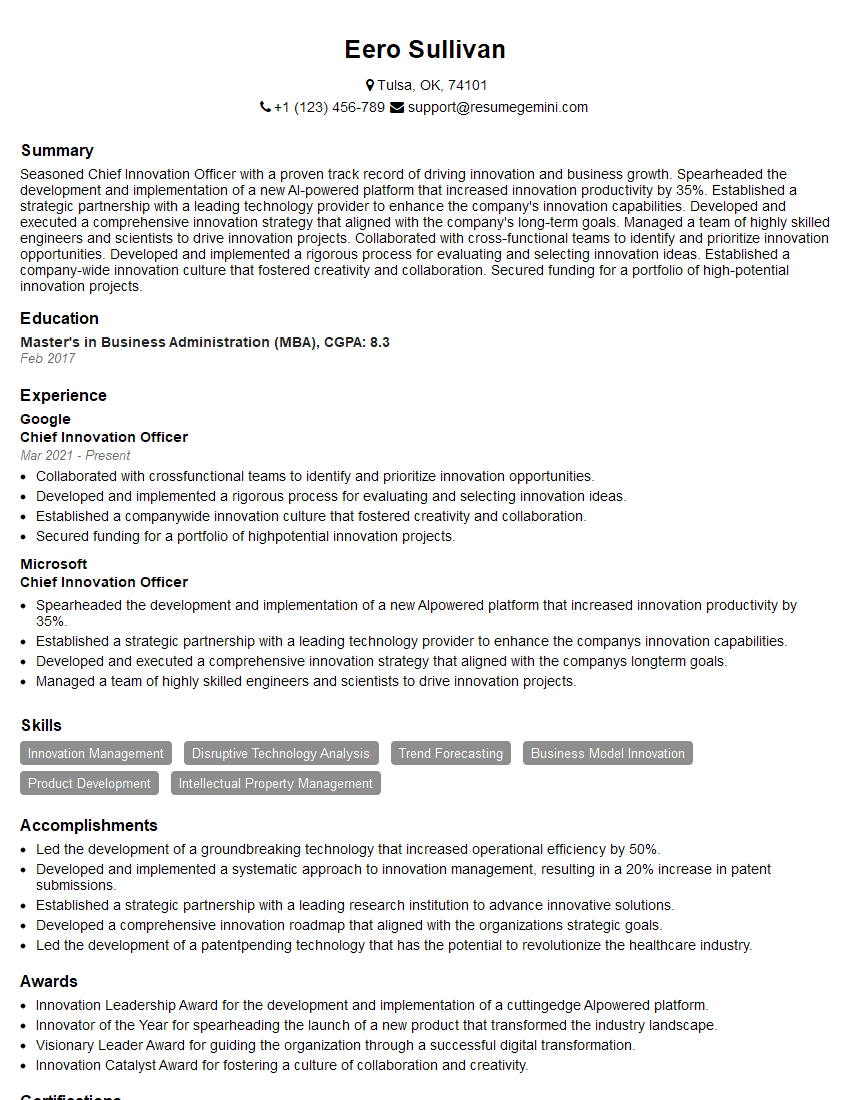
Chief Innovation Officer Resume Sample
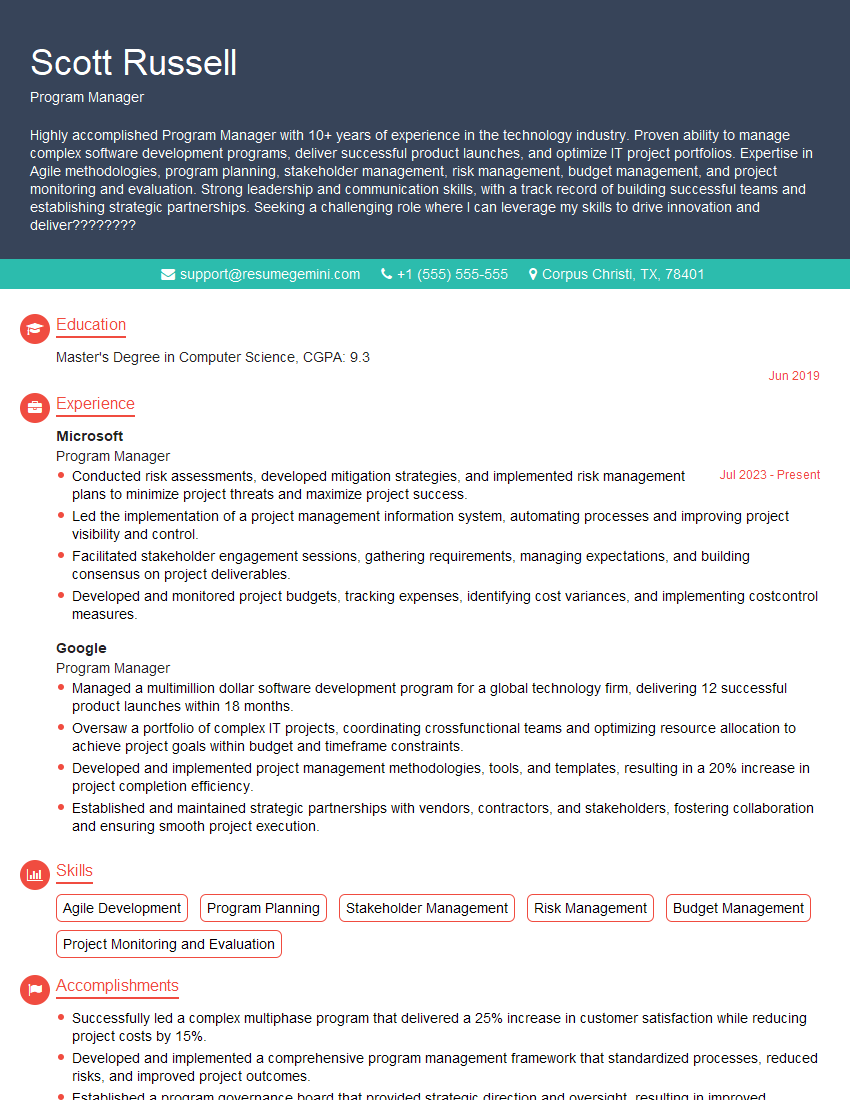
Program Manager Resume Sample
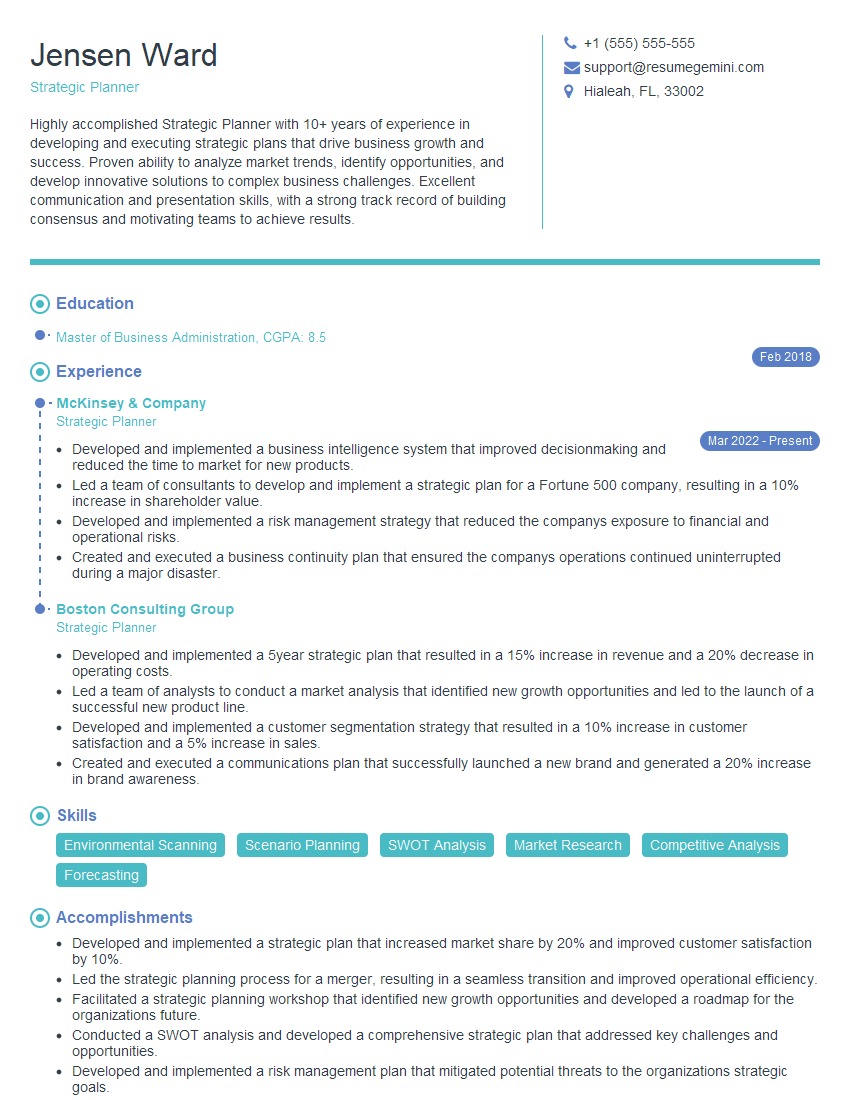
Strategic Planner Resume Sample

Creative Director Resume Sample
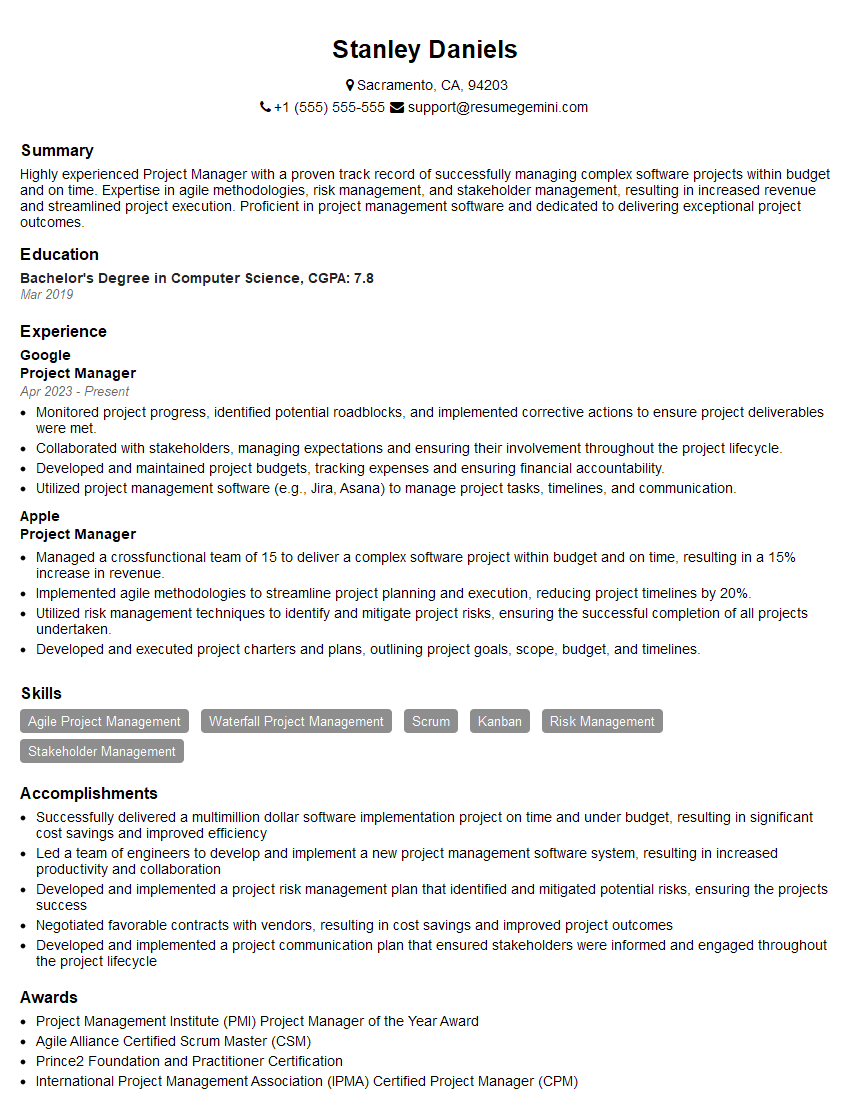
Project Manager Resume Sample
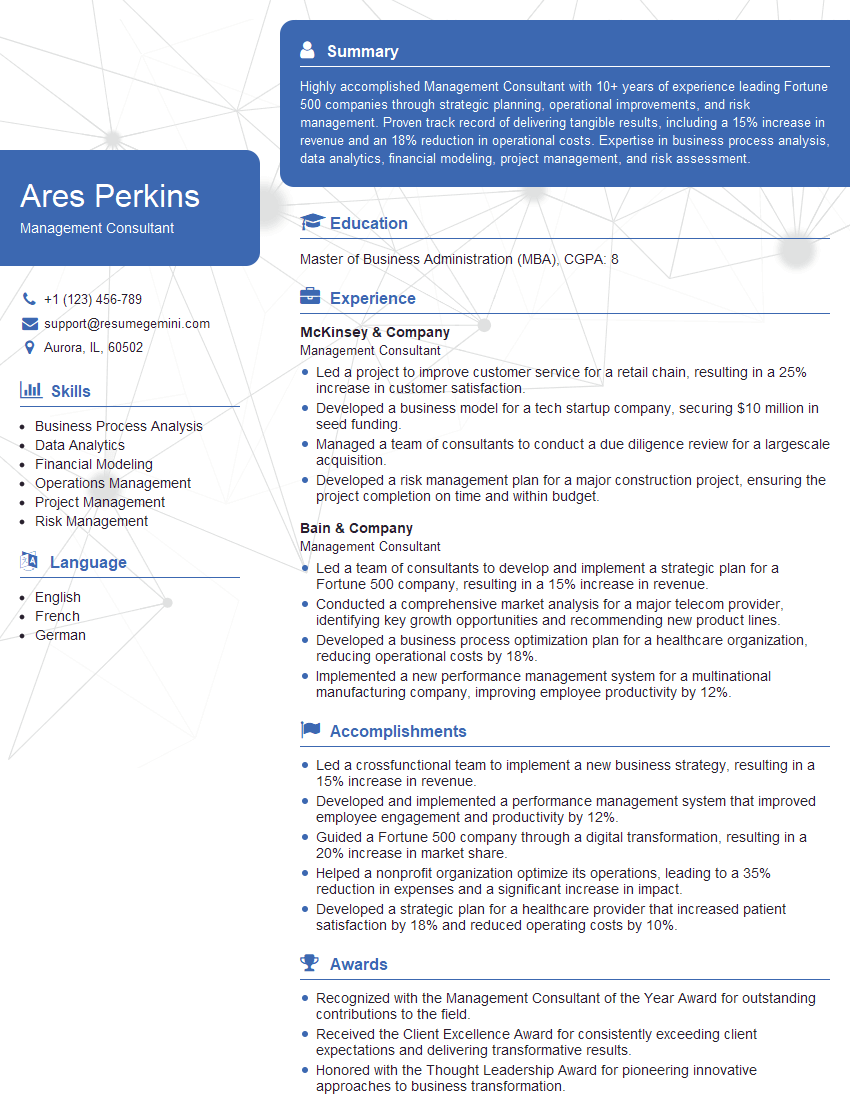
Management Consultant Resume Sample
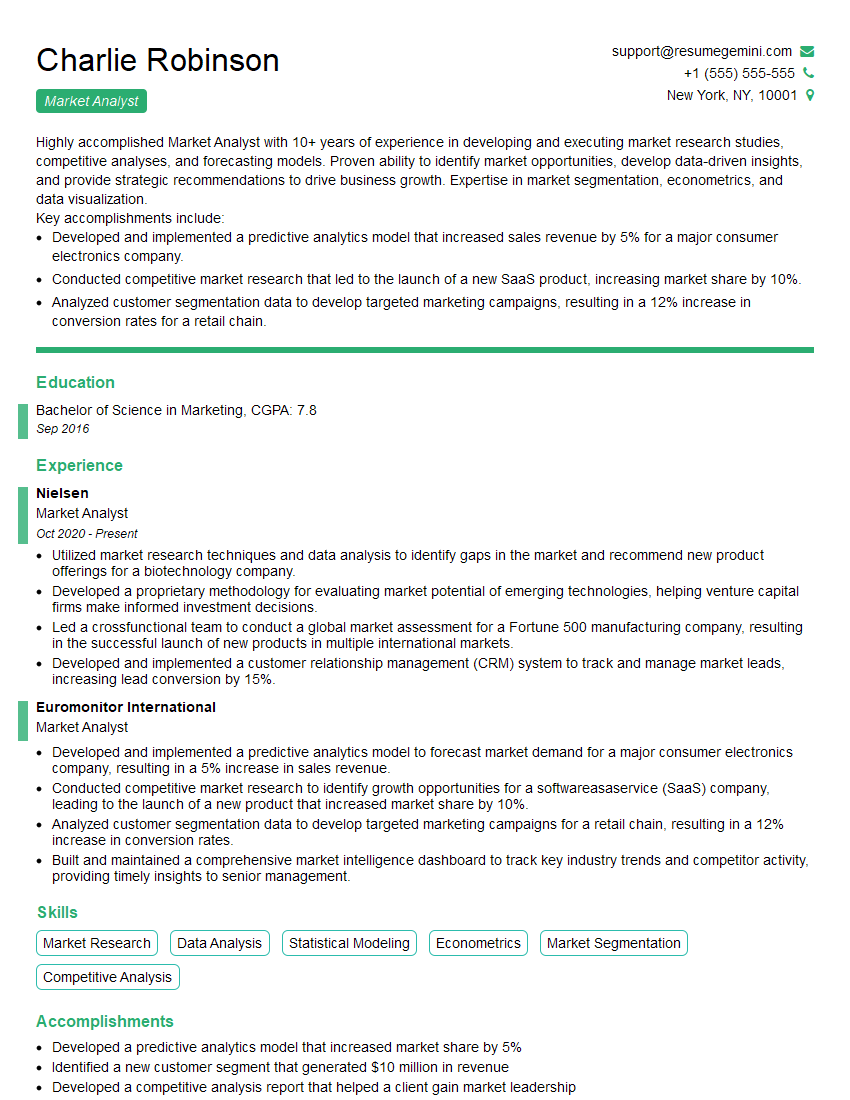
Market Analyst Resume Sample
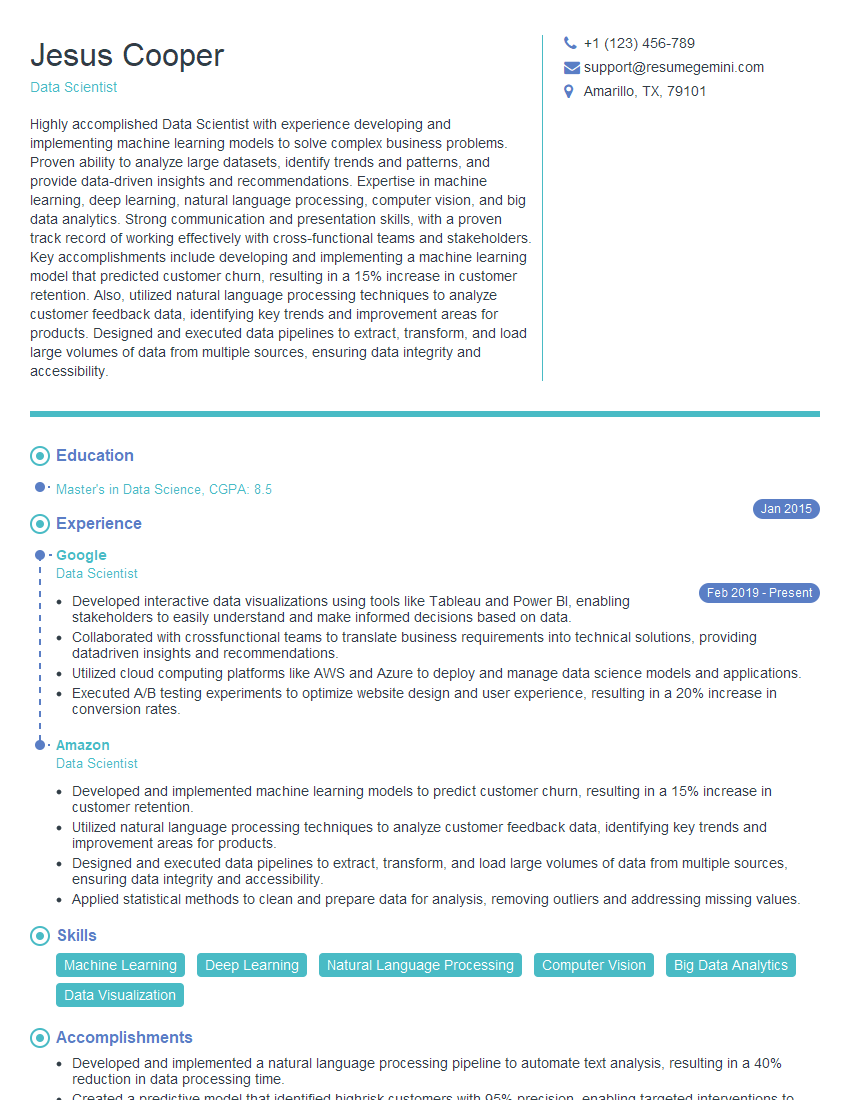
Data Scientist Resume Sample
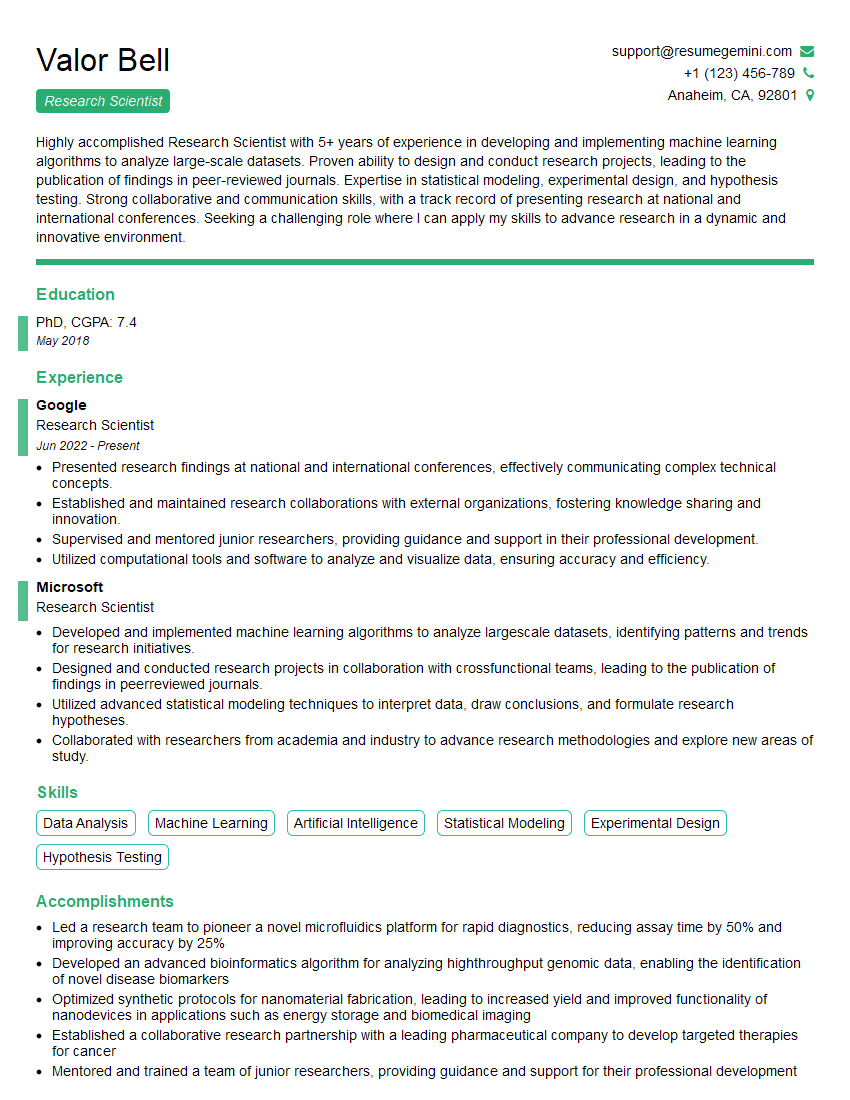
Research Scientist Resume Sample
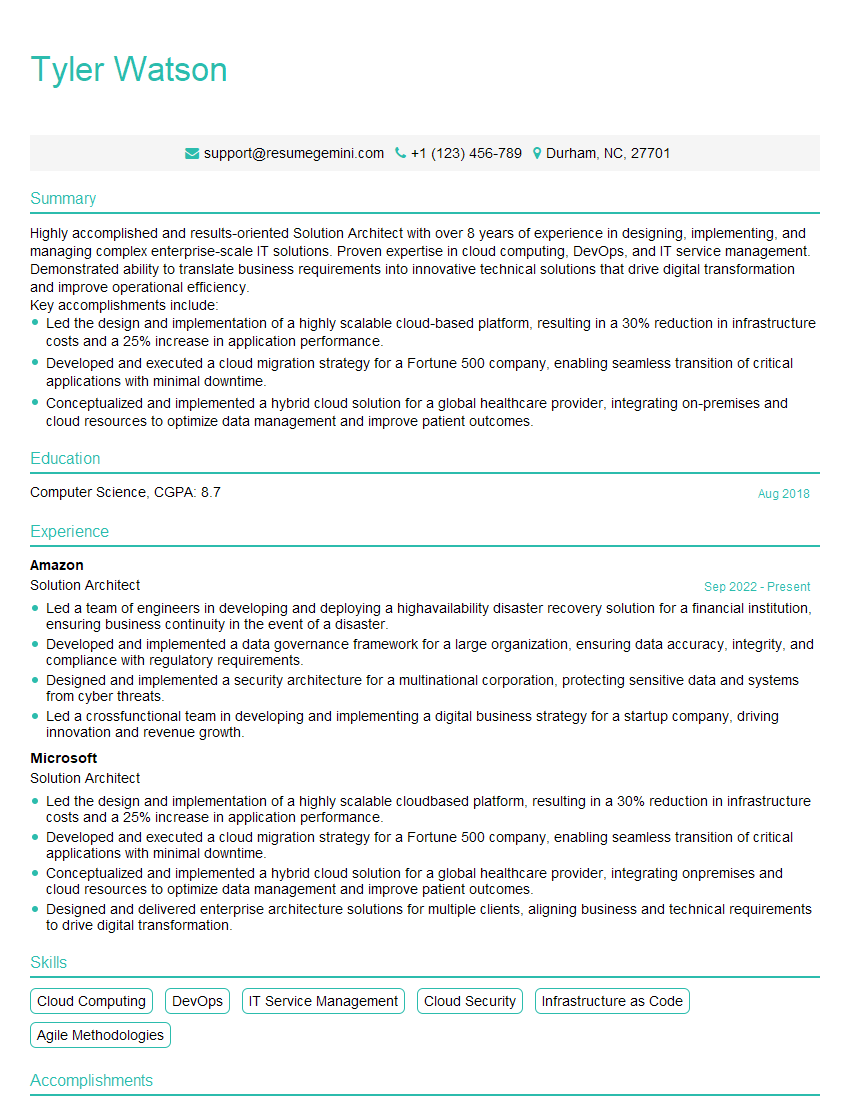
Solution Architect Resume Sample
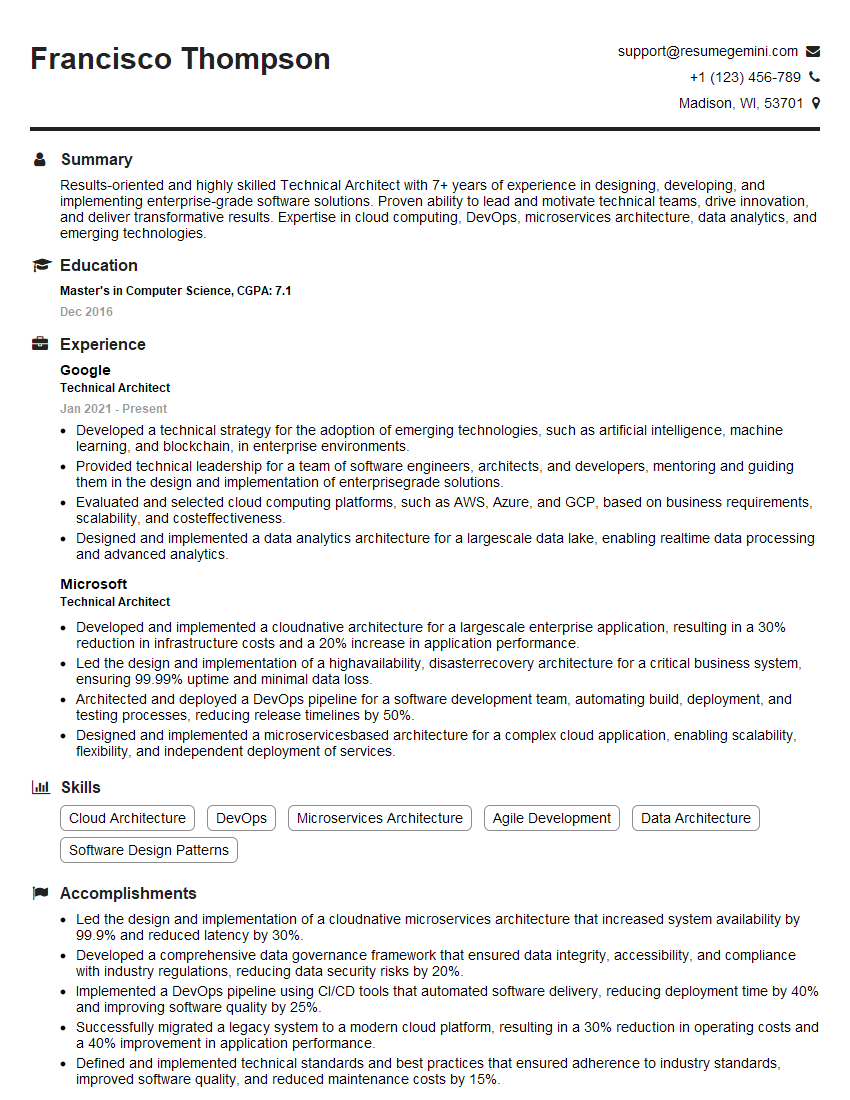
Technical Architect Resume Sample
Explore more articles
Users Rating of Our Blogs
Share Your Experience
We value your feedback! Please rate our content and share your thoughts (optional).
What Readers Say About Our Blog
Very informative content, great job.
good