The right preparation can turn an interview into an opportunity to showcase your expertise. This guide to Cat Rescue and Foster Care interview questions is your ultimate resource, providing key insights and tips to help you ace your responses and stand out as a top candidate.
Questions Asked in Cat Rescue and Foster Care Interview
Q 1. Describe your experience handling different cat breeds and their specific needs.
Over the years, I’ve fostered a wide variety of cat breeds, from the independent Siamese to the cuddly Persian, and each has unique needs. Understanding these nuances is crucial for their well-being. For example, long-haired breeds like Persians require regular brushing to prevent matting, while short-haired breeds like Abyssinian might need less frequent grooming but still benefit from occasional brushing. Siamese cats are known for being vocal and demanding attention, while Maine Coons, despite their size, can be surprisingly gentle and playful. Health considerations also vary; certain breeds are predisposed to specific genetic conditions, such as hip dysplasia in Maine Coons or hypertrophic cardiomyopathy in Maine Coons and Ragdolls. My approach involves researching each breed’s specific predispositions and tailoring care accordingly, ensuring I provide appropriate nutrition, enrichment, and veterinary attention.
- Example: When fostering a Sphynx cat, I learned that their lack of fur requires extra attention to temperature regulation, sun protection, and diligent skin care.
- Example: A senior Maine Coon I fostered needed extra joint support through specialized food and a comfortable, accessible environment.
Q 2. Explain your approach to socializing fearful or aggressive cats.
Socializing fearful or aggressive cats requires patience, understanding, and a gradual, positive reinforcement approach. It’s crucial to avoid forcing interactions, as this can worsen their fear or aggression. Instead, I prioritize building trust through slow, non-threatening interactions. This might involve simply spending quiet time near their safe space, offering treats from a distance, or using calming pheromone diffusers. Once a cat demonstrates some comfort, I gradually introduce more interactive activities like gentle petting sessions, playtime with appropriate toys, or supervised interactions with other friendly cats (if deemed appropriate). Body language is key – I always respect their cues, recognizing signs of stress (flattened ears, hissing, tail tucked) and backing off when needed.
Example: I fostered a cat who was terrified of humans. For weeks, I simply sat near her carrier, talking softly, offering food outside the carrier. Gradually, she started venturing closer. Eventually, she accepted gentle petting, then playtime. It took time, but positive reinforcement worked wonders.
Q 3. How do you assess a cat’s health upon intake?
Upon intake, a thorough health assessment is paramount. This begins with a visual inspection, noting their body condition (weight, muscle tone), coat condition (luster, parasites), and overall demeanor (alertness, activity level). I check for any visible injuries, wounds, or abnormalities. I then carefully palpate their abdomen to detect any unusual masses or tenderness. Temperature, heart rate, and respiratory rate are assessed. I also examine their eyes, ears, and mouth for any signs of infection or disease. Finally, I always check for a microchip. This initial assessment helps determine immediate needs, such as emergency veterinary care or parasite treatment, and guides ongoing care planning.
Q 4. What are the common signs of illness or injury in cats?
Recognizing signs of illness or injury in cats is vital for timely intervention. Common signs include:
- Lethargy: Excessive sleeping or lack of interest in usual activities.
- Changes in appetite or elimination: Vomiting, diarrhea, constipation, anorexia.
- Respiratory distress: Rapid breathing, coughing, sneezing, difficulty breathing.
- Changes in behavior: Increased aggression, hiding, vocalization, or unusual behavior.
- Weight loss or gain: Significant changes in body condition.
- Skin abnormalities: Rashes, lesions, excessive scratching, hair loss.
- Eye or ear discharge: Pus, redness, swelling.
Any of these symptoms warrant a veterinary examination.
Q 5. Detail your experience administering medications to cats.
Administering medications to cats requires both skill and caution. The method varies depending on the type of medication. Oral medications are often given by crushing pills and mixing them with wet food, or using a pill-popper. Topical medications, such as ointments or ear drops, are applied as directed. Injections are usually performed by veterinary professionals unless the foster parent has received specific training. Safety is paramount; I always prioritize my own safety and the cat’s well-being by using appropriate restraints if necessary and ensuring I have a clear understanding of the medication and dosage. I always document the administration of each medication carefully.
Example: When administering liquid medication, I use a small syringe and gently place it at the side of the cat’s mouth, allowing them to lap it up rather than forcing it down their throat.
Q 6. How do you manage a multi-cat household in a foster setting?
Managing a multi-cat household requires careful planning and attention to individual needs. Slow introductions are crucial, preventing stress and potential aggression. I typically use separate rooms initially, allowing cats to smell each other under the door, gradually increasing exposure time. Food and water bowls should be spaced far apart to minimize competition. Providing ample scratching posts, climbing structures, and hiding places helps reduce territorial conflict. Litter boxes should be available in excess of the number of cats, and ideally, placed in separate, easily accessible locations. Consistent routines and positive reinforcement can greatly improve cohabitation.
Example: I once fostered four cats. To ensure harmony, I created a vertical living space utilizing shelves and cat trees. This allowed the more timid cat to escape interactions and create different zones.
Q 7. Describe your experience with cat adoption processes.
My experience with cat adoption processes involves several key steps. It begins with a thorough screening process, carefully matching cats to potential adopters based on lifestyle, experience, and home environment. I conduct in-depth interviews to understand the adopter’s expectations, resources, and commitment. Home visits are essential to assess the suitability of the home, including factors such as security, environmental safety, and the presence of other pets. The adoption process is designed to ensure a successful match for both the cat and the adopter. Post-adoption follow-up is crucial, checking in with adopters to answer questions, address concerns, and ensure a smooth transition. This ensures the cat adjusts well and addresses any issues before they become major problems.
Example: One adopter wanted a particularly playful cat, so I made sure to observe and document each cat’s personality and play style before matching them. This led to a much happier outcome.
Q 8. How do you handle difficult or challenging adopters?
Handling challenging adopters requires patience, empathy, and clear communication. It’s crucial to remember that potential adopters may be well-intentioned but lack crucial knowledge about cat care. Instead of immediate dismissal, I focus on education and understanding their motivations.
For instance, if an adopter expresses unrealistic expectations about a cat’s behavior, I’ll gently explain the realities of feline personality and the adoption process, emphasizing the need for patience and understanding. I’ll provide resources like behavior modification guides or links to veterinary professionals. If their expectations remain unrealistic or their lifestyle is demonstrably incompatible with cat ownership, I won’t hesitate to decline the adoption application, explaining my reasons clearly and compassionately. The goal is to ensure a successful, long-term match for the cat, not just a quick placement.
If an adopter displays red flags—such as inconsistencies in their story, anger, or disregard for the cat’s well-being—I will politely decline their application, prioritizing the cat’s safety and happiness. Detailed notes are kept on all interactions and decisions are always documented for transparency.
Q 9. How do you match cats with suitable adopters?
Matching cats with suitable adopters is a crucial aspect of successful rescue work. It’s not just about finding homes; it’s about creating lasting, harmonious relationships. We use a comprehensive approach, considering both the cat’s personality and the adopter’s lifestyle.
We start with a thorough assessment of the cat, noting temperament, energy levels, sociability with other animals and humans, and any special needs (medical or behavioral). This information is carefully documented. We then assess potential adopters through an application process that covers their living situation, experience with cats, lifestyle, and expectations. We conduct phone interviews to get a sense of their personality and commitment level and may also conduct home visits.
For example, a shy, senior cat might be a better fit for a quiet home with experienced cat owners, while a playful kitten might thrive in a more active household with children who understand how to interact gently. We often use photographs and videos of the cats to help show their personalities and find the best fit. If there’s a lack of a suitable match, we don’t hesitate to keep a cat in foster care until the perfect home is found.
Q 10. How do you maintain accurate records for foster cats?
Maintaining accurate records for foster cats is paramount for ethical and efficient rescue operations. We use a detailed, digital database that tracks every aspect of a foster cat’s journey.
This database includes information such as the cat’s intake date, location found, initial health assessment (including any medical treatments, vaccinations, or parasite prevention), behavioral notes, foster parent details, adoption date (if applicable), and any other relevant information. We utilize a system that allows for easy updating and tracking. Regular updates ensure up-to-date health records, which are crucial for continuity of care, particularly if the cat needs ongoing medication or special attention.
For example, if a cat requires daily medication, the database flags this and reminds us to track its administration. The system is regularly backed up to prevent data loss and ensures transparency for all volunteers.
Q 11. Describe your experience with cat behavior modification techniques.
My experience with cat behavior modification is extensive and forms a core part of our rescue work. We recognize that many cats entering our care exhibit unwanted behaviors due to past trauma, neglect, or simply a lack of proper training.
We employ positive reinforcement techniques, focusing on rewarding desired behaviors and gently redirecting undesired ones. This involves using treats, praise, and playtime to build positive associations. For example, a cat fearful of loud noises might be gradually desensitized to similar sounds, while rewarding its calm behavior. Similarly, scratching posts are strategically placed, and cats are redirected from scratching furniture to their designated scratching posts with positive reinforcement. We consult with certified cat behaviorists when necessary, especially for complex cases.
For cats exhibiting aggression, we carefully assess underlying causes, which might include medical issues, fear, or past trauma. We then implement specific strategies tailored to the root cause, working with veterinary professionals and behavioral experts when needed. Documentation of all behavior modification strategies employed and their effectiveness are meticulously recorded.
Q 12. How do you handle cat bites or scratches?
Cat bites and scratches are a common occurrence in cat rescue, so proper protocol is crucial for both the safety of the rescuers and the well-being of the cats. Our foremost priority is immediate first aid.
If a bite or scratch occurs, the wound is thoroughly washed with soap and water. Depending on the severity, an antiseptic is applied and a bandage may be necessary. We then assess the risk of infection. For deep wounds or any sign of infection (redness, swelling, pus), veterinary care is immediately sought. The cat involved is also checked for any signs of illness or injury.
Post-exposure prophylaxis (PEP), including rabies vaccinations, might be necessary depending on the circumstances, the location, and the cat’s vaccination status. Thorough record-keeping ensures all necessary steps are documented and a potential infection is monitored closely.
Q 13. What are your strategies for finding suitable foster homes?
Finding suitable foster homes is a continuous process that relies on a multi-pronged approach. We use a combination of strategies to reach a wide range of potential foster parents.
We actively recruit through social media, our website, local community events, and partnerships with veterinary clinics and pet supply stores. We create compelling profiles of cats needing foster care, highlighting their individual personalities and needs to attract compassionate individuals. We also leverage the power of word-of-mouth referrals. Current foster parents often refer friends and family, creating a strong network of support.
Clear communication is key; potential foster parents need to understand the time and commitment involved. We provide thorough training and support to equip them with the necessary skills and resources. We emphasize the temporary nature of fostering and highlight the rewarding experience of helping vulnerable cats.
Q 14. How do you screen potential foster parents?
Screening potential foster parents is a critical step to ensure the safety and well-being of the cats in our care. Our screening process is thorough and multi-layered.
It begins with a comprehensive application that gathers detailed information about the applicant’s experience with cats, living situation, lifestyle, and willingness to comply with our organization’s policies and procedures. This application also covers references and emergency contact information. We conduct a thorough phone interview to verify the information provided in the application and to assess their understanding of cat care. We also discuss their expectations and their preparedness for handling potential challenges. For suitable candidates, we conduct a home visit to assess the safety and suitability of their living environment for cats. This includes verifying space, access to veterinary care, and understanding their experience and capacity to care for a cat safely.
The goal is not to disqualify people but to ensure a safe and nurturing environment for the cats. A supportive foster network means we are in constant communication with foster parents, providing assistance and guidance when needed. Clear communication, mutual respect, and a focus on the well-being of the animals are at the heart of this process.
Q 15. Describe your experience managing cat supplies and inventory.
Managing cat supplies and inventory in a rescue is crucial for efficient operations and the well-being of the cats. It requires a systematic approach, combining careful tracking with proactive planning. I utilize a spreadsheet-based inventory system, meticulously recording each item: food (dry, wet, specific dietary needs), litter, cleaning supplies, medications, toys, and bedding. This system allows me to track usage rates, anticipate shortages, and order supplies in advance, minimizing disruptions and preventing stockouts. For example, if I notice wet food for kittens is depleting faster than anticipated, I adjust my ordering schedule to ensure sufficient supply. Regular physical inventory checks confirm accuracy and flag any discrepancies. We also categorize supplies by age group and health condition (e.g., diabetic cats needing special food) for optimal organization and easy access.
Beyond basic inventory, the system helps with cost-tracking. Knowing which suppliers offer the best value allows for informed purchasing decisions, maximizing our budget’s impact. We also leverage donations; I maintain a record of donated items, including their quantity and condition, to ensure accountability and transparency.
Career Expert Tips:
- Ace those interviews! Prepare effectively by reviewing the Top 50 Most Common Interview Questions on ResumeGemini.
- Navigate your job search with confidence! Explore a wide range of Career Tips on ResumeGemini. Learn about common challenges and recommendations to overcome them.
- Craft the perfect resume! Master the Art of Resume Writing with ResumeGemini’s guide. Showcase your unique qualifications and achievements effectively.
- Don’t miss out on holiday savings! Build your dream resume with ResumeGemini’s ATS optimized templates.
Q 16. How do you handle financial aspects of cat rescue (fundraising, budgeting)?
Financial management in cat rescue is multifaceted and demanding, requiring a combination of fundraising, meticulous budgeting, and responsible spending. Fundraising involves various strategies: grant applications (exploring foundations focused on animal welfare), crowdfunding campaigns (leveraging online platforms to reach a broader audience), corporate sponsorships (seeking partnerships with companies aligned with our mission), and organizing fundraising events (such as adoption days or themed galas).
Budgeting is equally vital. We create a detailed annual budget, projecting income from different sources and allocating funds to essential areas like veterinary care, food, litter, cleaning supplies, and rent (if applicable). Regular financial reports track expenses against the budget, enabling proactive adjustments to prevent overspending. For example, if veterinary costs unexpectedly rise, we explore ways to optimize expenses in other areas, perhaps by seeking discounts on bulk purchases of supplies or promoting volunteer-based tasks.
Transparency and accountability are paramount. All financial transactions are meticulously recorded, and regular financial reports are shared with our board of directors and donors, fostering trust and confidence in our responsible use of funds.
Q 17. Explain your knowledge of feline infectious diseases.
Understanding feline infectious diseases is paramount for effective cat rescue. This includes recognizing symptoms, implementing preventative measures, and managing outbreaks. Common diseases include:
- Feline Leukemia Virus (FeLV): A retrovirus that weakens the immune system, increasing susceptibility to other infections. Prevention involves vaccination and isolating affected cats.
- Feline Immunodeficiency Virus (FIV): Another retrovirus, similar to HIV in humans. It weakens the immune system, but unlike FeLV, it’s not easily transmitted.
- Feline Calicivirus (FCV): A highly contagious virus causing respiratory and oral infections. Vaccination and good hygiene help prevent its spread.
- Feline Herpesvirus (FHV-1): Another common respiratory virus leading to sneezing, eye discharge, and ulcers. Stress and overcrowding can exacerbate outbreaks.
- Panleukopenia (Feline Distemper): A highly contagious and often fatal viral disease affecting the intestinal tract, white blood cells, and bone marrow. Vaccination is essential.
My approach involves proactive vaccination, regular health checks, and prompt veterinary attention at the first sign of illness. Isolation protocols are implemented to prevent the spread of contagious diseases, and rigorous cleaning and disinfection are vital in maintaining a healthy environment.
Q 18. How do you maintain a clean and sanitary environment for cats?
Maintaining a clean and sanitary environment is crucial for preventing the spread of disease and ensuring the well-being of the cats in our care. This involves a multi-pronged approach:
- Daily Cleaning: Litter boxes are scooped multiple times a day, and food and water bowls are cleaned and refilled regularly. Surfaces are wiped down to remove spills and debris.
- Regular Disinfecting: All surfaces, especially those frequently touched by cats, are disinfected with appropriate feline-safe products. We focus on high-traffic areas like litter box locations and eating zones.
- Dedicated Cleaning Supplies: We maintain separate cleaning supplies for different areas to avoid cross-contamination. For example, litter box cleaning supplies are kept separate from food preparation areas.
- Laundry: Cat bedding, towels, and blankets are frequently laundered in hot water with appropriate detergent, ensuring they are thoroughly cleaned and dried.
- Ventilation: Adequate ventilation helps to reduce odors and maintain fresh air, minimizing the risk of respiratory problems.
Regular inspections identify potential sanitation issues proactively, and we are constantly evaluating and refining our cleaning protocols to maintain the highest level of hygiene.
Q 19. How do you cope with the emotional challenges of working in animal rescue?
Working in animal rescue has significant emotional challenges. Witnessing animal suffering, dealing with neglect cases, and experiencing loss are unavoidable aspects of the job. It’s crucial to develop coping mechanisms to maintain mental and emotional well-being.
My coping strategies include:
- Self-Care: Prioritizing my own well-being through exercise, healthy eating, and sufficient rest is crucial. Finding time for relaxation and hobbies is essential to prevent burnout.
- Support System: Connecting with fellow rescuers, therapists, or support groups provides a safe space to share experiences and process emotions. Talking to others helps prevent feelings of isolation.
- Focusing on Successes: Celebrating adoptions, successful medical treatments, and positive developments keeps perspective focused on the positive impact of our work. It’s easy to get bogged down in the difficult cases, so it’s important to take time to acknowledge accomplishments.
- Setting Boundaries: Recognizing my own limitations and setting appropriate boundaries is essential to prevent emotional exhaustion. I know when to take a break or step away from particularly distressing situations.
It’s also important to recognize that these are difficult and emotional situations, and seeking professional support is not a sign of weakness but rather a sign of responsible self-care.
Q 20. How do you handle euthanasia decisions?
Euthanasia decisions are among the most challenging aspects of animal rescue. They are never taken lightly and are always made with the cat’s best interests at the forefront. It’s a deeply ethical process that demands careful consideration and collaboration with veterinary professionals.
The decision is based on a thorough assessment of the cat’s quality of life, considering factors such as:
- Pain and Suffering: Unremitting pain that cannot be effectively managed despite veterinary intervention is a major factor.
- Prognosis: A terminal illness with a poor prognosis and no reasonable chance of recovery warrants consideration.
- Quality of Life: The overall assessment of the cat’s ability to engage in natural behaviors, eat, drink, eliminate and interact.
- Treatment Options: Have all reasonable and appropriate medical treatments been considered?
We always involve a veterinarian in these discussions. The goal is to provide a peaceful and painless passing for the cat, minimizing distress and ensuring dignity in its final moments. The decision is never taken lightly and is always made with compassion and respect for the life of the animal.
Q 21. Describe your experience with community outreach and education.
Community outreach and education are integral to our rescue’s success. We actively engage the community through several channels:
- Adoption Events: Organizing adoption days at pet stores, community centers, and local events allows us to connect with potential adopters and showcase the cats in our care.
- Educational Workshops: Presenting workshops on responsible pet ownership, cat care, and feline behavior helps educate the community about responsible pet ownership and dispels myths about cats.
- Social Media: We actively use social media platforms like Facebook and Instagram to share updates about our cats, promote adoption, and raise awareness about our rescue work. We use engaging photos and videos to connect emotionally.
- School Presentations: Visiting schools and educating children about animal welfare and responsible pet ownership fosters kindness and compassion towards animals from a young age.
- Partnerships: Collaborating with local veterinarians, pet supply stores, and other animal welfare organizations amplifies our reach and strengthens our impact.
Our goal is to foster a community that supports animal welfare and promotes responsible pet ownership. By educating and engaging the public, we aim to reduce the number of cats in need and improve the lives of cats in our community.
Q 22. What are your strategies for handling cat overpopulation?
Addressing cat overpopulation requires a multifaceted approach focusing on prevention and intervention. Prevention hinges on promoting responsible pet ownership through spay/neuter programs. We actively partner with local veterinary clinics to offer subsidized or free spay/neuter services, targeting low-income families who might otherwise struggle to afford them. We also run robust public awareness campaigns educating the community about the importance of spaying and neutering and responsible pet ownership.
Intervention involves actively rescuing and rehoming cats already in need. We operate a trap-neuter-return (TNR) program for feral cat colonies, humanely trapping, sterilizing, vaccinating, and returning them to their original locations to prevent further breeding. This carefully managed approach reduces the population over time without disrupting the existing ecosystem.
For instance, last year our subsidized spay/neuter program impacted over 200 cats, directly preventing hundreds of potential kittens from being born. Our TNR program managed three large feral colonies, significantly reducing their growth.
Q 23. How do you collaborate effectively with veterinarians?
Effective collaboration with veterinarians is crucial for successful cat rescue. We maintain strong, ongoing relationships with local vets, leveraging their expertise in various ways. We have established preferred provider agreements that offer discounted rates for our rescued cats, encompassing routine check-ups, vaccinations, and necessary medical treatments. This ensures the cats receive the best possible care while managing our budget responsibly.
Beyond routine care, our vets play a vital role in emergency situations. When a rescued cat requires urgent medical attention, our dedicated network ensures prompt access to appropriate veterinary services. This rapid response significantly improves the survival rates of critically ill or injured animals.
Regular communication is key. We conduct monthly meetings with our veterinary partners, discussing current cases, challenges, and any potential improvements to our collaborative efforts. This ensures that our rescue practices align with the latest veterinary best practices.
Q 24. How do you deal with conflict resolution among volunteers or staff?
Conflict resolution within a volunteer-based organization requires a proactive and compassionate approach. We emphasize open communication and mutual respect from the outset. We provide training sessions that cover effective communication techniques, conflict management strategies, and the importance of teamwork. These sessions aim to equip our volunteers with the necessary skills to address disagreements constructively.
When conflicts arise, we encourage open dialogue. We facilitate a neutral environment where both parties can express their perspectives without interruption. We focus on understanding the underlying issues, not just the surface-level disagreements. If the situation escalates, we may involve a neutral third party for mediation.
For example, we recently had a disagreement between two volunteers regarding the best approach to socializing a particularly shy cat. Through facilitated conversation, we discovered that both volunteers had valid concerns; one prioritized slow, quiet interaction, and the other suggested more active play. By combining their approaches, we found the best solution for the cat.
Q 25. How would you handle a situation where a foster cat escapes?
An escaped foster cat is a serious situation requiring immediate action. Our first step is to activate our emergency protocol, which involves notifying the foster parent and our rescue team immediately. We then initiate a search, utilizing the foster parent’s knowledge of the cat’s behavior and the surrounding area. We strategically place traps with familiar scents, utilizing food and toys the cat is accustomed to.
We also leverage community support. We post flyers with the cat’s photo and description in the neighborhood, alerting residents to be on the lookout. We notify local animal shelters and veterinary clinics, requesting they contact us if the cat is found. Social media is crucial; we use Facebook and other platforms to expand our reach and enlist the help of the wider community.
We learned from experience that quick response is critical. In a recent incident, a cat escaped but was recovered within 24 hours thanks to the immediate activation of our protocol and the strong community engagement.
Q 26. Describe your experience using animal shelter management software.
Our organization utilizes ‘Shelterluv’, a comprehensive animal shelter management software. It streamlines many aspects of our operations, from intake and assessment of new animals to tracking their medical history, vaccinations, and eventual adoption. The software allows us to manage our foster network efficiently, assigning cats to appropriate foster homes based on their needs and the foster’s experience.
Shelterluv integrates several crucial functionalities. It allows us to efficiently manage adoption applications, track donations, and generate reports for fundraising and grant applications. It also provides valuable data for assessing our overall effectiveness and identifying areas for improvement in our processes.
Prior to using Shelterluv, we relied heavily on spreadsheets and manual record-keeping. This was inefficient and prone to errors. The software has significantly increased our operational efficiency and accuracy.
Q 27. How do you ensure the safety and welfare of cats in your care?
Ensuring the safety and welfare of the cats in our care is our paramount concern. This starts with rigorous screening of potential foster homes, ensuring they meet our strict standards for providing safe and enriching environments. This involves home visits to assess the suitability of the space, considering factors like security, cleanliness, and the presence of other pets.
We provide comprehensive training to all our fosters, covering topics such as feline behavior, basic first aid, and recognizing signs of illness or distress. We maintain close contact with our fosters, providing ongoing support and readily answering their questions or concerns. We conduct regular check-ins, ensuring the cats are thriving in their temporary homes.
All rescued cats receive immediate veterinary care, including vaccinations and parasite prevention. We maintain detailed medical records for each cat, ensuring continuity of care throughout their stay with us. We provide appropriate food and litter, tailoring the environment to each cat’s specific needs and personality.
Q 28. What are your long-term goals in the field of cat rescue and foster care?
Our long-term goals center on reducing cat homelessness and improving the lives of felines in our community. We aim to expand our spay/neuter and TNR programs, reaching more cats and preventing future generations from entering shelters. We plan to build stronger partnerships with local businesses and community organizations to increase awareness and fundraising efforts.
We also envision developing educational programs for schools and community centers, fostering a greater understanding of responsible pet ownership and the importance of animal welfare. Our ultimate goal is to create a community where all cats have loving homes and are treated with respect and compassion. We want to build a legacy of responsible animal care and community engagement.
Key Topics to Learn for Cat Rescue and Foster Care Interview
- Animal Handling and Welfare: Understanding feline behavior, recognizing signs of illness or distress, safe handling techniques, and basic first aid for cats.
- Fostering Best Practices: Creating a safe and enriching environment for foster cats, managing medical needs in collaboration with veterinarians, socializing and handling kittens, and preparing cats for adoption.
- Adoption Processes: Matching cats with suitable adopters, conducting home visits, completing adoption paperwork, managing post-adoption support, and addressing potential adoption challenges.
- Shelter Management (if applicable): Understanding shelter operations, maintaining hygiene and sanitation, managing volunteers, inventory control, and fundraising strategies.
- Community Engagement: Building relationships with local veterinarians, pet supply stores, and community organizations to expand the rescue’s reach and support network.
- Ethical Considerations: Prioritizing the welfare of cats, making difficult decisions regarding euthanasia (if applicable), adhering to ethical guidelines, and managing difficult situations with sensitivity.
- Record Keeping and Data Management: Maintaining accurate records of cat intake, medical history, treatments, and adoption outcomes; using databases or spreadsheets efficiently.
Next Steps
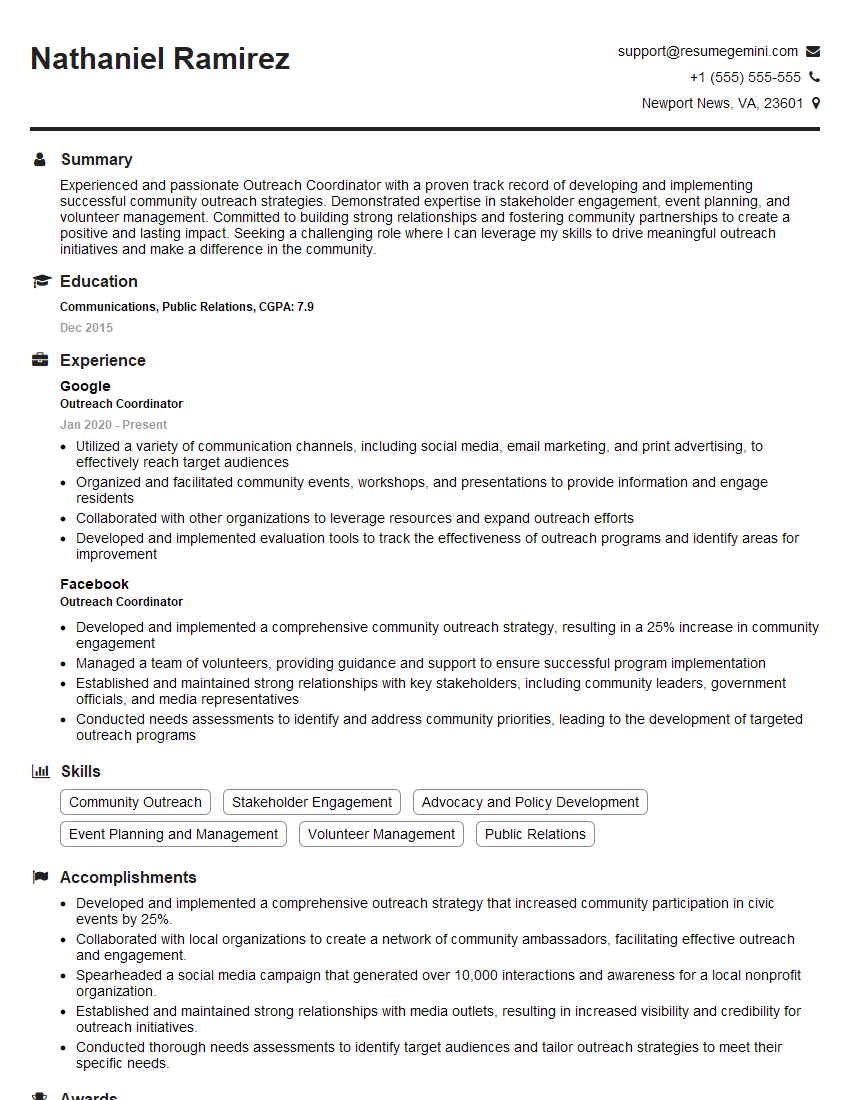
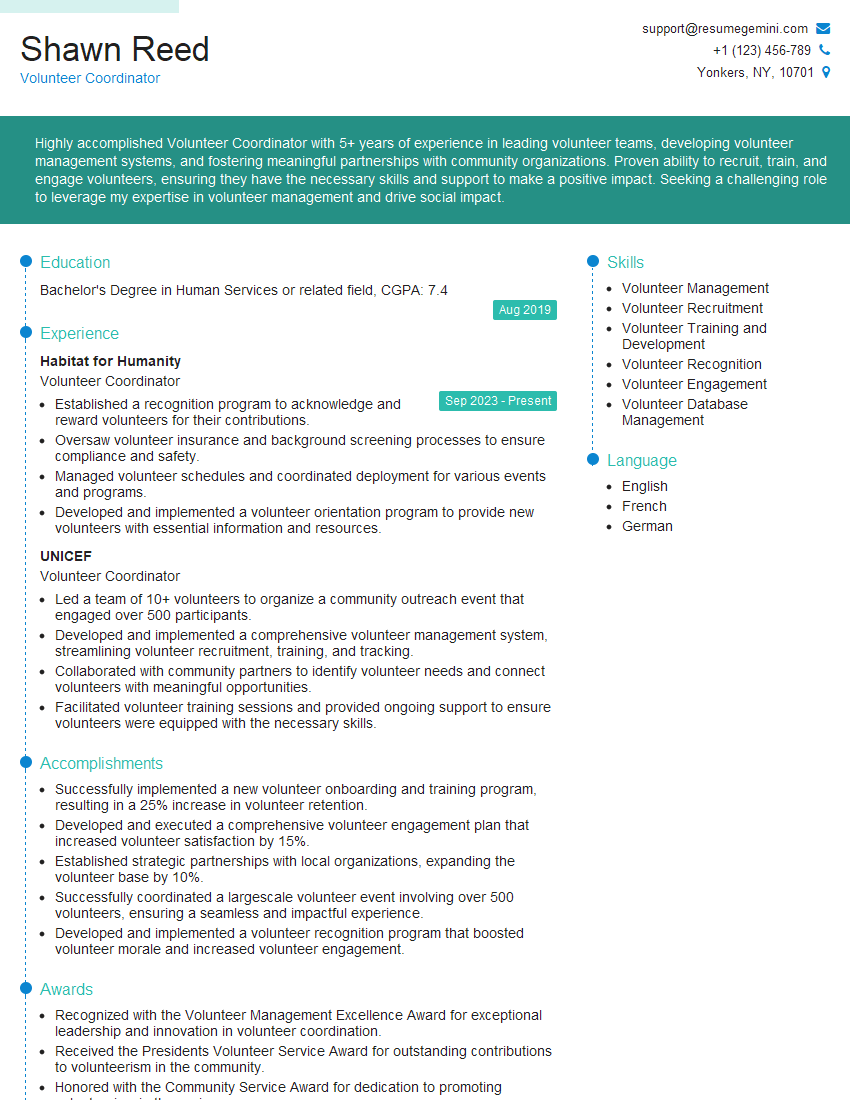
Mastering the nuances of Cat Rescue and Foster Care significantly enhances your career prospects in the animal welfare sector, demonstrating your compassion, dedication, and practical skills. A strong, ATS-friendly resume is crucial for maximizing your job search success. We highly recommend using ResumeGemini to build a professional and impactful resume that highlights your relevant experience and skills. ResumeGemini provides examples of resumes tailored to Cat Rescue and Foster Care positions, helping you showcase your qualifications effectively and land your dream job.
Explore more articles
Users Rating of Our Blogs
Share Your Experience
We value your feedback! Please rate our content and share your thoughts (optional).
What Readers Say About Our Blog
Very informative content, great job.
good