Feeling uncertain about what to expect in your upcoming interview? We’ve got you covered! This blog highlights the most important Understanding of logistics and transportation interview questions and provides actionable advice to help you stand out as the ideal candidate. Let’s pave the way for your success.
Questions Asked in Understanding of logistics and transportation Interview
Q 1. Explain the difference between LTL and FTL shipping.
LTL (Less than Truckload) and FTL (Full Truckload) shipping refer to different ways of transporting goods based on the volume of cargo. FTL is when you fill an entire truck with your goods, while LTL involves sharing a truck with other shippers whose goods are going to similar destinations. Think of it like this: FTL is like having your own private car, while LTL is like taking a shared ride.
- FTL: More expensive per unit but offers faster transit times and better security since your goods aren’t handled as frequently. Ideal for large shipments where speed and security are paramount.
- LTL: Cheaper per unit but involves multiple stops and handling, leading to longer transit times and a slightly higher risk of damage. Perfect for smaller shipments where cost is a priority.
For example, a furniture manufacturer shipping a large order across the country would likely opt for FTL, whereas a small online retailer shipping individual orders to different locations would benefit from LTL’s cost-effectiveness.
Q 2. What are the key performance indicators (KPIs) you would track in a logistics operation?
In logistics, several KPIs are crucial for monitoring performance and identifying areas for improvement. These fall broadly into categories of cost, speed, and quality.
- On-Time Delivery Rate: Percentage of shipments delivered on or before the scheduled delivery date. This directly reflects efficiency and reliability.
- Order Fulfillment Cycle Time: The time it takes to process an order, from receipt to delivery. A shorter cycle time indicates smoother operations.
- Inventory Turnover Rate: How many times inventory is sold and replenished during a given period. Higher turnover indicates efficient inventory management and reduced holding costs.
- Freight Costs as a Percentage of Revenue: Helps in assessing the efficiency of transportation costs relative to sales.
- Perfect Order Rate: Percentage of orders delivered on time, in full, and without errors. A measure of overall operational excellence.
- Damage Rate: Percentage of shipments arriving damaged. Indicates the effectiveness of packaging and handling procedures.
By tracking these KPIs regularly, we can identify bottlenecks, optimize processes, and enhance the overall efficiency of the logistics operation.
Q 3. Describe your experience with various modes of transportation (e.g., trucking, rail, air, sea).
My experience encompasses all major modes of transportation. I’ve worked extensively with:
- Trucking: Managed LTL and FTL shipments, optimizing routes and carrier selection to balance cost and speed. Deep understanding of different truck types and their suitability for various cargo.
- Rail: Experienced in intermodal transportation, coordinating the movement of goods between trucks and trains, which is especially cost-effective for large-volume, long-distance shipments. Familiar with rail network limitations and scheduling challenges.
- Air: Handled time-sensitive shipments requiring rapid delivery. Understanding of airfreight regulations, customs clearance, and the selection of appropriate carriers based on speed and cost considerations. This often involves higher cost per unit, which is justifiable for urgent shipments of high-value goods.
- Sea: Experienced in ocean freight, including container shipping and bulk cargo. Knowledge of incoterms, port operations, and the complexities of international shipping, including documentation and customs regulations. This method is typically chosen for cost-effectiveness over longer distances.
This diverse experience enables me to choose the most appropriate mode based on factors like cost, speed, volume, and the nature of the goods being transported.
Q 4. How do you handle unexpected delays or disruptions in the supply chain?
Unexpected delays and disruptions are inevitable in supply chains. My approach involves a proactive and reactive strategy:
- Proactive Measures: Diversifying suppliers, having contingency plans in place for potential disruptions (e.g., natural disasters, geopolitical events), and maintaining strong relationships with carriers.
- Reactive Measures: Upon identifying a disruption, I would first assess the impact on the delivery timeline and customer expectations. Then, I would explore alternative solutions, such as rerouting shipments, finding alternative carriers, or negotiating with customers for extended delivery windows. Open communication with all stakeholders is crucial during this phase.
For instance, if a port strike caused a significant delay, I would immediately contact the customer and explore options like air freight for a portion of the shipment to mitigate the impact. Transparency and prompt communication are key to maintaining customer trust during disruptions.
Q 5. What inventory management techniques are you familiar with?
I’m familiar with a range of inventory management techniques, focusing on optimizing inventory levels to minimize costs while ensuring sufficient stock to meet demand. These include:
- Just-in-Time (JIT): Minimizing inventory by receiving materials only when needed for production. This reduces storage costs but requires precise demand forecasting and reliable supplier relationships.
- Economic Order Quantity (EOQ): Calculating the optimal order quantity to minimize the total costs of ordering and holding inventory. This balances ordering costs with storage costs.
- ABC Analysis: Classifying inventory items based on their value and consumption rate. High-value items (A) receive more attention and tighter control compared to low-value items (C).
- First-In, First-Out (FIFO) and Last-In, First-Out (LIFO): These methods manage inventory rotation, ensuring that older items are used before newer ones (FIFO is commonly preferred to avoid obsolescence).
The choice of technique depends on factors like the nature of the product, demand variability, and storage capacity.
Q 6. Explain your understanding of Incoterms.
Incoterms (International Commercial Terms) are standardized trade terms published by the International Chamber of Commerce (ICC). They define the responsibilities of the buyer and seller in an international trade transaction regarding delivery, costs, and risks. Understanding Incoterms is crucial for clear contract negotiation and avoiding disputes.
For example, FOB (Free on Board) indicates that the seller is responsible for delivering the goods to the named port of shipment, while the buyer is responsible for the costs and risks from that point onward. Other common terms include CIF (Cost, Insurance, and Freight) and DDP (Delivered Duty Paid). The choice of Incoterm significantly impacts pricing and risk allocation between the buyer and seller.
I have extensive experience in applying Incoterms to international shipping contracts, ensuring that all parties understand their obligations and responsibilities clearly.
Q 7. What is your experience with Warehouse Management Systems (WMS)?
I have significant experience with Warehouse Management Systems (WMS). I’ve implemented, configured, and managed various WMS solutions in different operational settings. My experience includes:
- System Selection and Implementation: Evaluating different WMS solutions to meet specific business needs and overseeing the implementation process.
- Process Optimization: Using WMS data analytics to identify inefficiencies in warehouse operations and recommend improvements in storage, picking, and packing processes.
- Inventory Control: Utilizing WMS features for accurate inventory tracking, cycle counting, and minimizing stock discrepancies.
- Integration with other systems: Connecting WMS with ERP (Enterprise Resource Planning) systems and transportation management systems (TMS) to streamline data flow and improve overall supply chain visibility.
My expertise in WMS enables me to significantly improve warehouse efficiency, accuracy, and cost-effectiveness.
Q 8. Describe your experience with Transportation Management Systems (TMS).
Transportation Management Systems (TMS) are software solutions designed to optimize and manage all aspects of the transportation process, from planning and execution to tracking and analysis. My experience spans over eight years, working with various TMS platforms, including Oracle Transportation Management and Blue Yonder. I’ve been involved in every stage of implementation – from requirements gathering and system configuration to user training and ongoing support. For example, at my previous company, I led the implementation of a new TMS, resulting in a 15% reduction in transportation costs within the first year. This involved not only selecting the right software but also meticulously mapping our existing processes onto the new system and ensuring seamless integration with our existing ERP (Enterprise Resource Planning) system.
My responsibilities included defining key performance indicators (KPIs), configuring the system to meet our specific needs (e.g., carrier selection rules, routing optimization parameters), and developing custom reports for real-time performance monitoring. I also played a crucial role in user training, ensuring all stakeholders were proficient in using the system and its functionalities. Furthermore, I’ve actively participated in continuous improvement initiatives, identifying areas for optimization within the TMS and driving implementation of changes to further enhance efficiency and reduce costs.
Q 9. How do you optimize transportation routes and costs?
Optimizing transportation routes and costs requires a multi-faceted approach that leverages technology and strategic planning. I typically begin by analyzing historical shipment data to identify patterns and inefficiencies. This includes analyzing factors such as delivery times, distances traveled, fuel consumption, and transportation modes used. This analysis often reveals bottlenecks and areas for improvement. For example, we once discovered that by slightly altering delivery routes and consolidating shipments, we reduced our mileage by 10%, leading to significant fuel savings.
Route optimization tools, integrated within our TMS, play a vital role. These tools consider various parameters, including distance, traffic patterns, driver availability, and delivery windows to generate the most efficient routes. Furthermore, negotiating favorable rates with carriers is critical. This involves building strong relationships with carriers, leveraging our shipping volume to negotiate bulk discounts, and continuously monitoring market rates to ensure we’re receiving competitive pricing. Strategic carrier selection is also crucial, choosing carriers based on factors like reliability, on-time performance, and safety records. The entire process is iterative, constantly monitoring and refining routes and carrier relationships to maintain optimal costs and efficiency.
Q 10. What are some common challenges in logistics and how have you overcome them?
The logistics industry faces numerous challenges, including unforeseen delays, fluctuating fuel prices, and unpredictable demand. One common challenge is managing unforeseen disruptions to the supply chain, such as natural disasters or port congestion. In one instance, a major port strike caused significant delays in our inbound shipments. To mitigate this, we proactively diversified our supplier base, exploring alternative transportation modes (rail instead of sea freight), and implemented a robust communication plan to keep our customers informed about potential delays.
Another challenge is managing inventory levels to balance holding costs with the risk of stockouts. We addressed this by implementing a sophisticated inventory management system that leverages real-time data and forecasting models to accurately predict demand. This system has greatly improved our inventory accuracy and reduced storage costs. Finally, driver shortages pose a significant challenge in many regions. To counter this, we’ve invested in driver retention programs, offering competitive wages and benefits, and also explored partnerships with third-party logistics providers to ensure reliable transportation capacity.
Q 11. Explain your experience with customs regulations and documentation.
My experience with customs regulations and documentation is extensive, encompassing various international shipping procedures and import/export regulations. I’m proficient in preparing and processing a wide range of customs documents, including commercial invoices, packing lists, certificates of origin, and import permits. A significant aspect of this involves staying abreast of ever-changing regulations and ensuring compliance with all applicable laws and requirements, varying by country and commodity.
For instance, I’ve personally navigated complex import procedures for sensitive goods, securing necessary permits and ensuring timely clearance through customs. This frequently involves close collaboration with customs brokers and international freight forwarders. Accurate and complete documentation is crucial to prevent delays and penalties. We employ a rigorous internal review process to ensure all documents are compliant before submission. We utilize specialized software to help automate the creation and submission of these documents, reducing the risk of errors and accelerating the customs clearance process.
Q 12. How do you ensure the security and safety of goods during transportation?
Ensuring the security and safety of goods during transportation is paramount. This involves a layered approach that begins with proper packaging and securing goods to prevent damage during transit. We utilize appropriate packaging materials and techniques, tailored to the specific characteristics of the goods being shipped. We also employ various security measures, such as seals and tamper-evident packaging, to deter theft and pilferage.
Real-time tracking and monitoring through GPS technology are integral to our security protocols. This enables us to monitor shipments in transit, identify potential risks (e.g., unauthorized stops), and promptly respond to any security breaches. Furthermore, we have robust security procedures in place at our warehouses, including access control systems, CCTV surveillance, and regular security audits. We also collaborate closely with our carriers, selecting those with strong security records and investing in training programs to educate our personnel on best security practices. Insurance coverage is a crucial element to mitigate financial losses in case of unforeseen incidents.
Q 13. What is your experience with reverse logistics?
Reverse logistics, the process of managing the return of goods, is a critical aspect of modern supply chain management. My experience includes managing product returns, recalls, and end-of-life product disposal. We’ve implemented a systematic process to handle returns efficiently, minimizing costs and maximizing the value of returned goods. This involves clear return procedures for customers, efficient processing of returns at our designated facilities, and careful inspection and disposition of returned items.
For instance, we’ve developed a system to categorize returned goods (e.g., repairable, reusable, recyclable, scrap) and implement appropriate strategies for each category. Reusable items are refurbished and resold, recyclable materials are properly processed, and scrap materials are disposed of in an environmentally responsible manner. Effective reverse logistics significantly impacts our environmental footprint and reduces our overall waste disposal costs. We use data analysis to identify trends in returns and proactively address underlying issues to improve product quality and reduce future returns.
Q 14. What is your experience with different types of warehousing (e.g., public, private, contract)?
My experience encompasses all three major types of warehousing: public, private, and contract. Public warehousing provides flexibility and scalability, ideal for businesses with fluctuating storage needs. I’ve utilized public warehouses for short-term storage and overflow inventory. Private warehousing offers greater control and customization, which is beneficial for businesses with high-volume, specialized storage requirements. I’ve overseen the design and operation of a private warehouse, optimizing its layout and processes to enhance efficiency and minimize costs.
Contract warehousing offers a hybrid approach, combining the flexibility of public warehousing with the control of private warehousing. I’ve successfully negotiated and managed several contract warehousing agreements, ensuring that the warehousing provider met our specific needs in terms of space, equipment, and services. The selection of the right warehousing model is crucial and depends on numerous factors, including storage volume, product characteristics, budget, and desired level of control. The decision-making process frequently involves detailed cost-benefit analysis and thorough evaluation of potential providers to ensure alignment with overall business objectives.
Q 15. Describe your experience with forecasting and demand planning.
Forecasting and demand planning are crucial for optimizing logistics. It involves predicting future demand for products to ensure sufficient inventory, efficient resource allocation, and minimized costs. My experience encompasses utilizing various forecasting methods, from simple moving averages to more sophisticated techniques like exponential smoothing and ARIMA modeling. I’ve worked with both qualitative methods, such as expert opinions and market research, and quantitative methods, leveraging historical sales data, seasonality trends, and economic indicators.
For example, in my previous role at a large retail company, we used a combination of time series analysis and machine learning to forecast seasonal spikes in demand during holiday periods. This allowed us to proactively manage warehouse space, transportation capacity, and staffing levels, leading to a 15% reduction in stockouts and a 10% decrease in warehousing costs.
The process usually begins with data collection and cleaning, followed by model selection and parameter estimation. Regular monitoring and model recalibration are vital to maintain accuracy, adapting to changing market conditions and emerging trends.
Career Expert Tips:
- Ace those interviews! Prepare effectively by reviewing the Top 50 Most Common Interview Questions on ResumeGemini.
- Navigate your job search with confidence! Explore a wide range of Career Tips on ResumeGemini. Learn about common challenges and recommendations to overcome them.
- Craft the perfect resume! Master the Art of Resume Writing with ResumeGemini’s guide. Showcase your unique qualifications and achievements effectively.
- Don’t miss out on holiday savings! Build your dream resume with ResumeGemini’s ATS optimized templates.
Q 16. How do you manage supplier relationships in a logistics context?
Managing supplier relationships is paramount in logistics, impacting everything from timely deliveries to product quality. My approach is built on strong communication, collaboration, and mutual trust. I believe in establishing clear expectations regarding delivery schedules, quality standards, and performance metrics, documented in formal service level agreements (SLAs).
Regular performance reviews are key. I use key performance indicators (KPIs) like on-time delivery rates, defect rates, and lead times to objectively assess supplier performance. Open communication channels are essential – I foster proactive discussions to address potential issues early on. Building strong relationships extends beyond transactional exchanges; it involves understanding the supplier’s capabilities and challenges, fostering a partnership approach.
For instance, I successfully navigated a supplier’s unexpected production delay by collaborating closely with them to identify alternative sourcing options, ensuring minimal disruption to our supply chain. This involved proactively communicating the impact to our internal stakeholders and our customers.
Q 17. What is your experience with Lean principles in logistics?
Lean principles, focused on eliminating waste and maximizing efficiency, are deeply ingrained in my logistics philosophy. I have extensive experience implementing Lean methodologies like 5S (Sort, Set in Order, Shine, Standardize, Sustain), Kaizen (continuous improvement), and Value Stream Mapping. These tools help identify and eliminate non-value-added activities in the logistics process.
In a previous project, we applied Value Stream Mapping to analyze our warehousing operation. This revealed bottlenecks in the picking and packing process. Through Kaizen events involving warehouse staff, we implemented improvements such as optimizing layout, standardizing procedures, and improving training, resulting in a 20% increase in order fulfillment efficiency.
Lean principles aren’t just about reducing costs; they enhance quality, improve delivery times, and boost employee morale. It’s about continuous improvement – a mindset of always seeking better ways to do things.
Q 18. How do you measure the efficiency of a logistics operation?
Measuring logistics efficiency requires a multifaceted approach, focusing on key performance indicators (KPIs). These KPIs vary depending on the specific logistics operation, but some common ones include:
- On-time delivery rate: Percentage of shipments delivered on or before the scheduled time.
- Order fulfillment cycle time: Time taken from order placement to delivery.
- Inventory turnover rate: How many times inventory is sold and replaced in a given period.
- Transportation costs per unit: Cost of transportation per unit of goods shipped.
- Warehouse space utilization rate: Efficiency of warehouse space usage.
- Perfect order rate: Percentage of orders delivered on time, in full, and without errors.
By tracking these KPIs, we can identify areas for improvement and measure the overall effectiveness of the logistics operation. Regular reporting and analysis are critical for identifying trends and making data-driven decisions.
Q 19. What software or tools are you proficient in using for logistics management?
My proficiency in logistics software and tools is extensive. I’m adept at using Transportation Management Systems (TMS) such as Oracle Transportation Management and SAP TM for route optimization, carrier selection, and shipment tracking. I’m also experienced with Warehouse Management Systems (WMS) like Manhattan Associates and Blue Yonder, which manage inventory, track goods, and optimize warehouse operations. Furthermore, I’m comfortable using data analytics tools like Tableau and Power BI for data visualization and reporting, allowing for informed decision-making.
In addition to these, I have experience with Enterprise Resource Planning (ERP) systems such as SAP and Oracle, which provide an integrated view of the entire supply chain. My skills extend to Geographic Information Systems (GIS) software for route planning and optimization.
Q 20. Describe your experience with budgeting and cost control in logistics.
Budgeting and cost control are crucial aspects of logistics management. My experience involves developing detailed logistics budgets, forecasting costs based on historical data, volume projections, and market conditions. I utilize various cost accounting techniques to track expenses, analyze variances, and identify areas for cost reduction. This includes analyzing transportation costs, warehousing costs, inventory holding costs, and handling costs.
I’ve successfully implemented cost-saving measures like negotiating better rates with carriers, optimizing warehouse layout to reduce handling time, and implementing inventory optimization strategies to minimize holding costs. For example, by negotiating volume discounts with our primary carrier, we achieved a 7% reduction in transportation expenses annually.
Regular monitoring and variance analysis are critical. I use dashboards and reports to track actual versus budgeted costs, enabling proactive adjustments to stay within budget constraints.
Q 21. How do you handle customer complaints related to logistics?
Handling customer complaints related to logistics requires empathy, efficiency, and a systematic approach. My first step is to actively listen to the customer’s concerns, acknowledging their frustration and validating their experience. I gather all the relevant information – tracking numbers, order details, delivery dates – to understand the root cause of the issue.
Depending on the nature of the complaint (late delivery, damaged goods, incorrect items), I take appropriate action. This might involve expediting the delivery, issuing a refund or replacement, or launching an internal investigation to prevent similar occurrences. I keep the customer updated throughout the resolution process, maintaining open communication until the issue is satisfactorily resolved.
It’s crucial to document all complaints and resolutions to identify recurring problems and implement preventative measures. Customer satisfaction is paramount, and addressing complaints efficiently demonstrates our commitment to service excellence.
Q 22. Explain your understanding of risk management in logistics.
Risk management in logistics is the proactive identification, assessment, and mitigation of potential disruptions that could impact the timely and efficient delivery of goods. It’s about minimizing the likelihood and impact of negative events, ensuring business continuity, and protecting the bottom line.
This involves a multi-faceted approach:
- Identifying Risks: This includes assessing potential disruptions like natural disasters, geopolitical instability, supplier failures, transportation delays (traffic, accidents, weather), security breaches (theft, damage), and regulatory changes. We use tools like SWOT analysis and risk registers to document these possibilities.
- Analyzing Risks: We determine the likelihood and potential impact of each identified risk. A higher likelihood and higher impact warrants more attention and resources. Qualitative and quantitative methods are employed here.
- Developing Mitigation Strategies: Once risks are assessed, we develop strategies to mitigate them. This can include things like diversifying suppliers, investing in robust security measures, building redundancy into our transportation networks (alternative routes, multiple carriers), purchasing insurance, implementing robust contingency plans, and utilizing technology for real-time tracking and monitoring.
- Monitoring and Review: Risk management is an ongoing process. We continuously monitor the effectiveness of our mitigation strategies and update them as needed based on changing circumstances and emerging threats. Regular reviews ensure the plan remains relevant and effective.
For example, during a period of potential port congestion, we might proactively reroute shipments through alternative ports or utilize different transportation modes to avoid delays. This proactive approach minimizes the impact of potential disruptions on our clients.
Q 23. How do you ensure compliance with relevant regulations and standards?
Compliance is paramount in logistics. We ensure adherence to a wide range of regulations and standards across various jurisdictions, including those related to customs, safety, security, environmental protection, and labor laws. Our compliance program involves several key elements:
- Understanding Regulations: Staying abreast of all applicable regulations in each region we operate in is critical. We utilize industry publications, government websites, and legal counsel to keep our understanding up-to-date.
- Implementing Procedures: We have established detailed Standard Operating Procedures (SOPs) that incorporate compliance requirements into every aspect of our operations, from documentation to transportation protocols.
- Training and Education: Regular training sessions for our team ensures everyone understands their responsibilities in maintaining compliance. This includes updates on new regulations and best practices.
- Audits and Monitoring: We conduct regular internal audits to assess our compliance performance and identify areas for improvement. We also actively participate in external audits when required.
- Documentation and Record-Keeping: Meticulous record-keeping is vital. This allows us to demonstrate compliance during audits and investigations. All relevant documents are securely stored and easily accessible.
For instance, ensuring compliance with customs regulations involves accurate documentation of shipments, adhering to import/export rules, and properly classifying goods. Failure to comply can result in significant penalties, delays, and reputational damage.
Q 24. Describe your experience with different types of contracts (e.g., FOB, CIF, etc.).
I have extensive experience working with various Incoterms (International Commercial Terms), which define the responsibilities of buyers and sellers in international trade. Understanding these terms is crucial for managing risk and cost effectively.
- FOB (Free On Board): The seller’s responsibility ends when the goods are loaded onto the vessel at the specified port. The buyer is responsible for all costs and risks from that point onwards.
- CIF (Cost, Insurance, and Freight): The seller is responsible for all costs associated with delivering the goods to the named port of destination, including insurance and freight. The risk transfers to the buyer once the goods are loaded onto the vessel.
- DAP (Delivered at Place): The seller delivers the goods to the named place (e.g., the buyer’s warehouse), cleared for import. The seller bears all costs and risks until the goods are delivered.
- EXW (Ex Works): The seller’s responsibility is simply to make the goods available at their premises. The buyer is responsible for all other aspects of transportation and handling.
In practice, choosing the right Incoterm depends on various factors, including the nature of the goods, the buyer’s and seller’s locations, and their risk tolerance. A careful analysis is crucial to ensure a smooth and cost-effective transaction. For example, using CIF for high-value goods would shift the insurance burden to the seller, providing more protection to the buyer.
Q 25. How do you utilize data analytics to improve logistics processes?
Data analytics plays a pivotal role in optimizing logistics processes. By leveraging data, we can gain actionable insights to improve efficiency, reduce costs, and enhance customer satisfaction.
- Shipment Tracking and Optimization: Real-time tracking data allows us to monitor shipments, predict potential delays, and proactively adjust routes or transportation modes to ensure on-time delivery. This can utilize GPS, RFID, and other technologies.
- Inventory Management: Analyzing inventory data helps optimize stock levels, reducing storage costs and minimizing stockouts or overstocking. Predictive analytics can forecast future demand, enabling better procurement strategies.
- Route Optimization: Analyzing historical data on delivery times, traffic patterns, and fuel costs can help optimize delivery routes, reducing fuel consumption and transportation time. Algorithms and software are used for this purpose.
- Performance Monitoring: Analyzing key performance indicators (KPIs) such as on-time delivery rates, delivery costs, and customer satisfaction scores provides valuable insights into areas requiring improvement. This data-driven approach allows us to identify bottlenecks and implement corrective measures.
For instance, analyzing historical delivery data revealed a pattern of congestion on specific routes during peak hours. By adjusting delivery schedules and utilizing alternative routes, we were able to reduce delivery times and improve on-time performance significantly.
Q 26. What is your experience with last-mile delivery optimization?
Last-mile delivery optimization is crucial for ensuring timely and cost-effective delivery to the end customer. My experience involves implementing various strategies to enhance this critical stage of the supply chain:
- Route Optimization Software: Utilizing software that considers factors such as traffic, delivery windows, and driver availability optimizes delivery routes, minimizing travel time and fuel consumption.
- Delivery Scheduling: Sophisticated scheduling algorithms are used to efficiently group deliveries by location and time, maximizing the utilization of delivery vehicles.
- Crowdsourcing and Delivery Networks: Collaborating with third-party delivery networks or employing crowdsourcing models expands delivery capacity during peak periods or in areas with limited infrastructure.
- Delivery Point Consolidation: Encouraging customers to utilize shared delivery locations (e.g., parcel lockers or designated pick-up points) can reduce the number of individual deliveries, improving efficiency.
- Technology Integration: Using technologies like mobile apps for real-time tracking, communication, and proof of delivery provides transparency and enhances the customer experience.
In one project, we implemented a new route optimization system that resulted in a 15% reduction in delivery times and a 10% decrease in fuel costs. Furthermore, real-time tracking and communication improved customer satisfaction significantly.
Q 27. Describe a time you had to make a difficult decision in a high-pressure logistics situation.
During a major snowstorm that crippled transportation networks, we faced a critical situation. A significant shipment of perishable goods was stranded at a distribution center, risking spoilage and substantial financial losses for our client. The initial transportation plan was completely disrupted.
The decision I had to make was whether to wait for the storm to subside or to immediately explore alternative transportation options, despite the significantly higher costs associated with chartering emergency transport. Waiting risked substantial losses due to spoilage, while immediate action meant incurring unexpectedly high costs. After analyzing the risk factors, assessing the urgency, and consulting with our client, I decided to immediately charter emergency air freight. It was a costly decision, but it prevented millions of dollars in losses from spoiled goods. The client was extremely grateful for our quick action and proactive problem-solving. This experience reinforced the importance of having contingency plans, strong communication, and the ability to make swift, well-informed decisions under pressure.
Q 28. How do you stay updated on industry trends and best practices in logistics and transportation?
Staying current in the dynamic logistics and transportation industry is crucial. My approach to continuous learning includes:
- Industry Publications and Journals: I regularly read publications like Journal of Business Logistics and industry-specific news sources to stay updated on the latest trends, technologies, and regulations.
- Conferences and Workshops: Attending industry conferences and workshops provides opportunities to network with peers, learn from experts, and gain insights into innovative solutions.
- Online Courses and Webinars: Numerous online platforms offer specialized courses and webinars covering various aspects of logistics and supply chain management, allowing for focused learning.
- Professional Organizations: Membership in professional organizations like the Council of Supply Chain Management Professionals (CSCMP) provides access to resources, networking opportunities, and industry insights.
- Networking: Building and maintaining relationships with colleagues, industry experts, and suppliers fosters a constant exchange of knowledge and best practices.
For example, attending a recent conference on sustainable logistics helped me understand the growing importance of incorporating environmentally friendly practices into our operations, leading to the implementation of several initiatives to reduce our carbon footprint.
Key Topics to Learn for Understanding of Logistics and Transportation Interview
- Supply Chain Management: Understand the flow of goods from origin to consumption, including planning, sourcing, production, inventory, and delivery. Consider the various models and their applications.
- Transportation Modes & Network Optimization: Analyze the strengths and weaknesses of different transportation modes (road, rail, sea, air) and how to select the optimal mode for specific needs. Explore network design and route optimization strategies.
- Warehouse Management & Inventory Control: Discuss inventory management techniques (FIFO, LIFO), warehouse layout optimization, and the role of technology in efficient warehouse operations. Be prepared to discuss different inventory control systems and their impact on costs.
- Logistics Software & Technology: Familiarize yourself with Transportation Management Systems (TMS), Warehouse Management Systems (WMS), and other relevant software used in logistics and transportation. Understand their functionalities and benefits.
- Risk Management & Mitigation in Logistics: Discuss potential risks within the supply chain (e.g., natural disasters, disruptions, security threats) and strategies for mitigation and contingency planning.
- Cost Optimization & Budgeting: Understand how to analyze and control logistics costs, including transportation, warehousing, and inventory holding costs. Be ready to discuss cost-saving strategies and budgeting techniques.
- Sustainability & Ethical Considerations: Demonstrate awareness of environmental concerns and ethical practices within the logistics and transportation industry, including carbon footprint reduction and responsible sourcing.
- International Logistics & Trade: If relevant to the role, be prepared to discuss international trade regulations, customs procedures, and the challenges of global logistics.
- Problem-solving and Case Studies: Practice applying your knowledge to real-world scenarios. Consider how you would approach challenges related to delays, disruptions, or inefficiencies in the supply chain.
Next Steps
Mastering logistics and transportation principles is crucial for career advancement in this dynamic and ever-growing field. A strong understanding of these concepts will significantly enhance your job prospects and allow you to contribute effectively to any organization. To maximize your chances of landing your dream job, creating an ATS-friendly resume is vital. ResumeGemini is a trusted resource that can help you build a professional and impactful resume, tailored to highlight your skills and experience in logistics and transportation. Examples of resumes tailored to this field are available through ResumeGemini, assisting you in showcasing your expertise effectively.
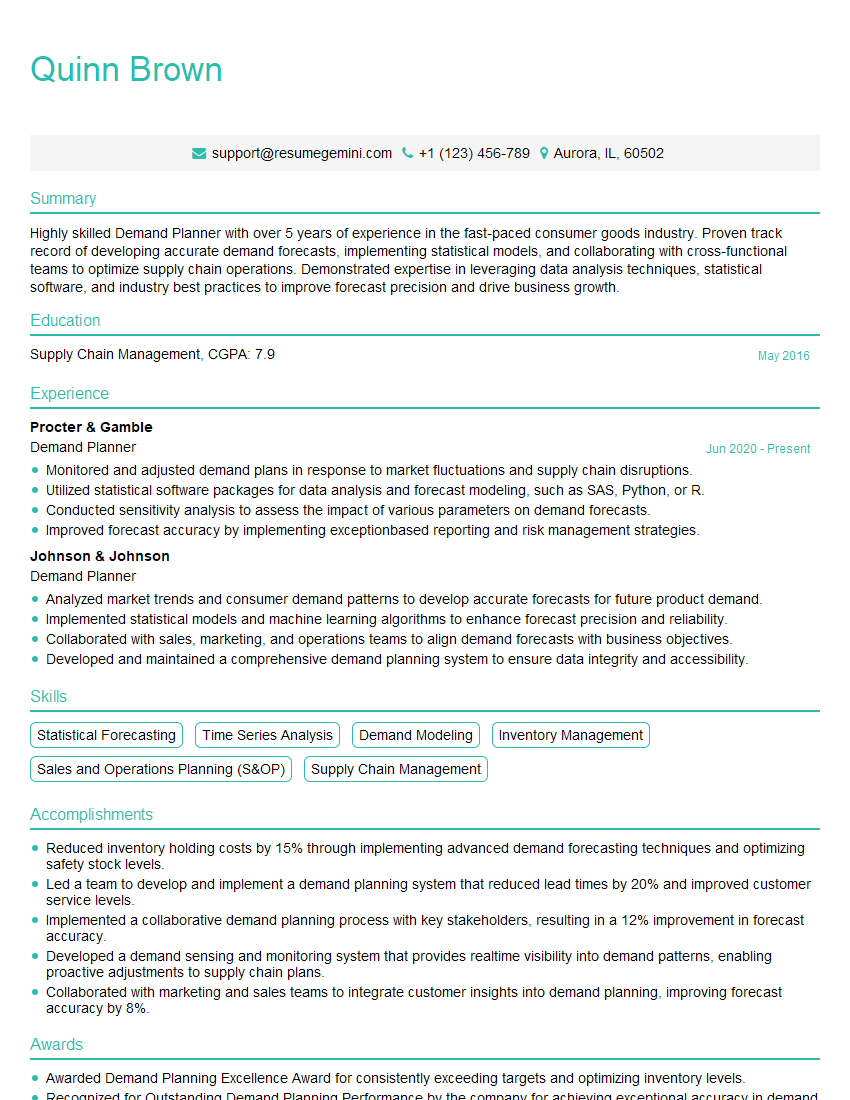
Demand Planner Resume Sample

Procurement Manager Resume Sample
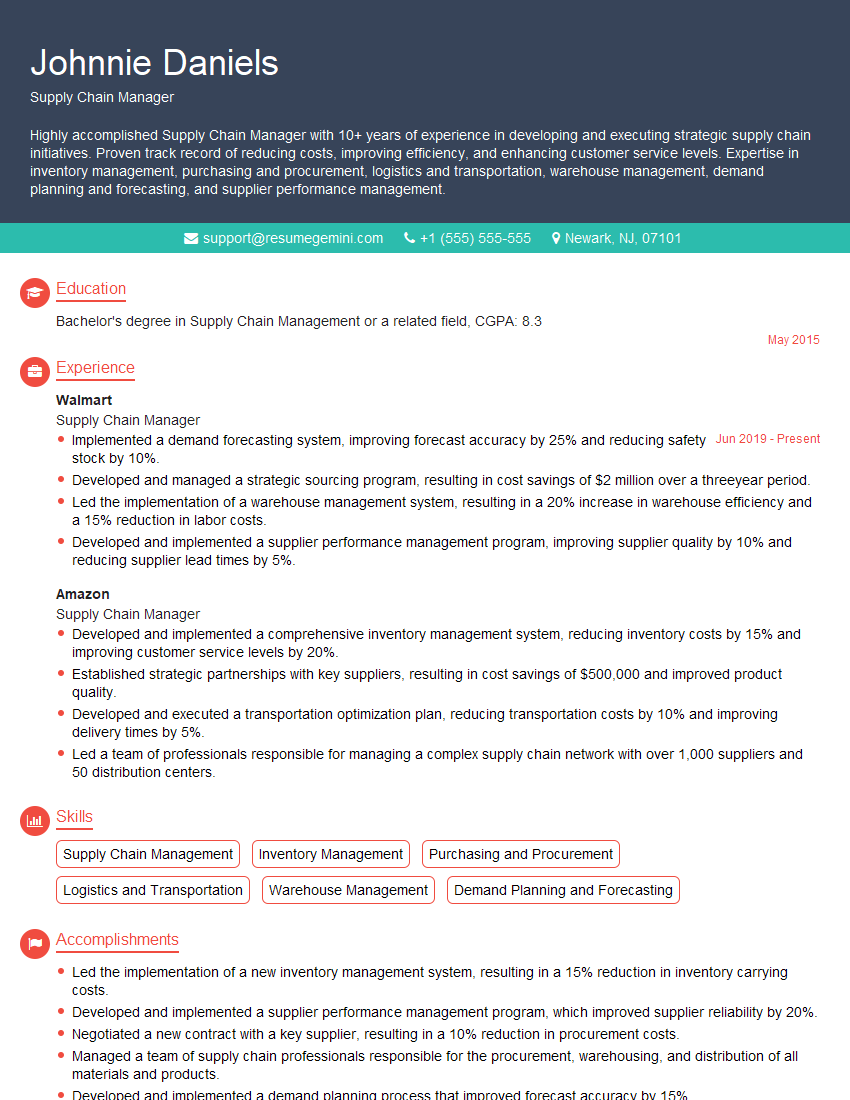
Supply Chain Manager Resume Sample
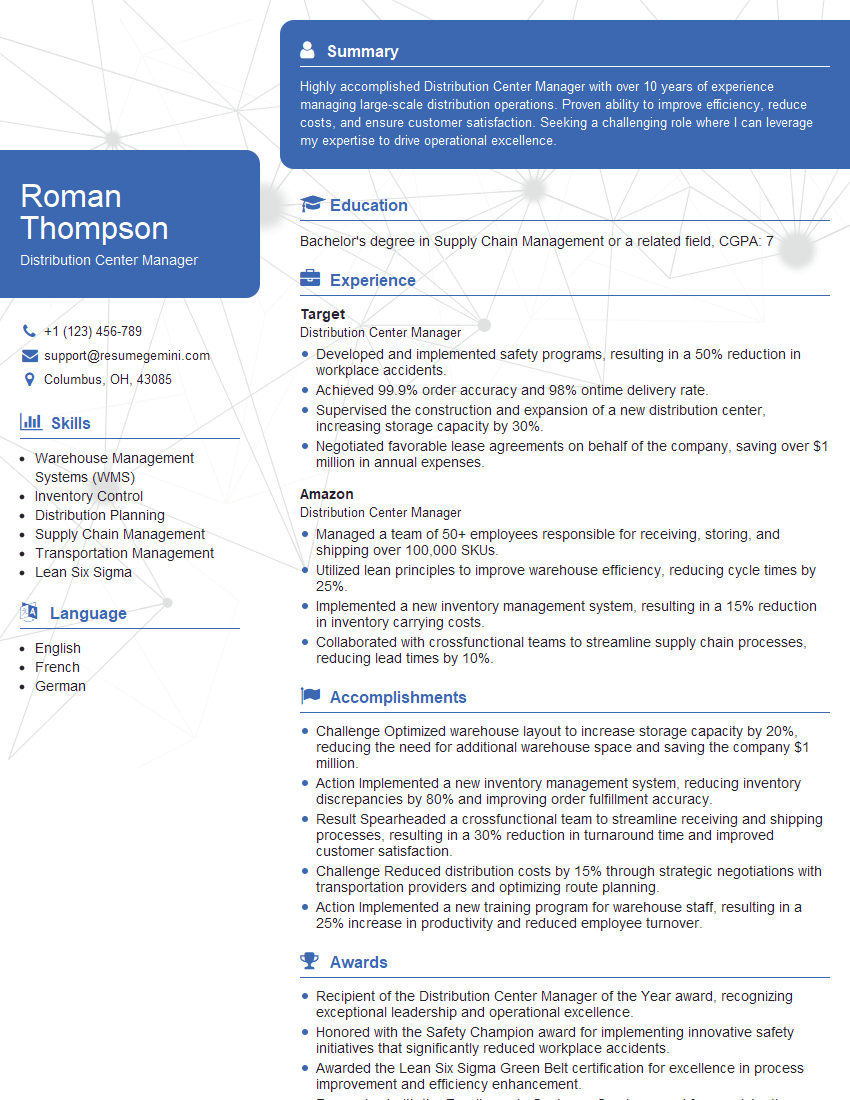
Distribution Center Manager Resume Sample
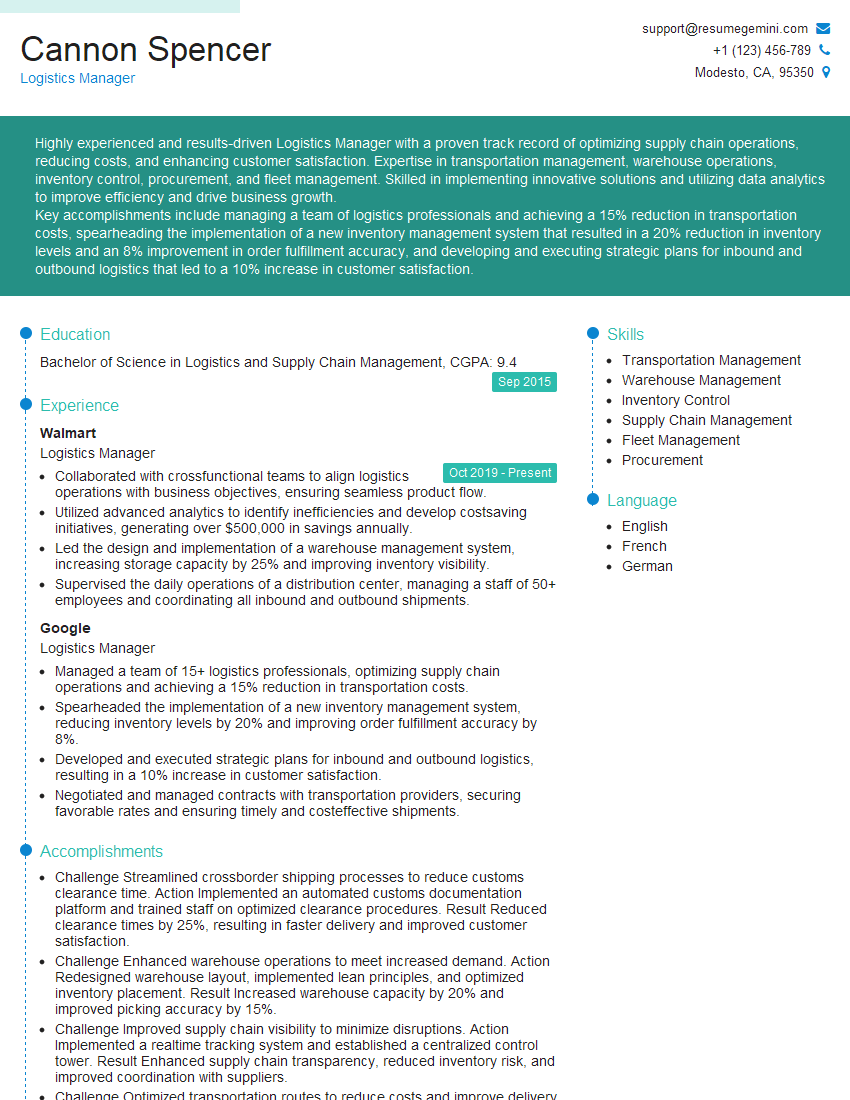
Logistics Manager Resume Sample
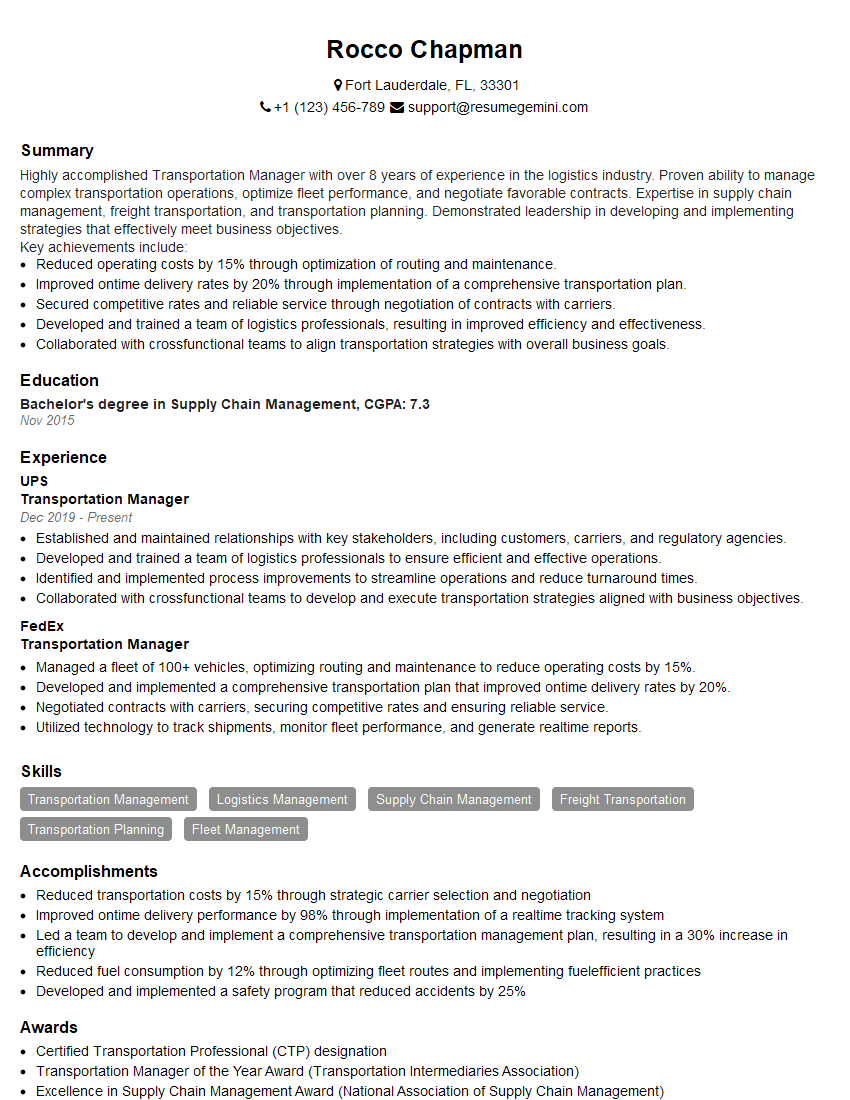
Transportation Manager Resume Sample
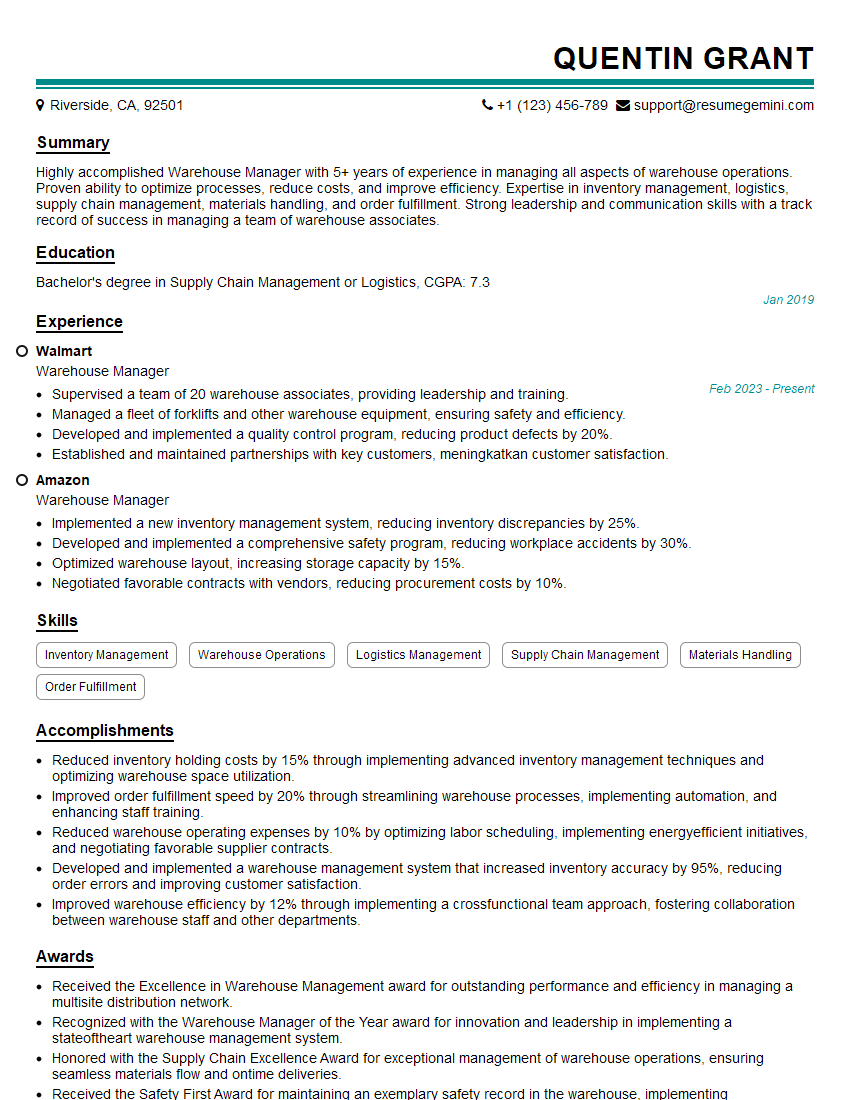
Warehouse Manager Resume Sample
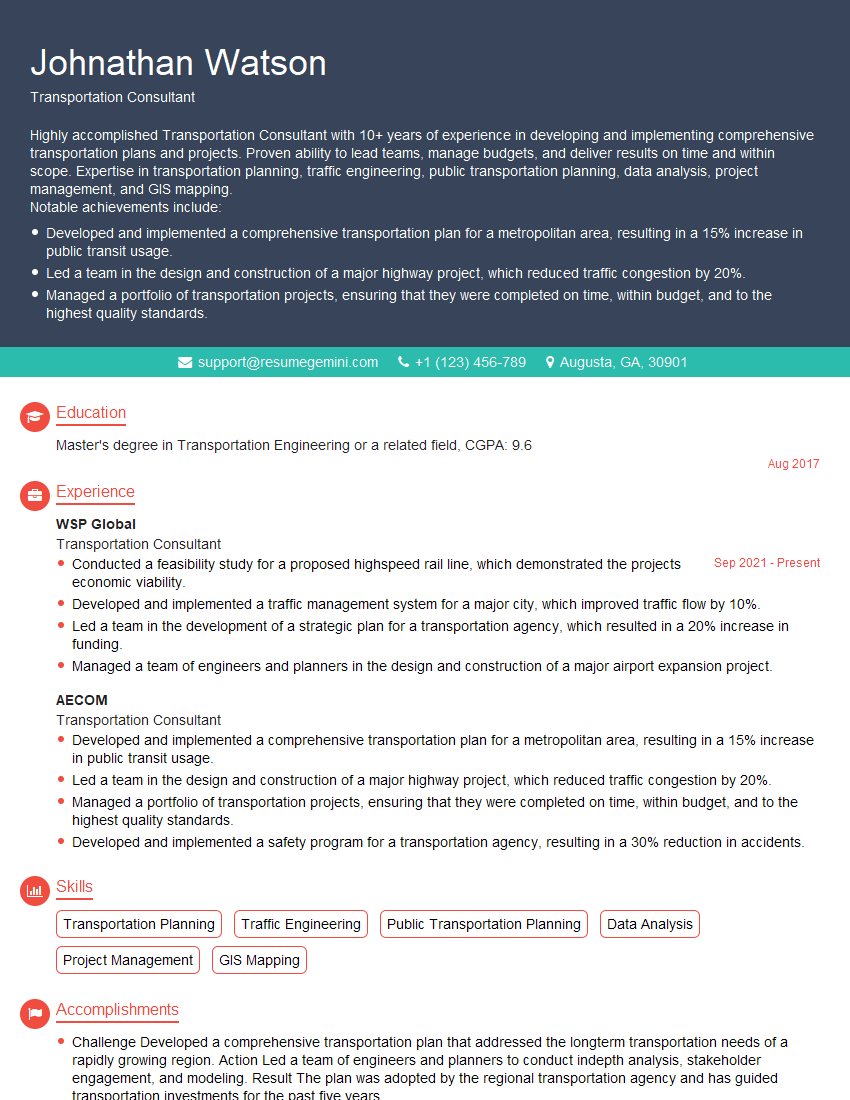
Transportation Consultant Resume Sample
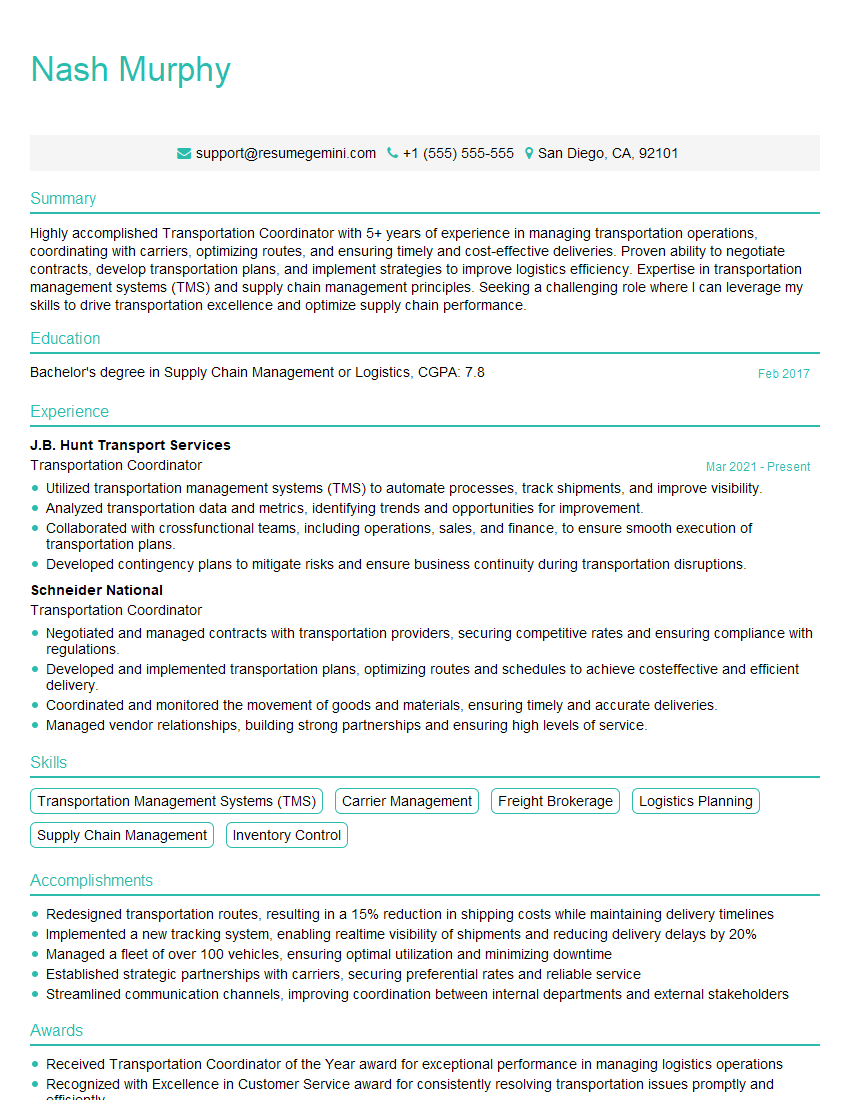
Transportation Coordinator Resume Sample
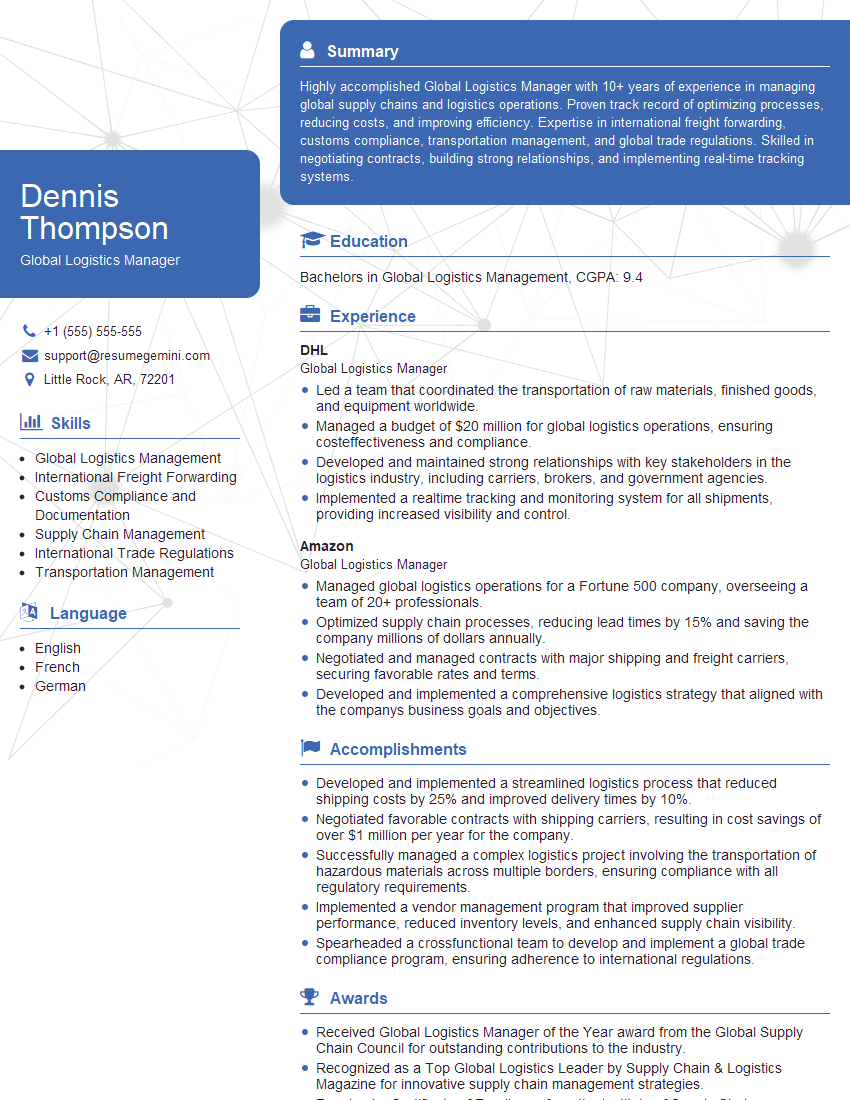
Global Logistics Manager Resume Sample
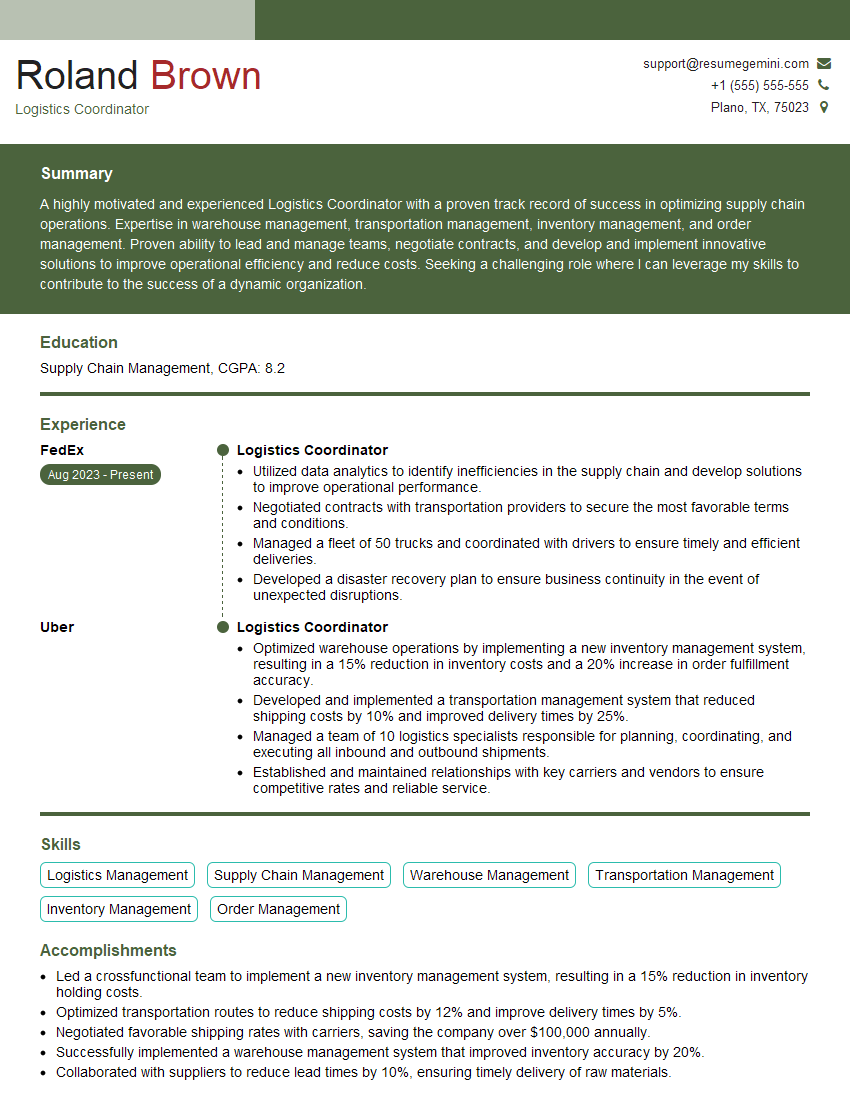
Logistics Coordinator Resume Sample
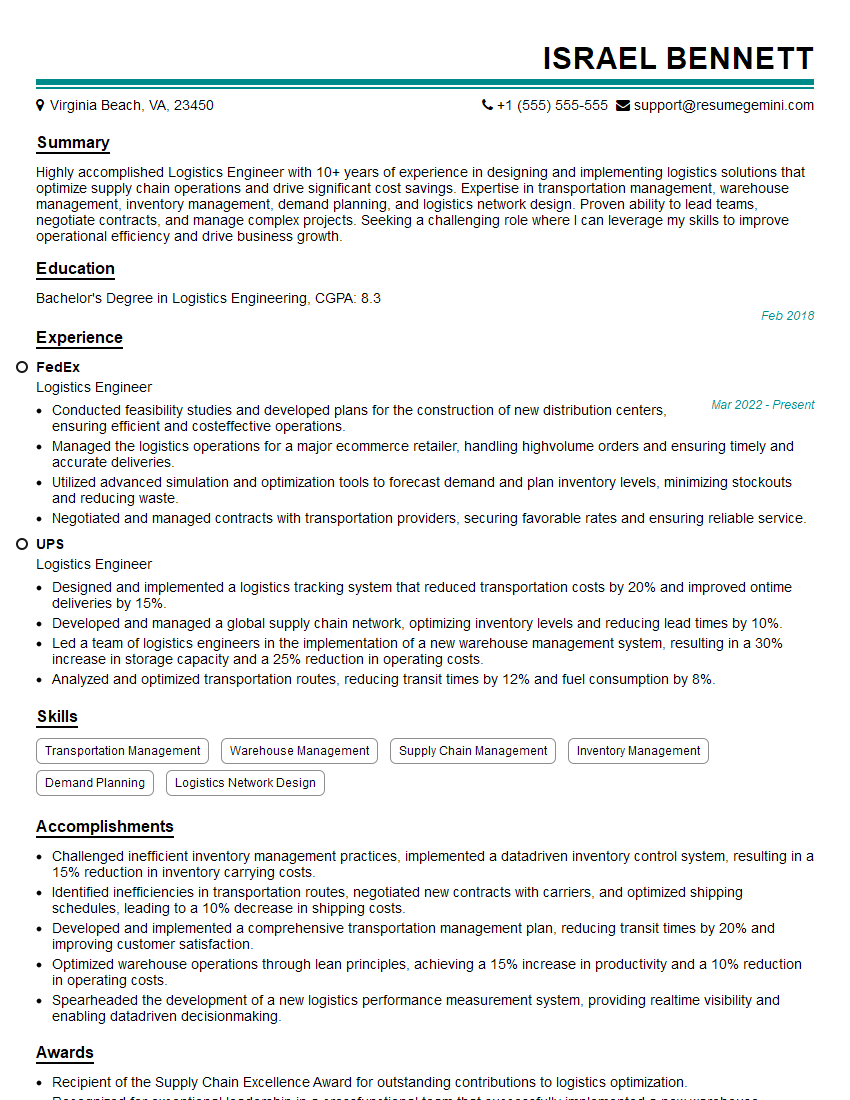
Logistics Engineer Resume Sample
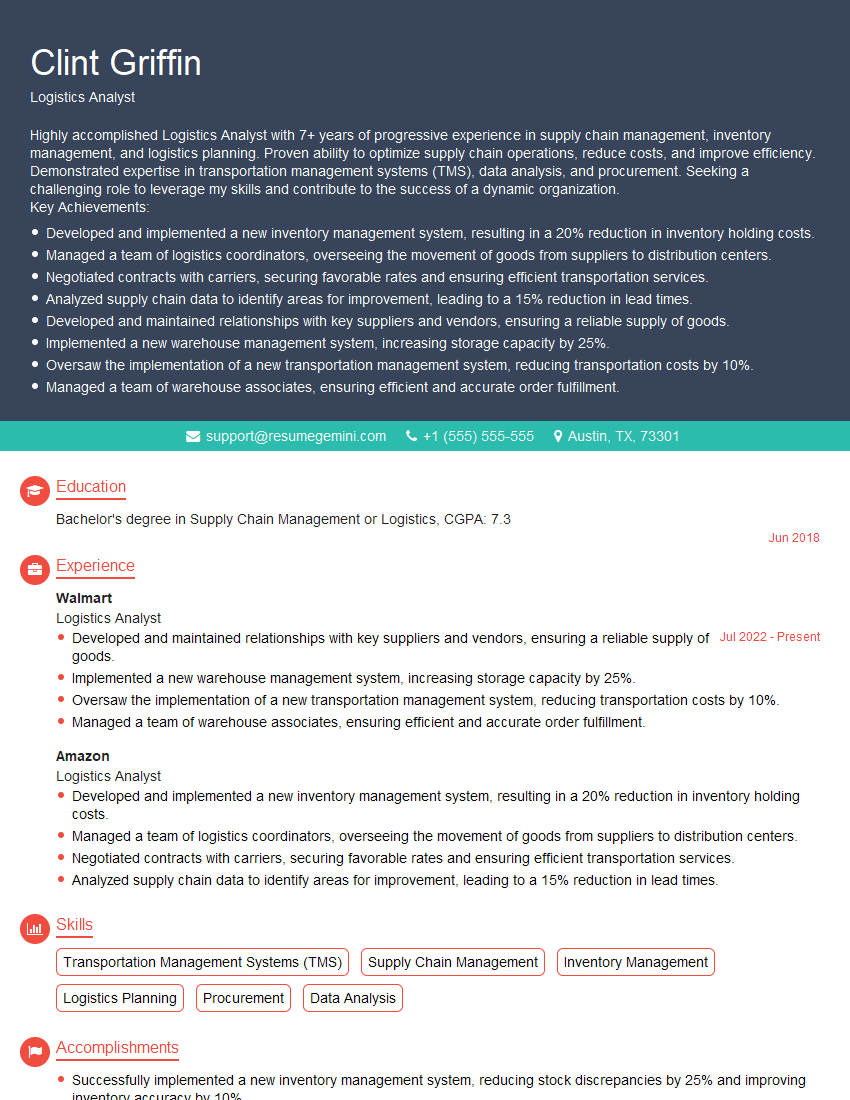
Logistics Analyst Resume Sample
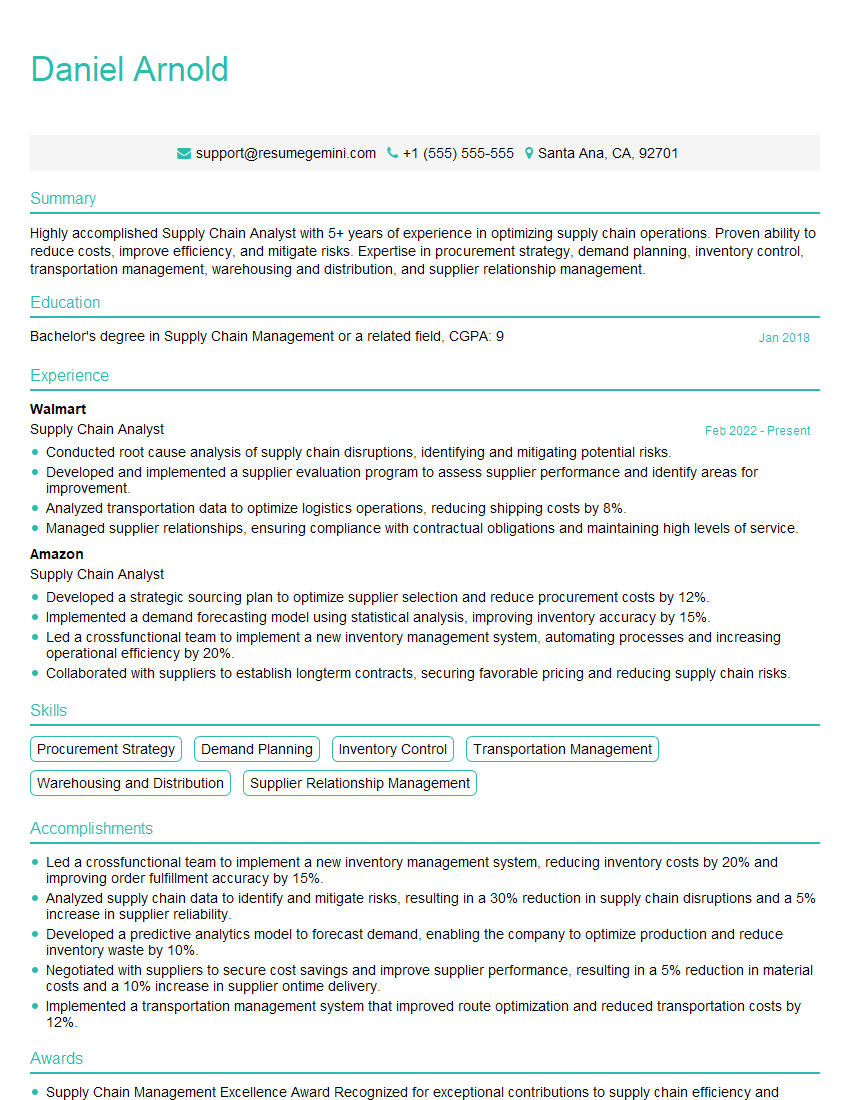
Supply Chain Analyst Resume Sample
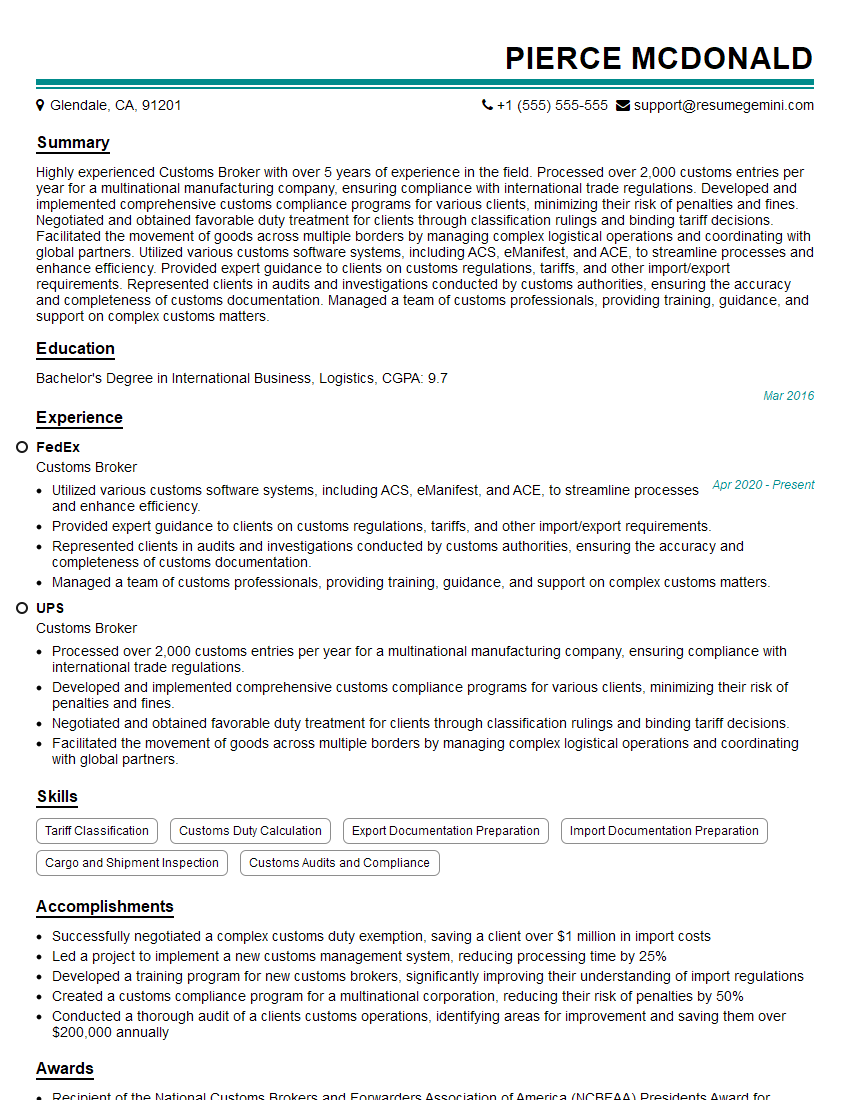
Customs Broker Resume Sample
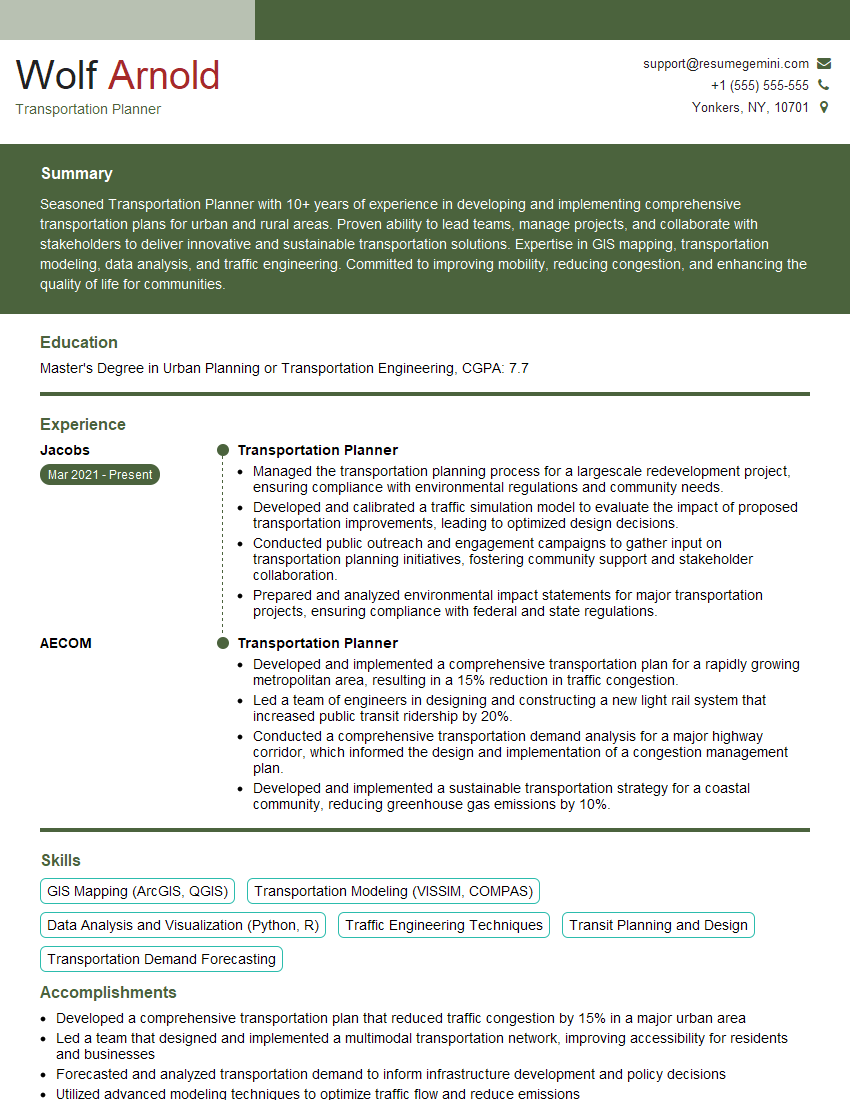
Transportation Planner Resume Sample
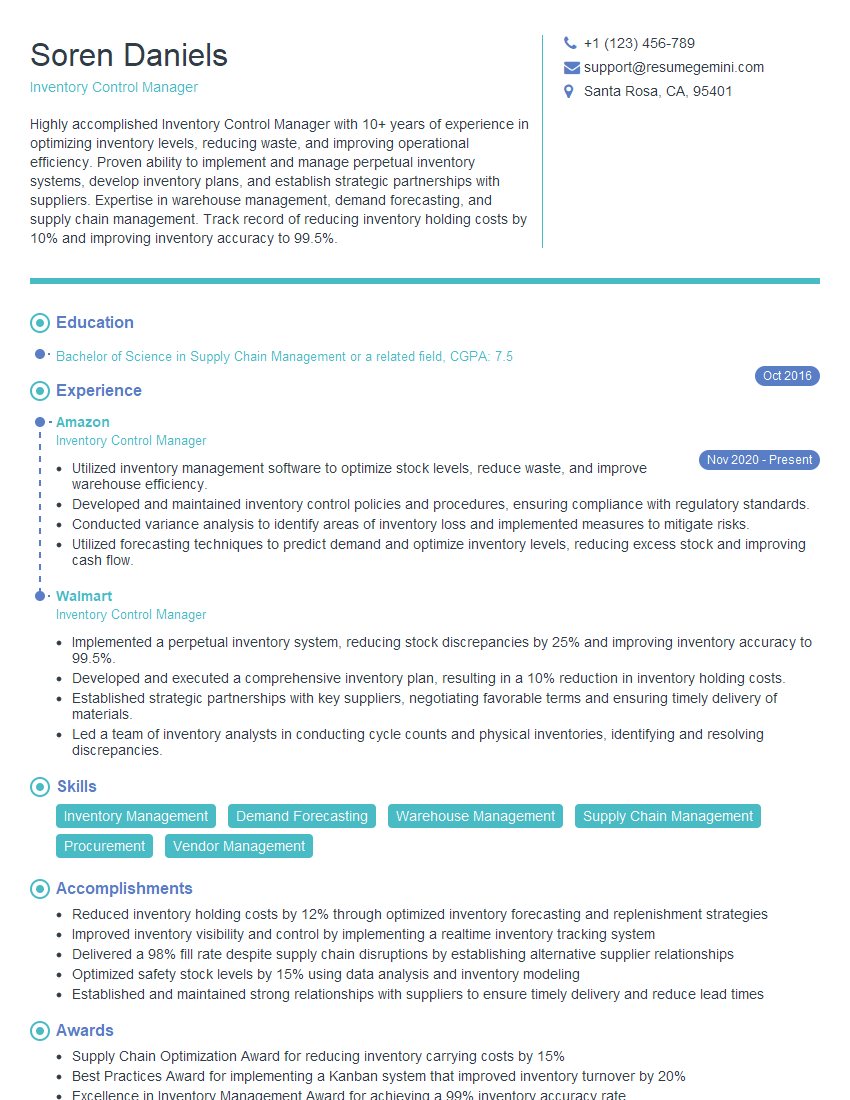
Inventory Control Manager Resume Sample
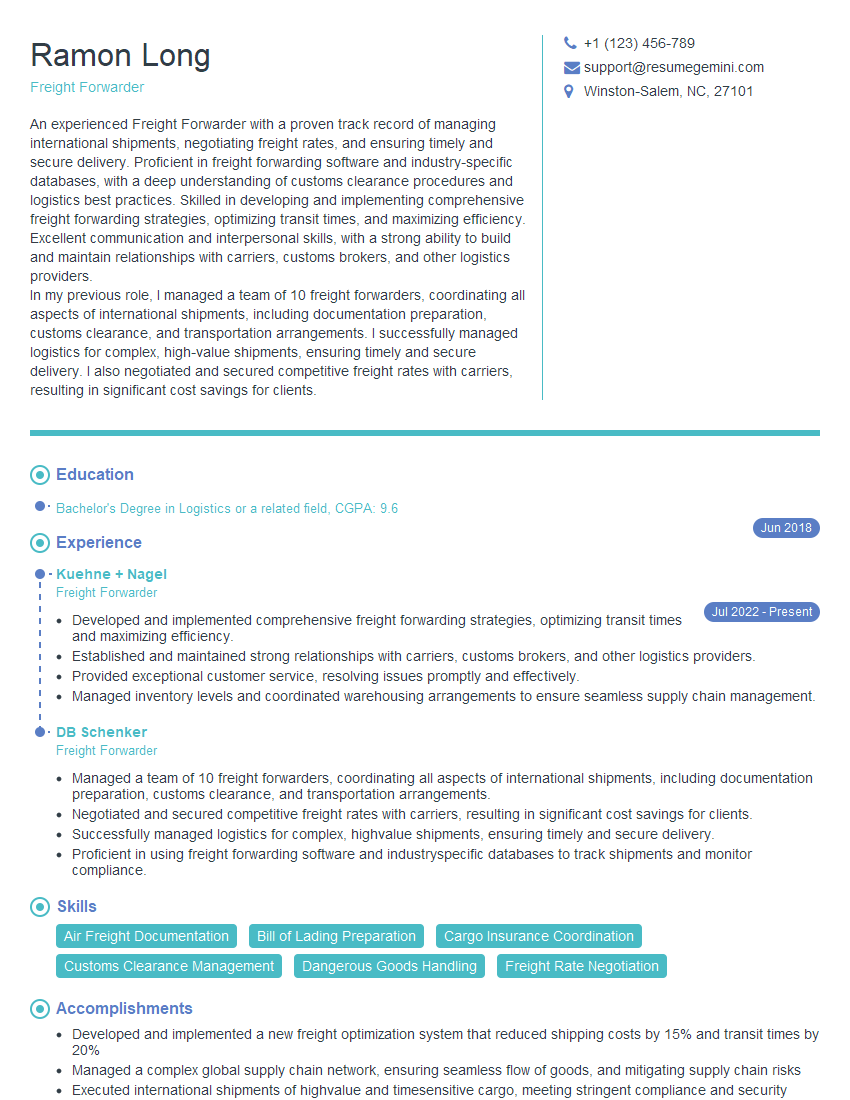
Freight Forwarder Resume Sample
- Demand Planner
- Procurement Manager
- Supply Chain Manager
- Distribution Center Manager
- Logistics Manager
- Transportation Manager
- Warehouse Manager
- Transportation Consultant
- Transportation Coordinator
- Global Logistics Manager
- Logistics Coordinator
- Logistics Engineer
- Logistics Analyst
- Supply Chain Analyst
- Customs Broker
- Transportation Planner
- Inventory Control Manager
- Freight Forwarder
Explore more articles
Users Rating of Our Blogs
Share Your Experience
We value your feedback! Please rate our content and share your thoughts (optional).
What Readers Say About Our Blog
Very informative content, great job.
good