Are you ready to stand out in your next interview? Understanding and preparing for Ability to Communicate Effectively with Players, Parents, and Staff interview questions is a game-changer. In this blog, we’ve compiled key questions and expert advice to help you showcase your skills with confidence and precision. Let’s get started on your journey to acing the interview.
Questions Asked in Ability to Communicate Effectively with Players, Parents, and Staff Interview
Q 1. Describe your approach to communicating complex information to parents with varying levels of sports knowledge.
Communicating complex sports information to parents with varying levels of knowledge requires a tiered approach. I start by assessing their existing understanding through open-ended questions. This helps me tailor my language and explanations accordingly.
For parents with limited sports knowledge, I use simple, clear language, avoiding jargon. I rely on visual aids like diagrams or videos to illustrate key concepts. I focus on the big picture – the overall goals and benefits for their child’s development – before diving into the specifics of tactics or strategies. For example, instead of explaining complex offensive plays, I might focus on the importance of teamwork and decision-making.
With parents who are more knowledgeable, I can use more technical terms and engage in more detailed discussions about strategy and performance analysis. I might even invite them to participate in drills or watch training videos specifically demonstrating techniques. The key is adapting the communication style to meet the individual’s needs and level of understanding.
Throughout all communication, I prioritize active listening, ensuring the parent feels heard and understood. I encourage questions and provide opportunities for clarification. This two-way communication builds trust and ensures everyone is on the same page.
Q 2. How do you handle disagreements between players on your team?
Disagreements among players are inevitable, but they provide opportunities for growth and team cohesion. My approach focuses on fostering healthy conflict resolution. First, I create a safe space where players feel comfortable expressing their concerns without fear of judgment. I encourage them to actively listen to each other’s perspectives.
I guide them through a structured process. We identify the root cause of the disagreement, focusing on facts rather than emotions. We brainstorm potential solutions together, considering the perspectives of all involved. Compromise and mutual respect are emphasized. If the conflict involves performance-related issues, I focus on constructive feedback and improvement strategies rather than assigning blame.
Finally, I reinforce the importance of teamwork and mutual support. I use positive reinforcement to encourage players to learn from the experience and build stronger relationships. If the issue persists, I may involve parents or school administrators to ensure the resolution process is fair and effective. Think of it like mediating a family dispute – everyone needs a voice and to be understood.
Q 3. What strategies do you employ to ensure effective communication within a diverse team?
Effective communication in a diverse team demands awareness and sensitivity. My strategy includes actively promoting inclusivity. I start by getting to know each player individually, understanding their backgrounds, communication styles, and preferred learning methods. This allows me to tailor my communication strategies to their needs.
I encourage open dialogue and create an environment where players feel comfortable expressing themselves, regardless of their background or experience. I use a variety of communication channels, such as team meetings, one-on-one sessions, and written updates, to ensure everyone receives information in a way that’s accessible and understandable. Translation services or visual aids can be extremely helpful for language barriers.
Furthermore, I celebrate diversity and use inclusive language throughout all interactions. I incorporate different communication styles into my coaching, which could include visual cues for some players, verbal instructions for others, and written feedback for those who prefer that.
Q 4. How would you address a parent who is unhappy with their child’s playing time?
Addressing a parent unhappy with their child’s playing time requires empathy, transparency, and a focus on the child’s development. I begin by actively listening to their concerns, validating their feelings without getting defensive. I might say something like, “I understand your frustration. Let’s talk about this.”
Next, I explain my decision-making process clearly, emphasizing that playing time is based on various factors, including skill level, sportsmanship, team needs, and overall development. I avoid making excuses and focus on specific examples of the child’s performance. I might say, “While your child shows great potential, we are prioritizing opportunities for development in key areas such as passing accuracy.”
Finally, I discuss specific steps the child can take to increase their playing time, outlining areas for improvement and offering extra training or mentoring. The goal is to turn a negative interaction into a positive coaching opportunity that fosters growth. Ultimately, I try to frame the discussion not just about playing time but about their child’s overall progress and long-term development within the sport.
Q 5. Explain your method for providing constructive feedback to players.
Providing constructive feedback involves focusing on observable behaviors and specific actions rather than personal traits. I use the “sandwich method”: I begin with positive reinforcement, highlighting something the player did well. Then, I offer constructive criticism, focusing on specific behaviors or techniques that need improvement. I finish with another positive note, emphasizing their potential and ability to improve.
For example, I might say: “Your passing accuracy during the first half was excellent – great improvement there! However, we need to work on your defensive positioning, specifically staying closer to your opponent. I know you can improve this with practice. I’m confident you’ll continue to develop your skills.” I always frame the criticism as an opportunity for growth rather than a judgment.
I also ensure the feedback is timely, specific, and actionable. I encourage players to ask questions and offer guidance on how to address the areas needing improvement. Feedback sessions should be two-way conversations to be most effective.
Q 6. How do you motivate a team that is experiencing low morale?
Boosting morale in a team experiencing low spirits involves identifying the root causes and implementing targeted strategies. I begin by openly discussing the situation with the team in a supportive and non-judgmental environment. I encourage players to share their feelings and perspectives without fear of retribution.
Once the issues are identified (e.g., recent losses, internal conflicts, lack of individual success), I can develop a targeted plan. This might include setting smaller, achievable goals, focusing on individual and team accomplishments, incorporating fun activities and team-building exercises, and adjusting training routines to increase player engagement. Recognizing and celebrating both individual and team success, no matter how small, is critical.
I might also involve players in decision-making processes to foster ownership and motivation. Positive reinforcement, personalized encouragement, and emphasizing teamwork and support are also essential aspects of raising team morale. Ultimately, the goal is to rebuild confidence and reignite the team’s passion for the sport.
Q 7. Describe a situation where you had to mediate a conflict between players or parents.
In one instance, two players on my team had a significant disagreement after a game, which escalated into a conflict between their parents. One player felt the other hadn’t passed the ball to them enough, leading to accusations of poor teamwork and lack of sportsmanship. The parents joined the conflict, leading to heated words and accusations between them.
My first step was to separate the players and parents, allowing everyone to calm down. I then met individually with each player to understand their perspective, focusing on what happened on the field and addressing any underlying feelings. This involved active listening, acknowledging their emotions, and encouraging them to express themselves constructively.
Next, I scheduled a meeting with both players and their parents. I facilitated a discussion, ensuring everyone had the opportunity to share their viewpoints. I kept the focus on resolving the conflict, not assigning blame. We collaboratively identified solutions, such as devising practice drills focusing on teamwork and communication. I stressed the importance of sportsmanship and mutual respect, both on and off the field. This experience highlighted the value of open communication, empathy, and a structured approach to conflict resolution in fostering a positive team environment.
Q 8. How do you communicate team goals and expectations to players?
Communicating team goals and expectations to players requires a multifaceted approach that ensures clarity, understanding, and buy-in. I begin by establishing a shared vision, articulating the overall objectives of the season or competition, and connecting individual roles to the larger team success. This isn’t just about wins and losses; it’s about personal growth, skill development, and teamwork.
- Visual aids: I often use charts, diagrams, or even short videos to illustrate team goals and individual responsibilities. A visual representation makes complex concepts easier to digest, especially for younger players.
- Interactive sessions: Instead of simply lecturing, I conduct interactive sessions where players can contribute their thoughts and ideas. This fosters ownership and ensures that everyone is on the same page.
- Regular check-ins: Consistent communication is key. I schedule regular team meetings and individual check-ins to monitor progress, address concerns, and provide feedback. This ensures that goals remain top-of-mind and that adjustments can be made as needed.
- Written documentation: I provide players with a written summary of team goals, expectations, and their individual roles. This serves as a handy reference point and reinforces the message.
For example, in a youth basketball team, the team goal might be to improve passing accuracy by 15%. I’d break this down into individual goals, perhaps focusing on specific players improving their chest passes or bounce passes. This allows for personalized feedback and tracks progress effectively.
Q 9. How do you utilize different communication channels to reach parents effectively?
Effective communication with parents necessitates a multi-channel strategy to reach diverse audiences. I utilize a combination of methods to ensure everyone is informed and involved.
- Regular email updates: Emails are ideal for conveying scheduled practices, games, important announcements, and overall team progress. I use a clear and concise writing style to avoid overwhelming parents.
- Team website/app: A centralized platform with a calendar, newsfeed, and important documents (such as waivers or medical forms) streamlines information dissemination. This reduces the likelihood of missed information.
- Parent meetings: Formal meetings are essential for addressing key issues, discussing team policies, and fostering parent engagement. These provide an opportunity for two-way communication.
- Text messaging (for urgent matters): For time-sensitive information, such as cancellations or schedule changes, text messaging provides rapid communication.
- Social Media (if appropriate): Depending on the age group and parent preferences, social media can be used to share photos, videos, and updates, keeping parents engaged with team activities.
For instance, I’d use email to communicate weekly practice schedules and game details, while using a team app to post game summaries and photos. Text messaging would be reserved for urgent cancellations. This layered approach ensures that parents receive information through channels they prefer and are most likely to access.
Q 10. What techniques do you use to build rapport and trust with players and parents?
Building rapport and trust with players and parents is paramount to creating a positive and productive environment. It’s about demonstrating genuine care, empathy, and respect.
- Active listening: I make a conscious effort to truly listen to what players and parents are saying, both verbally and nonverbally. This shows that their perspectives are valued.
- Open communication: I create a safe space where players and parents feel comfortable expressing their concerns, suggestions, and feedback without fear of judgment. Regular feedback sessions help.
- Transparency and honesty: I am upfront and honest about expectations, challenges, and decisions. Transparency builds trust and prevents misunderstandings.
- Showing empathy: I acknowledge and validate the emotions of players and parents, even if I don’t necessarily agree with their perspective. This creates a more collaborative environment.
- Personal connection: I take the time to get to know players and parents on a personal level, demonstrating genuine interest in their lives beyond the sport.
For example, I might take time before or after practice to chat with players about their schoolwork or other interests. With parents, I might have informal conversations to understand their concerns and aspirations for their child. These small gestures contribute significantly to building strong relationships.
Q 11. How do you adapt your communication style to different personality types?
Adapting my communication style to different personality types is crucial for effective communication. I focus on understanding individual communication preferences and tailoring my approach accordingly.
- Visual learners: For visual learners, I use diagrams, charts, and demonstrations to convey information.
- Auditory learners: I use clear and concise verbal explanations, and encourage discussions and questions for auditory learners.
- Kinesthetic learners: I incorporate hands-on activities, practice drills, and interactive exercises to engage kinesthetic learners.
- Direct communicators: With direct communicators, I provide clear and concise information, avoiding ambiguity.
- Indirect communicators: With indirect communicators, I use more subtle cues and create opportunities for them to express their thoughts and feelings indirectly.
For instance, if a player is shy and hesitant to speak up, I might use nonverbal cues to encourage them to participate. Conversely, with a more assertive player, I might use direct feedback and coaching strategies.
Q 12. How would you address a situation where a player is struggling academically and athletically?
Addressing a situation where a player is struggling academically and athletically requires a collaborative and supportive approach involving the player, parents, school, and coaches.
- Gather information: I begin by having a private conversation with the player to understand the root cause of the struggles. Are there academic challenges, time management issues, or personal problems affecting performance?
- Involve parents: I schedule a meeting with the parents to discuss the situation openly and collaboratively. This meeting would involve understanding their perspectives and concerns.
- Collaborate with school: I contact the school’s guidance counselor or teachers to gain insights into the player’s academic performance and identify potential support systems (tutoring, study skills programs).
- Develop a support plan: Working collaboratively, we develop a comprehensive support plan that includes academic support, time management strategies, and adjustments to athletic training schedules, if needed.
- Monitor progress and adjust: Regular check-ins with the player, parents, and school are crucial to monitor progress and adjust the support plan as needed. Flexibility and ongoing support are key.
For example, if a player is struggling with time management, we might create a weekly schedule together to balance academics, athletics, and other commitments. We would monitor their progress and adjust the schedule as needed.
Q 13. Describe your approach to fostering open communication within the team environment.
Fostering open communication within the team environment is critical for building camaraderie, trust, and achieving team goals. My approach focuses on establishing a culture of respect, inclusivity, and open dialogue.
- Team meetings: Regular team meetings provide a platform for players to share their ideas, concerns, and feedback. These meetings should be structured to ensure that everyone has an opportunity to speak.
- Open-door policy: I encourage players to approach me with any concerns or issues at any time, fostering a sense of accessibility and trust.
- Active listening and feedback: I actively listen to players and provide constructive feedback, demonstrating that their voices are heard and valued.
- Team-building activities: Engaging in team-building activities outside of training fosters camaraderie and strengthens relationships amongst team members.
- Conflict resolution strategies: I teach players conflict resolution strategies to help them manage disagreements and build a respectful environment.
For example, I might start team meetings with a ‘check-in’ where each player shares something positive and something they are working on. This creates a supportive atmosphere for open communication.
Q 14. How do you handle sensitive information related to players or their families?
Handling sensitive information related to players or their families requires discretion, confidentiality, and adherence to ethical guidelines.
- Confidentiality: I treat all sensitive information as confidential and share it only with those who have a legitimate need to know (e.g., parents, school officials, medical professionals).
- Informed consent: Before sharing any information, I obtain informed consent from the player or their parents, except in situations where disclosure is mandated by law or necessary to protect the player’s well-being.
- Professional boundaries: I maintain appropriate professional boundaries and avoid engaging in gossiping or sharing personal information inappropriately.
- Data protection: I ensure that all sensitive information is stored securely and in accordance with relevant data protection regulations.
- Seek guidance: If I’m unsure how to handle a sensitive situation, I consult with my supervisor or other relevant professionals for guidance.
For example, if a player discloses a personal issue that requires professional support, I’d offer to help them connect with the appropriate resources but would not disclose the information without their consent. Maintaining confidentiality is paramount in building trust and creating a safe space for players.
Q 15. What measures do you take to ensure effective communication with staff members?
Effective communication with staff is crucial for a smoothly functioning team. My approach is multifaceted, focusing on open dialogue, clear expectations, and consistent feedback.
- Regular Team Meetings: I schedule regular meetings, both formal and informal, to discuss program updates, address concerns, and brainstorm solutions. These meetings foster a sense of collaboration and ownership.
- Clear Roles and Responsibilities: Before a season begins, I create a detailed document outlining each staff member’s responsibilities and reporting structures. This eliminates ambiguity and fosters accountability. For example, I might clearly define the roles of assistant coaches, trainers, and equipment managers, outlining specific tasks and reporting channels.
- Open-Door Policy: I maintain an open-door policy, encouraging staff to approach me with questions or concerns at any time. This promotes a trusting environment where issues can be addressed proactively.
- Constructive Feedback: I provide regular, constructive feedback, both positive and constructive, to help staff members improve their performance and feel valued. This feedback is always delivered privately and focuses on specific behaviors and actions.
- Utilizing Communication Platforms: We utilize a combination of email, instant messaging (like Slack or Microsoft Teams), and a shared online calendar to streamline communication and ensure everyone stays informed.
Career Expert Tips:
- Ace those interviews! Prepare effectively by reviewing the Top 50 Most Common Interview Questions on ResumeGemini.
- Navigate your job search with confidence! Explore a wide range of Career Tips on ResumeGemini. Learn about common challenges and recommendations to overcome them.
- Craft the perfect resume! Master the Art of Resume Writing with ResumeGemini’s guide. Showcase your unique qualifications and achievements effectively.
- Don’t miss out on holiday savings! Build your dream resume with ResumeGemini’s ATS optimized templates.
Q 16. How do you delegate tasks and provide clear instructions to your team?
Delegation is about empowering my team and making the most of their strengths. I believe in giving clear instructions, setting realistic deadlines, and providing ongoing support.
- SMART Goals: When delegating tasks, I use the SMART framework (Specific, Measurable, Achievable, Relevant, Time-bound). For instance, instead of saying “Organize the equipment,” I might say, “Organize all the equipment in the storage room by Friday afternoon, categorized by sport and item type.”
- Clear Expectations: I provide clear and concise instructions, outlining the desired outcome, the required steps, and any relevant deadlines or constraints. I use visual aids like flowcharts or diagrams when appropriate.
- Appropriate Delegation: I match the task to the individual’s skills and experience. I wouldn’t ask a new volunteer to manage a complex training schedule.
- Regular Check-ins: I schedule regular check-ins to monitor progress, answer questions, and offer support. This is a collaborative process; it’s not about micromanagement, but ensuring the team has the resources needed to succeed.
- Open Communication Channels: Team members always have multiple ways to reach me with questions or updates – email, text, or a quick in-person chat.
Q 17. How do you maintain consistent communication with stakeholders throughout a season or program?
Maintaining consistent communication with stakeholders – players, parents, and staff – throughout a season is critical. My strategy relies on diverse methods and a commitment to transparency.
- Regular Newsletters/Emails: Weekly or bi-weekly newsletters keep everyone informed of schedule changes, upcoming events, important announcements, and team achievements. This is a proactive way to keep everyone in the loop.
- Parent-Teacher Conferences (adapted): I schedule regular meetings, either one-on-one or group sessions, with parents to discuss their child’s progress, concerns, and contributions to the team.
- Team Meetings: Regular team meetings are essential, offering opportunities for players to share their perspectives and concerns. This builds trust and opens a direct channel of communication.
- Online Platforms: A dedicated team website or app can serve as a central hub for announcements, schedules, documents, and communication.
- Open Communication Channels: Always maintain multiple ways for stakeholders to reach you – email, phone, text, and a team website or app.
For instance, during a challenging situation, like an injury or a scheduling conflict, I’d immediately communicate with the affected family, then follow up with an email or newsletter to the broader group.
Q 18. How do you utilize technology to improve communication and collaboration?
Technology plays a pivotal role in enhancing communication and collaboration. I leverage various tools to streamline information sharing and boost efficiency.
- Team Communication Platforms: Tools like Slack, Microsoft Teams, or Google Chat facilitate quick and efficient communication among staff members. We use channels for different aspects of the program.
- Project Management Software: Tools like Asana or Trello are useful for task management, assigning responsibilities, and tracking progress.
- Video Conferencing: Zoom, Google Meet, or Skype enables virtual meetings for discussions, strategy sessions, and parent meetings, especially useful for geographically dispersed teams or busy schedules.
- Shared Calendars: Google Calendar or similar platforms ensure everyone has access to the same schedule for practices, games, and events.
- Team Website/App: A central online space provides easy access to information such as schedules, rosters, news updates, and team policies. A dedicated app or website minimizes confusion and ensures everyone is on the same page.
Q 19. How would you handle a situation where misinformation is spreading among players or parents?
Addressing misinformation is crucial for maintaining trust and a positive team environment. My approach involves a three-pronged strategy: addressing the source, correcting the information, and preventing future occurrences.
- Identify and Address the Source: First, I identify the source of misinformation. This could involve speaking to individuals directly or reviewing social media posts.
- Correct the Information: Once the source is identified, I correct the misinformation through a clear, concise, and factual communication. I ensure this communication is delivered through multiple channels to reach everyone affected.
- Prevent Future Occurrences: This might involve establishing clear communication protocols, emphasizing the importance of verifying information, and educating players and parents about the risks of spreading false information. I might emphasize the importance of confirming information with me before sharing it publicly.
- Empathy and Understanding: I approach the situation with empathy, understanding that misinformation can sometimes be unintentional. I focus on educating and clarifying rather than blaming.
For example, if a rumor about a schedule change spreads, I’d immediately address it with a corrected schedule sent via email and posted on our team website or app.
Q 20. How do you ensure that all communication is clear, concise, and easy to understand?
Clear, concise, and easily understood communication is paramount. I use several techniques to achieve this:
- Plain Language: I avoid jargon and technical terms. Instead, I use simple, everyday language that everyone can understand, regardless of their background.
- Organized Structure: I structure my communications logically, using headings, bullet points, and numbered lists to make information easy to scan and digest. I avoid long, dense paragraphs.
- Visual Aids: I often use visual aids such as charts, graphs, and diagrams to illustrate key points and make information more accessible.
- Multiple Channels: I utilize various communication channels – email, newsletters, team meetings, and online platforms – to cater to different learning styles and preferences.
- Feedback Loop: I always leave room for questions and feedback to ensure everyone understands the message and can ask for clarification. I ask for confirmation that the message has been understood.
Q 21. How do you involve parents in the decision-making process for their child’s athletic experience?
Involving parents in the decision-making process is essential for building a supportive and collaborative environment. I believe in open communication and shared responsibility.
- Regular Communication: I maintain open and regular communication with parents, providing updates on their child’s progress, concerns, and achievements.
- Parent Input: I actively seek parent input on matters relevant to their child’s athletic experience, such as scheduling, team policies, and training plans. This can involve informal feedback sessions or more formal surveys.
- Collaborative Problem-Solving: I involve parents in collaborative problem-solving, such as addressing conflicts or finding solutions to logistical challenges.
- Transparency: I am always transparent about my decision-making process, explaining the rationale behind my decisions to ensure parents understand and feel valued.
- Respectful Dialogue: I foster a culture of respectful dialogue and mutual understanding, respecting the diverse perspectives and concerns that parents bring to the table.
For example, if considering a change to practice times, I might conduct a survey to gauge parent availability and preferences before making a final decision. This approach demonstrates respect for their input and increases buy-in.
Q 22. Describe a time you had to deliver difficult news to a player or parent.
Delivering difficult news requires empathy, clear communication, and a structured approach. I always prioritize a private setting and begin by acknowledging the recipient’s feelings. For instance, I once had to inform a player that they weren’t making the starting lineup. I met with him privately, explained the team’s strategy, and emphasized his value to the team, highlighting his strengths and suggesting areas for improvement. I focused on concrete, observable behaviors rather than vague criticisms. I concluded by outlining a clear plan to support his development and reaffirmed my belief in his potential. The key is to be direct, honest, and supportive, offering concrete steps forward rather than simply delivering a blow. I also followed up with a written summary of our conversation to ensure clarity and provide a record for future reference.
Q 23. How do you handle criticism from players, parents, or staff members constructively?
Constructive criticism is crucial for growth. My approach involves active listening, seeking clarification, and reframing the criticism as feedback. I use the ‘sandwich’ method: starting with a positive comment, presenting the criticism objectively, and finishing with encouragement and a plan for improvement. For example, if a parent criticizes a coaching decision, I would listen attentively, acknowledge their concern, explain the rationale behind my decision using objective data or observations, and then suggest ways to collaborate on future decisions or offer alternative perspectives. I never take criticism personally; instead, I see it as an opportunity for improvement. This approach fosters trust and demonstrates a commitment to open communication.
Q 24. What strategies do you have in place for maintaining confidentiality within the team?
Maintaining confidentiality is paramount. We establish clear guidelines at the start of the season, emphasizing the importance of respecting player privacy and the sensitive nature of information shared within the team. This includes medical information, personal struggles, and strategic plans. We use secure communication channels for sensitive information and regularly remind players and staff of our confidentiality policy. We treat all information with the utmost discretion, only sharing it with individuals who have a legitimate need to know. We also ensure that all electronic communications are password protected and stored securely. Finally, we regularly review and update our confidentiality policy to reflect best practices.
Q 25. Describe your process for providing regular updates to stakeholders on team progress.
Regular updates are vital for transparency and stakeholder engagement. I utilize a multi-pronged approach: weekly team meetings for players, regular email updates for parents, and monthly progress reports for staff and administration. These updates include key performance indicators (KPIs), achievements, challenges faced, and plans for addressing those challenges. I use clear, concise language, avoiding jargon, and supplement written reports with visual aids such as charts and graphs where applicable. Providing consistent and timely updates builds trust and keeps everyone informed and involved.
Q 26. How do you manage expectations effectively when communicating with different stakeholders?
Managing expectations requires understanding the unique needs and perspectives of each stakeholder. Players need encouragement and realistic goals; parents need transparency and reassurance; staff needs clear direction and support. I tailor my communication to match these needs. For example, with parents, I emphasize the team’s overall development and individual player progress, acknowledging that not every player will receive equal playing time. With players, I focus on individual improvement and contributing to the team’s success. With staff, I focus on collaborative problem solving and efficiency. Open and honest communication is key to setting realistic expectations and avoiding misunderstandings.
Q 27. Explain how you ensure that all forms of communication, verbal and written, are professional and respectful.
Professional and respectful communication is non-negotiable. I model this behavior in all my interactions. This includes maintaining a calm and respectful tone, using polite language, and actively listening to others. I avoid using slang or offensive language and always consider the impact of my words. In written communication, I proofread carefully for grammar and spelling errors and ensure that the tone is appropriate for the recipient. I regularly review and update our team’s communication guidelines to ensure they are current and effective. Clear, concise, and well-organized communication is crucial for respecting people’s time and ensuring a positive team environment.
Q 28. How do you ensure that all team members understand the importance of ethical and responsible communication?
Ethical and responsible communication is the cornerstone of a healthy team environment. I integrate this into our team culture by leading by example and incorporating discussions about ethical communication into team meetings. We discuss scenarios involving conflict resolution, responsible social media usage, and the importance of respecting diverse viewpoints. We also regularly review our team’s code of conduct, emphasizing the importance of honesty, integrity, and respect in all forms of communication. This fosters a culture where open and honest communication is valued and unethical behavior is addressed promptly and fairly. Regular reinforcement through discussions and examples helps solidify this important concept.
Key Topics to Learn for Ability to Communicate Effectively with Players, Parents, and Staff Interview
- Active Listening & Empathetic Communication: Understanding diverse perspectives and needs; tailoring communication styles to individuals and groups.
- Clear & Concise Messaging: Delivering information effectively, avoiding jargon, and ensuring understanding across different audiences (players, parents, staff).
- Conflict Resolution & Mediation: Addressing disagreements professionally and fairly, finding mutually acceptable solutions, de-escalating tense situations.
- Building Rapport & Trust: Establishing positive relationships based on respect, transparency, and open communication. This includes understanding nonverbal communication.
- Providing Constructive Feedback: Delivering both positive reinforcement and critical feedback in a way that motivates and supports growth. This applies to players, parents, and staff.
- Written Communication Skills: Crafting professional emails, reports, and other written materials; maintaining clear and consistent communication across all platforms.
- Managing Difficult Conversations: Addressing sensitive issues with tact and diplomacy, while maintaining professionalism and respect.
- Teamwork & Collaboration: Communicating effectively within a team setting to achieve shared goals; fostering a positive and collaborative work environment.
- Cultural Sensitivity: Recognizing and respecting diverse backgrounds and communication styles; adapting communication to ensure inclusivity.
- Using Technology for Communication: Effectively leveraging various communication tools (email, instant messaging, team platforms) to enhance communication efficiency.
Next Steps
Mastering effective communication with players, parents, and staff is crucial for career advancement in this field. It directly impacts team morale, parent satisfaction, and overall program success. To stand out to potential employers, build an ATS-friendly resume that highlights your communication skills and accomplishments. ResumeGemini is a trusted resource that can help you craft a compelling resume showcasing your abilities. Examples of resumes tailored to highlight proficiency in “Ability to Communicate Effectively with Players, Parents, and Staff” are available to help you get started.
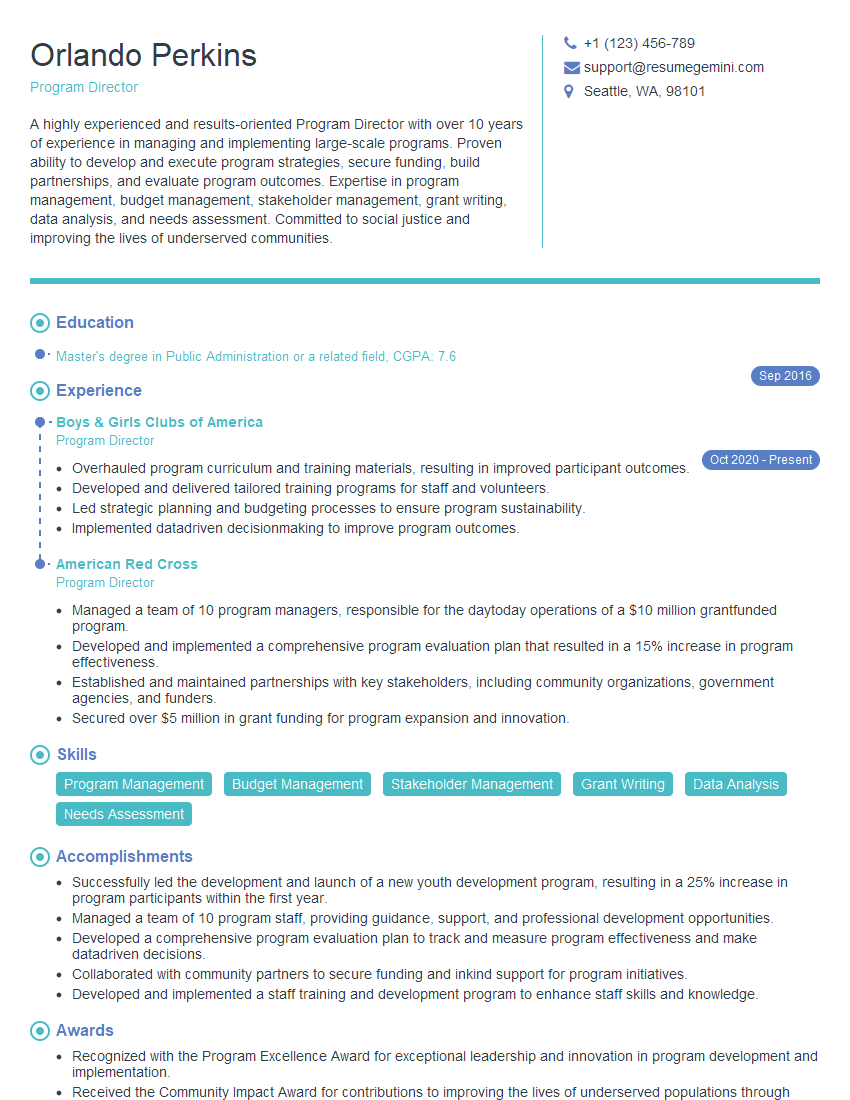
Program Director Resume Sample
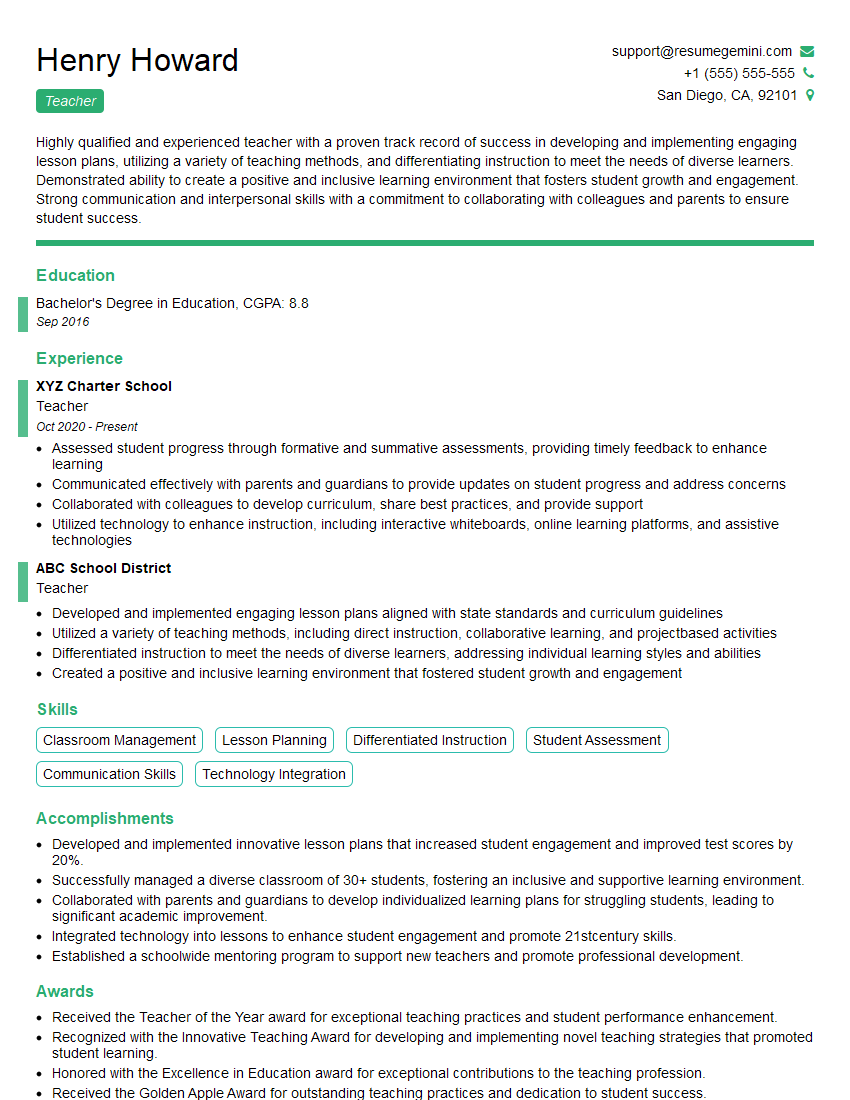
Teacher Resume Sample
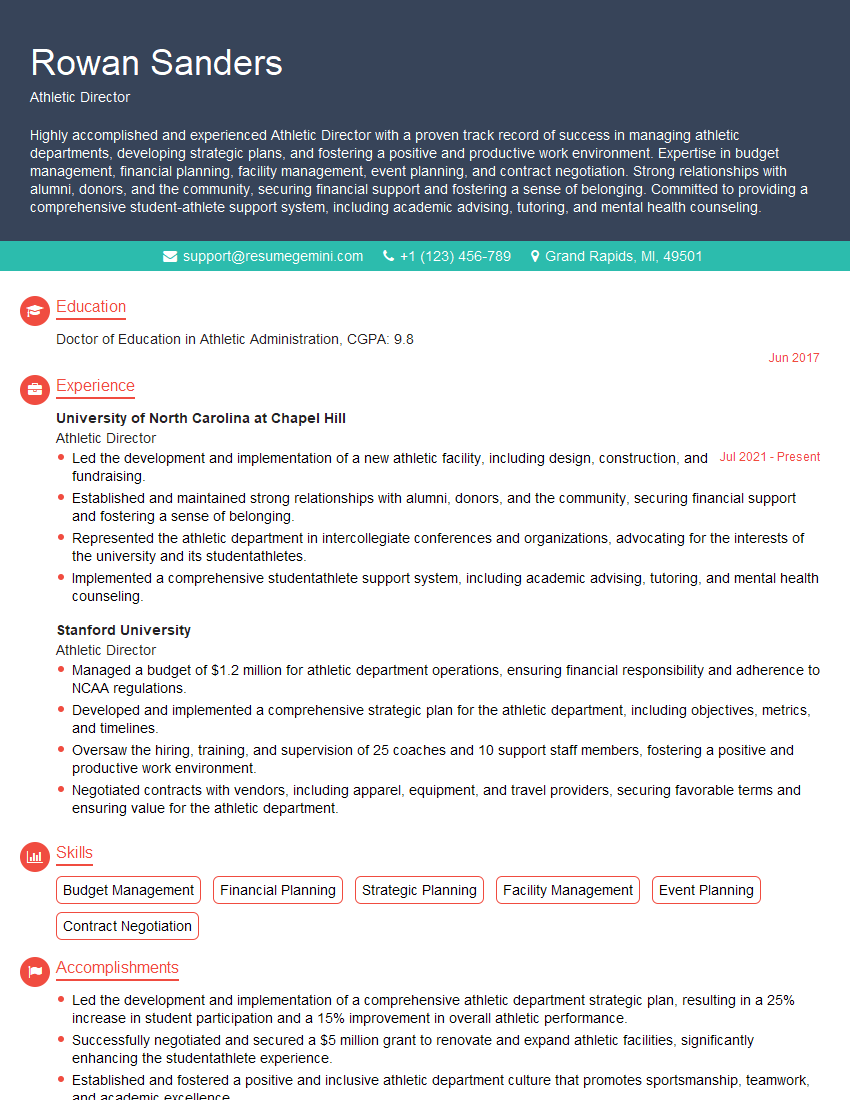
Athletic Director Resume Sample
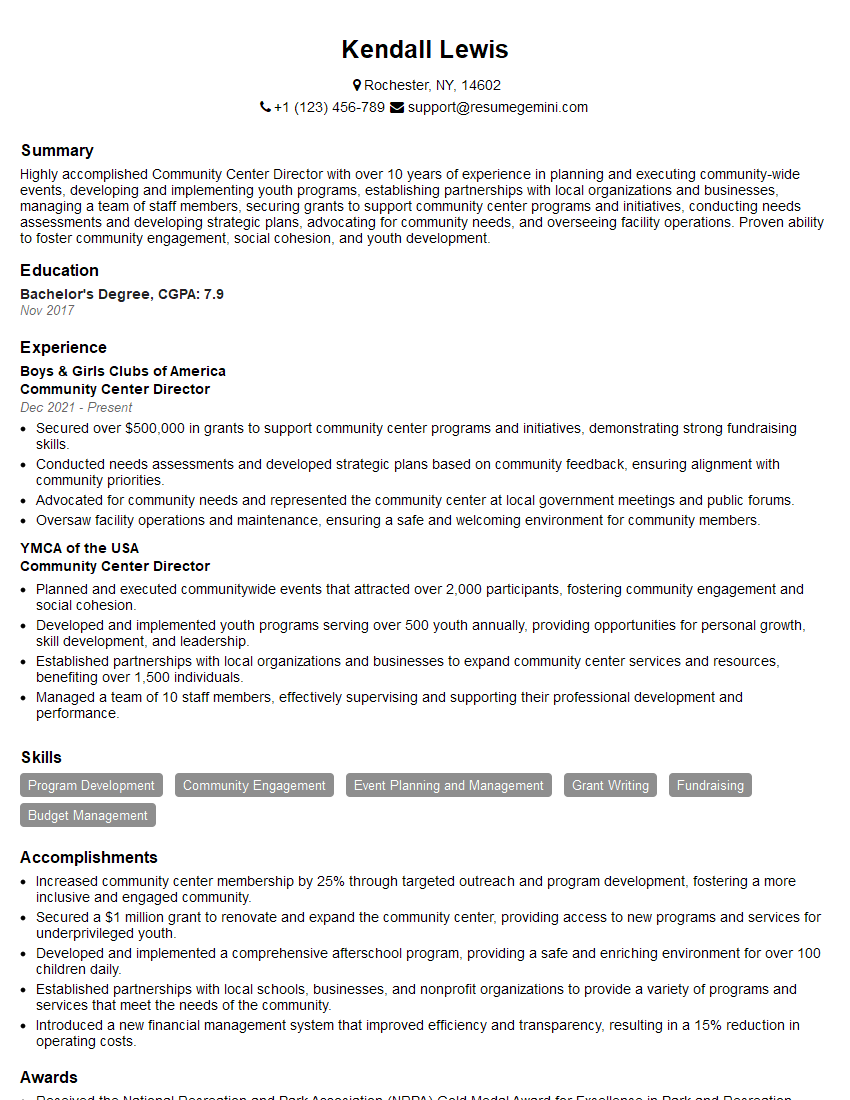
Community Center Director Resume Sample
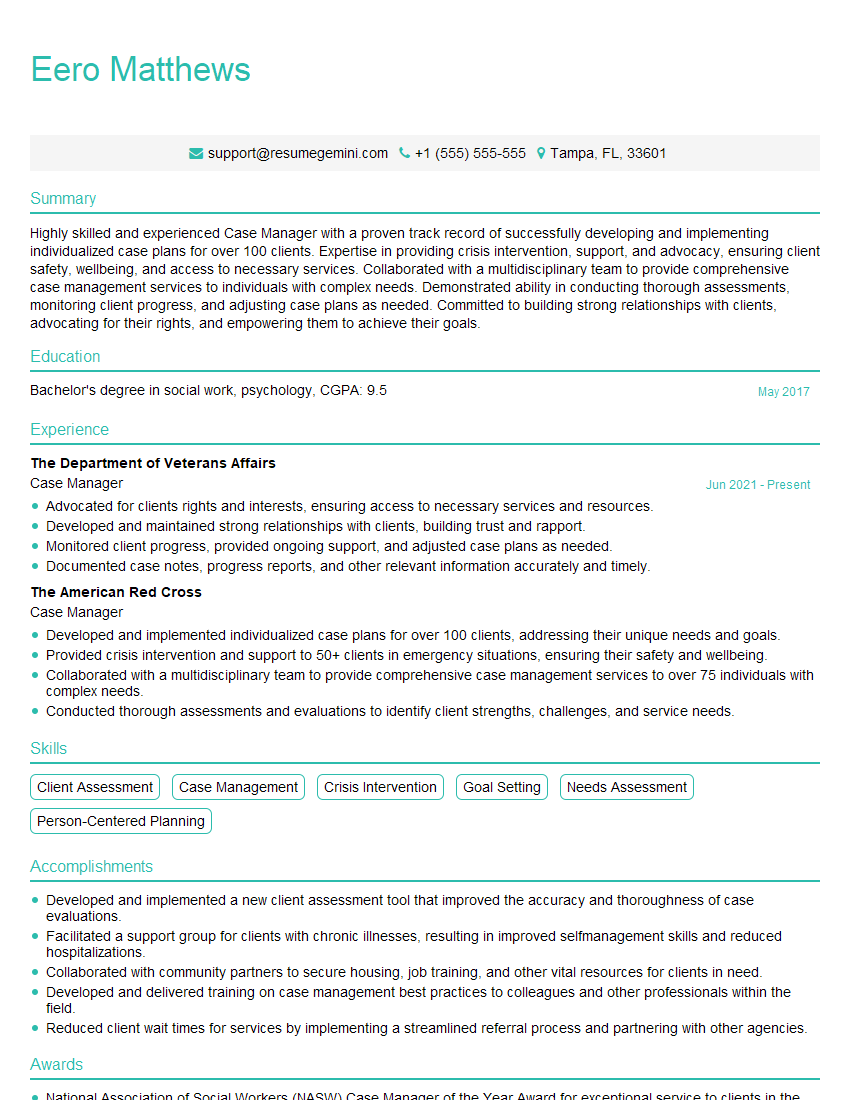
Case Manager Resume Sample
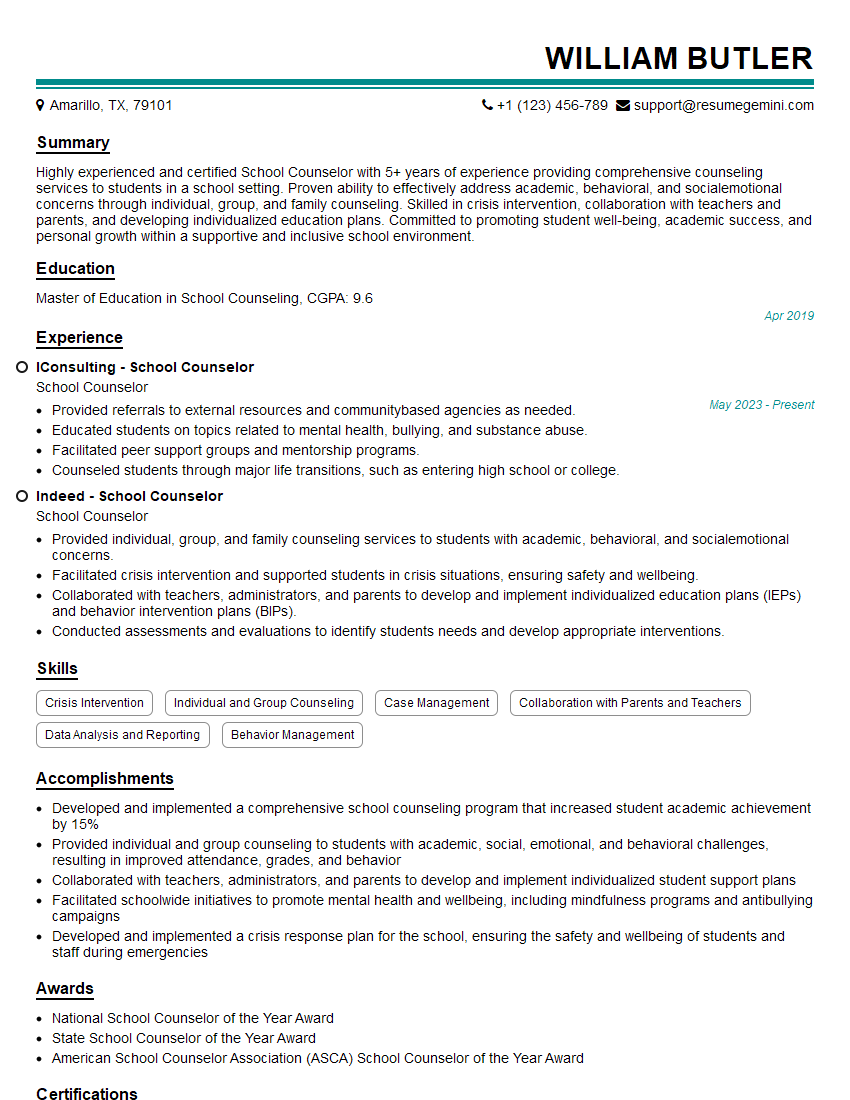
School Counselor Resume Sample
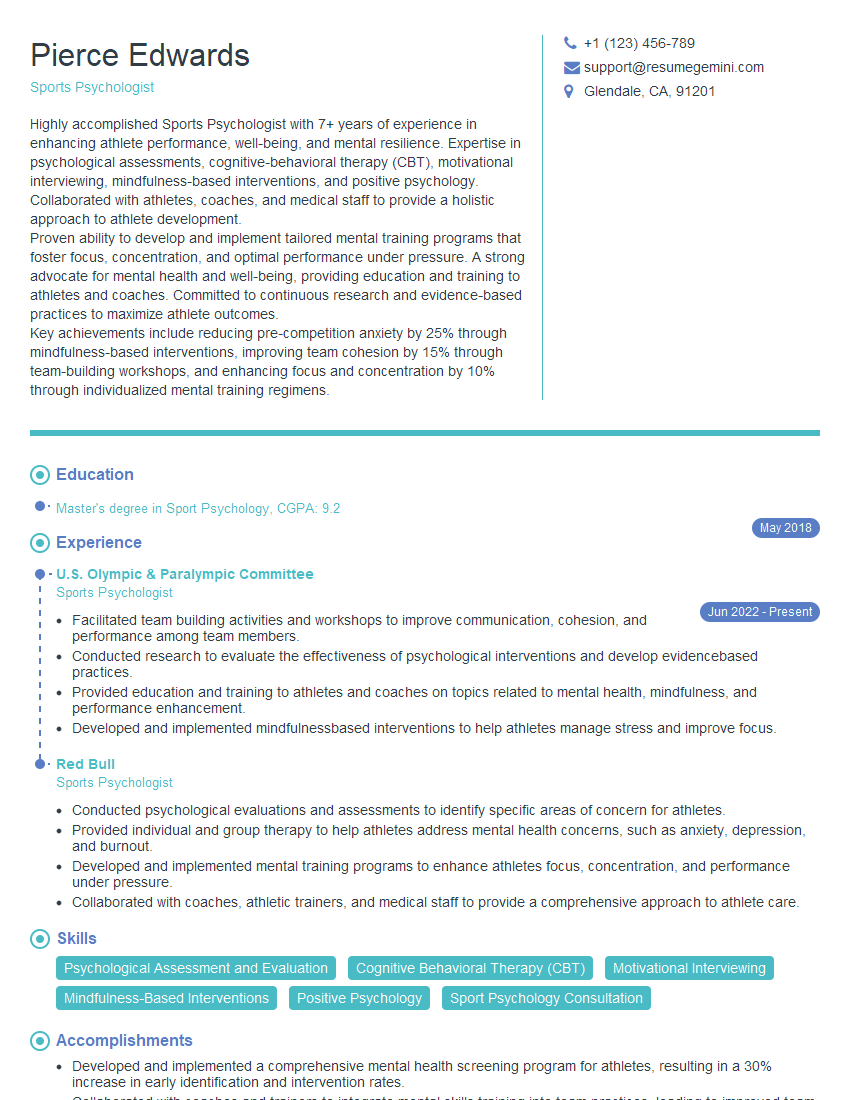
Sports Psychologist Resume Sample
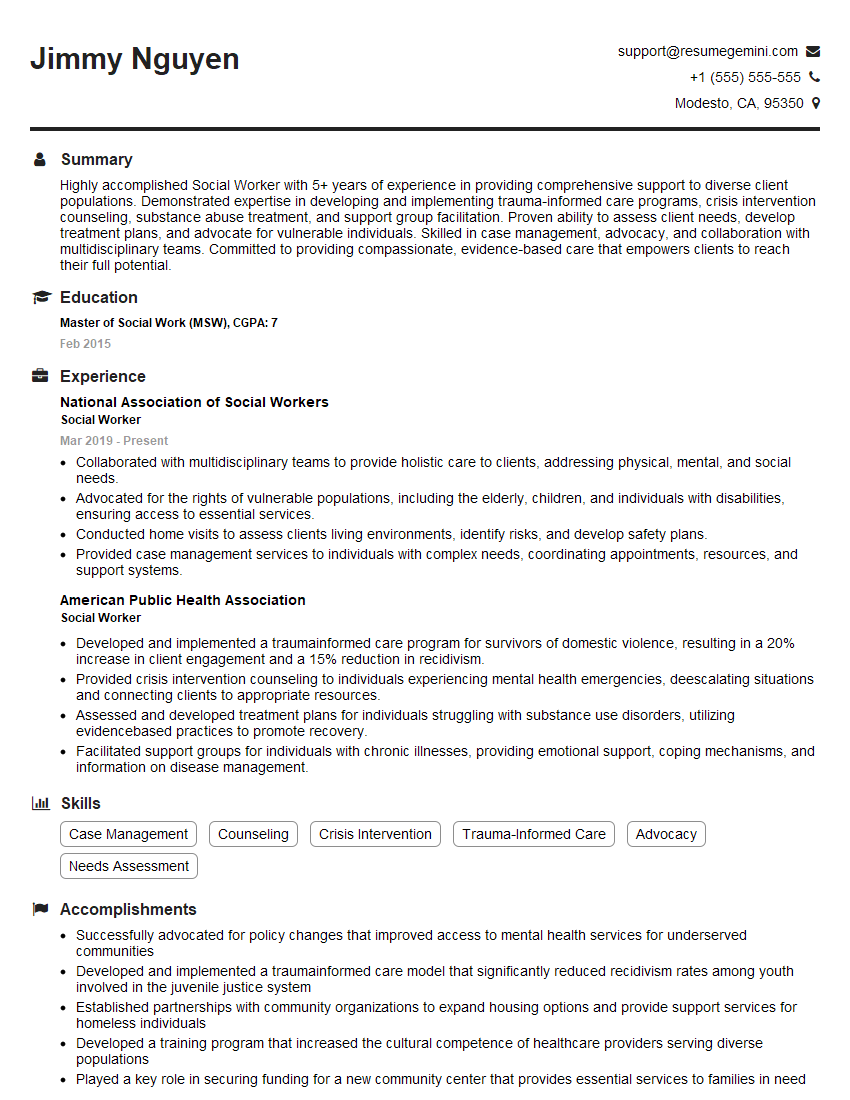
Social Worker Resume Sample
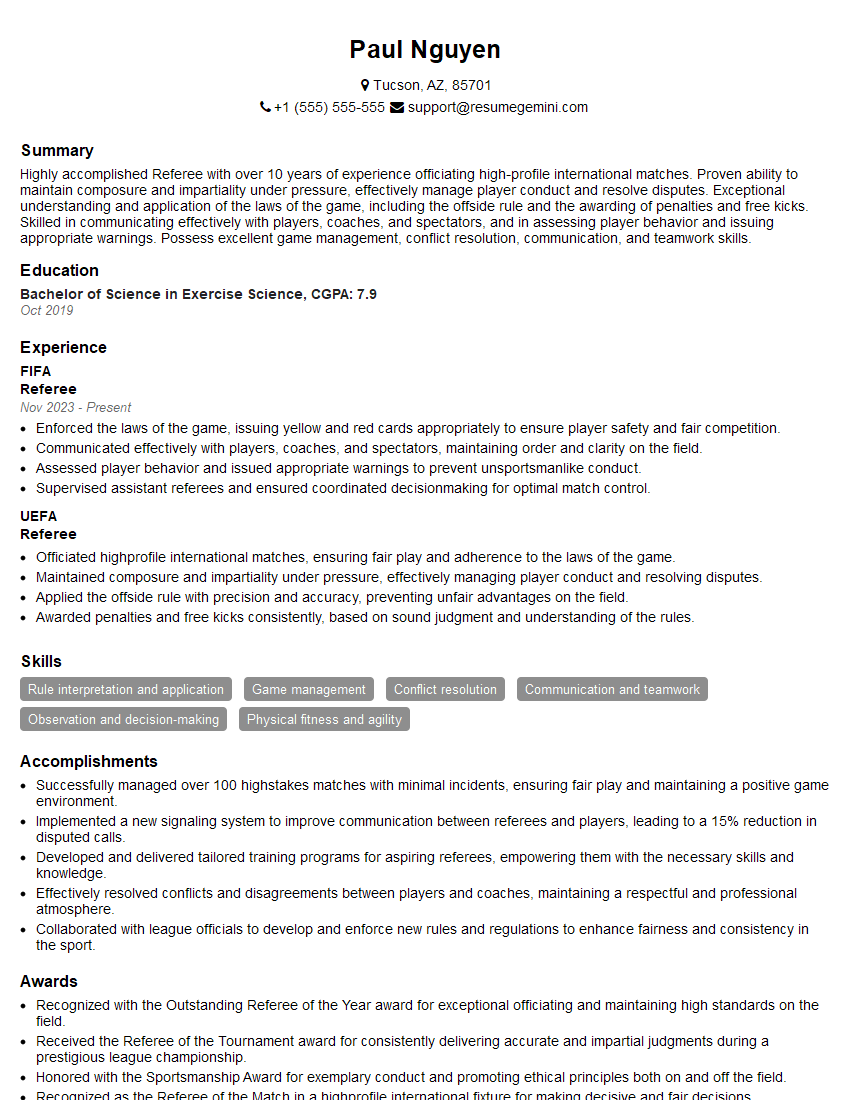
Referee Resume Sample
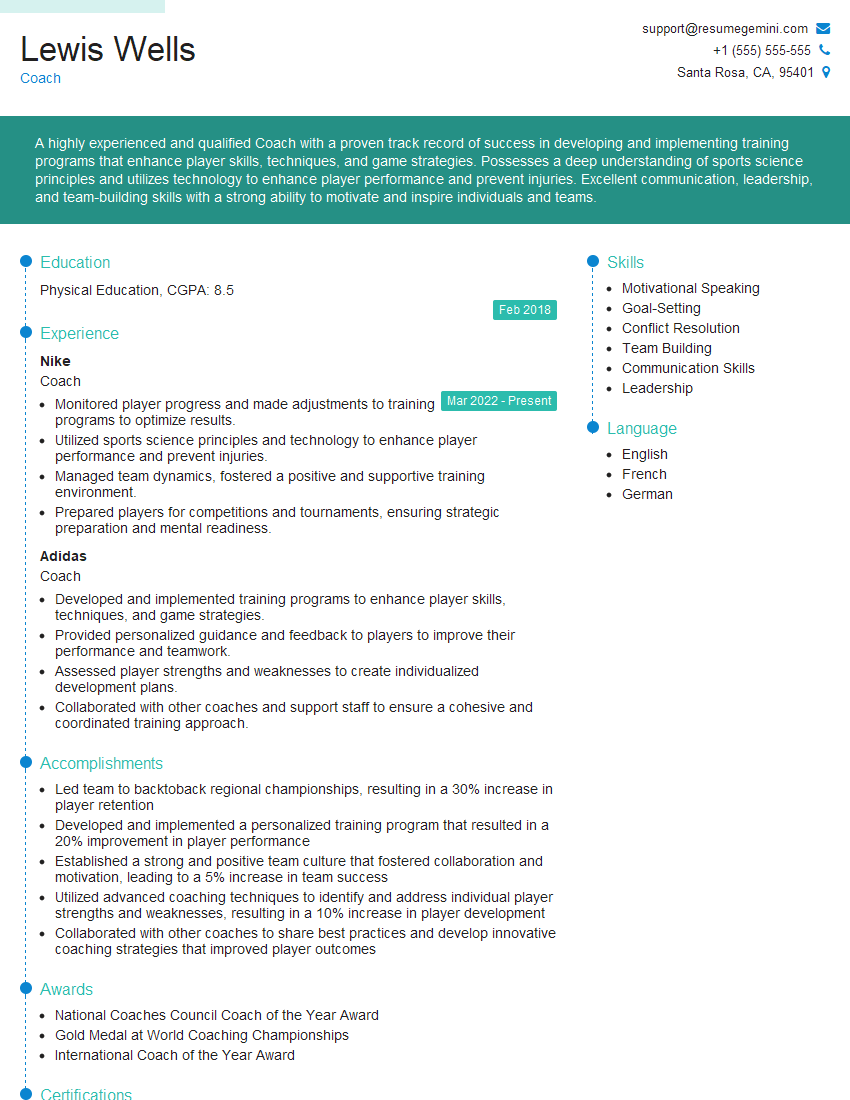
Coach Resume Sample
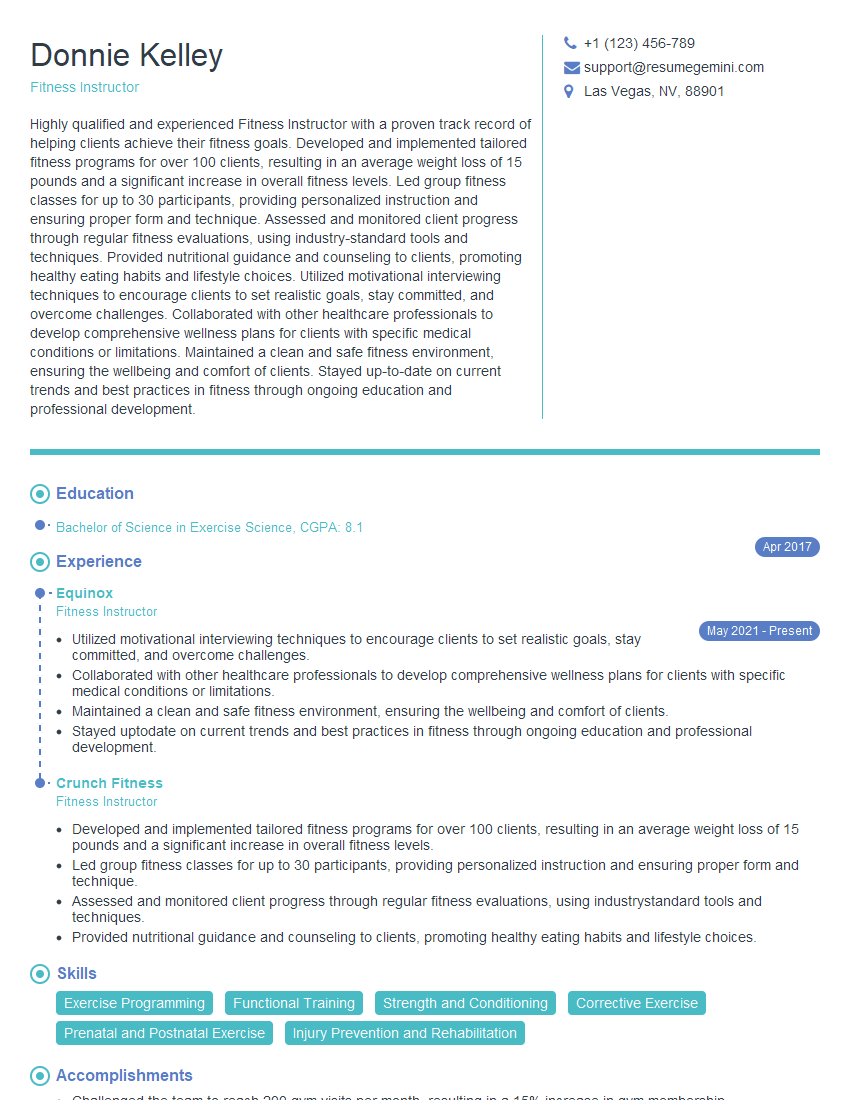
Fitness Instructor Resume Sample
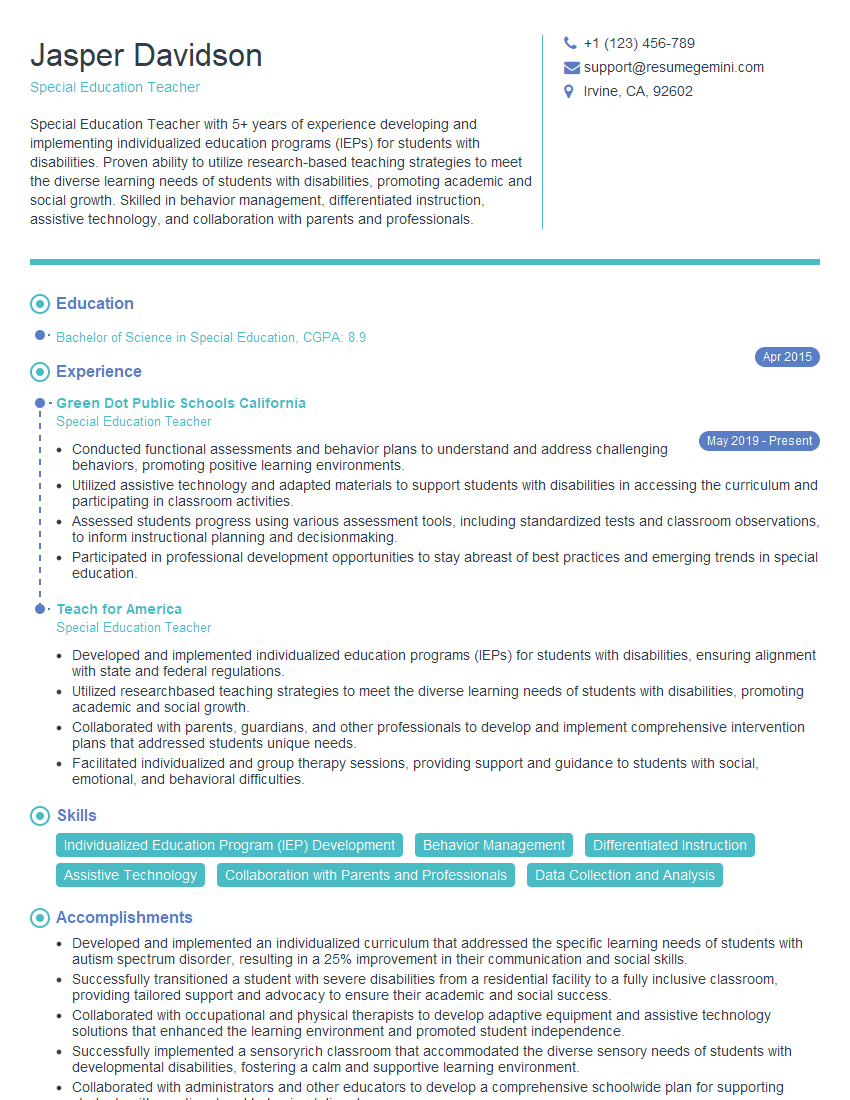
Special Education Teacher Resume Sample
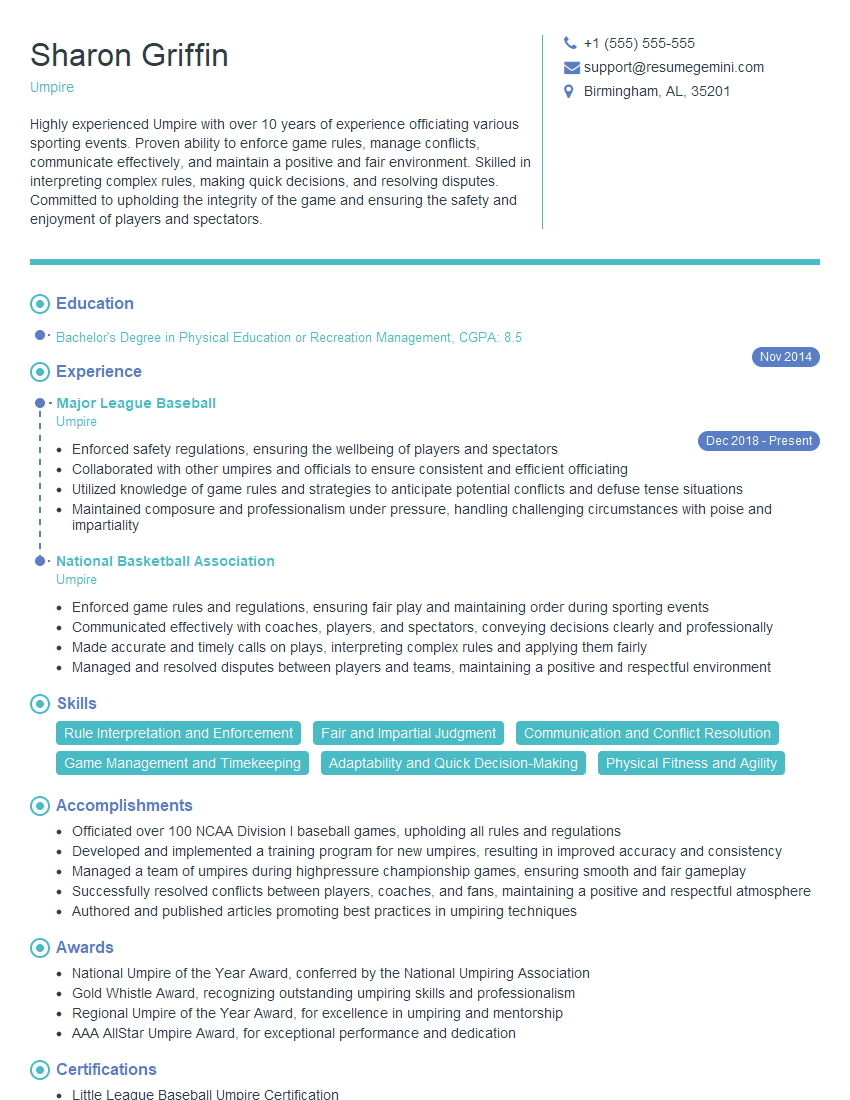
Umpire Resume Sample
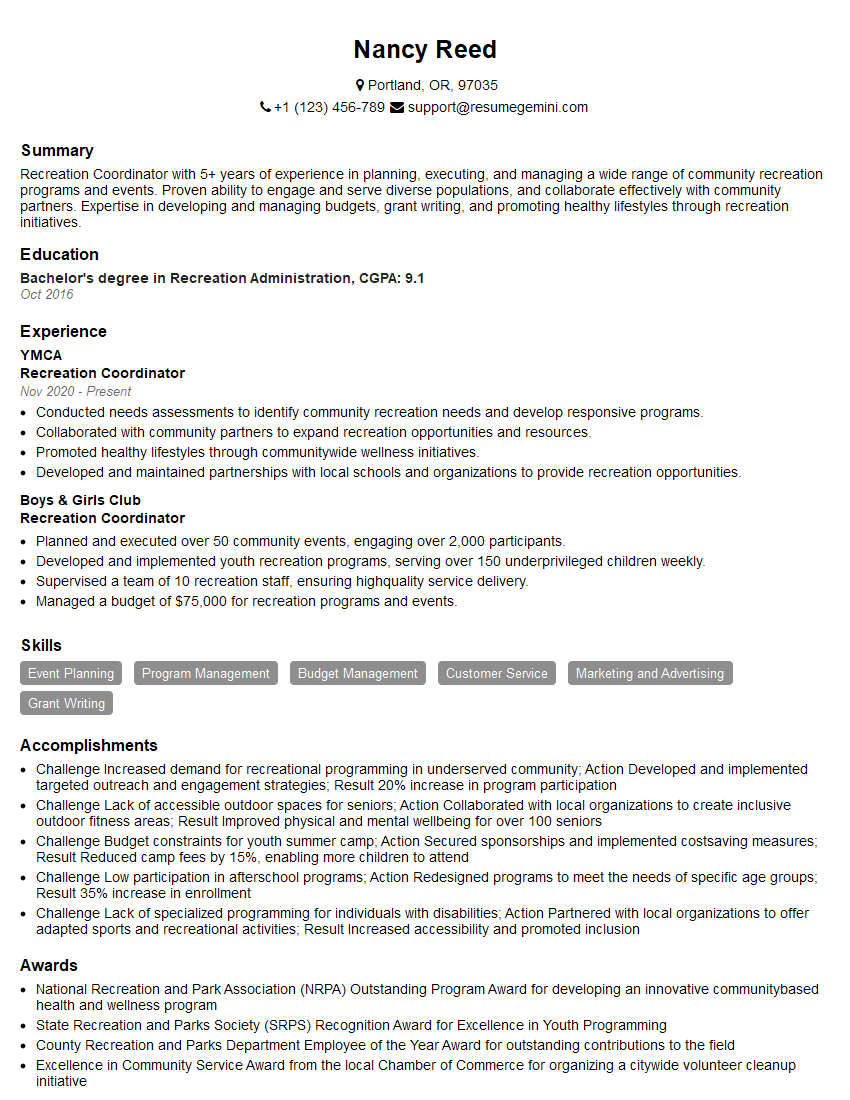
Recreation Coordinator Resume Sample
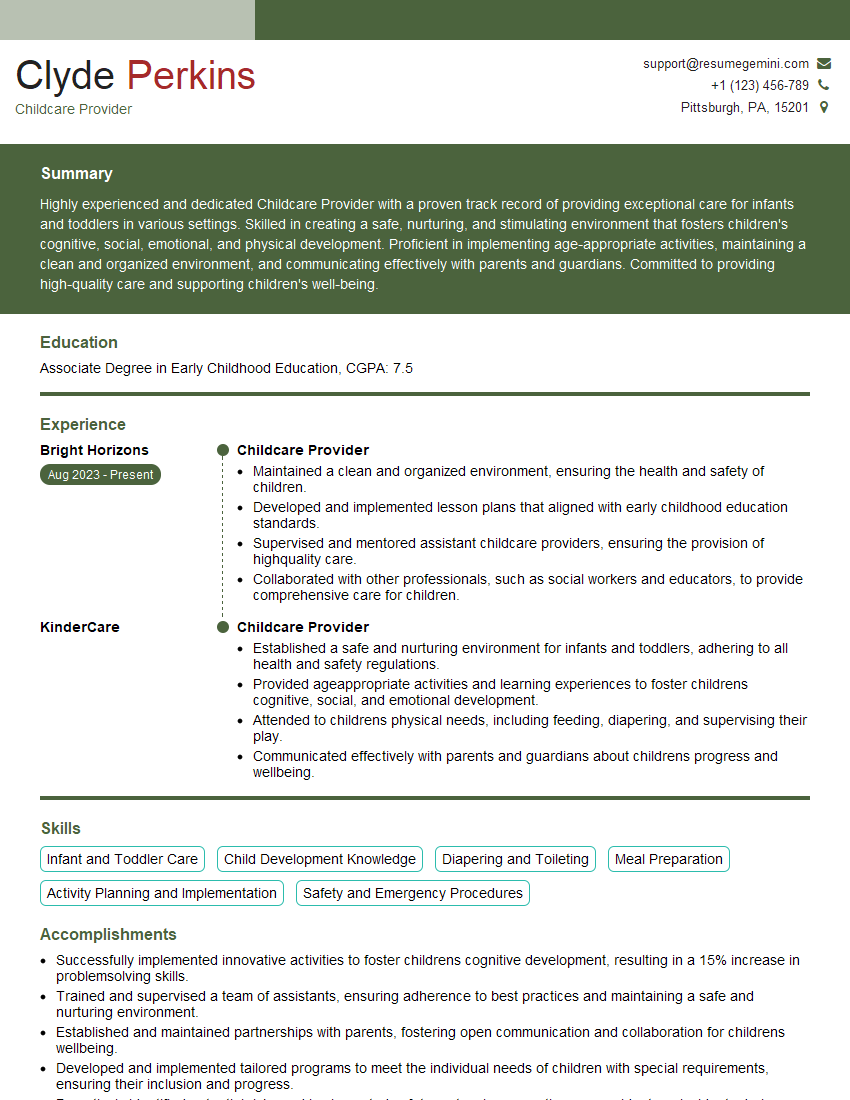
Childcare Provider Resume Sample
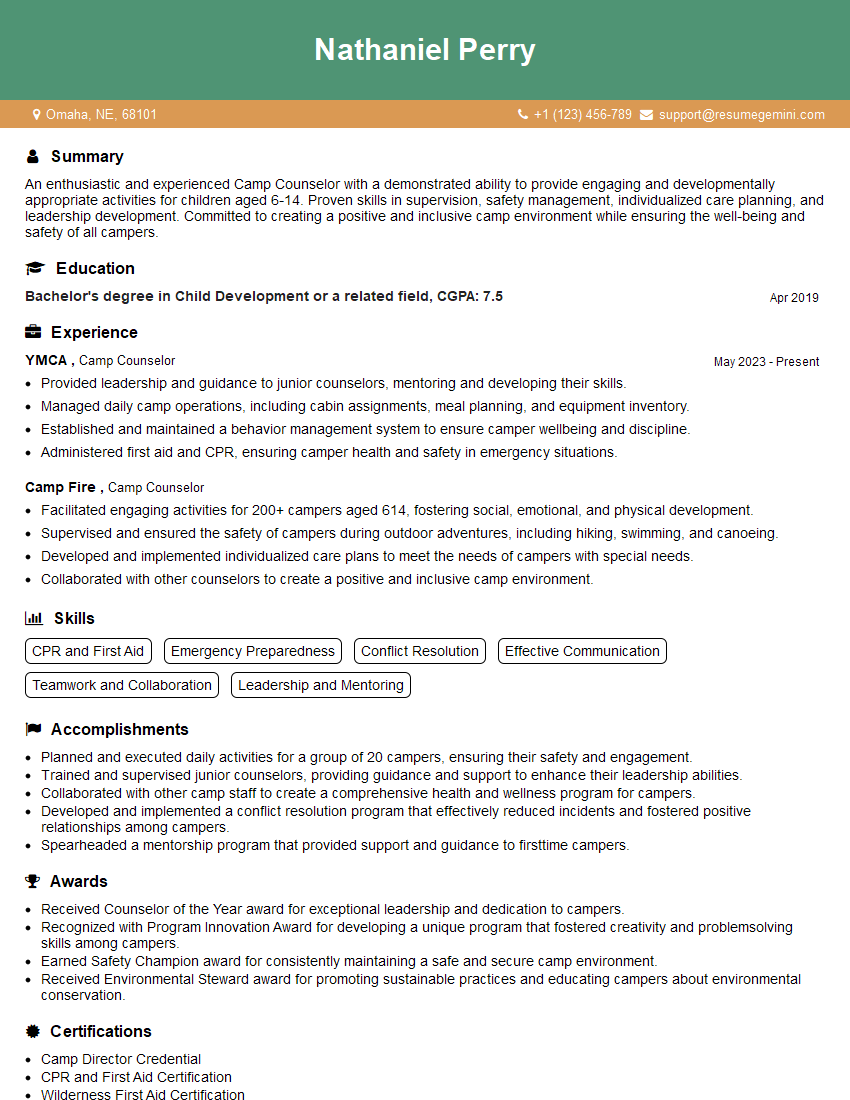
Camp Counselor Resume Sample
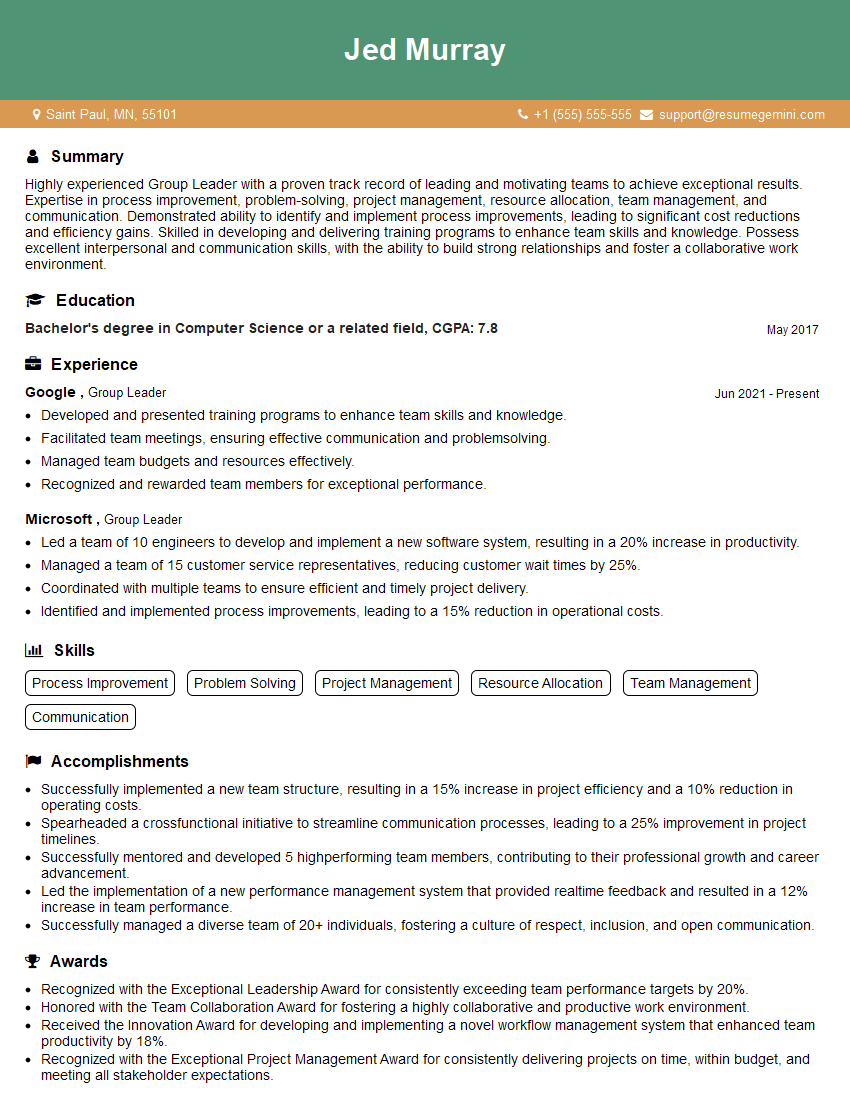
Group Leader Resume Sample
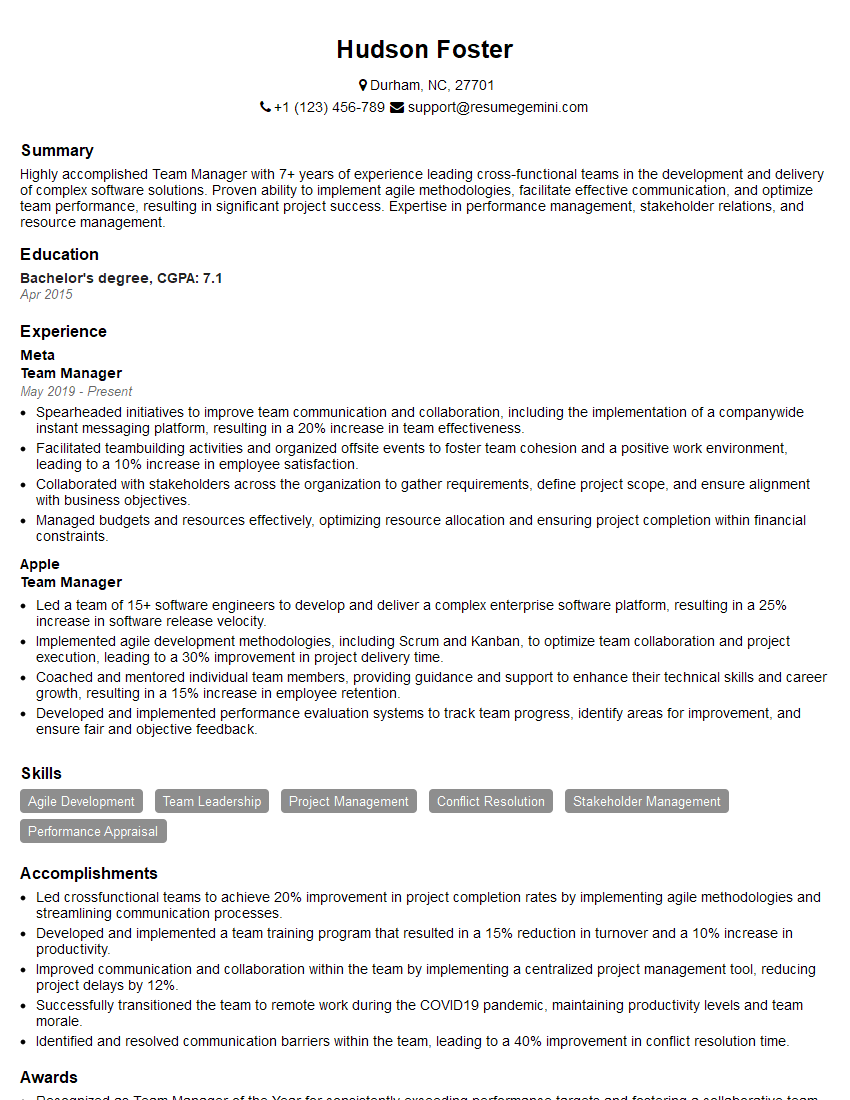
Team Manager Resume Sample
Explore more articles
Users Rating of Our Blogs
Share Your Experience
We value your feedback! Please rate our content and share your thoughts (optional).
What Readers Say About Our Blog
Very informative content, great job.
good