The thought of an interview can be nerve-wracking, but the right preparation can make all the difference. Explore this comprehensive guide to Ability to Input and Correct Scoring Data interview questions and gain the confidence you need to showcase your abilities and secure the role.
Questions Asked in Ability to Input and Correct Scoring Data Interview
Q 1. Explain your experience with different data entry methods.
My experience encompasses a wide range of data entry methods, from manual keying of data into spreadsheets and databases to utilizing specialized software and automated import processes. I’ve worked with various data formats, including CSV, Excel, XML, and JSON. For instance, in my previous role at Acme Corp, I was responsible for manually entering survey responses from paper forms into a dedicated database. This required careful attention to detail and consistent application of the data entry guidelines. In contrast, at Beta Solutions, I streamlined the process by creating a custom script to automate the import of data from an external API into our CRM, significantly reducing manual input and potential errors. This automation not only saved time but also minimized the risk of human error.
- Manual Data Entry: Direct inputting of data into systems like spreadsheets or databases.
- Automated Import: Using scripts or software to import data from other sources.
- Optical Character Recognition (OCR): Utilizing software to convert scanned documents into digital text for data entry.
Q 2. How do you ensure accuracy in data input?
Accuracy is paramount in data input, and I employ several strategies to ensure it. First, I always double-check my work, comparing entered data against source documents meticulously. I utilize data validation techniques where possible, using tools to identify inconsistencies or illogical entries. For example, if I’m entering age data, a validation rule can flag any negative or unusually high numbers. I also regularly use checksums or similar verification methods to confirm data integrity during the import process. Think of it like proofreading a document multiple times – catching minor errors before they become bigger issues. Finally, maintaining a clean and organized workspace helps me stay focused and reduce errors due to distractions.
Q 3. Describe your process for identifying and correcting errors in scoring data.
My error identification and correction process is systematic. I first use automated checks within the software to identify obvious errors, such as data type mismatches or out-of-range values. Then, I perform visual checks, comparing entered data against the source material. If discrepancies arise, I carefully investigate the source of the error. This may involve reviewing the original document again or contacting the source to clarify ambiguous data. Once the source of error is identified, I correct the data, recording the correction with a detailed note, including the date, type of error, and the steps taken for rectification. This creates a clear audit trail. For example, if I find an incorrect zip code, I wouldn’t just change it; I would note ‘Corrected zip code from 12345 to 67890, confirmed with source document.’ This meticulous approach ensures both the accuracy and traceability of corrections.
Q 4. What software or tools are you proficient in for data entry and correction?
I am proficient in a variety of software and tools for data entry and correction. My expertise includes Microsoft Excel, Google Sheets, various database management systems (DBMS) like MySQL and PostgreSQL, and data manipulation tools like Python’s Pandas library. I’m also familiar with specialized data entry software, such as those used in medical coding or accounting. My proficiency extends to using OCR software for converting scanned documents into editable text, significantly streamlining the data entry process for large volumes of paper-based information.
Q 5. How do you handle large volumes of data entry?
Handling large volumes of data effectively involves a combination of strategies. I prioritize efficient data organization and employ automation wherever possible. This might involve writing scripts to automate data imports or using advanced features within spreadsheets or databases to streamline the entry process. I also break down large tasks into smaller, manageable chunks to avoid burnout and maintain accuracy. Prioritization, effective time management, and the use of data validation tools are critical to ensuring both speed and accuracy when dealing with extensive datasets. For instance, I may use a scripting language like Python to automate data cleaning and transformation steps, dramatically reducing the manual effort required for large datasets.
Q 6. What strategies do you use to maintain focus and accuracy during prolonged data entry tasks?
Maintaining focus and accuracy during prolonged data entry tasks requires a multi-faceted approach. I employ techniques like the Pomodoro Technique, working in focused bursts with short breaks in between to avoid fatigue. Regular stretching and eye breaks are crucial to prevent physical strain and maintain concentration. I also create a distraction-free workspace and listen to calming music to minimize interruptions. Finally, I consistently check my work against source documents and use data validation tools to catch errors promptly. This proactive approach keeps me engaged and ensures the final result is highly accurate.
Q 7. Explain your experience with data validation techniques.
Data validation is critical to ensuring data quality. My experience includes using both manual and automated validation techniques. Manual validation involves visually inspecting data for inconsistencies or illogical values. Automated validation uses built-in features or custom scripts to enforce data rules. For example, I might use constraints within a database to ensure that a field only accepts numerical values or that a date falls within a specific range. Furthermore, I leverage checksums and other verification methods to confirm the integrity of imported data, ensuring that no information has been lost or corrupted during the transfer. A good example is using a checksum to verify that a downloaded file hasn’t been altered during the download process. This ensures the data’s reliability before it’s even entered.
Q 8. How do you prioritize data entry tasks when facing multiple deadlines?
Prioritizing data entry tasks with multiple deadlines requires a strategic approach. I use a combination of techniques, including:
- Prioritization Matrix: I categorize tasks based on urgency and importance (e.g., using an Eisenhower Matrix). High-urgency, high-importance tasks get immediate attention.
- Time Blocking: I allocate specific time blocks for each task, ensuring realistic time estimates. This prevents overcommitment and allows for efficient task management.
- Dependency Mapping: I identify tasks that depend on others and sequence them accordingly. Completing prerequisite tasks first ensures smooth workflow.
- Regular Check-ins: I schedule regular check-ins (e.g., at the end of each day or project milestone) to assess progress, adjust the schedule, and re-prioritize as needed.
For example, if I have a critical report due tomorrow and another less urgent project due next week, I’d focus on the report first, allocating sufficient time and resources. I might delegate parts of the less urgent project if possible.
Q 9. Describe your experience with data quality control measures.
Data quality control is paramount in my work. My experience encompasses several measures:
- Data Validation: I use various techniques, including range checks, format checks, and data type checks, to ensure data conforms to predefined standards. For instance, I might ensure that age values are within a reasonable range (0-120) and dates are in the correct format (YYYY-MM-DD).
- Data Cleansing: I regularly identify and correct inconsistencies, errors, and missing values. This includes handling duplicates, standardizing data formats, and imputing missing data using appropriate methods (e.g., mean imputation or more sophisticated techniques).
- Cross-Validation: I compare data from multiple sources to identify inconsistencies and discrepancies. If data from two different systems conflict, I investigate the root cause and resolve the issue.
- Documentation: I maintain thorough documentation of data quality control procedures and any identified issues, enabling traceability and facilitating future improvements.
I also advocate for proactive data quality measures, including data input validation rules and automated checks to prevent errors from occurring in the first place.
Q 10. How do you handle discrepancies or inconsistencies in data?
Discrepancies and inconsistencies are addressed systematically. My approach involves:
- Identification: I use data profiling and analysis tools to identify inconsistencies, such as conflicting data points or missing values.
- Investigation: I thoroughly investigate the source of the discrepancy. This may involve reviewing source documents, consulting with data owners, or querying related systems.
- Resolution: Once the root cause is understood, I determine the appropriate resolution. This might involve correcting the erroneous data, flagging the data for further investigation, or imputing missing values based on reliable data sources.
- Documentation: I document the discrepancy, the investigation process, and the resolution taken. This creates a record for future reference and auditing purposes.
For example, if I find a discrepancy between a customer’s address in two different databases, I’d verify the address with the customer or relevant department to determine the correct information.
Q 11. What is your approach to identifying and resolving data entry errors?
My approach to identifying and resolving data entry errors is multi-faceted:
- Data Validation Rules: I leverage pre-defined rules and constraints during data entry to prevent common errors. For instance, I might set up a rule that rejects entries with invalid email addresses.
- Data Reconciliation: I regularly reconcile data entered with source documents to detect discrepancies.
- Data Profiling: I use data profiling techniques to identify patterns, outliers, and anomalies that indicate potential errors.
- Automated Error Checks: I utilize software with built-in error detection features to automatically flag potential errors during and after data entry.
- Regular Reviews: I conduct regular reviews of the entered data, employing both manual checks and automated tools to ensure accuracy and consistency.
Think of it like proofreading a document; multiple checks at different stages minimize the chance of overlooking errors.
Q 12. How do you ensure data integrity during the input and correction process?
Ensuring data integrity throughout the input and correction process involves implementing several best practices:
- Access Control: Restricting access to data entry systems to authorized personnel only prevents unauthorized modifications.
- Version Control: Tracking changes made to the data, including who made the changes and when, enables auditability and facilitates error correction.
- Data Backup and Recovery: Regularly backing up data safeguards against data loss and ensures data can be restored in case of an issue.
- Data Validation Rules: Strict validation rules at the point of entry reduce the likelihood of incorrect data being entered in the first place.
- Data Auditing: Regular data audits help to identify and correct any systemic issues that may affect data integrity.
These measures create a robust system that minimizes errors and ensures data reliability.
Q 13. Have you worked with any data entry software that performs automated error checks? If so, describe your experience.
Yes, I have extensive experience using data entry software with automated error checks. For example, I’ve worked with software that performs real-time validation, flagging potential errors as they are entered. This includes checks for data type, format, range, and consistency with other data fields.
One particular software package I used, DataEntryPro (hypothetical name), had a feature that automatically highlighted inconsistencies between data entered and existing records, significantly improving efficiency and reducing errors. It also generated comprehensive audit trails, making it easy to track changes and identify the source of errors. This automated approach reduced manual effort significantly, allowing me to focus on more complex data validation tasks.
Q 14. Describe a situation where you had to correct a significant data entry error. What was your approach?
In one instance, I discovered a significant error in a sales report where a crucial data field—the product price—had been incorrectly entered for hundreds of transactions. This resulted in inaccurate sales figures and potential financial implications.
My approach was:
- Identify the Scope: I first determined the extent of the error by analyzing the data and identifying the affected records.
- Root Cause Analysis: I investigated the cause of the error. It turned out to be a flawed data import script.
- Data Correction: I corrected the price field in the database using a carefully validated SQL script. I also performed thorough checks to ensure that the correction was applied correctly to all affected records.
- Validation: After correcting the data, I performed extensive validation checks to confirm the accuracy of the corrected data and the integrity of the overall dataset.
- Documentation and Prevention: I documented the entire process, including the root cause, the correction steps, and lessons learned. The flawed import script was then reviewed and corrected to prevent future occurrences. This involved implementing more robust data validation checks within the script itself.
This situation underscored the importance of rigorous data validation, meticulous record-keeping, and proactively addressing data quality issues to minimize negative impacts.
Q 15. How do you track your progress and ensure accountability during data entry tasks?
Tracking progress and ensuring accountability during data entry is crucial for accuracy and efficiency. I employ a multi-pronged approach. Firstly, I break down large datasets into manageable chunks, setting realistic daily or hourly goals. This allows for regular checkpoints and prevents burnout. I use a spreadsheet or project management tool to log the number of records entered, the time spent, and any encountered issues. This provides a clear record of my progress. Secondly, I implement regular quality checks – perhaps every 50 or 100 entries – comparing my input against the source document. This early detection prevents large-scale errors from accumulating. Finally, I utilize automated validation rules within the data entry system itself, whenever possible. These rules flag inconsistencies or potential errors in real-time, prompting immediate correction. Think of it like a spell-checker for data; it significantly reduces the chance of mistakes.
For instance, in a recent project involving customer demographic data, I set daily targets of 200 entries. Each day, I documented my progress in a spreadsheet, noting any challenges I faced. The built-in validation rules of the system highlighted discrepancies, like inconsistent date formats or missing zip codes, allowing me to rectify them instantly. This structured approach ensured not only timely completion but also high data quality.
Career Expert Tips:
- Ace those interviews! Prepare effectively by reviewing the Top 50 Most Common Interview Questions on ResumeGemini.
- Navigate your job search with confidence! Explore a wide range of Career Tips on ResumeGemini. Learn about common challenges and recommendations to overcome them.
- Craft the perfect resume! Master the Art of Resume Writing with ResumeGemini’s guide. Showcase your unique qualifications and achievements effectively.
- Don’t miss out on holiday savings! Build your dream resume with ResumeGemini’s ATS optimized templates.
Q 16. What are some common data entry errors and how do you avoid them?
Common data entry errors stem from typos, inconsistencies, and misinterpretations of source data. Typos are the most frequent, especially with long alphanumeric codes or complex names. Inconsistency arises when data is entered differently across records (e.g., ‘Street’ vs. ‘St.’ for addresses). Misinterpretation occurs when the source document is ambiguous or contains errors. To mitigate these:
- Double-checking: Always verify entered data against the source document.
- Data standardization: Establish clear guidelines for data formats and abbreviations. For instance, use a consistent format for dates (MM/DD/YYYY) and addresses.
- Automated validation: Utilize built-in system validation rules or custom scripts to flag invalid entries.
- Regular breaks: Fatigue increases error rates. Taking regular short breaks improves focus and accuracy.
For example, to avoid inconsistent address entry, I create a standardized list of abbreviations (St., Ave., Rd.) to use consistently. If the system allows it, I might even create a drop-down list of options to minimize manual typing and typos.
Q 17. How familiar are you with different data formats (e.g., CSV, Excel, databases)?
I’m highly proficient with various data formats, including CSV, Excel, and various database systems (SQL, NoSQL). CSV (Comma Separated Values) files are simple text-based formats ideal for importing and exporting data to and from spreadsheets or databases. Excel spreadsheets are versatile for both data entry and analysis. Databases offer structured storage and efficient querying of large datasets. My experience extends to understanding the nuances of each format – such as how to handle delimiters in CSV files, optimize spreadsheet formulas for efficient data cleaning, and write SQL queries to extract and transform data from relational databases. I can readily adapt to different formats based on project requirements.
In past projects, I’ve imported large customer transaction datasets from CSV files into SQL databases for advanced analytics. I’ve also used Excel to consolidate data from multiple sources before uploading it to a centralized database. The choice of format depends on the project’s needs and the tools available.
Q 18. Describe your experience working with different data types (e.g., numerical, textual, categorical).
I have extensive experience working with diverse data types: numerical, textual, categorical, and date/time. Numerical data requires careful attention to units and significant figures. Textual data needs proper handling of formatting, including handling of special characters and encoding. Categorical data demands consistency in naming conventions and value representations. Date/time data needs standardization to prevent ambiguity. My approach involves understanding the nature of each data type and applying appropriate validation and cleaning techniques.
For example, in a survey data entry project, I ensured consistent coding of categorical variables (e.g., gender, age group) using a predefined codebook. For numerical data, like income, I validated inputs to ensure they fell within a reasonable range and didn’t contain non-numeric characters. This meticulous handling ensures data integrity and reliability.
Q 19. How do you handle confidential or sensitive data during data entry?
Handling confidential or sensitive data during entry requires strict adherence to security protocols. I prioritize the following:
- Secure access: Only access data through authorized channels and maintain strong passwords.
- Data encryption: Use encrypted systems or tools to protect data both in transit and at rest.
- Access control: Limit access to only authorized personnel.
- Data anonymization: When possible, anonymize data to reduce risk while preserving utility.
- Compliance: Adhere to relevant regulations like HIPAA or GDPR, as applicable.
For instance, in a project involving Protected Health Information (PHI), I strictly followed HIPAA guidelines, ensuring all data was accessed only on secure networks, encrypted during transfer, and handled within a HIPAA-compliant system. I was always mindful of not sharing or discussing the data outside designated channels.
Q 20. What are your preferred methods for documenting and reporting data entry errors?
My preferred method for documenting and reporting data entry errors involves a clear and systematic approach. First, I maintain a detailed log of all errors encountered, including the type of error (typo, inconsistency, etc.), the location within the dataset, and the correction made. I use a spreadsheet or dedicated error tracking tool. Secondly, I summarize the errors identified, analyzing trends and patterns to inform potential improvements in data entry processes or source data quality. Finally, I generate a report summarizing the number and types of errors, the steps taken to correct them, and any recommendations for preventing similar errors in the future.
For example, if I repeatedly encounter inconsistencies in a specific data field, I’ll analyze the source document to identify the cause and propose changes to the data entry guidelines or source data itself to reduce errors in that area. This process enhances the quality of the data and reduces the likelihood of future errors.
Q 21. Explain your experience with data entry in a regulated environment (e.g., HIPAA, GDPR).
I have experience with data entry in regulated environments governed by HIPAA and GDPR. My understanding extends to the specific requirements of each regulation, including data security, privacy, and access control. For HIPAA-compliant projects, I ensure strict adherence to the Privacy Rule, Security Rule, and Breach Notification Rule. Similarly, for GDPR-compliant projects, I ensure data is processed lawfully, fairly, and transparently, while adhering to principles like data minimization and purpose limitation. I’m familiar with data subject rights and processes for handling data breach notifications.
In a healthcare data entry project, adhering to HIPAA guidelines was paramount. I ensured all data handling was done through secure systems, access was restricted based on the need-to-know principle, and the data was properly de-identified when possible, limiting potential privacy risks. The careful implementation of these standards guaranteed that the data was handled with the highest levels of security and compliance.
Q 22. How do you maintain data security during the data entry and correction process?
Data security is paramount during data entry and correction. Think of it like guarding a valuable treasure – you wouldn’t leave it unguarded! We employ several key strategies. First, access control is crucial. Only authorized personnel with appropriate permissions should have access to the data entry system. This often involves robust login credentials with strong password policies and multi-factor authentication for an extra layer of security. Second, data encryption is essential, both in transit (as data moves between systems) and at rest (when data is stored). This means using encryption protocols like HTTPS and encrypting databases to prevent unauthorized access even if a breach occurs. Third, regular audits and security checks are performed to identify and address any vulnerabilities. Finally, adherence to relevant data protection regulations, such as GDPR or HIPAA (depending on the data), is mandatory. This includes implementing measures to ensure data privacy and prevent unauthorized disclosure.
Q 23. Describe your experience with data reconciliation and matching.
Data reconciliation and matching is a critical part of ensuring data accuracy and integrity. Imagine you’re a librarian meticulously checking that all books are in the right place and accounted for. My experience involves using various techniques, including automated matching algorithms to compare data from different sources. For example, I’ve worked with systems that match customer IDs from sales data with customer IDs from a CRM system to identify discrepancies. When discrepancies arise, I use a combination of manual review, data cleansing techniques (discussed later), and potentially contacting data source owners to resolve the inconsistencies. This often involves using tools that highlight potential matching errors based on fuzzy logic or other similarity metrics. It’s a meticulous process, but essential for maintaining data quality.
Q 24. How do you stay updated on new data entry technologies and best practices?
Staying updated in this field is crucial. I actively participate in online courses and webinars offered by platforms like Coursera and edX to learn about the latest data entry technologies and best practices. I also follow industry blogs, journals, and attend relevant conferences to learn about new software and techniques. Professional certifications, like those offered by various data management associations, are a great way to stay ahead of the curve. Moreover, I regularly review industry standards and guidelines to ensure that my practices are compliant and efficient. This continuous learning helps me stay relevant and efficient in my role.
Q 25. What is your understanding of data cleansing?
Data cleansing, sometimes called data scrubbing, is the process of identifying and correcting (or removing) inaccurate, incomplete, irrelevant, duplicated, or improperly formatted data. Think of it as spring cleaning for your data! It involves several steps, including: identifying and correcting inconsistencies in data formats (e.g., converting dates to a standard format), handling missing values (e.g., imputing missing data or removing incomplete records), detecting and removing duplicates, and standardizing data values (e.g., ensuring consistent spelling of names and addresses). Tools and techniques employed include regular expressions, scripting languages like Python, and dedicated data cleansing software. The goal is to create a clean, consistent, and accurate dataset that can be used for reliable analysis and reporting. Without it, analysis becomes inaccurate and unreliable.
Q 26. Describe a time you had to troubleshoot a data entry issue.
In a previous role, we experienced a sudden spike in data entry errors related to customer addresses. Initially, we suspected human error. However, after closer investigation, we discovered that a recent software update had introduced a bug in the address validation feature. This bug was causing the system to incorrectly format addresses. My troubleshooting involved collaborating with the IT department to identify the source of the error in the software code. Once identified, we implemented a temporary workaround and pushed for a swift software patch to address the root cause. We also initiated a review of all affected data entries to ensure accurate correction. This experience highlighted the importance of proactive software testing and the need for seamless communication across departments.
Q 27. How do you handle stressful situations during high-volume data entry periods?
High-volume data entry periods can be demanding. My strategy for handling stress is threefold: preparation, organization, and self-care. Preparation involves careful planning and prioritization of tasks, ensuring I have all necessary resources and tools ready. Organization is key; I break down large tasks into smaller, manageable chunks, using techniques like time-blocking to maximize efficiency. Finally, self-care is non-negotiable. I take regular breaks to avoid burnout, ensuring adequate hydration and rest. This approach helps me stay focused and productive, even during intense periods.
Q 28. What are your strengths and weaknesses regarding data entry and correction?
My strengths include meticulous attention to detail, accuracy, and a quick learning ability. I’m proficient in various data entry techniques and adept at using different software and tools. My weakness is occasionally getting overly focused on perfection, which can sometimes impact speed. I actively work on this by setting realistic goals and prioritizing efficiency without sacrificing accuracy. I’ve found that using time-management techniques and prioritizing tasks helps to mitigate this weakness.
Key Topics to Learn for Ability to Input and Correct Scoring Data Interview
- Data Entry Techniques: Understanding efficient methods for accurate data input, including keyboard shortcuts and data validation techniques. Explore different input methods and their suitability for various data types.
- Data Verification and Validation: Mastering techniques for identifying and correcting errors in scoring data. This includes understanding data integrity checks, cross-referencing data sources, and applying error correction strategies.
- Data Cleaning and Transformation: Learn how to clean and prepare raw data for analysis. This involves handling missing values, outliers, and inconsistent data formats. Consider different data cleaning tools and techniques.
- Software Proficiency: Demonstrate familiarity with relevant software used for data input and correction. This could include spreadsheet software (Excel, Google Sheets), database management systems (SQL), or specialized scoring software.
- Understanding Scoring Systems: Gain a clear understanding of the scoring systems relevant to the role. Knowing how scores are calculated, weighted, and interpreted is crucial for accurate data input and correction.
- Problem-Solving and Troubleshooting: Develop the ability to identify and resolve data entry and scoring errors efficiently. Practice troubleshooting common issues and demonstrating effective problem-solving strategies.
- Data Security and Confidentiality: Understanding and adhering to data security protocols and maintaining the confidentiality of sensitive scoring data is paramount.
Next Steps
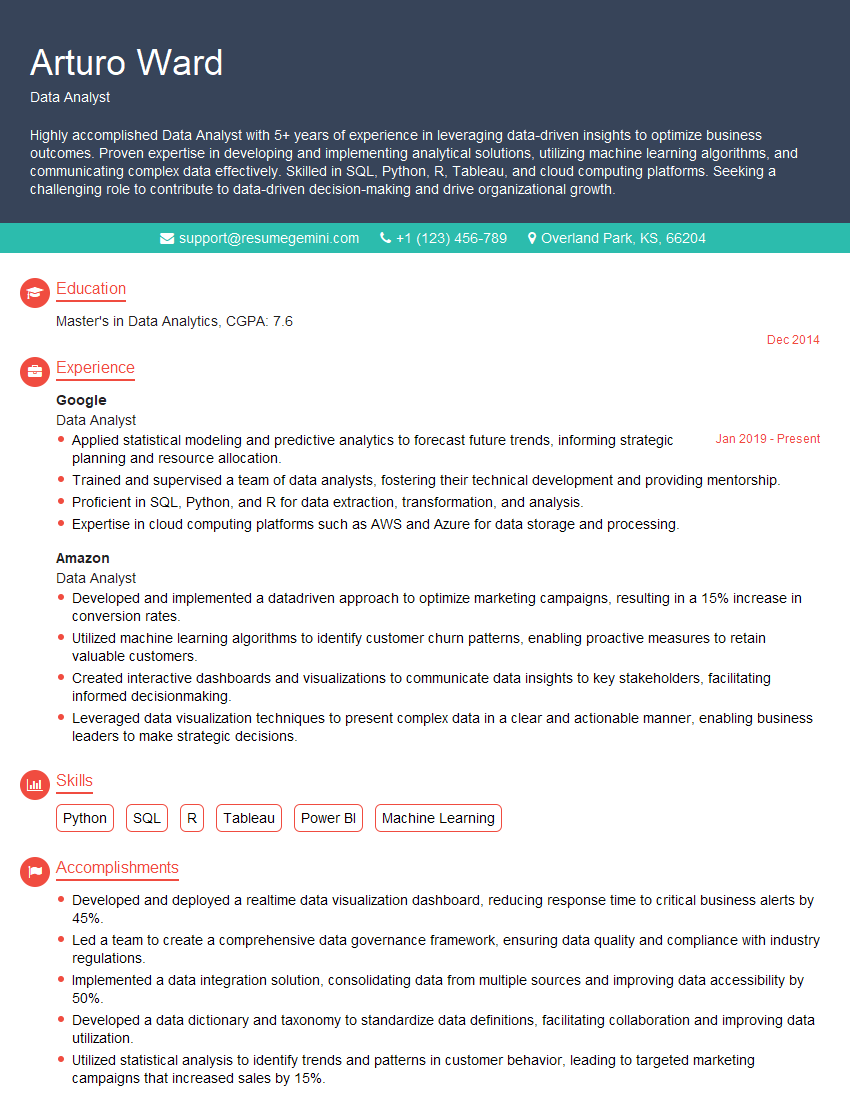
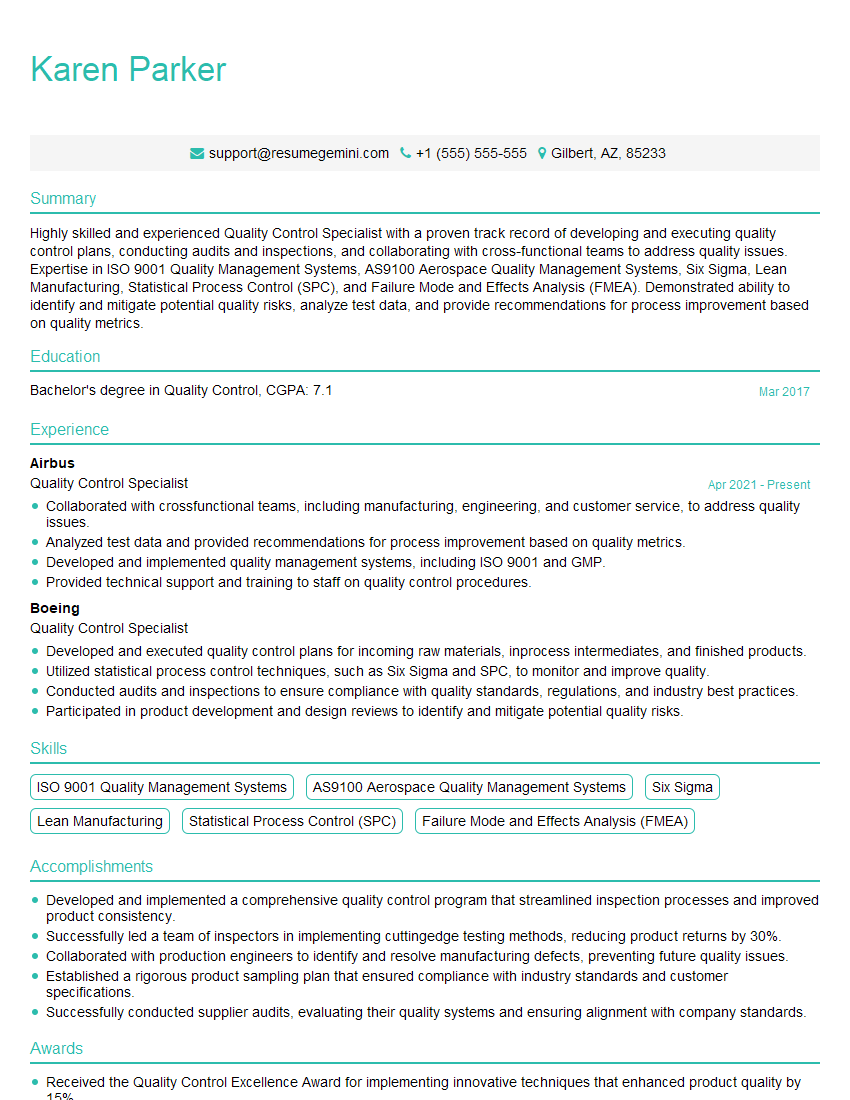
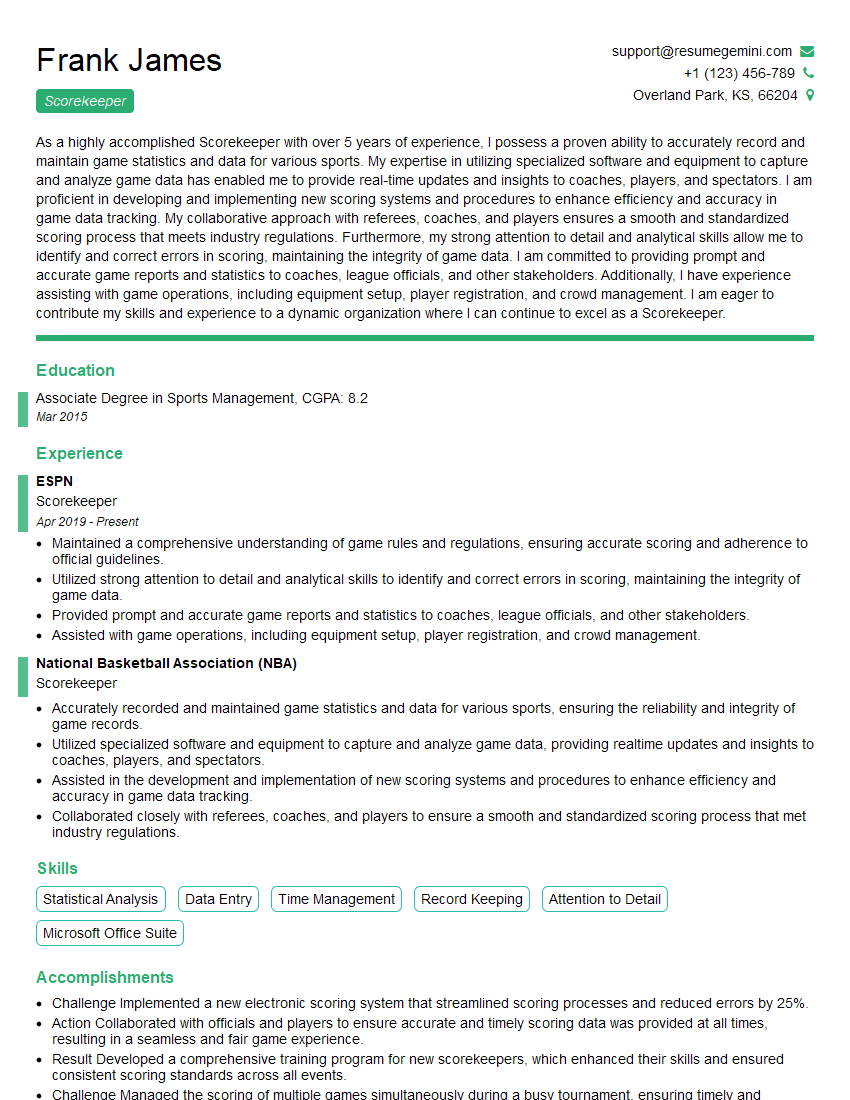
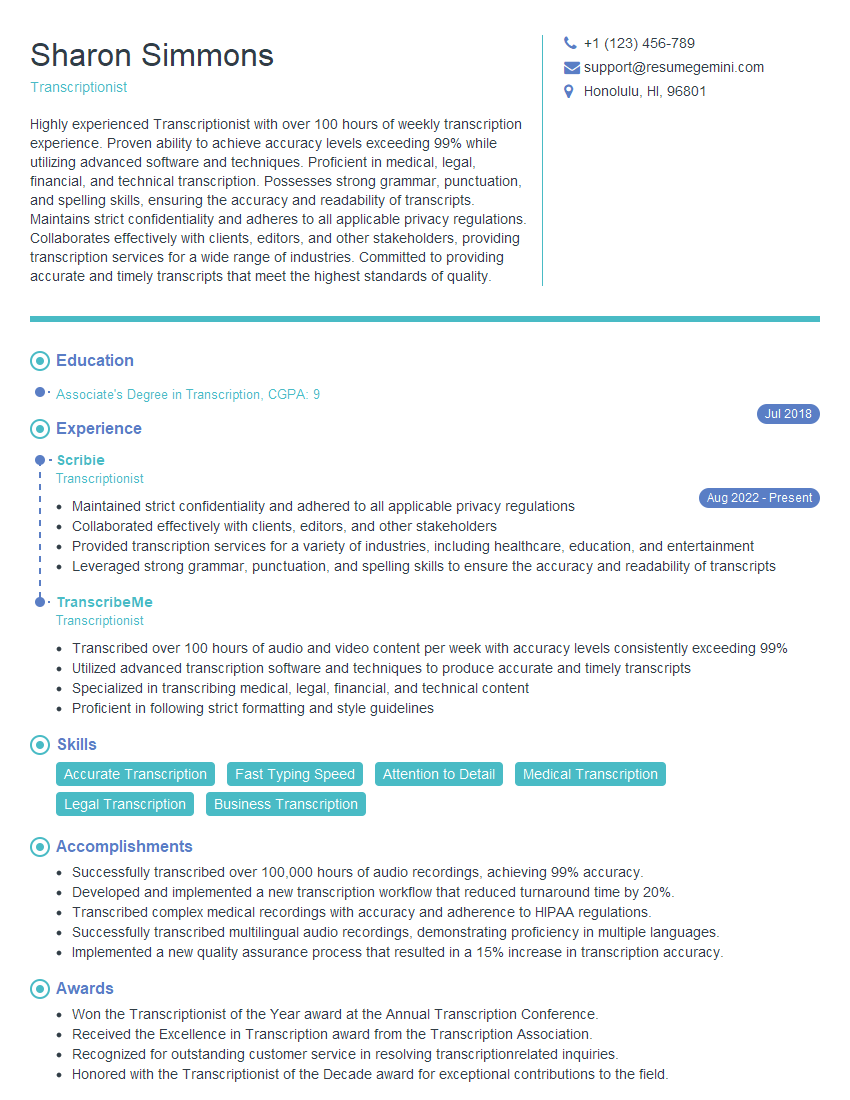
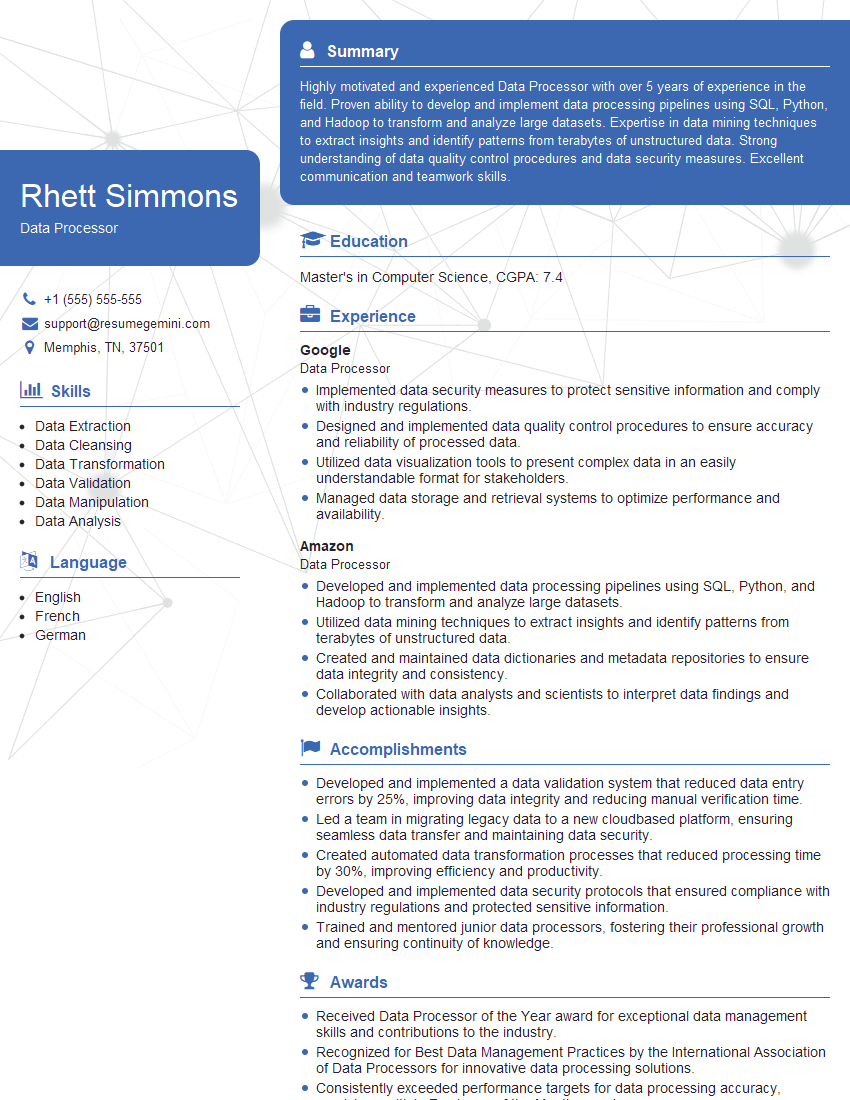
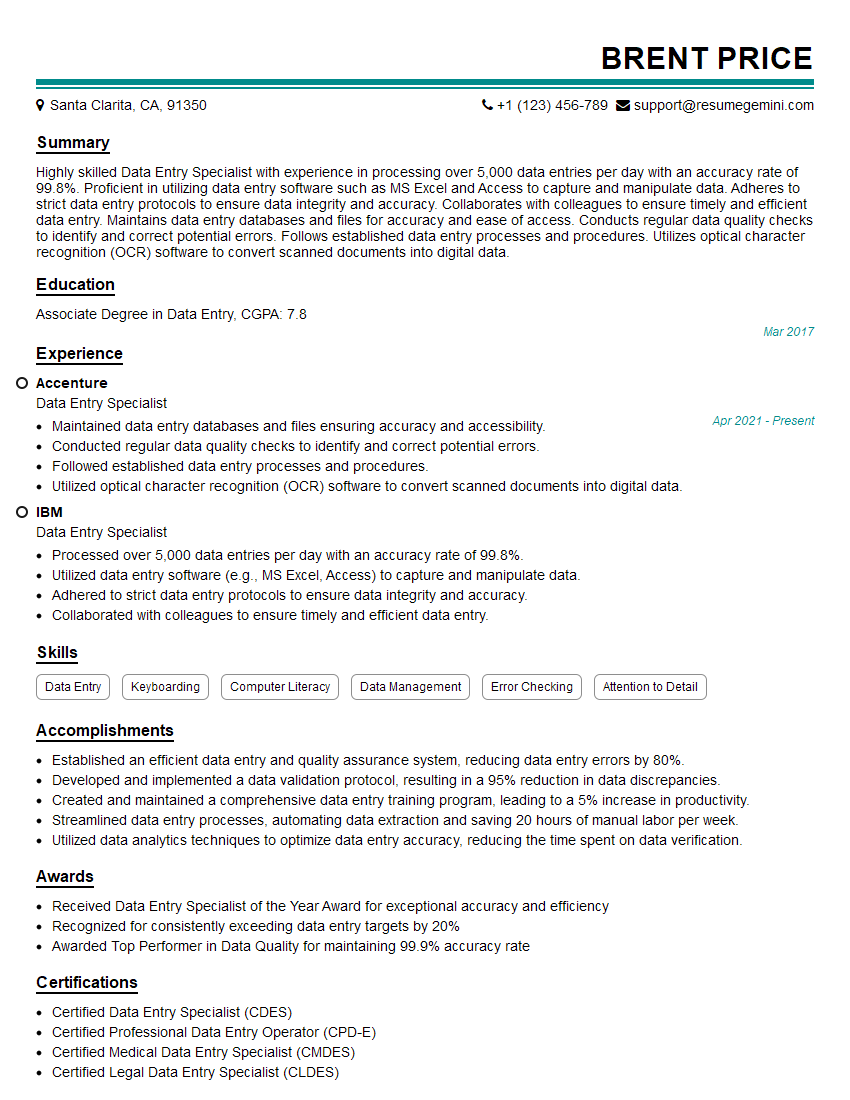
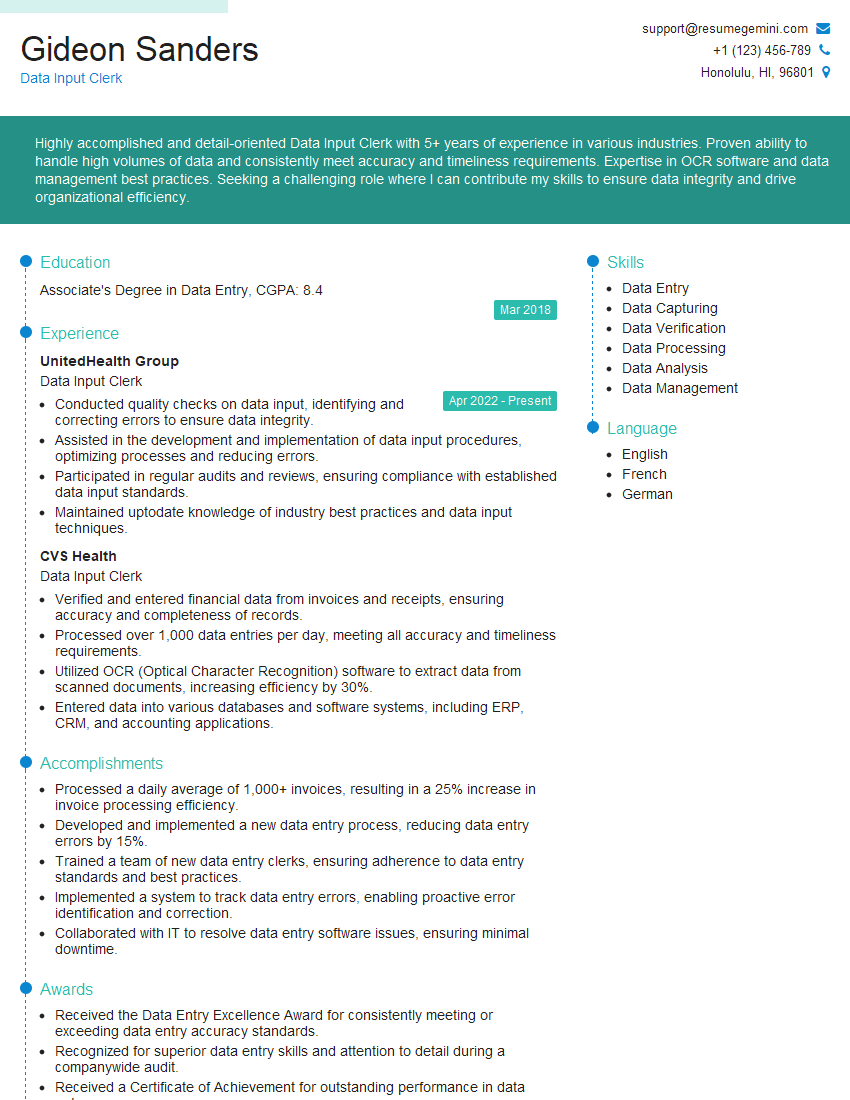
Mastering the ability to input and correct scoring data accurately and efficiently is crucial for success in many data-driven roles, leading to enhanced career prospects and increased job satisfaction. A well-crafted resume is your key to showcasing these skills. To maximize your chances, create an ATS-friendly resume that highlights your proficiency in these areas. ResumeGemini is a trusted resource to help you build a professional and impactful resume, tailored to your specific skills and experience. Examples of resumes tailored to highlight “Ability to Input and Correct Scoring Data” are available within ResumeGemini to guide your resume creation process.
Explore more articles
Users Rating of Our Blogs
Share Your Experience
We value your feedback! Please rate our content and share your thoughts (optional).
What Readers Say About Our Blog
Very informative content, great job.
good