Unlock your full potential by mastering the most common Ability to interpret technical specifications interview questions. This blog offers a deep dive into the critical topics, ensuring you’re not only prepared to answer but to excel. With these insights, you’ll approach your interview with clarity and confidence.
Questions Asked in Ability to interpret technical specifications Interview
Q 1. Explain the difference between functional and non-functional requirements in technical specifications.
Functional requirements define what a system should do, while non-functional requirements specify how it should do it. Think of it like ordering a cake: functional requirements are like specifying the flavors and layers (e.g., chocolate cake with vanilla buttercream frosting, three layers), while non-functional requirements are the constraints on how the cake is made (e.g., it must be gluten-free, it needs to be ready by 3 pm, it must serve 20 people).
Functional Requirements: These are specific features and functionalities the system must possess. Examples include: ‘The system should allow users to log in using their email address and password’, ‘The application should calculate the total cost of items in a shopping cart’, ‘The software should send email notifications to users upon order completion’.
Non-Functional Requirements: These describe qualities and constraints like performance, security, usability, and scalability. Examples include: ‘The system should respond to user requests within 2 seconds’, ‘The application should be secure against SQL injection attacks’, ‘The system should be easy to use for users with limited technical expertise’, ‘The database should be able to handle 1000 concurrent users’.
Understanding this distinction is crucial for effective software development. Neglecting non-functional requirements can lead to a system that works but is slow, insecure, or unusable.
Q 2. How do you identify ambiguities or inconsistencies in technical specifications?
Identifying ambiguities and inconsistencies in technical specifications requires careful review and analysis. My process involves several steps:
- Thorough Reading: I read the specifications multiple times, paying close attention to each detail. I often use a highlighter to mark key points and potential problem areas.
- Cross-Referencing: I check for consistency across different sections of the document. Contradictions or conflicting statements are highlighted.
- Use Case Analysis: I try to walk through different user scenarios to identify any gaps or unclear instructions. This often reveals hidden ambiguities.
- Requirement Traceability Matrix: Creating a traceability matrix helps in identifying gaps and overlaps in requirements. This matrix links requirements to design elements, test cases, and other artifacts ensuring completeness.
- Clarification with Stakeholders: I don’t hesitate to ask clarifying questions if anything is unclear or inconsistent. It’s crucial to engage with the stakeholders to resolve ambiguities collaboratively.
For example, if one section states the system must support 1000 concurrent users and another mentions a limitation on database capacity of only 500 users, this represents a clear inconsistency that needs resolution.
Q 3. Describe your process for translating technical specifications into a practical implementation plan.
Translating technical specifications into a practical implementation plan requires a structured approach. My process typically involves:
- Requirement Decomposition: Breaking down high-level requirements into smaller, manageable tasks. This often involves creating a Work Breakdown Structure (WBS).
- Task Prioritization: Prioritizing tasks based on dependencies, criticality, and deadlines (more on this in Question 5).
- Resource Allocation: Assigning tasks to team members based on their skills and availability.
- Timeline and Milestones: Establishing a realistic project timeline with clearly defined milestones for tracking progress.
- Risk Assessment: Identifying potential risks and developing mitigation strategies.
- Technology Stack Selection: Choosing appropriate technologies and tools to meet the requirements.
- Documentation: Maintaining comprehensive documentation throughout the entire process.
For instance, if a requirement states ‘implement a secure user authentication system’, it would be decomposed into tasks such as ‘design database schema for users’, ‘develop user registration and login modules’, ‘implement password hashing algorithm’, and ‘integrate with a third-party authentication service (if applicable)’.
Q 4. How do you handle conflicting requirements within a set of technical specifications?
Conflicting requirements are a common challenge in software development. Handling them requires a systematic approach:
- Identify and Document Conflicts: Clearly identify all conflicting requirements and document them with supporting evidence from the specification.
- Analyze the Root Cause: Determine the source of the conflict. This might involve understanding the different stakeholders’ priorities and perspectives.
- Prioritize and Negotiate: Prioritize the conflicting requirements based on their importance and feasibility. This often involves negotiation with stakeholders to find a compromise. Using tools like MoSCoW (Must have, Should have, Could have, Won’t have) can help prioritize.
- Document Resolutions: Document the resolution to each conflict, ensuring everyone is informed and agrees on the chosen approach. This avoids future misunderstandings.
- Update Specifications: Update the technical specifications to reflect the agreed-upon resolutions.
For example, if a client requests both maximum performance and minimal resource usage, these are conflicting. A potential resolution might involve prioritizing performance for critical functionalities and optimizing resource use for less critical aspects.
Q 5. How would you prioritize tasks based on the information provided in technical specifications?
Prioritizing tasks based on technical specifications requires a combination of techniques. I typically consider these factors:
- Dependencies: Tasks with no dependencies are prioritized first. This creates a clear path forward.
- Criticality: Tasks that are essential for core functionality are prioritized over less critical ones. This ensures the system’s most important features are delivered first.
- Risk: Tasks with higher risk of failure are prioritized to address potential issues early on. This minimizes the impact of potential setbacks.
- Time Constraints: Tasks with tight deadlines are given higher priority to ensure timely delivery.
- Cost: Balancing cost and benefit helps make the most of resources.
I often use techniques like the MoSCoW method (Must have, Should have, Could have, Won’t have) or a simple prioritization matrix to visually organize and rank tasks. This ensures we focus on what matters most, first.
Q 6. What tools or techniques do you use to analyze complex technical specifications?
Analyzing complex technical specifications often requires more than just careful reading. I leverage several tools and techniques:
- Mind Mapping: Creating mind maps helps visualize the relationships between different requirements and identify potential gaps or inconsistencies.
- Requirement Traceability Matrices: These matrices link requirements to design elements, test cases, and other artifacts to ensure comprehensive coverage.
- Data Flow Diagrams (DFDs): These diagrams visually represent the flow of data through a system, helping to understand system behavior and identify potential issues.
- Use Case Diagrams: These diagrams illustrate how users interact with the system, providing a clear understanding of the system’s functionalities.
- Collaboration Tools: Using collaborative platforms (e.g., Confluence, SharePoint) facilitates effective communication and ensures everyone has access to the latest version of the specifications.
The choice of tools depends on the complexity of the specifications and the project’s requirements. For example, a simple project might only need mind maps, while a large, complex project might require the use of a combination of these tools and techniques.
Q 7. How do you ensure you understand all aspects of a technical specification before starting work?
Ensuring a complete understanding of technical specifications before starting work is paramount. My approach includes:
- Multiple Readings: I read the specifications multiple times, each time focusing on different aspects. This helps me catch inconsistencies and areas that need clarification.
- Active Questioning: I actively seek clarification from stakeholders on anything unclear or ambiguous. This is crucial for preventing costly mistakes later on.
- Scenario Walkthroughs: I work through different user scenarios and edge cases to identify potential issues or missing requirements.
- Proofreading and Review: I carefully review the specifications for completeness, accuracy, and consistency. Peer review can also be beneficial here.
- Reviewing Related Documentation: I review any related documentation such as architecture diagrams, design documents, or API specifications to get a more holistic understanding of the project.
By employing this methodical approach, I ensure that all aspects of the specifications are thoroughly understood before beginning the implementation phase, minimizing the risk of costly rework and ensuring a successful project outcome.
Q 8. Have you ever had to work with incomplete or poorly written technical specifications? How did you handle it?
Incomplete or poorly written technical specifications are unfortunately common. My approach involves a multi-step process focusing on clarification and risk mitigation. First, I meticulously analyze the existing documentation, identifying areas of ambiguity or missing information. I then create a list of clarifying questions, prioritizing those impacting critical functionalities. I proactively engage with the stakeholders – engineers, designers, product owners – to resolve these ambiguities. If direct communication is impossible, I make educated assumptions based on best practices and industry standards, clearly documenting these assumptions as potential risks. This ensures transparency and allows for easy backtracking should my assumptions prove incorrect. Finally, I implement a robust testing strategy to validate my interpretations and identify any unforeseen issues early in the development cycle. For example, in a past project involving a poorly defined API specification, I clarified the expected data format and error handling through direct communication, ultimately preventing integration issues later on.
Q 9. Describe a time you identified a critical error or omission in technical specifications. What was your approach?
During the development of a real-time data processing system, I discovered a critical omission in the specifications regarding data security. The document lacked any mention of encryption or secure transmission protocols for sensitive data. My approach involved immediately raising a red flag to the project lead and explaining the potential security risks, including non-compliance with data privacy regulations. I presented a detailed risk assessment highlighting the potential financial and reputational damage from a data breach. I then proposed concrete solutions, such as implementing end-to-end encryption and secure authentication mechanisms. This proactive approach prevented a significant security vulnerability and ensured the system was compliant with industry best practices. The collaborative nature of addressing this omission with my team emphasized the importance of clear specifications in ensuring a secure product.
Q 10. Explain how you would verify the accuracy of a technical specification against an implemented system.
Verifying the accuracy of a technical specification against an implemented system requires a systematic approach. I typically start by creating a detailed test plan based on the specifications. This plan outlines specific test cases designed to validate each requirement. I then use a combination of automated testing and manual testing techniques to execute the plan. Automated tests are great for repetitive checks, such as verifying data formats or API responses. Manual tests are more useful for evaluating subjective aspects, like usability or performance. The results are meticulously documented, comparing the actual system behavior against the expected behavior as defined in the specifications. Any discrepancies are carefully analyzed, determining whether they represent an error in the implementation or an inaccuracy in the specification itself. This process might involve using tools like automated API testing frameworks (e.g., Postman) or database query tools to compare data against expectations. The iterative nature of this testing and verification allows for continuous improvement in both the specification and the implemented system.
Q 11. How do you effectively communicate complex technical information derived from specifications to non-technical stakeholders?
Communicating complex technical information derived from specifications to non-technical stakeholders requires a clear and concise approach. I avoid using jargon and instead opt for simple, relatable analogies. For example, instead of explaining complex database schemas, I might use the analogy of a well-organized filing cabinet. I also prioritize visualization – using diagrams, flowcharts, and mockups to illustrate key concepts. A well-structured presentation with clear takeaways is essential, and I always tailor the content to the audience’s level of understanding. In a past project, I successfully explained the benefits of a new software architecture to senior management using a simple visual representation of the improved workflow and a focus on cost savings and efficiency gains. By focusing on the “what” and “why,” not just the “how,” I effectively bridged the communication gap and secured approval for the project.
Q 12. What are some common pitfalls to avoid when interpreting technical specifications?
Several common pitfalls exist when interpreting technical specifications. One major issue is making assumptions without verification. It’s crucial to always seek clarification when something is unclear rather than making educated guesses that might lead to errors down the line. Another common pitfall is overlooking edge cases or boundary conditions. Specifications often focus on the typical use cases, but it’s essential to consider the less common situations and ensure the system behaves as expected. Failing to recognize the version or revision of the specification can also cause issues. Ensuring that everyone is working from the same, most up-to-date version is crucial. Finally, neglecting the context of the specification itself can lead to misinterpretations. Understanding the overall goals and constraints of the project is essential for accurate interpretation. Regularly reviewing and discussing the specification with stakeholders help mitigate these pitfalls.
Q 13. How do you stay up-to-date with evolving technical specifications and standards within your field?
Staying up-to-date with evolving technical specifications and standards is vital in my field. I leverage several strategies to ensure my knowledge remains current. Firstly, I actively participate in industry conferences, workshops, and webinars to learn about the latest advancements and best practices. Secondly, I regularly read relevant technical journals, blogs, and online publications to stay informed about new standards and emerging technologies. Subscribing to newsletters and following key influencers on social media also helps me stay abreast of important developments. Engaging with online communities and forums allows me to share knowledge and learn from others. Finally, I actively participate in professional development courses and certifications to deepen my understanding of specific technologies and standards. Continuous learning is a cornerstone of my professional growth and ensures that my interpretations of specifications are always based on the most current information.
Q 14. Describe your experience with different types of technical specifications (e.g., UML diagrams, flowcharts, etc.).
I have extensive experience with various types of technical specifications, including UML diagrams, flowcharts, data dictionaries, and API specifications. UML diagrams, like class diagrams and sequence diagrams, are invaluable for understanding the structure and behavior of object-oriented systems. Flowcharts provide a visual representation of processes and workflows, making complex logic easier to grasp. Data dictionaries define the structure and meaning of data elements, ensuring consistent data handling. API specifications, often using formats like OpenAPI or Swagger, detail how different software components interact. I’m proficient in interpreting each of these, choosing the appropriate one based on the context. My experience in using these diverse tools allows me to adapt effectively to different specification styles, ensuring thorough understanding and effective implementation. For instance, while working on a microservices architecture, I utilized both UML sequence diagrams to model interactions between services and OpenAPI specifications to define the APIs.
Q 15. Can you explain the importance of traceability in technical specifications?
Traceability in technical specifications is crucial for ensuring that every requirement, design decision, and implementation detail can be linked back to its origin and impact. Think of it like a detailed roadmap for the entire project. Without it, you risk losing track of changes, making inconsistent decisions, and ultimately, delivering a product that doesn’t meet its intended purpose.
For example, if a specific performance requirement (e.g., response time under 200ms) is traced to a specific user story or business need, any changes to that requirement will have a clearly defined impact, and stakeholders can assess the consequences. This allows for easier debugging, better change management, and improved quality control. Lack of traceability leads to confusion, rework, and higher costs.
- Requirement Traceability Matrix (RTM): This is a common tool that maps requirements to design elements, code modules, test cases, and other project artifacts. It provides a clear picture of how every element fits within the bigger picture.
- Version Control Systems (like Git): These systems help track changes to specifications over time, making it easy to see who made a change, why, and when.
Career Expert Tips:
- Ace those interviews! Prepare effectively by reviewing the Top 50 Most Common Interview Questions on ResumeGemini.
- Navigate your job search with confidence! Explore a wide range of Career Tips on ResumeGemini. Learn about common challenges and recommendations to overcome them.
- Craft the perfect resume! Master the Art of Resume Writing with ResumeGemini’s guide. Showcase your unique qualifications and achievements effectively.
- Don’t miss out on holiday savings! Build your dream resume with ResumeGemini’s ATS optimized templates.
Q 16. How would you approach the task of creating a test plan based on the information given in technical specifications?
Creating a test plan from technical specifications involves a systematic approach. First, I carefully review the specifications to identify all functional and non-functional requirements. Functional requirements define what the system *should do*, while non-functional requirements describe how it *should perform* (e.g., performance, security, scalability).
Next, I create test cases for each requirement. This might involve writing unit tests for individual components, integration tests to verify interactions between components, system tests to validate overall system functionality, and user acceptance tests (UAT) to ensure the system meets user needs. Test data is crucial and should be designed to cover all possible scenarios, including edge cases and boundary conditions.
Finally, I organize the test cases into test suites and a test plan that outlines the testing strategy, schedule, resources, and reporting methods. The plan should be reviewed and approved by stakeholders before testing begins. Throughout the process, I maintain traceability between test cases and the specific requirements they are designed to verify, ensuring comprehensive test coverage.
Q 17. How do you manage the process of clarifying ambiguities or seeking clarification on uncertain aspects of technical specifications?
Ambiguities and uncertainties in technical specifications are inevitable. My approach involves proactive communication and documentation. Firstly, I meticulously review the specifications and note down any unclear or potentially conflicting statements. I then create a list of questions or clarification points, prioritizing those with the most significant potential impact on the project.
Then, I engage with the relevant stakeholders (e.g., clients, architects, designers) through meetings, emails, or issue tracking systems. I clearly articulate my questions and concerns, providing context and proposing possible interpretations. The discussion is documented so that everyone agrees upon the interpretation of ambiguous or uncertain aspects. Any updated information or agreed-upon interpretation becomes part of the official specifications, ensuring clarity and consistency for the entire team.
Q 18. Describe your experience with using different software tools for reviewing and managing technical specifications.
I have extensive experience using various software tools for reviewing and managing technical specifications. My experience includes using:
- Microsoft Word and Google Docs: For collaborating on and editing specifications documents.
- Confluence and SharePoint: For version control, collaborative editing, and central storage of documentation.
- Jira and other issue tracking systems: To manage and track clarifications, change requests, and other issues related to specifications.
- Specialized requirements management tools (e.g., Jama Software, Polarion): These tools offer more advanced features for traceability, version control, and impact analysis of changes to the specifications.
The choice of tool depends on the project’s size, complexity, and team’s preferences. For small projects, simple tools like Google Docs may suffice; for larger, more complex projects, specialized tools might be necessary.
Q 19. How would you handle a situation where you discover a discrepancy between the technical specifications and the client’s expectations?
Discovering a discrepancy between the technical specifications and the client’s expectations is a serious issue that needs prompt attention. My first step is to thoroughly document the discrepancy, including evidence from the specifications and clear articulation of the client’s expectation. This involves documenting the specific sections of the technical specifications that appear to contradict the client’s expressed needs.
Next, I convene a meeting with the relevant stakeholders (client representatives, project manager, development team) to discuss the discrepancy. The goal of the meeting is to understand the root cause of the mismatch – was it due to an error in the specifications, a miscommunication, or a changing requirement? We will collaboratively analyze the situation, evaluate the impact, and explore different resolution strategies. This might involve revising the technical specifications, adjusting the project scope, or negotiating a compromise.
Throughout this process, meticulous documentation is vital. Any changes made to the specifications, agreements reached, and decisions taken are recorded and communicated to all stakeholders. Transparency and open communication are critical to resolving the issue successfully and maintaining a positive relationship with the client.
Q 20. What is your approach to managing changes and updates to technical specifications during a project?
Managing changes to technical specifications requires a formal and well-defined process. I advocate for a change management system that includes clearly defined roles, responsibilities, and procedures. All changes should be documented, reviewed, and approved before implementation. This ensures traceability and minimizes the risk of errors or inconsistencies.
Specifically, any requested change must be submitted as a formal change request, clearly outlining the proposed modification, the rationale behind the change, and the potential impact on the project schedule and budget. The change request will then go through a formal review process which may include impact assessments, and then be approved or rejected. If approved, the specifications are updated, and the change is communicated to all relevant parties. Version control and traceability mechanisms are critical to ensure that everyone works with the latest version of the specifications.
Q 21. How do you ensure that the technical specifications are aligned with overall project goals and objectives?
Aligning technical specifications with overall project goals and objectives is paramount. This starts with a thorough understanding of the project’s vision, mission, and key performance indicators (KPIs). Before writing any technical specifications, I ensure that I have a clear understanding of these aspects. I would work with stakeholders (project managers, business analysts, clients) to ensure that the requirements fully support the project objectives.
The specifications themselves should clearly articulate how the different functional and non-functional requirements contribute to achieving the project’s goals. For example, a specification for a high-availability system would clearly link to the project’s objective of minimizing downtime and maintaining business continuity. This ensures all efforts are focused on the actual needs and not unnecessary features. Regular reviews and feedback sessions with stakeholders help maintain this alignment throughout the project lifecycle.
Q 22. Explain your understanding of different specification formats and their strengths and weaknesses.
Technical specifications come in various formats, each with its own strengths and weaknesses. Choosing the right format depends heavily on the project’s complexity, team size, and the target audience.
- Natural Language: This is the most common format, using plain English (or another language) to describe the system’s requirements. Strengths: Readable and easily understood by a wide range of stakeholders. Weaknesses: Prone to ambiguity and inconsistencies; difficult to automate verification.
- Structured Natural Language: This improves upon natural language by using templates and standardized phrases to ensure consistency and reduce ambiguity. Strengths: More precise than plain natural language, easier to analyze. Weaknesses: Still susceptible to interpretation issues; requires careful template design.
- Formal Specification Languages (e.g., Z, VDM, UML): These use formal notations to describe the system precisely and unambiguously. Strengths: Highly rigorous, enabling formal verification and analysis to identify potential flaws early on. Weaknesses: Steep learning curve, requires specialized tools and expertise; can be less accessible to non-technical stakeholders.
- Tables and Diagrams: These are often used in conjunction with other formats to illustrate specific aspects of the system, such as data structures or workflows. Strengths: Visually appealing and easy to understand at a glance; good for representing complex relationships. Weaknesses: Can lack detail; may not be suitable for complex logic.
For example, in a small project involving only a few developers, plain natural language might suffice. However, for large-scale software development with multiple teams and external stakeholders, a combination of structured natural language and UML diagrams would likely be more appropriate to maintain clarity and consistency.
Q 23. Describe your experience in working with stakeholders to refine and improve the clarity of technical specifications.
Refining technical specifications often involves close collaboration with stakeholders. My approach centers around active listening, iterative feedback loops, and clear communication. I typically begin by conducting workshops or interviews to gather requirements from various stakeholders – engineers, designers, product managers, and clients. This helps identify areas of conflict or misunderstanding early on.
I then translate these requirements into a preliminary draft of the specifications. This draft undergoes several rounds of review and feedback, where each stakeholder’s input is carefully considered. We use collaborative tools to track changes and facilitate discussion. I actively seek clarification on ambiguous points and strive to present information in a clear, concise, and unambiguous manner, using visual aids like flowcharts and diagrams whenever necessary. For instance, a previous project involved reconciling conflicting requirements between the development team and the marketing team regarding a feature’s functionality. Through a series of collaborative sessions, we reached a consensus that met both teams’ needs, resulting in a clear and improved specification.
Q 24. How do you balance the need for detail in technical specifications with the need for conciseness and readability?
Balancing detail and conciseness in technical specifications is crucial. Overly detailed specifications can be cumbersome and lead to analysis paralysis, while overly concise specifications may lack the necessary information for accurate implementation. My strategy involves a layered approach.
The high-level specifications provide an overview of the system’s architecture, functionalities, and interfaces. This is intended for a broader audience and focuses on the ‘what’ rather than the ‘how’. Then, I create lower-level specifications that delve into the details of individual components and modules, providing enough information for developers to build the system effectively. This includes algorithms, data structures, and specific implementation details. To improve readability, I use clear and consistent terminology, break down complex information into smaller, manageable sections, and include examples and illustrations.
Think of it like building instructions for a piece of furniture: the overall assembly guide is concise and shows the big picture, while individual steps for each component provide detailed instructions.
Q 25. Describe your experience in identifying and mitigating potential risks associated with ambiguities in technical specifications.
Ambiguities in technical specifications are a major source of risk, potentially leading to delays, cost overruns, and system malfunctions. My approach involves proactive risk identification and mitigation strategies.
- Formal Reviews: Conducting rigorous reviews of specifications with diverse team members helps identify potential ambiguities and inconsistencies. Using checklists and standardized review processes ensures a thorough examination.
- Prototyping and Simulation: Creating prototypes and running simulations can help validate assumptions and uncover potential issues early in the development process.
- Use Case Analysis: Developing detailed use cases allows us to evaluate the system’s behavior under different scenarios and identify any areas of ambiguity or inconsistency.
- Traceability Matrices: These matrices track the relationship between requirements, design decisions, and test cases. They help ensure that all requirements are addressed and that any changes are properly documented.
For example, in a past project, an ambiguous requirement regarding error handling led to a significant design flaw. Through rigorous testing during the prototype phase, we were able to identify and rectify this flaw before it became a critical issue in the final product.
Q 26. How would you determine the feasibility of implementing a system based on the information in the technical specifications?
Determining the feasibility of a system based on its technical specifications requires a holistic assessment. I assess several key areas:
- Technological Feasibility: Do we have the necessary technologies and expertise to implement the system? This involves evaluating the availability of suitable hardware, software, and skilled personnel.
- Economic Feasibility: Is the project economically viable? This includes considering development costs, maintenance costs, and projected return on investment.
- Schedule Feasibility: Can the system be delivered within the allocated timeframe? This requires careful estimation of development effort and resource allocation.
- Legal and Regulatory Feasibility: Does the system comply with all relevant laws and regulations?
- Operational Feasibility: Can the system be integrated into existing systems and operated effectively? This includes considering security, scalability, and maintainability.
I often employ techniques like cost-benefit analysis, risk assessment, and prototyping to evaluate feasibility. A detailed review of the specifications, focusing on resource requirements and complexity, is crucial for accurate feasibility assessment.
Q 27. Explain your understanding of version control and its importance in managing technical specifications.
Version control is essential for managing technical specifications, particularly in collaborative projects. It allows us to track changes, manage different versions of the specifications, and revert to previous versions if necessary. This ensures consistency, reduces confusion, and facilitates effective collaboration.
We typically use a version control system (VCS) like Git to manage specifications. Each change to the specifications is recorded as a separate revision, making it easy to track the evolution of the document and identify who made which changes. Branching and merging capabilities in Git allow multiple teams to work on different aspects of the specifications concurrently, without interfering with each other’s work. A robust version control system makes it simple to revert to a stable version of the specifications in case of errors or unexpected changes, minimizing potential disruptions to the project.
Furthermore, associating version numbers with the specifications helps ensure that all team members are working with the most up-to-date version and prevents conflicts due to outdated documentation.
Key Topics to Learn for Ability to Interpret Technical Specifications Interview
- Understanding Technical Language and Jargon: Mastering the vocabulary and acronyms used in technical specifications is crucial. Practice translating complex terms into plain language to ensure clear comprehension.
- Diagram and Blueprint Interpretation: Develop your ability to analyze technical drawings, schematics, and flowcharts. Focus on identifying key components, relationships, and potential constraints.
- Identifying Requirements and Constraints: Learn to pinpoint explicit and implicit requirements within the specifications. Understand how to identify limitations, dependencies, and potential conflicts.
- Prioritization and Scope Definition: Practice determining the relative importance of different specifications and understanding how to define the project scope based on the provided information.
- Problem-Solving and Critical Thinking: Develop your ability to identify potential problems or ambiguities within the specifications and propose effective solutions or clarification strategies. Practice asking clarifying questions.
- Practical Application through Case Studies: Work through example technical specifications, focusing on the process of interpretation and problem-solving. This hands-on experience will solidify your understanding.
- Communication of Interpretation: Practice clearly and concisely communicating your interpretation of the specifications to others, both verbally and in writing.
Next Steps
Mastering the ability to interpret technical specifications is paramount for career advancement in many technical fields. It demonstrates crucial analytical and problem-solving skills highly valued by employers. Building an ATS-friendly resume is key to getting your application noticed. ResumeGemini can help you craft a compelling resume that highlights your ability to interpret technical specifications effectively, increasing your chances of landing your dream job. Examples of resumes tailored to showcasing this skill are available – leverage these examples to build your own compelling narrative.
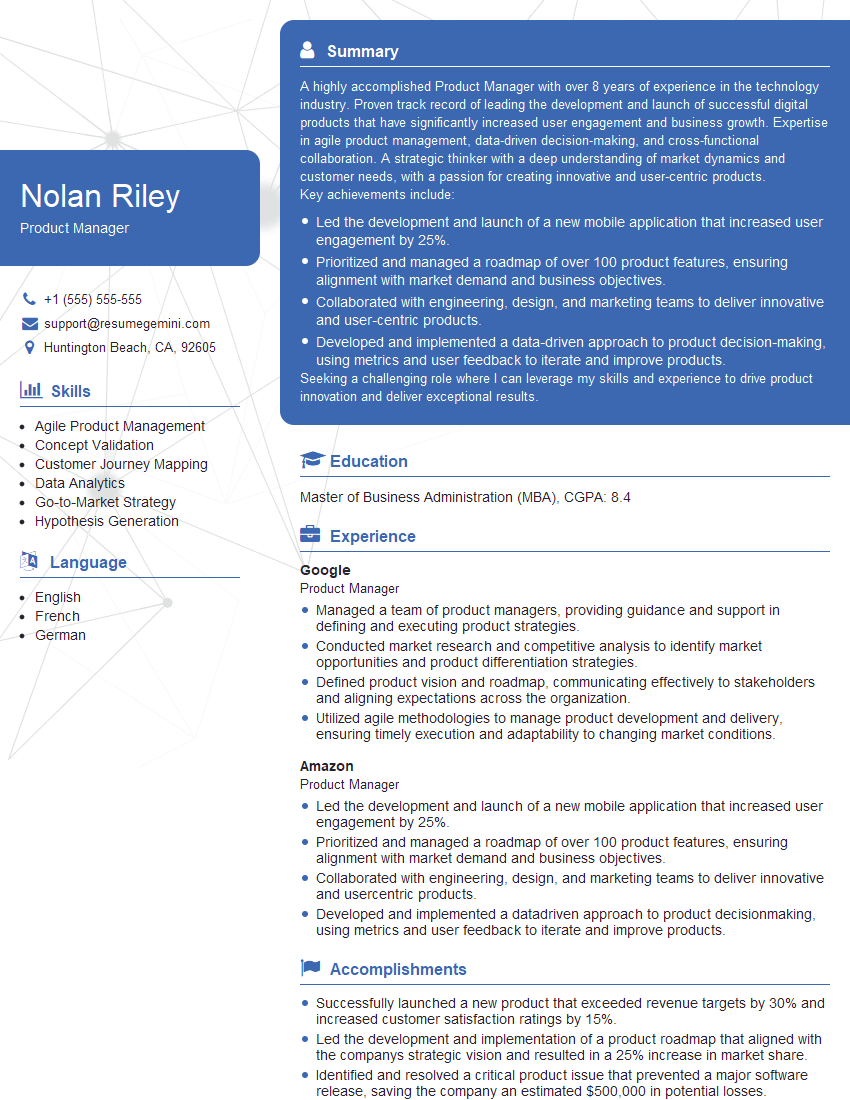
Product Manager Resume Sample

Project Manager Resume Sample
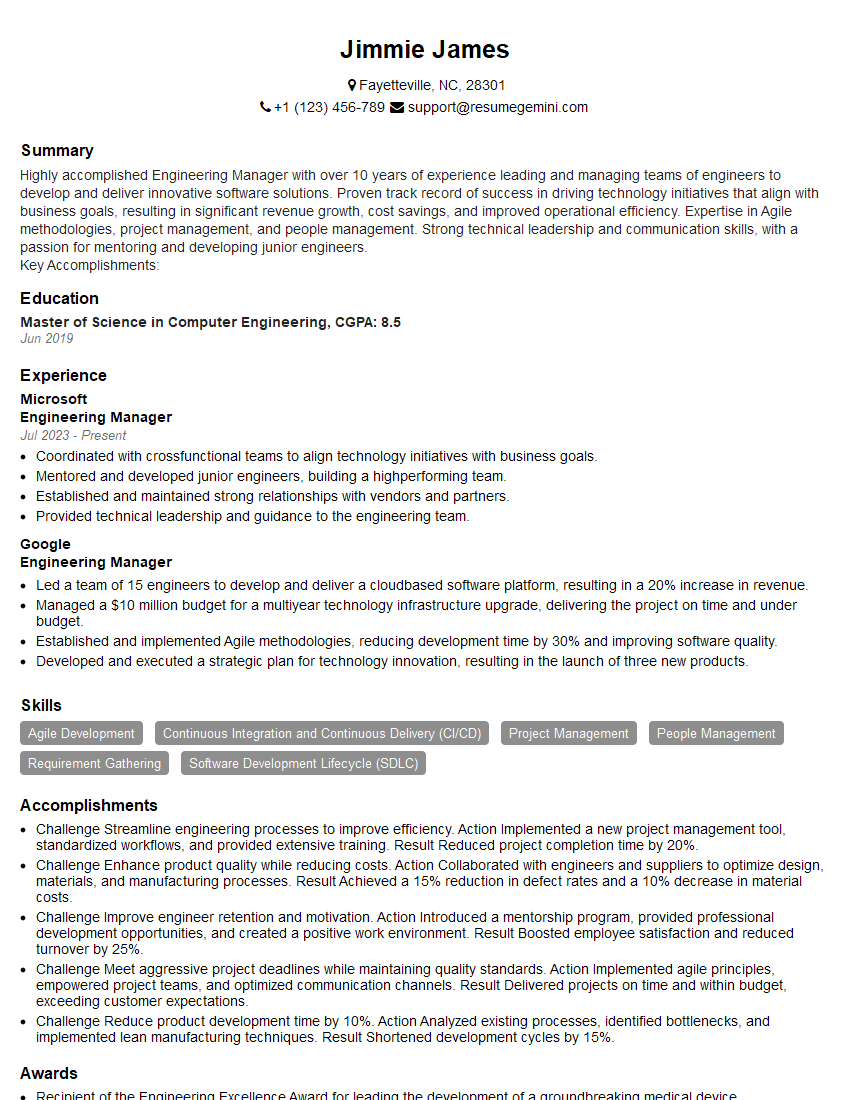
Engineering Manager Resume Sample
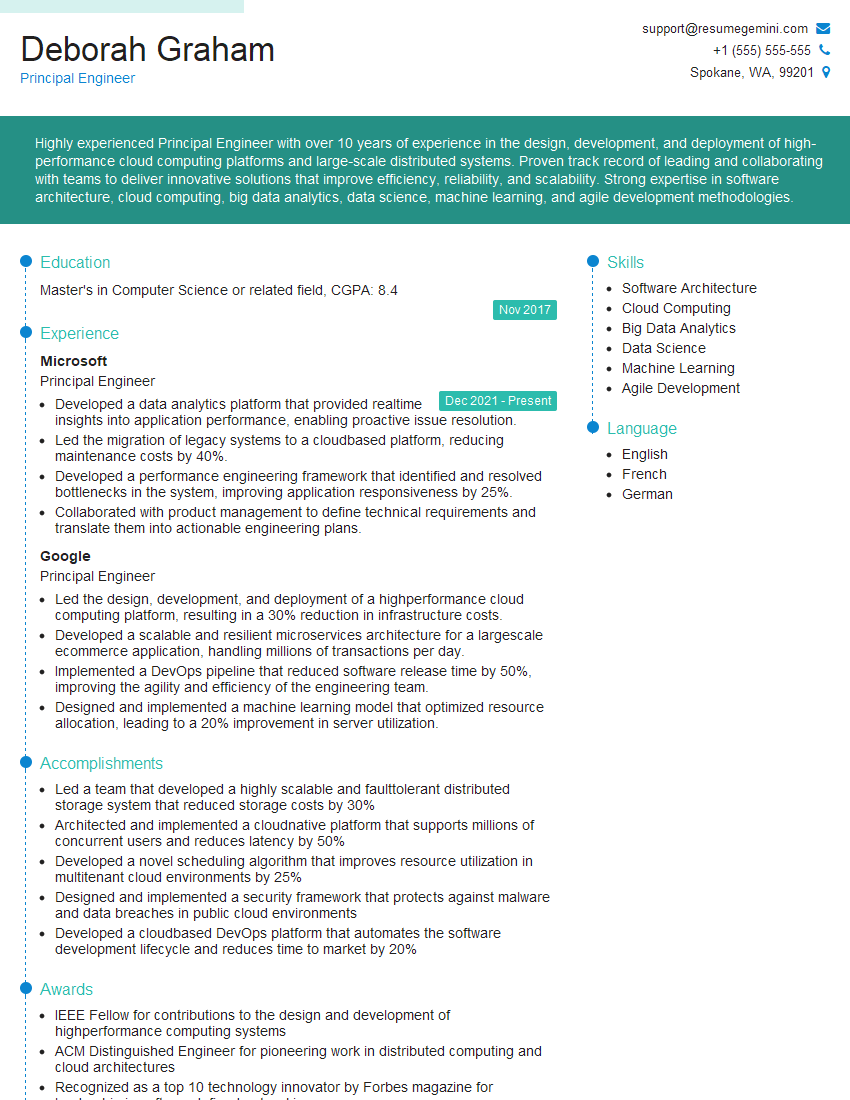
Principal Engineer Resume Sample

Compliance Officer Resume Sample
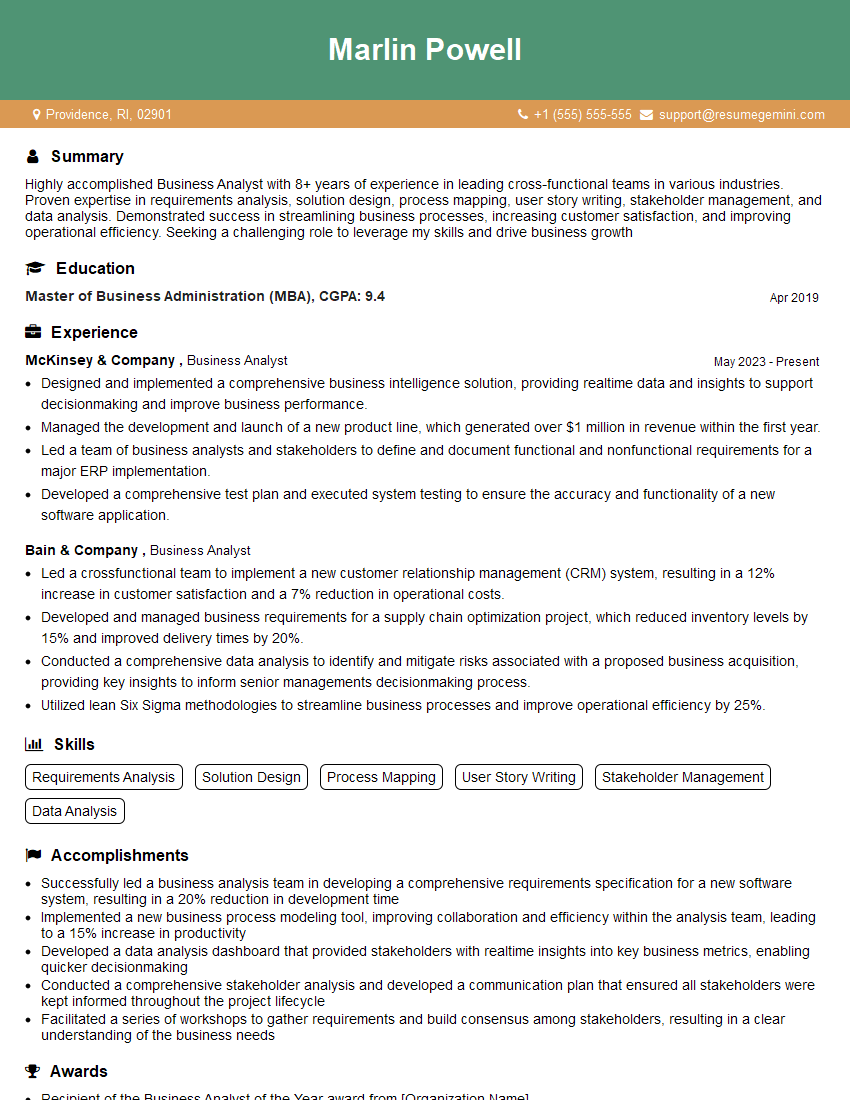
Business Analyst Resume Sample
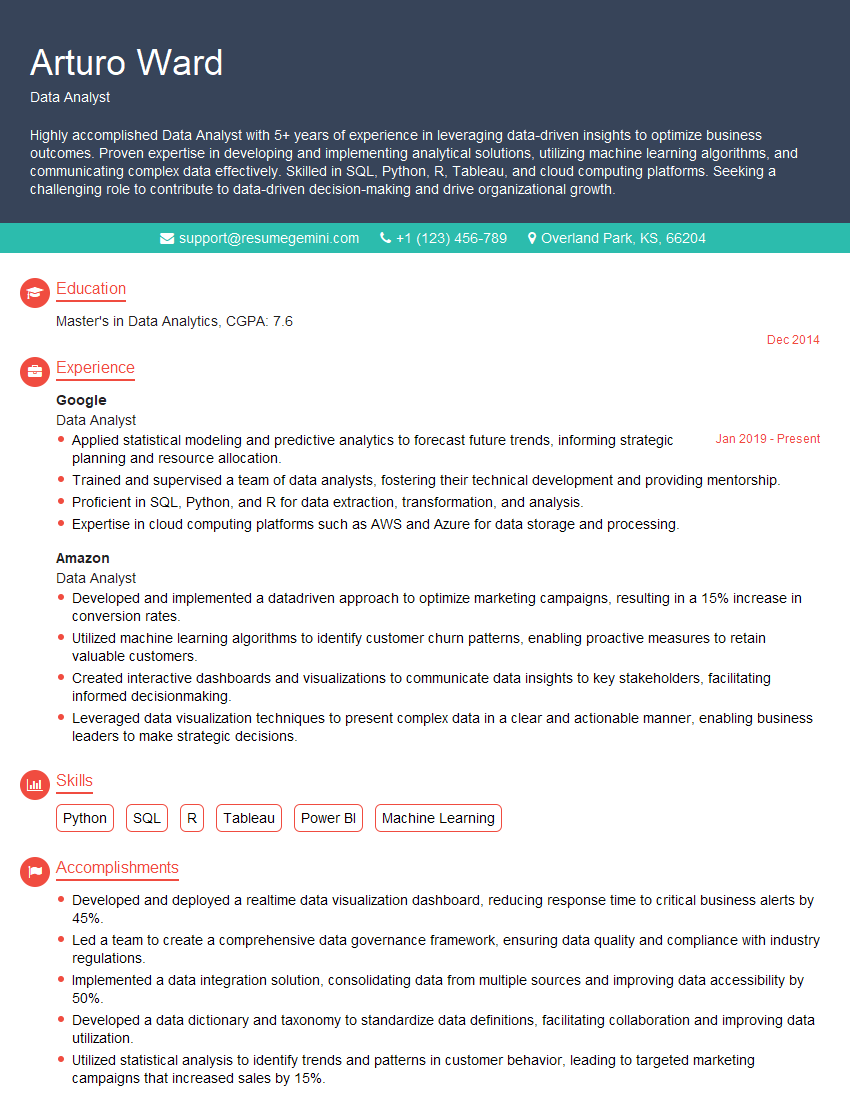
Data Analyst Resume Sample
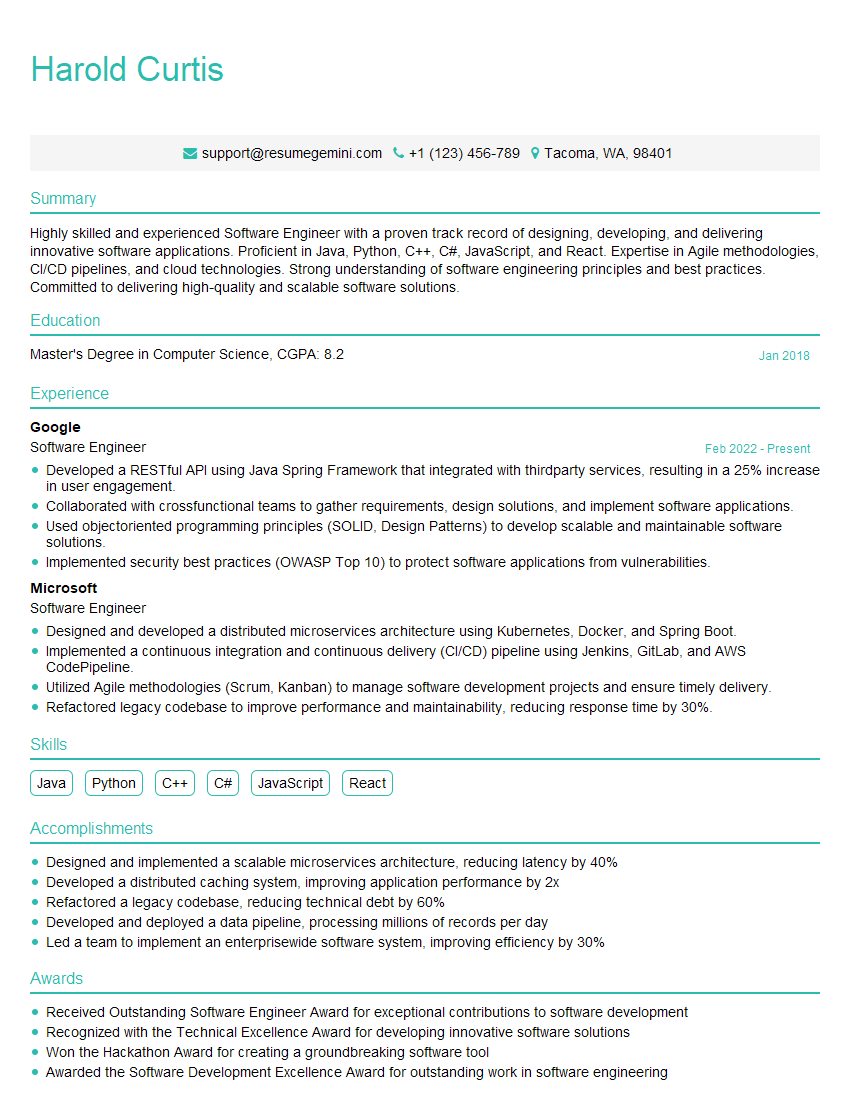
Software Engineer Resume Sample
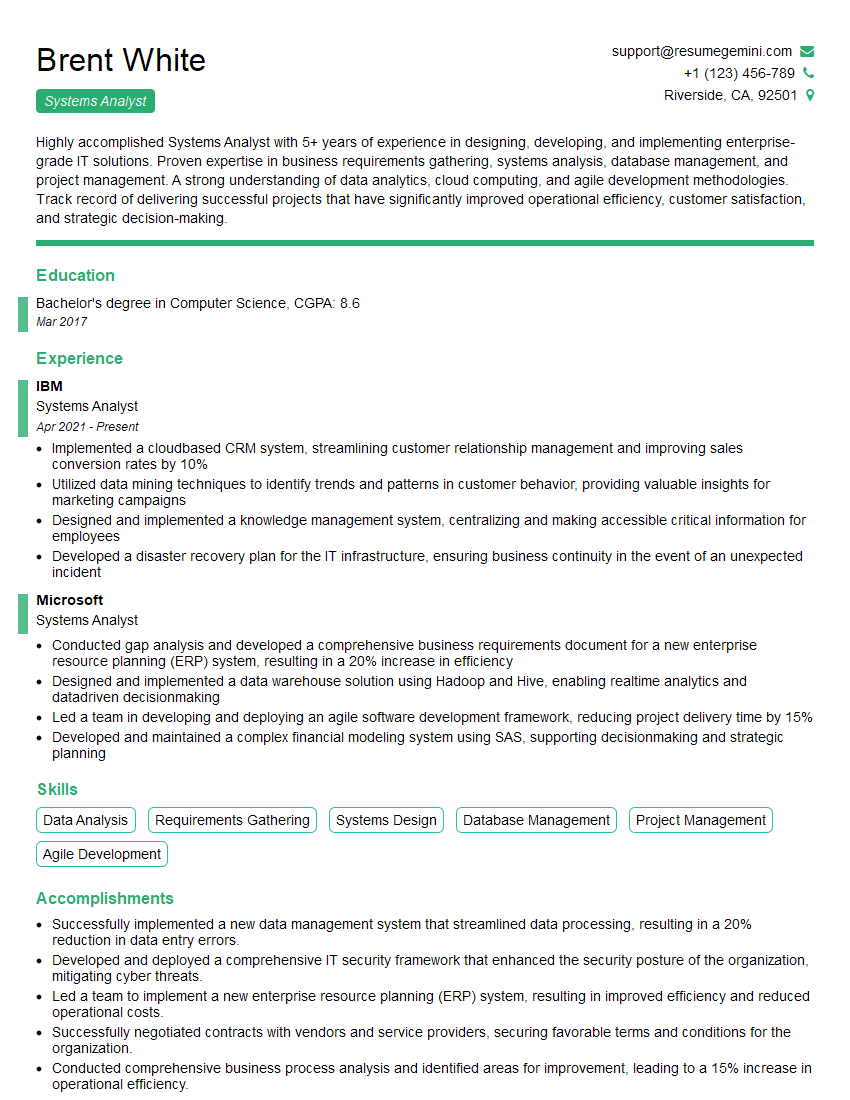
Systems Analyst Resume Sample
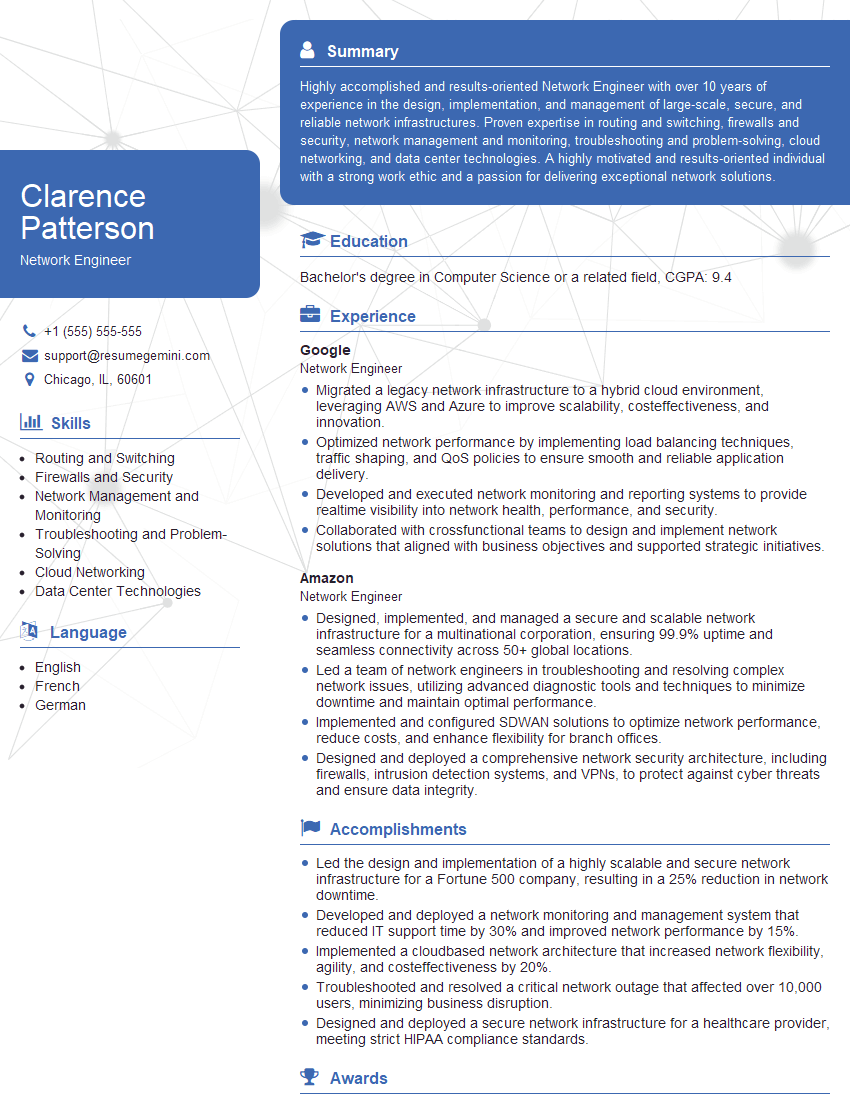
Network Engineer Resume Sample
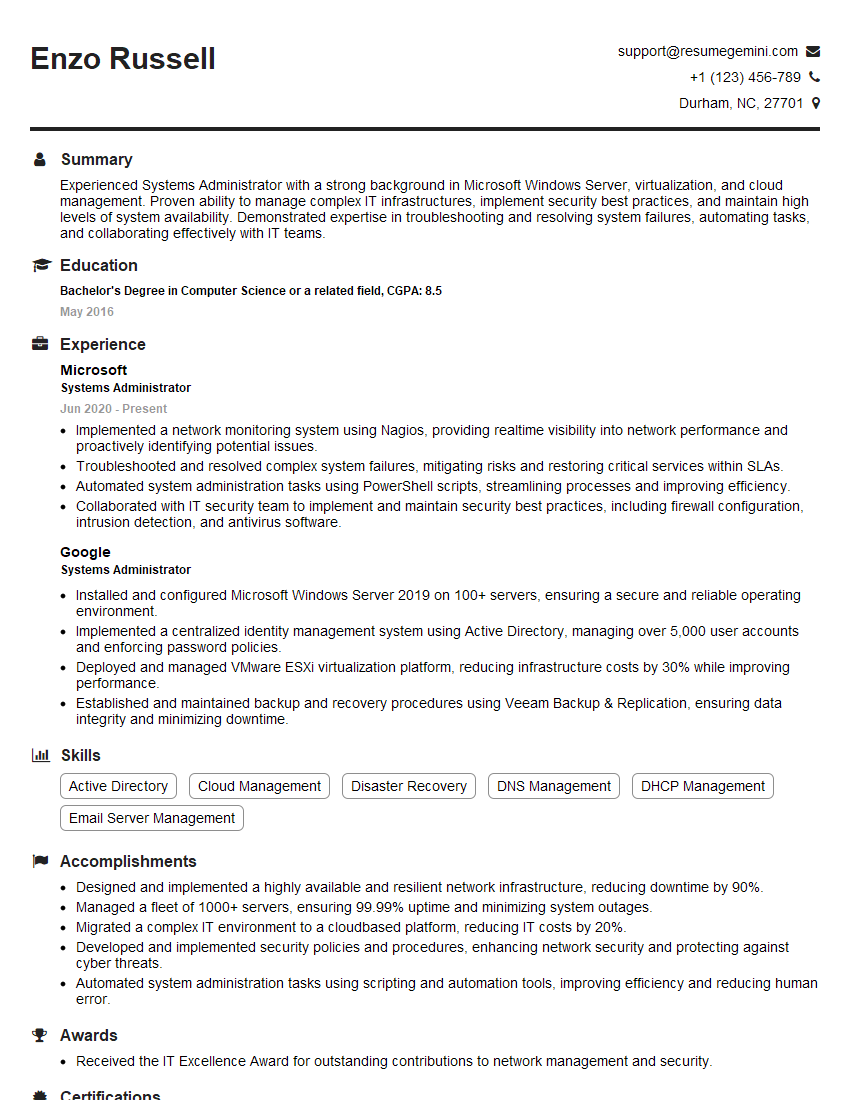
Systems Administrator Resume Sample
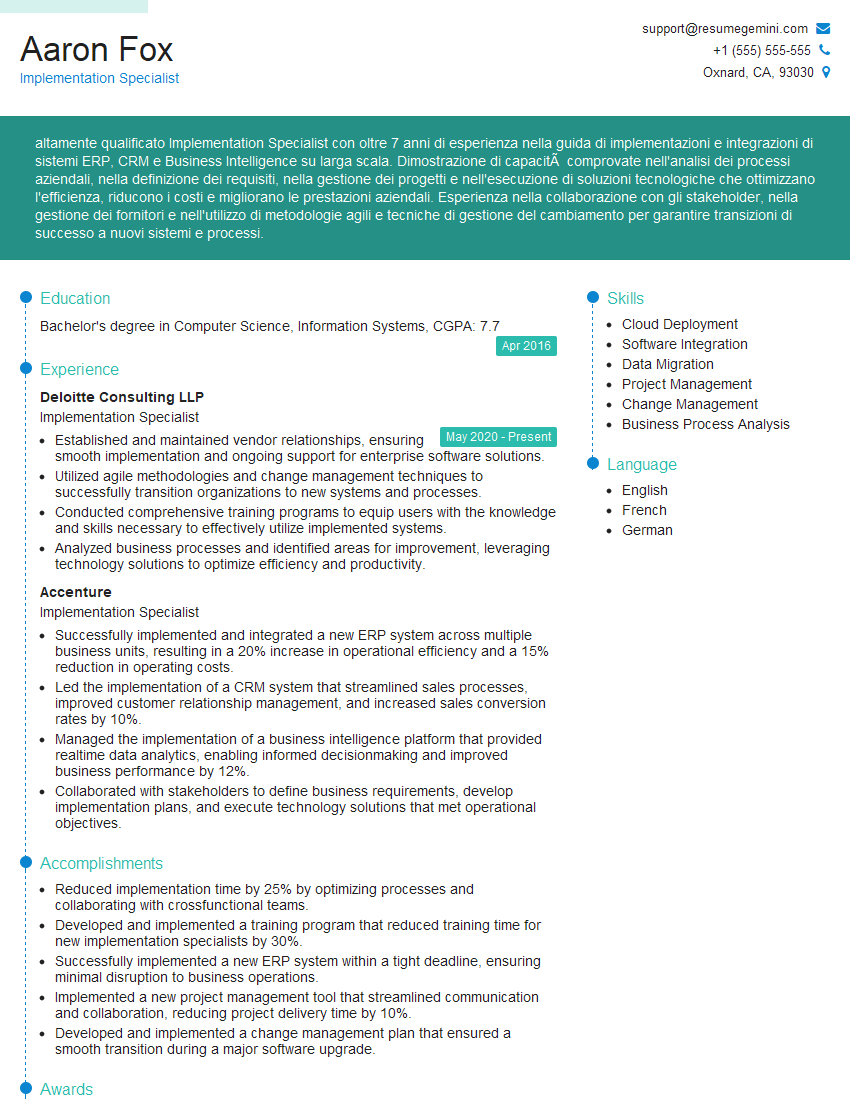
Implementation Specialist Resume Sample
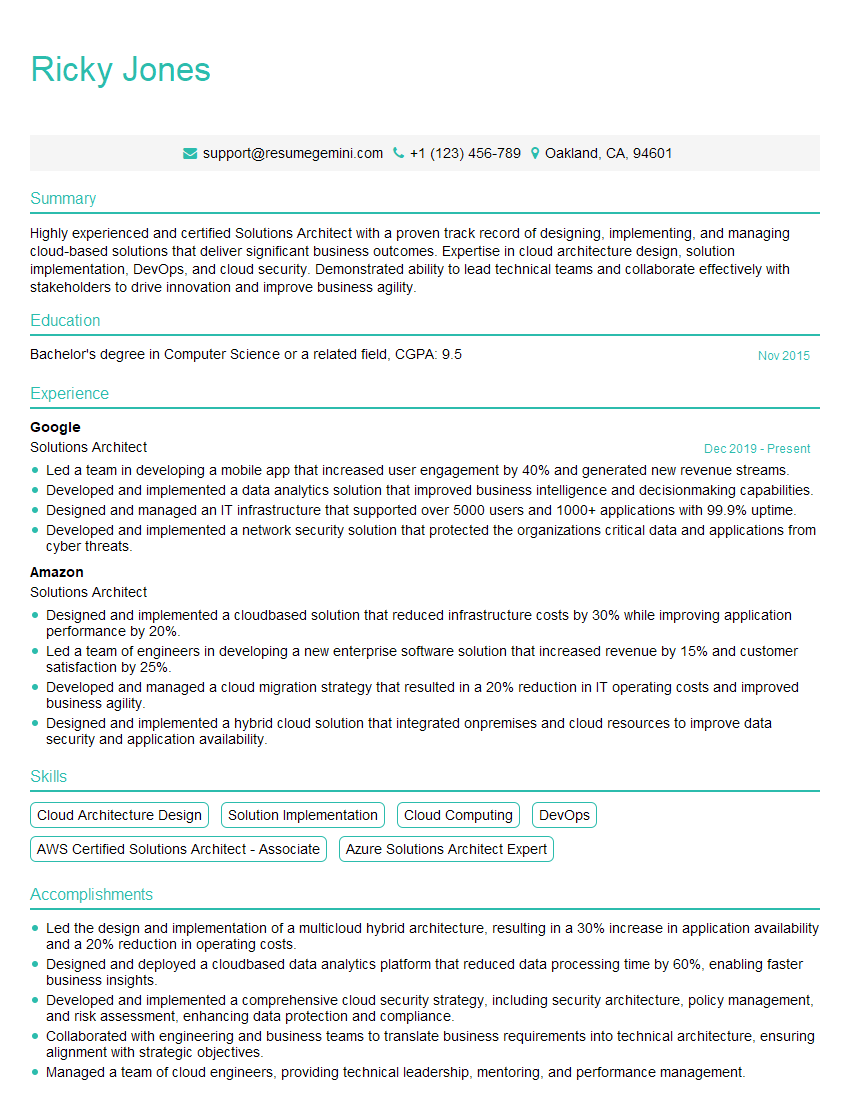
Solutions Architect Resume Sample

Senior Software Engineer Resume Sample
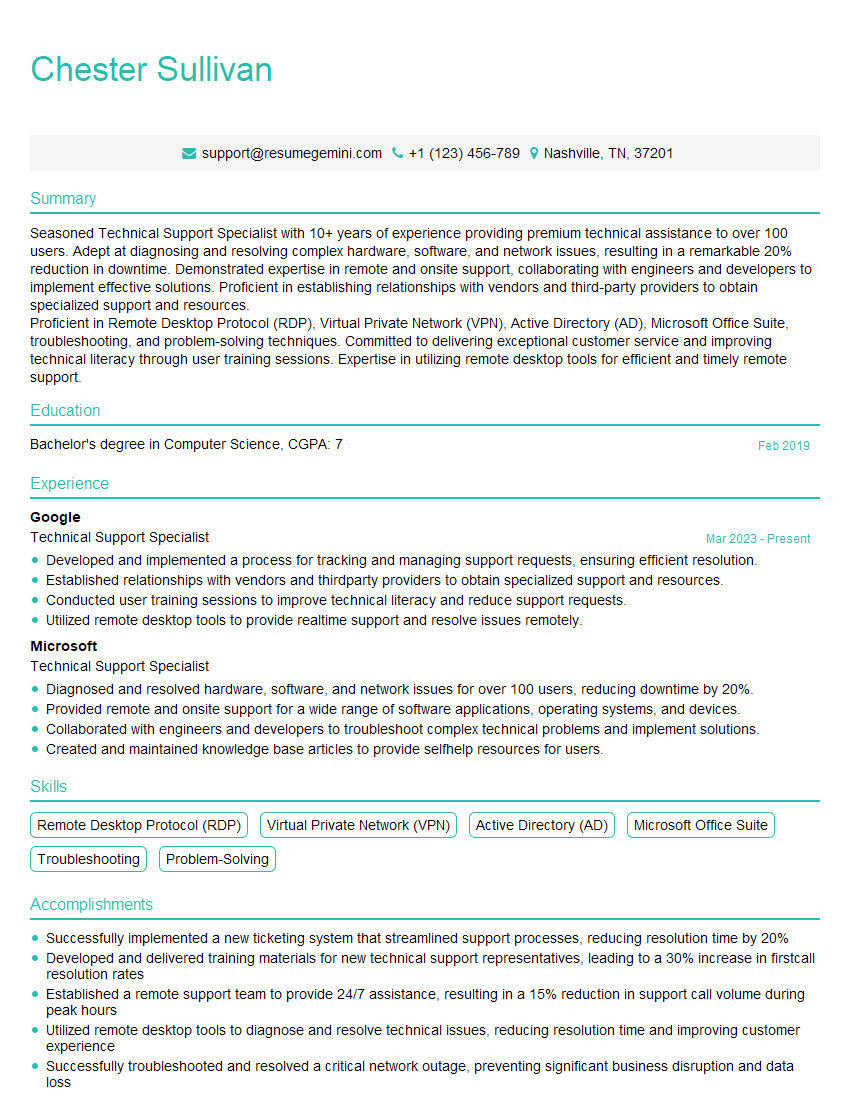
Technical Support Specialist Resume Sample
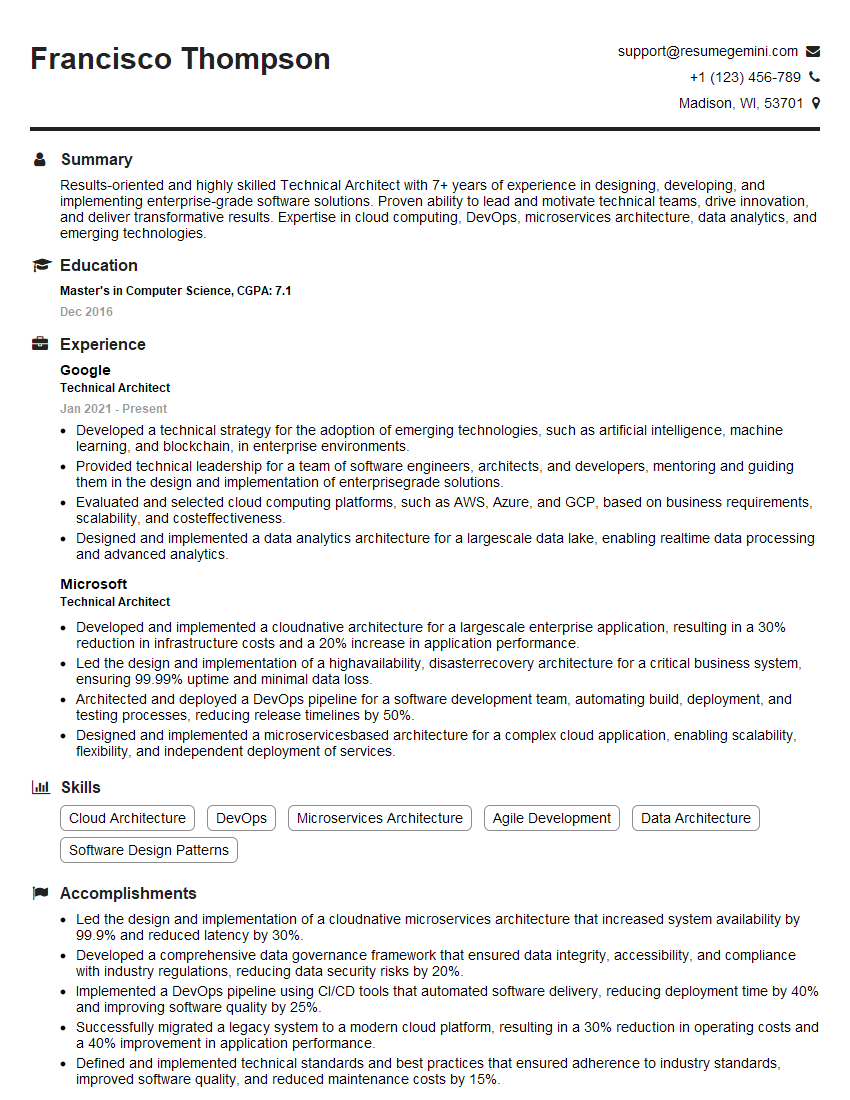
Technical Architect Resume Sample
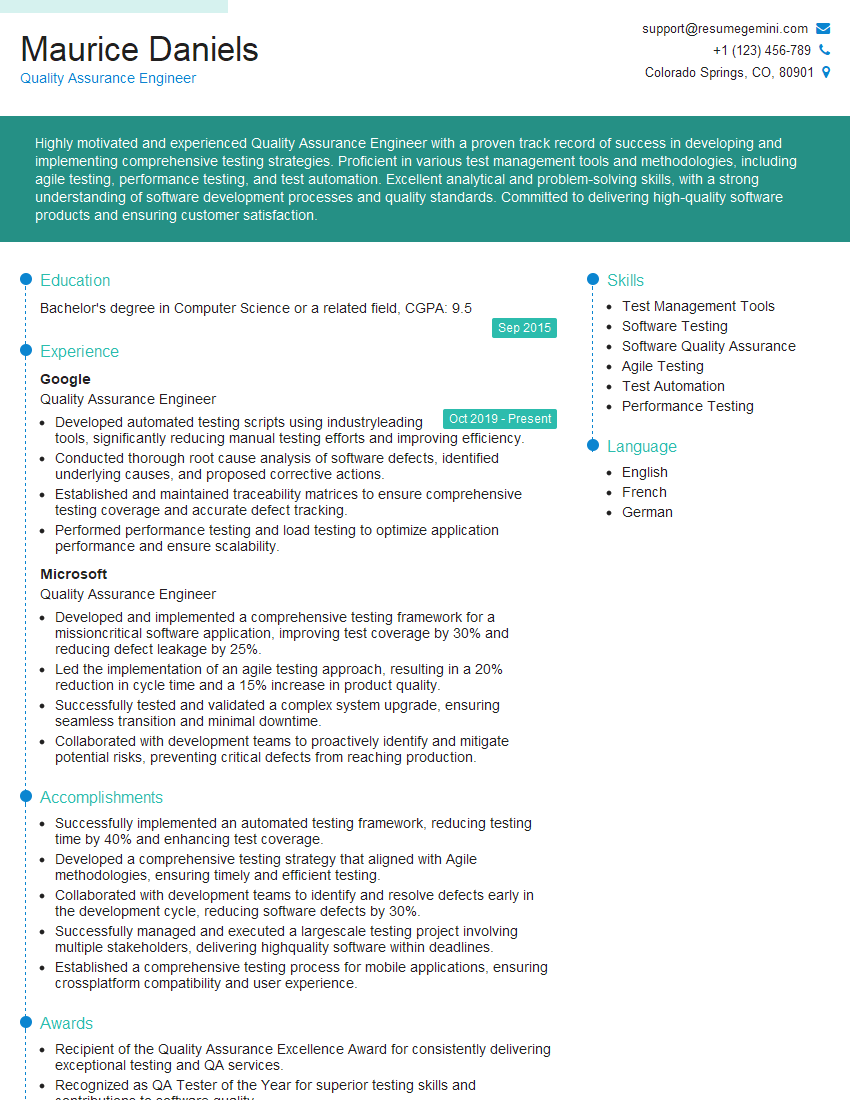
Quality Assurance Engineer Resume Sample
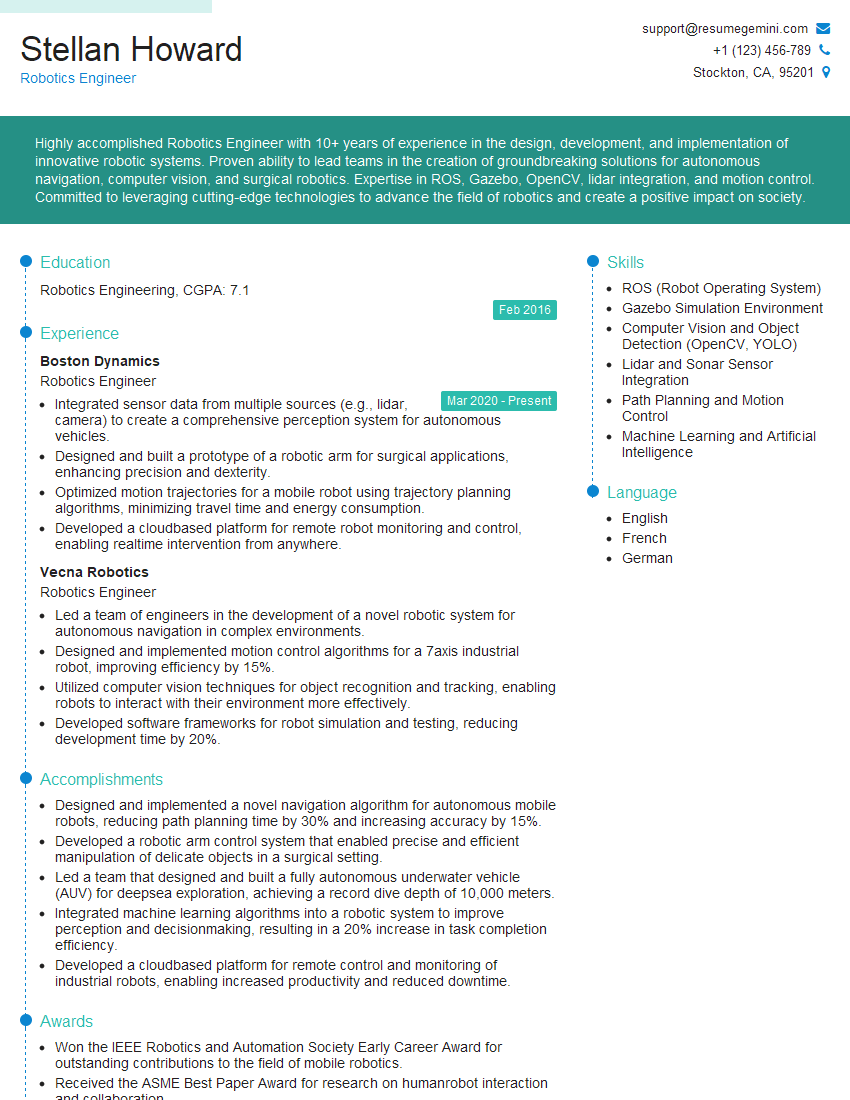
Robotics Engineer Resume Sample

Technical Writer Resume Sample
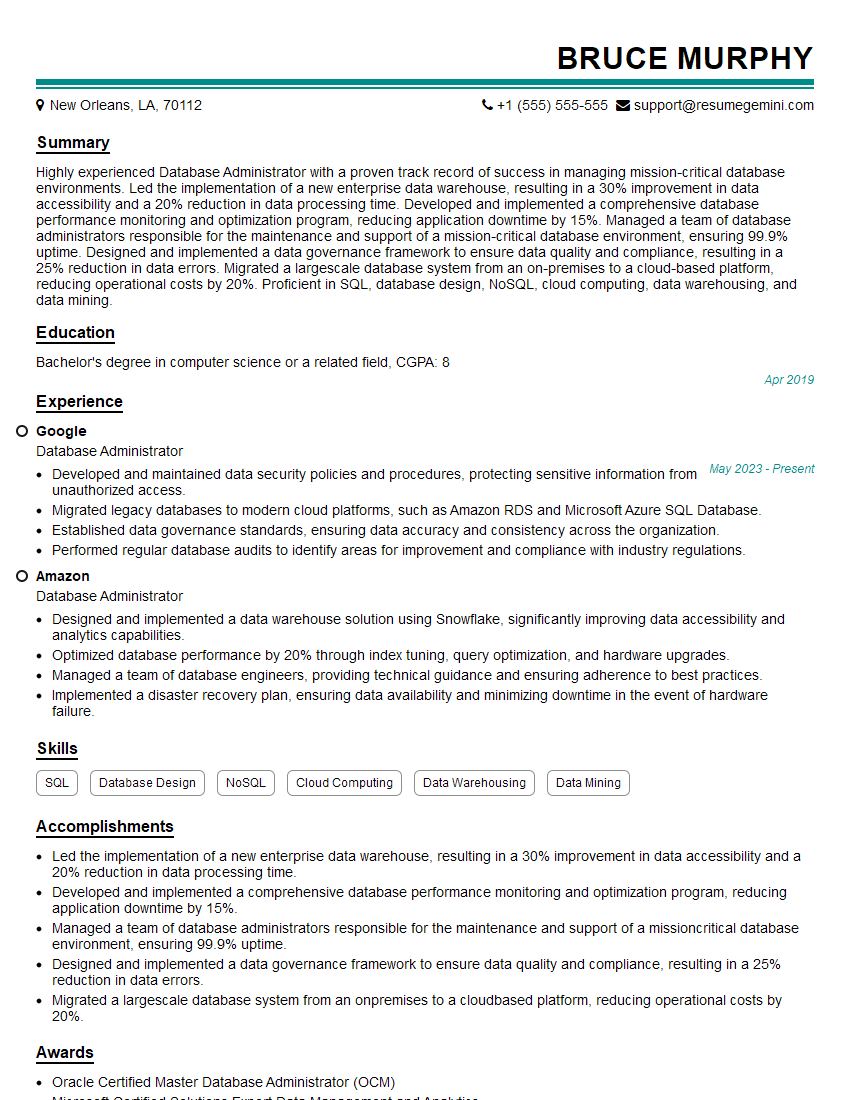
Database Administrator Resume Sample
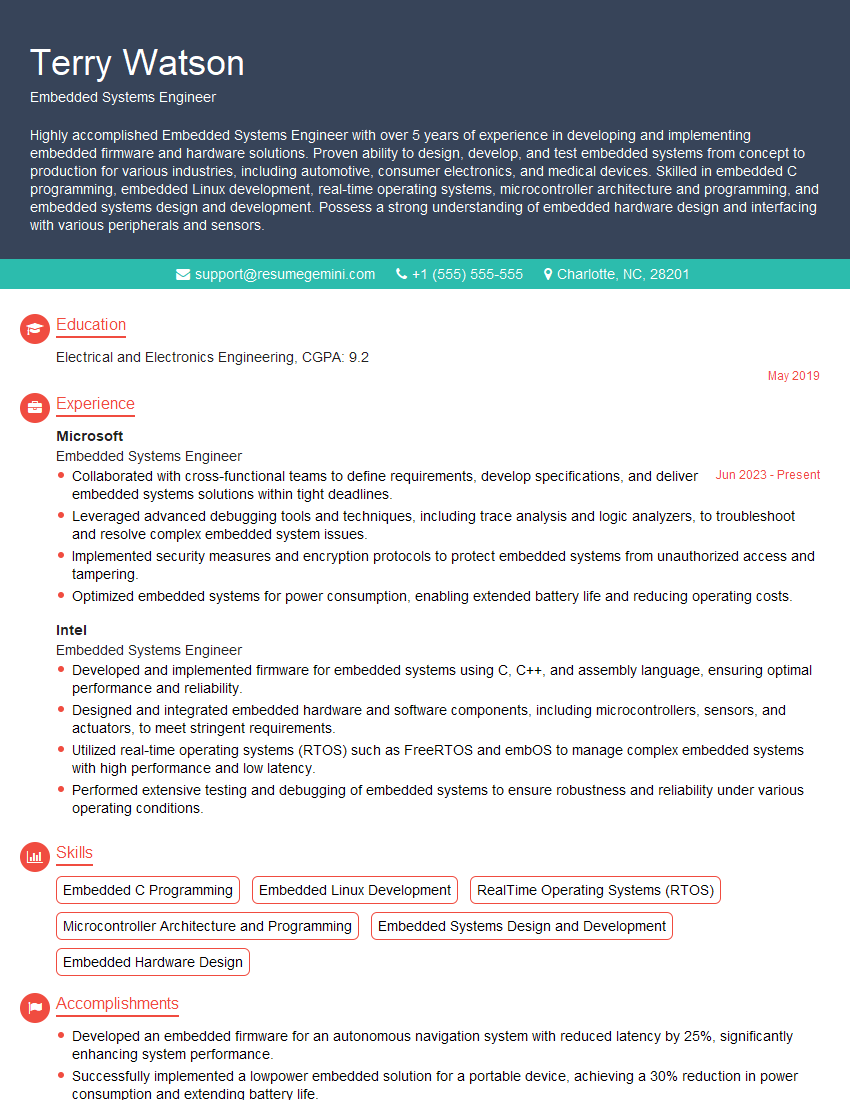
Embedded Systems Engineer Resume Sample
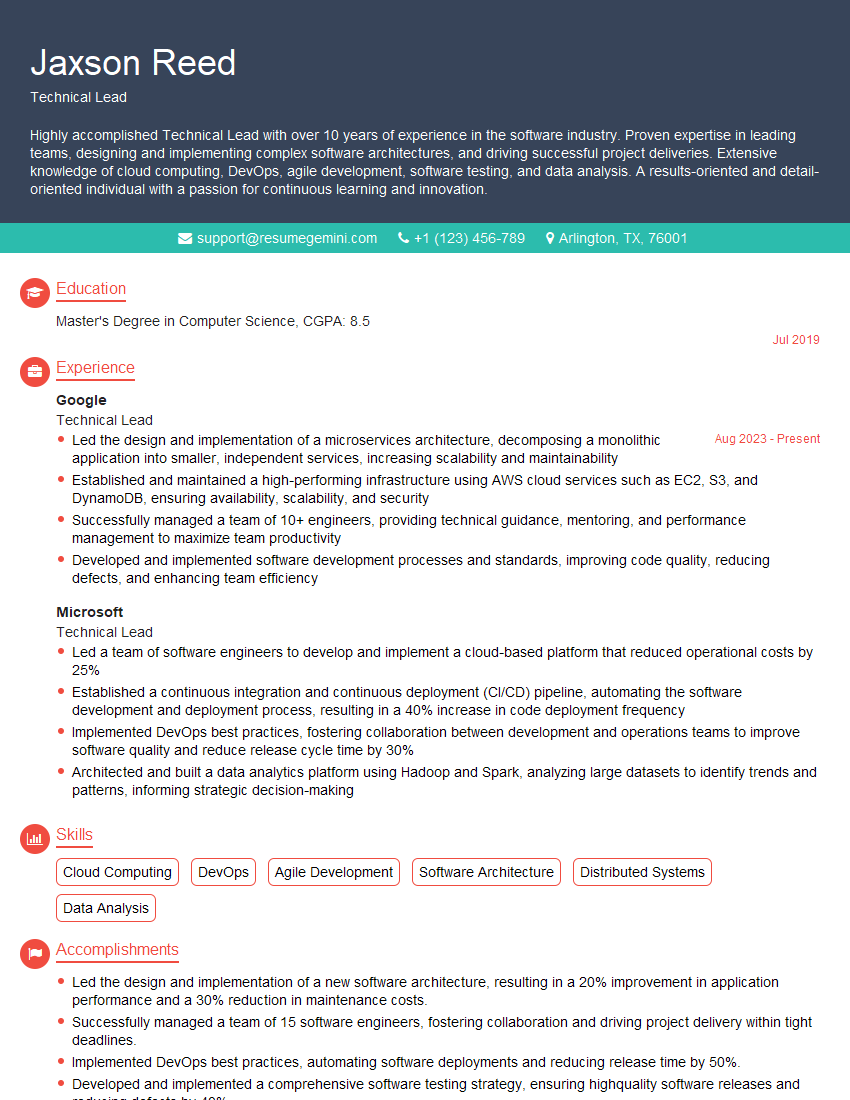
Technical Lead Resume Sample
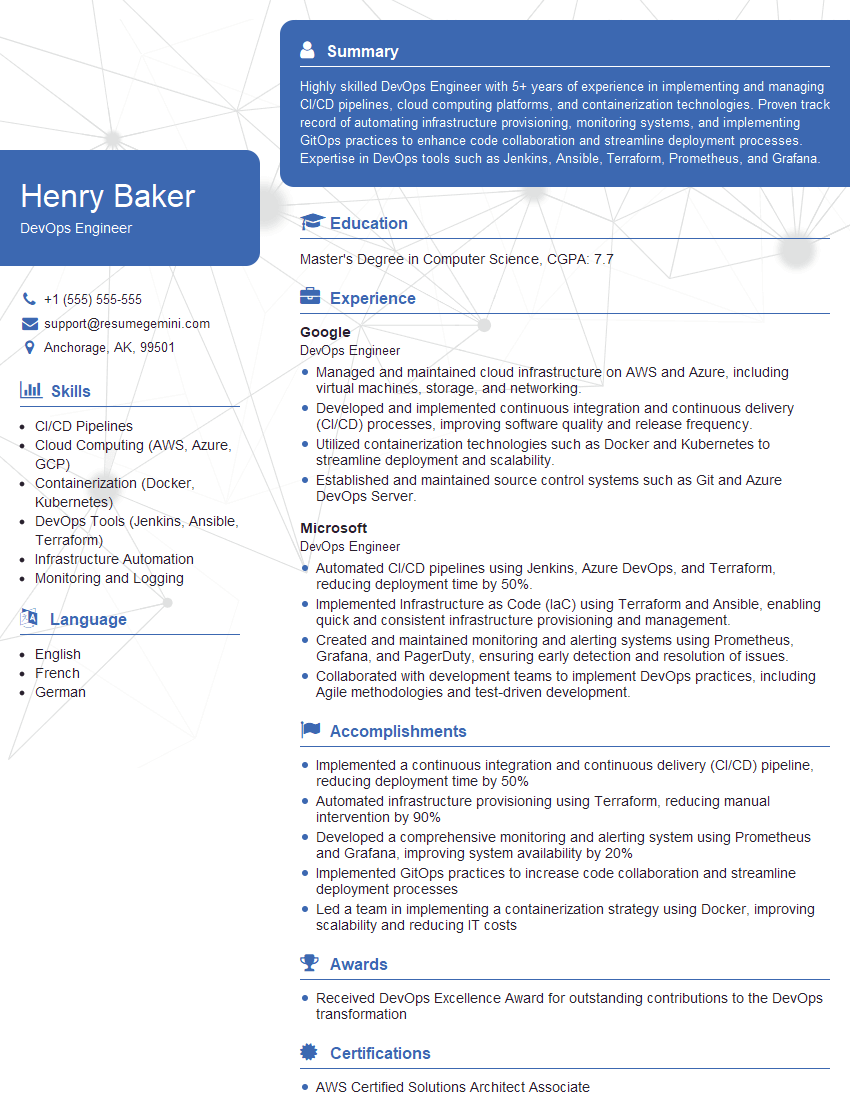
DevOps Engineer Resume Sample
- Product Manager
- Project Manager
- Engineering Manager
- Principal Engineer
- Compliance Officer
- Business Analyst
- Data Analyst
- Software Engineer
- Systems Analyst
- Network Engineer
- Systems Administrator
- Implementation Specialist
- Solutions Architect
- Senior Software Engineer
- Technical Support Specialist
- Technical Architect
- Quality Assurance Engineer
- Robotics Engineer
- Technical Writer
- Database Administrator
- Embedded Systems Engineer
- Technical Lead
- DevOps Engineer
Explore more articles
Users Rating of Our Blogs
Share Your Experience
We value your feedback! Please rate our content and share your thoughts (optional).
What Readers Say About Our Blog
Very informative content, great job.
good