The right preparation can turn an interview into an opportunity to showcase your expertise. This guide to Floor Plan Layout interview questions is your ultimate resource, providing key insights and tips to help you ace your responses and stand out as a top candidate.
Questions Asked in Floor Plan Layout Interview
Q 1. Explain your experience with various CAD software (AutoCAD, Revit, SketchUp, etc.).
Throughout my career, I’ve extensively utilized various CAD software, each offering unique strengths for different aspects of floor plan design. AutoCAD, for instance, is my go-to for precise 2D drafting and detailed drawings, particularly useful for creating construction documents. Its command-line interface, while initially steeper to learn, allows for unparalleled control and customization. I frequently use AutoCAD’s layers and blocks to efficiently manage complex drawings and reuse common elements. Revit, on the other hand, excels in Building Information Modeling (BIM). Its 3D modeling capabilities are invaluable for visualizing the space and coordinating different building systems. I leverage Revit’s ability to create schedules, generate quantities, and perform clash detection to ensure accuracy and efficiency throughout the project lifecycle. Finally, SketchUp is my preferred tool for initial concept sketching and client presentations. Its intuitive interface allows for quick iteration and exploration of various design options, making it ideal for collaborative design sessions where I can easily demonstrate concepts to clients.
Q 2. Describe your process for creating a floor plan from initial concept to final draft.
My floor plan creation process is iterative and client-centric. It begins with a thorough understanding of the client’s needs, budget, and the site constraints. This usually involves an initial meeting to gather requirements, discussing their lifestyle, functional needs, and aesthetic preferences. I then create a series of preliminary sketches, sometimes using SketchUp for quick visualization. These initial concepts are presented to the client, allowing for early feedback and refinement. Once the overall layout is approved, I move to a more detailed phase, using AutoCAD or Revit to create accurate drawings with precise dimensions and specifications. This includes furniture placement, electrical layouts, and other details. Throughout the process, regular client consultations ensure the design remains aligned with their vision. The final draft is a comprehensive set of drawings ready for construction documentation or permits, including floor plans, elevations, sections, and potentially 3D renderings for better visualization.
Q 3. How do you handle revisions and client feedback during the floor plan design process?
Handling revisions and client feedback is a crucial part of the design process. I actively encourage client input throughout the project. After each presentation, I meticulously document all feedback, making sure to understand the reasoning behind each suggestion. This feedback is then incorporated into the design through iterative revisions. For instance, if a client wants to enlarge a kitchen island, I might adjust adjacent spaces to accommodate the change. I use version control within my CAD software to track all changes and easily revert to previous versions if necessary. Clear communication is key; I always explain the potential impact of any changes, including costs and timing implications. The goal is to create a design that not only meets the client’s needs but also is feasible and functional.
Q 4. What are the key considerations for designing accessible floor plans?
Designing accessible floor plans is a critical aspect of responsible design. Key considerations include adhering to accessibility standards such as ADA (Americans with Disabilities Act) guidelines or similar local regulations. This includes ensuring sufficient clearances for wheelchairs and other mobility devices in hallways, doorways, and bathrooms. Ramps with appropriate slopes are essential for eliminating steps. Accessible bathroom designs require adequate space for maneuvering, grab bars, roll-in showers, and appropriately positioned fixtures. I also consider elements like clear pathways, easily accessible switches and controls, and visual cues for people with visual impairments. For example, I might use contrasting colors for flooring changes or provide tactile warnings near steps. This requires an understanding of universal design principles that cater to a wider range of users beyond those with specific disabilities.
Q 5. How do you ensure your floor plans comply with building codes and regulations?
Compliance with building codes and regulations is paramount. I start by familiarizing myself with the relevant codes and standards early in the design process. This includes reviewing local zoning regulations, fire codes, and building construction standards. Throughout the design process, I use the CAD software’s tools to ensure the floor plan complies with these regulations, for example, checking for minimum room sizes, egress requirements, and correct placement of fire-rated walls. I frequently utilize online resources and consult with building inspectors to address any ambiguities or potential issues. By proactively addressing code compliance during the design phase, I avoid costly and time-consuming revisions later in the project. I also document all code-related decisions and calculations in the project documentation.
Q 6. Explain your experience with space planning principles and methodologies.
My understanding of space planning principles is grounded in maximizing the functionality and efficiency of a space. I employ various methodologies including adjacency matrix diagrams to optimize the relationships between different rooms. This involves analyzing the frequency of movement between rooms and grouping related spaces to minimize travel distances. I also utilize bubble diagrams to visually represent the size and relationship of spaces before developing detailed floor plans. Space planning also requires considering the flow of traffic, the natural light sources, and the overall user experience. For example, I might strategically place windows to maximize natural light in key areas or design hallways to encourage smooth transitions between rooms. This process relies on a blend of quantitative data and qualitative observations to create a functional and aesthetically pleasing design.
Q 7. Describe your understanding of different floor plan styles and their applications.
I’m familiar with various floor plan styles, each suited to different architectural preferences and functional needs. Open-plan layouts, for instance, prioritize a sense of spaciousness and flow, often used in contemporary designs. These styles minimize interior walls to create a free-flowing space. In contrast, traditional styles feature more defined rooms and hallways, offering greater privacy. Modern minimalist styles focus on clean lines and simple forms, often incorporating neutral colors and a focus on functionality. Transitional styles blend elements of traditional and modern design, offering a comfortable and familiar feel while embracing modern conveniences. My approach is to help clients select the style best aligned with their lifestyle and preferences, adjusting details within the chosen style to meet the specific requirements of their project.
Q 8. How do you incorporate client needs and preferences into your floor plan designs?
Incorporating client needs and preferences is paramount. It’s not just about drawing a pretty picture; it’s about creating a space that truly reflects their lifestyle and aspirations. My process begins with a thorough consultation. I ask detailed questions about their daily routines, family dynamics, entertainment habits, and future plans for the space. I delve into their aesthetic preferences – do they prefer modern minimalism or traditional elegance? What colors, materials, and textures resonate with them? I use mood boards and style guides to visually capture these preferences and ensure a shared understanding. For example, for a young family, I’d focus on creating open-plan layouts for easy supervision and flow, incorporating durable materials and kid-friendly zones. Conversely, a retired couple might prioritize a quiet, relaxing space with easy access to outdoor areas and ample natural light. I constantly iterate and refine designs based on client feedback, treating the process as a collaborative journey, rather than a one-way transaction.
Q 9. How do you manage multiple projects simultaneously and meet deadlines?
Juggling multiple projects efficiently requires a structured approach. I use project management software to meticulously track deadlines, tasks, and client communication. This helps me prioritize tasks based on urgency and deadlines. I break down large projects into smaller, manageable phases, setting milestones for each phase. This allows for better progress tracking and easier identification of potential delays. Regular client check-ins are vital to ensure we stay aligned and address any concerns promptly. For example, I might dedicate Monday mornings to client meetings and Wednesday afternoons to focused design work. I also delegate tasks when appropriate, utilizing the strengths of my team if working with one. This approach ensures projects are completed on time and to a high standard, even under pressure.
Q 10. Explain your experience using BIM software for floor plan development.
I’m highly proficient in using BIM (Building Information Modeling) software, primarily Revit. BIM has revolutionized the way floor plans are developed, allowing for greater accuracy, collaboration, and efficiency. I use Revit to create detailed 3D models, which then automatically generate accurate 2D floor plans, sections, and elevations. The software’s ability to manage specifications, materials, and quantities is invaluable in reducing errors and streamlining the construction process. For instance, using Revit’s clash detection feature, I can identify potential issues (like plumbing running through a structural beam) early on, saving time and cost during construction. This increases project efficiency and minimizes the need for costly rework. Moreover, BIM facilitates better communication with contractors and other stakeholders through shared models and visualizations.
Q 11. How do you handle conflicts between design aesthetics and practical functionality?
Balancing aesthetics and functionality is a key skill in floor plan design. It’s rarely a case of an outright compromise, but rather a process of integration. A beautiful design is meaningless if it’s impractical to live in. My approach involves considering functionality first. I ensure the space efficiently meets the client’s needs in terms of flow, storage, and natural light. Then, I integrate aesthetic elements that complement the functional layout. For instance, a beautiful feature wall might incorporate built-in shelving, serving both a decorative and practical purpose. Creative solutions, such as custom-designed cabinetry or clever space-saving techniques, help to seamlessly blend style and function. Ultimately, the goal is to create a visually appealing and highly usable space that meets both the client’s aesthetic preferences and their practical needs.
Q 12. Describe your process for creating detailed floor plans including dimensions and specifications.
Creating detailed floor plans involves a multi-stage process. I begin by sketching initial concepts based on the client brief and site constraints. Then, I use CAD or BIM software to develop the refined floor plan, carefully incorporating dimensions and specifications. This includes wall thicknesses, door and window sizes, plumbing and electrical fixture locations, and any unique architectural features. I use layers and annotations to clearly distinguish between different elements. For example, I use distinct layers for walls, doors, windows, and fixtures. I meticulously label all dimensions using industry-standard notations and include a detailed legend for all symbols. Finally, I prepare scaled drawings suitable for clients and contractors, ensuring that all information is clear, precise, and easy to understand. This level of detail minimizes potential issues during the construction phase.
Q 13. How do you ensure the accuracy and clarity of your floor plan drawings?
Accuracy and clarity are crucial. I employ several methods to ensure this. First, I always use precise measurements obtained from site surveys or architectural drawings. I double-check all dimensions and calculations within the software, employing internal consistency checks within the design software. I use clear line weights, consistent symbols, and a well-organized layout to enhance readability. I also provide a detailed key or legend explaining all symbols and abbreviations used on the drawings. Finally, I conduct a thorough review before finalizing the plans, checking for inconsistencies or errors. This meticulous approach not only minimizes potential construction problems but also builds trust and confidence with clients and contractors.
Q 14. Explain your experience with creating 3D models from floor plans.
My experience with 3D modeling complements my floor plan design capabilities. I utilize software such as Revit and SketchUp to create realistic 3D models from floor plans. This allows clients to visualize their space more effectively before construction begins. The 3D models provide a more immersive experience than traditional 2D plans, enabling clients to better understand spatial relationships and assess design features. I use these models to explore different finishes, lighting scenarios, and furniture placements, refining the design iteratively based on the client’s feedback. The process often includes walkthroughs or virtual reality experiences, allowing clients to virtually ‘walk through’ their future space. This enhances communication and minimizes design misunderstandings before any construction work begins.
Q 15. How do you collaborate with other members of a design team?
Collaboration is paramount in design. I thrive in team environments, employing a multi-pronged approach. Firstly, I leverage regular team meetings—both formal and informal—to discuss design concepts, challenges, and progress. We use shared online platforms like Miro or similar tools to collaboratively brainstorm, sketch, and annotate floor plans in real-time, ensuring everyone is on the same page. Secondly, I actively listen to and incorporate feedback from colleagues with diverse expertise, such as structural engineers, interior designers, and landscape architects. This cross-disciplinary approach enriches the design process and anticipates potential conflicts early on. Finally, I actively contribute to the team’s knowledge base by sharing my expertise and insights, fostering a culture of continuous learning and improvement. For instance, I might present a case study on a successful project that utilized a specific construction technique or explain a new software update relevant to our workflow. This way, every member of the team is informed and can contribute their best.
Career Expert Tips:
- Ace those interviews! Prepare effectively by reviewing the Top 50 Most Common Interview Questions on ResumeGemini.
- Navigate your job search with confidence! Explore a wide range of Career Tips on ResumeGemini. Learn about common challenges and recommendations to overcome them.
- Craft the perfect resume! Master the Art of Resume Writing with ResumeGemini’s guide. Showcase your unique qualifications and achievements effectively.
- Don’t miss out on holiday savings! Build your dream resume with ResumeGemini’s ATS optimized templates.
Q 16. What are your preferred methods for presenting floor plans to clients?
Presenting floor plans effectively involves a multifaceted strategy. I begin with a clear, concise narrative that explains the design’s concept and how it fulfills the client’s needs and brief. I then utilize high-quality visuals: scaled drawings, 3D renderings, and potentially virtual reality experiences depending on the project’s scale and the client’s preference. These tools enable clients to “walk through” the space and visualize the layout before construction. Interactive presentations, where clients can directly provide feedback and pose questions, create an engaging and productive session. I also prepare comprehensive supporting documentation: materials lists, budget breakdowns, and relevant regulations compliance. For example, when presenting a residential design, I might use 3D renderings to showcase the flow between kitchen and living areas, highlighting the natural light. In commercial projects, I would demonstrate how the design maximizes space efficiency, and comply with building codes and accessibility guidelines.
Q 17. How do you address design challenges or unexpected problems during a project?
Design challenges are inevitable, and I approach them systematically. First, I identify the core problem—Is it a space constraint? A budget limitation? A regulatory hurdle? Once defined, I brainstorm potential solutions, considering various design alternatives. This often involves researching best practices, consulting relevant building codes, and perhaps engaging external specialists if needed. For instance, if faced with a tight budget, I explore cost-effective material options without compromising the design’s integrity. If space is limited, I might optimize layout using space-saving furniture suggestions or by suggesting alternative room functions. Throughout this process, I maintain open communication with the client and the design team, keeping them informed and actively involved in the decision-making process. Documenting every step, including the challenges faced and the solutions implemented, becomes a valuable record for future projects.
Q 18. How do you stay current with the latest trends and technologies in floor plan design?
Staying updated is crucial in this dynamic field. I actively participate in professional organizations like AIA (American Institute of Architects), attend industry conferences and webinars, and subscribe to relevant design publications and online forums. This allows me to stay informed about advancements in software, materials, and design trends. I also actively seek mentorship from experienced professionals, learning from their successes and challenges. Exploring online resources, like case studies of award-winning projects, expands my understanding of innovative design concepts and solutions. For example, exploring how BIM (Building Information Modeling) software is used for better construction coordination or reviewing new sustainable material options keeps my knowledge fresh and relevant.
Q 19. Describe your experience with different drawing scales and their appropriate use.
Drawing scales are fundamental to accurate and clear representation. I am proficient in various scales, such as 1/4”=1’ (1:48) for smaller projects like residential renovations, 1/8”=1’ (1:96) for larger residential projects or smaller commercial projects, and 1/16”=1’ (1:192) for very large commercial or urban planning projects. The choice of scale depends on the project’s complexity and the level of detail required. A smaller scale allows for a comprehensive overview of the entire space, while a larger scale is useful for detailed component design. I ensure all drawings include a clear scale indication, and I consistently adhere to the chosen scale throughout the project. Inconsistencies in scale can lead to errors and costly misinterpretations during construction.
Q 20. How do you create effective and efficient floor plans for different building types (residential, commercial, etc.)?
Creating effective floor plans varies greatly based on building type. Residential designs prioritize functionality and flow, focusing on creating comfortable and usable spaces within the given parameters. This may involve considering family dynamics and lifestyle preferences when arranging rooms and considering accessibility needs. Commercial designs emphasize efficiency and spatial optimization. Maximizing usable space, incorporating proper circulation patterns for foot traffic, and adhering to building codes are all crucial factors. For instance, designing a retail space involves thoughtful placement of displays and pathways to encourage sales, whereas an office layout focuses on maximizing workspaces, collaborative areas, and communication flow. I tailor my approach and use specialized software tools appropriate to each type of building. Detailed spatial analysis, often involving 3D modeling, is essential to ensure optimal use of the available area.
Q 21. How familiar are you with different types of construction materials and their impact on floor plan design?
Understanding construction materials is critical for successful floor plan design. Different materials impact aspects like structural support, thermal properties, acoustic performance, and cost. For instance, the weight of materials influences structural design and foundation requirements. The thermal properties affect the building’s energy efficiency and heating/cooling systems. Acoustics are crucial in designing spaces like concert halls or offices. Cost is an important factor in material selection. I collaborate closely with structural engineers and contractors to choose appropriate materials while accounting for their impact on the overall design. For instance, using lighter wood framing in residential construction may reduce the load on the foundation, potentially decreasing overall construction costs, while using soundproof materials in office walls will improve employee productivity. A strong understanding of material properties allows for optimal design choices that meet functionality and budgetary needs.
Q 22. Explain your experience with creating detailed furniture layouts within floor plans.
Creating detailed furniture layouts is crucial for a functional and aesthetically pleasing space. It’s more than just placing furniture on a plan; it involves understanding scale, proportions, traffic flow, and the client’s lifestyle. I approach this by first carefully analyzing the room’s dimensions and natural light sources. Then, I work closely with clients to understand their needs and preferences – what activities will occur in the space, what furniture they already own, and what style they prefer. I use digital design software to create accurate representations, experimenting with different arrangements until we achieve an optimal layout. For example, in designing a living room, I’d consider the placement of the sofa, considering sightlines to the TV, the placement of seating for conversation, and ensuring there’s adequate space for movement.
I always consider factors such as furniture dimensions (including clearances for opening doors and drawers), electrical outlets, and the placement of lighting fixtures. Finally, I create detailed 2D and sometimes 3D renderings, providing clients with a clear visual representation of the finished space before any purchases are made. This prevents costly mistakes and ensures client satisfaction.
Q 23. How do you ensure the flow and functionality of a space are well-considered in your designs?
Ensuring good flow and functionality is paramount. I achieve this through a combination of techniques: Firstly, I meticulously analyze the client’s daily routines and activities within the space. For a kitchen, this might involve mapping out the cook’s typical workflow, identifying areas for potential bottlenecks. Secondly, I utilize principles of ‘circulation’ – designing pathways that are logical and intuitive, avoiding cramped spaces and awkward turns. Think of it like creating a smooth highway system instead of a chaotic roundabout. I also use ‘spatial zoning’ – creating distinct areas within a larger space for different activities. A large open-plan living area might be divided into a conversation zone, a dining zone, and a relaxation zone using rugs, furniture placement, and architectural details.
I employ various design tools, including bubble diagrams (showing activity zones) and adjacency matrices (showing relationships between different spaces) to visualize flow before finalizing the floor plan. For example, a home office would ideally be positioned away from noisy areas like the kitchen or living room, and close to a quiet space for concentration. By careful planning, the end result is a home that is both beautiful and incredibly user-friendly.
Q 24. How do you incorporate sustainable design principles into your floor plans?
Sustainable design principles are now essential. I incorporate them in several ways. Firstly, I prioritize natural light and ventilation to reduce the need for artificial lighting and climate control. Large windows, strategically placed skylights, and cross-ventilation plans are key. Secondly, I consider the use of sustainable materials. This includes specifying locally sourced timber, recycled materials, or rapidly renewable materials such as bamboo where appropriate. I also encourage the use of low-VOC (volatile organic compound) paints and finishes to improve indoor air quality. I consider the lifecycle of building materials, choosing long-lasting, durable options that minimize waste and future replacements.
Furthermore, I design for energy efficiency. This might involve suggesting optimal insulation, positioning the house for passive solar gain, and considering the incorporation of renewable energy sources such as solar panels where feasible. By thoughtfully selecting materials and designs, I strive to create homes that are not only beautiful but also environmentally responsible.
Q 25. Explain your understanding of universal design principles in floor plan creation.
Universal design aims to create spaces usable by all people, regardless of age, size, or ability. I incorporate this by designing for flexibility and adaptability. For instance, doorways are designed with wider clearances to accommodate wheelchairs, and light switches and electrical outlets are placed at accessible heights. I ensure adequate space for maneuvering, using appropriate turning radii in hallways and corridors. I also consider the use of contrasting colors and textures to improve wayfinding for people with visual impairments.
In kitchen design, this might mean including adjustable countertops or pull-out drawers for easy access. In bathrooms, grab bars are strategically positioned, and shower access is made easy. Essentially, I anticipate and address potential access barriers during the initial design phase, creating spaces that are truly inclusive and welcoming to everyone.
Q 26. What software are you proficient in for rendering and visualization of floor plans?
I’m proficient in several software packages. My primary tools include AutoCAD for precise 2D drafting, SketchUp for 3D modeling and visualization, and Lumion for high-quality rendering and walkthroughs. AutoCAD provides the technical accuracy needed for construction documents, while SketchUp helps me quickly iterate design ideas and experiment with different layouts. Lumion allows me to create photorealistic images and videos, offering clients a compelling visual experience of their potential spaces. I am also familiar with Revit for BIM (Building Information Modeling) projects, which allows for collaborative design and data management.
Q 27. How do you ensure the integrity of data when transferring floor plans between different software programs?
Data integrity is paramount. When transferring floor plans between different software programs, I utilize standardized file formats such as DXF (Drawing Exchange Format) or DWG (Drawing) to minimize data loss or corruption. These formats are generally compatible across various CAD software. I also employ a rigorous process of checking and verifying the data after transfer, carefully comparing dimensions and elements between the original and transferred files. This includes validating that all layers, annotations, and symbols have transferred correctly.
For complex projects, I sometimes leverage cloud-based collaboration platforms to manage versions and ensure all team members are working from the most up-to-date information. This approach not only safeguards data but also improves team efficiency and coordination.
Q 28. Describe your experience with creating and managing floor plan documentation
Managing floor plan documentation involves a systematic approach. I start by creating a comprehensive project folder, organizing files by phase (conceptual design, schematic design, design development, construction documents). Each phase includes clearly labeled drawings, specifications, and any relevant communication with clients or contractors. I use a consistent naming convention for all files, ensuring easy retrieval and searchability. For example, filenames might include the project name, drawing number, revision date, and description. Revision control is essential; I utilize version control systems within the software and maintain a log of all changes made to the documents.
I create a detailed index of all documents, providing a table of contents for easy navigation. Finally, all final drawings and documents are presented in a professional bound format for client review and submission to relevant authorities, ensuring seamless transition to the construction phase.
Key Topics to Learn for Floor Plan Layout Interview
- Space Planning Principles: Understanding the fundamentals of efficient space allocation, circulation patterns, and adjacency requirements.
- Building Codes and Regulations: Familiarity with relevant codes and regulations impacting floor plan design, including accessibility standards and fire safety.
- Software Proficiency: Demonstrating expertise in AutoCAD, Revit, or other relevant CAD software used for floor plan creation and modification.
- Design Elements & Aesthetics: Knowledge of how to integrate design elements like lighting, furniture placement, and finishes into functional floor plans.
- Client Communication & Collaboration: Understanding the process of gathering client requirements, presenting design options, and incorporating feedback effectively.
- Practical Application: Being able to translate client needs and project requirements into detailed, accurate, and scalable floor plans.
- Problem-Solving & Design Optimization: Demonstrating the ability to identify and resolve design challenges, such as space constraints or conflicting requirements, while optimizing the overall functionality and aesthetics.
- Scale & Dimensioning: Proficiency in accurate scaling and dimensioning techniques essential for creating clear and understandable floor plans.
- Presentation & Communication: Effectively communicating design choices and rationale through clear visual representations and concise explanations.
Next Steps
Mastering Floor Plan Layout is crucial for career advancement in architecture, interior design, and related fields. A strong understanding of these principles will open doors to exciting opportunities and higher earning potential. To significantly boost your job prospects, create a compelling and ATS-friendly resume that highlights your skills and experience. ResumeGemini is a trusted resource that can help you build a professional and effective resume tailored to the specific demands of Floor Plan Layout positions. Examples of resumes optimized for this field are available within ResumeGemini to help guide you. Take the next step and invest in your career today.
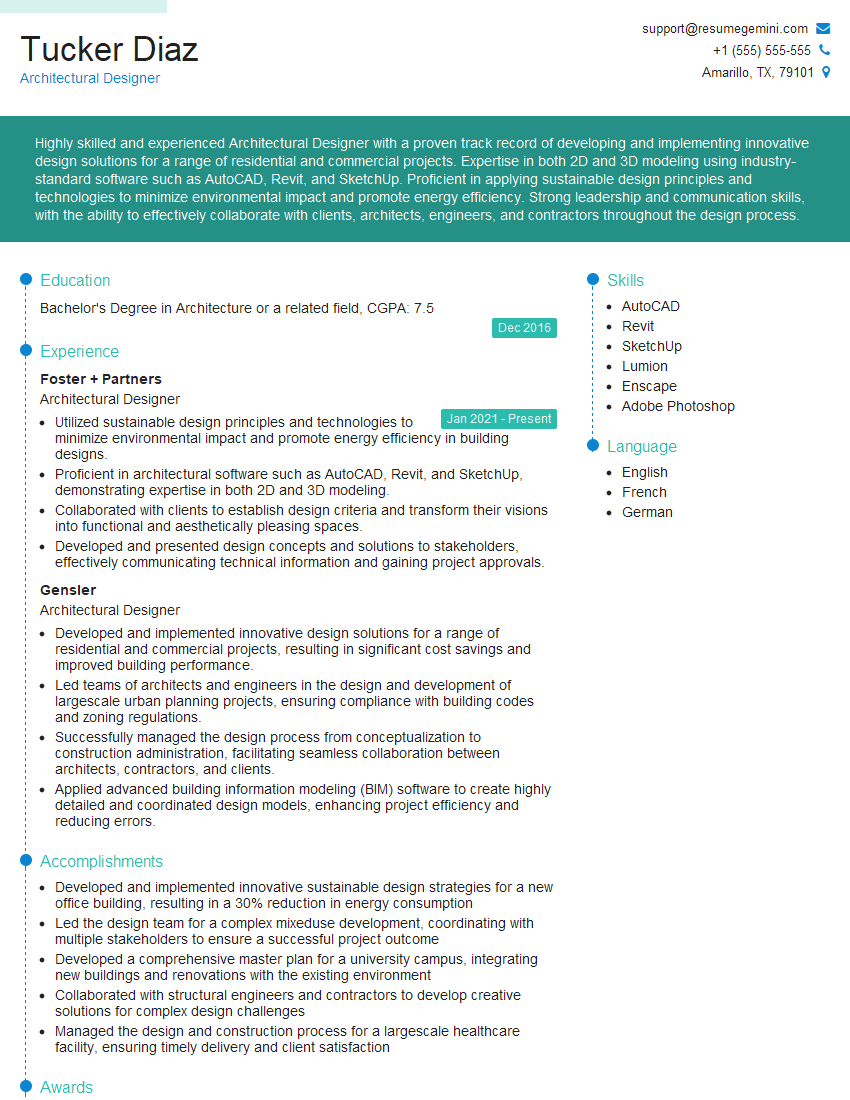
Architectural Designer Resume Sample
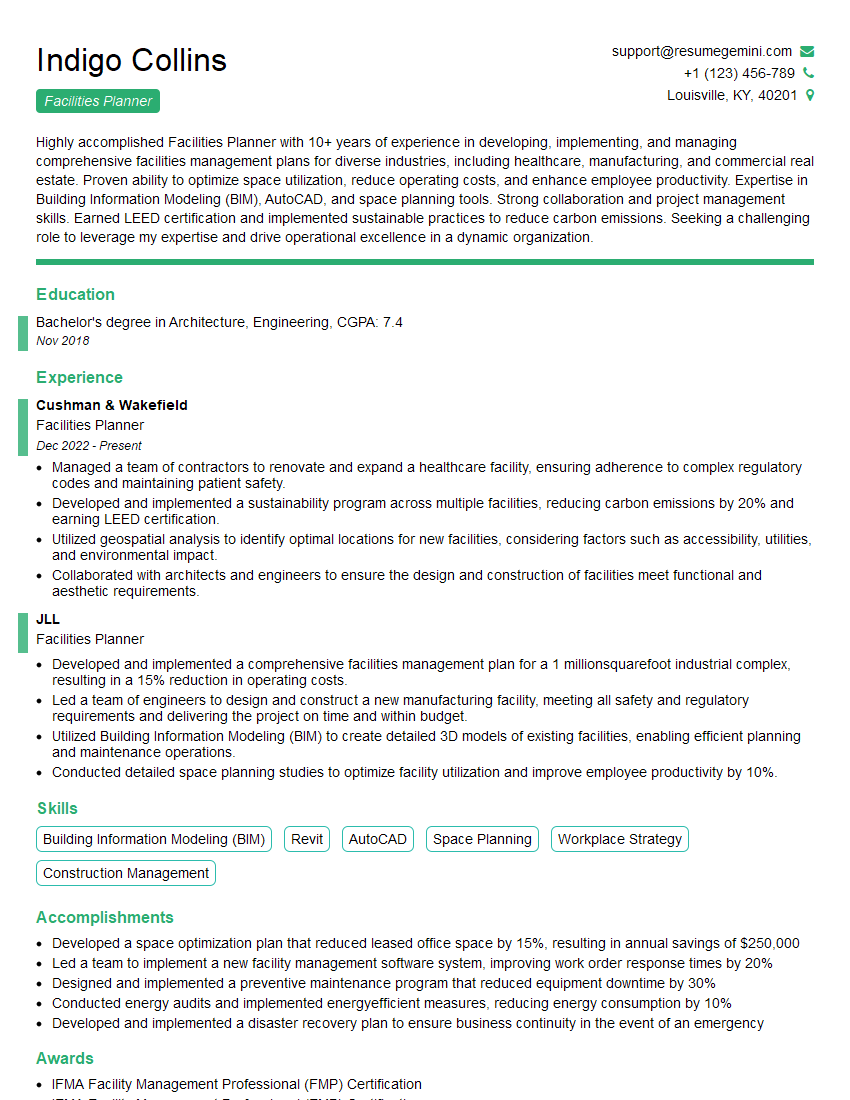
Facilities Planner Resume Sample
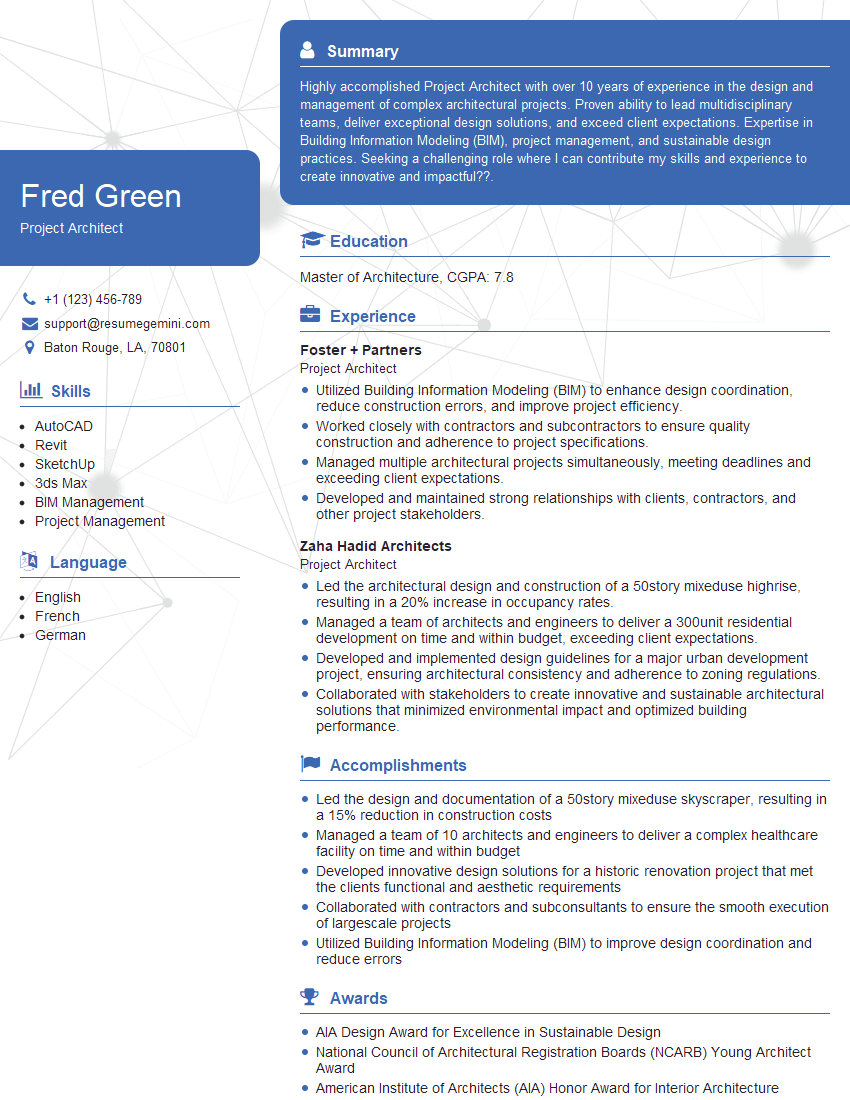
Project Architect Resume Sample
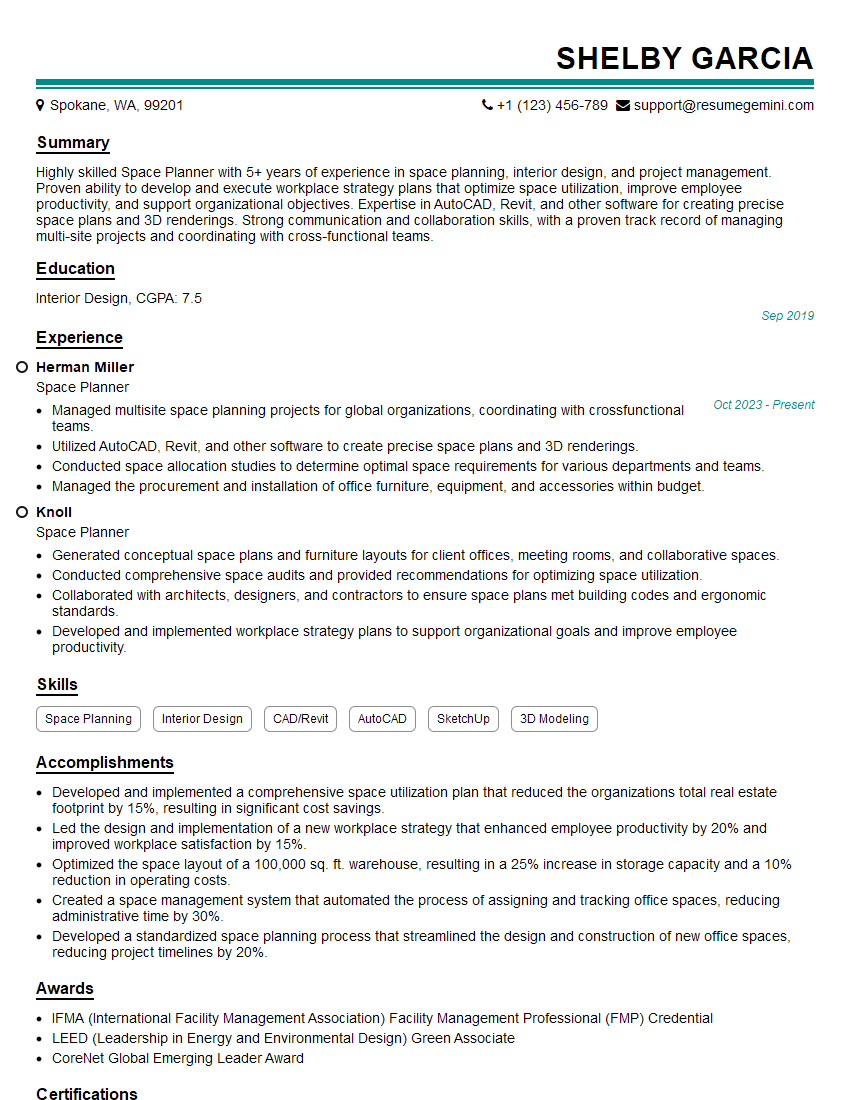
Space Planner Resume Sample
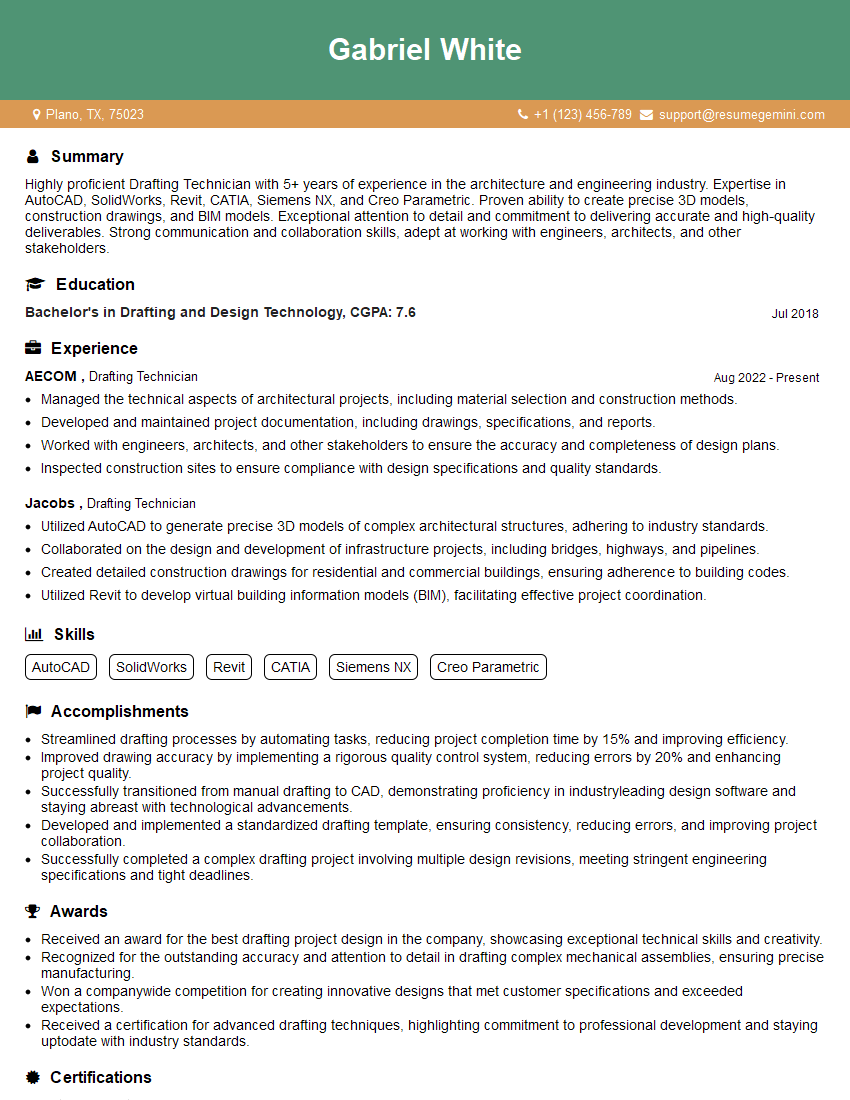
Drafting Technician Resume Sample
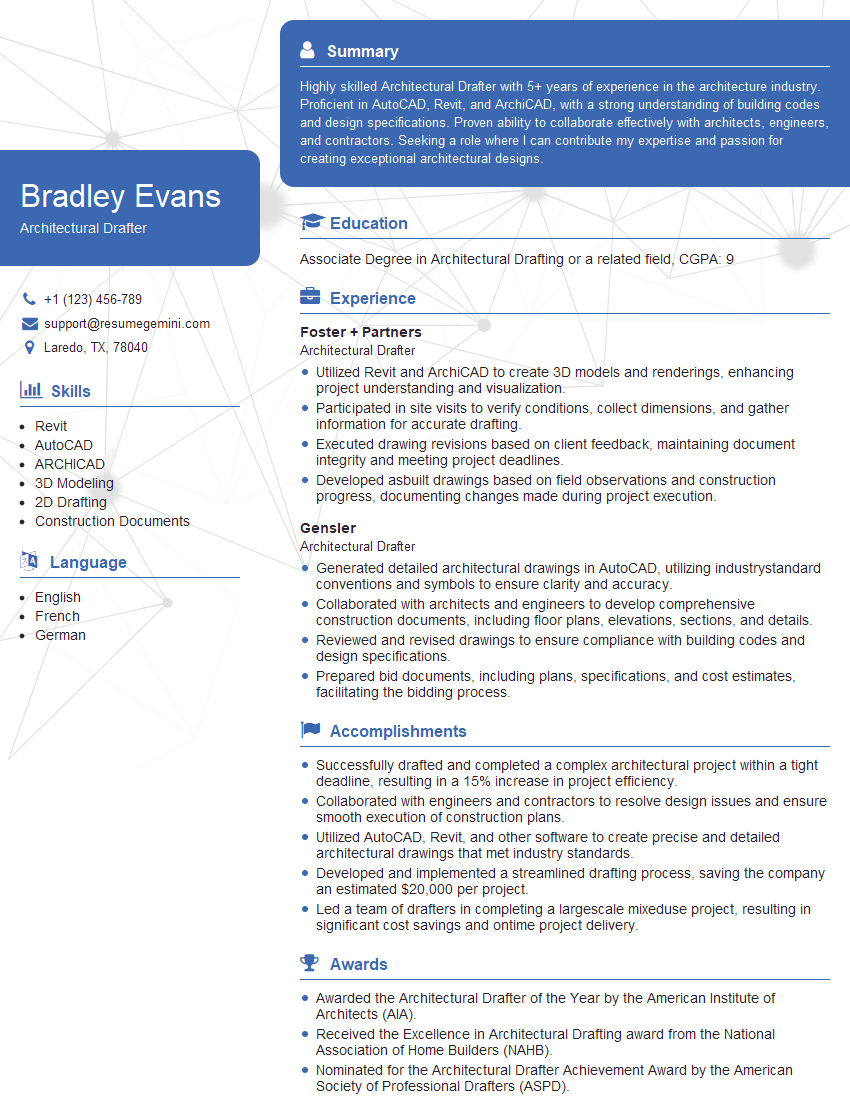
Architectural Drafter Resume Sample
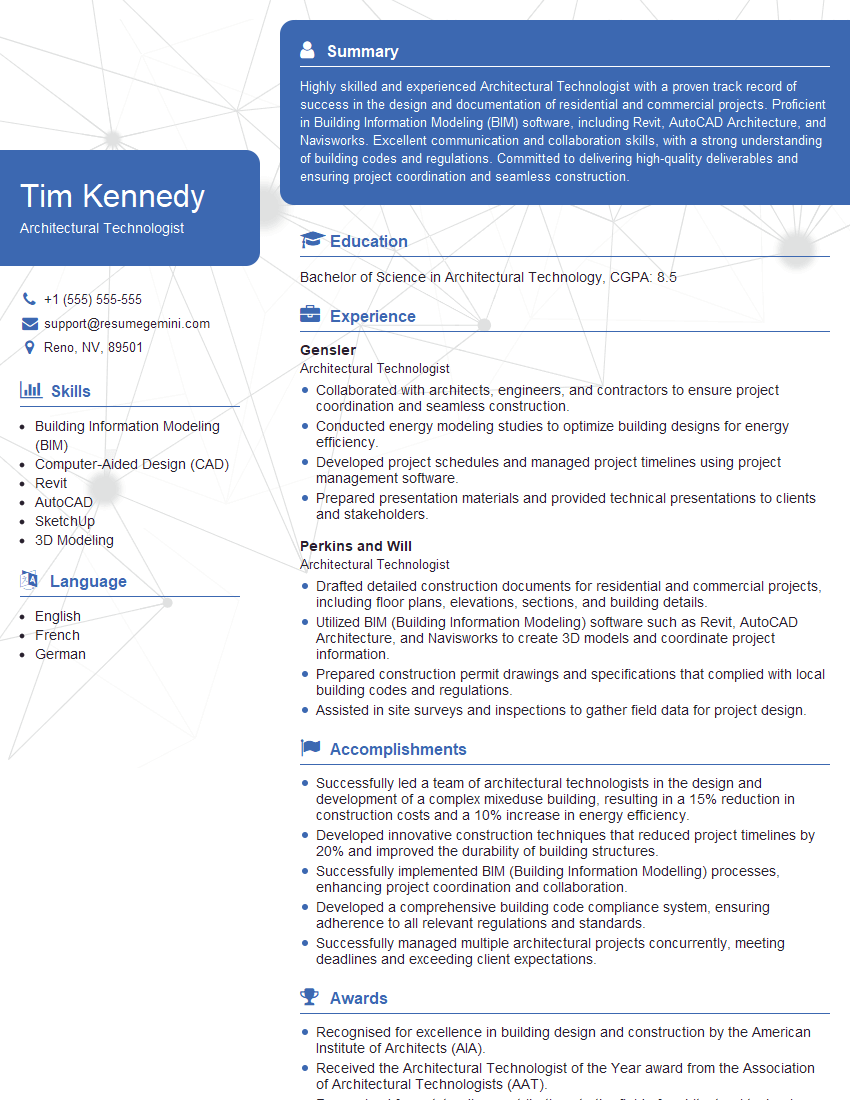
Architectural Technologist Resume Sample

Design Technician Resume Sample
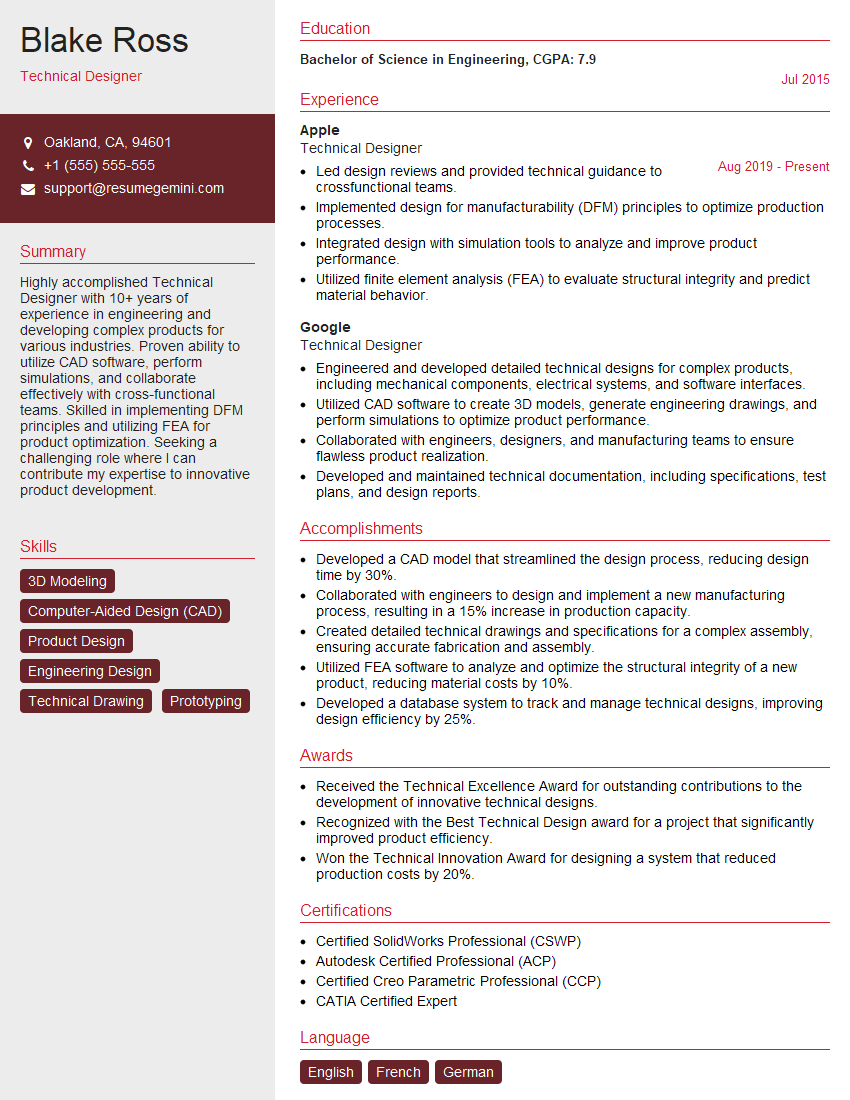
Technical Designer Resume Sample
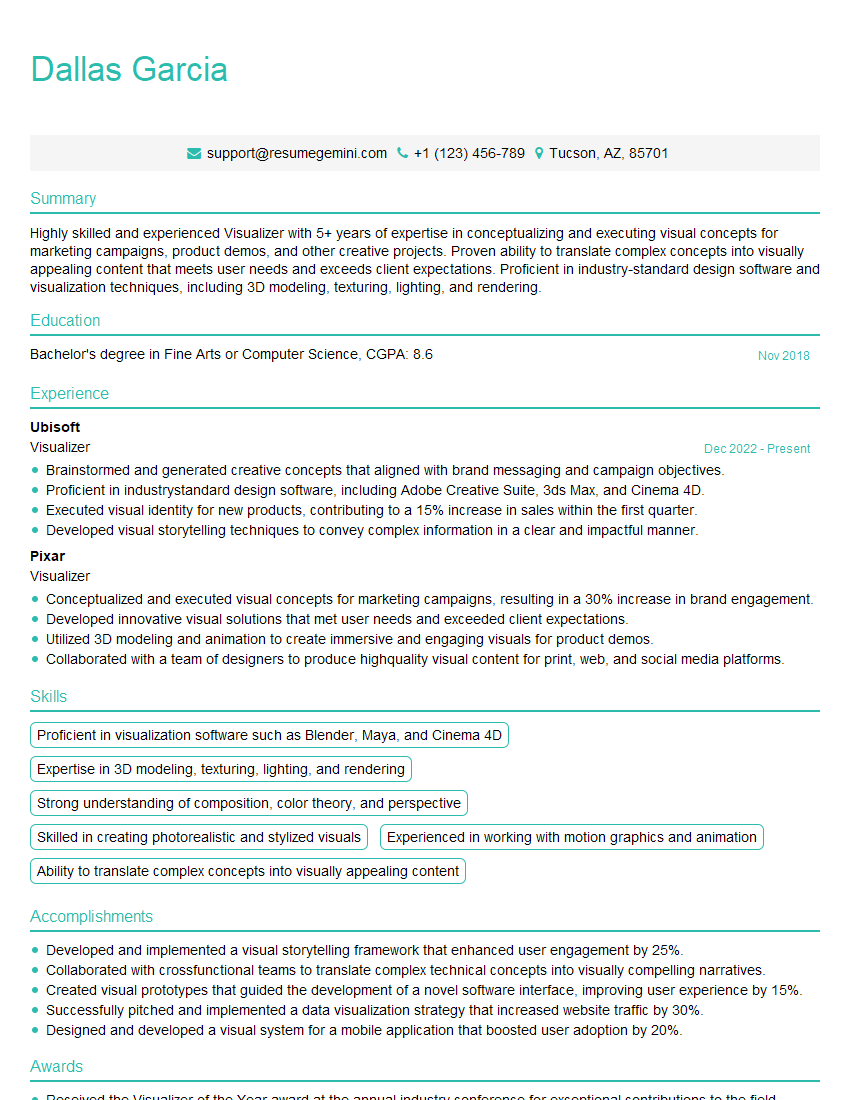
Visualizer Resume Sample
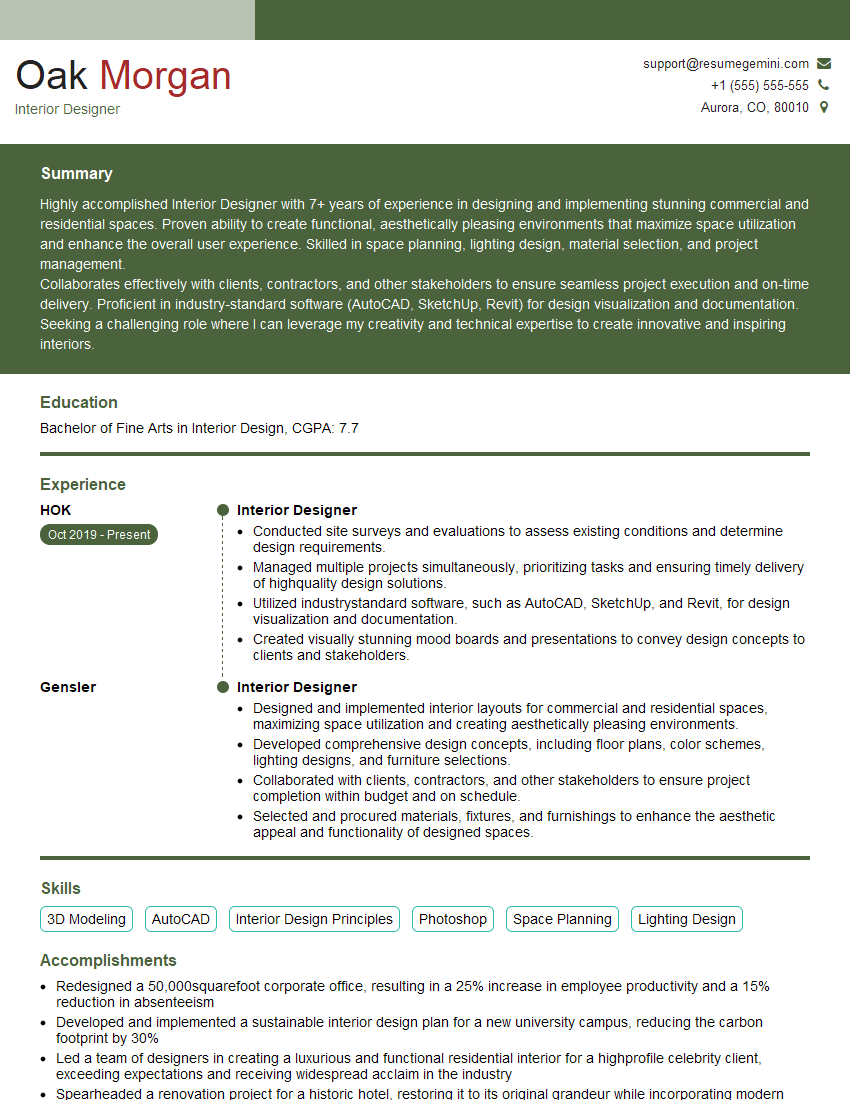
Interior Designer Resume Sample
Explore more articles
Users Rating of Our Blogs
Share Your Experience
We value your feedback! Please rate our content and share your thoughts (optional).
What Readers Say About Our Blog
Very informative content, great job.
good