Unlock your full potential by mastering the most common Ability to lift and move heavy furniture interview questions. This blog offers a deep dive into the critical topics, ensuring you’re not only prepared to answer but to excel. With these insights, you’ll approach your interview with clarity and confidence.
Questions Asked in Ability to lift and move heavy furniture Interview
Q 1. Describe your experience with proper lifting techniques.
Proper lifting techniques are crucial for preventing injuries. They center around minimizing strain on your back and utilizing your leg muscles as the primary power source. Think of it like this: your back is a delicate bridge, and your legs are the strong pillars supporting it.
- Keep the load close: The closer the object is to your body, the less strain on your back. Imagine carrying a heavy suitcase – you hold it close, right?
- Bend your knees, not your back: Squat down to pick up the object, keeping your back straight. This engages your powerful leg muscles.
- Lift with your legs: Use your leg muscles to straighten up, bringing the object to waist height. Don’t jerk or twist.
- Maintain a stable base: Keep your feet shoulder-width apart for balance and stability. Picture a strong tripod – that’s your ideal stance.
- Avoid twisting: Turn your entire body instead of twisting at the waist. Twisting can easily lead to back problems.
For example, when lifting a heavy sofa, I’d first assess its weight and the best way to grip it. I’d then squat down, keeping my back straight, get a firm grip, and lift using my legs, keeping the sofa close to my body throughout the movement. I would also make sure my path is clear of any obstacles.
Q 2. What is your maximum weight capacity for lifting?
My maximum weight capacity for lifting is 75 kg (approximately 165 lbs) without assistance. This is based on years of experience and a thorough understanding of my physical limits. I always prioritize safety and will not lift beyond this limit unless appropriate equipment is available. Attempting to lift more could cause serious injury, both to myself and the furniture.
Q 3. How do you assess the weight of a piece of furniture before lifting?
Assessing the weight of a piece of furniture before lifting is crucial. I use a combination of visual inspection and, when possible, a hands-on approach.
- Visual inspection: I look at the size and materials. Solid wood is heavier than particleboard. A large, ornate dresser will weigh significantly more than a small end table. I also consider the overall build and construction.
- Hands-on assessment: If possible, I’ll gently try to lift a corner or edge to get a feel for the weight. This gives a much better sense of the object’s mass than a visual inspection alone.
- Past experience: My experience allows me to make informed estimations based on similar pieces I’ve moved in the past.
For example, a seemingly light-looking wicker chair might be deceptively heavy if it’s densely woven. I’d always err on the side of caution and assume a piece might be heavier than it initially appears.
Q 4. Explain the process you follow when moving a large, heavy item.
Moving a large, heavy item is a systematic process requiring planning and precision. Here’s my typical approach:
- Assessment: I carefully evaluate the item’s weight, dimensions, and any potential obstacles in the moving path.
- Planning: I determine the optimal route, checking for narrow doorways, stairs, and potential hazards. I also decide if additional help or equipment is necessary.
- Preparation: I clear the path, protect the floor (using furniture sliders or pads), and gather any necessary equipment (dollies, straps, etc.).
- Lifting: I use proper lifting techniques, ensuring a stable base and keeping the load close to my body. This usually involves teamwork with at least one other person.
- Moving: I move the item slowly and carefully, communicating with my team to ensure coordinated movements.
- Placement: I carefully place the item in its designated location.
Imagine moving a large antique armoire. I’d not only assess its weight but also note any fragile parts. I’d use furniture sliders to minimize friction, possibly a dolly to ease transport, and communicate with my team every step of the way to ensure a smooth, damage-free relocation.
Q 5. What safety precautions do you take when lifting and moving heavy objects?
Safety is paramount. My safety precautions include:
- Proper lifting techniques: Always using my legs and keeping my back straight to avoid injury.
- Teamwork: Seeking assistance for heavy items whenever necessary to avoid straining myself. Two heads are better than one when it comes to heavy lifting.
- Protective gear: Wearing appropriate footwear (steel-toe boots recommended), gloves to protect my hands, and potentially back supports if the task is particularly strenuous.
- Clear communication: When working with a team, clear and concise communication is critical to coordinate lifts and ensure safety.
- Assessing the environment: Checking the moving path for obstructions and hazards before attempting a lift. This includes checking for stairs, uneven flooring, and other obstacles.
For example, even moving a relatively light but oddly shaped object, I would always assess its stability and balance before lifting to prevent it from tipping or dropping and causing injuries.
Q 6. How do you handle unusual or irregularly shaped furniture?
Handling unusual or irregularly shaped furniture requires extra care and planning. The key is to adapt my lifting techniques and potentially use specialized equipment.
- Padding and securing: I might use blankets or padding to protect the furniture and improve my grip on uneven surfaces.
- Strapping: Using straps can help secure irregularly shaped items and distribute the weight more evenly during the move.
- Specialized equipment: For particularly awkward shapes, I might use furniture dollies with adjustable straps or other specialized moving equipment.
- Extra caution: I would proceed slowly and carefully, taking extra precautions to prevent damage or injury. Communication with the team is crucial in this situation.
For example, imagine moving an antique chaise lounge with intricate carvings. I’d use blankets to protect the carvings, straps to secure it, and probably a dolly and at least one helper to prevent any damage or strain.
Q 7. What tools or equipment do you use to assist with heavy lifting?
Various tools and equipment significantly assist in heavy lifting and moving:
- Furniture dollies: These wheeled platforms provide excellent support and maneuverability for heavy items.
- Hand trucks: Similar to dollies, but designed for vertical lifting and carrying.
- Furniture sliders: These protect floors and reduce friction while moving furniture across surfaces.
- Straps and ropes: For securing items and improving grip, particularly on oddly shaped pieces.
- Moving blankets: Protect furniture from scratches and dents during transport.
- Back supports: Provide additional lumbar support during strenuous lifting tasks.
The choice of tools depends on the specific item being moved; for example, a large, heavy wardrobe might require a dolly and straps, while a smaller item might only need furniture sliders. My experience helps determine which equipment is best suited for the job.
Q 8. Have you ever experienced a lifting injury? If so, how did it happen and what did you learn?
Fortunately, I haven’t suffered a major lifting injury in my career. However, I’ve witnessed colleagues experience back strains and pulled muscles due to improper lifting techniques. One instance involved a colleague attempting to lift a heavy armoire alone, without using a dolly or employing proper lifting mechanics. He twisted his back and was sidelined for several weeks. This highlighted the critical importance of teamwork, proper equipment usage, and adhering to safe lifting procedures. The experience reinforced my commitment to training and prevention. We implemented additional training sessions focused on proper body mechanics and risk assessment.
Q 9. How do you ensure the safety of yourself and others while moving heavy furniture?
Ensuring safety is paramount. My approach involves a multi-faceted strategy. Firstly, I always assess the weight and dimensions of the furniture before commencing the move. This includes evaluating the environment for potential obstacles like stairs, narrow doorways, or uneven surfaces. Secondly, I ensure we have the right equipment – dollies, straps, and hand trucks – and that they are in good working condition. Thirdly, I emphasize teamwork. Clear communication and coordinated lifting are essential. We utilize proper lifting techniques, keeping the back straight, bending at the knees, and lifting with the legs, avoiding twisting motions. Finally, I always prioritize a clear path, ensuring everyone understands their roles and responsibilities to minimize risks of collisions or accidents.
Q 10. Describe your experience using dollies, hand trucks, or other moving equipment.
I’m proficient in using various moving equipment. Dollies are indispensable for maneuvering large, bulky items over short distances. Hand trucks are ideal for transporting heavy, upright objects like refrigerators or tall bookcases. I understand the importance of securing the load properly on these devices using straps or tie-downs to prevent shifting during transit. I also have experience using furniture sliders, which are invaluable for moving heavy items across carpeted or delicate flooring. For particularly heavy or awkward items, we sometimes employ specialized equipment like appliance rollers, which help distribute the weight and make movement significantly easier. My experience extends to using ramps and stair climbers when dealing with staircases, minimizing strain and reducing the risk of accidents.
Q 11. How do you plan a move to ensure efficiency and safety?
Planning is key to an efficient and safe move. It starts with a thorough survey of the environment—measuring doorways, hallways, and staircases. We identify the weight and dimensions of each piece of furniture and determine the best route and equipment for each item. This often involves creating a detailed floor plan and a step-by-step moving plan, assigning roles and responsibilities to team members. Pre-planning also includes arranging for protective gear, such as gloves and work boots, as well as confirming the availability of necessary tools and equipment. Thorough planning significantly reduces the risk of injury and wasted time on the day of the move. For example, if dealing with a particularly large or heavy item, we’ll carefully measure the item against hallways and doorways to determine if disassembly is necessary.
Q 12. How do you communicate with your team while moving heavy furniture?
Clear and concise communication is the backbone of a successful and safe move. Before we begin, I ensure everyone understands the plan, including assigned roles, lifting techniques, and the planned route. During the move, I use simple, direct commands – for instance, ‘Ready…lift…set’ – to coordinate the team’s efforts. Nonverbal cues, such as hand signals, are also employed, especially in noisy environments. If any challenges arise, I make sure to immediately stop the operation and discuss the issue with the team to adjust accordingly. Open communication helps to prevent misunderstandings and ensures everyone feels safe and comfortable.
Q 13. What are some common challenges you face when moving heavy furniture?
Several common challenges can arise during heavy furniture moves. Tight spaces and narrow hallways can make maneuvering large items extremely difficult. Staircases present their own unique difficulties, requiring careful planning and potentially specialized equipment. Uneven floors or obstacles like rugs or wires can also pose risks. Additionally, unexpected damage to the furniture or the surrounding environment is a possibility. Improperly secured loads can shift during transport, leading to accidents or damage. Finally, unforeseen circumstances, such as unexpected weight or obstacles, require adaptability and problem-solving skills.
Q 14. How do you adapt your lifting techniques to different environments (e.g., stairs, tight spaces)?
Adaptability is crucial when working in different environments. On staircases, we often use a combination of hand trucks, straps, and careful teamwork to control the descent or ascent. In tight spaces, we might need to disassemble furniture to navigate corners or doorways. When working on uneven surfaces, we carefully assess the terrain, often using furniture sliders or dollies to prevent damage or tipping. My experience has taught me that the most important factor is maintaining a stable base, using my legs to do the work, and communicating continuously with the team to anticipate and overcome challenges. Using ramps for significant height changes and employing extra personnel for particularly difficult maneuvers are often crucial strategies.
Q 15. How do you protect furniture from damage during the moving process?
Protecting furniture during a move is paramount. It’s not just about preventing scratches; it’s about safeguarding the structural integrity of the piece. My approach is multifaceted and begins with assessment.
- Proper Wrapping: I utilize furniture pads, blankets, and shrink wrap to cushion the furniture from impacts and protect against dust and moisture. Fragile areas like corners and edges receive extra padding. For example, I’d wrap a delicate antique table in several layers of soft blankets, securing them with stretch wrap to prevent shifting during transit.
- Strategic Placement: Before moving, I carefully plan the route, identifying potential hazards like sharp corners or low-hanging objects. I often use protective floor coverings (like cardboard or runners) in high-traffic areas or on delicate flooring.
- Specialized Packaging: For particularly delicate items like glass-topped tables or antique mirrors, I employ specialized crates or custom-built protective cases. This ensures they remain secure and immobile during transportation.
- Securing Loose Parts: Drawers and other loose components are secured with tape or straps to prevent them from opening or detaching during the move.
This comprehensive approach minimizes the risk of damage, ensuring the furniture arrives at its destination in the same condition it left.
Career Expert Tips:
- Ace those interviews! Prepare effectively by reviewing the Top 50 Most Common Interview Questions on ResumeGemini.
- Navigate your job search with confidence! Explore a wide range of Career Tips on ResumeGemini. Learn about common challenges and recommendations to overcome them.
- Craft the perfect resume! Master the Art of Resume Writing with ResumeGemini’s guide. Showcase your unique qualifications and achievements effectively.
- Don’t miss out on holiday savings! Build your dream resume with ResumeGemini’s ATS optimized templates.
Q 16. Describe your experience with disassembling and reassembling furniture.
Disassembling and reassembling furniture is a regular part of my work, and my experience spans a wide variety of styles and complexities. I’m proficient with various tools, from screwdrivers and wrenches to specialized furniture disassembly tools.
- Careful Documentation: Before disassembling, I always take photographs or detailed notes of each step, including the orientation of screws and the relative positions of parts. This makes reassembly much smoother and reduces the risk of errors. I even sometimes use labelled ziplock bags to keep screws and small parts organized.
- Understanding Furniture Construction: I have a strong understanding of different joinery techniques, enabling me to identify and carefully dismantle various types of furniture constructions. Knowing how a piece is built, allows me to efficiently and safely disassemble it.
- Systematic Approach: I always follow a systematic approach. I start with the less critical components, ensuring that each step is completed before moving to the next. I treat each piece of furniture uniquely, adapting my approach based on the design.
My goal is always to reassemble the furniture exactly as it was originally, ensuring its functionality and aesthetic appeal are maintained. For instance, recently I disassembled a complex antique armoire, meticulously documenting each step with photos and notes which allowed for a quick and accurate reassembly at the new location.
Q 17. What are your strategies for preventing back injuries while lifting?
Preventing back injuries is my top priority. It’s not just about lifting heavy items; it’s about employing safe lifting techniques consistently.
- Proper Posture: I always maintain a straight back and bend at the knees, never at the waist. This keeps the spine aligned and distributes the weight evenly.
- Strategic Lifting: I use my leg muscles to lift, not my back. I get as close to the object as possible, getting a firm grip before lifting.
- Assess the Weight: Before lifting anything, I carefully assess the weight and size to determine if I need assistance or equipment. If something is too heavy, I won’t hesitate to ask for help.
- Controlled Movement: I lift slowly and deliberately, avoiding any sudden or jerky movements. I keep the object close to my body to reduce strain.
- Using Equipment: For extremely heavy items, I utilize appropriate equipment like dollies, hand trucks, or furniture sliders to minimize strain and maximize control.
Think of it like this: imagine trying to carry a heavy box using only your back muscles. Now, imagine using your legs and keeping your back straight – it’s a world of difference in terms of strain and injury risk.
Q 18. How do you prioritize safety over speed when moving heavy items?
Safety always trumps speed in my work. A rushed move is a risky move.
- Careful Planning: I carefully plan the move, assessing the environment and the weight of the items, creating a safe and efficient route. This minimizes the need for hurried movements.
- Teamwork and Communication: If working with a team, clear communication is vital. We synchronize movements to prevent collisions and ensure a smooth, safe transfer.
- Regular Breaks: I take regular breaks to avoid fatigue, which can compromise safety and technique. Short rest periods are key to maintaining concentration and avoiding injury.
- Appropriate Equipment: Using the right tools and equipment, like dollies or ramps, is crucial for both safety and efficiency. A well-equipped mover is a safe mover.
Ultimately, prioritizing safety ensures that the job is done correctly, the furniture is protected, and everyone involved returns home without injury. A slow, safe move is always better than a fast, accident-prone one.
Q 19. How do you handle unexpected situations or obstacles during a move?
Unexpected situations are part of the job. My ability to adapt and improvise is key.
- Problem Assessment: The first step is to calmly assess the situation. This helps to determine the best course of action.
- Resourcefulness: I am adept at finding creative solutions using available resources. For example, if a doorway is too narrow, I might disassemble the furniture temporarily or use specialized equipment to maneuver it.
- Adaptability: I’m not afraid to adjust my approach based on the circumstances. Flexibility is crucial when dealing with unforeseen obstacles.
- Seeking Assistance: If I encounter a problem I can’t solve independently, I immediately seek assistance from my team or supervisor.
For instance, during one move, we encountered a narrow staircase with a sharp turn. Instead of forcing a large dresser through, we carefully disassembled it, transported the parts individually, and reassembled it at the destination. Adaptability and problem-solving prevented damage and injury.
Q 20. What is your experience with using straps, ropes, or other securing devices?
I have extensive experience using various securing devices to protect furniture and ensure safe transport.
- Straps: I utilize ratchet straps and furniture straps to secure items to trailers or trucks, preventing shifting during transit. The correct tension is crucial here, ensuring the items are secure but not damaged.
- Ropes: For lighter or oddly shaped items, rope can be a useful tool, but it requires careful knotting and securing to prevent slippage. I know several reliable knots ideal for various situations.
- Moving Blankets and Padding: These aren’t just for protection; strategically used padding and blankets can aid in securing items during transport.
- Furniture Sliders: These are invaluable for moving heavy items across floors, reducing friction and preventing damage.
My selection of securing devices depends on the item’s size, weight, and fragility, always choosing the most appropriate and safest method.
Q 21. Describe a time you had to improvise a solution when moving a particularly difficult piece of furniture.
During one move, we encountered a massive antique grandfather clock that was too wide to fit through the doorway. We tried various methods—tilting, maneuvering—but nothing worked.
My improvised solution involved carefully removing the clock’s pendulum and weights, then removing the clock’s face and carefully padding it for transport. We then used a combination of furniture sliders, leverage, and teamwork to gently squeeze the clock through the doorway, reassembling the clock on the other side.
It wasn’t textbook, but it got the job done safely and without damaging the precious antique. This incident reinforced the importance of quick thinking, teamwork, and knowing the limitations of your equipment.
Q 22. How familiar are you with different types of furniture and their weight distribution?
Understanding furniture weight distribution is crucial for safe and efficient moving. Different pieces have unique weight centers and construction. For example, a solid wood armoire will be significantly heavier and have a different center of gravity than a lightweight, hollow-core shelving unit. I’m familiar with various furniture types – from antique dressers with intricate detailing and potentially uneven weight distribution to modern, modular sofas with multiple sections. I assess weight distribution by visually inspecting the piece, feeling its balance, and noting any obvious weight imbalances. This informs my lifting and carrying strategy.
- Sofas: These often have heavier components (frames, cushions) concentrated in the base, requiring careful lifting from the bottom.
- Tables: Glass-topped tables are deceptively heavy. You must carefully consider both the glass and the often heavy base.
- Armoires/Wardrobes: These are frequently top-heavy, requiring two people and perhaps even a dolly or furniture sliders.
This knowledge allows me to preemptively plan the move, selecting the right equipment and personnel to prevent damage or injury.
Q 23. What are the best practices for lifting and moving fragile furniture items?
Moving fragile furniture requires meticulous care and specific techniques. The key is to prioritize protection and support. This involves using padding like blankets, bubble wrap, and furniture pads to cushion the item. We also utilize corner protectors and straps to reinforce vulnerable areas and prevent shifting. Lifting should always be done with the proper posture – bending knees and using leg muscles, not the back – and maintaining a controlled and steady pace. For extra delicate items, we use specialized moving equipment like furniture dollies with straps, or even custom-built crates for extremely valuable or fragile items.
For instance, when moving an antique mirror, we’d carefully wrap it in multiple layers of bubble wrap, secure it with protective corner guards and then place it in a sturdy box filled with packing peanuts, before loading it into a vehicle. We’d ensure it’s properly secured to prevent movement during transportation.
Q 24. How do you ensure that furniture is properly secured during transport?
Securing furniture during transport is paramount to prevent damage and accidents. We use a combination of techniques depending on the furniture and the mode of transport (truck, van, etc.). This includes:
- Strapping: Using strong straps to secure larger items to the vehicle’s walls or floor, preventing shifting during transit.
- Padding: Wrapping furniture in blankets and padding to protect it from scratches and impacts.
- Blocking: Using padding or wedges to prevent items from shifting or sliding against each other.
- Blankets and Covers: Providing an extra layer of protection against dust, scratches and minor bumps.
For example, a large wardrobe might be strapped to the floor of a moving truck using multiple ratchet straps. Smaller items might be placed in boxes and then stacked to maximize space and minimize movement.
Q 25. How do you determine the best route for moving heavy furniture within a space?
Determining the optimal route for moving heavy furniture involves careful assessment of the environment. I survey the space, noting doorways, hallways, stairs, and any potential obstacles like rugs or furniture. I look for the widest, clearest path, avoiding tight corners and narrow passages. If necessary, I might even disassemble furniture (like a bed frame) to navigate challenging areas. I prioritize safety and efficiency, always considering the weight and dimensions of the furniture to be moved.
Imagine moving a large sofa through a narrow doorway. I would first measure the sofa and the doorway to confirm it will fit. If not, I may need to remove a door or tilt the sofa slightly.
Q 26. Describe your experience with moving large appliances (refrigerators, washing machines, etc.).
I have extensive experience moving large appliances, including refrigerators, washing machines, and dryers. These require specialized techniques due to their weight and delicate internal components. I use appliance dollies with straps and often employ two or more people to lift and move them safely. Before moving, I disconnect the appliances, empty them completely, and secure any loose parts to prevent damage during transport. We use protective pads to shield the appliances from scratches and impacts, and are aware of the need to keep them upright to avoid damaging internal components. Proper handling also includes preventing tilting and rapid acceleration which can affect the cooling components or the water/drain hoses.
Moving a refrigerator requires particular care, making sure to drain the water line, tape down loose wires, and secure the door to prevent it from swinging open.
Q 27. How do you handle customer concerns or complaints related to furniture moving?
Handling customer concerns is a critical part of the job. I approach complaints with empathy and professionalism, actively listening to understand the issue. I then calmly explain the situation, offering solutions or compromises where possible. If there was damage, I would document it thoroughly, perhaps involving the client in the process to ensure fairness and transparency. I aim for a win-win scenario, focusing on resolving the situation and maintaining a positive customer relationship. Clear communication is key, ensuring the customer feels heard and understood.
For example, if a customer was unhappy with a scratch on their antique table, I would apologize sincerely, document the damage with photos, and discuss potential solutions, such as offering compensation for repair or replacement.
Q 28. How would you respond to an emergency situation involving an injury while moving furniture?
In case of an injury, immediate action is vital. My first priority is the injured person’s safety and well-being. I would immediately stop the moving process and assess the injury’s severity. If the injury is serious, I would call emergency services (911) without delay. For minor injuries, I would provide first aid (if qualified) and ensure the person is comfortable. I would also document the incident thoroughly, including the circumstances leading up to the injury. Following company protocol, I will likely complete an accident report and may need to file a report with workers’ compensation or other regulatory agencies.
Safety is paramount, so having a clear protocol for emergencies is crucial. Regular safety training and the use of proper equipment significantly reduce risks and ensure appropriate responses when things go wrong.
Key Topics to Learn for Ability to Lift and Move Heavy Furniture Interview
- Proper Lifting Techniques: Understanding and applying safe lifting mechanics, including posture, foot placement, and using leg muscles to minimize strain.
- Weight Distribution and Balance: Analyzing the weight and center of gravity of furniture to determine the safest and most efficient moving strategy. Practical application includes assessing furniture size and weight to determine appropriate equipment or assistance needed.
- Equipment Usage and Safety: Familiarity with dollies, hand trucks, furniture pads, straps, and other equipment commonly used in furniture moving. This includes understanding safe operating procedures and recognizing potential hazards.
- Teamwork and Communication: Coordinating movements with colleagues to efficiently and safely move heavy furniture. Effective communication prevents accidents and ensures smooth transitions.
- Damage Prevention: Identifying potential risks to the furniture and surrounding environment, and implementing preventative measures (e.g., protecting floors, walls, and furniture itself). Problem-solving includes adapting techniques based on obstacles or unexpected challenges.
- Assessing Furniture Structure: Understanding how to identify potential structural weaknesses in furniture pieces before moving to avoid damage or injury.
- Emergency Procedures: Knowing how to react to unexpected situations, such as slips, falls, or jammed furniture.
Next Steps
Mastering the ability to safely and efficiently lift and move heavy furniture is crucial for career advancement in many industries, showcasing your physical capability, problem-solving skills, and commitment to safety. A strong resume highlighting these abilities is essential for securing your desired role. To enhance your job prospects, create an ATS-friendly resume that effectively communicates your skills and experience. ResumeGemini is a trusted resource to help you build a professional and impactful resume. Examples of resumes tailored to the ability to lift and move heavy furniture are available to guide you. Take this opportunity to showcase your preparedness and professionalism!
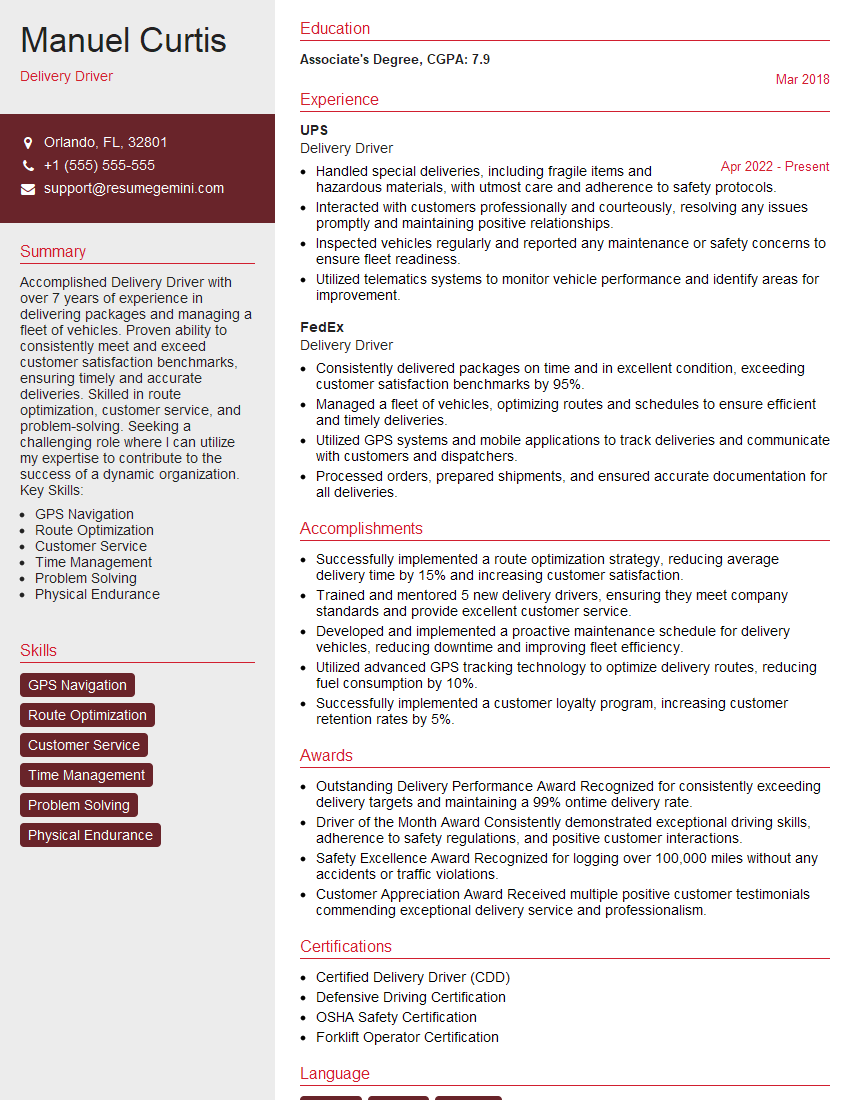
Delivery Driver Resume Sample

Shipping and Receiving Clerk Resume Sample
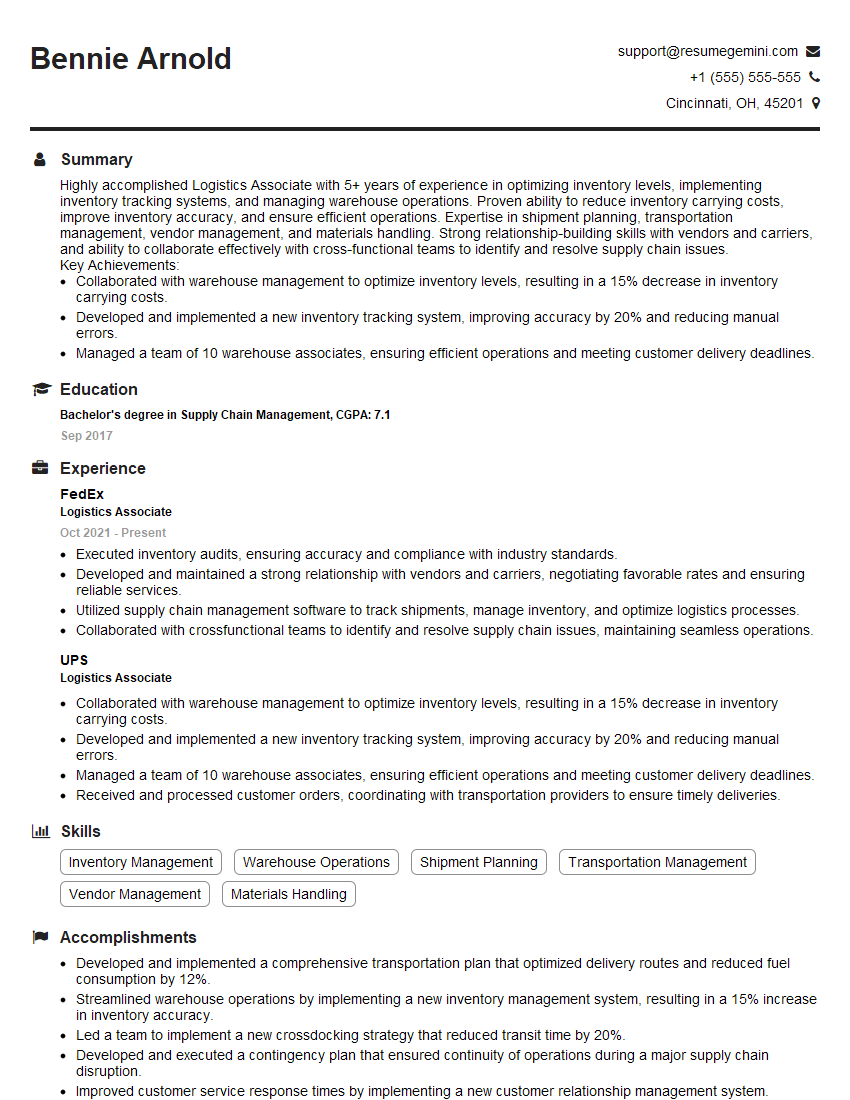
Logistics Associate Resume Sample
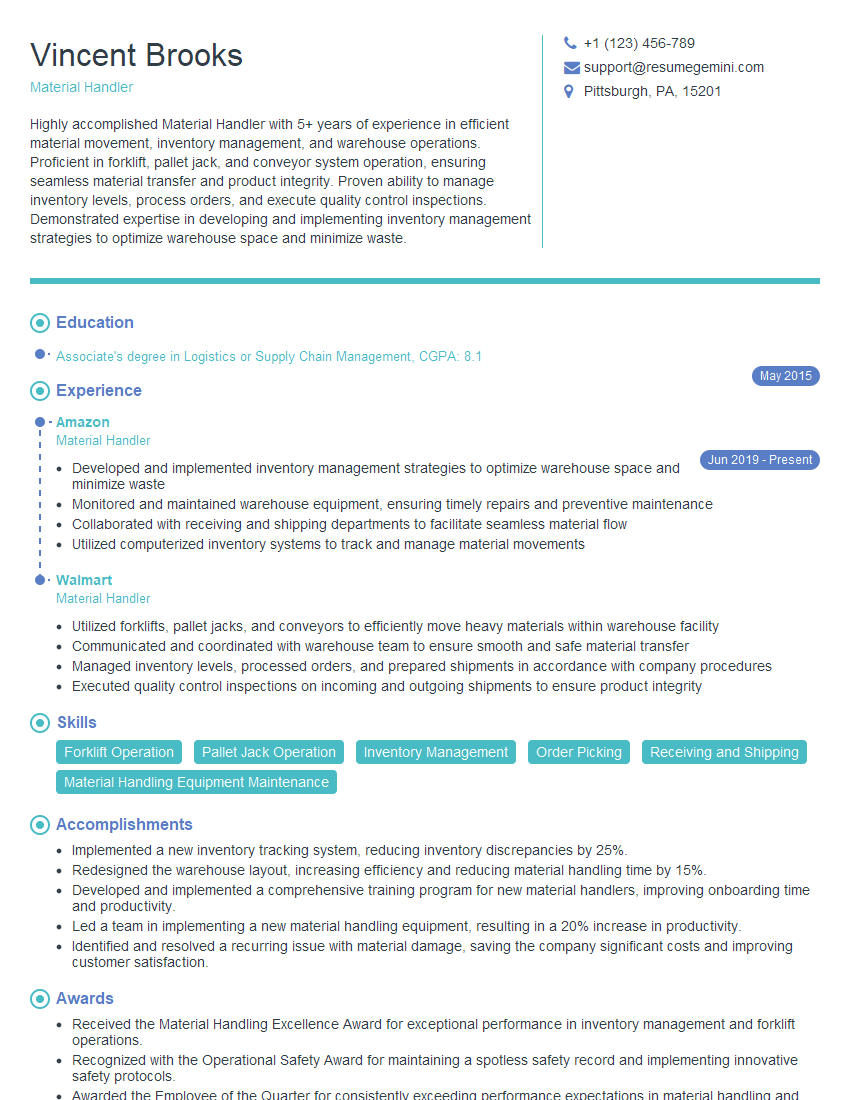
Material Handler Resume Sample
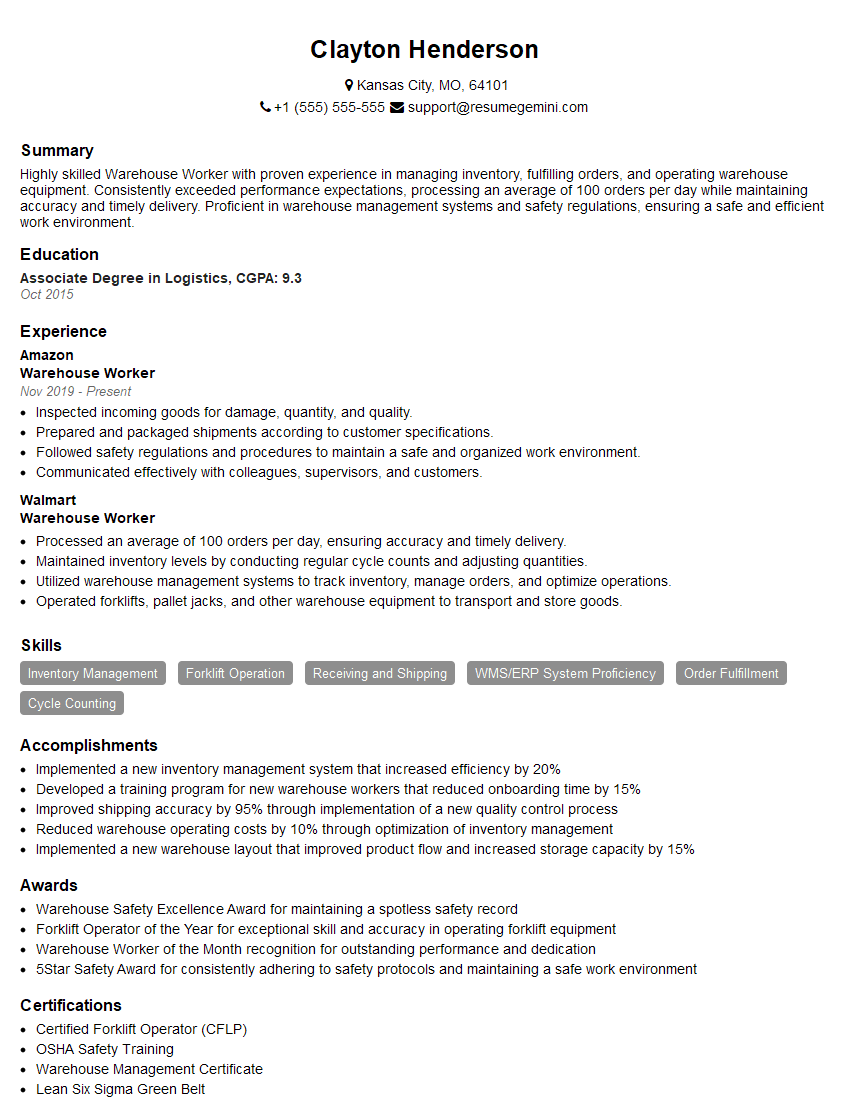
Warehouse Worker Resume Sample
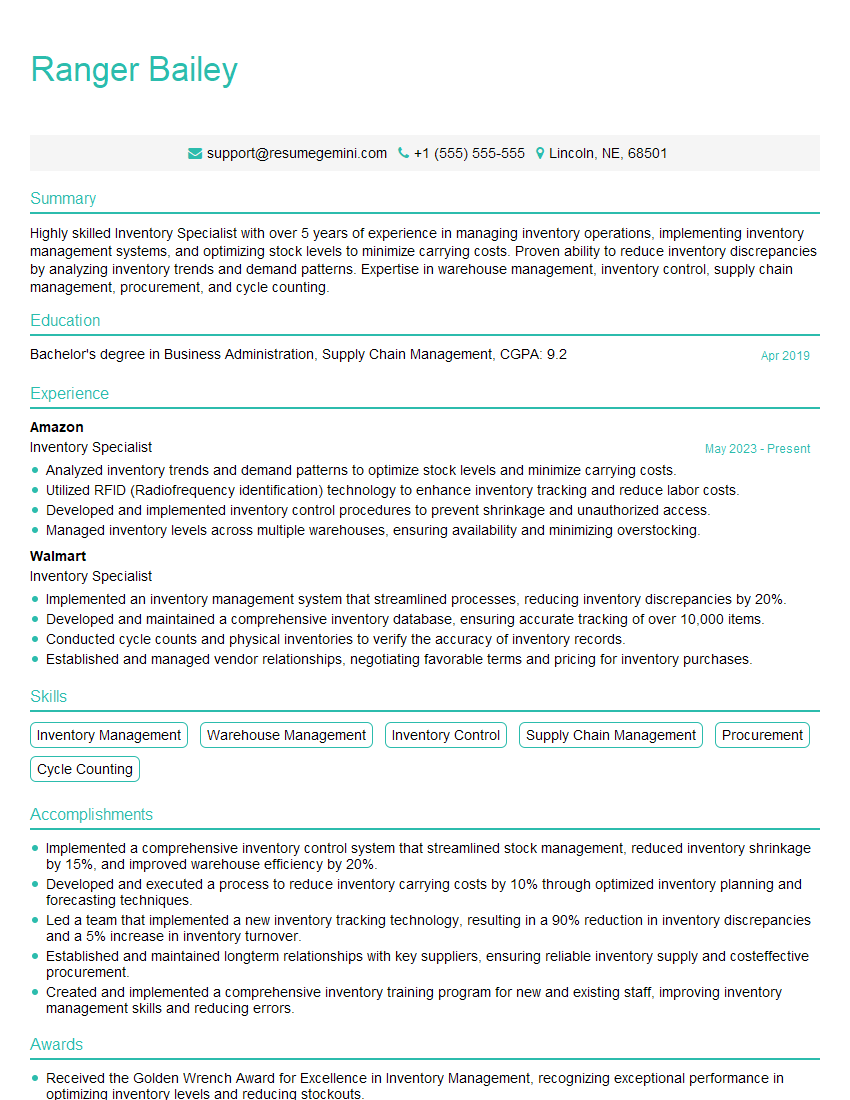
Inventory Specialist Resume Sample
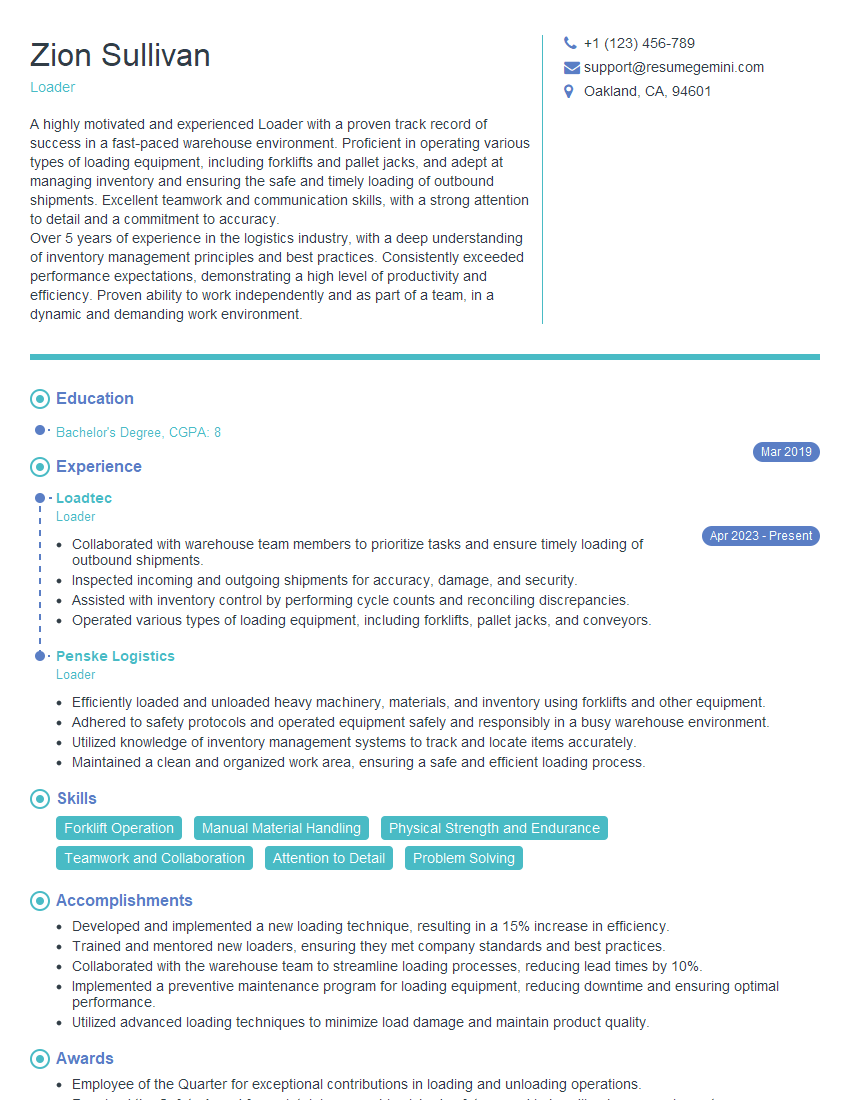
Loader Resume Sample
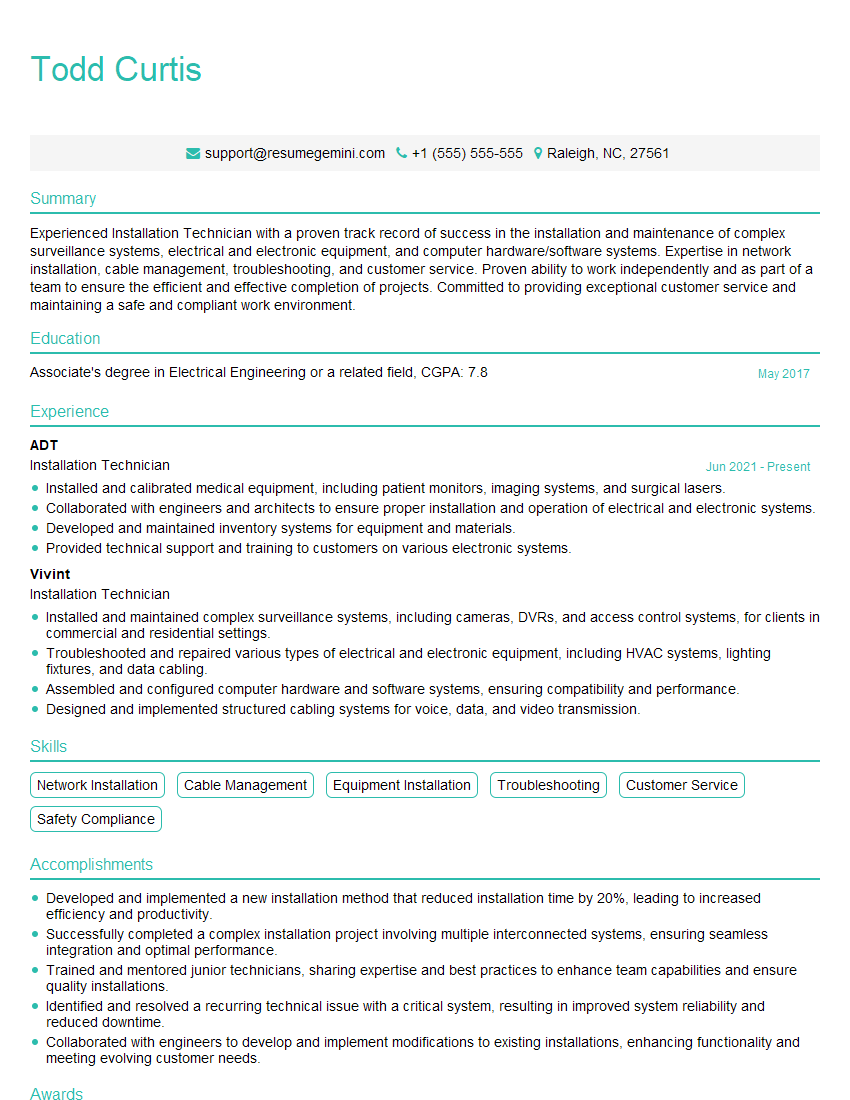
Installation Technician Resume Sample
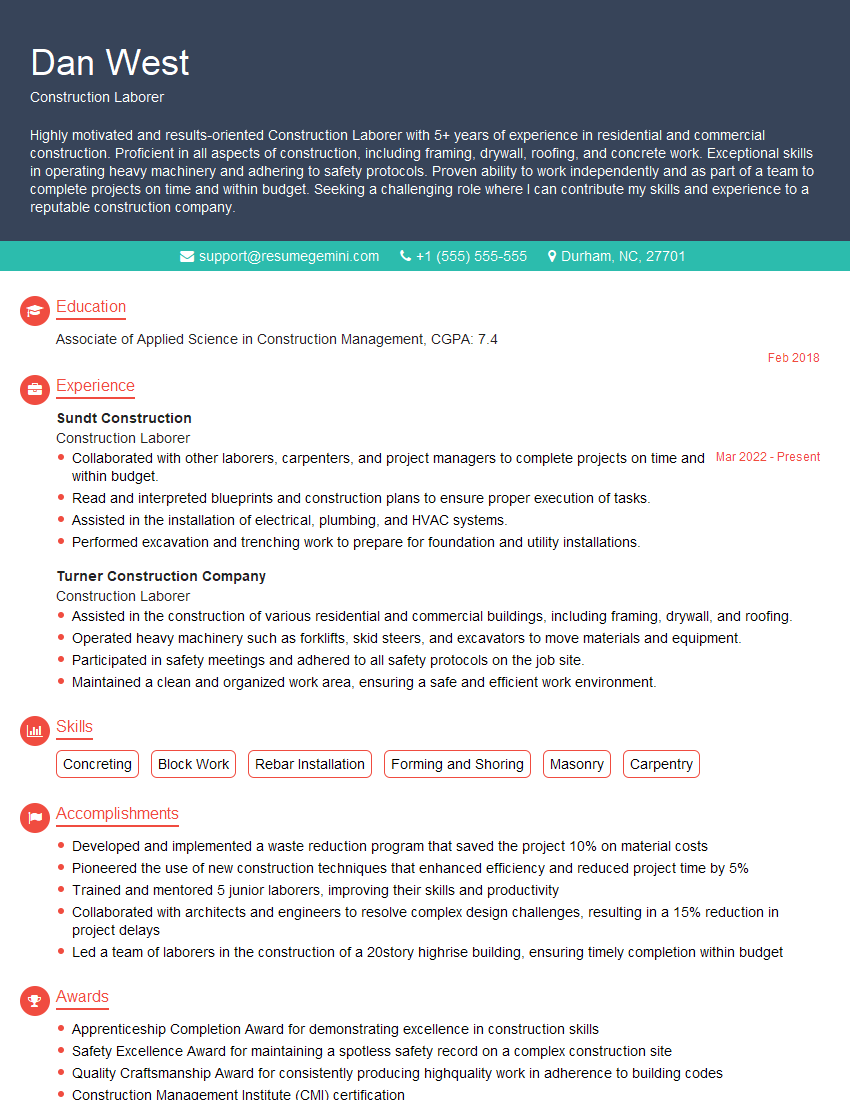
Construction Laborer Resume Sample
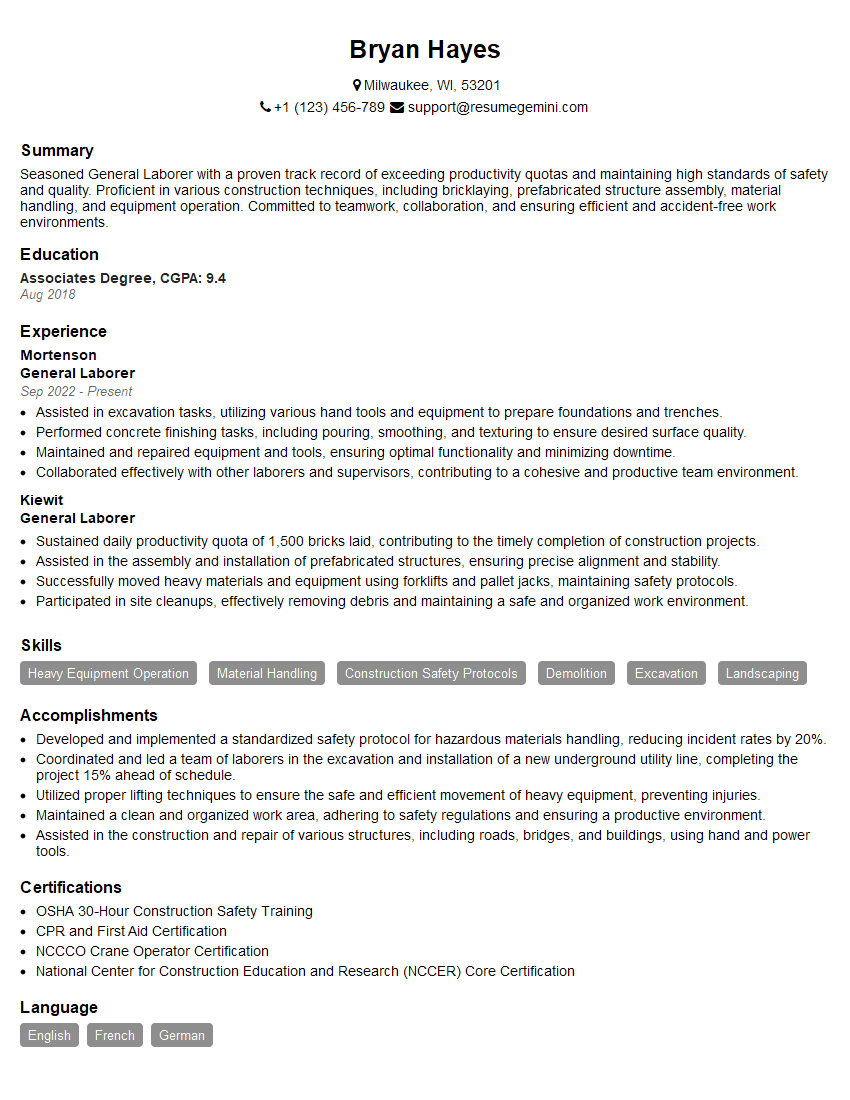
General Laborer Resume Sample
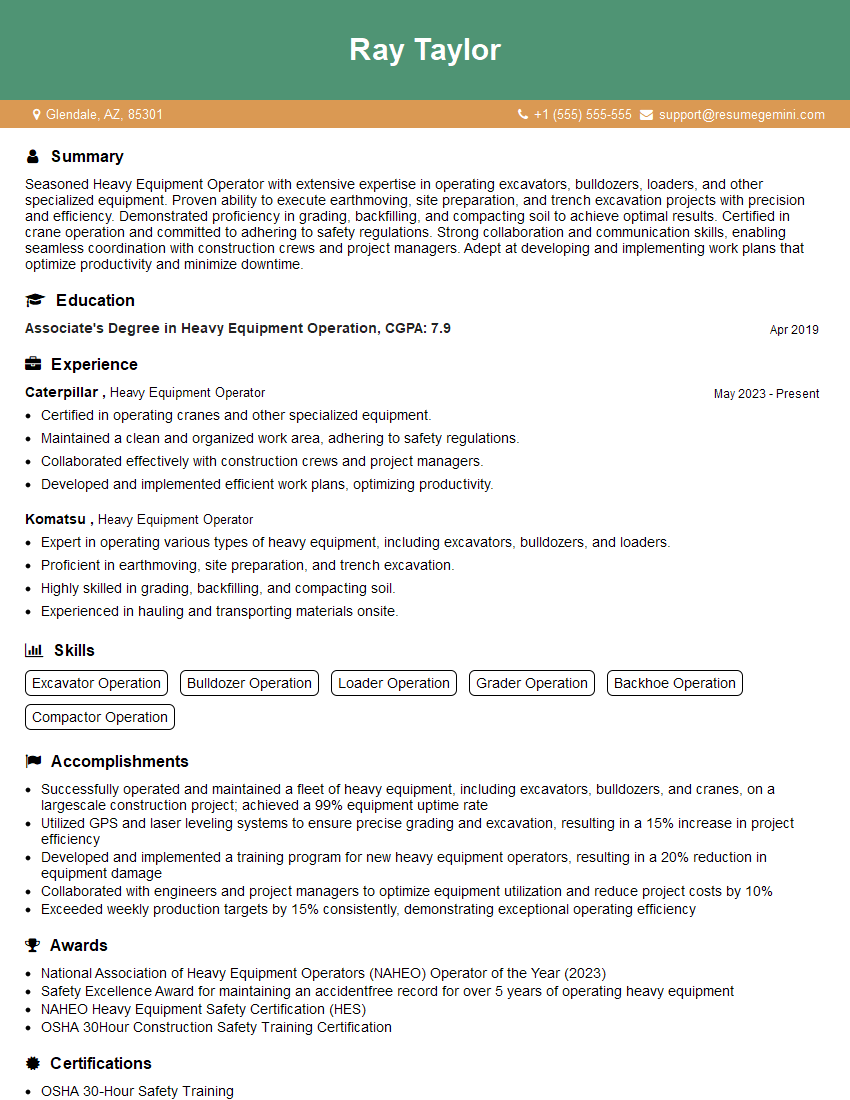
Heavy Equipment Operator Resume Sample
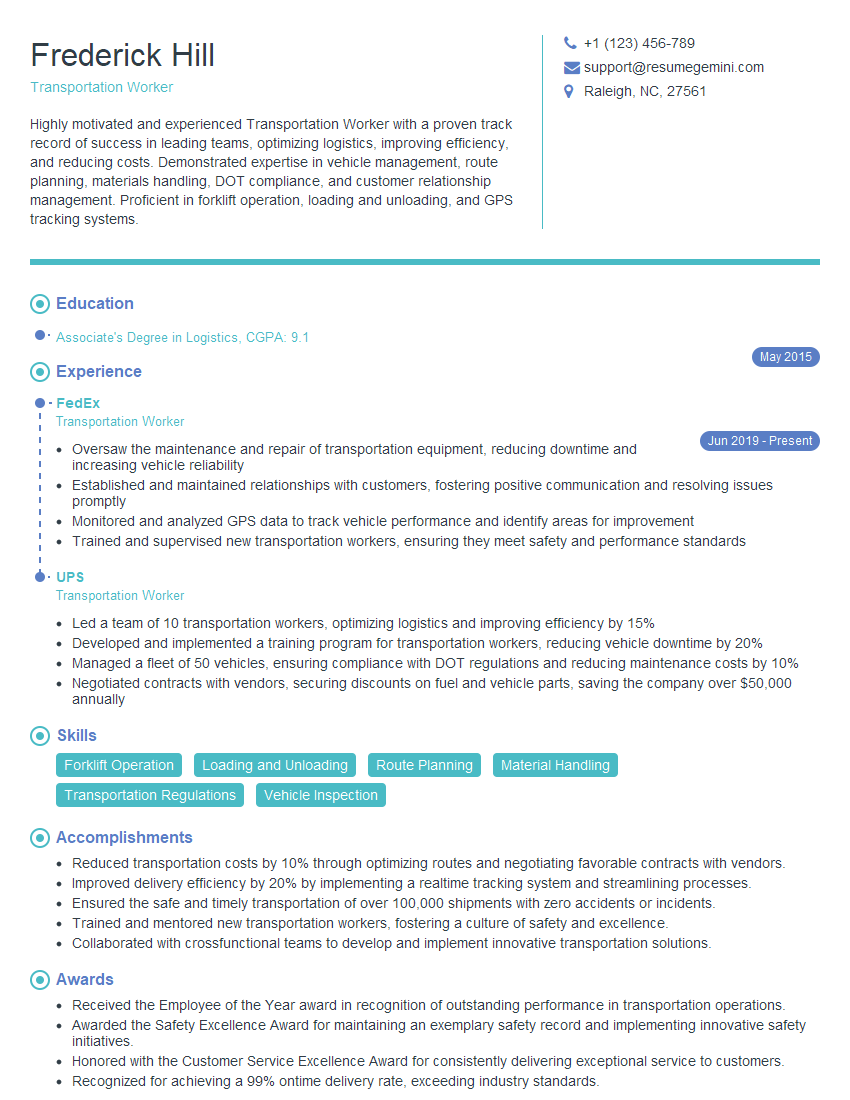
Transportation Worker Resume Sample
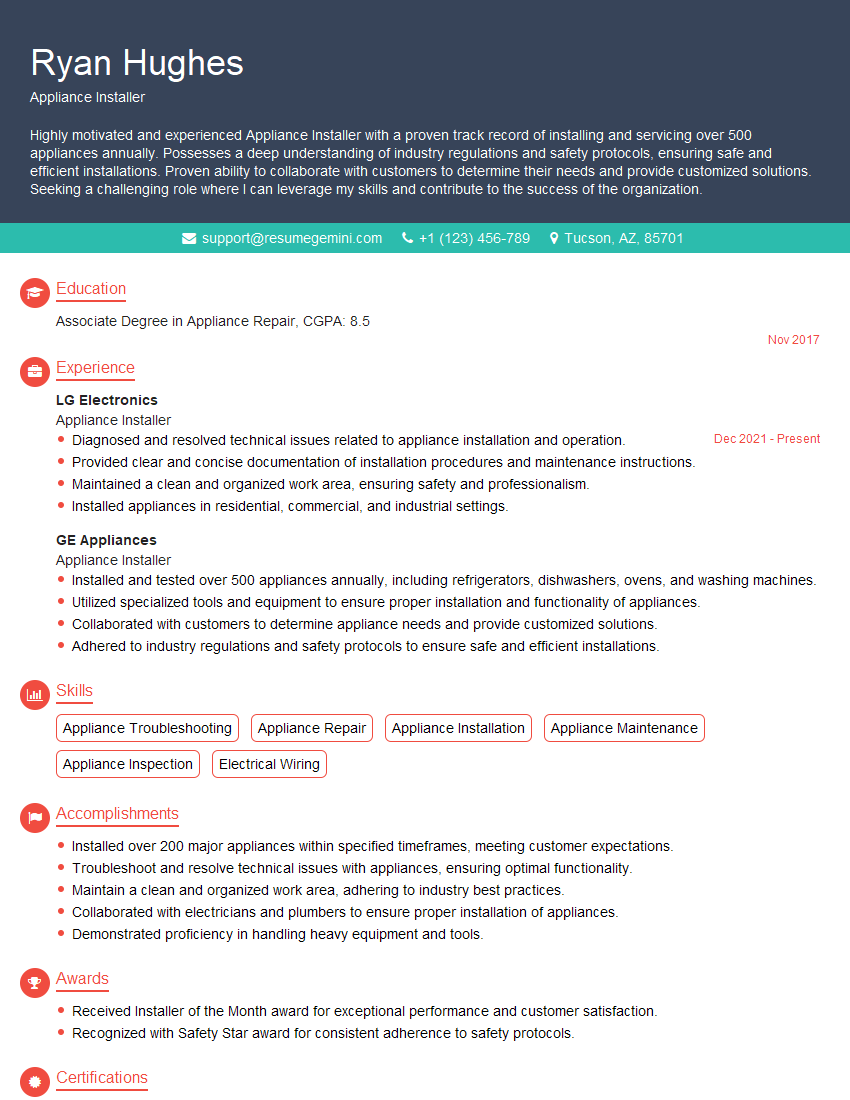
Appliance Installer Resume Sample
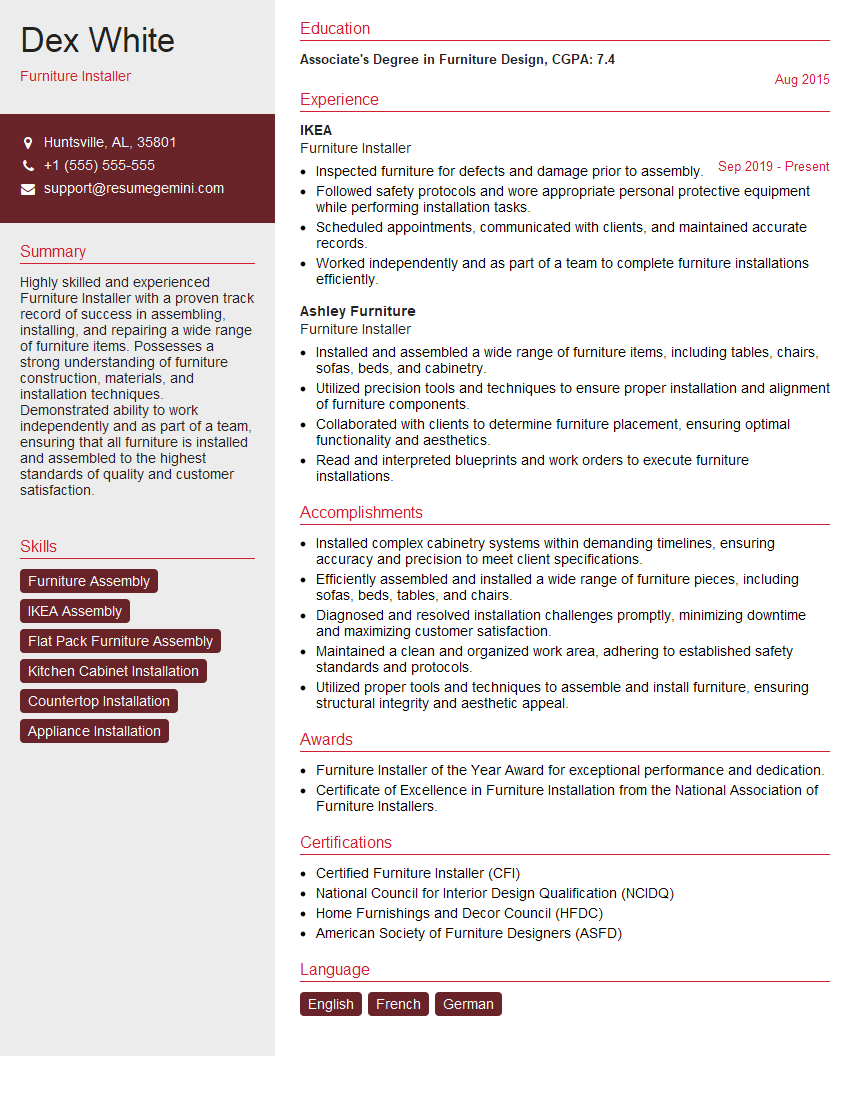
Furniture Installer Resume Sample
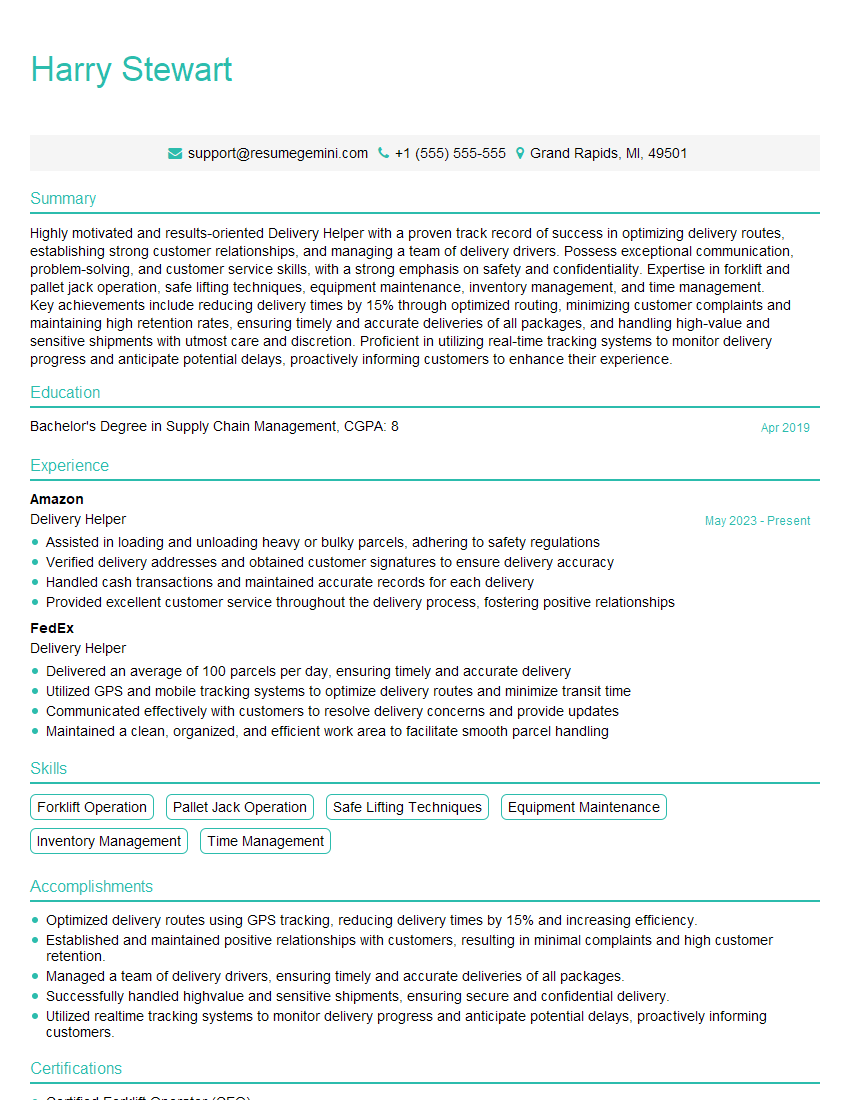
Delivery Helper Resume Sample
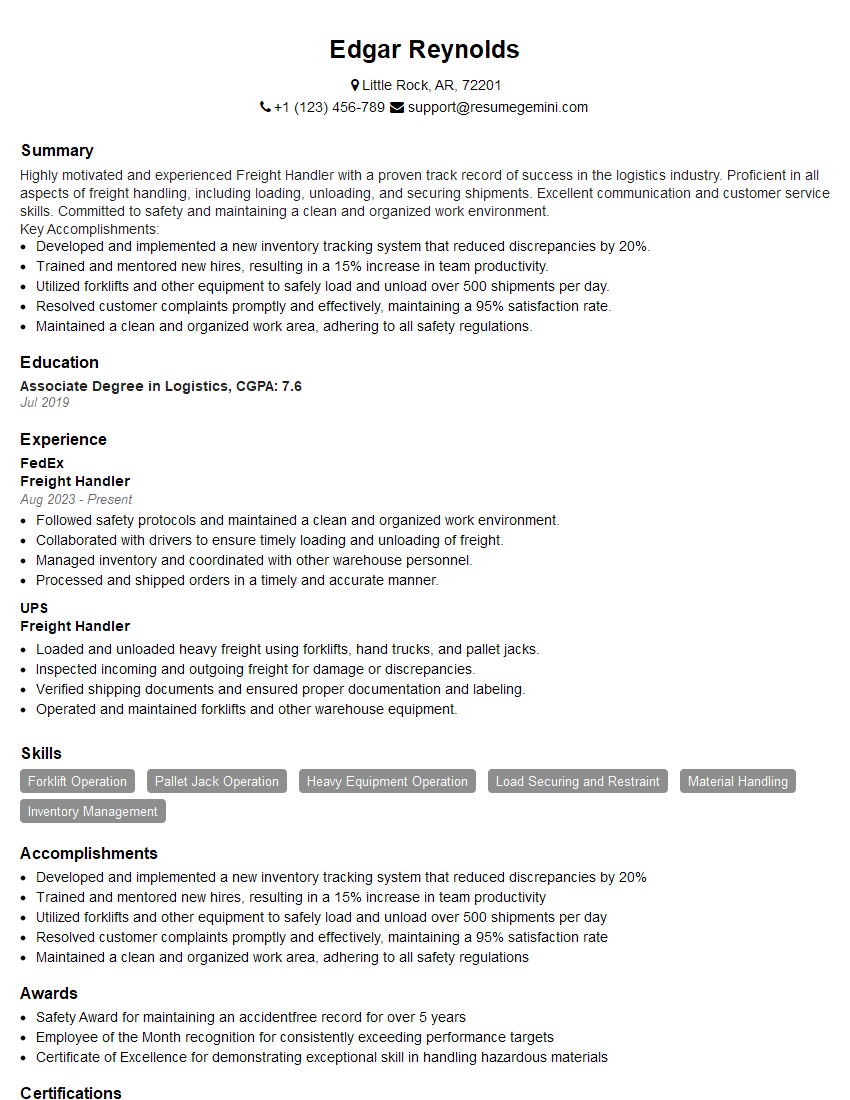
Freight Handler Resume Sample
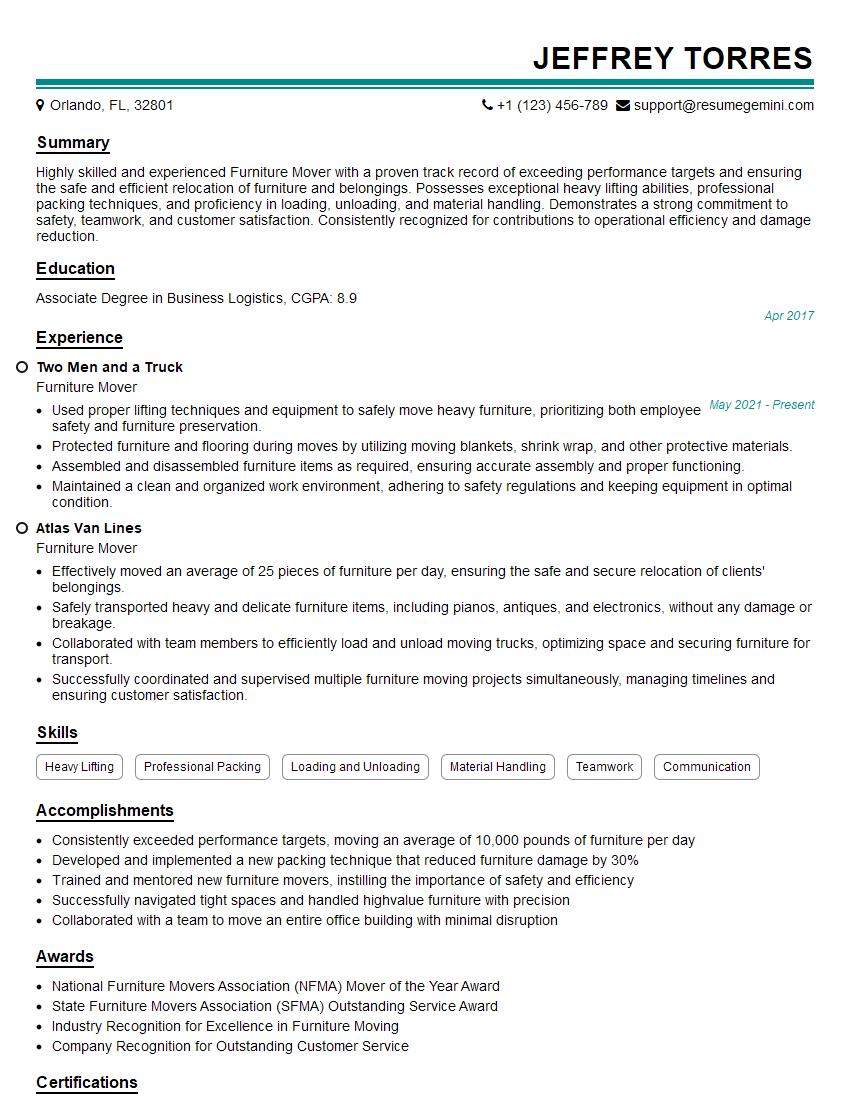
Furniture Mover Resume Sample
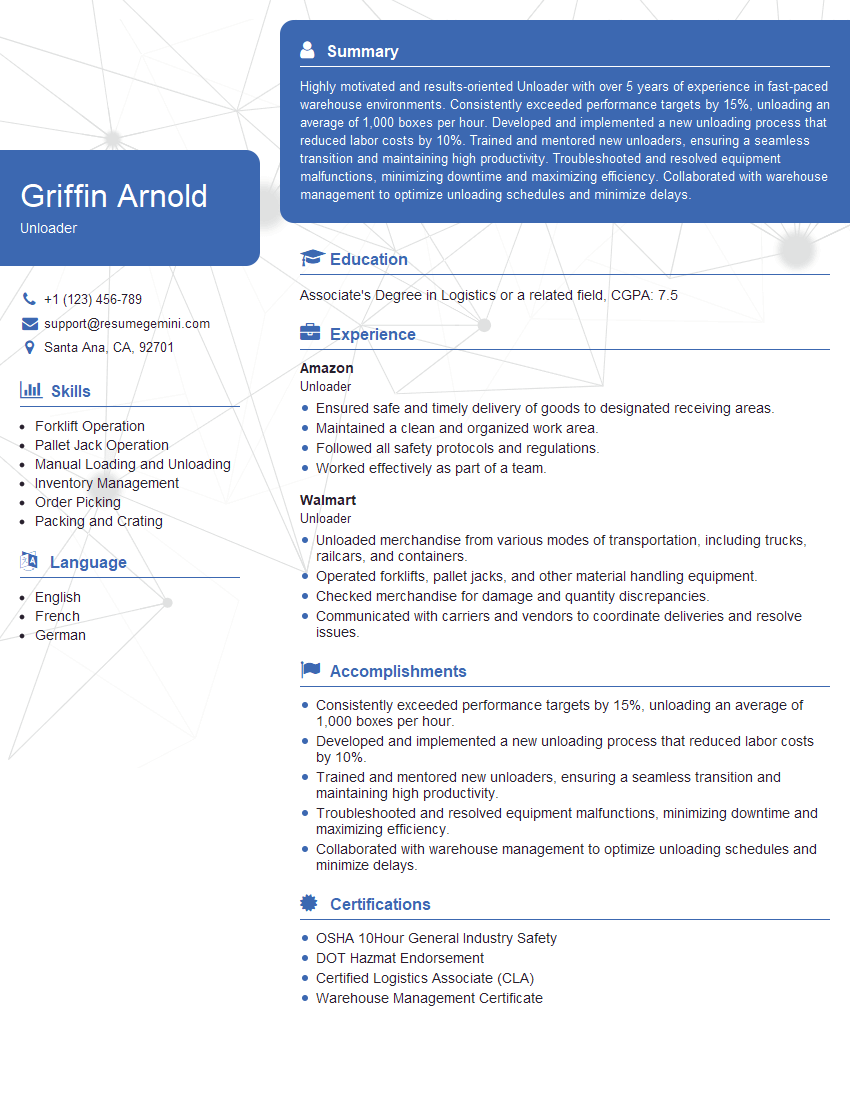
Unloader Resume Sample
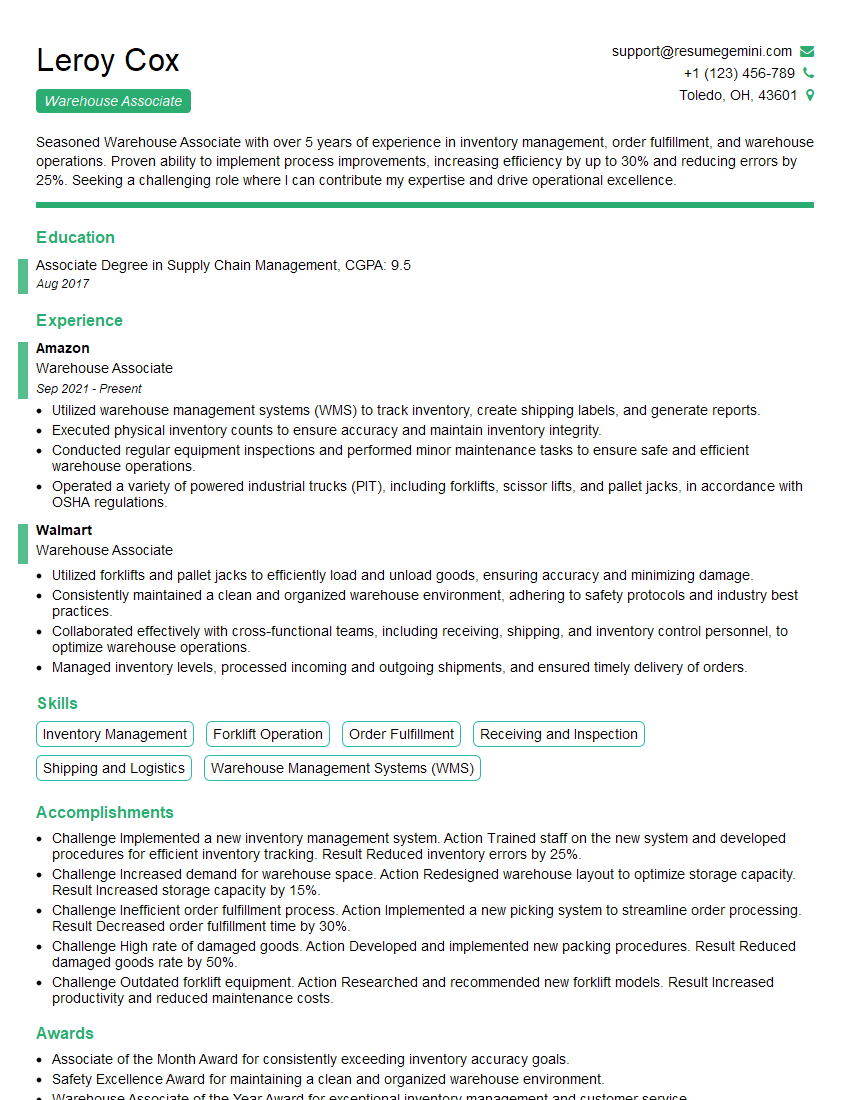
Warehouse Associate Resume Sample
- Delivery Driver
- Shipping and Receiving Clerk
- Logistics Associate
- Material Handler
- Warehouse Worker
- Inventory Specialist
- Loader
- Installation Technician
- Construction Laborer
- General Laborer
- Heavy Equipment Operator
- Transportation Worker
- Appliance Installer
- Furniture Installer
- Delivery Helper
- Freight Handler
- Furniture Mover
- Unloader
- Warehouse Associate
Explore more articles
Users Rating of Our Blogs
Share Your Experience
We value your feedback! Please rate our content and share your thoughts (optional).
What Readers Say About Our Blog
Very informative content, great job.
good