Unlock your full potential by mastering the most common Detailing and Assembly interview questions. This blog offers a deep dive into the critical topics, ensuring you’re not only prepared to answer but to excel. With these insights, you’ll approach your interview with clarity and confidence.
Questions Asked in Detailing and Assembly Interview
Q 1. Describe your experience with different assembly methods.
My experience encompasses a wide range of assembly methods, from basic hand-assembly to more complex techniques involving specialized tools and fixtures. I’ve worked extensively with:
- Mechanical Fastening: This includes using screws, bolts, nuts, rivets, and other fasteners. I’m proficient in selecting the appropriate fastener type and torque based on material properties and application requirements. For instance, I’ve assembled delicate electronics using tiny screws requiring precise torque control to prevent damage, and I’ve also worked on heavy machinery requiring high-strength bolts tightened to specific specifications.
- Welding & Soldering: I have experience with various welding techniques (MIG, TIG, spot welding) and soldering methods (surface mount technology, through-hole soldering). Each requires different skill sets and safety precautions; I’m always meticulous about maintaining proper safety protocols and ensuring the quality of the weld/solder joint.
- Adhesive Bonding: I’m familiar with using various adhesives, choosing the appropriate one based on the materials being joined and the environmental conditions. Accurate application is key to the strength and durability of the bond; I have a proven track record of success in this area.
- Press-fitting & Snap-fitting: These methods rely on precise tolerances and are vital for efficient and robust assembly; my expertise in this area ensures components fit correctly and securely without damage.
My experience isn’t limited to these specific methods. I’m adaptable and readily learn new techniques based on project requirements.
Q 2. How do you ensure accuracy and precision during assembly?
Accuracy and precision are paramount in assembly. I employ several strategies to ensure these are maintained:
- Precise Measurement Tools: I utilize calibrated measuring instruments such as micrometers, calipers, and dial indicators to ensure components are within tolerance. For instance, when assembling a complex gear mechanism, ensuring the precise spacing between gears is critical for smooth operation.
- Jigs and Fixtures: These tools guide the assembly process, eliminating inconsistencies. Using jigs helps in achieving consistent alignment and positioning of components, crucial for precise assembly of intricate parts.
- Step-by-Step Instructions & Checklists: I meticulously follow assembly instructions, often creating my own checklists to verify each step is completed correctly. This prevents errors and ensures consistency.
- Visual Inspection: Throughout the assembly process, I visually inspect components for flaws, misalignment, and damage. A trained eye can detect even subtle irregularities that may compromise functionality.
- Proper Tool Usage: I’m highly skilled in the appropriate use of both hand and power tools to maintain consistent force and prevent damage to components.
By combining these methods, I minimize errors and build high-quality assemblies.
Q 3. Explain your process for identifying and resolving assembly errors.
Identifying and resolving assembly errors is a systematic process. First, I use visual inspection and measurement tools to pinpoint the exact error’s location and type. Once the source of the problem is identified, I systematically troubleshoot, applying the following:
- Reviewing Assembly Instructions: I carefully re-examine the instructions, paying attention to detailed diagrams and steps. Often, a simple misunderstanding of the instructions leads to the error.
- Component Verification: I verify that all components are correct and undamaged. Missing or defective parts are common causes of errors.
- Re-measuring & Re-alignment: I re-measure critical dimensions and carefully realign components. If there was a misalignment, proper correction is essential.
- Testing and Validation: After correcting the error, I thoroughly test the assembly to ensure it performs as expected. This iterative approach is key to fixing the issue and preventing future recurrence.
Documentation of the error, its resolution, and preventative measures is essential for continuous improvement and to avoid repeated issues. I maintain a detailed log of any errors encountered and the steps taken to resolve them.
Q 4. What quality control measures do you employ?
My quality control measures are multifaceted and start even before the assembly process:
- Incoming Inspection: Before beginning assembly, I inspect all components to ensure they meet specifications, checking for defects or damage. This prevents faulty components from being used.
- In-process Checks: Regular checks throughout the assembly process ensure that the work stays on track and conforms to requirements. This includes verifying measurements and alignments at critical stages.
- Final Inspection: After the assembly is complete, a comprehensive final inspection confirms that the finished product meets all specifications and is free from defects. This often includes functional tests.
- Documentation: Meticulous record-keeping, including date, time, inspector’s initials, and any deviations from specifications. This creates a transparent and traceable quality control process.
- Statistical Process Control (SPC): I use SPC techniques where applicable to track key metrics, identify trends, and prevent potential future issues.
By employing these measures, I proactively identify and address potential issues, resulting in high-quality assemblies that consistently meet or exceed expectations. My commitment to quality is reflected in every stage of the assembly process.
Q 5. How familiar are you with various hand tools and power tools used in assembly?
My familiarity with hand and power tools is extensive. I’m proficient in using a wide variety of tools, including:
- Hand Tools: Screwdrivers (various types), wrenches (socket, open-end, adjustable), pliers, hammers, chisels, files, measuring tools (calipers, micrometers, rulers).
- Power Tools: Drills (cordless and corded), impact wrenches, grinders, saws (jigsaw, circular), sanders, soldering irons.
Safety is my top priority. I always use tools correctly and follow all safety regulations, including using appropriate personal protective equipment (PPE) like safety glasses and gloves. I am also comfortable maintaining and repairing many of these tools – preventing downtime and ensuring they are in top working order. This proactive approach contributes to smoother assembly processes.
Q 6. Describe your experience with blueprint reading and technical drawings.
Blueprint reading and interpreting technical drawings are integral to my work. I am highly proficient in understanding various types of engineering drawings, including orthographic projections, isometric views, and assembly drawings. I’m able to:
- Identify Dimensions and Tolerances: Accurately extract key dimensional information and tolerances from drawings to ensure proper component selection and precise assembly.
- Understand Material Specifications: Identify the materials specified in the drawings to ensure correct material selection during assembly.
- Interpret Assembly Sequences: Follow the assembly instructions clearly shown in assembly drawings to maintain the correct order and sequence of operations.
- Recognize Symbols and Annotations: I am familiar with various engineering symbols and annotations, interpreting them correctly for accurate component placement and assembly.
My experience in reading and interpreting technical drawings ensures I perform assemblies accurately, efficiently, and safely.
Q 7. How do you maintain a clean and organized workspace?
Maintaining a clean and organized workspace is crucial for efficient and error-free assembly. My approach involves:
- 5S Methodology: I apply the 5S principles (Sort, Set in Order, Shine, Standardize, Sustain) to keep my workspace organized. This includes regularly removing unnecessary items, placing tools and materials in designated locations, cleaning the area regularly, standardizing processes, and maintaining cleanliness.
- Designated Areas: I create designated areas for tools, parts, and finished assemblies to prevent clutter and improve workflow.
- Proper Storage: I store tools and parts correctly to prevent damage and loss, using appropriate storage containers and organizers. This ensures everything is readily accessible, and nothing is misplaced or damaged.
- Waste Management: I properly dispose of waste materials, following all relevant safety and environmental regulations. This keeps the workspace clean and prevents hazards.
A clean and organized workspace is not only essential for safety and efficiency, it fosters a sense of professionalism and attention to detail— key attributes for a successful assembly process.
Q 8. How do you handle working under pressure and meeting deadlines?
Working under pressure and meeting deadlines is a crucial aspect of detailing and assembly. My approach is threefold: planning, prioritization, and communication. I always begin by carefully reviewing the project specifications and creating a realistic timeline, breaking down large tasks into smaller, manageable steps. This allows me to track progress effectively and identify potential bottlenecks early on. Prioritization involves focusing on critical path tasks – those that directly impact the overall deadline. Finally, open communication is vital. If I foresee any challenges in meeting a deadline, I proactively inform my supervisor and we collaboratively explore solutions, such as adjusting timelines or allocating additional resources.
For example, on a recent project assembling a complex piece of machinery, we faced a tight deadline. By breaking down the assembly into sub-assemblies, assigning tasks effectively within the team, and maintaining constant communication, we not only met the deadline but also exceeded quality expectations.
Q 9. What is your experience with different types of fasteners?
My experience encompasses a wide range of fasteners, including screws (machine screws, self-tapping screws, wood screws), bolts (hex bolts, carriage bolts, eye bolts), rivets, nuts (hex nuts, wing nuts, lock nuts), and specialized fasteners like quick-release pins and set screws. I’m familiar with various materials, such as steel, stainless steel, aluminum, and plastic, and understand how material selection impacts the strength and durability of the connection. I also have experience with different drive types, including Phillips, slotted, Torx, and hex, and understand the importance of selecting the appropriate driver to prevent damage to the fastener or the workpiece.
For instance, I recently worked on a project where we needed to select the right type of screw for joining two different types of metal with varying thicknesses. We chose a self-tapping screw made of stainless steel to ensure corrosion resistance and strong mechanical properties, thereby guaranteeing the durability of the assembly.
Q 10. Explain your experience with using measuring instruments (e.g., calipers, micrometers).
I’m proficient in using a variety of measuring instruments, including calipers (both vernier and digital) and micrometers, to ensure precise measurements during detailing and assembly. Calipers are excellent for measuring external and internal dimensions, depths, and steps, while micrometers provide even higher precision for smaller measurements. I understand how to properly zero the instruments, interpret the scales, and account for potential measurement errors. I’m also experienced in using other tools such as rulers, tape measures, and dial indicators, depending on the specific requirements of the task.
In one instance, we were assembling a delicate electronic component. Using a digital caliper, I measured the crucial dimensions of the part to within 0.01mm, ensuring it fit perfectly within the assembly and preventing damage to other components.
Q 11. How do you ensure proper torque when tightening fasteners?
Ensuring proper torque is critical to prevent damage to the fastener, the workpiece, and the overall assembly. Over-tightening can strip threads or even break the fastener, while under-tightening can lead to loose connections and potential failure. I regularly use torque wrenches, both manual and electronic, calibrated to the required torque specifications. The selection of the correct torque value depends on the fastener type, material, and the specific application. I always refer to the manufacturer’s specifications or engineering drawings to determine the appropriate torque settings.
In a recent project involving the assembly of a high-pressure hydraulic system, the correct torque on the bolts was crucial. We used calibrated torque wrenches and ensured that each bolt was tightened to the specified torque to guarantee the system’s integrity and prevent leaks.
Q 12. What is your experience with ESD (Electrostatic Discharge) procedures?
Electrostatic discharge (ESD) is a significant concern in many assembly processes, particularly when working with sensitive electronic components. I’m well-versed in ESD procedures, including the use of ESD-safe work surfaces, grounding straps, and anti-static packaging. I always ensure that I’m properly grounded before handling sensitive components and use appropriate tools and techniques to minimize the risk of electrostatic damage. This includes using anti-static gloves, wrist straps connected to a grounded point, and avoiding the accumulation of static electricity through proper handling techniques.
For example, when assembling circuit boards, I strictly adhere to ESD precautions, always ensuring I’m grounded and using appropriate anti-static mats and tools to prevent damage to the sensitive electronic components.
Q 13. How do you prioritize tasks in a fast-paced assembly environment?
Prioritizing tasks in a fast-paced assembly environment requires a systematic approach. I typically employ a combination of techniques, including urgency, dependency, and complexity. I start by identifying tasks with imminent deadlines, often labeled as ‘urgent.’ Next, I consider dependencies – tasks that must be completed before others can begin. Finally, I factor in task complexity, allocating more time to intricate tasks. This layered approach, combining urgency, dependency, and complexity, allows me to create a prioritized list and effectively manage my time and workload.
Imagine a scenario where I have multiple tasks – installing components A, B, and C. If component B needs to be installed before A, and A has a tighter deadline, I prioritize B first, then A, and finally C. This prevents delays and keeps the entire assembly process on track.
Q 14. Describe your experience with troubleshooting and repairing assemblies.
Troubleshooting and repairing assemblies requires a systematic and analytical approach. I begin by carefully examining the problem, identifying the symptoms, and isolating the potential cause. I then use my knowledge of the assembly’s design, function, and components to systematically test and eliminate possible causes. This may involve using various measuring instruments and diagnostic tools. Once the problem is identified, I develop a repair plan, ensuring I have the necessary parts and tools before proceeding. After the repair, I thoroughly test the assembly to verify its proper function and ensure that the problem is resolved.
For instance, I once encountered a malfunctioning robotic arm. By systematically checking the power supply, motor connections, and sensor readings, I pinpointed a faulty sensor, replaced it, and successfully restored the arm’s functionality. Detailed documentation is crucial in every step to ensure proper communication and record-keeping.
Q 15. What is your experience with different types of soldering techniques?
My experience encompasses a wide range of soldering techniques, crucial for precise and reliable connections in electronic assembly. I’m proficient in both through-hole and surface mount technology (SMT) soldering. Through-hole soldering, the older method, involves soldering components with leads that pass through holes in the printed circuit board (PCB). I’m skilled in using various irons for this, from basic models to those with temperature control for optimal heat application. For SMT soldering, where components are mounted directly onto the surface of the PCB, I’m adept at techniques like reflow soldering (using a reflow oven) and wave soldering (automated process for mass production), as well as manual soldering using fine-tipped irons and specialized pastes.
Furthermore, I have experience with specialized soldering techniques like ultrasonic soldering for delicate components and laser soldering for applications requiring high precision and minimal heat input. Each technique requires a different approach, from choosing the right solder type and flux to managing the temperature and ensuring a strong, reliable connection without damaging the components or the PCB. For instance, with delicate components I might opt for a lower-wattage iron and a specialized flux to avoid overheating.
Career Expert Tips:
- Ace those interviews! Prepare effectively by reviewing the Top 50 Most Common Interview Questions on ResumeGemini.
- Navigate your job search with confidence! Explore a wide range of Career Tips on ResumeGemini. Learn about common challenges and recommendations to overcome them.
- Craft the perfect resume! Master the Art of Resume Writing with ResumeGemini’s guide. Showcase your unique qualifications and achievements effectively.
- Don’t miss out on holiday savings! Build your dream resume with ResumeGemini’s ATS optimized templates.
Q 16. How familiar are you with safety regulations and procedures in an assembly environment?
Safety is paramount in any assembly environment, and I’m extremely familiar with all relevant regulations and procedures. This includes, but is not limited to, proper use of personal protective equipment (PPE) such as safety glasses, gloves, and anti-static wrist straps to prevent ESD (electrostatic discharge) damage to sensitive components. I meticulously follow all workplace safety guidelines regarding handling of hazardous materials like solvents and fluxes, ensuring proper ventilation and disposal. I’m also trained in emergency procedures, including fire safety, first aid, and the proper handling of accidents involving equipment or materials.
My experience includes regular safety training and adherence to company policies on lockout/tagout procedures for machinery, as well as regular equipment inspections to prevent accidents. I believe a proactive approach to safety is vital, and I always prioritize safe work practices over speed or efficiency.
Q 17. How do you handle working with intricate or delicate components?
Working with intricate or delicate components requires precision, patience, and the right tools. I utilize magnification aids like microscopes or magnifying glasses to ensure proper alignment and soldering. I use specialized tweezers with fine tips to handle components without damage, and I employ anti-static mats and wrist straps to prevent electrostatic discharge. My approach involves methodical and deliberate movements to avoid accidental damage or misplacement. I often practice assembly steps on a prototype before working on the final product to further refine my technique and ensure that my process minimizes the risk of damage to delicate parts.
For example, when working with surface-mount components measuring only millimeters in size, I carefully position them using a specialized pick-and-place tool and apply a small amount of solder with a fine-tipped iron, ensuring consistent heating and avoiding overheating, which can damage sensitive circuits.
Q 18. Describe a time you had to problem-solve a complex assembly issue.
In a previous role, we encountered a recurring issue with a specific type of connector failing prematurely in a complex assembly. The failure rate was significantly higher than expected. After careful examination, I noticed a pattern: the connector was flexing excessively under the pressure of nearby components due to a slight misalignment in the PCB design.
My problem-solving process involved several steps: First, I systematically documented all instances of failure, carefully noting the positions of the failing connectors. Next, I used a high-powered microscope to analyze the damaged connectors, discovering the stress fractures caused by bending. Finally, I collaborated with the design team, proposing a modified component placement that reduced stress on the connectors. We also implemented a more robust connector with improved resilience to bending. The changes significantly reduced the failure rate, demonstrating effective problem-solving and collaboration.
Q 19. What is your experience with using assembly jigs and fixtures?
I have extensive experience utilizing assembly jigs and fixtures to ensure consistent and accurate assembly. These tools are crucial for repetitive tasks, providing a standardized framework that guides the placement and alignment of components, thus reducing human error and ensuring quality. I’m familiar with various types of jigs and fixtures, from simple hand-held tools to complex, automated systems.
For example, in one project, we used a custom-designed jig to hold a series of small, delicate sensors in a precise configuration during assembly. This jig ensured that each sensor was correctly aligned and secured, significantly improving the consistency of our finished product. My experience also includes the ability to modify or design simple jigs for specific tasks, optimizing the workflow and maximizing efficiency.
Q 20. How do you ensure the consistent quality of your work?
Consistent quality is achieved through a combination of careful planning, meticulous execution, and rigorous quality control. I begin by thoroughly understanding the specifications and requirements of the assembly. I follow established procedures precisely, paying close attention to detail at each step. This includes double-checking component placement, verifying solder joints for quality and strength, and visually inspecting the finished assembly for any defects.
Furthermore, I utilize various quality control methods, including visual inspection using magnification as needed, testing functionality where applicable, and documenting every step of the process. This detailed documentation allows for easy traceability and helps identify any potential sources of error. Regular calibration of tools and equipment is also a crucial element of maintaining consistent quality. I treat quality as an ongoing process, not just a final step, aiming for perfection in every detail.
Q 21. Describe your experience with working from detailed instructions and specifications.
Working from detailed instructions and specifications is fundamental to my role. I excel at interpreting technical drawings, schematics, and assembly manuals. I understand the importance of following instructions precisely to meet the required specifications. My approach is to thoroughly review all documentation before commencing work, ensuring I completely understand the assembly process and the specific requirements for each component. I meticulously follow the sequence of operations outlined, paying careful attention to tolerances, alignment, and other critical details.
For instance, when assembling complex electronic devices from detailed engineering drawings, I carefully check the component placement, orientation, and soldering requirements before proceeding with the assembly. Any deviation from the specifications is carefully documented and reported. I believe a thorough understanding of the instructions and the ability to adapt to any unforeseen complexities are crucial for a successful outcome. This ensures the final product meets the required specifications and operates as intended.
Q 22. How do you maintain your tools and equipment?
Maintaining tools and equipment is crucial for both safety and efficiency in detailing and assembly. My approach is multifaceted and involves regular cleaning, inspection, and preventative maintenance.
- Cleaning: After each use, I thoroughly clean all tools, removing any debris, adhesive residue, or dust. This prevents cross-contamination and ensures accurate measurements and smooth operation. For example, I meticulously clean my precision screwdrivers with a lint-free cloth and appropriate solvent to prevent damage to delicate components.
- Inspection: I visually inspect each tool for damage, wear, and tear before and after each use. This includes checking for loose parts, cracks, or any signs of malfunction. If any issues are found, I immediately report them and take appropriate action, which might involve repair or replacement. For instance, I regularly check the calibration of my digital calipers to ensure accuracy.
- Preventative Maintenance: I perform regular preventative maintenance based on the manufacturer’s recommendations. This could involve lubricating moving parts, sharpening blades, or replacing worn-out components. For instance, I lubricate my air tools with the recommended oil to prolong their lifespan and prevent premature failure.
- Storage: I properly store my tools in designated areas to prevent damage and ensure easy accessibility. Tools are organized neatly, and those needing special care are stored in protective cases or containers. This prevents accidental damage and ensures tools are always in good working condition.
Q 23. What is your experience with different types of adhesives and bonding agents?
My experience encompasses a wide range of adhesives and bonding agents, each with its own properties and applications. Selecting the right adhesive is critical for the success of any assembly project.
- Cyanoacrylates (Super Glue): Excellent for fast-bonding small parts, but susceptible to environmental conditions like moisture. I’ve used these extensively in assembling delicate electronic components where speed and precision are paramount.
- Epoxy Resins: Offer superior strength and durability, suitable for larger components or applications requiring high shear strength. I have used epoxy to bond metal parts, creating robust and long-lasting assemblies.
- UV-curable adhesives: These are ideal for applications requiring quick setting times and precise control. Their ability to cure instantly with UV light is extremely valuable when working on sensitive components. I’ve utilized these in the assembly of optical devices where quick bonding was essential.
- Anaerobic adhesives (Threadlockers): These are specifically designed to secure threaded components, preventing loosening due to vibration or stress. I regularly use them in assembling mechanical assemblies to ensure parts remain securely fastened.
- Hot melt adhesives: Quick and easy to apply, but less durable than other options. I use these for less critical applications where speed is a priority and the bond doesn’t need to withstand extreme stress.
My expertise lies in selecting the appropriate adhesive based on factors such as the materials being bonded, environmental conditions, required strength, and cure time.
Q 24. How do you document your work and track progress?
Comprehensive documentation and progress tracking are essential for accountability and efficient project management. My approach involves a combination of methods:
- Work Orders/Instructions: I meticulously follow work orders and assembly instructions, ensuring I understand the specifications and requirements for each project. I annotate these documents as I progress, noting any deviations or challenges encountered.
- Visual Documentation: I take progress photographs and videos at key stages. This visual record provides a detailed history of the assembly process, invaluable for quality control and troubleshooting.
- Digital Records: I maintain a digital log of materials used, quantities, and assembly times. This data is invaluable for future reference and performance analysis. I often use spreadsheets or dedicated project management software for this purpose.
- Checklists and Inspections: I use checklists at various stages to verify that all steps are completed correctly. Final inspections ensure that the assembly meets the required quality standards before shipment.
Maintaining a clear and thorough record of my work enhances efficiency, reduces errors, and ensures accountability throughout the process.
Q 25. What software or systems are you familiar with for tracking assembly progress?
I am proficient in several software and systems for tracking assembly progress. My experience includes:
- Microsoft Excel/Google Sheets: I regularly use spreadsheets to track materials, quantities, assembly times, and identify potential bottlenecks. I can create custom spreadsheets tailored to the project’s specific needs.
- Project Management Software (e.g., Asana, Trello, Jira): These platforms offer excellent tools for collaborative project tracking, task assignment, and progress monitoring. I have experience using them to manage multiple tasks and deadlines effectively within team environments.
- Enterprise Resource Planning (ERP) Systems: In previous roles, I’ve utilized ERP systems to track materials, manage inventory, and monitor production progress. These systems provide a holistic view of the assembly process within a broader organizational context.
My choice of software depends on the complexity of the project and the specific needs of the team or organization.
Q 26. Describe your experience with working in a team environment.
I thrive in team environments, believing that collaborative efforts lead to more innovative and efficient outcomes.
- Communication: I am a strong communicator, actively participating in team discussions and ensuring open and transparent communication. I value feedback and share my expertise freely to help team members.
- Collaboration: I excel at collaborating effectively with colleagues from diverse backgrounds and skill sets. I contribute proactively to team goals and actively seek opportunities to assist others.
- Problem-Solving: I am a proactive problem-solver, actively contributing to identifying and resolving challenges. I am comfortable taking ownership of tasks and seeking help when needed.
- Respectful Interactions: I maintain a respectful and supportive atmosphere within the team, fostering a positive and collaborative work environment.
For example, in a recent project involving the assembly of a complex mechanical device, I collaborated with engineers, technicians, and quality control personnel. We shared information, resolved issues, and collectively exceeded the project’s targets.
Q 27. How do you handle feedback and constructive criticism?
I value feedback and constructive criticism as opportunities for professional growth.
- Active Listening: I actively listen to feedback, seeking to understand the perspective of the person providing it. I avoid interrupting and focus on fully comprehending their concerns.
- Seeking Clarification: If I need clarification, I ask questions to fully understand the feedback before formulating a response. This ensures I address the issues accurately.
- Actionable Steps: I translate feedback into actionable steps, focusing on how to improve my skills or processes. I develop a plan for improvement and set realistic targets.
- Positive Attitude: I maintain a positive attitude throughout the process, viewing feedback as an opportunity to enhance my performance rather than as a personal criticism.
For example, I once received feedback that my documentation could be more detailed. I immediately implemented changes to my workflow, adding more visual elements and clarifying key steps. This improved the accuracy and clarity of my documentation.
Q 28. What are your salary expectations for this role?
My salary expectations for this role are in the range of [Insert Salary Range Here], commensurate with my experience and skills in detailing and assembly. This range reflects industry standards and my contributions to successful project delivery. I am open to discussing this further based on the specifics of the role and the benefits package.
Key Topics to Learn for Detailing and Assembly Interview
- Blueprint Reading and Interpretation: Understanding technical drawings, diagrams, and specifications to accurately assemble components.
- Precision Measurement Techniques: Mastering the use of various measuring tools (calipers, micrometers, rulers) to ensure accurate component dimensions and tolerances.
- Assembly Procedures and Methods: Understanding different assembly techniques (e.g., hand assembly, using jigs and fixtures) and following standardized procedures.
- Quality Control and Inspection: Identifying defects, understanding quality standards (e.g., ISO 9001), and performing thorough inspections.
- Hand Tool Proficiency: Demonstrating safe and efficient use of relevant hand tools (screwdrivers, wrenches, pliers).
- Material Identification and Handling: Recognizing different materials (metals, plastics, composites) and understanding proper handling procedures.
- Troubleshooting and Problem Solving: Identifying and resolving assembly issues, proposing solutions, and documenting findings.
- Safety Procedures and Regulations: Adhering to workplace safety guidelines, using appropriate personal protective equipment (PPE), and reporting hazards.
- Lean Manufacturing Principles (if applicable): Understanding concepts like waste reduction, efficiency, and continuous improvement in assembly processes.
- Teamwork and Communication: Effectively collaborating with colleagues, communicating clearly, and contributing to a positive work environment.
Next Steps
Mastering Detailing and Assembly opens doors to diverse and rewarding career paths in manufacturing, engineering, and related fields, offering opportunities for advancement and specialization. To significantly enhance your job prospects, crafting a strong, ATS-friendly resume is crucial. ResumeGemini is a trusted resource to help you build a professional and impactful resume that showcases your skills and experience effectively. Examples of resumes tailored to Detailing and Assembly are available to guide you, helping you present your qualifications in the best possible light. Take the next step towards your dream career – invest in building a standout resume today!
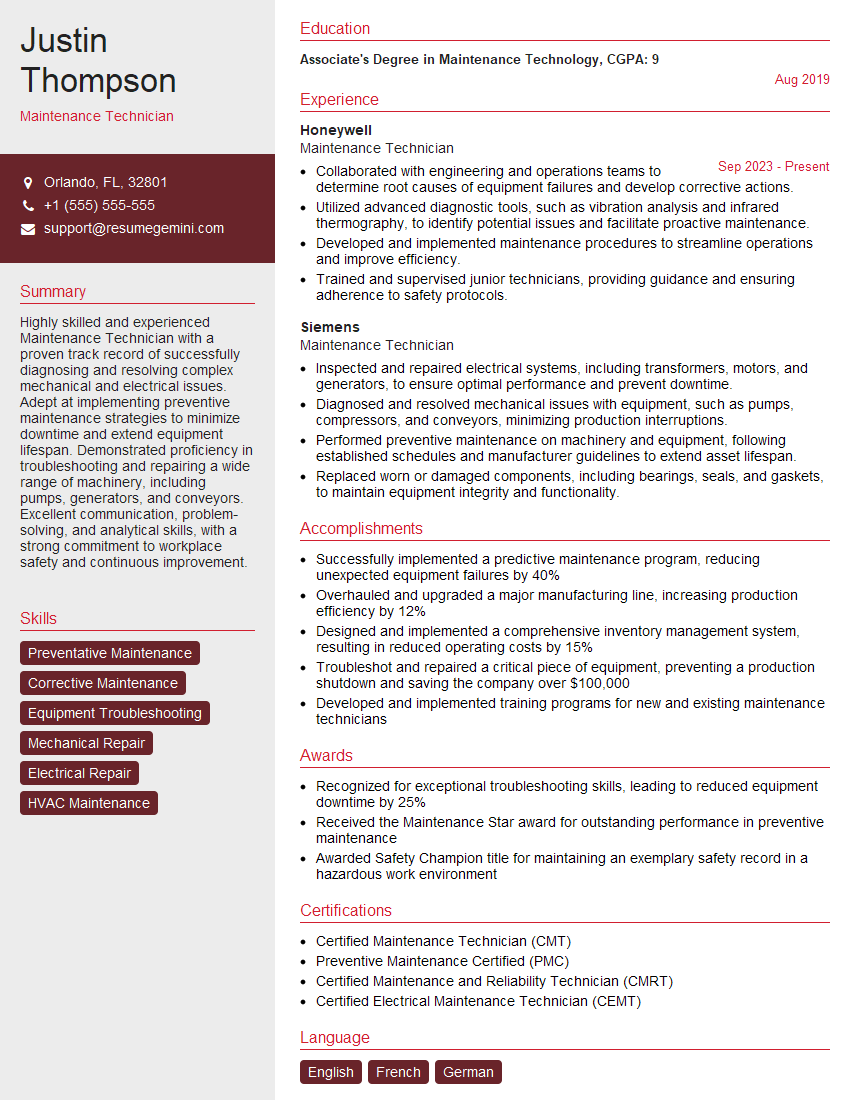
Maintenance Technician Resume Sample

Quality Assurance Technician Resume Sample
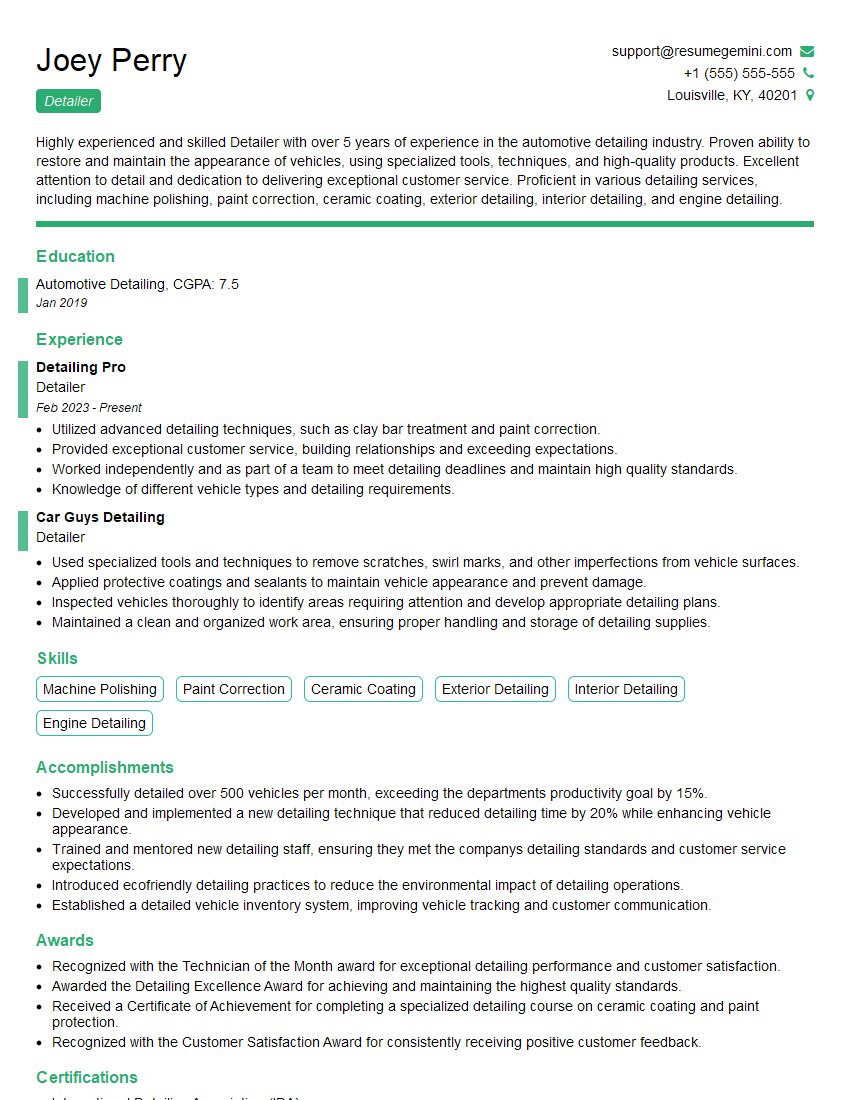
Detailer Resume Sample
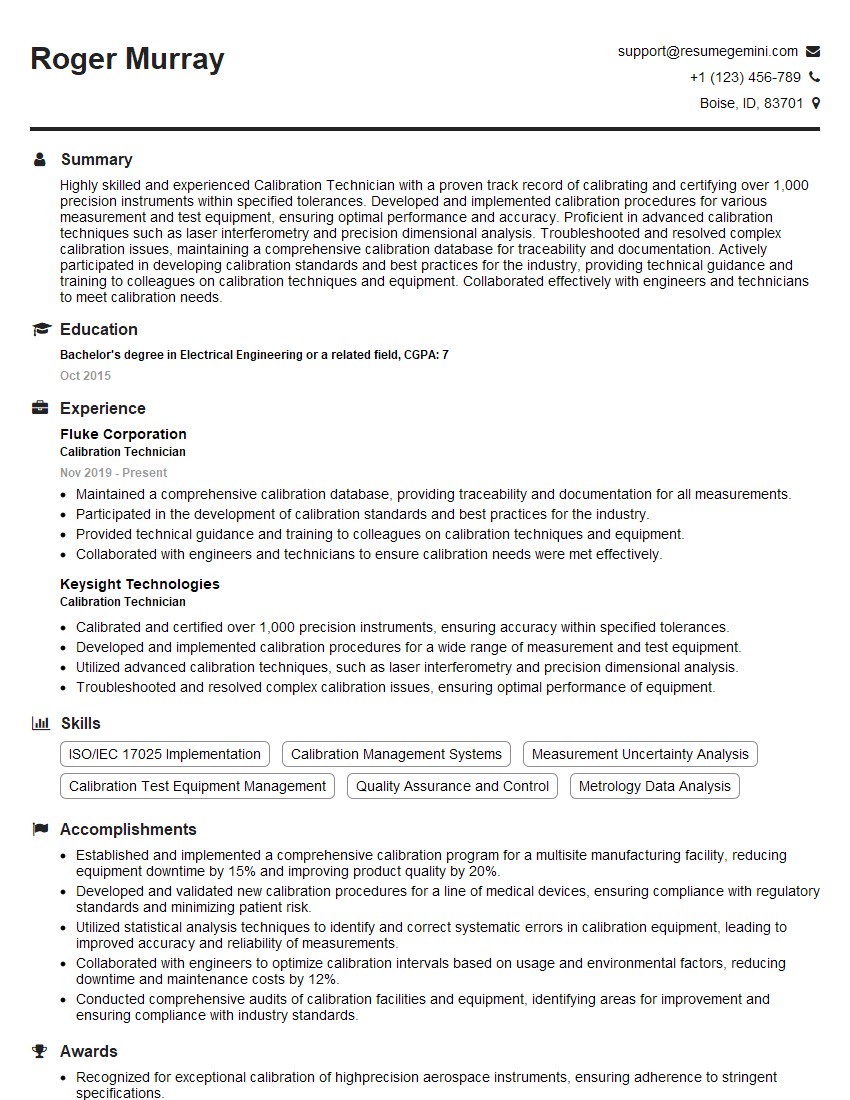
Calibration Technician Resume Sample
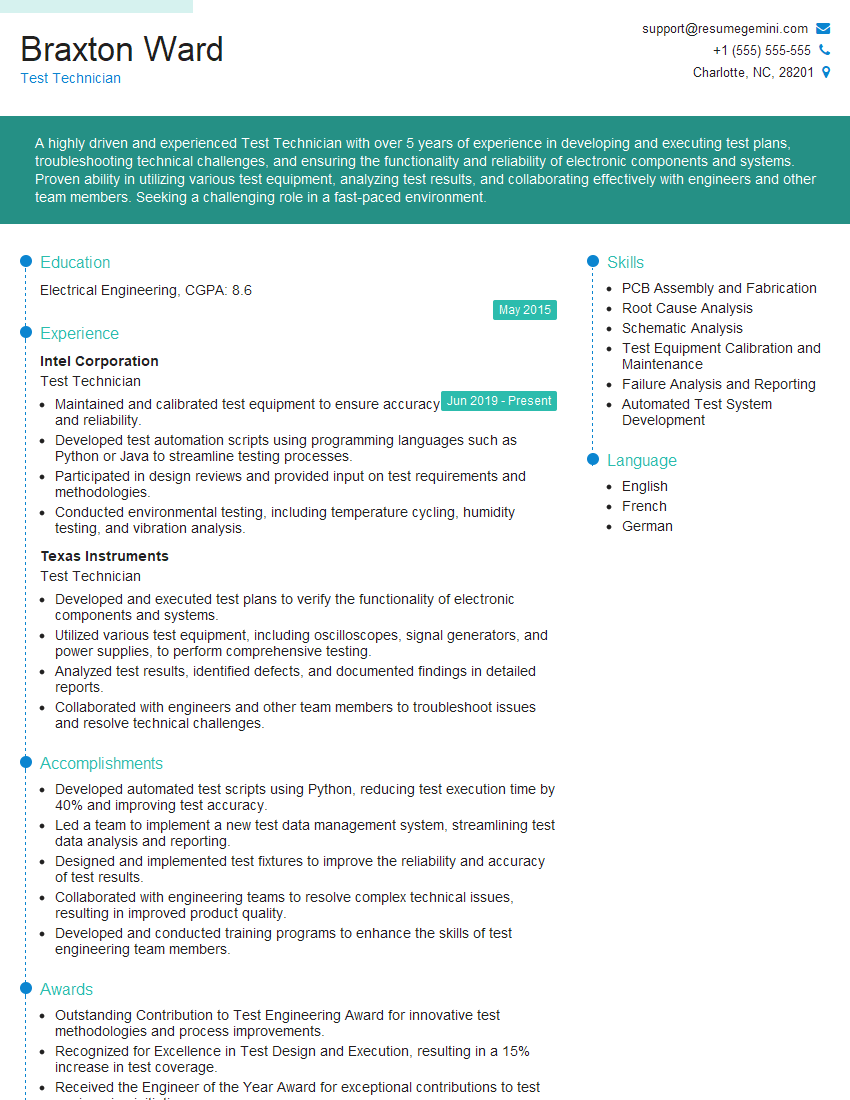
Test Technician Resume Sample
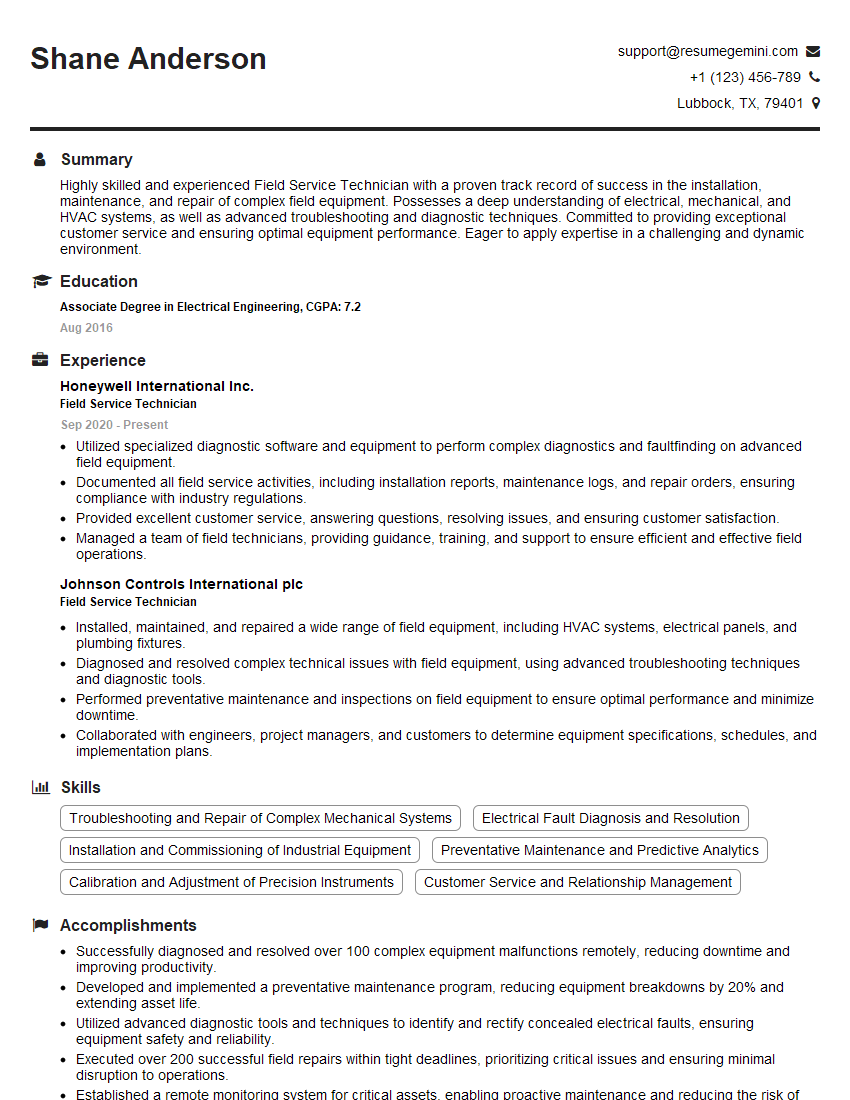
Field Service Technician Resume Sample
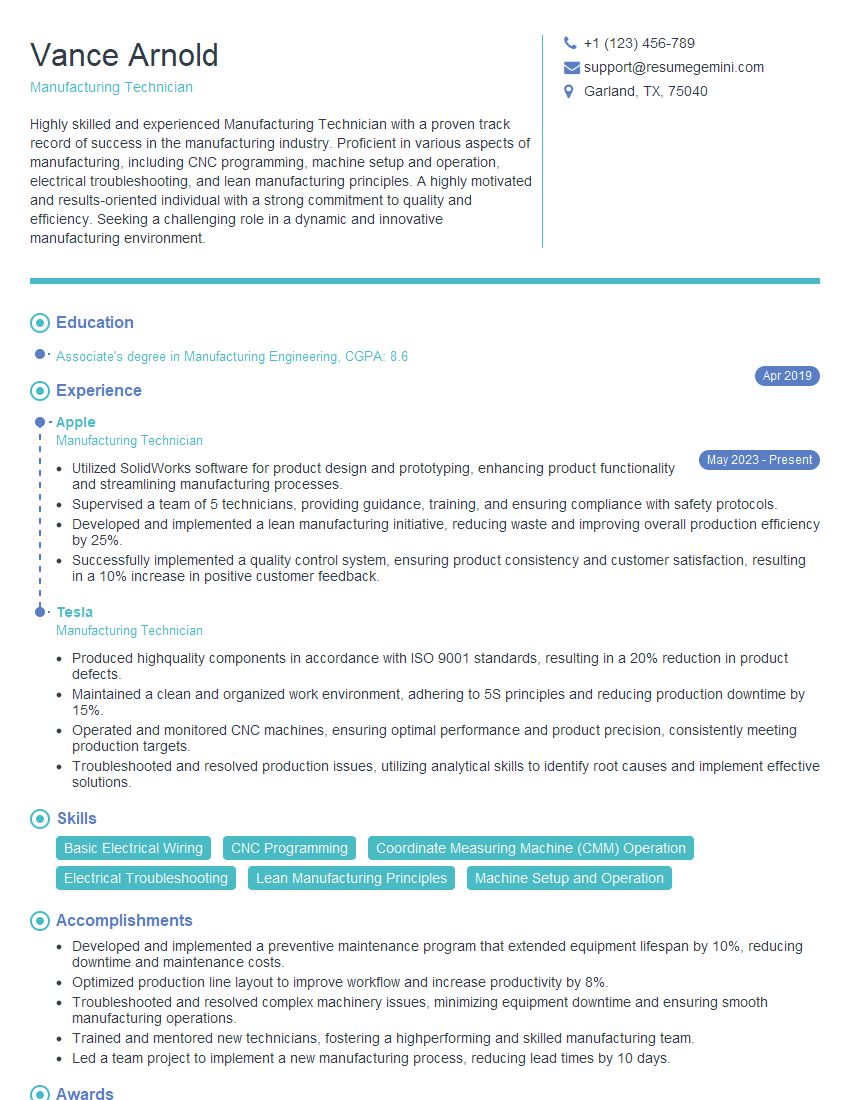
Manufacturing Technician Resume Sample
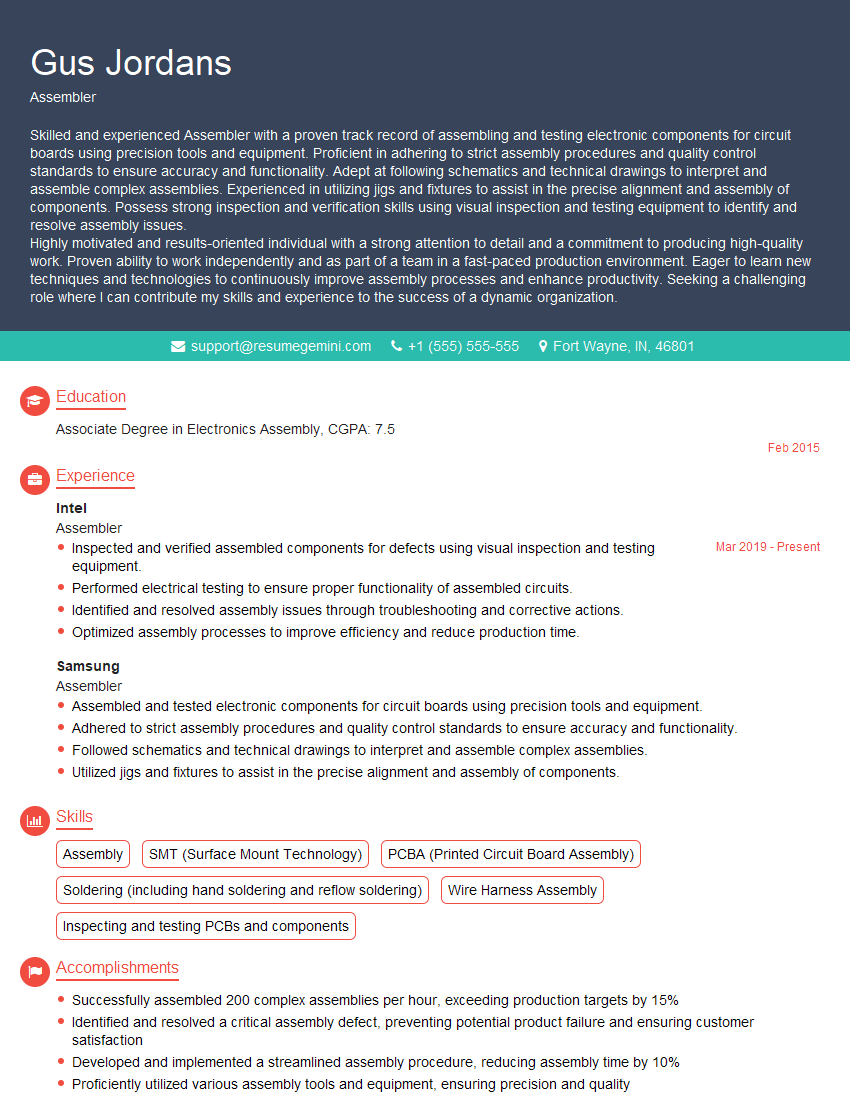
Assembler Resume Sample
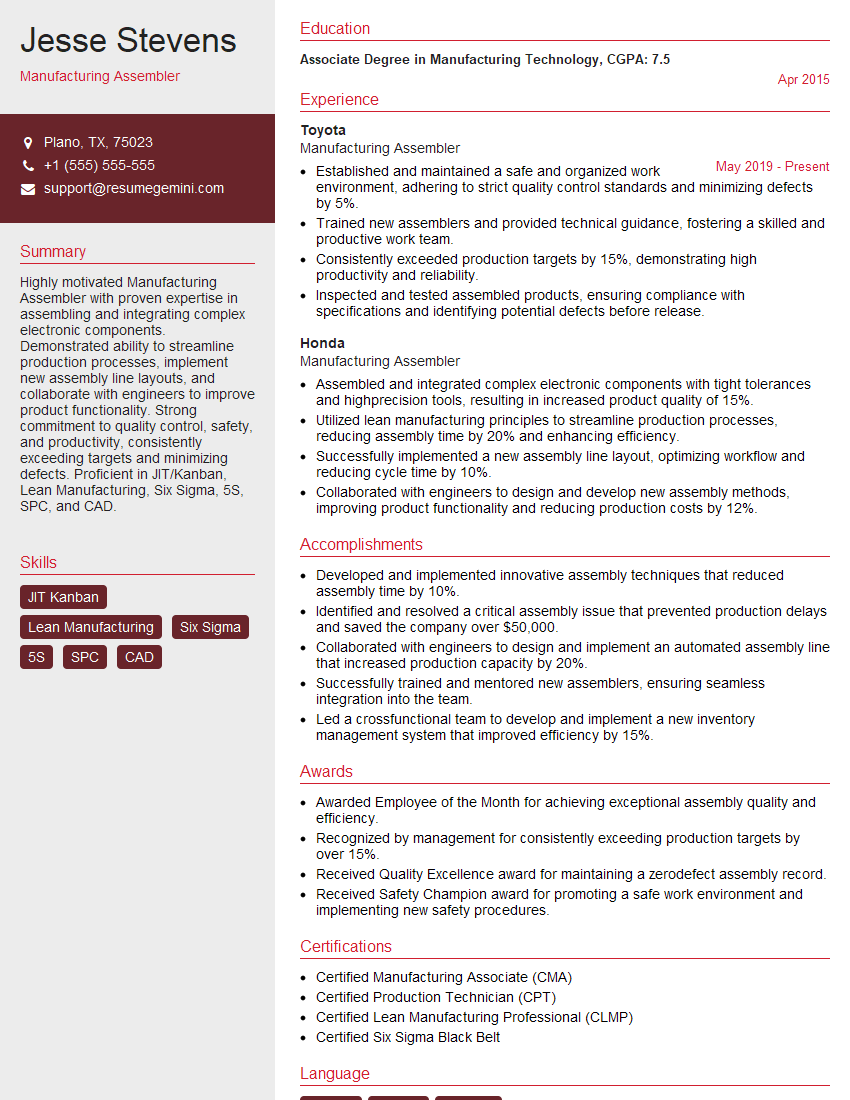
Manufacturing Assembler Resume Sample
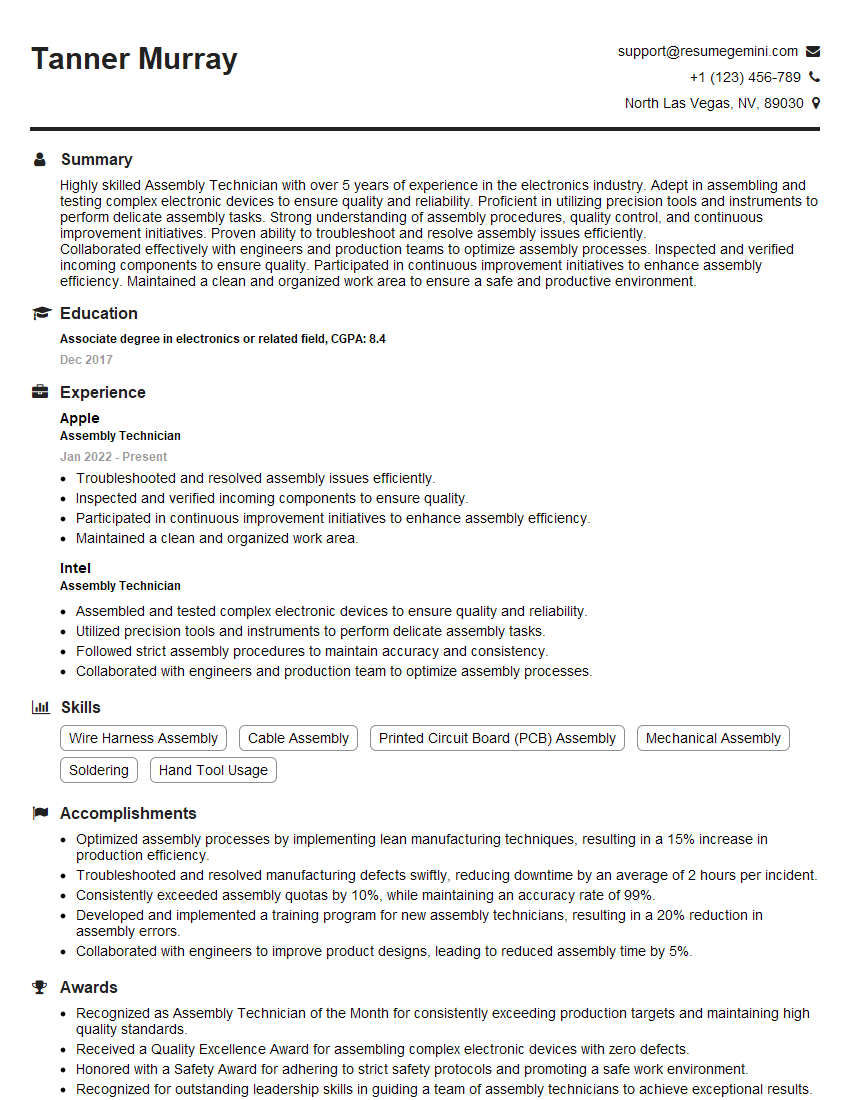
Assembly Technician Resume Sample
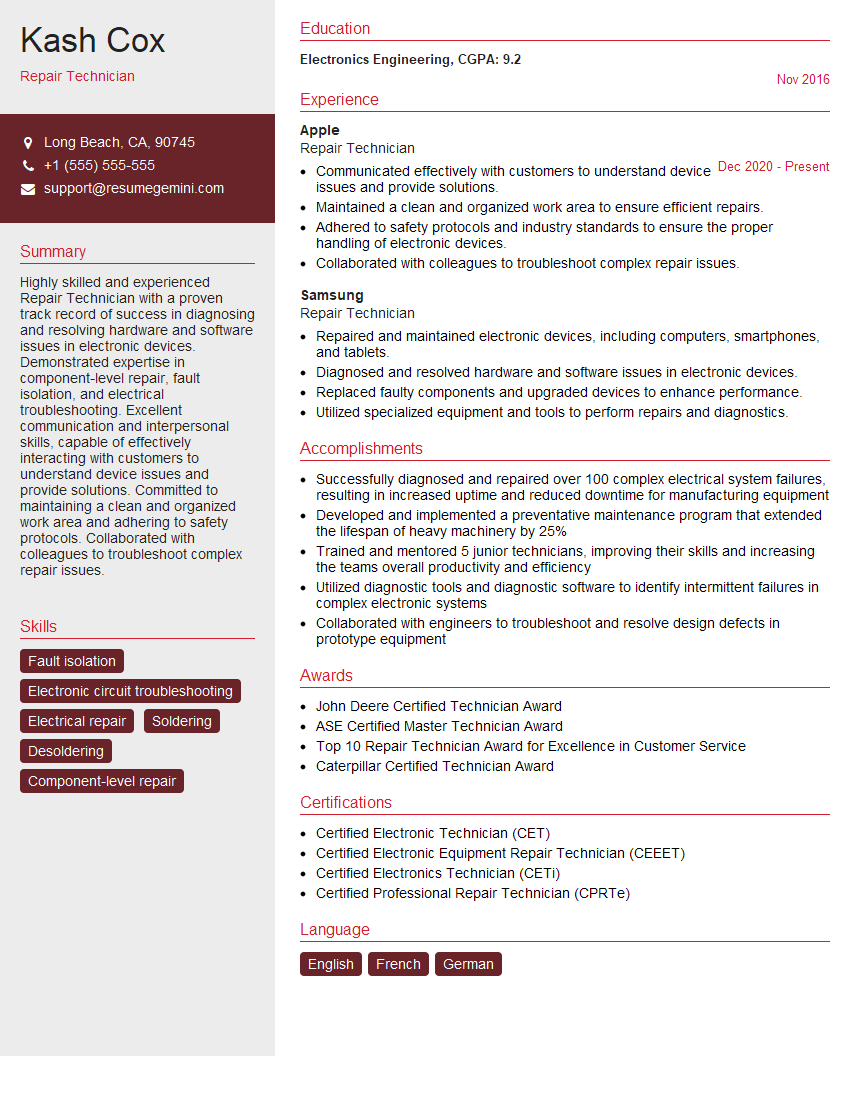
Repair Technician Resume Sample
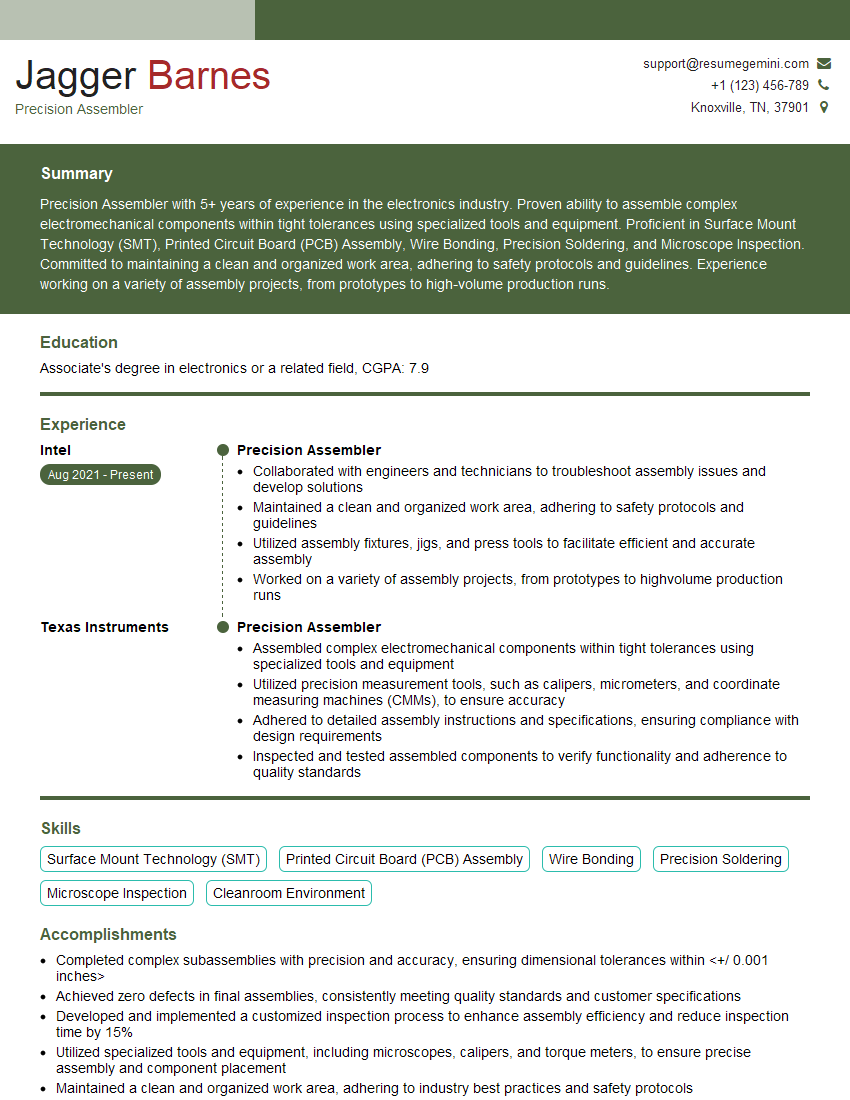
Precision Assembler Resume Sample
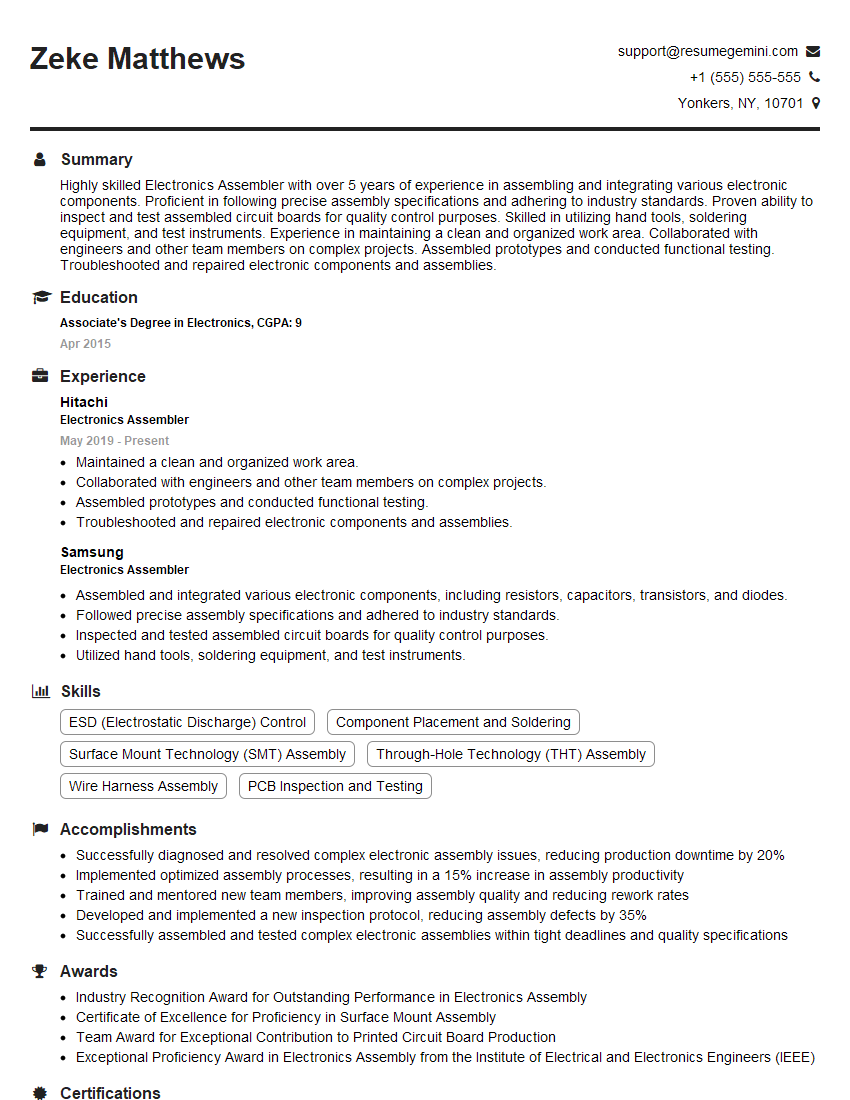
Electronics Assembler Resume Sample
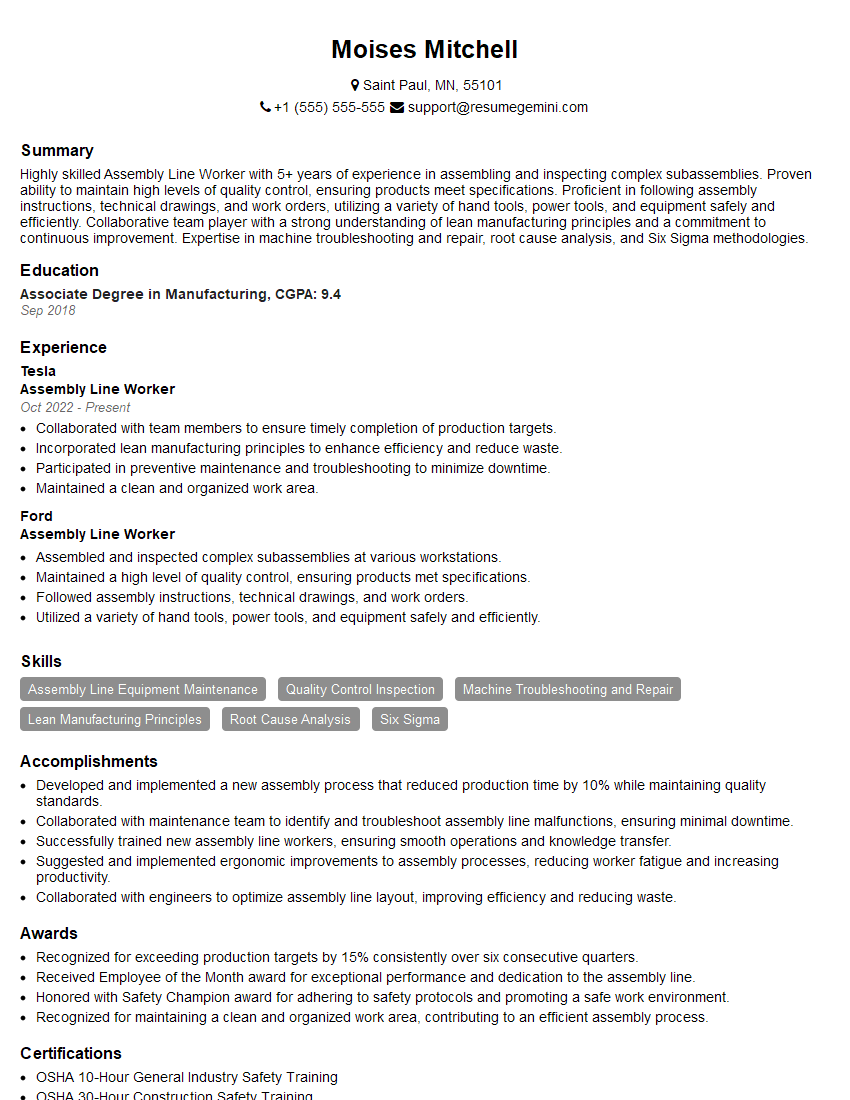
Assembly Line Worker Resume Sample
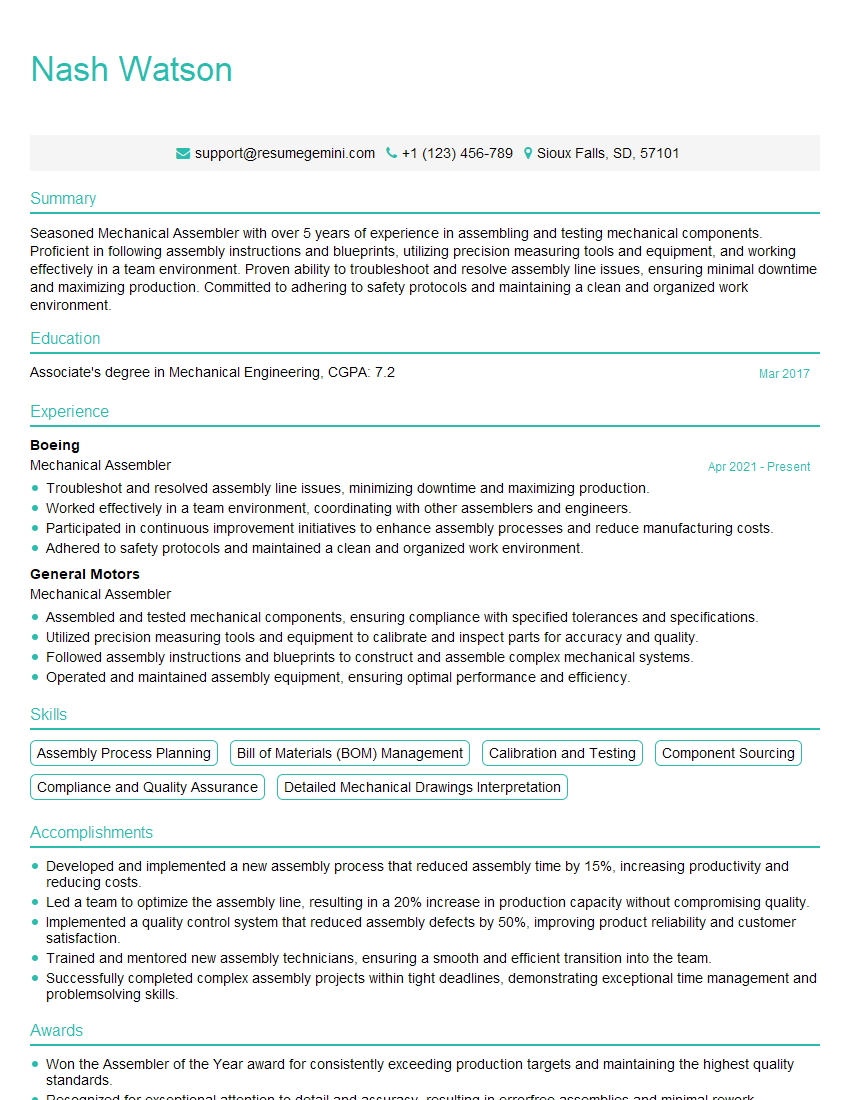
Mechanical Assembler Resume Sample
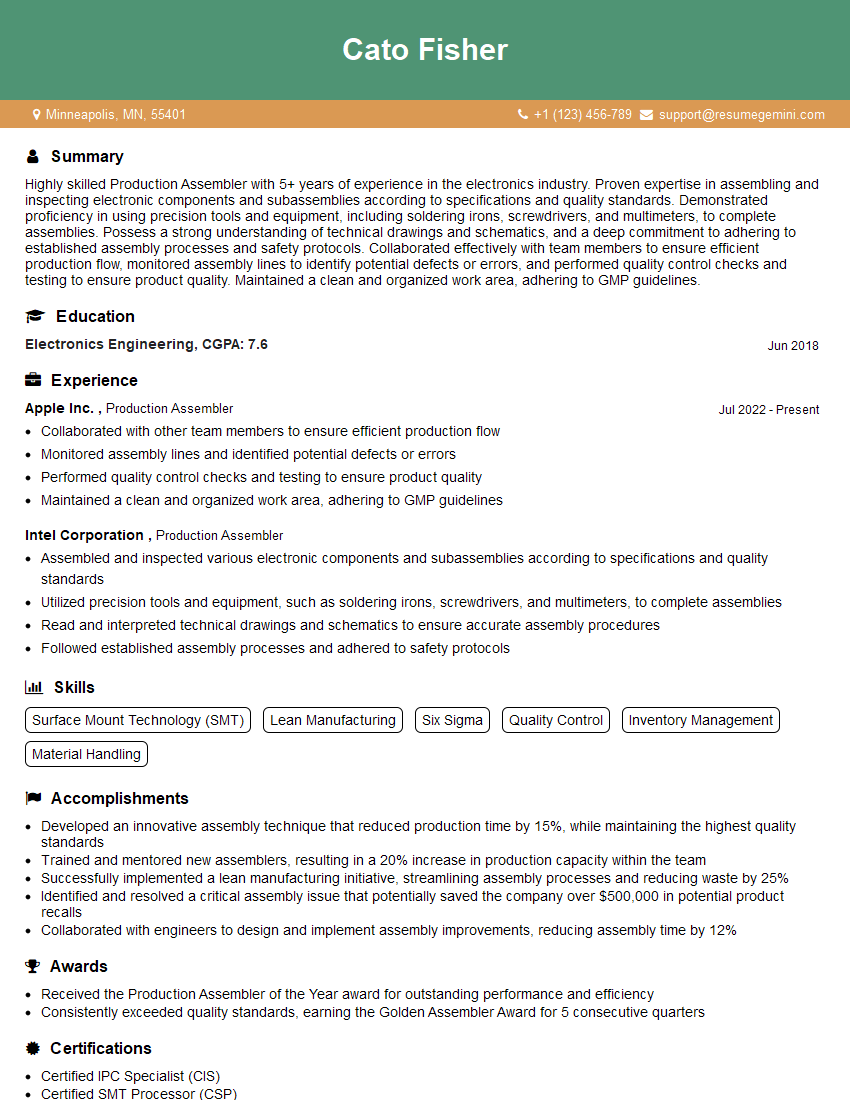
Production Assembler Resume Sample
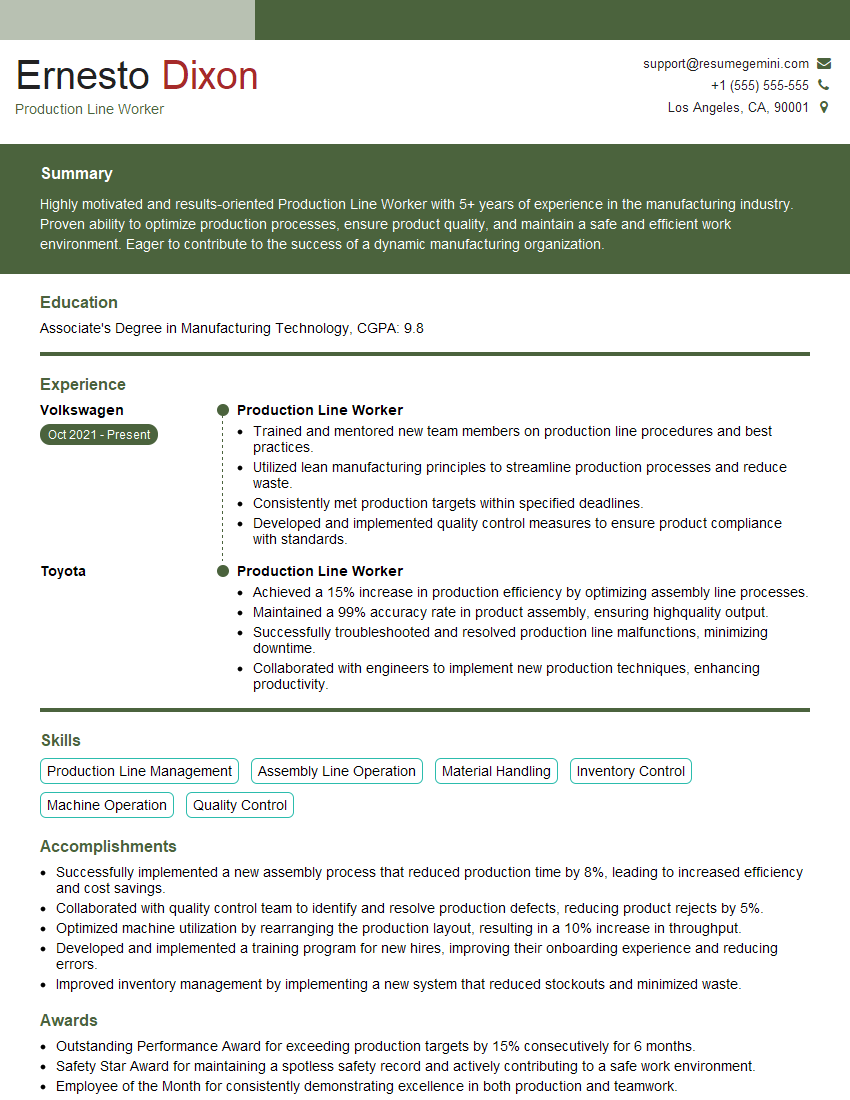
Production Line Worker Resume Sample
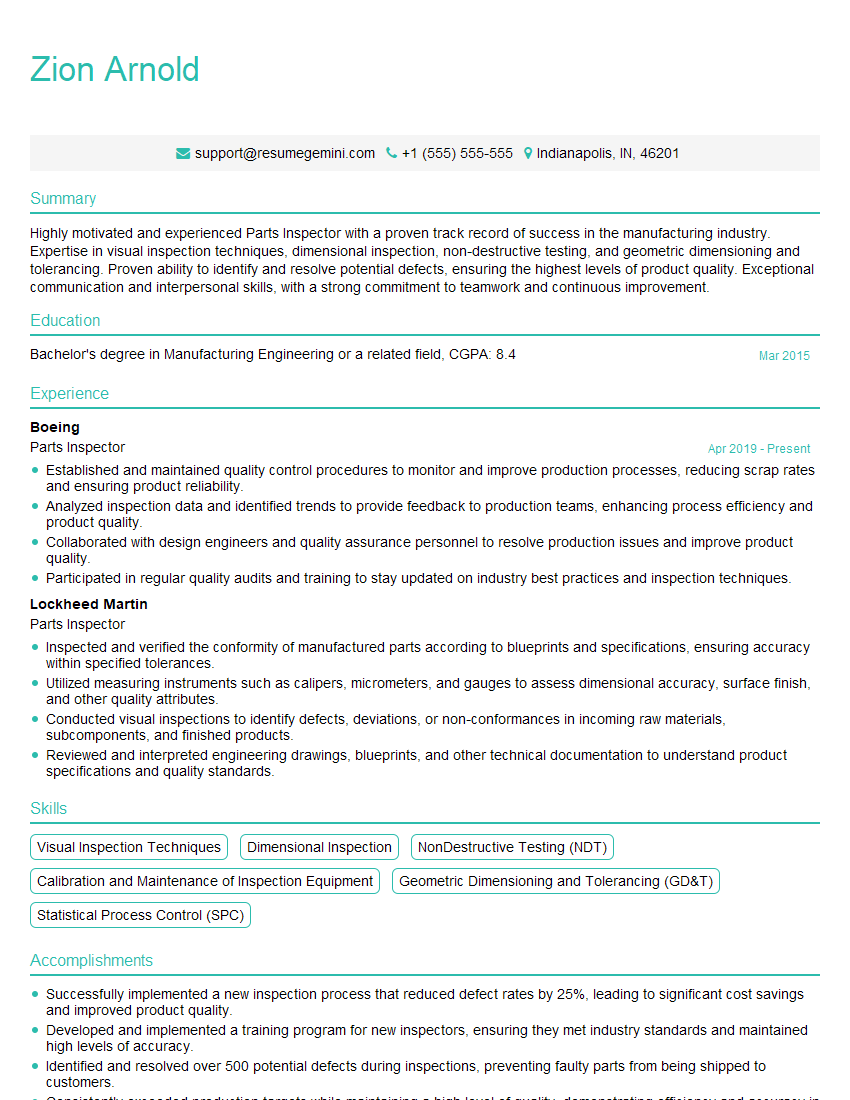
Parts Inspector Resume Sample
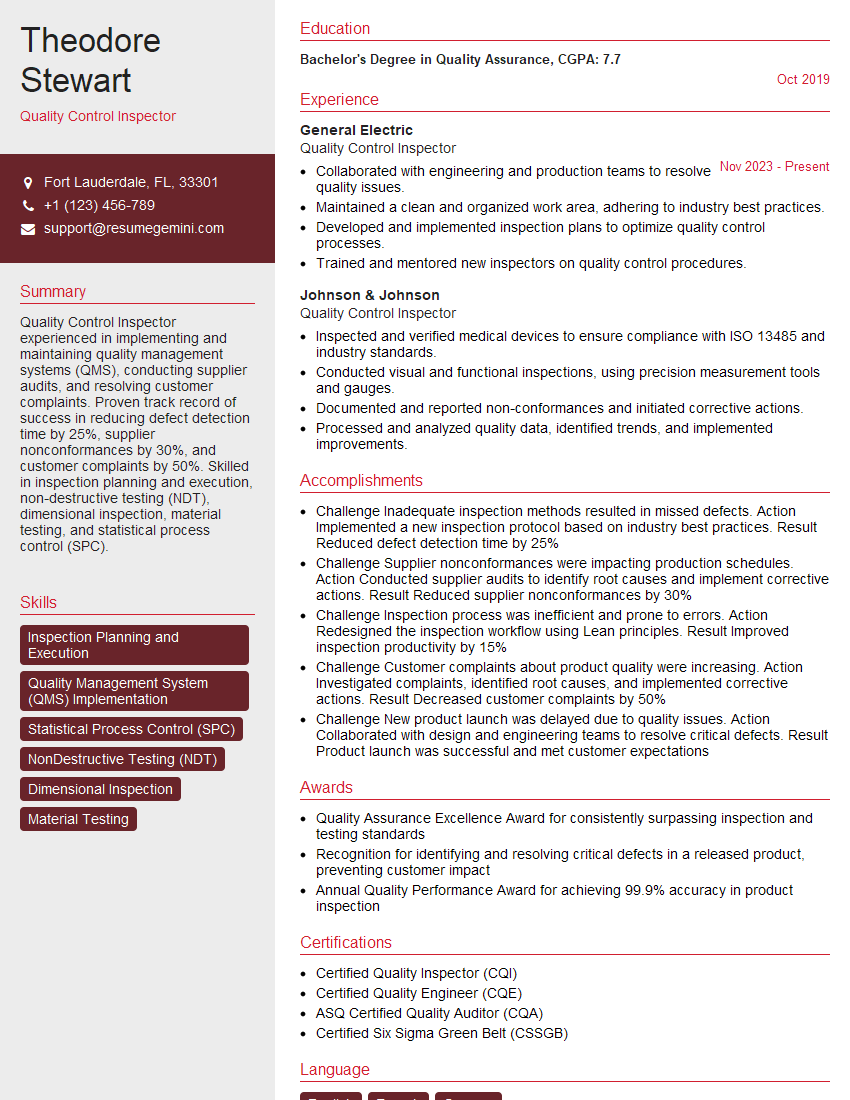
Quality Control Inspector Resume Sample
- Maintenance Technician
- Quality Assurance Technician
- Detailer
- Calibration Technician
- Test Technician
- Field Service Technician
- Manufacturing Technician
- Assembler
- Manufacturing Assembler
- Assembly Technician
- Repair Technician
- Precision Assembler
- Electronics Assembler
- Assembly Line Worker
- Mechanical Assembler
- Production Assembler
- Production Line Worker
- Parts Inspector
- Quality Control Inspector
Explore more articles
Users Rating of Our Blogs
Share Your Experience
We value your feedback! Please rate our content and share your thoughts (optional).
What Readers Say About Our Blog
Very informative content, great job.
good