Are you ready to stand out in your next interview? Understanding and preparing for Ability to meet deadlines and production quotas interview questions is a game-changer. In this blog, we’ve compiled key questions and expert advice to help you showcase your skills with confidence and precision. Let’s get started on your journey to acing the interview.
Questions Asked in Ability to meet deadlines and production quotas Interview
Q 1. Describe your process for prioritizing tasks to meet deadlines.
Prioritizing tasks to meet deadlines is crucial for effective project management. My process involves a combination of strategic planning and flexible adaptation. First, I use a method like the Eisenhower Matrix (urgent/important) to categorize tasks. This helps me identify which tasks require immediate attention and which can be delegated or scheduled later. Then, I break down larger projects into smaller, manageable tasks, assigning realistic deadlines to each. This granular approach allows for better tracking and prevents feeling overwhelmed. Finally, I continuously review and adjust my priority list as new information or unforeseen circumstances arise. Think of it like conducting an orchestra – you need to know which instruments to highlight at each moment to create a harmonious and timely performance.
- Eisenhower Matrix: Categorizes tasks based on urgency and importance.
- Task Breakdown: Dividing large tasks into smaller, actionable steps.
- Regular Review & Adjustment: Adapting the priority list based on changing needs.
Q 2. How do you handle unexpected delays or obstacles that impact deadlines?
Unexpected delays are inevitable. My approach focuses on proactive mitigation and reactive problem-solving. When a delay occurs, I first identify the root cause. This might involve analyzing technical issues, resource constraints, or unforeseen dependencies. Once the cause is understood, I develop a contingency plan. This could involve adjusting timelines, reallocating resources, or seeking assistance from colleagues. Transparent communication with stakeholders is key throughout this process. Keeping everyone informed minimizes misunderstandings and allows for collaborative problem-solving. For example, if a crucial piece of software malfunctions, I would immediately inform my team and management, propose alternative solutions, and revise the project timeline accordingly.
Q 3. What strategies do you employ to manage your time effectively?
Effective time management is a cornerstone of meeting deadlines and quotas. I employ several strategies: First, I utilize time-blocking techniques, scheduling specific times for specific tasks. This minimizes context switching and maximizes focus. Second, I leverage tools like project management software (e.g., Asana, Trello) to visually track progress and manage deadlines. Third, I prioritize minimizing distractions. This involves turning off notifications, setting dedicated work periods, and communicating my availability to colleagues. Finally, I regularly review my schedule and adjust as needed to ensure I’m on track and that I’m not over-committing myself. It’s a constant balancing act, but well worth the effort!
- Time Blocking: Scheduling specific times for specific tasks.
- Project Management Software: Visual tracking and deadline management.
- Distraction Minimization: Creating a focused work environment.
- Regular Schedule Review: Ensuring ongoing alignment with goals.
Q 4. Give an example of a time you successfully met a challenging deadline.
During my previous role, we were tasked with launching a new product within an incredibly tight timeframe – just six weeks. This involved coordinating several teams and multiple dependencies. The challenge was significant because a key supplier experienced production delays. To overcome this, I immediately engaged with the supplier, understanding the root cause of their delay. We then collaboratively implemented a solution: We accelerated our internal testing and validation processes, while simultaneously exploring alternative suppliers for less critical components. This required prioritizing tasks rigorously, working extended hours, and fostering excellent communication between all involved parties. Ultimately, not only did we launch the product on time, but we also exceeded our initial sales projections.
Q 5. How do you track your progress against deadlines and production quotas?
Tracking progress is essential. I use a combination of methods. Project management software provides a visual overview of tasks, deadlines, and progress. I also maintain a personal spreadsheet to track key metrics related to production quotas, allowing me to identify potential bottlenecks early on. Regularly reviewing this data allows for proactive adjustments to my work plan. For example, if I notice I’m falling behind on a particular task, I can immediately re-prioritize and allocate more time to it. This system provides a clear picture of my performance and allows for data-driven decision-making.
Q 6. Describe a situation where you had to adjust your work plan to meet a tight deadline.
In a previous project, we faced a critical deadline for a major software update. Unexpectedly, a significant bug was discovered just a week before the launch. Our initial plan had to be drastically altered. We immediately held a team meeting to assess the situation. After prioritizing the bug fix, we decided to temporarily postpone less critical features from the update. This required rigorous communication with stakeholders, managing expectations, and focusing the entire team on a streamlined solution. Although we shipped a smaller update than initially planned, it met the crucial deadline without compromising the overall product integrity. The experience highlighted the importance of adaptability and the value of collaborative problem-solving under pressure.
Q 7. What tools or techniques do you use to improve your productivity?
To improve productivity, I utilize several tools and techniques. Project management software (Asana, Trello) helps organize tasks and deadlines. Time-tracking apps (Toggl Track, RescueTime) provide insights into how I spend my time, helping me identify areas for improvement. The Pomodoro Technique, with its structured work and break intervals, enhances focus and prevents burnout. Regular self-reflection and feedback sessions with colleagues provide valuable insights into my strengths and areas needing attention. I constantly seek out new strategies and tools to further enhance my workflow efficiency.
- Project Management Software: Asana, Trello
- Time Tracking Apps: Toggl Track, RescueTime
- Pomodoro Technique: Structured work and break intervals
- Self-Reflection & Feedback: Continuous improvement
Q 8. How do you communicate potential deadline issues to your manager or team?
Proactive communication is key to preventing deadline issues. I believe in transparency and early warning. If I foresee a problem, I don’t wait until the last minute. Instead, I immediately inform my manager or team, outlining the challenge and proposing potential solutions. This might involve a brief email summarizing the situation, followed by a more detailed discussion if needed. For example, if a crucial piece of data is delayed from a third-party vendor, I’d email my manager stating: “The expected delivery of X data is delayed by two days, impacting the timeline for Task Y. We can mitigate this by focusing on Task Z first, or exploring option B as an alternative data source.” I always focus on presenting the problem, the impact, and potential solutions, rather than just highlighting the negative.
Q 9. How do you balance multiple projects with competing deadlines?
Balancing multiple projects with competing deadlines requires a structured approach. I use a project management methodology, often incorporating aspects of Kanban or Agile. This involves creating a prioritized task list for each project, considering dependencies and resource allocation. I utilize tools like task management software (e.g., Asana, Trello) to visually track progress and deadlines. Time blocking is crucial – allocating specific time slots for focused work on each project. Regular review sessions help assess progress and make adjustments as needed. Think of it like a conductor of an orchestra; each project is a section of the orchestra, and my role is to ensure harmonious execution, prioritizing based on urgency and importance.
Q 10. Have you ever missed a deadline? What were the circumstances and how did you handle it?
Yes, I have missed a deadline once. It was during a particularly demanding project launch. Unexpected technical challenges arose in the final stages, and despite working extended hours, we fell short by a day. I immediately informed my manager, honestly explained the circumstances, and detailed the steps taken to resolve the issue. We implemented a revised plan with clear communication to affected stakeholders. The key takeaway was the importance of thorough risk assessment and having contingency plans. This experience taught me the value of open communication and proactive problem-solving, even when things go wrong. It strengthened my commitment to thorough planning and robust risk mitigation strategies.
Q 11. Describe your experience working under pressure to meet deadlines.
I thrive under pressure and consistently deliver under tight deadlines. My experience in high-pressure environments has honed my ability to prioritize tasks, delegate effectively, and remain focused. For example, I was once tasked with preparing a critical presentation within 48 hours. I broke down the task into smaller, manageable chunks, focused on delivering the most important aspects first, and leveraged my team’s expertise for support. The result was a successful presentation delivered on time, reinforcing my ability to perform effectively under pressure.
Q 12. How do you identify potential roadblocks that could affect meeting deadlines?
Identifying potential roadblocks is a proactive measure that requires careful planning. I use a combination of techniques including: Risk assessment – Identifying potential issues early in the project lifecycle. Dependency analysis – Understanding interdependencies between tasks and potential delays. Resource availability assessment – Ensuring sufficient resources (people, tools, budget) are available. Regular progress checks – Monitoring progress closely and addressing issues promptly. Think of it like a pilot conducting pre-flight checks before a journey; every potential obstacle is identified and accounted for, mitigating the risk of delay.
Q 13. How do you delegate tasks to ensure deadlines are met?
Effective delegation is essential for meeting deadlines. I ensure that tasks are assigned to individuals with the appropriate skills and experience. Clear instructions, defined deliverables, and established timelines are crucial. I provide regular feedback and support to ensure tasks progress smoothly. I also consider individual workloads to avoid overburdening anyone. My approach is to empower individuals, giving them ownership and autonomy while remaining available for guidance and support. It’s not just about assigning tasks but building a collaborative team where everyone contributes to success.
Q 14. How do you measure your own productivity and efficiency?
I measure my productivity and efficiency through several metrics. These include: Task completion rate – Tracking the number of tasks completed within the allocated time. Project completion rate – Measuring the number of projects completed on time and within budget. Quality of work – Assessing the accuracy and effectiveness of my work. Continuous improvement – Regularly analyzing my work process to identify areas for improvement and efficiency gains. This isn’t simply about ticking boxes, but about continuous self-reflection and improvement, striving for both quantity and quality in my output.
Q 15. What are your preferred methods for staying organized and on track?
Staying organized and on track is paramount to meeting deadlines. My approach is multifaceted, combining proactive planning with consistent monitoring and adjustment. I utilize a combination of methods, tailored to the specific project and its complexity.
- Task Management Software: I rely heavily on tools like Asana or Trello to break down large projects into smaller, manageable tasks. This allows for clear visualization of progress and identification of potential bottlenecks early on. For example, I might break down a large marketing campaign into smaller tasks like ‘draft social media posts’, ‘design email templates’, ‘schedule social media posts’, etc.
- Prioritization Matrices: Employing tools like Eisenhower Matrix (Urgent/Important) helps me prioritize tasks effectively, ensuring I focus on the most critical items first. This prevents me from getting bogged down in less important tasks that could delay the completion of more pressing deadlines.
- Time Blocking: I allocate specific time blocks in my day for dedicated work on specific tasks. This structured approach helps me maintain focus and avoid procrastination. For instance, I might block out two hours every morning for focused writing, or an hour each afternoon for email responses and meetings.
- Regular Review and Adjustment: I schedule regular reviews (daily or weekly depending on project urgency) to assess progress against deadlines and adjust my schedule accordingly. This proactive approach allows me to identify and address potential delays promptly.
Career Expert Tips:
- Ace those interviews! Prepare effectively by reviewing the Top 50 Most Common Interview Questions on ResumeGemini.
- Navigate your job search with confidence! Explore a wide range of Career Tips on ResumeGemini. Learn about common challenges and recommendations to overcome them.
- Craft the perfect resume! Master the Art of Resume Writing with ResumeGemini’s guide. Showcase your unique qualifications and achievements effectively.
- Don’t miss out on holiday savings! Build your dream resume with ResumeGemini’s ATS optimized templates.
Q 16. How do you utilize project management tools to manage deadlines?
Project management tools are indispensable for managing deadlines effectively. My experience spans various platforms, each offering unique strengths. I adapt my choice of tool to the project’s size and complexity.
- Gantt Charts (e.g., Microsoft Project, Smartsheet): For larger, complex projects with multiple dependencies, Gantt charts provide a visual representation of the project timeline, task dependencies, and critical path. This makes it easy to identify potential delays and adjust timelines proactively.
- Kanban Boards (e.g., Trello, Jira): For projects that require a more flexible and iterative approach, Kanban boards allow for easy task visualization and workflow management. The visual nature helps prioritize tasks and track progress effortlessly.
- Calendaring and Reminders: Integrating deadlines and milestones into my calendar with reminders ensures I am proactively alerted about upcoming due dates, preventing missed deadlines. I use color-coding to differentiate between project types and prioritize urgency.
Regardless of the tool, I always ensure the project’s scope is clearly defined and tasks are assigned with realistic deadlines and responsibilities. Regular updates and status meetings keep everyone informed and aligned on progress.
Q 17. How do you ensure that your work meets both quality and quantity standards?
Balancing quality and quantity requires a strategic approach that avoids compromising one for the other. My approach focuses on efficiency, process optimization and quality control.
- Process Optimization: Identifying and streamlining inefficient processes is key. This could involve automating repetitive tasks, improving workflows, or utilizing specialized tools to improve efficiency and output. For example, implementing a templating system for routine documents can significantly reduce production time.
- Quality Control Checklists: Creating and adhering to comprehensive checklists for each task ensures consistency and minimizes errors. These checklists serve as a guide, covering all aspects of the work from initial concept to final delivery. This ensures I meet quality standards, no matter how large the volume of work.
- Regular Self-Assessment: I conduct regular self-assessments of my work, identifying areas for improvement in both speed and quality. This continuous improvement approach helps me refine my processes and consistently deliver high-quality results.
- Seeking Feedback: Actively soliciting feedback from colleagues, supervisors, or clients allows for identification of areas that need adjustment. This helps maintain a high standard of quality and ensures alignment with expectations.
Think of it like baking a cake. You can bake many cakes quickly (quantity), but if they’re consistently burnt (poor quality), it’s not a success. The aim is to produce many high-quality cakes efficiently.
Q 18. Describe your experience with agile methodologies and sprint deadlines.
I have extensive experience working within Agile methodologies, particularly Scrum. I thrive in the iterative nature of sprints, finding it highly effective for managing deadlines and delivering incremental value.
- Sprint Planning: I actively participate in sprint planning sessions, contributing to the definition of tasks and realistic estimations for completion within the sprint timeframe. This collaborative approach ensures everyone is on the same page.
- Daily Stand-ups: I find daily stand-ups invaluable for tracking progress, identifying roadblocks, and ensuring everyone remains synchronized. This proactive communication helps prevent delays.
- Sprint Reviews and Retrospectives: Participating in sprint reviews allows for demonstrable progress, feedback gathering, and adjustments for future sprints. Retrospectives provide crucial opportunities for process improvement and team optimization.
For example, in a recent project, we used a two-week sprint cycle. Each sprint had clearly defined goals, and we used a Kanban board to track our progress. Daily stand-ups kept us aligned, and the sprint review allowed us to demonstrate working software to the stakeholders and receive valuable feedback.
Q 19. How do you handle conflicting priorities when multiple deadlines approach simultaneously?
Conflicting priorities are inevitable, especially when multiple deadlines converge. My approach involves prioritizing tasks strategically, employing effective communication, and seeking support when necessary.
- Prioritization Matrix: Utilizing a prioritization matrix (like the Eisenhower Matrix) helps me objectively assess urgency and importance, guiding my allocation of time and resources effectively.
- Communication: Open and transparent communication with stakeholders is crucial. This allows for clarification of priorities, potential trade-offs, and adjustments to expectations where necessary.
- Delegation: When feasible, I delegate tasks to others to manage workload effectively. This requires clear instruction, defined expectations, and appropriate support for the delegate.
- Time Management Techniques: Techniques like time blocking and the Pomodoro Technique help me maximize my productivity and focus on the most critical tasks first.
Imagine juggling multiple balls. If one ball is about to drop (critical deadline), you must prioritize catching that one, even if it means temporarily letting another bounce slightly (less critical task).
Q 20. What is your approach to setting realistic deadlines and quotas?
Setting realistic deadlines and quotas involves careful consideration of various factors to ensure achievable yet challenging targets. My approach involves a combination of top-down and bottom-up estimations.
- Scope Definition: Clearly defining the scope of work is paramount. This involves breaking down large projects into smaller, more manageable tasks, allowing for accurate estimations of time and resources required for each task.
- Historical Data: Utilizing historical data on similar projects provides a baseline for estimating timelines and quotas. This helps inform realistic expectations and allows for adjustments based on lessons learned from past projects.
- Contingency Planning: Incorporating buffer time or resources into the estimations accounts for unforeseen delays or challenges. This avoids putting undue pressure on the team and improves the likelihood of meeting deadlines.
- Collaboration: Involving the team in the estimation process helps to ensure buy-in and a shared understanding of the goals and challenges. It also helps identify potential roadblocks early on.
For example, when estimating a website development project, I would break it down into phases (design, development, testing, deployment), estimate the time for each phase based on historical data, and add a contingency buffer for unexpected issues.
Q 21. How do you adapt your approach when faced with changing deadlines or requirements?
Adaptability is crucial in today’s dynamic work environment. When faced with changing deadlines or requirements, my approach is based on proactive communication, flexible planning, and effective prioritization.
- Communication: Immediately communicating the change to stakeholders ensures transparency and avoids misunderstandings. This allows for collaborative problem-solving and management of expectations.
- Impact Assessment: Assessing the impact of the change on the project timeline and scope is crucial. This involves identifying affected tasks, dependencies, and potential resource needs.
- Reprioritization: Based on the impact assessment, I adjust priorities and timelines to accommodate the changes. This often involves re-evaluating the critical path and identifying any potential bottlenecks.
- Agile Adaptation: The iterative nature of Agile methodologies lends itself well to adapting to changing requirements. Sprint reviews and retrospectives provide opportunities to adjust plans and refine processes.
Imagine a road trip with an unexpected detour. You need to adjust your route, re-evaluate your arrival time, and communicate any changes to your travel companions. Similar principles apply to project management.
Q 22. How do you motivate yourself and your team to meet demanding deadlines?
Motivating myself and a team to meet demanding deadlines requires a multi-pronged approach focusing on clear communication, shared goals, and individual empowerment. I begin by ensuring everyone understands the importance of the deadline and the consequences of missing it. This isn’t about fear-mongering, but about shared responsibility and understanding the bigger picture. Then, I break down large tasks into smaller, more manageable milestones, making progress visible and rewarding. This uses the power of positive reinforcement. We celebrate small wins along the way, keeping morale high. For individual motivation, I encourage open communication about challenges, offering support and finding solutions collaboratively. I also believe in empowering team members by allowing them autonomy in their tasks and trusting their expertise, fostering a sense of ownership and pride in their work. For example, during a particularly tight deadline for a software release, I implemented daily stand-up meetings to track progress, celebrate successes, and address any roadblocks immediately. This fostered a sense of urgency without creating unnecessary stress.
Q 23. How do you ensure accurate forecasting of time and resources needed for a project?
Accurate forecasting of time and resources hinges on a combination of experience, meticulous planning, and data analysis. I start by thoroughly defining the project scope, identifying all tasks, and estimating their individual durations based on past experiences and industry benchmarks. I use tools like Gantt charts and project management software to visualize the timeline and dependencies between tasks. For resource allocation, I consider the skills and availability of team members, factoring in potential for unexpected delays. Contingency planning is also critical; I usually add a buffer to the initial estimates to account for unforeseen circumstances. For instance, when estimating time for a complex website design project, I not only considered the design phase but also built in time for client review, revisions, and potential technical challenges. This approach allowed for accurate forecasting and prevented delays.
Q 24. Describe a time you had to make trade-offs to meet a deadline.
In a previous role, we faced a critical deadline for a major marketing campaign launch. We were significantly behind schedule due to unforeseen complications with a third-party vendor. To meet the deadline, we had to make some difficult trade-offs. We prioritized the core elements of the campaign, scaling back on some less crucial aspects, such as detailed analytics reports and a less comprehensive social media rollout. We also had to work extended hours for several days leading up to launch to ensure everything essential was completed. While it was a stressful period, the decision to focus on the most critical deliverables allowed us to launch the campaign on time and achieve its core objectives. Although the full scope wasn’t delivered, the core message reached the target audience successfully.
Q 25. What are your strategies for preventing burnout when working under pressure?
Preventing burnout while working under pressure is crucial for both personal well-being and sustained productivity. My strategies focus on work-life balance and self-care. This includes setting clear boundaries between work and personal time, ensuring adequate sleep, regular exercise, and healthy eating habits. I also prioritize taking short breaks throughout the day to rest and recharge. Furthermore, I encourage open communication with my team and manager about workload and stress levels, proactively seeking support when needed. Mindfulness techniques, such as meditation or deep breathing exercises, can also help manage stress effectively. Finally, celebrating milestones and achievements, big or small, helps maintain morale and prevent feelings of being overwhelmed.
Q 26. How do you use feedback to improve your ability to meet deadlines and quotas?
Feedback is invaluable for improving my ability to meet deadlines and quotas. I actively solicit feedback from my team, manager, and even clients after each project. I analyze the feedback, focusing on both areas of success and areas needing improvement. For example, if feedback highlights consistent underestimation of task durations, I will adjust my forecasting methods accordingly, perhaps incorporating more detailed task breakdowns or utilizing historical data more effectively. Similarly, if feedback reveals a weakness in delegating tasks effectively, I will actively work on improving my delegation skills through training or mentorship. By consistently seeking and utilizing feedback, I can continually refine my processes and improve my overall performance.
Q 27. How do you proactively identify and mitigate potential risks to project timelines?
Proactively identifying and mitigating potential risks to project timelines is a key part of my approach to project management. I use a risk assessment framework where I identify potential issues, such as resource unavailability, technical glitches, or unexpected changes in requirements. For each identified risk, I assess its likelihood and potential impact on the timeline. Based on this assessment, I develop mitigation strategies, which might involve creating contingency plans, securing backup resources, or building buffer time into the schedule. For instance, when working on a project involving external data sources, I’d plan for potential delays by establishing clear communication channels with the data providers and setting up alternative data sources as backup. This proactive approach significantly reduces the likelihood of delays caused by unforeseen issues.
Key Topics to Learn for Ability to meet deadlines and production quotas Interview
- Time Management Strategies: Explore various techniques like the Pomodoro Technique, Eisenhower Matrix, and time blocking to prioritize tasks and allocate time effectively. Understand how to realistically estimate task completion times.
- Prioritization & Task Delegation: Learn to identify high-impact tasks and delegate effectively when possible. Understand the importance of clear communication and follow-up when working with a team.
- Proactive Problem Solving: Practice identifying potential roadblocks *before* they impact deadlines. Develop strategies for anticipating and mitigating delays, including contingency planning.
- Communication & Collaboration: Master the art of keeping stakeholders informed of progress, challenges, and potential delays. Practice clear and concise communication, both verbally and in writing.
- Tools & Technologies for Productivity: Familiarize yourself with project management software (e.g., Trello, Asana), time tracking apps, and other tools that can help you stay organized and on track. Be prepared to discuss your experience with such tools.
- Self-Assessment & Continuous Improvement: Reflect on past projects and identify areas where you could have improved your time management or productivity. Discuss strategies for continuous self-improvement in meeting deadlines and quotas.
- Understanding Production Quotas: Demonstrate a clear understanding of how production quotas are established and the factors that can influence their attainment. Be prepared to discuss strategies for consistently exceeding expectations.
Next Steps
Mastering the ability to meet deadlines and production quotas is crucial for career advancement. It demonstrates reliability, efficiency, and a strong work ethic – qualities highly valued by employers. To maximize your job prospects, create an ATS-friendly resume that showcases your achievements in this area. ResumeGemini is a trusted resource that can help you build a compelling and effective resume. Examples of resumes tailored to highlight your ability to meet deadlines and production quotas are available to guide you. Invest the time to build a strong resume – it’s your first impression with potential employers.
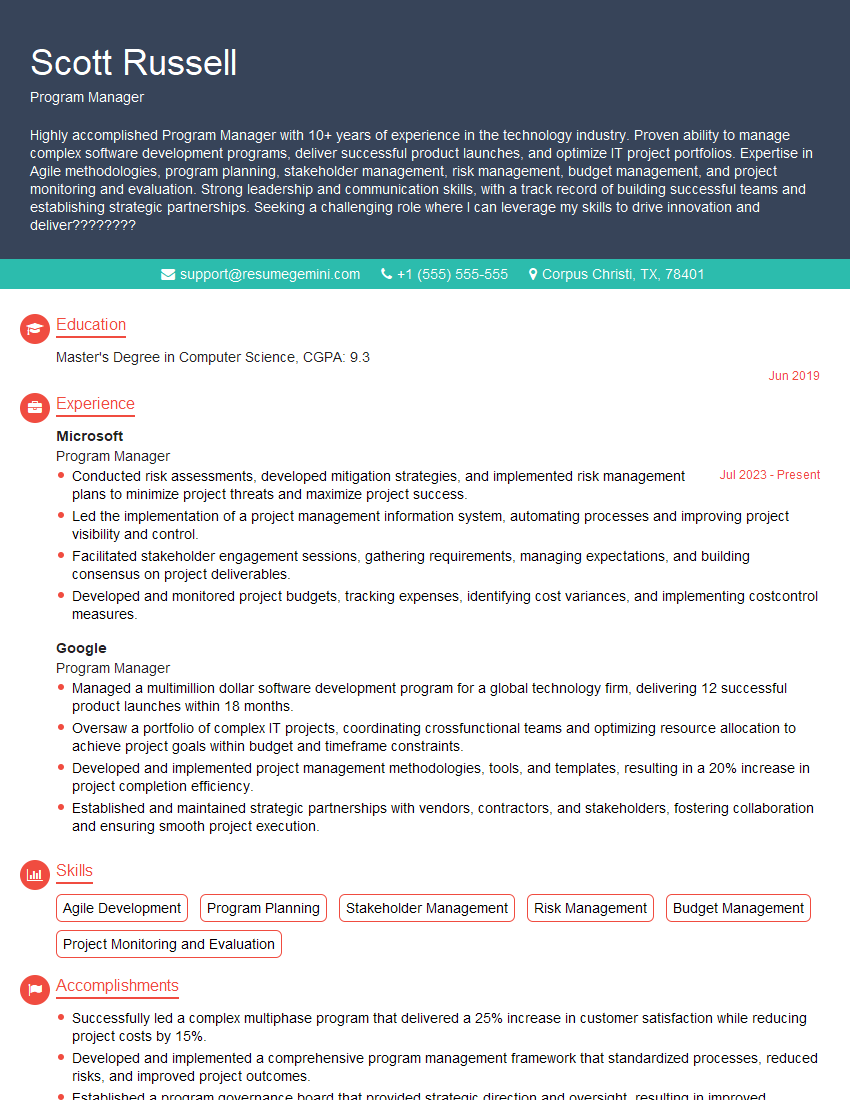
Program Manager Resume Sample

Operations Manager Resume Sample
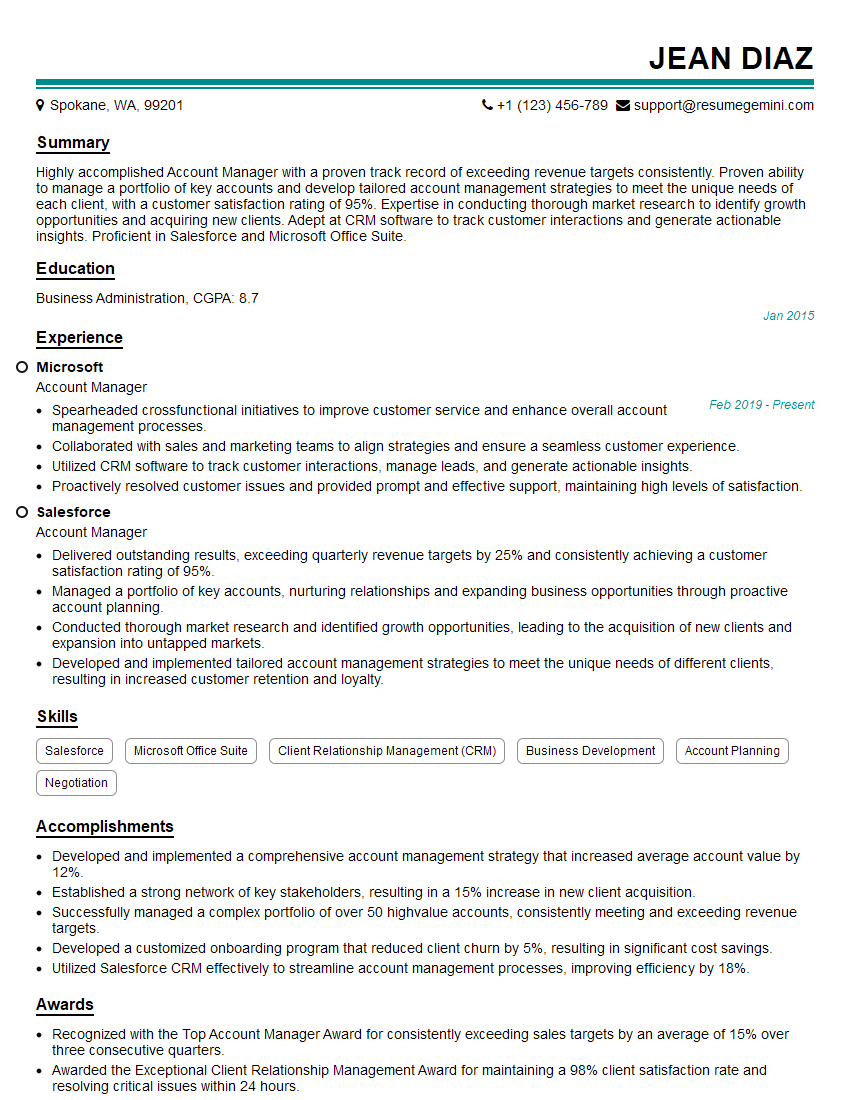
Account Manager Resume Sample
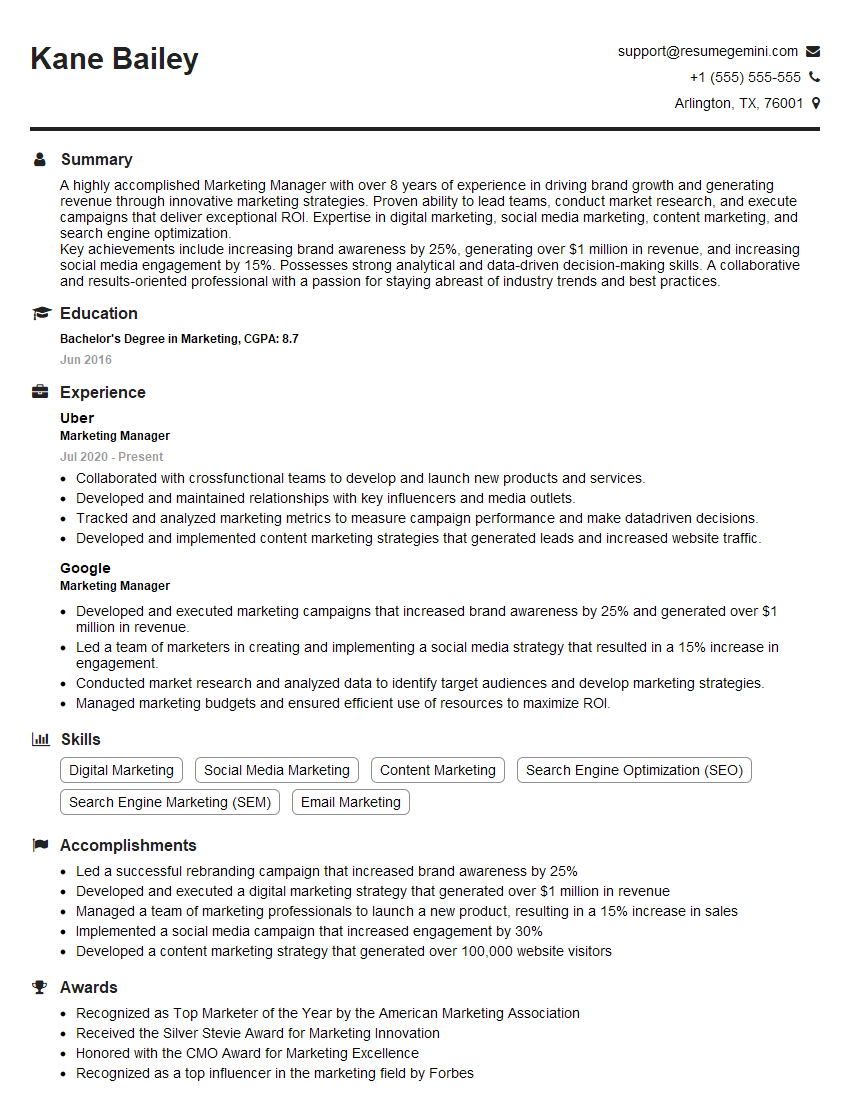
Marketing Manager Resume Sample
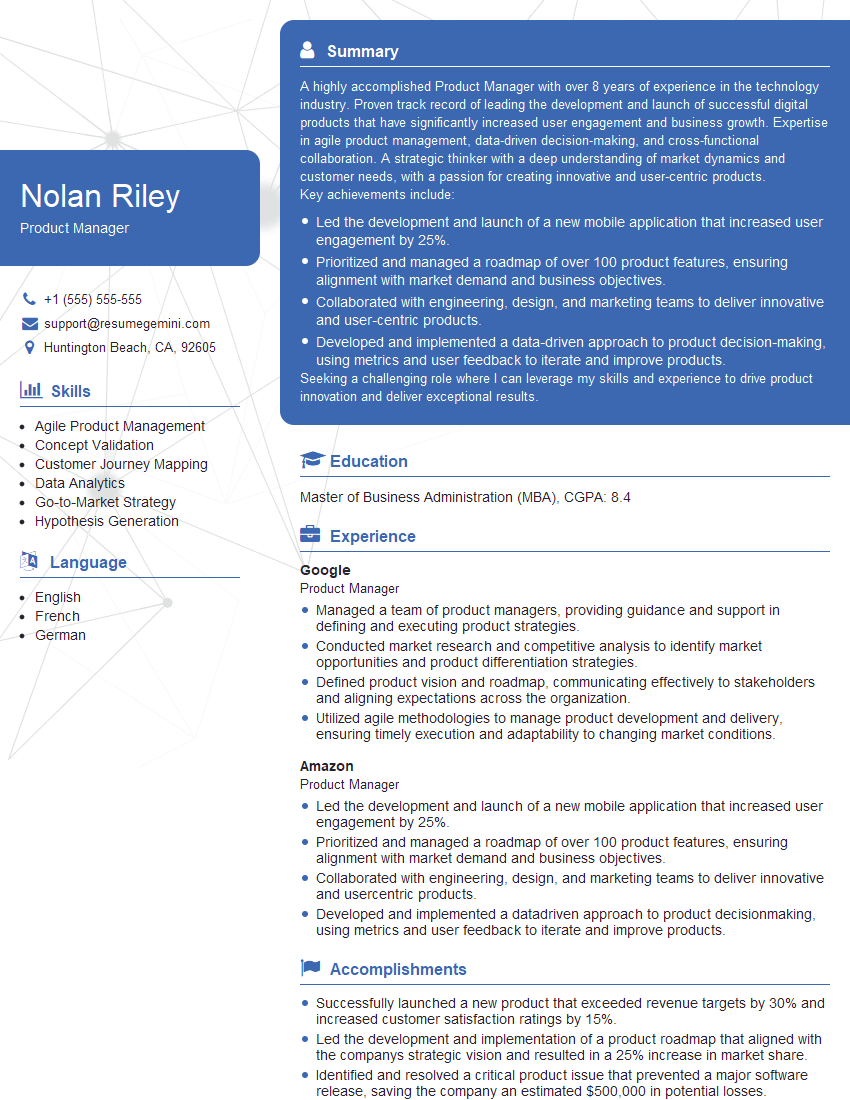
Product Manager Resume Sample
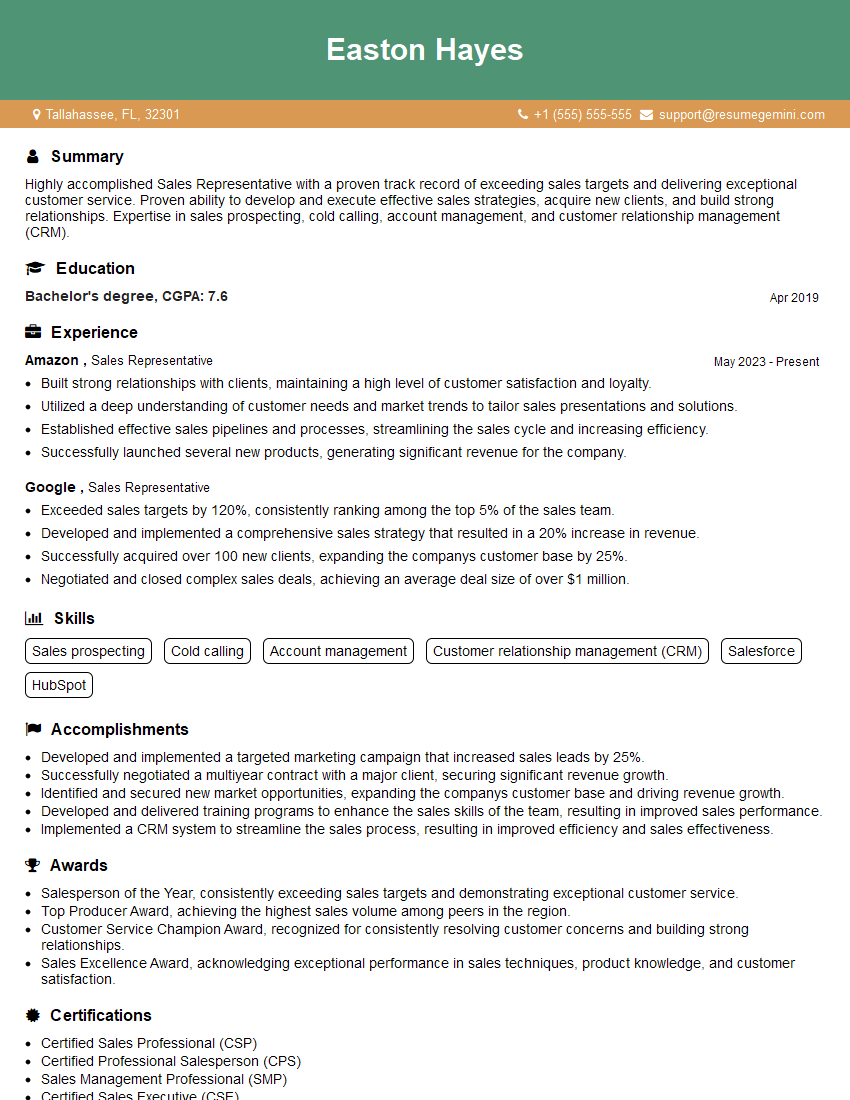
Sales Representative Resume Sample
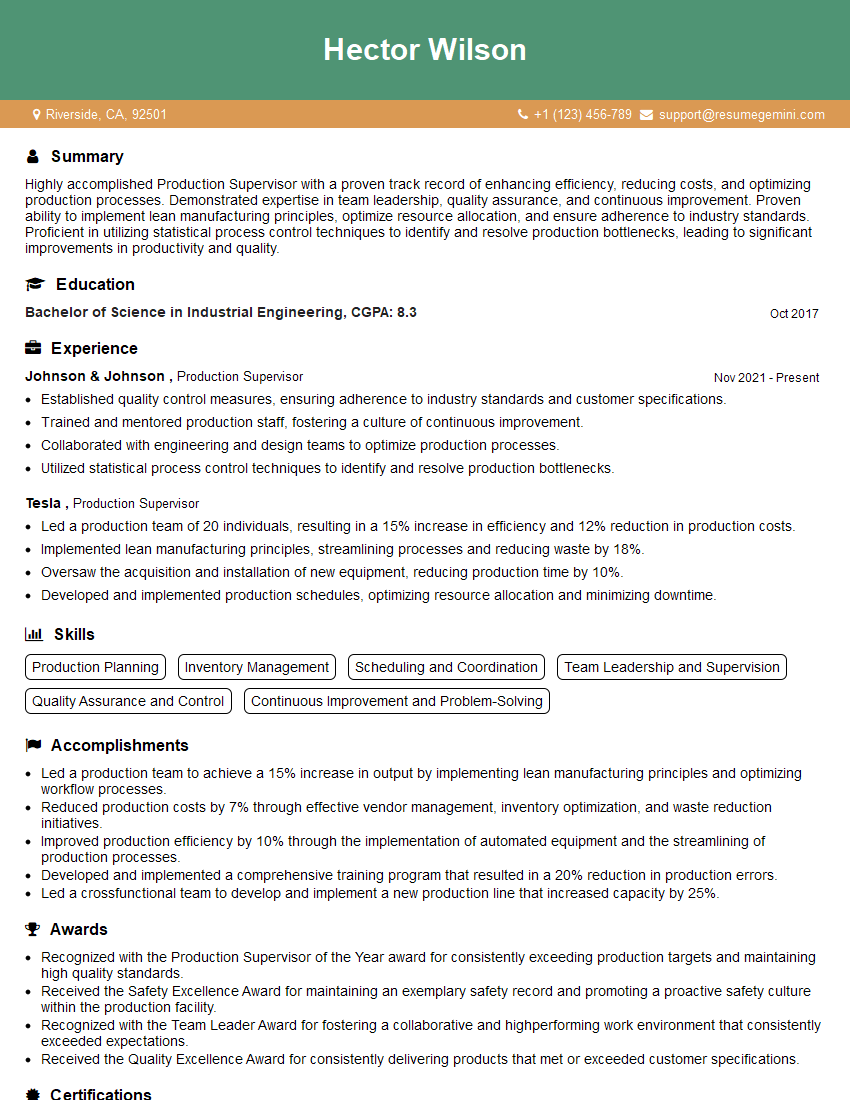
Production Supervisor Resume Sample

Supply Chain Manager Resume Sample
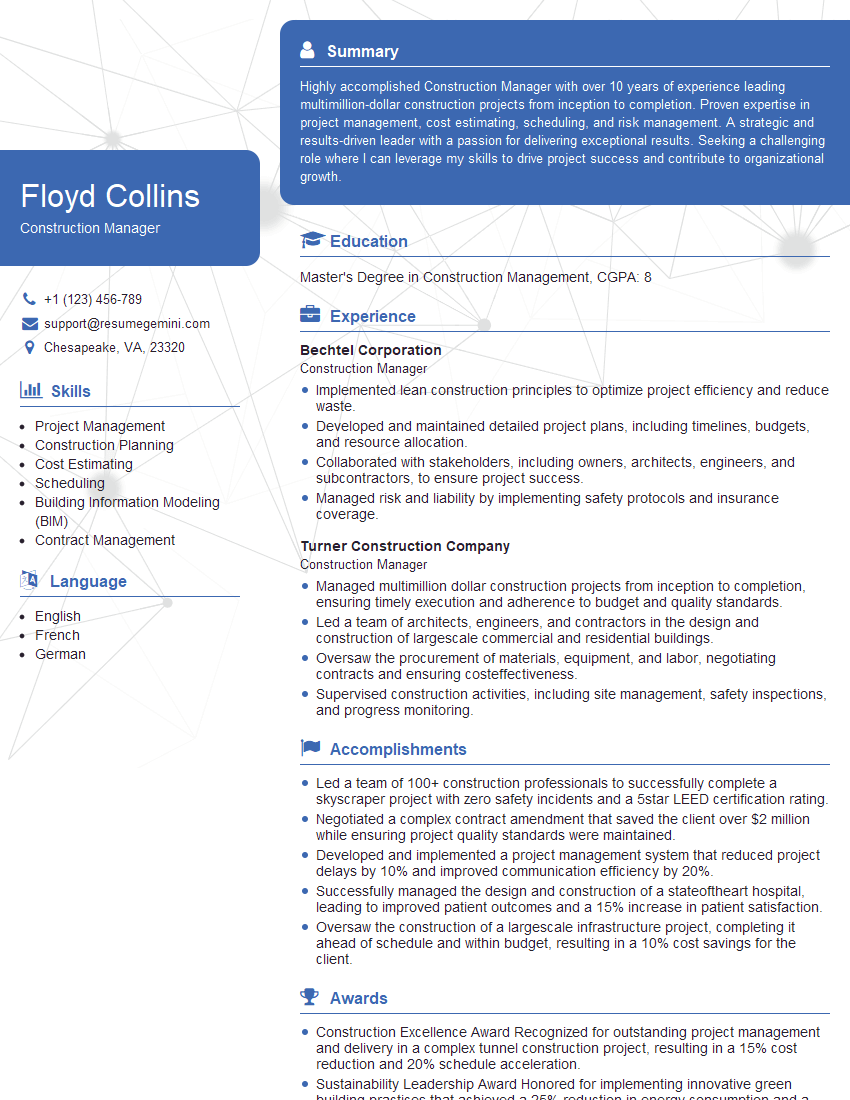
Construction Manager Resume Sample

Project Manager Resume Sample
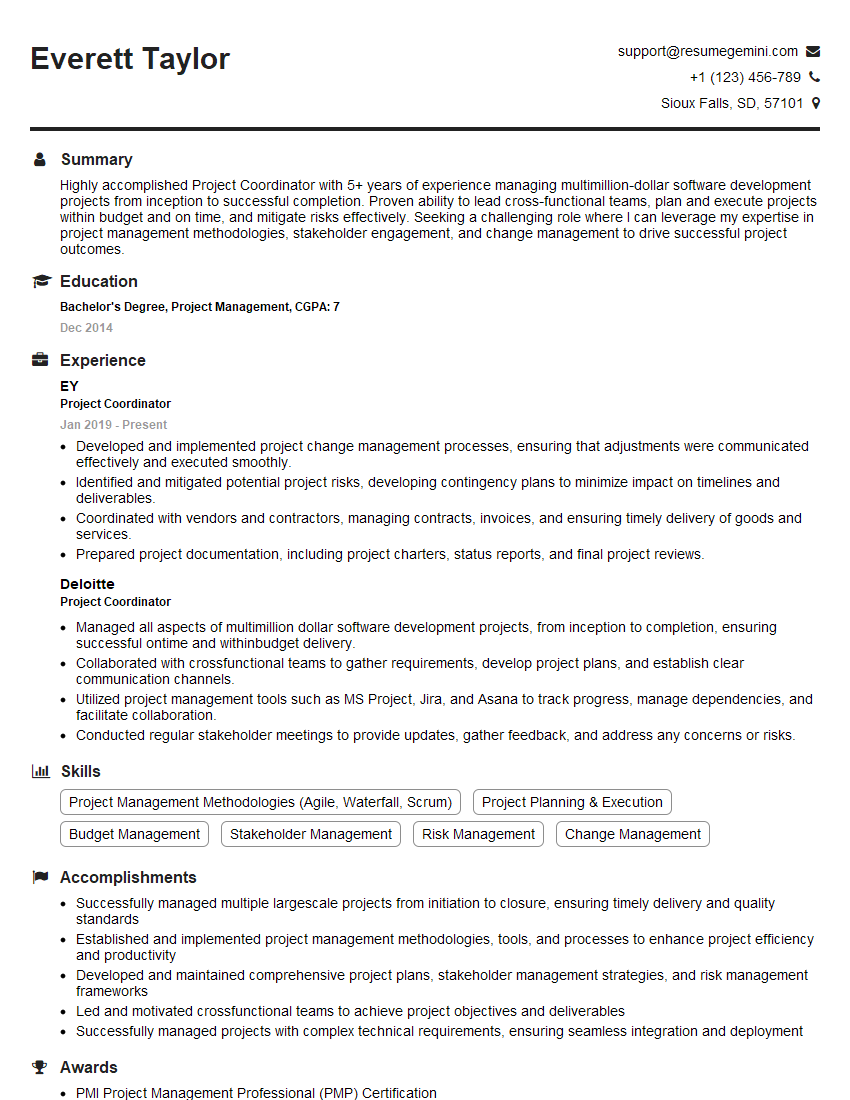
Project Coordinator Resume Sample

Business Analyst Resume Sample
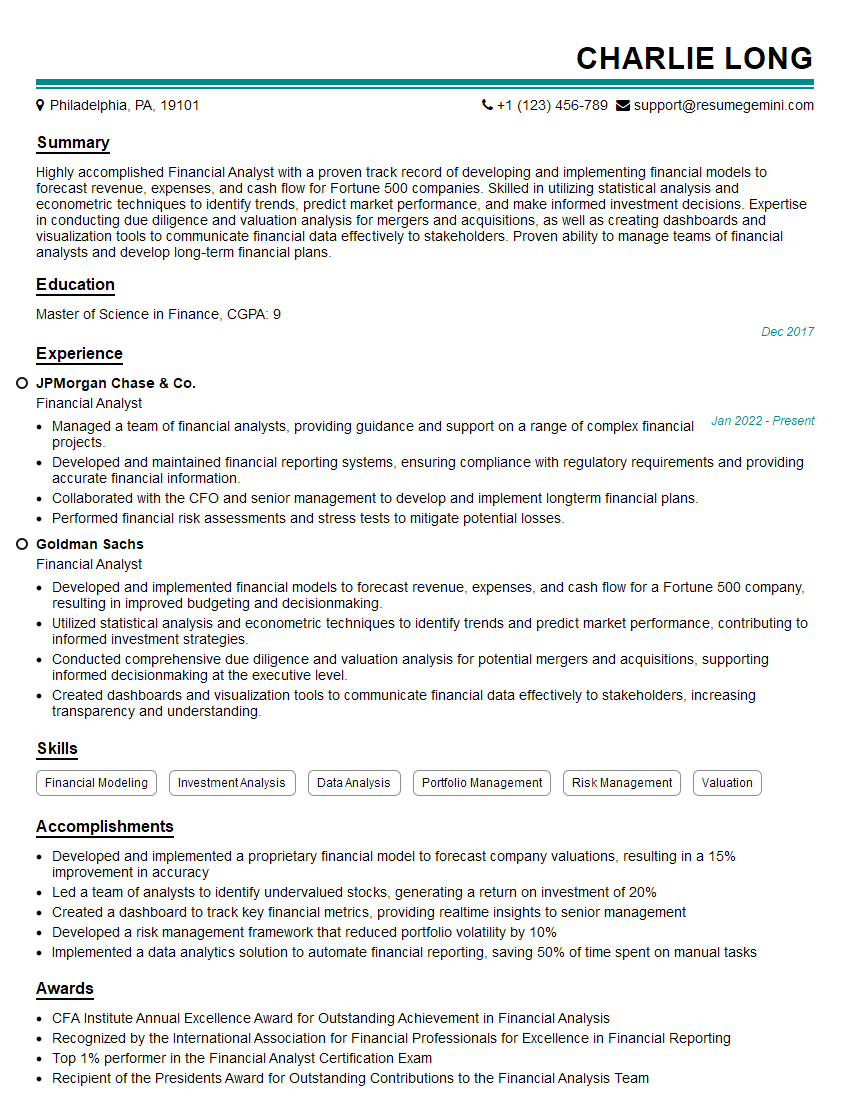
Financial Analyst Resume Sample
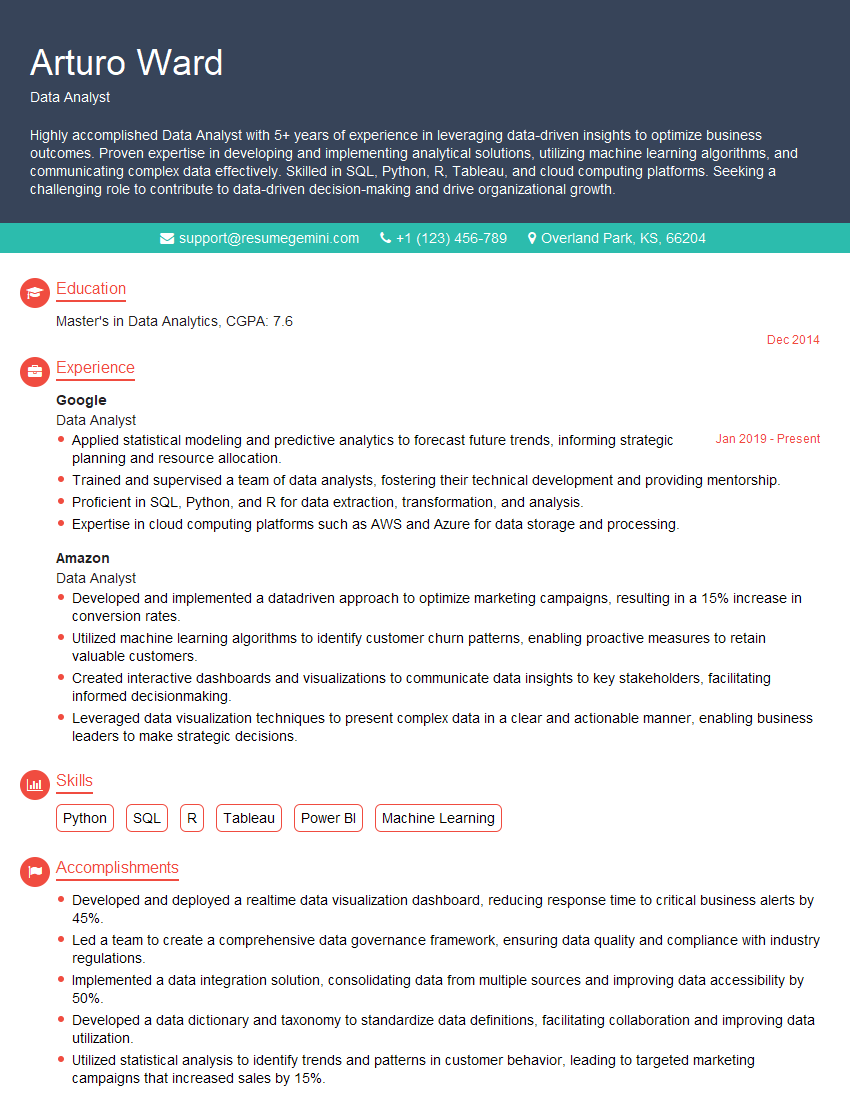
Data Analyst Resume Sample
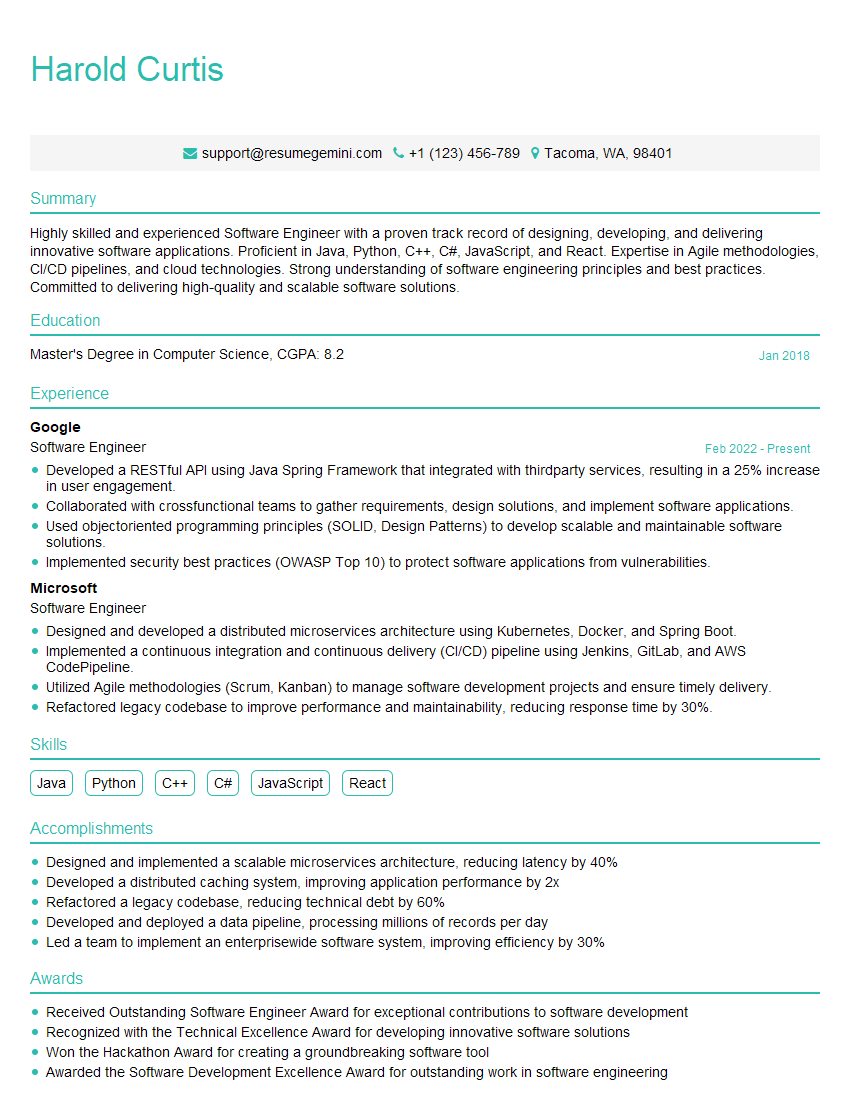
Software Engineer Resume Sample
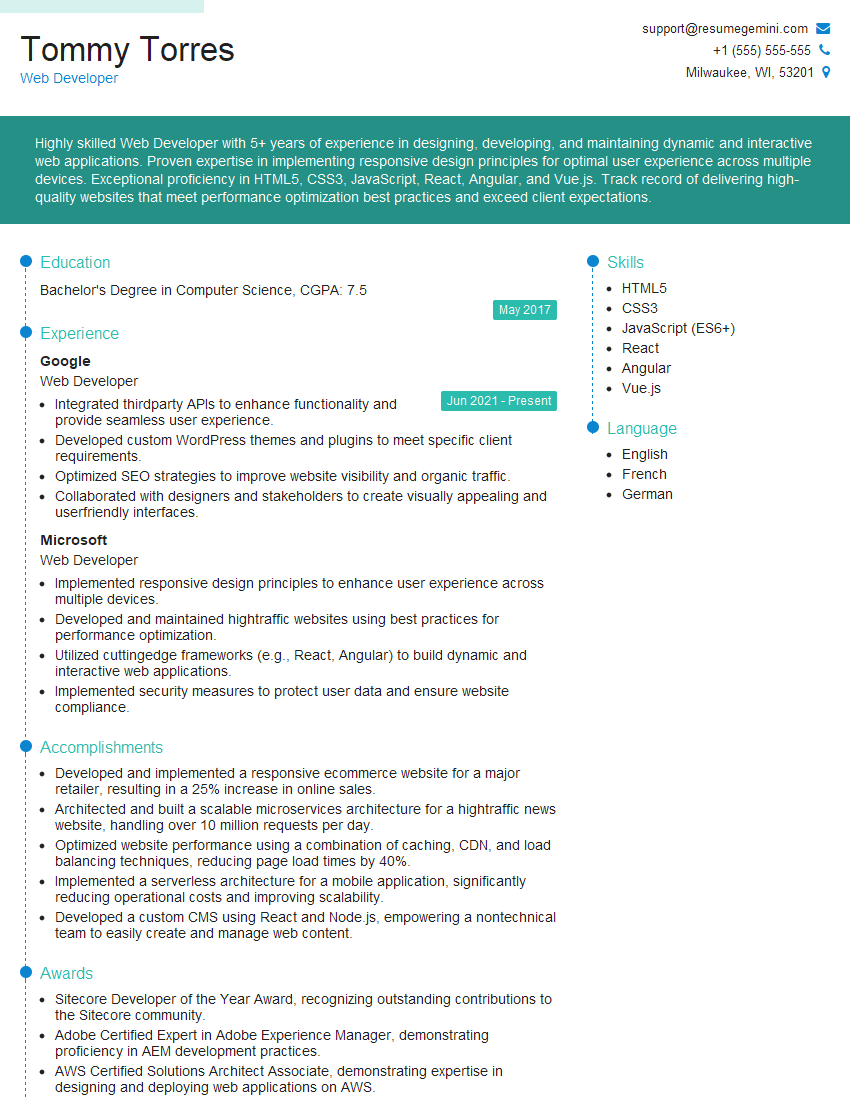
Web Developer Resume Sample
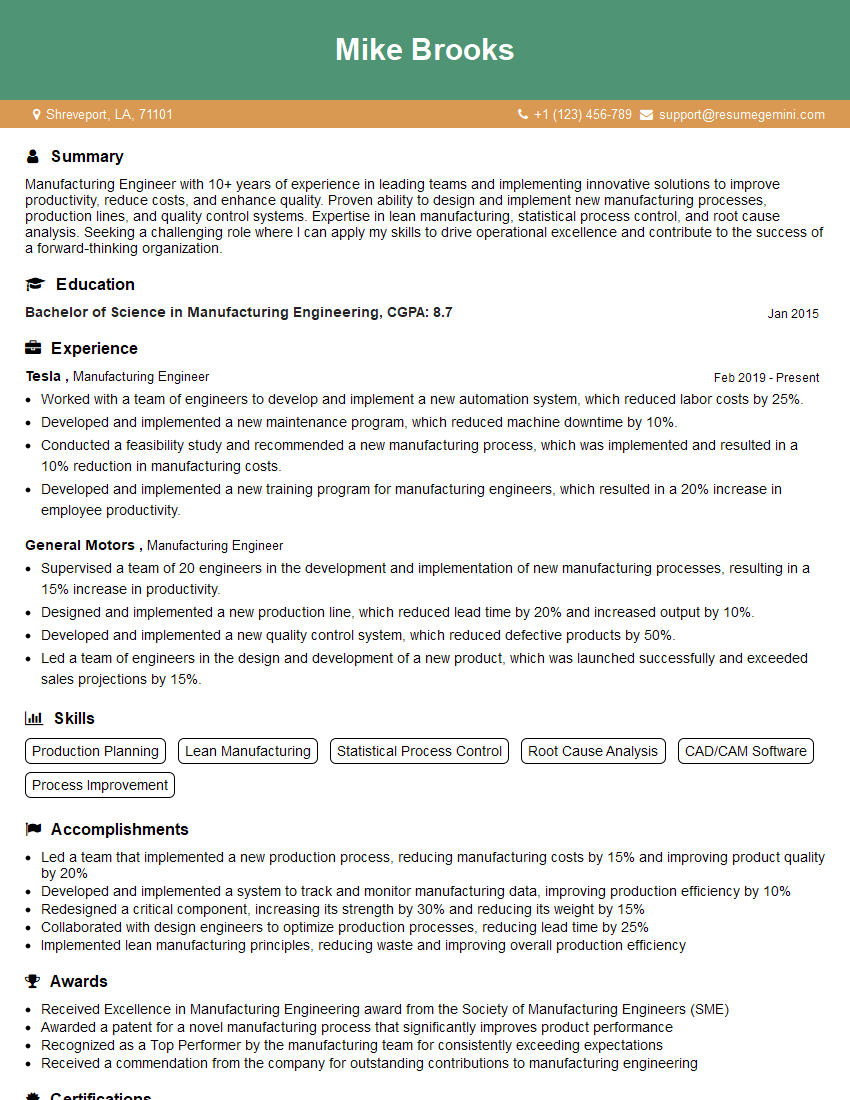
Manufacturing Engineer Resume Sample
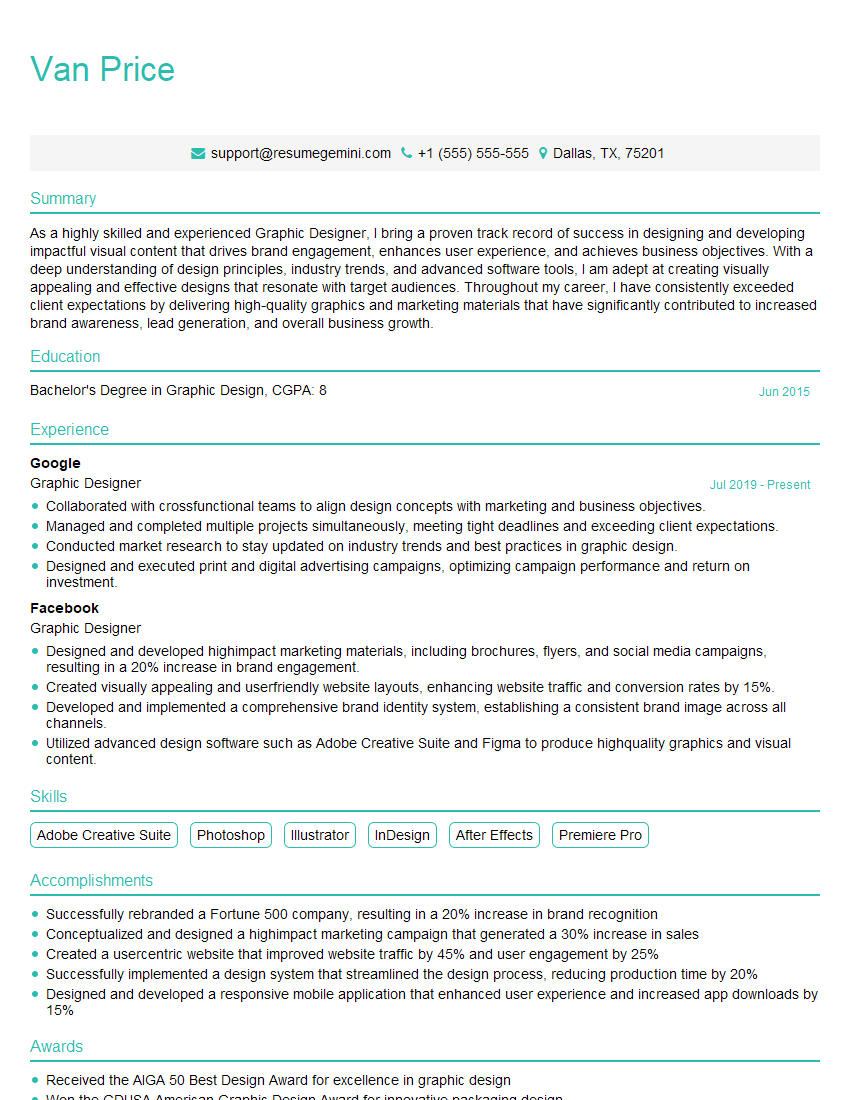
Graphic Designer Resume Sample
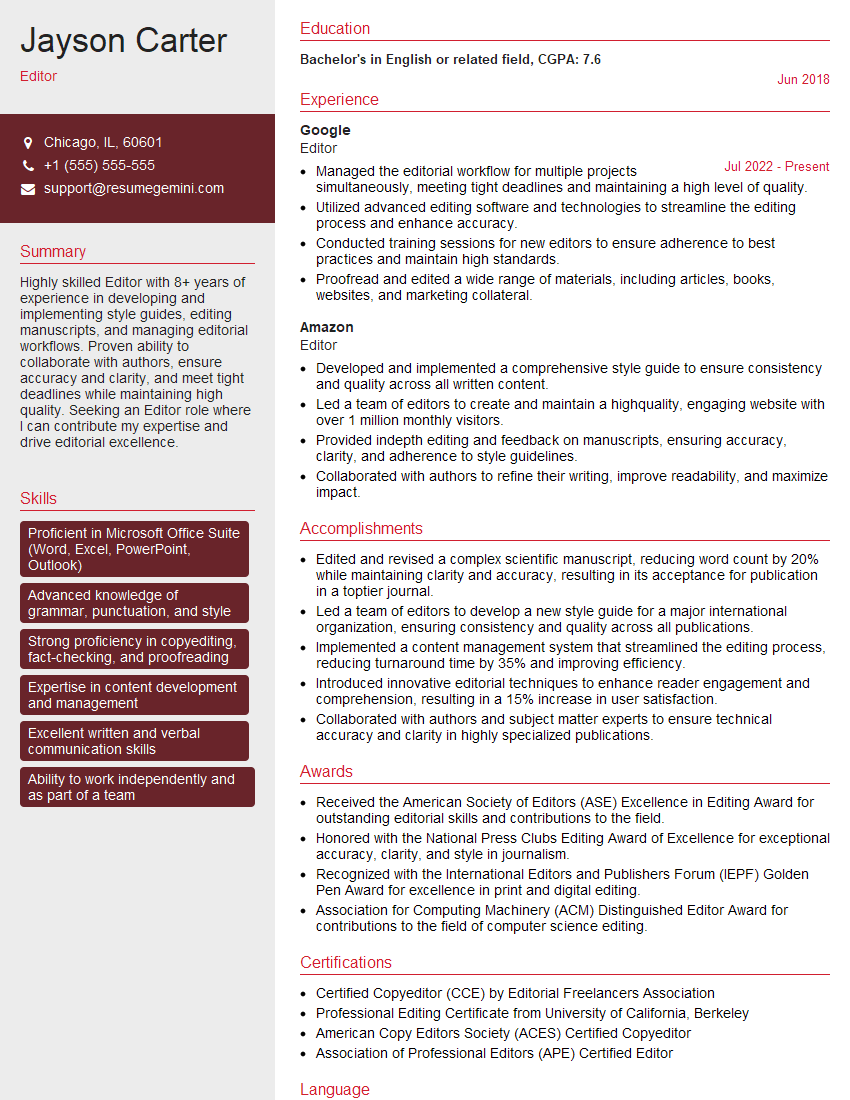
Editor Resume Sample

Technical Writer Resume Sample
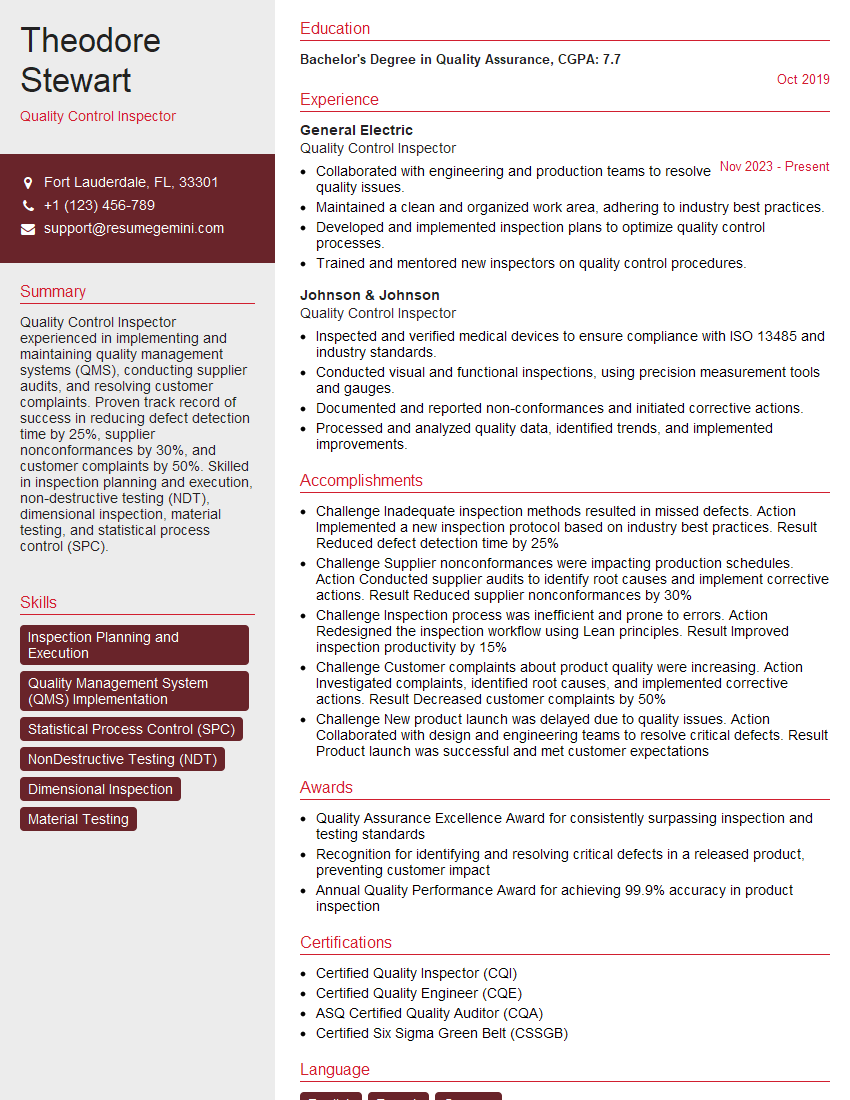
Quality Control Inspector Resume Sample
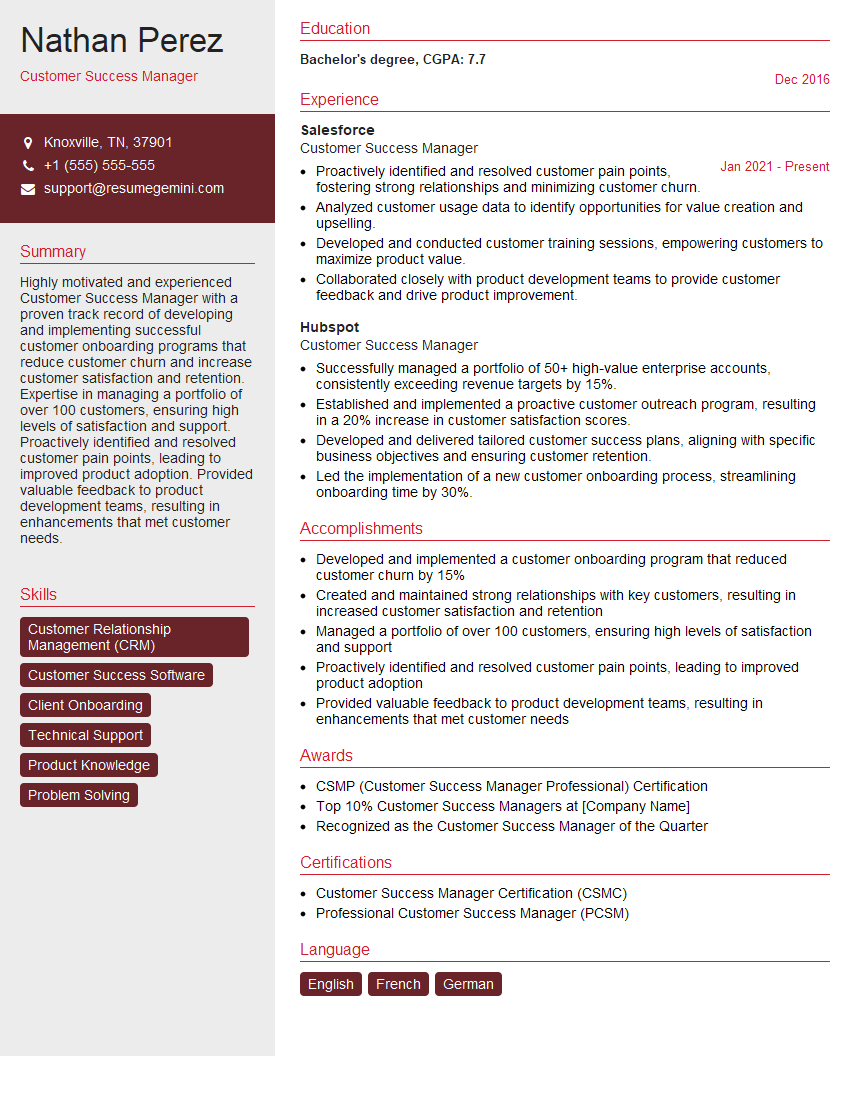
Customer Success Manager Resume Sample
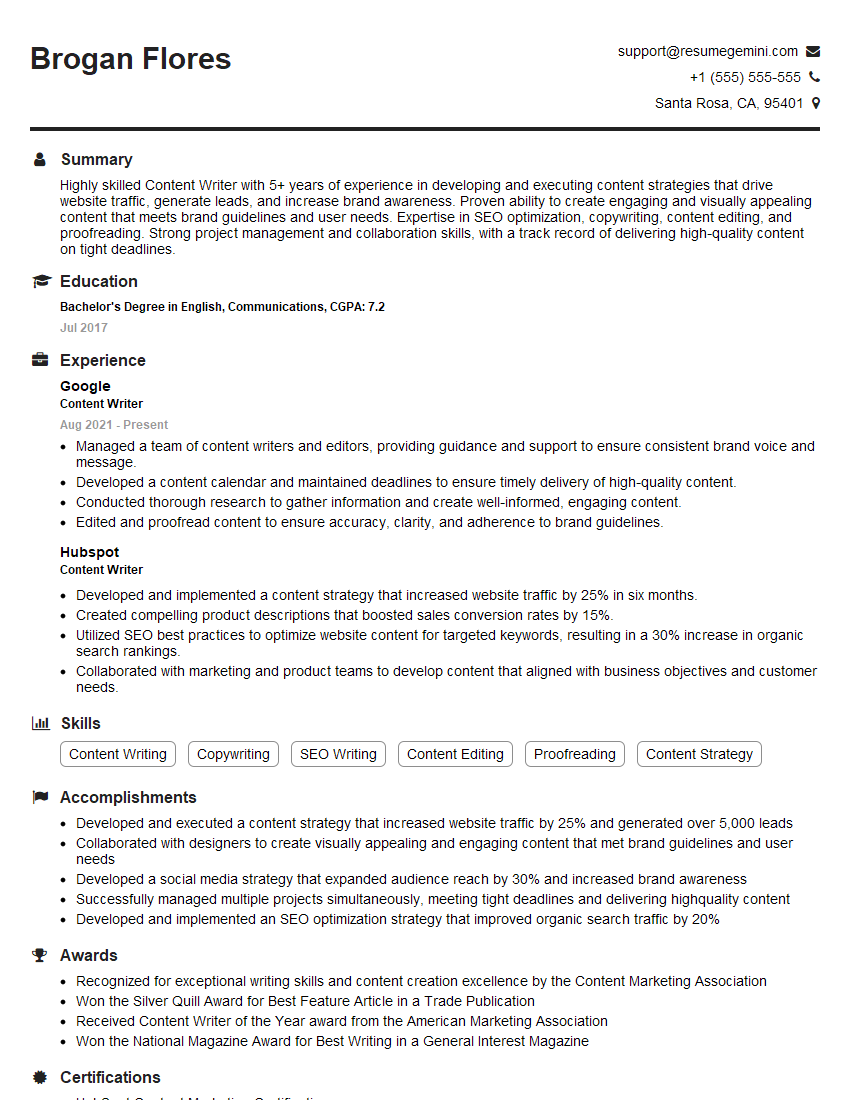
Content Writer Resume Sample
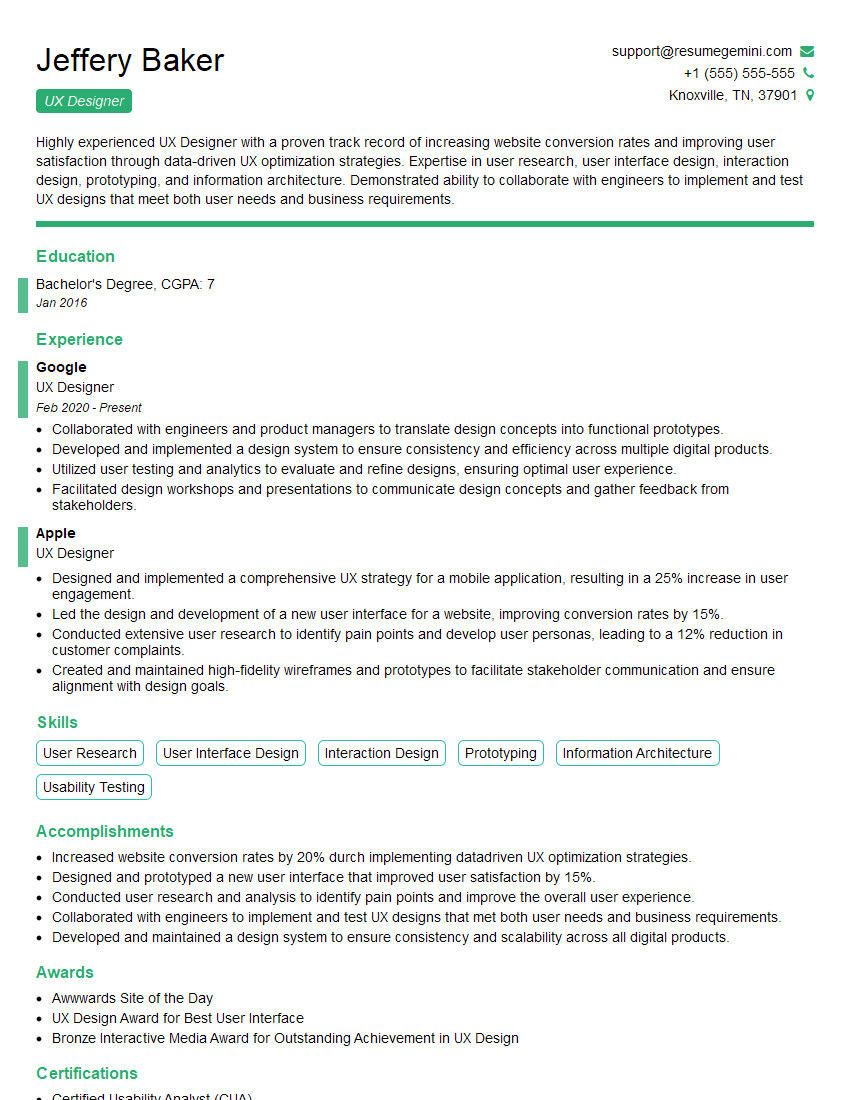
UX Designer Resume Sample
- Program Manager
- Operations Manager
- Account Manager
- Marketing Manager
- Product Manager
- Sales Representative
- Production Supervisor
- Supply Chain Manager
- Construction Manager
- Project Manager
- Project Coordinator
- Business Analyst
- Financial Analyst
- Data Analyst
- Software Engineer
- Web Developer
- Manufacturing Engineer
- Graphic Designer
- Editor
- Technical Writer
- Quality Control Inspector
- Customer Success Manager
- Content Writer
- UX Designer
Explore more articles
Users Rating of Our Blogs
Share Your Experience
We value your feedback! Please rate our content and share your thoughts (optional).
What Readers Say About Our Blog
Very informative content, great job.
good