Cracking a skill-specific interview, like one for Oilfield Operations, requires understanding the nuances of the role. In this blog, we present the questions you’re most likely to encounter, along with insights into how to answer them effectively. Let’s ensure you’re ready to make a strong impression.
Questions Asked in Oilfield Operations Interview
Q 1. Explain the different types of drilling fluids and their applications.
Drilling fluids, also known as mud, are crucial in oil and gas drilling operations. They serve multiple vital functions, and their type is selected based on the specific geological formation and drilling challenges. The primary types include:
- Water-based muds: These are the most common, consisting of water, clay, and various additives. They’re relatively inexpensive and environmentally friendly, but their performance can be limited in high-temperature or high-pressure environments. An example is a polymer-based water mud used for its enhanced rheological properties in shale formations.
- Oil-based muds: These use oil as the base fluid, offering better lubricity, shale inhibition, and stability at high temperatures and pressures. However, they are more expensive and present greater environmental concerns. They are often preferred for drilling challenging formations prone to wellbore instability.
- Synthetic-based muds: These combine the benefits of both water-based and oil-based muds. They offer excellent performance characteristics while minimizing environmental impact. These are often a compromise between cost and performance for challenging wells.
- Air/Gas drilling: Instead of a liquid mud, air or gas is used to lift cuttings to the surface. This is generally used in shallower wells or specific formations where the risk of fluid invasion is a major concern. It’s often used in certain types of unconsolidated formations.
The choice of drilling fluid is a critical decision made by the mud engineers, influenced by factors such as formation pressure, temperature, lithology (rock type), and environmental regulations. The wrong choice can lead to wellbore instability, stuck pipe, or environmental damage.
Q 2. Describe the process of well completion.
Well completion is the process of preparing a newly drilled well for production. Think of it as finishing the construction of a house after the foundation and walls are up – you need to install plumbing, electricity, and furnishings to make it functional. The process involves several key steps:
- Running casing and cementing: Steel pipes (casing) are cemented into place to provide wellbore stability and prevent fluid flow between formations.
- Perforating: Creating holes in the casing and cement to allow hydrocarbons to flow into the wellbore. This is often done with shaped charges that create precise perforations.
- Installing completion equipment: This includes installing packers (seals), valves, and other equipment to control fluid flow and separate different zones within the well.
- Stimulation (often hydraulic fracturing): Enhancing the permeability of the reservoir rock to increase hydrocarbon flow. This step is particularly crucial for tight formations (low permeability).
- Testing and commissioning: Conducting tests to ensure the well is producing as expected before connecting it to production facilities.
The complexity of well completion varies significantly depending on factors such as reservoir characteristics, well architecture, and production strategy. For example, a horizontal well in a shale formation will require a significantly more complex completion process than a vertical well in a conventional sandstone reservoir, often involving multi-stage fracturing and extensive downhole equipment.
Q 3. What are the key factors influencing reservoir pressure?
Reservoir pressure is the pressure exerted by the fluids (oil, gas, water) within a reservoir. Several factors influence this pressure:
- Hydrostatic pressure: The pressure exerted by the weight of the column of fluid above the reservoir. This is directly proportional to the fluid density and depth.
- Hydrocarbon expansion: As hydrocarbons are produced, the remaining fluids expand, contributing to a pressure decline.
- Water influx: Water can move into the reservoir from surrounding aquifers, either maintaining or increasing the pressure.
- Rock compressibility: The reservoir rock itself can be compressed, affecting the pore volume and thus the pressure. This is more significant in formations with higher compressibility.
- Capillary pressure: The pressure difference between the non-wetting phase (oil or gas) and the wetting phase (water) within the pore spaces of the rock. This is especially important in heterogeneous reservoirs.
Understanding reservoir pressure is vital for reservoir management. Pressure decline is monitored closely to optimize production and avoid premature reservoir depletion. Techniques such as pressure transient testing are used to characterize reservoir properties and predict future pressure behavior.
Q 4. How do you prevent wellbore instability?
Wellbore instability refers to the tendency of the wellbore to collapse or become unstable during drilling or production. This can lead to stuck pipe, lost circulation, and other costly complications. Prevention strategies include:
- Proper mud design: Selecting the appropriate drilling fluid to control formation pressures, prevent swelling of shale formations, and maintain wellbore stability. This often involves carefully adjusting the mud weight and rheological properties.
- Real-time monitoring: Closely monitoring wellbore parameters such as pressure, temperature, and inclination to detect potential instability issues early on.
- Directional drilling techniques: Optimizing the well trajectory to avoid naturally fractured or weak zones prone to instability. Horizontal wells, in particular, may require sophisticated techniques to minimize borehole instability.
- Use of casing and cement: Properly installing and cementing casing strings to provide mechanical support and isolate unstable zones.
- Application of specialized fluids: Using specialized drilling fluids or completion fluids (e.g., filtrate reducers, shale inhibitors) designed to minimize interaction with the formation and maintain wellbore stability.
Wellbore instability prevention requires a multi-faceted approach, integrating geology, drilling engineering, and mud engineering expertise. A good understanding of the geological formation and its mechanical properties is essential for developing an effective strategy.
Q 5. Explain the concept of hydraulic fracturing.
Hydraulic fracturing, commonly known as fracking, is a well stimulation technique used to enhance the permeability of low-permeability formations (like shale) and increase hydrocarbon production. The process involves:
- Perforating the wellbore: Creating openings in the casing and cement to allow the fracturing fluid to enter the formation.
- Pumping fracturing fluid: High-pressure pumping of a fluid (typically water, sand, and additives) into the formation to create fractures.
- Fracture propagation: The fracturing fluid creates cracks in the formation, extending the area of contact with the wellbore.
- Proppant placement: Sand or other proppants are carried into the fractures by the fracturing fluid to hold the fractures open after the fluid is withdrawn, ensuring continued flow of hydrocarbons.
Hydraulic fracturing significantly improved the production of hydrocarbons from unconventional resources. However, it also raises environmental concerns regarding water usage, wastewater disposal, and potential induced seismicity. Therefore, responsible fracking practices emphasizing environmental stewardship are crucial.
Q 6. What are the different types of well logging techniques?
Well logging involves the use of specialized tools to measure various properties of the formations surrounding the wellbore. This data is essential for understanding subsurface geology, identifying hydrocarbon reservoirs, and optimizing production. Different techniques include:
- Wireline logging: Tools are lowered into the wellbore on a wireline and measurements are recorded as the tool is pulled out. This includes various types of logs such as gamma ray logs (measuring radioactivity), resistivity logs (measuring electrical conductivity), and porosity logs (measuring pore space in the rock).
- Logging while drilling (LWD): Measurements are taken while the well is being drilled, allowing for real-time data acquisition and faster decision-making. This can include measurements of resistivity, density, and formation pressure.
- Measurement while drilling (MWD): Similar to LWD but focuses on drilling parameters such as rate of penetration and bit weight.
- Production logging: Tools are deployed in a producing well to measure flow rates, pressure profiles, and other production parameters, helping to identify zones of high or low productivity and diagnose production problems.
Well logging data is crucial for geological interpretation, reservoir characterization, and well completion design. It provides vital information for making informed decisions throughout the lifecycle of a well.
Q 7. Describe the process of artificial lift.
Artificial lift is used when the natural reservoir pressure is insufficient to lift hydrocarbons to the surface. Several methods exist, each with its strengths and limitations:
- Rod pumps: A subsurface pump is driven by surface rods, providing a reliable and relatively simple lifting mechanism. Common in vertical wells with moderate production rates.
- ESP (electrical submersible pump): An electrically powered pump submerged in the wellbore. These are suitable for high-production wells and can handle a wide range of fluid properties. They are usually used for high-volume, high-pressure applications.
- Gas lift: Injecting gas into the wellbore to reduce the fluid density and improve lift capacity. This is often used in wells with high gas production or where reservoir pressure is relatively high.
- Progressive cavity pumps (PCP): A positive displacement pump ideal for high viscosity fluids. Used when dealing with heavy oils and highly viscous liquids.
The choice of artificial lift method depends on several factors, including well depth, production rate, fluid properties, and cost considerations. The objective is to select the most cost-effective and efficient method to maximize hydrocarbon production.
Q 8. How do you manage production optimization?
Production optimization in oilfield operations focuses on maximizing hydrocarbon recovery while minimizing operational costs and environmental impact. It’s a continuous process involving data analysis, technological advancements, and strategic decision-making.
- Data Analysis: We use real-time data from sensors and monitoring systems to identify bottlenecks and inefficiencies. This could include analyzing production rates, pressure drops, and water cut. For example, a sudden drop in pressure might indicate a problem with the well’s completion, prompting an investigation and potential intervention.
- Reservoir Management: Understanding reservoir characteristics is crucial. Techniques like enhanced oil recovery (EOR), such as waterflooding or polymer injection, can significantly improve production. Think of it like squeezing a sponge – EOR methods help extract more oil that would otherwise remain trapped.
- Artificial Lift Optimization: This involves choosing and optimizing the most efficient artificial lift method (e.g., ESPs, gas lift) based on reservoir conditions and well characteristics. For instance, an electric submersible pump (ESP) might be ideal for high-water-cut wells, while gas lift is suitable for low-pressure reservoirs.
- Well Testing and Intervention: Regular well testing helps us assess performance and identify issues. Interventions, such as acidizing or stimulation treatments, can restore productivity if wells are underperforming.
- Facilities Optimization: We ensure that processing facilities, pipelines, and other infrastructure operate at peak efficiency to minimize losses and delays.
By integrating these strategies, we strive to achieve optimal production rates, reduce operating expenditures, and extend the lifespan of the field.
Q 9. Explain the importance of HSE in oilfield operations.
HSE (Health, Safety, and Environment) is paramount in oilfield operations. It’s not just a set of rules but a fundamental principle that underpins everything we do. A commitment to HSE is crucial for protecting our workforce, preserving the environment, and maintaining a strong reputation.
- Protecting Personnel: Implementing rigorous safety protocols, providing comprehensive training, and conducting regular safety audits are vital to minimize workplace accidents and injuries. This includes using personal protective equipment (PPE) and ensuring proper emergency response procedures are in place.
- Environmental Stewardship: Oilfield operations can have significant environmental impacts. HSE protocols encompass measures to prevent spills, reduce emissions, and minimize waste. This includes things like responsible waste disposal, using environmentally friendly chemicals, and implementing robust spill response plans.
- Regulatory Compliance: We must adhere to all relevant local, national, and international regulations and standards related to HSE. This requires regular audits and documentation to ensure compliance.
- Continuous Improvement: HSE is not a static concept; it requires a commitment to continuous improvement through incident investigations, regular training, and the implementation of best practices.
A strong HSE culture fosters a sense of responsibility and ownership among all employees, ensuring that safety and environmental protection are prioritized in every aspect of the operation. Think of it as a safety net, protecting both people and the planet.
Q 10. What are the common causes of well control incidents?
Well control incidents, such as blowouts, are serious events that can result in significant environmental damage, loss of life, and financial losses. The root causes are often multifaceted but generally fall into these categories:
- Equipment Failure: This includes malfunctioning BOPs (Blowout Preventers), drilling equipment, or wellhead components. Regular inspection and maintenance are key to preventing this.
- Human Error: This is a major contributor, encompassing issues like inadequate training, poor communication, procedural deviations, and fatigue. Rigorous training programs and robust safety protocols are vital.
- Poor Well Design or Construction: Inadequate casing, cementing, or other well construction aspects can create pathways for uncontrolled pressure release.
- Unexpected Geological Conditions: Unforeseen geological formations or high-pressure zones can cause well control issues that are difficult to manage. Thorough pre-drilling geological studies are crucial.
- Lack of Proper Procedures or Inadequate Supervision: Poor well control procedures or insufficient supervision can lead to mistakes that escalate into incidents.
Often, well control incidents are a result of multiple contributing factors rather than a single cause. A thorough root cause analysis is essential after any incident to prevent recurrence.
Q 11. How do you handle a blowout situation?
Handling a blowout is a critical situation requiring immediate and decisive action. The priority is to protect personnel and the environment. The response follows a well-established emergency protocol:
- Emergency Shutdown: Immediately shut down all operations and evacuate personnel from the immediate area.
- Activate Emergency Response Plan: This involves contacting emergency services, activating the company’s emergency response team, and implementing the pre-defined emergency procedures.
- BOP Activation: If possible and safe to do so, attempt to close the blowout preventer (BOP) to contain the flow of hydrocarbons.
- Kill Operations: Implement appropriate well kill operations to control the well pressure. This may involve mud pumping, weighted mud, or other specialized techniques.
- Environmental Containment: If there is a surface spill, implement measures to contain and recover spilled hydrocarbons.
- Post-Incident Investigation: A thorough investigation is needed to determine the root cause of the blowout, identify lessons learned, and prevent similar incidents in the future.
The specific procedures will vary depending on the nature of the blowout and the location. Proper training, regular drills, and a well-rehearsed emergency response plan are crucial to minimizing the impact of a blowout.
Q 12. Explain the different types of oil and gas pipelines.
Oil and gas pipelines are categorized based on several factors, including the type of fluid transported, pressure, diameter, and location.
- Crude Oil Pipelines: These transport crude oil from production sites to refineries. They are often large-diameter pipelines operating at high pressures.
- Refined Product Pipelines: These carry refined petroleum products, such as gasoline, diesel, and jet fuel, from refineries to distribution terminals and storage facilities. They typically have smaller diameters than crude oil pipelines.
- Natural Gas Pipelines: These transport natural gas from production fields to processing plants, storage facilities, and end-users. They can be categorized into gathering pipelines (from wells to processing plants), transmission pipelines (long-distance transport), and distribution pipelines (to end-users).
- Gas Liquids Pipelines: These transport liquids extracted from natural gas, such as propane, butane, and ethane.
- CO2 Pipelines: Some pipelines transport captured carbon dioxide for enhanced oil recovery (EOR) or geological storage.
The design and construction of pipelines vary depending on the type of fluid transported and the operating conditions. Factors such as material selection, pipeline coating, and safety features are crucial considerations.
Q 13. Describe the process of pipeline inspection and maintenance.
Pipeline inspection and maintenance are crucial for ensuring the safe and reliable operation of pipeline systems. They involve a combination of proactive and reactive measures.
- In-Line Inspection (ILI): This uses specialized tools that travel through the pipeline to detect internal corrosion, defects, and other anomalies. ILI provides detailed data for assessing pipeline integrity.
- External Inspection: This involves visual inspections, aerial surveys, and ground patrols to detect external corrosion, damage, and third-party interference.
- Pressure Testing: Regular pressure tests are conducted to verify the pipeline’s integrity and identify potential leaks.
- Cathodic Protection: This is an electrochemical method used to protect pipelines from corrosion. It involves applying a negative electrical current to the pipeline to prevent corrosion.
- Maintenance and Repairs: Based on inspection results, necessary maintenance and repairs are carried out to address detected defects and prevent failures.
- Data Management: Comprehensive data management systems are essential for tracking inspection results, maintenance records, and pipeline integrity information.
The frequency and scope of inspections and maintenance activities depend on factors such as pipeline age, material, operating conditions, and regulatory requirements.
Q 14. What are the key performance indicators (KPIs) for oilfield operations?
Key Performance Indicators (KPIs) for oilfield operations provide a quantifiable measure of performance and allow for tracking progress and identifying areas for improvement. Key examples include:
- Production Rate (e.g., barrels of oil per day): Measures the volume of hydrocarbons produced.
- Operating Costs (e.g., dollars per barrel): Reflects the efficiency of operations.
- Production Costs (e.g., dollars per barrel): Includes operating and capital costs.
- Wellhead Pressure: Indicates reservoir pressure and well performance.
- Water Cut (%): Measures the proportion of water in produced fluids.
- Gas-Oil Ratio (GOR): Indicates the amount of gas produced per barrel of oil.
- Safety Incidents (number of incidents per million hours worked): Measures safety performance.
- Environmental Incidents (number of spills or emissions): Tracks environmental performance.
- Return on Investment (ROI): Measures the profitability of the operation.
- Uptime (%): Measures the percentage of time equipment is operational.
The selection of KPIs will vary based on the specific goals and objectives of the operation. Regularly monitoring and analyzing these KPIs is essential for effective decision-making and continuous improvement.
Q 15. How do you optimize drilling efficiency?
Optimizing drilling efficiency is crucial for reducing costs and accelerating project timelines. It involves a multi-faceted approach encompassing various aspects of the drilling process.
- Advanced Planning and Design: Thorough pre-drilling planning, including detailed geological surveys and optimized well trajectories, minimizes unexpected events and ensures smooth operations.
- Real-time Data Monitoring and Analysis: Using sensors and sophisticated software to monitor drilling parameters (e.g., rate of penetration, torque, weight on bit) in real-time allows for immediate adjustments to optimize performance. For instance, if the rate of penetration drops significantly, we can adjust the weight on the bit or change the drilling fluid properties to improve penetration rates.
- Automation and Robotics: Implementing automated drilling systems and robotic tools can improve precision, reduce human error, and increase overall speed and efficiency. Automated mud pumps and robotic systems for pipe handling are prime examples.
- Optimized Drilling Fluids: Selecting and managing drilling fluids (mud) is crucial. The right mud can improve hole stability, lubricate the bit, and carry cuttings efficiently to the surface. Incorrect mud selection can lead to stuck pipe or poor hole quality.
- Continuous Improvement Processes: Regularly reviewing drilling performance data and implementing lessons learned from past projects helps refine procedures and identify areas for optimization. This often involves using techniques like root cause analysis to pinpoint inefficiencies and implement corrective actions.
For example, on a recent project, we implemented a new drilling fluid formulation that increased the rate of penetration by 15%, directly translating to significant time and cost savings.
Career Expert Tips:
- Ace those interviews! Prepare effectively by reviewing the Top 50 Most Common Interview Questions on ResumeGemini.
- Navigate your job search with confidence! Explore a wide range of Career Tips on ResumeGemini. Learn about common challenges and recommendations to overcome them.
- Craft the perfect resume! Master the Art of Resume Writing with ResumeGemini’s guide. Showcase your unique qualifications and achievements effectively.
- Don’t miss out on holiday savings! Build your dream resume with ResumeGemini’s ATS optimized templates.
Q 16. Explain the concept of reservoir simulation.
Reservoir simulation is a powerful tool used to model the complex behavior of oil and gas reservoirs. It uses mathematical models and computer simulations to predict reservoir performance under various operating conditions. This helps optimize production strategies and make informed decisions about field development.
Imagine the reservoir as a complex sponge filled with oil and gas. Reservoir simulation mimics the flow of fluids through this sponge, taking into account factors like rock properties, fluid properties, and well placement. These simulations help us understand:
- Hydrocarbon Recovery: Predicting how much oil and gas can be recovered from the reservoir over its lifetime.
- Pressure and Flow Dynamics: Modeling the pressure changes and fluid flow within the reservoir under different production scenarios.
- Water and Gas Coning: Predicting the movement of water and gas towards production wells, potentially reducing oil production.
- Enhanced Oil Recovery (EOR) Strategies: Evaluating the effectiveness of different EOR techniques (e.g., water injection, gas injection, chemical injection) in improving hydrocarbon recovery.
The output of reservoir simulation is typically visualized through charts and graphs, providing valuable insights into reservoir behavior and guiding operational decisions. This allows operators to make informed choices about well placement, production rates, and injection strategies to maximize profitability and minimize environmental impact.
Q 17. Describe your experience with well testing.
My experience in well testing encompasses various types of tests, including pressure buildup tests, drawdown tests, interference tests, and production logging.
Pressure Buildup Tests: These tests involve shutting in a producing well and measuring the pressure increase over time. Analyzing this data provides crucial information about reservoir properties such as permeability and skin effect (a measure of near-wellbore damage).
Drawdown Tests: In this test, we monitor the pressure decrease in a well while producing it at a constant rate. This data helps determine reservoir permeability and productivity index.
Interference Tests: These tests involve monitoring the pressure response in one well while producing another nearby well. This provides insight into the reservoir’s connectivity and extent.
Production Logging: This involves running specialized logging tools down the wellbore while producing to measure fluid flow rates and compositions at different depths. This is invaluable for identifying fluid layers and zones of high productivity.
In a recent project, we used pressure buildup tests to accurately characterize a fractured reservoir. The analysis revealed previously unknown fractures, which allowed us to optimize well placement and significantly improve production.
Q 18. What are the different types of drilling rigs?
Drilling rigs are classified based on several factors, including mobility, power source, and drilling method. The most common types include:
- Land Rigs: These are stationary rigs used for drilling on land. They range from simple mast rigs to complex jack-up rigs, depending on the depth and complexity of the well.
- Offshore Rigs: These rigs are designed for drilling in offshore environments. Subtypes include:
- Jack-up rigs: These rigs use legs to raise the drilling platform above the water’s surface.
- Semi-submersible rigs: These rigs float on pontoons and are held in position by anchors or dynamic positioning systems.
- Floating drillships: These rigs are self-propelled and maintain position using dynamic positioning.
- Platform rigs: These are fixed structures (e.g., platforms, jackets) permanently located in the sea, providing a stable drilling base.
Each rig type has its advantages and disadvantages depending on the specific drilling location and project requirements. The choice of rig significantly impacts the cost and efficiency of the drilling operation.
Q 19. Explain the importance of data acquisition and analysis in oilfield operations.
Data acquisition and analysis are paramount in modern oilfield operations. They provide the foundation for informed decision-making, leading to improved safety, efficiency, and profitability. We collect data from numerous sources:
- Drilling parameters: Rate of penetration, torque, weight on bit, mud properties, etc.
- Production data: Flow rates, pressures, temperatures, fluid compositions, etc.
- Reservoir data: Pressure, temperature, fluid saturations from logging tools and reservoir simulation.
- Maintenance and safety data: Equipment performance, inspection records, safety incidents etc.
This data is then analyzed using advanced software and statistical methods to identify trends, anomalies, and areas for improvement. This allows for predictive maintenance, optimization of production strategies, and early detection of potential problems. For instance, analyzing pressure data can indicate a potential problem with a well’s integrity before it results in a costly production outage. Real-time data monitoring, combined with sophisticated analytics, is vital for optimizing operational efficiency and decision making.
Q 20. How do you manage risks associated with oilfield operations?
Managing risks in oilfield operations is critical due to the inherent dangers and complexities involved. A robust risk management framework is essential, including:
- Hazard Identification and Risk Assessment: Systematically identifying potential hazards (e.g., well control issues, equipment failure, environmental incidents) and assessing their likelihood and potential consequences.
- Risk Mitigation Strategies: Developing and implementing strategies to reduce or eliminate identified risks. This might include implementing safety procedures, using advanced equipment, or adopting best practices.
- Emergency Response Planning: Establishing comprehensive emergency response plans to effectively deal with incidents and minimize their impact.
- Regular Inspections and Maintenance: Implementing a rigorous program of equipment inspections and maintenance to prevent failures and ensure operational safety.
- Training and Competency: Ensuring all personnel are adequately trained and competent to perform their tasks safely and efficiently.
- Compliance and Regulation: Adhering to all relevant safety regulations and industry best practices.
For example, in one operation, we implemented a new well control system that significantly reduced the risk of well kicks (sudden influx of formation fluids into the wellbore), a major safety concern.
Q 21. Describe your experience with different types of pumps used in oilfield operations.
Various types of pumps are used in oilfield operations, each with specific applications:
- Centrifugal Pumps: These pumps are commonly used for moving large volumes of fluids at relatively low pressures. They are often used for transferring produced fluids from wellheads to processing facilities.
- Reciprocating Pumps: These pumps provide high pressure, making them suitable for applications such as artificial lift (increasing oil production from wells). Subtypes include beam pumps and positive displacement pumps.
- Progressive Cavity Pumps (PCP): PCPs are used for pumping viscous fluids, making them ideal for heavy oil production.
- Submersible Pumps: These pumps are installed directly in the wellbore to lift fluids to the surface. They are particularly useful in shallow wells or when artificial lift is needed.
- Mud Pumps: These high-pressure pumps circulate drilling fluid during the drilling process.
The selection of an appropriate pump depends on factors such as fluid properties, required pressure, flow rate, and application. For instance, in a deep, high-pressure well, a submersible pump might be more suitable than a centrifugal pump. Proper pump selection is key for maximizing production efficiency and minimizing operational problems.
Q 22. What software programs are you familiar with for oilfield operations?
Throughout my career in oilfield operations, I’ve become proficient in several software programs crucial for efficient and safe work. These include:
- Reservoir Simulation Software (e.g., Eclipse, CMG): Used for predicting reservoir behavior, optimizing production strategies, and forecasting future performance. I’ve utilized these tools to model various scenarios, from waterflooding to enhanced oil recovery techniques, helping to maximize hydrocarbon recovery.
- Production Operations Software (e.g., WellView, Petrel): These platforms allow for real-time monitoring of well performance, including pressure, temperature, and flow rates. This data is essential for identifying potential issues and making timely adjustments to optimize production. For instance, I used WellView to identify a sudden pressure drop in a well, leading to a quick intervention that prevented further production loss.
- Drilling and Completion Software (e.g., DrillingInfo, WellCAD): These programs assist in planning and executing drilling operations, managing wellbore trajectories, and analyzing formation properties. I’ve used such tools to design optimal well paths, minimizing risks and maximizing efficiency. For example, during a recent project, we leveraged WellCAD to optimize the trajectory of a horizontal well, resulting in improved reservoir contact and increased production.
- Health, Safety, and Environmental (HSE) Management Software: This software is critical for tracking safety incidents, managing environmental permits, and ensuring compliance with regulations. I have hands-on experience with systems that aid in documenting safety procedures, conducting risk assessments, and reporting environmental data.
My familiarity extends beyond basic usage; I possess a strong understanding of the underlying principles and data analysis techniques required to effectively leverage these tools for decision-making in oilfield operations.
Q 23. Explain your understanding of production allocation and metering.
Production allocation and metering are critical aspects of oil and gas production, ensuring accurate measurement and distribution of hydrocarbons amongst different parties (operators, partners, etc.).
Production Allocation determines the share of production each party receives based on their ownership interest in the reservoir or specific wells. This process involves analyzing well test data, production history, and reservoir models to fairly distribute production volumes. For instance, if three companies own 30%, 40%, and 30% of a field, their respective production shares are determined accordingly. Inaccurate allocation can lead to disputes and financial losses.
Metering is the process of accurately measuring the volume and properties (e.g., temperature, pressure, gas-oil ratio) of produced fluids. This typically involves using a variety of sophisticated metering equipment, such as orifice meters, turbine meters, and multiphase flow meters. Precise metering is essential for accurate allocation, invoicing, and royalty payments. The data obtained from metering is also used for production optimization and monitoring. A common challenge is ensuring the accuracy of metering systems, especially in challenging conditions such as high pressure, high temperature, or multiphase flows. Regular calibration and maintenance are crucial.
The two processes are intertwined; accurate metering is the foundation for equitable production allocation. Both require a thorough understanding of fluid dynamics, measurement principles, and regulatory compliance.
Q 24. What are your strategies for dealing with equipment failures?
Equipment failures are inevitable in oilfield operations. My strategy for dealing with them is proactive and multi-faceted:
- Preventive Maintenance: A robust preventative maintenance program is paramount. This involves regular inspections, lubrication, and testing of equipment to identify and address potential issues before they escalate into major failures. We utilize computerized maintenance management systems (CMMS) to schedule and track maintenance activities, ensuring nothing is overlooked.
- Rapid Response Team: Having a well-trained and readily available team is crucial for quick response to failures. This team possesses the expertise and tools to diagnose and repair equipment efficiently, minimizing downtime. We also use a standardized trouble-shooting protocol and checklist to ensure consistent and effective responses.
- Root Cause Analysis: Once a failure is resolved, a thorough root cause analysis is performed to understand the underlying cause and prevent recurrence. This might involve analyzing equipment logs, interviewing personnel, and studying the operating environment. For example, if a pump failure occurs, we investigate whether it’s due to wear and tear, operational errors, or design flaws.
- Spare Parts Inventory: Maintaining an adequate inventory of spare parts is crucial to minimize downtime. A well-managed inventory ensures that essential parts are readily available when needed. We use inventory management software to track stock levels and trigger automatic replenishment orders.
- Continuous Improvement: After each incident, lessons are learned and implemented to improve equipment reliability and reduce future failures. This often involves process improvements, enhanced training programs for personnel, and potentially upgrading to more robust equipment.
Q 25. Describe your experience with pressure transient analysis.
Pressure transient analysis (PTA) is a powerful technique used to characterize reservoir properties and well performance. It involves analyzing the pressure response of a reservoir to changes in wellbore conditions (e.g., production or injection). This analysis provides valuable insights into reservoir parameters such as permeability, porosity, and skin factor.
My experience with PTA encompasses both field data acquisition and interpretation. I’ve been involved in designing and executing well tests, including drawdown, buildup, and interference tests. The data collected during these tests is then analyzed using specialized software (e.g., KAPPA, Saphir) to generate reservoir models. Different types of analysis techniques include:
- Type-curve matching: Comparing the pressure response with pre-defined type curves to estimate reservoir properties.
- Deconvolution analysis: Removing the effects of wellbore storage and skin to obtain a more accurate representation of the reservoir.
- Numerical simulation: Developing sophisticated reservoir models to match the pressure response data.
The results of PTA are critical for making informed decisions on well completion design, production optimization, and reservoir management. For example, PTA can help determine the optimal well spacing or identify reservoir heterogeneities that may affect production performance. I have used PTA to successfully characterize several reservoirs, leading to improved production forecasts and well management strategies.
Q 26. How do you ensure compliance with environmental regulations?
Ensuring compliance with environmental regulations is a top priority in oilfield operations. My approach is based on a multi-layered strategy:
- Proactive Compliance: We actively monitor and stay updated on all applicable environmental regulations, including those related to air emissions, water discharge, and waste disposal. We maintain a comprehensive environmental management system (EMS) that documents our procedures, permits, and compliance records.
- Environmental Impact Assessments (EIAs): Before commencing any operation, we conduct thorough EIAs to identify potential environmental impacts and develop mitigation plans. This includes considering the effects on air quality, water resources, and biodiversity.
- Spill Prevention, Control, and Countermeasure (SPCC) Plans: We develop and regularly update SPCC plans to minimize the risk of oil spills and ensure swift and effective response in case of an incident. Regular drills and training ensure readiness for any potential scenario.
- Waste Management: We implement rigorous waste management protocols, including proper handling, storage, and disposal of drilling muds, produced water, and other waste materials. This involves partnering with licensed waste disposal facilities and adhering to strict disposal regulations.
- Regular Monitoring and Reporting: Continuous monitoring of environmental parameters (e.g., air and water quality) is critical. We generate regular reports to demonstrate compliance and identify areas for improvement. We also utilize advanced monitoring technologies to enhance our data collection and analysis.
- Training and Awareness: All personnel are trained on environmental best practices and procedures. We foster a culture of environmental responsibility throughout the organization.
Compliance is not merely a matter of following rules; it is an integral part of responsible and sustainable operations.
Q 27. Explain your understanding of the different stages of a drilling project.
A drilling project typically involves several distinct stages:
- Planning and Engineering: This initial phase involves detailed geological studies, reservoir modeling, well design, and preparation of drilling plans and permits. This stage is crucial for ensuring the safety and efficiency of the subsequent phases.
- Mobilization: This stage involves transporting all necessary equipment and personnel to the drilling site. Logistics and site preparation are essential elements of this phase.
- Drilling Operations: This is the core of the project where the well is actually drilled. This includes various operations, such as drilling the surface hole, intermediate sections, and the production casing, while managing drilling parameters (e.g., weight on bit, rotary speed) to optimize rate of penetration (ROP) and minimize drilling problems.
- Well Completion: Once the well reaches the target depth, it is prepared for production. This involves installing downhole equipment such as production tubing, packers, and artificial lift systems.
- Testing and Commissioning: After completion, the well undergoes testing to evaluate its production capacity and ensure proper functionality of all equipment. This phase is critical for verifying that the well is ready for production.
- Production: Once the testing phase is successfully completed, the well is put into production. This stage involves monitoring well performance, conducting routine maintenance, and optimizing production rates.
- Decommissioning: At the end of the well’s productive life, the well is decommissioned and plugged to ensure environmental protection and safety.
Each stage requires careful planning, execution, and monitoring to ensure the success of the project. A strong emphasis on HSE is critical throughout all phases.
Q 28. What is your experience with troubleshooting downhole equipment?
Troubleshooting downhole equipment requires a systematic approach combining technical expertise, diagnostic tools, and careful analysis.
My experience in this area involves a range of scenarios, from simple issues like stuck valves to complex problems such as sand production or equipment failure. My troubleshooting process usually follows these steps:
- Gather Data: Begin by collecting as much data as possible from various sources – well logs, pressure gauges, surface equipment readings, and any available historical data. Analyzing this data provides clues about the potential problem.
- Identify Symptoms: Based on the data collected, identify the specific symptoms of the problem (e.g., reduced production, increased pressure, abnormal temperature). This helps to narrow down the possible causes.
- Develop Hypotheses: Formulate hypotheses regarding the root cause of the problem. Consider all possible causes, based on the available data and experience.
- Test Hypotheses: Conduct diagnostic tests (e.g., pressure surveys, temperature surveys) to verify or refute the hypotheses. These tests may involve using specialized downhole tools or techniques.
- Implement Solutions: Based on the diagnostic tests, implement the appropriate corrective actions. This may include repairs, replacements, or changes to operating procedures.
- Verify Solution: After implementing the solution, verify that the problem has been effectively resolved by monitoring well performance and data.
- Document Findings: Document the entire troubleshooting process, including the symptoms, hypotheses, tests, solutions, and outcome. This creates a valuable record for future reference and improves troubleshooting efficiency.
Effective troubleshooting requires strong analytical skills, a deep understanding of downhole equipment, and the ability to work effectively under pressure. I find the use of decision trees and flowcharts extremely helpful in systematically approaching these complex problems.
Key Topics to Learn for Your Oilfield Operations Interview
- Drilling Operations: Understand the entire drilling process, from well planning and rig setup to drilling techniques, mud systems, and well control procedures. Consider the practical applications of different drilling methods in varying geological conditions and their impact on safety and efficiency.
- Production Operations: Familiarize yourself with reservoir management, artificial lift techniques (e.g., pumps, gas lift), flow assurance (handling fluids effectively), and production optimization strategies. Explore case studies where optimizing production has improved efficiency and profitability.
- Completions & Workovers: Learn about well completion techniques, including casing, cementing, and perforating. Understand the procedures and challenges involved in workovers and well interventions to address production issues.
- Health, Safety, and Environment (HSE): Master the key HSE regulations and best practices within the oilfield. Be prepared to discuss practical examples of how you would address safety concerns in various operational scenarios and contribute to a safe work environment.
- Equipment and Technology: Gain a working knowledge of common oilfield equipment (e.g., pumps, compressors, drilling rigs) and emerging technologies (e.g., automation, data analytics). Understand how technological advancements improve efficiency and reduce risk.
- Troubleshooting and Problem-Solving: Practice your problem-solving skills by considering various operational challenges and outlining your approach to identifying root causes and implementing effective solutions. Use the STAR method (Situation, Task, Action, Result) to structure your responses.
Next Steps
Mastering Oilfield Operations is crucial for accelerating your career growth within this dynamic industry. A strong understanding of these key concepts will significantly enhance your interview performance and open doors to exciting opportunities. To maximize your job prospects, create a compelling and ATS-friendly resume that effectively showcases your skills and experience. We highly recommend using ResumeGemini to build a professional resume that stands out. ResumeGemini provides you with the tools and resources to craft a winning resume, and examples of resumes tailored to Oilfield Operations are available to guide you.
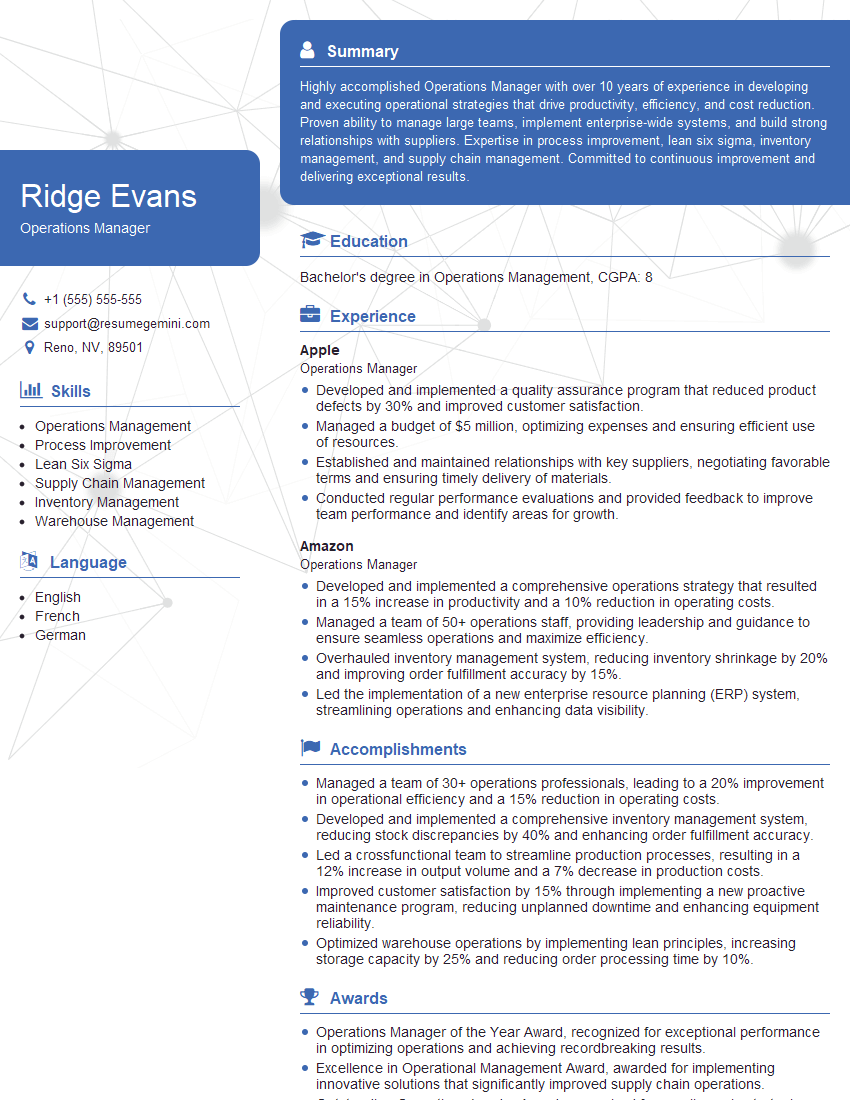
Operations Manager Resume Sample

Production Superintendent Resume Sample
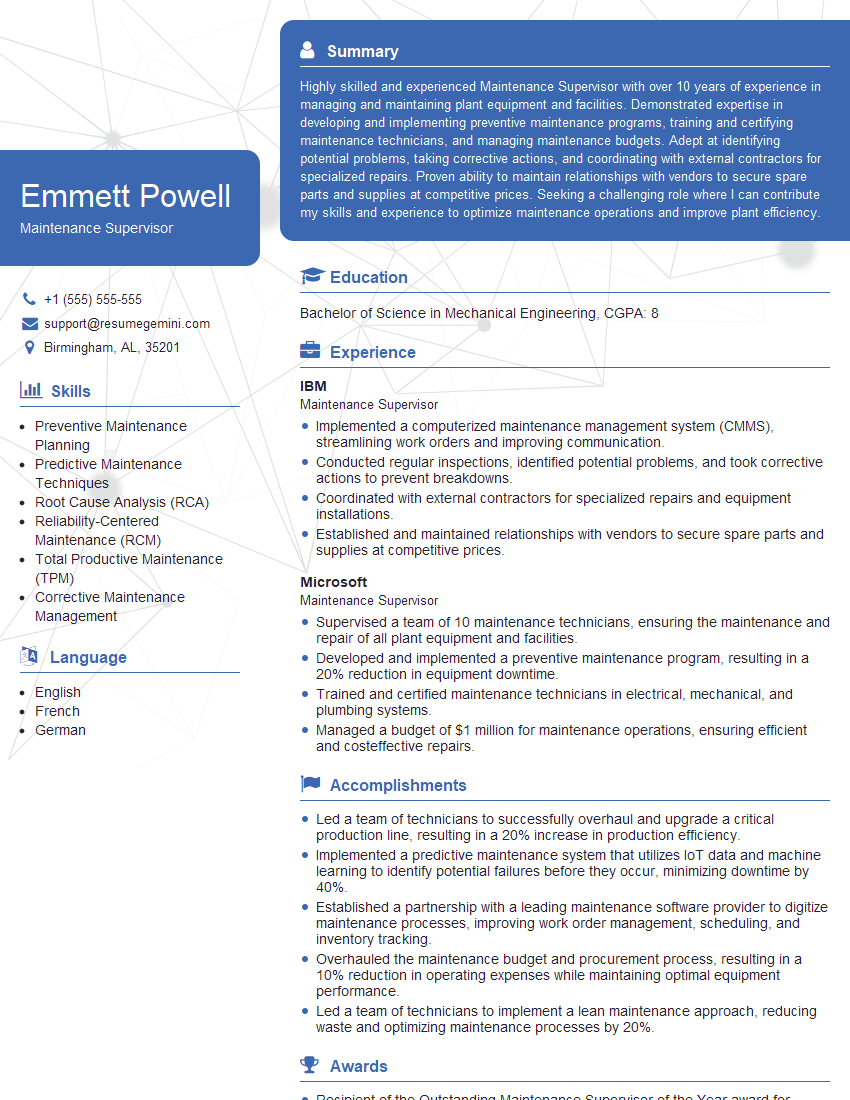
Maintenance Supervisor Resume Sample

Production Supervisor Resume Sample

Project Engineer Resume Sample
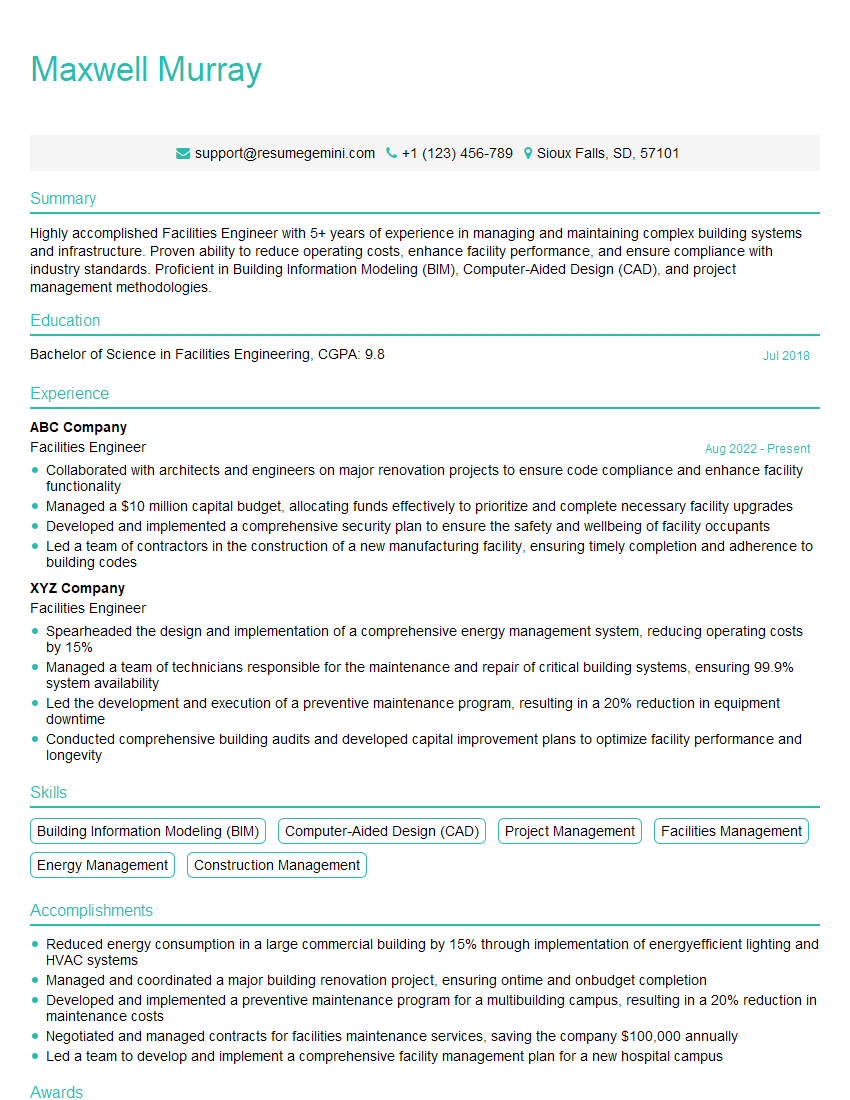
Facilities Engineer Resume Sample

Reservoir Engineer Resume Sample
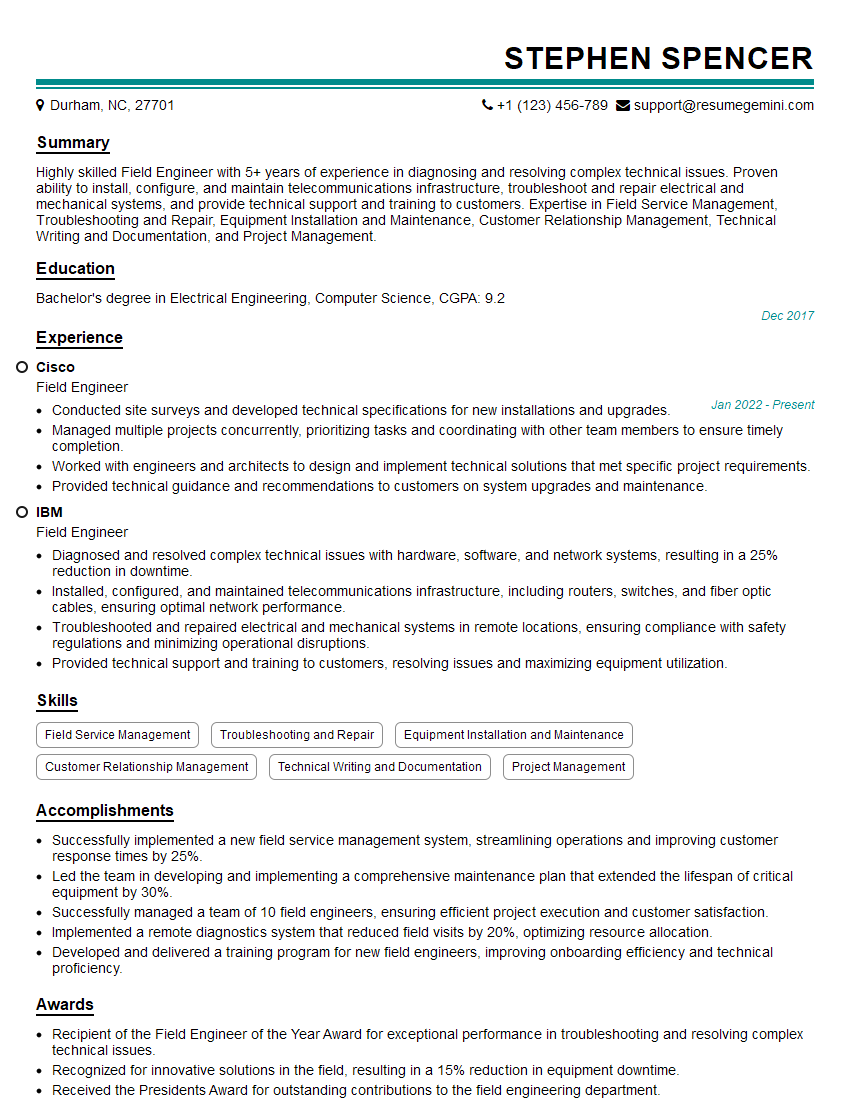
Field Engineer Resume Sample
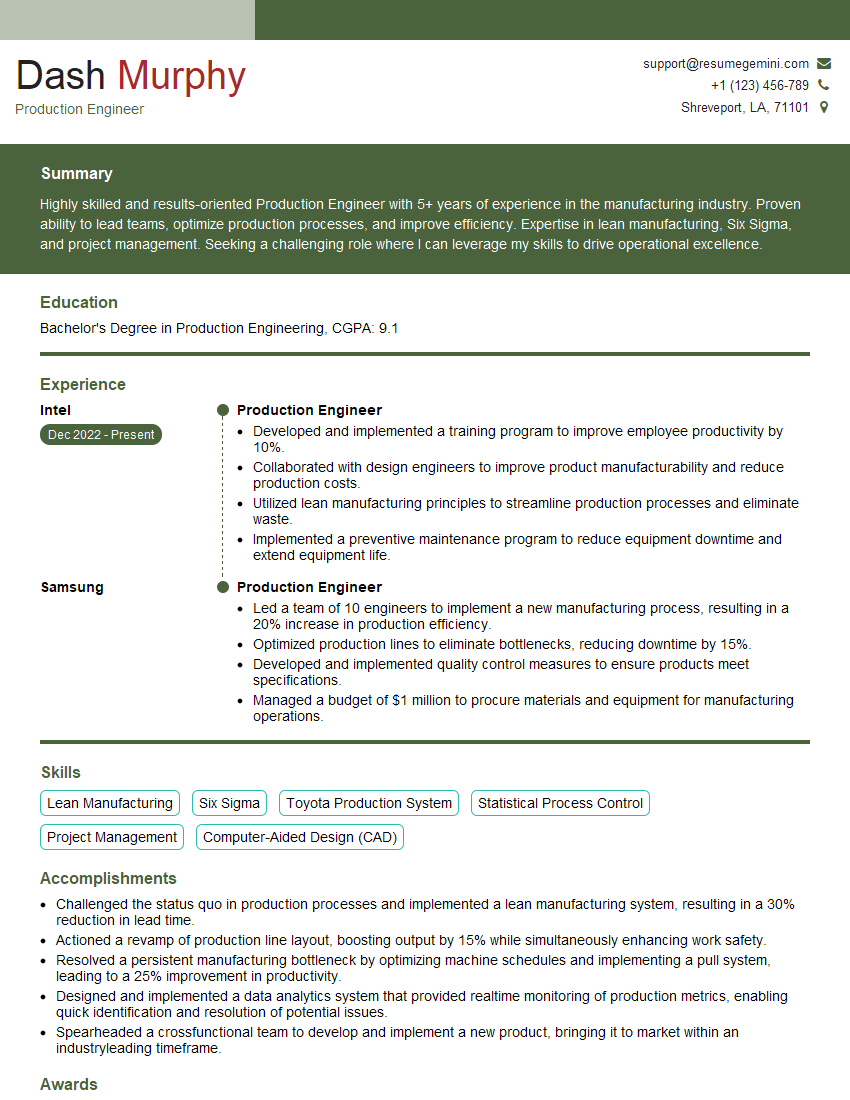
Production Engineer Resume Sample
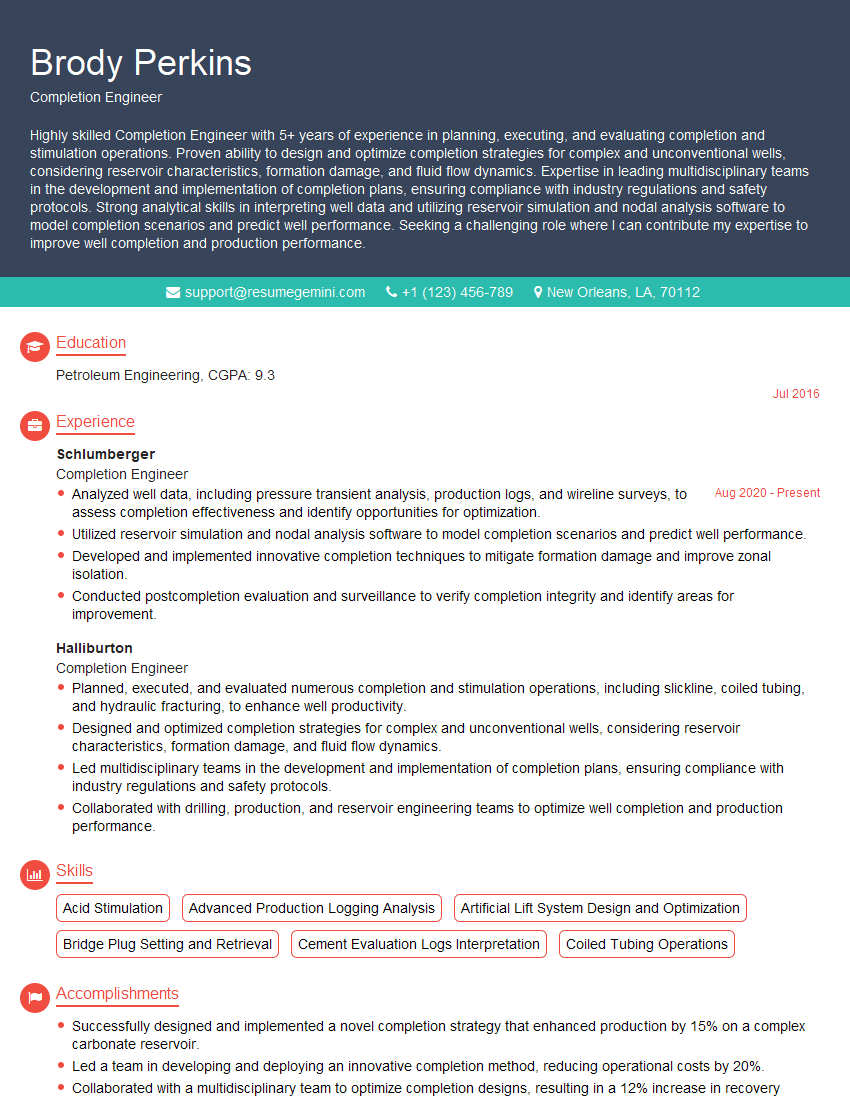
Completion Engineer Resume Sample
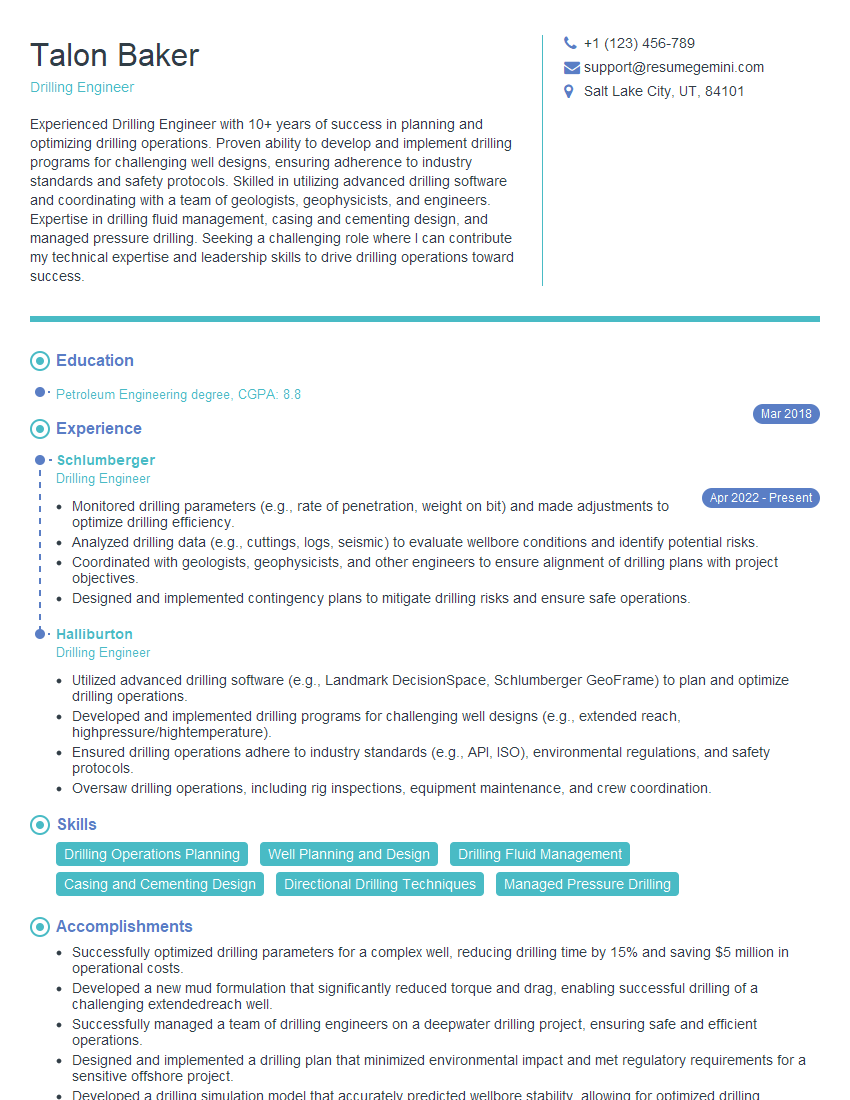
Drilling Engineer Resume Sample

Mud Engineer Resume Sample

Petroleum Engineer Resume Sample
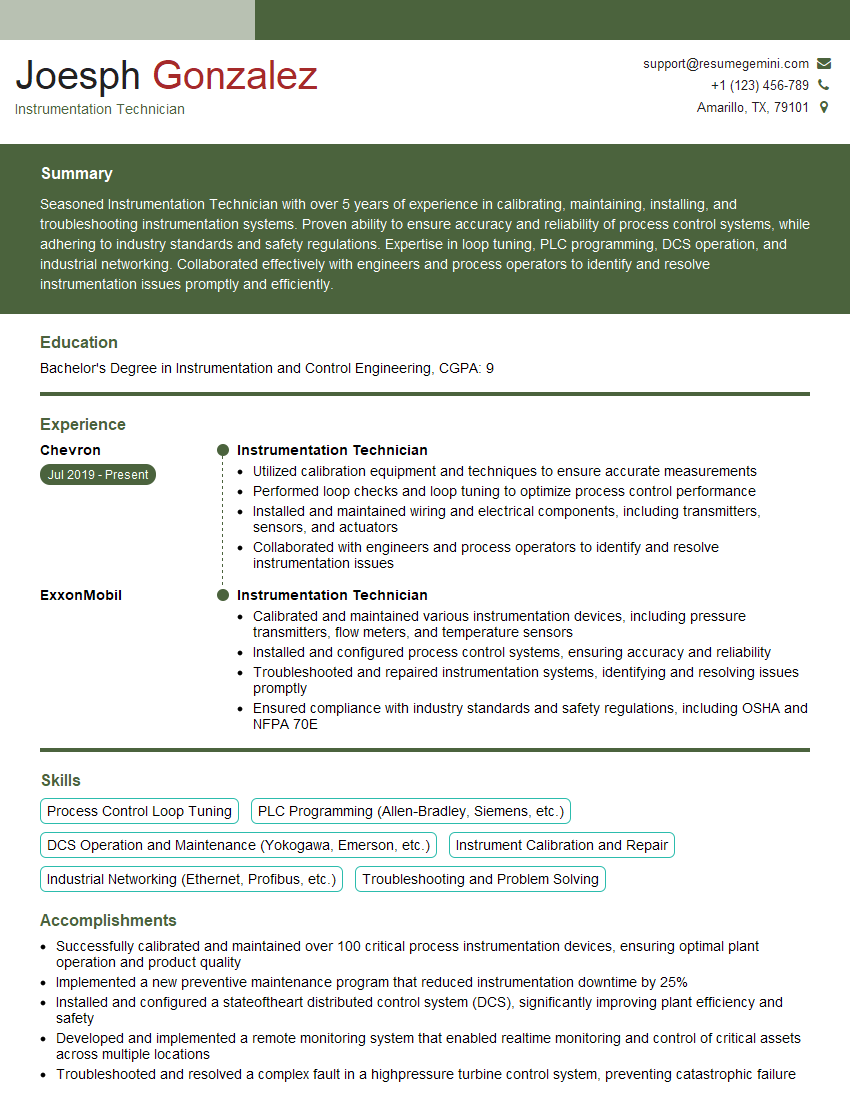
Instrumentation Technician Resume Sample
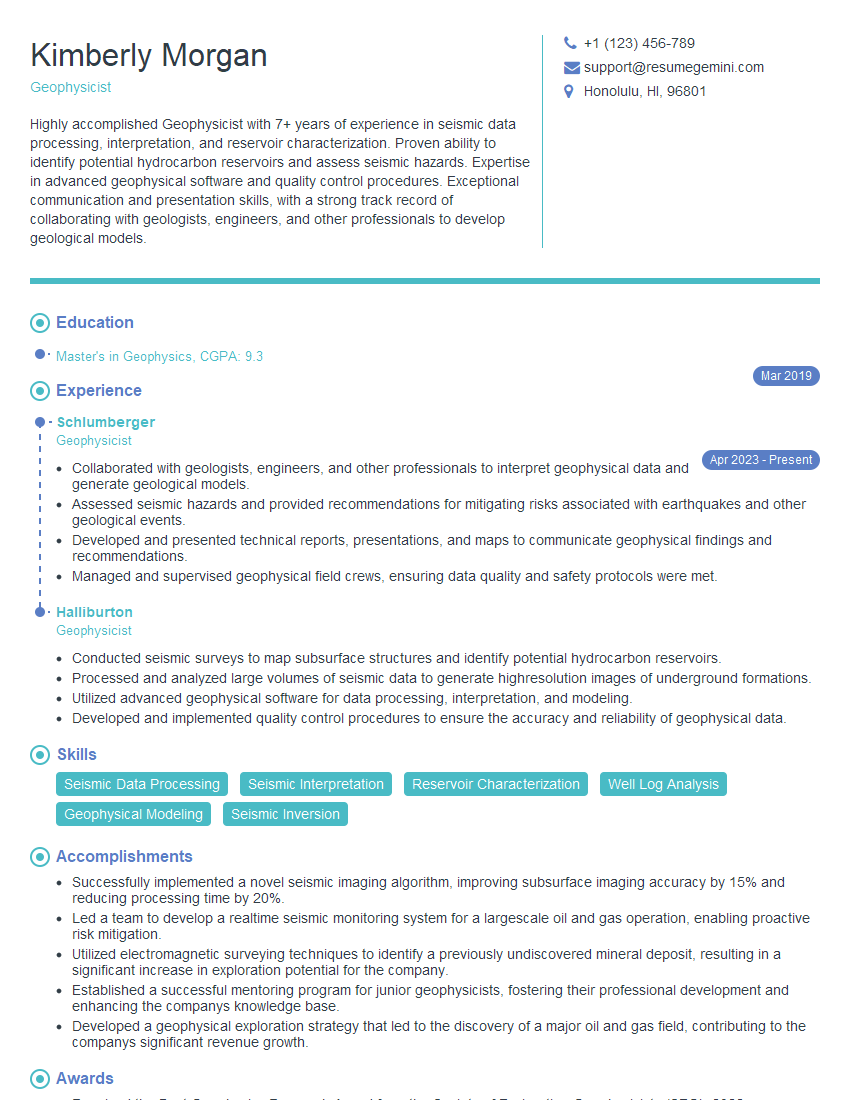
Geophysicist Resume Sample
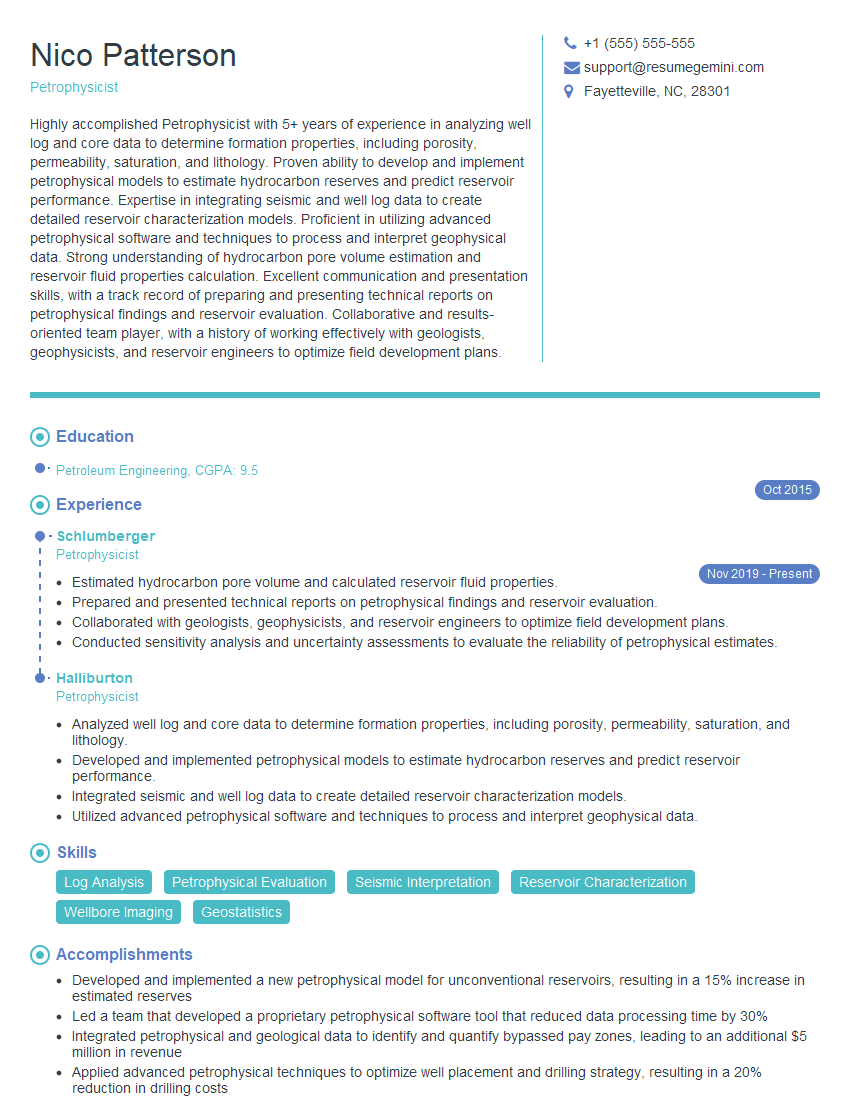
Petrophysicist Resume Sample
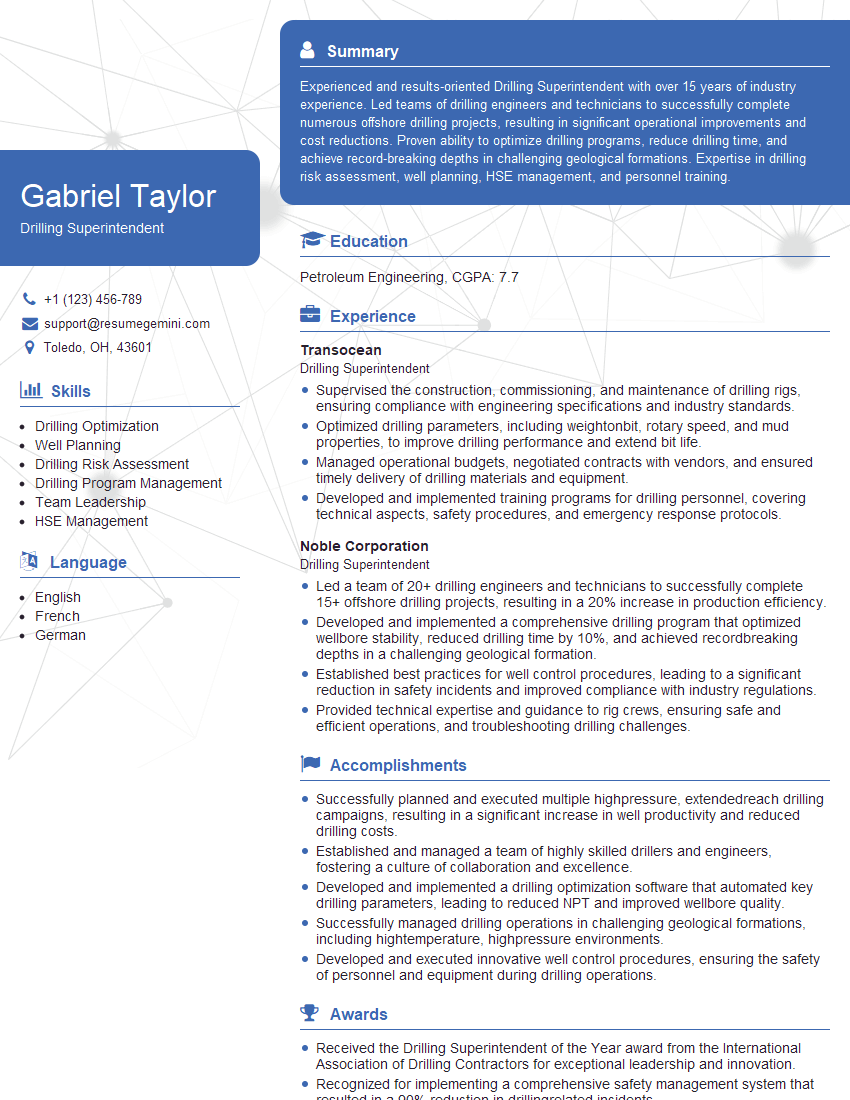
Drilling Superintendent Resume Sample

Drilling Supervisor Resume Sample
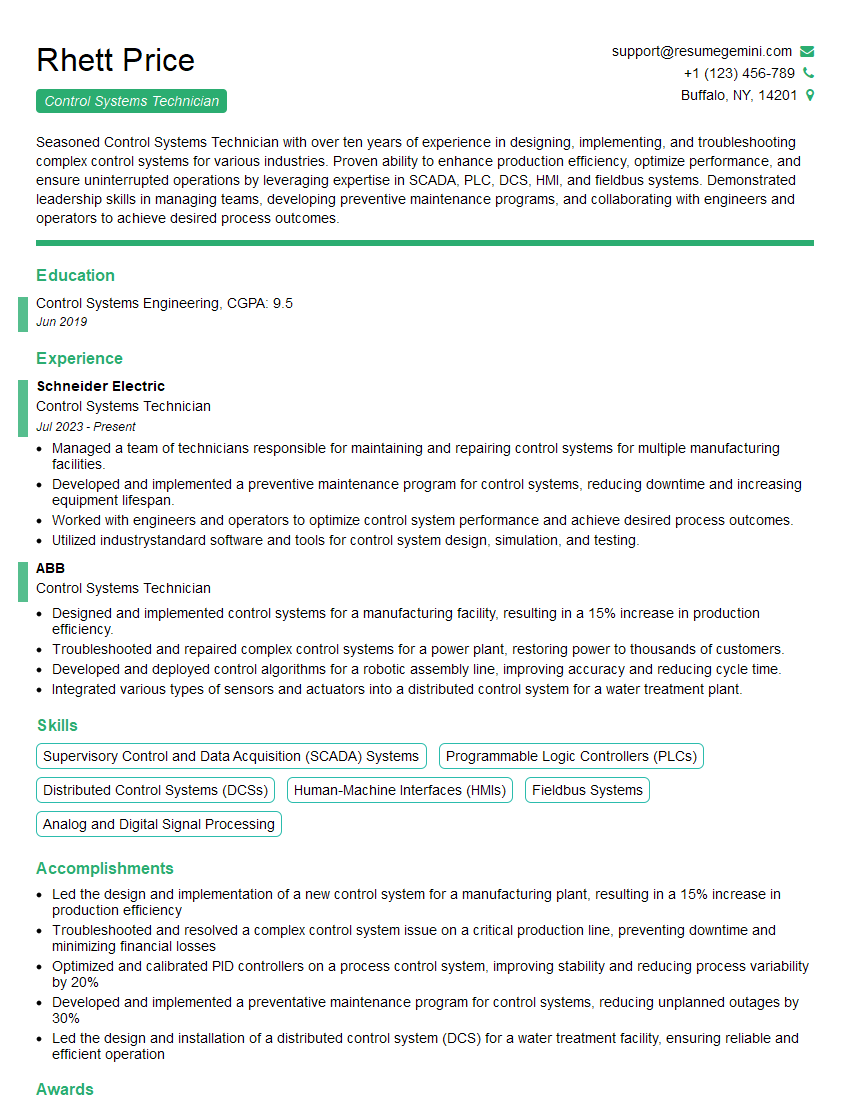
Control Systems Technician Resume Sample
- Operations Manager
- Production Superintendent
- Maintenance Supervisor
- Production Supervisor
- Project Engineer
- Facilities Engineer
- Reservoir Engineer
- Field Engineer
- Production Engineer
- Completion Engineer
- Drilling Engineer
- Mud Engineer
- Petroleum Engineer
- Instrumentation Technician
- Geophysicist
- Petrophysicist
- Drilling Superintendent
- Drilling Supervisor
- Control Systems Technician
Explore more articles
Users Rating of Our Blogs
Share Your Experience
We value your feedback! Please rate our content and share your thoughts (optional).
What Readers Say About Our Blog
Very informative content, great job.
good