Feeling uncertain about what to expect in your upcoming interview? We’ve got you covered! This blog highlights the most important Ability to operate various types of material handling equipment interview questions and provides actionable advice to help you stand out as the ideal candidate. Let’s pave the way for your success.
Questions Asked in Ability to operate various types of material handling equipment Interview
Q 1. Describe your experience operating a forklift.
I’ve been operating forklifts for over seven years, accumulating extensive experience in various warehouse and manufacturing settings. My experience ranges from handling light-duty palletized goods to heavier materials like machinery components. I’m proficient in maneuvering forklifts in tight spaces, navigating busy warehouse floors, and efficiently loading and unloading trucks. For example, in my previous role at Acme Manufacturing, I was responsible for moving over 500 pallets daily, consistently meeting production deadlines without incident.
Q 2. What are the different types of forklifts you’re familiar with?
I’m familiar with a wide range of forklifts, including:
- Counterbalance Forklifts: The most common type, ideal for general material handling.
- Reach Trucks: Excellent for high-stacking in narrow aisles, maximizing warehouse space.
- Sit-down Rider Forklifts: Offer greater comfort and control for extended use.
- Stand-up Rider Forklifts: Suitable for shorter shifts and tasks requiring more maneuverability in confined areas.
- Order Pickers: Designed for picking individual items from high shelves, enhancing order fulfillment efficiency.
- Electric Forklifts: Environmentally friendly and quieter than internal combustion engine models, suitable for indoor environments.
- Internal Combustion Engine (ICE) Forklifts: Powerful and suitable for outdoor or large-scale operations.
My experience extends to operating both electric and gas-powered forklifts, allowing me to adapt to different work environments and material handling needs.
Q 3. Explain the pre-operational checks you perform before operating a forklift.
Before operating any forklift, I follow a rigorous pre-operational checklist, ensuring both my safety and the equipment’s functionality. This includes:
- Visual Inspection: Checking for any visible damage to the forklift, tires, forks, mast, and safety features.
- Fluid Levels: Verifying the levels of engine oil, hydraulic fluid, and coolant (where applicable).
- Tire Pressure: Ensuring adequate tire inflation for optimal handling and stability.
- Lights and Horns: Testing the functionality of all lights and the horn.
- Brakes and Steering: Checking the responsiveness of the brakes and steering mechanism.
- Safety Devices: Confirming the proper operation of the seatbelt, horn, lights, and emergency stop.
- Load Capacity Check: Confirming the forklift’s capacity matches the load’s weight and distribution.
By meticulously completing this checklist, I proactively mitigate potential hazards and ensure safe and efficient operation.
Q 4. How do you ensure the safety of yourself and others while operating material handling equipment?
Safety is paramount in my approach to operating material handling equipment. I consistently adhere to the following practices:
- Following Traffic Rules: Obeying all warehouse traffic rules and designated pathways.
- Maintaining Safe Speeds: Operating the forklift at speeds appropriate for the conditions and load.
- Load Securing: Properly securing loads to prevent shifting or falling.
- Awareness of Surroundings: Maintaining constant awareness of my surroundings, including pedestrians and other equipment.
- Using Signals: Using appropriate hand signals or communication devices to alert others of my movements.
- Personal Protective Equipment (PPE): Consistently wearing appropriate PPE, such as safety glasses, gloves, and steel-toed boots.
- Refusal of unsafe tasks: Refusing to operate equipment if I feel it’s unsafe or if I’m not properly trained.
I believe proactive safety measures are far more effective than reactive responses to accidents. A safe work environment is a productive work environment.
Q 5. What is your experience with load capacity and weight distribution?
Understanding load capacity and weight distribution is crucial for safe and efficient forklift operation. I always consult the forklift’s data plate to determine its maximum load capacity and ensure that the weight of the load is well within this limit. Uneven weight distribution can lead to instability and accidents. I ensure even weight distribution by centering the load on the forks and avoiding any overhanging weight. For example, if I’m lifting a pallet of boxes, I make sure the boxes are evenly stacked and the pallet is properly secured to prevent shifting during movement.
Q 6. Describe your experience with pallet stacking and racking procedures.
I have extensive experience with pallet stacking and racking procedures. I’m familiar with various stacking patterns, such as block stacking and interleaving, to maximize space and stability. I’m meticulous in ensuring pallets are properly nested and aligned in the rack to prevent collapses. Before lifting or placing pallets, I check the rack’s structural integrity and ensure it can safely support the weight of the load. Additionally, I always use proper racking procedures to avoid damaging goods and ensure a safe working environment. Knowing where to place heavier items versus lighter items on a pallet to balance the weight is a key skill I’ve mastered.
Q 7. What safety measures do you employ when working in a warehouse environment?
Safety in a warehouse environment demands a multifaceted approach. Beyond forklift safety, I always observe the following:
- Maintaining Cleanliness: Contributing to a clean and organized workspace to minimize trip hazards and improve visibility.
- Proper Aisles: Always keeping aisles clear and free of obstructions.
- Following Emergency Procedures: Being familiar with and following all emergency procedures, including fire safety protocols.
- Reporting Hazards: Immediately reporting any unsafe conditions or equipment malfunctions to my supervisor.
- Communication: Maintaining clear communication with colleagues and supervisors to prevent accidents.
A proactive approach to safety ensures a smooth and productive workflow, minimizing risks and maximizing efficiency.
Q 8. How do you handle unexpected situations or equipment malfunctions?
Unexpected situations are part and parcel of material handling. My approach is systematic and prioritizes safety. First, I assess the situation: is there an immediate danger? Is the equipment malfunction critical or minor? If there’s an immediate danger (e.g., a forklift fire, leaking hazardous materials), I immediately follow established emergency procedures, contacting emergency services and evacuating the area if necessary. For minor malfunctions (e.g., a minor hydraulic leak), I’d attempt a safe troubleshooting step (if I’m trained to do so), but otherwise, I’d report the issue to my supervisor and tag the equipment out-of-service to prevent further use.
For example, once while operating a reach truck, I noticed a strange noise from the drive motor. I immediately stopped the machine, reported the issue, and waited for maintenance to assess the problem. This prevented a potential breakdown and possible injury.
My training emphasizes proactive measures: regular equipment checks, understanding operational limits, and adhering to safety guidelines. This proactive approach reduces the likelihood of unexpected issues and prepares me to handle them effectively should they arise.
Q 9. Describe your experience using a reach truck or order picker.
I have extensive experience with both reach trucks and order pickers. Reach trucks are my forte; I’ve used them for over five years to efficiently retrieve and transport pallets in a high-bay warehouse environment. This involved navigating narrow aisles, accurately positioning the forks, and handling loads of varying weights and sizes, often with time constraints. I am proficient in operating the controls smoothly to prevent damage to both the goods and the equipment.
Order pickers, on the other hand, are ideal for accessing individual items in higher racking systems. My experience here focuses on safe and precise maneuvering within the warehouse racking, using both the elevating platform and the order picking functionality. The efficiency of picking orders accurately and quickly is critical in this role. I am very familiar with the safety protocols surrounding this equipment, and have always completed my tasks ensuring my safety and the safety of other workers.
In both cases, my focus remains on safe operating procedures, load stability, and adherence to company policies and regulations.
Q 10. What is your experience with inventory management systems?
My experience with inventory management systems includes using Warehouse Management Systems (WMS). I’m familiar with using scanners to track item movements, locate stock, and update inventory records in real-time. I understand the importance of accurate data entry for efficient warehouse operations. I’ve used both handheld scanners and systems integrated with the material handling equipment itself. This allows for immediate confirmation and updating of inventory as stock is moved and used.
For example, in my previous role, I used a WMS system that integrated with the reach truck. The system would guide me to the correct location for picking, verify the item count, and automatically update the inventory after the order was fulfilled. This minimized errors and maximized efficiency. This system also helped to manage and track things such as stock expiration dates and FIFO (First In, First Out) inventory management.
Q 11. How do you ensure the proper use of safety equipment, such as safety glasses and gloves?
Safety is paramount in material handling. The proper use of Personal Protective Equipment (PPE) is non-negotiable. Safety glasses protect my eyes from flying debris, while gloves protect my hands from cuts, abrasions, and chemical exposure. Before operating any equipment, I always inspect and ensure my PPE is in good condition. I’d report any damaged or missing equipment immediately.
Furthermore, I enforce these safety standards for those around me. If I see someone neglecting to use PPE, I will remind them of the importance of safety and the company’s policies regarding the use of PPE. We are all responsible for our safety and the safety of others in the workplace.
I treat PPE maintenance as seriously as equipment maintenance. Regularly inspecting and replacing worn-out or damaged equipment is key to preventing accidents.
Q 12. Explain your understanding of load stability and its importance.
Load stability is crucial for safety and efficiency. It refers to ensuring the load is balanced and secure on the equipment during movement and storage. An unstable load can lead to accidents, damage to goods, and equipment malfunctions. Factors affecting load stability include the weight distribution, the type of load (e.g., palletized, loose), and the equipment’s capacity.
To ensure load stability, I always visually inspect the load before lifting. I check for any loose items, uneven weight distribution, or potential hazards. I also ensure the load is appropriately secured, using straps or other methods if needed.
For example, if I’m lifting a load of boxes that are unevenly stacked, I’ll first reposition them to ensure even weight distribution before lifting the load to prevent it from tipping over during transit. This proactive approach ensures both the safety of personnel and the protection of the goods.
Q 13. How do you maintain the cleanliness and organization of your work area?
Maintaining a clean and organized workspace is essential for safety and efficiency. A cluttered area increases the risk of accidents and slows down operations. My routine includes cleaning spills immediately, putting away tools and materials after use, and organizing stock systematically. I regularly sweep and remove debris to ensure a safe passageway for personnel and equipment.
I follow the 5S methodology (Sort, Set in Order, Shine, Standardize, Sustain) to maintain a clean and organized work environment. This ensures that everything has its place and that everything is kept in its place. This structured approach leads to greater efficiency and reduced downtime.
A clean and organized workspace also improves the overall morale of those working in the space, creating a more positive and safe environment.
Q 14. Describe your experience working with different types of loads (e.g., pallets, boxes, drums).
I’ve handled a wide variety of loads throughout my career. This includes palletized goods of various sizes and weights, individual boxes ranging from small envelopes to large cartons, and drums containing liquids or powders. Each load type requires a different approach to handling.
Pallets require accurate fork placement and secure lifting. Boxes need to be handled carefully to avoid damage, especially fragile items. Drums need to be properly secured and lifted with suitable equipment to prevent spills or leaks. My experience allows me to adapt to different loads and choose the appropriate handling techniques based on the specific item characteristics and safety considerations.
I’m experienced in safely handling various materials with different weight capacities, always keeping load stability and safe transportation as my top priorities. I adjust my approach based on the specific circumstances, always prioritizing safety and efficiency.
Q 15. How do you handle damaged or defective equipment?
Handling damaged or defective equipment starts with immediate action to prevent further damage or injury. First, I’d secure the area, ensuring no one is at risk. Then, I’d thoroughly assess the damage, noting the type and extent of the malfunction. This might involve checking for loose parts, fluid leaks, or electrical issues.
My next step is to follow established company protocols. This typically involves reporting the damage to my supervisor and completing the necessary paperwork, such as an incident report. Depending on the severity, I might tag the equipment as ‘out of service’ to prevent accidental use. For minor repairs within my skillset (e.g., replacing a worn-out belt), I would proceed after getting approval. For more complex repairs, I would coordinate with qualified maintenance personnel. Documenting all actions and repairs is critical for maintaining accurate equipment records and ensuring safety.
For example, if I discovered a forklift with a leaking hydraulic fluid, I would immediately shut it down, place warning cones around it, report the incident, and wait for a qualified mechanic to assess and repair the leak. I would never attempt a repair beyond my training and certification.
Career Expert Tips:
- Ace those interviews! Prepare effectively by reviewing the Top 50 Most Common Interview Questions on ResumeGemini.
- Navigate your job search with confidence! Explore a wide range of Career Tips on ResumeGemini. Learn about common challenges and recommendations to overcome them.
- Craft the perfect resume! Master the Art of Resume Writing with ResumeGemini’s guide. Showcase your unique qualifications and achievements effectively.
- Don’t miss out on holiday savings! Build your dream resume with ResumeGemini’s ATS optimized templates.
Q 16. What are your experience and skills with different types of warehouse layouts?
My experience encompasses various warehouse layouts, from traditional linear layouts to more modern U-shaped and L-shaped designs, as well as those incorporating cross-docking strategies. I’m familiar with the advantages and disadvantages of each. Linear layouts are simple but can be inefficient for larger operations. U-shaped and L-shaped designs improve workflow by minimizing travel distance and allowing for better organization of materials. Cross-docking requires a high degree of coordination but offers significant efficiency improvements for high-volume operations.
I’ve worked in warehouses utilizing different racking systems, including pallet racking, cantilever racking, and drive-in racking. Understanding the optimal racking system for the specific warehouse layout and inventory type is essential for efficient storage and retrieval. For example, a warehouse storing long, bulky items would benefit from cantilever racking, while a warehouse with a high volume of palletized goods would be better suited to pallet racking. My skillset allows me to adapt quickly to any layout and maximize operational efficiency within the given parameters.
Q 17. Explain your experience with different types of warehouse management systems (WMS).
I’ve worked with several Warehouse Management Systems (WMS), including Fishbowl Inventory, NetSuite WMS, and SAP EWM. My experience spans different functionalities, including inventory tracking, order management, task assignment, and reporting. I understand the importance of accurate data entry and the impact of errors on warehouse operations. The ability to efficiently use a WMS is critical for effective inventory control and order fulfillment. Each WMS presents unique features and interfaces; however, the core principles of inventory management remain consistent across different platforms.
For example, in my previous role using Fishbowl Inventory, I learned how to effectively use the system for cycle counting, improving inventory accuracy and reducing discrepancies. I also used its reporting features to track key metrics such as picking efficiency and order fulfillment time, enabling proactive adjustments in workflow.
Q 18. What is your experience with inventory control procedures?
Inventory control procedures are fundamental to efficient warehouse operations. My experience encompasses various methods, including cyclical counting, perpetual inventory systems, and the use of barcode scanners for accurate tracking of goods. I understand the importance of maintaining accurate inventory records to meet customer demands, minimize waste, and prevent stockouts.
I have experience with first-in, first-out (FIFO) and last-in, first-out (LIFO) inventory management systems. Knowing which system is optimal depends on the nature of the inventory (perishable goods require FIFO). I’m adept at identifying and resolving inventory discrepancies, whether they’re due to human error, equipment malfunction, or other causes. Regular inventory checks, thorough documentation, and attention to detail are key to maintaining accurate records and minimizing discrepancies.
Q 19. How familiar are you with relevant safety regulations and OSHA standards?
Safety is my top priority. I’m extensively familiar with OSHA standards and relevant safety regulations for operating material handling equipment. This includes understanding and adhering to regulations regarding load capacity, speed limits, safe operating procedures, and pre-operation inspections. I’m certified to operate various types of equipment, and I always prioritize safe operation and prevent potential hazards.
I understand the importance of pre-shift inspections, personal protective equipment (PPE) use, and reporting any unsafe conditions. For example, I would never operate a forklift without conducting a thorough pre-operational inspection or operate it without wearing the required safety gear (safety vest, gloves, safety glasses). I actively participate in safety training and remain updated on any changes or new regulations.
Q 20. How do you prioritize tasks and manage your time effectively in a fast-paced environment?
In fast-paced environments, effective prioritization and time management are crucial. I use several strategies to manage my workload. I typically start by identifying urgent and important tasks using a prioritization matrix. Then, I break down larger tasks into smaller, more manageable steps. This allows for more efficient progress and prevents feeling overwhelmed. Timeboxing is another technique I employ; allocating specific time slots to specific tasks helps maintain focus and prevents multitasking.
Effective communication is also key. I regularly check in with my supervisor and colleagues to stay updated on priorities and to report on my progress. I am adaptable and proactive, adjusting my schedule as needed to handle unforeseen challenges or urgent requests. For instance, if a high-priority order requires immediate attention, I’ll adjust my schedule to ensure its timely completion, while still keeping an eye on other tasks’ deadlines.
Q 21. Describe your experience with radio frequency (RF) scanners.
I am proficient in using radio frequency (RF) scanners for various warehouse tasks, including receiving, picking, and shipping. RF scanners significantly improve efficiency and accuracy by eliminating manual data entry. They allow for real-time tracking of inventory and improve the accuracy of order picking. I’m comfortable using different RF scanner models and software systems.
I understand how to troubleshoot common RF scanner problems, such as connectivity issues and battery problems. For example, if an RF scanner stops working, I know how to check the battery, the connection to the system, and potentially restart the device. Proper RF scanner use minimizes errors and speeds up the workflow, contributing significantly to overall warehouse efficiency.
Q 22. What is your experience with electronic data collection and data entry systems?
Throughout my career, I’ve extensively used various electronic data collection and entry systems. This includes handheld scanners for inventory management, where I’d scan barcodes to track item movement and update stock levels in real-time. I’m also proficient with warehouse management systems (WMS) like SAP WM and Oracle Warehouse Management, inputting data on shipments, receiving, and putaway locations. My experience extends to using tablet-based applications for documenting equipment maintenance, recording inspection data, and reporting any issues promptly. Accuracy and efficiency are paramount in these roles, and I’m meticulous about ensuring data integrity.
For example, during a particularly busy period at my previous job, we implemented a new WMS. My quick adaptation to the system and my attention to detail in data entry ensured a smooth transition and avoided costly errors. I also proactively identified and reported a system glitch that could have led to significant inventory discrepancies, highlighting my commitment to data accuracy.
Q 23. How do you handle difficult or challenging co-workers?
Handling challenging coworkers requires a proactive and professional approach. Open and honest communication is key. I believe in addressing issues directly but respectfully, focusing on the problem rather than the person. If a conflict arises, I try to find common ground and work collaboratively towards a solution. I am also comfortable escalating issues to a supervisor if necessary, but only after attempting to resolve the situation internally.
In one instance, a coworker consistently missed deadlines, impacting our team’s efficiency. Instead of assigning blame, I initiated a conversation to understand the root cause. It turned out they were struggling with a new piece of software. By offering assistance and suggesting training resources, we were able to improve their performance and improve team dynamics.
Q 24. Describe a time you had to solve a problem related to material handling equipment.
During a night shift, our primary forklift experienced a sudden hydraulic failure. This halted all loading operations, creating a significant backlog. Instead of panicking, I systematically assessed the situation. First, I ensured the safety of all personnel and secured the malfunctioning forklift. Next, I contacted maintenance and followed their troubleshooting protocols. While waiting for repairs, I coordinated with the team to prioritize tasks and reroute some operations using a secondary, smaller forklift. This minimized the operational disruption.
This experience highlighted the importance of quick thinking, problem-solving skills, and teamwork under pressure. My ability to stay calm and implement efficient contingency plans prevented a major production setback. I also learned the importance of regular equipment inspections and preventative maintenance to avoid such incidents in the future.
Q 25. How do you stay up-to-date on the latest material handling techniques and safety practices?
Staying current in material handling requires a multifaceted approach. I regularly attend industry conferences and workshops to learn about the latest technologies and best practices. I actively participate in professional organizations, such as the Material Handling Institute (MHI), accessing their resources and networking with peers. Additionally, I subscribe to trade publications and online journals to keep abreast of emerging trends. I also actively seek out online courses and webinars on topics such as advanced forklift operation, safety regulations, and warehouse optimization techniques. This ongoing professional development allows me to maintain a high level of competence and contribute to a safer and more efficient work environment.
Q 26. What are your salary expectations?
My salary expectations are in line with the market rate for a professional with my experience and skillset in this region. Considering my extensive experience with various material handling equipment, my proven problem-solving abilities, and my commitment to safety, I am seeking a competitive compensation package that reflects my value to the organization. I am open to discussing this further based on the specifics of the role and benefits offered.
Q 27. Do you have any questions for me?
Yes, I do have a few questions. First, I’d like to know more about the company’s safety protocols and training programs for material handling equipment operators. Second, could you elaborate on the team structure and the opportunities for professional development within the company? Finally, what are the company’s long-term goals and how does this role contribute to them?
Q 28. What are your career goals?
My career goals center around continuous growth and development within the material handling field. I aspire to become a leader in the industry, leveraging my expertise to improve operational efficiency and safety in warehouse environments. This includes potentially taking on supervisory responsibilities and mentoring new operators. I am also interested in exploring opportunities to implement innovative technologies and solutions to enhance the overall effectiveness of material handling operations. Ultimately, I want to contribute to a company that values safety and efficiency as much as I do.
Key Topics to Learn for Ability to operate various types of material handling equipment Interview
- Safe Operating Procedures: Understanding and adhering to safety regulations for all equipment types. This includes pre-operation checks, proper lifting techniques, and emergency procedures.
- Equipment Specific Knowledge: Demonstrating familiarity with various equipment types (forklifts, pallet jacks, cranes, etc.), including their operational characteristics, limitations, and maintenance requirements. Practical application includes describing experience with specific models or types.
- Load Handling and Stability: Understanding principles of load balancing, weight distribution, and safe load capacity. Practical application includes describing how to assess and handle different load types and sizes safely.
- Warehouse/Logistics Procedures: Familiarity with warehouse layout, inventory management systems, and efficient material flow processes. This includes understanding the importance of organization and minimizing risks of accidents.
- Troubleshooting and Maintenance: Basic understanding of common equipment malfunctions, preventative maintenance procedures, and reporting procedures for repairs. Practical application includes describing how to identify and address minor issues.
- Regulations and Compliance: Knowledge of relevant safety standards, regulations, and licensing requirements for operating material handling equipment.
Next Steps
Mastering the ability to operate various types of material handling equipment opens doors to numerous rewarding career opportunities in logistics, warehousing, and manufacturing. These roles often offer competitive salaries and excellent growth potential. To maximize your job prospects, creating a strong, ATS-friendly resume is crucial. ResumeGemini is a trusted resource that can help you build a professional resume that highlights your skills and experience effectively. We provide examples of resumes tailored to the “Ability to operate various types of material handling equipment” field to help you craft a compelling application.
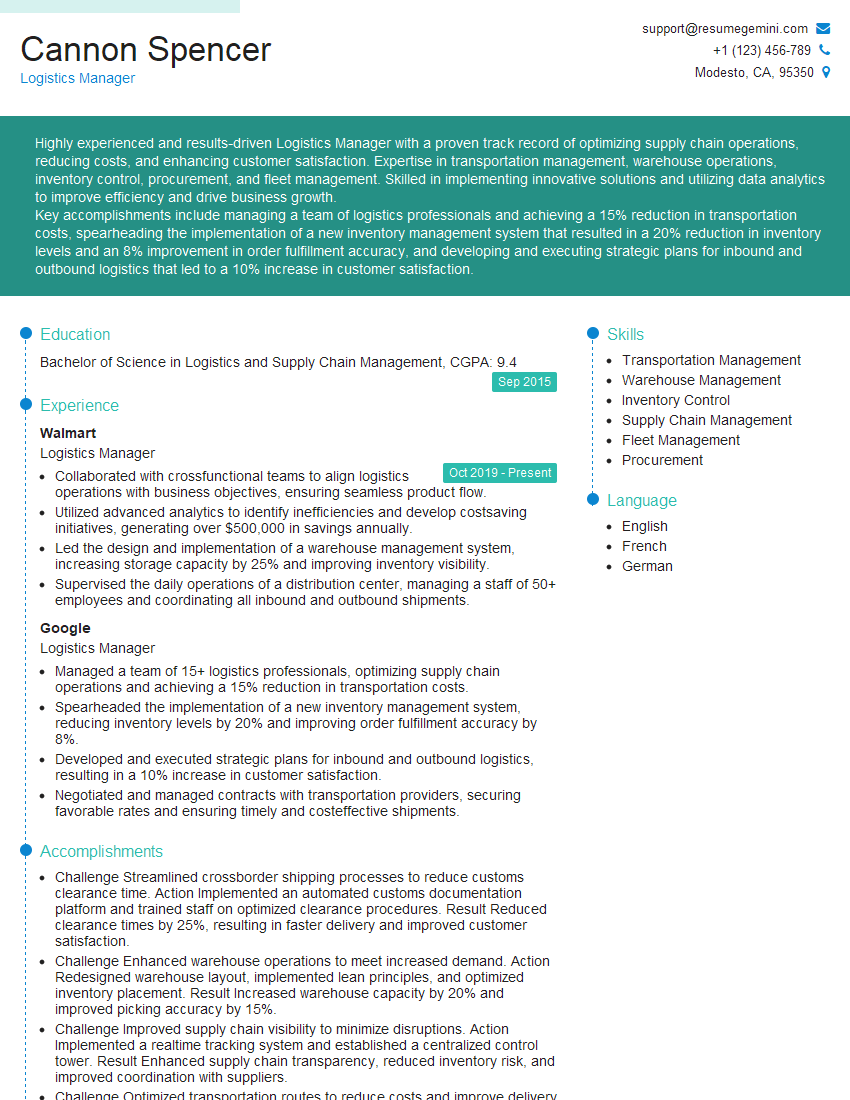
Logistics Manager Resume Sample
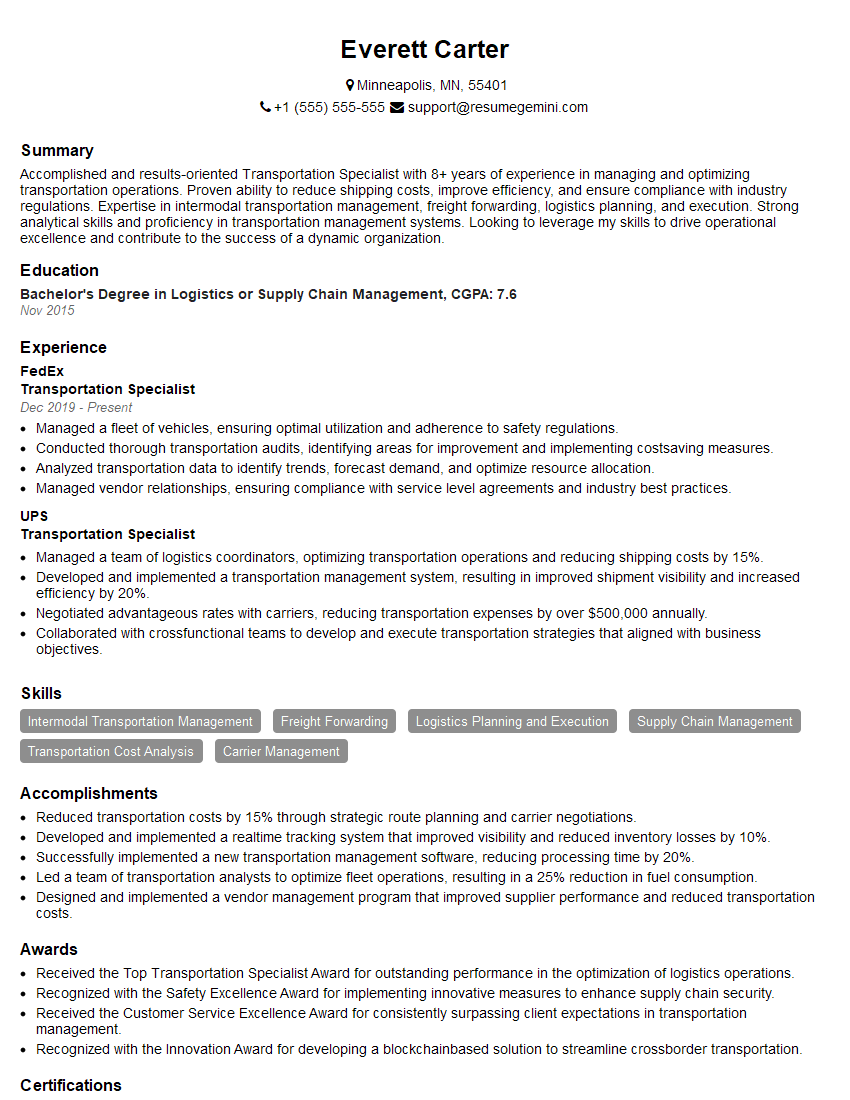
Transportation Specialist Resume Sample
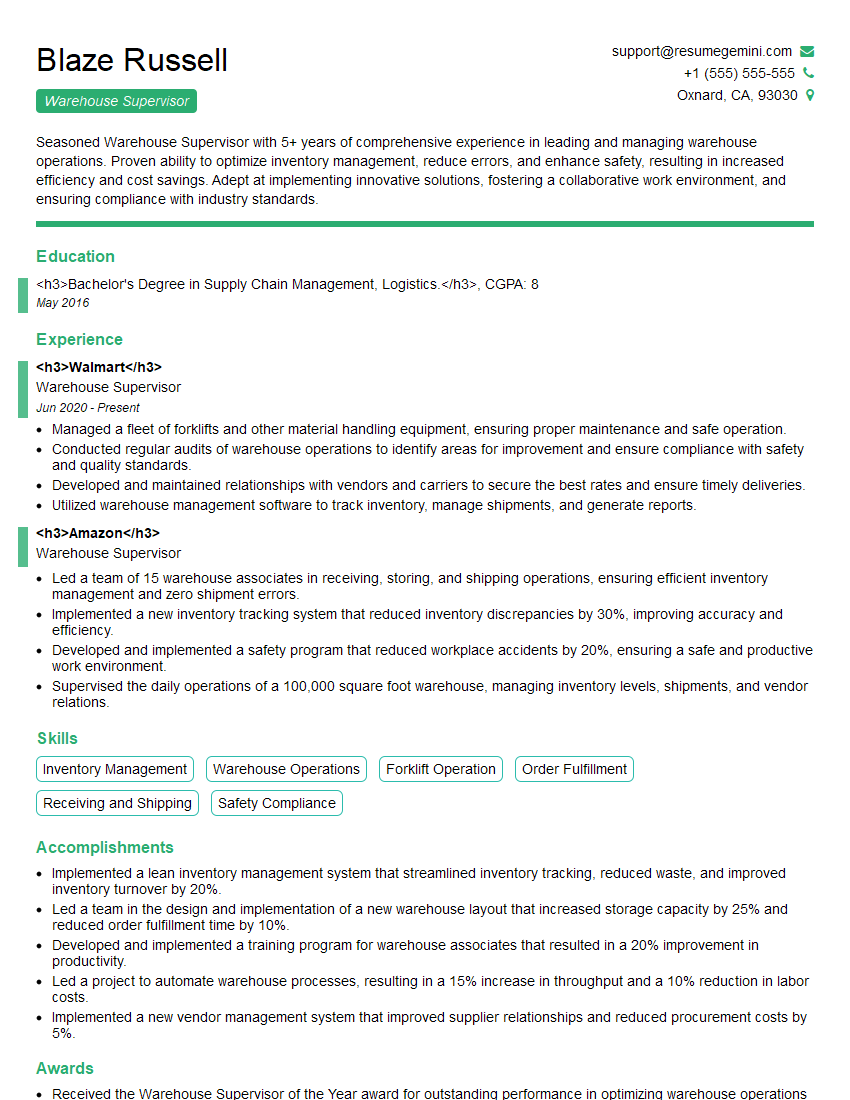
Warehouse Supervisor Resume Sample
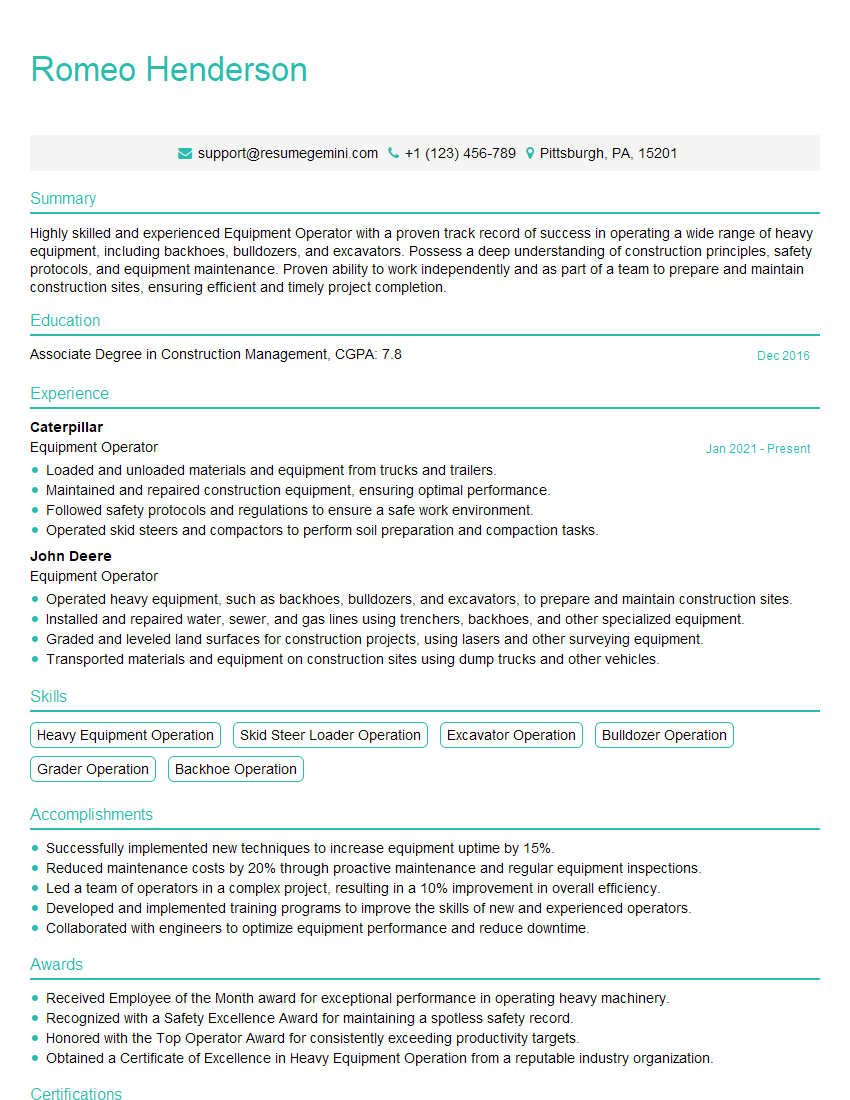
Equipment Operator Resume Sample

Crane Operator Resume Sample
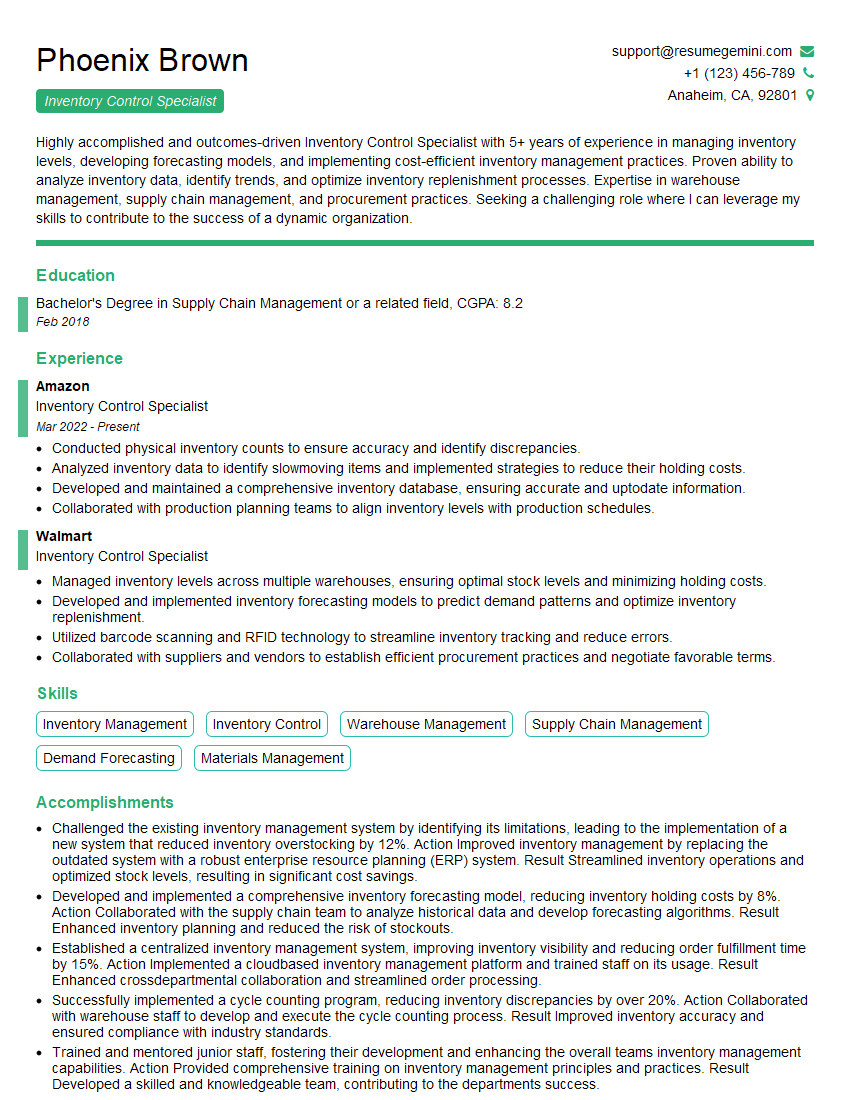
Inventory Control Specialist Resume Sample

Shipping and Receiving Clerk Resume Sample
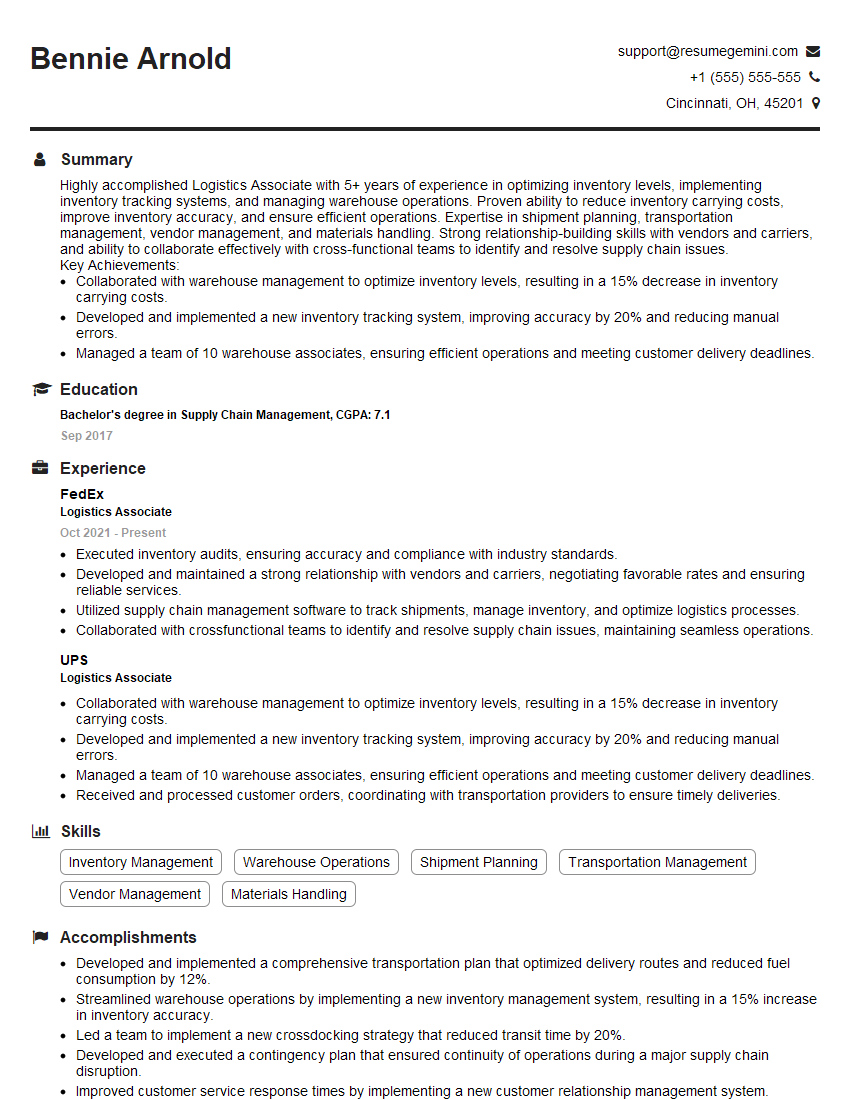
Logistics Associate Resume Sample
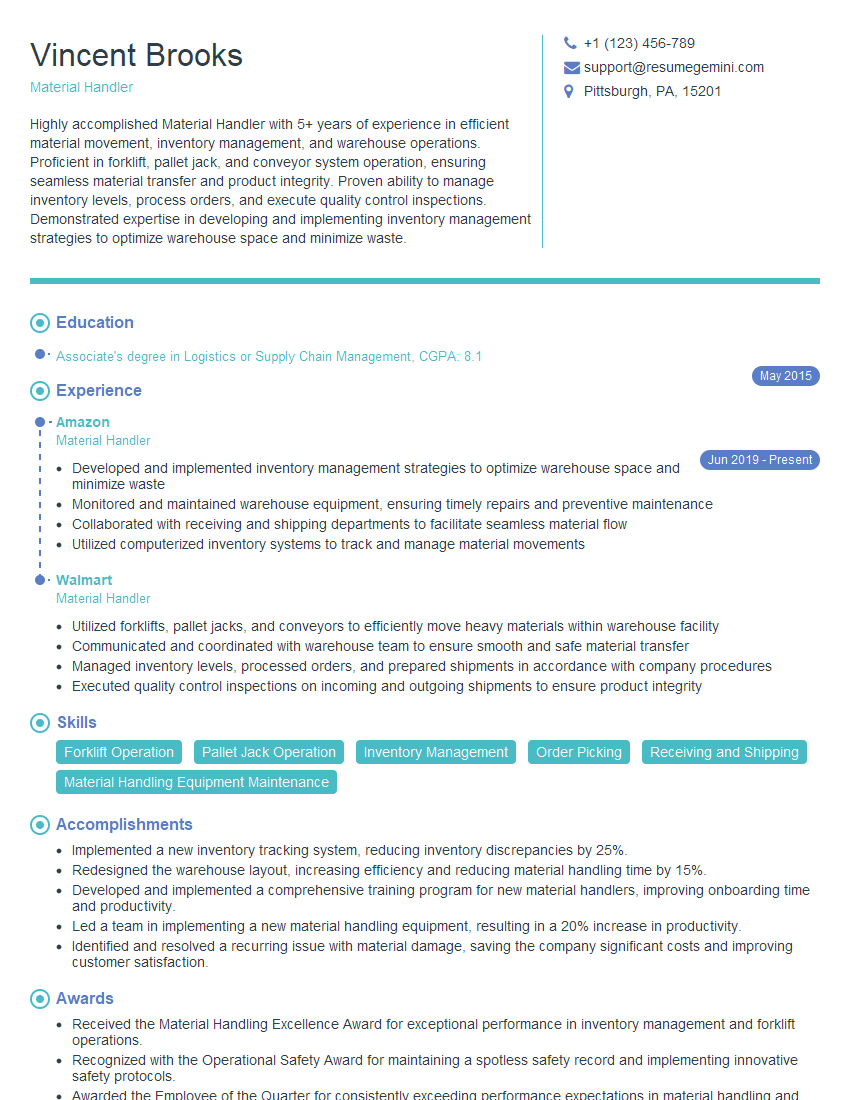
Material Handler Resume Sample
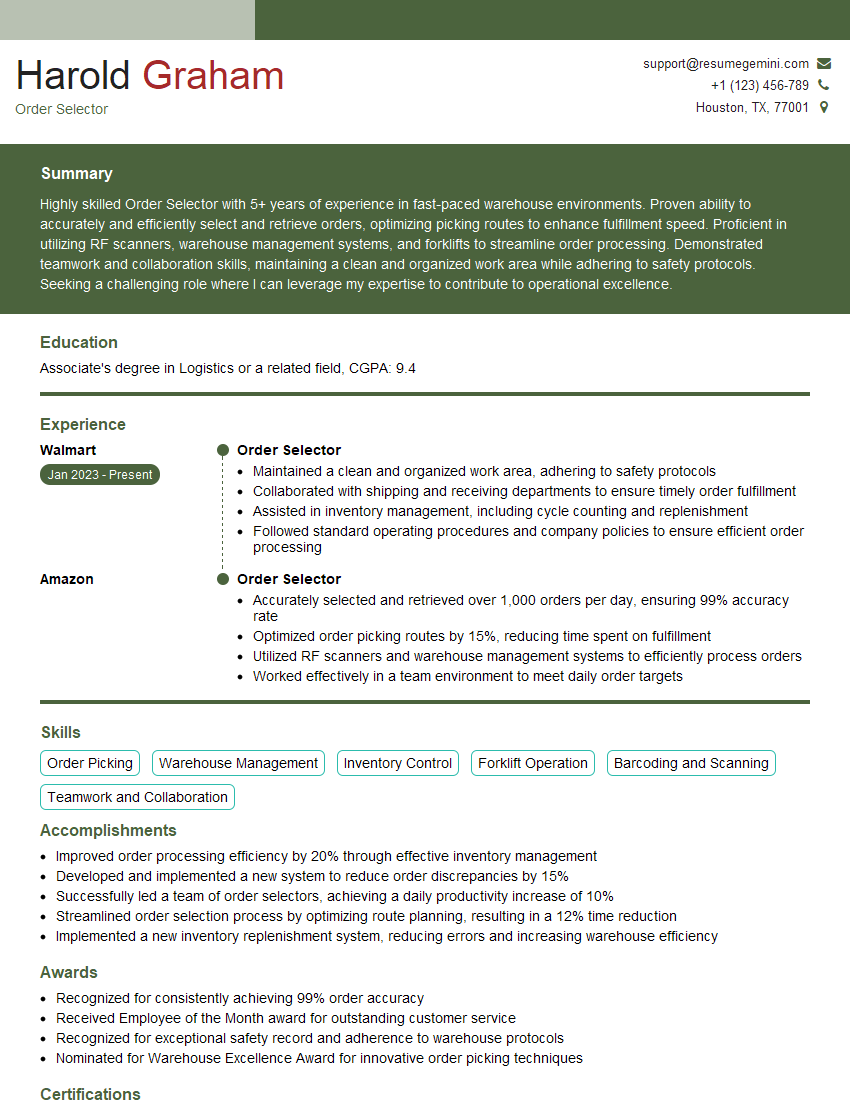
Order Selector Resume Sample
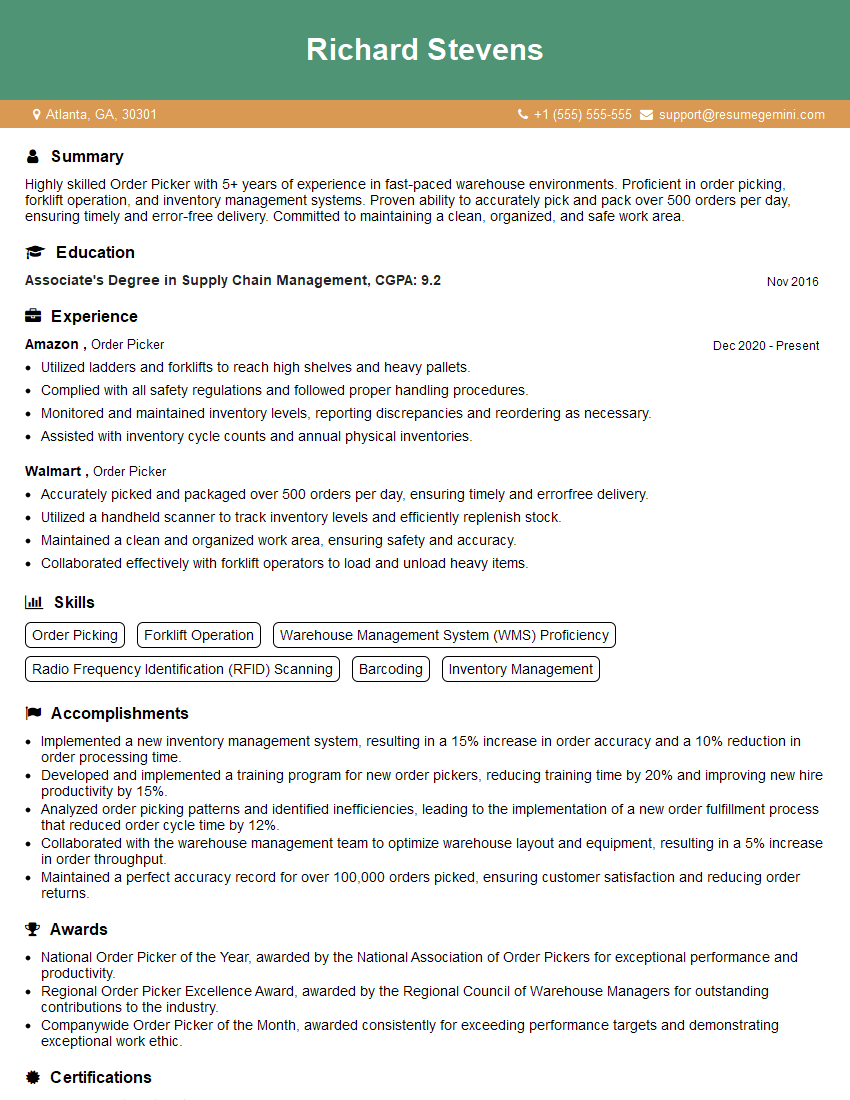
Order Picker Resume Sample
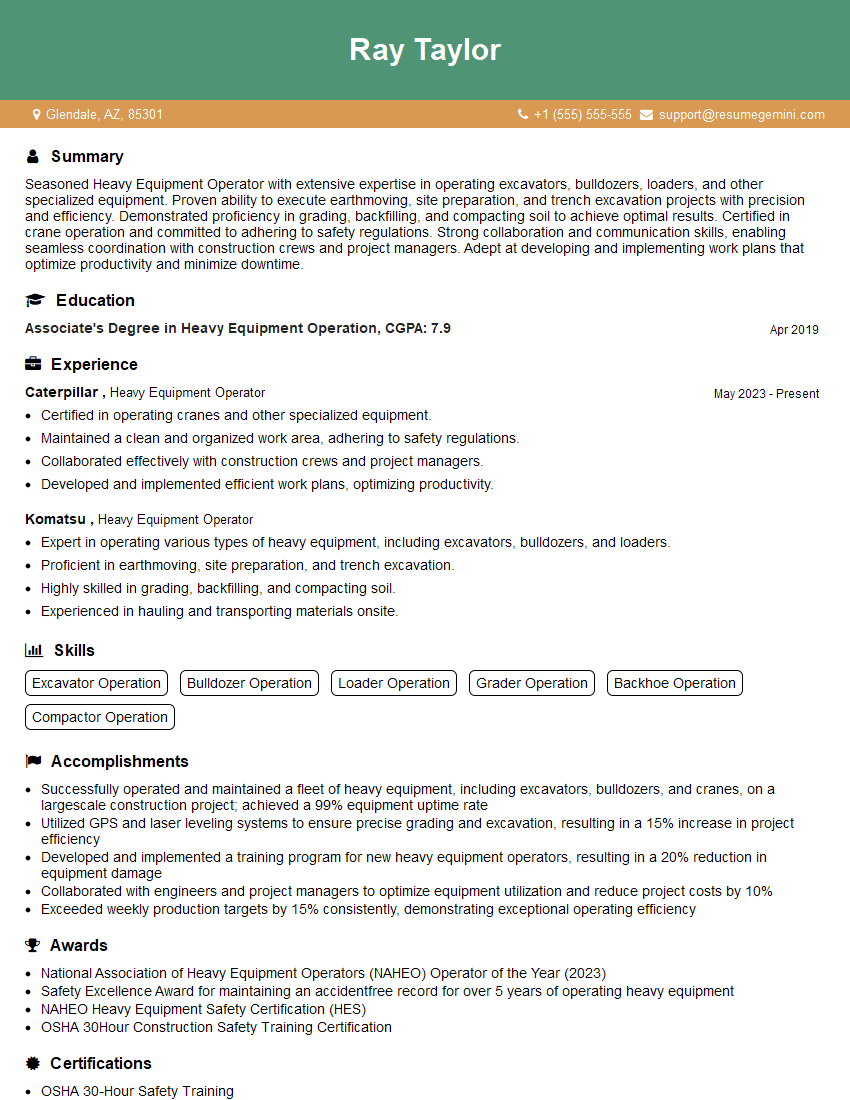
Heavy Equipment Operator Resume Sample
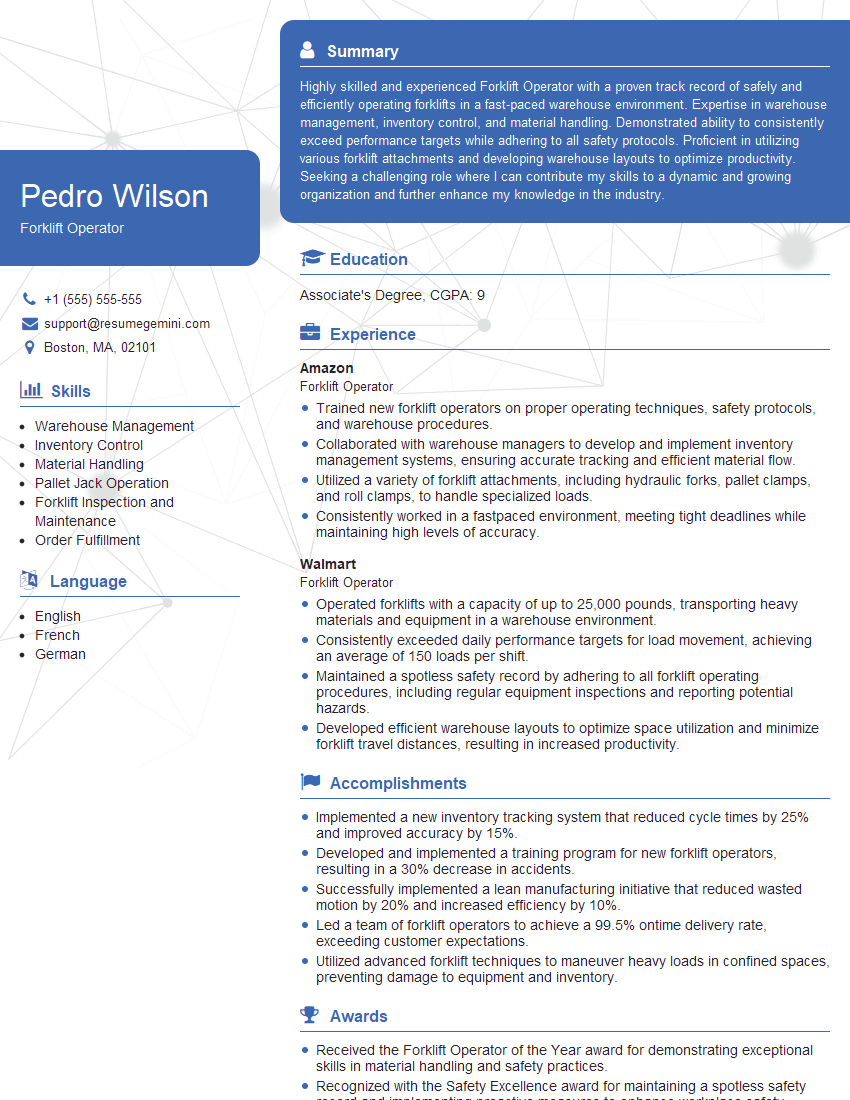
Forklift Operator Resume Sample
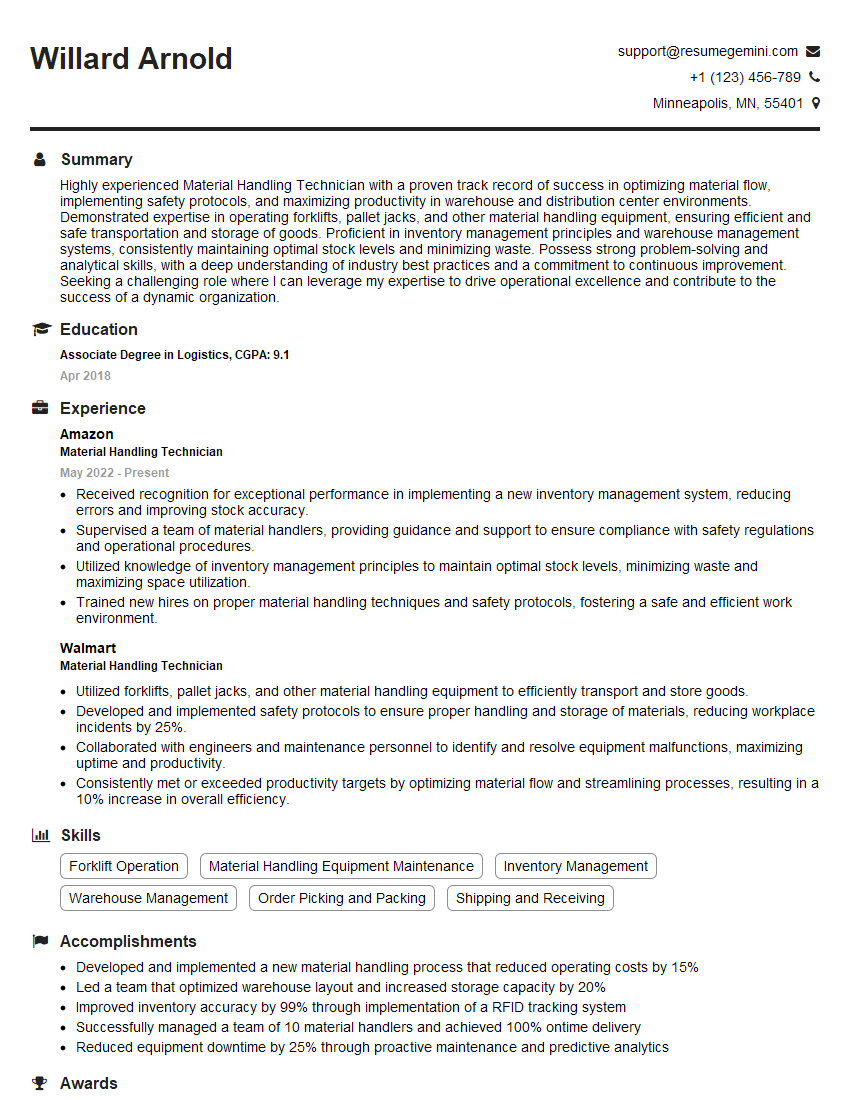
Material Handling Technician Resume Sample
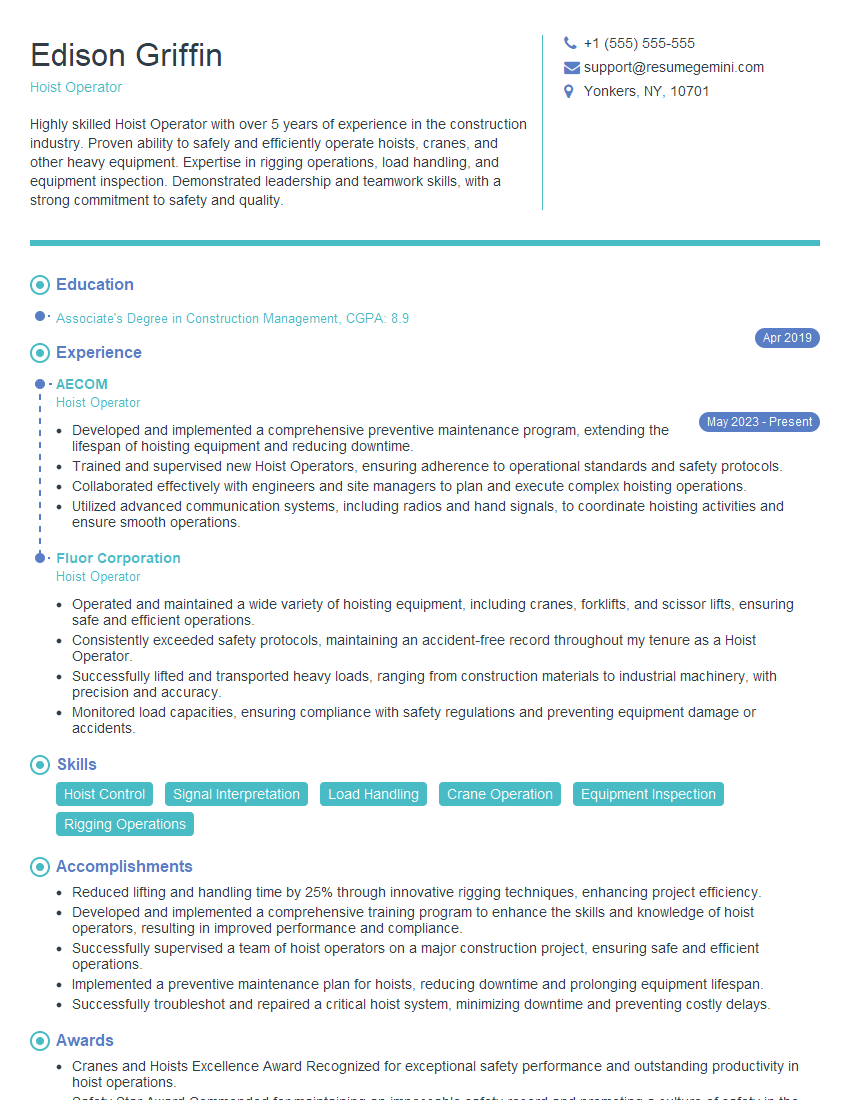
Hoist Operator Resume Sample
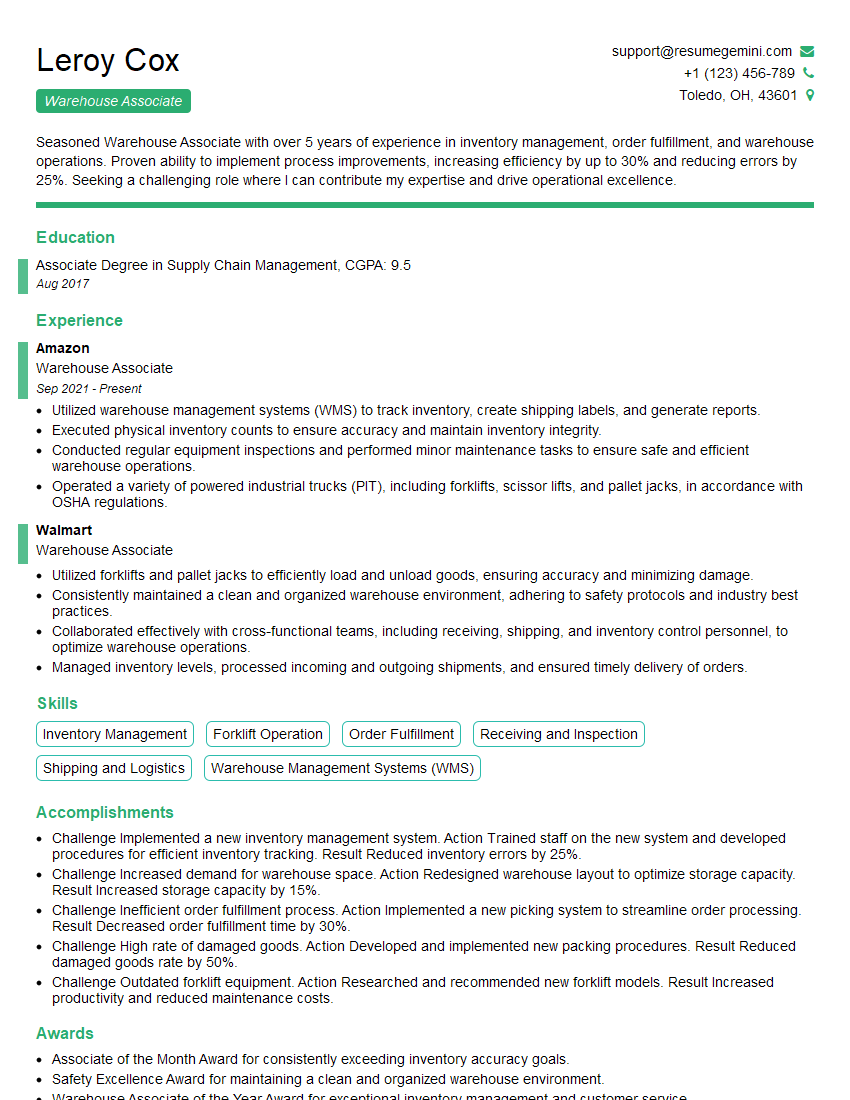
Warehouse Associate Resume Sample
- Logistics Manager
- Transportation Specialist
- Warehouse Supervisor
- Equipment Operator
- Crane Operator
- Inventory Control Specialist
- Shipping and Receiving Clerk
- Logistics Associate
- Material Handler
- Order Selector
- Order Picker
- Heavy Equipment Operator
- Forklift Operator
- Material Handling Technician
- Hoist Operator
- Warehouse Associate
Explore more articles
Users Rating of Our Blogs
Share Your Experience
We value your feedback! Please rate our content and share your thoughts (optional).
What Readers Say About Our Blog
Very informative content, great job.
good