Feeling uncertain about what to expect in your upcoming interview? We’ve got you covered! This blog highlights the most important Retail Fashion Buying interview questions and provides actionable advice to help you stand out as the ideal candidate. Let’s pave the way for your success.
Questions Asked in Retail Fashion Buying Interview
Q 1. What are your key performance indicators (KPIs) as a fashion buyer?
My key performance indicators (KPIs) as a fashion buyer are multifaceted and focus on both financial success and achieving the brand’s aesthetic goals. They are crucial for measuring my performance and informing future buying decisions. Key metrics include:
- Gross Margin Return on Investment (GMROI): This measures the profitability of inventory. A higher GMROI indicates efficient inventory management and pricing. For example, a GMROI of 3.0 means for every dollar invested in inventory, three dollars in gross margin were generated.
- Sell-Through Rate: This shows the percentage of inventory sold compared to what was purchased. A high sell-through rate suggests accurate trend forecasting and effective buying strategies. A target of 80% or higher is often sought.
- Inventory Turnover: This measures how quickly inventory is sold and replaced. A higher turnover indicates strong sales and efficient inventory management, reducing storage costs and the risk of markdowns.
- Markdown Percentage: This metric tracks the percentage of sales made at discounted prices. A lower percentage suggests accurate initial pricing and effective stock management, minimizing losses from markdowns.
- Customer Return Rate: Tracking customer returns provides insights into fit, quality issues, or other factors impacting customer satisfaction. A lower rate is always preferable.
- Write-offs: This represents inventory that is unsaleable, reflecting issues with planning, trend prediction, or damage. Minimizing write-offs is critical.
- Open-to-Buy (OTB): This is a crucial metric for managing available funds for future purchases, ensuring alignment with budget constraints and sales plans.
Regularly monitoring these KPIs allows for data-driven decision-making and continuous improvement in my buying strategies.
Q 2. Explain your process for identifying and analyzing market trends.
Identifying and analyzing market trends is a continuous process that involves a multi-pronged approach. It’s not just about following fleeting social media trends; it requires a deeper understanding of consumer behavior and market forces.
- Trend Forecasting Services: I utilize industry trend forecasting agencies like WGSN or Trend Union to gain insights into upcoming color palettes, silhouettes, fabrics, and key themes.
- Competitor Analysis: I thoroughly research my competitors’ collections, marketing strategies, and pricing to understand their success and identify opportunities in the market.
- Social Media and Online Platforms: Platforms like Instagram, Pinterest, TikTok, and fashion blogs provide valuable data on emerging styles and consumer preferences. I track hashtags, influencers, and popular posts to gauge public sentiment and identify early adopters of trends.
- Retail Data Analysis: Analyzing historical sales data, including sell-through rates and customer demographics, helps understand past performance and identify areas for improvement.
- Market Research: Conducting direct consumer research through surveys, focus groups, or interviews provides valuable insights into consumer needs and desires.
- Trade Shows and Market Visits: Attending trade shows and visiting key markets allows for firsthand interaction with suppliers, identification of new materials and designs, and a feel for the overall market pulse.
By combining data from these various sources, I can create a comprehensive picture of emerging trends and anticipate consumer demand, translating those insights into effective buying strategies.
Q 3. How do you determine the optimal pricing strategy for a new garment?
Determining the optimal pricing strategy for a new garment involves a careful balancing act of various factors. It’s not simply about cost-plus; it requires a deep understanding of the market and the target customer.
- Cost Analysis: This includes the cost of materials, manufacturing, transportation, and any other associated expenses. Accurate cost calculation is essential.
- Competitive Analysis: Analyzing competitors’ pricing for similar products helps determine a competitive price point while considering the unique selling points (USPs) of the garment.
- Perceived Value: The price should reflect the garment’s quality, design, brand image, and features. A high-quality, designer garment will command a higher price than a basic item.
- Target Market: The pricing should align with the target market’s purchasing power and preferences. Luxury brands will have higher price points than fast-fashion brands.
- Pricing Strategies: I might employ strategies like cost-plus pricing, value-based pricing, competitive pricing, or premium pricing depending on the garment and market conditions.
- Seasonal Adjustments: Prices might be adjusted based on seasonal demand, promotions, and clearance sales.
For example, a luxury cashmere sweater would have a higher price point due to the high-quality material and brand prestige. A basic cotton t-shirt would have a lower price point to reflect its functionality and affordability.
Q 4. Describe your experience with negotiating with vendors.
Negotiating with vendors is a crucial aspect of my role, requiring a blend of relationship-building and strategic negotiation. I focus on building strong relationships with vendors based on mutual respect and trust.
- Relationship Building: I foster long-term relationships with key vendors based on transparency, fairness, and mutual benefit. This helps secure better terms and preferential treatment.
- Preparation: Before negotiations, I thoroughly research market prices, competitor offerings, and the vendor’s cost structure to prepare a solid negotiation strategy. I also have clear objectives in mind—the price I’m aiming for and my acceptable range.
- Strategic Negotiation: My approach emphasizes collaboration rather than confrontation. I focus on finding mutually agreeable solutions that benefit both parties. This includes exploring options like flexible payment terms, minimum order quantity adjustments, or early order discounts.
- Win-Win Outcomes: My goal is always to reach a win-win agreement, where both I and the vendor feel satisfied with the outcome. This ensures long-term collaboration and mutually beneficial partnerships.
- Documentation: Once an agreement is reached, it’s essential to document all terms and conditions in writing to avoid future misunderstandings.
For instance, in negotiating with a vendor for a new line of dresses, I might leverage a commitment to large order volumes to secure a lower price per unit. Conversely, I might negotiate more favorable payment terms if I can’t compromise on the price.
Q 5. How do you manage inventory levels to minimize waste and maximize profitability?
Managing inventory levels is critical to minimizing waste and maximizing profitability. It requires a combination of forecasting, data analysis, and proactive adjustments.
- Demand Forecasting: Accurate sales forecasting is paramount to ordering the right amount of inventory. This includes analyzing historical sales data, considering upcoming trends, and taking into account any promotional activities.
- Inventory Management System (IMS): Utilizing an effective IMS allows for real-time tracking of inventory levels, identifying slow-moving items, and optimizing stock replenishment.
- Just-in-Time (JIT) Inventory: For certain items, a JIT approach may be beneficial, minimizing storage costs by receiving goods only when needed. This is more suitable for fast-moving items where accurate forecasting is possible.
- ABC Analysis: Categorizing inventory into A (high-value/fast-moving), B (medium-value/medium-moving), and C (low-value/slow-moving) items allows for focused inventory management strategies. More attention and tighter controls are applied to A items.
- Markdowns and Promotions: Proactively planning markdowns and promotional activities can help clear out slow-moving inventory and prevent write-offs. This requires careful planning and execution to avoid excessive discounting.
- Regular Stock Takes and Audits: Regular stock counts and audits ensure that the physical inventory aligns with the recorded figures, helping to identify any discrepancies or potential losses early on.
By employing these strategies, I can minimize waste by reducing excess inventory and maximize profitability by ensuring that popular items are always in stock and slow-moving items are efficiently cleared.
Q 6. What is your approach to forecasting sales for upcoming seasons?
Sales forecasting for upcoming seasons involves a blend of quantitative and qualitative methods, striving for accuracy and adaptability.
- Historical Sales Data: Analyzing past sales data, including seasonality, trends, and promotional impacts, is crucial for establishing a baseline forecast.
- Market Research: Gathering insights from market research, trend reports, and consumer feedback enhances the accuracy of the forecast by incorporating external factors.
- Economic Indicators: Considering broader economic conditions, such as consumer spending patterns and disposable income, helps anticipate potential changes in demand.
- Promotional Plans: Incorporating planned promotional activities, such as sales events or marketing campaigns, into the forecast allows for a more realistic projection of sales.
- Statistical Modeling: Employing statistical models, like time series analysis or regression analysis, can refine the forecast by identifying patterns and trends in sales data.
- Qualitative Adjustments: Incorporating expert judgment and experience allows for adjustments based on anticipated trends or market disruptions. This accounts for factors not easily captured by data analysis alone.
For example, if past sales data shows a significant increase in demand for specific items during a particular holiday season, this insight would inform the sales forecast for the upcoming season. Similarly, if new market trends suggest a shift in consumer preference, I would incorporate that into the forecasting model.
Q 7. How familiar are you with different retail channels (e.g., online, brick-and-mortar)?
I am highly familiar with various retail channels, understanding their unique characteristics and how to adapt buying strategies accordingly. The key is to tailor inventory and marketing to optimize each channel’s strengths.
- Online Retail (e-commerce): This channel offers significant reach and 24/7 accessibility. Inventory management requires careful attention to order fulfillment and delivery times, and marketing focuses on online advertising and SEO.
- Brick-and-Mortar Retail: This channel offers a tangible experience and the opportunity for direct customer interaction. Buying decisions must consider in-store display, customer service, and local market preferences. Inventory management involves maintaining optimal stock levels in each physical location.
- Omnichannel Retail: This is an integrated approach, leveraging both online and offline channels to provide a seamless customer experience. Inventory must be managed across all channels, and marketing must be consistent across platforms.
- Wholesale: This involves supplying products to other retailers, requiring careful negotiation of terms, pricing, and delivery schedules.
- Pop-up Shops: These temporary retail spaces offer a chance to test new products or concepts in a low-risk environment. Inventory planning is crucial, as it is limited to the event duration.
My experience allows me to adapt my buying strategies to each channel, optimizing inventory management and marketing efforts for maximum impact. For example, I might stock a wider range of sizes and styles online compared to a brick-and-mortar store, reflecting the different customer bases and buying behaviors.
Q 8. How do you handle unexpected supply chain disruptions?
Supply chain disruptions are unfortunately a common occurrence in the fashion industry. My approach is multifaceted and focuses on proactive mitigation and reactive adaptation.
- Diversification of Suppliers: I avoid relying heavily on a single supplier. Spreading production across multiple factories in different regions helps mitigate the impact of localized issues like natural disasters or political instability. For example, instead of sourcing all my knitwear from one factory in Bangladesh, I might split production between Bangladesh and Vietnam.
- Strong Vendor Relationships: Building strong, transparent relationships with my vendors is crucial. Open communication ensures I’m aware of potential problems early on, allowing me to implement contingency plans. This includes regular communication and potentially even on-site visits.
- Inventory Management: Maintaining a healthy safety stock for core, high-demand items acts as a buffer against delays. This is a balancing act; too much stock ties up capital, but too little leaves you vulnerable.
- Agile Sourcing Strategies: I utilize flexible sourcing agreements that allow me to adjust production volumes or deadlines as needed. This adaptability is essential when unforeseen circumstances arise.
- Alternative Sourcing Options: Having a list of pre-qualified alternative suppliers ready to step in should a primary vendor encounter difficulties is vital. This requires constant market research and vendor qualification.
Ultimately, handling disruptions involves anticipating potential risks, building resilient systems, and reacting decisively when problems occur. It’s about minimizing the negative impact on the business and maintaining customer satisfaction.
Q 9. How do you analyze sales data to inform future buying decisions?
Analyzing sales data is the cornerstone of effective buying. It informs everything from identifying best-sellers to predicting future trends. My process involves several key steps:
- Trend Analysis: I start by looking at sales trends over time – daily, weekly, monthly, and seasonally. This reveals the performance of individual items, categories, and overall sales patterns. Identifying upward and downward trends is critical for forecasting demand.
- Sales Performance by Channel: I analyze sales data across all channels (e.g., online, brick-and-mortar stores) to understand channel-specific demand and consumer behavior. This helps to optimize inventory allocation and marketing efforts.
- Product Performance Analysis: I delve into the performance of individual products. Key metrics include sell-through rate (percentage of inventory sold), gross margin, and markdown percentage. This helps to identify high-performing items that should be reordered and low-performing items that might require price adjustments or discontinuation.
- Customer Segmentation: By analyzing customer data, I can understand buying behaviors by different demographics (age, location, etc.). This enables targeted buying strategies for specific customer groups.
- Comparative Analysis: I compare sales data against previous years, industry benchmarks, and competitor performance to understand our position in the market and identify areas for improvement.
Using this data, I can forecast future demand, optimize inventory levels, and make informed decisions about product assortments for upcoming seasons. For example, if a particular style of dress consistently outperforms expectations, I’ll increase its order quantity for the next season, and potentially expand the color palette based on sales data.
Q 10. What is your understanding of Open-to-Buy (OTB)?
Open-to-Buy (OTB) is a crucial financial planning tool in retail buying. It represents the amount of money available to purchase new merchandise during a specific period (typically a month or season). It’s calculated by subtracting planned sales and markdowns from the planned beginning inventory, plus planned receipts. In simpler terms, it’s the amount of money left for buying after accounting for all existing commitments.
The formula is generally expressed as:
OTB = Planned Beginning Inventory + Planned Purchases - Planned Sales - Planned MarkdownsEffective OTB management is critical for maintaining healthy inventory levels, maximizing profitability, and avoiding overspending. Accurate forecasting is key to creating a realistic OTB. Regularly reviewing and adjusting the OTB throughout the buying season based on actual sales performance is also essential. For instance, if sales are unexpectedly high, the OTB might increase to capitalize on the demand. Conversely, if sales are lower than anticipated, the OTB might be reduced to prevent overstocking.
Q 11. Describe your experience with assortment planning.
Assortment planning is the process of strategically selecting the right mix of products to offer customers. It’s about creating a balanced and appealing product range that meets customer needs while maximizing profitability. My approach involves:
- Market Research: Thorough market research is vital to understand current trends, customer preferences, and competitor offerings. This research might involve trend forecasting reports, consumer surveys, social media analysis, and store visits.
- Defining Target Customer: Creating detailed customer profiles helps determine the appropriate products to include in the assortment. These profiles consider factors like age, income, lifestyle, and shopping habits.
- Category Analysis: Grouping products into categories (e.g., dresses, tops, bottoms) helps manage complexity and ensures balanced representation across the entire product range.
- Product Selection: Carefully selecting individual products based on price points, styles, colors, and sizes is key to achieving a balanced assortment. This includes considering both bestsellers and potential new hits.
- Space Allocation: Determining how much shelf or floor space each product category or item will receive is critical. Popular items might warrant more space, and seasonal items might have a shorter allocation period.
- Analyzing Past Performance: Historical sales data is a valuable resource, guiding decisions on which styles and categories to keep and which to eliminate.
A successful assortment plan is dynamic and adaptable. Regularly reviewing and adjusting the assortment based on sales data and market changes is vital to ensure optimal results.
Q 12. How do you identify and evaluate potential new vendors?
Identifying and evaluating new vendors is a crucial aspect of maintaining a healthy supply chain. It’s important to find reliable partners who can deliver quality products at competitive prices.
- Market Research: I begin by researching potential vendors through industry directories, trade shows, and online resources. I look for companies with a proven track record and positive reviews.
- Supplier Audits: Once a shortlist is compiled, I conduct thorough due diligence, which may include visiting the factories to assess their facilities, production capabilities, and working conditions. Ethical sourcing and sustainable practices are crucial considerations.
- Sample Evaluation: I request samples to evaluate the quality of the materials, construction, and overall craftsmanship. This helps determine if the vendor meets our quality standards.
- Pricing and Payment Terms Negotiation: I negotiate favorable pricing and payment terms, ensuring fair prices and transparent payment processes.
- Capacity Assessment: I assess the vendor’s production capacity to make sure they can meet our anticipated order volumes without compromising quality or delivery times.
- Compliance Review: I verify the vendor’s compliance with relevant regulations, such as labor laws, environmental standards, and safety protocols.
This multi-step approach allows me to identify reliable vendors that align with our brand values and business goals, mitigating risks and ensuring the long-term success of our product offerings.
Q 13. What is your preferred method for tracking and managing purchase orders?
I prefer using a dedicated Purchase Order (PO) management system, ideally integrated with our Enterprise Resource Planning (ERP) system. This allows for seamless tracking and management of all purchase orders from initiation to delivery.
Key features I look for in such a system include:
- Centralized Database: All POs are stored in a single, accessible database, allowing for easy tracking and reporting.
- Automated Notifications: The system automatically sends notifications to relevant stakeholders about PO status updates, including order placement, shipment, and delivery.
- Real-Time Visibility: The system provides real-time visibility into the status of each PO, enabling proactive identification and resolution of potential delays.
- Reporting and Analytics: The system generates comprehensive reports and analytics, enabling analysis of PO performance and identification of areas for improvement.
- Integration with Other Systems: Seamless integration with our ERP system and inventory management system is crucial for optimal efficiency.
While some smaller businesses might rely on spreadsheets, a dedicated PO management system drastically increases efficiency and reduces the risk of errors, ensuring timely delivery and minimizing supply chain disruptions.
Q 14. Describe a time you had to make a difficult buying decision under pressure.
During the peak holiday season, we faced a significant shortage of a key winter coat that was a major bestseller. Our primary supplier had experienced an unexpected production delay due to a factory fire. We were facing potential stockouts just weeks before the peak sales period.
Under immense pressure, I had to make a quick decision. I had several options:
- Accept the delay and risk stockouts: This would have resulted in lost sales and potential damage to brand reputation.
- Source from a secondary supplier: This option was risky as the quality might not have matched our standards, and lead times were shorter than ideal.
- Reduce the order quantity and focus on available inventory: This option would have minimized the risk but potentially resulted in lower overall sales.
After careful consideration and assessment of the risks involved, I decided to rapidly source from a secondary, pre-qualified supplier for a smaller batch of the coat. Simultaneously, I collaborated with the marketing team to launch a targeted campaign highlighting the limited availability of the coat to drive urgency and sales. This quick action minimized stockouts, saved most of our seasonal revenue, and mitigated potential negative publicity. While the secondary supplier’s quality was slightly lower, the quick action helped to salvage the situation. This taught me the importance of both having backup suppliers and also the power of adapting marketing strategies in response to sudden supply chain problems.
Q 15. How do you stay current with the latest fashion trends and industry news?
Staying ahead in the fast-paced fashion industry requires a multi-pronged approach. It’s not just about knowing the latest trends; it’s about understanding the why behind them. I utilize a combination of methods to stay informed.
- Trend Forecasting Reports: I subscribe to reputable trend forecasting agencies like WGSN and Stylesight. These reports provide in-depth analysis of emerging trends, color palettes, and key silhouettes, allowing me to anticipate consumer demand.
- Industry Publications and Blogs: I regularly read publications like Women’s Wear Daily (WWD), Fashionista, and Vogue Business to stay updated on industry news, market analysis, and emerging brands. I also follow influential fashion bloggers and Instagrammers who offer unique perspectives.
- Trade Shows and Events: Attending trade shows like Première Vision and Pitti Immagine provides invaluable firsthand exposure to new fabrics, designs, and industry innovations. It allows me to network with designers and manufacturers, gaining insights directly from the source.
- Social Media Monitoring: I actively monitor social media platforms like Instagram, TikTok, and Pinterest to identify emerging trends organically. Analyzing hashtag usage and trending styles helps gauge consumer preferences in real-time.
- Competitive Analysis: I regularly analyze the collections and marketing strategies of our competitors to understand their successes and identify potential opportunities.
This comprehensive approach ensures I’m not just reacting to trends but proactively shaping our buying strategy based on informed predictions and data-driven insights.
Career Expert Tips:
- Ace those interviews! Prepare effectively by reviewing the Top 50 Most Common Interview Questions on ResumeGemini.
- Navigate your job search with confidence! Explore a wide range of Career Tips on ResumeGemini. Learn about common challenges and recommendations to overcome them.
- Craft the perfect resume! Master the Art of Resume Writing with ResumeGemini’s guide. Showcase your unique qualifications and achievements effectively.
- Don’t miss out on holiday savings! Build your dream resume with ResumeGemini’s ATS optimized templates.
Q 16. How do you collaborate effectively with the design and merchandising teams?
Effective collaboration with design and merchandising is crucial for a successful buying strategy. It’s a continuous feedback loop built on clear communication and shared goals. I leverage several strategies to ensure smooth and productive collaboration:
- Regular Meetings and Presentations: I schedule regular meetings with the design and merchandising teams to discuss upcoming collections, market trends, and sales performance. These meetings often involve presentations showcasing trend reports and sales data.
- Open Communication Channels: Maintaining open communication channels—whether through email, instant messaging, or project management software—is vital. This ensures quick responses to queries and prevents delays.
- Shared Data and Technology: We utilize shared platforms and technologies to streamline the process. This might include a shared style guide or a collaborative platform for tracking purchase orders and inventory.
- Early Involvement in Design Process: I actively participate in the initial design stages, providing insights into market demand and potential challenges, such as production costs or sourcing constraints.
- Joint Strategy Sessions: We often conduct joint strategy sessions to align on key objectives and ensure that the buying decisions are aligned with the overall brand strategy and merchandising plans.
By fostering a collaborative and transparent environment, we ensure that the final product reflects market trends while remaining true to the brand’s identity and overall strategy. For example, if the design team presents a new line of dresses, I can use sales data to advise on the most promising colors and styles.
Q 17. What are your strategies for managing markdown percentages?
Managing markdown percentages is a critical aspect of maximizing profitability. It’s a delicate balance between clearing out slow-moving inventory and protecting brand image and margins. My strategies involve a proactive and data-driven approach:
- Early Identification of Slow Movers: I use sales data and inventory reports to identify slow-moving items early in their lifecycle. This allows us to implement corrective actions before significant losses occur.
- Targeted Markdown Strategies: Instead of blanket markdowns, I implement targeted strategies based on factors like item type, color, and size. For example, I might offer steeper discounts on specific colors that are less popular.
- Promotional Planning: I coordinate markdown events with promotional campaigns and seasonal sales. This leverages the natural demand spikes to clear inventory more efficiently.
- Bundling and Cross-Promotion: Bundling slow-moving items with fast-selling items or offering them as part of cross-promotional deals can increase sales and reduce the need for steep markdowns.
- Inventory Forecasting and Planning: Accurate inventory forecasting is crucial for minimizing excess inventory that leads to high markdowns. I use historical sales data and trend forecasts to optimize initial orders.
Think of it like this: Instead of dumping everything at once, we strategically clear the path for new merchandise. A small, well-timed markdown might be more profitable than a large, last-minute reduction.
Q 18. How familiar are you with different retail technologies (e.g., POS systems, inventory management software)?
I possess significant familiarity with various retail technologies and their applications in fashion buying. My experience encompasses:
- Point of Sale (POS) Systems: I’m proficient with POS systems like Shopify, Lightspeed, and Square, understanding their capabilities for tracking sales data, managing transactions, and generating reports.
- Inventory Management Software: I have extensive experience using inventory management systems like NetSuite and SAP. These systems are essential for tracking inventory levels, managing purchase orders, and optimizing stock levels across different locations.
- Data Analytics Platforms: I’m familiar with various data analytics platforms like Tableau and Power BI, utilizing them to analyze sales data, identify trends, and make data-driven decisions.
- Supply Chain Management Software: I’m familiar with software designed for managing the entire supply chain, allowing for tracking products from origin to retail locations.
- Electronic Data Interchange (EDI): I understand the role of EDI in streamlining communication and data exchange with vendors, leading to more efficient order processing.
The ability to leverage these technologies is not just about knowing how to use the software; it’s about using the data they generate to inform better buying decisions and optimize inventory management for greater profitability.
Q 19. Describe your experience with using data analytics in the buying process.
Data analytics plays a pivotal role in my buying process. It’s not just about numbers; it’s about turning data into actionable insights that inform strategy and minimize risks. I leverage data analytics in several ways:
- Sales Analysis: I analyze historical sales data to identify best-selling items, understand seasonal trends, and predict future demand. This includes analyzing sales by item, category, location, and customer segment.
- Trend Identification: I use data to identify emerging trends by analyzing social media data, web traffic, and customer search terms. This helps me make informed decisions about which styles and colors to purchase.
- Inventory Optimization: Data analysis helps me optimize inventory levels by predicting demand and minimizing stockouts or excess inventory. This reduces the need for markdowns and increases overall profitability.
- Customer Segmentation: I utilize data to segment customers based on their purchasing behavior, demographics, and preferences. This allows for more targeted buying decisions and improved marketing efforts.
- Vendor Performance Analysis: Data helps me evaluate vendor performance based on on-time delivery, quality, and cost-effectiveness.
For instance, by analyzing sales data over the past three years, I identified a consistent increase in demand for sustainable and ethically produced clothing. This insight led to a significant increase in our sourcing of eco-friendly products.
Q 20. How do you balance cost and quality when sourcing products?
Balancing cost and quality is a constant challenge in fashion buying. It’s about finding the sweet spot where quality doesn’t compromise affordability, and cost doesn’t sacrifice quality. I address this challenge by:
- Sourcing Strategies: I diversify my sourcing by exploring different regions and suppliers, balancing cost-effective options with high-quality manufacturers.
- Negotiation and Cost Optimization: I negotiate aggressively with suppliers to secure the best prices while maintaining quality standards. This involves exploring different payment terms, order volumes, and production methods.
- Quality Control Measures: I implement rigorous quality control measures throughout the sourcing process, from initial sample review to final inspection. This includes specifying detailed quality parameters and conducting regular factory audits.
- Material Selection: I carefully select materials that offer a good balance of cost and quality. This involves considering fabric composition, durability, and sustainability aspects.
- Value Engineering: I collaborate with designers and manufacturers to identify cost-saving opportunities without compromising quality. This might involve exploring alternative construction techniques or sourcing more affordable yet equally effective materials.
It’s a bit like baking a cake: You can’t skimp on essential ingredients, but you can find smart ways to make it without breaking the bank. The key is finding a reliable supplier that meets the quality standards for the price point.
Q 21. What are your strategies for building and maintaining relationships with key vendors?
Building and maintaining strong vendor relationships is fundamental to a successful buying strategy. It ensures consistent supply, favorable pricing, and a collaborative approach to product development. My strategies include:
- Strategic Partnerships: I focus on developing long-term strategic partnerships with key vendors rather than relying on transactional relationships. This fosters trust and mutual understanding.
- Open Communication: Maintaining open and transparent communication is vital. Regular communication and prompt responses are crucial for building trust and preventing misunderstandings.
- Fair and Ethical Practices: I treat all vendors fairly and ethically, ensuring timely payments and respecting their expertise and contributions.
- Regular Site Visits: I conduct regular site visits to vendor facilities to build relationships, assess their capabilities, and ensure adherence to quality and ethical standards.
- Collaboration and Feedback: I actively collaborate with vendors on product development, sharing insights on market trends and providing constructive feedback.
Think of it as building a network. Strong relationships create a competitive advantage, ensuring access to premium products and favorable pricing. For instance, by developing a strong relationship with a particular supplier, I’ve been able to secure exclusive access to their new fabric line, giving us a competitive edge.
Q 22. Explain your approach to managing risk in the buying process.
Managing risk in fashion buying is crucial because trends are unpredictable and consumer preferences shift rapidly. My approach is multifaceted and focuses on diversification, data-driven decision-making, and robust vendor relationships.
- Diversification of Suppliers and Styles: I avoid over-reliance on a single supplier or style. Spreading risk across multiple vendors and product categories minimizes the impact of unforeseen events like factory closures or sudden shifts in demand. For example, if one supplier experiences production delays, having alternatives ensures timely delivery.
- Data Analysis and Forecasting: I heavily rely on sales data, market trends, and consumer insights to predict demand accurately. This includes analyzing historical sales data, using predictive analytics tools, and monitoring social media trends. This helps optimize inventory levels and reduce the risk of overstocking or stockouts.
- Strong Vendor Relationships: Building strong relationships with suppliers allows for greater transparency and collaboration. This includes regular communication, collaborative planning, and clear contract terms, mitigating risks related to quality, delivery, and payment.
- Strategic Inventory Management: Implementing a just-in-time inventory system, where goods are received only as needed, minimizes the risk of obsolescence and reduces storage costs. This, however, requires highly accurate forecasting and strong supplier relationships.
- Insurance and Contingency Planning: Having appropriate insurance coverage for potential losses, such as damage during transit or unforeseen cancellations, provides a safety net. Additionally, having contingency plans for various scenarios (e.g., supply chain disruptions) is essential.
Q 23. How do you ensure your buying decisions align with the company’s overall brand strategy?
Aligning buying decisions with the company’s brand strategy is paramount. It ensures that every purchase contributes to the overall brand identity and resonates with the target audience. My approach involves a deep understanding of the brand’s values, target market, and competitive landscape.
- Brand Identity Review: Before making any significant buying decisions, I thoroughly review the brand’s mission, vision, values, and aesthetic. This could involve revisiting the brand’s style guide, market positioning documents, and target audience profiles.
- Market Research: I conduct extensive market research to identify trends that align with the brand’s identity and appeal to the target audience. This might involve reviewing competitor strategies, analyzing social media trends, and attending industry events.
- Collaboration with Marketing and Design: I actively collaborate with the marketing and design teams to ensure that the buying decisions support the brand’s overall messaging and visual identity. This collaboration ensures that the selected products complement marketing campaigns and brand storytelling.
- Feedback Loops: I regularly solicit feedback from the sales team, customer service, and marketing to understand consumer responses and adjust the buying strategy accordingly. This iterative process provides valuable insights and helps refine buying decisions over time.
- KPI Tracking: Finally, I closely monitor relevant KPIs like sales figures, customer satisfaction, and inventory turnover to evaluate the effectiveness of buying decisions in supporting the brand strategy. This enables continuous improvement and strategic adjustments.
Q 24. Describe your experience with different buying strategies (e.g., fast fashion, seasonal buying).
My experience encompasses various buying strategies, each suited to different market needs and brand positions.
- Fast Fashion: I’ve managed buying cycles for fast fashion brands, focusing on rapid product turnover and responding quickly to emerging trends. This requires agile sourcing, efficient supply chains, and the ability to make quick decisions based on real-time data. For example, I’ve successfully launched trendy items within weeks of identifying a rising trend on social media.
- Seasonal Buying: I’ve also worked with brands employing seasonal buying strategies, focusing on collections released according to the fashion calendar (Spring/Summer, Fall/Winter). This involves longer lead times, forecasting based on historical data and trend analysis, and pre-booking production with manufacturers well in advance. This strategy offers better quality control and the opportunity to develop more unique designs.
- Classic/Contemporary Buying: I have experience purchasing classic or contemporary pieces that are designed to be timeless and transcend specific trends. This strategy emphasizes quality, versatility, and longer-lasting appeal. Inventory control is crucial to avoid stockouts of popular items while maintaining efficiency.
Adapting to these diverse strategies requires flexibility and the ability to adjust forecasting methods and supplier relationships accordingly.
Q 25. How do you measure the success of a buying season?
Measuring the success of a buying season involves a holistic approach, going beyond simple sales figures. I use a combination of key performance indicators (KPIs) to assess performance.
- Sales Performance: This includes evaluating total sales, sales per unit, gross margin, and sell-through rates (percentage of inventory sold). A high sell-through rate indicates effective demand forecasting and product selection.
- Inventory Turnover: A healthy inventory turnover rate signifies efficient inventory management and minimal risk of obsolescence. A low rate suggests potential overstocking or slow-moving products.
- Markdowns: The percentage of markdown applied to products to stimulate sales indicates the accuracy of pricing and the effectiveness of initial buying decisions. High markdown percentages may point to overestimation of demand or misjudgement of market trends.
- Customer Feedback: Gathering feedback through surveys, reviews, and social media sentiment analysis is critical for understanding customer preferences and identifying areas for improvement in future buying cycles.
- Return Rates: Analyzing return rates allows for identifying potential issues with product quality, sizing, or customer expectations. High return rates can highlight areas for improvement in product development or communication.
By analyzing these metrics together, I can create a comprehensive picture of the buying season’s success and identify areas for improvement in future strategies.
Q 26. How do you adapt your buying strategies to different customer segments?
Adapting buying strategies to different customer segments is essential for maximizing sales and brand engagement. I approach this by segmenting customers based on demographics, psychographics, buying behavior, and lifestyle, and tailoring my buying decisions to each segment.
- Targeted Market Research: Conducting separate market research for each segment helps understand their specific needs and preferences, guiding buying decisions. For example, a younger demographic might favor fast fashion trends, whereas an older demographic might prefer classic styles.
- Product Diversification: Offer a wide range of products catering to the needs and preferences of each segment. This might involve offering different styles, sizes, fits, and price points.
- Personalized Marketing: Collaborate with marketing to create targeted marketing campaigns designed to reach different customer segments through specific channels and messaging.
- Data Analysis and Segmentation: Utilize customer data to analyze buying patterns and preferences. This helps identify segments and understand their responsiveness to different products and promotions.
- Feedback Loop: Continuously monitor sales data and customer feedback from each segment to assess the success of the buying strategy and identify areas for improvement.
For instance, I might source more budget-friendly options for a price-sensitive segment while focusing on premium quality and unique designs for a luxury-focused segment.
Q 27. Describe your experience working within a budget.
Working within a budget is a core aspect of my role. I approach budget management systematically, ensuring that every purchase is strategic and contributes to overall profitability.
- Budget Allocation: I collaborate with finance to create a detailed budget, allocating funds across different product categories, suppliers, and marketing initiatives based on projected sales and profitability.
- Negotiation with Suppliers: I actively negotiate with suppliers to secure the best possible prices and payment terms while maintaining quality standards. This often includes negotiating bulk discounts or exploring alternative sourcing options.
- Cost Analysis: I carefully analyze the cost of goods, including manufacturing, transportation, and duties, to ensure that the prices align with the budget and desired profit margins.
- Inventory Management: Efficient inventory management minimizes storage costs and reduces the risk of losses from obsolescence. This involves using data-driven forecasting and implementing a just-in-time inventory system where possible.
- Regular Monitoring: I regularly monitor budget spending against actual expenses, identifying potential overruns and taking corrective action early on. This often involves real-time tracking of purchases and sales.
- Contingency Planning: I include a contingency buffer in the budget to account for unforeseen expenses or changes in market conditions.
By implementing these strategies, I ensure that the buying decisions remain aligned with the allocated budget while maximizing return on investment.
Q 28. How do you handle returns and damaged merchandise?
Handling returns and damaged merchandise is a crucial aspect of efficient retail operations. My approach focuses on minimizing losses and optimizing inventory management.
- Return Policy: I work with the operations team to establish a clear and customer-friendly return policy that addresses issues with sizing, defects, and customer dissatisfaction.
- Quality Control: Implementing strict quality control measures throughout the supply chain helps minimize returns due to defects. This often involves inspecting incoming merchandise and working closely with suppliers to address quality issues.
- Inventory Tracking: Accurate inventory tracking allows me to monitor return rates and identify specific products with high return rates. This data helps inform decisions regarding future buying.
- Damage Assessment: A system for assessing damaged merchandise is crucial, distinguishing between repairable and irreparable items. Repairable items might be refurbished and resold, minimizing losses.
- Disposal or Liquidation: Irreparable items are disposed of ethically, in accordance with environmental regulations, or liquidated through discounted sales channels or donation programs.
- Analysis and Prevention: I analyze the root causes of returns and damaged merchandise to prevent similar issues in future buying cycles. This may involve improving quality control, adjusting product specifications, or improving communication with customers.
By effectively managing returns and damaged merchandise, we maintain a healthy inventory, minimize losses, and enhance customer satisfaction.
Key Topics to Learn for Your Retail Fashion Buying Interview
- Market Analysis & Trend Forecasting: Understanding current and emerging fashion trends, analyzing market data to identify opportunities and predict consumer demand. Practical Application: Analyzing sales data to justify a specific buying decision, presenting a trend report showcasing your insights.
- Sourcing & Vendor Management: Negotiating with suppliers, managing relationships, ensuring quality control, and optimizing costs throughout the supply chain. Practical Application: Developing a sourcing strategy for a new product line, outlining criteria for selecting ethical and sustainable vendors.
- Merchandising & Assortment Planning: Creating a balanced and profitable product assortment that meets customer needs and brand strategy. Practical Application: Justifying your choices for specific items included in a planned collection, explaining your understanding of price points and inventory management.
- Financial Planning & Budgeting: Developing and managing budgets, analyzing profitability, understanding gross margin and markup calculations. Practical Application: Presenting a financial projection for a proposed collection, explaining your understanding of Open-to-Buy (OTB) and its implications.
- Visual Merchandising & Presentation: Understanding how to effectively display products in-store or online to maximize sales. Practical Application: Describing your vision for a retail display strategy, aligning with brand aesthetics and seasonal campaigns.
- Data Analysis & Reporting: Using data to track performance, identify areas for improvement, and inform future buying decisions. Practical Application: Interpreting sales data to identify best-selling items, slow-moving inventory, and adjust purchasing strategies accordingly.
- Negotiation & Communication: Effectively communicating with vendors, internal teams, and potentially clients. Practical Application: Demonstrating skills in persuasive communication to negotiate favorable terms with a supplier.
Next Steps
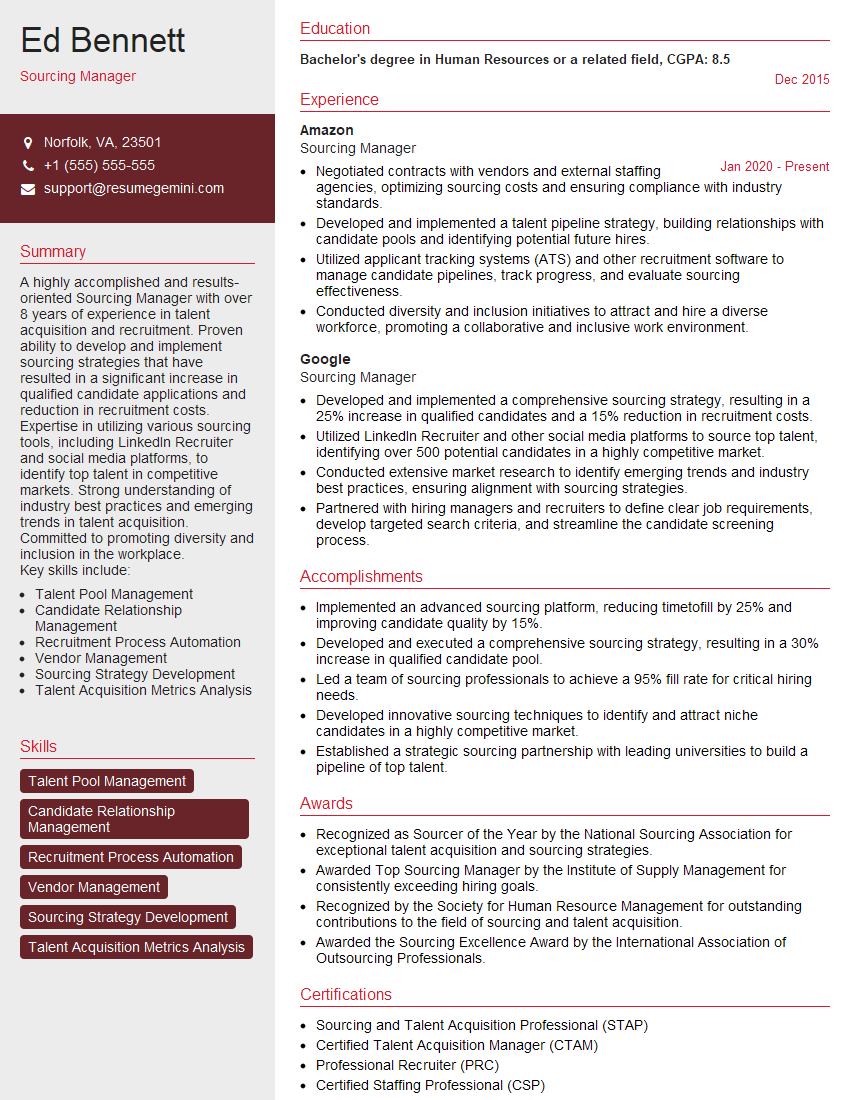
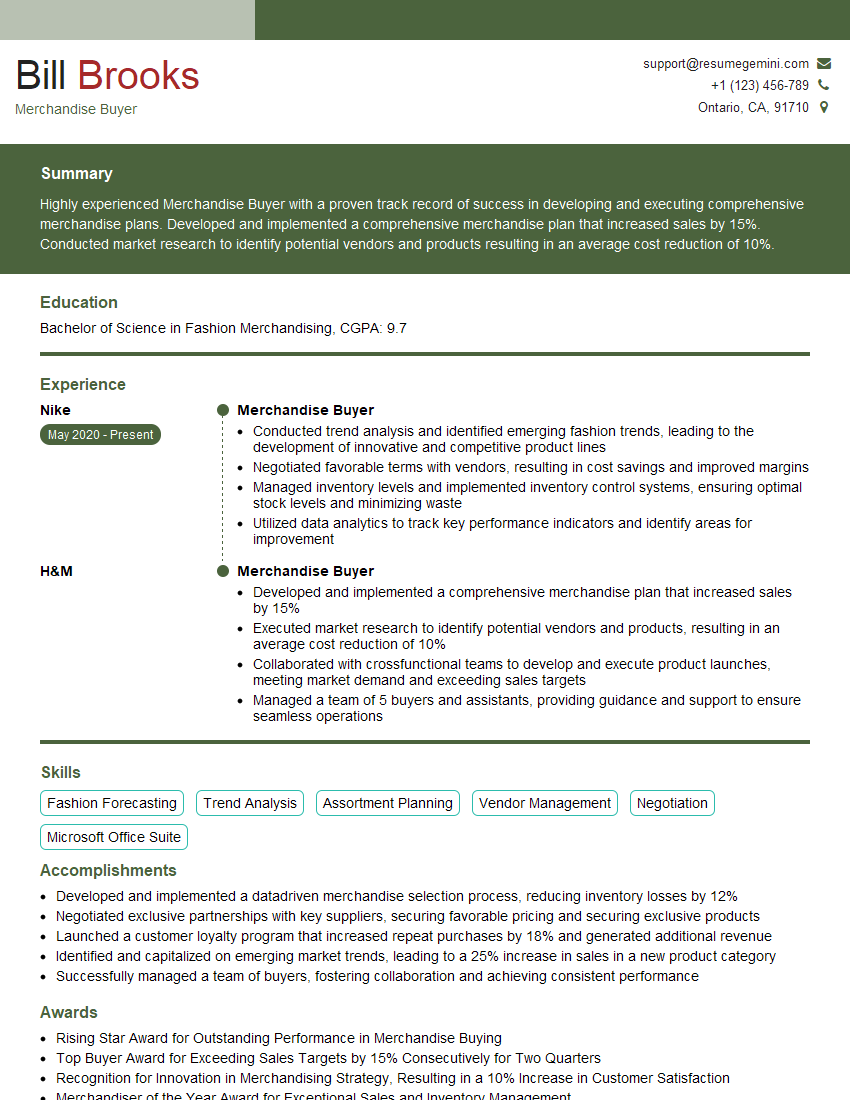
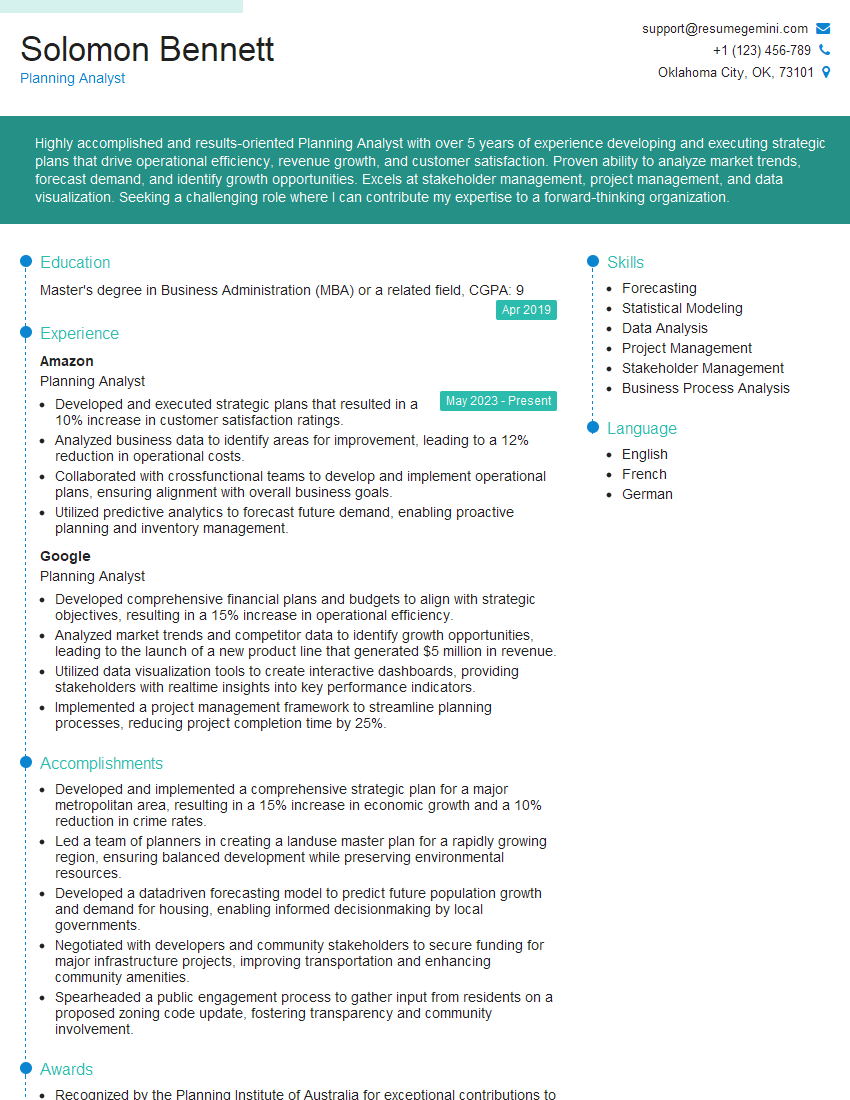
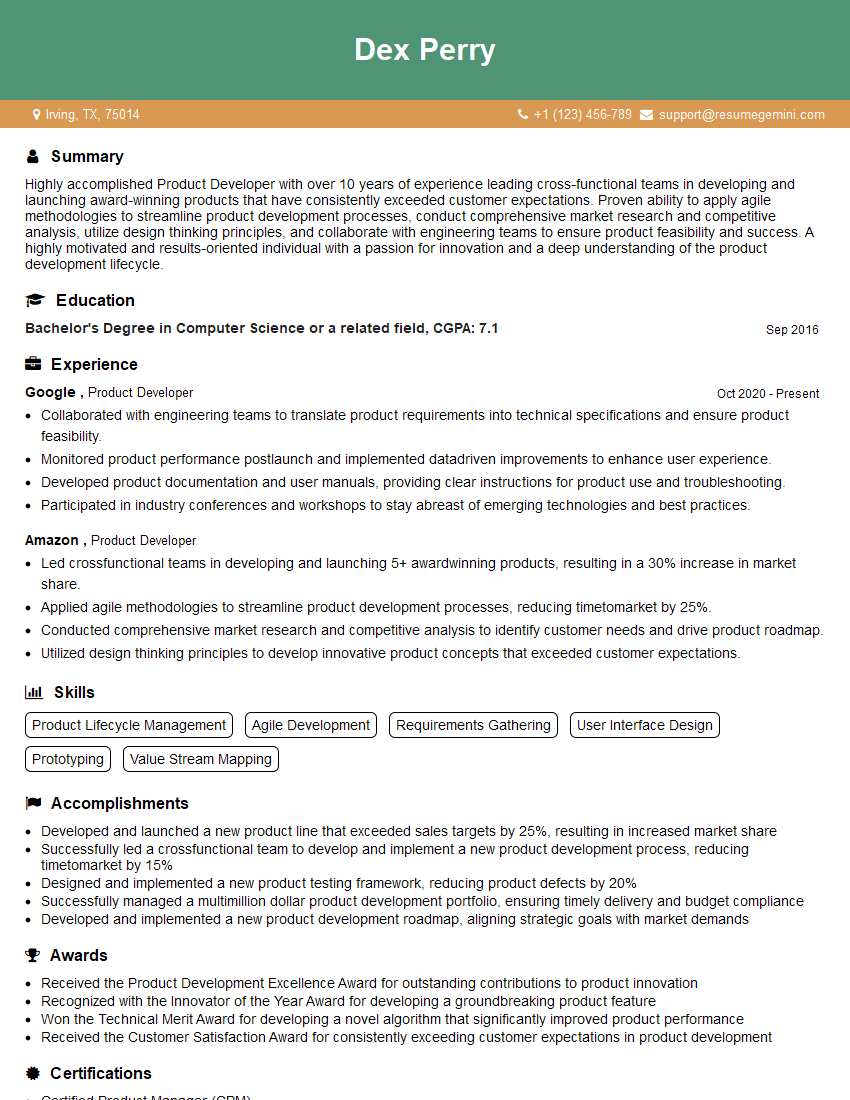
Mastering Retail Fashion Buying opens doors to exciting career advancements, from Buyer to Senior Merchandiser and beyond. A strong resume is crucial for showcasing your skills and experience to potential employers. To significantly increase your chances of landing your dream role, focus on creating an ATS-friendly resume that highlights your accomplishments and aligns with the specific requirements of each job application. ResumeGemini is a trusted resource to help you build a professional and impactful resume. We offer examples of resumes tailored specifically to Retail Fashion Buying to guide you through the process. Take the next step towards your successful career in fashion!

Explore more articles
Users Rating of Our Blogs
Share Your Experience
We value your feedback! Please rate our content and share your thoughts (optional).
What Readers Say About Our Blog
Very informative content, great job.
good