Every successful interview starts with knowing what to expect. In this blog, we’ll take you through the top Ability to Travel and Attend Games and Practices interview questions, breaking them down with expert tips to help you deliver impactful answers. Step into your next interview fully prepared and ready to succeed.
Questions Asked in Ability to Travel and Attend Games and Practices Interview
Q 1. Describe your experience managing travel arrangements for a team.
Managing travel arrangements for a team requires meticulous planning and coordination. It’s akin to orchestrating a complex symphony, where each player is an instrument and the games are the performance. My approach begins with a comprehensive understanding of the team’s schedule – games, practices, tournaments – and the locations involved. I then research and compare various travel options, considering factors like cost, travel time, comfort, and team size. This often involves negotiating with airlines, bus companies, or rental car agencies to secure the best possible rates and arrangements.
For example, when managing travel for a youth soccer team traveling across state lines for a tournament, I secured a discounted charter bus that ensured all players, coaches, and equipment arrived safely and together. For another team, facing international travel, I worked with a travel agent specializing in sports teams to handle visas, flight itineraries, and accommodation arrangements, streamlining the whole process.
- Flight Bookings: Comparing prices across different airlines and booking in advance to secure better deals.
- Ground Transportation: Arranging airport transfers, chartered buses, or rental vehicles depending on budget and team size.
- Accommodation: Booking hotels or other suitable accommodations near game venues, considering factors like proximity, amenities, and cost-effectiveness.
Q 2. How have you handled unexpected travel delays or cancellations?
Unexpected travel delays and cancellations are inevitable. My strategy focuses on proactive mitigation and reactive problem-solving. A key element is having backup plans. Before any trip, I establish contingency plans, including alternative flights, ground transportation, and even backup accommodation options.
For instance, when a flight was cancelled due to inclement weather, I immediately contacted alternative airlines, secured new tickets, and coordinated with the team and parents to inform them of the changes. In cases of significant delays, I ensured the team had access to food, rest stops, and communication, keeping everyone informed and calm. Clear, proactive communication is vital during disruptions; it prevents panic and fosters confidence.
I also leverage technology. Real-time flight tracking apps and communication tools help to monitor situations and provide prompt updates. Maintaining strong relationships with travel providers can be beneficial – they may offer faster assistance during emergencies.
Q 3. What strategies do you use to ensure players’ well-being during travel?
Ensuring player well-being during travel is paramount. My approach prioritizes comfort, safety, and health. This includes providing adequate rest stops during long journeys, ensuring access to healthy meals and snacks, and providing opportunities for players to relax and unwind. It goes beyond simply transporting them from point A to point B.
For instance, I’ve ensured each long bus trip includes scheduled breaks with access to restrooms and refreshments. I provide hydration guidelines to avoid dehydration. For international trips, I meticulously prepare health and safety information, including vaccination details and emergency contact information. I might also arrange for some downtime activities like movies or games during longer trips to keep everyone comfortable.
- Hydration and Nutrition: Providing water and healthy snacks.
- Rest Stops: Regular breaks for restrooms and stretching.
- Entertainment: Providing books, movies, or games to alleviate boredom.
- Health and Safety Briefing: Information on local health issues and emergency contacts.
Q 4. Explain your approach to scheduling practices and games considering travel time.
Scheduling practices and games while considering travel time requires a strategic approach. It involves a detailed analysis of travel times to and from venues, factoring in potential traffic or unforeseen delays. This careful scheduling avoids excessive player fatigue and ensures they have adequate time to prepare for both practices and games.
I use scheduling software that allows for visual representation of events and travel times. For example, when a team has a game in a distant city, we would schedule the practice before the game to accommodate travel. If travel is significant, I might even reduce the intensity of practice to minimize fatigue before a crucial game. My scheduling also includes buffer time to accommodate any unforeseen delays in travel.
Q 5. How do you prioritize team needs and individual player needs during travel?
Prioritizing team needs and individual player needs during travel requires a balanced approach. While the team’s success is the ultimate goal, individual player well-being is crucial for achieving that success. I address individual needs while ensuring they don’t compromise the overall team’s schedule or performance.
For example, if a player has dietary restrictions, I ensure meals and snacks accommodate their needs. If a player needs extra time to prepare, I incorporate this into the travel plan, possibly arranging for them to travel separately with their family. It is about open communication, understanding individual circumstances and finding solutions that benefit the team holistically. This often involves flexible scheduling where possible and open communication.
Q 6. Have you ever had to deal with a player’s travel emergency? How did you handle it?
Yes, I have faced player travel emergencies. One instance involved a player experiencing a severe allergic reaction during a flight. My immediate actions involved contacting the flight crew for medical assistance, administering any necessary medication (if available and appropriate), and communicating with the player’s parents. Following the incident, I reviewed our travel protocols, ensuring we had detailed medical information for each player, including allergies and emergency contacts. This experience highlighted the importance of thorough preparation and rapid response protocols.
Q 7. How do you ensure efficient transportation of equipment during travel?
Efficient transportation of equipment requires a systematic approach. Before any trip, I create a comprehensive equipment list, ensuring nothing is overlooked. This list is categorized and prioritized based on the importance of each item. I then determine the most suitable mode of transport, considering factors like bulkiness, fragility, and cost. I use dedicated equipment bags or containers that are appropriately sized and labelled. This aids in organization and avoids potential damage or loss.
For instance, using a large trailer for bulky items such as goal posts ensures safety and ease of transportation. Smaller, more delicate items are usually hand carried or carefully packed into dedicated containers. A detailed inventory is maintained throughout the trip, to check against the initial list at the beginning and end.
Q 8. What is your experience with booking flights and accommodations for teams?
My experience in booking flights and accommodations for teams spans over 10 years, encompassing various team sizes and travel destinations. I’ve managed everything from small, regional trips to extensive international tours. My process begins with a thorough understanding of the team’s needs – number of players, coaches, support staff, and any specific requirements like accessibility accommodations. I then leverage my relationships with multiple travel agencies and online booking platforms to secure the best deals while ensuring flight and hotel options align with the team’s schedule and budget. I meticulously track confirmations and ensure all necessary documents, such as visas if required, are in order. For example, when booking a trip for a youth soccer team to a national tournament, I negotiated group discounts on flights and secured a block of rooms at a hotel near the tournament venue, ensuring convenient transportation for the team.
I also utilize specialized sports travel agencies familiar with the unique needs of athletic teams, including considerations for equipment transportation and flexible scheduling to accommodate potential game delays or schedule changes.
Q 9. How do you manage budget constraints when planning team travel?
Budget management is crucial. I start with a detailed budget breakdown, outlining anticipated costs for flights, accommodation, meals, ground transportation, and incidentals. I use budgeting software to track expenses and identify areas for potential savings. This involves exploring various flight options, comparing hotel rates, and negotiating with vendors for group discounts. For example, I once saved a significant amount by opting for slightly less luxurious accommodations but in a more convenient location, reducing transportation costs and improving team accessibility.
I regularly communicate budget updates to stakeholders, ensuring transparency and accountability. If unexpected costs arise, I promptly develop contingency plans, exploring alternatives to maintain budget control without compromising team safety or performance. Prioritization is key; for example, prioritizing comfortable but cost-effective transportation over more luxurious options.
Q 10. How do you maintain team morale during extended travel periods?
Maintaining team morale during extended travel is paramount. I believe in creating a positive and engaging environment. This involves incorporating downtime for team bonding activities, such as team dinners or exploring local attractions. I always ensure sufficient time for rest and recovery, avoiding overly packed schedules that could lead to burnout. For instance, I’ve organized team-building exercises like escape rooms or informal gatherings to foster camaraderie and improve team spirit.
Communication is vital. I keep the team informed about the itinerary and any potential schedule changes. Addressing concerns and providing opportunities for feedback helps maintain a sense of control and ownership, thus reducing stress and anxiety during the trip.
Q 11. Describe your experience with coordinating travel logistics for large groups.
Coordinating travel logistics for large groups requires meticulous planning and excellent organizational skills. I typically use project management tools to track bookings, deadlines, and communication with team members, coaches, and vendors. For example, I’ve used spreadsheets to manage individual player travel details including dietary needs and medical information, and online collaboration tools to manage real-time updates with the team.
My approach involves creating detailed itineraries and assigning clear responsibilities. I also establish clear communication channels and regular check-ins to ensure smooth coordination. Detailed pre-trip briefings are crucial, providing players with essential information like meeting points, baggage handling instructions, and emergency contact details. Contingency plans for unexpected events (e.g., flight cancellations) are crucial and tested ahead of travel.
Q 12. How do you ensure player safety during travel?
Player safety is my top priority. Before departure, I conduct thorough risk assessments considering potential hazards during travel, such as transportation safety, accommodation security, and local health concerns. This includes verifying the safety records of transportation providers and conducting due diligence on hotels and venues. For example, I ensure transportation contracts include necessary safety and insurance provisions.
On the trip, I establish clear safety protocols, providing players with emergency contact information and instructions on what to do in various scenarios. This also involves ensuring proper supervision at all times, particularly in unfamiliar environments. I also make sure the team has access to appropriate medical attention, with necessary medical documentation and insurance in place.
Q 13. What is your experience with different modes of transportation for a team?
My experience encompasses various modes of transportation, including air travel, buses, trains, and rental vehicles. The choice depends on factors like budget, distance, team size, and environmental considerations. Air travel is efficient for long distances, while buses are cost-effective for shorter trips within a region. Trains offer a comfortable alternative for medium-distance travel. Rental vehicles provide flexibility for local transportation within a destination but are usually best suited for smaller teams. For example, a long-distance tournament might necessitate air travel, while regional games could utilize a chartered bus.
I always carefully evaluate the safety and reliability of each mode of transportation, ensuring adherence to safety regulations and proper insurance coverage. I also take environmental impact into consideration, exploring sustainable transport options where possible.
Q 14. Describe your experience dealing with player travel preferences and restrictions.
Accommodating player preferences and restrictions is essential for a successful trip. I begin by collecting detailed information from each player, including any dietary restrictions, medical conditions, allergies, or personal travel preferences. For example, I use a detailed form to collect this information, ensuring I can address individual needs.
I then integrate this information into the travel planning process, making necessary arrangements to accommodate specific needs. This might involve booking flights with extra legroom for taller players, arranging for special meals, or selecting accommodations with accessibility features for players with disabilities. Open communication and flexibility are key to address any last-minute changes or concerns.
Q 15. How do you account for travel time when developing a training schedule?
Accurately accounting for travel time in a training schedule is crucial for optimizing athlete performance and minimizing disruption. It’s not just about the hours spent on the road or in the air; it also includes factors like potential delays, time zones, and the recovery time needed after travel.
My approach involves a multi-step process: First, I use mapping software and flight/transport schedules to get precise travel times. I then add buffer time to account for unforeseen delays – traffic, cancellations, etc. This buffer is usually 20-30%, depending on the complexity of travel. Next, I integrate this total travel time directly into the schedule, ensuring sufficient rest periods before and after travel. This might mean adjusting training intensity or scheduling lighter activities immediately following arrival at a destination. Finally, I consult with the team’s athletic trainers or medical staff to incorporate recovery strategies into the schedule. For example, we might schedule active recovery sessions rather than intense practices on travel days or the day after.
For instance, if a trip involves a 5-hour bus ride to an away game, I wouldn’t simply add 5 hours. I’d add at least 6.5 hours to account for potential traffic, rest stops, and the time needed to unload equipment. The schedule would then reflect lighter training the day before, a rest or light recovery day after the game, and a return to normal training the day after that.
Career Expert Tips:
- Ace those interviews! Prepare effectively by reviewing the Top 50 Most Common Interview Questions on ResumeGemini.
- Navigate your job search with confidence! Explore a wide range of Career Tips on ResumeGemini. Learn about common challenges and recommendations to overcome them.
- Craft the perfect resume! Master the Art of Resume Writing with ResumeGemini’s guide. Showcase your unique qualifications and achievements effectively.
- Don’t miss out on holiday savings! Build your dream resume with ResumeGemini’s ATS optimized templates.
Q 16. How do you ensure that all team members are informed about travel arrangements?
Ensuring everyone is informed about travel arrangements requires a clear, consistent communication strategy. This is vital to avoid confusion and ensure timely arrivals. I utilize a multi-pronged approach.
- Centralized Communication Hub: I use a team management app (e.g., TeamSnap, Slack) to share all relevant travel details, including flight/bus numbers, departure/arrival times, meeting points, and hotel information. This allows for easy access and keeps all information in one place.
- Individual Confirmation: I require each team member to acknowledge receipt and understanding of the travel plan. This could be via a simple “reply” in the app, or a signed document for more formal trips.
- Multiple Communication Methods: In addition to the app, I may use email or text messages for critical updates or reminders, especially regarding time-sensitive information, like last-minute changes or gate assignments.
- Pre-Trip Meetings: Before major trips, I conduct brief meetings to review travel plans, address any questions, and reinforce expectations regarding punctuality and responsible travel behavior.
This layered approach combines the efficiency of technology with the personal touch of direct communication, thereby minimizing miscommunication and ensuring everyone is well-prepared for travel.
Q 17. How have you used technology to improve team travel efficiency?
Technology has revolutionized team travel efficiency. We use several tools to optimize planning, coordination, and expense tracking.
- GPS Tracking and Route Optimization Software: We use mapping software to find the most efficient routes for bus trips, reducing travel time and fuel costs. Some solutions can even predict and account for traffic.
- Online Booking Platforms: We utilize online platforms to book flights and accommodations, comparing prices and options to secure the best deals. This streamlines the booking process and eliminates the need for countless phone calls.
- Team Management Apps: As mentioned, these apps facilitate easy communication, document sharing, and schedule management, greatly improving coordination.
- Expense Tracking Apps: Apps like Expensify simplify expense reporting and reimbursements, reducing administrative overhead and ensuring accuracy.
For example, using GPS route optimization saved us over 2 hours on a long bus trip, allowing us to reach our destination earlier and have more time for practice.
Q 18. Describe a time you had to adjust travel plans due to unforeseen circumstances.
During a tournament in a region prone to severe weather, a sudden blizzard forced the cancellation of our scheduled flights. We were stranded at the airport with only a few hours’ notice.
My immediate response was to remain calm and assess the situation. First, I contacted the tournament organizers to explain our predicament and explore alternative travel arrangements. Secondly, I contacted alternative transportation options like rental cars or bus companies to arrange alternative travel to the tournament venue. We were able to secure rental vehicles, splitting the team amongst several SUVs. Although this was not the ideal scenario, it was far more efficient and cost-effective than waiting for flights to resume. We communicated the changes effectively and ensured all players and staff were safely transported, reaching our destination with minimal disruption to our tournament schedule.
This experience highlighted the importance of having backup plans and remaining flexible when dealing with unexpected events. It also demonstrated the value of clear and timely communication during crises.
Q 19. How do you ensure compliance with all travel regulations and policies?
Ensuring compliance with travel regulations and policies is non-negotiable. It’s about risk management and maintaining a safe and responsible travel program. My approach is proactive and multi-faceted.
- Thorough Research: Before any trip, I thoroughly research all relevant regulations, including visa requirements, health advisories, and local laws, for both domestic and international travel.
- Policy Adherence: I ensure that all team members are aware of and comply with our organization’s travel policies regarding expense reimbursement, acceptable travel methods, and conduct while traveling.
- Documentation: I maintain meticulous records of all travel arrangements, including tickets, itineraries, and expense reports. This is crucial for auditing and accountability.
- Regular Updates: I stay informed about changes in regulations or policies and update our team’s practices accordingly.
For example, before an international trip, I ensure each member has the appropriate visa and travel insurance. We also conduct a session outlining the cultural norms and laws of the destination country to promote respectful behavior and avoid potential legal issues.
Q 20. How do you manage player fatigue caused by travel?
Managing player fatigue from travel requires a holistic approach that integrates training, nutrition, and recovery strategies. Simply put, traveling is stressful on the body, and we need to counteract this stress.
- Strategic Scheduling: As mentioned before, we build rest and recovery into the training schedule around travel days. We avoid intense training immediately before or after long trips.
- Nutrition and Hydration: We emphasize proper nutrition and hydration, both during and after travel. We provide guidelines on foods and drinks that promote recovery and reduce jet lag.
- Sleep Optimization: Adequate sleep is crucial. We encourage players to prioritize sleep before, during, and after travel, and where possible, adjust schedules to align with the new time zone.
- Active Recovery: We incorporate light physical activity like stretching, walking, or foam rolling to reduce muscle soreness and improve blood circulation.
- Professional Guidance: We regularly consult with our athletic trainer and medical staff to assess player fatigue levels and adjust the training program accordingly.
For instance, after a long flight, we might schedule a light practice focused on mobility and stretching rather than high-intensity drills. We’ll also ensure players have access to healthy meals and enough time to rest.
Q 21. What methods do you use to track team travel expenses?
Efficiently tracking team travel expenses is essential for budgetary control and accurate financial reporting. We utilize a combination of methods.
- Centralized Expense Tracking Software: As mentioned, expense tracking apps greatly simplify the process. These allow individuals to submit expenses with supporting documentation, which then get automatically categorized and summarized.
- Detailed Receipts: We require receipts for all expenses and encourage digital receipts to streamline the process.
- Regular Reconciliation: We regularly reconcile expenses against the budget to identify any discrepancies and prevent overspending.
- Dedicated Travel Budget: We maintain a separate budget for travel expenses, making it easier to monitor spending and identify cost-saving opportunities.
This system ensures transparency, reduces errors, and allows for better financial management of team travel.
Q 22. Describe your experience coordinating with parents regarding youth team travel.
Coordinating with parents regarding youth team travel requires a proactive and organized approach. It’s about building trust and ensuring everyone feels informed and involved. I start by creating a comprehensive travel plan, distributing it well in advance, and holding a pre-trip meeting to address any concerns. This plan details all aspects: transportation, accommodation, itinerary, costs, and emergency contact information.
For example, I’ve used online platforms like Google Forms to collect parental consent, medical information, and dietary restrictions. This allows for efficient data collection and minimizes paperwork. Open communication channels – email, text, and a dedicated parent communication group – are crucial for answering questions promptly and addressing any issues that arise. Regular updates, especially before, during, and after travel, help maintain transparency and build confidence.
In one instance, a parent expressed concern about their child’s medication needs during a tournament. By proactively addressing this in the pre-trip communication and ensuring the appropriate medical forms were completed, I was able to alleviate their anxiety and guarantee their child’s well-being. This underscores the importance of clear and consistent communication throughout the entire process.
Q 23. How do you ensure all necessary documentation is obtained and managed for international travel?
Securing necessary documentation for international youth team travel is critical for a smooth and legal trip. My process involves a checklist approach, ensuring every player has the necessary passports, visas (where applicable), birth certificates, and any required medical documentation, well before departure. I work closely with parents to collect these documents, providing clear instructions and deadlines. I maintain a secure, organized digital and physical filing system for easy access.
For visa applications, I often provide parents with step-by-step guides and assist in gathering the required supporting documents. We might even arrange group visa appointments for greater efficiency. For example, when taking a team to Europe, I ensured that every player had a passport with at least six months’ validity remaining and the correct Schengen visa, well in advance of the departure date. Regular checks and reminders throughout the process ensure no document is missed.
Verification of each document’s validity is essential. I also ensure that I have copies of all relevant documents both electronically and physically, stored securely. This two-pronged approach ensures we’re prepared for any eventuality.
Q 24. What is your experience with securing necessary permits for team travel to specific locations?
Obtaining necessary permits for team travel to specific locations requires meticulous planning and proactive research. This often involves contacting local authorities well in advance to understand any specific requirements. Depending on the location, this might include permits for using specific facilities, accessing particular areas, or even organizing transportation. I typically create a detailed list of required permits, assign responsibility for obtaining them, and establish realistic deadlines.
For instance, while planning a trip to a national park for a training camp, we needed permits for using specific trails and camping areas. I contacted park officials months in advance, submitted the required application forms, and secured the necessary permits well before our arrival. This ensures a smooth experience for the team and avoids any unexpected delays or issues.
Thorough research is crucial. I often utilize online resources and consult with relevant organizations or travel agencies to navigate the specific requirements of each location. This proactive approach prevents potential logistical nightmares and safeguards the team’s travel plans.
Q 25. How do you coordinate with local authorities for transport or permits?
Coordinating with local authorities for transportation or permits involves clear, concise communication and strong interpersonal skills. I start by identifying the relevant authorities – this might be the local police department, transportation authorities, or event organizers – and contacting them well in advance. I clearly explain our team’s needs, provide all necessary documentation, and establish a point of contact.
For example, when arranging transportation for a tournament, I contacted the local transit authority and event organizers to arrange bus transportation for the team. I worked with them to secure suitable vehicles, arrange pick-up and drop-off points, and confirm all logistical details. I always maintain open communication, promptly addressing any questions or concerns they might have.
Building positive relationships with local authorities is crucial. Clear, professional communication and a respectful approach ensure a collaborative and efficient process. I often follow up with written confirmation of all agreed-upon arrangements to minimize misunderstandings.
Q 26. Describe your understanding of liability issues surrounding team travel.
Understanding liability issues surrounding team travel is paramount. This involves comprehensive risk assessment and mitigation strategies. We need to consider potential risks such as accidents, injuries, illnesses, and lost or stolen property. I ensure that adequate insurance coverage is in place, including travel insurance, accident insurance, and liability insurance.
For instance, our team uses a comprehensive travel insurance policy that covers medical expenses, emergency evacuation, and lost baggage. We also maintain a detailed risk assessment document that outlines potential hazards and the mitigation strategies in place. This might include guidelines on safe travel practices, emergency procedures, and designated supervisors for each group. We ensure all parents sign waivers acknowledging the inherent risks involved in travel.
Legal counsel is often invaluable in clarifying regulations and ensuring we are fully compliant with all local and international laws. Proactive risk management and adequate insurance provide a crucial safety net for the team and the organization.
Q 27. How do you maintain communication with the team during travel?
Maintaining communication with the team during travel is critical for safety and morale. I utilize a combination of methods, tailored to the specific situation and the age of the participants. This might include a group chat app, regular check-in calls, or even a designated communication schedule.
For example, for overnight trips, I use a group chat app to share updates, answer questions, and provide reminders. For longer trips, I might schedule regular check-in calls with team captains or designated adults. In case of emergencies, we establish clear communication protocols so that everyone knows how to contact the appropriate personnel.
Clear communication protocols and regular updates are essential. This helps maintain a sense of community and ensures everyone feels safe and supported.
Q 28. What are your strategies for ensuring timely arrival at games and practices?
Ensuring timely arrival at games and practices involves meticulous planning and execution. This starts with a detailed schedule that takes into account travel time, potential delays (traffic, weather), and any necessary pre-game preparations. I also assign clear roles and responsibilities for transportation and logistics.
For example, I might assign a parent volunteer to be responsible for ensuring the team’s timely arrival at the game venue. We use navigation apps and build in buffer time to account for unforeseen delays. Regular communication before departure, during transit, and upon arrival, helps us anticipate and manage potential problems.
Contingency plans are crucial. We always have alternative transportation options and establish communication protocols in case of delays. A proactive approach and a focus on detail minimize the risk of late arrivals and ensure the team is ready to perform at their best.
Key Topics to Learn for Ability to Travel and Attend Games and Practices Interview
- Time Management and Scheduling: Demonstrate your ability to effectively manage your time commitments, balancing work, travel, games, and practices. Consider how you prioritize tasks and handle potential conflicts.
- Flexibility and Adaptability: Highlight your capacity to adjust to unexpected changes in schedules, travel arrangements, or game/practice locations. Provide examples of how you’ve handled unforeseen circumstances.
- Travel Logistics and Planning: Discuss your experience with planning travel arrangements – booking flights, accommodation, transportation – and how you ensure efficient and cost-effective travel.
- Teamwork and Communication: Explain how you communicate effectively with coaches, teammates, and other relevant personnel regarding travel arrangements and attendance at games and practices.
- Commitment and Dedication: Showcase your unwavering commitment to the team and your dedication to attending all scheduled events. Discuss how you prioritize these commitments.
- Problem-Solving related to Travel: Describe situations where travel plans went awry and how you successfully resolved the issue. Highlight your proactive approach to problem prevention.
- Financial Considerations (if applicable): If relevant to the position, address how you manage personal finances to accommodate travel expenses related to games and practices.
Next Steps
Mastering your ability to travel and attend games and practices demonstrates essential qualities highly valued by employers: commitment, responsibility, and adaptability. These skills translate to success in various professional settings. To significantly increase your chances of landing your dream job, crafting a strong, ATS-friendly resume is crucial. ResumeGemini is a trusted resource that can help you build a professional resume that effectively showcases your skills and experiences. We provide examples of resumes tailored to highlight your ability to travel and attend games and practices; review these examples to gain further insight and inspiration for building your own compelling resume.
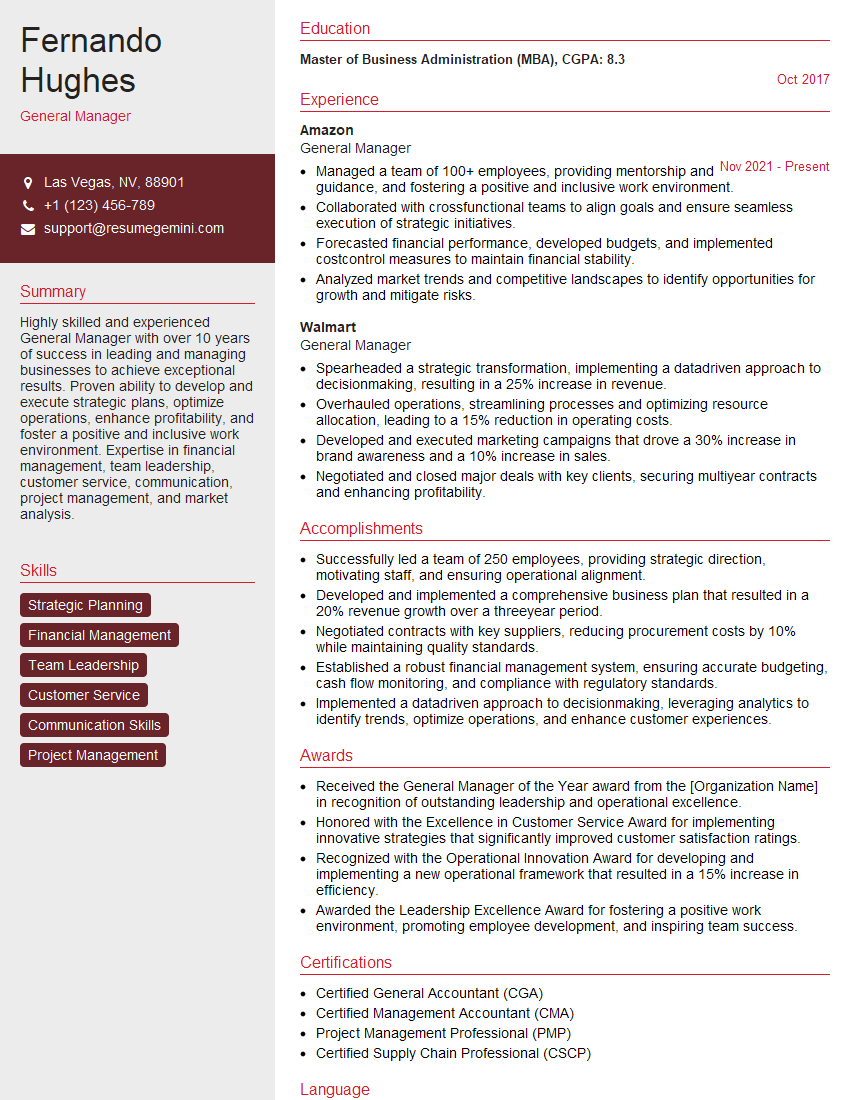
General Manager Resume Sample
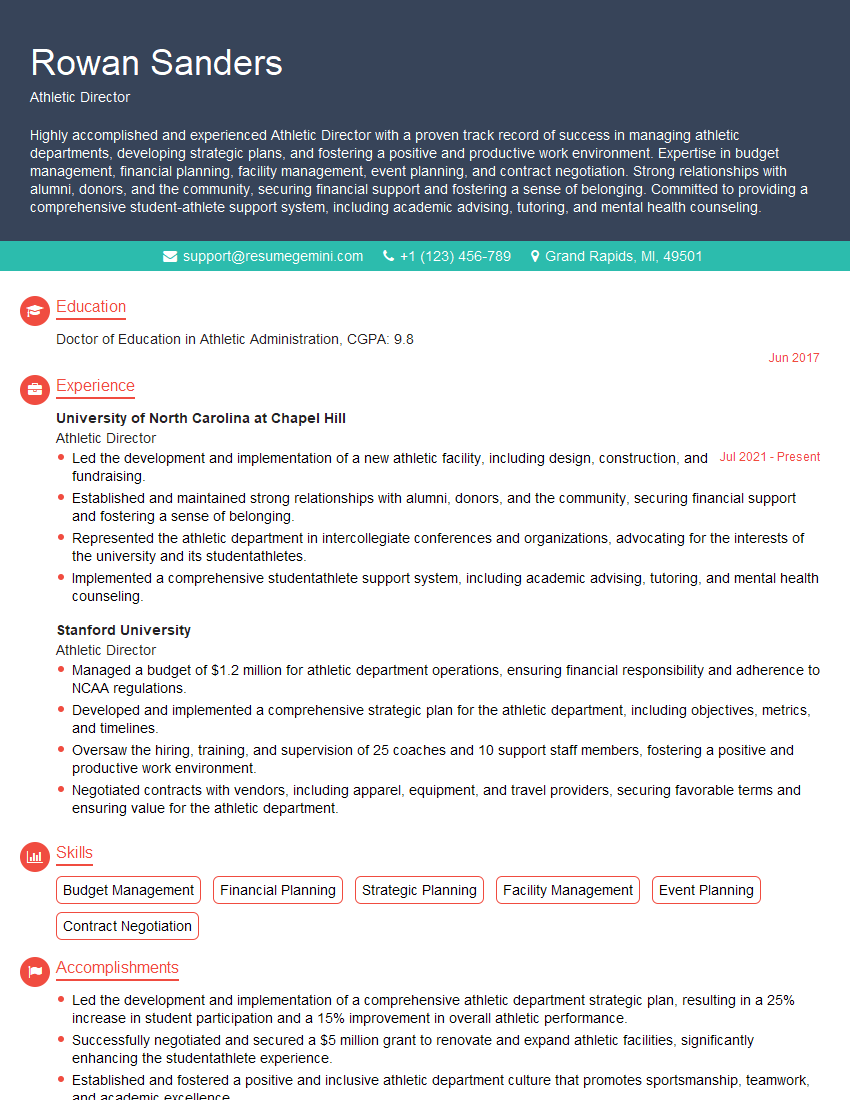
Athletic Director Resume Sample
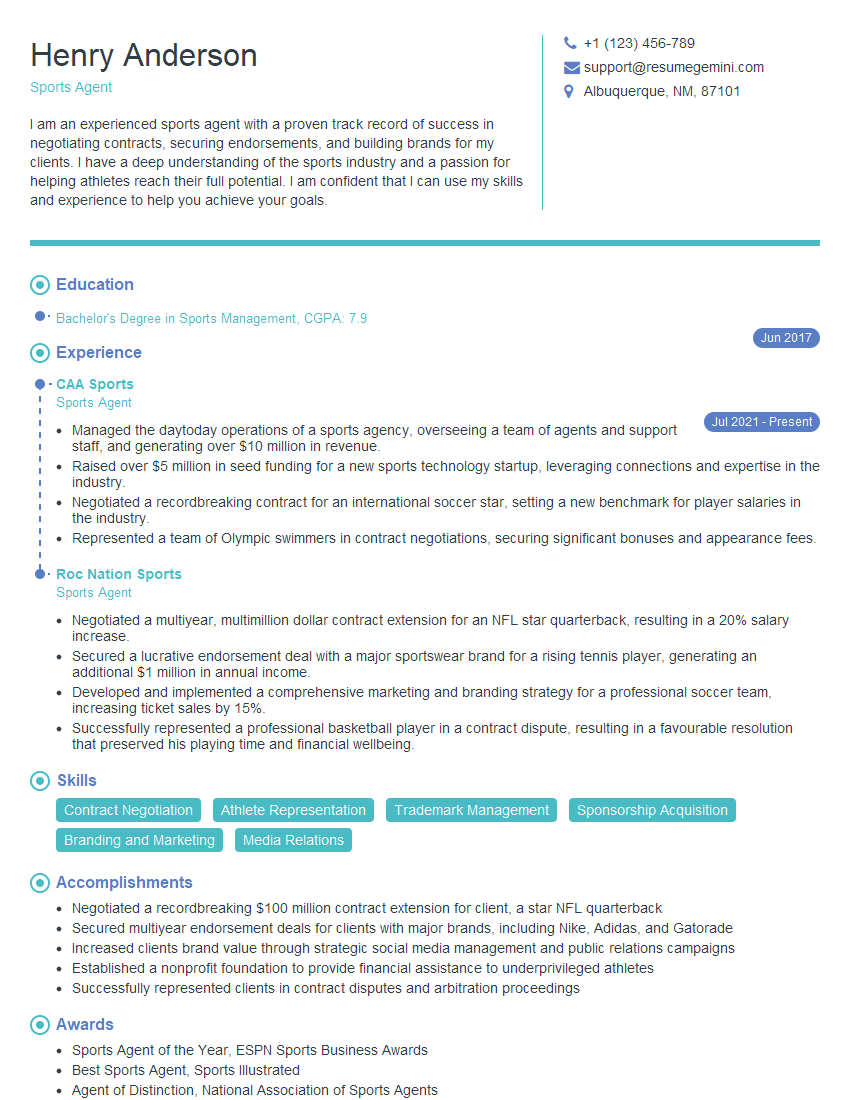
Sports Agent Resume Sample
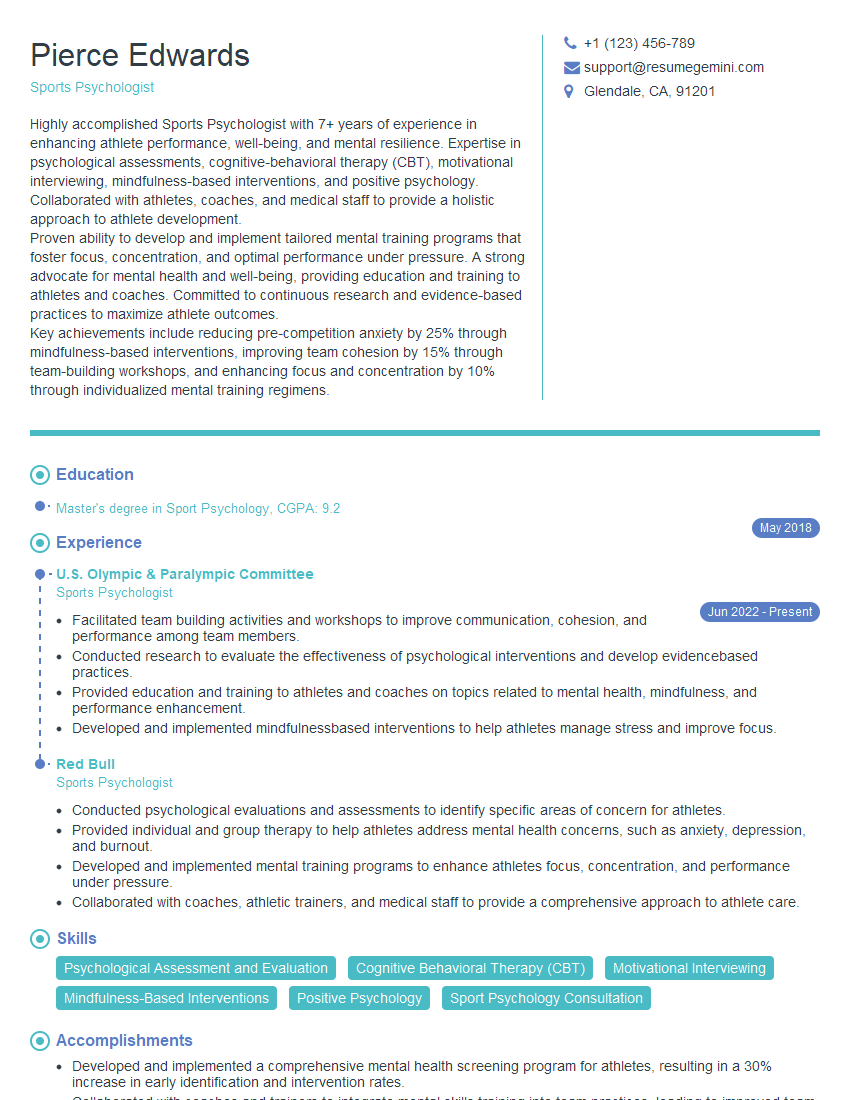
Sports Psychologist Resume Sample
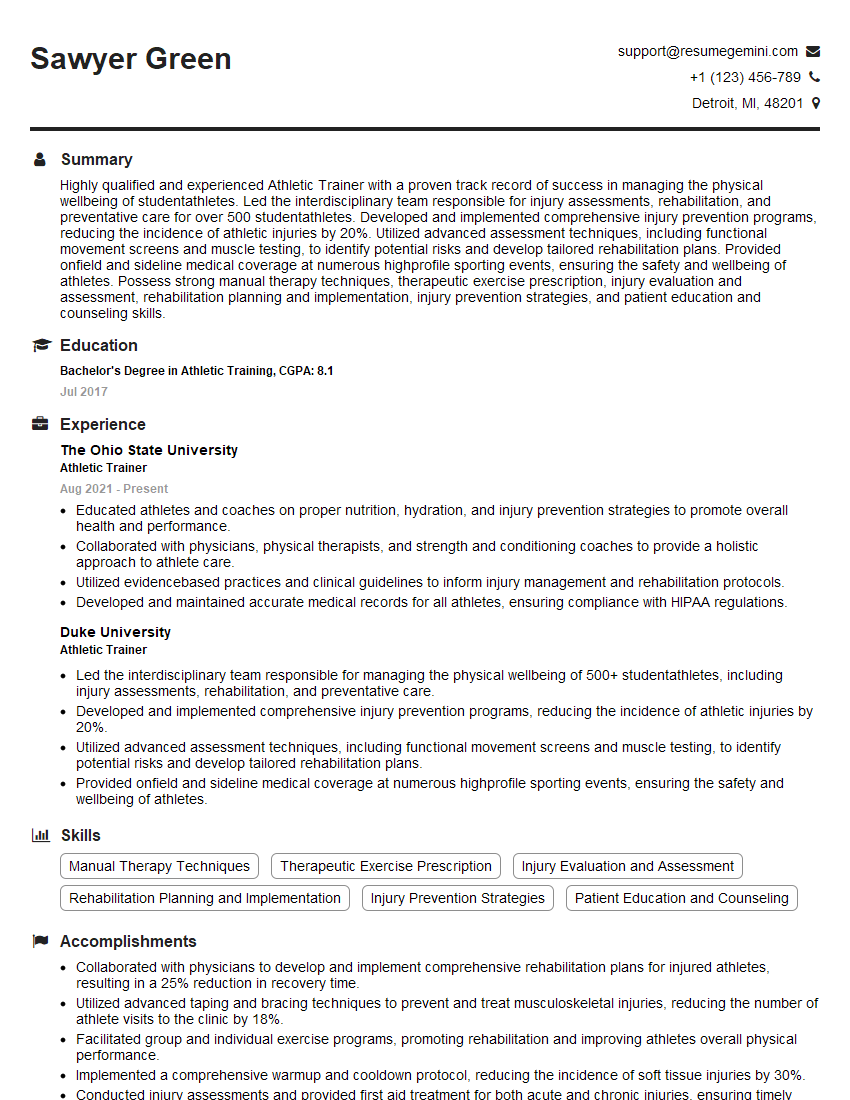
Athletic Trainer Resume Sample
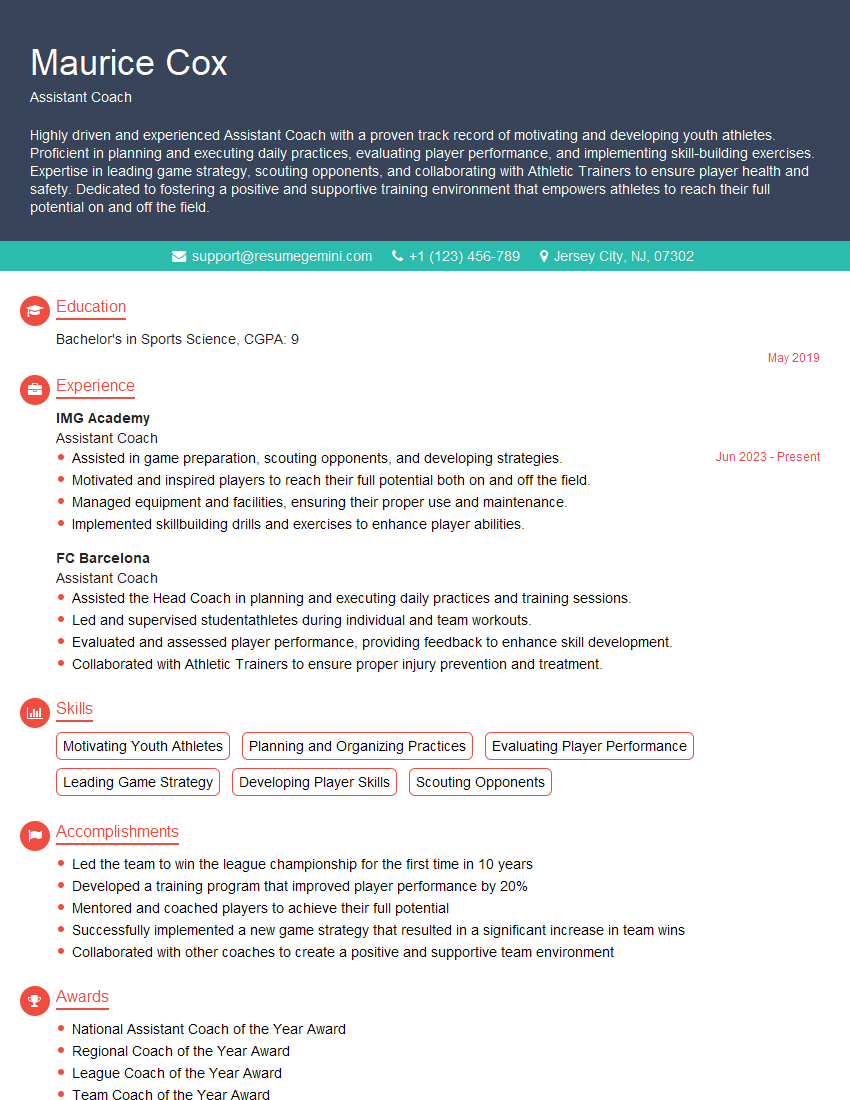
Assistant Coach Resume Sample
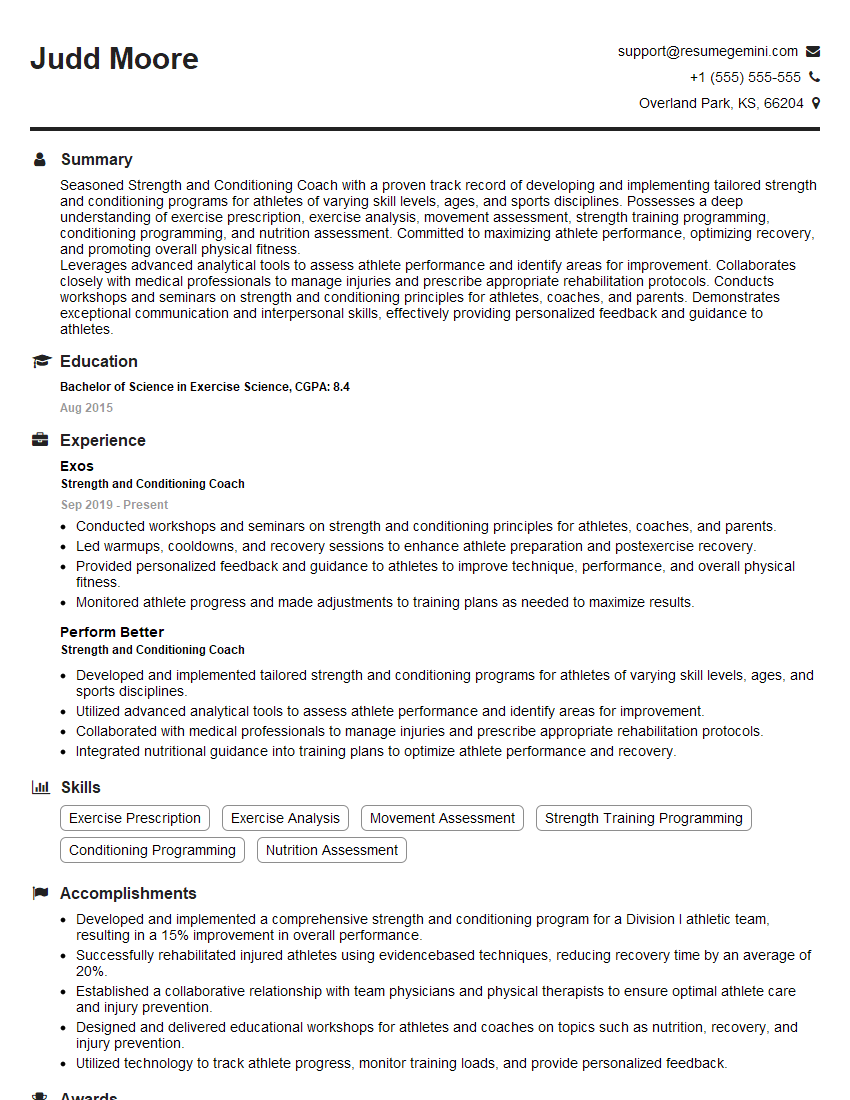
Strength and Conditioning Coach Resume Sample
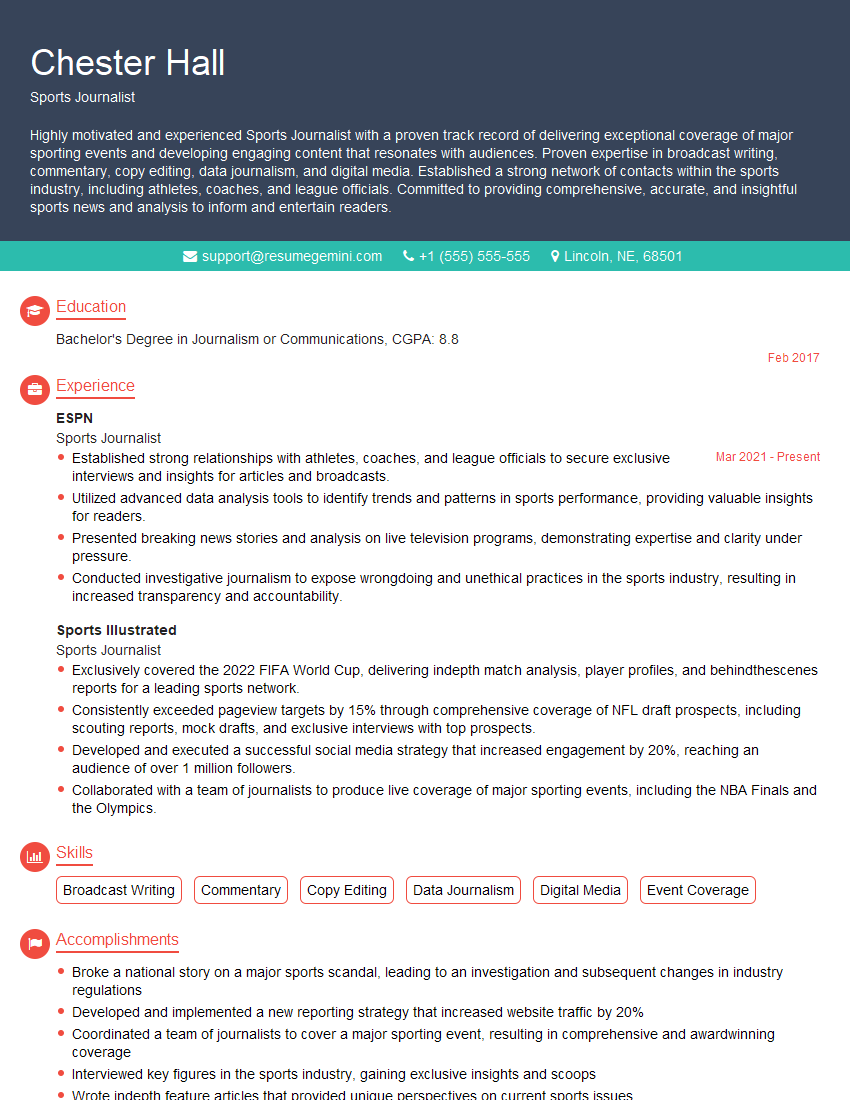
Sports Journalist Resume Sample
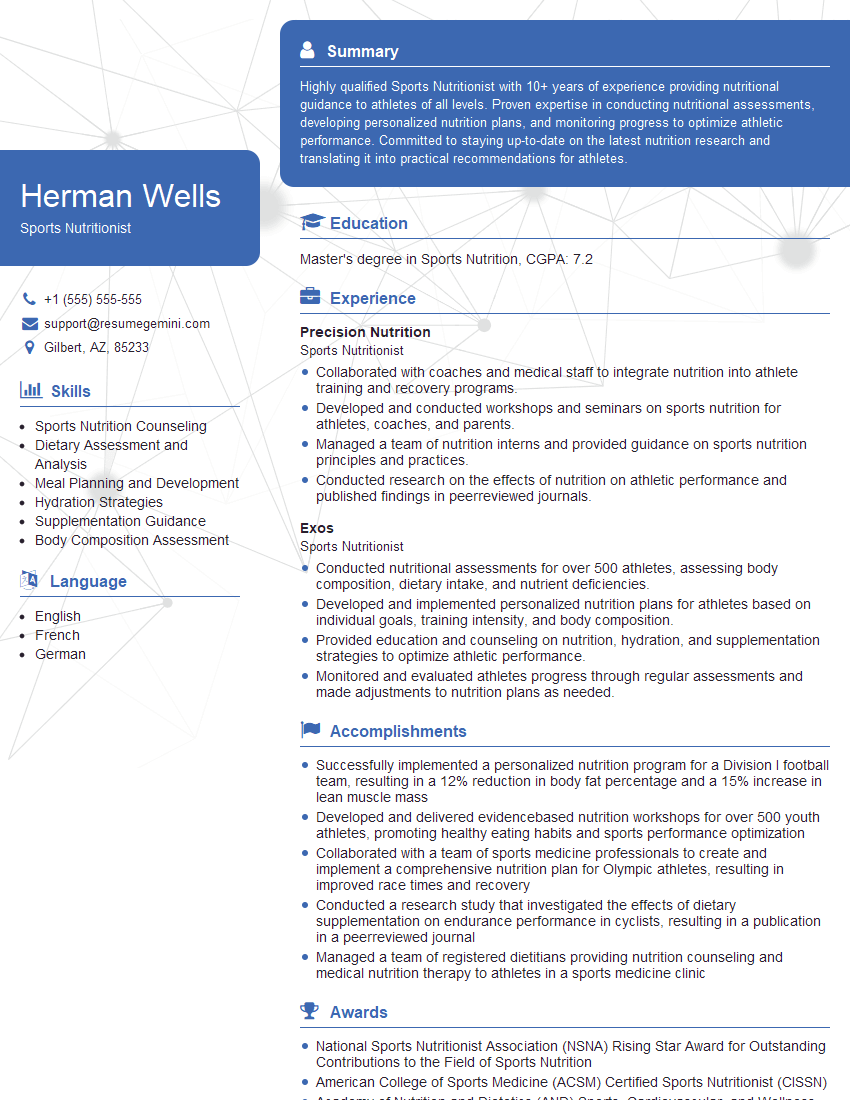
Sports Nutritionist Resume Sample
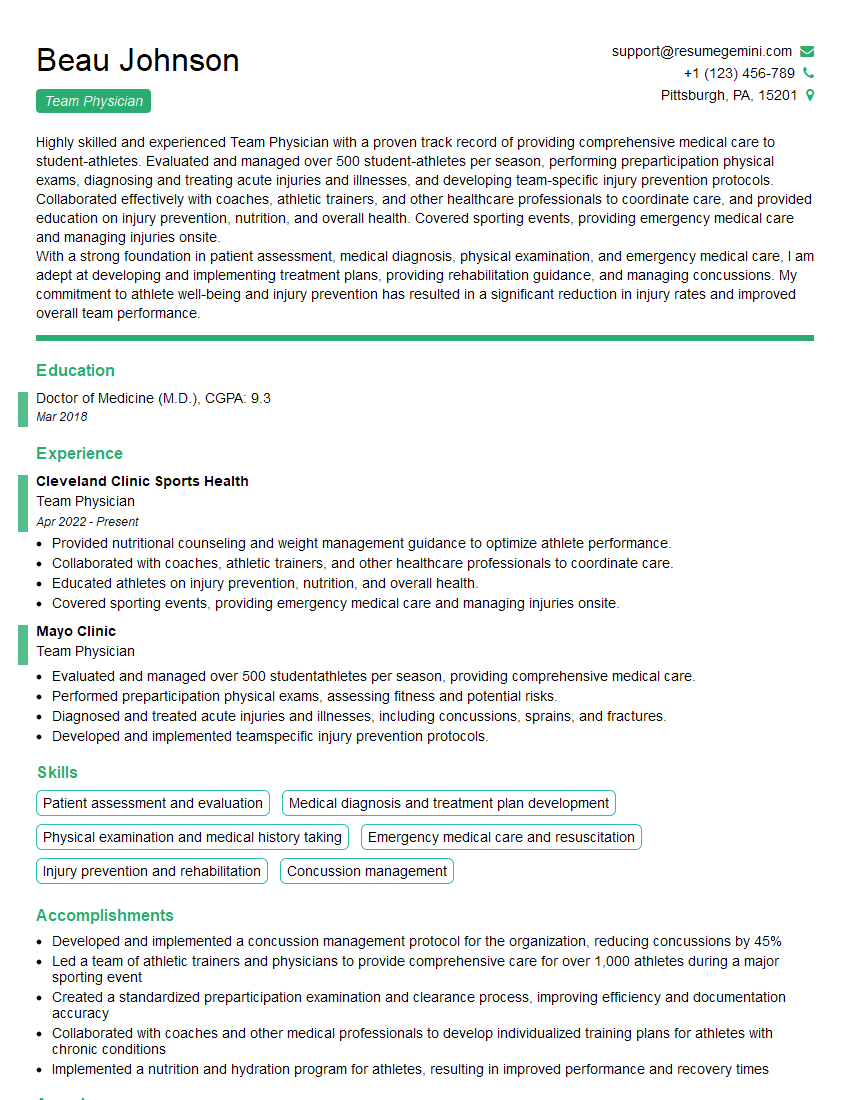
Team Physician Resume Sample
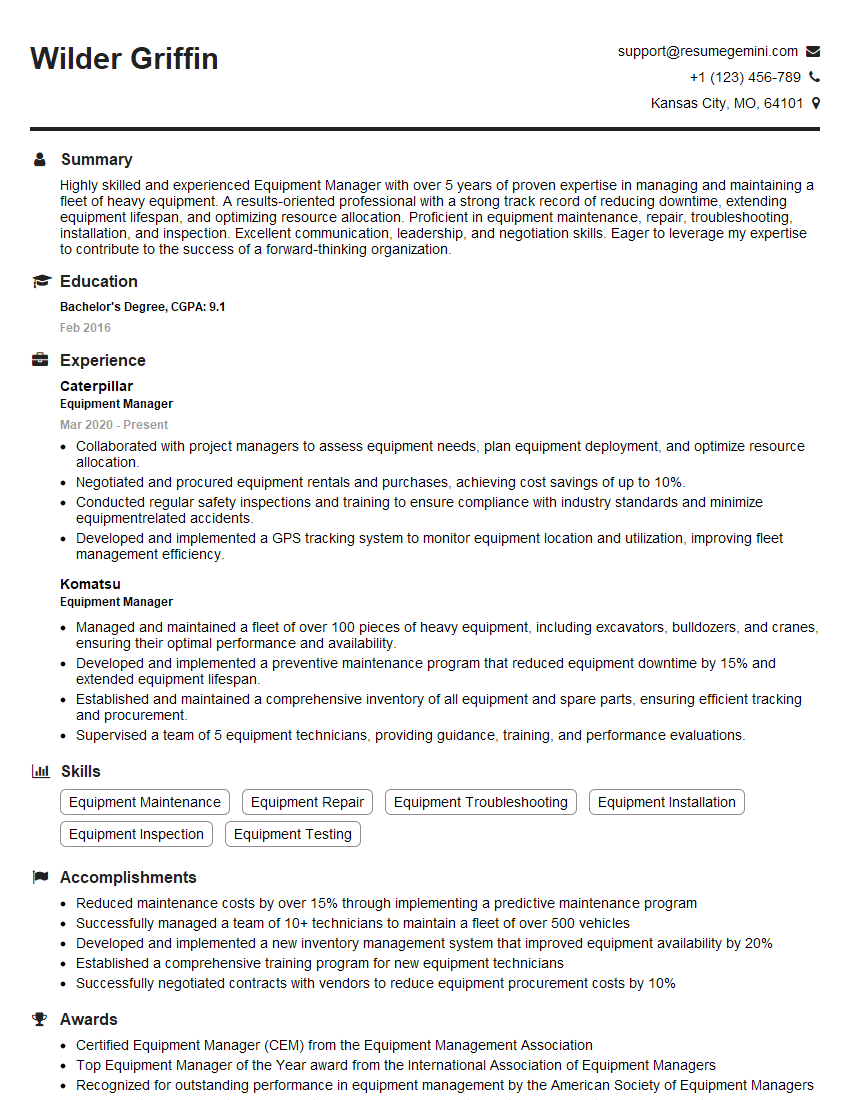
Equipment Manager Resume Sample
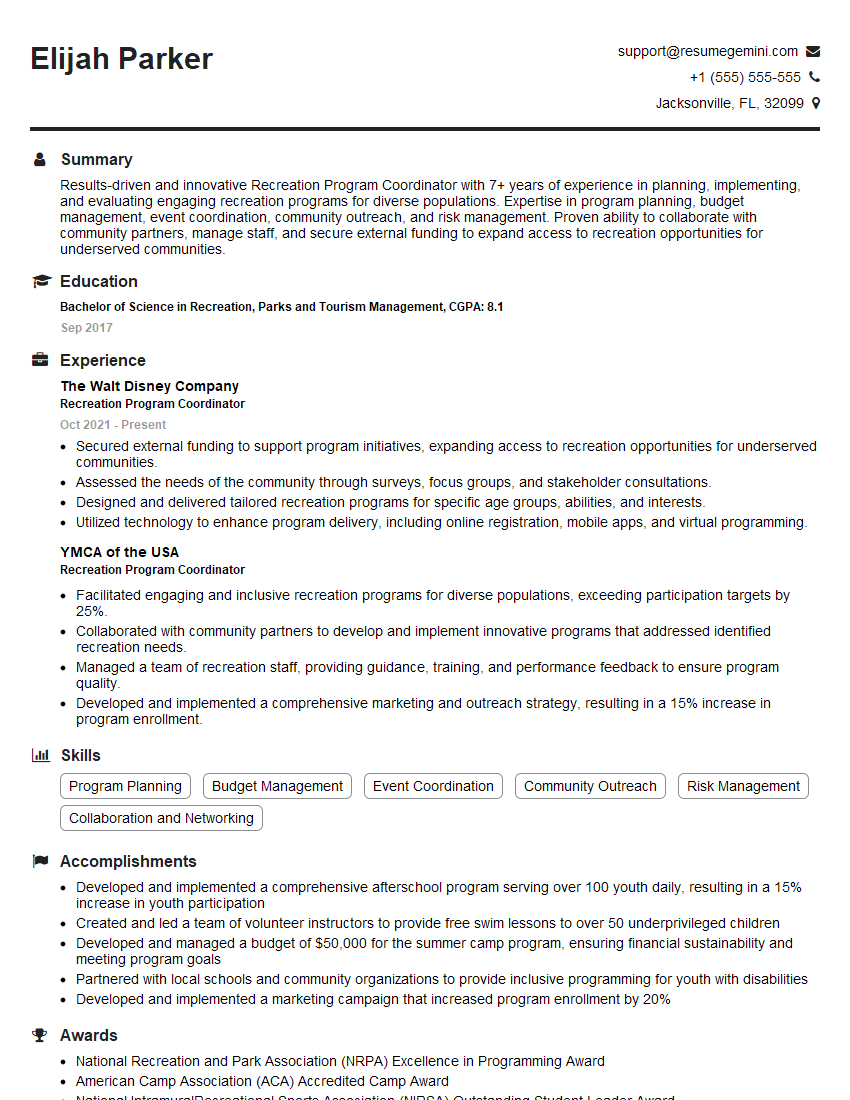
Recreation Program Coordinator Resume Sample
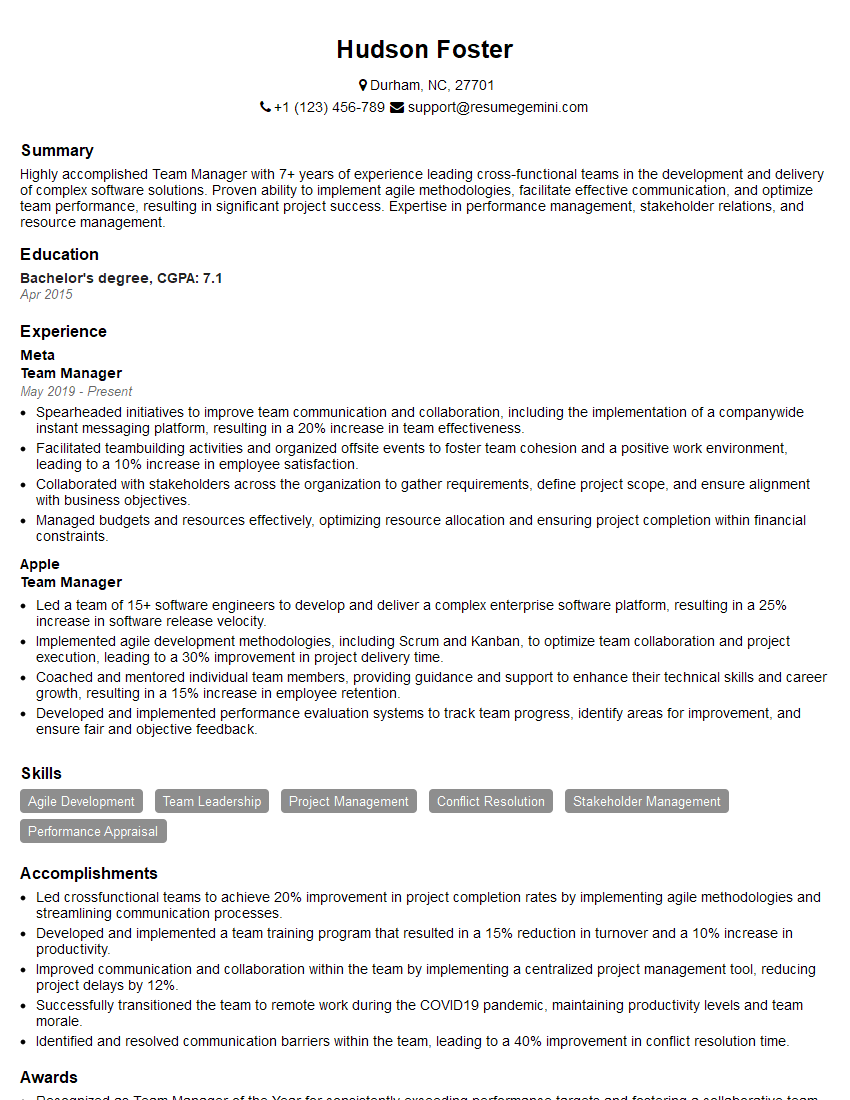
Team Manager Resume Sample
Explore more articles
Users Rating of Our Blogs
Share Your Experience
We value your feedback! Please rate our content and share your thoughts (optional).
What Readers Say About Our Blog
Very informative content, great job.
good