Are you ready to stand out in your next interview? Understanding and preparing for Ability to work in a clean and dust-free environment interview questions is a game-changer. In this blog, we’ve compiled key questions and expert advice to help you showcase your skills with confidence and precision. Let’s get started on your journey to acing the interview.
Questions Asked in Ability to work in a clean and dust-free environment Interview
Q 1. Describe your experience working in a cleanroom environment.
I have extensive experience working in cleanroom environments, primarily within ISO Class 7 and 8 cleanrooms during my time at Micron Technology, where I worked on semiconductor manufacturing. My responsibilities included wafer processing, equipment maintenance, and quality control. This involved meticulous adherence to cleanroom protocols, including gowning procedures, maintaining a sterile work area, and understanding the critical importance of minimizing particle contamination.
In a pharmaceutical setting at Genentech, my work involved aseptic processing, where the cleanliness standards were even more stringent. Here, I learned the specific nuances of working with sensitive biological materials and the paramount importance of preventing cross-contamination. The experience in both environments honed my ability to maintain a consistent level of cleanliness and efficiency within a controlled environment.
Q 2. What are the different cleanliness classifications in cleanrooms (e.g., ISO classes)?
Cleanroom cleanliness classifications are primarily defined by the number of airborne particles per cubic meter of a specific size. The most common standard is the ISO 14644-1 standard, which defines ISO classes ranging from ISO Class 1 (the cleanest) to ISO Class 9. The lower the number, the cleaner the environment.
- ISO Class 1: Extremely clean, with very few particles of 0.1 µm or larger.
- ISO Class 5: Very clean, commonly used in pharmaceutical manufacturing and microelectronics.
- ISO Class 7: Clean, often found in many semiconductor and pharmaceutical environments. This was my typical working environment at Micron.
- ISO Class 8: Relatively clean, suitable for less critical applications.
The classification is crucial because it directly impacts the products being manufactured or handled. For instance, semiconductor manufacturing requires a much higher level of cleanliness (ISO Class 5 or even 1) than a general assembly area (which might be ISO Class 8).
Q 3. Explain the importance of gowning procedures in a cleanroom.
Gowning procedures are critical for preventing the introduction of contaminants from personnel into the cleanroom. A proper gowning sequence minimizes the shedding of particles from clothing, hair, and skin. Typically, this involves a series of steps:
- Hair covering: Wearing a bouffant cap to contain hair and scalp particles.
- Face mask: Covering the nose and mouth to prevent respiratory secretions from entering the environment.
- Protective coveralls or scrubs: Wearing clean, sterile garments to trap particles shed from clothing.
- Gloves: Using clean gloves to prevent contamination from hands.
- Shoe covers: Protecting the floor from contaminants tracked in from shoes.
Improper gowning can lead to contamination, jeopardizing product quality and potentially causing serious issues. For example, a single hair or skin flake in a microelectronics cleanroom could cause defects in a sensitive microchip. Therefore, thorough training and consistent adherence to gowning protocols are essential.
Q 4. What are some common contaminants found in cleanrooms?
Common contaminants in cleanrooms include:
- Particles: Dust, fibers from clothing, skin flakes, and particles from equipment.
- Microorganisms: Bacteria, fungi, and viruses shed from personnel or present in the air.
- Chemicals: Volatile organic compounds (VOCs) from cleaning agents, equipment, or materials.
- Static electricity: Static charges can attract particles to surfaces.
The specific types and levels of contaminants vary significantly depending on the cleanroom class and industry. For example, a pharmaceutical cleanroom will be particularly concerned about microbial contamination, while a semiconductor cleanroom will focus heavily on particle control.
Q 5. How do you prevent the introduction of contaminants into a cleanroom?
Preventing contaminant introduction involves a multi-faceted approach:
- Strict gowning protocols: As previously discussed, proper gowning is fundamental.
- Air filtration: High-efficiency particulate air (HEPA) filters remove particles from the air. Cleanroom design often incorporates HEPA filtration systems to maintain a low particle count.
- Controlled airflow: Maintaining a unidirectional or laminar airflow helps to sweep particles away from sensitive areas. This is crucial in many cleanroom designs.
- Regular cleaning and disinfection: Frequent cleaning and disinfection of surfaces using appropriate cleaning agents prevent buildup of contaminants. This includes wiping down surfaces, vacuuming, and using specialized cleaning products compatible with cleanroom environments.
- Material selection: Using low-shedding materials for equipment and clothing minimizes the risk of particle generation.
- Environmental monitoring: Regular monitoring using particle counters and microbial tests helps identify potential issues early on.
These steps, when implemented diligently, form a robust barrier against contaminant introduction, maintaining the integrity of the cleanroom environment.
Q 6. Describe your experience with cleanroom monitoring equipment (e.g., particle counters).
I have significant experience using cleanroom monitoring equipment, particularly particle counters. These instruments measure the concentration and size distribution of airborne particles, providing crucial data for verifying cleanroom classification and identifying potential contamination issues. At Micron, I regularly operated and maintained a Met One particle counter. I’m familiar with both portable and permanently installed systems.
The data obtained from particle counters are crucial for compliance with ISO standards and for tracking trends in cleanroom cleanliness over time. For example, a sudden spike in particle counts might indicate a problem with equipment, a breach in gowning procedures, or a need for increased cleaning and maintenance.
Q 7. Explain the difference between static and dynamic cleanroom conditions.
The terms “static” and “dynamic” cleanroom conditions refer to the state of the cleanroom environment in terms of airflow and particle distribution.
- Static conditions: Refer to the cleanroom when it’s not in operation or when airflow is minimal. Particle distribution might be uneven under static conditions.
- Dynamic conditions: Refer to the cleanroom in normal operation, with its active air handling and filtration systems creating controlled airflow. Under dynamic conditions, the particle distribution becomes more uniform, and the overall particle count is kept low.
Testing for cleanroom classification is typically done under dynamic conditions, since this accurately reflects the real-world performance of the cleanroom. Understanding the difference is vital for interpreting monitoring data and ensuring that the cleanroom consistently performs as intended.
Q 8. How do you handle spills in a cleanroom?
Spills in a cleanroom are serious contamination events. The immediate response is crucial to minimizing their impact. My procedure begins with assessing the spill’s nature – is it a chemical, biological, or particulate matter? This dictates the cleanup method. For example, a chemical spill necessitates a specific neutralizing agent, followed by meticulous cleaning with cleanroom-compatible wipes and appropriate solvents. Particulate spills might require careful vacuuming with a HEPA-filtered vacuum, followed by wiping. Documentation is key; I’d meticulously record the spill’s location, time, type, volume, and the cleanup process, including the materials used. In all cases, I’d ensure proper disposal of contaminated materials following cleanroom protocols.
Example: If I spill a small amount of isopropyl alcohol, I’d immediately contain the spill using absorbent pads, then neutralize any residue with a cleanroom-approved solvent before wiping the area with lint-free wipes. The contaminated pads and wipes would then be disposed of in the designated waste container.
Q 9. What safety precautions do you follow in a cleanroom environment?
Cleanroom safety is paramount. My approach starts with meticulous adherence to the facility’s specific safety protocols, including proper gowning procedures – donning appropriate cleanroom garments (bunny suits, gloves, shoe covers, etc.) in the designated gowning room. I’d strictly follow all traffic patterns and avoid unnecessary movement to reduce particle generation. Static control is vital, so I’d ensure I’m grounded to prevent ESD (electrostatic discharge) damage. I’m highly conscious of maintaining good hygiene – no eating, drinking, or applying cosmetics inside the cleanroom. Regular training is critical, and I’m always up-to-date on any new procedures or safety guidelines. Finally, I always report any incidents or near misses, no matter how minor, to ensure continuous improvement in safety.
Example: Before entering a Class 100 cleanroom, I meticulously check my garments for any tears or contamination, ensuring a proper seal around my wrists and ankles. If I notice any issue, I’d immediately redress before entering.
Q 10. What are the procedures for dealing with a suspected contamination event?
Suspected contamination necessitates a swift and organized response. My first step would be to immediately isolate the suspected contamination source to prevent further spread. This might involve temporarily halting operations in the affected area. Then, I’d initiate the facility’s contamination response plan, which typically involves notifying the appropriate personnel (e.g., supervisors, quality control). A thorough investigation would then be conducted to identify the source and extent of the contamination. Depending on the nature of the contamination, specific decontamination procedures would be employed, involving the use of validated cleaning and disinfection agents. This is followed by rigorous testing to verify the effectiveness of the decontamination efforts and ensure the cleanroom returns to its specified cleanliness level. Thorough documentation is crucial, encompassing the entire process from initial detection to verification of remediation.
Example: If a particle count suddenly spikes in a specific area, I’d immediately isolate the area, alert my supervisor, and follow the facility’s defined protocol for investigating potential contamination sources, which might include visual inspection, particle analysis, and environmental monitoring.
Q 11. What is your understanding of ISO 14644 standards?
ISO 14644 is a set of international standards that define the classifications of cleanrooms and associated controlled environments based on the concentration of airborne particles. Understanding these standards is fundamental to my work. The standards specify different cleanliness classes (e.g., ISO Class 5, ISO Class 7, ISO Class 8), each with defined limits on the number of particles of a specific size per cubic meter of air. This directly impacts the design, operation, and maintenance of cleanrooms, ensuring that they meet the required cleanliness levels for specific applications (e.g., pharmaceutical manufacturing, semiconductor fabrication). I’m familiar with the requirements for testing, monitoring, and documentation to ensure continuous compliance with ISO 14644.
Example: A Class 5 cleanroom, as defined by ISO 14644-1, will have stricter limits on particle concentration than a Class 7 cleanroom, impacting the types of equipment and cleaning procedures required.
Q 12. Describe your experience with cleanroom cleaning and disinfection procedures.
My experience encompasses a range of cleanroom cleaning and disinfection procedures, including both routine and specialized cleaning tasks. Routine cleaning involves regular wiping of surfaces using cleanroom-compatible wipes and appropriate solvents. Specialized cleaning is often needed for specific situations like spills or contamination events. My training includes using validated cleaning agents and techniques to ensure effective removal of contaminants without introducing new ones. I am also proficient in employing various cleaning tools, from lint-free wipes to HEPA-filtered vacuums, adapted to specific cleanroom classifications and the sensitive equipment within. I’m particularly experienced in following documented procedures, meticulously documenting every step of the cleaning process to ensure traceability and compliance with regulatory requirements.
Example: In a pharmaceutical cleanroom, I’d utilize validated cleaning agents and procedures specifically designed to eliminate potential microbiological contamination, meticulously documenting every step of the cleaning process.
Q 13. How do you maintain a clean and organized workspace in a cleanroom?
Maintaining a clean and organized workspace is crucial in a cleanroom. My approach involves implementing a system of 5S (Sort, Set in Order, Shine, Standardize, Sustain). I ‘sort’ by eliminating unnecessary items, ensuring only essential tools and materials remain. ‘Set in Order’ involves arranging remaining items logically and efficiently, minimizing clutter and optimizing workflow. ‘Shine’ entails regularly cleaning and inspecting the work area, paying attention to even the smallest details. ‘Standardize’ focuses on creating documented procedures for maintaining cleanliness and organization. Finally, ‘Sustain’ entails consistently applying these procedures, ensuring ongoing adherence to cleanliness and orderliness. This structured approach minimizes the risk of contamination and improves efficiency.
Example: I’d regularly inspect my tools and equipment for any signs of damage or contamination and immediately replace or clean them as per the established procedures. This prevents cross-contamination and maintains a high level of cleanliness.
Q 14. Describe your experience with different types of cleanroom garments.
My experience encompasses various types of cleanroom garments, each tailored to specific cleanroom classifications and applications. This includes cleanroom suits (bunny suits) designed for maximum particle and contamination control, typically worn in Class 100 or higher cleanrooms. I’ve also worked with coveralls, smocks, gloves (nitrile, latex, etc.), shoe covers, and head covers. I understand the importance of selecting garments that provide appropriate levels of protection while minimizing particle generation. Furthermore, I’m familiar with the procedures for proper donning and doffing of these garments to avoid contamination and maintain the integrity of the cleanroom environment. I’m trained in identifying damaged garments and understanding when they need to be replaced to ensure consistent protection.
Example: In a Class 100 cleanroom, I’d wear a full bunny suit, including gloves, shoe covers, and a hood, adhering to the strict gowning procedures to minimize particle shedding.
Q 15. How do you identify and report potential cleanliness issues?
Identifying potential cleanliness issues in a cleanroom is a proactive process that involves constant vigilance and attention to detail. I’d use a multi-pronged approach. First, visual inspection is key. This involves regularly scanning the environment for any visible debris, spills, or unusual markings. Second, I’d utilize monitoring tools such as particle counters and microbial swabs to detect contamination that might be invisible to the naked eye. Third, I rely on documentation. Maintaining meticulous records of cleaning activities, including dates, times, areas cleaned, and any anomalies discovered, allows for trend analysis and identification of recurring issues.
Reporting these issues follows a clear procedure, usually defined by company protocols. This typically involves documenting the issue (location, type, severity) using a standardized form or system. Depending on the severity, I’d inform my supervisor or cleanroom manager immediately, especially if the issue poses a risk to product quality or personnel safety. For instance, if a significant spill occurs, immediate action is critical to prevent contamination.
Career Expert Tips:
- Ace those interviews! Prepare effectively by reviewing the Top 50 Most Common Interview Questions on ResumeGemini.
- Navigate your job search with confidence! Explore a wide range of Career Tips on ResumeGemini. Learn about common challenges and recommendations to overcome them.
- Craft the perfect resume! Master the Art of Resume Writing with ResumeGemini’s guide. Showcase your unique qualifications and achievements effectively.
- Don’t miss out on holiday savings! Build your dream resume with ResumeGemini’s ATS optimized templates.
Q 16. How familiar are you with cleanroom validation procedures?
I’m very familiar with cleanroom validation procedures. These procedures ensure that the cleanroom environment consistently meets predetermined standards of cleanliness and particle control. The process typically involves several stages:
- Design Qualification (DQ): Verifying that the cleanroom’s design meets the requirements of the intended application.
- Installation Qualification (IQ): Confirming that the cleanroom systems and equipment are properly installed and functioning according to specifications.
- Operational Qualification (OQ): Demonstrating that the cleanroom systems and equipment perform as intended under defined operating conditions.
- Performance Qualification (PQ): Continuously monitoring and verifying the cleanroom’s performance in maintaining the required cleanliness levels over time.
My experience includes participating in cleanroom validation activities, which involves collecting data on particle counts, microbial levels, and environmental parameters. I’m proficient in understanding and interpreting validation reports, ensuring the cleanroom is compliant with relevant regulations such as ISO 14644.
Q 17. What are your experience with using different cleaning agents and their applications in a cleanroom environment?
My experience encompasses the use of various cleaning agents tailored to specific cleanroom applications and materials. The choice of agent depends heavily on the type of contamination (organic, inorganic, particulate) and the surface being cleaned. For instance:
- Isopropyl Alcohol (IPA): Frequently used for cleaning surfaces due to its effectiveness against many common contaminants and relatively quick evaporation time.
- Hydrogen Peroxide: A powerful disinfectant effective against microorganisms, but requires careful handling due to its corrosive nature.
- Deionized Water (DI water): Essential for rinsing surfaces after cleaning, as it leaves minimal residue.
I’m trained in the proper dilution and application techniques for each cleaning agent, always following the manufacturer’s instructions and cleanroom-specific protocols. I understand the importance of selecting agents compatible with the materials in the cleanroom to avoid damage or contamination.
Q 18. How do you manage waste in a cleanroom setting?
Waste management in a cleanroom is critical to maintaining its cleanliness and preventing cross-contamination. Waste is categorized and segregated according to its nature (e.g., general waste, contaminated waste, chemical waste). Each category requires a specific disposal method.
General waste, such as paper or packaging, is typically collected in designated bins and disposed of according to standard procedures. Contaminated waste, such as used swabs or gloves, is placed into appropriate autoclave bags for sterilization before disposal. Chemical waste requires special handling and is often collected in designated containers with specific labeling, following all relevant safety regulations and waste disposal guidelines. All waste containers are clearly labeled and regularly emptied to prevent overflowing and potential contamination.
Q 19. How do you ensure the proper disposal of contaminated materials?
Proper disposal of contaminated materials is paramount for cleanroom integrity and safety. This process involves several steps:
- Segregation: Contaminated materials are segregated from non-contaminated waste immediately after use.
- Decontamination: This might involve autoclaving, chemical disinfection, or other appropriate methods to eliminate or reduce the biological load.
- Packaging: The decontaminated materials are securely packaged in designated containers, often labeled with biohazard symbols if necessary.
- Disposal: The packaged waste is disposed of according to local and company regulations, which may involve incineration, special waste disposal services, or other methods.
I meticulously follow all safety protocols during this process, including the use of personal protective equipment (PPE) such as gloves, gowns, and eye protection, to minimize the risk of accidental exposure to contaminants. Thorough documentation of the disposal procedure is always maintained.
Q 20. How would you handle a situation where you notice a breach of cleanroom protocol by a colleague?
Observing a colleague breaching cleanroom protocol is a serious matter. My approach would depend on the severity of the breach and the context. For minor infractions, such as forgetting to wear gloves, I might gently remind them of the proper procedure, perhaps privately. However, for more serious breaches, like failing to follow decontamination procedures or improperly handling contaminated materials, I’d report the incident to my supervisor or cleanroom manager.
It’s crucial to maintain a professional yet assertive approach, emphasizing the importance of adhering to cleanroom protocols for the protection of both product quality and personnel safety. My goal is to ensure a safe and compliant working environment, and I would handle the situation constructively, focusing on correction rather than confrontation.
Q 21. Explain your understanding of air filtration systems in cleanrooms.
Air filtration systems are the heart of a cleanroom, responsible for maintaining its controlled environment. They work by removing airborne particles and contaminants from the air. Common systems employ High-Efficiency Particulate Air (HEPA) filters, which are capable of removing at least 99.97% of particles larger than 0.3 microns in diameter.
These HEPA filters are usually part of a larger system, often including pre-filters to remove larger particles and extend the life of the HEPA filter. The filtered air is then circulated throughout the cleanroom, creating a unidirectional or laminar airflow in some designs, further minimizing particle movement and ensuring a consistent, clean environment. The effectiveness of the filtration system is continuously monitored through particle counting and other environmental monitoring techniques, and regular filter replacements are crucial to maintaining the cleanroom’s performance standards. Understanding the specific design and parameters of the cleanroom’s air filtration system is essential for ensuring its optimal operation.
Q 22. How do you ensure the accuracy of measurements and data collection within a cleanroom environment?
Ensuring accurate measurements and data collection in a cleanroom relies on a multi-faceted approach. It begins with meticulously calibrated instruments. Before any measurement, I’d verify the calibration certificates of all equipment, ensuring they’re current and within acceptable tolerances. This could involve checking digital displays, comparing readings against known standards, or using specialized calibration tools.
Beyond equipment, environmental control is key. Temperature and humidity fluctuations can affect measurements; I’d always reference the cleanroom’s environmental monitoring system to confirm that parameters remain within the specified ranges for the experiment or process. For instance, if I’m working with a sensitive electronic component, even slight temperature deviations could skew the results.
Finally, meticulous data recording is crucial. This includes documenting all measurements with appropriate units and significant figures, noting any anomalies, and maintaining a detailed chain of custody for samples. Using a standardized data logging system and regularly backing up data helps prevent loss and ensure accuracy. I always triple-check my entries to avoid human error.
Q 23. Describe your experience with maintaining and troubleshooting cleanroom equipment.
My experience with cleanroom equipment maintenance and troubleshooting spans several years. I’m proficient in preventative maintenance tasks such as changing HEPA filters, cleaning laminar flow hoods, and performing routine checks on particle counters and pressure gauges. I understand the importance of following manufacturer’s instructions and maintaining detailed logs for all maintenance activities.
Troubleshooting usually involves systematic problem-solving. For instance, if a laminar flow hood isn’t performing optimally, I’d first check for any visible obstructions, then verify power supply and airflow pressure. If the problem persists, I might check the HEPA filter integrity or consult the equipment’s manual for further diagnostic steps. I’m comfortable working with a variety of tools and have experience in basic repairs. However, for major repairs or issues beyond my expertise, I wouldn’t hesitate to call in qualified technicians. I value safety and preventing downtime above all else.
Q 24. What are some common challenges associated with working in a cleanroom?
Working in a cleanroom presents unique challenges. One common issue is maintaining the sterility of the environment. Even seemingly minor actions, like a sneeze or improperly handled equipment, can introduce contaminants. The strict protocols and personal protective equipment (PPE) can be cumbersome and restrictive, leading to fatigue and discomfort over extended periods.
Another challenge is the potential for static electricity buildup, which can damage sensitive components. The air is typically very dry, leading to static discharge. This necessitates the use of anti-static clothing and equipment, and adherence to stringent handling procedures. Finally, the rigorous documentation and record-keeping required in cleanroom environments can be time-consuming. Accuracy is paramount, and any deviation from established protocols needs to be thoroughly investigated and documented.
Q 25. How do you adapt to changes in cleanroom procedures or protocols?
Adapting to changes in cleanroom procedures or protocols is essential. I’ve always approached such changes with a proactive and positive attitude. My strategy involves carefully reviewing any updates, asking clarifying questions if necessary, and attending any training sessions or briefings related to the changes.
I find it helpful to understand the reasoning behind the changes to better understand their implementation. For example, if a new cleaning solution is introduced, I’d familiarize myself with its properties, safety data sheet, and proper usage techniques. I am a firm believer in continuous learning and am comfortable incorporating new methodologies into my workflow to ensure the highest standards of cleanliness and safety.
Q 26. How would you prioritize tasks in a cleanroom setting?
Prioritizing tasks in a cleanroom setting depends heavily on the urgency and criticality of each task. I use a combination of methods to determine priority. First, I consider any time-sensitive deadlines. For example, if a critical piece of equipment requires maintenance to avoid a production shutdown, that would take precedence.
Next, I evaluate the potential impact of each task on the cleanliness of the environment or the integrity of the ongoing work. Tasks that directly impact product quality or safety would naturally be given higher priority. Finally, I consider resource allocation. If a task requires specialized equipment or expertise that’s in high demand, I’d carefully plan its execution. Using a task management system, like a checklist or software, helps with tracking progress and ensuring that all tasks are completed efficiently and effectively.
Q 27. How do you maintain your own personal hygiene and cleanliness while working in a cleanroom?
Maintaining personal hygiene and cleanliness in a cleanroom is paramount. Before entering the cleanroom, I always thoroughly wash my hands with an antibacterial soap and gown up according to established procedures. This typically includes wearing cleanroom garments, such as a jumpsuit, gloves, and shoe covers, to minimize the introduction of contaminants.
I avoid wearing jewelry or cosmetics that could shed particles. Throughout my shift, I ensure my movements are controlled and avoid unnecessary touching of surfaces or equipment. Any potential contamination is immediately reported. At the end of the day, I remove my cleanroom attire in a designated area and thoroughly wash my hands again. This routine adherence to protocol is my way of contributing to a safe and clean working environment.
Q 28. Describe a time you had to troubleshoot a problem related to maintaining a clean and dust-free environment.
During a critical manufacturing process, we experienced a noticeable increase in particle counts within a specific cleanroom zone. This was a serious concern because it could affect the quality and integrity of the manufactured products. My first step was to thoroughly review the cleanroom’s environmental monitoring data to identify any trends or anomalies. I suspected a possible issue with the HEPA filter in that zone.
I systematically checked the filter’s pressure differential readings, which indicated a significant drop in pressure suggesting a compromised filter. I then followed protocol for filter replacement, meticulously documenting the process, including the removal of the old filter, the installation of the new one, and the subsequent pressure readings. After the replacement, particle counts returned to acceptable levels. This situation highlighted the importance of proactive monitoring and preventative maintenance to prevent disruptions and ensure the cleanroom’s optimal functioning.
Key Topics to Learn for Ability to work in a clean and dust-free environment Interview
- Understanding Cleanroom Protocols: Learn the theoretical principles behind maintaining a clean and dust-free environment, including different cleanliness classifications (e.g., ISO classes) and their implications.
- Practical Application of Cleanroom Procedures: Explore the practical aspects like gowning techniques, proper handling of materials and equipment, and contamination control strategies. Consider how you would handle a potential contamination incident.
- Maintaining Personal Hygiene in a Cleanroom: Discuss the importance of personal cleanliness and its impact on the overall environment. This includes understanding the proper use of personal protective equipment (PPE).
- Understanding Contamination Sources: Identify potential sources of contamination (people, equipment, materials) and the methods used to minimize or eliminate them. This includes understanding different types of particles and their impact.
- Troubleshooting and Problem Solving: Prepare examples showcasing your ability to identify and resolve issues related to maintaining a clean environment. This might involve explaining how you’d react to a sudden increase in dust particles or a malfunctioning air filtration system.
- Adherence to Safety Regulations: Familiarize yourself with relevant safety regulations and guidelines related to working in cleanroom environments. Be prepared to discuss how you ensure compliance.
- Teamwork and Communication: Discuss how you effectively communicate and collaborate with colleagues to maintain a clean and safe working environment.
Next Steps
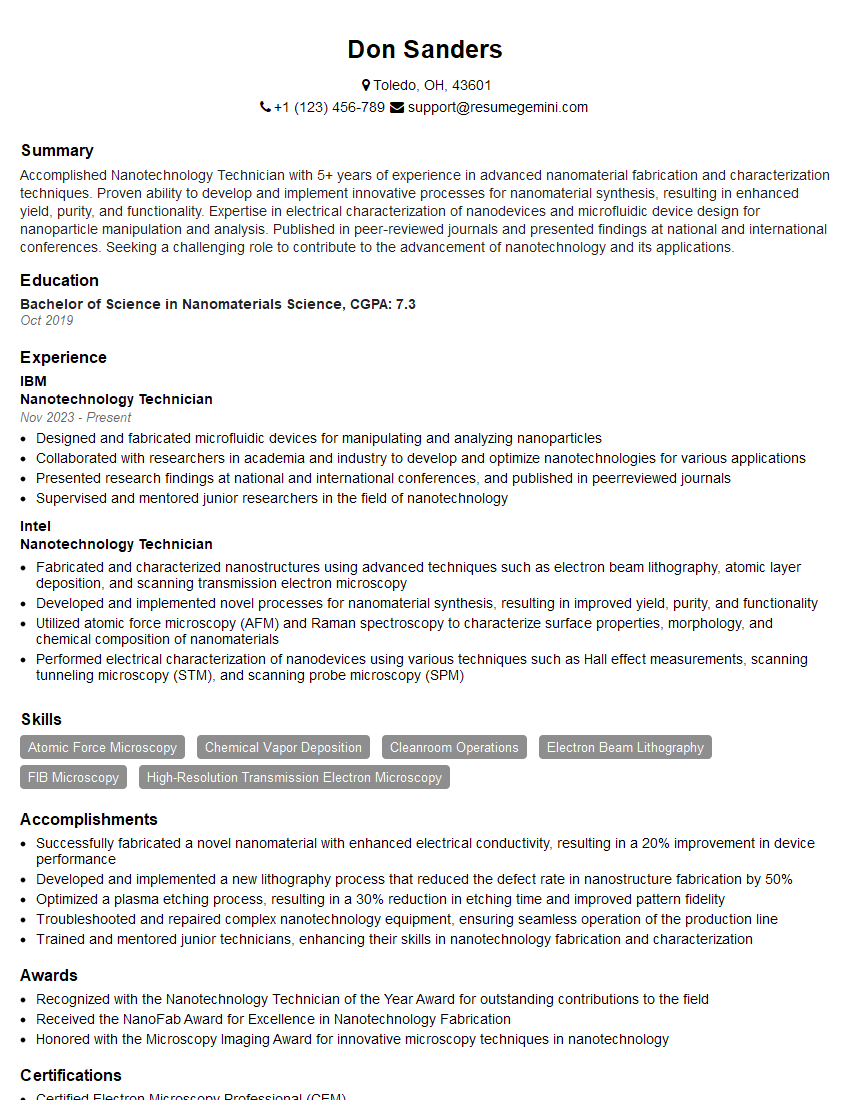
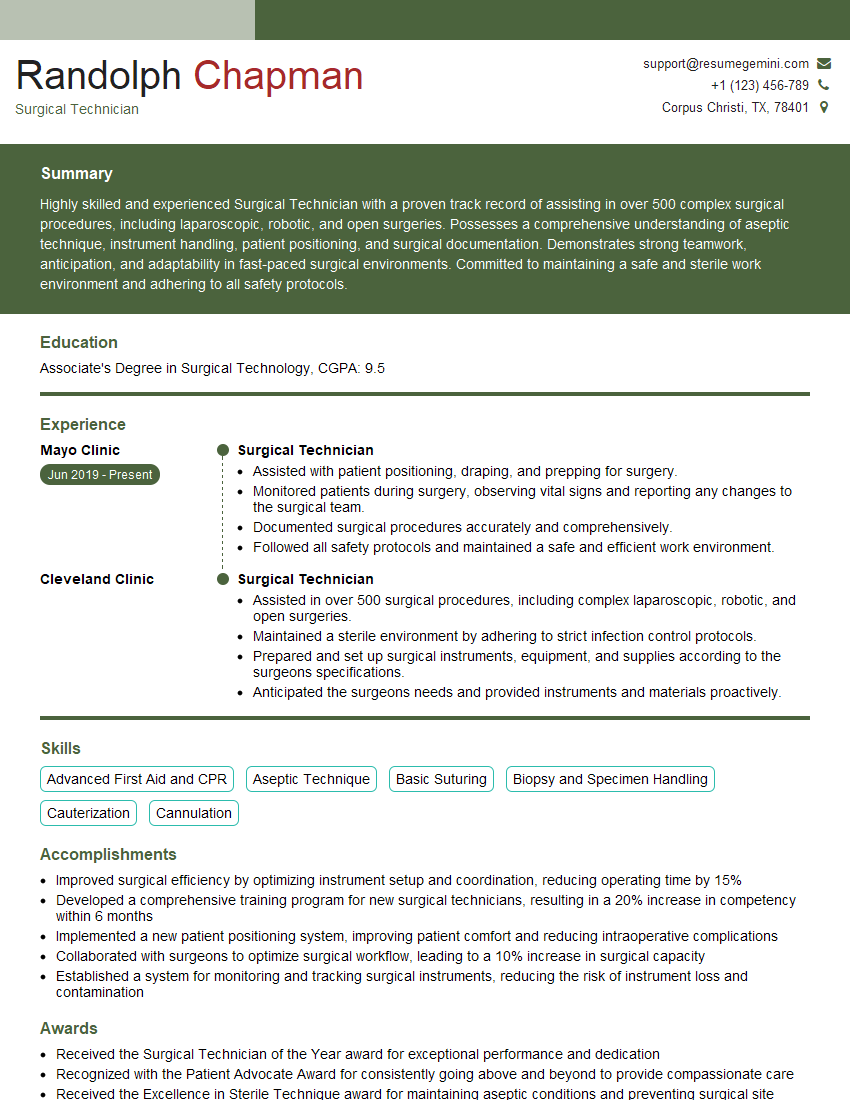
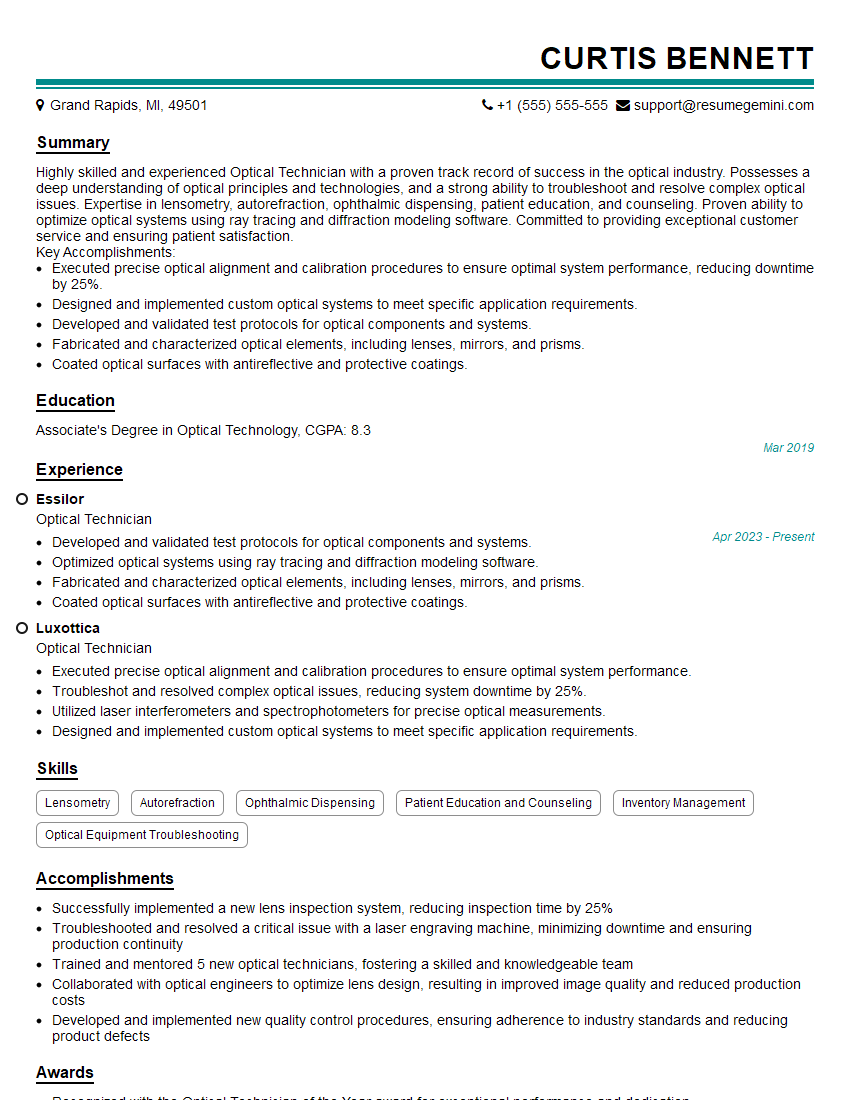
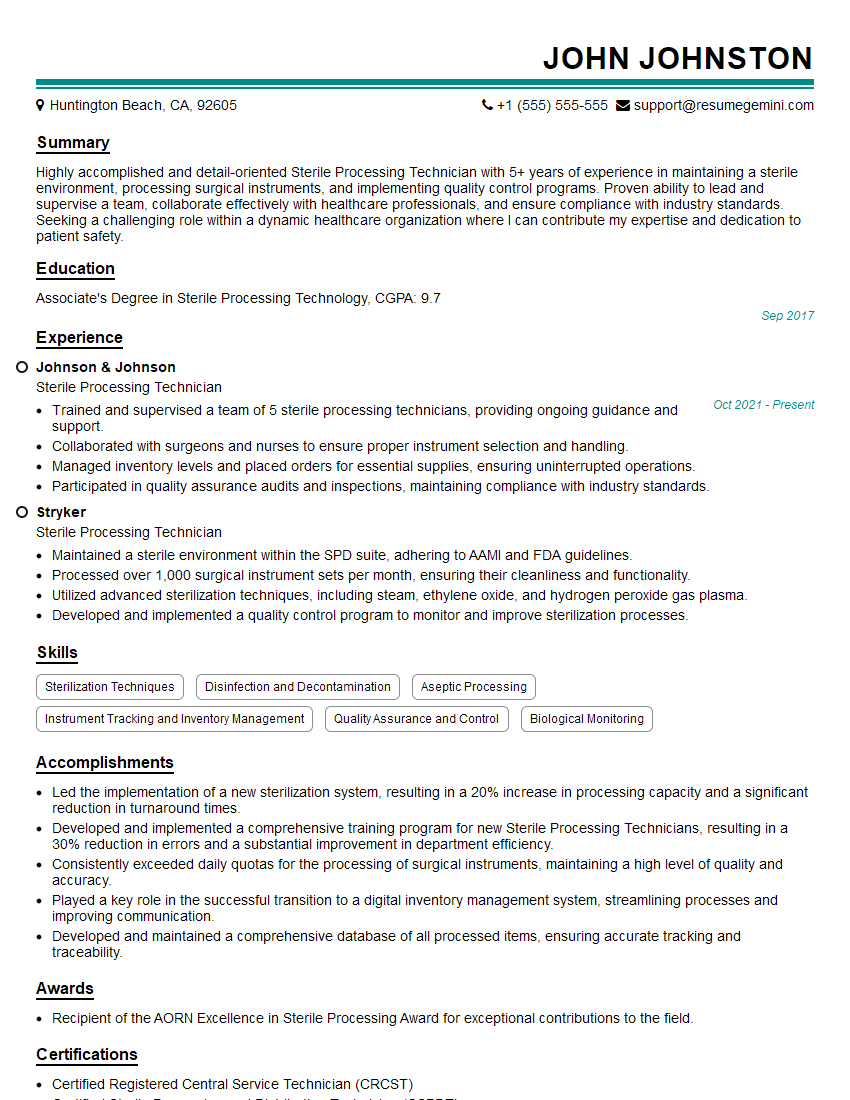
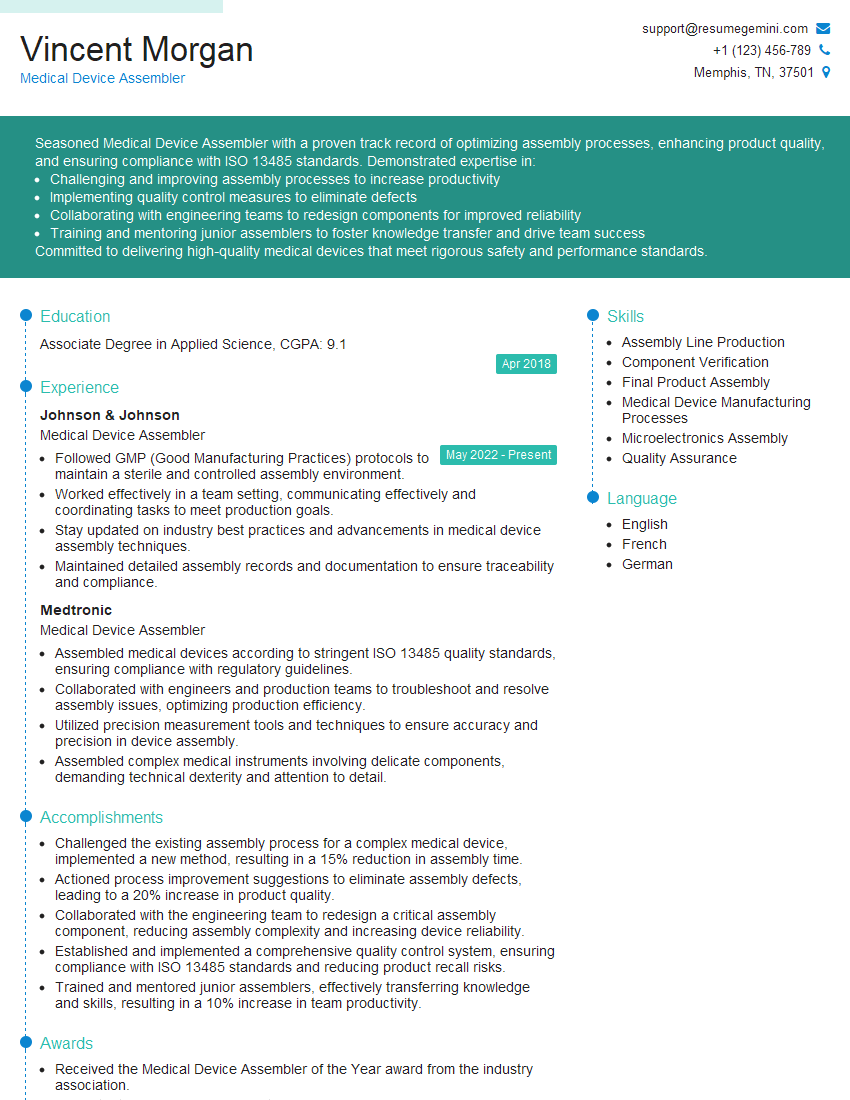
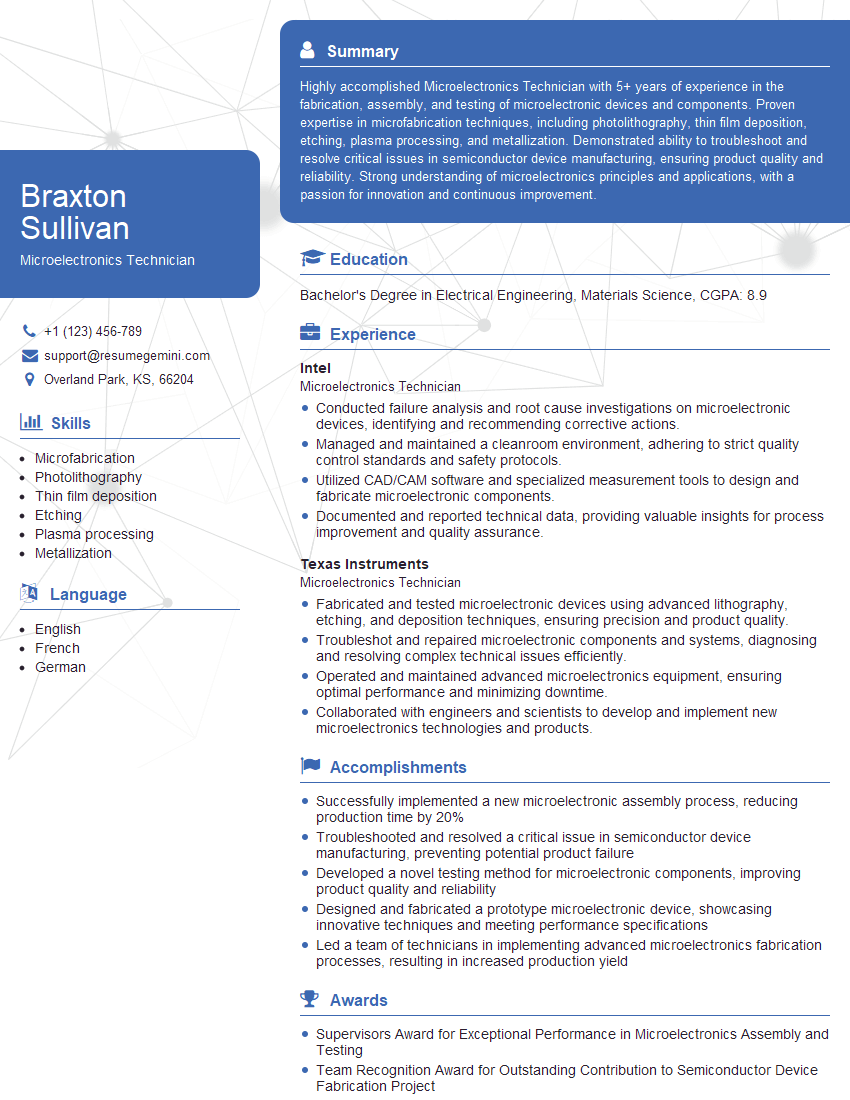
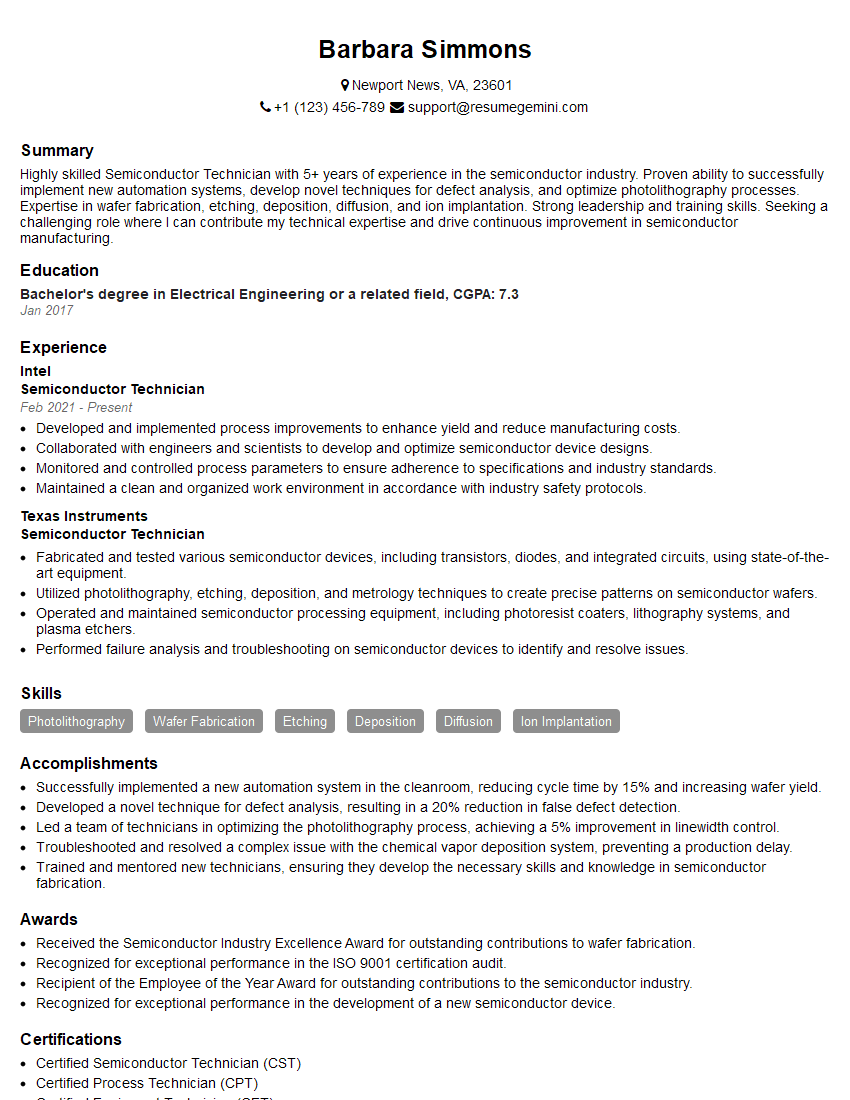
Mastering the ability to work in a clean and dust-free environment is crucial for career advancement in many high-tech industries. A strong understanding of these principles demonstrates your commitment to precision, safety, and quality – highly valued attributes by employers. To significantly improve your job prospects, crafting an ATS-friendly resume is essential. ResumeGemini is a trusted resource that can help you build a professional and impactful resume tailored to highlight your skills and experience in this critical area. Examples of resumes tailored to showcase your ability to work in a clean and dust-free environment are available on ResumeGemini to guide you.
Explore more articles
Users Rating of Our Blogs
Share Your Experience
We value your feedback! Please rate our content and share your thoughts (optional).
What Readers Say About Our Blog
Very informative content, great job.
good