Preparation is the key to success in any interview. In this post, we’ll explore crucial Acoustical Ceiling Tile Installation interview questions and equip you with strategies to craft impactful answers. Whether you’re a beginner or a pro, these tips will elevate your preparation.
Questions Asked in Acoustical Ceiling Tile Installation Interview
Q 1. What types of acoustical ceiling tiles are you familiar with?
Acoustical ceiling tiles come in a wide variety of types, each designed to meet specific needs in terms of sound absorption, aesthetics, and fire safety. I’m familiar with several common types, including:
- Mineral Fiber Tiles: These are the most common type, made from recycled materials and offering excellent sound absorption. They come in various thicknesses and perforation patterns to adjust sound absorption properties.
- Fiberglass Tiles: Lighter than mineral fiber, these tiles are also highly absorbent and are often a more budget-friendly option. However, they might not be as durable.
- Metal Tiles: Offering a modern, sleek look, metal tiles are durable and easy to clean but often require specialized installation techniques and may not provide the same level of sound absorption as fibrous tiles.
- Wood Tiles: These add a natural, warmer aesthetic, but their sound absorption capabilities are typically lower than mineral or fiberglass tiles. They also require careful handling and specialized cleaning.
- Foam Tiles: While less common in commercial settings, foam tiles offer high sound absorption and are lightweight and easy to install. They are often used in studios or home theaters.
The choice of tile depends heavily on the project’s specific acoustic requirements, budget, and design aesthetics. For instance, in a busy office environment, high sound absorption mineral fiber tiles would likely be preferred over aesthetically pleasing but less absorbent wood tiles.
Q 2. Describe the process of installing a standard acoustical ceiling tile.
Installing standard acoustical ceiling tiles is a relatively straightforward process, but precision and attention to detail are crucial for a professional finish. The steps generally involve:
- Preparation: This includes ensuring the ceiling grid is properly installed and level. Any existing debris should be removed.
- Layout: Plan the tile placement, considering any pattern requirements (e.g., staggered seams) to achieve a visually appealing result. Accurate measurement is critical.
- Tile Application: Apply adhesive evenly to the back of the tile, following the manufacturer’s recommendations. Press the tile firmly into the ceiling grid, ensuring it’s properly seated and aligned.
- Setting and Alignment: Use a spacer to maintain consistent spacing between tiles. Gently press each tile into place, ensuring uniform contact with the grid.
- Clean Up: Remove any excess adhesive immediately using a damp sponge or cloth. Avoid damaging the tiles while cleaning.
Remember, using the correct adhesive for the tile type and the ceiling grid material is paramount for a secure and long-lasting installation. I always meticulously check the manufacturer’s specifications before starting any project.
Q 3. How do you ensure proper alignment and spacing of ceiling tiles?
Maintaining proper alignment and spacing is critical for a professional-looking ceiling. To achieve this, I utilize several techniques:
- Accurate Measurement and Planning: Precise measurements are crucial before starting installation. A well-planned layout ensures consistent spacing and avoids misalignment.
- Grid System: A properly installed and level grid system serves as the foundation for accurate tile placement. I always ensure the grid is perfectly aligned before starting.
- Spacing Tools: Using spacers maintains consistent spacing between the tiles. These spacers come in various sizes depending on the type of tile and spacing required. This ensures a neat, professional look and avoids problems with unevenness.
- Visual Inspection: Regular visual checks during installation are essential. Stepping back and observing the entire area helps detect any misalignment early on. A level can help spot any inconsistencies.
- Careful Handling: Careful handling of the tiles prevents damage and misalignment. Avoid dropping or bumping the tiles, which can affect their shape and alignment.
On a large project, I might use a laser level to ensure the grid and tiles are perfectly aligned, adding precision that’s difficult to achieve with just a regular level.
Q 4. What safety precautions do you take during acoustical ceiling tile installation?
Safety is paramount in any construction project, and acoustical ceiling tile installation is no exception. My safety procedures include:
- Personal Protective Equipment (PPE): I always wear safety glasses to protect my eyes from falling debris. Gloves protect my hands from the adhesive and sharp edges of the tiles.
- Fall Protection: Working at heights requires appropriate fall protection measures, such as using a harness and safety line, if the installation is above ground level.
- Proper Lifting Techniques: Using proper lifting techniques prevents strain and injury when handling materials. I always lift with my legs, not my back.
- Clean and Organized Workspace: Maintaining a clean and organized workspace reduces the risk of tripping and falling. I remove any debris immediately to avoid hazards.
- Awareness of Surroundings: Being constantly aware of my surroundings helps avoid collisions with other workers or equipment.
Before starting any project, I conduct a thorough site survey to identify potential hazards and develop a comprehensive safety plan. I also ensure that everyone involved in the project is aware of the safety protocols.
Q 5. How do you handle damaged or defective ceiling tiles?
Handling damaged or defective tiles requires a methodical approach to maintain the overall quality of the ceiling installation. I always inspect tiles carefully before installation. If damage is discovered:
- Replacement: Damaged tiles should be promptly replaced with identical new tiles from the same batch to ensure color and texture consistency. If that’s impossible, I’ll work closely with the client to find a suitable solution that maintains the project aesthetic.
- Documentation: Any damaged or defective tiles should be carefully documented, including photos and notes on the quantity and type of damage. This is important for warranty claims or future reference.
- Careful Removal: Damaged tiles are removed carefully to avoid damaging surrounding tiles or the ceiling grid. I often use a putty knife to gently loosen the tile before removal.
- Waste Disposal: Disposal of damaged or defective tiles follows all relevant environmental regulations and building codes.
I have encountered situations where a shipment contained many damaged tiles. In those cases, I would stop work immediately, contact the supplier, and arrange for replacements before resuming the installation. This ensures the project is completed to the highest standards.
Q 6. Explain the importance of using proper adhesives and fasteners.
Using the correct adhesives and fasteners is critical for a secure and long-lasting installation. Improper adhesives can lead to tiles falling down or warping, which is both unsightly and potentially hazardous. Key considerations include:
- Adhesive Type: The adhesive must be compatible with both the type of tile and the ceiling grid material. Some adhesives are specifically designed for mineral fiber tiles, while others are suitable for metal or fiberglass tiles. I always check the manufacturer’s specifications.
- Application Method: Applying the adhesive evenly ensures proper adhesion. Too much adhesive can cause excess squeezing out of the seams, and too little can lead to loose tiles.
- Fastener Type: For certain tile types or in situations where added security is needed, fasteners such as clips or screws might be employed, again ensuring compatibility with both the tile and grid system.
- Environmental Conditions: Temperature and humidity can affect the performance of adhesives. I always take these factors into account when selecting the right adhesive and adjust my installation techniques accordingly.
For example, in a humid environment, I’d opt for an adhesive specifically designed to withstand moisture to prevent premature failure.
Q 7. Describe your experience with different ceiling grid systems.
I have extensive experience with various ceiling grid systems, including:
- Standard 15/16 inch T-Grid: This is the most common grid system, offering a cost-effective and versatile solution for most applications. It’s widely available and easy to work with.
- Fine Grid Systems: These systems utilize thinner grid members, allowing for the use of smaller tiles and creating a more refined appearance.
- Concealed Grid Systems: Designed for a seamless, uncluttered look, these systems conceal the grid, leaving only the tiles visible. This provides a more polished aesthetic.
- Specialty Grids: For complex designs or curved ceilings, specialized grid systems may be required. This could involve curved grid members or custom-designed solutions.
My experience allows me to select the most appropriate grid system based on the project requirements, including factors such as tile size, ceiling height, and the desired aesthetic outcome. For instance, in a high-end office where a clean, modern look is desired, I would recommend a concealed grid system. For a standard office environment, a standard 15/16 inch T-grid is often the most practical and cost-effective choice.
Q 8. How do you measure and cut acoustical ceiling tiles to fit?
Accurately measuring and cutting acoustical ceiling tiles is crucial for a professional finish. First, carefully measure the ceiling area to determine the number of tiles needed. Remember to account for any obstructions like light fixtures or ventilation grills. Then, using a tape measure, precisely mark the required dimensions on the tile. For straight cuts, a sharp utility knife works well; for intricate cuts around obstacles, a jigsaw with a fine-tooth blade offers more control. Always score the tile first with the knife before applying pressure to ensure a clean break. Think of it like scoring a piece of cake before cutting – it prevents splintering and makes for a much neater cut. For best results, lay the tile on a flat, stable surface while cutting. Practicing on a scrap tile first is always a good idea to perfect your technique.
For example, if you’re working around a recessed light fixture, you’ll carefully measure the space remaining, then cut the tile to fit snugly, ensuring no gaps remain. The precision ensures a seamless and professional-looking ceiling.
Q 9. What tools and equipment are essential for acoustical ceiling tile installation?
The right tools are paramount for a smooth and efficient installation. Here’s a list of essentials:
- Tape Measure: For accurate measurements of the ceiling and tiles.
- Utility Knife: For scoring and cutting tiles.
- Jigsaw (optional): For intricate cuts around obstacles.
- T-square or Straight Edge: To ensure straight cuts.
- Pencil: For marking measurements on tiles.
- Safety Glasses: To protect your eyes from dust and debris.
- Drop Ceiling T-Bar: For the grid system, this is the main support structure.
- Suspension wires or other support structures (if applicable): Depending on the ceiling type.
- Putty Knife: To apply adhesive.
- Adhesive (depending on the type of tile): Often a specialized adhesive is needed for acoustical tiles.
- Level: To ensure even installation.
Having these tools readily available streamlines the process and contributes to a quality installation. Think of it like a chef with their well-stocked kitchen – proper tools lead to superior results.
Q 10. How do you manage waste materials during installation?
Waste management is crucial for both environmental responsibility and job site safety. I always begin by estimating the amount of waste to be generated based on the project’s size. Then, I use heavy-duty plastic sheeting to contain the waste materials during cutting and installation. Once the installation is complete, I carefully sweep up the debris and then collect the waste into labelled containers for proper disposal according to local regulations. It’s essential to ensure that the waste doesn’t contaminate other materials on the job site. For larger projects, I might even coordinate with a waste removal company to ensure timely and safe disposal. This careful approach is not just about cleanliness; it’s about professionalism and environmental awareness.
Q 11. How do you address uneven ceiling surfaces before installation?
Uneven ceiling surfaces can significantly affect the installation’s appearance and performance. Before installing acoustical ceiling tiles, I carefully assess the ceiling’s condition. If minor imperfections exist, I might use a thin layer of joint compound to smooth out any irregularities. However, for severely uneven surfaces, a more comprehensive approach might be needed – often involving the installation of a new grid system or furring strips to create a more level base. This allows the tiles to sit evenly and prevents unsightly gaps or bulges. The goal is to create a consistently flat plane, similar to preparing a canvas before painting, ensuring a smooth, professional finish for the tiles.
Q 12. What are the common causes of acoustical ceiling tile failure?
Several factors can contribute to acoustical ceiling tile failure. Improper installation is a major culprit: using the wrong adhesive, gaps between tiles, or uneven surfaces can all lead to tiles falling or becoming loose. Environmental conditions also play a role. Excessive moisture or humidity can cause tiles to warp, sag, or even develop mold. Poor quality tiles or using tiles not suited for the specific environment can also lead to premature failure. For instance, using standard tiles in a high-moisture area like a kitchen or bathroom will almost certainly lead to problems. Proper planning and careful attention to detail are essential to mitigate these risks.
Q 13. How do you troubleshoot common installation problems?
Troubleshooting installation problems often involves a systematic approach. First, I carefully examine the area where the problem occurs, noting the specific issue—e.g., loose tiles, uneven alignment, or discoloration. I then consider the potential causes: Was the adhesive properly applied? Were the tiles properly cut and fitted? Were there any underlying surface issues? I check for moisture or other environmental factors. Based on the identified cause, I implement the appropriate solution, which might involve reapplying adhesive, replacing damaged tiles, or addressing the underlying surface problem. Detailed record-keeping during the installation process can be invaluable when troubleshooting.
Q 14. Describe your experience with different types of ceiling tile edge details.
My experience encompasses various ceiling tile edge details, each offering a unique aesthetic and functional aspect. I’ve worked with tiles featuring standard tegular edges, which are beveled for a clean, understated look. I’ve also installed tiles with lay-in edges, which are designed for quick and easy installation into the grid system without requiring adhesive. Additionally, I’m familiar with square edges and various decorative edge profiles designed to add visual interest to the ceiling. The choice of edge detail often depends on the overall design scheme and the client’s preferences. Understanding the characteristics of each edge type allows me to recommend the best option for achieving the desired outcome – ensuring a visually pleasing and technically sound installation.
Q 15. What are your experience with fire-rated acoustical ceiling tiles?
Fire-rated acoustical ceiling tiles are crucial for building safety. These tiles are specifically designed and tested to resist fire spread and maintain structural integrity for a specified period, allowing for safe evacuation and reducing damage in case of a fire. My experience includes working with various fire-rated tile types, from those meeting basic code requirements to those with higher ratings, such as Class A, which offer superior fire protection. I’m familiar with identifying the correct tile type based on the building’s fire codes and occupancy classifications. For example, in a hospital setting, where fire safety is paramount, we’d use tiles with the highest possible fire rating. The installation process itself requires meticulous attention to detail – ensuring proper sealing around edges and avoiding gaps that could compromise fire resistance. I always verify the tile’s fire rating certification before commencing installation and maintain detailed records of the materials used.
Career Expert Tips:
- Ace those interviews! Prepare effectively by reviewing the Top 50 Most Common Interview Questions on ResumeGemini.
- Navigate your job search with confidence! Explore a wide range of Career Tips on ResumeGemini. Learn about common challenges and recommendations to overcome them.
- Craft the perfect resume! Master the Art of Resume Writing with ResumeGemini’s guide. Showcase your unique qualifications and achievements effectively.
- Don’t miss out on holiday savings! Build your dream resume with ResumeGemini’s ATS optimized templates.
Q 16. How do you ensure the proper sound absorption properties of the installed tiles?
Ensuring proper sound absorption is paramount. It’s not just about installing the tiles; it’s about understanding their Noise Reduction Coefficient (NRC) rating. The NRC, a single-number rating, reflects the tile’s ability to absorb sound across different frequencies. Higher NRC values mean better sound absorption. To ensure effectiveness, I consider several factors:
- Tile Selection: Choosing tiles with the appropriate NRC for the space is critical. A noisy office would require higher NRC tiles than a quiet library.
- Installation Technique: Proper installation, including appropriate spacing and secure attachment, is essential. Loosely installed tiles will not perform optimally. I always use the manufacturer’s recommended installation methods and pay close attention to maintaining consistent spacing between tiles and ensuring a tight seal against the grid system.
- Plenum Considerations: The space above the ceiling (plenum) also plays a role. Absorbent material in the plenum can significantly enhance the overall acoustic performance. I often discuss these considerations with the project’s acoustical consultant to design an integrated sound control system.
- Testing and Verification: In certain situations, post-installation acoustic testing is recommended to verify that the desired sound absorption levels are achieved. This is particularly important in spaces with stringent acoustic requirements, such as recording studios or auditoriums.
Imagine a bustling restaurant. By carefully selecting and installing tiles with a high NRC, we create a much more pleasant dining experience by reducing noise levels and improving speech intelligibility.
Q 17. What are your experience with moisture resistant acoustical ceiling tiles?
Moisture-resistant acoustical ceiling tiles are a must in environments prone to high humidity or potential water exposure, such as bathrooms, kitchens, or swimming pool areas. These tiles are treated to resist moisture damage, preventing warping, sagging, and the growth of mold or mildew. My experience includes installing various types of moisture-resistant tiles, from those with simple moisture-resistant coatings to those with more advanced hydrophobic properties. The selection process often involves reviewing manufacturer specifications, paying close attention to their resistance rating and understanding the specific environmental conditions of the installation site. For instance, a tile rated for only limited moisture exposure would be unsuitable for a shower room. Installation procedures remain similar to standard tiles, but extra care is taken to ensure there’s proper ventilation in the area to prevent condensation buildup and maintain a dry environment, even after installation. Proper sealing of seams and edges is also crucial in preventing moisture penetration.
Q 18. Describe your experience with acoustical ceiling tile installation in different environments (e.g., high humidity, cold climates).
Acoustical ceiling tile installation differs based on the environment. High humidity necessitates using moisture-resistant tiles, as previously explained. Cold climates present challenges related to material expansion and contraction; selecting tiles with high temperature stability is crucial. Extreme temperature changes can affect the adhesion of the tiles, and specialized adhesives might be necessary. I’ve worked in various challenging environments including unheated warehouses, refrigerated rooms, and even outside structures. In each case, preparation was key. For instance, in a cold climate, we’d allow materials to acclimate to the ambient temperature before beginning installation. In highly humid environments, using dehumidifiers or fans to ensure a dry workspace was important. Each installation required a tailored approach based on the specific environmental factors to ensure the integrity and longevity of the installed ceiling.
Q 19. How do you maintain quality control throughout the installation process?
Maintaining quality control is crucial. My approach involves:
- Pre-installation planning: Thorough review of blueprints, specifications, and material selection ensures we use the correct products.
- Visual inspection: I meticulously inspect each tile for defects before installation. This includes checking for damage, consistent color, and proper dimensions. Defective tiles are immediately removed.
- Accurate measurement and cutting: Precise measurements ensure a clean, professional finish. Properly sized and cut tiles are key to a seamless look.
- Consistent installation: Following manufacturer recommendations for adhesive application, spacing, and grid alignment ensures proper tile adhesion and sound absorption.
- Post-installation inspection: A final walk-through checks for any irregularities, loose tiles, or gaps.
Think of it like building with Lego: A slightly off-kilter brick ruins the entire structure. The same principle applies to ceiling tile installation. Attention to detail at every step ensures the project’s quality and long-term success.
Q 20. Explain your understanding of building codes and regulations related to ceiling installation.
Understanding building codes and regulations is non-negotiable. These codes dictate everything from the fire rating of tiles to the requirements for accessibility and ventilation. I am familiar with local, state, and national building codes. My understanding goes beyond simply knowing the regulations; I know how to interpret them and apply them correctly. For example, I know how to identify the required fire rating for a specific area in a building based on its occupancy classification. I also understand requirements for proper ventilation in the ceiling plenum to prevent moisture buildup and ensure proper fire safety. I maintain up-to-date knowledge of code changes, attending seminars and reviewing updated regulations to guarantee compliance with all relevant standards. Non-compliance can lead to project delays, fines, or even structural risks. So staying informed is essential.
Q 21. How do you work effectively as part of a team on a ceiling installation project?
Effective teamwork is vital in ceiling installation. My approach involves:
- Clear communication: Open communication with team members, ensuring everyone understands the project scope, timelines, and individual roles.
- Coordination: Collaborating effectively with other tradespeople, such as electricians or HVAC technicians, to ensure a coordinated approach.
- Problem-solving: Working together to solve problems that may arise during installation, contributing my expertise while respecting the input of others.
- Respectful collaboration: Fostering a positive team environment where everyone feels valued and respected.
Imagine a well-oiled machine. Every component has its role, and seamless interaction is essential to achieve the desired outcome. That’s teamwork in ceiling installation – a collective effort resulting in a high-quality, efficient project completion.
Q 22. Describe your experience with reading and interpreting blueprints and specifications.
Reading and interpreting blueprints and specifications is fundamental to successful acoustical ceiling tile installation. It’s like having a detailed map before embarking on a journey. I’m proficient in deciphering architectural drawings, identifying ceiling grid layouts, tile types, and dimensions, as well as understanding any special requirements like fire-rated materials or sound attenuation specifications. For instance, I can easily identify the type of grid system (e.g., 2′ x 2′, 2′ x 4′) needed from the blueprint, then cross-reference this with the tile dimensions to calculate the quantities required and plan the layout accordingly. I’m also adept at understanding symbols and abbreviations used in construction documents, ensuring a precise and efficient installation process. Furthermore, I meticulously check for any notes or specifications on the type of tiles, their acoustic properties, and any special installation methods that may be required, paying close attention to details to avoid costly mistakes.
Q 23. How do you handle unexpected challenges or changes during an installation?
Unexpected challenges are part and parcel of construction. My approach involves a systematic problem-solving strategy. First, I assess the situation thoroughly. If there’s a discrepancy between the blueprints and the existing structure, I immediately document it with photos and inform the project supervisor. Then, I brainstorm solutions, considering the impact on the project timeline and budget. For example, if I discover unforeseen plumbing or electrical work interfering with the planned grid layout, I’ll work with other tradespeople to find a suitable solution – perhaps adjusting the grid slightly or using alternative fastening methods. Communication is key. I’ll maintain clear communication with the project manager, keeping them informed of any progress and challenges encountered. This collaborative approach ensures we find the most effective and cost-efficient solutions while adhering to safety standards.
Q 24. What is your experience with different types of ceiling suspension systems?
I have extensive experience with various ceiling suspension systems, including the most common types like T-bar grids (both 2′ x 2′ and 2′ x 4′), exposed grid systems, and concealed grid systems. I understand the strengths and limitations of each. For example, a T-bar grid offers flexibility and ease of access for maintenance, while a concealed grid provides a cleaner aesthetic finish. I also have experience with systems using different materials, including galvanized steel, aluminum, and even specialty systems designed for heavy tiles or specific sound attenuation requirements. My experience extends to the installation and proper alignment of these systems, ensuring a level and stable foundation for the acoustical tiles. I’m also familiar with the appropriate suspension hardware and safety procedures for each system type, ensuring both efficiency and safety.
Q 25. How do you manage time and resources effectively during installation?
Effective time and resource management is crucial. Before starting an installation, I develop a detailed work plan, breaking down the project into manageable tasks and assigning timelines to each. This includes estimating material quantities, calculating labor hours, and scheduling equipment rental. I constantly monitor progress against the plan, adjusting as necessary. This might involve prioritizing tasks or reallocating resources if delays occur. For example, if a delivery of tiles is delayed, I might focus on other aspects of the project, such as preparing the grid system, to minimize downtime. Efficient teamwork is also essential. I ensure clear communication and coordination with my team members to avoid bottlenecks and maintain productivity. By meticulously planning and monitoring, I consistently deliver projects on time and within budget.
Q 26. Describe your experience with acoustical ceiling repairs and replacements.
Acoustical ceiling repairs and replacements require a keen eye for detail and a thorough understanding of the underlying structure. I begin by assessing the damage, identifying the cause, and determining the extent of the necessary repairs. This may involve removing damaged tiles and grid sections, repairing any structural issues in the ceiling, and reinstalling the grid and tiles. For example, water damage might require not only replacing the affected tiles but also treating the affected areas to prevent mold growth. In replacements, I carefully match the existing tile type and finish to ensure consistency, paying close attention to the acoustic properties to maintain the intended sound absorption levels. I’m familiar with various repair techniques, including patching, using specialty adhesives and fillers to seamlessly blend repairs into the existing ceiling.
Q 27. How do you ensure the safety of yourself and others during the installation process?
Safety is paramount. Before any installation, I conduct a thorough site survey to identify potential hazards, such as exposed wiring, sharp objects, or unstable areas. I then implement appropriate safety measures, including the use of personal protective equipment (PPE) like safety glasses, hard hats, and gloves. I also ensure the work area is properly secured and clearly marked to prevent accidents. I regularly inspect tools and equipment to ensure they’re in good working order and follow all relevant safety regulations, including OSHA guidelines. Furthermore, I maintain clear communication with colleagues and other tradespeople on the site to minimize the risk of collisions or other incidents. Team briefings before starting a task are crucial for outlining safety procedures and potential risks.
Q 28. What are your strengths and weaknesses related to acoustical ceiling tile installation?
My strengths lie in my meticulous attention to detail, my proficiency in reading blueprints, and my ability to efficiently manage time and resources. I’m also a strong problem-solver and a collaborative team player. One area where I’m continually striving to improve is expanding my knowledge of newer, specialized acoustical tile materials and installation techniques. The industry is constantly evolving, and I’m dedicated to staying updated with the latest advancements. This includes regularly attending industry seminars and workshops to enhance my skills and knowledge of new products and technologies. Continuous learning is essential in this field to maintain a high level of expertise.
Key Topics to Learn for Acoustical Ceiling Tile Installation Interview
- Understanding Acoustical Principles: Learn the basics of sound absorption and how different ceiling tile materials impact acoustics in various environments. This includes understanding NRC ratings and their significance.
- Types of Acoustical Ceiling Tiles: Familiarize yourself with various tile types (mineral fiber, fiberglass, metal pan, etc.), their properties, and appropriate applications. Be prepared to discuss the pros and cons of each.
- Installation Techniques: Master the practical aspects of installation, including grid systems (T-grid, etc.), proper tile cutting and fitting, and techniques for achieving a seamless, professional finish. Consider different ceiling heights and complexities.
- Safety Procedures and Regulations: Demonstrate understanding of OSHA safety standards and best practices related to working at heights, using power tools, and handling materials safely.
- Troubleshooting and Problem Solving: Be ready to discuss common installation challenges (e.g., uneven ceilings, difficult cuts, damaged tiles) and your approach to resolving them efficiently and effectively.
- Material Handling and Waste Management: Show familiarity with proper techniques for handling and storing materials, minimizing waste, and adhering to environmentally responsible disposal procedures.
- Tools and Equipment: Become proficient in the use of common tools used in acoustical ceiling tile installation, including measuring tapes, utility knives, snips, and potentially lifts for heavier materials.
Next Steps
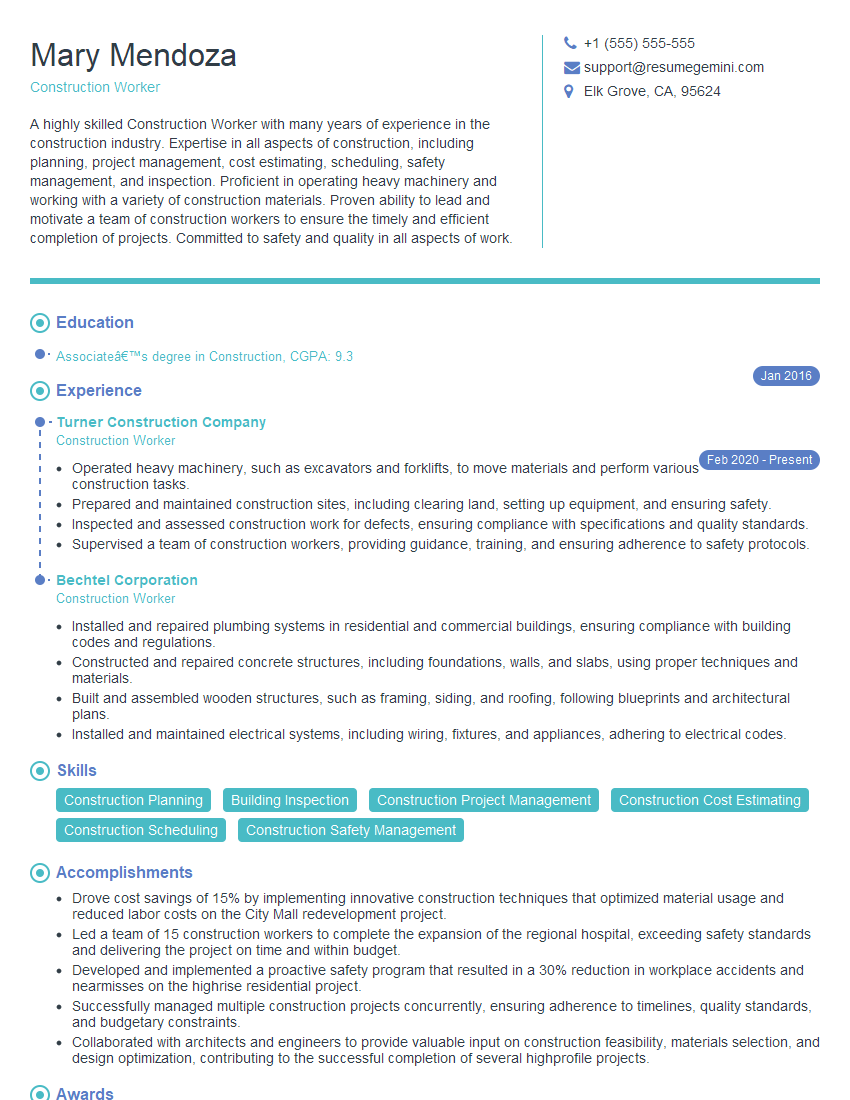
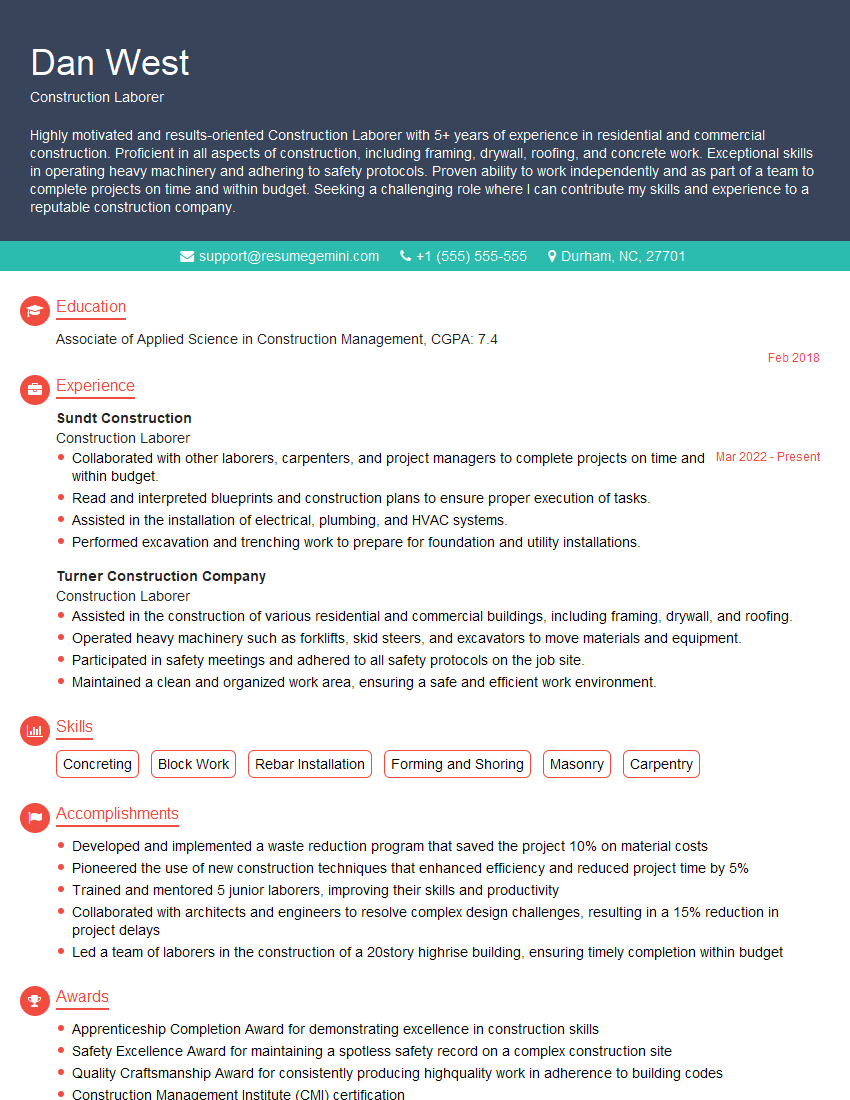
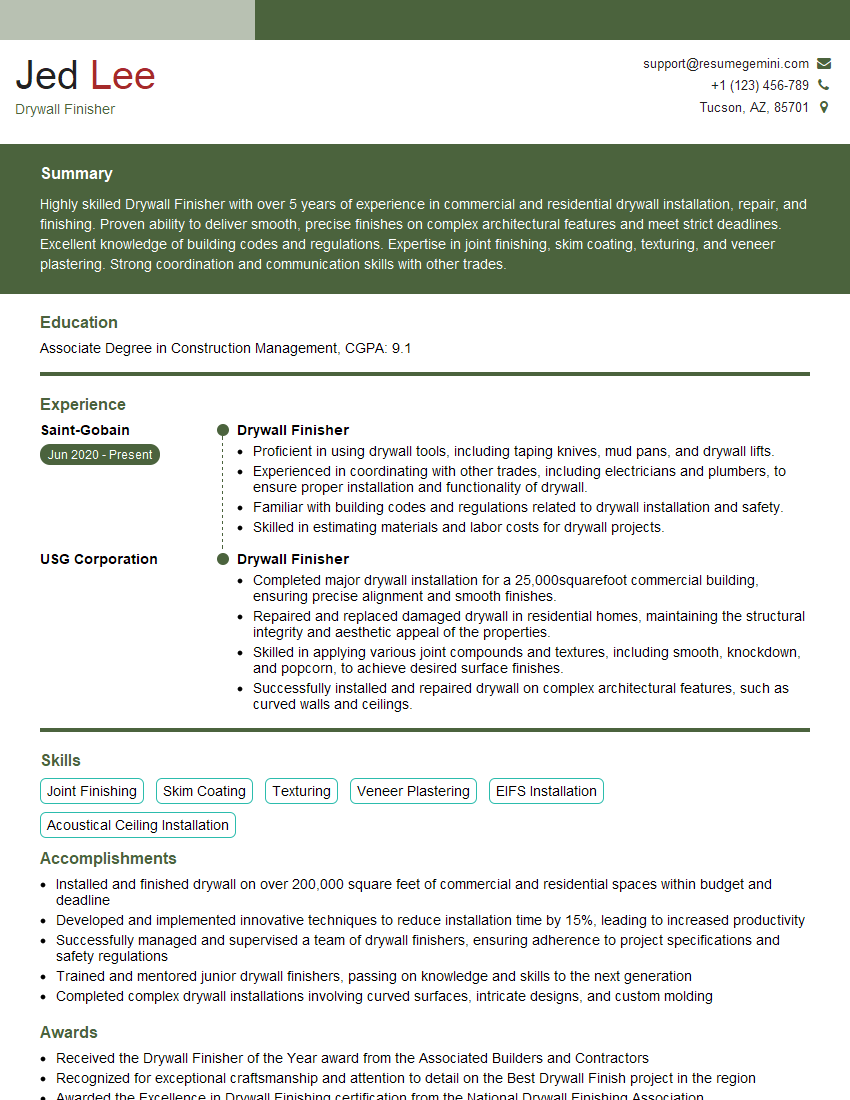
Mastering acoustical ceiling tile installation opens doors to a rewarding career with opportunities for growth and specialization. A strong resume is crucial for landing your dream job. Crafting an ATS-friendly resume significantly increases your chances of getting noticed by potential employers. We highly recommend leveraging ResumeGemini to create a professional and impactful resume that showcases your skills and experience effectively. ResumeGemini provides examples of resumes tailored specifically to Acoustical Ceiling Tile Installation to guide you through the process. Take the next step towards your successful career today!
Explore more articles
Users Rating of Our Blogs
Share Your Experience
We value your feedback! Please rate our content and share your thoughts (optional).
What Readers Say About Our Blog
Very informative content, great job.
good