Unlock your full potential by mastering the most common Advanced Handling Techniques interview questions. This blog offers a deep dive into the critical topics, ensuring you’re not only prepared to answer but to excel. With these insights, you’ll approach your interview with clarity and confidence.
Questions Asked in Advanced Handling Techniques Interview
Q 1. Describe your experience with different types of material handling equipment.
My experience encompasses a wide range of material handling equipment, from traditional forklifts and pallet jacks to advanced automated systems. I’ve worked extensively with various forklift types – counterbalance, reach trucks, order pickers – each suited to different warehouse layouts and load characteristics. I’m also proficient with conveyor systems, both traditional roller and belt conveyors, and more sophisticated automated sortation systems using robotics and RFID technology. My experience also includes working with automated storage and retrieval systems (AS/RS), which significantly increase storage density and retrieval speed. For smaller, more delicate items, I’ve used a variety of hand trucks, carts, and specialized lifting devices. Finally, I’m familiar with the operation and maintenance of cranes, both overhead and gantry, for handling larger and heavier loads.
For instance, in a previous role, we transitioned from a manual pallet jack system to a fleet of reach trucks, optimizing space utilization by 20% and reducing order fulfillment time by 15%. This involved careful assessment of our warehouse layout, load profiles, and operator training needs.
Q 2. Explain the principles of ergonomic handling.
Ergonomic handling focuses on designing workplaces and tasks to minimize physical strain and risk of injury. It’s based on understanding the human body’s limitations and capabilities. Key principles include:
- Minimizing lifting and carrying: This involves using mechanical aids like forklifts or conveyors whenever possible and optimizing load sizes and weights to be within safe lifting limits.
- Proper posture and body mechanics: Training emphasizes using leg muscles rather than back muscles when lifting, maintaining a stable base, and avoiding twisting movements.
- Reducing repetitive movements: This might involve redesigning workflows or implementing automation to lessen repetitive tasks that strain muscles and joints.
- Providing appropriate tools and equipment: Using tools designed to fit the task and the individual’s physical capabilities is crucial. This could include adjustable height workbenches or specialized lifting devices.
- Designing comfortable and well-organized workstations: This involves ensuring easy access to materials, reducing unnecessary reach distances, and providing adequate lighting and ventilation.
Think of it like this: imagine trying to lift a heavy box. Using proper ergonomics, you’d bend your knees, keep your back straight, and use your leg muscles to lift. Without proper ergonomics, you might strain your back by bending over and lifting with your back.
Q 3. How do you ensure workplace safety when using advanced handling techniques?
Ensuring workplace safety when using advanced handling techniques requires a multi-faceted approach. It begins with thorough risk assessments identifying potential hazards associated with each piece of equipment and task. This includes things like potential pinch points in machinery, risks of falling objects, and the potential for collisions. Comprehensive training programs for operators are critical, covering both the safe operation of the equipment and safe work practices. Regular maintenance schedules and inspections of equipment are essential to prevent malfunctions that could lead to accidents. Implementing clear safety protocols, such as designated walkways, appropriate personal protective equipment (PPE), and emergency procedures, is also vital. Using appropriate safety technologies like proximity sensors on automated equipment and emergency stop mechanisms is also a key component. Finally, regular monitoring and evaluation of safety performance and the prompt investigation of any incidents are necessary for continuous improvement.
For example, before operating a forklift, operators undergo training to include pre-operation checks, safe maneuvering practices, and emergency procedures. Regular inspections are done to check for any mechanical issues. This combination of training and rigorous maintenance directly contributes to a safe workplace.
Q 4. What are the different types of automated guided vehicles (AGVs)?
Automated Guided Vehicles (AGVs) come in several types, each suited to different applications. The most common include:
- Unit Load AGVs: These are typically used to move pallets or other large unit loads around the warehouse or factory floor. They often use wire guidance or magnetic tape.
- Towing AGVs: These pull trains of carts or trailers, increasing their carrying capacity and efficiency for moving larger quantities of materials.
- Forklift AGVs: These combine the functionality of a traditional forklift with autonomous navigation, offering increased flexibility and efficiency in material handling.
- Laser-guided AGVs: These use laser scanners to navigate autonomously, allowing for more flexible routes and easier integration into dynamic warehouse environments.
- Vision-guided AGVs: These use cameras and computer vision to navigate, allowing them to operate in even more complex and dynamic settings.
The choice of AGV type depends on factors such as load capacity, warehouse layout, traffic patterns, and budget. In a large distribution center, for example, a fleet of unit load AGVs might be used to transport pallets from receiving to storage, while towing AGVs could be used to move larger quantities of finished goods to shipping.
Q 5. Explain the concept of lean warehousing and its impact on handling efficiency.
Lean warehousing focuses on eliminating waste and maximizing efficiency in all aspects of warehouse operations. The core principles include reducing unnecessary movement, inventory, and waiting time. This involves optimizing storage layout, implementing efficient material handling techniques, and using technology to improve visibility and control. The impact on handling efficiency is substantial. Lean warehousing practices can lead to significant reductions in handling times, improved space utilization, reduced labor costs, and minimized errors. By streamlining processes and minimizing waste, lean warehousing allows for faster order fulfillment and improved customer service.
Imagine a warehouse cluttered with excess inventory. A lean warehousing approach would focus on reducing that excess, optimizing storage locations, and improving workflow to minimize unnecessary movement of materials and personnel.
Q 6. How do you optimize warehouse layout for efficient material handling?
Optimizing warehouse layout for efficient material handling is crucial for productivity and cost savings. Several key considerations include:
- Product flow: The layout should facilitate the smooth flow of goods, from receiving to storage and finally to shipping. High-volume items should be easily accessible.
- Storage strategies: Using appropriate storage methods (e.g., racking, shelving, bulk storage) based on product characteristics and handling requirements is important.
- Zone optimization: Dividing the warehouse into zones dedicated to specific activities (receiving, picking, packing, shipping) helps streamline workflows and reduce travel times.
- Equipment placement: Strategically placing material handling equipment (forklifts, conveyors, AGVs) minimizes travel distances and maximizes equipment utilization.
- Accessibility and safety: Maintaining clear aisles and safe walkways is essential for efficient and safe material handling.
For instance, a cross-docking warehouse would be designed to minimize storage time by directly moving incoming goods to outgoing shipments, reducing handling and storage costs significantly.
Q 7. Describe your experience with warehouse management systems (WMS).
My experience with Warehouse Management Systems (WMS) is extensive. I’ve worked with various WMS platforms, implementing, configuring, and troubleshooting these systems to optimize warehouse operations. This involves managing inventory, tracking shipments, optimizing picking routes, and generating reports on key performance indicators (KPIs). I’m proficient in integrating WMS with other enterprise systems, such as Enterprise Resource Planning (ERP) and Transportation Management Systems (TMS), to create a seamless flow of information across the supply chain. I understand the importance of data accuracy and system configuration to ensure reliable and efficient warehouse management. I’ve also worked on implementing WMS features to support advanced handling techniques such as AS/RS and AGVs, leveraging the system’s capabilities to optimize their performance and integration.
In a previous project, we implemented a new WMS that integrated with our ERP system. This improved inventory accuracy by 15% and reduced order fulfillment time by 10%. The system also provided valuable insights into warehouse performance, enabling data-driven improvements.
Q 8. How do you troubleshoot common issues in material handling equipment?
Troubleshooting material handling equipment requires a systematic approach. I typically start with a visual inspection, checking for obvious issues like loose connections, damaged components, or fluid leaks. Then, I move to more advanced diagnostics, depending on the type of equipment. For example, with forklifts, I’d check hydraulic fluid levels, battery charge, and the functionality of safety mechanisms. For conveyors, I’d examine the drive system, belt tension, and sensor readings. A crucial step is consulting the equipment’s maintenance manual, which often provides troubleshooting guides and error codes.
Let’s say a forklift isn’t lifting properly. My troubleshooting process would be:
- Visual Inspection: Check for leaks in the hydraulic system, damage to the lift mast, or any obstructions.
- Fluid Levels: Verify hydraulic fluid levels are within the recommended range.
- Battery Check: Assess the battery charge and check for any signs of damage or corrosion.
- Safety Mechanisms: Ensure that safety switches and interlocks are functioning correctly.
- Diagnostic Codes: If the forklift has an onboard diagnostic system, retrieve and interpret error codes.
- Component Testing: If necessary, I would conduct more in-depth testing of individual components like hydraulic pumps or motors.
This methodical approach, combined with experience and access to technical documentation, allows for efficient identification and resolution of equipment problems.
Q 9. What are the key performance indicators (KPIs) you track for material handling?
Key Performance Indicators (KPIs) in material handling are crucial for measuring efficiency and identifying areas for improvement. I track several metrics, including:
- Order Fulfillment Rate: The percentage of orders fulfilled on time and in full. This reflects the overall efficiency of the entire material handling process.
- Throughput: The volume of goods moved within a specified time frame. This KPI measures the capacity and speed of the system.
- Inventory Turnover Rate: The number of times inventory is sold or used in a specific period. A higher rate indicates efficient inventory management and reduces storage costs.
- Damage Rate: The percentage of goods damaged during handling. This highlights areas needing improvement in safety procedures and equipment maintenance.
- Unit Cost per Movement: The cost associated with moving one unit of goods. This provides valuable insight into the efficiency of resource utilization.
- On-Time Delivery Rate: This KPI specifically targets the timely delivery of goods to customers, a critical aspect of supply chain efficiency.
- Safety Incident Rate: Number of safety incidents per employee or per hour worked. This is a crucial measure of workplace safety.
These KPIs, tracked consistently, provide data-driven insights to make informed decisions on process optimization and resource allocation. For example, consistently low throughput might point to bottlenecks in the system, prompting a review of equipment, layout, or staffing levels.
Q 10. Explain your experience with inventory control and its relation to material handling.
Inventory control and material handling are intrinsically linked; effective material handling is critical for efficient inventory control. Poor material handling leads to misplaced items, damaged goods, and slow order fulfillment, all negatively impacting inventory accuracy and turnover. My experience involves implementing and optimizing inventory management systems alongside material handling strategies.
For example, in a previous role, we implemented a Warehouse Management System (WMS) that integrated with our barcode scanning system and automated guided vehicles (AGVs). This system optimized the location of inventory based on frequency of access and allowed real-time tracking of stock levels. The AGVs, directed by the WMS, ensured fast and accurate movement of goods within the warehouse, minimizing delays and errors. As a result, we saw a significant improvement in inventory accuracy (reducing discrepancies by 20%), faster order fulfillment times (improved by 15%), and reduced labor costs.
In short, effective inventory control relies heavily on efficient and accurate material handling processes. By optimizing movement, storage, and tracking, organizations can achieve better inventory visibility, reduced costs, and improved customer service.
Q 11. How do you implement and maintain a safe working environment in a warehouse?
Maintaining a safe working environment is paramount. My approach involves a multi-faceted strategy incorporating several key elements:
- Regular Safety Inspections: Conducting routine inspections of the warehouse to identify and address potential hazards like damaged equipment, obstructed walkways, or inadequate lighting.
- Employee Training: Providing comprehensive safety training to all employees covering the safe operation of equipment, proper lifting techniques, and emergency procedures.
- Implementing Safety Protocols: Establishing clear and well-defined safety protocols, including procedures for handling hazardous materials and emergency response plans.
- Equipment Maintenance: Regular maintenance and repair of material handling equipment to prevent malfunctions and ensure safe operation.
- Proper Signage and Markings: Clear and visible signage to indicate walkways, designated areas, and safety regulations.
- Ergonomic Design: Designing the warehouse layout to minimize physical strain on employees through optimized workflow and the use of ergonomic equipment.
- Personal Protective Equipment (PPE): Ensuring employees have and utilize appropriate PPE, such as safety shoes, gloves, and high-visibility vests.
Furthermore, proactive measures like conducting regular safety meetings, encouraging employee feedback, and promptly addressing any safety concerns are essential to fostering a strong safety culture within the warehouse environment. A safe workplace leads to increased productivity, reduced costs associated with accidents, and improved employee morale.
Q 12. What is your experience with different types of conveyors?
My experience encompasses a range of conveyor types, each with its strengths and limitations. I’ve worked with:
- Roller Conveyors: Simple and cost-effective for moving items over short distances. Ideal for lighter loads and situations where gravity assists the movement.
- Belt Conveyors: Highly versatile, capable of handling a wide range of loads and speeds. Often used for longer distances and heavier items. Variations include incline and decline conveyors.
- Screw Conveyors: Efficient for moving bulk materials like powders or granular products. The rotating screw pushes material along a trough.
- Chain Conveyors: Utilize chains to move items, often suitable for heavier loads and specialized handling. They can be configured for various applications including overhead transport.
- Overhead Conveyors: Excellent for maximizing space utilization in warehouses with high ceilings. Can move items along a defined path, often integrated with other material handling systems.
Choosing the right conveyor depends on several factors including the type of material, volume, weight, distance, and overall layout of the facility. I have experience selecting and implementing appropriate conveyor systems based on a thorough analysis of these factors. For instance, in one project, we used a combination of belt and roller conveyors to create an efficient sorting system for packages of varying sizes and weights.
Q 13. Describe your experience with robotics in material handling.
My experience with robotics in material handling has been extensive, covering various applications including automated guided vehicles (AGVs), robotic arms, and automated storage and retrieval systems (AS/RS). I’ve been involved in the selection, integration, and programming of these systems.
For example, in a recent project, we implemented a fleet of AGVs in a large distribution center to automate the movement of pallets between storage areas and shipping docks. This improved efficiency significantly, reduced labor costs, and increased throughput. We also used robotic arms for tasks like palletizing and depalletizing, which increased speed and accuracy, leading to fewer errors and less product damage.
The success of robotic integration hinges on careful planning, which involves considering factors like system compatibility, warehouse layout, safety protocols, and the necessary training for personnel. It’s crucial to assess the specific requirements of the facility and the return on investment before making a decision. I’ve found that a phased approach, starting with pilot projects to test and refine the systems before full-scale implementation, minimizes risk and ensures smooth integration.
Q 14. How do you optimize the flow of materials within a warehouse?
Optimizing material flow within a warehouse is a continuous process that demands a holistic approach. My strategy centers on several key principles:
- Layout Optimization: Designing a warehouse layout that minimizes travel distances between receiving, storage, processing, and shipping areas. This may involve employing techniques like zone picking, cross-docking, or slotting optimization.
- Efficient Storage Methods: Utilizing appropriate storage methods such as racking systems, shelving, and automated storage and retrieval systems (AS/RS) to maximize storage capacity and access efficiency.
- Technology Integration: Implementing Warehouse Management Systems (WMS) and other technologies to track inventory, manage orders, and optimize material movement. Real-time tracking and data analysis are invaluable here.
- Process Improvement: Continuously identifying and eliminating bottlenecks and inefficiencies in the material flow process through techniques such as lean manufacturing principles (like Value Stream Mapping) and Kaizen events.
- Staff Training: Training employees on efficient handling techniques, proper use of equipment, and adherence to established procedures.
For example, in one project, we improved material flow by implementing a zone picking system, where employees were assigned specific areas of the warehouse. This reduced travel time and increased picking efficiency. Coupling this with optimized slotting, we further reduced movement and improved order fulfillment times significantly. Optimization isn’t a one-time fix; it requires continuous monitoring and adjustment based on data analysis and feedback.
Q 15. Explain your understanding of different storage systems (e.g., racking, shelving).
Different storage systems are crucial for efficient material handling. The choice depends on factors like space availability, product type, access frequency, and budget. Common systems include:
- Racking: This offers high-density storage, maximizing vertical space. Types include selective racking (easy access to individual pallets), drive-in racking (high-density, first-in, last-out), and pallet flow racking (first-in, first-out). For example, a warehouse storing fast-moving consumer goods might use selective racking for easy order picking, while a cold storage facility storing large quantities of frozen goods might opt for drive-in racking.
- Shelving: This is ideal for smaller items or parts requiring individual access. There are various types including cantilever shelving (for long or bulky items), heavy-duty shelving (for heavier loads), and mobile shelving (space-saving). An auto parts warehouse might use shelving for smaller components like nuts and bolts, while a retail store might use shelving to display products.
- Bulk Storage: This involves storing large quantities of materials in bins, silos, or other containers. It is suitable for homogenous materials like grain or raw materials. An example is the storage of cement in a cement factory.
Selecting the right system requires a thorough analysis of storage needs and operational requirements. Factors like the weight and dimensions of stored items, frequency of access, and overall warehouse layout must be considered. A poorly chosen system can lead to inefficiencies and safety hazards.
Career Expert Tips:
- Ace those interviews! Prepare effectively by reviewing the Top 50 Most Common Interview Questions on ResumeGemini.
- Navigate your job search with confidence! Explore a wide range of Career Tips on ResumeGemini. Learn about common challenges and recommendations to overcome them.
- Craft the perfect resume! Master the Art of Resume Writing with ResumeGemini’s guide. Showcase your unique qualifications and achievements effectively.
- Don’t miss out on holiday savings! Build your dream resume with ResumeGemini’s ATS optimized templates.
Q 16. How do you ensure the accuracy of inventory data?
Inventory accuracy is paramount. Inaccuracies lead to stockouts, overstocking, and increased operational costs. I ensure accuracy through a multi-pronged approach:
- Barcode/RFID scanning: This provides real-time tracking of items as they enter and leave the warehouse. Implementing robust tracking systems is vital.
- Cycle counting: Regular partial counts of inventory instead of a full annual count. This reduces disruption and allows for quicker identification of discrepancies.
- Regular stocktaking and reconciliation: Comparing physical inventory counts with the inventory management system (IMS) to identify and correct discrepancies. I would conduct thorough root cause analysis of errors.
- Warehouse Management System (WMS) Integration: A WMS provides a centralized database for accurate inventory tracking and management. This allows automated updates following each movement of goods.
- Proper labeling and organization: Clear labeling of storage locations and proper organization minimizes errors during picking and put-away.
By combining these methods, we can maintain high levels of inventory accuracy, leading to improved operational efficiency and better customer service.
Q 17. How do you manage and resolve conflicts between different departments regarding material handling?
Conflicts between departments regarding material handling are common. Effective conflict resolution requires clear communication and a collaborative approach. I would:
- Facilitate open communication: Create a forum where all stakeholders can express their concerns and perspectives. This could involve meetings, surveys or emails.
- Identify the root cause of the conflict: Is it due to resource allocation, conflicting priorities, or communication breakdowns? Understanding the root cause is essential for effective resolution.
- Find common ground: Look for areas of agreement and build consensus among stakeholders.
- Develop a collaborative solution: Involve all affected departments in developing a solution that addresses everyone’s concerns. Consider compromises and trade-offs.
- Establish clear procedures and guidelines: To prevent future conflicts, develop clear guidelines for material handling processes, including resource allocation and communication protocols.
- Implement a robust tracking and reporting system: Helps monitor resource utilization and identify potential issues before they escalate.
For example, a conflict between production and shipping might arise due to limited loading dock space. The solution could involve optimizing production schedules, staggering shipments, or investing in additional loading docks. The key is to find a mutually beneficial solution.
Q 18. What is your experience with different packaging methods?
My experience encompasses a wide range of packaging methods, each chosen based on product characteristics, shipping distance, and environmental considerations. I have experience with:
- Corrugated boxes: Cost-effective and widely used for various products. Different grades and sizes are chosen based on the product’s weight and fragility.
- Plastic containers: Reusable and suitable for items requiring protection from moisture or impact. Consideration of material strength and recyclability is important.
- Wooden pallets and crates: Commonly used for heavy or bulky goods, offering good stability and protection during transportation.
- Shrink wrap: Secures items to a pallet, protecting them during transit. Helps in maintaining stability and preventing damage.
- Specialized packaging: This includes vacuum sealing, foam inserts, and climate-controlled containers, depending on the product’s needs.
Selecting the optimal packaging requires careful consideration of cost, environmental impact, protection requirements, and the ease of handling. For instance, fragile electronics would necessitate more robust packaging than, say, canned goods.
Q 19. Explain your knowledge of relevant safety regulations for material handling.
Safety regulations in material handling are paramount. My understanding encompasses:
- OSHA (Occupational Safety and Health Administration) regulations: These cover various aspects, including forklift operation, safe lifting techniques, hazard communication, and personal protective equipment (PPE).
- Load securement regulations: Ensuring that loads are properly secured to prevent shifting or falling during transportation.
- Ergonomic considerations: Designing material handling processes to minimize physical strain on workers, preventing musculoskeletal injuries.
- Hazardous material handling regulations: Compliance with regulations concerning the storage, handling, and transportation of hazardous materials.
- Emergency procedures: Establishment of clear procedures for handling accidents and emergencies, including training of staff in emergency response techniques.
I ensure compliance through regular safety training, adherence to established procedures, use of safety equipment, and proactive risk assessment. A safe workplace is not just a legal requirement but also essential for maintaining productivity and employee well-being.
Q 20. How do you plan and execute a materials handling project?
Planning and executing a material handling project involves a structured approach:
- Needs assessment: Defining project objectives, identifying challenges, and understanding the required improvements.
- Feasibility study: Evaluating different solutions, considering costs, timelines, and risks.
- Design and planning: Developing detailed plans, including equipment selection, layout design, and workflow optimization.
- Implementation: Installing new equipment, training staff, and implementing new processes.
- Testing and commissioning: Thoroughly testing the new system before full-scale deployment.
- Monitoring and evaluation: Tracking key performance indicators (KPIs) to measure the project’s success and make necessary adjustments.
For example, a project to improve warehouse efficiency might involve implementing a new WMS, upgrading equipment, or redesigning the warehouse layout. Each step needs careful planning and execution to ensure the project meets its objectives and delivers the expected benefits.
Q 21. How do you improve efficiency in material handling processes?
Improving efficiency in material handling involves several strategies:
- Process optimization: Analyzing workflows to identify bottlenecks and inefficiencies. This could involve streamlining processes, reducing unnecessary movements, and eliminating redundancies.
- Technology integration: Implementing technologies like WMS, RFID, and automated guided vehicles (AGVs) to automate tasks and improve accuracy.
- Equipment upgrades: Investing in modern, efficient equipment, such as improved forklifts or conveyor systems.
- Layout optimization: Designing a warehouse layout that minimizes travel distances and maximizes space utilization.
- Training and employee engagement: Providing training to employees on best practices in material handling, fostering a culture of continuous improvement.
- Lean principles: Implementing lean methodologies to eliminate waste and improve overall efficiency. This focuses on value-stream mapping and identifying non-value added activities.
For instance, implementing a WMS can significantly reduce order picking time, while optimizing warehouse layout can shorten travel distances and reduce handling time. Continuous monitoring and improvement are vital for long-term efficiency gains.
Q 22. Describe your experience with different types of lifts and hoists.
My experience encompasses a wide range of lifting and hoisting equipment, from basic chain hoists and lever blocks to more complex systems like overhead cranes and electric chain hoists. I’ve worked extensively with different types of hoists, including:
- Chain Hoists: These are simple, versatile, and reliable for lifting moderately heavy loads. I’ve used them in various settings, from small workshops to larger industrial facilities, appreciating their ease of maintenance and adaptability to different lifting points.
- Lever Hoists: These manual hoists are ideal for quick lifts in situations where power isn’t available or the load is relatively light. I’ve found them invaluable in tight spaces and emergency situations.
- Electric Chain Hoists: These offer greater lifting capacity and speed compared to manual hoists. My experience includes selecting and operating various models, paying close attention to load capacity, speed settings, and safety features like overload protection.
- Air Hoists: These pneumatic hoists are particularly useful in environments with high humidity or explosive hazards, offering advantages in terms of reliability and safety in such conditions. I’ve worked with them in manufacturing plants and industrial settings.
- Vacuum Lifters: These specialized lifters are excellent for handling delicate or oddly shaped materials. I’ve utilized them in tasks requiring gentle handling of glass, wood panels, and other materials sensitive to damage.
My understanding extends beyond just operation; I’m proficient in assessing the suitability of different hoists based on factors like load capacity, lifting height, power source availability, and the specific characteristics of the material being handled.
Q 23. How do you select the appropriate handling equipment for a specific task?
Selecting the right handling equipment involves a systematic approach. It’s not simply about choosing the strongest or most expensive option. I follow a process that considers several crucial factors:
- Load Characteristics: Weight, dimensions, shape, fragility, and center of gravity of the load are all paramount. A delicate item needs a different lifter than a heavy steel beam.
- Work Environment: Factors like space constraints, floor conditions, ambient temperature, and presence of hazardous materials significantly influence the equipment choice. For example, a narrow aisle might necessitate a smaller, more maneuverable forklift.
- Task Requirements: The frequency of lifting, lifting height, required speed, and the level of precision all play a role. Frequent lifts might justify an automated system, while a single, high-precision lift could necessitate a specialized crane.
- Safety Considerations: Operator safety, load stability, and compliance with relevant regulations are paramount. This includes considering features like overload protection, emergency stops, and proper load securing mechanisms.
- Cost-Effectiveness: Initial purchase cost, operating costs, and maintenance costs need to be carefully evaluated to ensure the chosen equipment offers optimal value for money. A more expensive, but highly efficient and long-lasting system might be cheaper in the long run.
For instance, if I were tasked with moving large, fragile glass panels in a warehouse with limited aisle space, I’d opt for a vacuum lifter mounted on a narrow aisle forklift. This ensures safe, efficient handling without compromising maneuverability.
Q 24. What is your experience with preventative maintenance of handling equipment?
Preventative maintenance is crucial for the safe and efficient operation of handling equipment. My experience includes implementing and overseeing comprehensive maintenance programs, encompassing:
- Regular Inspections: Visual inspections for wear and tear, loose bolts, damaged cables, and fluid leaks are conducted on a scheduled basis. This proactive approach helps identify potential issues before they escalate.
- Lubrication: Proper lubrication of moving parts is essential to prevent friction and premature wear. I adhere strictly to manufacturers’ recommendations for lubricant types and schedules.
- Functional Testing: Regular functional testing ensures all safety mechanisms, such as overload protection and emergency stops, are functioning correctly. This usually involves simulated load tests under controlled conditions.
- Record Keeping: Meticulous record-keeping of maintenance activities, including dates, findings, and corrective actions, ensures traceability and helps identify trends in equipment performance. This helps predict and prevent potential failures.
- Operator Training: Proper operator training is vital. Operators need to understand the limitations of the equipment, proper operating procedures, and safety protocols to minimize the risk of accidents.
Neglecting preventative maintenance can lead to costly breakdowns, safety hazards, and decreased efficiency. I’ve seen firsthand how a well-structured maintenance program minimizes downtime and extends the lifespan of handling equipment, improving overall operational efficiency and safety.
Q 25. How do you manage and reduce waste in material handling operations?
Waste reduction in material handling is a key area of focus. My approach involves:
- Optimizing Layout: Efficient warehouse layouts minimize unnecessary travel distances for materials, reducing fuel consumption and labor costs. Implementing lean principles and applying techniques like Value Stream Mapping can significantly improve flow.
- Improving Storage: Proper storage solutions, like high-density racking and efficient shelving systems, maximize space utilization and minimize wasted space. This is particularly important in warehouses with limited space.
- Using Technology: Implementing Warehouse Management Systems (WMS) and other technologies such as RFID tracking can streamline operations, reduce errors, and optimize material flow. This enhances efficiency and reduces waste by eliminating unnecessary movement or searching.
- Process Optimization: Analyzing and streamlining material handling processes can identify and eliminate inefficiencies. Techniques like Kaizen (continuous improvement) are instrumental in identifying and eliminating waste.
- Employee Training: Training employees on efficient handling techniques and promoting a culture of waste reduction can significantly reduce waste in the long run. Empowering employees to suggest improvements is crucial for sustainable waste reduction.
For example, in one project, we implemented a WMS that reduced picking errors by 25%, directly reducing waste associated with incorrect orders and returns. Similarly, optimizing warehouse layout reduced travel time for forklifts by 15%, saving both time and fuel.
Q 26. Explain your knowledge of different types of cranes.
My knowledge of cranes encompasses several types, each with its unique applications and capabilities:
- Overhead Cranes: These are widely used in industrial settings to lift and move heavy loads within a defined area. They come in various configurations, including gantry cranes, jib cranes, and bridge cranes, each suited to specific needs. I’m familiar with their different hoisting mechanisms, control systems, and safety features.
- Mobile Cranes: These cranes are self-propelled and highly versatile, used for various outdoor and indoor lifting tasks. They include truck cranes, crawler cranes, and all-terrain cranes, each suited to different ground conditions and load capacities. Understanding their stability and operating limitations is vital.
- Tower Cranes: Primarily used on construction sites, these tall cranes have a high lifting capacity and reach, ideal for building construction and infrastructure projects. I’m familiar with their assembly, dismantling, and safe operating procedures.
- Floating Cranes: Used for offshore operations and heavy lifting in marine environments, these cranes are adapted to work on ships, barges, or platforms. Understanding their unique safety considerations, relevant to water environments, is crucial.
Selecting the right crane depends heavily on the load capacity, working radius, height restrictions, and the specific environment. For instance, a tower crane would be ideal for a high-rise building, while a mobile crane might be more suitable for loading heavy equipment onto a truck.
Q 27. How do you deal with material handling emergencies?
Material handling emergencies require a calm, decisive response. My approach involves:
- Immediate Assessment: The first step is to rapidly assess the situation, identifying the nature of the emergency, the potential hazards, and the people involved.
- Secure the Area: Isolate the emergency area to prevent further accidents or injuries. This might involve shutting down equipment, evacuating personnel, or establishing safety perimeters.
- Provide First Aid: If injuries occur, provide immediate first aid or call for emergency medical services as needed. This includes stabilizing the affected area and ensuring their safety.
- Initiate Emergency Procedures: Follow established emergency procedures, which might involve contacting emergency services, activating alarm systems, or implementing a predetermined emergency response plan.
- Investigate the Cause: Once the emergency is under control, a thorough investigation should be conducted to determine the root cause of the incident. This helps prevent similar incidents in the future.
- Report and Documentation: The incident must be documented thoroughly, including details of the events, injuries, damages, and corrective actions taken. This documentation is crucial for insurance claims, accident reports, and future prevention efforts.
For example, if a crane malfunctioned causing a load to drop, my immediate priority would be to secure the area, ensure the safety of personnel, and call for emergency assistance. Following the emergency procedures, a full investigation would determine if mechanical failure, operator error, or other factors were at play, leading to improved safety protocols for the future.
Key Topics to Learn for Advanced Handling Techniques Interview
- Ergonomics and Safety: Understanding principles of safe lifting, posture, and movement to prevent injuries and optimize efficiency. Practical application includes analyzing workplace setups for potential hazards and recommending improvements.
- Material Handling Equipment (MHE): Proficiency with various types of MHE (forklifts, cranes, conveyors, etc.), including their safe operation, maintenance, and limitations. This includes understanding the theoretical principles behind their operation and troubleshooting common malfunctions.
- Inventory Management Techniques: Applying advanced inventory control strategies to optimize storage, retrieval, and movement of goods. Practical application includes designing efficient warehouse layouts and implementing barcode/RFID systems.
- Automation and Robotics in Handling: Knowledge of automated guided vehicles (AGVs), robotic arms, and automated storage and retrieval systems (AS/RS). Understanding their integration into handling processes and potential benefits/challenges.
- Supply Chain Optimization: Applying advanced handling techniques to improve overall supply chain efficiency, reducing costs and improving delivery times. This includes understanding the interplay between handling and other supply chain functions.
- Advanced Packaging and Protection: Understanding techniques for protecting goods during handling and transportation, minimizing damage and spoilage. This involves knowledge of different packaging materials and their properties.
- Problem-Solving and Troubleshooting: Developing the ability to quickly identify and resolve issues related to handling processes, equipment malfunctions, and safety concerns. This includes applying analytical and critical thinking skills.
Next Steps
Mastering Advanced Handling Techniques is crucial for career advancement in logistics, warehousing, and manufacturing. These skills demonstrate efficiency, safety consciousness, and a commitment to optimization, highly valued by employers. To maximize your job prospects, it’s vital to create an ATS-friendly resume that showcases your abilities effectively. We strongly encourage you to use ResumeGemini to build a professional and impactful resume that highlights your expertise in Advanced Handling Techniques. Examples of resumes tailored to this field are available within ResumeGemini to guide you.

Operations Manager Resume Sample

Supply Chain Manager Resume Sample
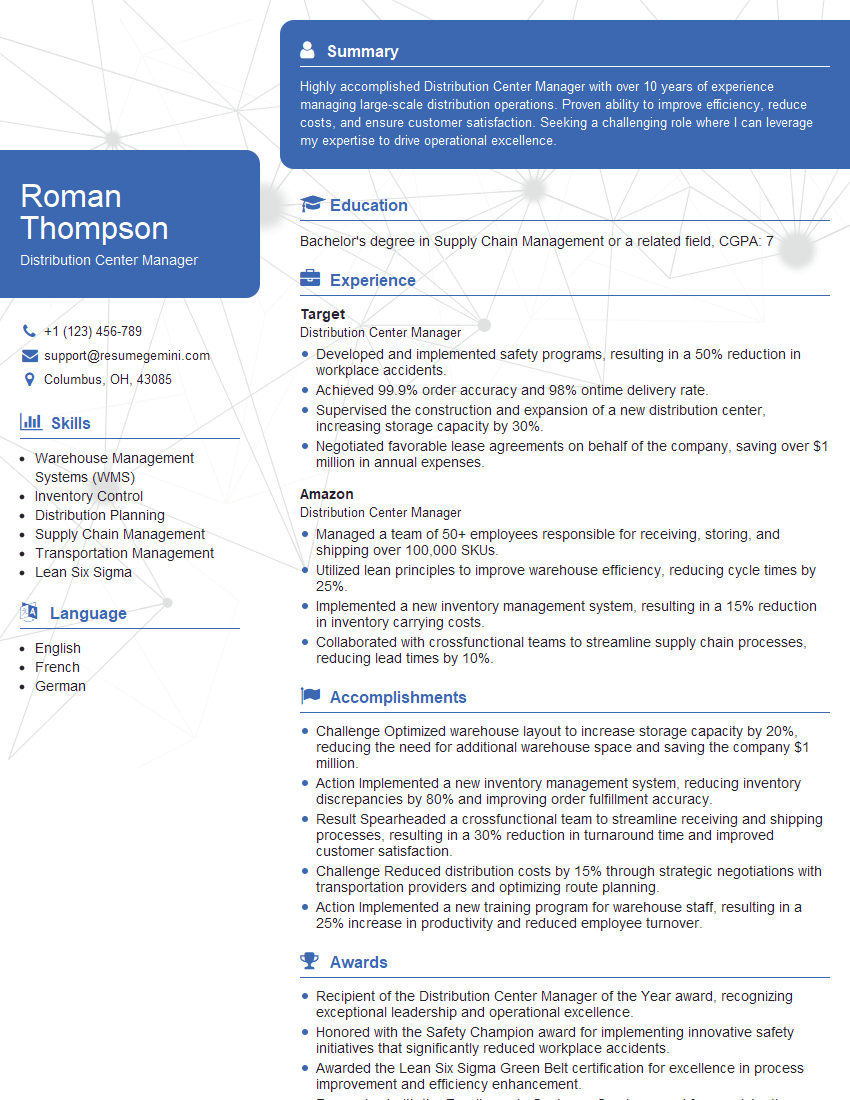
Distribution Center Manager Resume Sample
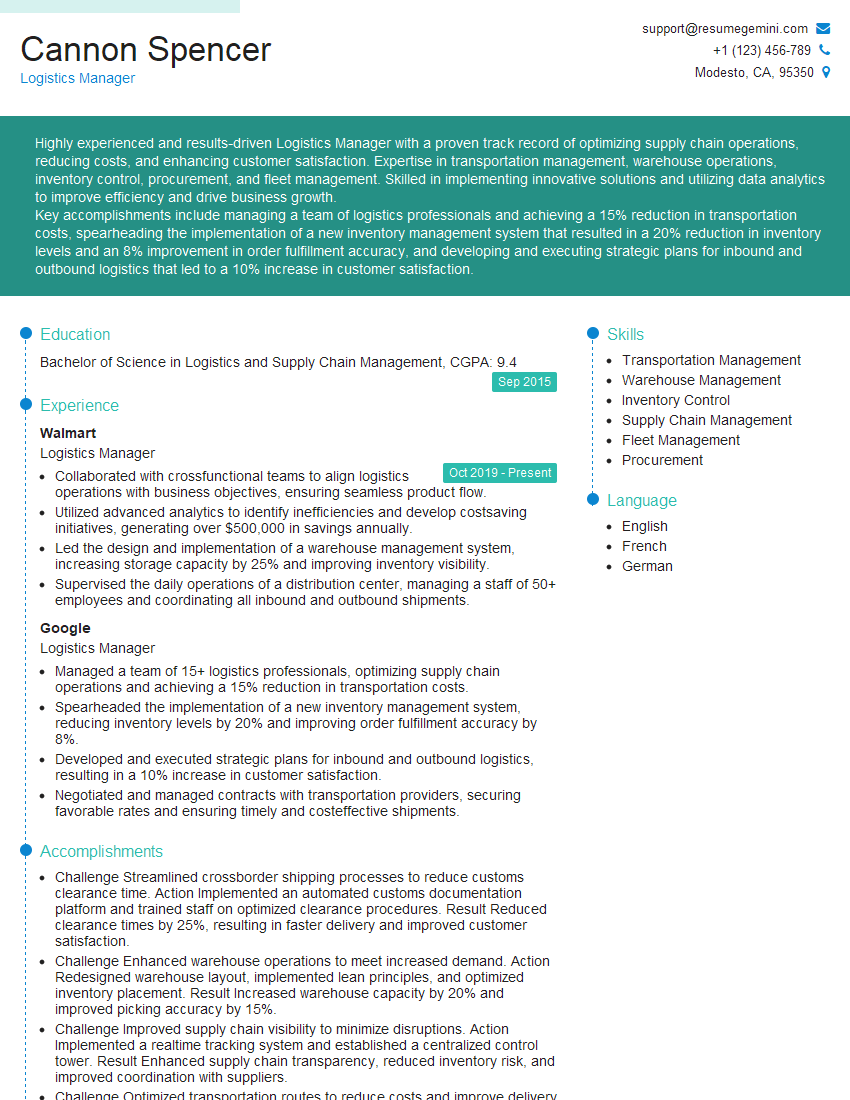
Logistics Manager Resume Sample
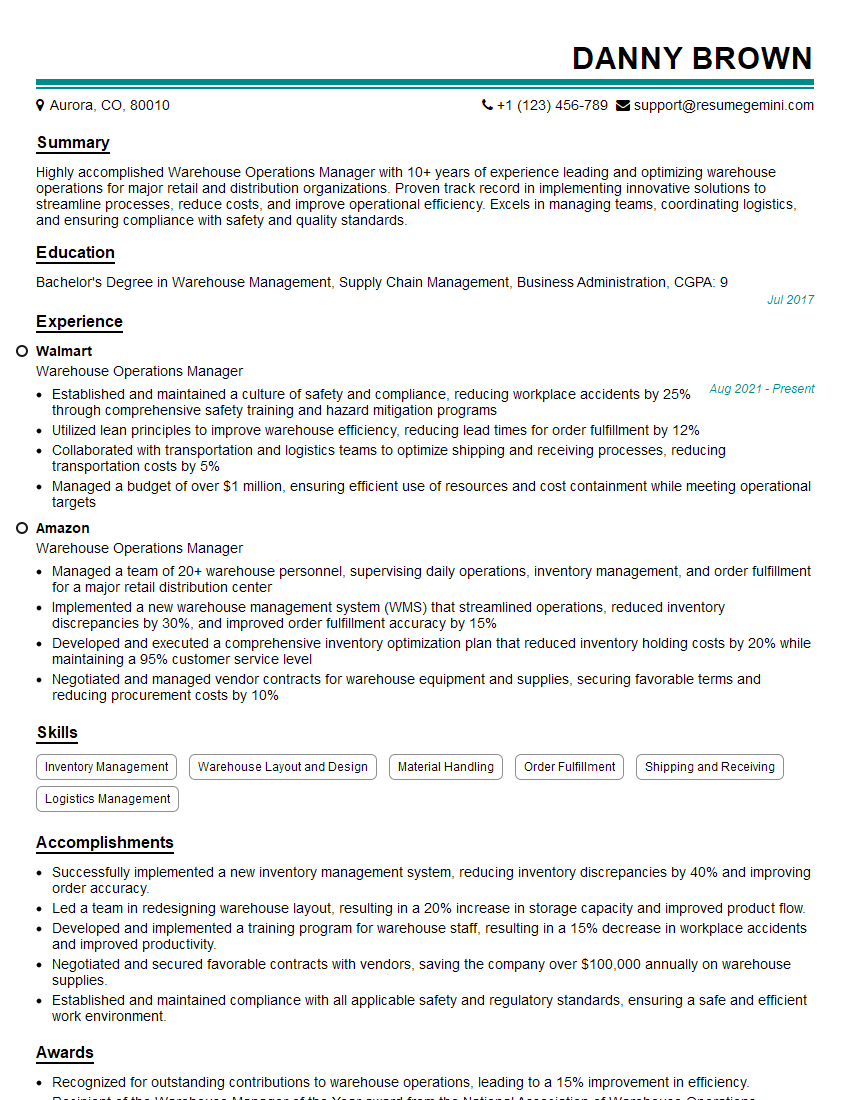
Warehouse Operations Manager Resume Sample
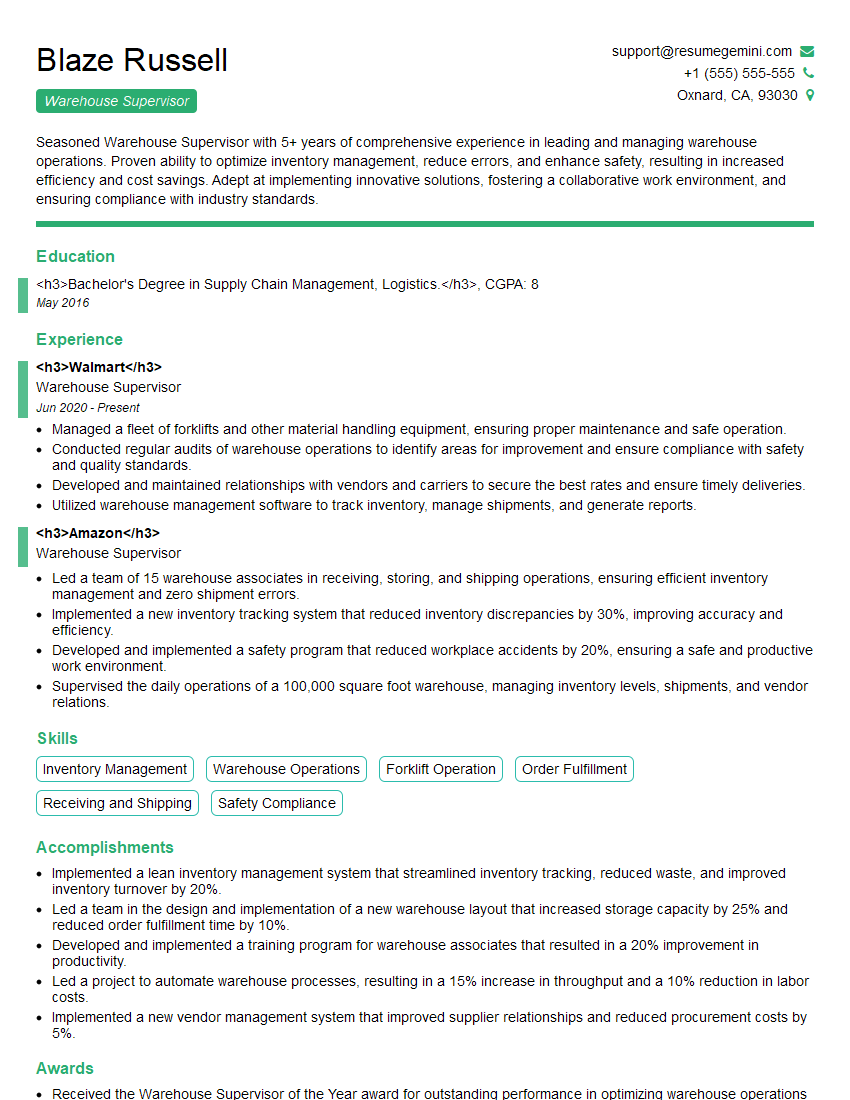
Warehouse Supervisor Resume Sample
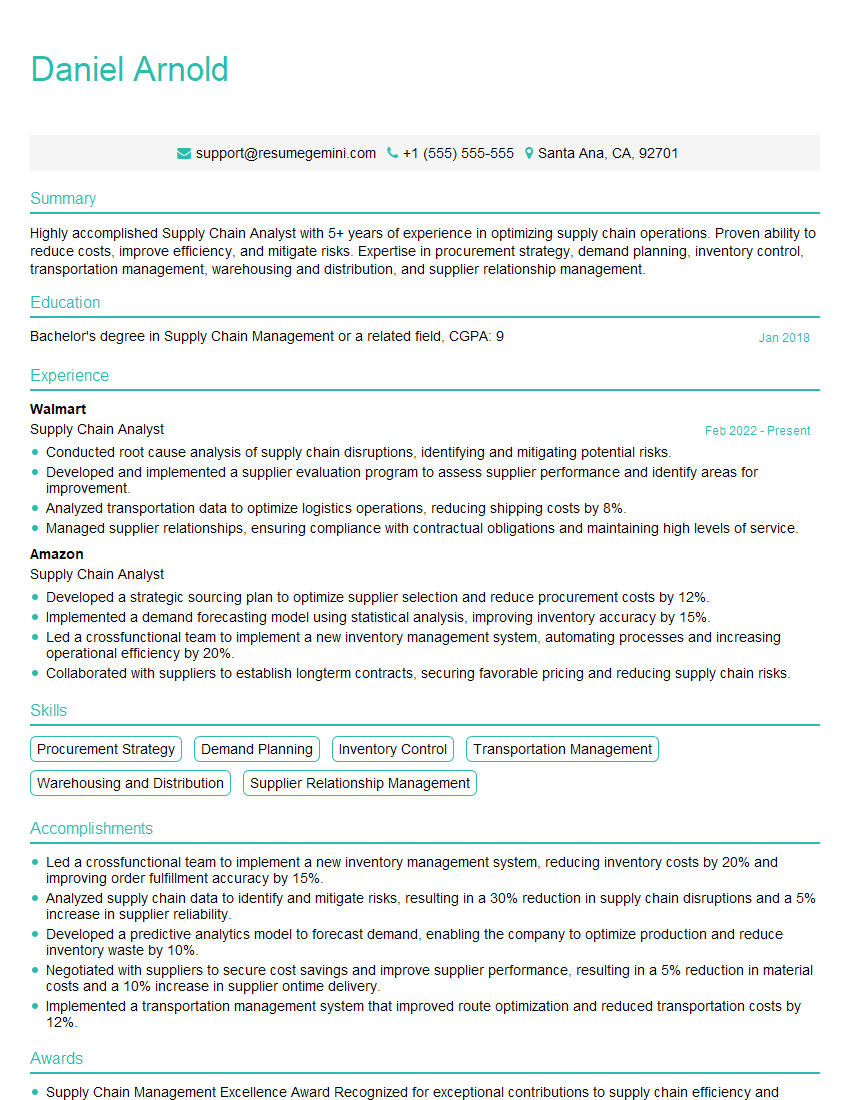
Supply Chain Analyst Resume Sample

Packaging Engineer Resume Sample
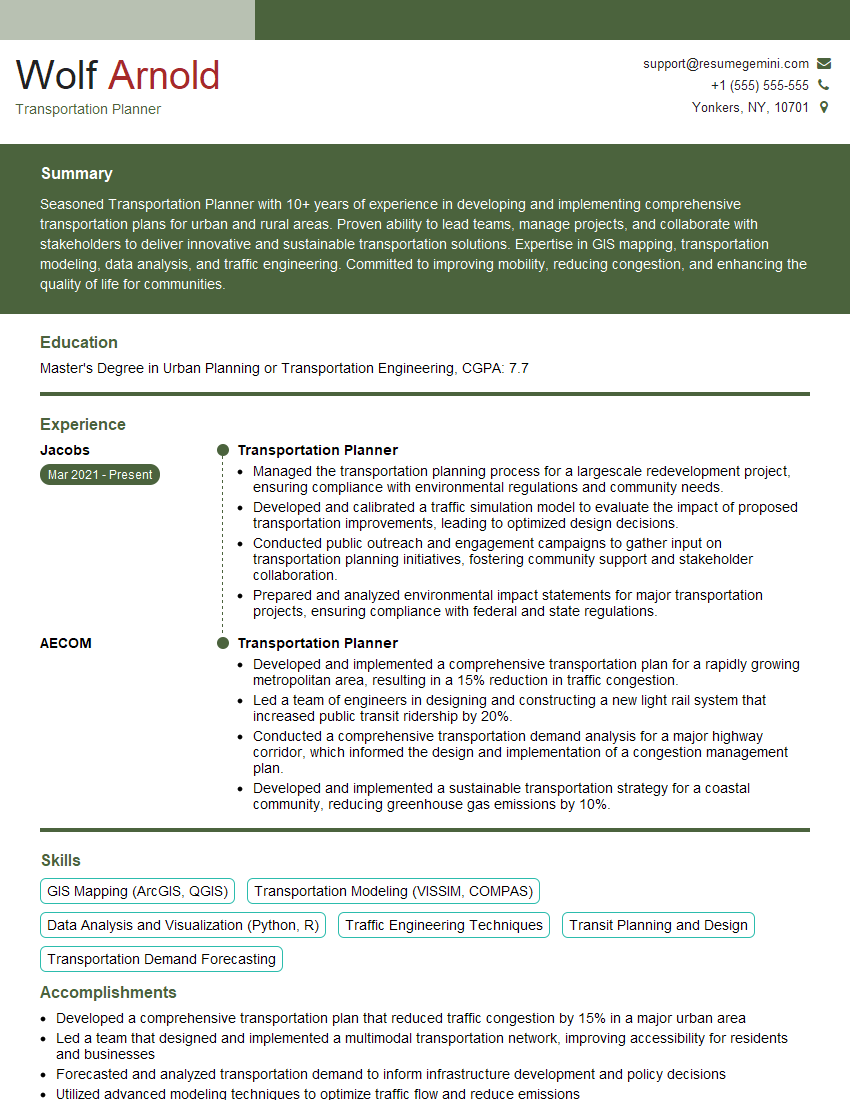
Transportation Planner Resume Sample
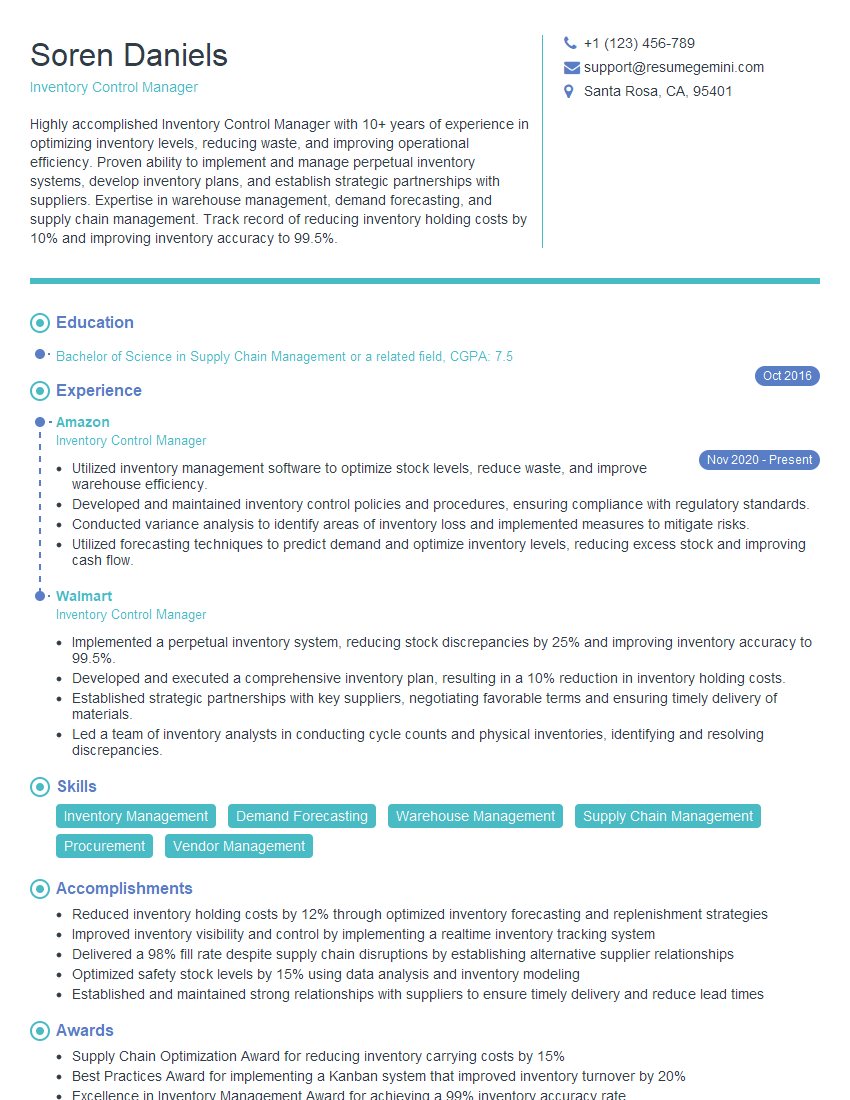
Inventory Control Manager Resume Sample
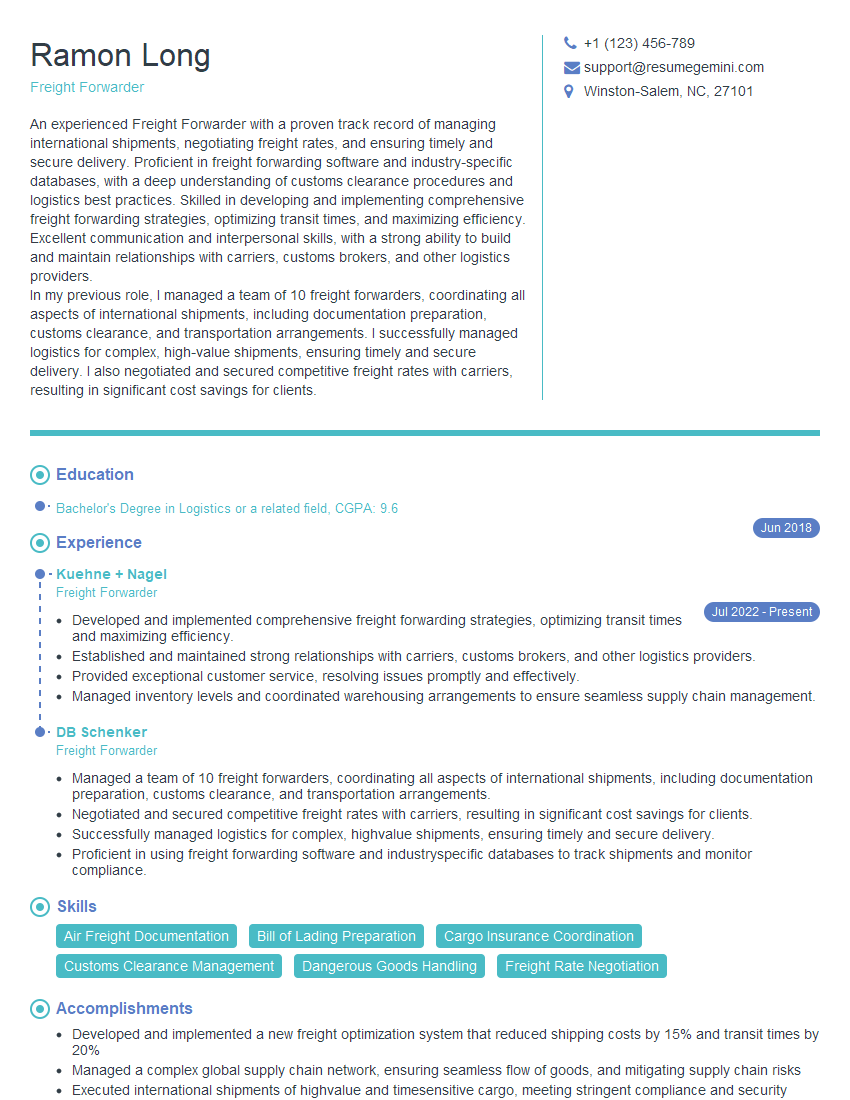
Freight Forwarder Resume Sample
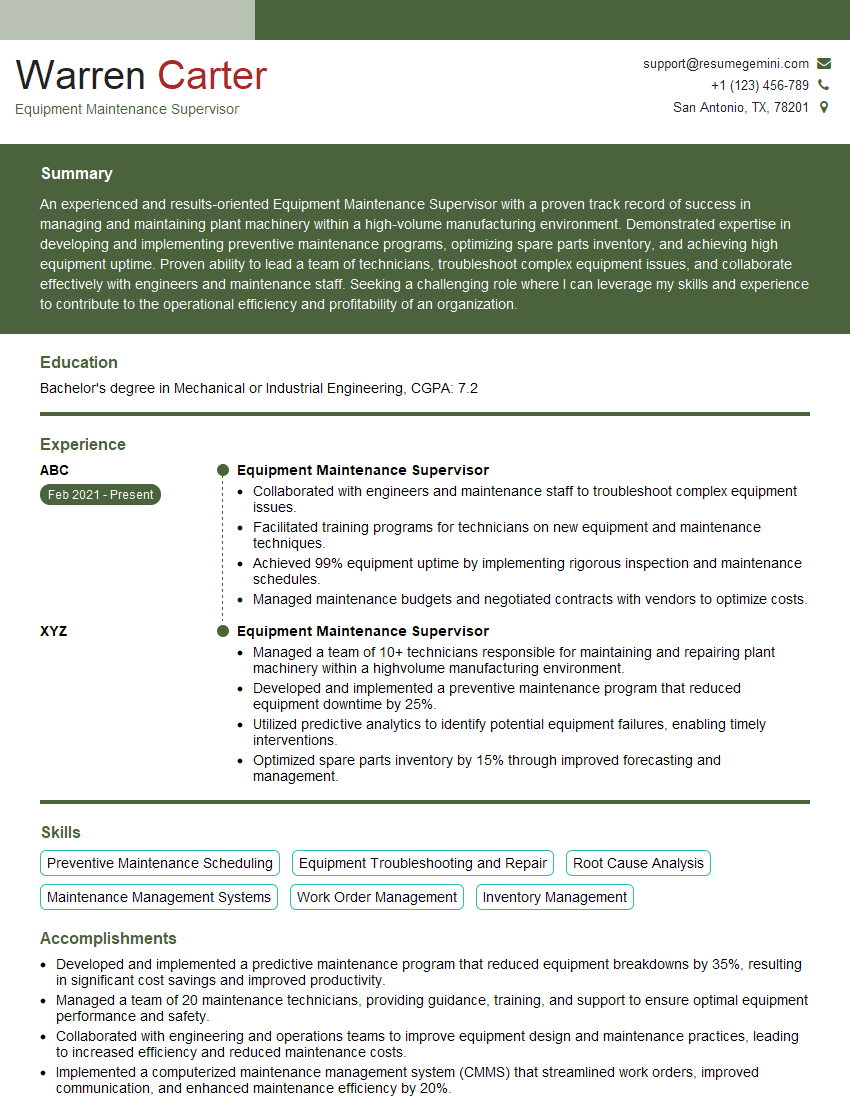
Equipment Maintenance Supervisor Resume Sample
Explore more articles
Users Rating of Our Blogs
Share Your Experience
We value your feedback! Please rate our content and share your thoughts (optional).
What Readers Say About Our Blog
Very informative content, great job.
good