Unlock your full potential by mastering the most common Agricultural Business and Finance interview questions. This blog offers a deep dive into the critical topics, ensuring you’re not only prepared to answer but to excel. With these insights, you’ll approach your interview with clarity and confidence.
Questions Asked in Agricultural Business and Finance Interview
Q 1. Explain the concept of price elasticity of demand in the context of agricultural commodities.
Price elasticity of demand measures how much the quantity demanded of an agricultural commodity changes in response to a change in its price. It’s crucial because it helps farmers and businesses predict how price fluctuations will affect their sales and revenue. A commodity with elastic demand (a value greater than 1) means that a small price increase leads to a proportionally larger decrease in demand, and vice-versa. Think of luxury items like organic strawberries – if the price doubles, consumers might significantly reduce their purchases. Conversely, a commodity with inelastic demand (a value less than 1) experiences relatively smaller changes in quantity demanded even with significant price changes. Essential staples like wheat are a good example; even if the price rises substantially, people still need to buy bread.
Understanding price elasticity allows farmers to make strategic decisions about pricing, production levels, and risk management. For example, if a farmer anticipates inelastic demand for their corn, they might be less concerned about price fluctuations compared to a farmer producing a more elastic product like fresh berries. Farmers can use market research and historical data to estimate the price elasticity of their specific products.
Q 2. Describe different methods of agricultural financing available to farmers.
Agricultural financing is vital for farmers to cover operating expenses, invest in new equipment, and manage cash flow throughout the growing season. Several methods exist:
- Operating Loans: Short-term loans used for immediate expenses like seeds, fertilizer, and labor. These are typically repaid within a year.
- Term Loans: Longer-term loans for larger investments, such as purchasing land, buildings, or major equipment. Repayment spans several years.
- Government Programs: Many governments offer subsidies, grants, and loan programs specifically designed to support farmers and improve agricultural practices. These often come with specific requirements and eligibility criteria.
- Commercial Banks: Traditional banks offer various loan products, often requiring collateral and a strong credit history.
- Credit Unions: Similar to banks, but typically offering more personalized service and potentially more favorable terms for farmers.
- Farm Credit System: A specialized financial system in some countries that caters exclusively to agriculture. They offer a range of financial products tailored to the unique needs of farmers.
- Private Investors/Venture Capital: For larger-scale operations or innovative agricultural technologies, private investment can be a source of funding.
The choice of financing method depends on the farmer’s credit history, the size of the investment, the repayment capacity, and the availability of different programs in their region.
Q 3. How do you assess the financial health of a farm operation?
Assessing the financial health of a farm requires a holistic approach that goes beyond simply looking at profitability. It involves evaluating various aspects of the farm’s financial situation:
- Profitability: Analyzing net income, gross margin, and return on assets to understand how effectively the farm generates profits.
- Liquidity: Evaluating the farm’s ability to meet its short-term obligations. Key ratios here include the current ratio and the quick ratio.
- Solvency: Determining the farm’s long-term debt-paying ability. This involves looking at debt-to-asset ratios and debt-to-equity ratios.
- Efficiency: Measuring how effectively the farm utilizes its resources. This includes analyzing operating expenses, labor productivity, and inventory turnover.
- Cash Flow: Examining the farm’s cash inflows and outflows to determine its ability to manage expenses and meet financial obligations. A cash flow projection is very valuable here.
Analyzing financial statements (income statement, balance sheet, and cash flow statement), alongside external factors like market prices and weather patterns, provides a comprehensive assessment. A professional agricultural accountant or financial advisor can be invaluable in this process.
Q 4. What are the key financial ratios used in agricultural business analysis?
Several key financial ratios are routinely used in agricultural business analysis:
- Current Ratio:
Current Assets / Current Liabilities– Measures short-term liquidity. - Quick Ratio:
(Current Assets - Inventory) / Current Liabilities– A more conservative measure of short-term liquidity. - Debt-to-Asset Ratio:
Total Debt / Total Assets– Indicates the proportion of assets financed by debt. - Debt-to-Equity Ratio:
Total Debt / Total Equity– Shows the relationship between debt and equity financing. - Return on Assets (ROA):
Net Income / Total Assets– Measures the profitability of assets. - Return on Equity (ROE):
Net Income / Total Equity– Measures the profitability of equity investments. - Operating Profit Margin:
Operating Income / Revenue– Shows the efficiency of operations. - Inventory Turnover:
Cost of Goods Sold / Average Inventory– Indicates how efficiently inventory is managed.
Analyzing these ratios over time and comparing them to industry benchmarks provides valuable insights into the farm’s financial performance and health.
Q 5. Explain the role of government subsidies in agricultural production.
Government subsidies in agriculture play a multifaceted role. They aim to:
- Stabilize Prices: Subsidies can help maintain stable prices for agricultural commodities, protecting farmers from extreme price volatility.
- Increase Production: Subsidies incentivize farmers to produce more of certain crops, ensuring food security and meeting consumer demand.
- Promote Innovation: Subsidies can support the adoption of new technologies and sustainable farming practices, leading to increased efficiency and environmental protection.
- Support Rural Economies: By supporting agriculture, subsidies help to maintain rural livelihoods and economic stability in farming communities.
- Address Market Failures: Subsidies can intervene in situations where market mechanisms alone fail to achieve desired outcomes, such as protecting farmers from external shocks or promoting public goods like environmental conservation.
However, subsidies can also have drawbacks, such as potential distortions of market signals, trade disputes with other countries, and the potential for inefficiency if not well-designed and implemented. The overall impact depends on the specific design and implementation of the subsidy program.
Q 6. Discuss the impact of climate change on agricultural finance.
Climate change poses significant challenges to agricultural finance. Increased frequency and severity of extreme weather events (droughts, floods, heatwaves) lead to crop failures, reduced yields, and increased production costs. This translates to:
- Increased Loan Defaults: Farmers facing crop losses may struggle to repay their loans, leading to higher loan defaults for lenders.
- Higher Insurance Premiums: Insurance companies will likely increase premiums to cover the increased risk of climate-related damage to crops and livestock.
- Increased Investment Risk: The uncertainty associated with climate change makes agricultural investments riskier, potentially deterring investors.
- Need for Climate-Resilient Investments: Farmers need to invest in climate-resilient infrastructure (irrigation systems, drought-resistant crops) and practices, requiring additional financing.
- Development of Climate Risk Management Tools: New financial instruments and strategies are needed to effectively manage climate risks in agriculture.
Addressing these challenges requires a coordinated effort between governments, financial institutions, and farmers to develop adaptive strategies, including climate-smart agriculture, risk mitigation strategies, and innovative financing mechanisms.
Q 7. How do you evaluate the risk associated with agricultural investments?
Evaluating the risk associated with agricultural investments requires a multi-faceted approach, considering various factors:
- Market Risk: Fluctuations in commodity prices, changes in consumer demand, and competition in the market can significantly impact profitability.
- Production Risk: This encompasses risks related to weather conditions (drought, floods, extreme temperatures), pests and diseases, and technological failures.
- Financial Risk: This involves the ability to secure financing, manage debt, and ensure sufficient cash flow to meet operational expenses.
- Political Risk: Government policies, regulations, and trade agreements can impact agricultural production and profitability.
- Environmental Risk: Soil degradation, water scarcity, and pollution can affect the long-term sustainability of agricultural operations.
Risk management strategies include diversification (growing a variety of crops), hedging (using futures contracts to manage price risk), insurance, and careful financial planning. A thorough understanding of the specific risks involved, combined with appropriate risk mitigation strategies, is crucial for making sound agricultural investment decisions.
Q 8. What are the common challenges faced by agricultural businesses in securing loans?
Securing loans for agricultural businesses presents unique challenges due to the inherent risks and uncertainties associated with farming. Lenders often perceive agriculture as a high-risk sector because of its dependence on unpredictable weather patterns, fluctuating commodity prices, and complex regulatory environments.
- Lack of Collateral: Many agricultural businesses lack sufficient collateral to secure larger loans. Land, equipment, and livestock can be used as collateral, but their value can fluctuate significantly.
- Income Volatility: Farm income is often unpredictable, making it difficult to demonstrate consistent repayment capacity. A single bad harvest can severely impact a farmer’s ability to repay a loan.
- Limited Access to Financial Literacy: Many farmers lack access to financial education and guidance, which hinders their ability to create robust business plans and secure funding. This includes understanding credit scores and loan terms.
- Bureaucracy and Complex Loan Processes: Navigating loan applications can be cumbersome and time-consuming, requiring extensive documentation and often involving multiple bureaucratic hurdles.
- High Interest Rates: Agricultural loans often carry higher interest rates than other types of business loans reflecting the perceived increased risk.
For example, a small-scale dairy farmer might struggle to secure a loan to expand their operation due to the limited value of their existing assets and the volatility of milk prices. Addressing these challenges requires initiatives that improve access to credit, provide financial literacy training, and develop innovative lending models tailored to the agricultural sector.
Q 9. Describe different types of agricultural insurance products.
Agricultural insurance products are designed to protect farmers and agricultural businesses from various risks. These products can be broadly categorized as follows:
- Crop Insurance: This protects against yield losses due to adverse weather events (drought, floods, hail), disease, pests, or other unforeseen circumstances. Revenue protection insurance, yield protection insurance, and area-wide crop insurance are common variations.
- Livestock Insurance: This covers losses due to death or illness of livestock from various causes such as disease outbreaks, accidents, or theft. This can include mortality coverage, veterinary expense coverage and even coverage for lost production.
- Property Insurance: This safeguards agricultural buildings, equipment, and other physical assets against damage caused by fire, windstorms, or other hazards. Think barns, tractors, irrigation systems.
- Liability Insurance: This protects farmers against lawsuits stemming from accidents or injuries occurring on their property or related to their operations.
- Hail Insurance: This specifically protects crops from damage caused by hailstorms, a common risk in many agricultural regions.
- Price Insurance: This helps protect against losses due to unexpected drops in the market price of a particular agricultural commodity. This type often involves futures contracts or options.
A farmer might choose crop insurance to protect their wheat crop from a potential drought, while a rancher might opt for livestock insurance to cover the risk of disease outbreak amongst their herd. The choice of insurance product will depend on the specific risks faced by the individual farmer or agricultural business.
Q 10. How do you analyze market trends to inform agricultural investment decisions?
Analyzing market trends is crucial for making sound agricultural investment decisions. It involves a multi-faceted approach that combines quantitative and qualitative data.
- Commodity Price Analysis: Track historical and current prices of relevant agricultural commodities to identify trends, seasonality, and potential price fluctuations. Tools include charts, moving averages and price forecasts.
- Supply and Demand Analysis: Assess the factors that influence supply (weather, production technologies, disease, political considerations) and demand (consumer preferences, population growth, economic conditions) for specific commodities. For example, an increase in global demand for a specific grain would likely result in higher prices.
- Technological Advancements: Assess the impact of new technologies (e.g., precision agriculture, genetic modification) on production costs, yields, and market competitiveness.
- Government Policies and Regulations: Understand how government policies, subsidies, trade agreements, and environmental regulations affect the agricultural sector. These can have significant impacts on investment opportunities and profitability.
- Competitive Landscape: Analyze the competitive landscape, including the size and structure of the market, the presence of major players, and the potential for new entrants. Knowing your competitors and their market share is crucial.
For example, if analysis reveals an increasing demand for organic produce coupled with decreasing production costs due to technological advancements, investing in organic farming could be a profitable strategy. A robust market analysis is the foundation of any successful agricultural investment.
Q 11. What are the ethical considerations in agricultural finance?
Ethical considerations in agricultural finance are paramount, ensuring fairness, transparency, and sustainability across the entire value chain. Key ethical considerations include:
- Fair Lending Practices: Avoiding discriminatory lending practices based on factors such as race, gender, or socioeconomic status. Everyone should have equal access to fair loan terms and conditions.
- Transparency and Disclosure: Ensuring clear and understandable loan terms, fees, and interest rates. Borrowers must fully understand the implications of the loan before signing the agreement.
- Environmental Sustainability: Promoting lending practices that support environmentally friendly and sustainable agricultural methods. Avoiding financing of practices that damage the environment is crucial.
- Fair Pricing and Market Access: Ensuring that farmers receive fair prices for their products and have access to competitive markets. Exploitative pricing models are unethical.
- Data Privacy and Security: Protecting the privacy and security of farmers’ financial data. Using data responsibly and with proper consent is essential.
- Responsible Use of Technology: Promoting ethical use of agricultural technology and data analytics, preventing potential biases or misuse.
An example of unethical practice would be a lender charging exorbitant interest rates to farmers in developing countries who lack access to alternative financing options. Promoting ethical behavior requires collaboration among lenders, farmers, policymakers, and other stakeholders in the agricultural finance ecosystem.
Q 12. Explain the concept of futures contracts in the agricultural market.
Futures contracts are standardized agreements to buy or sell a specific commodity (e.g., corn, soybeans, wheat) at a predetermined price on a future date. They are traded on organized exchanges and allow agricultural producers and buyers to manage price risk.
How they work: A farmer might enter into a futures contract to sell their anticipated harvest at a specific price several months in advance. This locks in a price, protecting them from potential price declines before the harvest is ready. Conversely, a food processor might buy futures contracts to secure a supply of a commodity at a fixed price, hedging against potential price increases.
Example: A wheat farmer anticipates harvesting 10,000 bushels of wheat in six months. They enter into a futures contract to sell 10,000 bushels at $6 per bushel. If the market price drops to $5 per bushel by harvest time, the farmer still receives $6 per bushel as agreed upon in the contract. If the price rises to $7, the farmer has forgone potential profit, but is protected from a price collapse.
Futures contracts are a vital tool for risk management in the agricultural market, enabling both producers and buyers to plan for the future with greater certainty.
Q 13. Discuss the role of technology in improving agricultural efficiency and profitability.
Technology is revolutionizing agriculture, enhancing efficiency and profitability in several ways:
- Precision Agriculture: Technologies like GPS, sensors, and data analytics enable farmers to optimize resource use (water, fertilizer, pesticides) leading to higher yields and lower input costs. This includes variable rate application of inputs.
- Automation: Autonomous tractors, drones, and robotic harvesters reduce labor costs and increase efficiency, especially on large farms.
- Data Analytics and AI: Analyzing farm data (weather, soil conditions, yield data) using AI and machine learning helps predict yields, optimize farming practices, and improve decision-making.
- Remote Sensing: Satellites and drones provide real-time information on crop health, soil moisture, and other crucial factors, allowing farmers to react quickly to problems and improve management.
- Gene Editing and Biotechnology: Improved crop varieties with higher yields, disease resistance, and improved nutritional content boost productivity and reduce losses.
- Blockchain Technology: This enhances traceability and transparency in the supply chain, improving food safety and enabling better price discovery.
For example, a farmer using precision agriculture can apply fertilizer only where needed based on soil analysis, reducing fertilizer waste and environmental impact. The integration of technologies across the entire agricultural value chain is improving efficiency, reducing costs, and enhancing sustainability.
Q 14. How do you manage the risk of commodity price fluctuations?
Managing the risk of commodity price fluctuations is essential for agricultural businesses. Several strategies can be employed:
- Futures and Options Contracts: Hedging using futures and options contracts can lock in prices or provide price floors, mitigating the impact of unexpected price drops.
- Diversification: Growing a variety of crops or raising different types of livestock reduces reliance on a single commodity and spreads the risk.
- Price Risk Insurance: Purchasing price risk insurance, often through government programs or private insurers, can compensate for losses due to price declines below a certain threshold.
- Contract Farming: Entering into agreements with buyers (e.g., food processors) to sell produce at pre-agreed prices can provide price certainty but can also limit market flexibility.
- Value-Added Processing: Processing agricultural products (e.g., making jams from fruit, milling grains) can add value and reduce vulnerability to raw commodity price fluctuations.
- Efficient Cost Management: Improving production efficiency, minimizing input costs, and optimizing operational processes can increase profitability even in the face of fluctuating prices.
A farmer might use futures contracts to lock in a price for their corn crop, mitigating the risk of a price drop before harvest. Effective risk management requires a multifaceted approach, tailored to the specific circumstances of the agricultural business and the commodities it produces.
Q 15. What are the key factors influencing agricultural land values?
Agricultural land values are influenced by a complex interplay of factors, much like the price of any commodity. Think of it like a real estate market, but with a unique agricultural twist. The most significant drivers can be grouped into several categories:
- Productivity: The land’s inherent capacity to produce crops or support livestock is paramount. High-yielding soils, favorable climate, and access to water significantly increase value. For example, irrigated farmland in a region with a long growing season will command a higher price than arid, drought-prone land.
- Location and Accessibility: Proximity to markets, transportation infrastructure (roads, railways), and processing facilities directly impacts profitability and thus, land value. Land near a major city or highway will be more valuable than land in a remote area.
- Government Policies and Regulations: Subsidies, zoning laws, environmental regulations, and land-use policies can all influence land prices. Government incentives for specific crops can drive up demand and value.
- Market Demand and Supply: Like any market, the interplay of buyers and sellers dictates price. High demand from investors, developers, or farmers drives prices up, while a surplus of available land pushes them down.
- Economic Conditions: Overall economic health impacts the agricultural sector. During periods of economic growth, land values tend to rise; during recessions, they may fall.
- Environmental Factors: Soil quality, water availability, and the risk of natural disasters (floods, droughts, etc.) are crucial considerations. Land with high soil fertility and low environmental risk will fetch a higher price.
Understanding these factors is critical for anyone involved in agricultural land transactions, from farmers making investment decisions to financial institutions assessing risk.
Career Expert Tips:
- Ace those interviews! Prepare effectively by reviewing the Top 50 Most Common Interview Questions on ResumeGemini.
- Navigate your job search with confidence! Explore a wide range of Career Tips on ResumeGemini. Learn about common challenges and recommendations to overcome them.
- Craft the perfect resume! Master the Art of Resume Writing with ResumeGemini’s guide. Showcase your unique qualifications and achievements effectively.
- Don’t miss out on holiday savings! Build your dream resume with ResumeGemini’s ATS optimized templates.
Q 16. Describe different strategies for managing farm debt.
Managing farm debt effectively is crucial for long-term financial stability. Think of it like managing your household budget, but on a much larger scale. Several strategies are available, and the best approach often involves a combination:
- Debt Consolidation: This involves combining multiple loans into a single loan, often with a lower interest rate. This simplifies repayment and potentially reduces overall interest costs. Imagine combining several smaller credit card debts into one larger loan with a fixed interest rate.
- Debt Restructuring: Negotiating with lenders to modify loan terms, such as extending the repayment period or reducing interest rates. This provides more breathing room during difficult times. It’s like asking your bank for a longer mortgage repayment term.
- Asset Management: Optimizing the use of farm assets to generate income. This could involve selling non-essential assets or improving efficiency to increase profitability. Think of selling an unused piece of equipment to reduce debt.
- Improved Cash Flow Management: Careful budgeting, accurate forecasting, and efficient expense control are essential. This involves tracking income and expenses meticulously and ensuring adequate cash reserves. It’s similar to using budgeting software to track household finances.
- Government Programs: Many governments offer programs to assist farmers with debt management, including loan guarantees, subsidies, and financial counseling. Researching and utilizing these programs can be extremely beneficial.
- Diversification of Income Streams: Reducing reliance on a single crop or livestock by diversifying into other agricultural ventures or agritourism can provide a financial buffer during lean times. Think of adding a farm store or offering hayrides to supplement your main farming income.
A proactive approach to debt management, involving regular monitoring and planning, is essential for ensuring the financial health of the farm.
Q 17. What are the implications of globalization on agricultural businesses?
Globalization has profoundly impacted agricultural businesses, creating both opportunities and challenges. It’s like a double-edged sword. Let’s examine both sides:
- Increased Market Access: Farmers can now reach consumers worldwide, expanding their markets and potentially increasing profitability. Imagine a small farmer in a developing country selling their produce directly to consumers in Europe via online platforms.
- Increased Competition: Globalization intensifies competition, as farmers from different countries compete for the same markets. This can lead to price pressure and reduced profit margins. Think of local farmers competing with cheaper imports.
- Technological Transfer: Globalization facilitates the sharing of knowledge and technology, leading to improved farming practices and increased productivity. This includes the adoption of new farming techniques and technologies from other countries.
- Price Volatility: Global markets are often more volatile than local ones, leading to fluctuating prices and uncertainty for farmers. This requires careful risk management strategies.
- Trade Agreements and Tariffs: International trade agreements and tariffs can significantly impact agricultural businesses, influencing both market access and prices. Farmers must stay informed about these regulations.
- Supply Chain Integration: Globalization has led to the development of complex, integrated supply chains, requiring farmers to adapt to new demands and standards.
Adapting to the challenges and exploiting the opportunities of globalization requires a strategic approach, including diversification, market research, and strong risk management practices.
Q 18. Explain the importance of farm budgeting and cash flow management.
Farm budgeting and cash flow management are the cornerstones of successful agricultural operations. Think of them as the financial roadmap for your farm. Without them, you’re essentially navigating blindfolded.
- Budgeting: A farm budget is a detailed plan outlining all anticipated income and expenses for a specific period, typically a year. It helps farmers project profitability, identify potential shortfalls, and make informed decisions about investments and resource allocation. A well-structured budget is like a blueprint for financial success.
- Cash Flow Management: This focuses on the timing of cash inflows and outflows. Even if a farm is profitable on paper, poor cash flow management can lead to financial difficulties. It’s crucial to track income and expenses closely and ensure sufficient cash reserves to meet obligations. Think of it as making sure you have enough money in your bank account to pay your bills on time.
Both budgeting and cash flow management are inextricably linked. A budget projects cash flows, while cash flow analysis helps refine and adjust the budget. Regular monitoring and analysis are critical for proactive management and making timely adjustments as needed. Software designed for farm accounting can help automate and streamline this process.
Q 19. How do you evaluate the sustainability of an agricultural operation?
Evaluating the sustainability of an agricultural operation requires a holistic approach, going beyond just profitability. It’s about ensuring the farm’s long-term viability while minimizing its environmental impact and promoting social equity. Three key pillars guide this evaluation:
- Environmental Sustainability: This assesses the farm’s impact on the environment. Key factors include soil health, water usage, biodiversity, greenhouse gas emissions, and pesticide use. Sustainable practices might include no-till farming, cover cropping, and integrated pest management.
- Economic Sustainability: This focuses on the farm’s financial viability. Are profits sufficient to cover costs and provide a reasonable return on investment? Economic sustainability involves efficient resource use and diversification of income streams.
- Social Sustainability: This considers the farm’s impact on its workers, community, and the wider society. Fair labor practices, community engagement, and animal welfare are crucial aspects. A socially sustainable farm might prioritize worker training and fair wages.
Evaluating sustainability involves a combination of quantitative measures (e.g., yield per hectare, water use efficiency, greenhouse gas emissions) and qualitative assessments (e.g., worker satisfaction, community engagement). Several certification programs and sustainability frameworks can assist in this evaluation.
Q 20. Discuss the role of cooperatives in the agricultural sector.
Agricultural cooperatives play a vital role in the agricultural sector, acting as a bridge between individual farmers and the wider market. They provide a powerful model for collective action, offering numerous benefits:
- Increased Bargaining Power: Cooperatives pool the resources and bargaining power of many individual farmers, allowing them to negotiate better prices for inputs (seeds, fertilizers, etc.) and outputs (crops, livestock). They act as a unified voice, enhancing their position in the market.
- Improved Market Access: Cooperatives can facilitate access to new markets and distribution channels, helping farmers reach a wider consumer base. They might establish collective marketing strategies or establish their own processing facilities.
- Shared Resources and Services: Cooperatives often provide members with access to shared resources and services, such as equipment, storage facilities, and technical expertise. This reduces individual costs and improves efficiency.
- Economies of Scale: By combining resources and operations, cooperatives can achieve economies of scale, leading to lower costs and increased profitability for their members.
- Enhanced Knowledge Sharing and Training: Cooperatives offer opportunities for knowledge sharing and training among members, promoting best practices and improving farming skills. This creates a learning community that fosters innovation.
Successfully operating cooperatives require strong leadership, effective governance, and active participation from members. Many successful cooperatives have thrived for generations, demonstrating the power of collective action in agriculture.
Q 21. What are the different methods of agricultural marketing?
Agricultural marketing encompasses all the activities involved in moving agricultural products from the farm to the consumer. Several methods exist, each with its own advantages and disadvantages:
- Direct Marketing: This involves selling products directly to consumers, often through farmers’ markets, roadside stands, community-supported agriculture (CSA) programs, or online platforms. This method offers higher profit margins but requires more direct engagement with consumers.
- Wholesale Marketing: This involves selling products in bulk to wholesalers or distributors, who then sell them to retailers or other businesses. This method is efficient for large-scale producers but usually results in lower profit margins.
- Retail Marketing: This involves selling products directly to consumers through retail outlets such as supermarkets, grocery stores, or specialty shops. This requires effective packaging, branding, and shelf placement.
- Contract Marketing: This involves pre-arranged agreements between farmers and buyers, specifying the quantity, quality, and price of the products. This reduces price uncertainty for farmers but may limit their flexibility.
- Auction Marketing: This involves selling products through auctions, often used for perishable goods or specialized products. Prices are determined by market forces on the auction day.
- Electronic Marketing: This utilizes online platforms and technologies to connect farmers with buyers, facilitating transactions and market information exchange. This can expand market reach but requires digital literacy and appropriate technology.
The choice of marketing method depends on various factors, including the type of product, scale of production, market conditions, and the farmer’s resources and capabilities. A successful marketing strategy often involves a combination of methods.
Q 22. Explain the concept of supply chain management in the agricultural industry.
Supply chain management (SCM) in agriculture encompasses the entire process, from farm to fork, managing the flow of goods, services, and information. It involves coordinating activities across various stages, including farming, harvesting, processing, storage, transportation, distribution, and retail. Think of it like a carefully orchestrated symphony, where each section (farmer, processor, distributor, retailer) plays its part to deliver the final product to the consumer.
- Efficient Sourcing: Securing high-quality inputs like seeds, fertilizers, and pesticides in a timely and cost-effective manner.
- Optimized Production: Implementing best practices on farms to maximize yield and quality while minimizing waste.
- Effective Processing and Storage: Utilizing appropriate technologies for cleaning, sorting, packaging, and preserving agricultural products to maintain freshness and prevent spoilage.
- Streamlined Transportation and Distribution: Optimizing logistics to ensure timely delivery of products to market, minimizing losses and maintaining product integrity.
- Retail Management: Ensuring products reach consumers through appropriate channels while maintaining quality and freshness.
For example, a company specializing in organic produce might partner with specific farms, control transportation to maintain the cold chain, and utilize specialized packaging to extend shelf life. Effective SCM minimizes waste, enhances food safety, and increases profitability for all stakeholders.
Q 23. How do you utilize data analytics to improve decision-making in agriculture?
Data analytics plays a crucial role in improving decision-making in agriculture by providing insights into various aspects of the farming operation. This includes leveraging various data sources such as weather patterns, soil conditions, crop yields, market prices, and farm management practices.
- Predictive Analytics: Forecasting yields based on historical data and weather predictions, helping farmers make informed decisions about planting, irrigation, and harvesting.
- Precision Farming Optimization: Analyzing sensor data from drones and GPS-equipped machinery to optimize fertilizer and pesticide application, improving efficiency and reducing environmental impact.
- Market Analysis: Tracking commodity prices and market trends to help farmers make strategic decisions about planting and selling their crops.
- Risk Management: Identifying potential risks, such as disease outbreaks or extreme weather events, allowing for proactive mitigation strategies.
For instance, analyzing soil nutrient levels using data from soil sensors helps farmers apply the precise amount of fertilizer needed, reducing waste and environmental damage. Similarly, predictive analytics can help forecast potential crop losses due to drought, allowing farmers to adjust irrigation strategies accordingly.
Q 24. What is your understanding of precision agriculture technologies?
Precision agriculture technologies utilize advanced tools and techniques to collect and analyze data about various aspects of farming operations. The goal is to optimize resource use, improve yields, and minimize environmental impact. These technologies include:
- GPS-guided machinery: Enables precise planting, fertilization, and spraying, minimizing overlaps and reducing input waste.
- Remote sensing (drones and satellites): Provides high-resolution images and data about crop health, soil conditions, and water stress.
- Variable-rate technology: Allows for the application of inputs (fertilizer, pesticides) at varying rates based on the specific needs of the crop.
- Soil sensors: Monitor soil moisture, temperature, and nutrient levels, providing insights for informed irrigation and fertilization decisions.
- Yield monitors: Measure crop yields in real-time, providing data for optimizing future planting and management strategies.
Imagine a farmer using a drone to assess the health of their corn crop. The drone’s imagery reveals areas with nutrient deficiencies, allowing the farmer to apply fertilizer precisely to those areas only, saving on costs and environmental impact. This is a powerful example of precision agriculture in action.
Q 25. How do you assess the environmental impact of agricultural practices?
Assessing the environmental impact of agricultural practices requires a holistic approach, considering various factors such as:
- Greenhouse gas emissions: Evaluating emissions from livestock, fertilizer use, and machinery operation. Tools like Life Cycle Assessments (LCAs) are used to quantify these impacts.
- Water usage: Analyzing water consumption for irrigation and assessing the impact on water resources. Water-use efficiency metrics are crucial here.
- Soil health: Evaluating soil erosion, nutrient depletion, and organic matter content. Soil health indicators help determine the long-term sustainability of farming practices.
- Biodiversity: Assessing the impact on biodiversity through habitat loss, pesticide use, and monoculture farming. Biodiversity indices help quantify this impact.
- Pesticide and fertilizer runoff: Assessing the potential contamination of water bodies and the impacts on aquatic ecosystems. Monitoring water quality and using best management practices are crucial here.
For example, a farm might conduct a soil health assessment to measure organic matter content and determine the need for cover cropping or other practices to improve soil health. This is crucial for long-term productivity and environmental sustainability.
Q 26. Discuss the role of regulatory compliance in the agricultural industry.
Regulatory compliance is essential in the agricultural industry, ensuring food safety, environmental protection, and fair trade practices. It involves adhering to various regulations at local, national, and international levels. Non-compliance can result in significant penalties and reputational damage.
- Food safety regulations: Adhering to standards set by organizations like the FDA (in the US) to ensure the safety and quality of food products.
- Environmental regulations: Complying with laws related to pesticide use, water pollution, and greenhouse gas emissions.
- Labor regulations: Ensuring fair labor practices, including fair wages and safe working conditions.
- Trade regulations: Adhering to rules governing the import and export of agricultural products.
- Animal welfare regulations: Meeting standards for animal care and handling.
For instance, a poultry farm must comply with regulations related to animal welfare, disease control, and hygiene practices to ensure the safety and quality of its products. Failure to comply could lead to fines, product recalls, and loss of consumer trust.
Q 27. What are your experiences in working with farmers or agricultural businesses?
Throughout my career, I’ve worked extensively with farmers and agricultural businesses of various sizes, providing consulting services on financial management, risk mitigation, and business planning. This has involved:
- On-farm consultations: Visiting farms to assess their financial situation, analyze production data, and provide recommendations for improvement.
- Financial planning: Developing business plans and financial projections for agricultural businesses, including cash flow management and debt financing.
- Risk management: Helping farmers identify and mitigate various risks, such as weather events, market fluctuations, and disease outbreaks.
- Grant applications: Assisting farmers in securing funding from government agencies and private foundations.
- Training and workshops: Conducting workshops and educational sessions for farmers on various topics, including financial management, precision agriculture, and sustainable farming practices.
A particularly rewarding experience involved working with a group of smallholder farmers in developing a cooperative to improve their market access and bargaining power. Seeing their collective success was incredibly fulfilling.
Q 28. Describe a time you had to make a difficult financial decision in an agricultural context.
One of the most challenging financial decisions I faced involved advising a large-scale dairy farm facing severe financial distress due to a sharp drop in milk prices combined with escalating feed costs. We had to make difficult choices to ensure the farm’s survival.
The Challenge: The farm was facing significant losses, with negative cash flow and mounting debt. The options were limited, and each carried substantial risk.
The Decision-Making Process: We conducted a thorough financial analysis, evaluating the farm’s assets, liabilities, and projected cash flows under different scenarios. We explored several options:
- Debt restructuring: Negotiating with lenders to reduce interest rates and extend repayment terms.
- Cost reduction: Identifying areas for cost-cutting, including feed optimization and improved energy efficiency.
- Production adjustments: Evaluating the potential for increasing efficiency and output while maintaining quality standards.
- Potential sale or consolidation: Assessing the feasibility of selling the farm or merging with another operation.
The Solution: After careful consideration, we opted for a combination of debt restructuring and cost-reduction measures. This involved negotiating with lenders to secure a more manageable repayment schedule and implementing strategic changes to improve operational efficiency. This approach required difficult decisions, including staff reductions, but ultimately ensured the farm’s long-term viability.
The outcome demonstrated the importance of proactive financial planning and the need for strategic decision-making in times of crisis. It was a tough situation, but it was crucial to find a solution that balances short-term survival with long-term sustainability.
Key Topics to Learn for Agricultural Business and Finance Interview
- Financial Statement Analysis: Understanding balance sheets, income statements, and cash flow statements specific to agricultural businesses. Practical application: Assessing the financial health and profitability of a farm or agricultural cooperative.
- Agricultural Commodity Markets: Analyzing market trends, price volatility, and risk management strategies (hedging, futures). Practical application: Developing effective pricing strategies for agricultural products or inputs.
- Farm Management and Production Economics: Optimizing resource allocation, cost-benefit analysis, and production efficiency. Practical application: Evaluating the economic viability of different farming practices or investments.
- Agricultural Credit and Lending: Understanding different types of agricultural loans, credit risk assessment, and loan structuring. Practical application: Analyzing loan applications and managing agricultural lending portfolios.
- Agricultural Insurance and Risk Management: Identifying and mitigating risks associated with agricultural production, including crop insurance and weather derivatives. Practical application: Designing comprehensive risk management plans for agricultural operations.
- Agricultural Policy and Regulation: Familiarity with government policies and regulations impacting the agricultural sector. Practical application: Analyzing the impact of policy changes on agricultural businesses.
- Valuation of Agricultural Assets: Understanding methods for valuing land, equipment, and livestock. Practical application: Appraising agricultural assets for purchase, sale, or financing purposes.
- Data Analysis and Interpretation in Agriculture: Utilizing data analytics to improve decision-making and efficiency in agricultural operations. Practical application: Applying statistical methods to analyze yield data, optimize fertilizer application, or predict market demand.
Next Steps
Mastering Agricultural Business and Finance is crucial for a successful and rewarding career in this dynamic sector. A strong understanding of these principles will significantly enhance your opportunities for advancement and leadership roles. To maximize your job prospects, it’s essential to create a professional and ATS-friendly resume that highlights your skills and experience effectively. ResumeGemini is a trusted resource to help you build a compelling resume that gets noticed. They offer examples of resumes tailored specifically to Agricultural Business and Finance to guide you through the process. Invest time in crafting a standout resume – it’s your first impression with potential employers.
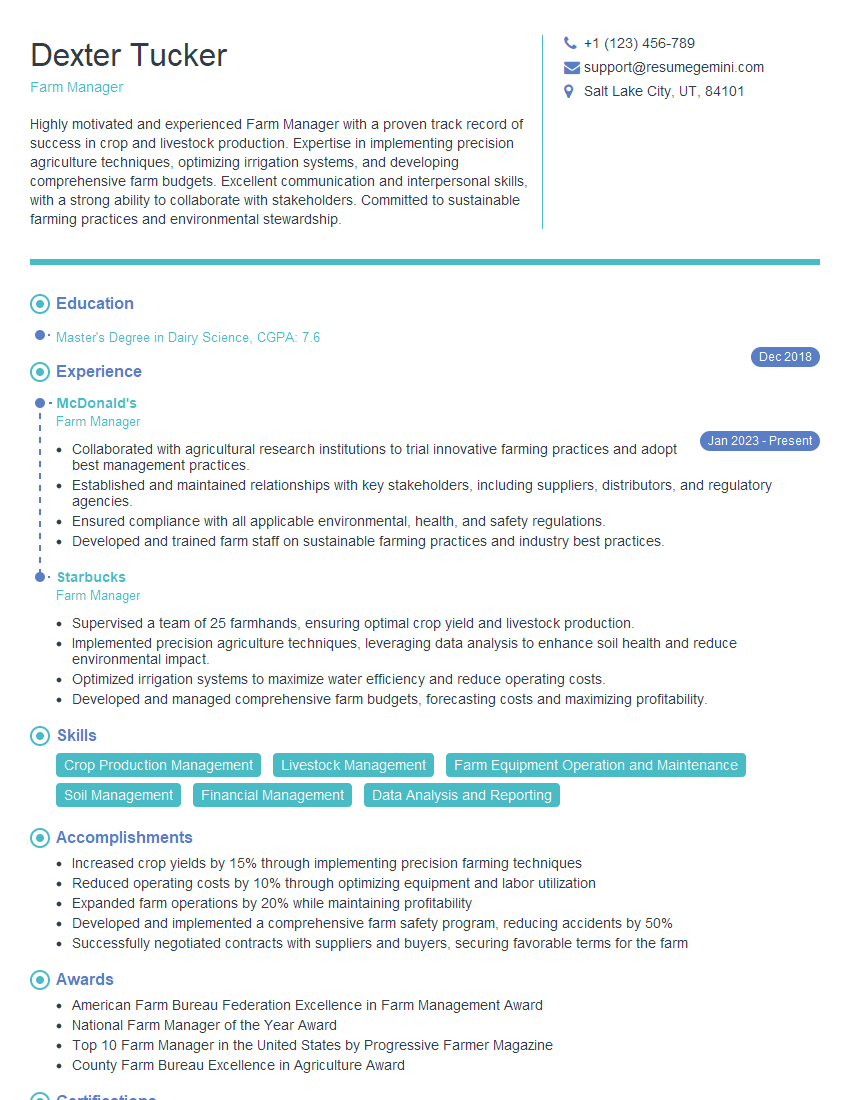
Farm Manager Resume Sample
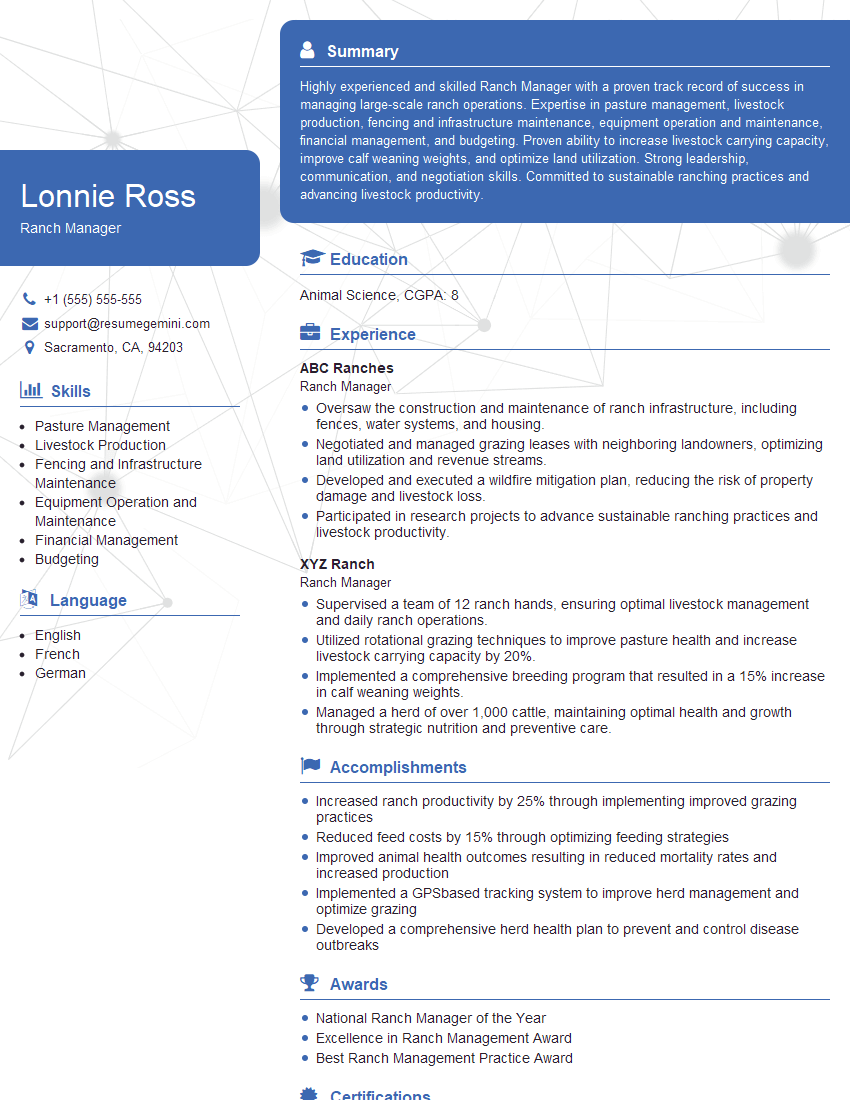
Ranch Manager Resume Sample
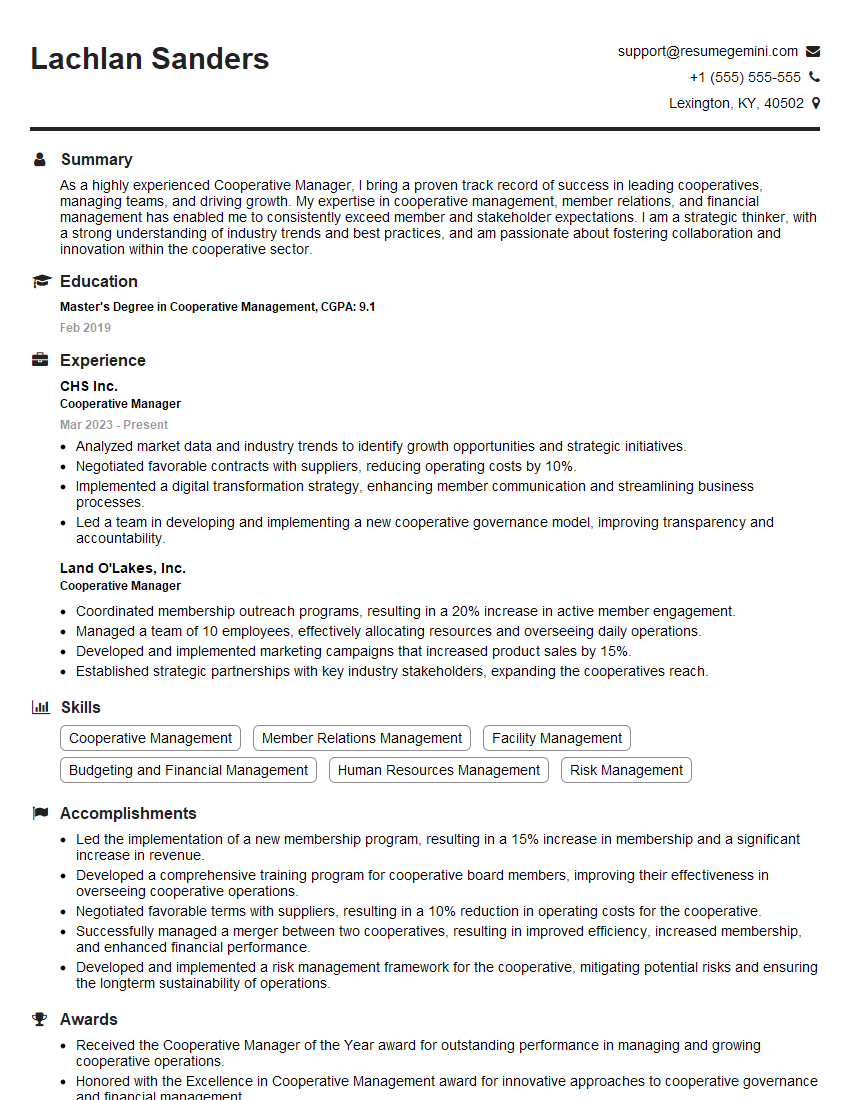
Cooperative Manager Resume Sample
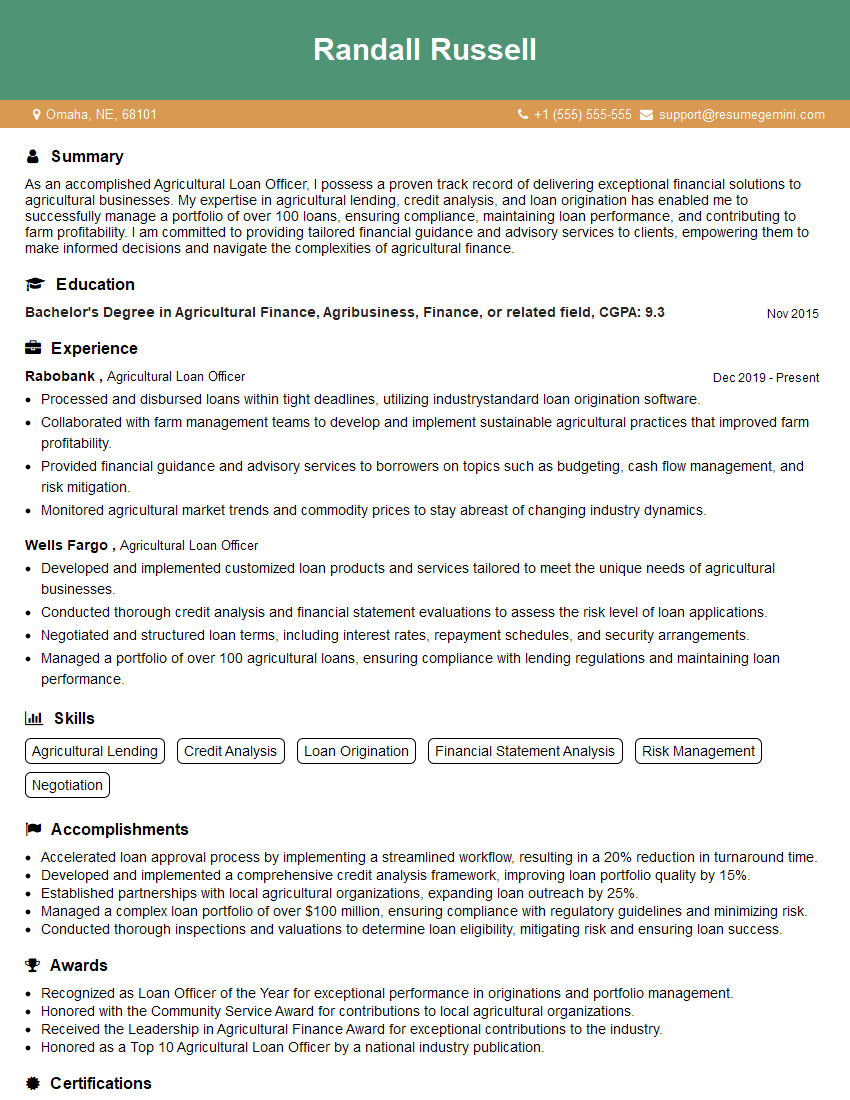
Agricultural Loan Officer Resume Sample
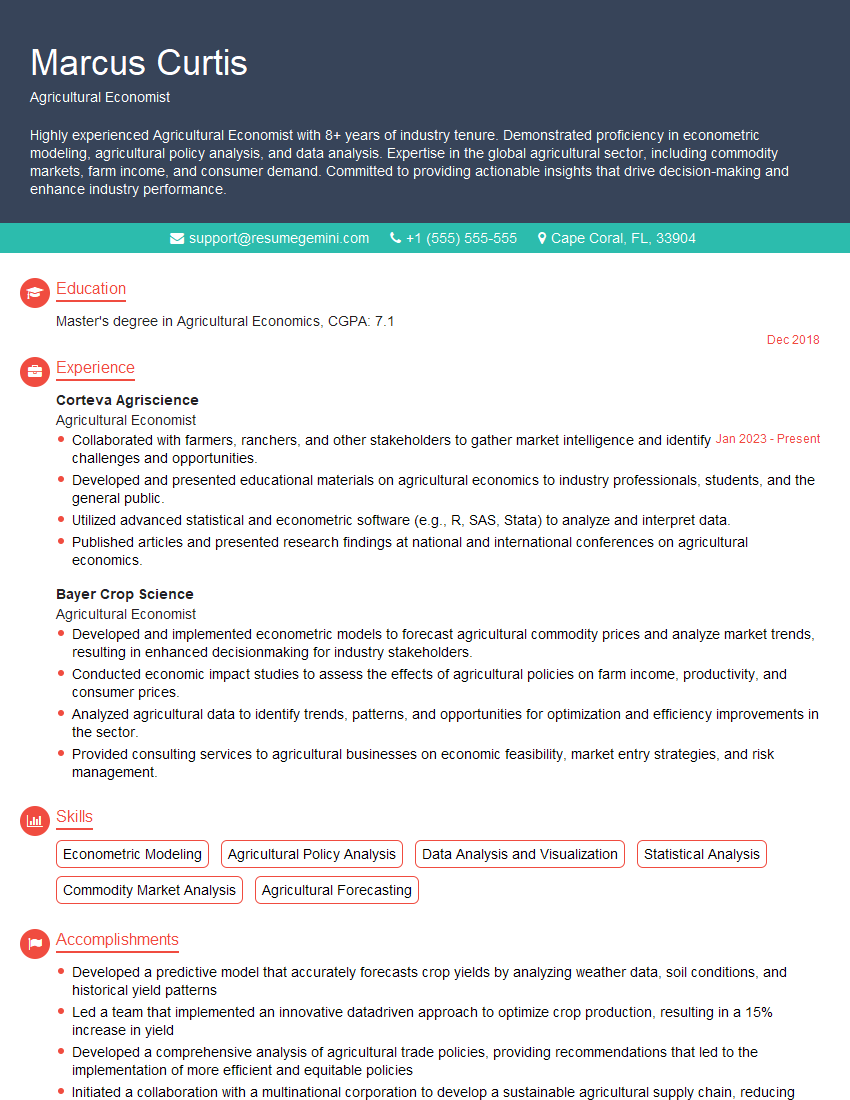
Agricultural Economist Resume Sample
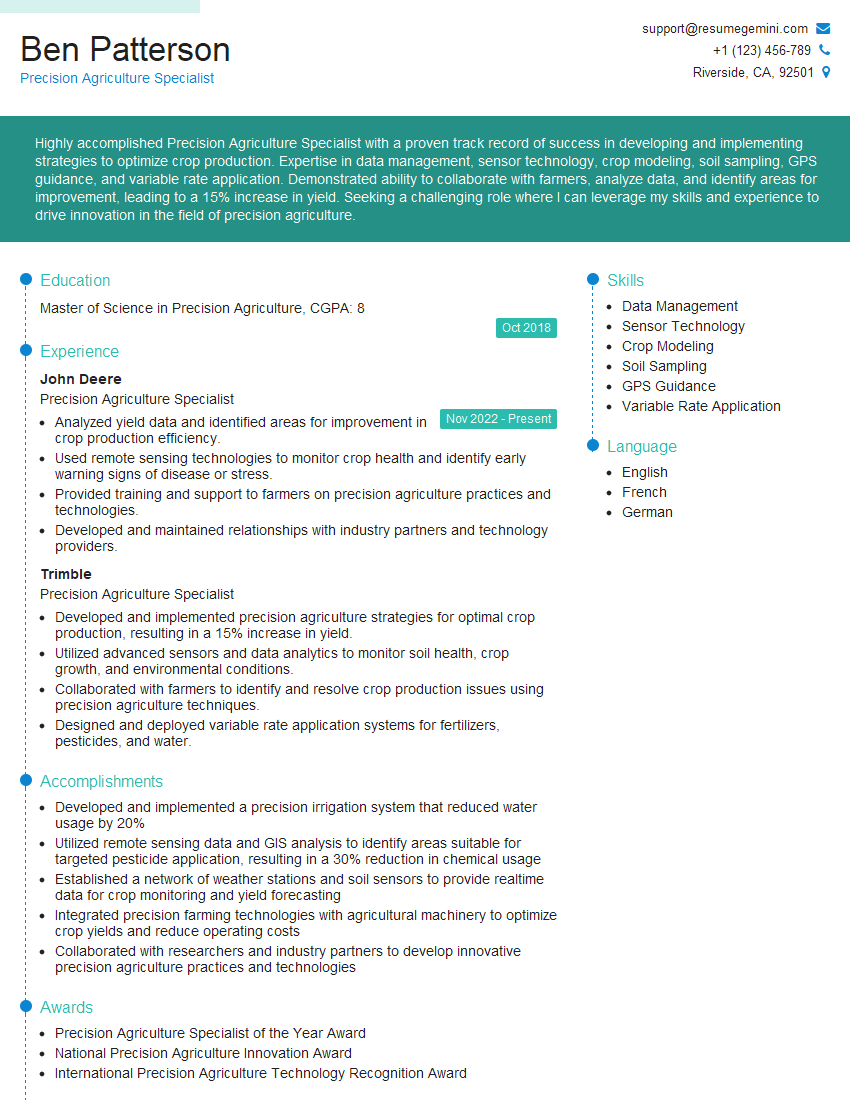
Precision Agriculture Specialist Resume Sample
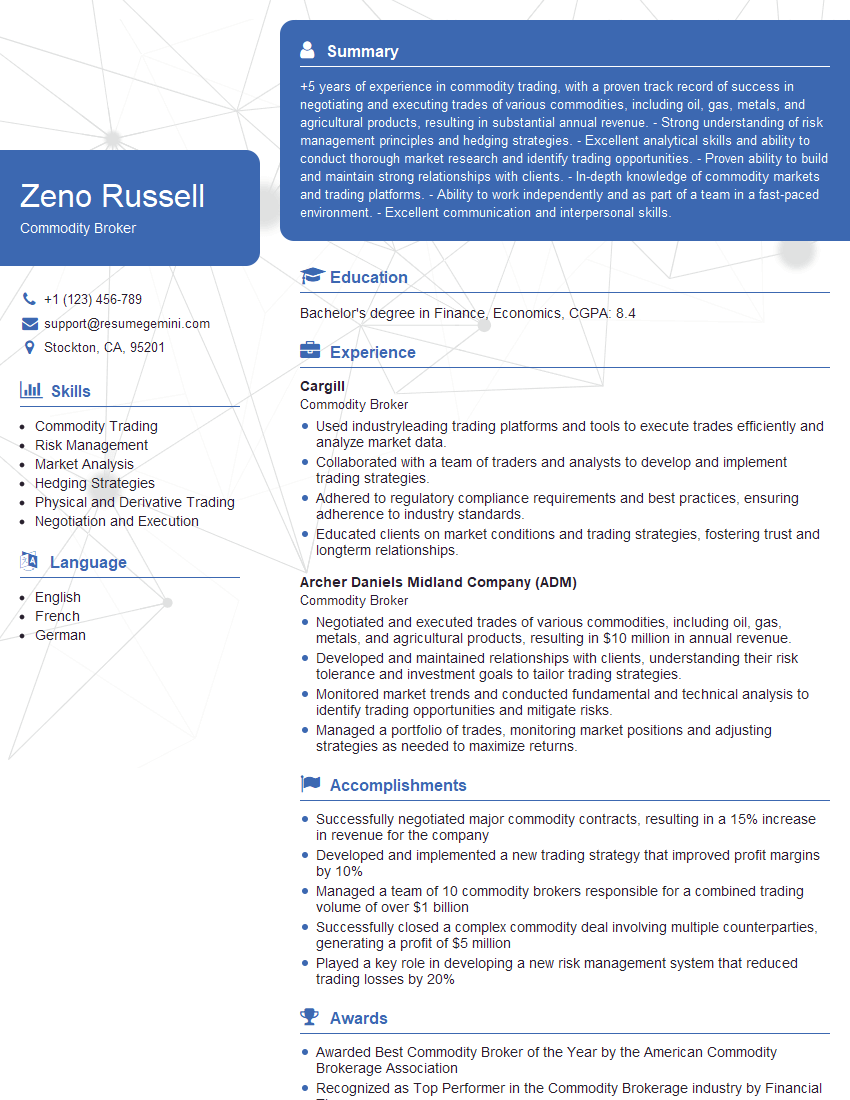
Commodity Broker Resume Sample
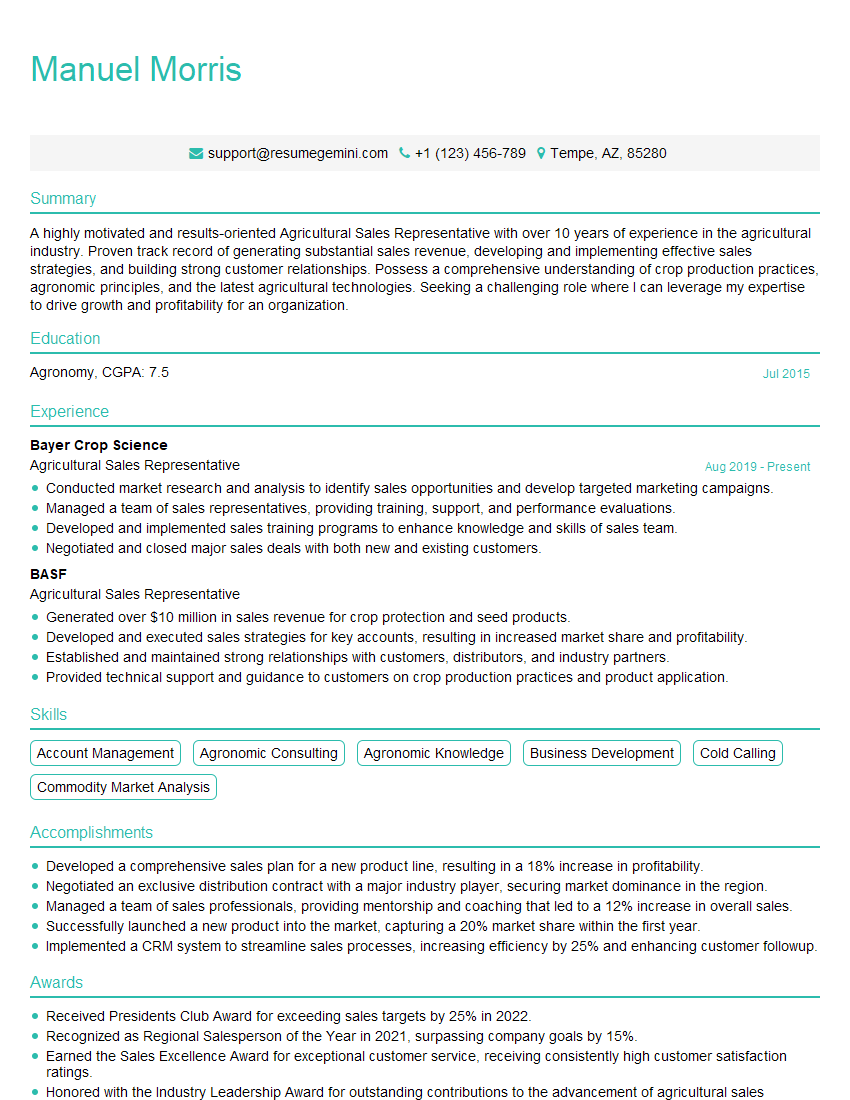
Agricultural Sales Representative Resume Sample
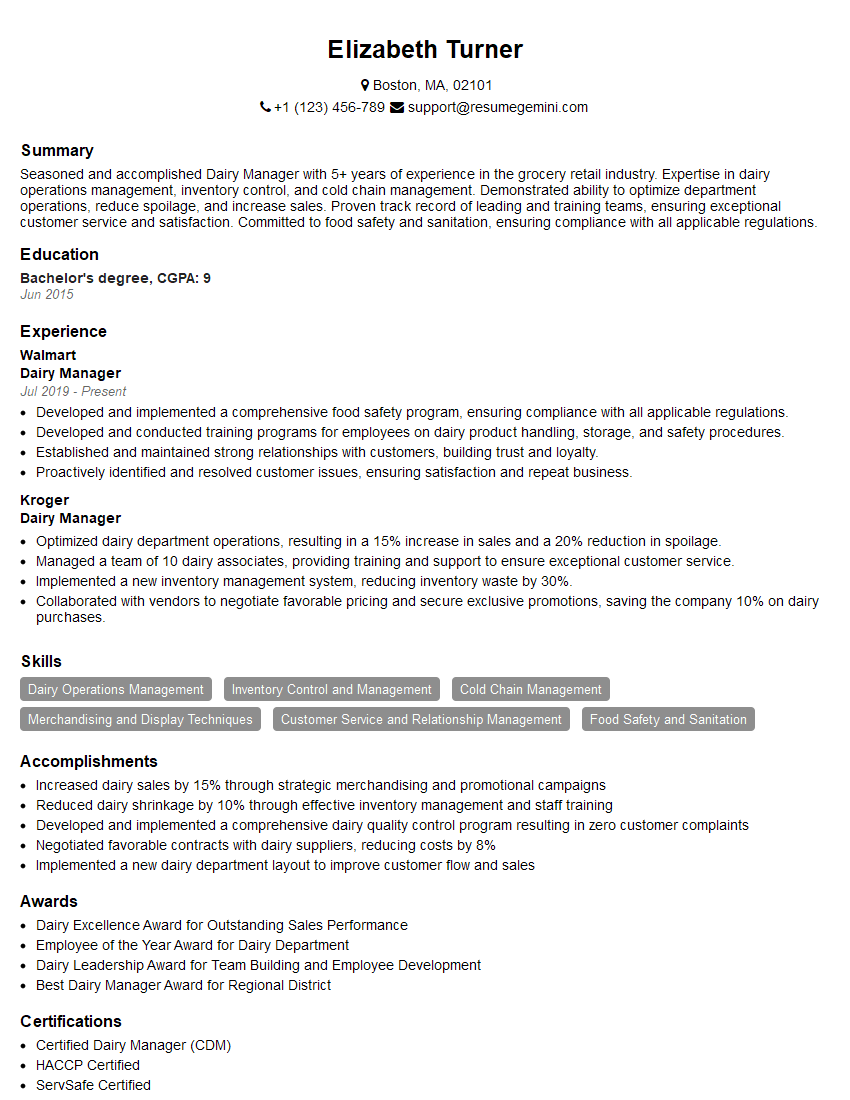
Dairy Manager Resume Sample
Explore more articles
Users Rating of Our Blogs
Share Your Experience
We value your feedback! Please rate our content and share your thoughts (optional).
What Readers Say About Our Blog
Very informative content, great job.
good