Cracking a skill-specific interview, like one for Agriculture and Crop Production, requires understanding the nuances of the role. In this blog, we present the questions you’re most likely to encounter, along with insights into how to answer them effectively. Let’s ensure you’re ready to make a strong impression.
Questions Asked in Agriculture and Crop Production Interview
Q 1. Describe your experience with different irrigation techniques.
Irrigation is crucial for successful crop production, and I have extensive experience with various techniques. My experience encompasses both traditional and modern methods, each with its own advantages and drawbacks.
- Flood Irrigation: This is a simple, gravity-fed system where water is released into furrows or fields. It’s cost-effective but can lead to water wastage and uneven distribution. I’ve used this method in large-scale rice paddies, carefully managing water levels to prevent both waterlogging and drought stress.
- Drip Irrigation: This highly efficient method delivers water directly to plant roots through a network of tubes and emitters. It minimizes water loss through evaporation and runoff. I’ve successfully implemented drip irrigation in vineyards and orchards, significantly improving yields and water conservation. We meticulously monitor the system’s pressure and adjust emitters as needed to ensure uniform water delivery.
- Sprinkler Irrigation: This system uses sprinklers to distribute water over a field, mimicking natural rainfall. It’s versatile and suitable for various terrains but can be less efficient than drip irrigation due to evaporation. I have experience optimizing sprinkler systems by adjusting nozzle pressure and spacing to account for wind conditions and terrain variations.
- Center Pivot Irrigation: This automated system uses a large sprinkler system that rotates around a central pivot point. It’s suitable for large, flat fields and is efficient for water distribution. I’ve worked on projects designing and implementing center pivot systems, ensuring correct scheduling to optimize water use and crop growth.
My approach to irrigation always considers the specific crop needs, soil type, climate, and available water resources. I emphasize data-driven decision making, using soil moisture sensors and weather forecasts to schedule irrigation effectively and minimize waste.
Q 2. Explain the principles of crop rotation and its benefits.
Crop rotation is a powerful agricultural technique involving the sequential planting of different crops in the same area over several growing seasons. It’s based on the principle of diversifying plant species to optimize soil health and minimize pest and disease issues.
- Principles: The core principles involve selecting crops with different nutrient requirements and root systems. For example, a legume (like beans or clover) which fixes nitrogen in the soil could be followed by a nitrogen-demanding crop like corn.
- Benefits: The benefits are numerous:
- Improved Soil Health: Different crops impact soil structure and nutrient content differently. Rotation helps improve soil fertility, structure, and water retention capacity.
- Pest and Disease Management: Rotating crops disrupts the life cycle of many pests and diseases, reducing their impact and minimizing the need for pesticides.
- Weed Control: Different crops have varying competitive abilities against weeds, so rotation helps to suppress weed populations naturally.
- Increased Yields: By improving soil health and reducing pest and disease pressure, crop rotation often leads to higher overall yields over time.
For example, in a three-year rotation, I might plant a legume in year one, a root crop (like carrots or potatoes) in year two, and a cereal crop (like wheat or barley) in year three. This sequence is designed to balance nutrient extraction and replenishment, improving the soil’s overall health and productivity. The choice of specific crops is tailored to the regional climate, soil type, and market demands.
Q 3. What are the common soil types and their impact on crop selection?
Soil type significantly influences crop selection because different crops have different nutrient and water requirements, and various soil types provide different levels of these resources. Understanding soil properties is critical for successful crop production.
- Sandy Soils: Well-drained but low in nutrients and water retention. Suitable crops: drought-tolerant plants like peanuts, watermelons.
- Clay Soils: High water retention but can be poorly drained and heavy, making it difficult for roots to penetrate. Suitable crops: crops that tolerate wet conditions, like rice.
- Silty Soils: Well-drained and fertile. A good balance of water retention and drainage. Suitable crops: wide variety, including many vegetables and field crops.
- Loamy Soils: A mix of sand, silt, and clay, offering optimal drainage, aeration, and water retention. Generally considered ideal for most crops.
Before selecting crops, I always conduct a thorough soil test to determine its composition, pH, and nutrient levels. This information allows me to tailor fertilization strategies and select crops best suited to the specific soil conditions. For instance, if the soil is acidic, I’ll select crops that tolerate acidic conditions or amend the soil with lime to raise the pH. Similarly, if the soil is deficient in a specific nutrient, I’ll use fertilizers to provide the necessary supplementation.
Q 4. How do you manage pest and disease outbreaks in crops?
Pest and disease management is a crucial aspect of crop production, and my approach emphasizes integrated pest management (IPM), a holistic strategy aimed at minimizing pesticide use while maximizing crop protection.
- Monitoring: Regular field inspections are essential to detect pests and diseases early. This involves visual inspection, trapping, and use of scouting tools.
- Cultural Practices: These involve practices like crop rotation, proper planting density, and appropriate irrigation to create a less hospitable environment for pests and diseases.
- Biological Control: Introducing natural enemies like beneficial insects or nematodes can effectively control pest populations. I have experience working with biological control agents in various cropping systems.
- Resistant Varieties: Selecting and planting disease-resistant crop varieties reduces the need for chemical interventions. I’ve worked with breeders to identify and introduce high-yielding resistant varieties for various crops.
- Chemical Control (as a last resort): Only when other methods prove insufficient do I use pesticides. I always select the least toxic and environmentally friendly options and apply them according to strict label instructions, adhering to safety guidelines and minimizing environmental impact.
For instance, in managing an aphid infestation, I would first assess the severity of the infestation. If it’s minor, I might introduce ladybugs, a natural predator of aphids. If the infestation is severe, then a targeted insecticide application might be necessary, but this would be the last resort after trying other IPM methods first.
Q 5. Discuss your experience with precision agriculture technologies.
Precision agriculture technologies have revolutionized crop production, allowing for more efficient and sustainable practices. I’ve had significant experience implementing various technologies to optimize resource use and improve yields.
- GPS-guided machinery: This technology allows for precise application of inputs such as fertilizers, pesticides, and seeds, reducing waste and increasing efficiency. We use GPS-guided tractors and sprayers for site-specific application.
- Remote sensing: Using drones or satellites to monitor crop health, identify stress factors, and guide management decisions. We use NDVI (Normalized Difference Vegetation Index) analysis to assess crop vigor and identify areas requiring attention.
- Variable rate technology (VRT): Adjusting inputs based on the specific needs of different areas within a field, optimizing resource use. For example, applying more fertilizer to areas with low nutrient levels.
- Soil sensors: Monitoring soil moisture and nutrient levels to optimize irrigation and fertilization schedules. We use soil moisture sensors to inform irrigation scheduling and avoid over-watering.
- Data management and analysis: Collecting, analyzing, and interpreting data from various sources to make informed management decisions. We use GIS software and data analytics to interpret remote sensing data and soil sensor readings.
Implementing these technologies allows for a data-driven approach, enabling me to make more precise and timely decisions, ultimately improving yields, reducing input costs, and minimizing environmental impact.
Q 6. What are the key factors affecting crop yields?
Crop yields are influenced by a complex interplay of factors. Understanding and managing these factors is key to maximizing productivity.
- Climate: Temperature, rainfall, sunlight, and other climatic conditions directly affect plant growth and development. Droughts, floods, and extreme temperatures can severely impact yields.
- Soil: Soil fertility, texture, water-holding capacity, and drainage characteristics play a vital role in plant health and nutrient availability.
- Genetics: The choice of crop variety significantly impacts yield potential. High-yielding, disease-resistant varieties are crucial for maximizing production.
- Nutrient Management: The availability of essential nutrients (nitrogen, phosphorus, potassium, and micronutrients) is critical for optimal plant growth and yield.
- Pest and Disease Management: Pests and diseases can significantly reduce yields if not managed effectively.
- Water Management: Adequate water supply is crucial for optimal crop growth, but overwatering or underwatering can negatively impact yields.
- Cultural Practices: Planting density, tillage practices, weed control, and other cultural practices influence yield.
For instance, a drought can significantly reduce yields, even with the best soil and crop varieties. Similarly, nutrient deficiencies can limit plant growth, resulting in lower yields. I always integrate these factors into my management plans to improve the overall yields.
Q 7. Explain your understanding of sustainable agricultural practices.
Sustainable agriculture prioritizes environmental stewardship, economic viability, and social equity. My understanding of sustainable practices emphasizes the long-term health of the environment and the community.
- Reduced Chemical Inputs: Minimizing the use of synthetic fertilizers, pesticides, and herbicides, relying instead on integrated pest management, cover cropping, and biological control.
- Water Conservation: Implementing efficient irrigation techniques, such as drip irrigation, to minimize water waste and protect water resources.
- Soil Health Improvement: Implementing practices such as crop rotation, cover cropping, and no-till farming to enhance soil fertility, structure, and water retention capacity.
- Biodiversity Enhancement: Promoting biodiversity by integrating different crops, livestock, and natural habitats into the farming system.
- Renewable Energy Use: Utilizing solar energy and other renewable energy sources to power farm operations and reduce greenhouse gas emissions.
- Climate Change Adaptation and Mitigation: Adopting practices to adapt to the impacts of climate change, such as drought-resistant crops, and mitigating climate change by reducing greenhouse gas emissions from agriculture.
My approach to sustainable agriculture involves a holistic assessment of the farm system, integrating various sustainable practices to create a resilient and environmentally friendly operation. For example, I might implement cover cropping to improve soil health, reduce erosion, and suppress weeds, while simultaneously integrating livestock grazing to provide additional income streams and utilize crop residues.
Q 8. How do you assess soil health and fertility?
Assessing soil health and fertility is crucial for successful crop production. It involves a multifaceted approach combining visual observation, laboratory analysis, and understanding the soil’s history. We start with a visual assessment, looking at soil structure, color, and the presence of organic matter. Is the soil crumbly and well-structured, or compacted and clay-like? A dark brown or black color often suggests high organic matter content, while a pale color might indicate nutrient deficiencies.
Next, we collect soil samples at different depths and send them to a laboratory for analysis. This provides quantitative data on various parameters including:
- pH: Measures soil acidity or alkalinity, impacting nutrient availability. A pH of around 6.5 is generally ideal for most crops.
- Organic Matter: Indicates the amount of decomposed plant and animal material, crucial for soil structure, water retention, and nutrient cycling.
- Nutrient Levels: Determines the concentrations of essential macronutrients (nitrogen, phosphorus, potassium) and micronutrients (iron, zinc, manganese etc.) needed for plant growth. Deficiencies can be identified and addressed through targeted fertilization.
- Texture: Determines the proportion of sand, silt, and clay, influencing water holding capacity, drainage, and aeration.
Finally, understanding the soil’s history – previous crops grown, tillage practices, and fertilization history – provides valuable context for interpreting the test results. For instance, continuous monoculture might deplete specific nutrients, requiring tailored fertilization strategies.
For example, during my work at a large-scale corn farm, we identified low phosphorus levels through soil testing in a particular field. This informed our decision to amend the soil with phosphorus-rich fertilizer, resulting in a significant yield increase in the following season.
Q 9. Describe your experience with various fertilization techniques.
My experience encompasses various fertilization techniques, tailored to specific crop needs and soil conditions. These include:
- Broadcast Fertilization: Applying fertilizer evenly across the entire field. This method is simple and cost-effective but can lead to uneven nutrient distribution and potential nutrient loss through leaching or runoff. I’ve used this technique for establishing cover crops where even distribution is sufficient.
- Band Fertilization: Placing fertilizer in narrow bands close to the seed row during planting. This minimizes nutrient loss and improves nutrient uptake efficiency. I’ve successfully employed this method for corn and soybean production, observing improved germination and early growth.
- Starter Fertilization: Providing a small dose of fertilizer at planting to support early seedling growth. This technique is particularly beneficial for nutrient-deficient soils or crops with high nutrient demand in their early stages.
- Foliar Fertilization: Applying liquid fertilizers directly to the plant foliage. This method provides rapid nutrient uptake and is suitable for correcting micronutrient deficiencies or supplying nutrients during periods of high demand. I have utilized foliar fertilization to address potassium deficiencies in tomato plants during fruiting.
- Drip Irrigation with Fertigation: Applying fertilizer through a drip irrigation system, delivering nutrients directly to the plant roots. This highly efficient method minimizes nutrient loss and ensures uniform distribution. I’ve implemented this in high-value greenhouse operations, achieving optimal nutrient management and improved yields.
The choice of fertilization technique depends on several factors, including crop type, soil type, nutrient levels, environmental conditions, and economic considerations. I always strive to optimize nutrient use efficiency to minimize environmental impact and maximize profitability.
Q 10. What are the challenges in organic crop production?
Organic crop production faces several challenges compared to conventional agriculture. These include:
- Lower Yields: Yields in organic farming are often lower initially due to the absence of synthetic fertilizers and pesticides. Building soil fertility naturally takes time and effort.
- Weed Management: Controlling weeds without herbicides requires diligent mechanical weeding, crop rotation, cover cropping, and other techniques, which can be labor-intensive and costly.
- Pest and Disease Management: Organic pest and disease management relies on biological controls, crop rotation, resistant varieties, and cultural practices. Effective implementation requires detailed knowledge and timely intervention.
- Market Access and Price Premiums: Organic produce may command higher prices but accessing appropriate market channels and ensuring consistent demand can be challenging.
- Soil Fertility Management: Maintaining soil fertility organically requires careful attention to composting, cover cropping, and crop rotation to replenish nutrients naturally. Soil health is paramount.
- Labor Intensity: Organic farming generally requires more manual labor compared to conventional farming, increasing labor costs.
Addressing these challenges requires careful planning, proactive management strategies, and a commitment to sustainable practices. It also requires a strong understanding of ecological principles and a willingness to adapt to unforeseen circumstances.
Q 11. How do you manage water resources efficiently in agriculture?
Efficient water resource management in agriculture is vital for both environmental sustainability and economic viability. Several strategies can be employed:
- Drip Irrigation: Delivers water directly to plant roots, minimizing evaporation and runoff. This method is highly efficient, especially in water-scarce regions.
- Sprinkler Irrigation: Offers a balance between efficiency and coverage. Selecting appropriate nozzle types and scheduling can improve water use efficiency.
- Water Harvesting: Collecting rainwater for later use reduces reliance on groundwater or surface water resources. This can include constructing reservoirs or utilizing simple collection systems.
- Soil Moisture Sensors: Provide real-time data on soil moisture levels, enabling informed irrigation scheduling and preventing overwatering. This technology significantly improves water use efficiency.
- Mulching: Applying organic or synthetic mulch to the soil surface reduces evaporation, conserves moisture, and suppresses weeds. This simple yet effective technique can be very beneficial.
- Crop Rotation and Cover Cropping: Improving soil structure and water retention capacity through strategic crop choices reduces the need for irrigation.
- Drought-Resistant Crops: Selecting crop varieties adapted to local climate conditions minimizes water stress and reduces irrigation needs. This is a crucial factor in arid and semi-arid areas.
Implementing these strategies requires careful consideration of local conditions, crop requirements, and available resources. A holistic approach combining multiple techniques is often the most effective way to optimize water use efficiency.
Q 12. Explain your knowledge of various harvesting methods.
Harvesting methods vary greatly depending on the crop type and scale of operation. My experience includes:
- Manual Harvesting: Suitable for small-scale operations or high-value crops requiring careful handling. This method is labor-intensive but ensures high-quality product selection.
- Mechanical Harvesting: Employing machinery such as combines, harvesters, and pickers for large-scale operations. This significantly increases harvesting efficiency but requires careful calibration and maintenance to minimize crop damage.
- Selective Harvesting: Picking only mature or high-quality produce, leaving immature or damaged produce in the field. This improves overall product quality but is more time-consuming.
- Direct Harvesting: Harvesting crops directly into transport containers or processing facilities. This is efficient and minimizes post-harvest handling but requires specialized equipment.
The choice of harvesting method depends on factors like crop characteristics, yield, labor costs, and available technology. Careful planning and implementation are crucial to ensure efficient and effective harvesting, minimizing losses and maximizing product quality.
For instance, during my time working with a large-scale wheat farm, the use of a combine harvester significantly reduced harvest time compared to manual harvesting, enabling timely harvest completion before potential weather issues.
Q 13. What are the post-harvest handling techniques for maximizing product quality?
Post-harvest handling is critical for maintaining product quality and extending shelf life. Key techniques include:
- Cleaning and Sorting: Removing unwanted material, damaged produce, and foreign objects. This improves product uniformity and extends shelf life.
- Pre-cooling: Rapidly reducing the temperature of harvested produce to slow down respiration and enzymatic activity. This minimizes deterioration and extends shelf life.
- Proper Packaging: Using appropriate containers and materials to protect produce from damage and maintain quality during transportation and storage. Packaging should protect against bruising, moisture loss, and contamination.
- Storage Conditions: Maintaining optimal temperature, humidity, and ventilation during storage to slow down respiration and prevent spoilage. Storage conditions vary greatly depending on the crop.
- Controlled Atmosphere Storage: Modifying the atmosphere within storage facilities to reduce respiration rates and extend shelf life. This technique is effective for many fruits and vegetables.
- Modified Atmosphere Packaging (MAP): Altering the gas composition within packaging to slow down respiration and prevent microbial growth. This is crucial for extending the shelf life of fresh produce.
Effective post-harvest handling is vital to minimize losses, maintain product quality, and increase market value. Understanding the specific requirements of each crop and implementing appropriate strategies are crucial for success.
Q 14. Describe your experience with agricultural machinery and equipment.
My experience with agricultural machinery and equipment is extensive, encompassing a wide range of tools and technologies used across various farming operations. I am familiar with:
- Tractors: From smaller, compact tractors for specialized tasks to large, high-horsepower tractors for pulling implements and performing field operations.
- Combines: Used for harvesting grains and other crops, combining cutting, threshing, and cleaning in a single operation. Understanding combine settings and maintenance is critical.
- Planters: Precision planting equipment capable of accurately placing seeds at optimal depths and spacing for efficient crop establishment.
- Sprayers: Used for applying pesticides, herbicides, and fertilizers, with various types available depending on the application method and scale of operation.
- Harvesting Equipment: Specialized equipment for harvesting various crops, such as cotton pickers, potato harvesters, and fruit pickers.
- Irrigation Systems: Center pivot irrigation systems, drip irrigation systems, and sprinkler irrigation systems, each with its own operational characteristics and maintenance requirements.
- GPS Guidance Systems and Precision Agriculture Technologies: Employing GPS and sensor technologies to optimize field operations and improve efficiency and resource management.
Beyond operating this machinery, I have experience with troubleshooting, maintenance, and repair. Understanding the mechanics and technology behind these tools is crucial for efficient and safe operation, leading to higher productivity and lower costs. I’ve also implemented precision agriculture technologies to optimize fertilizer and pesticide application, reducing waste and environmental impact.
Q 15. How do you ensure food safety and quality in crop production?
Ensuring food safety and quality in crop production is paramount. It’s a multifaceted process that starts long before harvest and continues through processing and distribution. We employ a system built on several key pillars:
- Good Agricultural Practices (GAPs): This forms the foundation. GAPs encompass everything from soil health management and water quality to proper fertilizer application and pest control. We meticulously document every step, ensuring traceability and accountability. For example, maintaining detailed records of pesticide applications, including dates, quantities, and target pests, is crucial for traceability and regulatory compliance.
- Hazard Analysis and Critical Control Points (HACCP): HACCP is a preventative approach to food safety. We identify potential hazards at each stage of production – from planting to harvesting and storage – and implement controls to mitigate these risks. For instance, we might establish critical limits for temperature during storage to prevent spoilage and bacterial growth.
- Pest and Disease Management: Integrated Pest Management (IPM) is central. This focuses on minimizing pesticide use through a combination of biological controls, cultural practices, and targeted pesticide applications only when absolutely necessary. We regularly monitor crops for pests and diseases, employing scouting techniques and using traps to gauge pest populations before resorting to chemical interventions.
- Harvesting and Post-Harvest Handling: Proper harvesting techniques are essential to prevent damage and contamination. Careful handling, prompt processing, and appropriate storage conditions are also critical to maintaining quality. For example, we use specialized equipment to minimize bruising during harvest and maintain a cold chain during transportation to preserve freshness.
- Traceability: Establishing a robust traceability system allows us to quickly identify and isolate any contaminated batches. This involves detailed record-keeping and often includes batch numbers, field location data, and handling information. In case of a problem, we can easily pinpoint the source.
By adhering strictly to these principles, we ensure that the crops we produce meet the highest safety and quality standards, protecting consumers and upholding our reputation for excellence.
Career Expert Tips:
- Ace those interviews! Prepare effectively by reviewing the Top 50 Most Common Interview Questions on ResumeGemini.
- Navigate your job search with confidence! Explore a wide range of Career Tips on ResumeGemini. Learn about common challenges and recommendations to overcome them.
- Craft the perfect resume! Master the Art of Resume Writing with ResumeGemini’s guide. Showcase your unique qualifications and achievements effectively.
- Don’t miss out on holiday savings! Build your dream resume with ResumeGemini’s ATS optimized templates.
Q 16. What are the common challenges in livestock management?
Livestock management presents a unique set of challenges, often intertwined and demanding holistic solutions. Common difficulties include:
- Disease Prevention and Control: Outbreaks of contagious diseases can devastate herds quickly. Biosecurity measures, vaccination programs, and vigilant monitoring are crucial. We often employ predictive modeling based on disease prevalence data to anticipate potential outbreaks and take proactive steps.
- Feed Management: Ensuring adequate and nutritious feed is fundamental. This involves considering factors like feed cost, nutritional balance, and feed efficiency. We conduct regular feed analysis and adjust rations based on the animals’ needs and growth stages to optimize productivity.
- Animal Welfare: Ethical and responsible animal husbandry is paramount. Maintaining appropriate housing conditions, ensuring access to clean water and adequate space, and minimizing stress are essential for animal welfare and productivity. We regularly assess animal behavior and health to detect signs of stress or illness.
- Climate Change Impacts: Extreme weather events, changes in temperature and rainfall patterns, and increased frequency of heat stress all significantly impact livestock production. We adopt strategies to mitigate these impacts, such as using heat-tolerant breeds and improving animal shelter designs.
- Market Fluctuations: Prices for livestock and livestock products fluctuate significantly, impacting farm profitability. Careful market analysis and risk management strategies are essential to navigate these fluctuations. Using tools like futures contracts can help stabilize income.
- Labor Shortages: Finding and retaining skilled labor can be a significant hurdle, particularly in rural areas. We are constantly working on innovative solutions like incorporating automation and implementing better training programs to attract and retain skilled workforce.
Effective livestock management necessitates a proactive, data-driven approach that integrates best practices across all aspects of animal care and production.
Q 17. Explain your understanding of agricultural economics.
Agricultural economics is the application of economic principles to the production, distribution, and consumption of agricultural products. It’s a field that bridges the gap between economic theory and the realities of farming and food systems. It’s more than just about profits; it considers the complex interplay of factors that influence agricultural production and its impact on society.
Understanding agricultural economics is crucial for making informed decisions about resource allocation, production techniques, and market strategies. It helps us analyze the efficiency of different farming practices, predict market trends, and assess the environmental and social impacts of agricultural activities. For example, it might involve modeling the impact of a new irrigation technology on farm profits, or analyzing the effects of government policies on crop prices.
Key areas within agricultural economics include production economics (optimizing resource use), marketing and pricing (understanding supply and demand), and policy analysis (evaluating the impact of regulations). A solid grasp of these areas allows for strategic decision-making and sustainable agricultural practices.
Q 18. How do you analyze market trends and their impact on crop production?
Analyzing market trends and their impact on crop production is a crucial aspect of successful farming. We utilize a variety of methods to achieve this:
- Market Research: We consistently monitor market reports, price trends, and commodity futures to gauge the supply and demand for our crops. This includes analyzing government reports, industry publications, and news articles to understand overarching trends and potential disruptions.
- Data Analysis: We use statistical techniques to analyze historical yield data, weather patterns, and market prices to identify patterns and make forecasts. This enables us to anticipate potential shortages or surpluses and adjust our planting decisions accordingly. For example, a strong correlation between rainfall and yield allows us to create predictive models for optimal planting times in drought-prone areas.
- Competitive Analysis: Understanding the strategies and production capabilities of our competitors allows us to anticipate their influence on market prices and plan accordingly. This could involve examining their production methods, marketing strategies, and market share.
- Consumer Trends: Analyzing consumer preferences for different varieties or quality levels helps us adjust our crop choices to meet demand. For example, if consumer preferences shift towards organic or non-GMO produce, we must adjust our production practices to meet this demand.
By combining these analytical methods, we can make informed decisions about what crops to plant, how much to plant, and when to sell, ultimately maximizing profitability and minimizing risks. It’s a dynamic process that requires constant vigilance and adaptation.
Q 19. What are your strategies for risk management in agriculture?
Risk management in agriculture is crucial due to its vulnerability to unpredictable factors such as weather, pests, diseases, and market fluctuations. Our strategies encompass a multi-pronged approach:
- Diversification: We diversify our crops and/or livestock to reduce reliance on any single product. This spreads risk and prevents catastrophic losses from affecting the entire operation. For example, producing multiple crop varieties helps to mitigate the risk of crop failure due to disease or pest infestation.
- Crop Insurance: We utilize crop insurance to protect against unforeseen losses due to natural disasters or other insurable events. This financial safety net helps cover unexpected costs and ensures the farm’s continued operation.
- Pest and Disease Management: Integrated Pest Management (IPM) and robust disease prevention strategies are crucial in reducing losses from these factors. This includes using a combination of biological controls, cultural practices, and targeted pesticide applications.
- Water Management: Efficient irrigation techniques, such as drip irrigation, and water conservation practices help protect against losses from drought. In drier areas, water harvesting is another effective strategy.
- Financial Planning: We develop detailed budgets and financial forecasts to help manage cash flow and ensure financial stability. This includes exploring various financing options to cover expenses and investment needs.
- Market Hedging: Using tools like futures and options contracts can help manage price risks by locking in prices for future sales and protecting profits against market fluctuations.
A robust risk management plan is not static; it’s constantly adapted and refined based on new information and changing conditions. It’s a proactive approach that ensures the long-term sustainability and resilience of the farm.
Q 20. Describe your experience with data analysis in agricultural settings.
Data analysis is integral to modern agriculture. My experience encompasses various aspects, from basic statistical analysis to more advanced techniques:
- Yield Monitoring and Analysis: We use yield monitors on our harvesting equipment to collect real-time data on crop yields across different fields. This data is analyzed to identify areas of high and low yield and understand the factors contributing to variations. We use this data to optimize fertilizer application, irrigation strategies, and other management practices.
- Precision Agriculture: We utilize Geographic Information Systems (GIS) and other technologies to create detailed maps of our fields, showing variations in soil type, topography, and other important factors. This allows for site-specific management practices, maximizing resource use and efficiency. For instance, variable rate fertilizer application reduces input costs and environmental impact.
- Remote Sensing: Satellite imagery and drone technology are used to monitor crop health and identify stress factors such as disease or water deficiency. This allows for early intervention and prevents larger-scale problems.
- Statistical Modeling: We employ statistical models to predict crop yields, estimate the impact of different management practices, and forecast market prices. These models allow for data-driven decision making and more efficient resource allocation.
- Data Visualization: Effective data visualization is key to understanding complex datasets. We use dashboards and charts to present key performance indicators and track progress over time. This aids in decision-making and communication among team members.
My experience with data analysis allows us to make data-driven decisions, optimize resource use, and improve overall farm productivity and profitability. This is a continuously evolving field, and we stay updated with the latest technologies and analytical techniques.
Q 21. How do you implement integrated pest management strategies?
Integrated Pest Management (IPM) is a holistic approach to pest control that emphasizes prevention and minimizing pesticide use. It involves a combination of strategies:
- Monitoring and Scouting: Regular monitoring of crops for pests and diseases is the cornerstone of IPM. This includes visual inspections, use of traps, and other techniques to detect pests early. This allows us to take action before infestations reach damaging levels.
- Cultural Practices: These are non-chemical methods that can help prevent or suppress pest populations. Examples include crop rotation, adjusting planting dates, and using resistant varieties. Crop rotation disrupts the life cycle of many pests and diseases.
- Biological Control: This involves using natural enemies of pests, such as predatory insects, beneficial nematodes, or microbial agents. Introducing ladybugs to control aphids is a classic example.
- Mechanical and Physical Controls: These methods involve physical removal of pests or creating barriers to prevent infestations. This could include hand-picking insects, using row covers to protect crops, or using traps to capture pests.
- Chemical Control (as a last resort): Pesticides are used only when necessary and as a last resort after other methods have failed. We focus on targeted applications using the least-toxic pesticide that is effective. This helps to minimize the impact on the environment and human health.
Implementing IPM requires a comprehensive understanding of the pest’s life cycle, its natural enemies, and the environmental conditions that influence its population. It’s a proactive, preventative approach that ultimately protects the environment, minimizes costs, and ensures the safety of our food supply.
Q 22. Explain your knowledge of different plant breeding techniques.
Plant breeding techniques are methods used to improve crop characteristics, such as yield, disease resistance, and nutritional value. These techniques range from traditional methods to modern biotechnology approaches.
- Traditional Breeding: This involves selectively crossing plants with desirable traits. For example, we might cross a high-yielding wheat variety with a disease-resistant one, hoping the offspring inherits both qualities. This process is time-consuming and relies heavily on natural variation.
- Mutation Breeding: This involves inducing mutations (changes in a plant’s DNA) using radiation or chemicals to create new variations. These variations are then screened for desirable traits. This accelerates the process compared to traditional breeding.
- Marker-Assisted Selection (MAS): MAS uses DNA markers to identify plants with desirable genes, speeding up the selection process. It allows breeders to select plants with desired genes even before they express the trait, saving time and resources.
- Genetic Engineering (GM Crops): This involves directly introducing genes from other organisms (plants, bacteria, etc.) into a crop plant. This allows us to introduce traits not easily accessible through traditional breeding, such as pest resistance or herbicide tolerance. A prime example is Bt corn, which contains a bacterial gene that produces a protein toxic to certain insect pests.
My experience encompasses all these techniques, and I’ve been involved in projects utilizing both traditional breeding and marker-assisted selection to develop drought-tolerant sorghum varieties.
Q 23. What is your experience with genetically modified crops?
My experience with genetically modified (GM) crops spans several years, focusing on their development, evaluation, and deployment. I’ve worked on assessing the agronomic performance and environmental impact of various GM varieties. I understand the concerns surrounding GM crops, which include potential ecological risks, like gene flow to wild relatives, and the socioeconomic impacts on farmers. However, I also recognize the potential benefits, such as increased yields, reduced pesticide use, and enhanced nutritional value. For instance, I was part of a team evaluating the performance of a GM soybean variety engineered for herbicide tolerance. This research showed a significant reduction in herbicide application, leading to environmental benefits and cost savings for farmers. It’s crucial to employ rigorous risk assessment methodologies for responsible development and deployment of GM technology.
Q 24. Describe your understanding of climate change’s impact on agriculture.
Climate change significantly impacts agriculture. Rising temperatures, altered rainfall patterns, and increased frequency of extreme weather events like droughts and floods pose major challenges to crop production. For example, increased heat stress can reduce yields and affect crop quality, while unpredictable rainfall can lead to water scarcity or excessive soil saturation, both detrimental to plant health. Changes in pest and disease patterns also accompany climate change. Some pests might expand their range, affecting more crops. This means we need to develop climate-resilient crops that can better withstand these stresses.
Q 25. How do you adapt farming practices to changing weather conditions?
Adapting farming practices to changing weather conditions requires a multi-pronged approach.
- Drought-resistant crops: Planting drought-tolerant varieties is crucial in regions with water scarcity. This reduces water consumption and increases yield stability under dry conditions. For example, introducing drought-tolerant maize varieties can significantly improve yields during drier periods.
- Water management techniques: Implementing efficient irrigation systems like drip irrigation or rainwater harvesting helps conserve water and deliver it precisely to plants where needed. Water stress can be minimized through this approach.
- Soil health management: Improving soil health through practices like cover cropping and no-till farming improves water retention capacity and reduces soil erosion. This enhances resilience to droughts and floods.
- Crop diversification: Planting a variety of crops helps to spread risks associated with weather variability. If one crop fails due to unfavorable weather, others may still thrive. This reduces dependence on single crops and buffers against crop failure.
- Climate-smart agriculture: This involves integrating climate change considerations into all aspects of farming, from choosing appropriate crop varieties to adopting sustainable land management practices.
In my experience, combining drought-resistant varieties with improved water management practices has resulted in significant yield improvements even under severe drought conditions.
Q 26. What are your experience with different types of fertilizers?
My experience encompasses a wide range of fertilizers, including inorganic and organic types.
- Inorganic fertilizers: These are synthetically produced and provide readily available nutrients like nitrogen (N), phosphorus (P), and potassium (K) in specific ratios (e.g., NPK 15-15-15). While efficient for immediate nutrient supply, overuse can lead to environmental problems like water pollution and soil degradation. I prefer using them judiciously, based on soil testing and crop needs.
- Organic fertilizers: These are derived from natural sources like compost, manure, and biochar. They improve soil structure and fertility over time, promoting healthy microbial activity. Organic fertilizers provide slower nutrient release compared to inorganic ones. I find them beneficial for long-term soil health and sustainability.
- Biofertilizers: These contain microorganisms that enhance nutrient availability to plants, often nitrogen-fixing bacteria or mycorrhizal fungi. They offer an environmentally friendly way to improve nutrient uptake.
The choice of fertilizer depends on various factors, including soil type, crop requirements, environmental concerns, and cost-effectiveness. I often recommend integrated nutrient management strategies, which combine organic and inorganic fertilizers to maximize benefits while minimizing environmental impacts. For example, in some projects, we have successfully combined the use of compost with balanced NPK fertilizers, showing higher yields with minimal environmental repercussions compared to solely inorganic options.
Q 27. How do you monitor the health of your crops?
Monitoring crop health is crucial for timely intervention and optimal yield. My approach involves a combination of methods.
- Visual observation: Regular field visits allow me to visually assess plant growth, look for signs of stress (wilting, discoloration), and detect diseases or pest infestations. This is the most basic, but essential, step.
- Remote sensing: Using drones or satellites equipped with sensors to collect data on plant health, canopy cover, and other indicators. This is valuable for large-scale monitoring and early detection of problems.
- Soil testing: Regular soil analysis helps assess nutrient levels, pH, and other soil properties, informing fertilization decisions and ensuring optimal soil conditions.
- Tissue analysis: Analyzing plant tissue samples can reveal nutrient deficiencies or excesses and guide corrective measures. This helps pin-point specific nutritional issues impacting plant health.
By integrating these methods, I can get a comprehensive view of the crop’s health and take appropriate actions to address any issues promptly. For example, using drone imagery to detect early signs of disease, coupled with soil testing to check nutrient status, allowed us to prevent a significant disease outbreak in one of my projects. Early detection through these methods is key to mitigating losses and improving yields.
Q 28. What are your strategies for weed control?
Weed control is essential for maximizing crop yields and quality. My strategies involve an integrated approach combining various methods to minimize reliance on herbicides.
- Mechanical weeding: This involves physically removing weeds, either manually or using machinery like cultivators or hoes. This approach is labor-intensive but environmentally friendly.
- Cultural control: Practices like crop rotation, cover cropping, and appropriate planting density can suppress weed growth. These sustainable practices support crop growth while hindering weed development.
- Biological control: Introducing natural enemies of weeds, such as specific insects or fungi, can help control weed populations. This is a more environment-friendly method for controlling specific weeds.
- Herbicide use: While I strive to minimize herbicide use, targeted application of herbicides might sometimes be necessary for severe infestations. I prioritize herbicides that are less harmful to the environment and human health, focusing on sustainable practices whenever possible. Herbicide use is always a last resort and informed by soil tests and weed identification.
The best weed control strategy depends on factors such as the specific weeds, crop type, soil conditions, and environmental concerns. An integrated approach, combining several methods, often provides the most effective and sustainable weed management system. In my experience, combining cultural practices with carefully targeted herbicide use has proven more effective than relying solely on herbicides, leading to both improved crop yields and reduced environmental impact.
Key Topics to Learn for Agriculture and Crop Production Interview
- Soil Science & Management: Understanding soil composition, fertility, and sustainable soil management practices. Practical application includes developing fertilization plans and implementing soil conservation techniques.
- Crop Physiology & Genetics: Knowledge of plant growth stages, nutrient uptake, and genetic modification techniques for improved yield and disease resistance. Practical application involves selecting appropriate crop varieties and optimizing growing conditions.
- Pest & Disease Management: Identifying common crop pests and diseases, implementing integrated pest management (IPM) strategies, and utilizing sustainable pest control methods. Practical application includes developing and executing pest and disease management plans.
- Crop Production Techniques: Understanding various farming methods (e.g., conventional, organic, precision agriculture), irrigation techniques, and harvesting methods. Practical application involves optimizing resource utilization and maximizing crop yield.
- Agricultural Economics & Business: Knowledge of market trends, pricing strategies, farm budgeting, and risk management. Practical application includes developing a sound business plan for a farming operation.
- Sustainable Agriculture & Environmental Stewardship: Understanding the environmental impact of agriculture and implementing sustainable practices to minimize negative effects. Practical application involves reducing water consumption, minimizing pesticide use, and conserving biodiversity.
- Data Analysis & Technology in Agriculture: Utilizing technology like precision farming tools, GPS, and data analytics for improved decision-making. Practical application involves analyzing yield data and optimizing farm operations using technology.
Next Steps
Mastering Agriculture and Crop Production opens doors to a rewarding career with opportunities for growth and innovation in a vital industry. To stand out, a strong, ATS-friendly resume is crucial. ResumeGemini can help you create a compelling resume that highlights your skills and experience effectively. Take advantage of ResumeGemini’s resources to build a professional resume tailored to your specific career goals. Examples of resumes tailored to Agriculture and Crop Production are available to guide you.
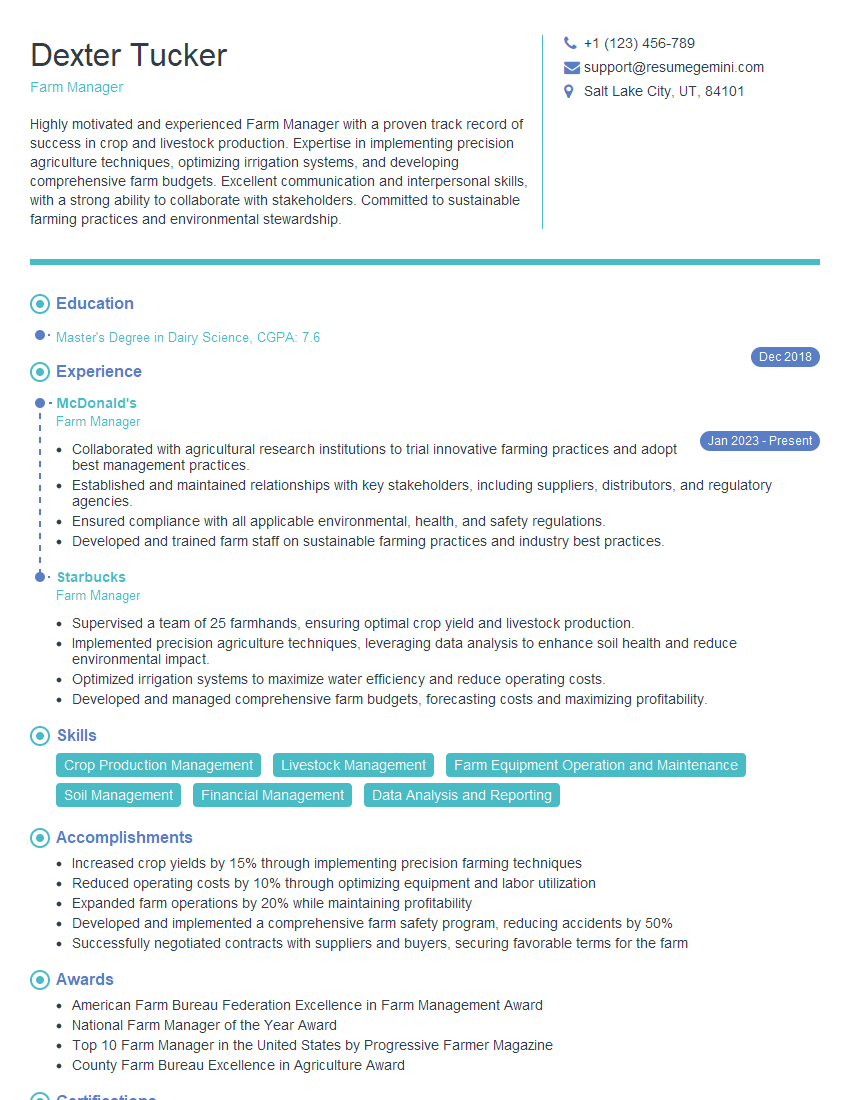
Farm Manager Resume Sample
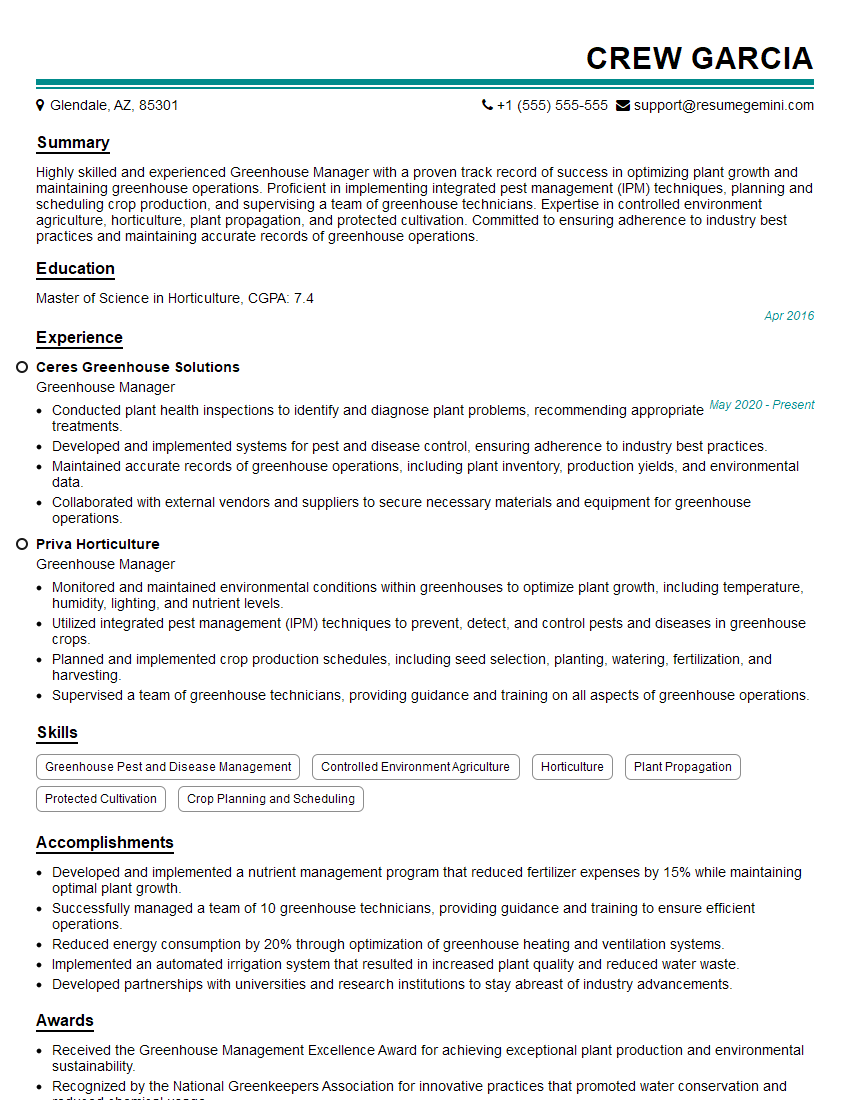
Greenhouse Manager Resume Sample
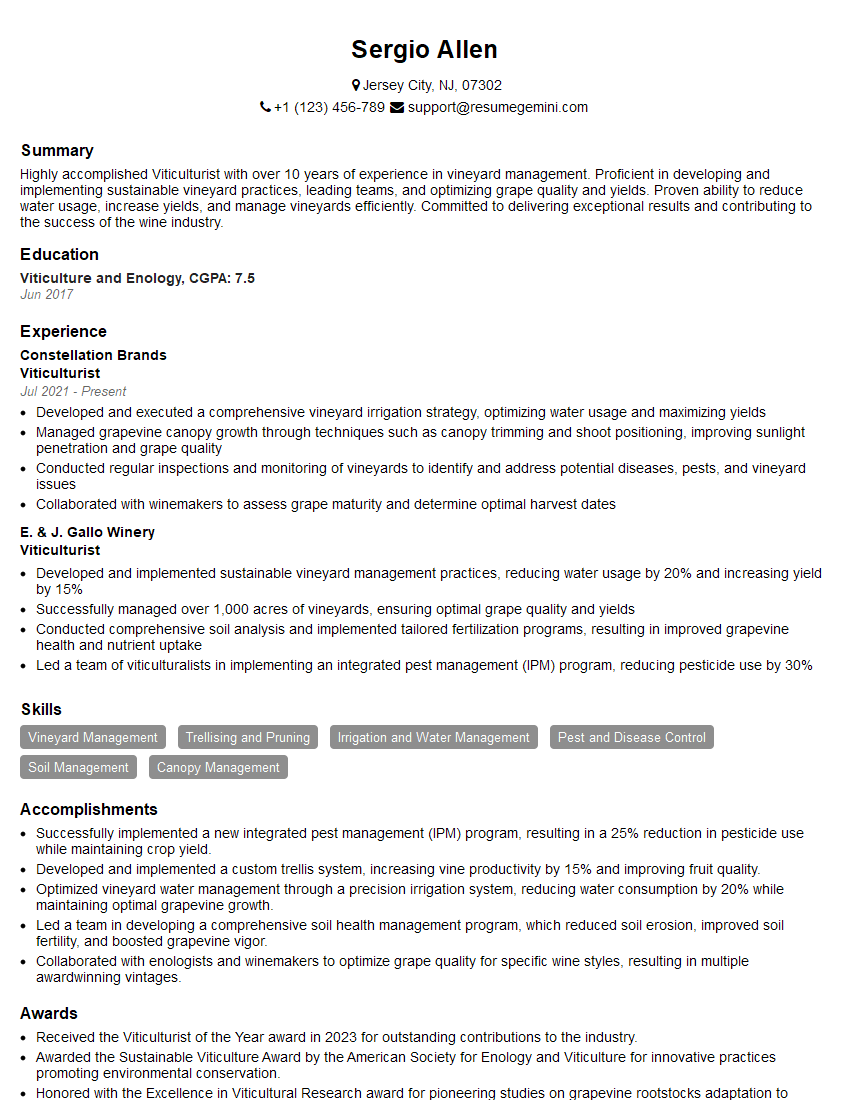
Viticulturist Resume Sample
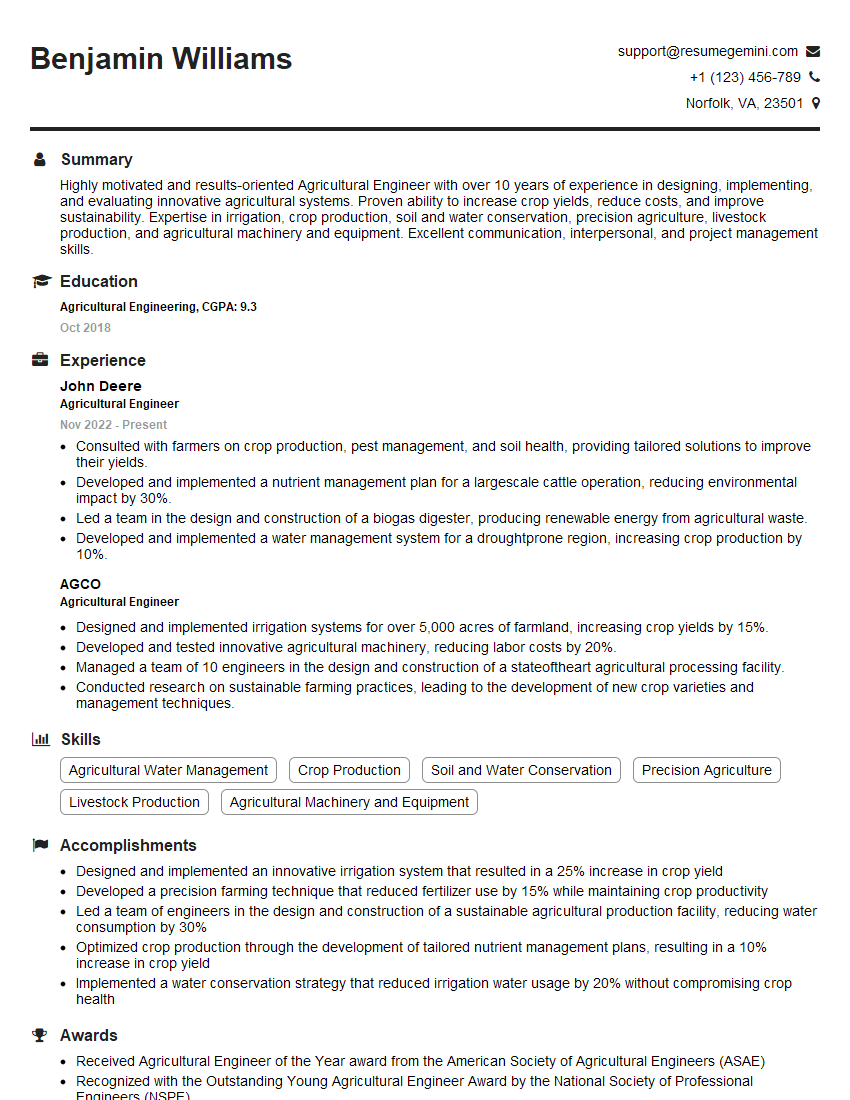
Agricultural Engineer Resume Sample
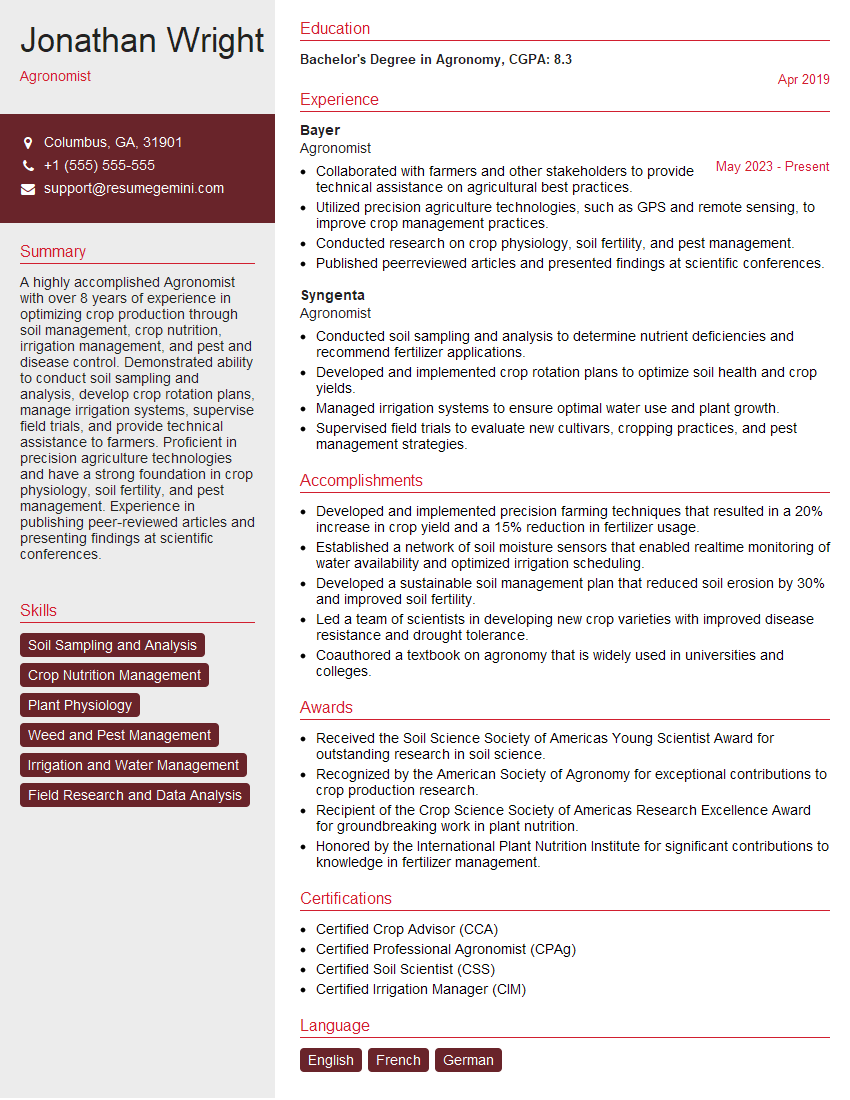
Agronomist Resume Sample
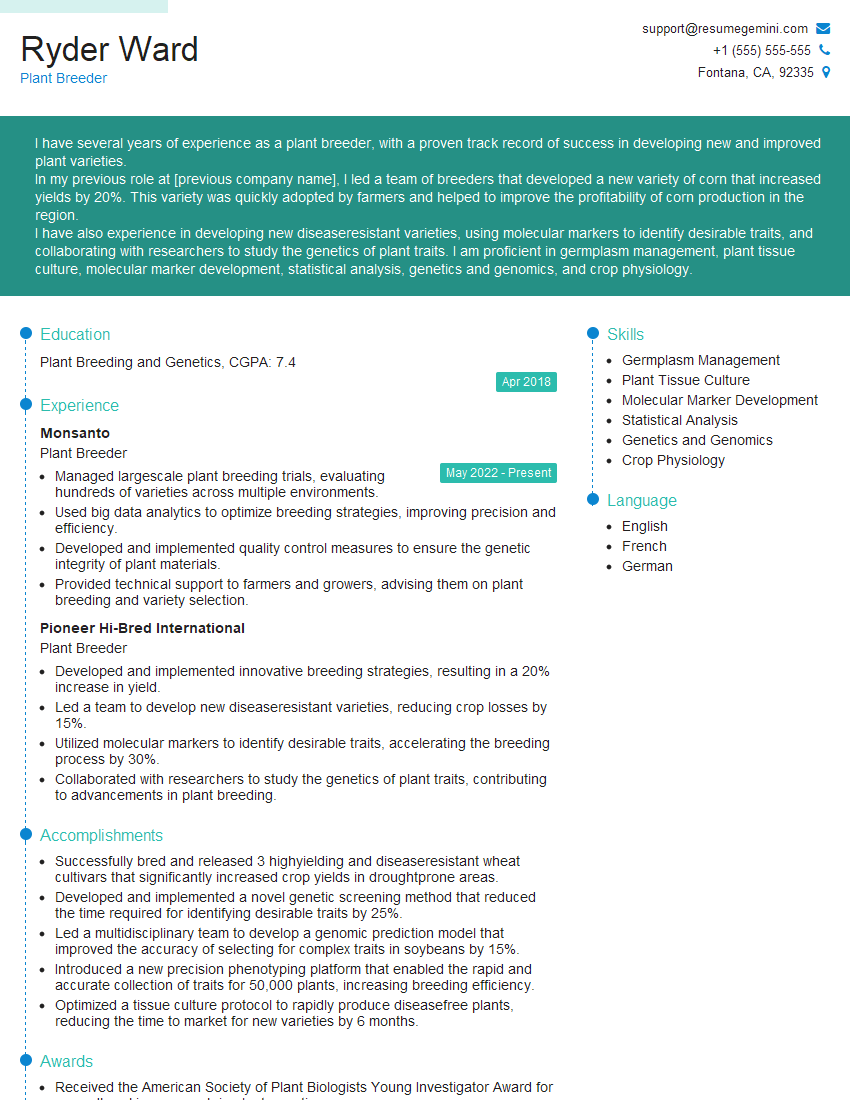
Plant Breeder Resume Sample

Soil Scientist Resume Sample
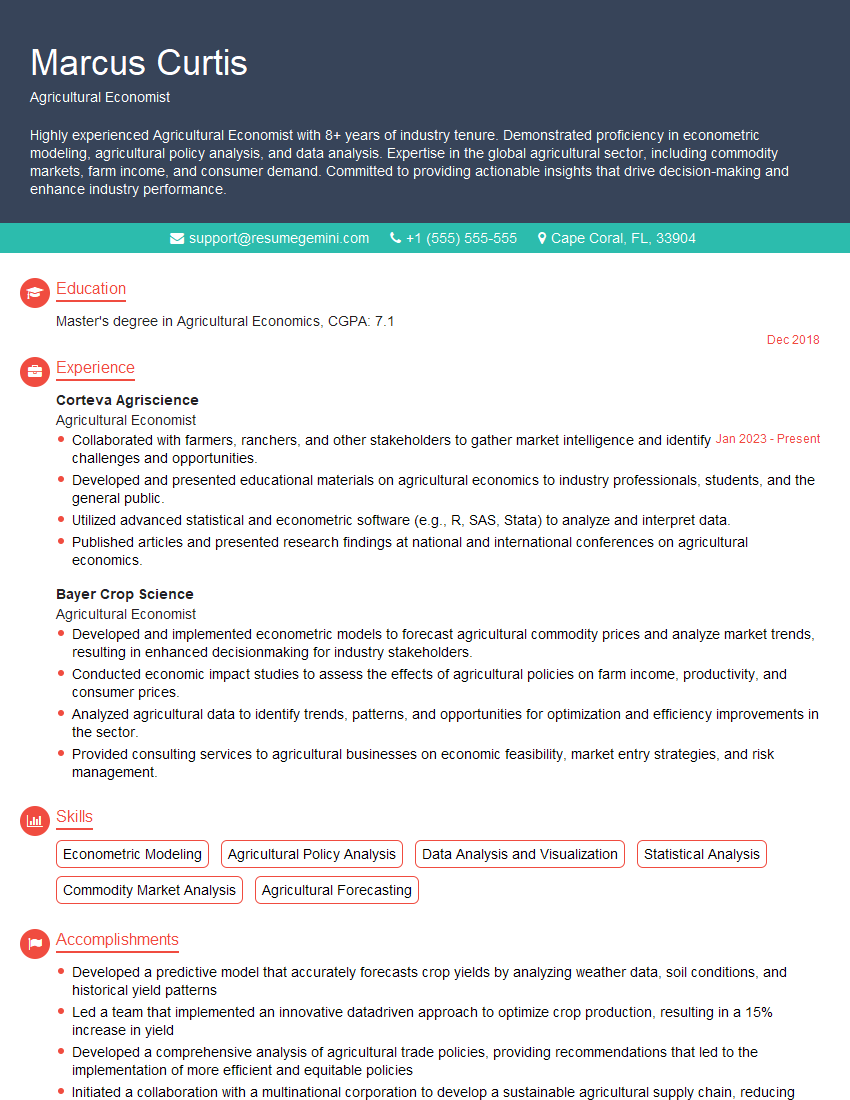
Agricultural Economist Resume Sample
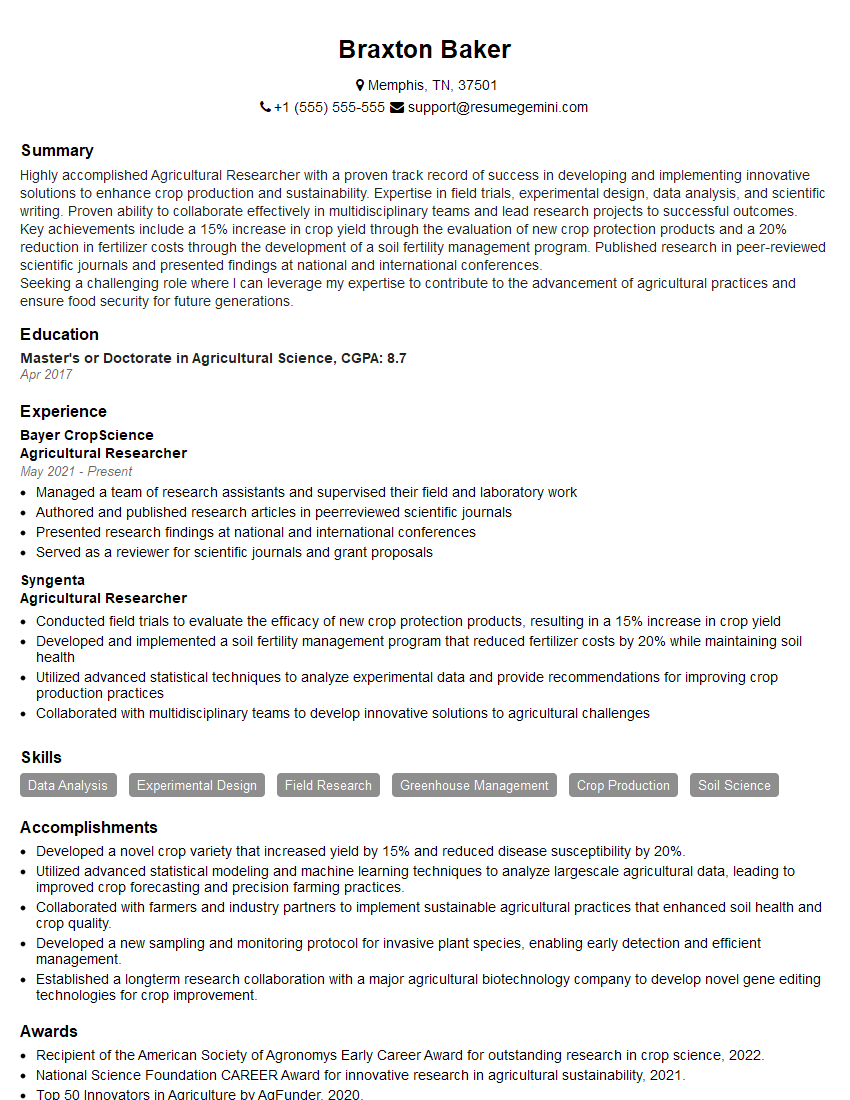
Agricultural Researcher Resume Sample
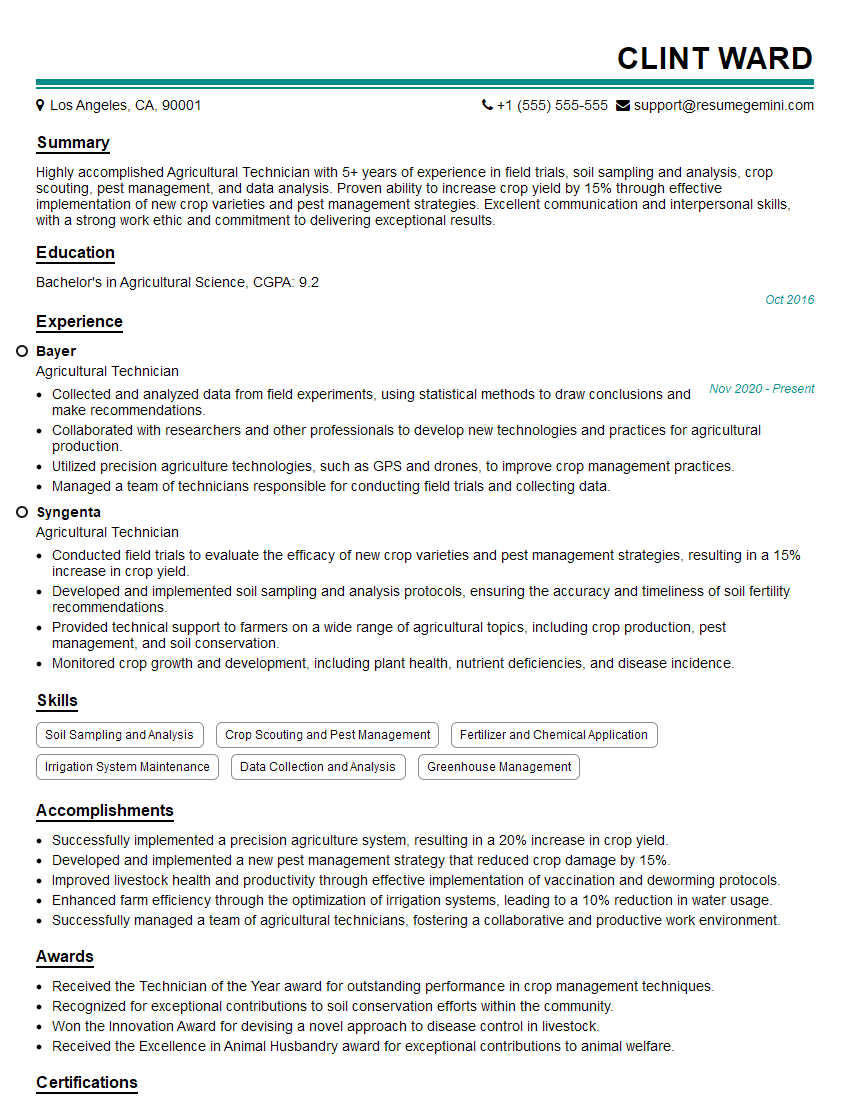
Agricultural Technician Resume Sample
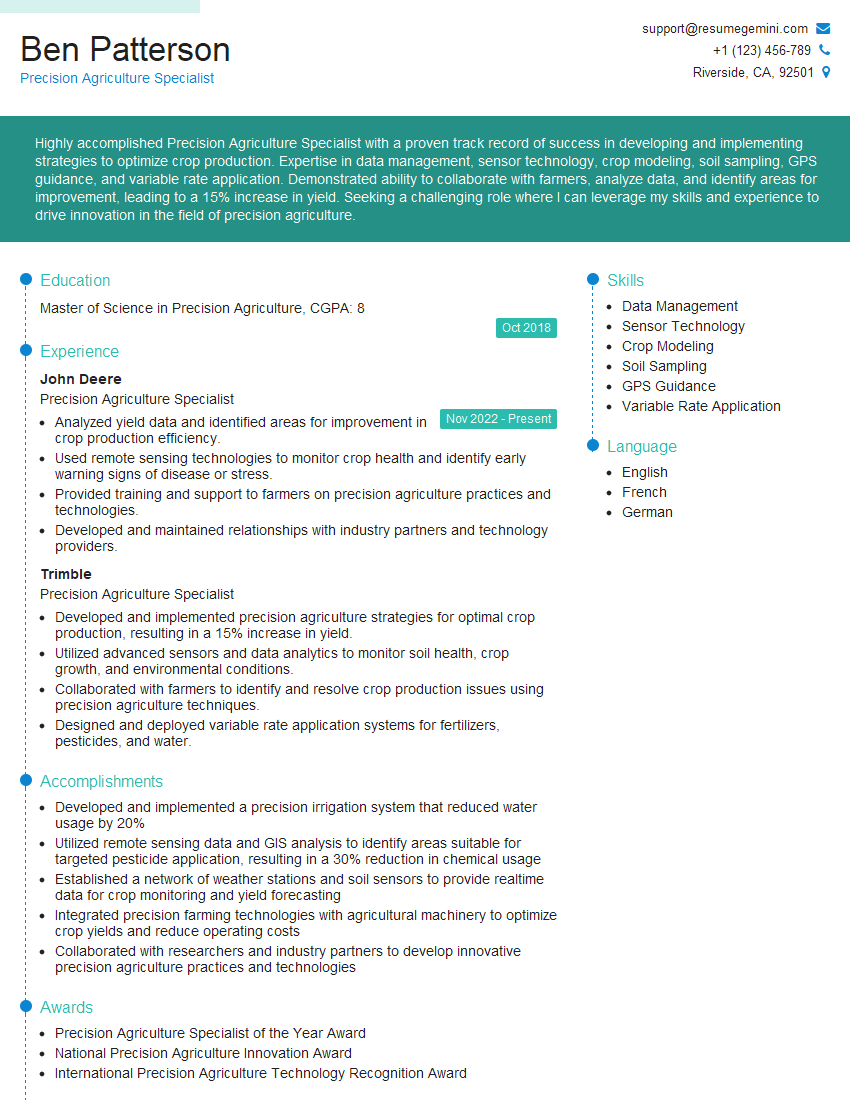
Precision Agriculture Specialist Resume Sample
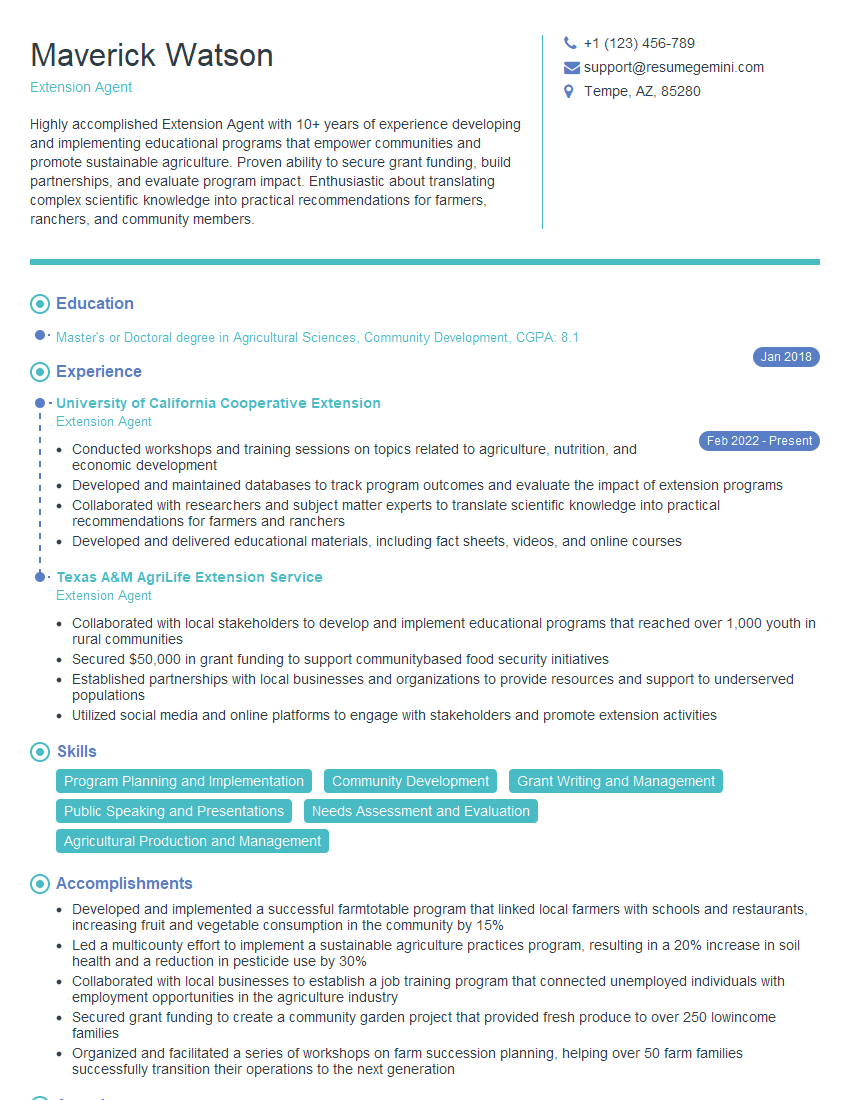
Extension Agent Resume Sample
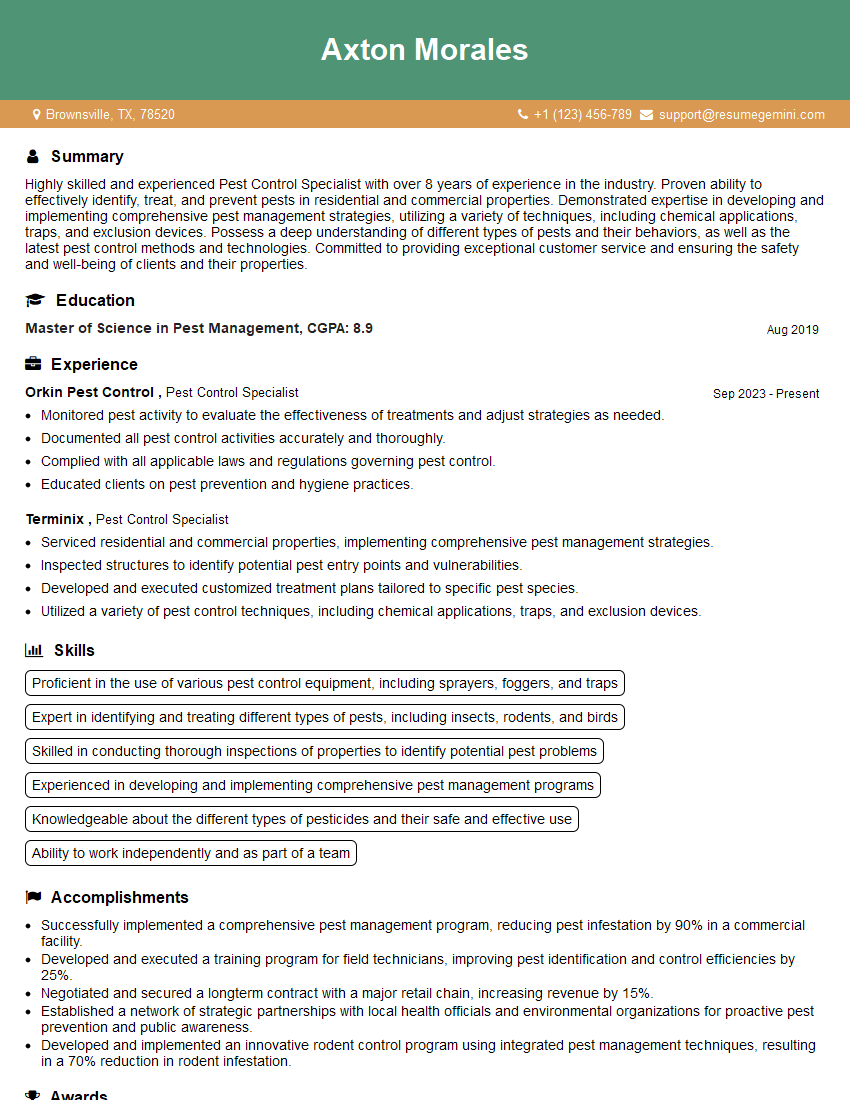
Pest Control Specialist Resume Sample
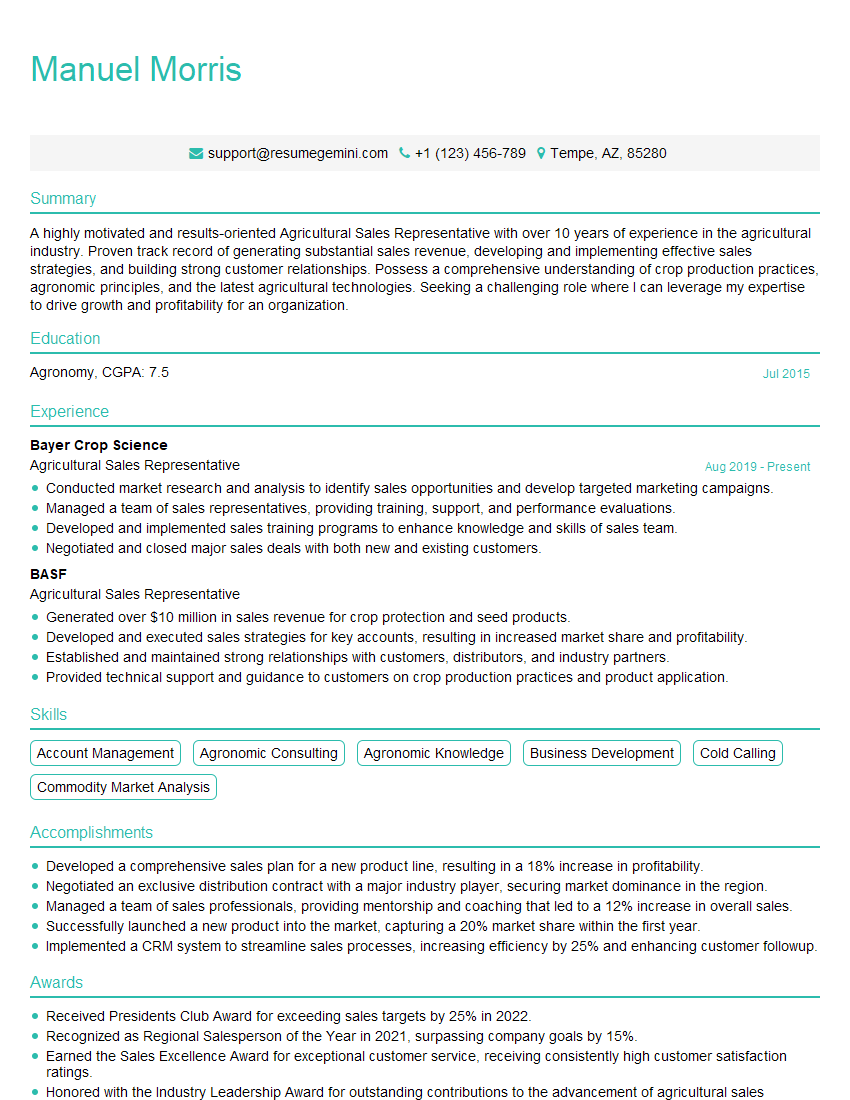
Agricultural Sales Representative Resume Sample
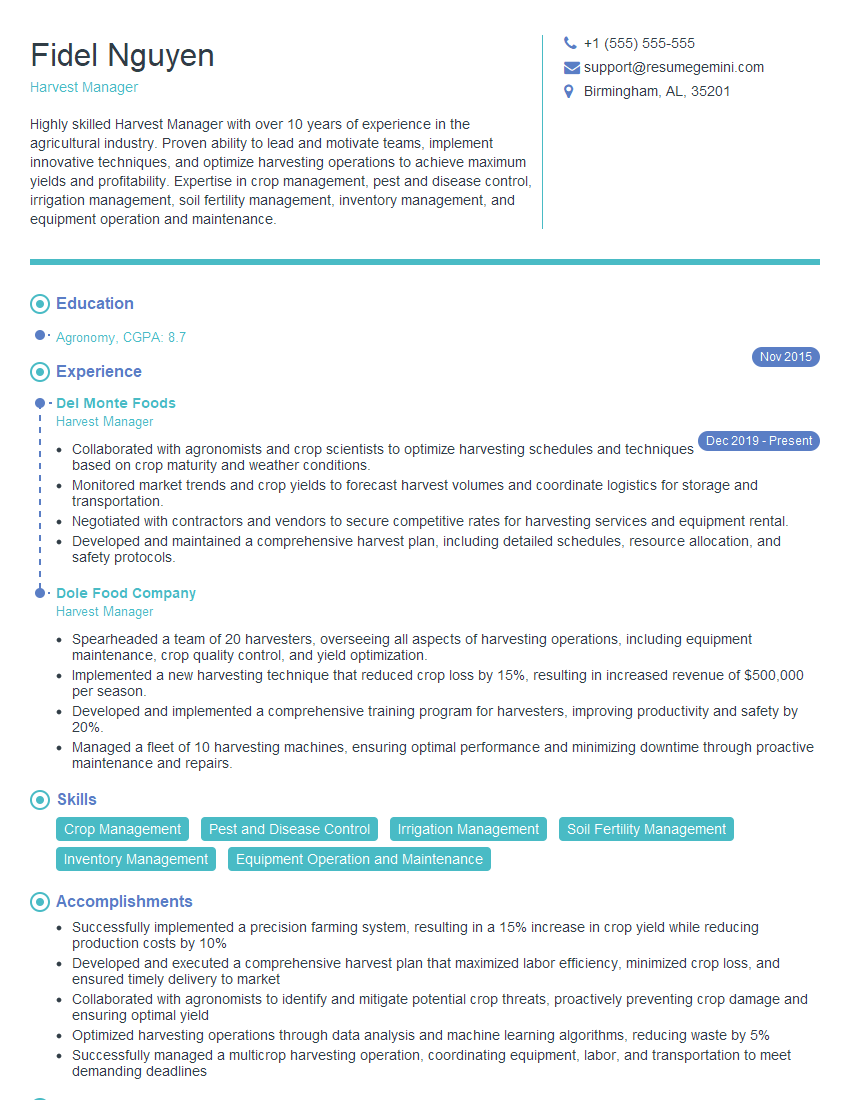
Harvest Manager Resume Sample
- Farm Manager
- Greenhouse Manager
- Viticulturist
- Agricultural Engineer
- Agronomist
- Plant Breeder
- Soil Scientist
- Agricultural Economist
- Agricultural Researcher
- Agricultural Technician
- Precision Agriculture Specialist
- Extension Agent
- Pest Control Specialist
- Agricultural Sales Representative
- Harvest Manager
Explore more articles
Users Rating of Our Blogs
Share Your Experience
We value your feedback! Please rate our content and share your thoughts (optional).
What Readers Say About Our Blog
Very informative content, great job.
good