Unlock your full potential by mastering the most common Andon and Jidoka interview questions. This blog offers a deep dive into the critical topics, ensuring you’re not only prepared to answer but to excel. With these insights, you’ll approach your interview with clarity and confidence.
Questions Asked in Andon and Jidoka Interview
Q 1. Explain the concept of Andon and its significance in lean manufacturing.
Andon, meaning ‘signal light’ in Japanese, is a visual system in lean manufacturing that alerts management and workers to problems on the production line. Think of it as a highly visible alarm system, instantly signaling when something goes wrong. Its significance lies in its ability to immediately halt production, preventing the creation of defective products and identifying the root cause of the issue swiftly. This proactive approach minimizes waste, improves quality, and increases overall efficiency.
For example, imagine a car assembly line. If a robot malfunctions and fails to install a vital component, an Andon system would immediately illuminate a red light, stopping the entire line. This prevents the assembly of defective cars, saving the company significant costs in repairs, rework, and potential recalls.
Q 2. Describe the difference between Andon and Jidoka.
While both Andon and Jidoka are cornerstones of lean manufacturing, they serve distinct purposes. Andon is the signaling system – the visual alert that something is wrong. Jidoka, meaning ‘automation with a human touch,’ is the mechanism that causes the Andon to activate. Jidoka is the proactive built-in quality control process that automatically stops the production line when a defect is detected. Essentially, Jidoka is the cause, and Andon is the effect.
Think of it like a smoke detector (Jidoka) and the alarm it triggers (Andon). The smoke detector detects the problem (smoke/defect) and triggers the alarm to alert everyone. Without the smoke detector (Jidoka), there’s no alarm (Andon).
Q 3. How does Jidoka contribute to overall equipment effectiveness (OEE)?
Jidoka dramatically improves Overall Equipment Effectiveness (OEE) by minimizing downtime and preventing the production of defective products. By immediately stopping the line when a problem occurs, Jidoka prevents the creation of faulty units, reducing waste from rework or scrap. This also means less time spent on troubleshooting and repairing already completed defective products. Furthermore, addressing problems immediately prevents the cascading effect of defects, ensuring that the entire production run isn’t compromised. This results in higher quality output, less downtime, and ultimately, increased OEE.
For example, a machine automatically stopping when it detects a material defect prevents the production of hundreds of defective parts, saving valuable resources and production time compared to a system relying on post-production inspection.
Q 4. What are the key components of a well-designed Andon system?
A well-designed Andon system comprises several key components:
- Sensors and Detectors: These detect abnormalities, such as machine malfunctions, material shortages, or quality defects.
- Visual Signals: These are the lights, typically color-coded (e.g., red for stop, yellow for caution, green for go), strategically placed along the production line to instantly communicate the problem’s location and severity.
- Centralized Monitoring System: This system receives and processes signals from various sensors, providing a real-time overview of the entire production line. Often, this is integrated with a digital display panel.
- Alerting Mechanism: This could include audible alarms, notifications to management, and automated message systems to notify relevant teams.
- Countermeasures and Root Cause Analysis Tools: The system should facilitate quick problem solving through access to relevant data, procedures, and experts.
Effective placement and clear signaling are crucial for rapid problem identification and efficient response.
Q 5. Explain how Andon can be used to improve production efficiency.
Andon improves production efficiency by:
- Reducing Downtime: By quickly identifying and addressing problems, Andon minimizes the time spent on troubleshooting and repairs.
- Improving Quality: Early detection of defects prevents the creation of faulty products, reducing waste from rework or scrap.
- Boosting Employee Engagement: Empowering employees to stop the line when a problem is detected fosters a culture of quality and continuous improvement.
- Enabling Proactive Maintenance: Data collected by the Andon system can be used to identify recurring issues and implement preventative maintenance strategies.
- Optimizing Workflow: By identifying bottlenecks and process inefficiencies, Andon enables streamlined production processes.
The overall effect is a more efficient and reliable production system with fewer interruptions and higher throughput.
Q 6. Describe the various types of Andon signals and their applications.
Andon signals can vary, but common types include:
- Red: Indicates a complete stop of the production line due to a serious problem.
- Yellow: Signals a potential problem requiring attention, prompting a slowdown or cautious operation.
- Green: Indicates normal operation.
- Specific Signals: Some systems use dedicated lights or symbols to represent specific issues, like material shortages, machine malfunctions, or quality defects. For instance, a flashing blue light could indicate a need for maintenance.
The applications of these signals are context-specific, ensuring clear and immediate communication to the relevant personnel about the nature and urgency of the problem.
Q 7. How does Jidoka prevent defects from propagating downstream?
Jidoka prevents defects from propagating downstream by incorporating automated quality checks at each stage of the production process. When a defect is detected, the process automatically stops, preventing the defective unit from progressing to the next step. This prevents the accumulation of defects, saving resources and time by stopping the flawed product from affecting the entire production process.
Imagine a bakery. If a Jidoka system is implemented, the moment a slightly underbaked loaf of bread comes off the conveyor, a sensor would automatically stop the line, preventing numerous more underbaked loaves from emerging. This eliminates the need to sort through and potentially discard a large batch of improperly baked goods.
Q 8. What are the potential challenges in implementing an Andon system?
Implementing an Andon system, while beneficial for lean manufacturing, presents several challenges. One major hurdle is resistance to change. Workers accustomed to traditional methods might be hesitant to adopt a new system that requires immediate reporting of issues. Another challenge is the potential for information overload. If the system isn’t well-designed and managed, frequent alerts can lead to alarm fatigue, where operators ignore alerts due to their frequency or lack of urgency. Data management and analysis can also be complex; integrating the Andon system with existing reporting systems requires careful planning and integration efforts. Finally, ensuring sufficient training and communication across all levels of the organization is crucial for successful implementation and adoption. Without proper training, operators might misuse the system or fail to understand its purpose, leading to inefficiencies.
- Example: A factory implementing Andon without proper operator training saw a surge in false alarms, leading to mistrust and underutilization of the system.
Q 9. How can you ensure the effective use of Andon without causing excessive downtime?
Effective Andon usage without excessive downtime hinges on several key factors. Firstly, a well-defined escalation process is essential. This process should clearly outline who is responsible for addressing each type of alert and the expected response time. Secondly, prioritization of alerts is vital. A system for classifying alerts by severity (e.g., critical, major, minor) ensures that urgent issues receive immediate attention while less urgent ones can be addressed later. Implementing preventative measures, such as regular equipment maintenance and operator training, proactively reduces the frequency of alerts. Lastly, continuous improvement is key. Regularly analyzing Andon data to identify recurring problems allows for targeted improvements in processes and equipment to reduce future downtime.
- Example: A company implemented a color-coded Andon system (red for critical, yellow for major, green for minor), enabling quick prioritization of issues and minimizing overall downtime.
Q 10. Discuss the role of Poka-Yoke in relation to Jidoka.
Poka-Yoke and Jidoka are closely related concepts in lean manufacturing. Jidoka, or automation with a human touch, emphasizes building quality into the process by empowering workers to stop the line when a problem occurs. Poka-Yoke, or mistake-proofing, acts as a preventative measure within Jidoka by designing processes and equipment that prevent errors from happening in the first place. Essentially, Poka-Yoke is a tool used to support the principles of Jidoka.
Example: Imagine a car assembly line. Jidoka would allow a worker to stop the line if a part is missing or defective. Poka-Yoke would be implemented by designing the assembly line so that it’s physically impossible to install the wrong part or miss a step. This might involve using differently sized connectors for different parts or implementing sensors that automatically stop the line if a part is missing.
Q 11. How can you measure the effectiveness of an Andon system?
Measuring the effectiveness of an Andon system requires a multifaceted approach. Key metrics include:
- Mean Time To Repair (MTTR): How long it takes to resolve an issue after an Andon alert is triggered. A shorter MTTR indicates a more efficient system.
- Downtime Reduction: Measuring the overall reduction in production downtime after implementing the Andon system. This demonstrates the system’s impact on productivity.
- Number of False Alarms: A high number of false alarms indicates potential problems with the system’s design, operator training, or process improvements.
- Operator Satisfaction: Gauging operator satisfaction with the system through surveys or feedback sessions provides qualitative insights into its usability and effectiveness.
- Overall Equipment Effectiveness (OEE): Measuring the overall performance of equipment, factoring in availability, performance, and quality. Improvements in OEE can partially be attributed to Andon’s role in improving maintenance and quality.
Analyzing these metrics over time provides valuable insights into the Andon system’s performance and areas for improvement.
Q 12. Describe a situation where you successfully implemented Jidoka or Andon.
In a previous role at a food processing plant, we implemented an Andon system to address frequent equipment malfunctions on our packaging line. Initially, malfunctions resulted in significant downtime and waste. We started by mapping the most frequent issues and their causes. Then, we installed an Andon system with color-coded lights and a clear escalation protocol. We also incorporated Poka-Yoke elements by redesigning certain parts of the packaging machine to prevent common errors. The result was a significant reduction in downtime (by 30%), a decrease in wasted materials, and improved operator morale. Operators felt empowered to report issues without fear of reprimand, and management responded promptly. The Andon system facilitated proactive maintenance and continuous improvement, ultimately boosting production efficiency and product quality.
Q 13. What are the key metrics used to evaluate the success of Jidoka implementation?
Evaluating the success of a Jidoka implementation requires a focus on key metrics. These include:
- Defect Rate: A lower defect rate demonstrates the effectiveness of Jidoka in preventing defects at the source.
- First-Pass Yield: Higher first-pass yield signifies fewer errors and rework, leading to improved efficiency.
- Overall Equipment Effectiveness (OEE): As mentioned earlier, an increase in OEE is a strong indicator of improved equipment uptime and reduced downtime due to Jidoka’s ability to prevent or quickly address problems.
- Mean Time Between Failures (MTBF): A higher MTBF suggests that equipment failures are less frequent, often resulting from preventative measures and improved maintenance practices stemming from Jidoka.
- Employee Morale and Engagement: Increased employee involvement and ownership in quality improvement directly supports Jidoka’s principles.
Q 14. How do you address false alarms or unnecessary Andon activations?
False Andon activations are a common challenge. Addressing them requires a multi-pronged approach. Firstly, thorough operator training is essential. Training should focus on the proper usage of the Andon system, clear guidelines for when to trigger alerts, and the consequences of false alarms. Secondly, system design improvements can help minimize false activations. This might involve refining the sensors or logic used to trigger alerts to be more accurate or implementing better filtering mechanisms. Thirdly, regular reviews and analysis of Andon data can highlight patterns of false alarms. This can point to underlying process issues or equipment malfunctions that need to be addressed. Finally, feedback mechanisms should be in place to allow operators to provide input on the system’s performance and suggest improvements. By addressing these issues proactively, companies can ensure the Andon system’s accuracy and maintain operator trust.
Q 15. How does Andon integrate with other lean manufacturing tools like Kanban?
Andon, a visual signaling system, and Kanban, a scheduling system, are powerful allies in lean manufacturing. Imagine a production line using Kanban to manage the flow of work. If a problem occurs at a workstation, the Andon system immediately alerts supervisors and team members. This visual cue triggers a quick response, preventing further defects and minimizing production downtime. The Kanban system then helps to manage the subsequent re-scheduling and workflow adjustments needed to address the root cause of the Andon signal. For instance, if an Andon light indicates a machine malfunction, the Kanban board might show the need for expedited repair parts or adjustment of work assignments to other stations.
In essence, Kanban provides the framework for managing workflow, while Andon provides immediate visibility into disruptions within that framework. They work together to ensure efficient problem-solving and continuous improvement.
Career Expert Tips:
- Ace those interviews! Prepare effectively by reviewing the Top 50 Most Common Interview Questions on ResumeGemini.
- Navigate your job search with confidence! Explore a wide range of Career Tips on ResumeGemini. Learn about common challenges and recommendations to overcome them.
- Craft the perfect resume! Master the Art of Resume Writing with ResumeGemini’s guide. Showcase your unique qualifications and achievements effectively.
- Don’t miss out on holiday savings! Build your dream resume with ResumeGemini’s ATS optimized templates.
Q 16. Explain how Jidoka contributes to improved worker safety.
Jidoka, or automation with a human touch, significantly enhances worker safety by preventing defects and reducing the need for strenuous manual intervention. Imagine a machine equipped with Jidoka features that automatically stops if a defect occurs or if an unsafe condition is detected. This prevents workers from handling faulty products or working in dangerous environments. For example, a robotic arm might stop automatically if it detects an obstruction, preventing a potential collision and injury to a nearby worker. The immediate halt minimizes the risk of repetitive strain injuries and reduces the chances of accidents related to handling heavy materials or operating complex machinery. Jidoka empowers workers to focus on quality control and problem-solving instead of performing potentially dangerous tasks.
Q 17. Describe the different types of Poka-Yoke mechanisms and their uses.
Poka-Yoke, or mistake-proofing, uses various mechanisms to prevent errors at the source. There are three primary types:
- Contact Method: This involves physical constraints that prevent incorrect actions. For example, a USB port designed to only accept a specific type of connector. In manufacturing, this might be a jig that only allows a part to be inserted correctly.
- Fixed-Value Method: This method uses sensors or other devices to check for predetermined values. If a value falls outside the acceptable range, the system alerts the operator. Think of a weight sensor on a filling machine that stops the process if the weight is too high or low.
- Motion-Step Method: This ensures that steps are completed in the correct order or sequence. An example would be a multi-step process requiring completion of each step before the next one can be initiated. This might be seen in automated assembly lines where a sensor verifies that a previous step is completed before moving to the next.
The choice of Poka-Yoke mechanism depends on the specific application and the type of error it aims to prevent.
Q 18. How do you balance the need for immediate problem-solving with the potential for disruption from frequent Andon calls?
Balancing immediate problem-solving with the potential disruption from frequent Andon calls requires a well-defined system and a culture of continuous improvement. False Andon calls must be minimized through proper training and clear communication of when to use the system. A thorough root cause analysis for each Andon call should identify recurring issues and implement corrective actions. This might involve redesigning processes, improving training, or upgrading equipment.
A tiered Andon system can help, where minor issues are addressed at the team level while more serious issues escalate to management. Regular reviews of Andon data can pinpoint trends and help proactively address potential problems before they escalate into major disruptions.
Q 19. How can you involve workers in the design and improvement of Andon and Jidoka systems?
Worker involvement is critical for successful Andon and Jidoka implementation. They are the ones who experience the challenges and identify opportunities for improvement. This can be achieved through several methods:
- Gemba Walks: Regularly visit the production floor to observe processes and gather input from workers.
- Kaizen Events: Organize focused workshops involving workers to brainstorm and implement improvements to Andon and Jidoka systems.
- Suggestion Boxes/Systems: Provide a platform for workers to submit improvement ideas anonymously or directly.
- Cross-functional Teams: Create teams including workers, engineers, and managers to design and implement these systems.
Empowering workers and recognizing their contributions foster ownership and improve the overall effectiveness of Andon and Jidoka systems.
Q 20. What are some common mistakes to avoid when implementing Andon and Jidoka?
Common mistakes to avoid include:
- Insufficient Training: Inadequate training leads to improper Andon usage and hinders problem-solving.
- Ignoring Root Cause Analysis: Focusing on quick fixes instead of addressing underlying issues leads to recurring problems.
- Overuse/Underuse of Andon: Too many false calls create alarm fatigue, while too few calls might mask serious issues.
- Lack of Management Support: Implementing Andon and Jidoka requires strong management support and commitment to continuous improvement.
- Ignoring Feedback: Failing to solicit and act upon feedback from workers.
Careful planning, thorough training, and consistent management involvement are vital for successful implementation.
Q 21. How can technology enhance the effectiveness of Andon and Jidoka systems?
Technology significantly enhances Andon and Jidoka:
- Automated Data Collection: Sensors and IoT devices can automatically collect data on machine performance and product quality, triggering Andon alerts based on predefined parameters.
- Real-time Monitoring and Visualization: Dashboards provide real-time views of production status and identify potential bottlenecks or problems instantly.
- Predictive Maintenance: Data analysis can predict potential equipment failures, allowing for proactive maintenance and preventing unexpected Andon calls.
- Improved Communication: Digital Andon systems can send alerts to multiple stakeholders via SMS, email, or other channels.
- Remote Troubleshooting: Advanced systems allow remote experts to diagnose and solve problems, reducing downtime.
The use of technology increases the efficiency, effectiveness, and speed of response to issues highlighted by the Andon system, creating a more agile and responsive manufacturing environment.
Q 22. Describe the relationship between Andon, Jidoka, and TPM (Total Productive Maintenance).
Andon, Jidoka, and TPM (Total Productive Maintenance) are intrinsically linked pillars of lean manufacturing, working together to improve efficiency and quality. Jidoka, or automation with a human touch, is the foundational concept – it’s the ability of a machine to automatically stop when a defect occurs, preventing the propagation of faulty products. Think of it as a machine’s self-preservation mechanism. Andon is the visual signaling system that alerts management and workers to problems detected by Jidoka (or other means). It’s like a flashing light that screams, ‘Attention needed!’ Finally, TPM provides the proactive maintenance strategies and employee involvement to minimize breakdowns and maximize equipment uptime, reducing the need for Andon activations in the first place. In essence: Jidoka prevents problems, Andon highlights them, and TPM prevents their recurrence.
Imagine a car assembly line. Jidoka would be the sensor on a robotic arm that stops the entire line if a bolt isn’t tightened correctly. Andon would be the flashing light and audible alarm that alerts everyone to the stoppage. TPM ensures regular maintenance of that robotic arm to minimize the chances of malfunction.
Q 23. How would you handle a situation where an Andon is activated but the root cause is unclear?
An unclear root cause during an Andon activation necessitates a structured problem-solving approach. My strategy would involve a multi-step process:
- Immediate Stoppage and Safety Check: First priority is ensuring worker safety and preventing further defects.
- Data Gathering: Gather all available data – machine logs, operator reports, and any available sensor readings.
- 5 Whys Analysis: Repeatedly ask ‘Why?’ to drill down to the root cause. For example, if the Andon was triggered due to a machine jam (‘Why?’), we might find it’s because of a material defect (‘Why?’), leading to a supply chain issue (‘Why?’), stemming from a faulty supplier (‘Why?’), ultimately highlighting a lack of supplier quality control (‘Why?’).
- Team Problem Solving: Assemble a cross-functional team involving operators, maintenance, and quality control to brainstorm and analyze the data. This fosters shared ownership and diverse perspectives.
- Countermeasures and Prevention: Implement corrective actions to address the root cause, and establish preventative measures to avoid recurrence. This might involve process improvements, equipment upgrades, or training programs.
- Documentation and Feedback: Meticulously document the entire process – the problem, the investigation, the solution, and preventative actions. Feedback should be collected from the team to continuously improve the problem-solving process.
This structured approach ensures a swift and effective response, minimizing downtime and preventing future occurrences.
Q 24. Discuss the impact of Andon and Jidoka on employee morale and engagement.
Andon and Jidoka significantly impact employee morale and engagement. When implemented correctly, they empower employees:
- Increased Ownership and Responsibility: By empowering employees to stop the line when problems arise, these systems foster a sense of ownership and responsibility for quality.
- Reduced Stress and Frustration: Knowing that problems are quickly addressed prevents the build-up of stress and frustration associated with producing defective products or facing continuous disruptions.
- Improved Collaboration and Teamwork: Addressing problems collaboratively through problem-solving teams improves communication and reinforces teamwork.
- Recognition and Appreciation: Openly acknowledging and appreciating employee contributions to problem-solving enhances morale and motivation.
- Continuous Improvement Culture: The data collected from Andon activations can provide valuable insights into areas needing improvement, involving employees in continuous improvement initiatives.
Conversely, poorly implemented Andon systems, with frequent false alarms or delays in responding to actual issues, can negatively impact morale and lead to employee disengagement. Therefore, careful planning, proper training, and timely responses are crucial.
Q 25. How can Andon and Jidoka be applied in different industries beyond manufacturing?
While originating in manufacturing, the core principles of Andon and Jidoka are adaptable to diverse industries.
- Healthcare: Andon-like systems can alert staff to critical patient conditions, equipment malfunctions, or medication errors, ensuring immediate attention. Jidoka principles can be applied to automated systems for drug dispensing, ensuring accuracy and preventing errors.
- IT and Software Development: Andon can signal critical system failures or security breaches, triggering immediate responses from IT teams. Jidoka principles can be applied to automated testing and deployment processes, preventing defects from reaching production.
- Customer Service: A visual system displaying real-time wait times (akin to Andon) helps manage customer expectations. Proactive measures (Jidoka) to anticipate and address customer issues through automated systems can prevent escalating problems.
- Project Management: Project management tools can integrate Andon-like signals to alert project managers to critical issues, risks, or delays. Proactive risk management (Jidoka) minimizes potential disruptions.
The key is to adapt the visual signaling and proactive problem-solving aspects of Andon and Jidoka to the specific context of each industry.
Q 26. Explain the cost-benefit analysis of implementing Andon and Jidoka systems.
Implementing Andon and Jidoka involves upfront costs, but the long-term benefits significantly outweigh the investment.
- Initial Costs: This includes hardware (sensors, displays, signaling systems), software (data logging, analysis), and training for employees.
- Ongoing Costs: Maintenance of the system, data analysis, and ongoing training are necessary.
- Benefits: Reduced defects, lower waste, improved product quality, reduced downtime, increased efficiency, enhanced employee morale, and improved safety are significant returns on investment.
The cost-benefit analysis should consider the potential reduction in waste (materials, time, labor), the improvement in quality, and the increase in overall productivity. A strong ROI (Return on Investment) case can be built by quantifying these factors based on historical data and projected improvements. For example, reducing defect rates by 10% can translate into substantial cost savings over time. Similarly, reduced downtime can significantly impact productivity and profitability. A thorough cost-benefit analysis should be performed before implementation, with continuous monitoring and adjustments post-implementation to ensure optimal results.
Q 27. Describe your experience with data analysis related to Andon and Jidoka effectiveness.
In my previous role, I was responsible for analyzing data from our Andon system to assess its effectiveness and identify areas for improvement. We used various methods:
- Frequency Analysis: Analyzing the frequency of Andon activations by machine, shift, and type of defect helped identify recurring problems and high-risk areas.
- Downtime Analysis: Analyzing the duration of downtime caused by Andon activations revealed the impact of different types of problems on production efficiency.
- Root Cause Analysis: Data from Andon activations was used in conjunction with other data sources (maintenance logs, quality reports) to perform detailed root cause analysis and identify underlying issues.
- Metrics Tracking: We tracked key metrics such as mean time to repair (MTTR), mean time between failures (MTBF), and overall equipment effectiveness (OEE) to monitor the impact of implemented improvements.
- Data Visualization: Using dashboards and visualizations helped effectively communicate the findings to management and relevant teams, leading to data-driven decision-making.
This data-driven approach enabled us to optimize our processes, reduce downtime, improve product quality, and enhance overall productivity. It also provided insights into areas requiring further investment in training, equipment upgrades, or process improvements.
Key Topics to Learn for Andon and Jidoka Interview
- Andon: Understanding the System: Explore the different types of Andon systems (visual, audible, etc.), their purpose in signaling production issues, and the various levels of escalation they can trigger.
- Andon: Practical Implementation: Discuss real-world examples of Andon system implementation across different industries, focusing on the benefits and challenges involved in their use. Consider the impact on workflow and communication.
- Jidoka: Automation and Error-Proofing: Delve into the principles of Jidoka, emphasizing its role in preventing defects and ensuring quality. Understand the difference between automation and error-proofing within the context of Jidoka.
- Jidoka: Poka-Yoke Techniques: Learn about various Poka-Yoke (error-proofing) methods and how they are applied to prevent human errors in manufacturing processes. Consider examples such as visual controls, interlocks, and fail-safes.
- Integrating Andon and Jidoka: Explore how Andon and Jidoka work together to create a robust, efficient, and quality-focused production system. Discuss the synergy between immediate problem signaling and proactive defect prevention.
- Problem-Solving and Continuous Improvement: Understand how Andon and Jidoka support a culture of continuous improvement (Kaizen). Discuss the role of root cause analysis and problem-solving methodologies in addressing issues signaled by Andon systems.
- Lean Manufacturing Principles: Relate Andon and Jidoka to broader Lean Manufacturing principles. Discuss how these tools contribute to waste reduction, increased efficiency, and improved overall productivity.
Next Steps
Mastering Andon and Jidoka demonstrates a deep understanding of lean manufacturing principles and problem-solving skills – highly valued attributes in today’s competitive job market. This knowledge significantly enhances your appeal to employers seeking individuals who can contribute to efficient and high-quality production environments. To increase your chances of landing your dream role, focus on building an ATS-friendly resume that effectively highlights your skills and experience. ResumeGemini is a trusted resource that can help you craft a professional and impactful resume. They offer examples of resumes tailored to Andon and Jidoka, ensuring your qualifications shine.

Operations Manager Resume Sample
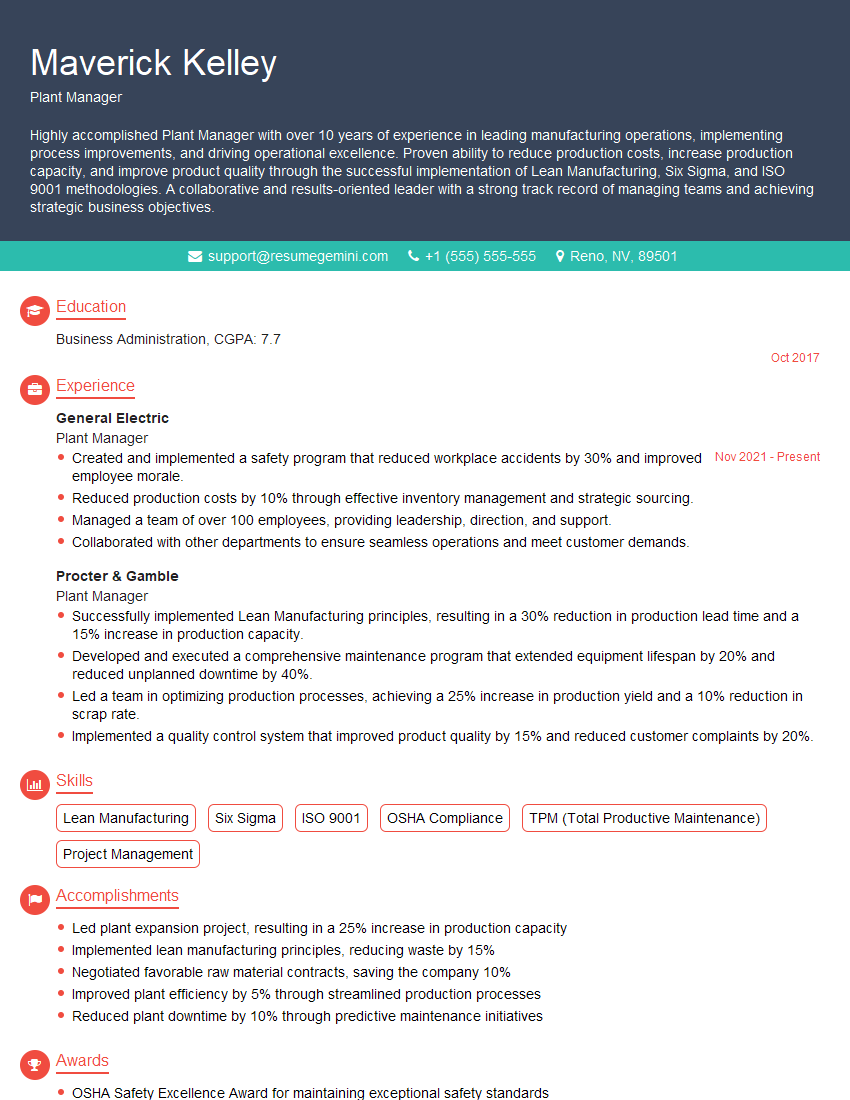
Plant Manager Resume Sample
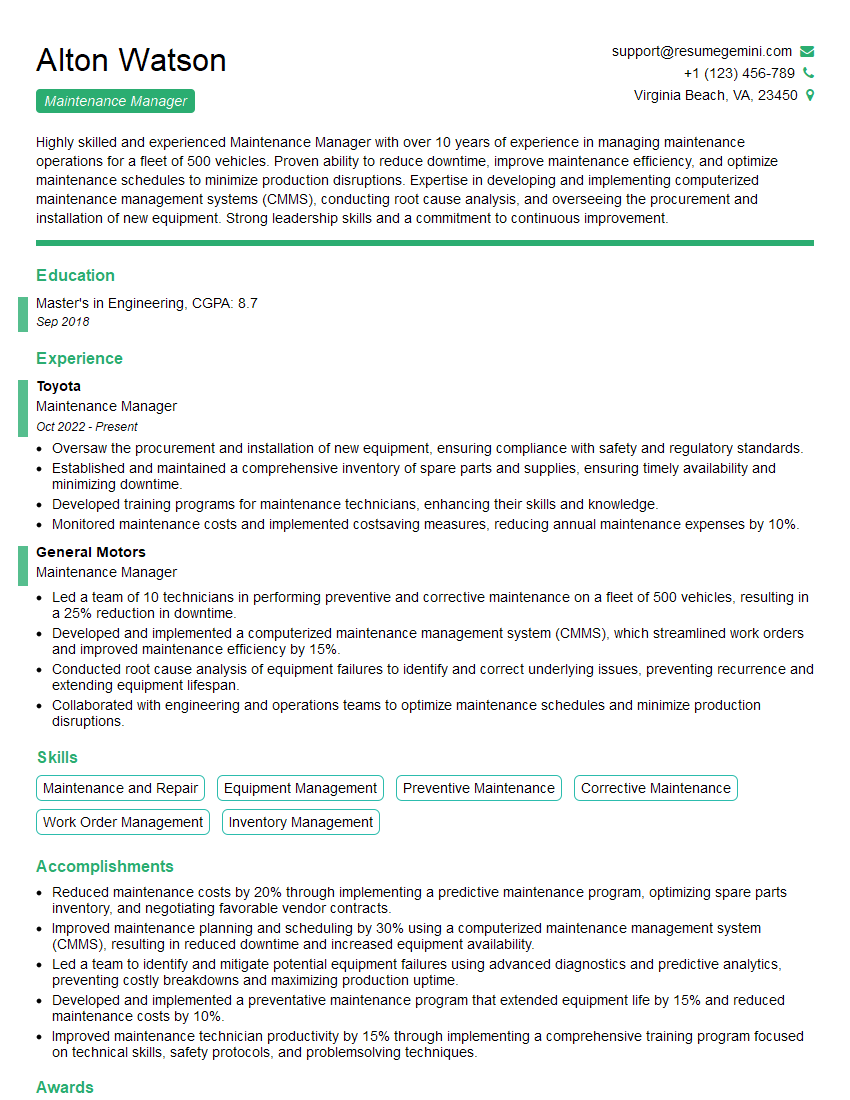
Maintenance Manager Resume Sample
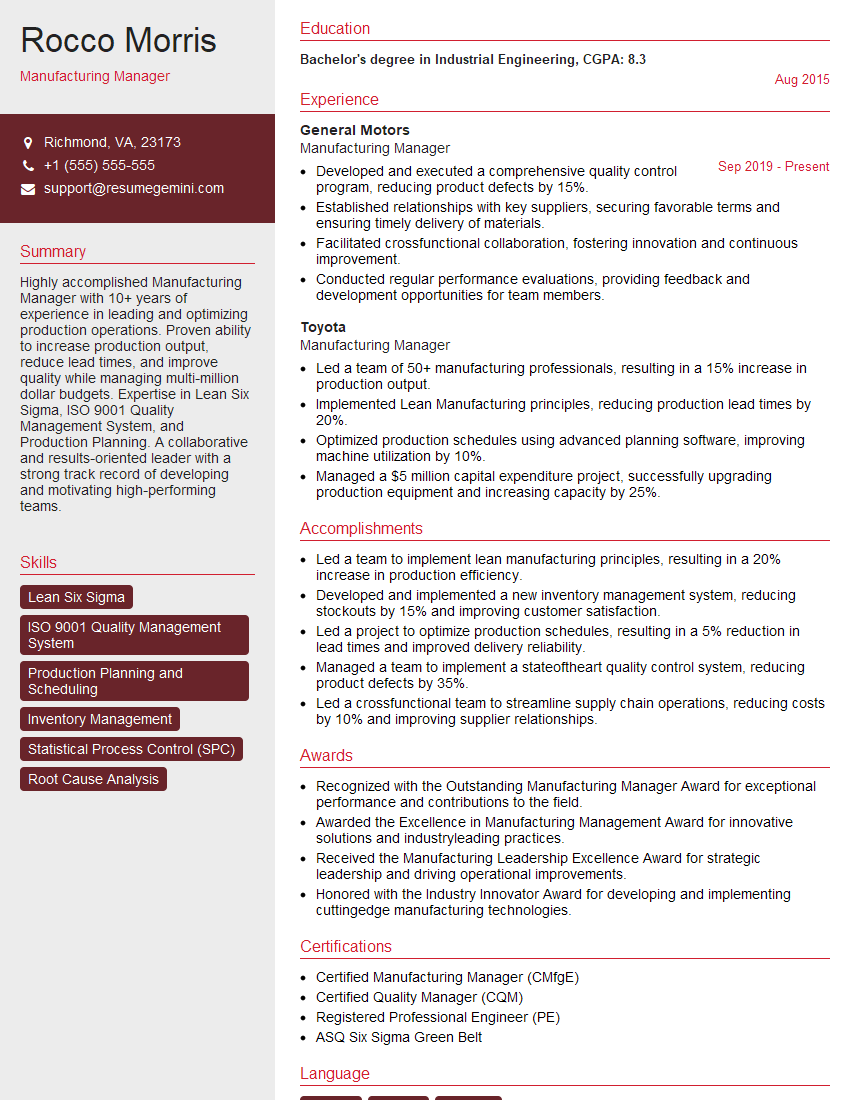
Manufacturing Manager Resume Sample
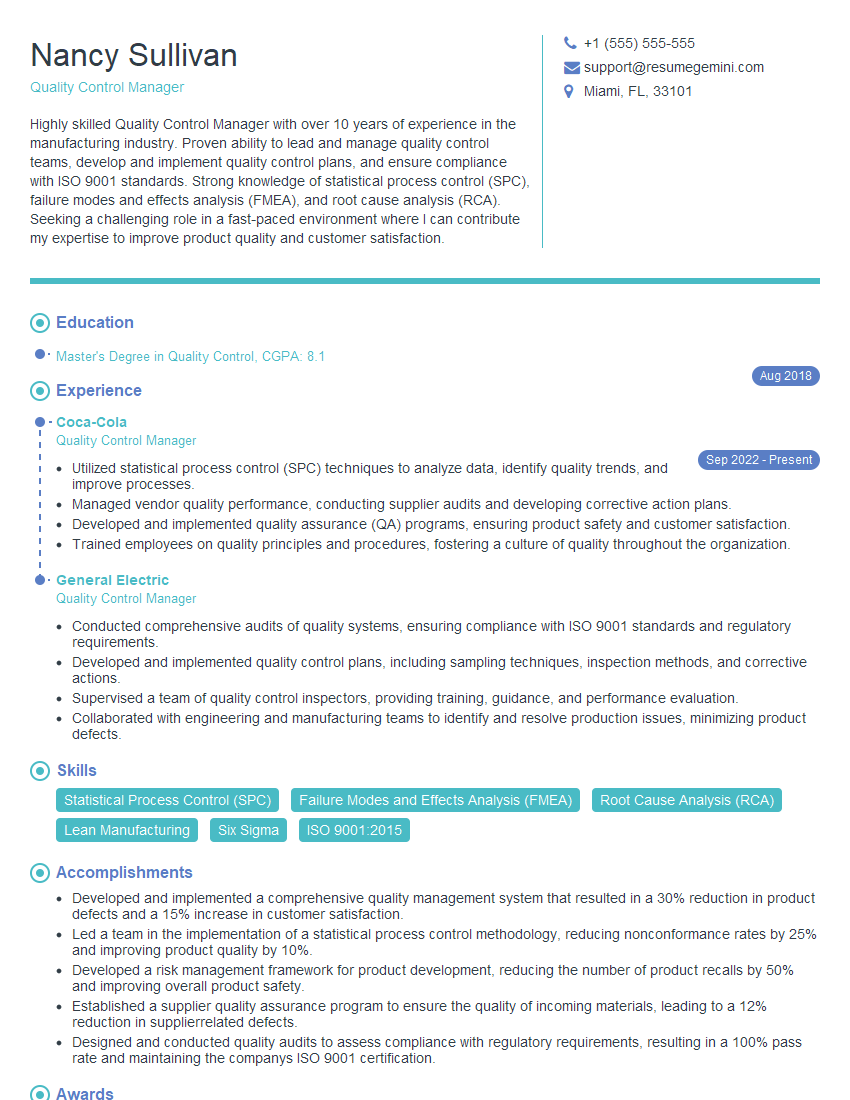
Quality Control Manager Resume Sample
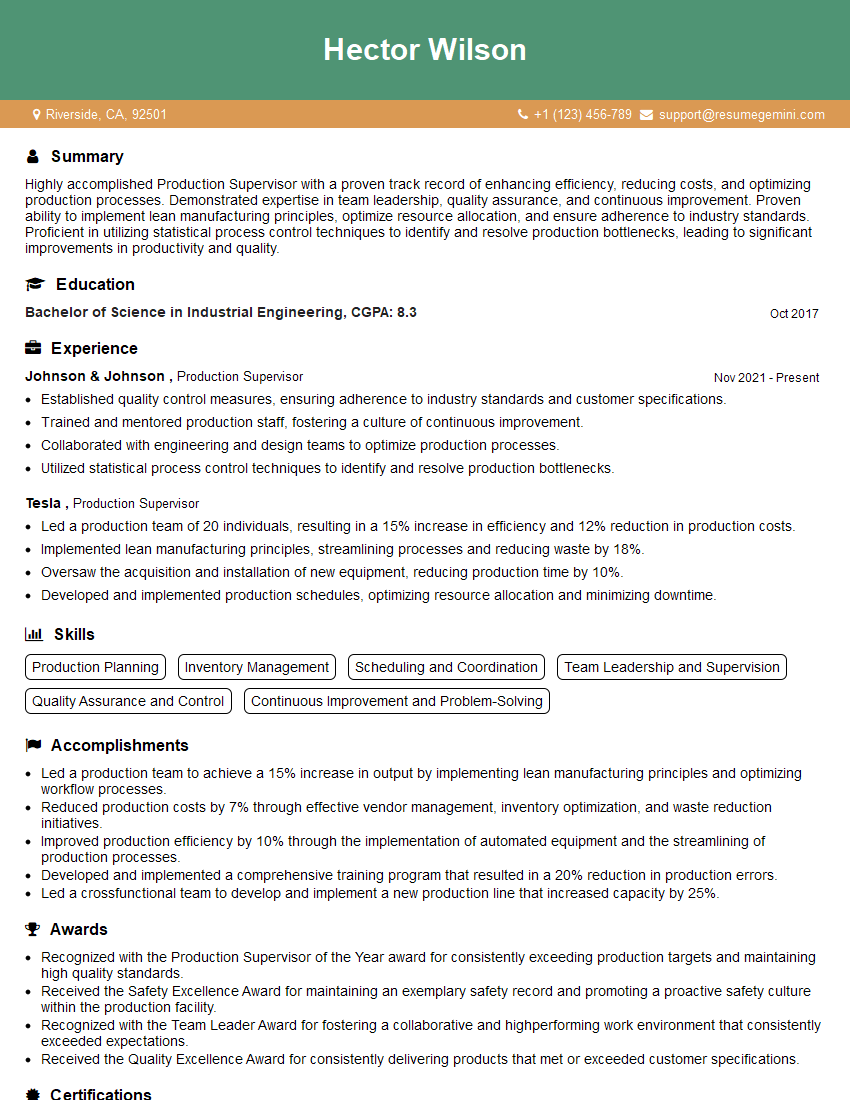
Production Supervisor Resume Sample
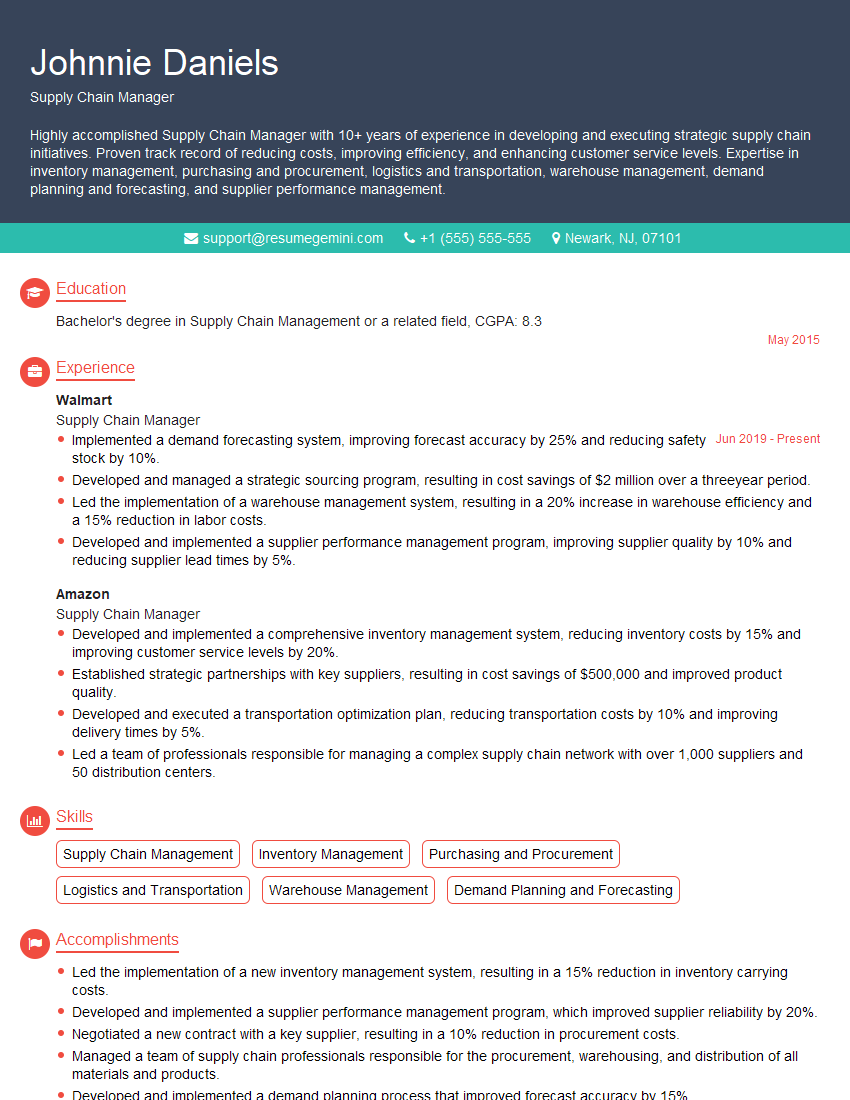
Supply Chain Manager Resume Sample
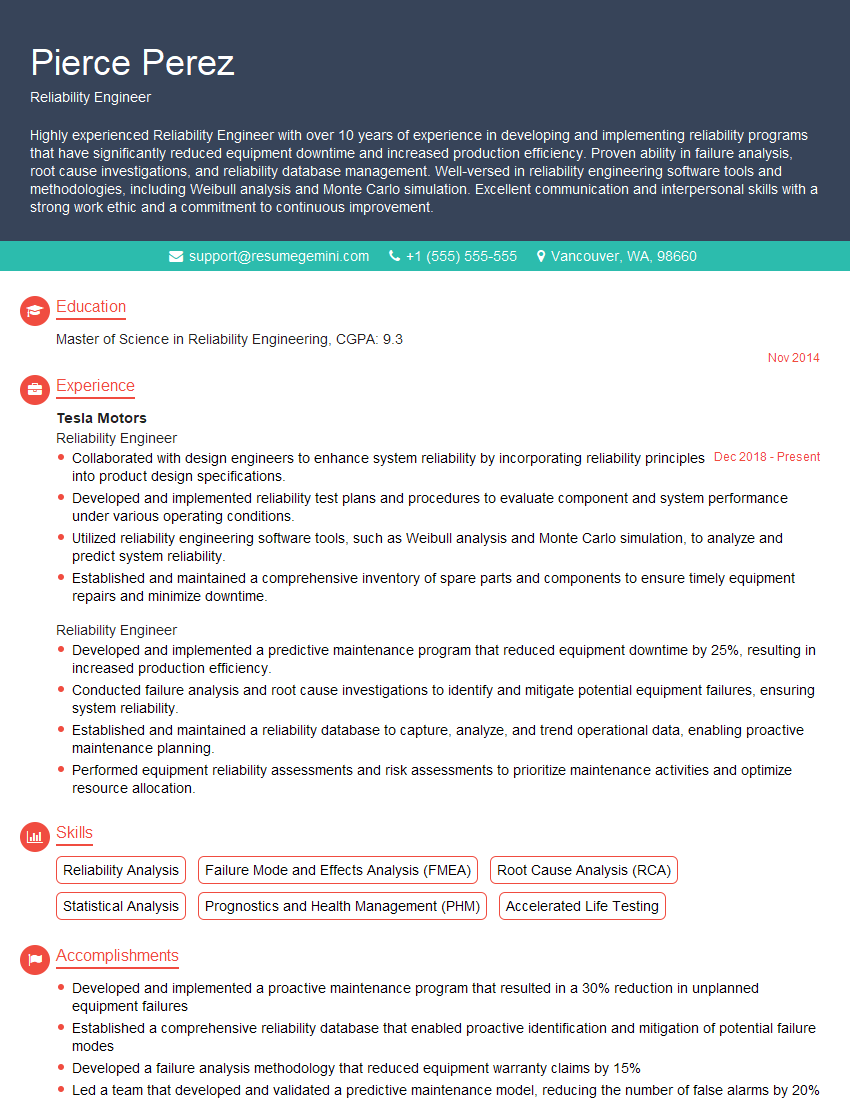
Reliability Engineer Resume Sample
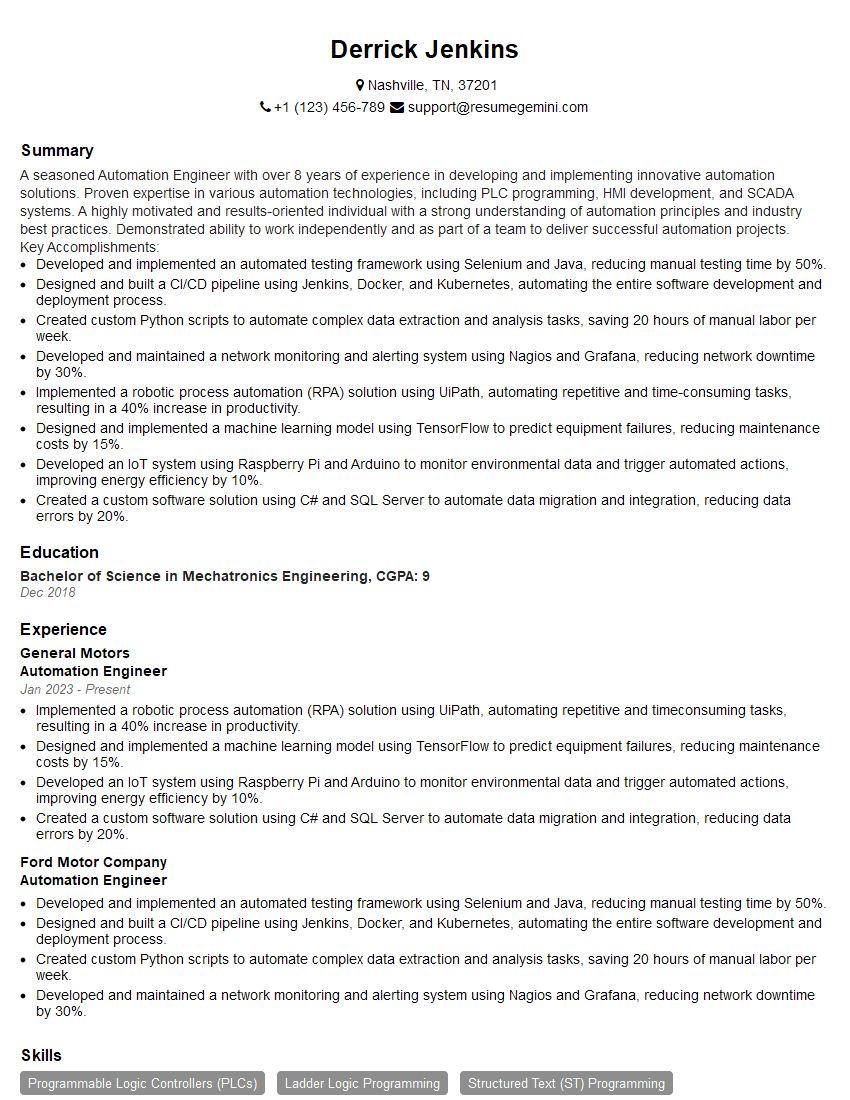
Automation Engineer Resume Sample
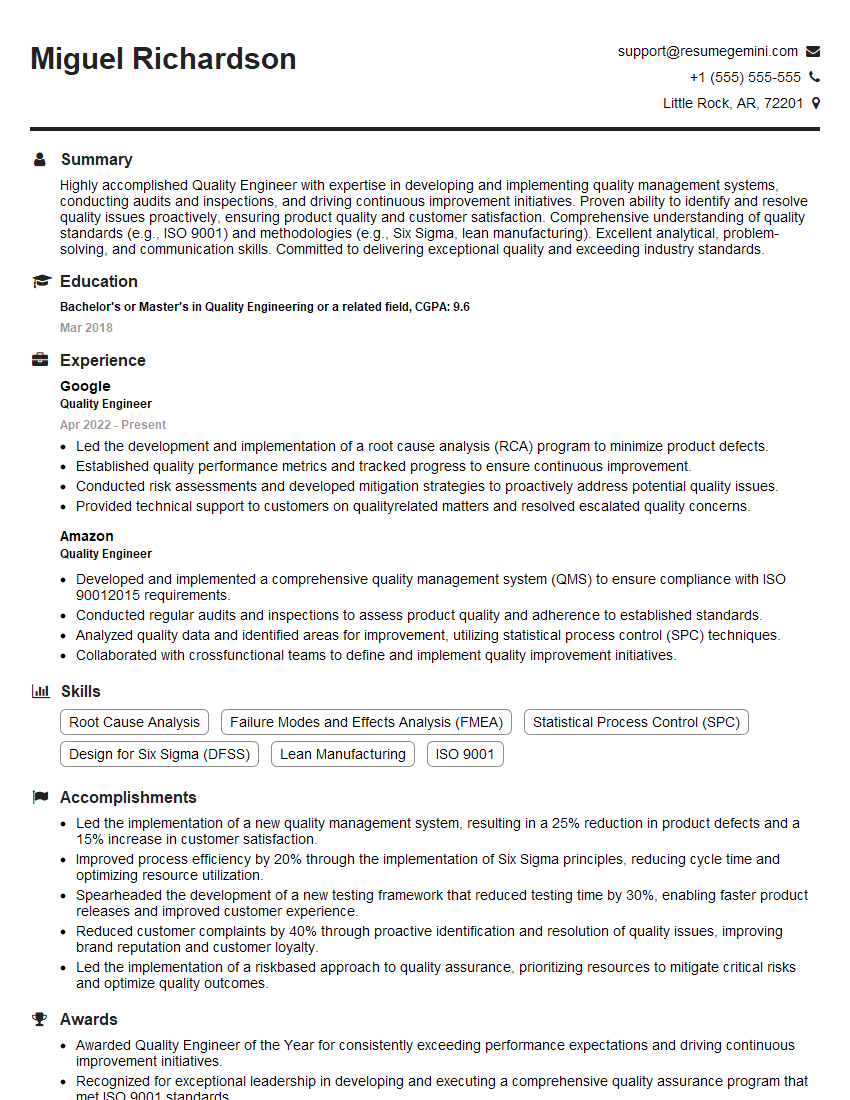
Quality Engineer Resume Sample
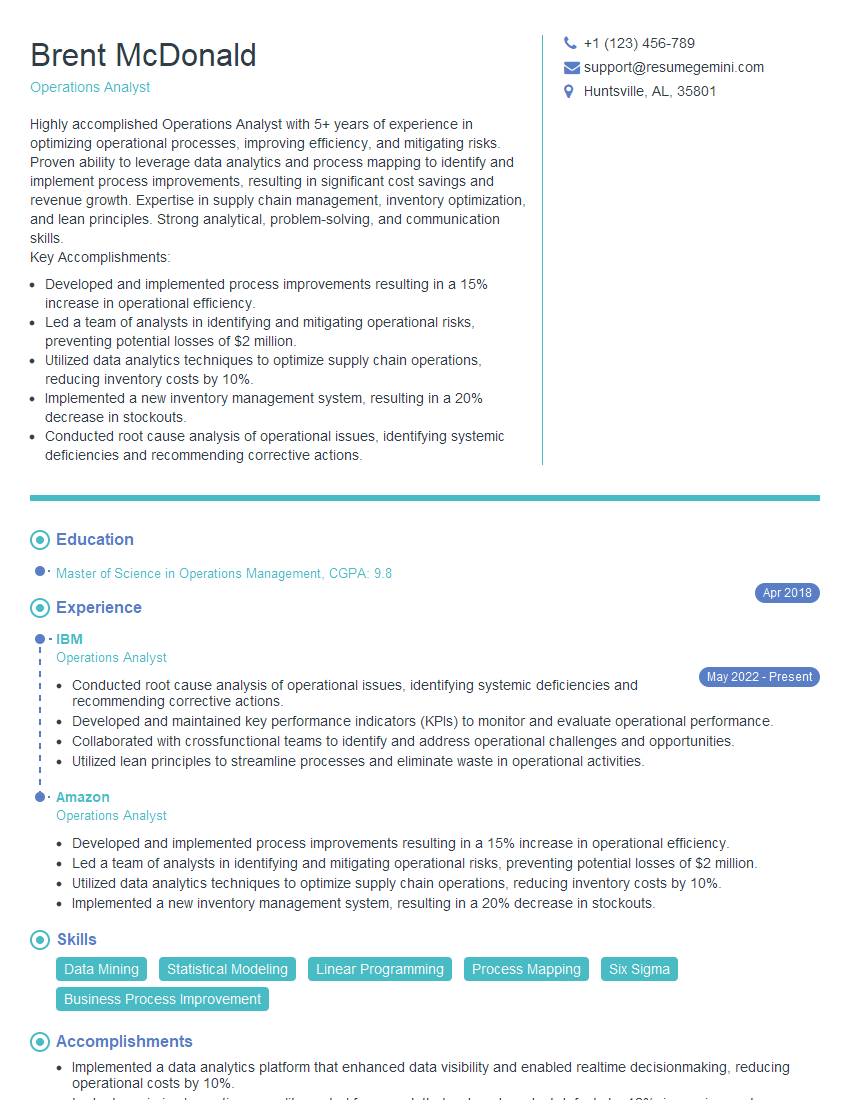
Operations Analyst Resume Sample
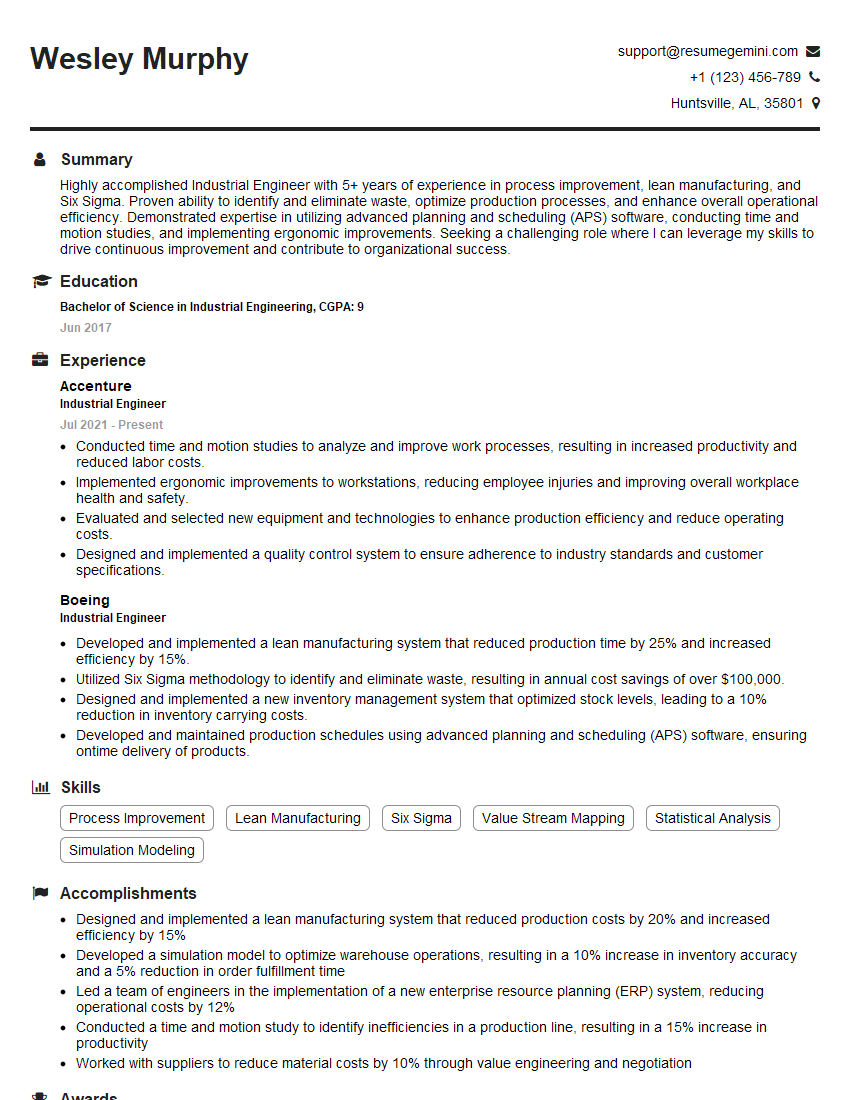
Industrial Engineer Resume Sample
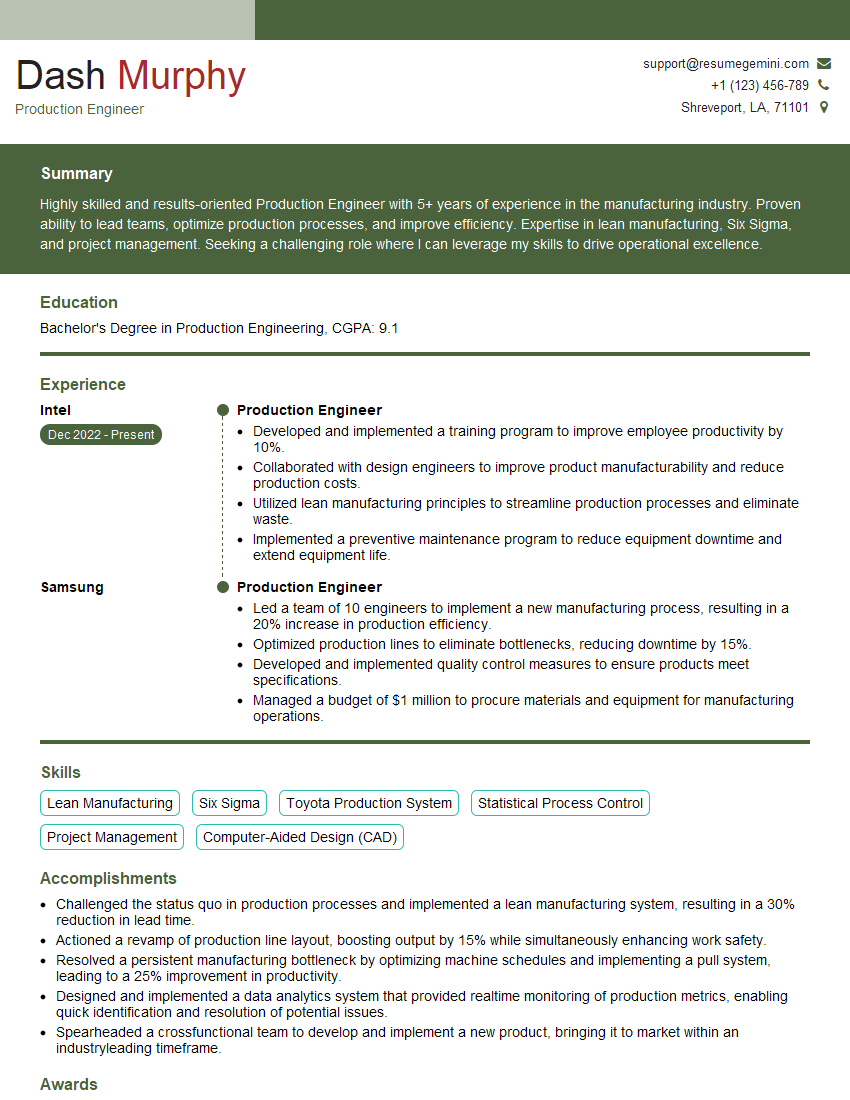
Production Engineer Resume Sample
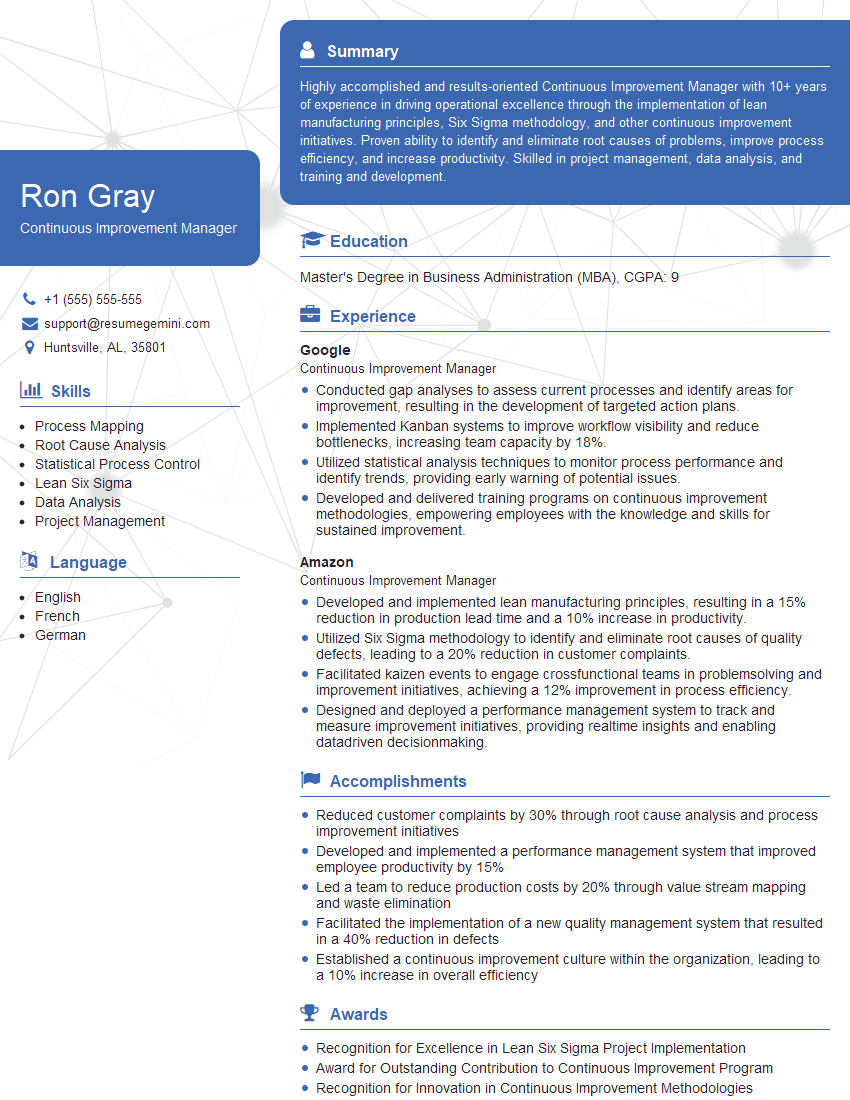
Continuous Improvement Manager Resume Sample
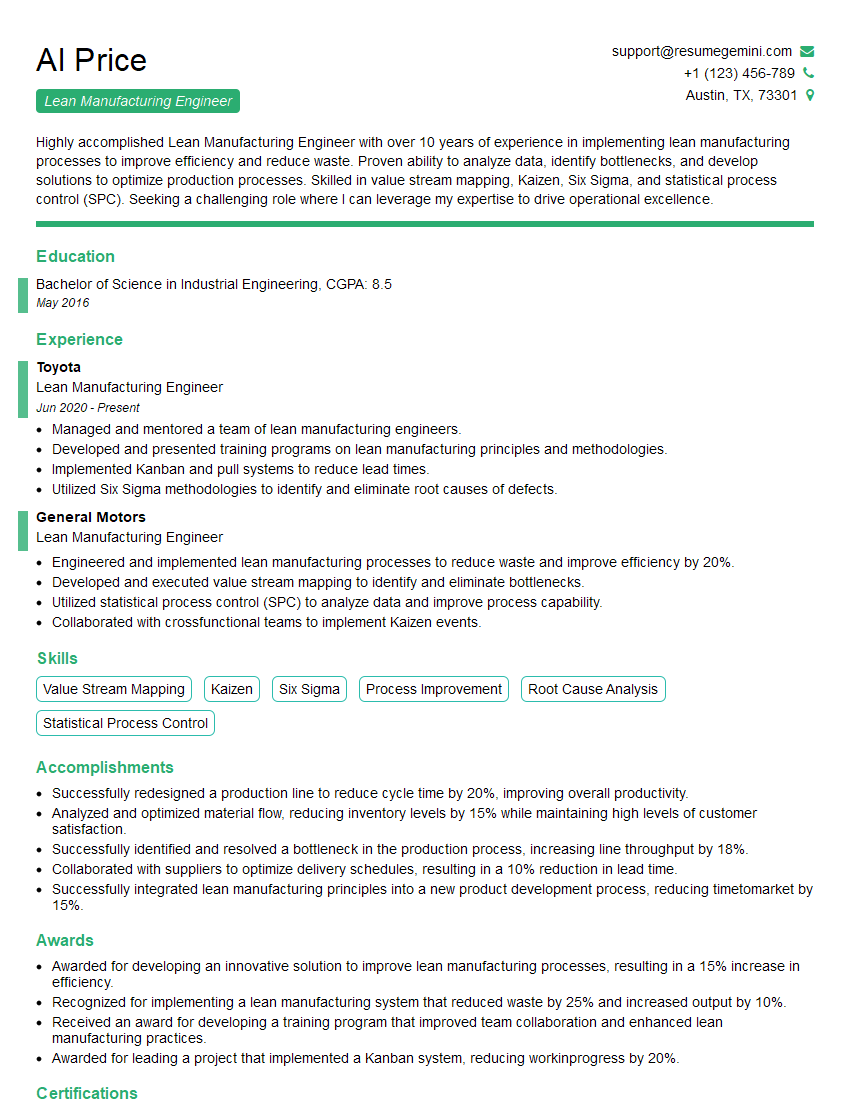
Lean Manufacturing Engineer Resume Sample
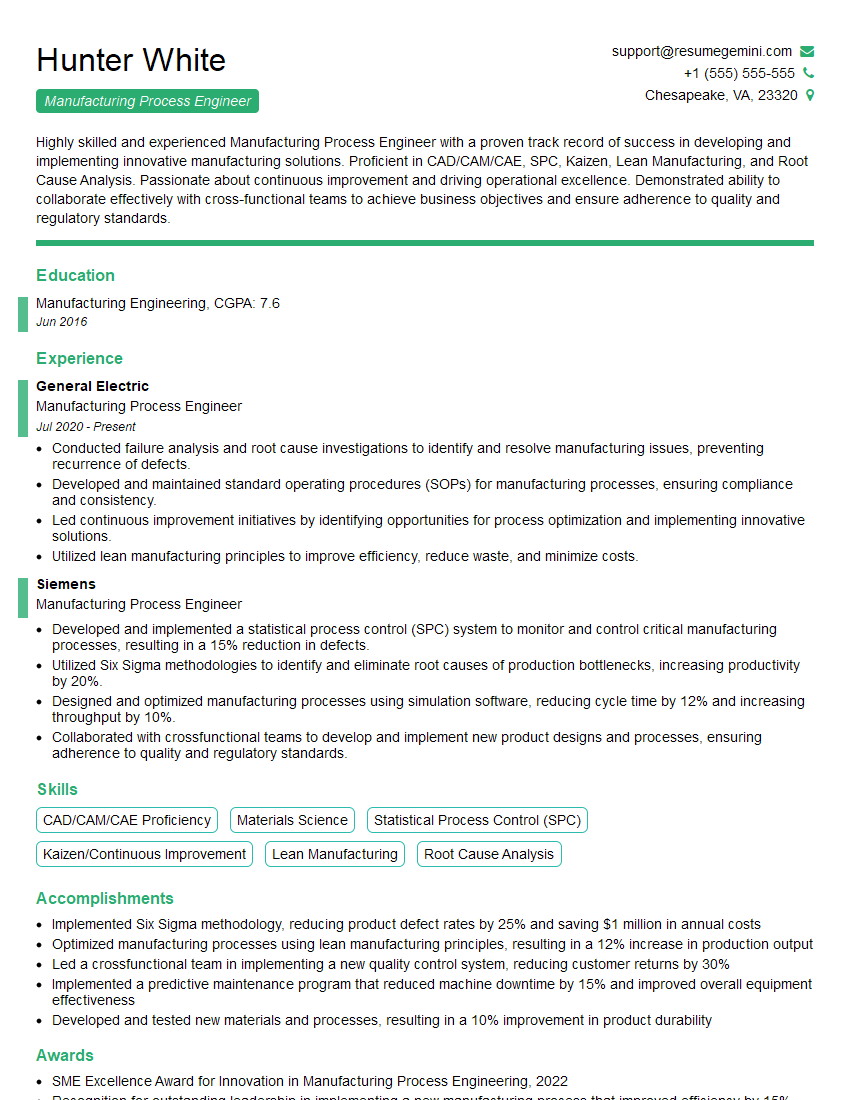
Manufacturing Process Engineer Resume Sample
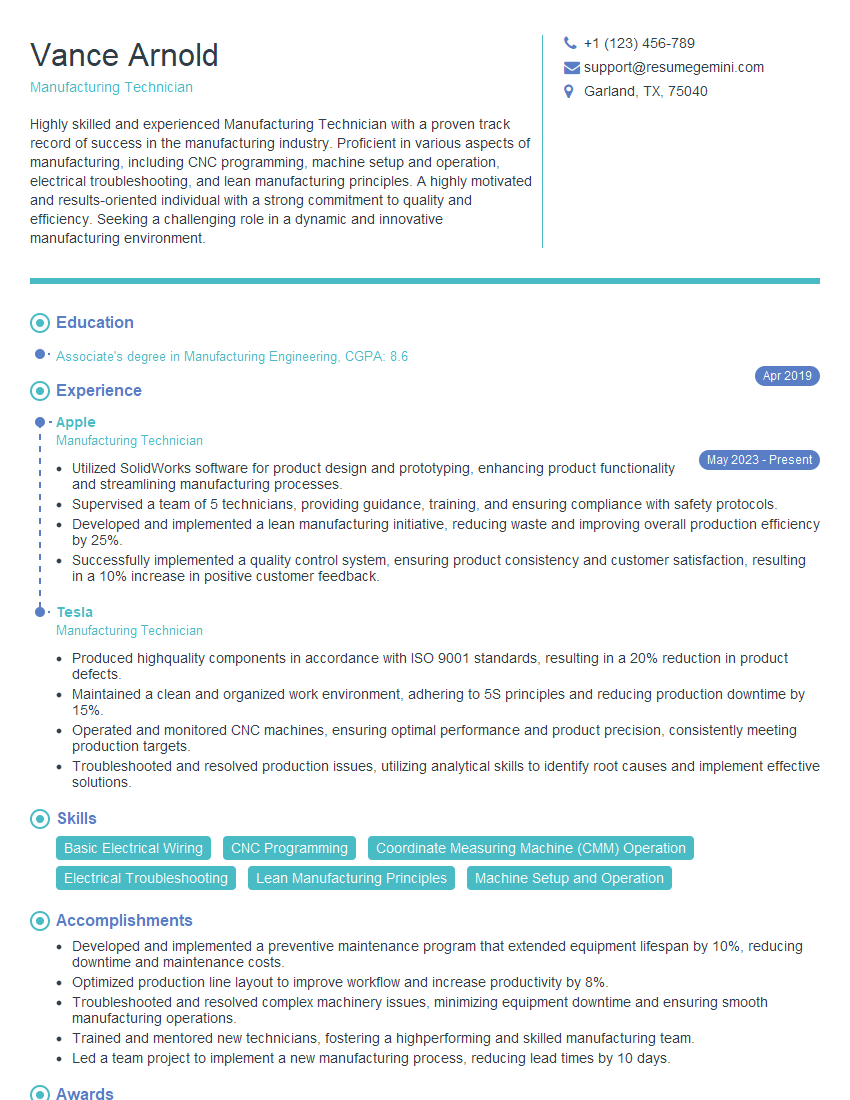
Manufacturing Technician Resume Sample
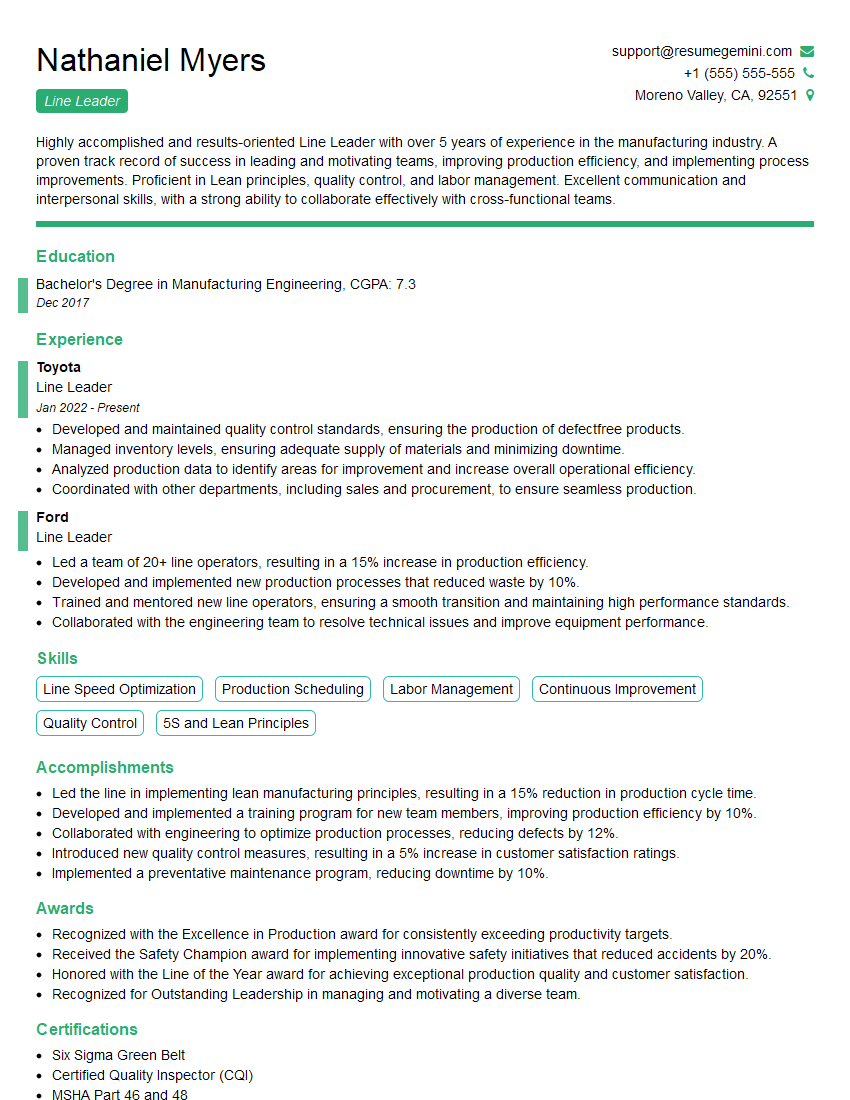
Line Leader Resume Sample
- Operations Manager
- Plant Manager
- Maintenance Manager
- Manufacturing Manager
- Quality Control Manager
- Production Supervisor
- Supply Chain Manager
- Reliability Engineer
- Automation Engineer
- Quality Engineer
- Operations Analyst
- Industrial Engineer
- Production Engineer
- Continuous Improvement Manager
- Lean Manufacturing Engineer
- Manufacturing Process Engineer
- Manufacturing Technician
- Line Leader
Explore more articles
Users Rating of Our Blogs
Share Your Experience
We value your feedback! Please rate our content and share your thoughts (optional).
What Readers Say About Our Blog
Very informative content, great job.
good