Every successful interview starts with knowing what to expect. In this blog, we’ll take you through the top Time Crunch Management interview questions, breaking them down with expert tips to help you deliver impactful answers. Step into your next interview fully prepared and ready to succeed.
Questions Asked in Time Crunch Management Interview
Q 1. Describe your approach to prioritizing tasks under extreme time pressure.
Prioritizing under extreme time pressure requires a cool head and a structured approach. I utilize the Eisenhower Matrix (Urgent/Important), quickly categorizing tasks. Urgent and Important tasks get immediate attention. Important but not urgent tasks are scheduled. Urgent but not important tasks are delegated or eliminated if possible. Not urgent and not important tasks are simply removed. This method ensures I focus my energy on what truly matters, avoiding wasted effort on less impactful activities. For example, if I have a critical deadline approaching (Urgent & Important) and a less critical meeting (Urgent but not Important), I’ll postpone the meeting or find a way to get the essential information without the full meeting.
- Step 1: Quickly assess all tasks using the Urgent/Important framework.
- Step 2: Tackle Urgent & Important tasks first.
- Step 3: Schedule Important but not Urgent tasks.
- Step 4: Delegate or eliminate Urgent but not Important tasks.
- Step 5: Remove Not Urgent and Not Important tasks.
Q 2. How do you handle multiple urgent requests simultaneously?
Handling multiple urgent requests simultaneously demands efficient multitasking and clear communication. I start by briefly assessing each request to determine its true urgency and impact. I then prioritize based on the Eisenhower Matrix and communicate with the requestors, setting realistic expectations for turnaround times. I might also employ time-boxing techniques, allocating specific time slots to each task. If it’s truly impossible to handle everything alone, I immediately look for ways to delegate tasks or seek assistance from colleagues. Transparency is key; I keep everyone informed about progress and potential delays.
For example, imagine receiving three urgent requests: a client needing immediate support, a crucial report due in an hour, and a colleague requiring urgent feedback on their work. I’d prioritize the client support (potentially the most impactful) followed by the report (hard deadline), and then allocate a smaller time slot for the colleague’s feedback, potentially negotiating an extension or prioritizing the most critical elements.
Q 3. Explain a situation where you had to make quick decisions under time constraints.
During a major software launch, a critical bug was discovered only hours before the scheduled release. The pressure was immense. I immediately convened a core team, assigning specific responsibilities: one focused on reproducing the bug, another on finding a temporary fix, and a third on communicating the delay to stakeholders (if necessary). We prioritized a quick fix over a perfect solution, understanding the potential impact of delaying the launch. We successfully identified and implemented a temporary fix, allowing for a timely launch with only a minor delay and a promise to fix the bug completely in the next update. This required quick decision-making, clear communication, and teamwork.
Q 4. What strategies do you employ to prevent time crunches?
Preventing time crunches is proactive, not reactive. My strategies include: meticulous planning (breaking down large projects into smaller, manageable tasks), effective time estimation (allowing buffer time for unexpected issues), prioritization (using techniques like the Eisenhower Matrix), regular task review (identifying potential delays early), and consistent communication (keeping stakeholders informed). I also avoid multitasking on unrelated tasks and focus on completing one task before moving to another.
For instance, I’ll use project management software to visualize tasks and dependencies. This gives me a bird’s-eye view, helping me predict and avoid potential bottlenecks before they arise.
Q 5. How do you delegate tasks effectively during a time crunch?
Effective delegation during a time crunch involves selecting the right person for the task, providing clear instructions and necessary resources, setting realistic deadlines, and ensuring open communication. I never delegate tasks that require my unique expertise. Instead, I focus on delegating tasks that can be handled by others effectively, freeing up my time to tackle the most critical items.
For example, if I’m facing a deadline for a presentation, I might delegate the creation of supporting visuals to a team member with design skills, ensuring they have access to the necessary data and a clear understanding of my requirements. This allows me to focus on the writing and delivery of the presentation itself.
Q 6. How do you identify and mitigate potential time-wasting activities?
Identifying and mitigating time-wasting activities requires self-awareness and discipline. I frequently analyze my daily activities to identify recurring time sinks, like lengthy meetings, excessive email checking, or unproductive multitasking. I use time tracking tools to gain a deeper insight into my time usage. Then I implement strategies to eliminate or reduce these activities. This can involve setting specific times for email checking, using meeting agendas to stay focused, and employing techniques like the Pomodoro Technique to improve focus.
For example, if I notice I’m spending too much time on social media, I’ll set specific times for checking it and stick to them rigidly, minimizing distractions and boosting my productivity.
Q 7. Describe your experience using time management tools and techniques.
I have extensive experience using various time management tools and techniques, including project management software (like Asana or Trello), calendar applications (Google Calendar, Outlook Calendar), and time tracking tools (Toggl Track, RescueTime). These tools help me visualize workflows, track progress, allocate time effectively, and identify time-wasting activities. I also regularly utilize the Pomodoro Technique for enhanced focus, the Eisenhower Matrix for prioritization, and time blocking for scheduled task completion. My experience shows these tools and techniques, when used correctly, are pivotal in effectively managing time and preventing time crunches.
Q 8. What is your approach to managing interruptions during a crucial deadline?
My approach to managing interruptions during crucial deadlines centers around proactive prevention and strategic deflection. I don’t believe in simply ‘dealing’ with interruptions; I actively minimize them. This starts with clearly communicating my focus time to colleagues and setting boundaries. I use tools like ‘focus time’ blocks in my calendar, visible to everyone, indicating periods when I’m unavailable for meetings or casual conversations.
When an interruption does occur, I employ a quick triage system. If it’s urgent and directly related to the deadline, I address it immediately. If it’s not, I politely but firmly reschedule the discussion for later, offering a specific time or suggesting an alternative communication method like email. This prevents a small interruption from derailing hours of focused work. Think of it like a surgeon focusing on a delicate procedure – small distractions can have massive consequences. I find that setting clear expectations upfront is key; people are more likely to respect your time when they understand its importance.
Q 9. How do you communicate effectively with stakeholders during time-sensitive projects?
Effective communication during time-sensitive projects relies on transparency, clarity, and proactive updates. I believe in employing a multi-pronged approach. Regular project status meetings, brief and focused, are crucial for keeping stakeholders informed about progress and potential roadblocks. I use visual tools like Kanban boards or Gantt charts to provide a clear overview of the project’s status and timeline. These visual aids make complex information readily accessible, eliminating the need for lengthy explanations.
For less frequent, but more critical updates, I utilize well-crafted email summaries and reports. These highlight key milestones achieved, challenges overcome, and upcoming tasks. I also ensure to always answer stakeholder questions promptly and completely, even if it means briefly breaking my focus. Open communication builds trust and prevents misunderstandings which can significantly delay the project.
Q 10. Explain a time you failed to manage time effectively and what you learned.
In a past project, I underestimated the complexity of integrating a new software module. I failed to allocate sufficient buffer time for potential unforeseen issues, leading to a crunch at the end. I was overly optimistic in my initial time estimation, neglecting to factor in the potential for debugging and testing delays. This resulted in missed deadlines and increased stress levels for the team.
The key learning was the importance of meticulous planning and incorporating realistic contingency time into project schedules. I now always overestimate task durations initially and build in buffer time to account for unforeseen circumstances. I also learned the value of breaking down complex tasks into smaller, manageable steps, making progress tracking easier and allowing for more accurate time estimation of individual components.
Q 11. How do you handle unexpected delays or obstacles that impact your timeline?
Unexpected delays or obstacles require immediate action and a calm, strategic response. My first step is to identify the root cause of the delay. Then, I assess its impact on the overall timeline. Once I understand the scope of the problem, I work with the team to explore potential solutions. This may involve re-prioritizing tasks, re-allocating resources, or seeking external assistance if needed.
Crucially, I communicate the delay and proposed solutions transparently to all stakeholders. This avoids surprises and allows them to adjust their expectations accordingly. I often use a risk assessment matrix to proactively identify potential problems and develop mitigation plans ahead of time, minimizing their impact when they do arise. Think of it like having a spare tire in your car – you hope you never need it, but it’s essential to have in case of a flat.
Q 12. What’s your method for estimating time required for complex tasks?
Estimating time for complex tasks requires a structured approach. I don’t rely on gut feeling alone. I break down the task into smaller, more manageable sub-tasks. For each sub-task, I consider the various steps involved, estimating the time required for each. I then add buffer time to account for unforeseen issues or complexities. I often use techniques like the three-point estimation (optimistic, pessimistic, and most likely), calculating a weighted average to arrive at a more accurate estimate.
Past experience plays a critical role. I maintain a log of past projects, noting the actual time spent on similar tasks. This historical data provides a valuable benchmark for future estimations. Regular review and refinement of my estimation techniques, based on post-project analysis, are also essential for continuous improvement. This iterative process makes my estimations progressively more accurate over time.
Q 13. Describe your proficiency with project management software (e.g., Asana, Trello).
I’m proficient in several project management software tools, including Asana, Trello, and Jira. My proficiency goes beyond basic task management. I utilize the features of these tools to their full extent, including task assignment, deadline setting, progress tracking, and collaboration features. I leverage features like Kanban boards for visualizing workflow and Gantt charts for managing timelines.
I’m comfortable creating custom workflows and utilizing automation features within these tools to improve team efficiency. For instance, I can set up automated notifications for task updates or deadline reminders, minimizing the risk of missed deadlines. My expertise allows me to choose the optimal tool based on the project’s specifics and seamlessly integrate it into our team’s workflow.
Q 14. How do you ensure accuracy and quality under tight deadlines?
Ensuring accuracy and quality under tight deadlines necessitates a proactive approach. First, I prioritize tasks based on criticality and dependencies. This ensures that the most crucial aspects of the project are completed first. I utilize checklists and quality control measures at each stage of the project to catch errors early and prevent cascading problems. This includes peer reviews and testing protocols.
I also focus on automating repetitive tasks wherever possible, freeing up time for more critical and complex work requiring focused attention. And finally, I promote a culture of collaboration and open communication within the team, enabling early identification and resolution of potential quality issues. By combining meticulous planning, robust quality checks, and efficient team collaboration, I maintain high standards even under pressure.
Q 15. How do you balance short-term urgency with long-term strategic goals?
Balancing short-term urgency with long-term strategic goals is a crucial skill in effective time management. It’s like navigating a ship – you need to adjust the sails (short-term actions) to reach your desired destination (long-term goals). I approach this by using a prioritization framework that incorporates both. I employ methods like the Eisenhower Matrix (Urgent/Important), which helps categorize tasks. Urgent and Important tasks get immediate attention. Important but not urgent tasks are scheduled proactively, preventing them from becoming crises. Urgent but not important tasks are delegated or eliminated if possible. Finally, tasks that are neither urgent nor important are simply removed from the to-do list. This ensures that I’m always making progress on strategic initiatives while addressing immediate needs.
For example, if I have a looming deadline for a project (urgent and important), I’ll dedicate focused time to it. However, I wouldn’t let that completely derail my efforts to build relationships with key clients (important, but perhaps not immediately urgent), which is crucial for long-term success. Regularly reviewing my long-term goals and aligning my daily tasks with them is essential to this balance.
Career Expert Tips:
- Ace those interviews! Prepare effectively by reviewing the Top 50 Most Common Interview Questions on ResumeGemini.
- Navigate your job search with confidence! Explore a wide range of Career Tips on ResumeGemini. Learn about common challenges and recommendations to overcome them.
- Craft the perfect resume! Master the Art of Resume Writing with ResumeGemini’s guide. Showcase your unique qualifications and achievements effectively.
- Don’t miss out on holiday savings! Build your dream resume with ResumeGemini’s ATS optimized templates.
Q 16. What are some common time traps you try to avoid?
Common time traps I diligently avoid include:
- Unplanned meetings: I advocate for concise agendas and pre-meeting materials to maximize efficiency.
- Interruptions: I dedicate specific blocks of time for focused work, minimizing distractions. This may involve turning off notifications or using website blockers.
- Perfectionism: While quality is paramount, I focus on achieving the ’80/20 rule’ – getting 80% of the result with 20% of the effort. Perfectionism often leads to analysis paralysis and missed deadlines.
- Multitasking: Research shows multitasking is actually less efficient. I focus on one task at a time for better concentration and reduced error rates.
- Poor planning: Failing to properly estimate time for tasks is a significant issue. I regularly overestimate task durations to account for unforeseen delays.
For instance, instead of accepting every meeting invitation, I strategically schedule only the essential ones and delegate others when possible. This prevents my schedule from becoming overwhelmed and allows me to allocate time for focused work.
Q 17. How do you stay focused and avoid burnout during stressful periods?
Maintaining focus and avoiding burnout during stressful periods requires a multifaceted approach. It’s not just about managing time, but also managing oneself.
- Mindfulness and Breaks: Regular short breaks are crucial. I incorporate short mindfulness exercises or simply step away from my workstation to clear my head. This prevents mental fatigue and improves focus.
- Prioritization and Delegation: During high-stress times, I ruthlessly prioritize tasks and delegate what I can to free up my time and mental energy.
- Physical Well-being: This includes adequate sleep, regular exercise, and a healthy diet. These are essential for resilience and energy levels.
- Setting Boundaries: I protect my personal time and avoid overcommitment to prevent burnout. This might involve setting specific work hours and sticking to them.
- Seeking Support: Don’t hesitate to reach out to colleagues or mentors for support and guidance during stressful times.
For instance, during a particularly demanding project launch, I scheduled 15-minute breaks every hour to stretch and meditate. This simple strategy significantly improved my focus and overall well-being throughout the entire process.
Q 18. How do you adapt your approach to time management based on different project types?
My approach to time management adapts significantly depending on the project type.
- Short-term, urgent projects: These require a highly focused, task-oriented approach. I prioritize speed and efficiency, using techniques like timeboxing (allocating a specific amount of time to a task) and the Pomodoro Technique.
- Long-term, strategic projects: These necessitate a more structured approach. I break down the project into smaller, manageable tasks, set milestones, and regularly review progress. Gantt charts or Kanban boards are particularly useful here.
- Creative projects: These benefit from flexibility. I allocate dedicated ‘deep work’ sessions, minimizing interruptions to allow for concentrated creative thinking. I also incorporate time for brainstorming and idea generation.
- Collaborative projects: Clear communication and coordination are essential. Regular team meetings and the use of collaborative tools are key for efficient progress.
For example, a quick bug fix requires immediate action and a focused approach, while developing a new software feature involves meticulous planning, task breakdown, and regular progress checks.
Q 19. How do you measure your own productivity and identify areas for improvement?
I measure my productivity using a combination of methods:
- Tracking time spent on tasks: I use time-tracking software to identify where my time is going and pinpoint areas for improvement. This data helps me understand if I’m overestimating or underestimating task durations.
- Reviewing completed tasks: A regular review of my accomplishments helps me identify patterns and areas where I’m most effective. This also allows for celebrating wins and maintaining motivation.
- Setting and achieving goals: Setting SMART goals (Specific, Measurable, Achievable, Relevant, Time-bound) provides a quantifiable measure of progress. This helps me stay focused and track my overall productivity.
- Gathering feedback: Seeking feedback from colleagues or supervisors on my performance helps identify blind spots and areas for development.
For instance, by tracking my time for a week, I discovered I was spending too much time on emails. By dedicating specific times for email management, I freed up significant time for higher-priority tasks.
Q 20. Can you describe a time you successfully managed a crisis due to a time crunch?
During the launch of a major software update, a critical bug emerged just hours before the scheduled release. This created a significant time crunch. My team and I immediately implemented a crisis management plan. We used a triage system to prioritize the most impactful issues. We mobilized all available resources, including developers, testers, and communication specialists. We streamlined our communication channels using a dedicated Slack channel for updates and decisions, which ensured clarity and prevented misunderstandings in the stressful situation. We also clearly defined roles and responsibilities and tracked progress in real-time using a Kanban board. We successfully resolved the critical bug and launched the update with minimal disruption, thanks to the effective allocation of resources and clear communication under immense pressure.
Q 21. What’s your preferred method for tracking progress against deadlines?
My preferred method for tracking progress against deadlines is a combination of tools and techniques. I use project management software like Jira or Asana to create task lists, assign deadlines, and track progress visually. These tools allow for real-time updates and collaboration. I also utilize a personal calendar with color-coded events for appointments and deadlines. This provides a clear overview of my schedule and helps me visualize the upcoming workload. Finally, regular review meetings, both individual and team-based, are vital for assessing progress and identifying potential roadblocks. This combination of visual tools and regular check-ins ensures I stay on track and manage my time effectively.
Q 22. How do you handle conflicting priorities when working on multiple projects?
Conflicting priorities are inevitable in project management, especially during crunch time. My approach is a three-pronged strategy focusing on prioritization, communication, and adaptation.
- Prioritization: I utilize frameworks like the Eisenhower Matrix (Urgent/Important) to categorize tasks. This helps me focus on high-impact, urgent activities first, delegating or postponing less critical ones. For example, if I’m working on a critical software release and a minor feature request arrives, the release takes precedence.
- Communication: Open communication with stakeholders is vital. I proactively inform them about potential delays or trade-offs due to competing priorities. This ensures everyone is aligned and prevents misunderstandings. For instance, I might schedule a quick meeting to explain why a less urgent feature will be pushed to the next sprint.
- Adaptation: I remain flexible and adjust my plan as needed. Unexpected issues or changes in priorities require adaptability. Regularly reviewing the project plan and making necessary adjustments ensures we stay on track despite conflicts. If a higher priority task emerges unexpectedly, I’ll re-evaluate the Eisenhower Matrix and make the necessary shift in focus.
Q 23. How would you handle a situation where a key team member is absent during a crunch time?
The absence of a key team member during crunch time is a serious challenge, demanding immediate action. My response involves a combination of proactive planning and reactive problem-solving.
- Proactive Planning: Before crunch time, I ensure adequate documentation, clear task assignments, and cross-training within the team. This minimizes reliance on a single person. For example, I would make sure that multiple team members understand the critical path of a project.
- Reactive Problem-Solving: If a key member is absent, I immediately assess the impact on the project. I then redistribute tasks to other team members, based on their expertise and availability. If necessary, I might seek external help or adjust project timelines. For instance, if our lead developer is out sick, I might assign some of their tasks to a junior developer, providing additional support and mentoring.
- Communication and Support: Maintaining open communication with the team is paramount. I provide support and guidance to those taking on additional responsibilities, ensuring they have the resources they need to succeed. This includes providing encouragement and recognizing their extra efforts.
Q 24. Describe your experience with implementing time-saving processes or workflows.
I have extensive experience implementing time-saving processes, focusing on automation, workflow optimization, and effective communication.
- Automation: I’ve implemented automation tools for repetitive tasks, such as automated testing scripts or using project management software to track progress automatically. This frees up time for more strategic activities.
- Workflow Optimization: I’ve streamlined workflows by identifying bottlenecks and inefficiencies. For example, I introduced Kanban boards to visualize the workflow, allowing for quicker identification of roadblocks.
- Effective Communication: I’ve implemented daily stand-up meetings to foster quick communication, ensuring everyone is aware of roadblocks or dependencies. This prevents delays caused by miscommunication.
In one project, I implemented a CI/CD (Continuous Integration/Continuous Deployment) pipeline. This automated the build, test, and deployment process, significantly reducing deployment time and allowing for more frequent releases.
Q 25. What metrics do you use to assess the success of your time management strategies?
Measuring the success of time management strategies requires a multi-faceted approach. I use several metrics, including:
- On-time project delivery: This is a fundamental metric, measuring the percentage of projects completed within the scheduled timeframe.
- Project budget adherence: Tracking how effectively time management contributes to staying within budget. Time saved often translates to cost savings.
- Team morale and productivity: Effective time management should lead to improved team morale and higher productivity. Regular feedback and surveys can gauge this.
- Defect rate: A lower defect rate often suggests a more focused and less rushed development process, indicating better time management practices.
By tracking these metrics, I can identify areas for improvement and continuously refine my time management strategies.
Q 26. How do you handle stress and pressure effectively?
Stress and pressure are inherent to crunch time. My approach focuses on proactive stress management and effective coping mechanisms.
- Proactive Stress Management: Prioritizing tasks, delegating effectively, and setting realistic goals help mitigate stress. Regular breaks and mindfulness techniques also contribute to managing stress levels proactively.
- Effective Coping Mechanisms: When under pressure, I utilize techniques such as deep breathing exercises, short walks, or engaging in a relaxing hobby to de-stress. I also make sure to maintain a healthy work-life balance to prevent burnout.
- Seeking Support: Don’t hesitate to seek support from colleagues, friends, or family when feeling overwhelmed. Talking about concerns can significantly reduce stress.
Q 27. How do you proactively anticipate and address potential time constraints?
Proactive anticipation of time constraints involves thorough planning and continuous monitoring.
- Realistic Planning: Developing comprehensive project plans with realistic timelines and considering potential risks and delays is crucial. This includes buffer time for unexpected issues.
- Regular Monitoring: Continuously monitoring project progress against the plan, identifying potential bottlenecks early. This proactive approach helps in making timely adjustments.
- Risk Assessment: Conducting thorough risk assessments to identify potential time-consuming problems and developing contingency plans to mitigate their impact. This could include alternative solutions or additional resources.
- Communication and Collaboration: Maintaining open communication with the team and stakeholders to identify and address potential time constraints collaboratively. Early identification and open communication are crucial for effectively managing risks.
For example, before starting a new project, I would conduct a thorough risk assessment and include buffer time in my timeline for unexpected delays such as software bugs or delays in receiving external resources. Regularly monitoring the progress helps me quickly detect and address any issues, preventing them from escalating and leading to major delays.
Key Topics to Learn for Time Crunch Management Interview
- Prioritization Techniques: Understanding methods like Eisenhower Matrix (urgent/important), MoSCoW method (must have/should have/could have/won’t have), and value-based prioritization.
- Time Estimation & Tracking: Accurately estimating task durations, using time tracking tools effectively, and adjusting estimations based on experience.
- Effective Planning & Scheduling: Utilizing project management methodologies (Agile, Scrum, Kanban) to break down large tasks and create realistic schedules.
- Delegation & Teamwork: Identifying tasks suitable for delegation, effectively communicating expectations, and collaborating efficiently within a team.
- Stress Management & Resilience: Developing strategies to manage stress under pressure, maintaining focus during high-pressure situations, and recognizing personal limitations.
- Proactive Problem Solving: Anticipating potential roadblocks, developing contingency plans, and addressing issues before they escalate into significant time constraints.
- Communication & Boundary Setting: Clearly communicating deadlines and expectations, setting healthy boundaries to prevent overcommitment, and seeking help when needed.
- Continuous Improvement: Regularly reviewing performance, identifying areas for improvement in time management, and implementing new strategies.
Next Steps
Mastering Time Crunch Management is crucial for career advancement. Employers highly value individuals who can effectively manage their time, meet deadlines consistently, and contribute efficiently to team projects. To significantly boost your job prospects, it’s essential to create an ATS-friendly resume that highlights your skills and experience in this area. We recommend using ResumeGemini, a trusted resource, to build a professional and impactful resume. ResumeGemini provides examples of resumes tailored to Time Crunch Management roles, helping you showcase your capabilities effectively. Take the next step toward your dream career today!
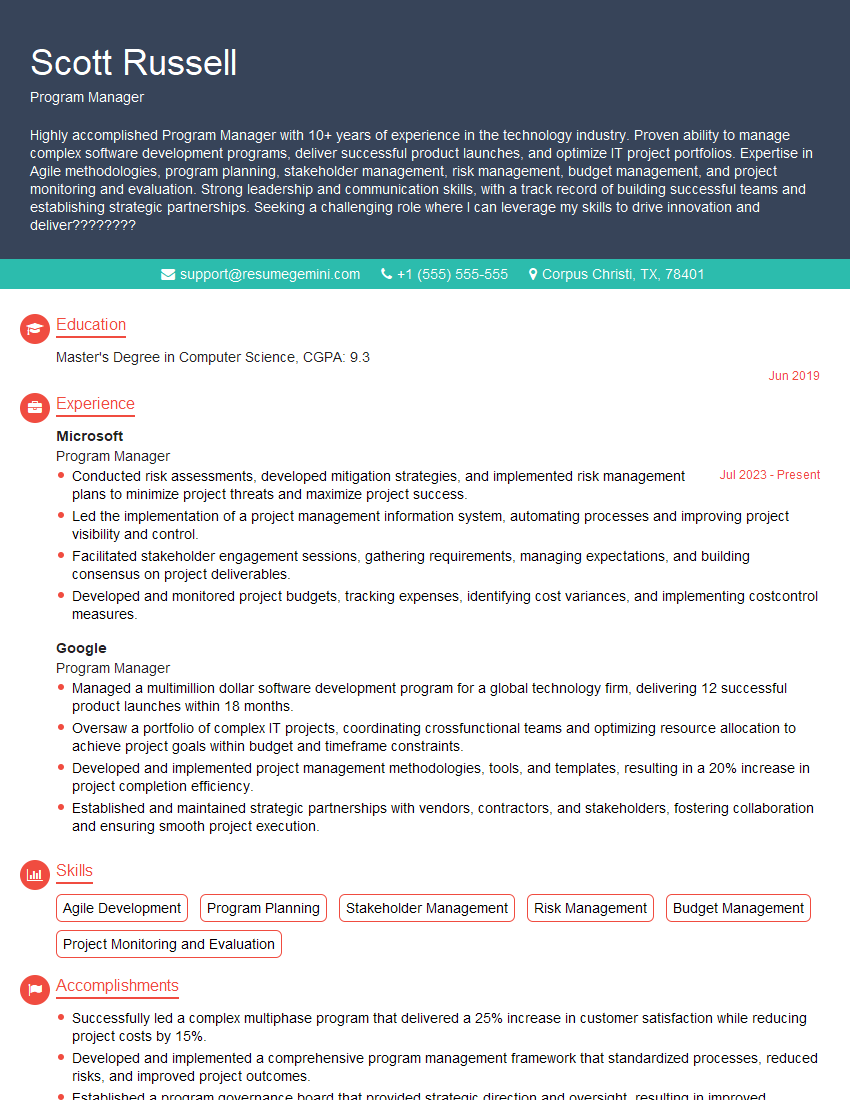
Program Manager Resume Sample
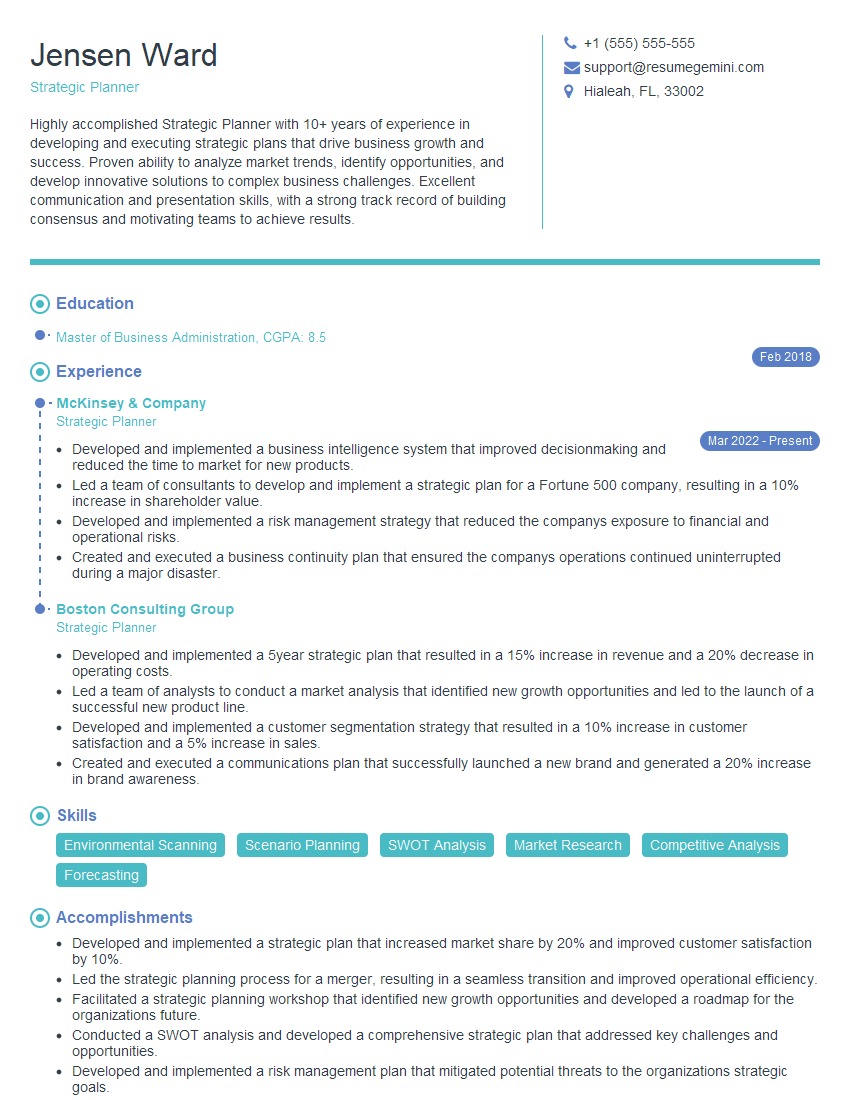
Strategic Planner Resume Sample
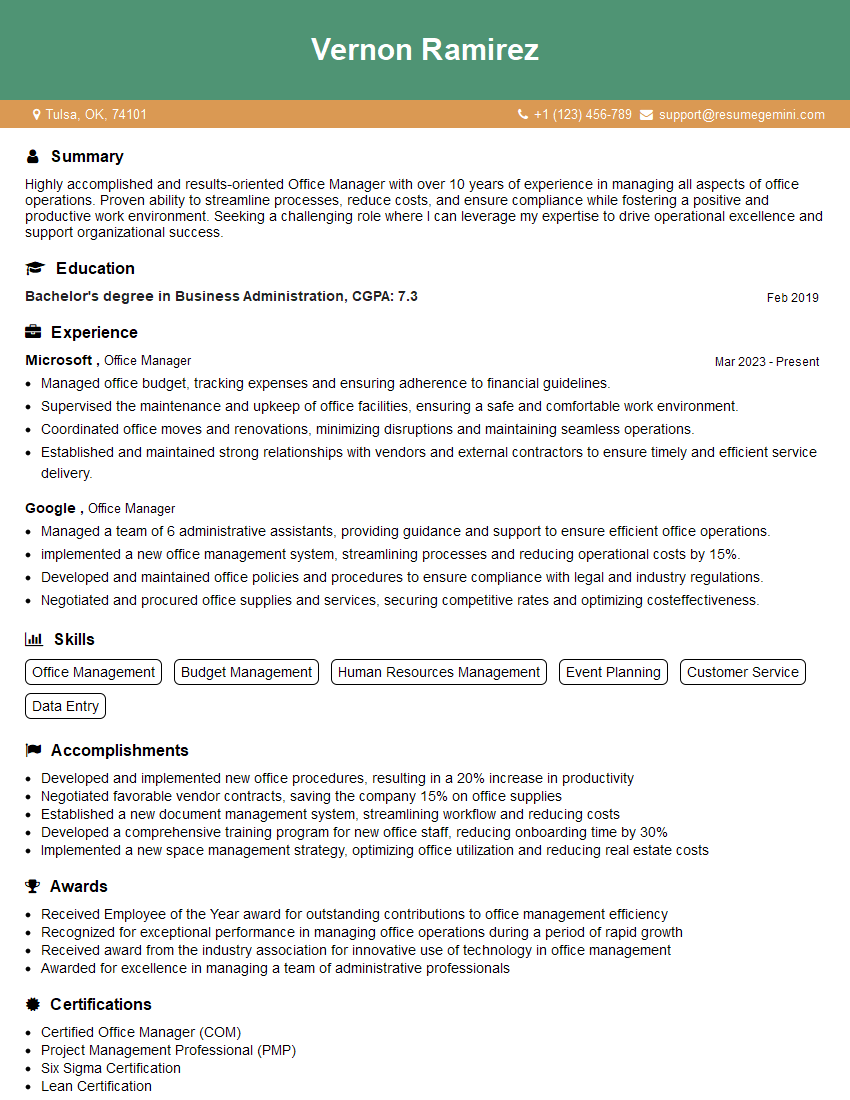
Office Manager Resume Sample
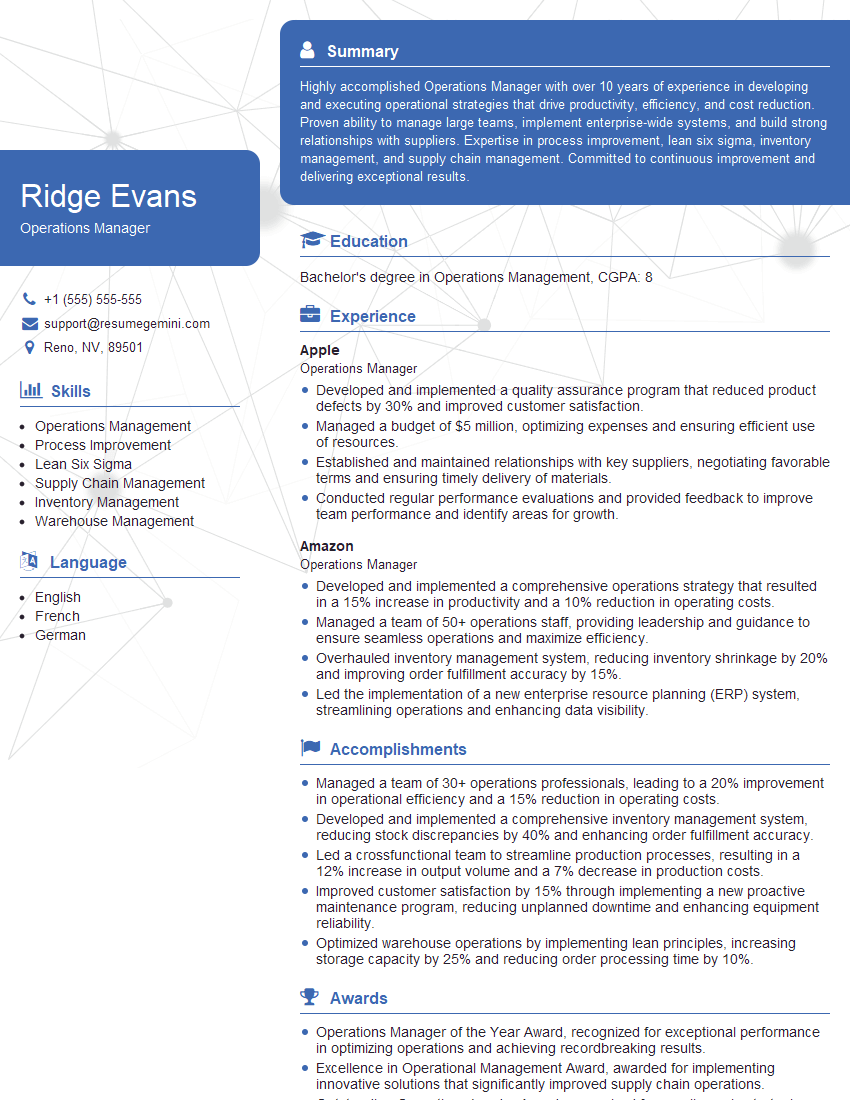
Operations Manager Resume Sample
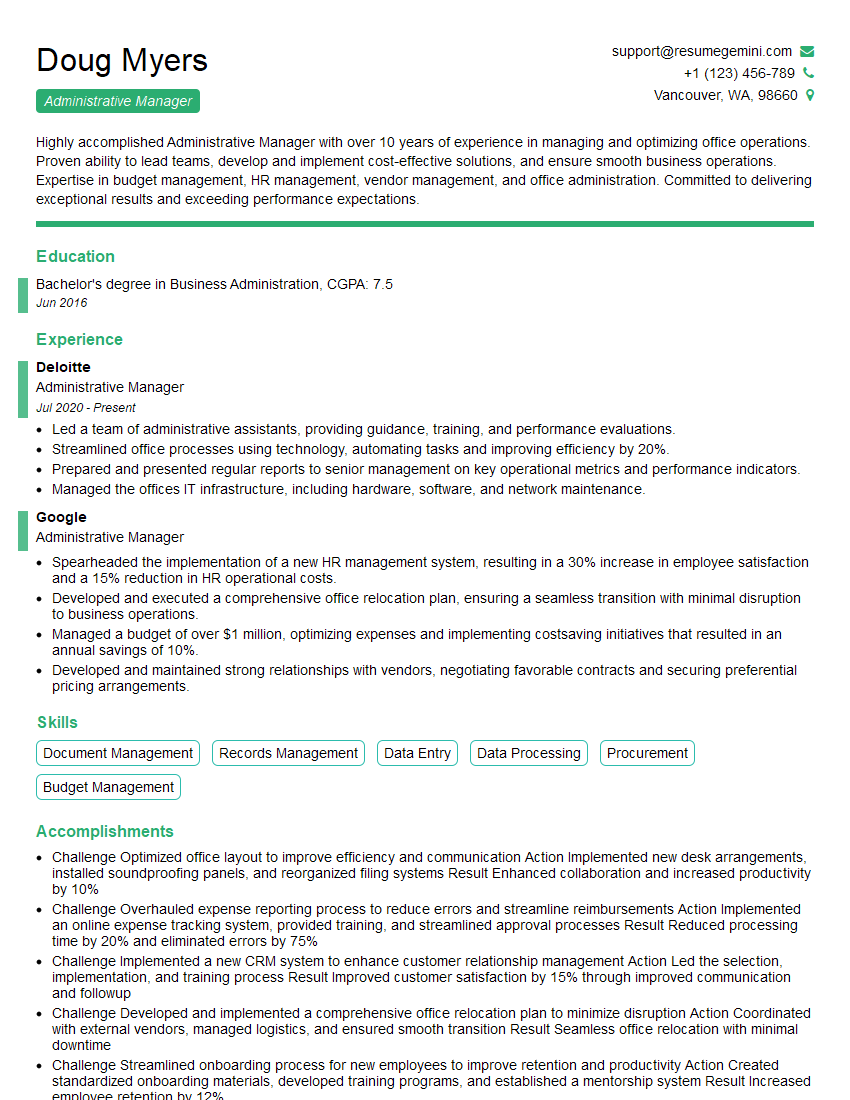
Administrative Manager Resume Sample
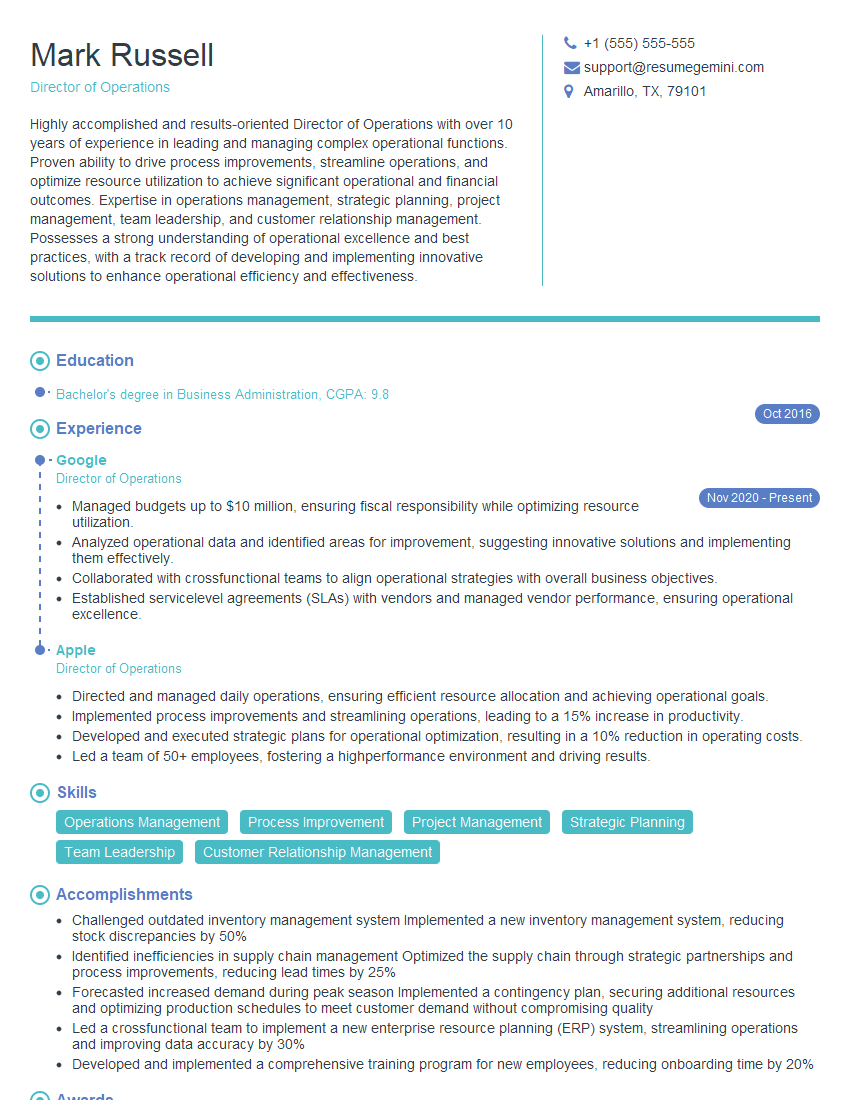
Director of Operations Resume Sample
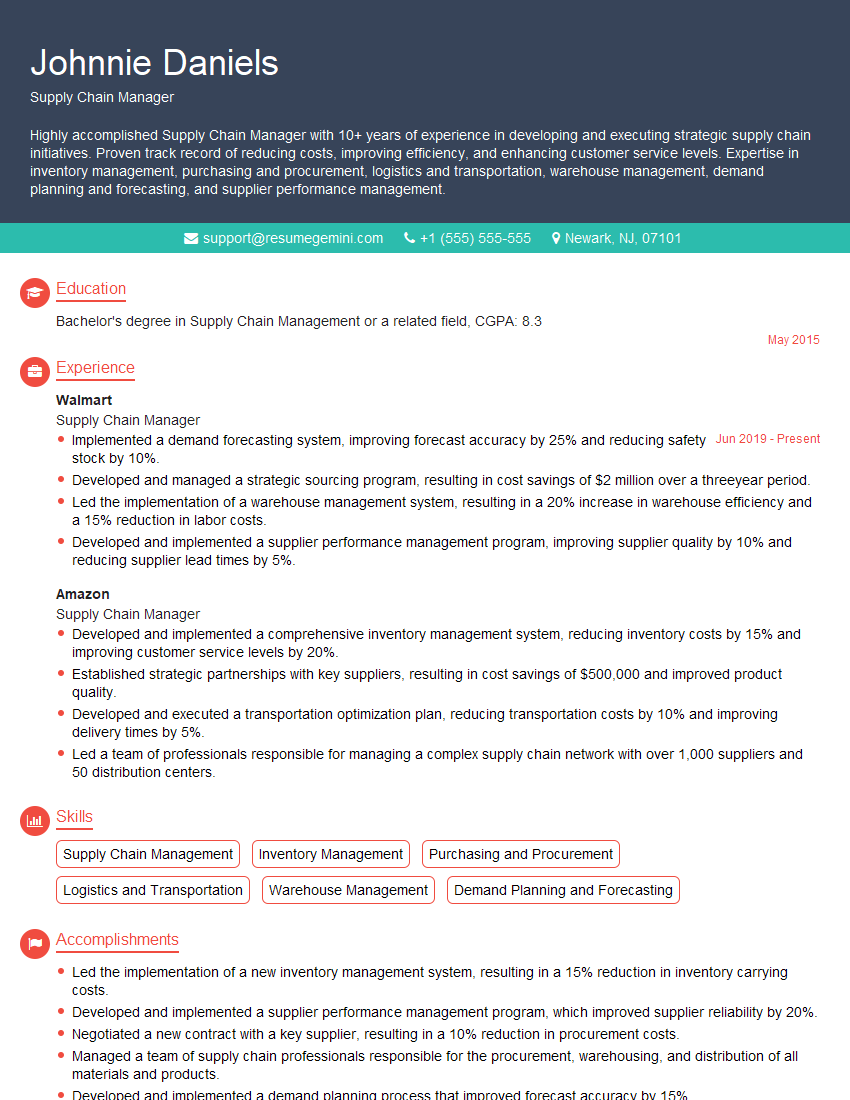
Supply Chain Manager Resume Sample
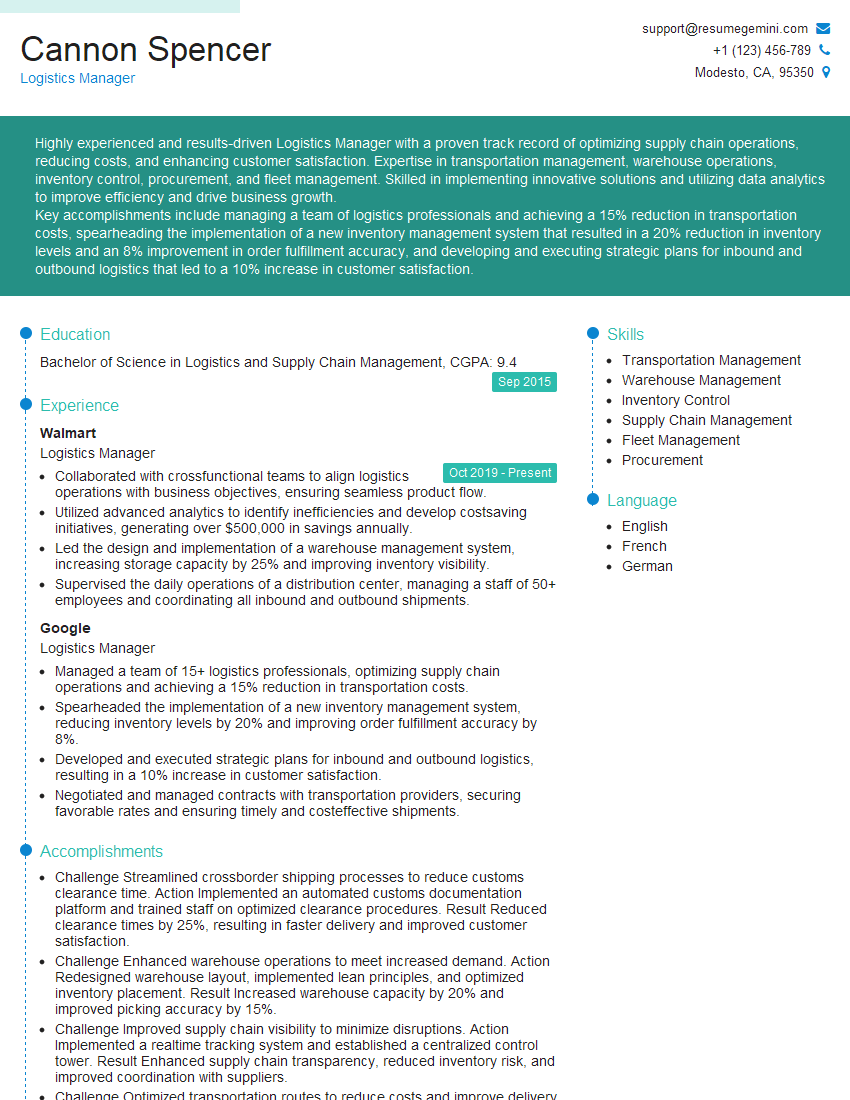
Logistics Manager Resume Sample
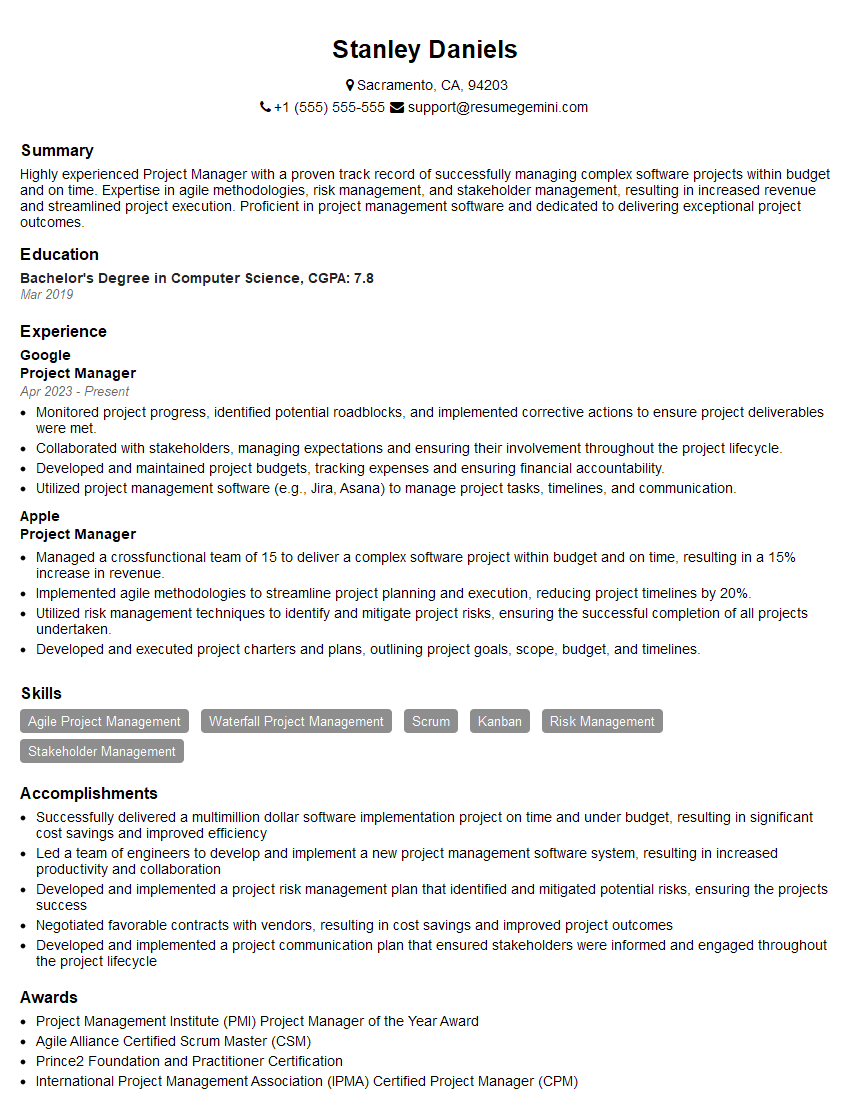
Project Manager Resume Sample
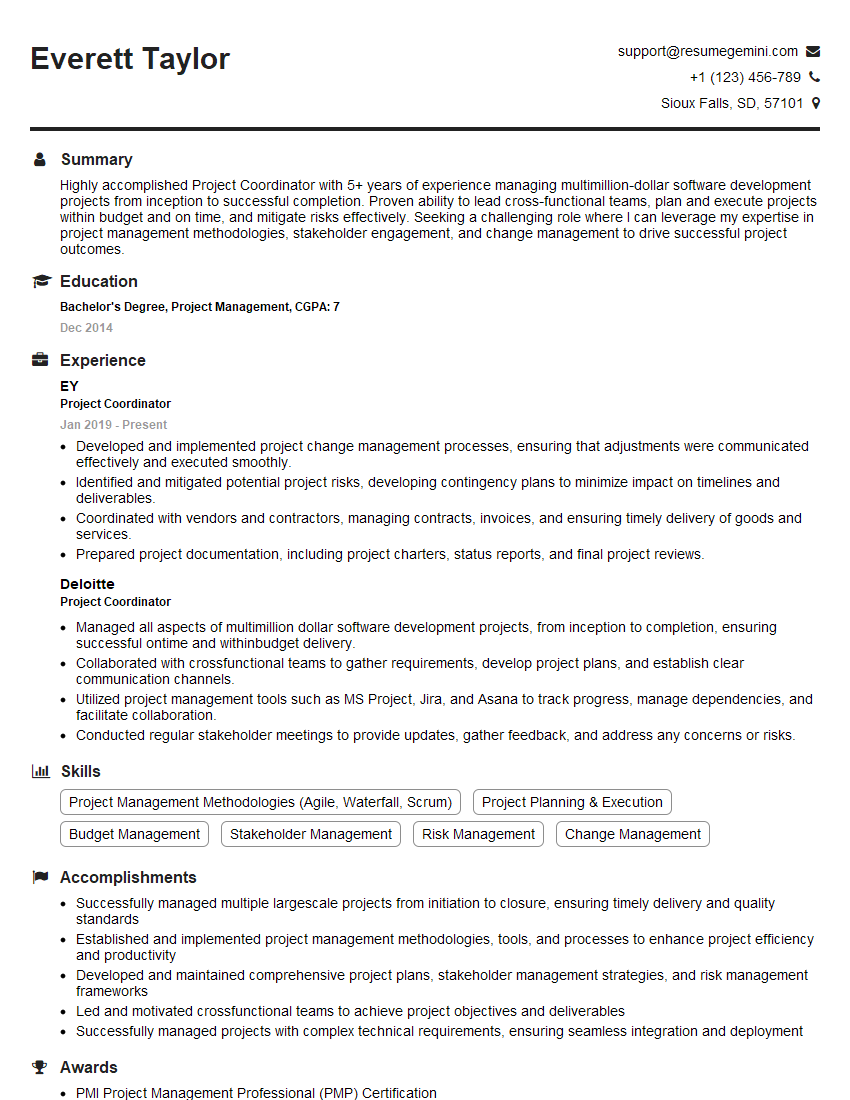
Project Coordinator Resume Sample

Chief of Staff Resume Sample
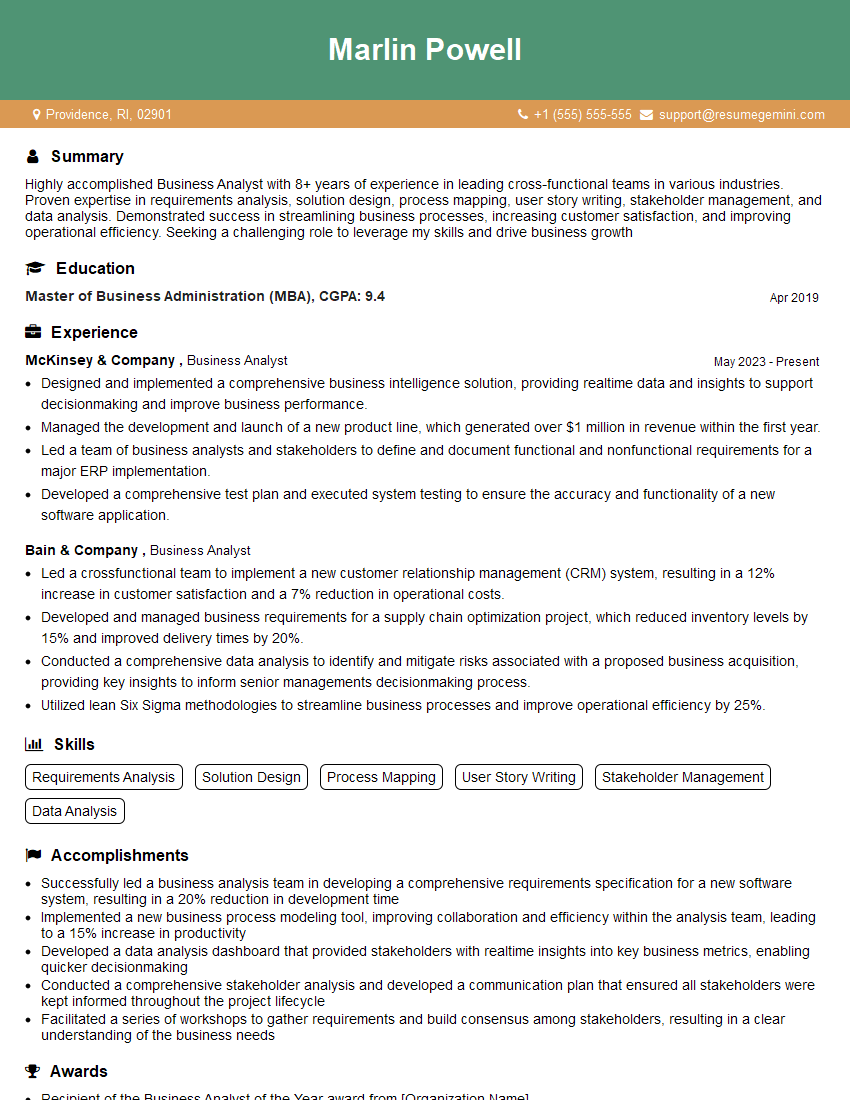
Business Analyst Resume Sample
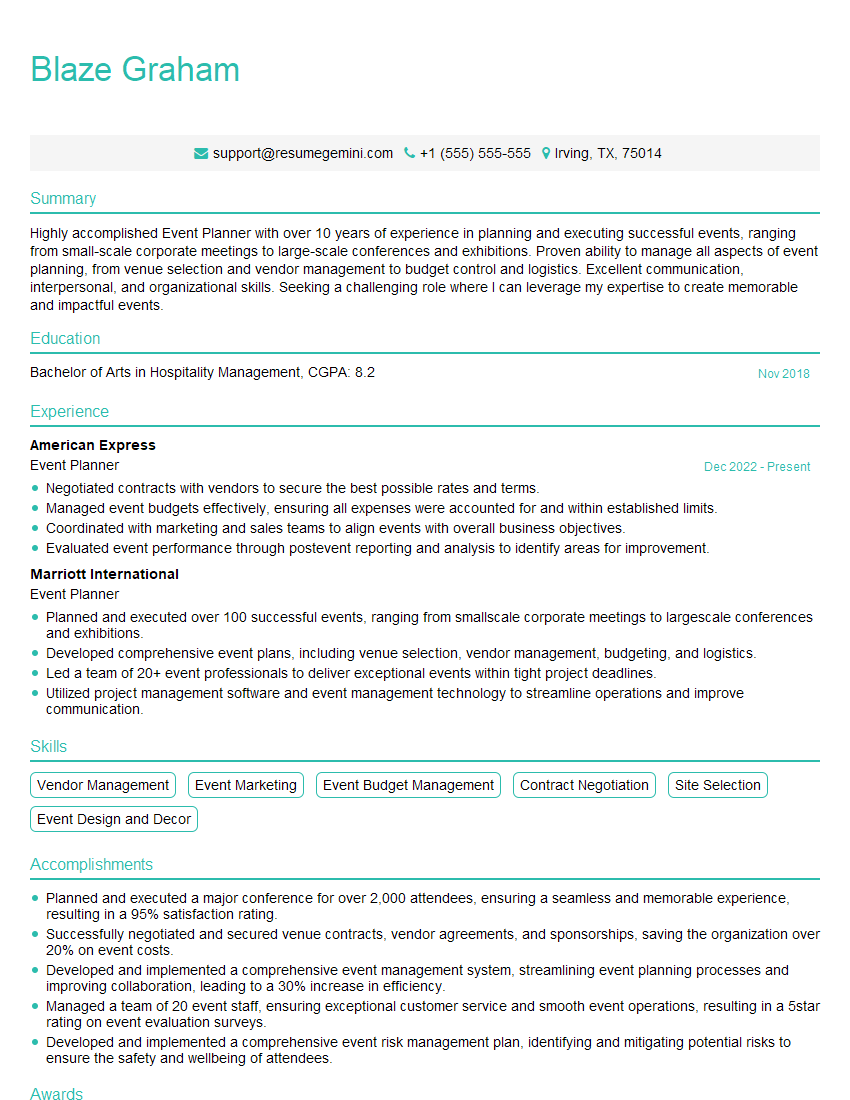
Event Planner Resume Sample

Scheduling Coordinator Resume Sample
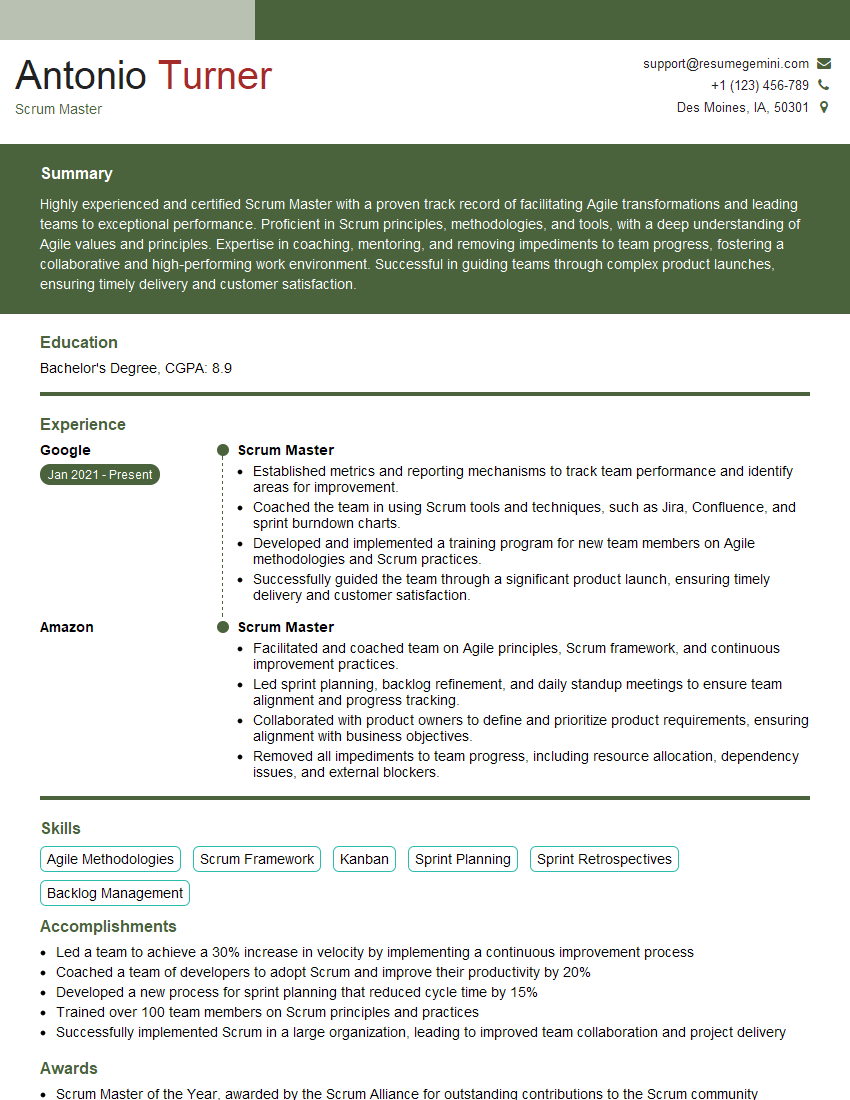
Scrum Master Resume Sample
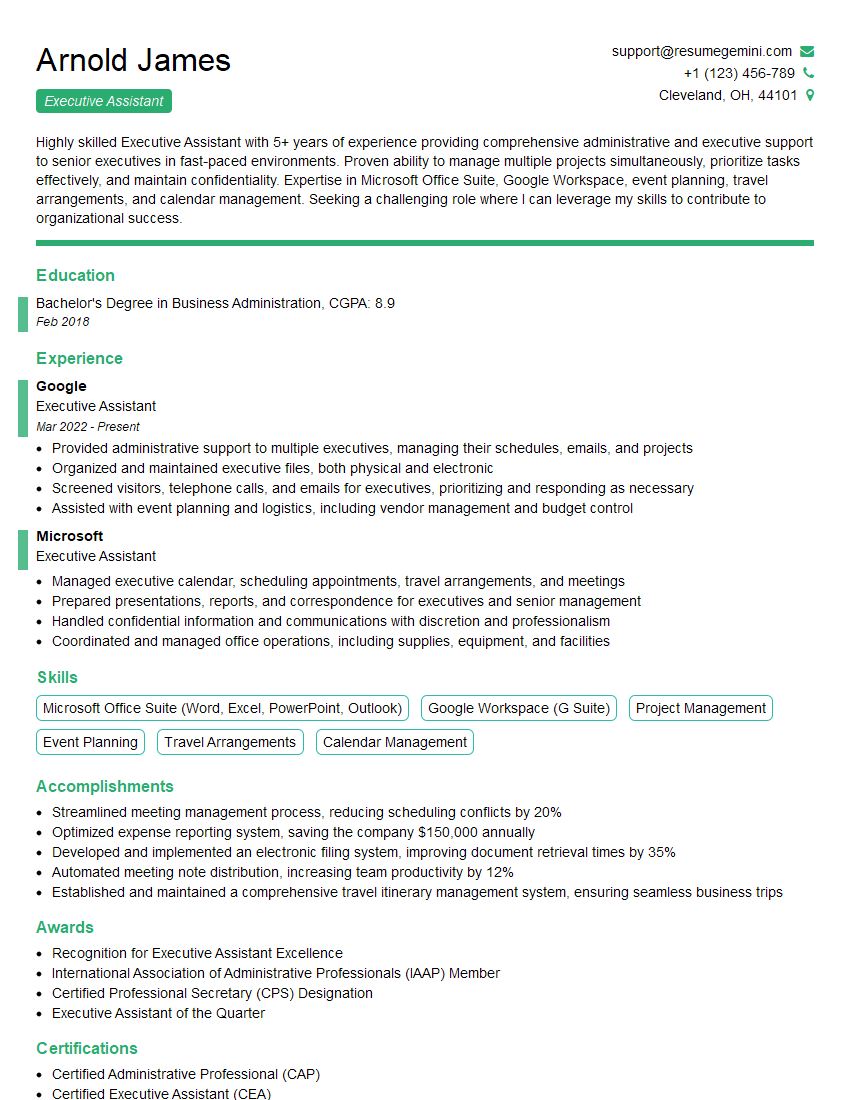
Executive Assistant Resume Sample
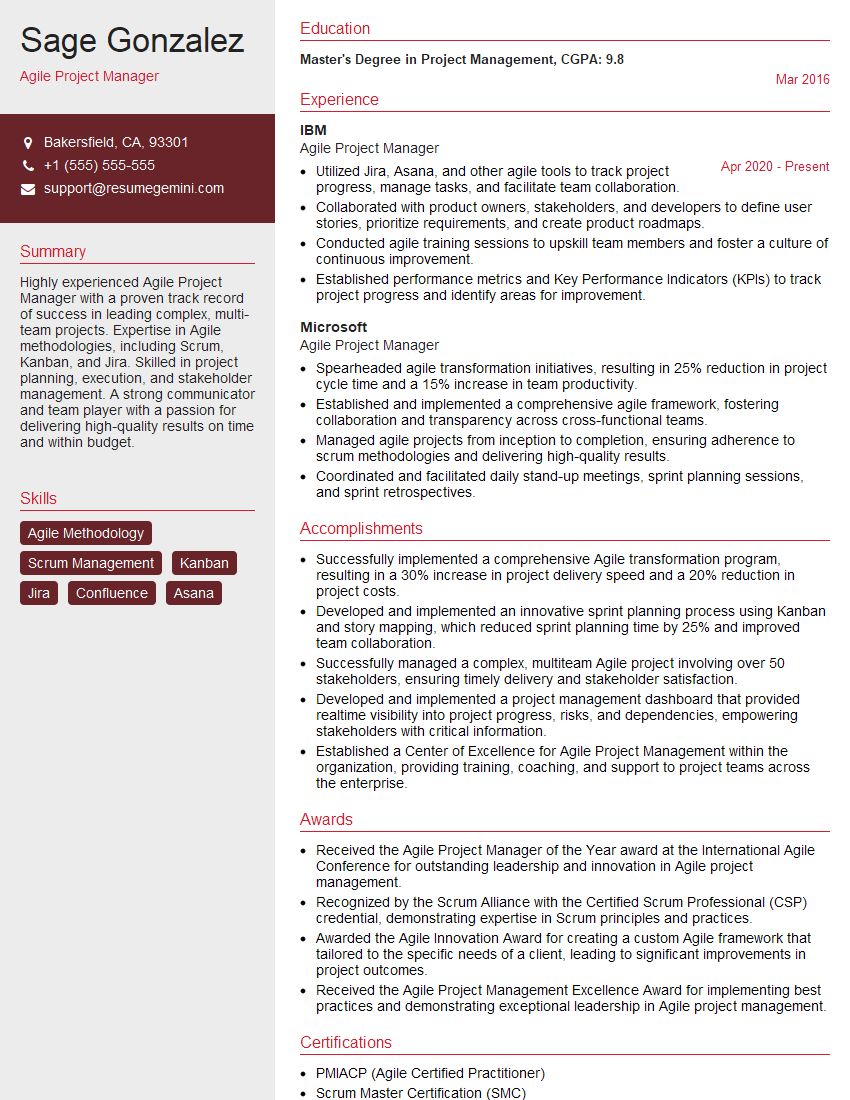
Agile Project Manager Resume Sample
- Program Manager
- Strategic Planner
- Office Manager
- Operations Manager
- Administrative Manager
- Director of Operations
- Supply Chain Manager
- Logistics Manager
- Project Manager
- Project Coordinator
- Chief of Staff
- Business Analyst
- Event Planner
- Scheduling Coordinator
- Scrum Master
- Executive Assistant
- Agile Project Manager
Explore more articles
Users Rating of Our Blogs
Share Your Experience
We value your feedback! Please rate our content and share your thoughts (optional).
What Readers Say About Our Blog
Very informative content, great job.
good