Feeling uncertain about what to expect in your upcoming interview? We’ve got you covered! This blog highlights the most important Attention to Detail and Observation Skills interview questions and provides actionable advice to help you stand out as the ideal candidate. Let’s pave the way for your success.
Questions Asked in Attention to Detail and Observation Skills Interview
Q 1. Describe a time you noticed a crucial detail others missed.
During a critical software testing phase, my team identified several bugs, but the application still failed intermittently. Others attributed the failures to random occurrences. However, meticulously reviewing logs and system performance metrics, I noticed a subtle pattern: failures always coincided with high CPU usage on a specific server at a particular time of day. This detail, overlooked by others, pointed to a resource contention issue that was subsequently resolved by optimizing the server’s configuration. This highlighted the importance of not just looking at the surface level but also delving deep into the underlying data to discover the root cause. This experience cemented the importance of rigorous data analysis in problem-solving and confirmed my dedication to spotting these crucial oversights.
Q 2. How do you ensure accuracy in your work?
Accuracy is paramount in my work. I utilize a multi-layered approach. First, I establish clear objectives and meticulously review all instructions and specifications before beginning any task. Next, I employ checklists and double-checking mechanisms. This might involve having a colleague review my work or using automated tools for validation. Finally, I maintain detailed documentation of every step of my process, creating an audit trail that allows for easy identification and correction of any errors. This rigorous approach ensures that my work is not only accurate but also easily verifiable, fostering trust and dependability.
Q 3. What strategies do you use to maintain focus on detail?
Maintaining focus on detail requires a conscious effort. I prioritize minimizing distractions by creating a calm and organized workspace. Techniques like the Pomodoro Technique, involving focused bursts of work followed by short breaks, help me stay sharp and prevent mental fatigue. Moreover, I proactively break down complex tasks into smaller, manageable steps. This approach allows me to concentrate on one detail at a time, reducing the risk of overlooking crucial information. Regular breaks are crucial, not for procrastination, but for mental refreshing.
Q 4. How do you handle a high volume of information requiring meticulous attention?
Handling a high volume of information demanding meticulous attention involves strategic organization and prioritization. I utilize tools like spreadsheets and databases to structure the information logically, allowing for efficient data filtering and analysis. I also break down the data into manageable chunks, focusing on one section at a time. Visualization techniques, such as charts and graphs, can help identify patterns or anomalies more easily. Prioritization is key – I focus on the most critical information first, which often requires a clear understanding of the overall objective. The key is a systematic and organized approach.
Q 5. Explain your process for proofreading a document.
My proofreading process is methodical and comprehensive. I always take a break between writing and proofreading to gain fresh perspective. I then use a multi-pass approach: the first pass focuses on big-picture elements like structure and flow; the second on grammar and punctuation; and the third on typos and consistency. I often read aloud to catch errors my eyes might miss. Utilizing tools like grammar checkers helps, but should never replace a thorough manual review. Finally, I always have a second pair of eyes review the final version before submission. This layered approach ensures a polished and error-free final product.
Q 6. How do you identify inconsistencies or errors in data sets?
Identifying inconsistencies or errors in datasets requires a combination of automated tools and manual inspection. I leverage data validation techniques like cross-checking data points against different sources and using data visualization tools to highlight anomalies. Data cleaning is a crucial preliminary step. For example, looking for outliers, missing values, or unusual data patterns in scatter plots or histograms can reveal problems. Statistical analysis may identify unexpected correlations or distributions that signal errors. I always document the process and findings for easy tracking and review.
Q 7. Describe a situation where your observation skills helped solve a problem.
During a client presentation, I noticed a slight discrepancy between the projected figures and the supporting documentation. While the team focused on delivering the main presentation, I quietly reviewed the discrepancies and found a minor data entry error. This seemingly small error could have led to significant misinterpretations and potentially impacted the client’s decision-making. By promptly pointing this out, I helped prevent a potentially costly and embarrassing mistake. The situation reaffirmed the importance of paying attention to detail and acting on observations even when they seem minor.
Q 8. How do you prioritize tasks when multiple details require attention?
Prioritizing tasks when faced with numerous details involves a strategic approach combining urgency and importance. I employ a method I call the ‘Urgency-Importance Matrix’. First, I list all tasks. Then, I assess each based on two criteria: how urgently it needs completion and how important it is to the overall objective. Tasks are categorized into four quadrants: Urgent & Important (immediate action), Important but Not Urgent (schedule proactively), Urgent but Not Important (delegate if possible), and Neither Urgent nor Important (eliminate or postpone).
- Urgent & Important: Meeting a critical deadline, addressing a client emergency.
- Important but Not Urgent: Strategic planning, skill development, preventative maintenance.
- Urgent but Not Important: Responding to non-critical emails, attending less crucial meetings.
- Neither Urgent nor Important: Unnecessary tasks, time-wasting activities.
This matrix helps me focus energy on high-impact activities, preventing me from being overwhelmed by less critical details.
Q 9. What techniques do you use to improve your observation skills?
Improving observation skills is an ongoing process that requires conscious effort and practice. I use several techniques:
- Mindful Observation: I actively engage all my senses—sight, hearing, touch, even smell—when assessing a situation. This helps me pick up on subtle cues others might miss.
- Active Listening: It’s not just about hearing words; it’s about understanding the context, tone, and underlying message. I pay attention to nonverbal cues like body language.
- Pattern Recognition: I train myself to identify patterns and anomalies. By recognizing recurring themes or deviations from the norm, I can anticipate potential issues or uncover hidden details.
- Structured Observation: When examining complex systems or data sets, I use checklists and frameworks to ensure a thorough and systematic review, leaving no stone unturned.
- Regular Self-Assessment: I regularly reflect on my observations, identifying areas for improvement and refining my techniques.
For example, while reviewing a complex document, I might use a highlighter to mark key details and inconsistencies before summarizing findings. This systematic approach greatly enhances my observation accuracy.
Q 10. How do you handle conflicting information or details?
Conflicting information requires careful analysis and verification. I follow a structured approach:
- Identify the Discrepancies: Clearly pinpoint the conflicting details and their sources.
- Verify the Sources: Assess the credibility and reliability of each source. Consider potential biases or errors.
- Gather Additional Information: Seek corroborating evidence or consult other reliable sources to resolve the inconsistencies.
- Analyze the Context: Consider the circumstances surrounding the information. The context can often shed light on the discrepancies.
- Document the Findings: Maintain detailed records of the conflicting information, the analysis conducted, and the resolution reached.
Think of it like a detective investigating a crime; you need to gather all evidence, evaluate its validity, and piece together the truth.
Q 11. Describe a time you had to make a critical decision based on detailed analysis.
During a software development project, we discovered a critical bug in the near-release version. The bug, if left unaddressed, could lead to significant data loss for our clients. I was tasked with leading the analysis and determining the best course of action. I carefully reviewed the code, logs, and user reports. This revealed a flaw in the data validation process, leading to the incorrect handling of certain inputs.
After a thorough analysis, I presented three options: a quick, but potentially risky patch; a more thorough but time-consuming rewrite; and a delayed release to allow for comprehensive testing. Considering the severity of the bug and the potential damage, I recommended the more thorough rewrite, despite the delay. This decision, while challenging, prioritized data integrity and client trust, ultimately proving successful.
Q 12. How do you manage your time effectively when dealing with detail-oriented tasks?
Effective time management for detail-oriented tasks hinges on planning and prioritization. I utilize several strategies:
- Time Blocking: Allocate specific time slots for focused work on individual tasks. Minimize interruptions during these blocks.
- Task Chunking: Break down large tasks into smaller, more manageable steps. This helps avoid feeling overwhelmed and enhances focus.
- Prioritization Techniques: Employ methods like the Eisenhower Matrix (Urgency-Importance) to prioritize tasks based on impact and urgency.
- Regular Breaks: Schedule short breaks to avoid burnout and maintain concentration. The Pomodoro Technique (25 minutes of work followed by a 5-minute break) can be very effective.
- Use of Technology: Leverage tools like project management software (Asana, Trello) to track progress, set deadlines, and allocate resources.
This structured approach ensures I allocate sufficient time for each detail without feeling rushed or overwhelmed.
Q 13. Have you ever had to correct a significant error? Describe the process.
In a previous role, I discovered a significant error in a financial report that misrepresented our company’s performance. The error resulted from an incorrect formula in the spreadsheet.
My process involved:
- Verification: I meticulously cross-checked the data with primary source documents to confirm the error.
- Root Cause Analysis: I investigated the origin of the error, tracing it back to the flawed formula.
- Correction: I corrected the formula and recalculated the report, ensuring accuracy.
- Documentation: I thoroughly documented the error, the correction process, and the steps taken to prevent future occurrences.
- Communication: I communicated the error and correction to the relevant stakeholders, ensuring transparency.
This experience underscored the importance of rigorous verification and thorough documentation in preventing costly mistakes.
Q 14. How do you use technology to improve accuracy and attention to detail?
Technology plays a crucial role in enhancing accuracy and attention to detail. I utilize several tools:
- Spreadsheet Software (Excel, Google Sheets): For data analysis and manipulation, using formulas, data validation, and cross-checking features.
- Project Management Software (Asana, Trello, Jira): To track tasks, deadlines, and progress, ensuring thoroughness and organization.
- Grammar and Spell Checkers: To eliminate errors in written communication.
- Version Control Systems (Git): For collaborative projects, allowing for easy tracking of changes and the ability to revert to previous versions if needed.
- Data Analysis Tools (SQL, Python): For complex data sets, ensuring accuracy and identifying patterns.
Using these tools not only increases speed and efficiency but also reduces the chances of human error, leading to greater accuracy and attention to detail.
Q 15. What’s your approach to double-checking your work?
My approach to double-checking my work is systematic and multi-layered. It’s not just a quick glance; it’s a deliberate process designed to catch even the smallest errors. I begin by reviewing my work immediately after completion, focusing on the overall coherence and logic. This initial check helps identify major oversights. Then, I employ a checklist tailored to the specific task, ensuring I haven’t missed any crucial steps or requirements. For example, if I’m reviewing a financial report, my checklist would include verifying calculations, cross-referencing data sources, and checking for inconsistencies in formatting and presentation. Finally, I often use a ‘fresh eyes’ approach, setting the work aside for a short period and then returning to it with a renewed perspective. This allows me to approach the review with a more critical eye and identify any mistakes I might have overlooked during the initial checks.
For instance, when preparing a technical document, I might first check for grammatical errors and clarity. Then, I would use a style guide checklist to ensure consistency in formatting, headings, and citations. Finally, I’d take a break and review it again, imagining myself as the reader, looking for potential areas of confusion.
Career Expert Tips:
- Ace those interviews! Prepare effectively by reviewing the Top 50 Most Common Interview Questions on ResumeGemini.
- Navigate your job search with confidence! Explore a wide range of Career Tips on ResumeGemini. Learn about common challenges and recommendations to overcome them.
- Craft the perfect resume! Master the Art of Resume Writing with ResumeGemini’s guide. Showcase your unique qualifications and achievements effectively.
- Don’t miss out on holiday savings! Build your dream resume with ResumeGemini’s ATS optimized templates.
Q 16. How do you handle interruptions that might disrupt your focus on details?
Interruptions are inevitable, but I have strategies to minimize their impact on my focus. I actively manage my time, scheduling blocks dedicated to focused work. During these periods, I let my colleagues know I need uninterrupted time, and I disable notifications on my devices. If an interruption does occur, I make a note of where I left off to quickly regain my train of thought. I also prioritize tasks, addressing the most detail-oriented ones during my peak concentration periods. If the interruption is urgent, I’ll address it briefly, but I always return to my original task with a clear mental note of where I left off, often re-reading the last paragraph or sentence to reset my focus.
Think of it like this: imagine I’m building a complex LEGO castle. An interruption is like someone briefly taking away a specific piece. I note where the piece belongs, address the interruption, and then immediately put that piece back in its place to continue building without losing my overall vision or structure.
Q 17. Describe your process for analyzing complex data.
Analyzing complex data requires a structured approach. I begin by defining the objective – what insights am I trying to extract? Then, I thoroughly explore the data itself, identifying its structure, sources, and any potential biases. I use a combination of visual and statistical methods to understand the data. For example, I might create visualizations like charts and graphs to identify patterns or trends. Then, I apply appropriate statistical methods depending on the nature of the data. This could involve regression analysis, hypothesis testing, or other techniques. Throughout this process, I maintain meticulous documentation of my methods and findings. This ensures reproducibility and transparency.
Consider a scenario where I’m analyzing sales data for a company. I would start by understanding what the sales figures represent – total revenue, unit sales, regional breakdowns, etc. Then, I’d look for trends using graphs, possibly identifying seasonal peaks and troughs. I’d also run statistical tests to determine whether correlations exist between sales and external factors, such as advertising spend or economic indicators. All my findings would be carefully recorded and presented in a clear and concise manner.
Q 18. How do you stay organized when managing multiple details simultaneously?
Staying organized with multiple details involves a combination of tools and techniques. I utilize project management software to track tasks, deadlines, and dependencies between different tasks. I also employ a system of prioritization – often using methods like the Eisenhower Matrix (urgent/important) – to focus my energy on the most crucial items first. Furthermore, I maintain detailed notes and documentation for every aspect of my work, creating a centralized repository for all relevant information. This prevents information silos and facilitates seamless transitions between different tasks.
For instance, when managing multiple projects, I’ll assign each a unique identifier in my project management software, break them down into smaller, manageable tasks, and schedule them realistically, allowing for potential delays or unexpected issues. Consistent note-taking ensures that I can easily switch between projects without losing context or making mistakes due to information overload.
Q 19. How do you approach tasks requiring a high level of precision?
When precision is paramount, I slow down, focusing on the smallest details. I utilize tools and techniques that enhance accuracy, such as using measuring instruments with high precision or employing software with advanced verification capabilities. Before starting, I meticulously plan each step, ensuring I understand the requirements and potential pitfalls. I also incorporate multiple checks throughout the process to ensure every step is correct. This multi-stage approach helps to catch any minor errors before they escalate into larger problems. Finally, I document every step of the process, creating a comprehensive audit trail that can be used for verification and troubleshooting.
For example, if I were calibrating scientific equipment, I’d meticulously follow the manufacturer’s instructions, using precise measuring tools and multiple calibration points. Every reading would be meticulously documented, allowing for easy cross-checking and validation.
Q 20. What are some common pitfalls to avoid when focusing on details?
Common pitfalls when focusing on details include overlooking the big picture, tunnel vision, and neglecting to verify assumptions. Tunnel vision occurs when focusing intensely on minute details to the detriment of the broader context. This can lead to solutions that are technically correct but fail to address the overall problem. Similarly, neglecting to verify assumptions can introduce errors. We often make implicit assumptions during our work; actively questioning these assumptions helps identify potential flaws. Finally, fatigue and time pressure are significant factors that can impair attention to detail. Regular breaks and effective time management are essential to maintain accuracy.
For example, focusing solely on the formatting of a report without considering the accuracy of the data within it would be a case of tunnel vision. Similarly, assuming that a data source is always accurate without verification could lead to serious errors in any analysis performed using that data.
Q 21. How do you balance speed and accuracy in your work?
Balancing speed and accuracy involves finding the right level of efficiency without compromising precision. It’s not about rushing through the work, but about streamlining the process to achieve both speed and quality. I prioritize tasks, focusing on the most crucial elements first. I also employ tools and techniques that enhance efficiency, such as automation and templates. Finally, I regularly review my workflows to identify areas for improvement, constantly striving to optimize my processes without sacrificing accuracy. It’s a delicate balance, but achieving it is crucial for overall productivity and quality of work.
Imagine you’re a chef preparing a dish. You want to prepare it quickly, but you don’t want to compromise on the quality of the ingredients or the presentation of the dish. You’d use efficient techniques like using pre-chopped vegetables but still take care in seasoning and arranging the finished dish.
Q 22. How do you adapt your attention to detail to different work environments?
Adapting my attention to detail across different work environments is about understanding the context and prioritizing accordingly. It’s not a fixed skillset but a flexible approach. In a fast-paced environment like a newsroom, my focus might be on quick accuracy checks for immediate deadlines, ensuring core facts are correct before publication. This might involve using checklists and prioritizing information based on impact. In contrast, a research environment demands a meticulous, slower approach. This involves cross-referencing multiple sources, validating data points rigorously, and creating detailed documentation to track every step. The key is to remain adaptable and to develop a systematic approach to information processing, which can be customized according to the needs of the task and environment.
For example, in a project involving image analysis, I would use different tools and techniques than I would for a financial audit. The principles remain consistent: methodical review, careful comparison, and verification, but the methods change to suit the specifics of the task. It’s about using the right tools for the right job to consistently deliver high-quality results, regardless of environmental demands.
Q 23. Describe a time you had to identify subtle differences.
During a software testing phase for a large financial application, I was responsible for comparing two versions of a report generating module. The differences were subtle – a misplaced decimal point in a calculation affecting a specific data subset under certain conditions. Most testers missed this; the change seemed insignificant at first glance. I identified it by employing a methodical approach: comparing the two reports line by line, and not just looking at the overall values, but also the individual components of each calculation. I used a spreadsheet to track the discrepancies, isolating the anomaly. This meticulous comparison revealed the error, which, if left unnoticed, could have resulted in significant financial inaccuracies. It highlighted the importance of not just surface-level assessment but a deep dive into the details.
Q 24. How do you ensure your work meets the highest standards of accuracy?
Ensuring my work meets the highest standards of accuracy involves a multi-pronged approach. Firstly, I implement a rigorous checklist specific to the task, outlining all critical points requiring scrutiny. Secondly, I utilize multiple methods of verification. For instance, if dealing with numerical data, I might cross-check calculations using different software packages or formulas. For qualitative data, I would seek independent verification from a colleague or cross-reference with established reputable sources. Thirdly, I incorporate peer review or self-review after allowing sufficient time to review the work with fresh eyes. This helps eliminate bias and identify potential oversights. Finally, I maintain meticulous documentation of my processes and reasoning, which is vital for traceability and auditing should any issues arise.
Think of it like building a complex structure – you wouldn’t just rely on one method to ensure its stability; you would use multiple supports and reinforcement systems to guarantee its strength and integrity. My approach to accuracy follows this same principle of redundant verification.
Q 25. What are some personal strategies you use to improve your observational skills?
Improving observational skills is a continuous process. I actively practice mindfulness, paying close attention to my surroundings, even in everyday life. This includes actively observing people’s body language, noting subtle changes in my environment, or memorizing details of a scene. I challenge myself to recreate detailed mental images of things I have observed. I also employ active listening techniques, focusing not just on what is being said but also on the tone, body language, and unspoken cues. Engaging with different types of media – visual arts, photography, literature – enhances my ability to perceive subtle details and patterns. Finally, I regularly reflect on my observation experiences, analyzing what I noticed, what I missed, and how I could improve my focus and interpretation.
Q 26. How do you verify the reliability of your data sources?
Verifying the reliability of data sources is crucial. I begin by assessing the source’s credibility. This includes considering the source’s reputation, authority, and potential biases. I look for evidence of rigorous methodology, clear documentation, and transparency. I cross-reference information from multiple independent sources to confirm consistency and identify any discrepancies. I also evaluate the timeliness of the data, its relevance to my research, and the potential for any conflicts of interest. For instance, if relying on online sources, I would check if the website is reputable, if the information is backed up by evidence, and if it’s up to date. If I find inconsistencies or any doubts about the source’s reliability, I carefully document those concerns and seek alternative, more reliable sources. The goal is to build a robust foundation of verified information.
Q 27. How do you deal with situations where insufficient detail is provided?
When insufficient detail is provided, my approach is proactive and systematic. First, I clarify the missing information by asking targeted questions to the relevant stakeholders. I don’t assume anything; I seek specific details to avoid making incorrect assumptions. Secondly, I explore potential alternative data sources to fill the gaps. This might involve researching related information or consulting other documents. Thirdly, I employ my experience and knowledge to make informed estimations or assumptions, clearly stating these as such and highlighting the potential limitations of such inferences. Fourthly, I document the limitations of the available information and clearly state any assumptions made in my work, ensuring full transparency. This approach emphasizes proactive communication, thorough research, and clear communication of uncertainties.
Q 28. Describe a time you used your observation skills to prevent a problem.
During a quality control check of a manufacturing process, I noticed a slight but consistent variation in the dimensions of a key component. While within the specified tolerance, the trend suggested a potential future problem, a gradual drift that could eventually lead to malfunctioning products. This was not explicitly flagged by automated systems, indicating a limitation in current monitoring. By flagging this subtle variance, I initiated a proactive investigation that led to the identification of a minor issue in the machine calibration. Addressing this minor issue early prevented potential major defects and recalls, demonstrating how careful observation, even of seemingly insignificant variations, can proactively prevent costly problems. My observation saved time, money and resources.
Key Topics to Learn for Attention to Detail and Observation Skills Interview
- Recognizing Patterns and Discrepancies: Understanding how to identify inconsistencies, anomalies, and subtle differences in data, information, or visual presentations. This includes developing the ability to differentiate between relevant and irrelevant details.
- Active Listening and Information Gathering: Mastering the art of truly listening during conversations, interviews, or presentations to accurately capture all pertinent information. This involves asking clarifying questions and actively seeking further detail when needed.
- Process Improvement and Quality Control: Demonstrating how attention to detail translates into improved workflows and proactive quality checks. Examples include identifying potential errors before they occur or proposing solutions for streamlining processes to minimize mistakes.
- Data Analysis and Interpretation: Showcasing your ability to analyze data sets, identify trends, and draw accurate conclusions. This includes the ability to notice minor fluctuations that may indicate larger underlying issues.
- Problem Solving and Critical Thinking: Explaining how your keen observation skills help you identify the root cause of problems and develop effective, detailed solutions. This includes providing clear and concise explanations for your problem-solving approach.
- Practical Application: Providing specific examples from your past experiences where your attention to detail and observation skills led to positive outcomes. Quantify your accomplishments whenever possible.
Next Steps
Mastering attention to detail and observation skills is crucial for career advancement in virtually any field. These skills demonstrate reliability, competence, and a proactive approach to problem-solving, leading to increased efficiency and reduced errors. To significantly boost your job prospects, create an ATS-friendly resume that clearly highlights these abilities. ResumeGemini can be a trusted partner in this process, helping you craft a professional and impactful resume that showcases your strengths. We provide examples of resumes tailored to highlight Attention to Detail and Observation Skills to help guide your efforts.

Operations Manager Resume Sample

Project Manager Resume Sample

Compliance Officer Resume Sample
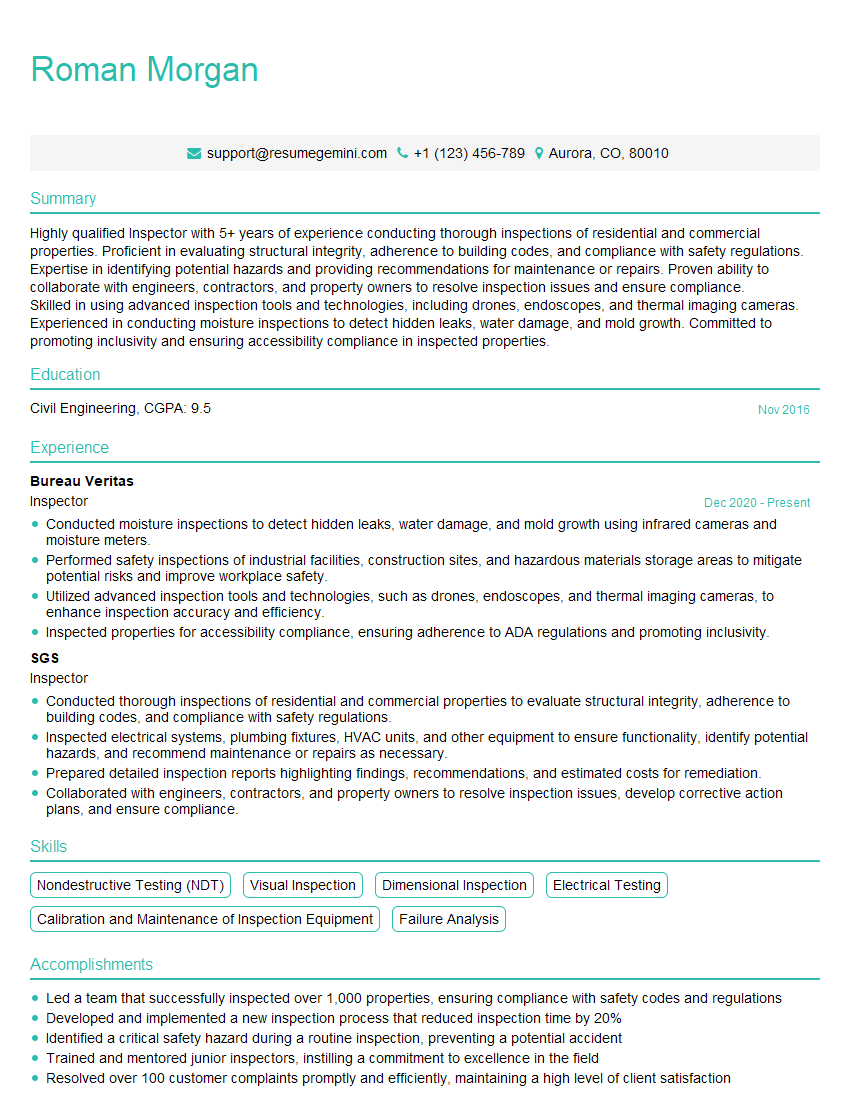
Inspector Resume Sample
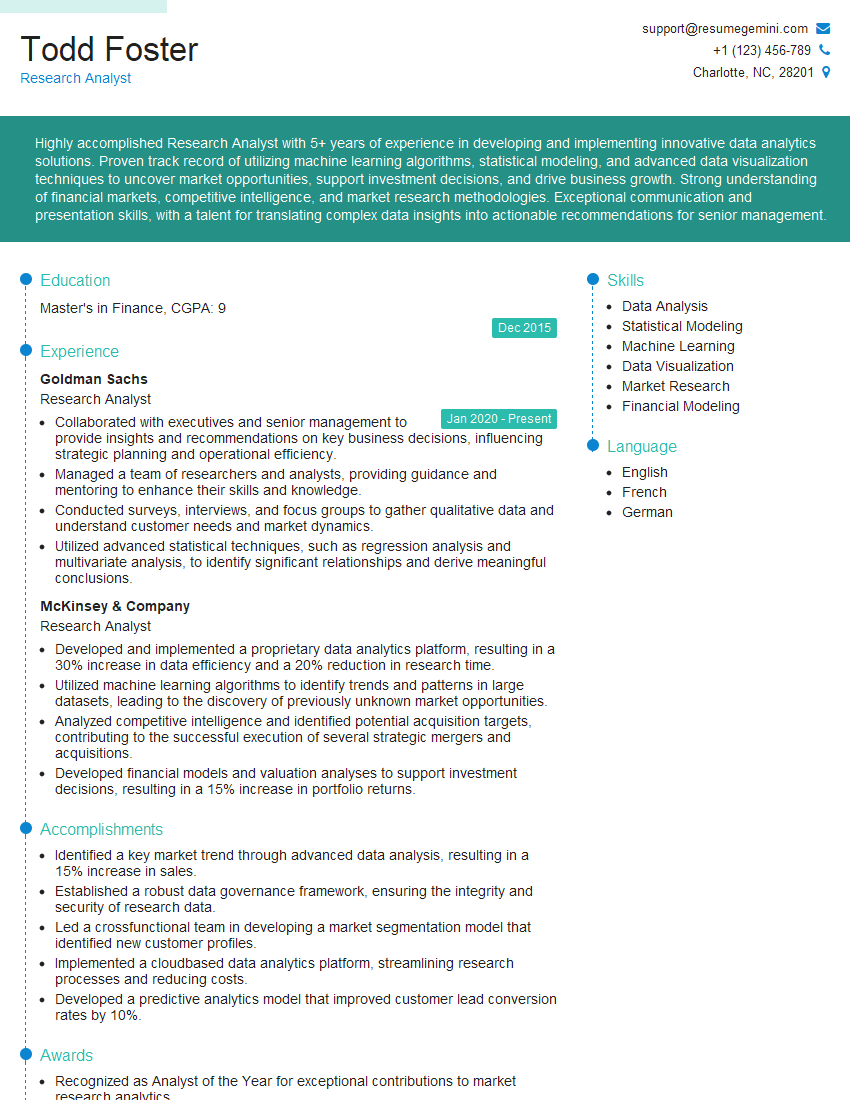
Research Analyst Resume Sample
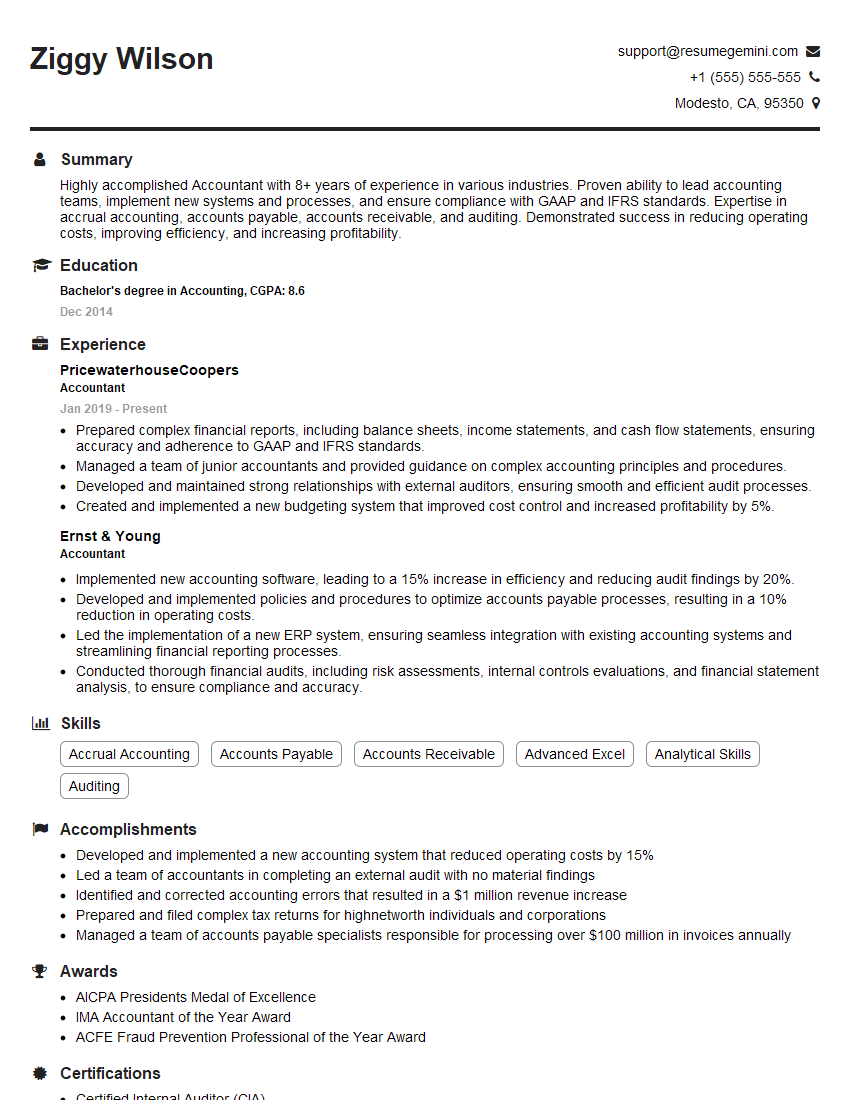
Accountant Resume Sample
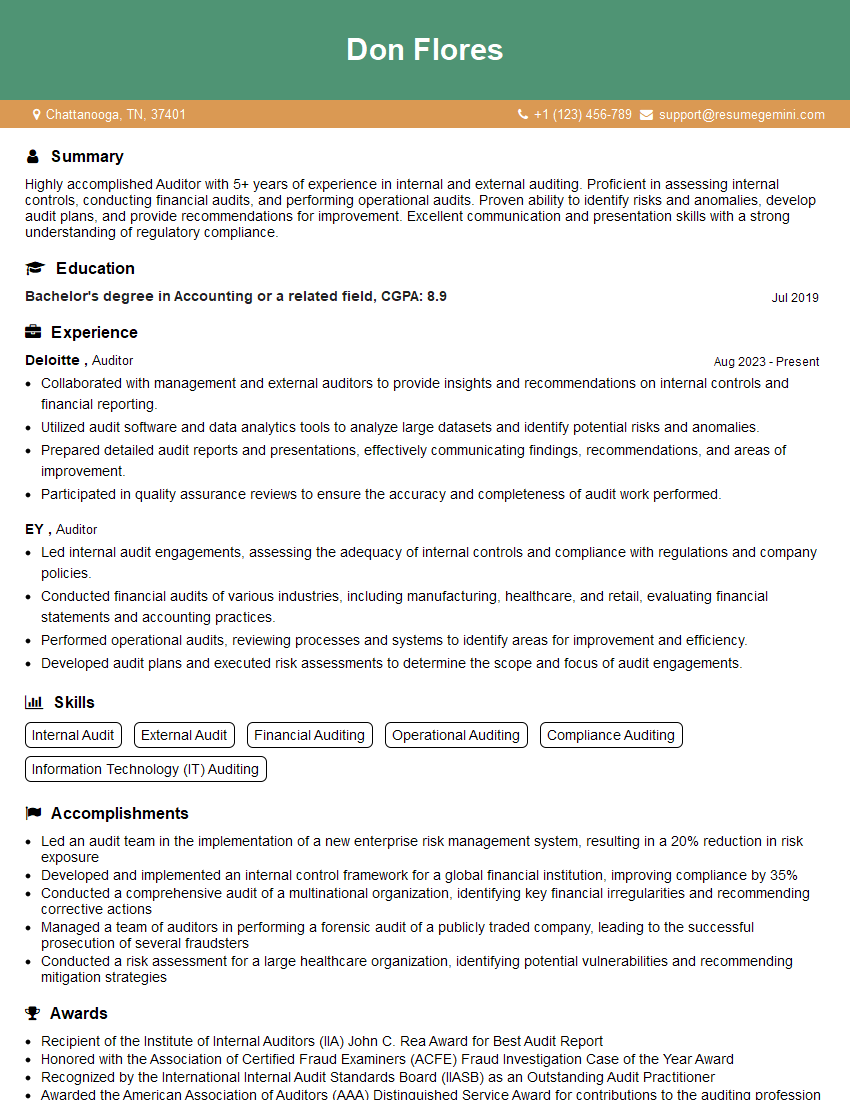
Auditor Resume Sample
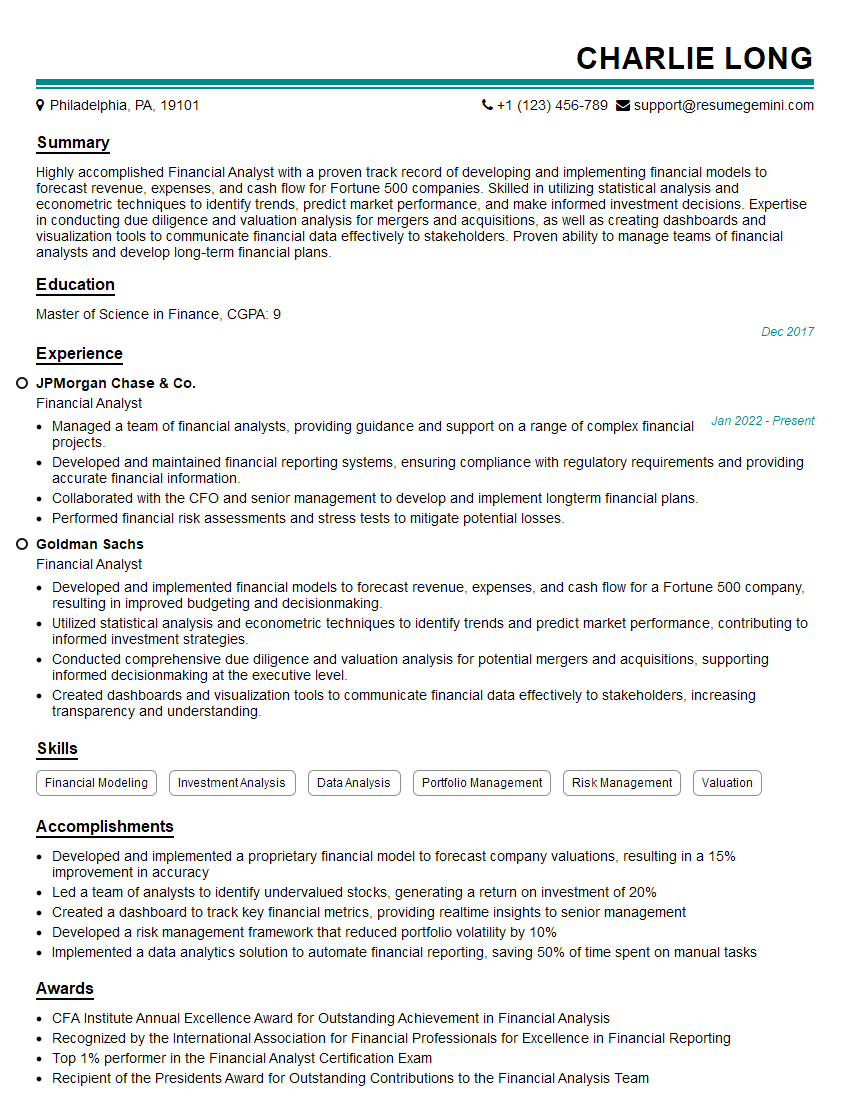
Financial Analyst Resume Sample

Software Tester Resume Sample
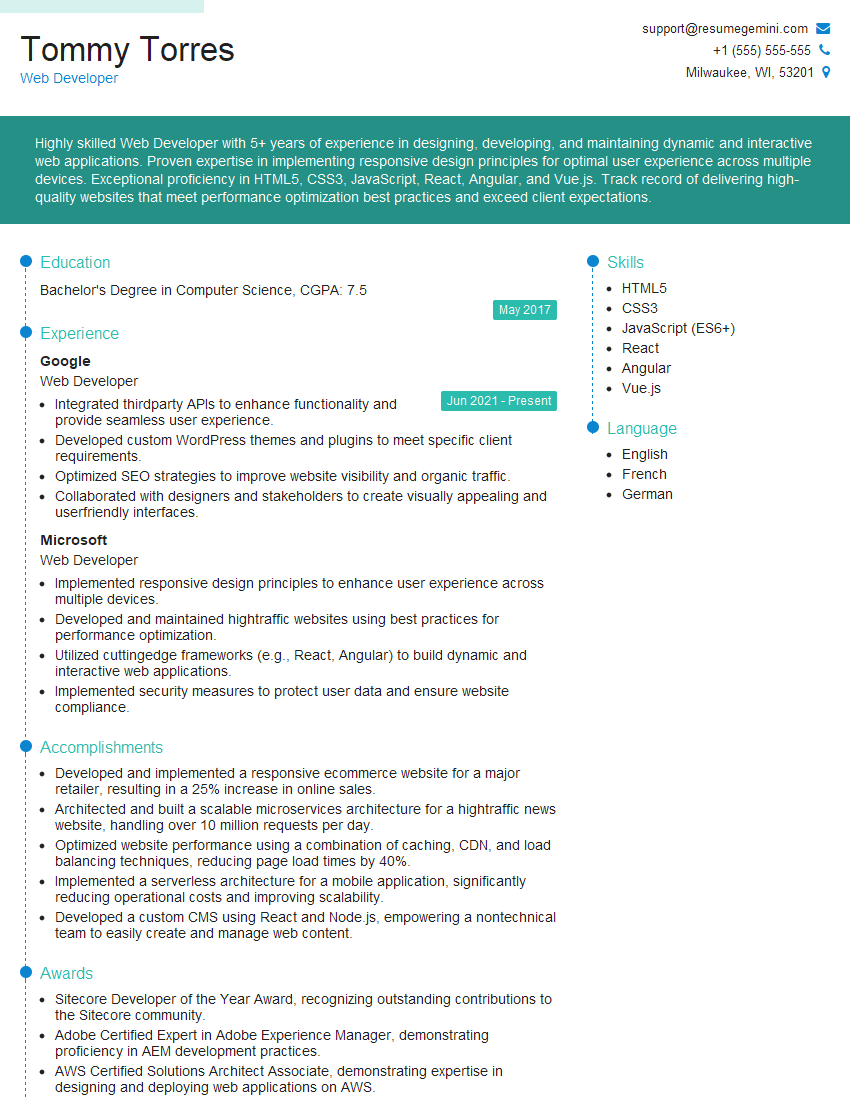
Web Developer Resume Sample
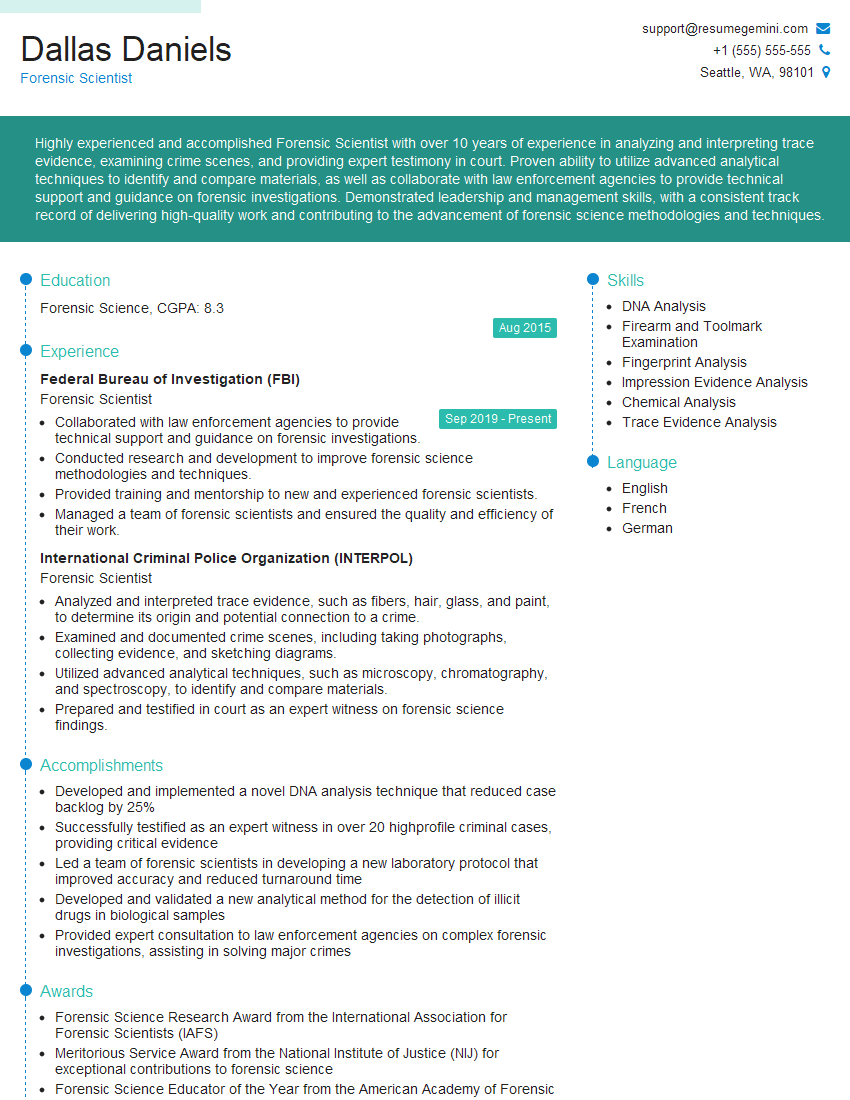
Forensic Scientist Resume Sample
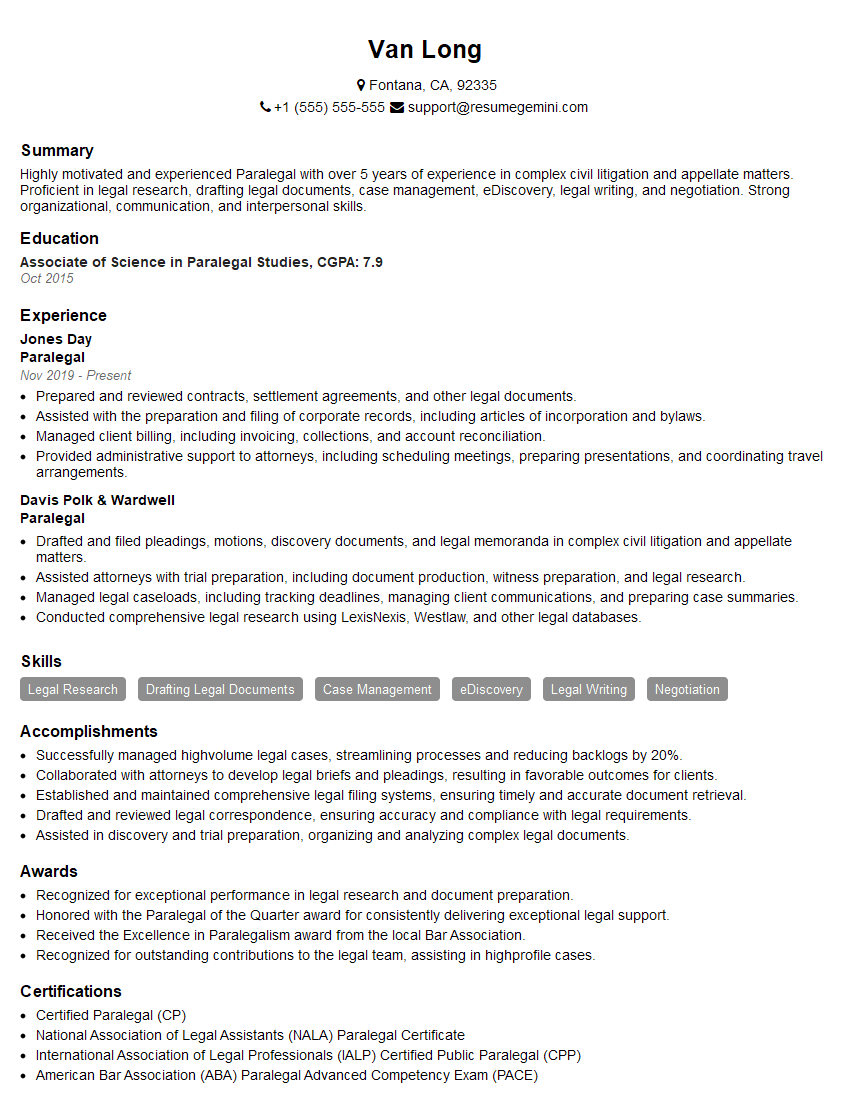
Paralegal Resume Sample
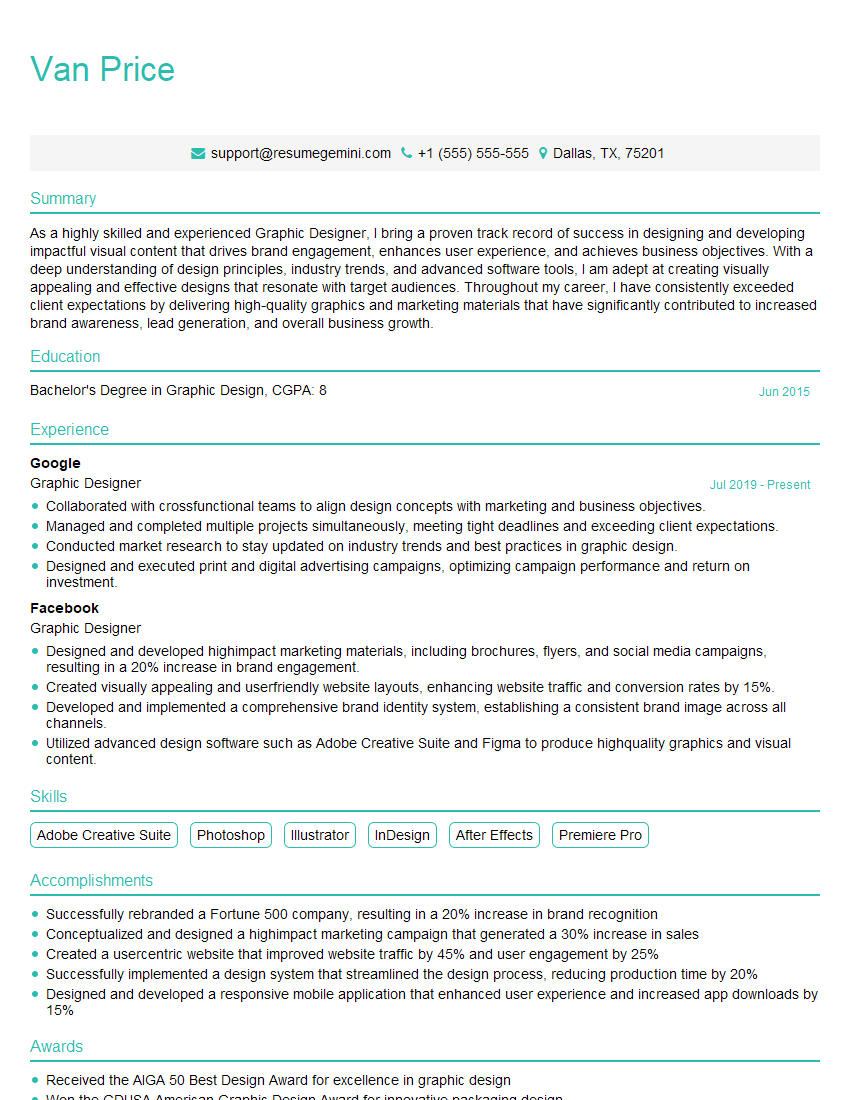
Graphic Designer Resume Sample
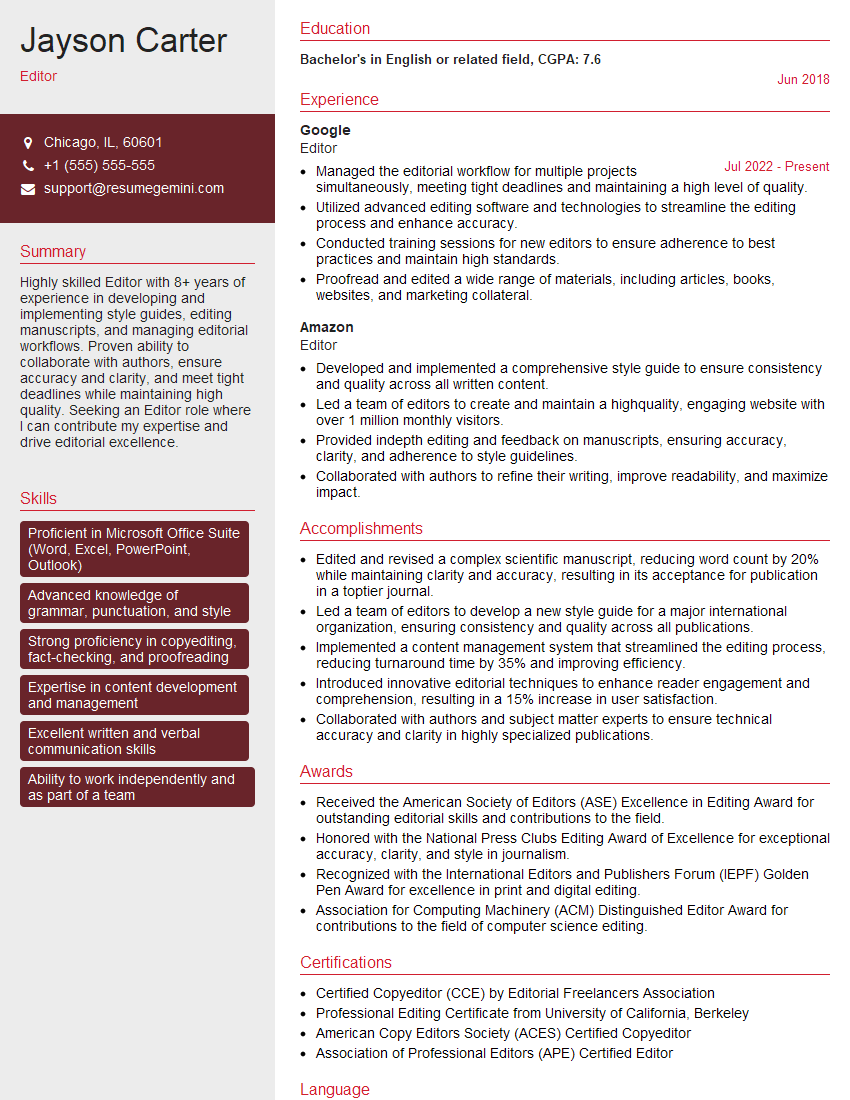
Editor Resume Sample
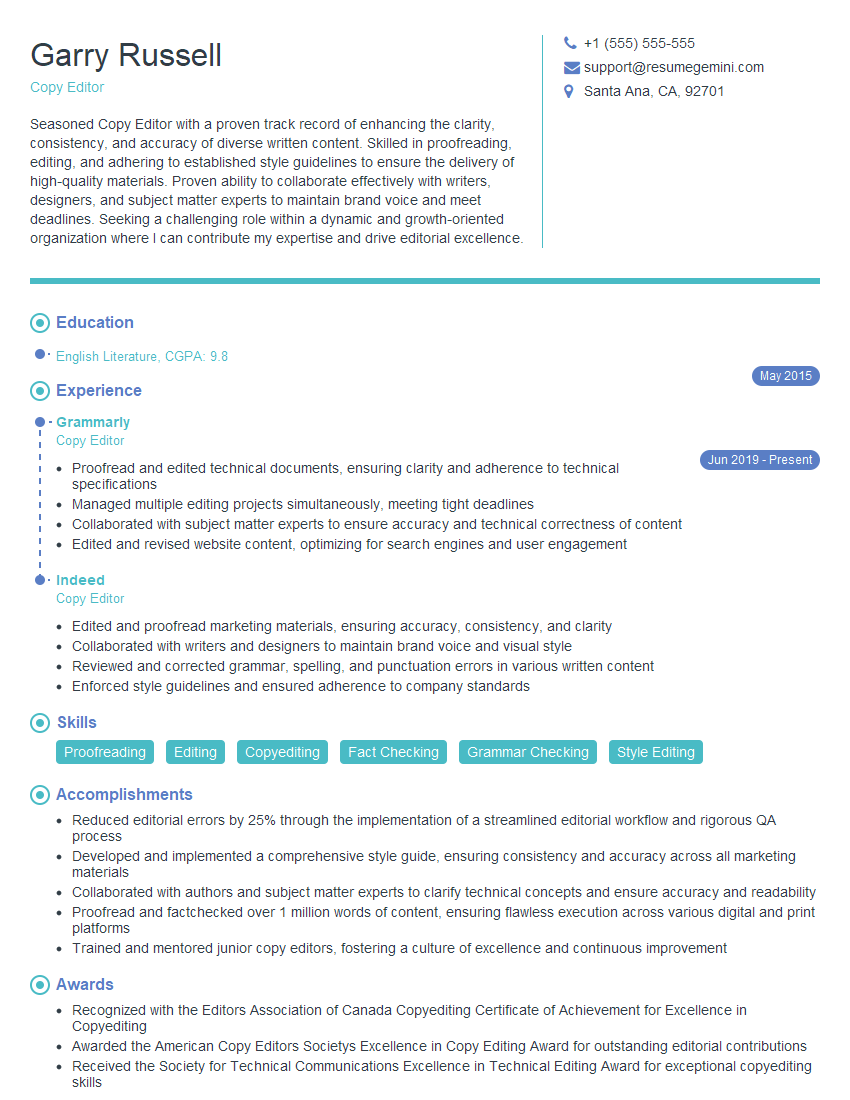
Copy Editor Resume Sample
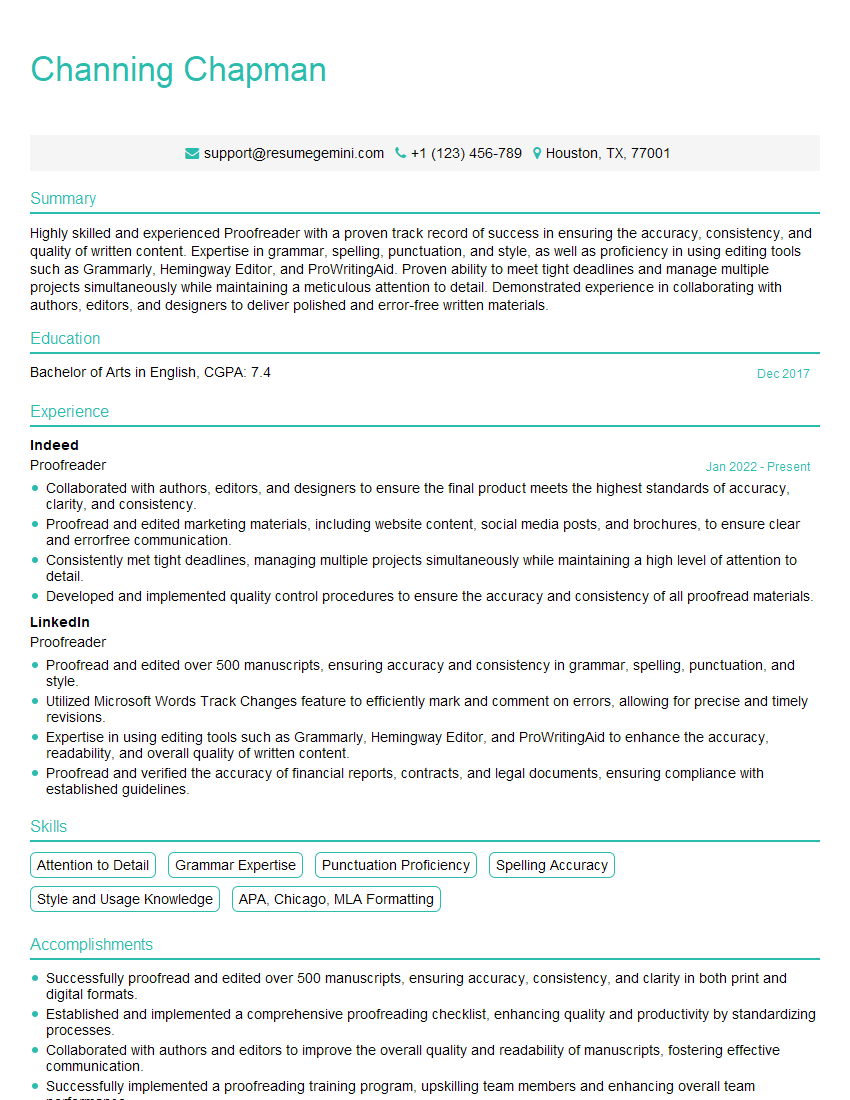
Proofreader Resume Sample

Technical Writer Resume Sample
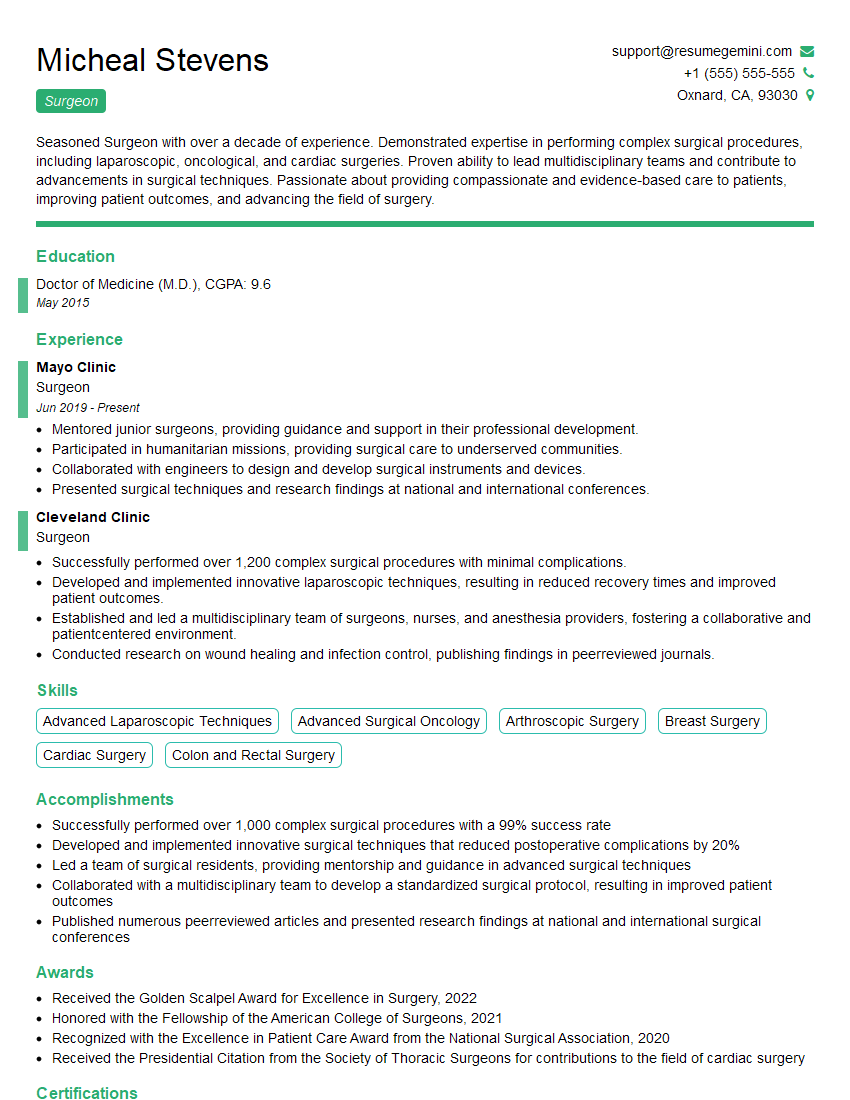
Surgeon Resume Sample
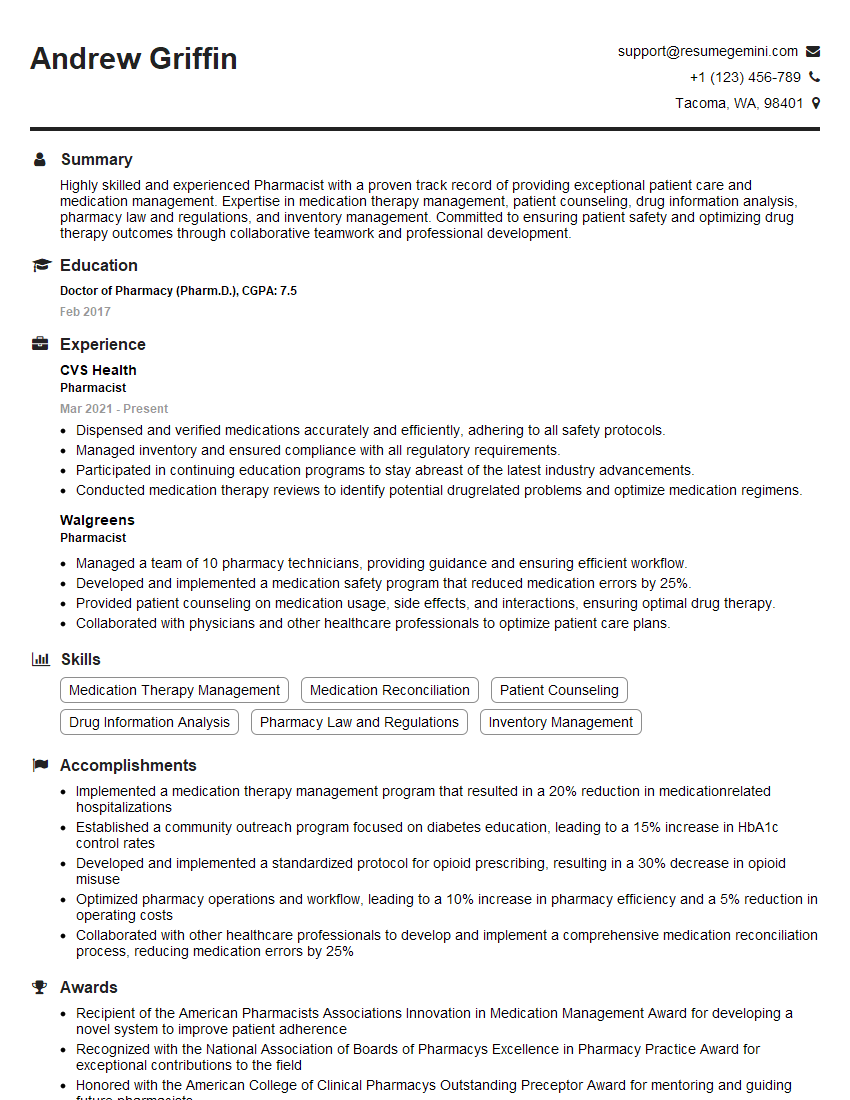
Pharmacist Resume Sample
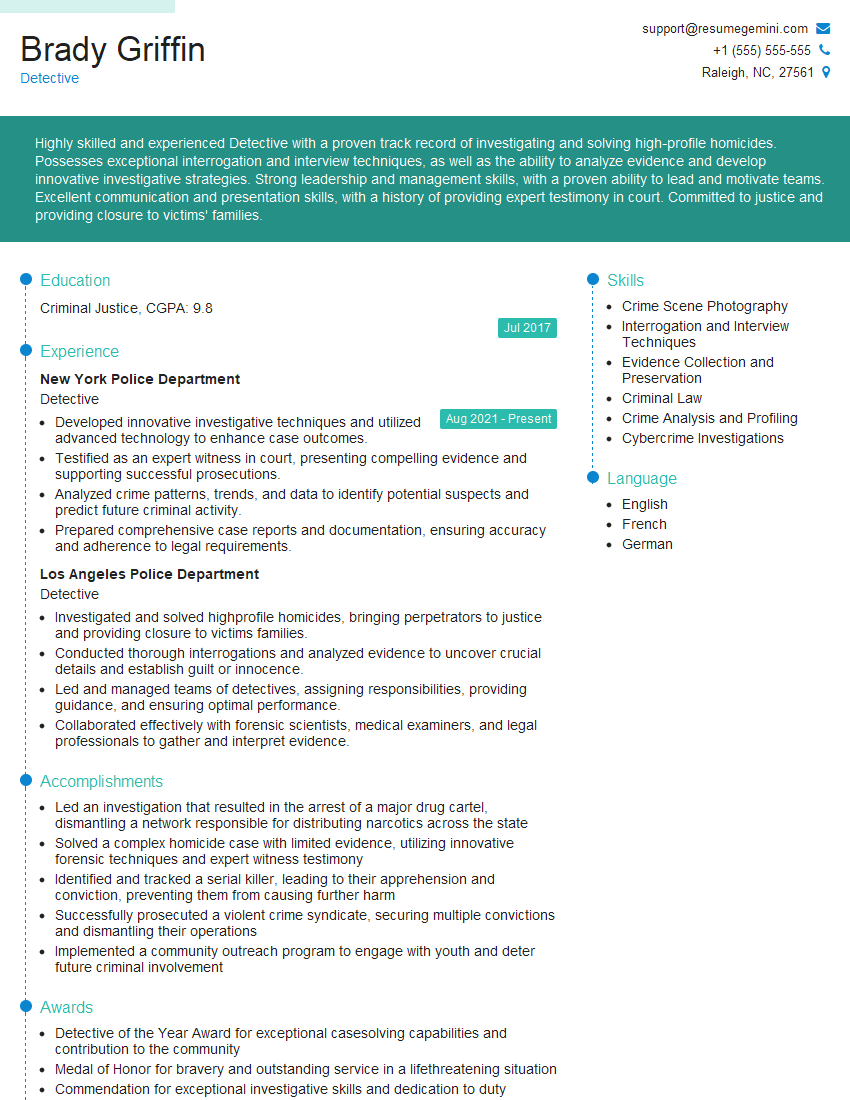
Detective Resume Sample
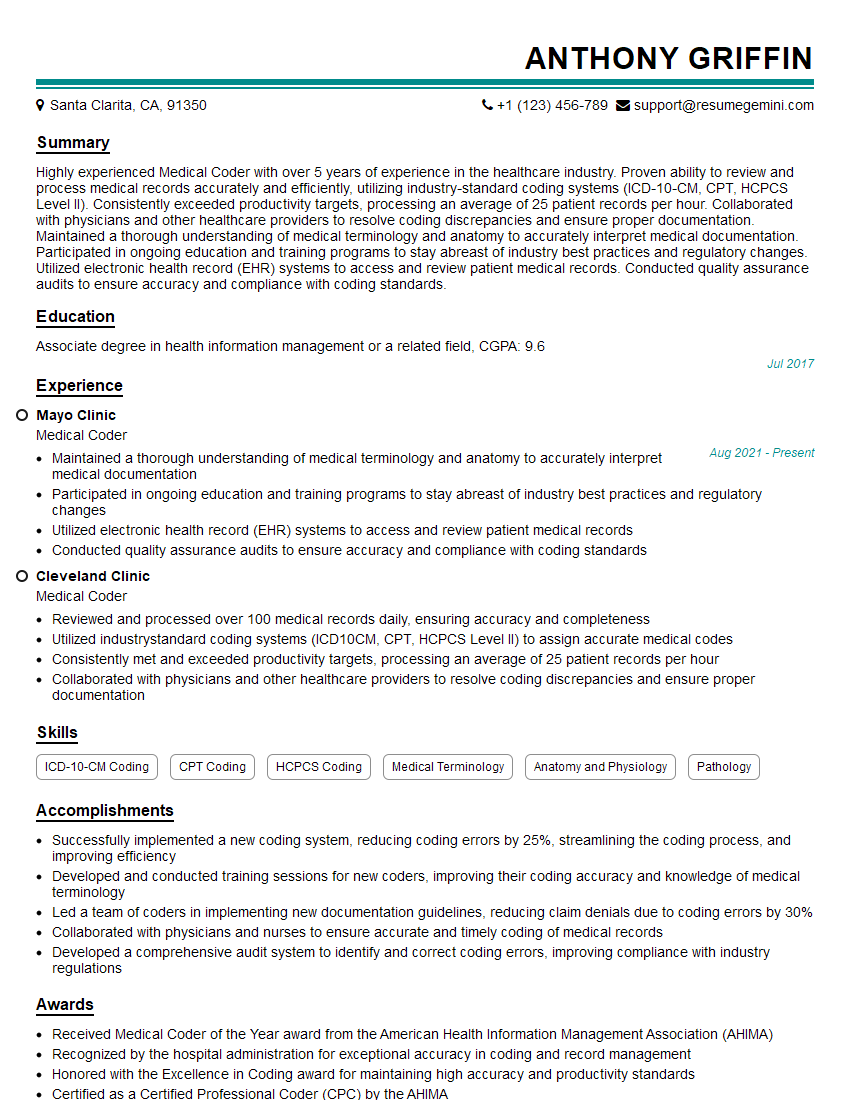
Medical Coder Resume Sample
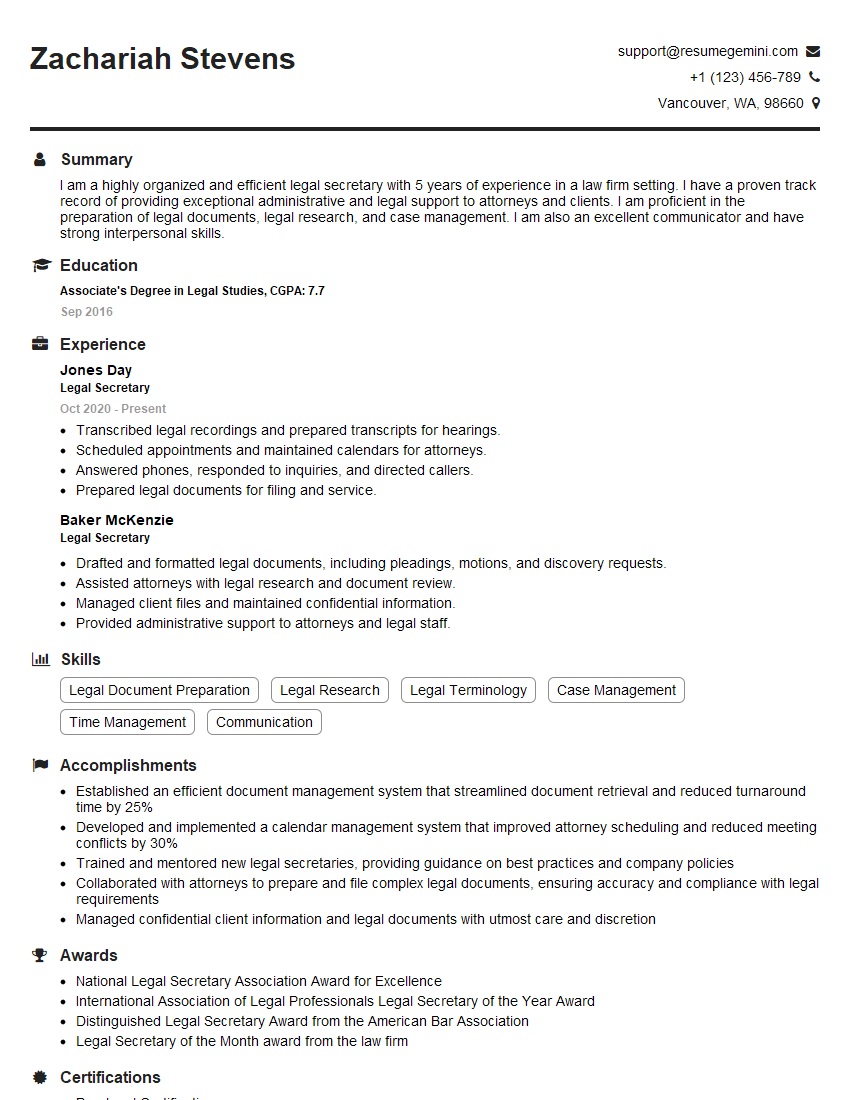
Legal Secretary Resume Sample
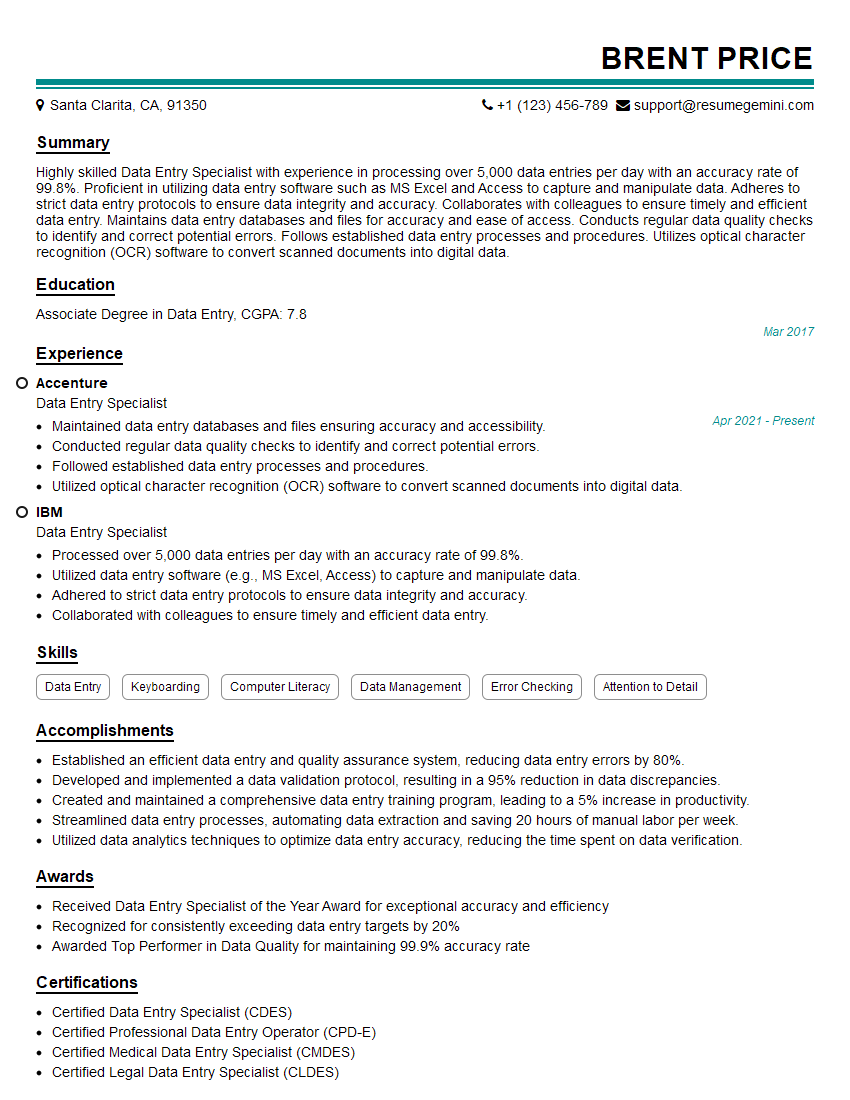
Data Entry Specialist Resume Sample
- Operations Manager
- Project Manager
- Compliance Officer
- Inspector
- Research Analyst
- Accountant
- Auditor
- Financial Analyst
- Software Tester
- Web Developer
- Forensic Scientist
- Paralegal
- Graphic Designer
- Editor
- Copy Editor
- Proofreader
- Technical Writer
- Surgeon
- Pharmacist
- Detective
- Medical Coder
- Legal Secretary
- Data Entry Specialist
Explore more articles
Users Rating of Our Blogs
Share Your Experience
We value your feedback! Please rate our content and share your thoughts (optional).
What Readers Say About Our Blog
Very informative content, great job.
good