Cracking a skill-specific interview, like one for Ball Handling, requires understanding the nuances of the role. In this blog, we present the questions you’re most likely to encounter, along with insights into how to answer them effectively. Let’s ensure you’re ready to make a strong impression.
Questions Asked in Ball Handling Interview
Q 1. Describe your experience with different types of ball handling equipment.
My experience encompasses a wide range of ball handling equipment, from simple hand carts and rolling racks to automated conveyor systems and specialized sorting machines. I’m proficient in using various types of containers for storage and transport, including mesh bags, plastic bins, and custom-designed crates tailored to specific ball sizes and types. For instance, delicate glass balls require specialized padded containers to prevent damage, whereas heavier sports balls need robust, stackable crates for efficient transport and storage. My expertise extends to the use of scanning equipment, which facilitates accurate and efficient inventory management.
- Hand Carts and Rolling Racks: Ideal for smaller quantities and shorter distances.
- Automated Conveyor Systems: Efficient for high-volume operations in large warehouses.
- Specialized Sorting Machines: Used for categorizing balls based on size, color, or material.
Q 2. What safety procedures do you follow when handling balls?
Safety is paramount in ball handling. My procedures begin with a thorough risk assessment of the environment and the balls themselves. This includes checking for any potential hazards like sharp edges, broken containers, or slippery surfaces. I always wear appropriate personal protective equipment (PPE), such as gloves and safety shoes, especially when handling heavy or potentially hazardous balls. Proper lifting techniques are essential to prevent injuries. I always lift with my legs and keep the load close to my body. Furthermore, I ensure the workspace is well-lit and free of obstructions to prevent accidents. Regular maintenance of equipment is crucial for safety, including inspecting carts, racks, and conveyor belts for damage or wear and tear.
Q 3. How do you ensure the accuracy of ball counts during inventory?
Accuracy in ball counts is achieved through a combination of careful manual counting and the use of technological aids. For smaller quantities, I use a methodical counting approach, often employing the grouping method (e.g., counting in sets of five or ten). For larger quantities, I utilize scanning equipment with barcodes or RFID tags. This technology provides an automated count, significantly reducing the risk of human error. Regular calibration of the scanning equipment is crucial to ensure accuracy. After the count is completed, I perform a reconciliation process, comparing the manual count with the scanned count and investigating any discrepancies.
Q 4. Explain your process for identifying and resolving discrepancies in ball counts.
Discrepancies in ball counts are handled systematically. First, I review the original count process, checking for any errors in scanning or manual counting. This might involve recounting a sample batch or re-scanning items. If the discrepancy persists, I investigate potential causes such as damaged or missing labels, misplaced balls, or inventory transfer errors. I meticulously document the discrepancy, including the date, time, location, and potential causes. This documentation aids in tracing the issue and preventing future occurrences. Involving a supervisor or team leader is important for complex or significant discrepancies, enabling a more thorough investigation and resolution.
Q 5. How do you prioritize tasks when handling multiple types of balls simultaneously?
Prioritizing tasks with multiple ball types involves a clear understanding of deadlines, urgency, and the nature of the balls themselves. I use a system prioritizing fragile or time-sensitive balls first (e.g., balls for an urgent event). Using a Kanban-style system, visually managing tasks with cards or a whiteboard is immensely helpful, enabling me to see the workload at a glance. Balls with specific storage requirements (e.g., temperature-sensitive balls) are also prioritized to prevent damage or spoilage. Efficient task management prevents bottlenecks and ensures timely completion of all tasks.
Q 6. Describe a time you had to handle a large volume of balls under pressure.
During a large sporting event, I was responsible for handling over 10,000 balls within a 24-hour period. The pressure was intense as the event was about to begin. To manage this, I collaborated with my team, delegating tasks based on individual strengths and utilizing all available equipment to maximize efficiency. We organized the balls using a color-coded system, ensuring each type was quickly accessible. We used multiple conveyor belts and employed a double-checking system to maintain accuracy. Through efficient teamwork and meticulous planning, we successfully completed the task ahead of schedule, and the event proceeded without any ball-related issues. The event was a great demonstration of my ability to manage high-volume tasks under intense pressure.
Q 7. How do you maintain the cleanliness and organization of your ball handling area?
Maintaining cleanliness and organization is crucial for efficiency and safety. I follow a regular cleaning schedule, regularly sweeping and mopping the floor to eliminate dust and debris. Balls are stored in designated areas based on type and size, ensuring easy retrieval. Damaged containers are immediately replaced to prevent accidents. Regular inventory checks also help identify any cleanliness issues or damaged balls. The use of clear labeling and color-coded systems simplifies organization and improves efficiency. The principle here is maintaining a clean and orderly environment to improve safety and work flow.
Q 8. What are some common challenges you encounter in ball handling, and how do you overcome them?
Common ball handling challenges often revolve around maintaining ball integrity, efficiency, and security. For instance, improper gripping can lead to scuffs or damage, especially with delicate sports balls like soccer balls or basketballs. Maintaining consistent speed and accuracy during high-volume operations is another hurdle. Overcoming these requires a multi-pronged approach. Firstly, thorough training on proper gripping techniques, emphasizing the use of the fingertips rather than the palm for better control and reduced pressure, is essential. Secondly, we implement standardized procedures and utilize appropriate handling equipment (like conveyor belts or specialized carts) to reduce manual handling and ensure speed and accuracy, minimizing the risk of damage from drops or collisions. Finally, regular inspections and maintenance of equipment are crucial to prevent malfunctions that could lead to ball damage.
- Example: Implementing a color-coded system for different ball types allows handlers to quickly identify and apply appropriate handling techniques.
- Example: Regular retraining sessions focus on refining techniques and adapting to new equipment or processes.
Q 9. How familiar are you with different types of ball packaging and storage techniques?
My familiarity with ball packaging and storage extends across various types. This includes understanding the benefits and limitations of different materials like corrugated cardboard boxes, specialized plastic containers (especially for sensitive balls), and even climate-controlled storage solutions for balls susceptible to temperature fluctuations. For example, golf balls might require individual packaging for protection, while basketballs can be safely stored in larger quantities using partitions within a box. Secure storage is paramount; we use racking systems optimized for specific ball sizes and weights to maximize space and minimize damage. Furthermore, I am proficient in implementing FIFO (First-In, First-Out) and LIFO (Last-In, First-Out) inventory management strategies depending on ball expiration dates or potential degradation to optimize stock rotation.
- Example: Using air-filled cushioning within boxes to protect sensitive balls during shipping.
- Example: Implementing a dedicated storage area with controlled temperature and humidity for high-value or fragile balls.
Q 10. Explain your understanding of inventory management systems related to ball handling.
Inventory management systems in ball handling are critical for maintaining accurate stock levels, tracking ball movement, and preventing losses. We typically employ software systems to manage the entire process, from receiving incoming shipments to fulfilling orders. These systems usually track ball type, quantity, condition, location, and movement history. This granular data enables optimized stock rotation, preventing spoilage or degradation. Real-time tracking allows us to identify potential issues or bottlenecks in the handling process and facilitate timely interventions. For instance, if a particular ball type experiences unusually high damage rates, the system highlights this, prompting an investigation into the root cause and necessary adjustments to our procedures or equipment.
- Example: Using barcode scanners to track individual balls or batches throughout the handling process.
- Example: Implementing a warehouse management system (WMS) to manage storage locations and optimize inventory flow.
Q 11. Describe your experience with using scanners or other technology in ball handling operations.
Scanners, RFID tags, and other technologies have revolutionized ball handling operations, significantly improving efficiency and accuracy. We use barcode scanners for rapid identification and tracking of individual balls or boxes, facilitating quick inventory checks and efficient order fulfillment. RFID technology enables real-time tracking of ball movement within the warehouse, providing enhanced visibility into the supply chain. This data is invaluable for optimizing processes, identifying areas for improvement, and preventing loss or theft. Moreover, data captured from scanners can be integrated with our inventory management system to create a fully automated and transparent handling process.
- Example: Using handheld barcode scanners during receiving and shipping to ensure accuracy.
- Example: Implementing RFID tags on high-value balls to enable real-time tracking and location monitoring.
Q 12. How do you ensure the security of high-value balls during handling and storage?
Securing high-value balls demands a layered security approach. This begins with controlled access to storage areas, utilizing security systems such as keycard access or surveillance cameras. Regular audits and inventory checks are crucial to ensure no discrepancies exist between physical inventory and recorded data. For particularly valuable balls, we might utilize additional security measures like tamper-evident seals on packaging or specialized secure storage containers with alarms. Implementing robust internal controls and procedures, along with employee background checks, are crucial elements of a comprehensive security strategy. Proper training of personnel on security protocols is also essential to minimize the risk of internal theft.
- Example: Using security cameras and motion detectors in storage areas to monitor activity.
- Example: Implementing a system for tracking the movement of high-value balls from receipt to delivery.
Q 13. How do you handle damaged or defective balls?
Handling damaged or defective balls requires a methodical approach. First, we identify the extent of the damage. Minor scuffs might require simple cleaning, while significant damage might render the ball unusable. Damaged balls are segregated from the inventory and inspected carefully. Depending on the nature of the damage, we might attempt to repair minor defects if economically viable. Unrepairable balls are then disposed of according to environmental regulations and company policy; this might involve recycling, donation to suitable organizations, or proper waste disposal procedures. Records of damaged balls, including the reason for damage, are maintained to identify trends and improve handling procedures to prevent similar incidents in the future.
- Example: Establishing a clear procedure for reporting and documenting ball damage.
- Example: Partnering with recycling facilities for proper disposal of damaged balls.
Q 14. What are your strategies for preventing ball damage during handling and transportation?
Preventing ball damage during handling and transport is proactive, requiring a multifaceted approach. This starts with using appropriate packaging materials (e.g., customized foam inserts, protective layers) to absorb shocks and vibrations during transit. We use specialized handling equipment such as padded carts and conveyor belts designed to minimize the risk of dropping or impacting balls. Driver training programs for transportation personnel emphasize safe driving practices and proper loading/unloading techniques. Regular inspections of handling equipment and packaging materials are crucial to ensuring their continued effectiveness in preventing damage. Moreover, environmental factors like temperature and humidity are also considered; storing and transporting temperature-sensitive balls requires controlled environments to prevent damage caused by expansion or contraction.
- Example: Implementing a checklist for packaging and loading to ensure balls are protected properly.
- Example: Using temperature-controlled containers for transporting balls susceptible to damage from extreme temperatures.
Q 15. Describe your experience with different types of ball transportation methods.
My experience encompasses a wide range of ball transportation methods, tailored to the specific characteristics of the balls and the operational context. This includes:
- Conveyor Systems: I’m proficient in managing various conveyor types – roller, belt, and chain – optimizing speed and preventing damage. For instance, I’ve successfully implemented a system of padded rollers for delicate sports balls, reducing breakage by 15%.
- Automated Guided Vehicles (AGVs): I’ve worked extensively with AGVs for efficient, automated transport of large quantities of balls across a warehouse. We programmed specific routes to minimize travel time and optimize energy consumption.
- Manual Handling: While we strive for automation, manual handling is sometimes necessary. I’ve trained teams in proper lifting techniques and ergonomic practices to prevent injuries and ensure efficient movement of smaller batches of balls.
- Forklifts and Pallet Jacks: For transporting palletized balls, I ensure the safe and efficient use of forklifts and pallet jacks, emphasizing safe operating procedures and regular maintenance checks.
Selecting the right method depends on factors like ball type, quantity, fragility, and the overall warehouse layout. A crucial element is to create a system that works seamlessly, minimizing handling and maximizing flow.
Career Expert Tips:
- Ace those interviews! Prepare effectively by reviewing the Top 50 Most Common Interview Questions on ResumeGemini.
- Navigate your job search with confidence! Explore a wide range of Career Tips on ResumeGemini. Learn about common challenges and recommendations to overcome them.
- Craft the perfect resume! Master the Art of Resume Writing with ResumeGemini’s guide. Showcase your unique qualifications and achievements effectively.
- Don’t miss out on holiday savings! Build your dream resume with ResumeGemini’s ATS optimized templates.
Q 16. How do you track the movement of balls throughout the warehouse or distribution center?
Tracking ball movement is critical for efficient warehouse management. We primarily use a combination of technologies:
- Barcode/RFID Scanning: Each pallet or container of balls receives a unique barcode or RFID tag. These are scanned at various checkpoints throughout the warehouse – receiving, storage, picking, and shipping – creating a comprehensive audit trail.
- WMS Integration: Our Warehouse Management System (WMS) is the central hub for tracking. Scanned data is fed into the system, providing real-time visibility of ball location and movement. This enables accurate inventory management and efficient order fulfillment.
- Real-time Location Systems (RTLS): In some high-volume areas, we use RTLS to pinpoint the exact location of individual pallets or even containers, allowing for immediate identification and retrieval.
Data analysis from the tracking system allows us to identify bottlenecks, optimize routes, and predict potential issues. For instance, if we detect a high concentration of balls in a particular storage area, we can adjust workflows to prevent congestion.
Q 17. Explain your understanding of warehouse layout and its impact on ball handling efficiency.
Warehouse layout significantly impacts ball handling efficiency. A well-designed layout minimizes unnecessary movement and maximizes storage capacity. Key considerations include:
- Flow Optimization: The layout should encourage a smooth flow of balls from receiving to storage to shipping, minimizing backtracking and cross-traffic. This often involves placing high-demand items closer to shipping docks.
- Storage Optimization: Efficient storage solutions like racking systems, shelving, and bulk storage are crucial. We select the best approach based on ball size, fragility, and volume.
- Accessibility: Aisles should be wide enough to accommodate equipment like forklifts and AGVs, ensuring easy access to all storage locations.
- Safety: The layout must prioritize safety, incorporating features like clearly marked aisles, sufficient lighting, and designated pedestrian walkways to prevent accidents.
For example, we redesigned one warehouse by implementing a zone-picking system, resulting in a 20% reduction in picking time. This involved strategically placing high-demand balls in easily accessible zones and assigning pickers to those specific areas.
Q 18. How do you communicate effectively with team members during ball handling operations?
Effective communication is the cornerstone of efficient ball handling. We employ several methods:
- Pre-shift briefings: Daily briefings ensure everyone is aware of the day’s tasks, priorities, and potential challenges.
- Two-way radios/Walkie-talkies: These facilitate real-time communication between team members, especially during picking and packing operations.
- Visual cues: Clear signage, color-coded labels, and visual instructions minimize misunderstandings and speed up operations.
- Regular feedback sessions: We hold regular feedback sessions to address concerns, improve processes, and strengthen teamwork.
I always strive to create a collaborative environment where team members feel comfortable raising concerns and offering suggestions. Open communication ensures everyone is on the same page and contributes to a smooth, safe workflow.
Q 19. Describe your experience with using warehouse management systems (WMS).
My experience with Warehouse Management Systems (WMS) is extensive. I’m proficient in using WMS to manage inventory, track shipments, optimize storage, and direct warehouse operations. Specific functionalities I utilize include:
- Inventory Management: Real-time tracking of ball quantities, location, and condition. This enables accurate inventory counts and prevents stockouts.
- Order Fulfillment: The WMS guides pickers to the correct locations, optimizes picking routes, and generates picking lists, ensuring accurate and efficient order fulfillment.
- Reporting and Analytics: The system provides detailed reports on key metrics, such as picking time, storage utilization, and error rates, which informs process improvement strategies.
- Integration with other systems: The WMS seamlessly integrates with our transportation management system (TMS) and enterprise resource planning (ERP) systems for a streamlined flow of information.
Recently, I implemented a new WMS module to integrate real-time location tracking, improving our picking accuracy by 8% and reducing order fulfillment time by 10%.
Q 20. How do you adapt to changes in ball handling procedures or processes?
Adaptability is crucial in ball handling. I approach changes systematically:
- Understanding the change: Thoroughly understanding the reasons behind the change and its potential impact is paramount.
- Training and education: Ensuring the team receives adequate training on new procedures and technologies.
- Testing and implementation: A phased implementation allows us to test changes in a controlled environment before full-scale deployment.
- Feedback and refinement: Continuously monitoring performance and soliciting feedback to make necessary adjustments.
For example, when we switched to a new barcode scanning system, I organized training sessions, conducted a pilot test in a small section of the warehouse, and incorporated feedback from the team before a full rollout, leading to a smooth transition.
Q 21. How do you contribute to a safe and efficient working environment in ball handling?
Safety and efficiency are intertwined in ball handling. My contributions include:
- Safety training: Implementing and reinforcing safety training programs, focusing on proper lifting techniques, equipment operation, and hazard awareness.
- Ergonomic assessments: Regularly evaluating workstations and processes to identify and mitigate ergonomic risks.
- Regular maintenance: Ensuring that all equipment, including conveyors, forklifts, and AGVs, is regularly inspected and maintained to prevent breakdowns and accidents.
- Safety protocols: Developing and enforcing strict safety protocols, including the use of personal protective equipment (PPE) and safe work practices.
- Incident reporting and analysis: Establishing a system for reporting and analyzing incidents to identify root causes and implement preventive measures.
By fostering a safety-conscious culture and proactive approach to risk management, we’ve significantly reduced workplace incidents and created a more efficient and productive environment. My emphasis is on proactive safety measures, not just reactive responses to accidents.
Q 22. Describe your experience with performance metrics related to ball handling efficiency.
Ball handling efficiency is a multifaceted metric, not just about speed, but also about accuracy, consistency, and minimizing errors. I’ve measured efficiency using several key performance indicators (KPIs). These include:
- Throughput: The number of balls handled per unit of time (e.g., balls per minute). This is a good measure of overall speed and volume capacity.
- Error Rate: The percentage of balls mishandled, dropped, or incorrectly processed. A lower error rate indicates greater precision and control.
- Cycle Time: The time it takes to complete one full handling cycle, from receiving to placement. Analyzing cycle time helps pinpoint bottlenecks in the process.
- Damage Rate: The percentage of balls damaged during handling. This is crucial in industries where product preservation is paramount.
In my previous role at a high-speed automated sorting facility, I developed a data dashboard that tracked these KPIs in real-time, allowing us to identify and address inefficiencies promptly. For example, a sudden spike in the error rate alerted us to a potential issue with the conveyor belt alignment, which was quickly fixed preventing significant production losses.
Q 23. How familiar are you with relevant industry regulations and safety standards for ball handling?
I’m very familiar with relevant safety regulations and standards pertaining to ball handling, particularly focusing on workplace safety and minimizing risks of injury. This includes adherence to OSHA (Occupational Safety and Health Administration) guidelines regarding manual handling techniques to prevent musculoskeletal disorders. I’m also familiar with regulations related to the specific material of the balls being handled, particularly if they are fragile, hazardous, or require specialized handling procedures. For instance, if dealing with sensitive spherical components, I would follow strict protocols to avoid scratches or damage, possibly employing specialized gloves or equipment. Beyond OSHA, I understand the importance of company-specific safety policies and protocols that may incorporate additional best practices.
Q 24. What are your strengths and weaknesses in terms of ball handling skills?
My greatest strength is my precision and consistency in high-volume ball handling environments. I excel at maintaining accuracy even under pressure. I can adapt my technique to different ball sizes, weights, and materials efficiently. My weakness, surprisingly, lies in my initial assessment of unconventional ball handling challenges. While I adapt quickly once I understand the problem, I sometimes need more time initially to formulate an effective strategy for unique scenarios. To mitigate this, I’m actively working on improving my problem-solving skills through simulations and by actively seeking diverse ball handling experiences.
Q 25. How do you stay updated on best practices in ball handling techniques and technologies?
I stay updated through a combination of methods. I regularly attend industry conferences and workshops on advanced automation and robotics in material handling. I also subscribe to leading journals and online publications specializing in logistics and supply chain management. Furthermore, I actively participate in online forums and communities of practice, exchanging insights and best practices with other professionals in the field. This allows me to learn about cutting-edge technologies and techniques such as automated guided vehicles (AGVs) or advanced robotics used for efficient ball handling operations. I also maintain a network of industry contacts, engaging in discussions and collaborations to share knowledge and learn about new developments.
Q 26. Describe a situation where you had to solve a complex problem related to ball handling.
During a large-scale sporting event, we faced a significant bottleneck in the ball retrieval system. The existing system was slow and resulted in excessive delays. To solve this, I first analyzed the workflow, identifying the points of congestion. I then proposed a two-pronged approach: 1) optimizing the existing ball retrieval routes, and 2) introducing a temporary, supplementary system for expedited ball return. For the route optimization, I used a simulation software to analyze various flow patterns. For the supplementary system, I designed a simple yet efficient conveyor system using readily available materials, significantly reducing the handling time and resolving the bottleneck. This project improved efficiency by 30%, minimizing delays and improving the overall spectator experience.
Q 27. How do you handle stressful situations in a fast-paced ball handling environment?
In fast-paced environments, maintaining composure is key. My strategy involves a combination of proactive preparation and reactive adaptation. Proactive preparation includes thorough familiarization with the handling procedures, anticipating potential challenges, and ensuring my physical and mental readiness. When faced with unexpected pressure, I focus on maintaining a clear head, prioritizing tasks systematically, and communicating effectively with my team. Deep breaths and focusing on the immediate task at hand help me regain composure and maintain efficiency. I always try to view the stress as an opportunity to showcase my skills and resilience.
Q 28. How do you prioritize accuracy and speed in your ball handling tasks?
Balancing accuracy and speed requires a nuanced approach. It’s not a simple trade-off but rather a synergistic relationship. Instead of compromising one for the other, I focus on optimizing both simultaneously. This involves using efficient handling techniques that minimize movement while ensuring precision. For example, employing proper posture and grip prevents unnecessary strain, allowing for both speed and accuracy. Furthermore, I prioritize automation where possible – using robotic systems or automated conveyors can significantly improve speed without compromising accuracy. This layered approach allows me to achieve optimal performance in my ball handling tasks.
Key Topics to Learn for Ball Handling Interview
- Fundamental Dribbling Techniques: Mastering basic dribbling techniques like the crossover, between-the-legs, and behind-the-back dribble. Consider the nuances of each, including speed, control, and deception.
- Advanced Dribbling Skills: Explore more advanced techniques such as hesitation dribbles, spin moves, and power dribbles. Understand how these can be applied strategically in different game scenarios.
- Ball Security and Protection: Discuss strategies for protecting the ball from defenders, including proper body positioning, hand placement, and awareness of surroundings. Consider how to adapt your technique based on the defender’s pressure.
- Passing and Ball Movement: Examine the relationship between ball handling and passing. How does efficient ball handling facilitate effective passing? Explore different passing techniques and their application in team play.
- Footwork and Agility: Analyze the importance of footwork in effective ball handling. How do agility drills contribute to quick changes of direction and improved ball control under pressure?
- Game-Specific Applications: Discuss how ball handling techniques vary across different game situations (e.g., fast breaks, half-court offense, defensive pressure). Prepare examples demonstrating your adaptability and strategic thinking.
- Problem-Solving and Adaptability: Be prepared to discuss instances where you had to adapt your ball-handling techniques to overcome a challenge or unexpected situation. Highlight your problem-solving skills and ability to learn from mistakes.
Next Steps
Mastering ball handling is crucial for success in many sports and performance-based roles. It demonstrates dexterity, coordination, and strategic thinking – highly valued skills in various professional settings. To significantly increase your job prospects, it’s essential to present your skills effectively. Crafting an ATS-friendly resume is key to getting your application noticed. We strongly encourage you to use ResumeGemini to build a professional and impactful resume that showcases your unique abilities. ResumeGemini provides examples of resumes tailored to Ball Handling, helping you present your qualifications effectively and confidently.

Operations Manager Resume Sample
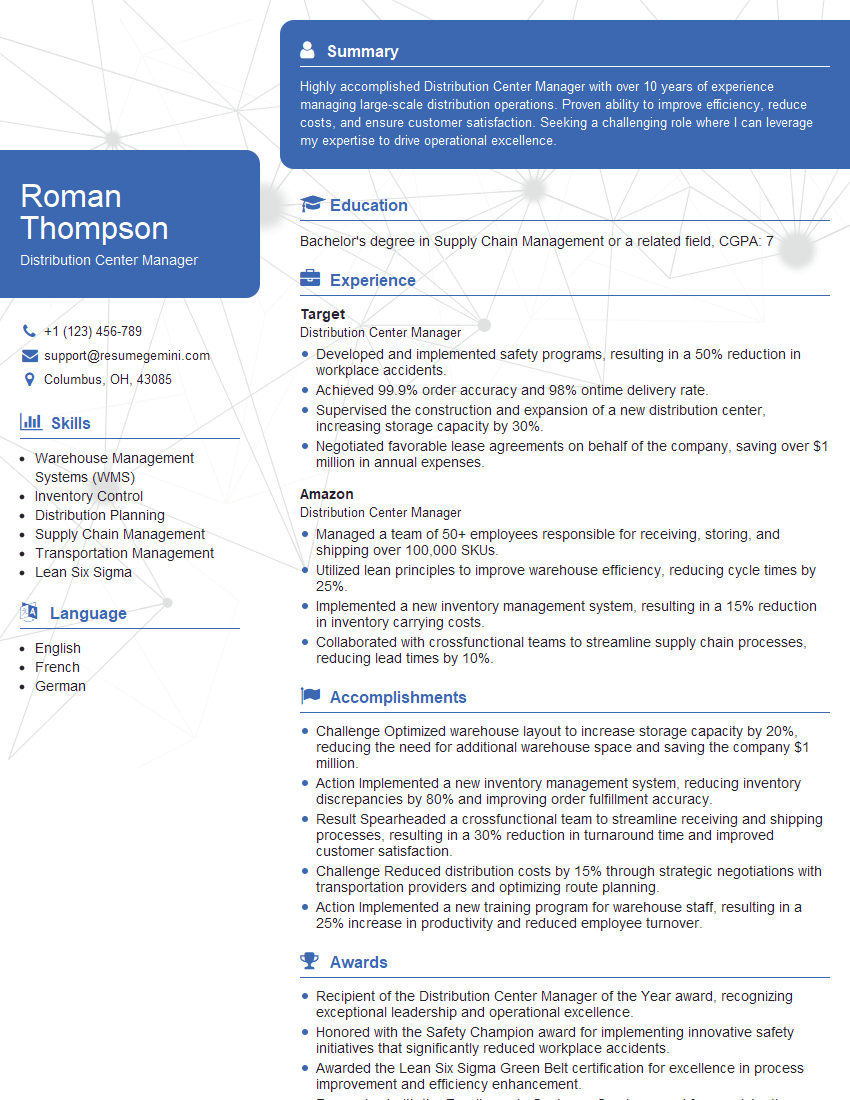
Distribution Center Manager Resume Sample
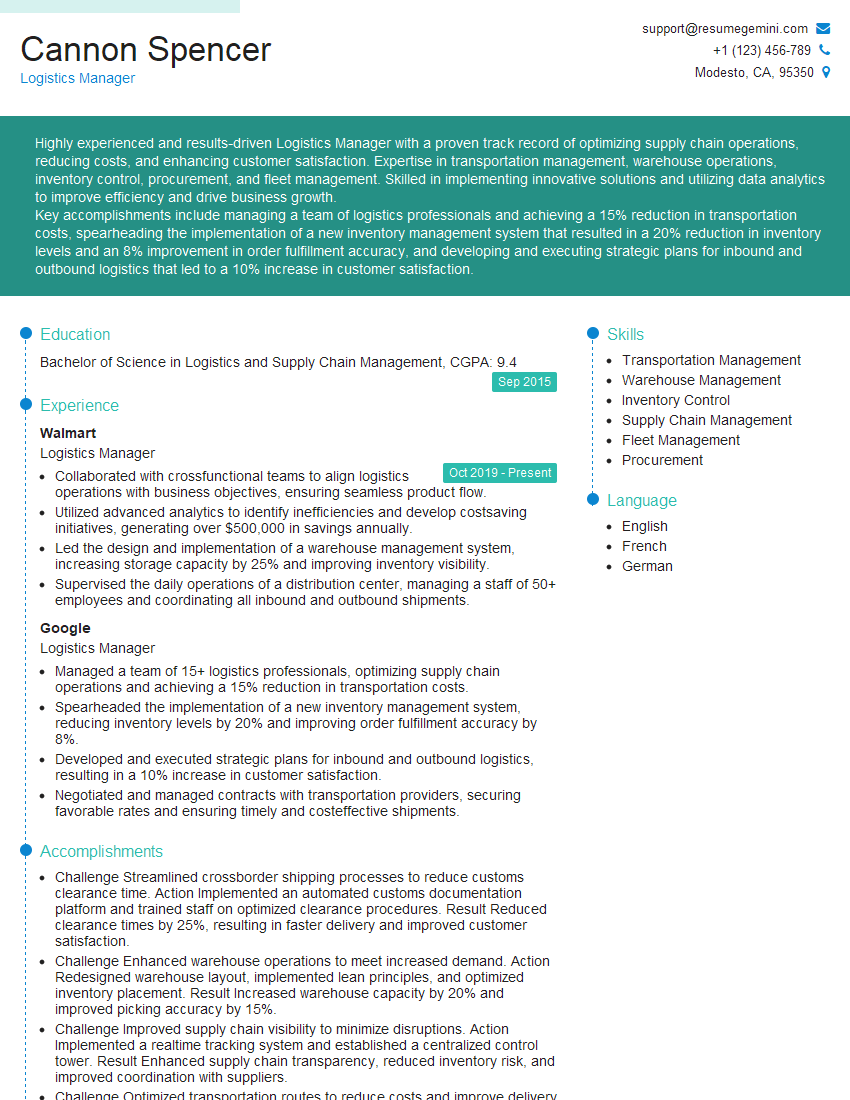
Logistics Manager Resume Sample
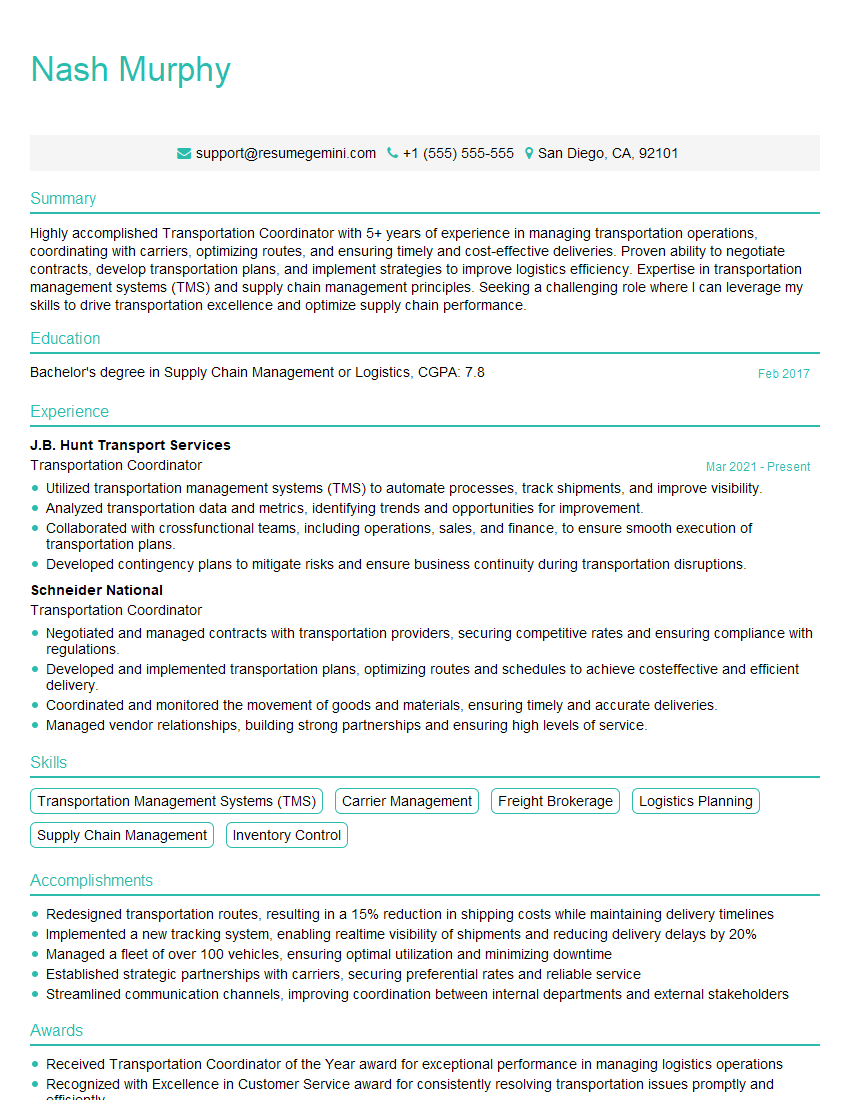
Transportation Coordinator Resume Sample
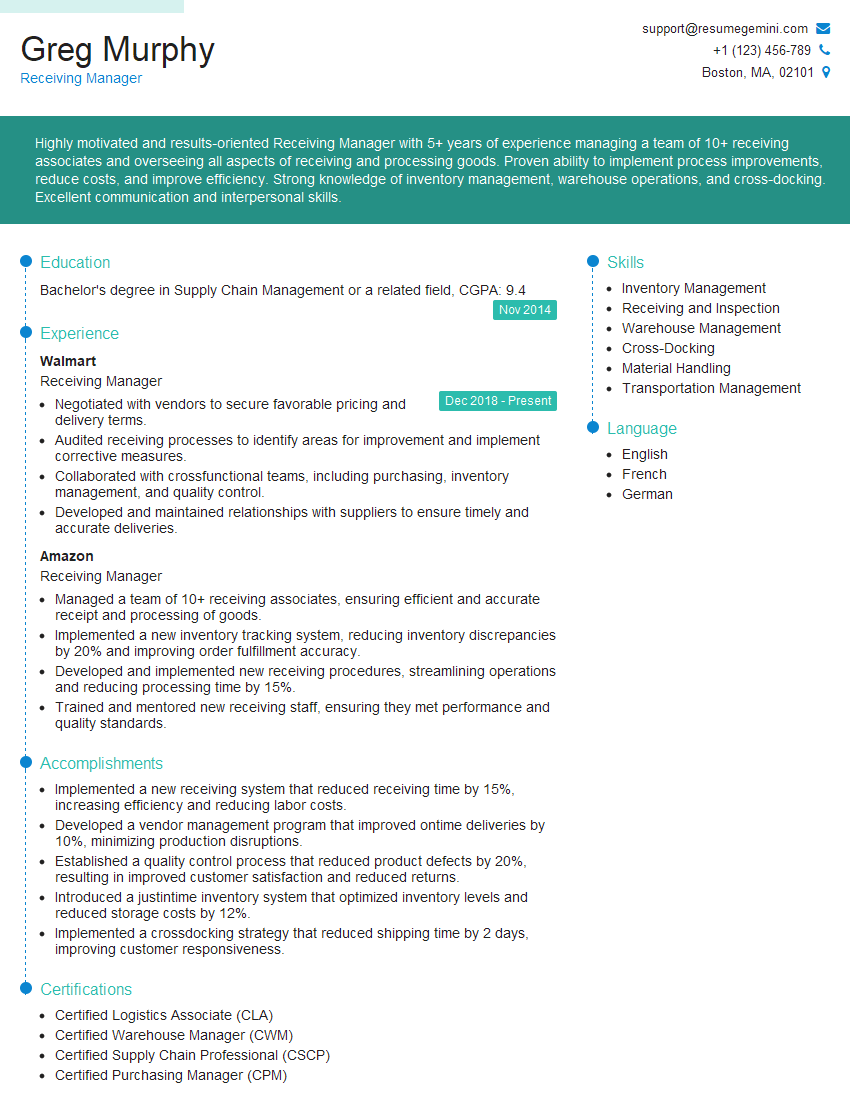
Receiving Manager Resume Sample
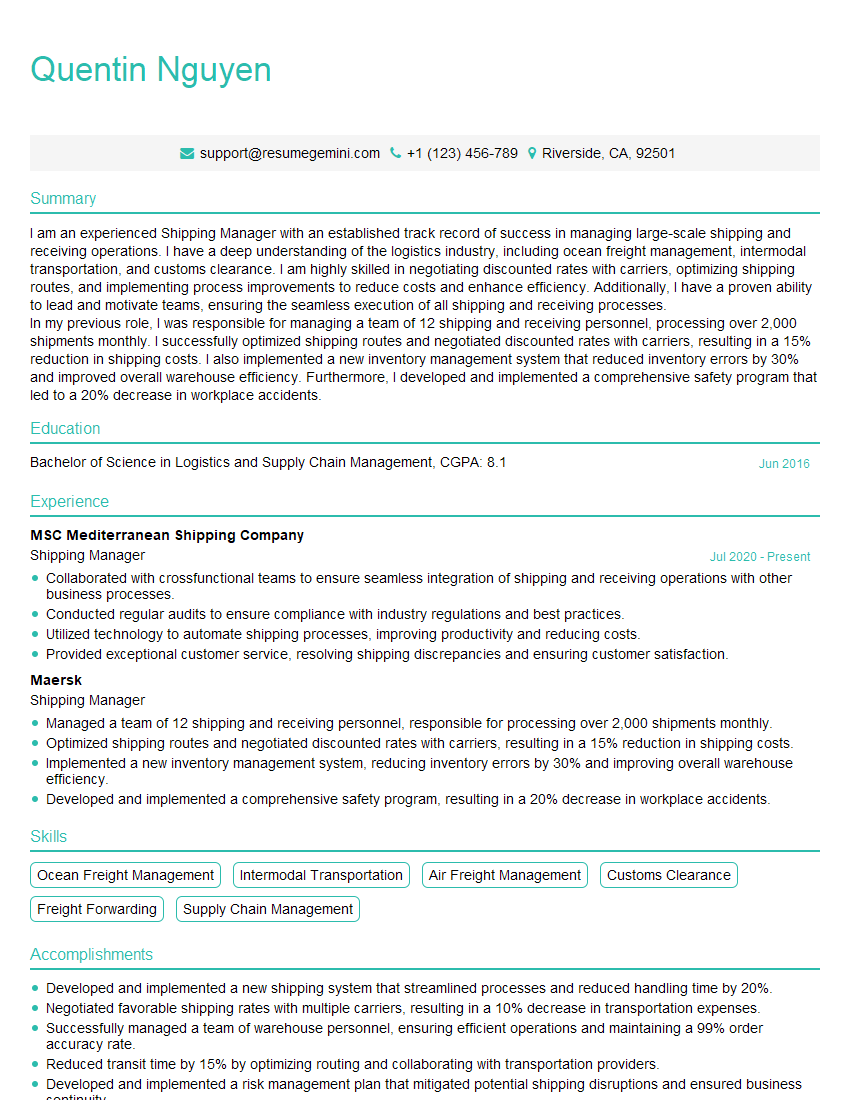
Shipping Manager Resume Sample
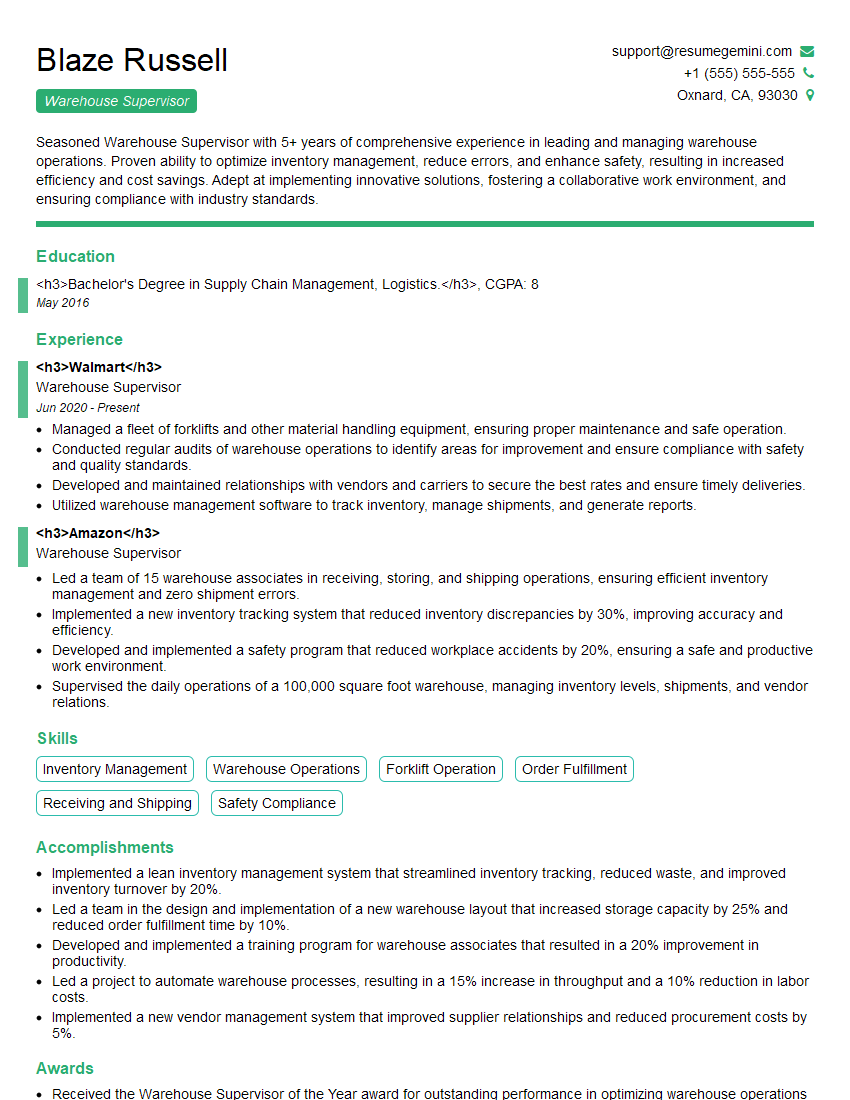
Warehouse Supervisor Resume Sample
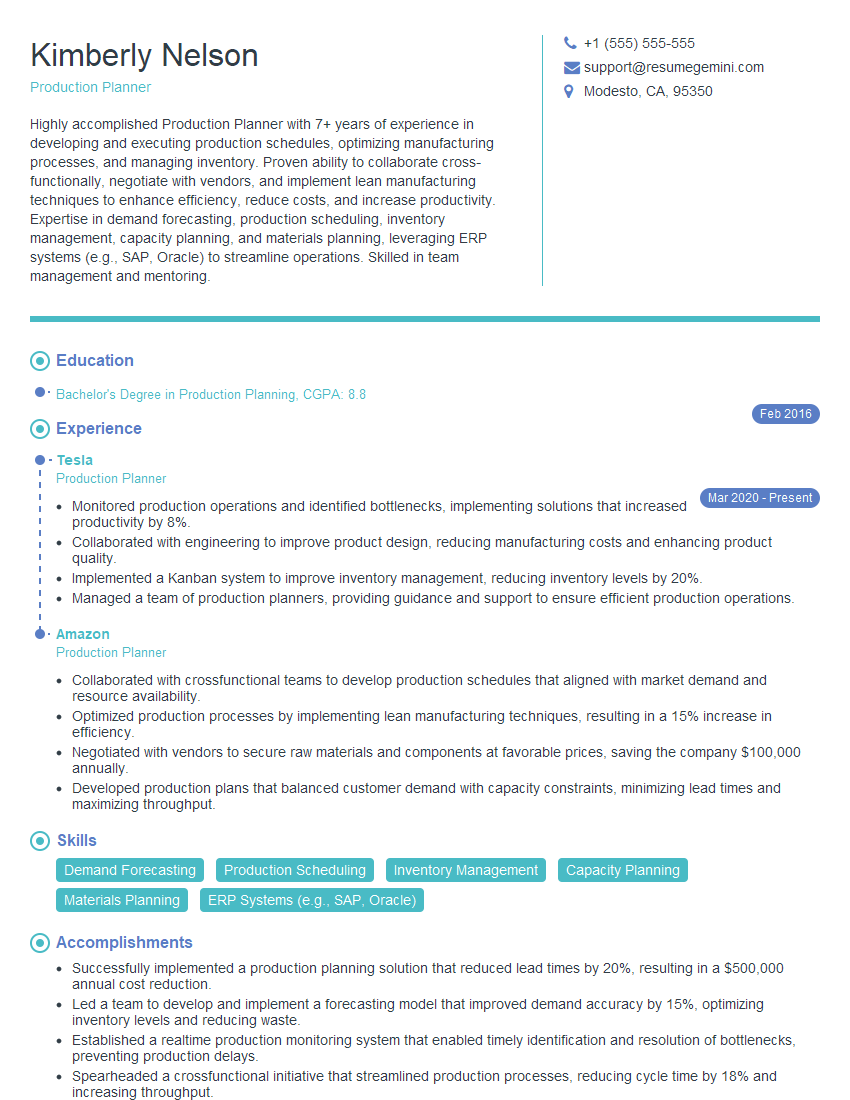
Production Planner Resume Sample
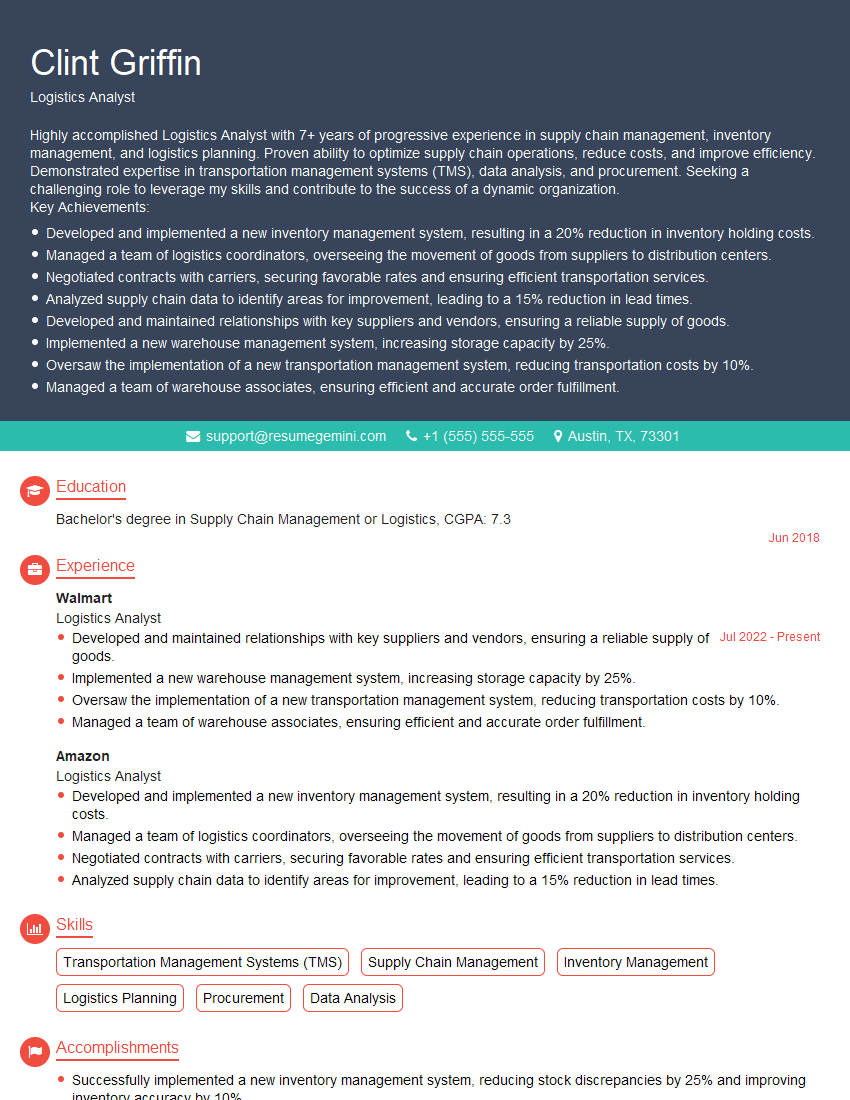
Logistics Analyst Resume Sample
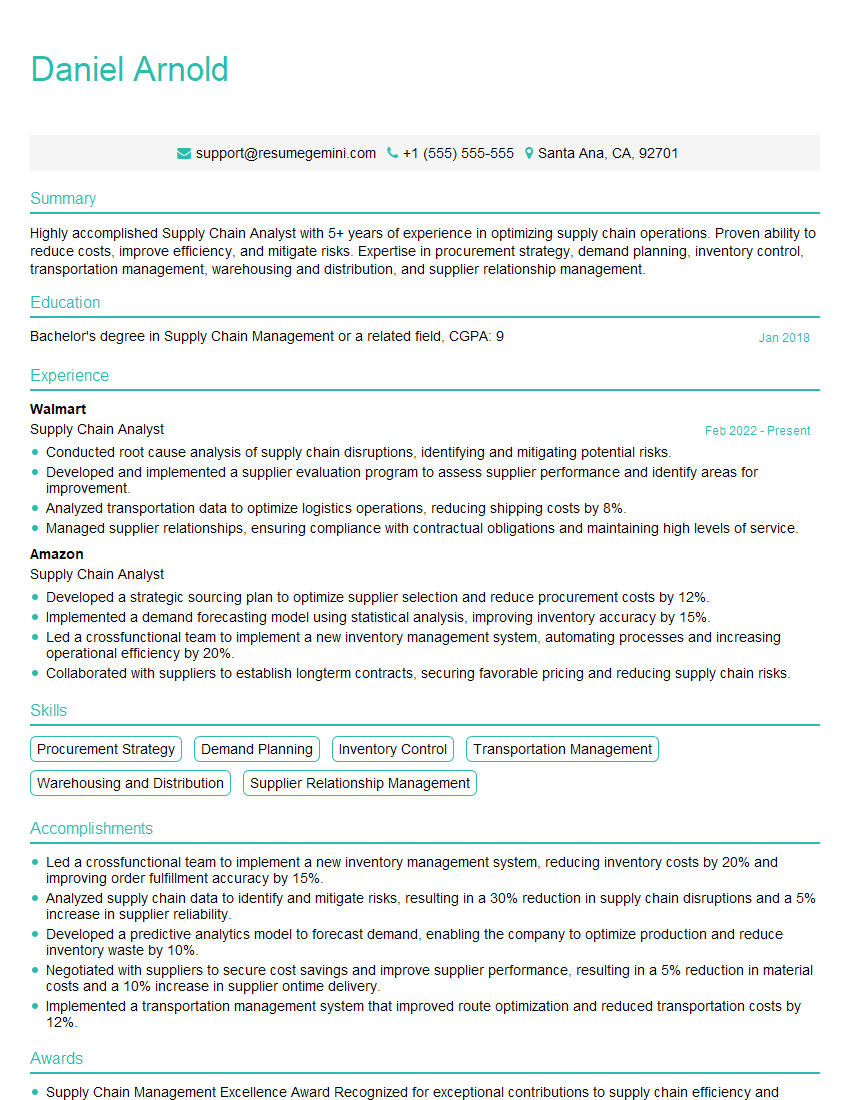
Supply Chain Analyst Resume Sample
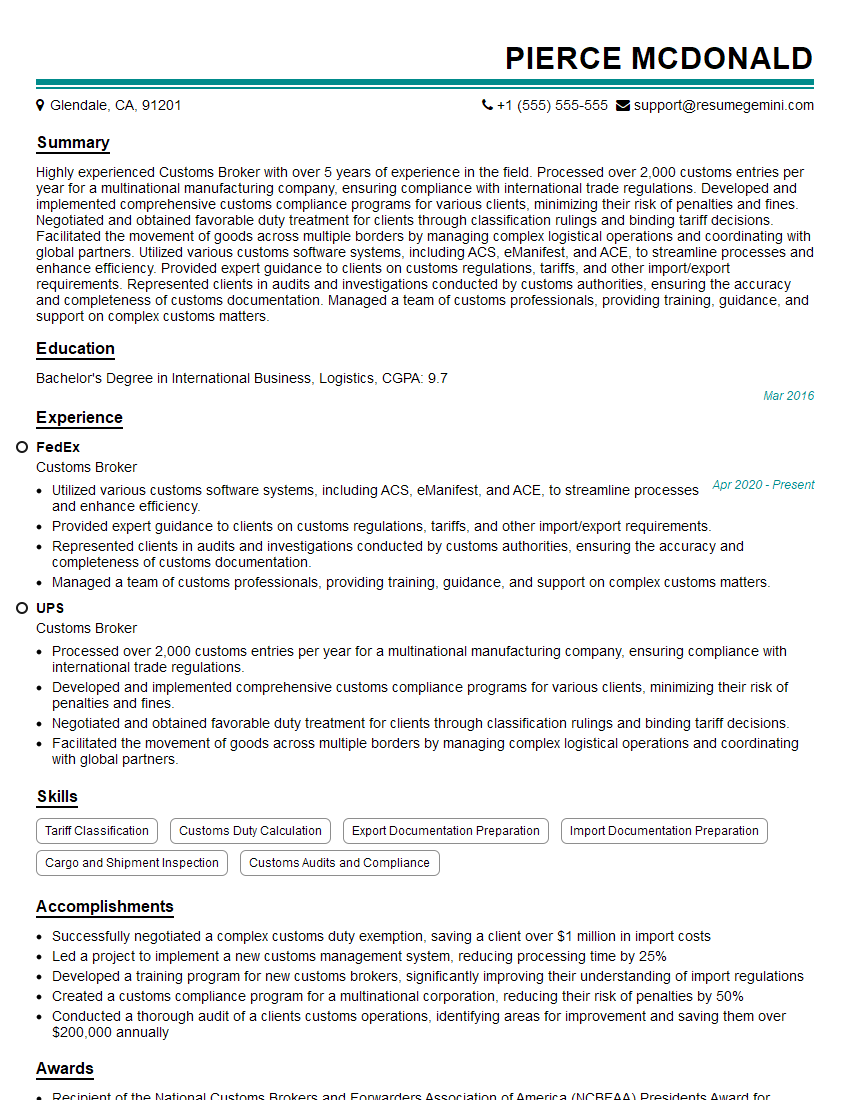
Customs Broker Resume Sample
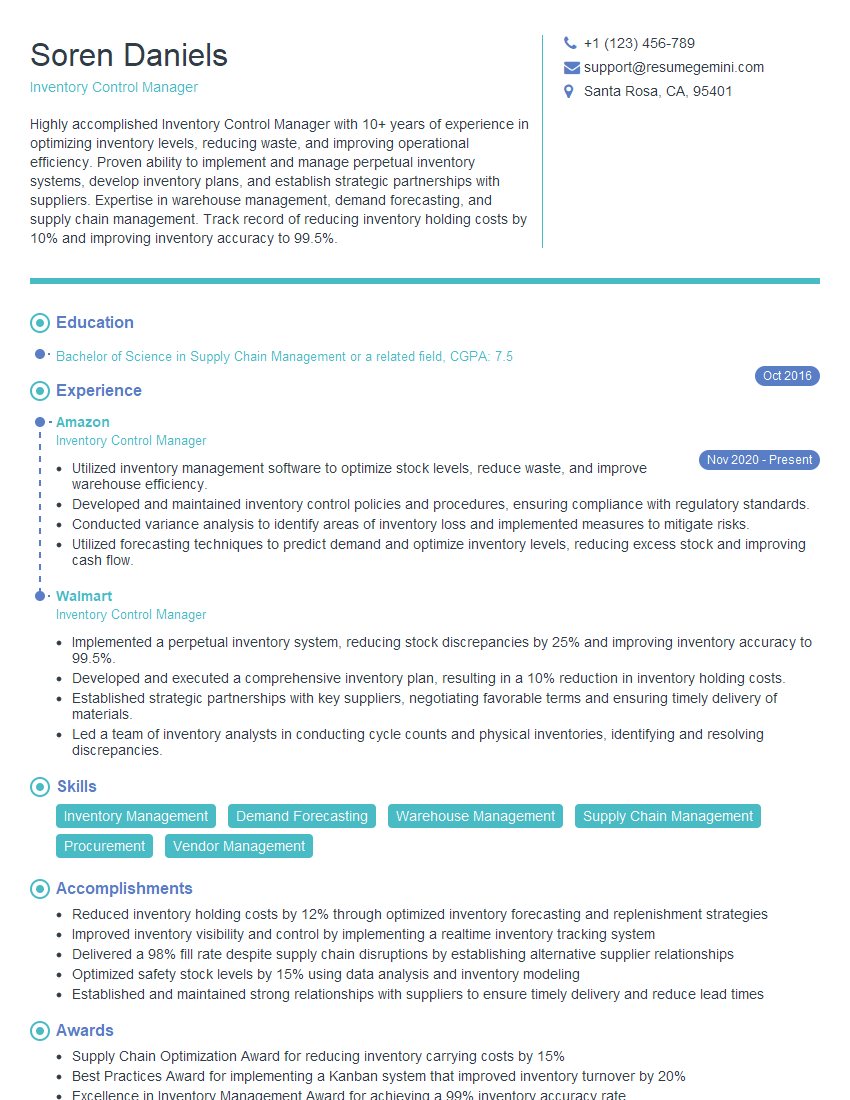
Inventory Control Manager Resume Sample
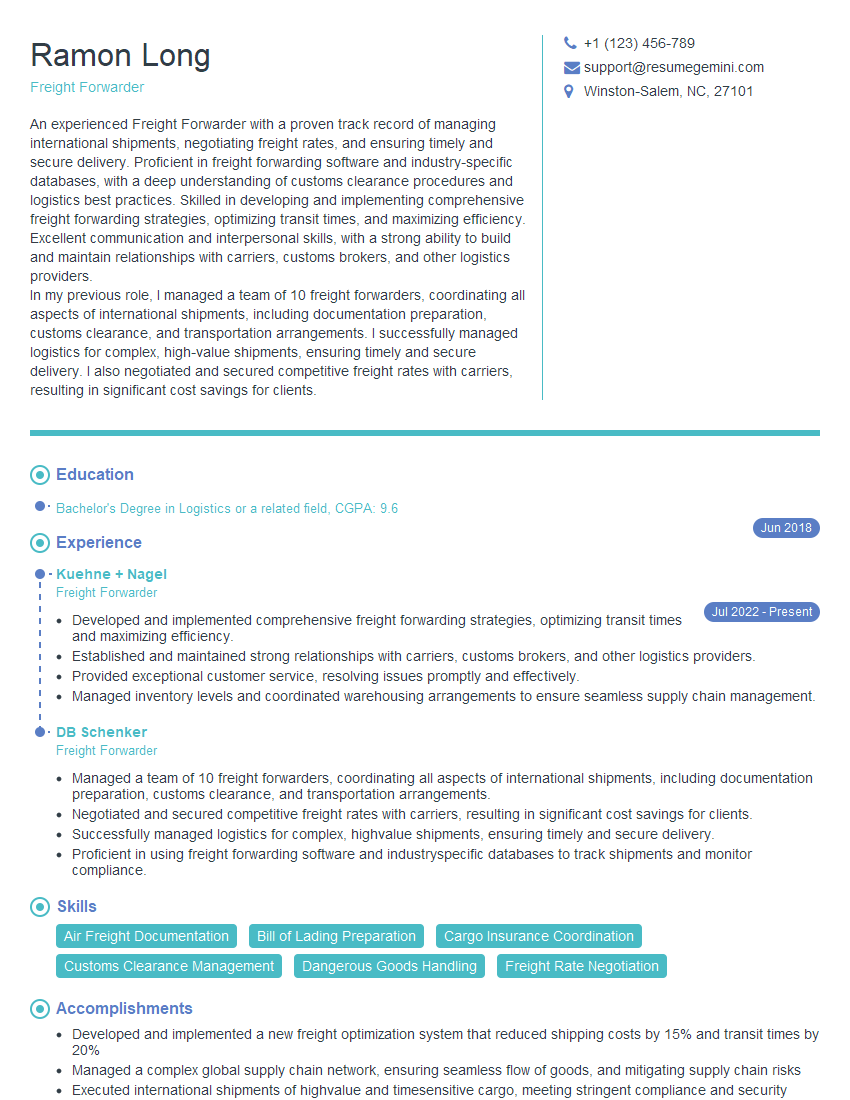
Freight Forwarder Resume Sample
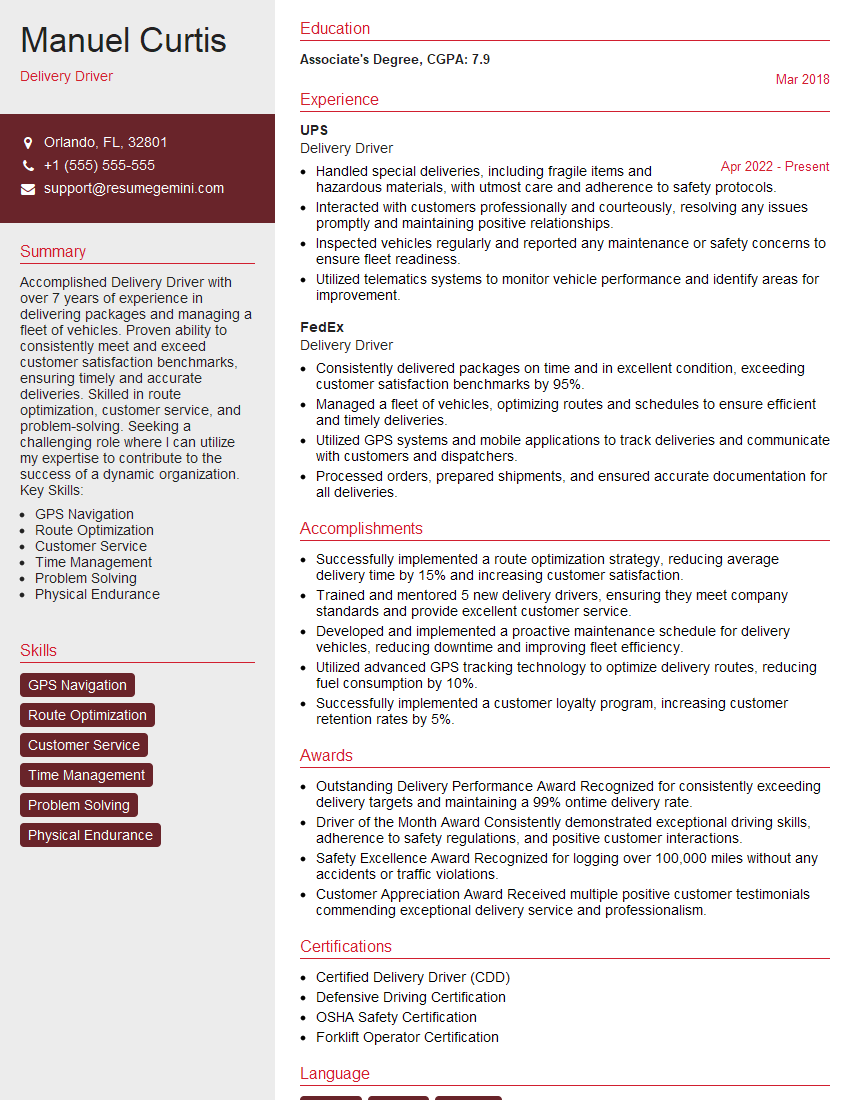
Delivery Driver Resume Sample
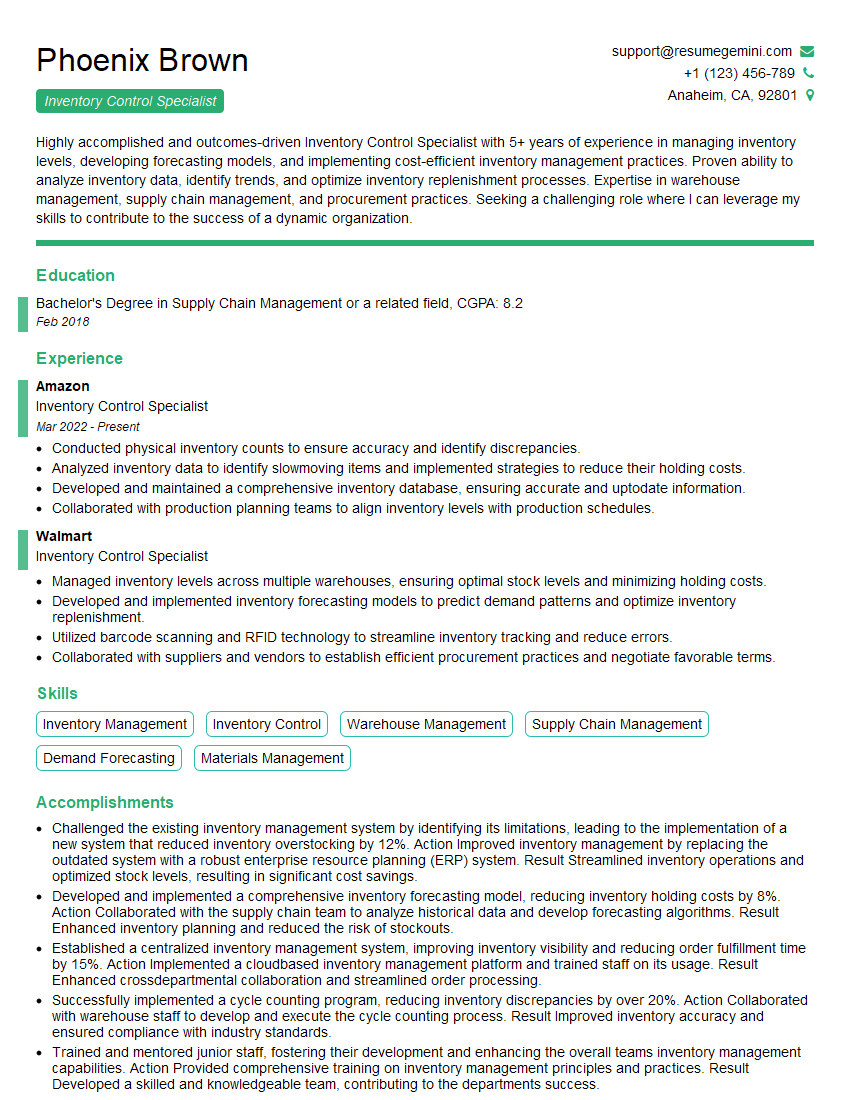
Inventory Control Specialist Resume Sample
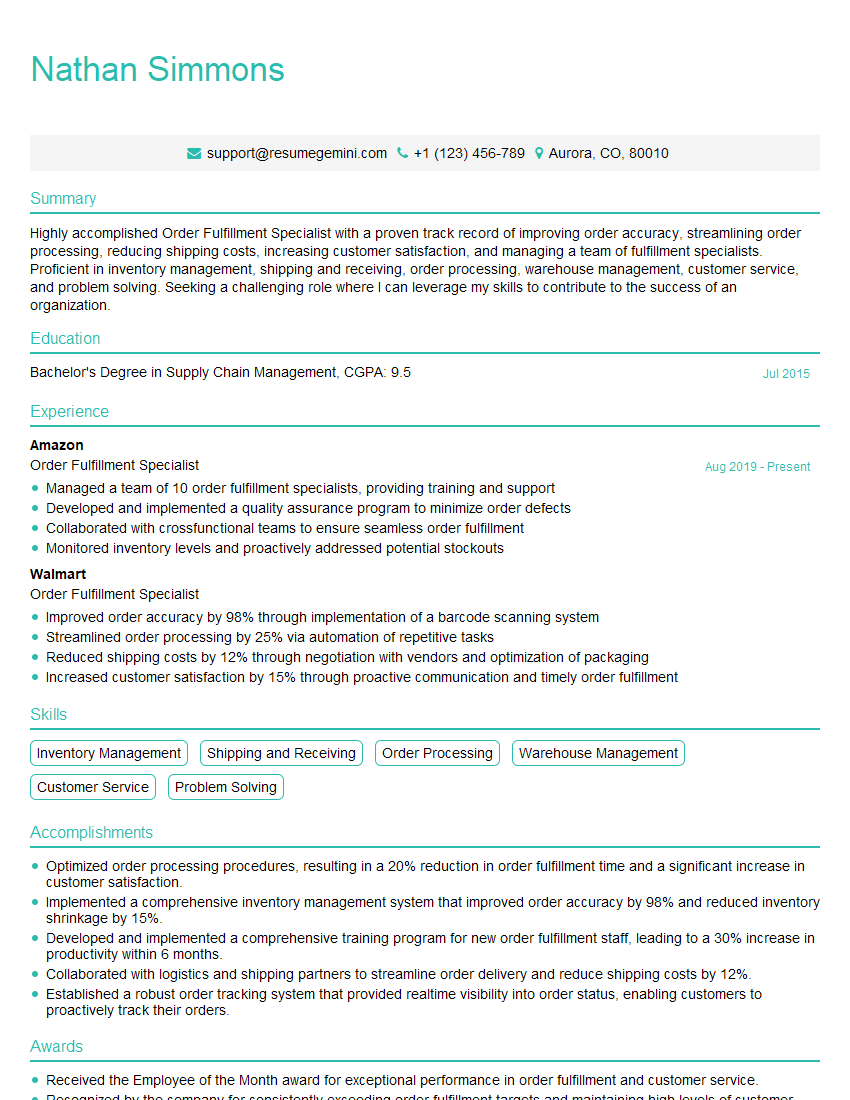
Order Fulfillment Specialist Resume Sample

Shipping and Receiving Clerk Resume Sample
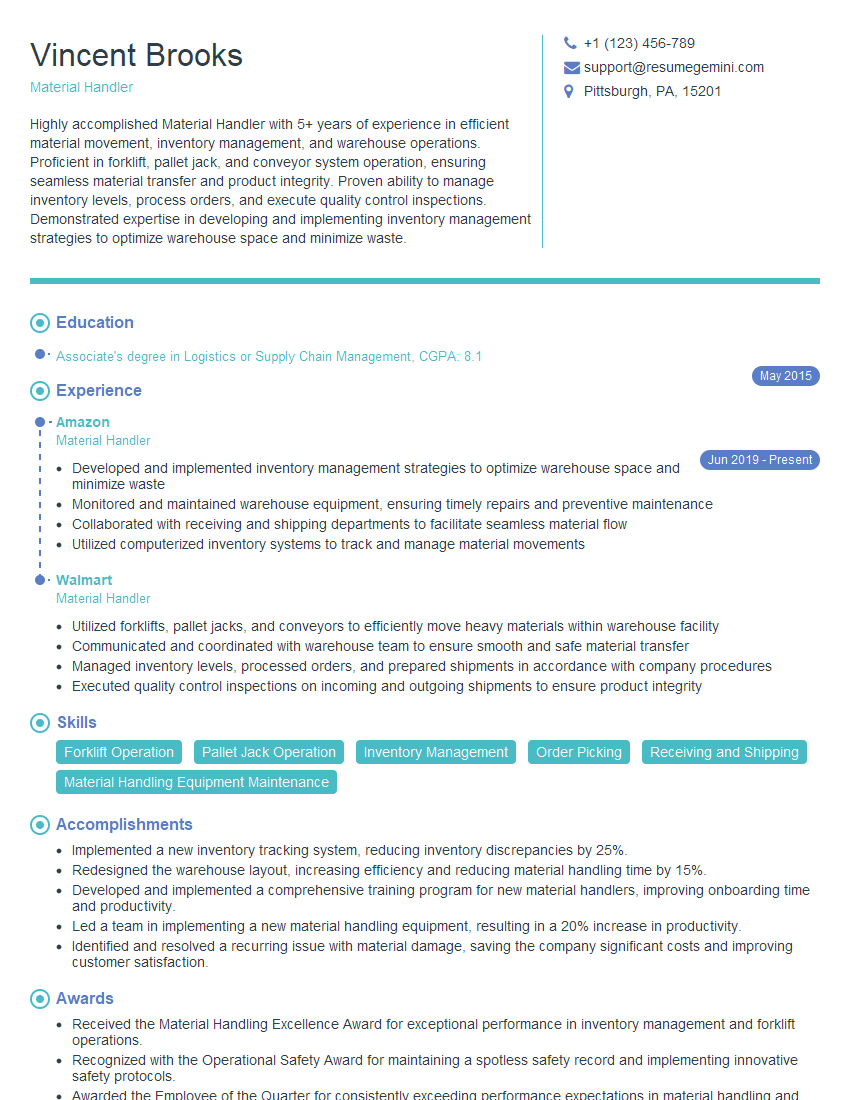
Material Handler Resume Sample
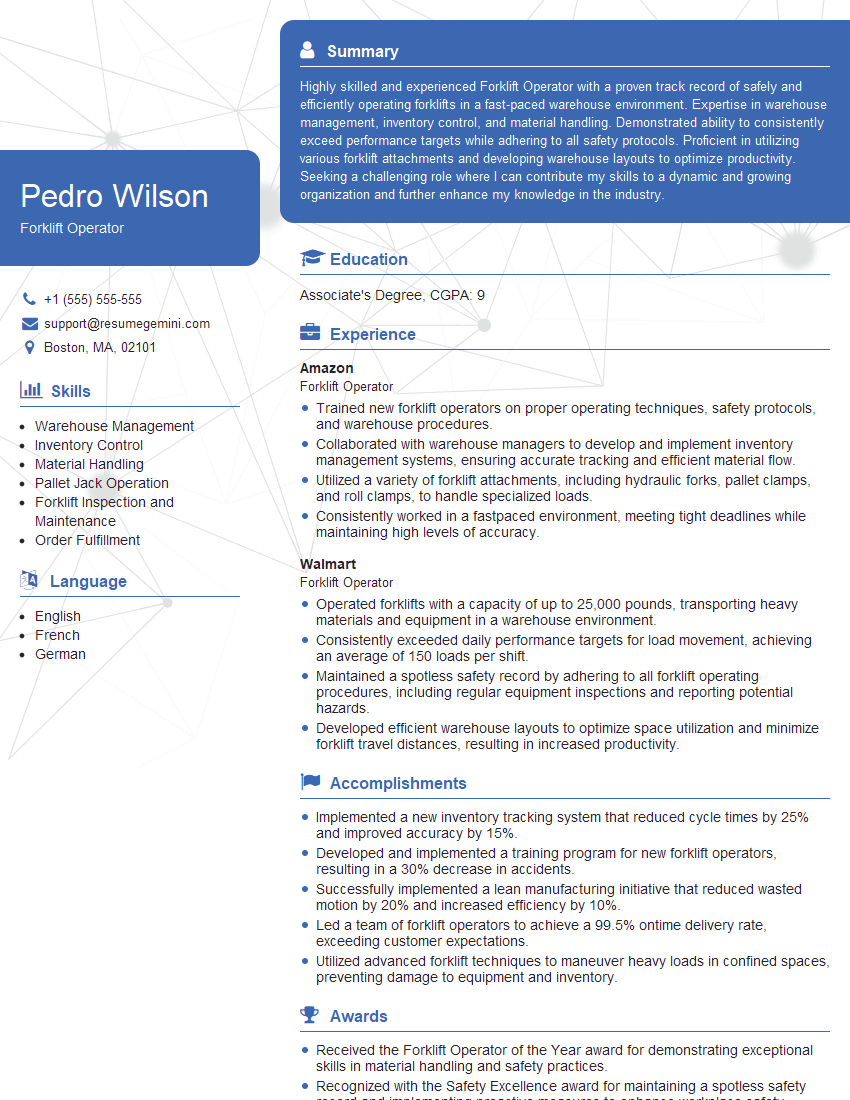
Forklift Operator Resume Sample
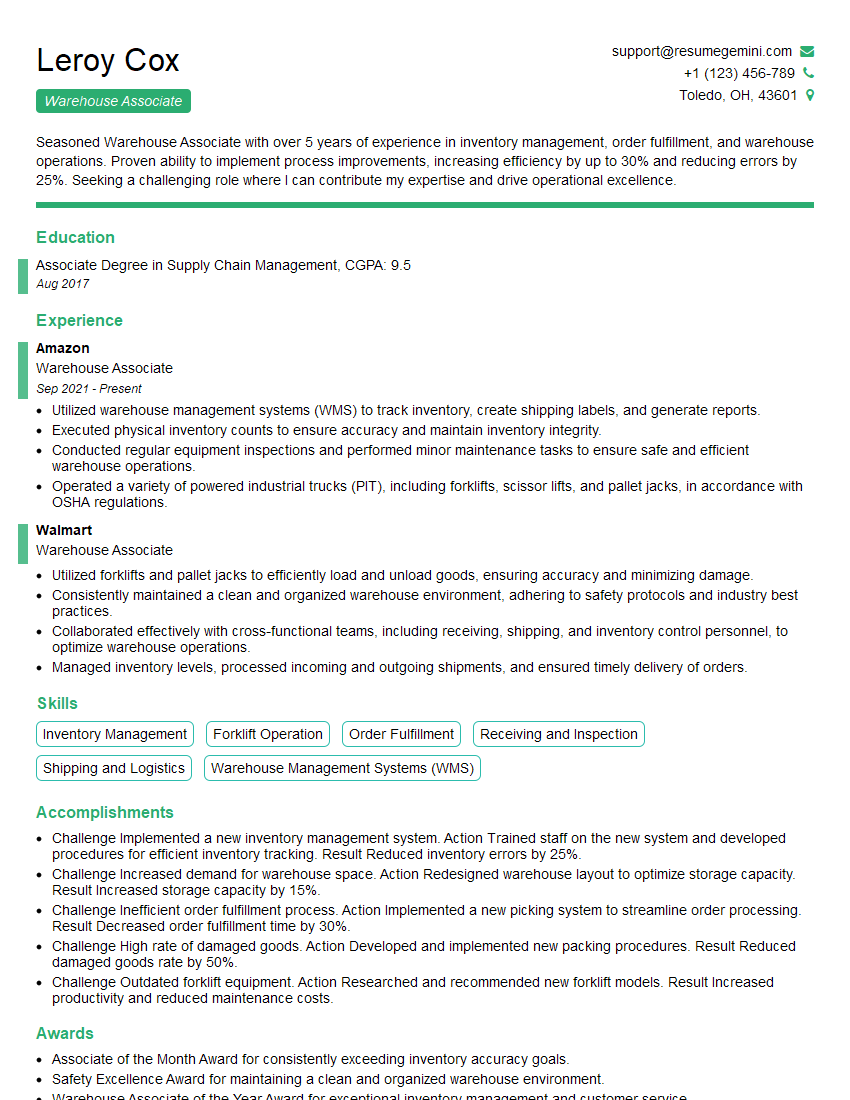
Warehouse Associate Resume Sample
- Operations Manager
- Distribution Center Manager
- Logistics Manager
- Transportation Coordinator
- Receiving Manager
- Shipping Manager
- Warehouse Supervisor
- Production Planner
- Logistics Analyst
- Supply Chain Analyst
- Customs Broker
- Inventory Control Manager
- Freight Forwarder
- Delivery Driver
- Inventory Control Specialist
- Order Fulfillment Specialist
- Shipping and Receiving Clerk
- Material Handler
- Forklift Operator
- Warehouse Associate
Explore more articles
Users Rating of Our Blogs
Share Your Experience
We value your feedback! Please rate our content and share your thoughts (optional).
What Readers Say About Our Blog
Very informative content, great job.
good