Cracking a skill-specific interview, like one for Communication Operation, requires understanding the nuances of the role. In this blog, we present the questions you’re most likely to encounter, along with insights into how to answer them effectively. Let’s ensure you’re ready to make a strong impression.
Questions Asked in Communication Operation Interview
Q 1. Describe your experience developing and implementing communication plans.
Developing and implementing communication plans involves a strategic approach that ensures consistent messaging across all channels. It begins with a thorough understanding of the target audience, the communication objectives, and available resources. I typically follow a five-step process:
- Analysis: This involves conducting a thorough situation analysis, identifying key stakeholders, and defining clear communication goals (e.g., increase brand awareness, improve customer satisfaction, drive sales). I might use SWOT analysis or competitor analysis to gain a comprehensive understanding of the landscape.
- Planning: Based on the analysis, I develop a detailed communication plan outlining strategies, tactics, timelines, budget allocation, and key performance indicators (KPIs). This includes selecting appropriate communication channels (e.g., social media, email, print, events) and creating compelling content.
- Content Creation: This phase involves the development of all communication materials, ensuring consistent messaging and brand identity. This might encompass writing press releases, creating social media posts, designing brochures, or developing video scripts.
- Execution: This stage involves the actual rollout of the communication plan. This requires careful coordination across teams and channels to ensure timely and effective delivery of messages.
- Evaluation: Finally, I track and measure the effectiveness of the campaign against the pre-defined KPIs using analytics tools and reporting. This allows for continuous improvement and optimization of future campaigns.
For example, in a recent project for a non-profit organization, we launched a campaign to increase volunteer recruitment. We used social media, email marketing, and local community events to reach our target audience. The plan incorporated detailed tracking of sign-ups, website traffic, and social media engagement to measure success. We exceeded our recruitment goals by 20% by adapting our strategy based on the initial feedback and analytics.
Q 2. Explain your process for measuring the effectiveness of communication campaigns.
Measuring the effectiveness of communication campaigns is crucial to understanding their impact and optimizing future efforts. My process involves defining clear, measurable KPIs (Key Performance Indicators) at the outset of the campaign. These KPIs are directly linked to the communication objectives. I then utilize a variety of tools and techniques to collect data and analyze results.
- Website Analytics: Tools like Google Analytics provide insights into website traffic, user behavior, and conversion rates. This helps assess the impact of online communication efforts.
- Social Media Analytics: Platforms like Facebook Insights, Twitter Analytics, and Instagram Insights offer data on reach, engagement (likes, shares, comments), and follower growth. This helps understand the effectiveness of social media campaigns.
- Email Marketing Analytics: Email marketing platforms provide data on open rates, click-through rates, and conversions, which allow for assessment of email campaign performance.
- Surveys and Feedback: Collecting feedback through surveys or focus groups provides qualitative data on audience perception and satisfaction with the communication efforts.
- Sales Data: In campaigns focused on driving sales, analyzing sales data can directly correlate communication efforts to revenue generation.
For instance, in a recent marketing campaign, we tracked website traffic, social media engagement, and lead generation. The results revealed that our social media strategy was highly effective in driving website traffic and generating leads. Based on these findings, we allocated more resources to social media advertising in subsequent campaigns.
Q 3. How do you manage multiple communication projects simultaneously?
Managing multiple communication projects simultaneously requires effective organization, prioritization, and delegation. My approach involves a combination of project management methodologies and tools.
- Prioritization: I utilize methods like the Eisenhower Matrix (urgent/important) to prioritize tasks and allocate time effectively. This ensures that crucial projects receive the necessary attention.
- Project Management Software: Tools like Asana, Trello, or Monday.com are invaluable for tracking tasks, deadlines, and progress across multiple projects. They facilitate team collaboration and communication.
- Delegation: I delegate tasks appropriately based on team members’ skills and availability. This ensures efficient workload distribution and avoids bottlenecks.
- Regular Meetings: Holding regular team meetings ensures transparency, facilitates communication, and allows for proactive problem-solving. This fosters collaboration and keeps everyone aligned on project goals.
- Time Blocking: I schedule specific blocks of time for each project to maintain focus and avoid multitasking. This strategy helps improve efficiency and reduce stress.
For example, in my previous role, I concurrently managed a product launch campaign, a brand refresh initiative, and an ongoing social media strategy. By utilizing project management software, delegating tasks effectively, and maintaining clear communication, I successfully delivered all three projects on time and within budget.
Q 4. What tools and technologies are you proficient in for communication management?
Proficiency in various communication management tools and technologies is crucial for efficient and effective communication. I’m proficient in a range of tools, including:
- Project Management Software: Asana, Trello, Monday.com
- CRM Software: Salesforce, HubSpot
- Email Marketing Platforms: Mailchimp, Constant Contact, ActiveCampaign
- Social Media Management Tools: Hootsuite, Buffer
- Analytics Platforms: Google Analytics, Adobe Analytics
- Content Management Systems (CMS): WordPress, Drupal
- Design Software: Adobe Creative Suite (Photoshop, Illustrator, InDesign)
- Video Editing Software: Adobe Premiere Pro, Final Cut Pro
My expertise extends beyond simply using these tools; I understand how to integrate them to create a streamlined workflow that optimizes communication processes. For instance, I utilize integrations between CRM software and email marketing platforms to personalize communications and improve targeting.
Q 5. Describe a time you had to adapt your communication strategy due to unforeseen circumstances.
Adaptability is crucial in communication. During the launch of a new product, an unforeseen supply chain disruption caused a significant delay in product availability. Our initial communication plan focused on a pre-order campaign with an aggressive launch date. We had to quickly adapt our strategy.
We immediately communicated the delay transparently to our customers, emphasizing our commitment to quality and providing regular updates on the anticipated arrival. We shifted our communication focus towards building anticipation and managing expectations, rather than solely promoting the launch date. We used social media to engage with customers, addressing their concerns directly and showcasing behind-the-scenes glimpses of the production process. While the delay was disappointing, our transparent and proactive communication prevented a major PR crisis and actually increased customer loyalty.
This experience highlighted the importance of having a crisis communication plan in place and the ability to pivot quickly when faced with unforeseen challenges. The shift in our message proved more effective than sticking rigidly to the original plan.
Q 6. How do you ensure consistent brand messaging across all communication channels?
Maintaining consistent brand messaging across all communication channels is critical for building a strong brand identity and avoiding confusion among audiences. My approach involves establishing a comprehensive brand style guide and implementing robust processes for content creation and review.
- Brand Style Guide: This document acts as a central repository for brand guidelines, including logo usage, color palettes, typography, tone of voice, and messaging frameworks. It provides a single source of truth for all communication materials.
- Template Development: Creating standardized templates for various communication materials (e.g., email newsletters, social media posts, website content) ensures consistency in design and messaging.
- Content Review Process: Implementing a multi-stage content review process, involving multiple stakeholders, helps catch inconsistencies and ensure alignment with brand guidelines before publication.
- Centralized Content Repository: Using a centralized content repository ensures that everyone has access to the latest approved brand assets and guidelines.
- Regular Training: Providing regular training for team members on brand guidelines helps ensure everyone understands and adheres to the established standards.
For example, in a previous role, we implemented a centralized content repository using a shared drive and a detailed brand style guide. This significantly improved consistency in our communication materials across various platforms, strengthening our brand identity and improving overall communication effectiveness.
Q 7. Explain your approach to crisis communication management.
Crisis communication management requires a proactive and well-defined plan to effectively manage negative events and minimize damage to reputation. My approach involves:
- Proactive Planning: Developing a comprehensive crisis communication plan that outlines potential crises, communication protocols, and designated roles and responsibilities. This plan should include pre-approved messaging and contact lists.
- Rapid Assessment: Quickly assessing the situation to understand its scope, potential impact, and key stakeholders.
- Strategic Communication: Developing and disseminating clear, concise, and consistent messages to all stakeholders through appropriate channels. This includes addressing concerns, providing updates, and taking responsibility where necessary.
- Monitoring and Evaluation: Continuously monitoring media coverage, social media sentiment, and stakeholder feedback to adjust communication strategies as needed. Post-crisis, a thorough evaluation is conducted to identify lessons learned and improve future crisis response.
- Transparency and Honesty: Maintaining transparency and honesty in all communications builds trust and minimizes damage to reputation.
For instance, I once helped a client navigate a product recall. We immediately activated our crisis communication plan, issuing a press release, updating the company website, and contacting affected customers directly. We were transparent about the situation, explained the corrective actions, and offered refunds or replacements. Our proactive and transparent communication minimized negative media attention and retained customer trust.
Q 8. How do you handle stakeholder feedback and concerns related to communication efforts?
Handling stakeholder feedback is crucial for effective communication. My approach involves a multi-step process that prioritizes active listening, clear understanding, and transparent communication. First, I establish clear channels for feedback, such as surveys, focus groups, and regular meetings. This ensures all stakeholders have an opportunity to voice their concerns. Next, I analyze the feedback systematically, identifying common themes and categorizing concerns by urgency and impact. This allows me to prioritize responses and tailor my approach to individual needs. For example, if a major stakeholder expresses significant concerns about a campaign’s messaging, I would prioritize addressing this immediately, potentially through a direct meeting and adjustments to the campaign materials. Finally, I provide clear and timely responses to each piece of feedback, explaining the actions taken and the rationale behind them. Transparency builds trust and fosters stronger relationships with stakeholders.
I believe in proactive communication. Anticipating potential concerns and addressing them preemptively can often prevent larger issues down the line. For instance, if a major change is being implemented that may impact stakeholders negatively, I would proactively communicate the reasoning, timeline, and mitigation strategies, thus making them feel involved and informed. This avoids the feeling that they’ve been left in the dark and diminishes the chance of negative reactions.
Q 9. Describe your experience with internal communications and employee engagement.
Internal communications and employee engagement are paramount for a successful organization. In my previous role, I spearheaded several initiatives aimed at improving internal communication and employee engagement. These included the implementation of a new intranet platform designed to improve the flow of information and provide employees with a centralized hub for company news, policies, and resources. We also launched regular employee surveys to gather feedback on communication effectiveness and identify areas for improvement. Furthermore, I’ve facilitated various employee engagement activities, such as team-building events, employee recognition programs, and internal communication campaigns focusing on employee wellbeing and professional development.
One specific example involved addressing low morale within a particular department. Through confidential employee surveys and one-on-one interviews, we identified concerns about a lack of communication and transparency regarding strategic decisions. To address this, I implemented a series of town hall meetings where leadership directly addressed employee questions and concerns. We also established regular department-specific newsletters to keep employees updated on project progress and company news. This resulted in a measurable increase in employee satisfaction and a more positive work environment.
Q 10. How do you identify and prioritize communication needs within an organization?
Identifying and prioritizing communication needs requires a strategic approach. I typically begin by conducting a comprehensive communication audit. This involves assessing the organization’s current communication channels, methods, and effectiveness, analyzing stakeholder needs and expectations, and identifying communication gaps. I use a combination of methods for this, such as analyzing existing data, conducting surveys and interviews with employees and stakeholders, and reviewing internal and external communication materials.
Once the audit is complete, I prioritize communication needs based on urgency, impact, and alignment with strategic goals. For example, communicating a critical safety update would take precedence over promoting a new company initiative. I use a prioritization matrix to visualize the needs and their ranking which allows for a clear and shared understanding across teams. This matrix typically considers factors like time sensitivity, the number of stakeholders affected, potential risks and the alignment with overall organizational goals.
Q 11. What is your experience with developing communication budgets and managing resources?
Developing and managing communication budgets requires careful planning and resource allocation. I begin by defining clear objectives for communication initiatives and identifying the resources required to achieve those objectives. This involves estimating costs associated with various communication channels, such as printing, advertising, event planning, and digital marketing. I then develop a detailed budget proposal that outlines all anticipated expenses, including personnel costs, and present it to stakeholders for approval.
Throughout the implementation phase, I actively monitor budget performance, tracking expenses against the planned budget. Regular budget reviews and reporting ensure that spending stays on track and that any deviations are identified and addressed promptly. I use project management software to track spending, which allows me to stay organized and easily identify any potential overruns.
Q 12. How do you measure ROI (Return on Investment) for communication initiatives?
Measuring the ROI of communication initiatives is crucial for demonstrating the value of communication efforts. There’s no single metric, instead, we need a multi-faceted approach. The methods used depend largely on the objectives of the specific communication initiative. For example, for an internal communications campaign aimed at boosting employee morale, we might measure employee satisfaction scores before and after the campaign.
For a marketing campaign aimed at increasing sales, we would measure metrics such as website traffic, lead generation, and sales conversions. Key Performance Indicators (KPIs) are essential here. We can also track brand awareness and sentiment through social media monitoring and surveys. Qualitative data from focus groups or interviews can also contribute to a holistic understanding of ROI. Ultimately, a well-defined set of metrics, tracked consistently, provides valuable insights into the effectiveness of communication strategies.
Q 13. Describe your experience with media relations and press releases.
My experience with media relations and press releases involves crafting compelling narratives that resonate with target audiences and effectively communicate key messages. I have a strong understanding of media landscape, including both traditional and digital media outlets. I tailor my approach to each media outlet and consider their audience and editorial style. I’ve successfully secured media coverage for various clients and organizations through proactive media outreach and the timely dissemination of press releases.
A successful press release needs a clear and concise headline, a compelling lead paragraph that summarizes the key message, and factual information presented in a clear, concise, and engaging manner. It’s vital to include a strong call to action and relevant contact information. I also leverage multimedia elements like photos and videos to increase engagement and shareability. Before distribution, it undergoes rigorous review for accuracy and clarity.
Q 14. How do you build and maintain relationships with key media contacts?
Building and maintaining strong relationships with key media contacts is essential for successful media relations. I approach this by building genuine connections based on mutual respect and trust. I start by identifying key journalists and media outlets relevant to my organization. Then, I proactively reach out to them, providing them with relevant information and demonstrating my understanding of their beat.
I personalize my communication, tailoring my messages to their individual interests and demonstrating a genuine interest in their work. Regular communication, even outside of specific news releases, helps nurture these relationships. This can include sharing relevant industry news, inviting them to events, and simply engaging with their work on social media. Trust is built over time through consistent communication and demonstrating the reliability and credibility of my information.
Q 15. Explain your experience with social media management and content creation.
My experience in social media management and content creation spans over seven years, encompassing strategy development, content creation, community engagement, and performance analysis across various platforms like LinkedIn, Twitter, Facebook, and Instagram. I’ve managed social media campaigns for both B2B and B2C clients, focusing on increasing brand awareness, lead generation, and customer engagement. For example, I spearheaded a LinkedIn campaign for a tech startup that resulted in a 30% increase in leads within three months. This involved developing a content calendar focused on industry insights and thought leadership pieces, using engaging visuals, and actively participating in relevant industry conversations. My content creation expertise involves writing blog posts, articles, social media updates, infographics, and video scripts, tailored to resonate with specific target audiences. I always ensure content aligns with the overall brand voice and messaging strategy, maintaining consistency and authenticity.
Career Expert Tips:
- Ace those interviews! Prepare effectively by reviewing the Top 50 Most Common Interview Questions on ResumeGemini.
- Navigate your job search with confidence! Explore a wide range of Career Tips on ResumeGemini. Learn about common challenges and recommendations to overcome them.
- Craft the perfect resume! Master the Art of Resume Writing with ResumeGemini’s guide. Showcase your unique qualifications and achievements effectively.
- Don’t miss out on holiday savings! Build your dream resume with ResumeGemini’s ATS optimized templates.
Q 16. How do you adapt your communication style to different audiences?
Adapting communication style is crucial for effective communication. I approach this by understanding my audience’s demographics, psychographics, and communication preferences. For instance, when communicating with senior executives, I use a concise and formal tone, focusing on key results and strategic implications. With a younger, more tech-savvy audience, I might employ a more informal, engaging tone using visuals and short-form content. I also consider the communication channel. An email to a client would be different from a presentation to a large group, or a casual team chat. My approach is data-driven; analyzing audience engagement metrics helps refine my style over time, making it more effective and resonant.
Q 17. Describe your experience with change management communication.
My experience with change management communication focuses on minimizing disruption and maximizing employee buy-in. I use a phased approach. First, I assess the impact of the change on different stakeholders. Then, I develop a comprehensive communication plan, tailored to address the concerns of each group using multiple channels. Transparency is key; I proactively address potential concerns and actively solicit feedback. For example, during a company-wide restructuring, I created a series of town hall meetings, internal newsletters, and FAQs to keep employees informed, address anxieties, and ensure everyone understood the rationale behind the changes. The result was smoother transition, with higher employee morale and productivity compared to previous change initiatives.
Q 18. How do you create compelling and engaging communication materials?
Creating compelling communication materials involves understanding the audience, the message, and the desired outcome. I start with clear objectives – what action do I want the audience to take? Then, I tailor the message and format to the audience, using storytelling, strong visuals, and clear calls to action. For example, for a complex technical product, I’d use simplified language and analogies to make it understandable. For a marketing campaign, I would focus on emotional connections and benefits. I always test and iterate; analyzing metrics like open rates, click-through rates, and engagement helps me optimize my materials for maximum impact. A/B testing different headlines or visuals is crucial in this process.
Q 19. What is your experience with communication audits and assessments?
Communication audits and assessments are essential for identifying strengths and weaknesses within a communication system. My experience involves conducting thorough reviews of existing communication channels, processes, and materials. This includes analyzing messaging consistency, audience reach, and overall effectiveness. The process often involves surveys, interviews, and data analysis. For example, I conducted an audit for a non-profit organization, revealing inconsistent branding and ineffective messaging across their platforms. Based on the audit, I recommended improvements, leading to a more unified brand image and increased engagement.
Q 20. Explain your understanding of communication theories and best practices.
My understanding of communication theories encompasses models like the Shannon-Weaver model (for understanding the communication process), the Schramm model (emphasizing the shared field of experience between sender and receiver), and the diffusion of innovations theory (understanding how new ideas spread). These theories guide my approach to message design, channel selection, and audience segmentation. Best practices include focusing on clarity, conciseness, and audience engagement. I also prioritize ethical communication, ensuring transparency and honesty in all my interactions. For instance, understanding the diffusion of innovations helps me tailor my messaging and communication channels to reach different adopter categories during a product launch.
Q 21. How do you leverage data and analytics to inform your communication strategies?
Data and analytics are integral to informing my communication strategies. I leverage website analytics (Google Analytics), social media analytics (native platform tools), and email marketing analytics (e.g., Mailchimp) to measure campaign performance and audience engagement. This data helps me understand what resonates with the audience, what needs improvement, and what strategies are most effective. For example, by analyzing social media engagement data, I can identify which content formats and topics generate the most interaction, allowing me to refine future content calendars. A/B testing different email subject lines allows for optimization of email marketing campaigns and improvement of open and click-through rates. The insights gathered allow for data-driven decision making, ensuring communication efforts are aligned with business objectives and producing measurable results.
Q 22. Describe your experience with developing communication training programs.
Developing effective communication training programs requires a deep understanding of the target audience’s needs and the organization’s communication goals. My approach is multifaceted, beginning with a thorough needs assessment. This involves surveys, interviews, and observations to pinpoint skill gaps and areas for improvement.
For example, in my previous role at a financial institution, we identified a need to improve client communication skills among our loan officers. The assessment revealed a lack of active listening and empathy. Based on this, I designed a training program incorporating role-playing scenarios, interactive workshops focusing on active listening techniques and empathy building, and providing clear examples of effective and ineffective communication styles. The program included modules on handling difficult conversations, using clear and concise language, and adapting communication style to diverse client needs.
Following the program, we measured its effectiveness through post-training surveys, observation of improved client interactions, and a noticeable reduction in client complaints.
- Needs assessment
- Curriculum design
- Interactive workshops and role-playing
- Assessment and Evaluation
Q 23. How do you ensure compliance with relevant regulations in your communications?
Compliance with regulations is paramount in all communications, particularly in sectors like finance, healthcare, and government. My approach involves a multi-layered strategy starting with a thorough understanding of the applicable regulations, including those concerning data privacy (GDPR, CCPA), advertising standards, and industry-specific guidelines.
I establish a clear compliance framework that integrates into all communication processes. This includes developing communication templates that adhere to regulatory requirements, providing regular training to staff on relevant regulations, and implementing robust review and approval processes for all external communications. For instance, before releasing any marketing material, I ensure it’s reviewed for accuracy, avoids misleading statements, and complies with advertising standards.
Regular audits and monitoring ensure ongoing compliance. Any breaches are addressed swiftly and effectively, using a documented escalation protocol and remediation plan. This proactive approach minimizes risks and avoids potential legal and reputational damage.
Q 24. How do you handle difficult or sensitive communication situations?
Handling difficult or sensitive communication situations requires tact, empathy, and a structured approach. My strategy centers on active listening, understanding the other party’s perspective, and creating a safe space for open dialogue.
For example, imagine a situation where a client is upset about a service issue. Instead of becoming defensive, I start by acknowledging their frustration and validating their feelings. I then actively listen to their concerns, asking clarifying questions to fully grasp the situation.
Once I have a clear understanding, I present a solution, explaining the steps involved and outlining the expected timeline. If the issue requires further investigation, I provide regular updates and keep the client informed every step of the way. This approach not only resolves the immediate problem but also strengthens the client relationship.
In cases of highly sensitive information or conflict resolution, mediation techniques are often employed. This involves facilitating a constructive conversation between opposing parties to find a mutually acceptable solution. Transparency and clear communication are always prioritized.
Q 25. What is your experience with working collaboratively with cross-functional teams?
Collaboration is integral to effective communication operations. My experience shows that success hinges on clear communication, mutual respect, and a shared understanding of goals. I’ve consistently worked within cross-functional teams, drawing on the diverse expertise of colleagues from marketing, IT, legal, and operations to achieve common objectives.
In a previous project involving the launch of a new product, I collaborated with the marketing team to define the key messaging, the IT team to ensure seamless online communication channels, and the legal team to ensure compliance with regulations.
Effective collaboration necessitates clear roles, responsibilities, and communication channels. Regular team meetings, shared project management tools, and open communication forums ensure everyone stays informed and contributes effectively. This collaborative approach fosters trust, boosts morale, and delivers exceptional results.
Q 26. Describe your experience with project management methodologies within communication projects.
Throughout my career, I’ve employed various project management methodologies, including Agile and Waterfall, adapting my approach to suit the specific needs of each communication project. Agile, with its iterative approach and flexibility, has proven particularly effective for fast-paced projects requiring frequent adaptation and stakeholder feedback.
For instance, in a recent crisis communication project, we utilized an Agile framework. This involved breaking down the project into smaller, manageable tasks, delivering quick wins, and continually incorporating feedback from stakeholders to ensure we were effectively addressing the evolving situation. This iterative approach enabled us to react quickly and adapt our messaging in response to changing circumstances.
Waterfall, with its sequential and structured approach, is better suited to projects with well-defined requirements and minimal anticipated changes. Regardless of the methodology used, meticulous planning, risk assessment, and regular progress monitoring are crucial for effective project management.
Q 27. How do you utilize communication technology to improve team collaboration?
Leveraging communication technology is essential for enhancing team collaboration and efficiency. I am proficient in utilizing a wide range of tools, including project management software (Asana, Trello, Jira), collaborative platforms (Microsoft Teams, Slack), and video conferencing software (Zoom, Google Meet).
For instance, using project management software allows for centralized task management, progress tracking, and seamless information sharing. Collaborative platforms facilitate real-time communication, file sharing, and instant feedback loops, improving responsiveness and reducing email overload. Video conferencing enhances remote collaboration, allowing for face-to-face interactions and fostering a stronger sense of teamwork.
The choice of technology is dependent on the project’s specific needs and team preferences. Successful implementation requires comprehensive training and establishing clear guidelines for usage to ensure all team members are comfortable and capable of effectively using the chosen tools.
Q 28. How do you stay up-to-date on current trends and best practices in communication?
Staying abreast of communication trends and best practices is crucial for maintaining professional relevance and effectiveness. I employ a multi-pronged approach, including actively participating in professional development opportunities, networking with peers, and continuously researching industry publications and blogs.
I regularly attend conferences and workshops focused on communication strategies, emerging technologies, and regulatory updates. Networking allows for the exchange of best practices and insights from professionals in different industries. Subscribing to reputable communication journals and following thought leaders on social media keeps me informed about the latest research and innovations.
This ongoing learning process ensures that my communication strategies remain effective, relevant, and aligned with current best practices. It enables me to adapt to the ever-evolving communication landscape and provide the most effective and impactful communication solutions.
Key Topics to Learn for Communication Operation Interview
- Strategic Communication Planning: Understanding the process of defining communication goals, target audiences, key messages, and channels for effective information dissemination.
- Crisis Communication Management: Developing and implementing strategies to effectively manage and mitigate reputational damage during crises. Practical application includes crafting clear and timely messaging across various platforms.
- Internal Communications: Building and maintaining strong internal communication channels to foster employee engagement, collaboration, and transparency. This includes understanding different communication styles and adapting to diverse audiences within an organization.
- Digital Communication Strategies: Mastering the use of social media, email marketing, and other digital tools to reach target audiences and achieve communication objectives. This involves analyzing data to measure campaign effectiveness and adapt strategies as needed.
- Content Creation and Management: Developing engaging and informative content for various platforms, including websites, social media, and internal communications channels. This includes understanding SEO principles and content optimization for various audiences.
- Measurement and Analytics: Utilizing data-driven insights to evaluate the effectiveness of communication campaigns and make data-informed decisions. This includes familiarity with various analytics tools and reporting methods.
- Stakeholder Management: Understanding how to identify, engage, and manage relationships with key stakeholders (internal and external) to ensure effective communication and collaboration.
- Media Relations: Building and maintaining positive relationships with members of the media to effectively communicate organizational messages and respond to media inquiries.
Next Steps
Mastering Communication Operations opens doors to diverse and impactful roles within any organization. Proficiency in this field demonstrates valuable skills in strategy, problem-solving, and relationship building – essential for career advancement. To maximize your job prospects, creating a strong, ATS-friendly resume is crucial. ResumeGemini is a trusted resource that can help you build a professional and impactful resume tailored to highlight your skills and experience. Examples of resumes specifically designed for Communication Operations roles are available to guide you. Take the next step and craft a resume that showcases your potential!
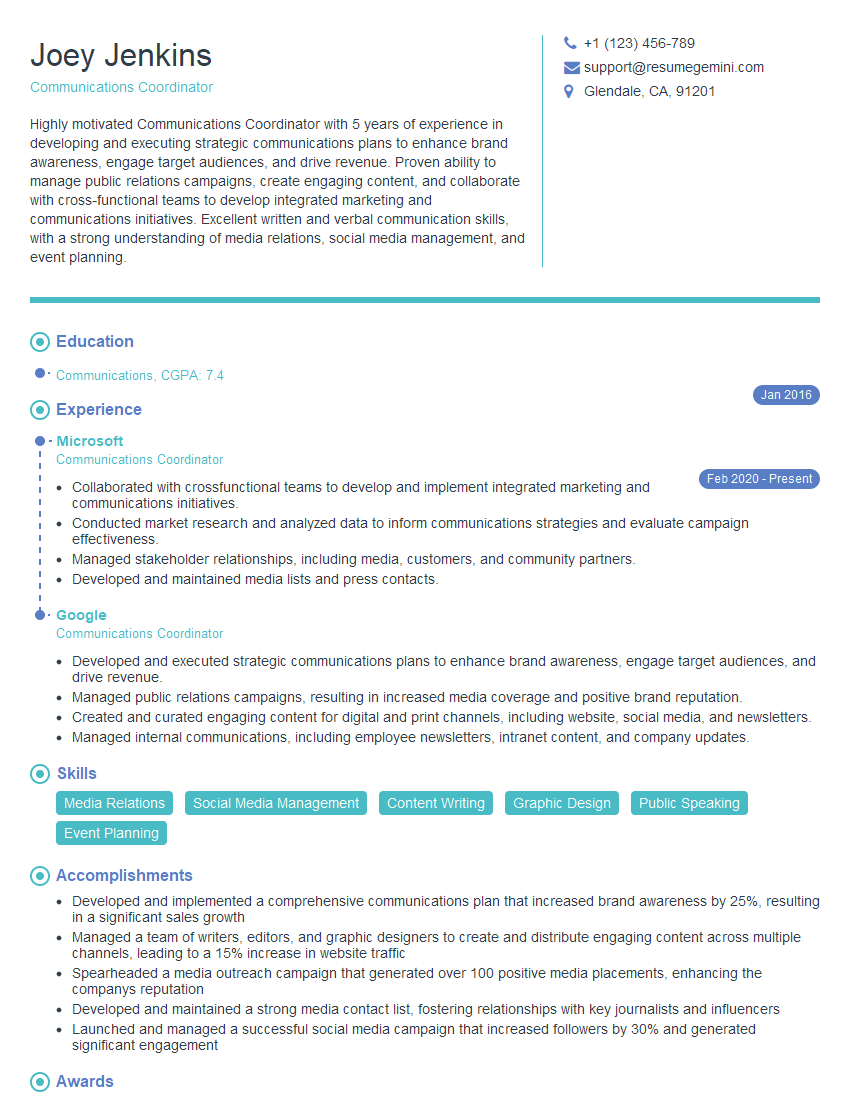
Communications Coordinator Resume Sample

Communications Director Resume Sample

Marketing Communications Manager Resume Sample
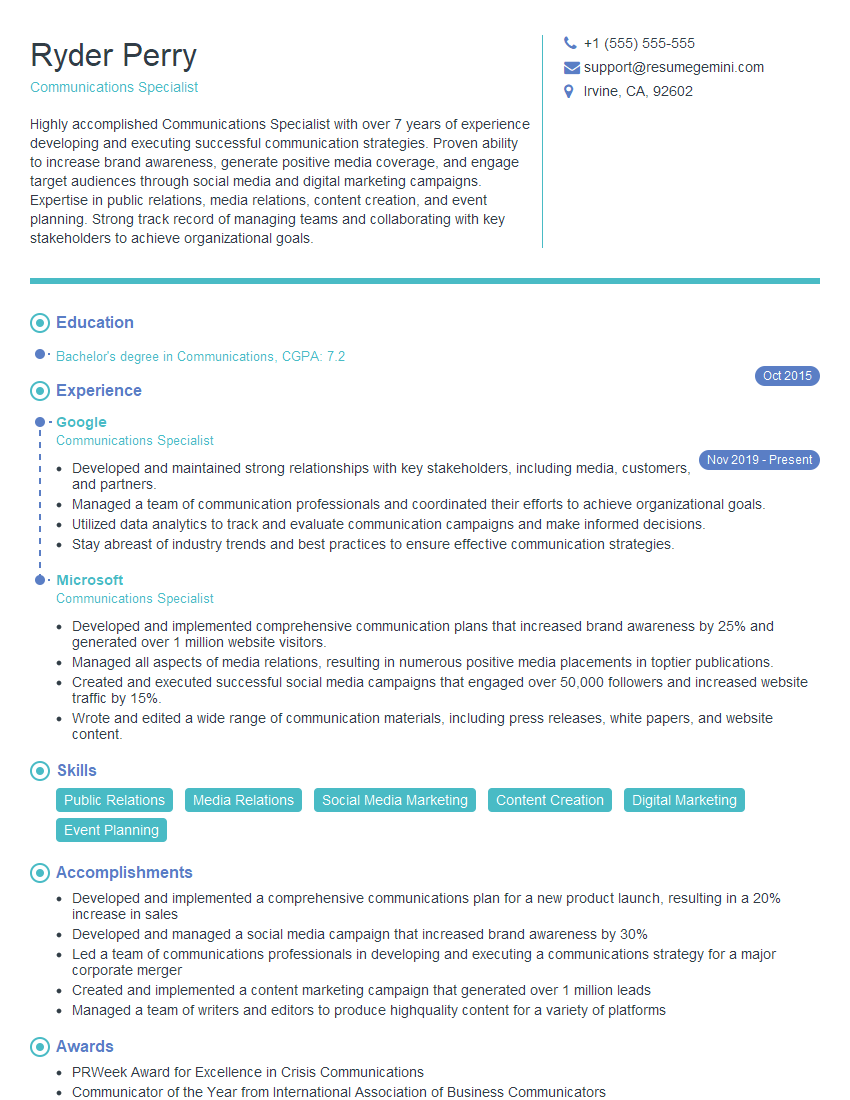
Communications Specialist Resume Sample

Social Media Manager Resume Sample

Communications Consultant Resume Sample
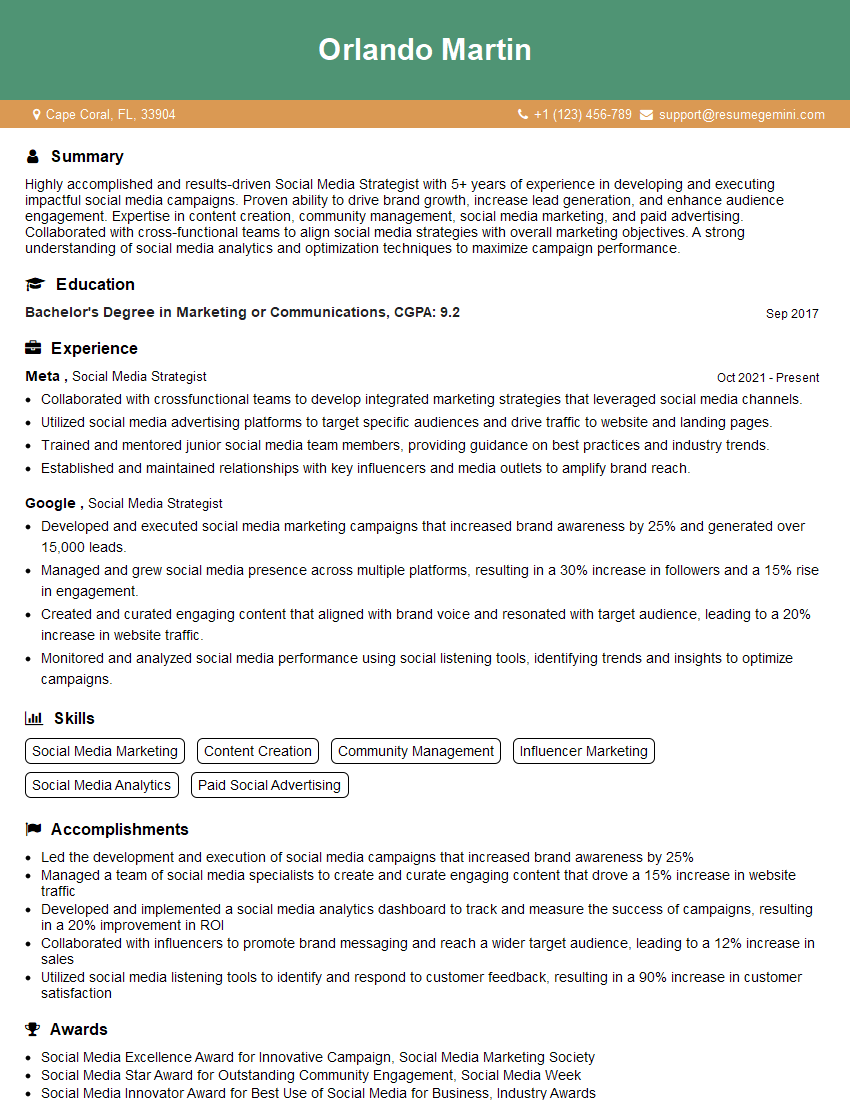
Social Media Strategist Resume Sample

Content Strategist Resume Sample
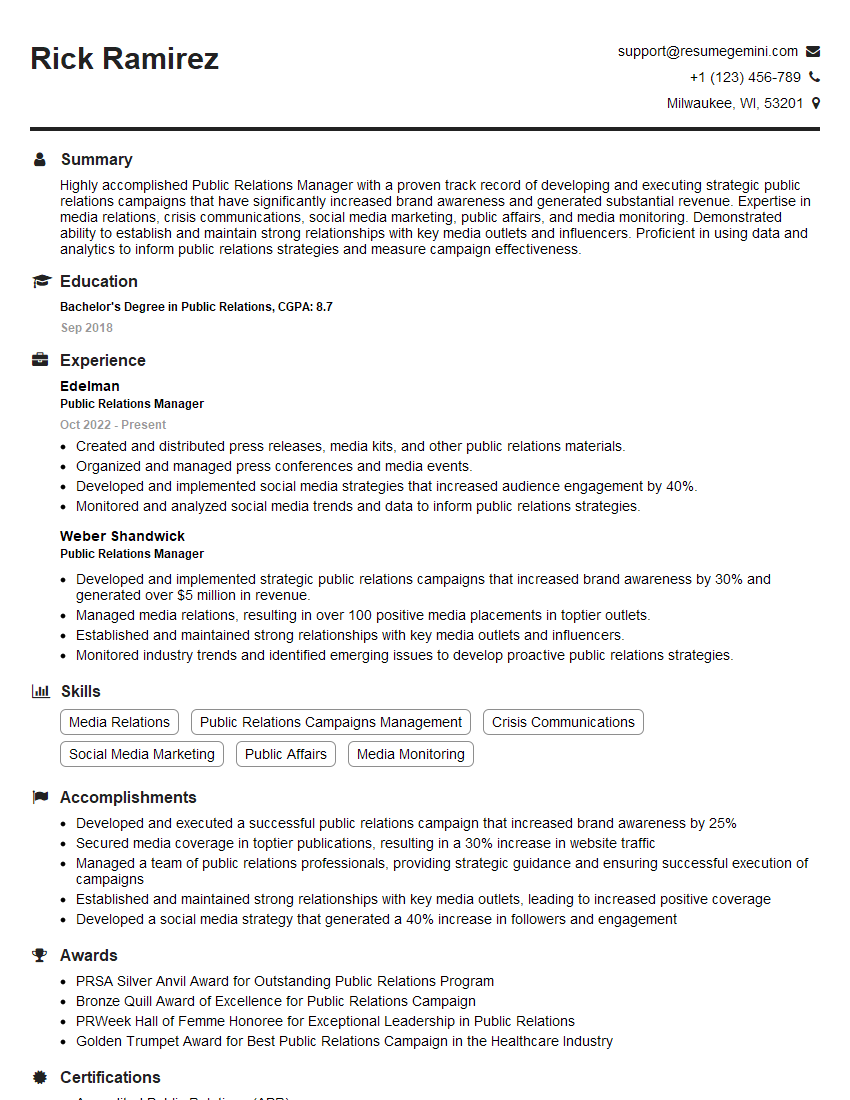
Public Relations Manager Resume Sample
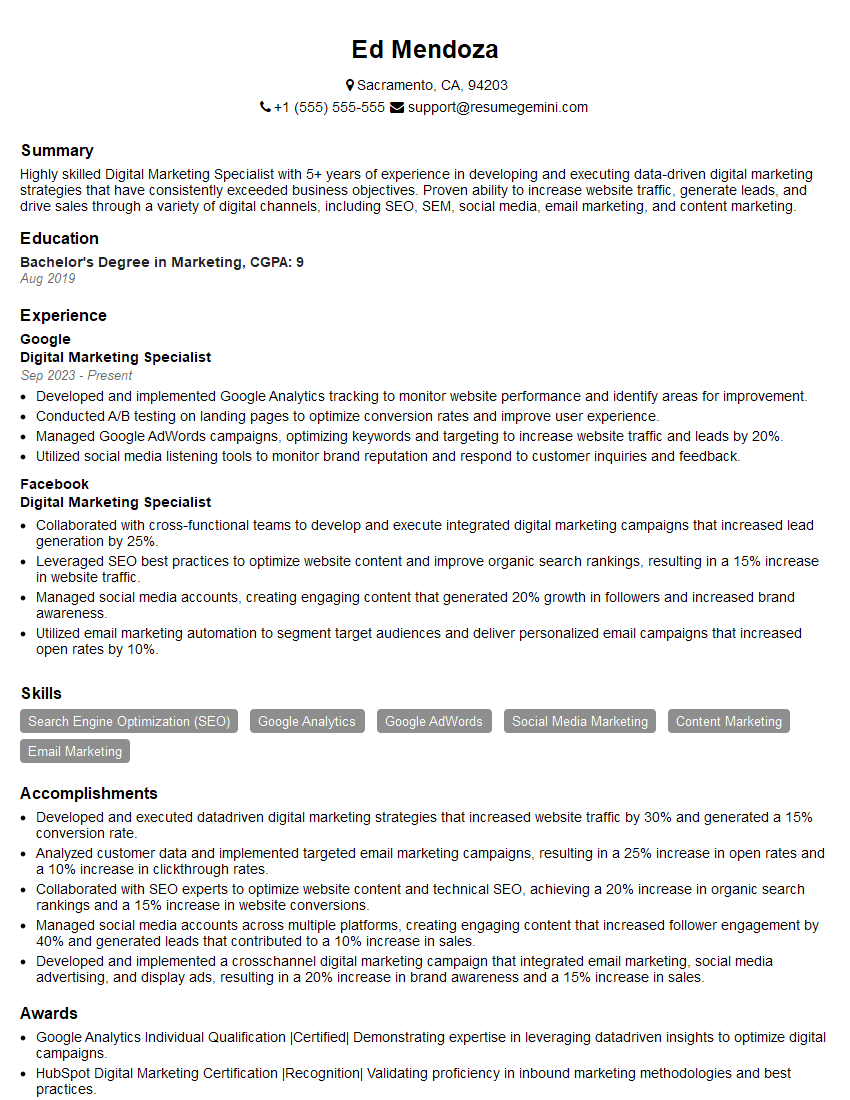
Digital Marketing Specialist Resume Sample
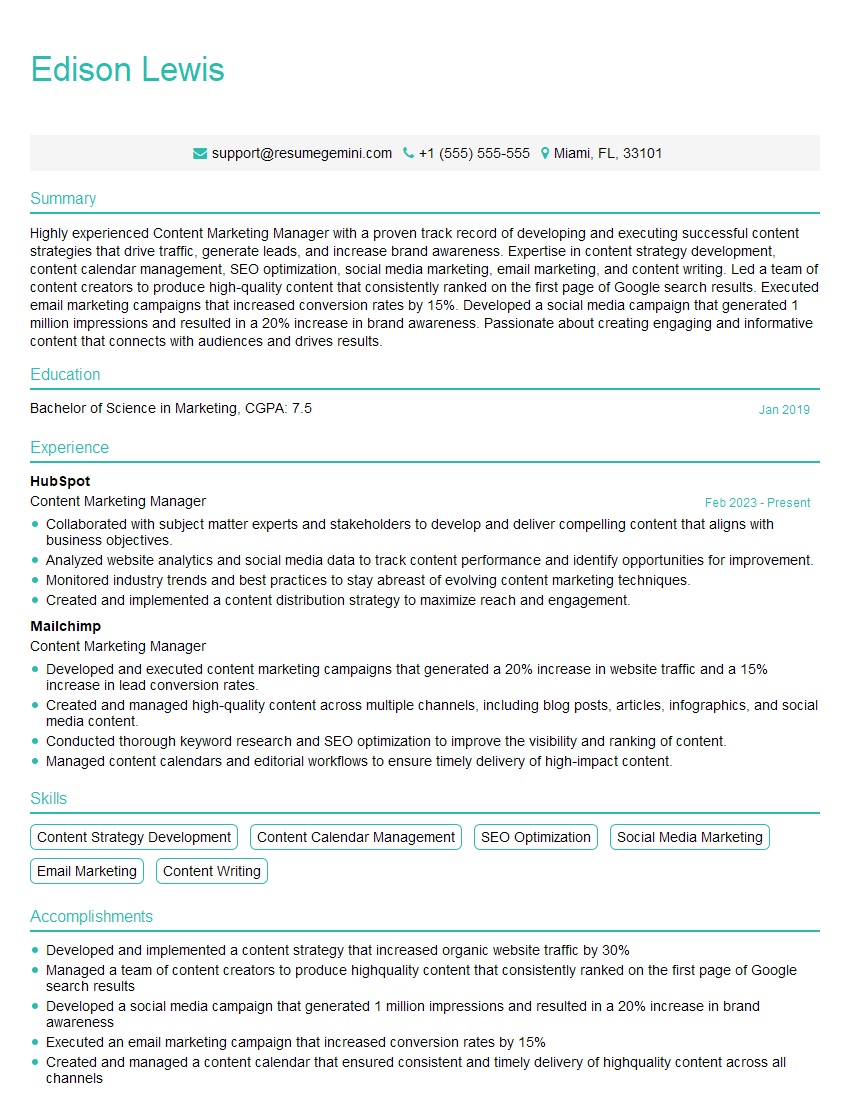
Content Marketing Manager Resume Sample
Explore more articles
Users Rating of Our Blogs
Share Your Experience
We value your feedback! Please rate our content and share your thoughts (optional).
What Readers Say About Our Blog
Very informative content, great job.
good