Are you ready to stand out in your next interview? Understanding and preparing for Certificate of Authorization (COA) interview questions is a game-changer. In this blog, we’ve compiled key questions and expert advice to help you showcase your skills with confidence and precision. Let’s get started on your journey to acing the interview.
Questions Asked in Certificate of Authorization (COA) Interview
Q 1. Explain the importance of a Certificate of Authorization (COA).
A Certificate of Authorization (COA) is a crucial document that verifies a company’s legal right to conduct specific business activities, often within a regulated industry. Think of it as a license to operate. Without it, a company may face severe legal consequences, including fines, suspension of operations, or even criminal charges. Its importance stems from protecting the public interest, ensuring accountability, and maintaining the integrity of the industry it governs. For example, a construction company might need a COA to prove it’s legally allowed to undertake large-scale projects, demonstrating its adherence to safety regulations and professional standards.
Q 2. Describe the process of obtaining a COA.
Obtaining a COA typically involves a multi-step process. First, you must thoroughly research the specific requirements and regulations of the relevant authorizing body (this varies greatly depending on the industry and location). This often includes reviewing application forms, gathering necessary documentation, and potentially attending informational sessions. The application process usually involves submitting a detailed application form, providing proof of financial stability, demonstrating sufficient experience and qualifications of personnel, detailing project plans (if applicable), and potentially undergoing an on-site inspection. Once the application is submitted, it’s reviewed, and the authorizing body may request additional information or clarification. After a successful review, the COA is issued and usually has a specific expiration date, requiring renewal.
Q 3. What are the key components of a COA application?
A COA application typically includes several key components: a completed application form, proof of business registration and legal structure, detailed information about the company’s ownership and management, demonstration of financial stability (e.g., financial statements), evidence of sufficient experience and qualifications of personnel involved in the regulated activity, detailed project proposals (if applicable), compliance with all relevant safety regulations and industry standards, and potentially background checks on key personnel. The exact requirements will, however, vary depending on the regulatory body and the specific nature of the business activity.
Q 4. What are the common reasons for COA denials or revocations?
COA denials or revocations can occur for various reasons, most commonly related to incomplete or inaccurate application information, failure to meet the required qualifications or experience, non-compliance with regulations or industry standards, financial instability, lack of necessary insurance coverage, past misconduct or legal issues, or failure to maintain appropriate safety standards. For example, a company might have its COA revoked if it repeatedly fails safety inspections or engages in unethical business practices. These actions represent a significant risk to public safety and erode the trust placed in the certification process.
Q 5. How does a COA impact a company’s operations?
A COA significantly impacts a company’s operations. Firstly, it’s essential for legal operation, allowing the company to legally conduct its business activities. Secondly, it enhances credibility and builds trust with clients and stakeholders. A COA demonstrates that the company adheres to industry standards and has met specific regulatory requirements, fostering confidence in its services. Thirdly, it may be a prerequisite for bidding on contracts or securing funding. Lastly, lacking a COA can lead to substantial financial losses, damage to reputation, and legal repercussions. In short, a COA is not just a document; it’s a critical element for successful business operations in regulated industries.
Q 6. What are the responsibilities of a COA holder?
A COA holder has several key responsibilities. These include maintaining compliance with all regulations and standards stipulated by the authorizing body, reporting any significant changes to the company’s structure, ownership, or operations, maintaining accurate records and documentation related to its operations, undergoing periodic inspections or audits, and promptly addressing any identified non-compliances. Failure to uphold these responsibilities can lead to sanctions, including suspension or revocation of the COA. Imagine it as a continuous commitment to upholding the standards that earned the certification in the first place.
Q 7. Explain the differences between various types of COAs (if applicable to the specific industry).
The existence of different types of COAs depends heavily on the specific industry. For example, in the construction industry, you might have COAs for general contracting, specialized trades (electrical, plumbing), or specific types of projects (e.g., high-rise buildings). Each COA might have different requirements and limitations, reflecting the specific skills and risks involved. Similarly, in the healthcare sector, COAs may differentiate between various types of healthcare providers or specialized medical practices. It is essential to identify the correct type of COA needed, as applying for an inappropriate one will result in rejection. Always check with the relevant authorizing body for specific details regarding COA types and requirements.
Q 8. How do you ensure compliance with COA regulations?
Ensuring COA compliance is a multi-faceted process that begins with a thorough understanding of the specific regulations governing the Certificate of Authorization. This understanding extends beyond simply reading the document; it requires internalizing the principles and applying them consistently across all relevant operations.
- Regular Internal Audits: We conduct regular internal audits, comparing our practices against the COA requirements. This involves reviewing documentation, observing processes, and interviewing personnel. Any discrepancies are documented and addressed immediately.
- Training and Education: All personnel involved in activities covered by the COA receive comprehensive training on the relevant regulations and best practices. This ensures everyone understands their roles and responsibilities in maintaining compliance.
- Process Documentation and Control: We maintain meticulously detailed documentation of all processes related to the COA. This helps us track progress, identify potential risks, and demonstrate compliance to auditors.
- System Security Plan (SSP) Adherence: The SSP, a key component of many COA applications, dictates the security controls implemented. Strict adherence to the SSP is crucial for ongoing compliance.
- Continuous Monitoring and Improvement: Compliance isn’t a one-time event; it’s an ongoing process. We continuously monitor our systems and procedures, looking for areas for improvement and proactively addressing emerging threats. This includes regular vulnerability assessments and penetration testing.
For example, in one organization I worked with, we discovered a gap in our logging system during an internal audit. This was immediately rectified, and retraining on proper logging procedures was implemented for all staff.
Q 9. Describe your experience with COA audits.
I have extensive experience with COA audits, both internal and external. I’ve participated in numerous audits, acting in various roles – from preparing documentation and conducting internal audits to collaborating with external auditors during their assessment.
- Preparing for Audits: This involves gathering all relevant documentation, ensuring our processes are well-documented, and conducting pre-audit self-assessments to identify and rectify any potential issues before the auditor’s arrival.
- Responding to Auditor Requests: During the audit, I work closely with the auditor(s), providing them with the necessary information and addressing their questions promptly and comprehensively.
- Addressing Findings: If any non-compliance issues are identified, I work with the relevant teams to develop and implement corrective actions. This includes creating remediation plans, tracking progress, and reporting back to the auditor.
- Post-Audit Review: After the audit, I review the findings and ensure that all identified issues have been resolved effectively. I also use the audit findings as an opportunity to identify areas for process improvement.
One particularly memorable audit involved a critical finding related to access control. By working closely with the IT department, we were able to implement multi-factor authentication across all critical systems within a remarkably short timeframe, demonstrating our commitment to compliance.
Q 10. How do you handle discrepancies or non-compliance issues related to a COA?
Handling discrepancies or non-compliance issues requires a systematic and proactive approach. It’s not just about fixing the immediate problem; it’s about understanding the root cause and preventing recurrence.
- Identify and Document: First, we clearly identify and document the discrepancy or non-compliance issue, noting its severity and potential impact.
- Root Cause Analysis: We conduct a thorough root cause analysis to understand why the non-compliance occurred. This may involve interviewing staff, reviewing logs, and examining processes.
- Corrective Action Plan: Based on the root cause analysis, we develop a detailed corrective action plan, outlining the steps required to rectify the issue and prevent its recurrence. This plan includes timelines and responsibilities.
- Implementation and Verification: We implement the corrective action plan and rigorously verify that the issue has been resolved effectively. This often involves follow-up audits or monitoring.
- Reporting and Documentation: We document all actions taken, including the root cause analysis, corrective actions, and verification results. This information is crucial for demonstrating compliance and for future audits.
Think of it like a medical diagnosis: you need to pinpoint the problem (the discrepancy), understand its cause (root cause analysis), and then implement the appropriate treatment (corrective action) to ensure a complete cure (compliance) and prevent future occurrences.
Q 11. What are the key performance indicators (KPIs) for COA compliance?
Key Performance Indicators (KPIs) for COA compliance focus on measuring the effectiveness of our compliance program and identifying areas for improvement. Some crucial KPIs include:
- Number of Non-Compliance Issues Identified: Tracking the number of discrepancies found during internal audits and external audits helps assess the effectiveness of our program and pinpoint recurring problems.
- Time to Remediation: Measuring the time taken to address non-compliance issues helps identify areas where improvements are needed in response time and efficiency.
- Percentage of Compliance Requirements Met: This metric provides a high-level overview of our overall compliance status.
- Employee Training Completion Rate: Ensuring that all relevant personnel receive adequate training is essential for compliance. This KPI measures the effectiveness of our training programs.
- Audit Score/Rating: The scores or ratings received during external audits offer a valuable benchmark against industry standards and best practices.
By regularly monitoring these KPIs, we can identify trends, measure the success of implemented improvements, and make data-driven decisions to strengthen our compliance program.
Q 12. How do you stay updated on changes in COA regulations?
Staying updated on changes in COA regulations is paramount for maintaining compliance. My approach is multi-pronged:
- Subscription to Regulatory Updates: I subscribe to newsletters and alerts from relevant regulatory bodies. This ensures I receive timely notifications of any changes or updates.
- Professional Development: I actively participate in professional development activities, such as attending conferences, webinars, and training courses, focused on COA compliance and relevant security standards.
- Networking with Peers: I maintain a professional network with other compliance professionals, exchanging information and best practices.
- Review of Industry Publications: I regularly review industry publications and journals to stay abreast of emerging trends and best practices.
- Monitoring Government Websites: Regularly checking the websites of relevant government agencies provides direct access to official updates and announcements.
This continuous learning process ensures I’m always equipped with the most up-to-date information to guide our compliance efforts. Staying informed is not just a professional obligation; it’s a crucial element of effectively safeguarding the organization.
Q 13. Explain the relationship between a COA and other relevant security clearances or certifications.
The relationship between a COA and other security clearances or certifications is often intertwined. A COA, which grants authorization to operate specific systems or handle sensitive information, frequently complements or requires other certifications or clearances. The specific relationship depends on the nature of the activities authorized and the sensitivity of the data involved.
- Security Clearances (e.g., government clearances): A COA might require personnel handling sensitive data under its authorization to possess the necessary security clearances. This ensures that only appropriately vetted individuals access controlled information.
- Information Security Certifications (e.g., ISO 27001): A COA often necessitates adherence to specific information security standards and frameworks. Certifications like ISO 27001 demonstrate compliance with these standards, bolstering the organization’s COA application and ongoing compliance.
- System-Specific Certifications (e.g., PCI DSS for payment card data): Depending on the systems and data involved, specific certifications might be prerequisites for obtaining or maintaining a COA. For example, processing payment card information would necessitate PCI DSS compliance.
It’s crucial to view these different certifications and clearances not as separate entities, but as interlocking components of a comprehensive security posture. They work together to establish and maintain a secure environment, supporting the authorization granted by the COA.
Q 14. Describe your experience with risk assessment and mitigation related to COA compliance.
Risk assessment and mitigation are fundamental to COA compliance. A robust risk management framework is crucial in identifying potential threats and vulnerabilities that could compromise the security of authorized systems and data, thereby jeopardizing COA compliance.
- Identify Assets and Threats: We begin by identifying all assets covered by the COA and potential threats to those assets. This includes hardware, software, data, and personnel.
- Analyze Vulnerabilities: Next, we analyze vulnerabilities in our systems and procedures that could be exploited by these threats. This involves regular vulnerability scanning, penetration testing, and security audits.
- Assess Risks: We assess the likelihood and potential impact of each identified risk. This helps prioritize mitigation efforts, focusing on the most critical risks first.
- Develop Mitigation Strategies: Based on the risk assessment, we develop and implement mitigation strategies to reduce the likelihood or impact of identified risks. This might include implementing security controls, strengthening access controls, or updating systems.
- Monitor and Review: Finally, we continuously monitor the effectiveness of our mitigation strategies and regularly review our risk assessment process. This ensures that our security posture remains aligned with evolving threats and best practices.
For instance, a risk assessment might reveal a vulnerability in our network infrastructure. A mitigation strategy could involve implementing a firewall, intrusion detection system, and regular security patching, reducing the likelihood of a successful attack and maintaining COA compliance.
Q 15. How do you communicate COA requirements to employees?
Communicating COA requirements effectively involves a multi-pronged approach. It’s not just about sending out a memo; it’s about ensuring understanding and buy-in. I begin by tailoring the communication to the audience. For example, a technical team needs a more detailed explanation of the technical aspects, while a sales team needs to understand how COA impacts their client interactions.
- Clear and Concise Language: I use plain language, avoiding jargon. I provide real-world examples relevant to their roles.
- Multiple Communication Channels: I utilize a combination of methods, including emails, intranet postings, training sessions, and one-on-one meetings, to ensure the message reaches everyone.
- Interactive Sessions: Q&A sessions are crucial. This allows for clarification of any doubts and reinforces understanding. I might use quizzes or interactive exercises to assess comprehension.
- Regular Updates: COA requirements can change. I establish a system for regularly updating employees on any modifications or new requirements.
For instance, when we implemented a new COA system, I organized a series of workshops, created short explainer videos, and added FAQs to our intranet to address potential questions proactively.
Career Expert Tips:
- Ace those interviews! Prepare effectively by reviewing the Top 50 Most Common Interview Questions on ResumeGemini.
- Navigate your job search with confidence! Explore a wide range of Career Tips on ResumeGemini. Learn about common challenges and recommendations to overcome them.
- Craft the perfect resume! Master the Art of Resume Writing with ResumeGemini’s guide. Showcase your unique qualifications and achievements effectively.
- Don’t miss out on holiday savings! Build your dream resume with ResumeGemini’s ATS optimized templates.
Q 16. What is your approach to training employees on COA compliance?
Training on COA compliance is an ongoing process, not a one-time event. My approach is built on a framework of understanding, application, and reinforcement.
- Needs Assessment: I first assess the existing knowledge and skills gap regarding COA compliance among employees. This helps tailor the training appropriately.
- Modular Training: I break down the training into manageable modules, focusing on specific aspects of COA compliance. This allows for targeted learning and avoids information overload.
- Scenario-Based Learning: We use realistic scenarios and case studies to illustrate how COA requirements apply in different situations. This enhances understanding and retention.
- Regular Refresher Training: To ensure ongoing compliance, refresher training is crucial, especially when updates or changes occur.
- Practical Exercises & Assessments: I incorporate practical exercises, quizzes, and assessments to test understanding and identify any knowledge gaps.
For example, we had a case where a new software implementation changed how we handled COA documentation. We developed a dedicated training module focused on the new processes and workflows, including hands-on tutorials to ensure smooth transitions.
Q 17. How do you document COA compliance activities?
Comprehensive documentation is vital for demonstrating COA compliance. We utilize a multi-faceted approach to ensure a clear audit trail.
- Centralized Repository: We maintain a centralized, secure repository for all COA-related documents. This ensures easy access and efficient tracking.
- Version Control: We use version control systems to track changes made to COA documents and maintain a history of modifications.
- Audit Logs: Detailed audit logs track all actions related to COA, including document access, updates, and approvals.
- Training Records: Records of all employee training on COA compliance are meticulously maintained.
- Compliance Checklist: A comprehensive checklist is used to track completion of all COA-related tasks and requirements. This checklist serves as a compliance control.
We maintain our documentation in a secured network drive, with access controlled by roles and permissions. This enhances security and accountability.
Q 18. How do you manage and track COA-related documentation?
We use a combination of digital tools and processes to efficiently manage and track COA documentation.
- Document Management System (DMS): A DMS is essential for organizing, storing, and retrieving documents securely. The system should offer features such as version control, access permissions, and audit trails.
- Metadata Tagging: We use metadata tagging to categorize and search documents efficiently. This enables quick retrieval of relevant information.
- Regular Audits: Regular audits are conducted to ensure that all COA documentation is accurate, up-to-date, and readily accessible.
- Automated Reminders: Automated systems can be implemented to send reminders for upcoming COA renewals or other compliance tasks.
For example, we utilize a cloud-based DMS that integrates with our HR and compliance systems, allowing for streamlined data flow and automated reporting.
Q 19. Describe a situation where you had to resolve a COA compliance issue.
In one instance, we discovered a discrepancy in the COA documentation for a specific project. A crucial form was missing an essential signature, potentially jeopardizing our compliance.
- Immediate Investigation: We launched an immediate investigation to determine the cause of the error.
- Root Cause Analysis: The root cause was identified as a failure in the workflow process – inadequate communication between the project team and the legal department.
- Corrective Action: We rectified the error by obtaining the missing signature. We also revised our workflow process to include stricter checkpoints and improved communication protocols.
- Preventive Measures: We implemented additional training for the project team on COA compliance procedures and developed a more robust system for tracking document approvals.
This incident highlighted the importance of thorough process monitoring and proactive risk management in ensuring ongoing COA compliance.
Q 20. How do you ensure the confidentiality, integrity, and availability of COA-related information?
Ensuring the CIA triad – Confidentiality, Integrity, and Availability – of COA information is paramount. We employ a layered security approach:
- Access Control: We implement strict access controls, restricting access to COA-related information based on the principle of least privilege. Only authorized personnel have access.
- Encryption: Sensitive COA data is encrypted both in transit and at rest to protect against unauthorized access.
- Data Backup and Recovery: We maintain regular backups of all COA-related data, ensuring business continuity in case of data loss or system failure.
- Regular Security Audits: We conduct regular security audits and vulnerability assessments to identify and mitigate potential security risks.
- Employee Training: Employees receive regular training on data security best practices and their responsibilities in protecting sensitive COA information.
We utilize multi-factor authentication for all access points and regularly review and update our security policies to reflect the latest best practices.
Q 21. What are the potential legal and financial implications of COA non-compliance?
Non-compliance with COA requirements can have serious legal and financial ramifications.
- Legal Penalties: Depending on the jurisdiction and the nature of the non-compliance, organizations can face hefty fines, legal actions, and reputational damage. This could involve sanctions or even criminal charges.
- Contractual Disputes: Non-compliance can lead to contractual disputes with clients or partners, resulting in financial losses or legal battles.
- Loss of Business: In some cases, non-compliance can lead to the loss of contracts, licenses, or permits, significantly impacting the organization’s revenue stream.
- Insurance Issues: Insurance companies may refuse to provide coverage or may increase premiums for organizations with a history of COA non-compliance.
The potential consequences emphasize the critical need for a proactive and robust COA compliance program that effectively prevents and mitigates risks.
Q 22. How do you prioritize COA compliance tasks?
Prioritizing COA compliance tasks requires a risk-based approach. We start by identifying the highest-risk areas within the organization, considering factors like the potential impact of non-compliance, the likelihood of a violation, and the regulatory scrutiny associated with particular processes.
- High-priority tasks typically involve areas with significant regulatory requirements, high financial impact, or a history of past issues. This could include, for instance, ensuring accurate record-keeping of sensitive customer data, or maintaining robust controls around financial transactions.
- Medium-priority tasks might focus on less critical but still important areas, such as employee training or internal audits of specific departments. Examples could include annual security awareness training or quarterly reviews of data backup procedures.
- Low-priority tasks often involve administrative or procedural aspects of compliance with minimal risk. This could be tasks like updating a compliance matrix or internal communication related to changes in legislation that is not directly impactful to current processes.
This prioritization ensures that resources are allocated efficiently, addressing the most critical issues first. We regularly review and adjust priorities based on changes in the regulatory landscape, business operations, and risk assessments.
Q 23. How do you work with external auditors during a COA audit?
Working with external auditors during a COA audit requires clear communication and thorough preparation. We provide full transparency by proactively sharing relevant documentation, policies, procedures, and supporting evidence. This could include audit trails, authorization matrices, and training records.
Throughout the audit, we maintain open communication channels with the auditors, addressing their queries promptly and professionally. We treat the audit as a collaborative process, rather than an adversarial one. We strive for a clear understanding of the auditors’ expectations, and we provide them with full access to the necessary personnel and information. If discrepancies or gaps are identified, we work collaboratively with the auditors to develop corrective actions.
Following the audit, we carefully review their findings and recommendations. We implement any necessary corrective actions to address any identified deficiencies, and we use their feedback to enhance our COA compliance program. The experience often helps us identify potential improvements and strengthen our internal controls.
Q 24. Explain your understanding of the relevant legal framework governing COAs.
The legal framework governing COAs is multifaceted and varies depending on the jurisdiction and the specific industry. However, several common principles apply. It often involves statutes, regulations, and industry-specific guidelines that dictate the requirements for obtaining and maintaining a COA. These regulations often focus on ensuring that organizations meet specific criteria in terms of security, competence, and adherence to ethical standards. This might involve regulations relating to data protection, financial reporting, or environmental protection depending on the sector.
For instance, in the financial industry, we might see regulations like the Sarbanes-Oxley Act (SOX) influencing the design and implementation of COA procedures, demanding strong internal controls and audit trails. In healthcare, HIPAA compliance might be the primary driver of the COA program, with a focus on patient data privacy and security. A thorough understanding of these governing rules and regulations is crucial for effective COA compliance.
Q 25. Describe your experience with developing and implementing COA-related policies and procedures.
My experience in developing and implementing COA-related policies and procedures involves a structured approach. It begins with a comprehensive risk assessment to identify potential vulnerabilities and compliance gaps. Then, we develop policies and procedures that address these risks, aligning with relevant legal and regulatory frameworks.
For example, we might create a detailed policy outlining the process for granting and revoking access to sensitive systems or data, which includes multiple layers of authorization and rigorous audit logging. We also establish clear procedures for handling security incidents, including protocols for reporting, investigating, and remediating vulnerabilities.
Once developed, policies and procedures are communicated effectively to all relevant personnel, who undergo training to ensure they understand their responsibilities and how to apply the policies in practice. Regular reviews and updates are critical, ensuring that the policies remain current and relevant to evolving business processes and regulatory changes.
Q 26. How do you measure the effectiveness of your COA compliance program?
Measuring the effectiveness of a COA compliance program involves both qualitative and quantitative methods. Quantitatively, we can track key metrics, such as the number of security incidents, the frequency of audits and compliance reviews, and the number of non-compliance issues identified and resolved. A reduction in these metrics can indicate an improvement in the program’s effectiveness.
Qualitatively, we conduct regular assessments of our processes, including employee surveys, management reviews, and internal audits. These assessments help evaluate the effectiveness of our training programs, communication strategies, and our risk management protocols. We might use questionnaires or interviews to evaluate employee understanding of policies and procedures, as well as their comfort in reporting potential compliance concerns. The goal is to build a holistic view of compliance maturity.
Q 27. What are some common challenges faced in maintaining COA compliance?
Maintaining COA compliance presents several challenges. One common challenge is keeping up with the ever-evolving regulatory landscape. Regulations are constantly updated, necessitating continuous monitoring and adaptation of policies and procedures. Another is managing the complexity of compliance across different departments and business units. Maintaining consistency and adherence to standards throughout the organization can be demanding.
Resource constraints, both financial and human, can also impede effective compliance. Budget limitations might restrict the implementation of new security technologies or the hiring of additional compliance personnel. Finally, maintaining effective employee engagement and promoting a culture of compliance is crucial but can be challenging. Employees need proper training and clear expectations to actively participate in maintaining compliance.
Q 28. How do you handle conflicts between different regulatory requirements related to COAs?
When conflicts arise between different regulatory requirements related to COAs, a hierarchical approach is often necessary. We first identify the applicable regulations and determine which takes precedence. This might involve referencing legislation to establish order of priority, or consulting with legal counsel to interpret ambiguous points.
If a conflict cannot be resolved through this approach, a risk-based assessment is crucial. We analyze the potential consequences of non-compliance with each requirement, weighing the potential risks and benefits of each option. This enables us to prioritize compliance with the most critical requirements first and to develop mitigation strategies to manage the risks associated with potentially conflicting regulations.
Transparency with relevant stakeholders is also key. Open communication with regulatory bodies or other relevant parties can be vital in resolving conflicts and securing clarity around compliance expectations.
Key Topics to Learn for Certificate of Authorization (COA) Interview
Successfully navigating a Certificate of Authorization (COA) interview requires a strong understanding of its multifaceted nature. Prepare yourself by focusing on these key areas:
- COA Regulations and Compliance: Understand the legal framework surrounding COAs, including relevant statutes, regulations, and industry best practices. This includes understanding the penalties for non-compliance.
- Application Process and Procedures: Familiarize yourself with the steps involved in obtaining and maintaining a COA, including application requirements, documentation needed, and the review process. Be prepared to discuss potential challenges and solutions within the application process.
- Risk Management and Mitigation within COA Scope: Demonstrate your understanding of identifying and mitigating risks associated with the activities covered by the COA. Consider real-world scenarios and how you would approach risk assessment and control.
- Audits and Inspections: Know the process of COA audits and inspections, including preparation, documentation requirements, and addressing potential findings. Be ready to discuss how you’d ensure compliance during these processes.
- Ethical Considerations and Professional Responsibility: Understand the ethical implications of holding a COA and the importance of maintaining professional conduct and integrity throughout your work. This includes understanding conflicts of interest and how to address them.
- Industry-Specific Knowledge: Research and understand the specific regulations and requirements related to the industry for which you are seeking a COA. This demonstrates your commitment to the field and your understanding of its unique challenges.
Next Steps
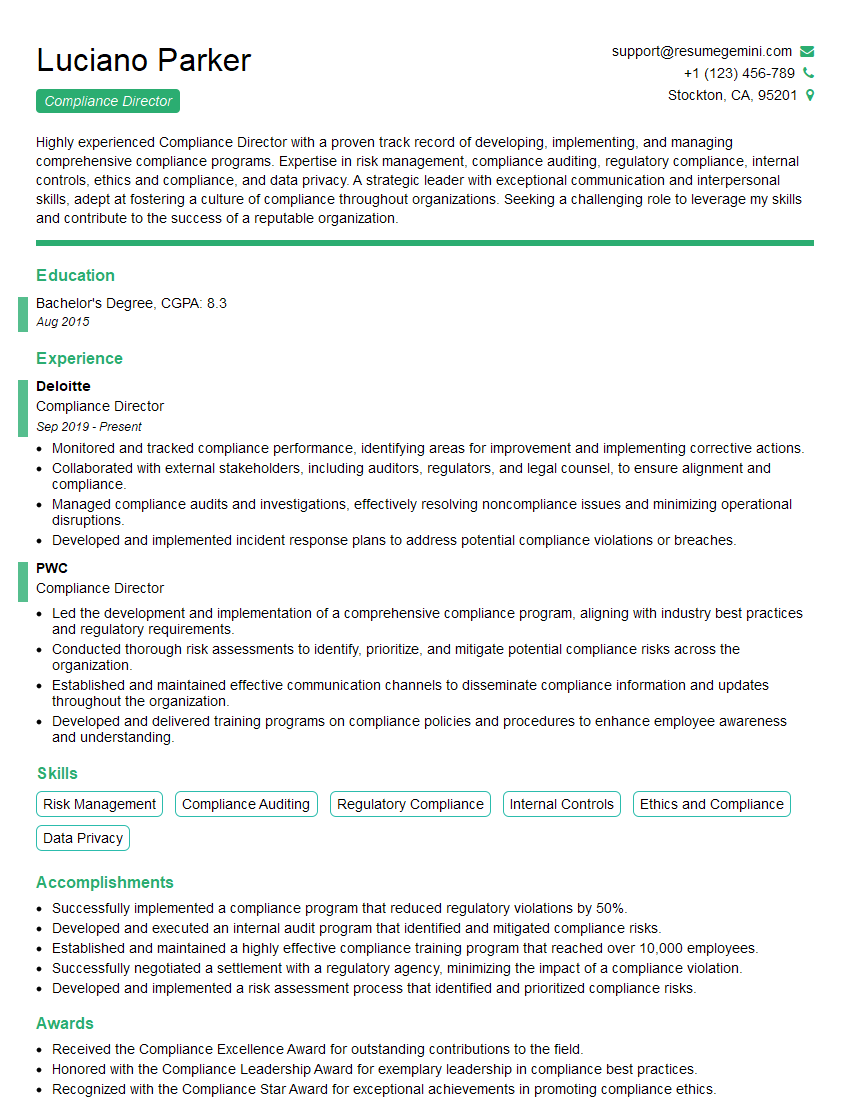
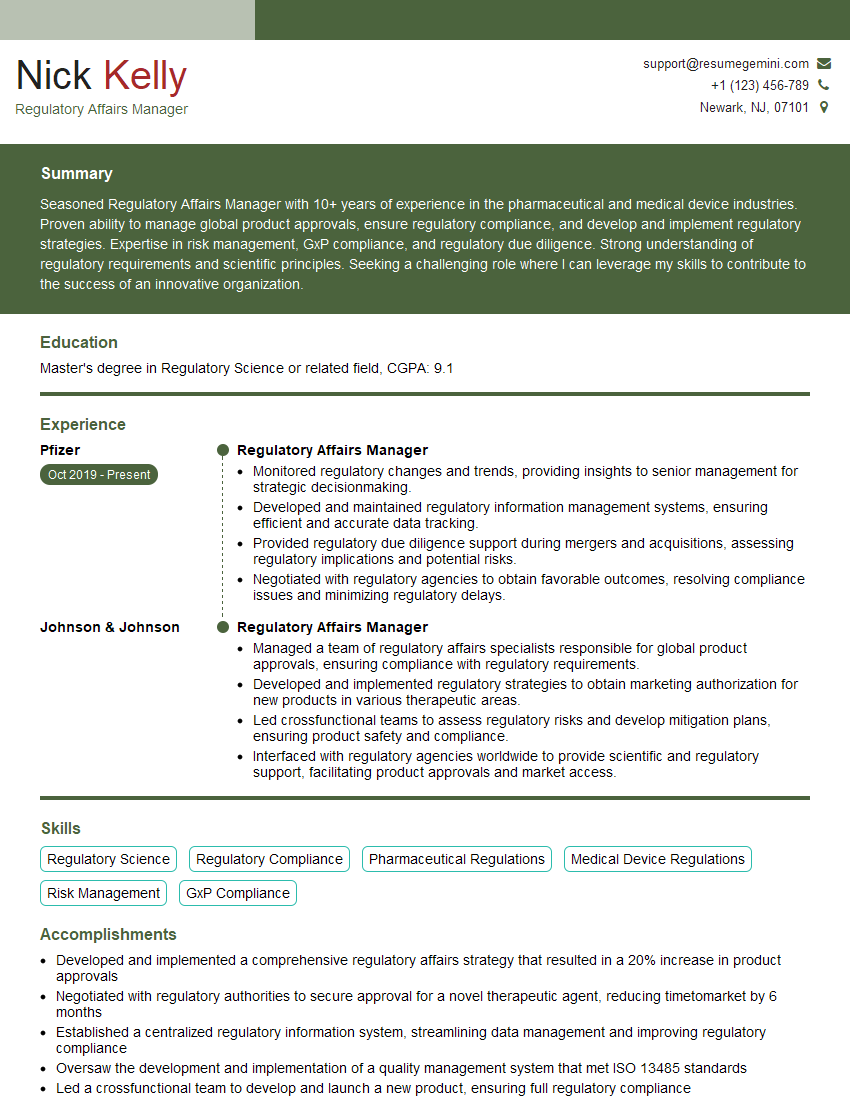
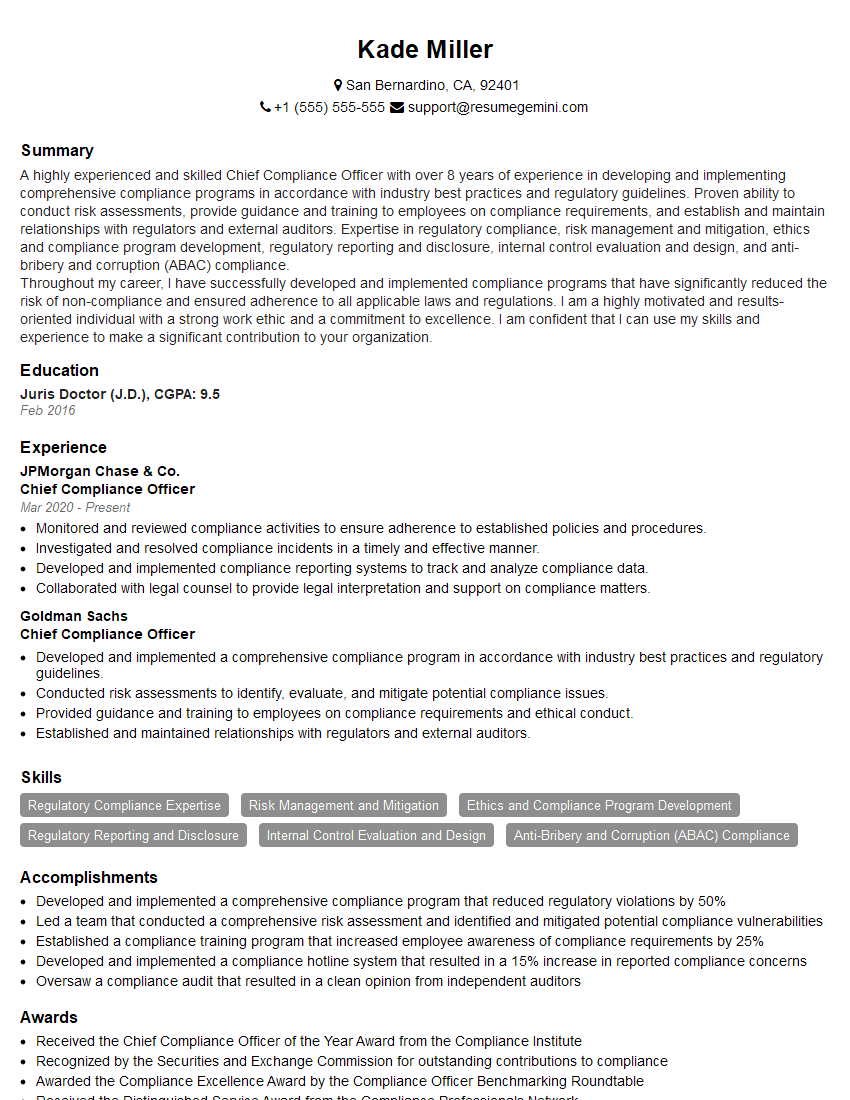
Mastering the intricacies of Certificate of Authorization (COA) is crucial for career advancement in regulated industries. A strong understanding of COA principles not only demonstrates your competency but also opens doors to higher-level roles and increased responsibilities. To maximize your job prospects, it’s vital to create an ATS-friendly resume that highlights your relevant skills and experience effectively. ResumeGemini is a trusted resource that can help you build a professional and impactful resume, significantly increasing your chances of landing your dream job. Examples of resumes tailored to Certificate of Authorization (COA) roles are available to further guide your preparation.
Explore more articles
Users Rating of Our Blogs
Share Your Experience
We value your feedback! Please rate our content and share your thoughts (optional).
What Readers Say About Our Blog
Very informative content, great job.
good