Preparation is the key to success in any interview. In this post, we’ll explore crucial Blending and Mixing of Beverage Ingredients interview questions and equip you with strategies to craft impactful answers. Whether you’re a beginner or a pro, these tips will elevate your preparation.
Questions Asked in Blending and Mixing of Beverage Ingredients Interview
Q 1. Explain the process of creating a standardized recipe for a blended beverage.
Creating a standardized recipe for a blended beverage is crucial for ensuring consistent quality and taste. It’s like baking a cake – you need precise measurements for the perfect outcome. The process involves several key steps:
Ingredient Selection: This begins with identifying the core ingredients and their desired functions (e.g., flavor, texture, sweetness). We carefully consider the quality, sourcing, and cost-effectiveness of each ingredient.
Recipe Development: This stage involves experimentation and refinement. We systematically vary ingredient ratios, test different combinations, and conduct sensory evaluations (taste tests!) to optimize the final product. This often includes multiple iterations, using techniques like Design of Experiments (DOE) to efficiently explore the parameter space.
Standardization: Once the optimal recipe is determined, we convert the ingredient quantities into precise measurements – often using weight rather than volume for greater accuracy. This helps to minimize variability in the final product, regardless of who is producing it. This often involves specifying tolerances for each ingredient to account for natural variation in raw materials.
Documentation: A detailed recipe document is created, including all ingredient specifications, mixing procedures, quality control checks, and shelf-life data. This acts as a blueprint, ensuring consistent production and facilitating communication across different teams.
Validation: The standardized recipe undergoes rigorous testing in a pilot production environment to confirm its scalability and reproducibility. We monitor key quality parameters like pH, viscosity, and color to ensure the final product aligns with our specifications.
For example, in developing a fruit smoothie recipe, we might start with preliminary formulations testing different ratios of fruits, yogurt, and sweeteners. After several iterations of sensory evaluations and adjustments, we’d arrive at a final standardized recipe with specific weights and quality control measures.
Q 2. Describe your experience with different mixing techniques (e.g., high-shear, low-shear).
My experience encompasses a wide range of mixing techniques, each with unique applications in beverage production. The choice of technique depends heavily on the ingredients, desired texture, and the scale of production.
High-Shear Mixing: This technique uses high-speed impellers to create intense turbulence and rapid mixing. It’s ideal for creating emulsions (like oil-in-water mixtures) or homogenizing suspensions (think creamy smoothies). High-shear mixers are crucial for achieving fine particle size distribution and a smooth, consistent texture. I’ve used high-shear mixers extensively in creating fruit-based beverages and dairy-based drinks where creating a smooth, even texture is critical.
Low-Shear Mixing: This technique, typically employed in larger tanks, uses gentler agitation to prevent damage to delicate ingredients or to avoid excessive aeration. It’s often used for blending liquids with minimal viscosity changes, or for initial mixing steps before further processing. I’ve employed low-shear mixing in the blending of large batches of juice concentrates and syrups, where gentle mixing helps to maintain the integrity of the ingredients.
Other techniques: My experience also extends to other methods like inline mixing, which is particularly effective in continuous production lines. The correct choice of mixing technique is essential for producing a high-quality and stable product.
Q 3. How do you ensure consistent quality and flavor in large-scale beverage production?
Maintaining consistent quality and flavor in large-scale beverage production requires a multi-faceted approach, encompassing rigorous quality control measures throughout the entire process. It’s like conducting an orchestra—every section needs to play in harmony.
Automated Systems: We rely heavily on automated ingredient dispensing systems and process control systems to ensure precise measurements and mixing times. This significantly reduces human error and guarantees consistency across batches.
In-Line Quality Control: Real-time monitoring of critical parameters (pH, viscosity, color, temperature) allows for immediate adjustments if deviations from the target range occur. This ensures that any inconsistencies are detected and corrected quickly before they impact the entire batch.
Regular Calibration and Maintenance: All equipment, from scales to mixers to sensors, is regularly calibrated and maintained to maintain accuracy and precision. This is vital for minimizing variability in the production process.
Sensory Evaluation: Regular taste testing and quality assessment by trained panelists provides crucial feedback to identify and address subtle flavor inconsistencies before they reach consumers.
Statistical Process Control (SPC): Employing SPC techniques helps identify trends and potential problems within the production process, allowing us to proactively make adjustments and prevent future deviations.
For instance, if we notice a slight shift in the color of our strawberry lemonade, we can use SPC to determine if it’s a random variation or a sign of a larger issue with ingredient sourcing or processing.
Q 4. What are the common challenges in blending and mixing beverage ingredients?
Blending and mixing beverage ingredients present several challenges, many stemming from the inherent properties of the ingredients themselves.
Ingredient Variability: Natural ingredients (fruits, vegetables, etc.) can exhibit significant variations in composition, moisture content, and flavor profiles depending on the season or growing conditions. This requires careful selection and pre-processing to minimize variability.
Emulsion Stability: Creating and maintaining stable emulsions (like those in creamy dairy drinks) can be challenging. Ingredients may separate over time, requiring careful selection of emulsifiers and optimal mixing conditions.
Rheological Properties: Maintaining the desired viscosity and texture can be difficult, particularly with ingredients with different thickening or thinning properties. Careful formulation and control of mixing parameters are essential to achieve the desired consistency.
Aeration: Excessive air incorporation during mixing can lead to unwanted foam formation, altering the taste and appearance of the beverage. Careful control of mixing speed and the use of defoaming agents are necessary to minimize aeration.
Scalability: Scaling up a recipe from a small batch to large-scale production often introduces new challenges, requiring careful consideration of mixing equipment, time, and temperature control.
Q 5. How do you troubleshoot flavor inconsistencies in a blended beverage?
Troubleshooting flavor inconsistencies requires a systematic approach, like solving a detective case. We need to systematically identify the root cause. Here’s a structured approach:
Identify the Problem: Define the nature and extent of the flavor inconsistency. Is it a consistent deviation across all batches, or is it sporadic? Has the flavor changed subtly or drastically?
Review Production Records: Check the batch records to pinpoint any deviations from the standardized recipe, including variations in ingredient quantities, mixing times, temperatures, and processing conditions. Any changes in the supply chain of raw materials must also be examined.
Sensory Evaluation: Conduct thorough sensory testing of the inconsistent batches to identify specific flavor attributes that deviate from the standard. Triangle tests or ranking tests can be helpful in assessing differences.
Ingredient Analysis: Test the raw materials for quality and consistency. Variations in the composition of ingredients (such as sugar content or acidity levels) could be responsible for flavor shifts.
Equipment Check: Ensure that all equipment is functioning correctly and calibrated. Malfunctioning equipment can lead to inconsistent mixing and affect the final flavor profile.
Process Optimization: Based on the identified root cause, adjust the process parameters (mixing time, temperature, order of addition, etc.) to restore the desired flavor profile.
For example, if the sweetness of a fruit juice is inconsistent, we might test the sugar content of the incoming batches of fruit concentrate or check the calibration of the sugar dispensing system.
Q 6. Describe your experience with different types of beverage stabilizers and their applications.
Beverage stabilizers are essential in maintaining the quality, texture, and shelf life of blended beverages. They’re like the supporting cast in a movie, ensuring everything runs smoothly. I’ve worked with various stabilizers, each with specific applications:
Gums (e.g., Xanthan gum, Guar gum): These hydrocolloids thicken beverages, improve mouthfeel, and help prevent sedimentation of suspended particles. I often use them in fruit smoothies or juice blends to enhance the creamy texture and prevent separation.
Pectin: Primarily used in fruit-based beverages, pectin contributes to viscosity and provides a smooth, gel-like texture. Its use often depends on the desired level of viscosity and the type of fruit used.
Carrageenan: A natural stabilizer used in dairy-based drinks and other beverages, carrageenan imparts viscosity and creates a creamy texture. I often select different types of carrageenan depending on whether the target is a high- or low- viscosity final product.
Cellulose derivatives (e.g., CMC, HPMC): These stabilizers offer viscosity control and contribute to improved emulsion stability. They’re versatile and applicable in a variety of beverage types, depending on the final texture desired.
The selection of a stabilizer depends on various factors, including the type of beverage, desired texture, and cost considerations. Understanding their properties and interactions with other ingredients is vital for successful formulation.
Q 7. How do you maintain accurate ingredient inventory and manage costs?
Accurate ingredient inventory management and cost control are critical for efficient beverage production. It’s all about balancing quality with budget.
Inventory Tracking Systems: We use sophisticated inventory management software to track ingredient levels in real-time, allowing us to anticipate needs and minimize waste. This system integrates with our production planning software for streamlined material procurement.
Just-in-Time Inventory: We utilize Just-in-Time (JIT) inventory principles to minimize storage costs and reduce the risk of ingredient spoilage. This requires close coordination with suppliers and accurate demand forecasting.
Cost Analysis: Regular cost analysis of all ingredients helps us identify potential savings through alternative sourcing, bulk purchasing, or substituting ingredients without sacrificing quality.
Waste Reduction: Implementing strategies to minimize waste throughout the production process (e.g., proper cleaning procedures, optimized ingredient utilization) directly impacts the bottom line.
Supplier Relationships: Building strong relationships with reliable suppliers ensures consistent ingredient quality and competitive pricing, contributing to overall cost optimization.
For example, by negotiating better pricing with our fruit concentrate supplier, or by optimizing our production schedule to reduce overtime costs, we can significantly impact the overall cost of our beverage production.
Q 8. Explain your understanding of sensory evaluation methods for beverage quality control.
Sensory evaluation is crucial for ensuring the quality and consistency of beverages. It involves using human senses – sight, smell, taste, and touch – to assess various attributes of a product. We employ several methods, including:
- Descriptive analysis: A trained panel describes the sensory characteristics (e.g., sweetness, bitterness, aroma intensity) using a standardized vocabulary. This helps create a detailed sensory profile.
- Difference testing: This determines if perceptible differences exist between two or more samples. Common methods include paired comparison (choosing which sample is sweeter) and triangle testing (identifying the odd sample out of three).
- Affective testing: This assesses consumer preferences and acceptance. Participants rate samples on hedonic scales (e.g., liking scores) to gauge overall appeal.
For example, in developing a new fruit juice blend, descriptive analysis helps us define the optimal balance of sweetness and tartness, while affective testing ensures consumers find it palatable. Difference testing ensures that changes to the recipe don’t lead to noticeable deviations in flavor.
Q 9. How do you ensure the safety and hygiene standards are met during the blending process?
Maintaining safety and hygiene is paramount. We adhere to strict Good Manufacturing Practices (GMPs) and Hazard Analysis and Critical Control Points (HACCP) principles. This includes:
- Sanitation of equipment: All blending equipment, tanks, pipes, and utensils are thoroughly cleaned and sanitized using food-grade detergents and sanitizers before and after each use.
- Ingredient handling: Ingredients are stored properly to prevent contamination. We implement FIFO (First-In, First-Out) inventory management to minimize spoilage. Raw materials undergo rigorous quality checks upon arrival.
- Personnel hygiene: Employees are required to wear appropriate protective clothing, including gloves, hairnets, and sanitized lab coats. Regular handwashing is mandatory.
- Environmental controls: The blending facility maintains controlled temperature and humidity to minimize microbial growth and product spoilage. Regular pest control is implemented.
Imagine a scenario where a blender malfunctions and doesn’t get thoroughly cleaned. This could lead to cross-contamination between batches, resulting in spoiled product and potential health risks. Our rigorous procedures prevent such scenarios.
Q 10. Describe your experience with different types of blending equipment.
My experience encompasses various blending technologies. I’ve worked with:
- High-shear mixers: Ideal for creating emulsions and suspensions, these are essential for incorporating ingredients like oils and pulps into beverages. They generate high shear forces to break down particles and create stable mixtures.
- In-line blenders: These are highly efficient for continuous production. Ingredients flow continuously through a mixing chamber, resulting in consistent product quality and high throughput.
- Static mixers: Employing a series of stationary elements within a pipe, these mixers blend fluids without moving parts, minimizing energy consumption and the potential for wear and tear.
- Ribbon blenders: Suitable for dry ingredient mixing, these are less frequently used in liquid beverage blending but are helpful for initial blending of powdered ingredients before liquid addition.
The choice of equipment depends on factors like product viscosity, required mixing intensity, production scale, and budget. For example, a high-shear mixer is best for creating a creamy, stable fruit smoothie, while an in-line blender is more suitable for mass production of a clear juice blend.
Q 11. How do you handle ingredient substitutions during production?
Ingredient substitutions require careful consideration. We follow a structured process:
- Impact assessment: First, we assess the potential impact of the substitution on the beverage’s sensory characteristics (taste, aroma, texture), stability, and shelf life.
- Formulation adjustment: If deemed acceptable, we adjust the recipe to compensate for any differences in the substituted ingredient’s properties. This may involve altering other ingredient levels or adding stabilizers.
- Testing and validation: The modified recipe undergoes rigorous testing to ensure it meets quality standards. Sensory evaluation and stability testing are crucial.
- Documentation: All changes to the formulation are meticulously documented, including the rationale for the substitution, the adjusted recipe, and the testing results.
For instance, if our primary fruit supplier experiences a shortage, we might substitute a similar fruit, but this would necessitate adjustments to sweetness and acidity levels to maintain the original flavor profile. This process prevents unexpected flavor changes and ensures product consistency.
Q 12. Explain your experience with scaling up beverage recipes from small-batch to large-scale production.
Scaling up recipes is a complex process that involves more than just increasing ingredient quantities. It requires careful consideration of several factors:
- Mixing time and intensity: Mixing times often need to be adjusted to accommodate larger volumes. The intensity of mixing might need to be modified to achieve consistent homogeneity.
- Heat transfer: In larger-scale production, effective heat transfer is critical for processes like pasteurization. Scaling up requires ensuring the equipment can efficiently handle the increased volume and maintain the desired temperature profile.
- Equipment selection: The type and size of blending equipment significantly affect scalability. Choosing appropriate equipment is vital for efficient and consistent processing.
- Process validation: Rigorous testing is crucial to ensure the quality and consistency of the product remain consistent across scales. This includes sensory evaluation, stability testing, and microbial analysis.
For example, a recipe that works perfectly in a small kitchen mixer might require a completely different approach in a large-scale industrial setting, possibly involving multiple stages and specialized equipment.
Q 13. How do you manage and resolve issues related to ingredient compatibility?
Ingredient incompatibility can lead to various issues, including precipitation, cloudiness, flavor instability, and even separation. We address this by:
- Ingredient compatibility testing: Before large-scale production, we conduct compatibility tests, often using small-scale trials, to assess how ingredients interact. This helps identify potential problems early on.
- Emulsifiers and stabilizers: To prevent incompatibility, we may employ emulsifiers or stabilizers to create stable mixtures and enhance the stability of the beverage.
- Process optimization: Adjusting parameters like mixing speed, time, and temperature can help resolve incompatibility issues. For instance, carefully controlled heating or cooling can improve the stability of certain mixtures.
- Ingredient selection: Choosing high-quality, consistent ingredients is key to minimizing compatibility problems. Using ingredients that are specifically designed for beverage applications is important.
Suppose adding a certain fruit extract causes cloudiness in a beverage. We might test different emulsifiers to find one that prevents this problem or adjust the mixing process to achieve a stable, clear blend.
Q 14. How do you evaluate the shelf life and stability of a blended beverage?
Evaluating shelf life and stability involves accelerated shelf life studies (ASLTs) and real-time shelf life testing. ASLTs expose the product to more extreme conditions (e.g., higher temperatures) to predict its behavior under normal storage conditions. We also conduct tests to monitor:
- Microbial growth: Regular microbial testing ensures the beverage remains free from harmful bacteria.
- Physical changes: We monitor changes in color, clarity, viscosity, and texture to determine whether the product is deteriorating.
- Chemical changes: We test for changes in pH, nutrient composition, and the presence of degradation products to assess the product’s chemical stability.
- Sensory changes: Periodic sensory evaluations help assess whether any changes in flavor, aroma, or taste have occurred.
This information helps us determine a suitable shelf life and establish optimal storage conditions to ensure the beverage remains safe, palatable, and meets its quality standards throughout its lifespan. For example, testing might reveal that a particular juice blend has a shelf life of six months under refrigeration but only three months at room temperature.
Q 15. What are the regulatory requirements for labeling and packaging blended beverages?
Labeling and packaging regulations for blended beverages are complex and vary significantly depending on the location of sale (country, state, etc.) and the specific ingredients used. Generally, regulations focus on consumer safety and transparency. Key aspects include:
- Ingredient Listing: A complete list of ingredients, typically in descending order of weight, is mandatory. This includes any allergens (e.g., nuts, dairy, soy) which must be clearly identified.
- Nutrition Facts Panel: This panel provides essential nutritional information like serving size, calories, total fat, sodium, sugars, and more. The format is strictly regulated and varies slightly by region.
- Net Weight/Volume Statement: The exact weight or volume of the beverage must be clearly indicated on the packaging.
- Manufacturer Information: The name and address of the manufacturer or distributor are required.
- Warnings and Cautions: If applicable, warnings about potential health risks or specific storage instructions (e.g., refrigeration) must be included.
- Health Claims and Certifications: Any claims made about the beverage’s health benefits (e.g., ‘low sugar’, ‘organic’) must be supported by evidence and comply with specific regulations. Similarly, certifications (e.g., USDA Organic) must adhere to their respective standards.
Non-compliance can result in significant penalties, including product recalls and legal action. It’s crucial to work with regulatory experts or consult the relevant guidelines for your target market to ensure full compliance. For example, the FDA in the US and the EFSA in Europe have specific regulations that need to be followed meticulously.
Career Expert Tips:
- Ace those interviews! Prepare effectively by reviewing the Top 50 Most Common Interview Questions on ResumeGemini.
- Navigate your job search with confidence! Explore a wide range of Career Tips on ResumeGemini. Learn about common challenges and recommendations to overcome them.
- Craft the perfect resume! Master the Art of Resume Writing with ResumeGemini’s guide. Showcase your unique qualifications and achievements effectively.
- Don’t miss out on holiday savings! Build your dream resume with ResumeGemini’s ATS optimized templates.
Q 16. Describe your experience with using software for recipe management and production planning.
Throughout my career, I’ve extensively used recipe management and production planning software, enhancing efficiency and accuracy. I have experience with both proprietary systems (developed in-house) and commercially available software like RecipeCost, which helps manage ingredients, track costs, and schedule production runs. Other softwares include specialized ERP systems for larger production facilities.
These systems allow me to:
- Create and Manage Recipes: Input detailed ingredient lists, adjust recipes easily, and generate reports.
- Calculate Costs: Accurately determine the cost per unit of production, essential for profitability analysis.
- Plan Production: Optimize production schedules based on ingredient availability, demand forecasts, and equipment capacity.
- Track Inventory: Monitor ingredient levels and predict potential shortages.
- Scale Recipes: Easily scale recipes up or down for different production volumes, ensuring consistent quality across batches.
For example, in one project, we used a custom ERP system to effectively manage the production of a seasonal fruit beverage. The system’s accurate inventory tracking and automated ordering capabilities prevented shortages, significantly improving on-time delivery to our clients.
Q 17. How do you ensure the accuracy of ingredient measurements during the blending process?
Ensuring accurate ingredient measurement is paramount in beverage blending. This involves a multi-pronged approach combining technology and standardized procedures:
- Calibration and Maintenance: Regular calibration and maintenance of all measuring equipment (scales, volumetric measuring devices) are crucial. We use certified weights to check the accuracy of our scales regularly, documenting each calibration event.
- Standardized Procedures: Detailed Standard Operating Procedures (SOPs) outline the precise steps for each ingredient measurement. These SOPs clearly define the acceptable tolerance levels for each measurement.
- Automated Systems: Where feasible, we utilize automated metering systems for high-volume production. These systems offer high accuracy and consistency, minimizing human error. For example, we use automated filling systems for our bottled products which are programmed for specific volumes.
- Double-Checking and Verification: A crucial step is having a second person independently verify ingredient measurements before adding them to the blending tanks. This cross-checking greatly minimizes the risk of errors.
- Documentation: Every measurement is meticulously recorded, providing a complete audit trail that allows for tracing back any inconsistencies in the final product.
Think of it like baking a cake – precise measurements are key to a perfect outcome. Similarly, in beverage production, even minor deviations in ingredient amounts can significantly impact the taste, texture, and overall quality of the final product.
Q 18. Explain your experience with different types of beverage packaging and their impact on product quality.
Beverage packaging significantly influences product quality, shelf life, and consumer perception. Different packaging types offer varying advantages and disadvantages:
- Glass Bottles: Provide excellent barrier properties, protecting against oxygen and light, thus preserving flavor and extending shelf life. However, they are heavy, fragile, and more expensive than other options.
- Plastic Bottles (PET): Lightweight, cost-effective, and offer good barrier properties, though not as good as glass. Different types of PET are available with varying barrier properties; selection depends on the specific beverage and required shelf life.
- Aluminum Cans: Excellent barrier properties, lightweight, and recyclable. However, they can be more expensive than plastic bottles and require specialized filling equipment.
- Tetra Pak Cartons: Aseptic packaging that extends shelf life considerably, commonly used for long-life beverages. However, recycling infrastructure for these cartons can vary significantly.
- Flexible Pouches: Lightweight, cost-effective, and suitable for various beverage types, but barrier properties can vary depending on the material used.
The choice of packaging is determined by factors such as the beverage’s shelf life requirements, cost considerations, environmental impact, and consumer preferences. For example, a premium juice might be packaged in glass bottles to emphasize quality, whereas a budget-friendly sports drink might be packaged in plastic bottles to minimize costs.
Q 19. Describe a time you had to troubleshoot a problem with a faulty batch of beverage.
Once, we experienced a problem with a batch of our flagship fruit punch. The color was noticeably duller than usual, and there was a slight off-flavor. Our immediate response involved a systematic troubleshooting process:
- Isolate the Issue: We first identified the specific batch and compared it to previous successful batches, analyzing production records for any deviations in the process.
- Ingredient Analysis: We tested the ingredients used in the faulty batch, focusing on potential spoilage or quality issues. It turned out that a batch of our concentrated fruit puree had been slightly over-processed, resulting in a loss of color and a subtle change in flavor.
- Process Review: We thoroughly reviewed our production procedures, paying close attention to temperature control and blending times, to identify any deviations from the SOPs.
- Sensory Evaluation: A sensory panel evaluated the affected batch and compared it to a reference batch. Their feedback confirmed our suspicions regarding the color and flavor.
- Corrective Actions: We implemented corrective actions, including stricter quality control measures for incoming ingredients and refining our production process to maintain optimal temperature control during the puree processing.
The issue was resolved quickly by identifying the root cause and implementing effective corrective actions. The experience reinforced the importance of thorough documentation, continuous monitoring, and a robust quality control system.
Q 20. How do you incorporate feedback from sensory panels into your recipe adjustments?
Sensory panel feedback is crucial for fine-tuning beverage recipes. We use a structured approach to incorporate their input:
- Structured Tasting Sessions: We conduct blind taste tests using standardized protocols. Participants evaluate aspects such as taste, aroma, texture, and overall impression, scoring them on predefined scales.
- Data Analysis: The collected data is statistically analyzed to identify patterns and significant differences between samples. This helps determine which aspects of the recipe need adjustments.
- Recipe Adjustments: Based on the statistical analysis and the overall feedback, we make targeted adjustments to the recipe. For example, if the feedback indicates the beverage is too sweet, we might reduce the sugar content; if the aroma is weak, we might increase the concentration of a particular flavoring ingredient.
- Iterative Testing: The revised recipe is then tested again with the sensory panel in an iterative process until the desired sensory profile is achieved.
- Documentation: All sensory evaluation data and recipe adjustments are thoroughly documented to facilitate tracking of the product development process.
Think of it as a conversation between the recipe and the consumer. The sensory panel’s feedback guides the recipe’s evolution, ensuring it aligns with consumer preferences.
Q 21. Explain your understanding of different flavor profiles and how they interact.
Understanding flavor profiles and their interactions is fundamental to beverage blending. Flavor profiles are categorized based on various sensory attributes: sweet, sour, salty, bitter, umami, and astringency. These basic tastes interact in complex ways, creating a diverse range of flavor experiences.
Flavor Interactions:
- Synergy: Certain flavor combinations enhance each other, creating a more complex and enjoyable experience. For example, the combination of citrus and vanilla often creates a synergistic effect.
- Masking: One flavor can mask another, either partially or completely. This is often used to balance or reduce undesirable flavors.
- Suppression: The presence of one flavor can suppress the perception of another. For instance, salt can suppress bitterness.
- Enhancement: One flavor can enhance the perception of another. For example, the addition of a small amount of acid can enhance the sweetness of a beverage.
Experience and experimentation play a vital role in understanding these complex interactions. Using flavor wheels, and creating flavor profiles for individual ingredients is a very helpful approach.
For example, in developing a new berry-infused sparkling water, I carefully considered the interplay of different berry flavors (e.g., strawberry, raspberry, blueberry) to create a balanced profile, avoiding any overwhelming or clashing tastes. Understanding the interplay of sweetness, acidity, and tartness was essential in achieving the desired flavor profile.
Q 22. What are your strategies for optimizing the cost-effectiveness of beverage production?
Optimizing beverage production cost-effectiveness involves a multi-pronged approach focusing on raw material sourcing, process efficiency, and waste reduction. It’s like running a tight ship – every detail counts.
Strategic Sourcing: Negotiating favorable prices with suppliers for bulk purchases of high-quality ingredients is crucial. For example, securing long-term contracts with fruit growers can guarantee consistent supply and potentially lower unit costs.
Process Optimization: Analyzing the entire production line to identify bottlenecks and inefficiencies is key. This might involve implementing automated systems for tasks like mixing and filling, reducing labor costs and improving consistency. Think of it like streamlining a kitchen – smoother workflows mean less waste and faster production.
Waste Minimization: Implementing strategies to minimize waste throughout the process, from ingredient spoilage to energy consumption, directly impacts profitability. This could involve precise ingredient measurement systems, effective cleaning protocols, and recycling programs. Imagine reducing food waste in a restaurant – it saves money and reduces environmental impact.
Yield Optimization: Maximizing the yield from raw materials is a crucial aspect. For instance, using innovative extraction techniques to extract maximum juice from fruits or optimizing filtration processes to reduce losses during clarification.
Q 23. Describe your experience with different types of sweeteners and their impact on beverage flavor.
Sweeteners significantly impact beverage flavor profiles. My experience spans various types, each with unique characteristics.
Sucrose (Sugar): Provides a familiar, clean sweetness, but can be costly and contribute to increased caloric content. It’s the workhorse of the industry, but we’re always looking for alternatives.
High-Fructose Corn Syrup (HFCS): A cheaper alternative to sucrose, offering a comparable sweetness level. However, its impact on health is a topic of ongoing debate, influencing consumer choices and potentially impacting market position.
Stevia: A natural, zero-calorie sweetener with a unique taste profile. While it’s gaining popularity, managing its aftertaste and blending it effectively with other ingredients requires careful formulation.
Artificial Sweeteners (Aspartame, Sucralose): Offer intense sweetness at very low levels, making them useful for low-calorie beverages. However, consumer perception and potential health concerns are factors to consider.
Honey, Maple Syrup, Agave: These natural sweeteners provide distinct flavor profiles beyond simple sweetness, adding complexity and a premium feel to the beverage.
The choice of sweetener depends on factors like cost, desired taste profile, target market, and health considerations. I often use sensory panels to evaluate the impact of different sweeteners on the overall flavor and acceptability of the beverage.
Q 24. How do you maintain the integrity of volatile aroma compounds during blending?
Volatile aroma compounds are the essence of a beverage’s fragrance and flavor, easily lost during processing. Preserving them requires a delicate touch.
Minimizing Heat Exposure: High temperatures can degrade these compounds. Therefore, we often use low-temperature processing techniques like cold blending or flash pasteurization, minimizing the impact of heat.
Controlled Atmosphere Processing: Reducing oxygen exposure minimizes oxidation, which can negatively affect aroma compounds. This might involve using inert gas blanketing or vacuum processing.
Rapid Processing: Minimizing the time the beverage is exposed to processing conditions, whether it’s heating or blending, is vital. Rapid processing techniques reduce degradation and volatile loss.
Proper Storage: After blending, beverages are stored under optimal conditions (temperature, light exposure) to maintain aroma integrity. This could include cold storage and using protective packaging to reduce oxidation.
For example, in processing fruit juices, we might use a vacuum to remove dissolved oxygen before blending, ensuring the volatile aroma compounds of the fruit are better preserved.
Q 25. What is your experience with using statistical process control (SPC) in beverage production?
Statistical Process Control (SPC) is indispensable in beverage production. It provides a framework for monitoring and controlling the process variability, ensuring consistent product quality and reducing waste.
My experience involves implementing control charts (e.g., X-bar and R charts) to monitor key process parameters like pH, Brix (sugar content), and color. These charts help to identify trends or shifts in the process early on, allowing for timely corrective actions. For instance, a sudden increase in Brix might indicate a problem with the sugar dispensing system. SPC also helps in establishing and maintaining process capability, indicating whether the process is consistently producing within the desired specifications.
Example data point: If the average Brix reading falls outside the control limits, it signals a potential problem requiring investigation.
Regular monitoring and analysis of SPC data provides valuable insights into process stability and identifies areas for improvement. This data-driven approach minimizes deviations from quality standards, resulting in consistent product quality and reduced rework or waste.
Q 26. How do you ensure the microbial safety of your blended beverages?
Microbial safety is paramount in beverage production. Our approach is based on the principle of Hazard Analysis and Critical Control Points (HACCP).
Good Manufacturing Practices (GMP): Strict adherence to GMP guidelines, including sanitation protocols, employee hygiene, and facility maintenance, is essential to minimize microbial contamination.
Ingredient Selection: Sourcing high-quality ingredients from reputable suppliers with documented safety and quality standards helps prevent the introduction of harmful microorganisms.
Pasteurization/Sterilization: Depending on the beverage type and shelf-life requirements, we utilize heat treatments (pasteurization, UHT sterilization) to eliminate pathogenic microorganisms.
Aseptic Processing: For extended shelf-life beverages, aseptic processing keeps the product sterile throughout the entire production process. This technique reduces the risk of post-processing contamination.
Regular Microbial Testing: Routine microbiological testing throughout the production process and on finished products ensures that microbial loads are within acceptable limits.
Implementing these measures ensures that our beverages meet stringent safety standards and pose no risk to consumers.
Q 27. Describe your experience with different methods for preserving the color and clarity of beverages.
Maintaining color and clarity is crucial for the visual appeal and overall quality of beverages. Several methods are employed.
Protection from Light and Oxygen: Exposure to light and oxygen can lead to color degradation and browning. Packaging the beverages in amber or opaque containers minimizes this effect.
Proper Temperature Control: Maintaining optimal temperatures during storage and processing minimizes color changes and maintains clarity.
Enzymatic Treatments: Specific enzymes can be used to prevent enzymatic browning in fruits and vegetables. This is often employed during the juice extraction process.
Filtration: Appropriate filtration techniques remove particles that can cause cloudiness or haze, improving beverage clarity.
Addition of Stabilizers: Incorporating stabilizers, such as antioxidants, can help to prevent color degradation and maintain the clarity of the beverage over time.
For example, in fruit juice processing, we might use a combination of enzymatic treatments to prevent browning and filtration to enhance clarity. Choosing the right packaging material further enhances the beverage’s shelf-life and prevents light-induced degradation.
Q 28. How do you manage and reduce waste during the beverage blending process?
Waste reduction is not just environmentally responsible; it’s economically beneficial. Our strategy focuses on minimizing waste at every stage.
Precise Ingredient Measurement: Using automated systems and precise measuring tools reduces ingredient waste and improves consistency. This prevents over- or under-use of raw materials.
Process Optimization: Streamlining the production process minimizes losses during transfer, mixing, and packaging. This reduces energy consumption and overall waste generation.
Recycling Programs: Implementing effective recycling programs for packaging materials, wastewater treatment, and by-product utilization reduces environmental impact and reduces disposal costs.
By-Product Utilization: Exploring ways to utilize by-products, such as fruit pulp or spent grains, for other applications (e.g., animal feed, cosmetics) adds value and reduces waste.
Regular Maintenance: Preventing equipment malfunctions through regular maintenance minimizes losses due to downtime and spoilage.
By integrating these strategies, we significantly reduce our environmental footprint and improve our bottom line, demonstrating a commitment to sustainable practices.
Key Topics to Learn for Blending and Mixing of Beverage Ingredients Interview
- Ingredient Properties & Selection: Understanding the physical and chemical properties of various beverage ingredients (e.g., solubility, viscosity, pH) and their impact on the final product. This includes knowledge of sourcing, quality control, and ingredient functionality.
- Mixing Techniques & Equipment: Familiarity with different mixing methods (e.g., high-shear mixing, low-speed blending) and the selection of appropriate equipment based on ingredient properties and desired product characteristics. Consider the practical implications of scale-up and batch processing.
- Formulation & Optimization: Developing and optimizing beverage formulations to achieve specific sensory attributes (taste, aroma, texture), stability, and shelf life. This involves understanding flavor interactions, balancing sweetness and acidity, and controlling viscosity.
- Quality Control & Assurance: Implementing procedures to ensure consistent product quality, including sensory evaluation, physical and chemical testing, and adherence to safety regulations. Understanding common quality control challenges and troubleshooting strategies is crucial.
- Process Control & Automation: Knowledge of process control systems and automation technologies used in beverage blending and mixing. Understanding how to monitor and control critical process parameters (e.g., temperature, pressure, flow rate) to achieve consistent product quality.
- Hygiene & Sanitation: Understanding and adhering to strict hygiene and sanitation protocols to prevent microbial contamination and maintain product safety. This includes knowledge of cleaning-in-place (CIP) procedures and sanitation best practices.
- Troubleshooting & Problem-Solving: Ability to identify and resolve issues related to blending and mixing, such as inconsistencies in product quality, equipment malfunctions, and process deviations. Practical experience in troubleshooting is highly valuable.
Next Steps
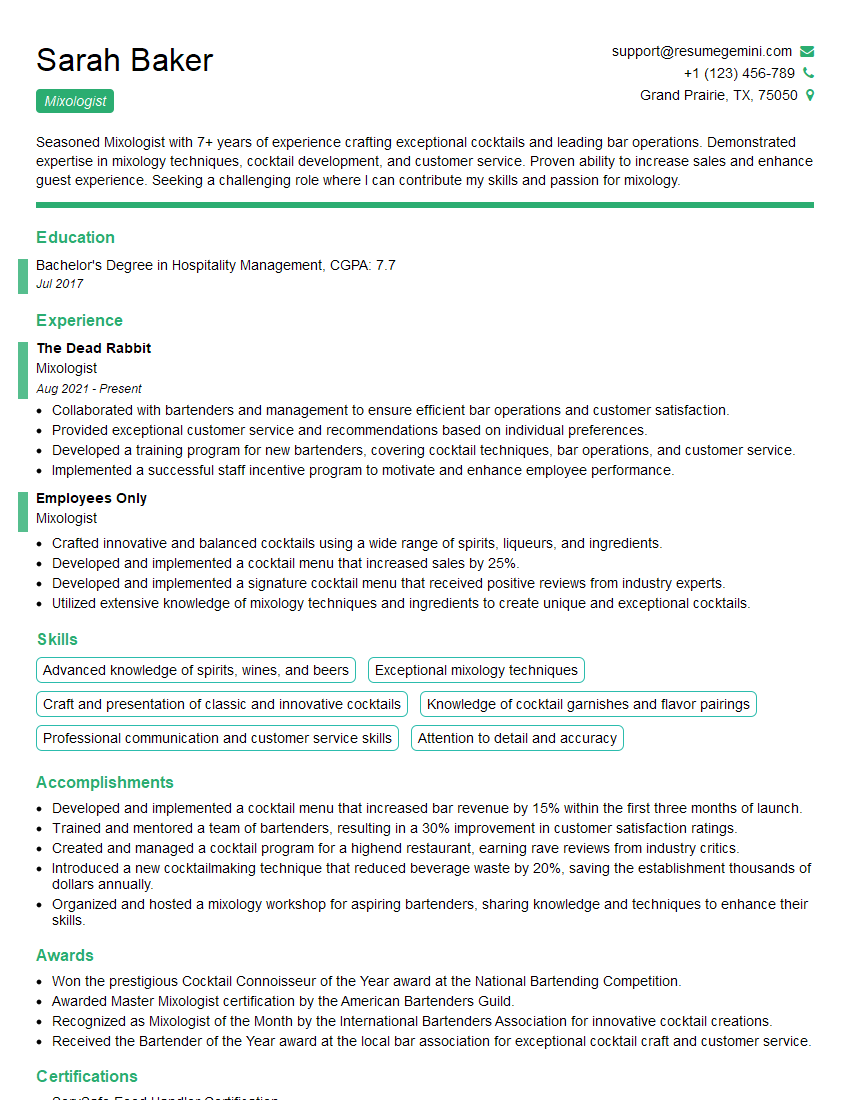
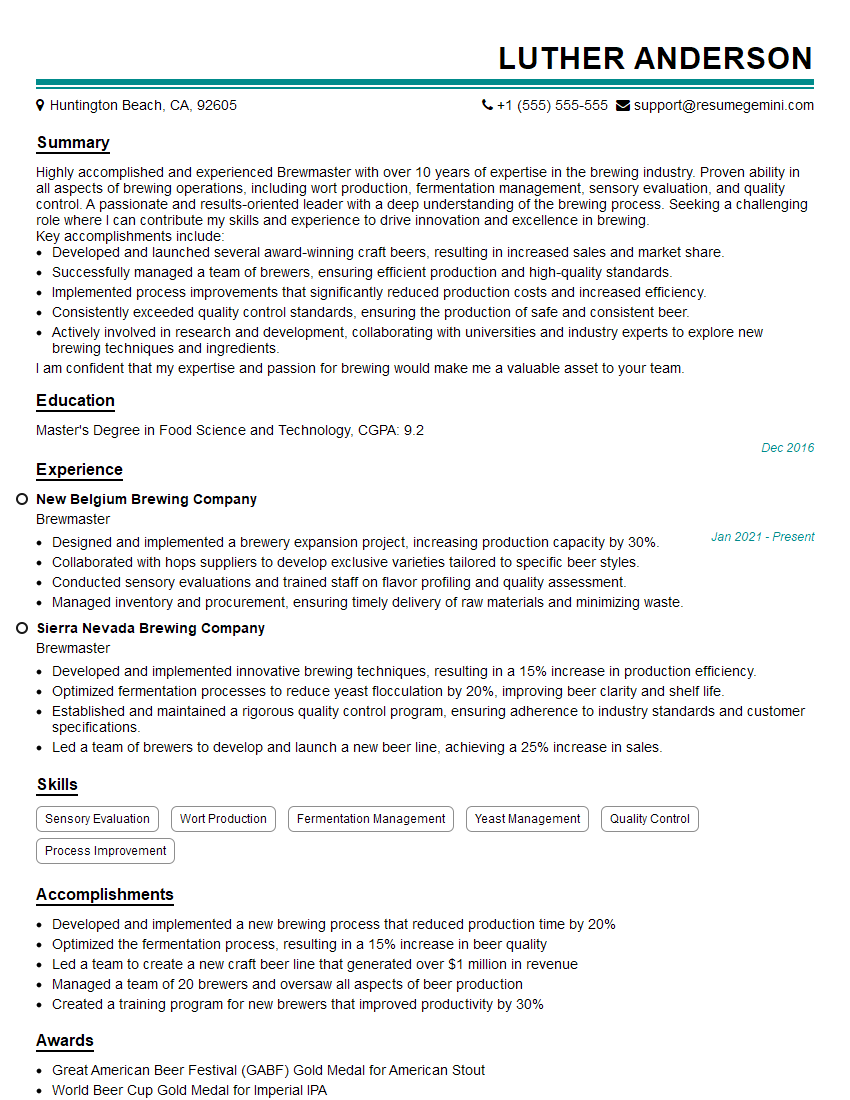
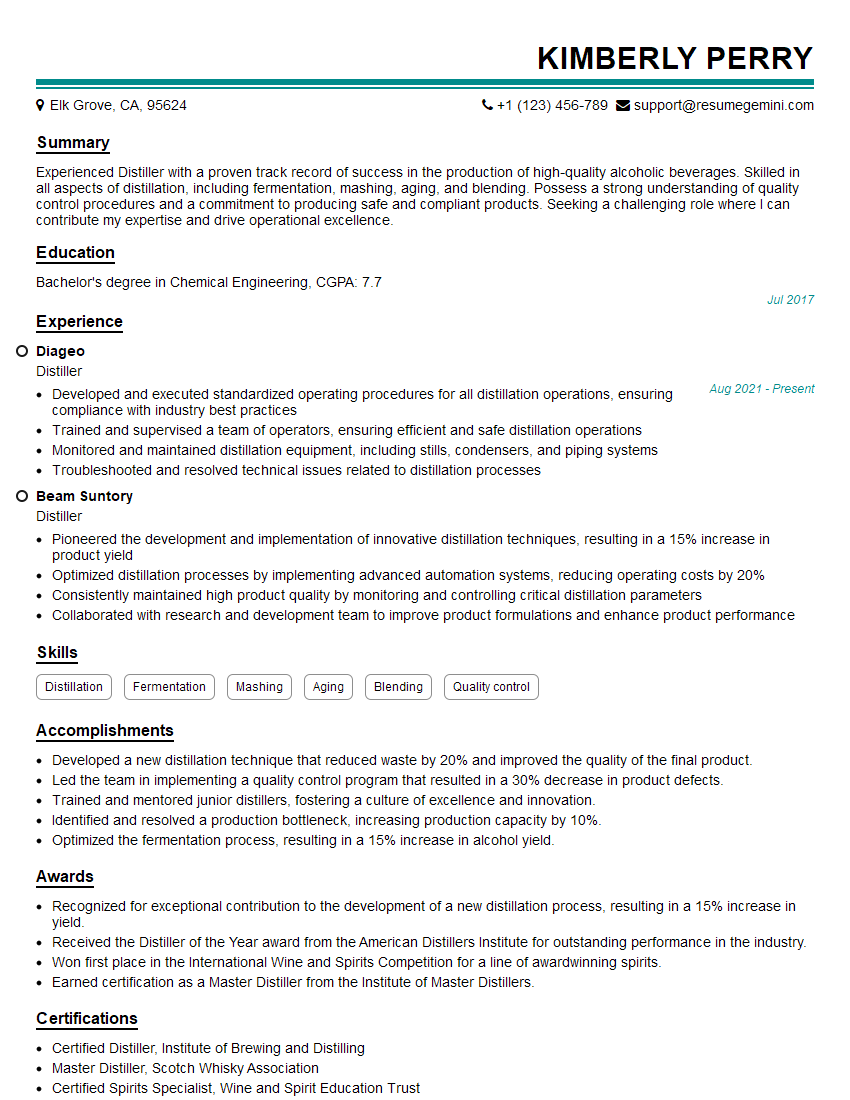
Mastering the art of blending and mixing beverage ingredients is essential for career advancement in the food and beverage industry. A strong understanding of these principles opens doors to exciting opportunities and higher-level roles. To maximize your job prospects, creating an ATS-friendly resume is critical. This ensures your application is effectively screened by applicant tracking systems. ResumeGemini is a trusted resource that can help you build a professional and impactful resume tailored to showcase your skills and experience. Examples of resumes specifically tailored to the Blending and Mixing of Beverage Ingredients field are available to help you get started.
Explore more articles
Users Rating of Our Blogs
Share Your Experience
We value your feedback! Please rate our content and share your thoughts (optional).
What Readers Say About Our Blog
Very informative content, great job.
good