Unlock your full potential by mastering the most common Blueprints Reading and Interpretation interview questions. This blog offers a deep dive into the critical topics, ensuring you’re not only prepared to answer but to excel. With these insights, you’ll approach your interview with clarity and confidence.
Questions Asked in Blueprints Reading and Interpretation Interview
Q 1. What are the standard symbols used to represent walls, doors, and windows on blueprints?
Blueprint symbols for walls, doors, and windows are standardized but can vary slightly depending on the drafting software or company’s style guide. However, common representations are fairly consistent across the industry.
- Walls: Typically shown as thick, solid lines. The thickness of the line often represents the wall’s thickness (e.g., a thicker line for a thicker wall). Sometimes, a dashed line may indicate a non-structural partition wall.
- Doors: Usually depicted as a break in the wall line, often with a swing arc to indicate the opening direction. Specific door types (e.g., sliding, double) will have their own symbol conventions. A small rectangular box inside the wall line often indicates a door’s location.
- Windows: Represented by a small rectangle, sometimes with additional lines to show window mullions (vertical or horizontal dividers) or other details. The size and placement reflect the actual window dimensions.
Think of it like a simplified visual language: each symbol instantly communicates key information about building components without excessive detail.
Q 2. How do you interpret different line weights on a blueprint?
Line weights on blueprints are crucial for differentiating between various elements and conveying hierarchy. Thicker lines usually represent prominent features, while thinner lines indicate less significant details. This is vital for reading complexity.
- Thick Lines: Typically represent exterior walls, major structural elements, or prominent boundaries. Imagine a thick line for a building’s exterior versus a thinner one for a simple interior wall.
- Medium Lines: Commonly used for interior walls, furniture outlines, or key dimensions. These details sit between the prominent structures and the minor ones.
- Thin Lines: Often used for annotations, dimensions, or hidden lines (representing features that are not immediately visible from the chosen view). Think of these as the guiding details, the supporting cast in the plan.
Ignoring line weights can lead to misinterpretations, affecting both design decisions and construction progress. Mastering their application is essential in accurate reading.
Q 3. Explain the difference between a floor plan, elevation, and section view.
These three blueprint views provide distinct perspectives of a building, working together to give a complete picture.
- Floor Plan: A top-down view showing the layout of a space on a single level. Imagine you’re looking down through the floor, seeing wall locations, door and window placement, and room sizes. It’s like a map of your level.
- Elevation: A side view of a building or a portion of it. It shows the height, exterior design elements, and overall facade. Imagine viewing a building from directly across the street – that’s an elevation.
- Section View: A cut-away view, showing the interior structure and material composition of a building or part of it. It’s as though you’ve sliced through the structure to reveal internal walls, floors, and other elements. This gives insight into the structure’s internal workings.
Using all three gives a holistic understanding of the building’s design. You’d need a floor plan to understand the layout, an elevation for its outward appearance, and a section view for a clear picture of its internal construction.
Q 4. How do you determine the scale of a blueprint?
The scale of a blueprint is crucial; it indicates the relationship between the drawing’s dimensions and the actual dimensions of the building. It’s usually represented as a ratio (e.g., 1:50, 1/4″=1′).
Identifying the scale is typically done by finding a scale note or bar scale on the blueprint itself. The scale note is a textual representation (e.g., “Scale: 1:100”), while the bar scale provides a graphical representation; you can measure a distance on the bar and compare it to the equivalent real-world distance.
For instance, a scale of 1:50 means that 1 unit on the drawing represents 50 units in real life. If a wall measures 2 cm on a 1:50 scale drawing, it’s 100 cm (or 1 meter) in reality.
Q 5. What are the different types of dimensioning used on blueprints?
Dimensioning on blueprints is essential for communicating precise measurements. Various methods exist, each suited for specific situations.
- Linear Dimensioning: Provides dimensions of straight lines or distances between points. The most common type. Imagine measuring the length of a wall.
- Radial Dimensioning: Used for circular or arc-shaped features. Think of dimensions for a circular window or a curved wall.
- Angular Dimensioning: Specifies angles between lines or surfaces. Crucial for showcasing angled walls or roof pitches.
- Ordinate Dimensioning: Used to define the location of points relative to a baseline. This is frequently used in large-scale projects with numerous points to define.
Accurate and clear dimensioning prevents errors during construction and ensures the final building aligns perfectly with the design. In essence, it’s the recipe for making the building.
Q 6. How do you identify north direction on a site plan?
North direction on a site plan is usually indicated by a symbol, typically a half-arrow pointing upwards, often labeled “N”. Sometimes, a compass rose is used to show all cardinal directions. It provides orientation and helps understand the building’s placement relative to surroundings.
Locating the north symbol is the first step in understanding the site plan, allowing one to understand the relationship between the building and its surroundings, sun exposure, and prevailing winds. It’s like the compass for the entire project.
Q 7. Explain how to interpret a building section showing different materials and structures.
A building section reveals the internal structure and material composition by showing a vertical slice through the building. Different materials and structures are represented using different line patterns, symbols, and annotations.
For instance, concrete might be shown with a solid fill pattern, wood with a hatched pattern, and steel with a cross-hatched pattern. Annotations provide information about material thickness, specific construction techniques, and other critical details. This allows for a complete understanding of how materials interact and contribute to the building’s structural integrity.
Interpreting these details requires understanding common material symbols and patterns. This is crucial for anyone involved in construction or assessment, allowing them to understand not just the layout but also the building’s construction methods and material choices.
Q 8. How do you understand and interpret specifications referenced on the blueprints?
Understanding and interpreting specifications on blueprints involves a multi-step process. First, you need to locate the specification section, often found in a separate sheet or within a detailed legend. These specifications detail materials, dimensions, tolerances, and finishes. For example, a note might say “All concrete to be 4000 psi,” specifying the concrete’s compressive strength. Then, you cross-reference these specifications with the relevant drawings. Imagine building a deck – the blueprint might show the dimensions of the posts, but the specifications would dictate whether they’re made of pressure-treated lumber or cedar. Finally, you ensure consistency across all referenced documents. A discrepancy between the drawing and specification requires clarification with the designer or architect.
Let’s say a blueprint shows a wall with ‘brick veneer’ indicated. You’d then look for the specification detailing the type of brick (e.g., clay, concrete), color, mortar type, and installation method. Without the specifications, the contractor wouldn’t know what materials to order or how to build the wall correctly. This process is crucial for ensuring that the final construction meets the design intent.
Q 9. How do you identify conflicts or discrepancies on a set of blueprints?
Identifying conflicts or discrepancies on blueprints requires careful and methodical review. My approach involves a systematic comparison of all drawings and specifications. I start by checking for inconsistencies in dimensions across different views (e.g., floor plan vs. elevation). For instance, a door shown on a floor plan might not align with the corresponding wall opening on the elevation view. Then, I check for clashes between different disciplines. An HVAC duct might be shown passing through a structural beam, indicating a conflict that needs resolution. Using layers and different line types (common in digital blueprints) helps isolate different trades, making discrepancy detection easier. I also cross-check dimensions against calculated areas and volumes to spot potential errors. A final step is to verify that all details are consistent across the entire set, checking for missed revisions or updates.
Imagine a situation where the electrical plan shows a lighting fixture in a spot where the architectural plan shows a structural column. That’s a clear conflict requiring immediate attention. Resolving such conflicts is crucial for preventing costly mistakes during construction. Proper conflict resolution might involve shifting the lighting fixture or adjusting the column location.
Q 10. Explain your process for deciphering complex details within a blueprint.
Deciphering complex details requires a layered approach, similar to peeling back an onion. I start with a general overview, understanding the overall design and layout. Then, I focus on specific areas of complexity, breaking them down into smaller, manageable components. I pay close attention to scales, notes, and symbols, often using a scale ruler and referencing the legend or key frequently. I use cross-referencing, comparing details across multiple drawings to create a complete picture. For intricate sections, I might create annotated sketches to help visualize complex assembly details. Digital tools, like CAD software, offer features like zoom, layering, and sectioning that are invaluable in understanding intricate parts of a blueprint. Finally, any ambiguity needs to be clarified with the design team.
For example, understanding a complex roof detail might involve studying the roof plan, sections, and details separately. Once you understand each component – rafters, trusses, flashing – you can assemble them mentally to comprehend the complete structure. Using a digital model often assists with this complex visualization process.
Q 11. Describe how you would use a blueprint to estimate materials needed for a project.
Estimating materials using blueprints involves a detailed quantification process. I begin by carefully reviewing all drawings related to the project. Each element – walls, floors, roofs, etc. – is broken down into its individual components, paying close attention to dimensions and specifications. Then, I calculate the quantities needed for each component using appropriate formulas. For example, to estimate concrete for a foundation, I’d calculate the volume of the foundation from the dimensions shown on the blueprints. I’ll account for waste and material loss. For example, I know that ordering 10% extra concrete is good practice due to potential spills. Finally, I aggregate these quantities to arrive at a total material estimate for the project. Spreadsheet software is invaluable here for tracking quantities, unit costs, and generating a comprehensive materials list.
Think of a project that involves laying a tile floor. I’d measure the dimensions of each area on the floor plan, calculate the total square footage, add a percentage for waste, and then convert that to the number of tiles required based on the size of each tile as per the specifications.
Q 12. How familiar are you with different blueprint formats (e.g., PDF, DWG)?
I’m proficient with various blueprint formats. PDFs are commonly used for distribution and archiving, offering good compatibility but limited editing capabilities. DWG files, native to AutoCAD, are the industry standard for design and drafting, offering advanced editing and collaboration features. I also have experience with other formats like DXF (drawing exchange format), which allows for interoperability between different CAD software packages, and TIFF and JPG for image-based blueprints. My familiarity extends to understanding the limitations and capabilities of each format. This knowledge enables me to choose appropriate tools and strategies for various tasks, whether it’s reviewing, editing, or collaborating.
For instance, a large-scale project might utilize DWG files for design and collaboration among architects, engineers, and contractors, while PDFs would be used to distribute finalized documents to the construction team.
Q 13. How do you use blueprints in coordination with other project documents?
Blueprints are just one piece of the puzzle; they work in conjunction with other project documents to provide a comprehensive overview. I integrate blueprints with specifications, material lists, schedules, and other relevant documentation to get a complete picture. I use specifications to understand material choices and installation details, aligning them with the details shown on the blueprints. Scheduling documents help me understand the sequencing of construction, influencing material ordering and resource allocation. Cross-referencing allows me to identify potential issues early on. Digital tools facilitate this integration by allowing for linked documents and hyperlinking between different sections of the project documentation.
For example, the structural drawings would be reviewed alongside the electrical drawings to ensure that the electrical conduits and wiring are properly located within the building structure, avoiding any conflicts. This integrated approach prevents errors and delays.
Q 14. How do you interpret symbols related to plumbing, electrical, and HVAC systems?
Interpreting symbols for plumbing, electrical, and HVAC systems requires knowledge of their respective conventions. Each system uses a standardized set of symbols, readily available in online resources and design manuals. Plumbing symbols might include different types of pipes, fixtures (sinks, toilets), and valves. Electrical symbols represent lighting fixtures, switches, outlets, circuit breakers, and conduits. HVAC symbols indicate ductwork, vents, registers, and equipment. Understanding these conventions is vital for coordinating different trades and ensuring that all systems function correctly. These symbols are usually explained in a key or legend on the blueprint sheets, which is essential to understanding their meaning. Digital blueprints often allow for a pop-up definition when you click on a specific symbol.
For instance, a circle with a cross inside often represents a light fixture on an electrical plan, while a series of lines with different thicknesses might represent various sizes of pipes in a plumbing drawing.
Q 15. How would you determine the height of a ceiling from a blueprint?
Determining ceiling height from a blueprint is straightforward. Blueprints utilize a scale, typically indicated in the blueprint’s title block (a designated area containing project information). For example, a scale of 1/4″ = 1′ means that every 1/4 inch on the drawing represents one foot in real life.
To find the ceiling height, locate the floor and ceiling lines on the relevant floor plan or section view. Measure the vertical distance between these two lines on the blueprint using a ruler. Then, apply the scale. If the measured distance is, say, 2 inches and the scale is 1/4″ = 1′, you multiply 2 inches by 4 (since 1/4 inch represents 1 foot) to get a ceiling height of 8 feet.
Example: Let’s say the measured distance between the floor and ceiling lines on a blueprint with a scale of 1/8″ = 1′ is 1.5 inches. 1.5 inches * 8 = 12 feet. Therefore, the ceiling height is 12 feet.
Career Expert Tips:
- Ace those interviews! Prepare effectively by reviewing the Top 50 Most Common Interview Questions on ResumeGemini.
- Navigate your job search with confidence! Explore a wide range of Career Tips on ResumeGemini. Learn about common challenges and recommendations to overcome them.
- Craft the perfect resume! Master the Art of Resume Writing with ResumeGemini’s guide. Showcase your unique qualifications and achievements effectively.
- Don’t miss out on holiday savings! Build your dream resume with ResumeGemini’s ATS optimized templates.
Q 16. Can you explain how to interpret a detail drawing within a larger set of blueprints?
Detail drawings provide magnified views of specific building components or assemblies, offering intricate information not readily apparent in the main floor plans or elevations. They’re like zoomed-in snapshots. To interpret a detail drawing, first identify its reference callout within the main blueprint. This callout is typically a number or letter that directs you to the corresponding detail drawing sheet.
Once you locate the detail drawing, carefully examine its title and annotations. Pay close attention to dimensions, materials specified (e.g., type of wood, concrete mix), and construction methods. The drawing’s scale will also be indicated. Always cross-reference the detail with the main drawings to ensure proper context and understand how this detail integrates into the larger project.
Example: A detail might show the exact construction of a window frame, including dimensions, materials, and flashing details, that you can then use to order the necessary materials.
Q 17. How would you identify the location of specific building elements, such as a light switch or outlet?
Locating elements like light switches and outlets involves careful examination of the electrical plan within the blueprint set. Electrical plans use standardized symbols to represent these elements. These symbols will be listed in a legend included on the drawing itself or in the project documentation.
The electrical plan shows the placement of these fixtures and their relationship to walls and other elements. Coordinates on the plan might provide precise location. You would look for the symbol corresponding to a light switch or outlet and then identify its position relative to other architectural features such as walls and doors.
Example: A small square symbol might represent an outlet, and its position on the plan relative to a wall would indicate its location in the room. A close examination of the wall section would show the placement of the outlet within the wall structure.
Q 18. What software or tools are you proficient in for viewing and manipulating blueprints?
My proficiency extends across several software platforms commonly used for viewing and manipulating blueprints. I’m highly experienced in using Autodesk AutoCAD, Revit, and Bluebeam Revu. AutoCAD allows for precise measurements and editing of drawings. Revit provides a 3D modeling capability allowing for deeper understanding of design and coordination. Bluebeam Revu excels in mark-up and collaboration features, crucial for review and communication during the construction process. I am also comfortable using less sophisticated programs such as Adobe Acrobat Pro for viewing and basic annotations.
Q 19. How familiar are you with different types of architectural styles reflected in blueprints?
My familiarity with architectural styles as reflected in blueprints is extensive. I can readily identify characteristics of styles such as Victorian, Craftsman, Ranch, Colonial, Modern, and many more. This identification goes beyond just visual elements. I understand the underlying structural components and construction methods typical of each style. For example, a Craftsman-style home blueprint would showcase elements like exposed rafters, low-pitched roofs, and built-in cabinetry, while a Modern style home might emphasize open floor plans and clean lines.
This knowledge enables me to understand the design intent and potential challenges or considerations inherent in each style, informing my interpretation of the blueprint and allowing me to anticipate potential issues.
Q 20. Explain your process for checking for errors or inconsistencies in the blueprints.
My error-checking process is systematic and thorough. I begin by verifying the scale and confirming that all sheets are present and accounted for. Then, I meticulously check for dimensional inconsistencies: are there conflicts between different views (plan, elevation, section)? Do dimensions add up correctly? Do the wall thicknesses match across different drawings?
Next, I verify that all building codes and regulations are adhered to. I examine details for completeness and compliance, making sure specifications are clearly defined and unambiguous. I cross-reference different drawings to ensure that there are no conflicts or discrepancies between them, for example checking that doors and windows align between floor plans and elevations. Lastly, I carefully review the specifications to ensure that materials and finishes are adequately described. This approach, combining automated checks with careful visual inspection, minimizes errors and improves accuracy.
Q 21. Describe your experience interpreting structural elements shown in blueprints.
My experience in interpreting structural elements in blueprints is broad and deep. I can readily identify various structural members such as beams, columns, footings, and foundations. I understand their functions, typical sizes and spacing requirements, and the materials they are constructed from. I’m proficient in understanding structural details such as connections, bracing, and reinforcement.
For instance, I can differentiate between different types of foundations (e.g., slab-on-grade, basement, crawl space) by analyzing the blueprint and can assess the adequacy of structural elements based on loads, span, and material properties. I can also identify potential structural issues, such as inadequate bracing or unsupported spans, through careful review. This knowledge allows me to provide valuable insights throughout the construction process, ensuring structural integrity and safety.
Q 22. How do you handle ambiguous or unclear information presented on the blueprints?
Ambiguity in blueprints is a common challenge. My approach involves a systematic process to resolve unclear information. First, I carefully examine the drawing for any related notes or specifications that might clarify the ambiguous area. This often includes checking the revision history and accompanying documentation. Second, if the ambiguity persists, I leverage my experience to infer the likely intent based on established industry standards and common construction practices. For example, if a dimension is missing but the overall layout suggests a symmetrical design, I might reasonably assume a mirrored dimension. Third, and crucially, if the uncertainty cannot be resolved through these means, I always escalate the issue to the design team or relevant stakeholders for clarification. Delaying construction due to a misinterpretation is far costlier than requesting clarification early on.
For instance, I once encountered an unclear dimensioning detail on a piping diagram. By consulting the project specifications, I found a reference to a supplementary document detailing the piping standards used. This supplementary document clarified the ambiguous section. Ultimately, thoroughness and communication are key to tackling ambiguous blueprint information.
Q 23. How would you explain a complex blueprint to someone with limited technical knowledge?
Explaining complex blueprints to a non-technical audience requires a pedagogical approach. I begin by providing a high-level overview of the project and the blueprint’s purpose. Instead of diving into technical jargon, I use analogies and relatable examples to illustrate key elements. For example, I might compare the structural elements of a building to the skeleton of a human body, explaining how beams and columns support the structure. I would also use visual aids – pointing to specific sections on the blueprint and explaining their functionality in simple terms. Interactive demonstrations or 3D models, if available, are extremely helpful in bridging the gap between technical drawings and layperson understanding.
Imagine explaining an electrical blueprint. Instead of using terms like ‘circuit breaker panel,’ I would describe it as the building’s ‘main electrical switchboard’. I would visually trace the flow of electricity, explaining the path from the power source to various appliances as if telling a story. Clear and concise communication is paramount in ensuring effective understanding.
Q 24. What are your strategies for efficiently reading and interpreting large and complex sets of blueprints?
Efficiently navigating large and complex blueprint sets requires a strategic approach. I begin by reviewing the index or table of contents to understand the overall scope and organization of the documents. This helps me prioritize the drawings based on their relevance to the task at hand. I then systematically examine each drawing, focusing on key information such as dimensions, specifications, and annotations. I utilize tools like digital blueprint viewers that allow for zooming, layering, and searching, enhancing efficiency significantly. Furthermore, I frequently cross-reference information across multiple drawings to identify any inconsistencies or missing details. Color-coding key elements on a digital copy also aids in quick identification of specific components or systems.
For example, when working on a large industrial plant project, I would start with the site plan, then move onto the architectural drawings, and finally delve into the detailed mechanical, electrical, and plumbing (MEP) drawings. This hierarchical approach ensures a logical flow of information processing and prevents information overload. Developing this systematic workflow has dramatically improved my efficiency.
Q 25. How do you ensure that you are accurately interpreting the information presented on the blueprints?
Accuracy in blueprint interpretation is critical. I employ several strategies to ensure accuracy. Firstly, I meticulously verify all dimensions and measurements, cross-checking them against related drawings and specifications. Secondly, I carefully review all symbols, abbreviations, and notations, using relevant standards and dictionaries as references. Thirdly, I conduct a thorough review for any discrepancies or inconsistencies. If I find any, I immediately investigate the potential cause and seek clarification. Lastly, I always double-check my interpretations before making any decisions or taking any action based on the blueprint information. This multi-layered verification process is critical to preventing costly errors.
I remember a project where a slight misinterpretation of a scale on a structural drawing could have resulted in a significant safety issue. My rigorous verification process caught this error, preventing a potential catastrophe. Attention to detail and methodical verification are paramount to ensure accuracy.
Q 26. Describe your experience working with different types of blueprint revisions and updates.
I have extensive experience managing various blueprint revisions and updates. I typically use a version control system to track changes made across different revisions. This involves comparing the current version with previous revisions to understand the nature of modifications. I am proficient in interpreting revision clouds and change logs, identifying the specific alterations made to the original design. Furthermore, I can efficiently integrate these revisions into my overall understanding of the project. Understanding the rationale behind each revision is key; this often requires collaborating with the design team to get context.
One memorable project involved a series of significant design changes due to client feedback. Managing these revisions and ensuring consistency across all documents required a detailed approach and excellent communication. Successfully integrating these updates into a coherent whole demonstrated my ability to handle complex revision cycles. My experience spans various software including AutoCAD and Revit, allowing me to efficiently manage both digital and hardcopy revisions.
Q 27. How do you prioritize information when reviewing a complex blueprint?
Prioritizing information in a complex blueprint involves a structured approach. My strategy is to start by identifying the overall project goals and objectives. This helps to establish the critical aspects of the design that need to be understood first. I then focus on the sections of the blueprint directly related to these key aspects. For example, if the priority is structural integrity, I’ll concentrate on the structural drawings and details first. Simultaneously, I always check for any safety-related information, like emergency exits or hazard warnings, as those are paramount. Once the critical information is understood, I then move on to less critical aspects of the design. This prioritization ensures efficient and effective review, reducing the risk of overlooking critical elements.
Think of it like putting out a fire: you tackle the most dangerous flames first, not the smaller ones. Similarly, safety regulations and structural integrity trump aesthetic considerations or minor details when evaluating blueprints. This approach ensures a focused and systematic evaluation, maximizing efficiency and mitigating potential risks.
Key Topics to Learn for Blueprints Reading and Interpretation Interview
- Basic Blueprint Symbols and Conventions: Understanding standard symbols for walls, doors, windows, plumbing, electrical, and other building components. This forms the foundation of effective blueprint reading.
- Scale and Measurement: Accurately interpreting scales used on blueprints and calculating real-world dimensions from blueprint measurements. Practical application involves estimating material needs and project timelines.
- Orthographic Projections: Understanding how different views (plan, elevation, section) represent a three-dimensional structure. This is crucial for visualizing the complete building design.
- Sections and Details: Interpreting detailed views that show specific construction elements and assemblies. This requires analyzing cross-sections and understanding how components fit together.
- Plan Reading and Spatial Reasoning: Developing the ability to mentally visualize the building from the blueprint, understanding spatial relationships between different rooms and elements. Practical application includes identifying potential conflicts or inefficiencies in the design.
- Working Drawings and Specifications: Understanding how blueprints are used in conjunction with specifications to guide the construction process. This involves interpreting detailed written instructions alongside the visual representations.
- Blueprint Revisions and Updates: Recognizing revision marks and understanding how changes are implemented on blueprints. This showcases attention to detail and the ability to manage evolving designs.
- Common Construction Terms and Processes: Familiarizing yourself with industry-specific terminology related to construction methods and building materials. This demonstrates a deeper understanding of the context.
Next Steps
Mastering blueprints reading and interpretation is paramount for career advancement in construction, architecture, engineering, and related fields. Proficiency in this skill demonstrates a crucial understanding of design and construction processes, setting you apart from other candidates. To maximize your job prospects, create an ATS-friendly resume that effectively highlights your skills and experience. We strongly recommend using ResumeGemini, a trusted resource, to build a professional and impactful resume. ResumeGemini provides examples of resumes tailored to Blueprints Reading and Interpretation, offering guidance and inspiration for creating your own compelling application.
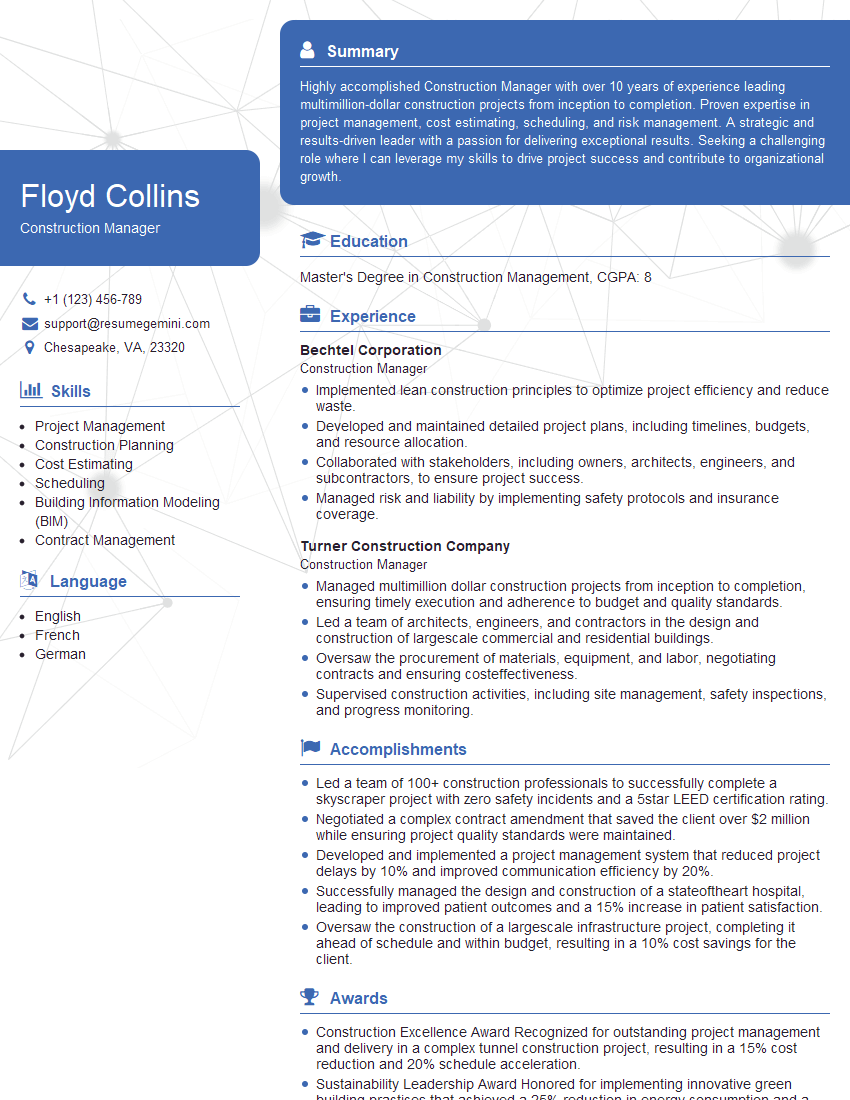
Construction Manager Resume Sample
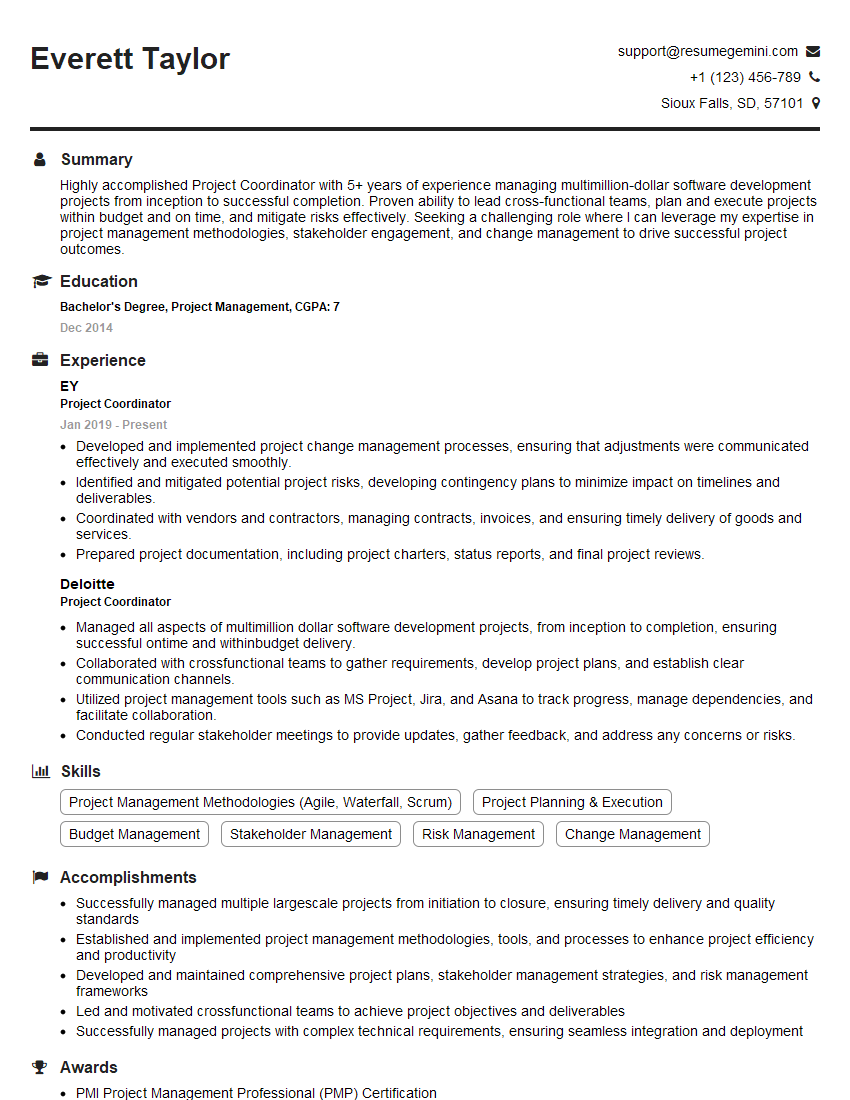
Project Coordinator Resume Sample

Project Engineer Resume Sample
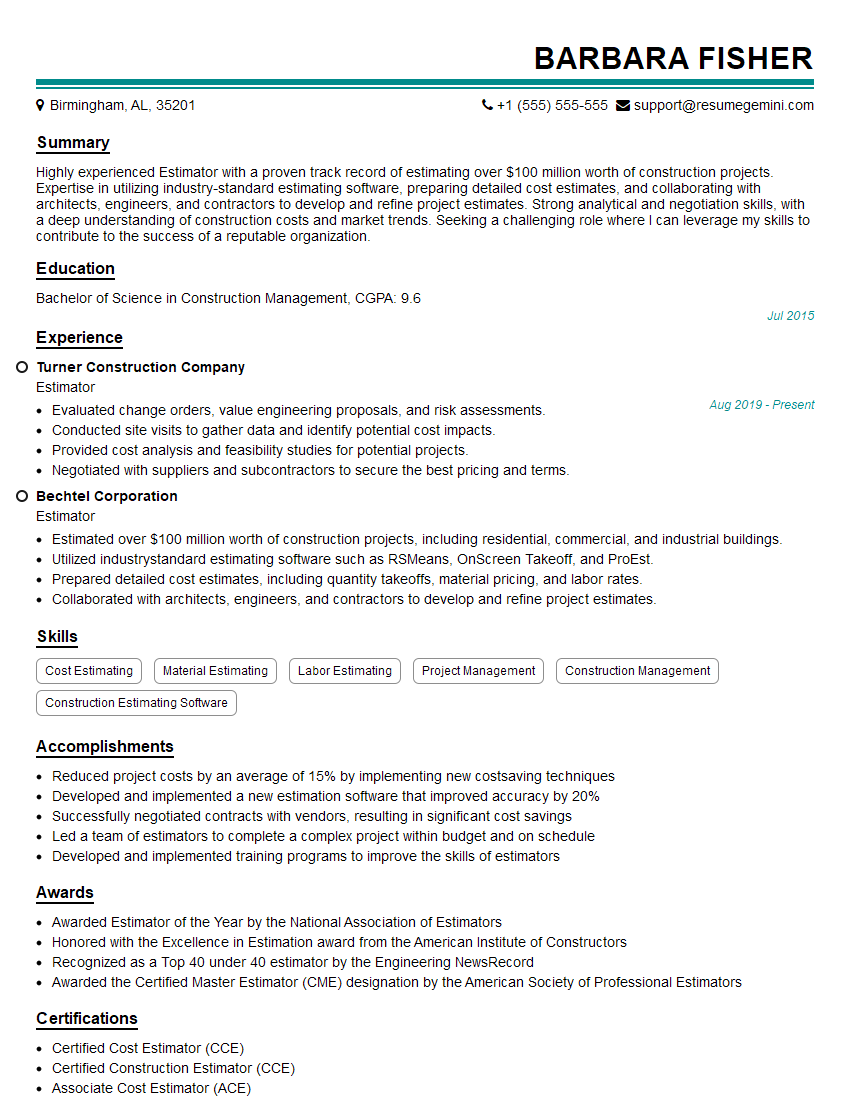
Estimator Resume Sample
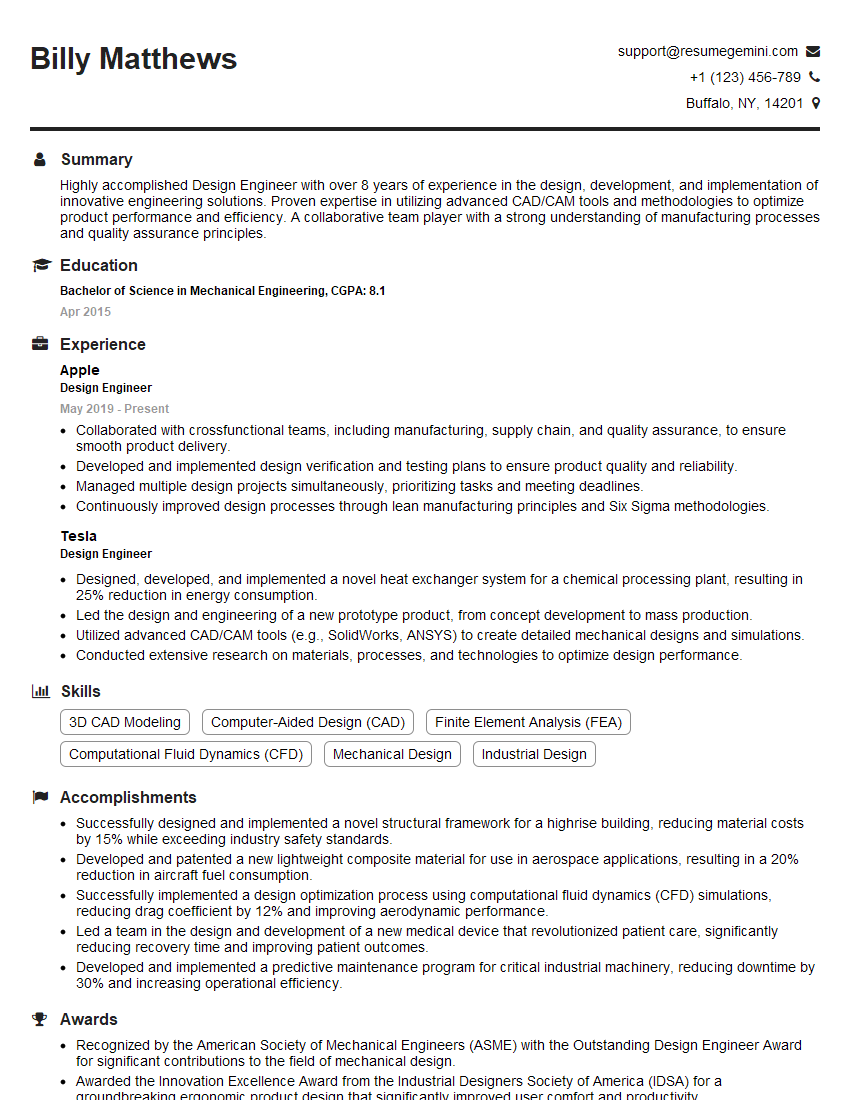
Design Engineer Resume Sample
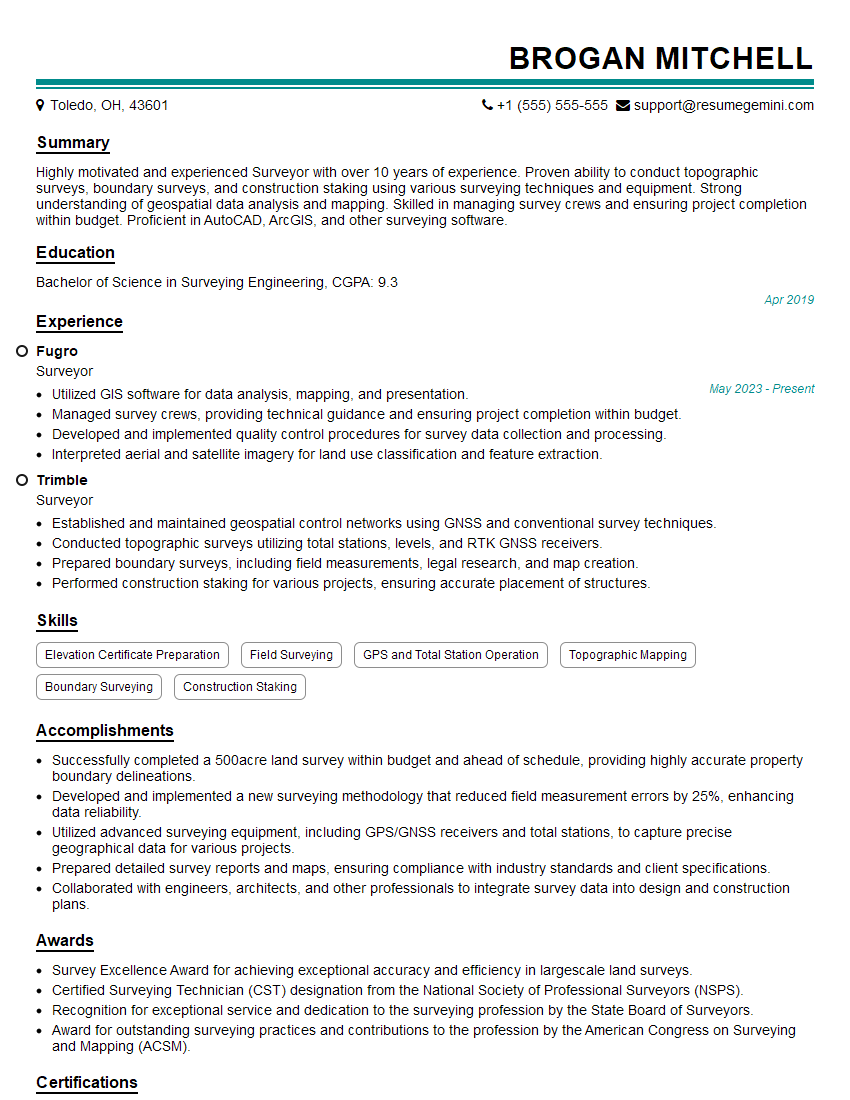
Surveyor Resume Sample
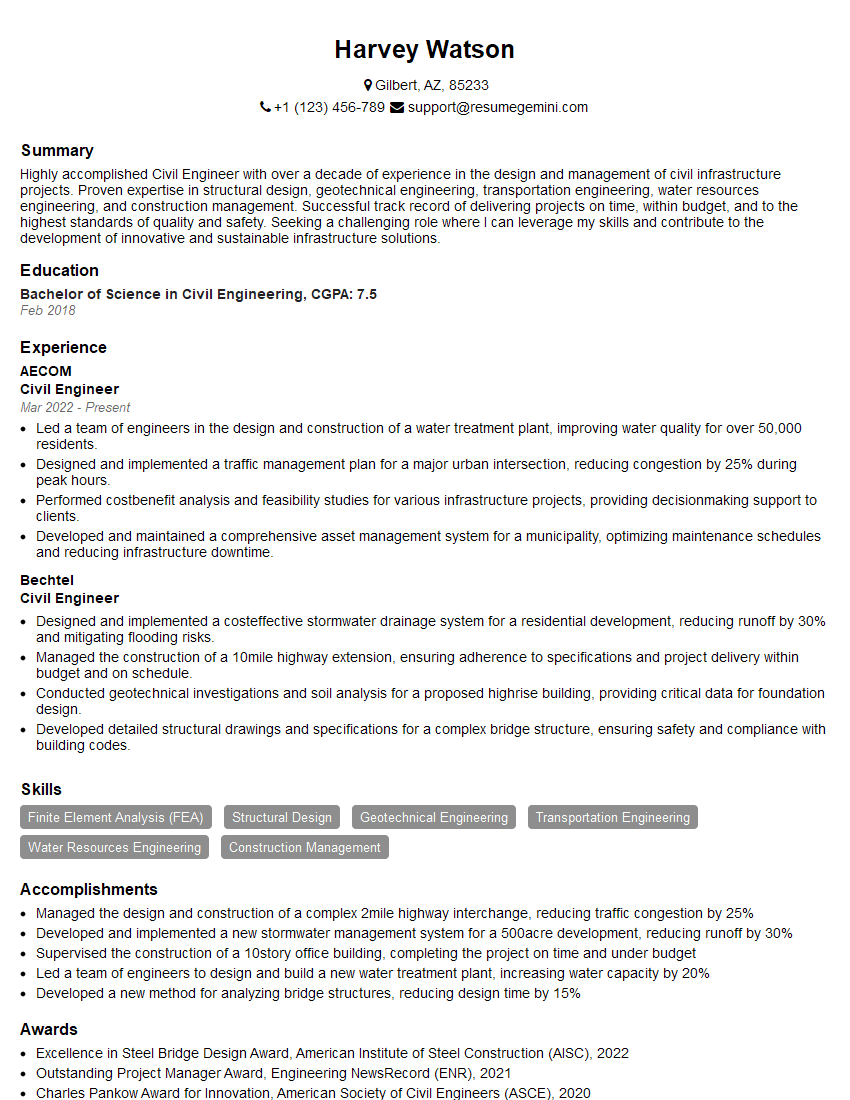
Civil Engineer Resume Sample
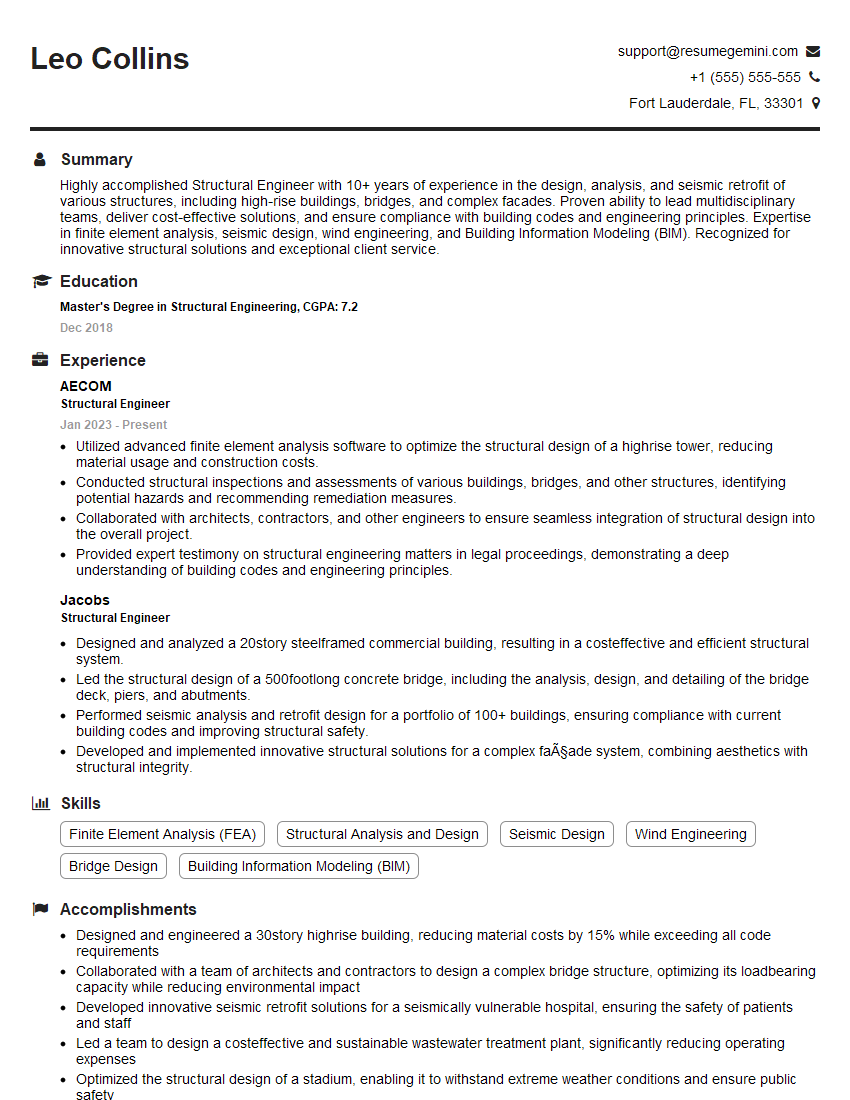
Structural Engineer Resume Sample
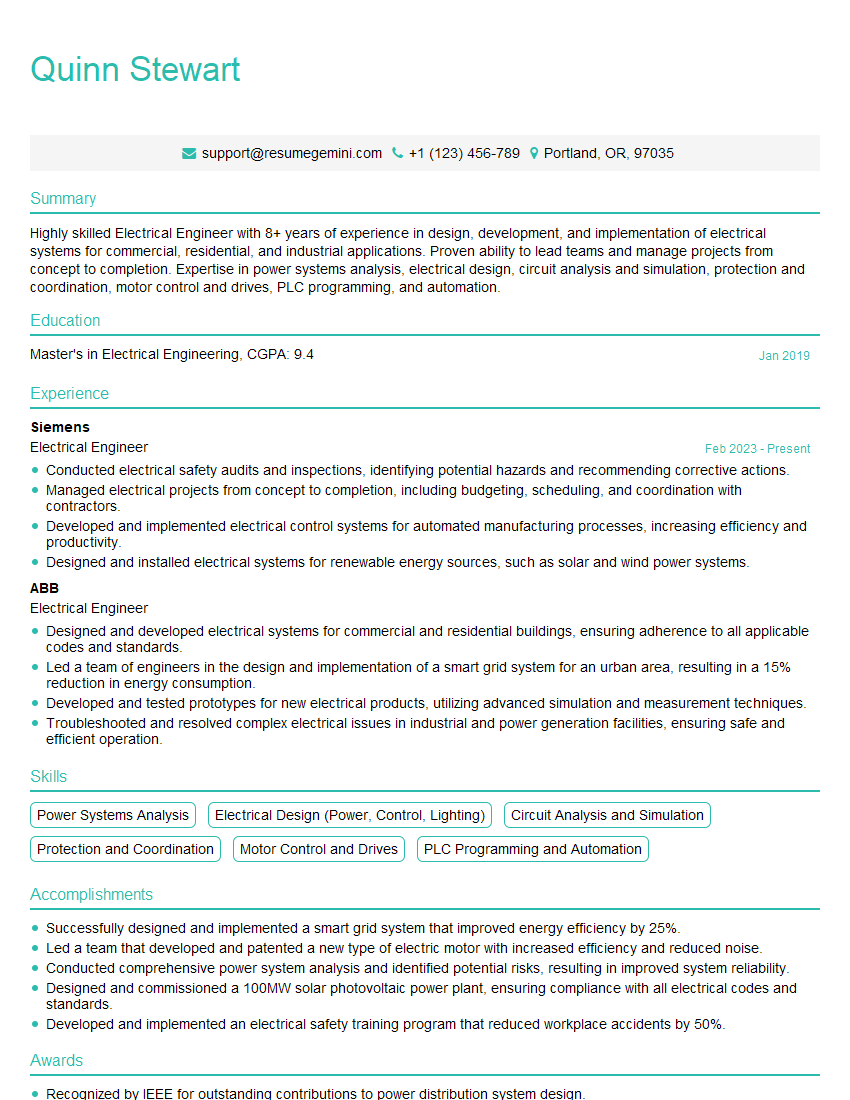
Electrical Engineer Resume Sample
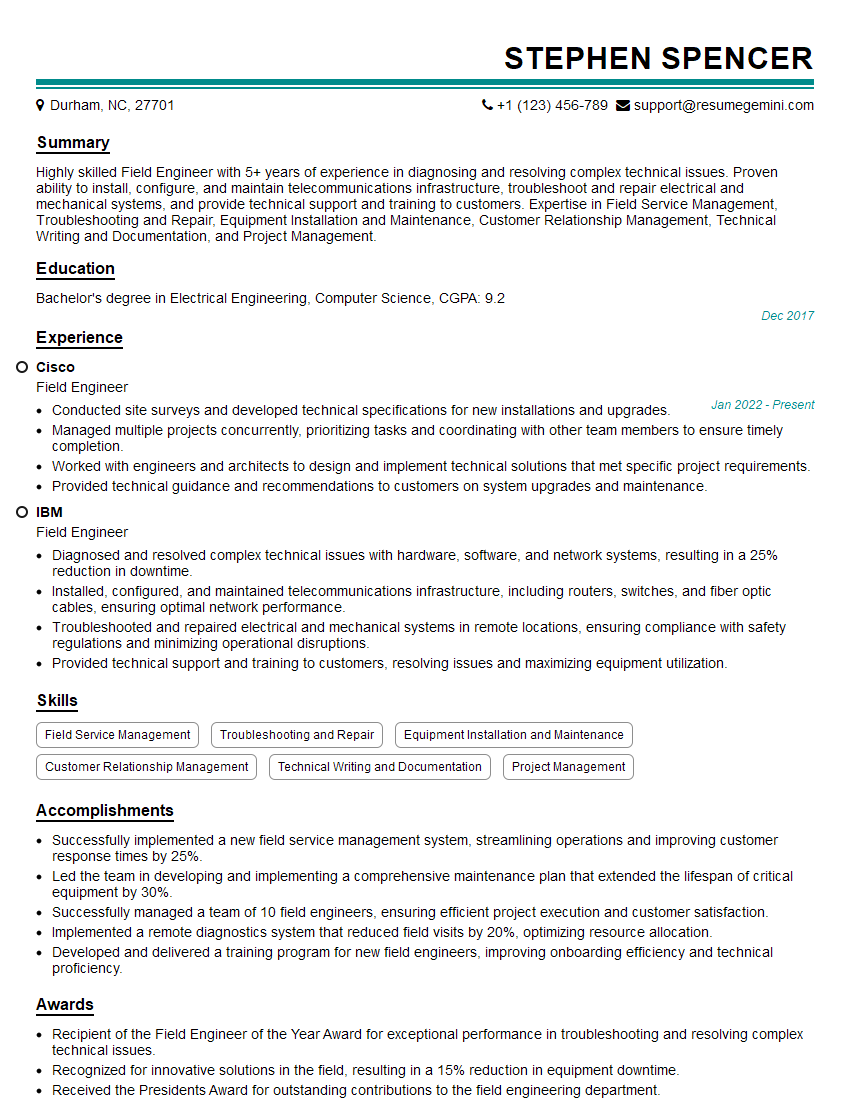
Field Engineer Resume Sample
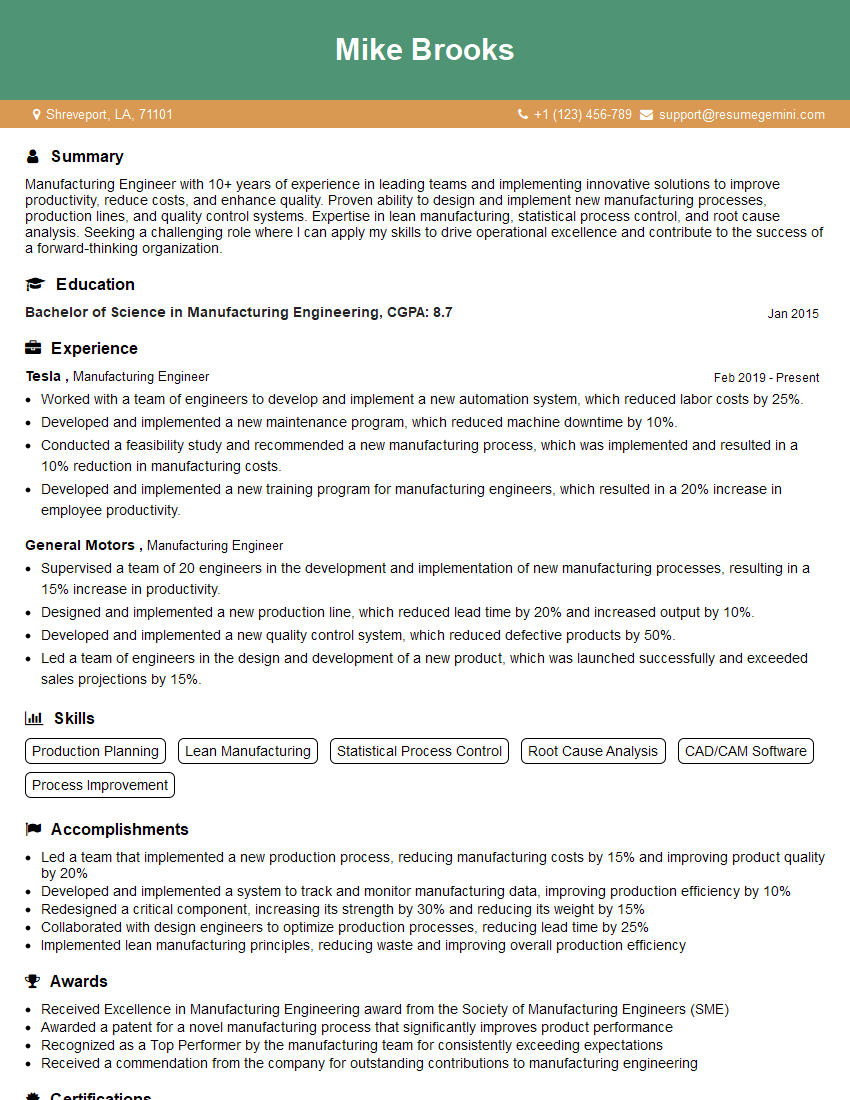
Manufacturing Engineer Resume Sample
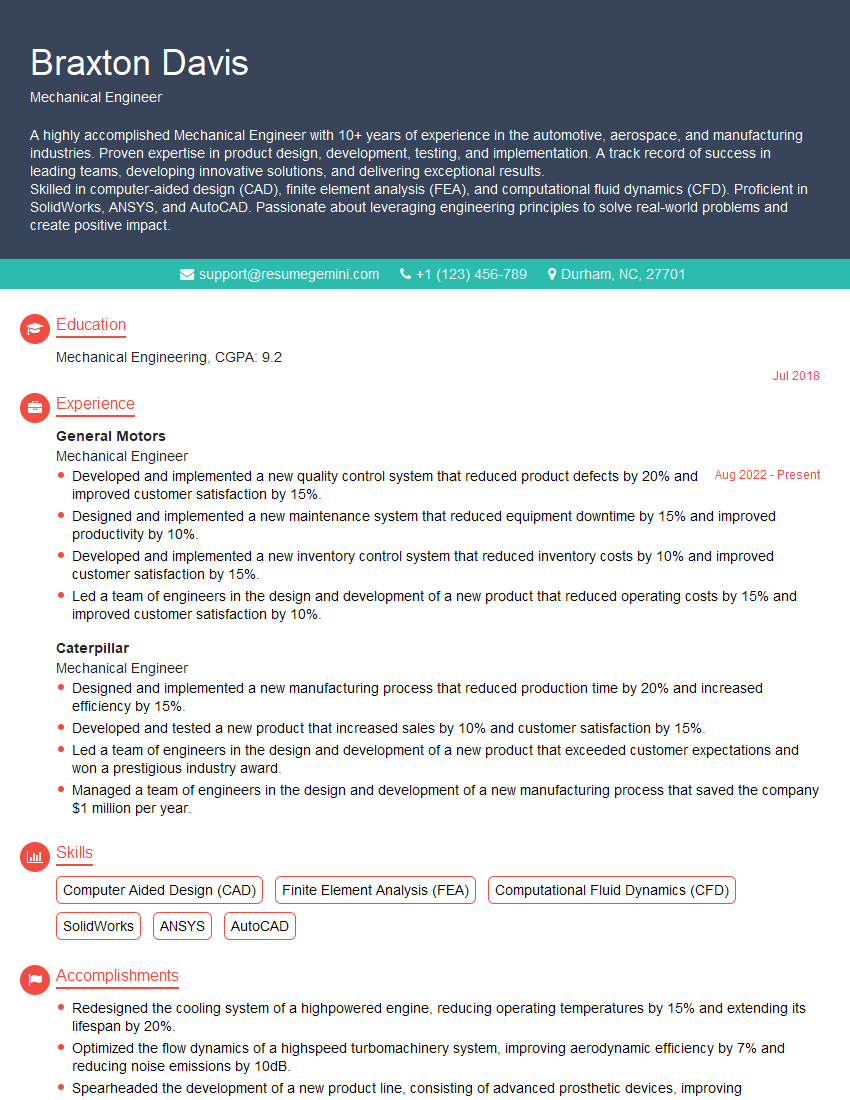
Mechanical Engineer Resume Sample
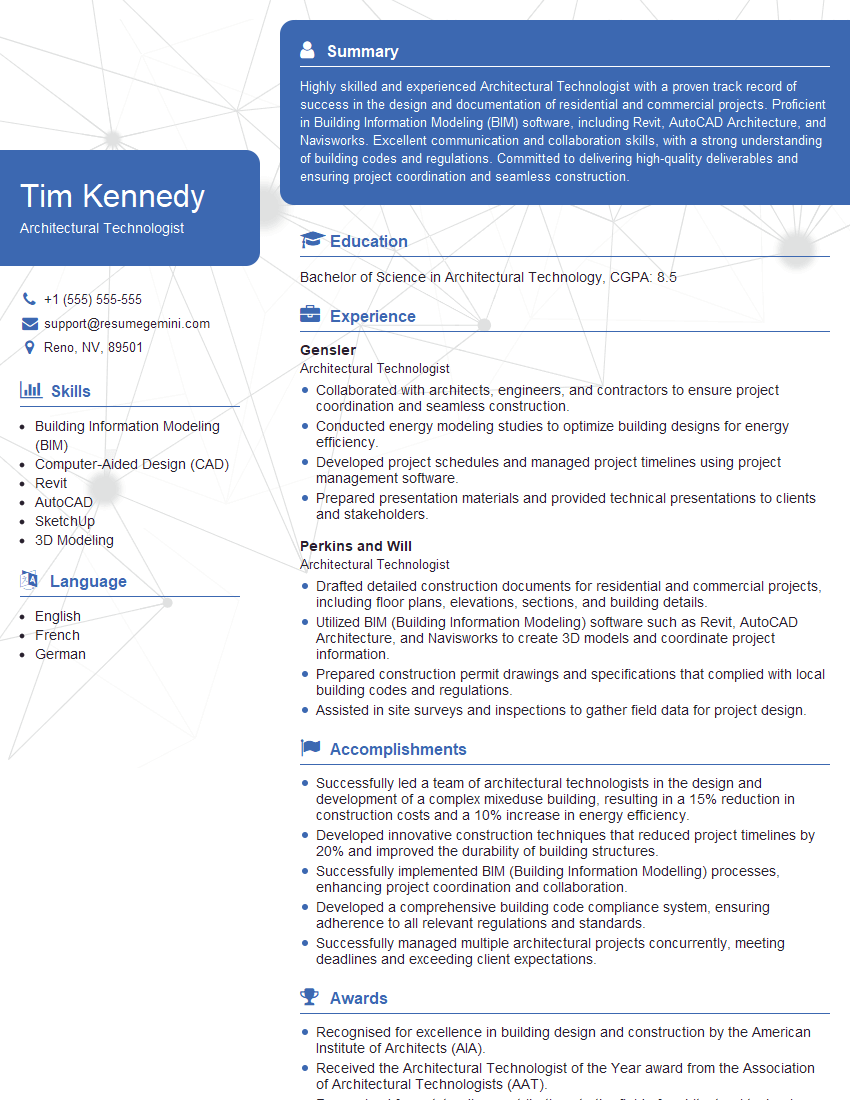
Architectural Technologist Resume Sample
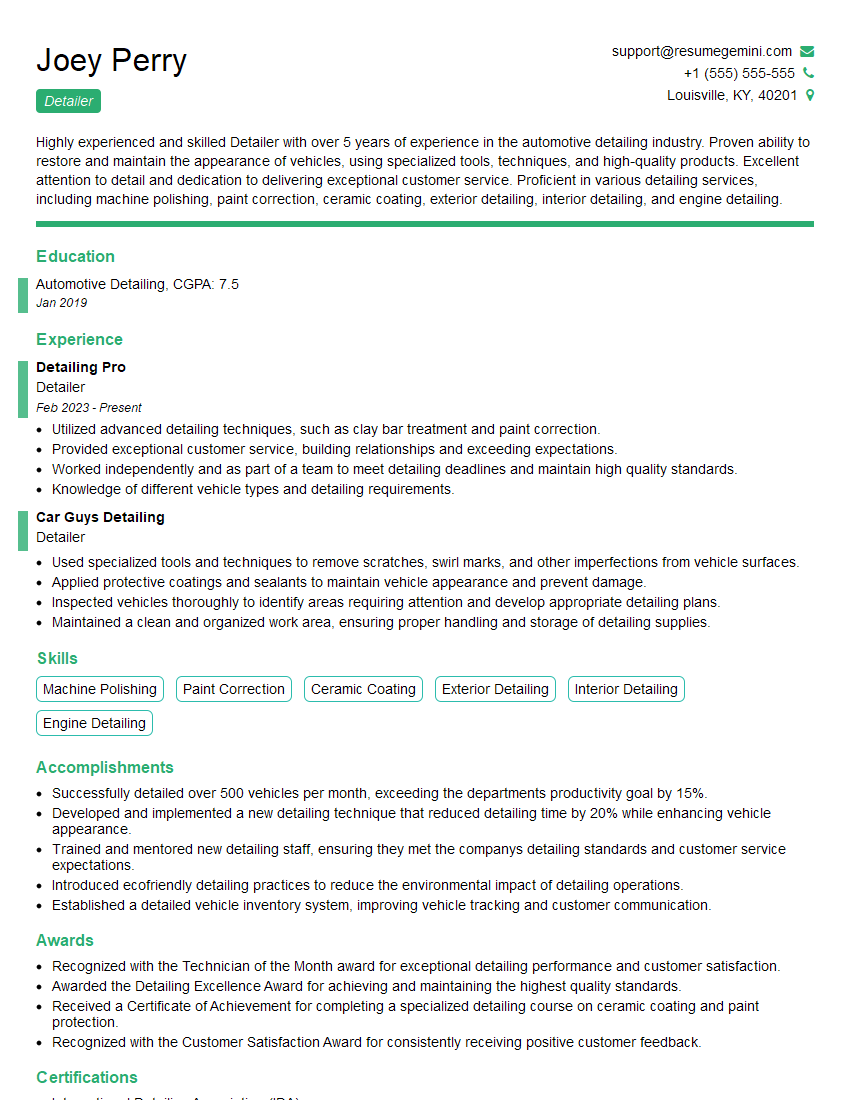
Detailer Resume Sample
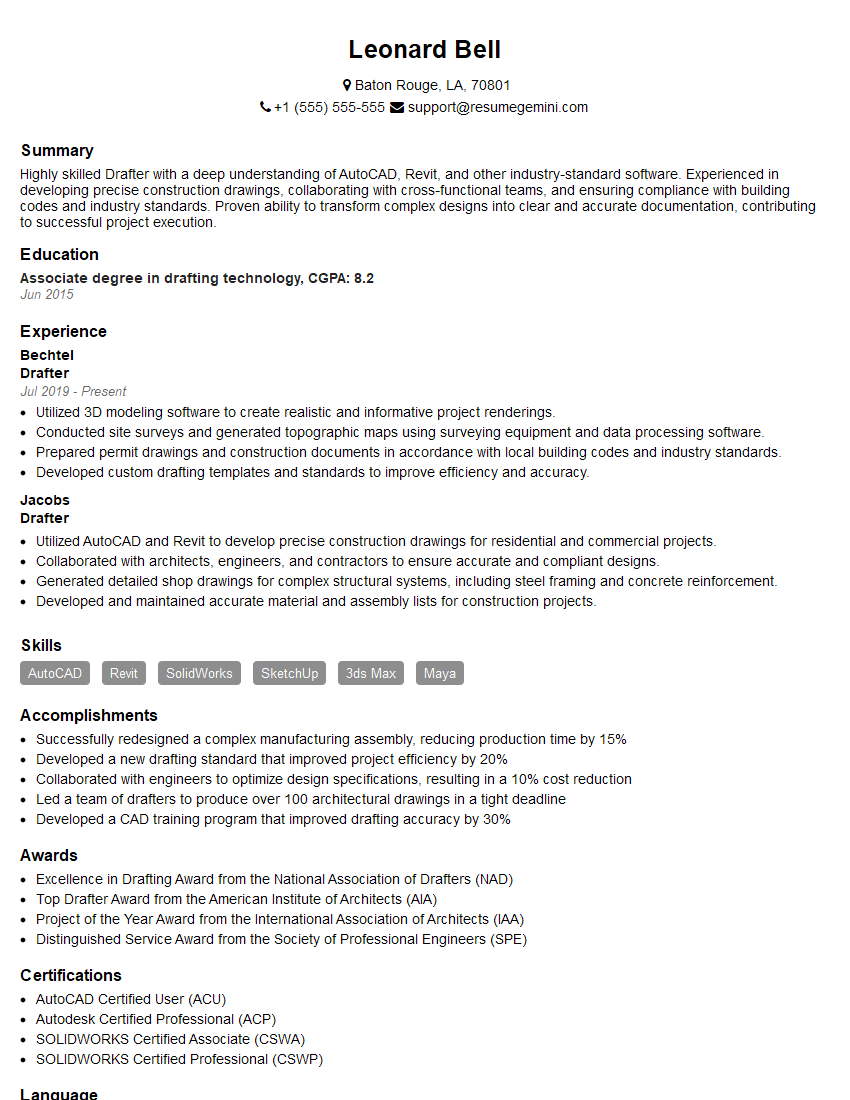
Drafter Resume Sample

Design Technician Resume Sample
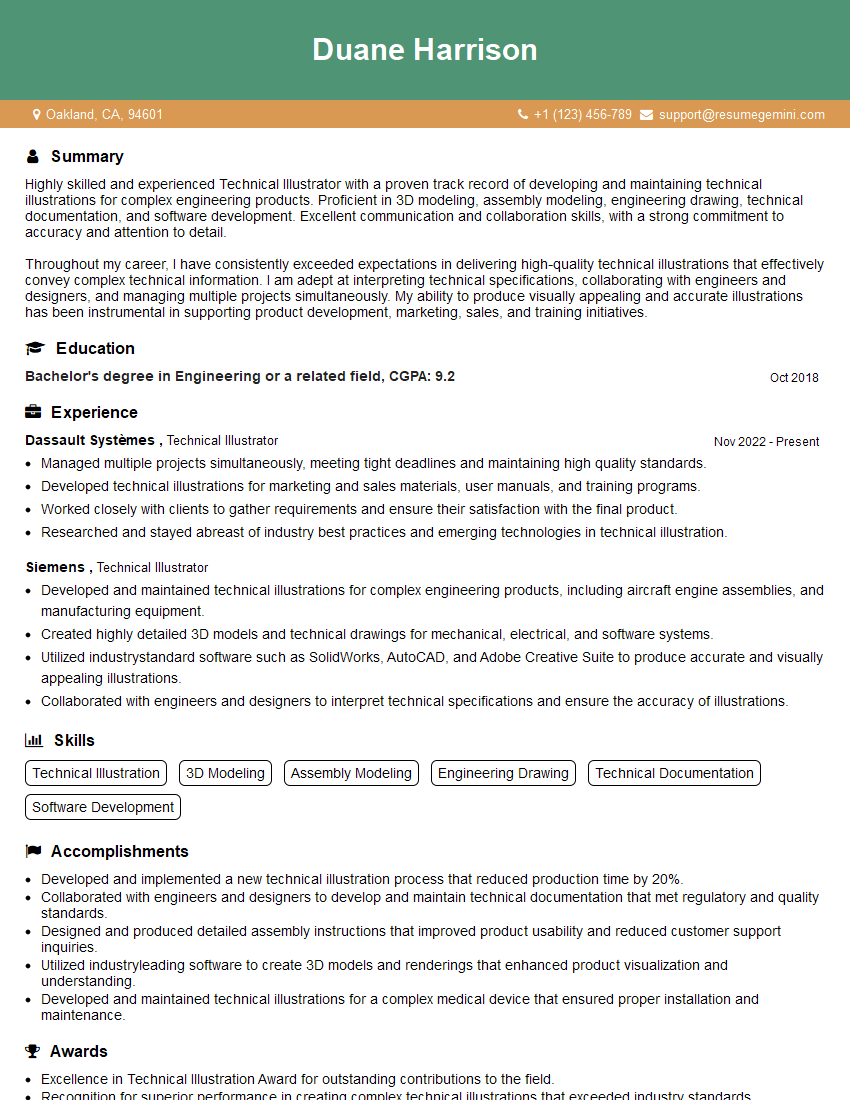
Technical Illustrator Resume Sample
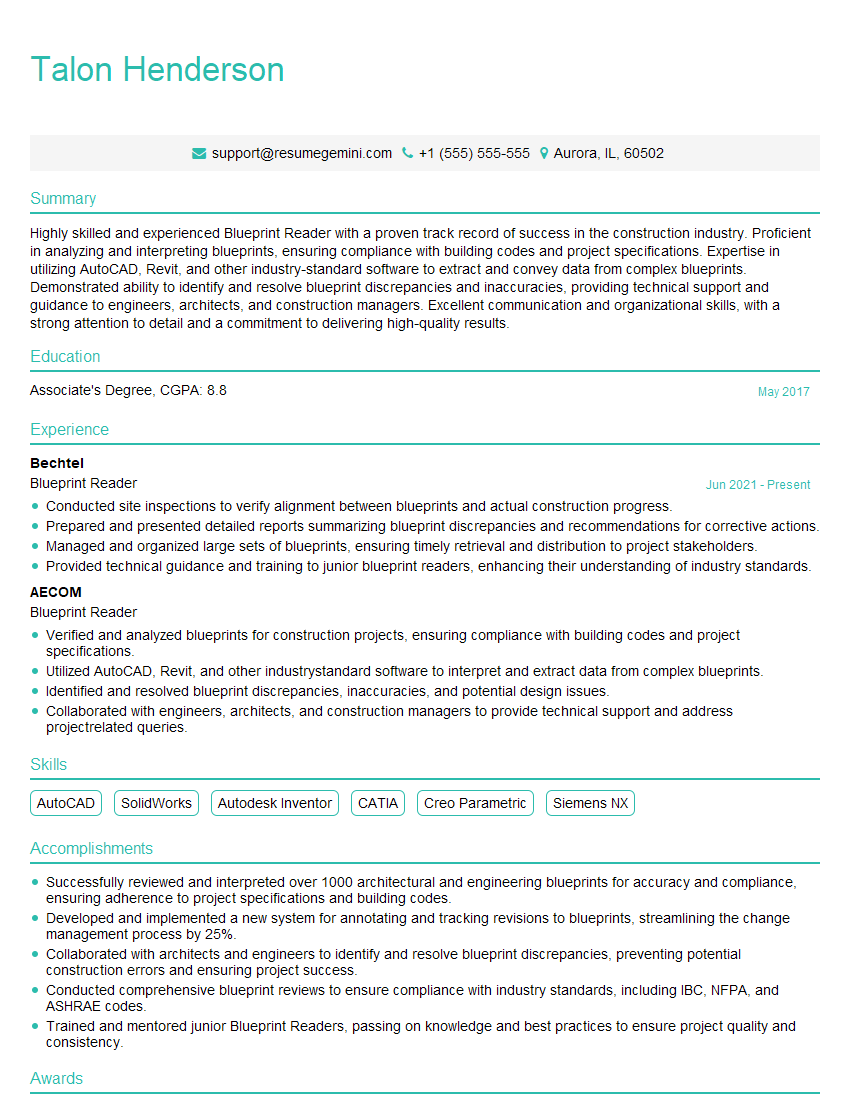
Blueprint Reader Resume Sample

Quality Control Inspector Resume Sample
- Construction Manager
- Project Coordinator
- Project Engineer
- Estimator
- Design Engineer
- Surveyor
- Civil Engineer
- Structural Engineer
- Electrical Engineer
- Field Engineer
- Manufacturing Engineer
- Mechanical Engineer
- Architectural Technologist
- Detailer
- Drafter
- Design Technician
- Technical Illustrator
- Blueprint Reader
- Quality Control Inspector
Explore more articles
Users Rating of Our Blogs
Share Your Experience
We value your feedback! Please rate our content and share your thoughts (optional).
What Readers Say About Our Blog
Very informative content, great job.
good