Are you ready to stand out in your next interview? Understanding and preparing for Bodybuilding interview questions is a game-changer. In this blog, we’ve compiled key questions and expert advice to help you showcase your skills with confidence and precision. Let’s get started on your journey to acing the interview.
Questions Asked in Bodybuilding Interview
Q 1. Describe your experience with different bodybuilding training programs (e.g., powerlifting, Olympic lifting, bodybuilding).
My experience spans various training methodologies, each contributing unique benefits to bodybuilding. Powerlifting, focused on maximal strength in the squat, bench press, and deadlift, builds a solid foundation of strength crucial for handling heavier weights in bodybuilding. Olympic lifting, encompassing the snatch and clean & jerk, develops explosive power and overall athleticism, which translates to improved performance in compound bodybuilding movements. However, bodybuilding itself prioritizes hypertrophy (muscle growth), achieved through higher rep ranges and a focus on muscle isolation and time under tension. I’ve personally implemented and adapted all three approaches, recognizing their respective roles in optimizing overall physique development. For instance, a powerlifting phase can precede a bodybuilding phase to improve strength and allow for heavier weight lifting during hypertrophy training. The key is strategic integration, not isolated use.
Q 2. Explain the principles of muscle hypertrophy.
Muscle hypertrophy, or muscle growth, hinges on the principle of muscle protein synthesis exceeding muscle protein breakdown. Essentially, your muscles are constantly undergoing both building and breaking down processes. For hypertrophy to occur, the building process (anabolic) must outweigh the breaking down process (catabolic). This is achieved through resistance training, which creates microscopic tears in the muscle fibers. The body then repairs these tears, leading to increased muscle protein synthesis. Crucial factors include sufficient training stimulus (volume, intensity, frequency), adequate protein intake to fuel muscle repair, and sufficient rest and recovery to allow the muscle to rebuild stronger. Think of it like consistently rebuilding a house: each repair makes it stronger and larger. Ignoring any of these factors—inadequate training, poor nutrition, or insufficient rest—will significantly hamper hypertrophy.
Q 3. What are the different types of muscle fibers and their roles in bodybuilding?
Skeletal muscle comprises different fiber types, each with unique characteristics impacting their role in bodybuilding. Type I fibers, also known as slow-twitch fibers, are highly resistant to fatigue, ideal for endurance activities. Type IIa fibers, or fast-twitch oxidative fibers, are intermediate, possessing both endurance and power capabilities. Type IIx fibers, or fast-twitch glycolytic fibers, are powerful but fatigue quickly, best suited for explosive movements. Bodybuilding benefits from a balanced development of all types, though Type II fibers are more heavily emphasized due to their greater hypertrophic potential. However, neglecting Type I fibers leads to poor recovery and overall physique imbalances. A well-rounded program will incorporate training methodologies to stimulate each fiber type effectively, leading to overall muscular development and improved functional fitness.
Q 4. Detail your understanding of periodization in bodybuilding training.
Periodization is the systematic manipulation of training variables (volume, intensity, frequency, rest) over time to optimize gains and prevent overtraining. It’s like strategically planning a year-long bodybuilding competition prep, not just training hard all year round. A typical periodization model might involve a preparatory phase focusing on building a base level of strength and hypertrophy, followed by a hypertrophy phase emphasizing muscle growth, and culminating in a peaking phase that focuses on refining technique and increasing strength in preparation for a competition (or peak physical condition). Within each phase, smaller cycles (microcycles) further modulate the training variables. A properly structured periodization plan prevents plateaus, reduces the risk of injury and ensures continuous progress towards specific goals.
Q 5. How do you design a training program to address specific client goals (e.g., muscle gain, fat loss, strength increase)?
Designing a program tailored to specific client goals requires a comprehensive assessment of their current fitness level, experience, nutritional habits, and any pre-existing conditions. For muscle gain, a program would emphasize compound exercises (squats, deadlifts, bench presses, overhead presses, rows) with higher volume (sets and reps) and sufficient progressive overload. For fat loss, a combination of resistance training and cardiovascular exercise is crucial, alongside a calorie deficit diet. Strength increase necessitates lower rep ranges (1-5) with heavier weight, focusing on maximal strength development. Each program will incorporate appropriate rest periods, progressive overload techniques, and careful monitoring of client progress to make necessary adjustments, adapting to their individual response. It is paramount to work within the client’s capabilities to ensure both safety and progress.
Q 6. Explain your knowledge of different training splits (e.g., upper/lower, push/pull/legs).
Training splits are ways to divide training across different muscle groups throughout the week. Upper/lower splits divide workouts into upper body and lower body sessions, allowing for more frequent training and adequate recovery for each muscle group. Push/pull/legs splits separate exercises based on movement patterns: pushing (chest, shoulders, triceps), pulling (back, biceps), and legs. This approach also allows for more frequent training, optimizing muscular growth and reducing training fatigue. Other splits include full-body workouts (training all muscle groups in one session), which is great for beginners, and body part splits (training one muscle group per day), beneficial for advanced lifters focused on specific muscle groups. The choice of split depends on the individual’s training experience, recovery capacity, and overall goals.
Q 7. Describe the importance of progressive overload in bodybuilding.
Progressive overload is the cornerstone of any successful bodybuilding program. It simply means consistently increasing the demands placed on your muscles over time. This can be achieved by increasing weight, reps, sets, or reducing rest periods. It forces your muscles to adapt and grow stronger. Without progressive overload, your muscles plateau. Your body adapts to a certain training stimulus and stops growing. By regularly challenging yourself with a greater load, you continuously stimulate muscle growth. This could involve adding 2.5 lbs to your bench press every week, or adding an extra set to your bicep curls, or gradually shortening rest intervals. Monitoring progress and tracking training data is crucial to implementing progressive overload effectively.
Q 8. How do you assess a client’s current fitness level and design a safe and effective program?
Assessing a client’s fitness level is crucial for designing a safe and effective bodybuilding program. It involves a multi-faceted approach, starting with a thorough health history questionnaire addressing any pre-existing conditions or injuries. This is followed by a physical assessment, including evaluating posture, flexibility, and range of motion. We then move to a fitness test encompassing assessments like body composition analysis (using calipers or bioelectrical impedance analysis), strength testing (using 1-rep max assessments for major compound lifts like squats, bench press, and deadlifts), and cardiovascular fitness testing (such as a treadmill test or assessing resting heart rate).
Based on this data, we can categorize a client’s fitness level (beginner, intermediate, or advanced). For example, a beginner might struggle with bodyweight exercises, while an intermediate client might comfortably handle moderate weights, and an advanced client will demonstrate high strength and muscular endurance. The program design then tailors to their capabilities. A beginner’s program will focus on building a solid foundation with proper form and gradual progression, while an advanced client’s program will incorporate more advanced training techniques like drop sets, supersets, and periodization to continually challenge them.
Safety is paramount. We prioritize proper form throughout the program, ensuring clients understand the correct technique for each exercise to minimize injury risk. We also incorporate progressive overload, gradually increasing the weight, reps, or sets over time to continually challenge the muscles, but not excessively. Furthermore, the program includes adequate rest and recovery periods to allow for muscle repair and growth.
Q 9. What are the key nutritional considerations for muscle growth?
Key nutritional considerations for muscle growth center around providing the body with sufficient calories and the right balance of macronutrients to support muscle protein synthesis and energy needs. This means consuming enough calories to create a calorie surplus, promoting anabolism (muscle growth) over catabolism (muscle breakdown). However, it’s crucial to avoid excessive calorie intake, as this can lead to unwanted fat gain. We also want to prioritize whole, unprocessed foods over refined foods and sugary drinks.
Beyond calories, adequate protein intake is critical for muscle repair and growth. Carbohydrates provide the necessary energy for workouts and muscle glycogen replenishment, and healthy fats are essential for hormone production and overall health. Micronutrients, like vitamins and minerals, play a supporting role in various metabolic processes.
Hydration is another often-overlooked aspect. Sufficient water intake is crucial for nutrient transport, muscle function, and overall bodily processes.
Q 10. Explain the role of macronutrients (protein, carbohydrates, fats) in bodybuilding.
Macronutrients are the building blocks of a bodybuilding diet and play distinct roles:
- Protein: The primary building block for muscle tissue. Protein is broken down into amino acids, which are used to repair and build new muscle proteins. Aim for a high protein intake, typically 1.6-2.2 grams per kilogram of body weight, depending on training intensity and goals.
- Carbohydrates: The body’s primary energy source. Carbohydrates provide fuel for workouts and replenish muscle glycogen stores, which are essential for high-intensity training. Choose complex carbohydrates like brown rice, oats, and sweet potatoes over simple carbohydrates.
- Fats: Important for hormone production, nutrient absorption, and overall health. Healthy fats, such as those found in avocados, nuts, and olive oil, should be included in a balanced diet. Fats also contribute to satiety, helping to control overall calorie intake.
The optimal ratio of these macronutrients will vary based on individual needs and goals but typically falls within a range that prioritizes adequate protein intake and sufficient carbohydrates for energy.
Q 11. How do you educate clients on proper nutrition and supplementation?
Educating clients on nutrition and supplementation involves a holistic approach. I start by dispelling common myths and misconceptions surrounding bodybuilding nutrition. This often involves providing credible resources, like evidence-based articles and studies to support the advice. We focus on creating a sustainable and enjoyable eating plan rather than restrictive diets.
For example, I emphasize the importance of whole foods, portion control, and mindful eating. We create personalized meal plans tailored to the individual’s dietary preferences, lifestyle, and training schedule. Supplementation is discussed only when needed to fill any nutritional gaps identified through their dietary intake. I advise against relying on supplements as a primary source of nutrients. If supplements are used, it’s always in conjunction with a well-rounded diet, and I emphasize the importance of choosing reputable brands.
Regular check-ins and feedback sessions are crucial to address any challenges or concerns that may arise and make necessary adjustments to the plan.
Q 12. Describe your understanding of the importance of recovery in bodybuilding (sleep, nutrition, rest).
Recovery is as crucial as training itself in bodybuilding. Without adequate recovery, the body cannot rebuild and grow stronger. This three-pronged approach is critical:
- Sleep: Aim for 7-9 hours of quality sleep per night. During sleep, the body releases hormones responsible for muscle growth and repair.
- Nutrition: Proper nutrition provides the building blocks and energy needed for muscle repair and growth. Consuming sufficient protein, carbohydrates, and healthy fats is crucial after workouts.
- Rest: Rest days are essential to allow muscles to recover and prevent overtraining. Active recovery, such as light cardio or stretching, can also be beneficial.
Ignoring recovery can lead to overtraining, decreased performance, and increased risk of injury. It’s crucial to incorporate adequate rest into the training schedule. This might include planned deload weeks where training volume and intensity are reduced to give the body a break.
Q 13. How do you address client plateaus in their training?
Plateaus are a common occurrence in bodybuilding. Addressing them involves a multifaceted approach. The first step is to analyze the client’s training program and nutrition plan. Are they consistently following the prescribed workouts? Are they consuming enough calories and protein? Are they getting enough sleep and rest?
We might consider several strategies to break through a plateau:
- Changing training variables: This could involve altering the training split, exercise selection, rep ranges, set numbers, or rest periods. For example, switching from a 3-day full body split to an upper/lower split could stimulate new muscle growth.
- Introducing new training techniques: Techniques such as drop sets, supersets, or rest-pause sets can help to push past plateaus by creating a greater training stimulus.
- Adjusting nutrition: If calorie intake is too low, increasing it slightly can help fuel muscle growth. Similarly, ensuring adequate protein intake is vital.
- Addressing psychological factors: Sometimes, plateaus are psychological, so strategies such as setting new goals or finding new motivation can be helpful.
It’s important to be patient and persistent when dealing with plateaus. Small changes can often make a significant difference over time.
Q 14. What are the common injuries associated with bodybuilding, and how can they be prevented?
Bodybuilding, while rewarding, carries a risk of injuries. Common injuries include:
- Muscle strains and tears: These often occur due to improper form, overtraining, or inadequate warm-up. Prevention involves proper form and technique, gradually increasing training intensity, and ensuring adequate warm-up and cool-down periods.
- Joint injuries: Injuries to joints like the knees, shoulders, elbows, and wrists can occur due to heavy lifting or improper form. Prevention requires careful attention to proper lifting techniques, using appropriate weight, and incorporating exercises to strengthen supporting muscles.
- Back injuries: These are particularly prevalent in exercises like squats and deadlifts. Prevention emphasizes proper form, including maintaining a neutral spine and using proper weight.
Prevention strategies include:
- Proper warm-up: This prepares the body for exercise, increasing blood flow to muscles and improving flexibility.
- Correct lifting technique: This minimizes stress on joints and muscles.
- Progressive overload: Gradually increasing training intensity to prevent sudden stress on the body.
- Adequate rest and recovery: This allows muscles and joints to repair and rebuild.
- Listening to your body: Rest or modify workouts if you experience pain.
Furthermore, seeking guidance from experienced trainers and incorporating flexibility and mobility work into the training routine are important aspects of injury prevention.
Q 15. Explain your experience with different types of resistance training equipment (free weights, machines, etc.).
My experience with resistance training equipment spans across a wide range, encompassing both free weights and weight machines. Free weights, such as barbells and dumbbells, offer a greater degree of freedom of movement and require more stabilization from supporting musculature, leading to improved functional strength and overall body control. For example, a barbell squat engages more stabilizer muscles than a seated leg press machine. Machines, on the other hand, provide a more guided movement, often isolating specific muscle groups. They can be particularly beneficial for beginners learning proper form or for individuals recovering from injuries, as they minimize the risk of injury due to improper technique. I use both types strategically in my training programs; free weights for building overall strength and power, and machines for targeted hypertrophy (muscle growth) or rehabilitation purposes. I also incorporate other resistance tools like resistance bands and bodyweight exercises to add variety and challenge clients.
Career Expert Tips:
- Ace those interviews! Prepare effectively by reviewing the Top 50 Most Common Interview Questions on ResumeGemini.
- Navigate your job search with confidence! Explore a wide range of Career Tips on ResumeGemini. Learn about common challenges and recommendations to overcome them.
- Craft the perfect resume! Master the Art of Resume Writing with ResumeGemini’s guide. Showcase your unique qualifications and achievements effectively.
- Don’t miss out on holiday savings! Build your dream resume with ResumeGemini’s ATS optimized templates.
Q 16. How do you motivate clients to adhere to their training and nutrition plans?
Motivating clients to adhere to their plans requires a multifaceted approach focusing on building a strong client-trainer relationship, setting realistic goals, and fostering intrinsic motivation. I begin by collaboratively setting SMART goals (Specific, Measurable, Achievable, Relevant, Time-bound) ensuring they are personally meaningful to the client. Regular check-ins, not just about weight or measurements, but also about their feelings and progress, help build trust and accountability. I encourage clients to track their progress in a way that’s enjoyable for them – whether it’s using a fitness app, a journal, or simply noting their improvements. Celebrating milestones, both big and small, reinforces positive reinforcement. Sometimes, adjusting the plan is necessary to better match the client’s life; flexibility and understanding are paramount. Finally, I emphasize the importance of the process, focusing on the positive changes in energy levels, sleep, and overall well-being that come with consistent effort, rather than solely fixating on the end goal of a specific physique.
Q 17. How do you assess and adjust training programs based on client progress?
Assessing and adjusting training programs is an ongoing process, critical for maximizing results and preventing plateaus. I use a combination of methods. Firstly, I regularly monitor client progress through tracking exercises, sets, reps, and weight lifted. This quantitative data reveals strength gains and allows for progressive overload (gradually increasing the training stimulus). Secondly, I incorporate qualitative feedback by observing their form, assessing their perceived exertion (how hard they’re working), and actively listening to their comments about their physical and mental state. If progress stalls, I might analyze the training program for potential imbalances, adjust sets, reps, or rest periods, or introduce new exercises to stimulate different muscle fibers. For example, if a client plateaus on bench press, I might introduce incline or decline variations or incorporate different training techniques. Nutritional adjustments might be needed as well. Ultimately, the program is a living document, constantly refined based on individual responses and progress.
Q 18. What is your experience with different assessment tools for tracking client progress (e.g., body composition analysis, strength testing)?
I utilize several assessment tools to track progress, ensuring a holistic view. Body composition analysis, using methods like DEXA scans or bioelectrical impedance analysis (BIA), provides insights into changes in fat mass and lean muscle mass, which are crucial indicators of bodybuilding progress. Strength testing, using 1-rep max (1RM) testing or other strength assessments, evaluates improvements in strength, power, and muscular endurance. I also track anthropometric measurements (height, weight, waist circumference) and assess flexibility and mobility using range-of-motion tests. Regular photographic records are beneficial to visually observe changes in muscle size and definition. The choice of tools depends on the individual client’s needs and goals, and the information is used to make informed decisions to optimize the training and nutrition programs.
Q 19. Explain the role of flexibility and mobility training in bodybuilding.
Flexibility and mobility training play a vital, often underestimated, role in bodybuilding. They improve range of motion, which is crucial for achieving full muscle contraction and preventing injuries. Improved flexibility allows for a more complete range of motion during exercises, leading to better muscle activation and hypertrophy. Insufficient flexibility can limit the effectiveness of exercises and increase the risk of muscle strains or tears. Mobility training addresses the functional capacity of the joints, ensuring that they move through their full range of motion efficiently and pain-free. This is especially important for compound exercises like squats and deadlifts. Incorporating regular stretching, foam rolling, and dynamic mobility exercises into a bodybuilding program enhances athletic performance, improves posture, and promotes faster recovery. Think of it like this: a stiff engine can’t run at its full potential, and similarly, inflexible muscles and joints hinder optimal bodybuilding progress.
Q 20. What is your understanding of different training techniques (e.g., drop sets, supersets, rest-pause)?
Various training techniques can be effectively implemented to break through plateaus and stimulate muscle growth. Drop sets involve reducing the weight after reaching failure, continuing the set with lighter weight until failure again. Supersets pair two different exercises targeting opposing muscle groups (e.g., biceps curls followed by triceps extensions) with minimal rest, maximizing training intensity and efficiency. Rest-pause involves performing a set to failure, resting briefly (10-15 seconds), and then continuing the set until failure again. Other techniques include pre-exhaustion (isolating a muscle before performing a compound exercise), giant sets (combining three or more exercises back-to-back), and circuit training. The selection of training techniques should be based on the client’s training experience, goals, and recovery capacity. It’s crucial to use these methods strategically, avoiding overtraining which could lead to injury or burnout.
Q 21. Describe your experience with designing and implementing a competition prep program.
Designing and implementing a competition prep program is a highly specialized and demanding process that requires meticulous planning and execution. It involves a progressive reduction in caloric intake while maintaining or even increasing training intensity, all while monitoring the athlete’s physical and psychological well-being. This typically includes periodized training, adjusting training volume and intensity throughout the preparation phase. In the early stages, emphasis is on building muscle mass and overall strength. As the competition nears, focus shifts to refining muscle definition through manipulations of macronutrients, training techniques, and cardiovascular training. Careful monitoring of body composition, strength levels, and energy levels is paramount. Communication and collaboration with the athlete are essential to ensure adherence to the plan and to adapt to any unexpected challenges or setbacks that might arise. Supplementation strategies and proper hydration are also carefully considered, and meticulous attention is paid to sleep and stress management. This process necessitates a deep understanding of the athlete’s individual needs, capabilities, and psychological factors to successfully guide them to peak condition on competition day.
Q 22. How do you handle client concerns about safety and risk during training?
Safety is paramount in bodybuilding. I address client concerns by first conducting a thorough health assessment, including a detailed medical history and physical examination. This helps identify any pre-existing conditions or limitations. Then, I explain the training plan clearly, emphasizing proper form and technique. I demonstrate each exercise, ensuring the client understands the movement and can perform it safely. We start with lighter weights and gradually increase intensity as the client gains strength and confidence. Open communication is key; clients are encouraged to voice any discomfort or pain immediately. We also incorporate regular rest and recovery periods into the program to prevent injury. For example, a client with a history of back pain might need modifications to exercises like squats or deadlifts, focusing on variations that minimize stress on the spine. We also might incorporate core strengthening exercises to improve stability. I believe that safety isn’t just about avoiding injuries, it’s about building a sustainable and enjoyable training experience.
Q 23. What are your professional certifications and qualifications in fitness and bodybuilding?
My qualifications include a Certified Personal Trainer (CPT) certification from the National Strength and Conditioning Association (NSCA), and a specialization in strength and conditioning. I also hold a Certified Nutrition Coach (CNC) certification, allowing me to create holistic training plans. Further, my own extensive experience as a competitive bodybuilder provides invaluable practical insight that I can share with my clients. Beyond formal certifications, I continually update my knowledge through professional development courses and workshops, keeping my skills sharp and my approach innovative.
Q 24. Explain your understanding of the ethical considerations in personal training.
Ethical considerations are the bedrock of my coaching practice. This involves maintaining client confidentiality, ensuring informed consent for all training plans, avoiding any form of discrimination, and remaining objective and unbiased in my assessments. I uphold the highest professional standards, avoiding conflicts of interest, and always prioritize the client’s well-being over personal gain. For instance, I would never push a client beyond their limits or recommend supplements without proper medical guidance. I believe that honesty and transparency are crucial; I openly discuss the potential risks and limitations of bodybuilding, emphasizing the importance of a balanced and sustainable approach to fitness.
Q 25. Describe your experience with different types of clients (beginners, intermediates, advanced).
My experience spans across a wide spectrum of clients. With beginners, the focus is on building a solid foundation of proper form, technique, and basic strength. We start with simple exercises, gradually increasing the intensity and volume. Intermediates often have a foundational understanding but may require more advanced programming to achieve their goals. This could involve implementing periodization, advanced training techniques, and focusing on specific muscle groups. With advanced clients, the emphasis shifts towards fine-tuning their technique, optimizing their training split, and achieving peak performance, possibly preparing for a competition. I adapt my approach to each client’s specific needs and goals, tailoring programs to their individual strengths and weaknesses.
Q 26. What are your strengths and weaknesses as a bodybuilding coach?
One of my greatest strengths is my ability to connect with clients and build rapport. This allows me to understand their individual needs and motivations, making the training experience both effective and enjoyable. I’m also highly organized and detail-oriented, ensuring that every aspect of the training program is well-structured and clearly defined. A weakness I’m actively working on is delegating tasks. As I’m passionate about helping my clients achieve their best, I sometimes take on too much myself. To improve this, I am implementing better time management strategies and learning to leverage technology for efficient program management.
Q 27. How do you stay up-to-date with the latest research and trends in bodybuilding and fitness?
Staying current is vital in the ever-evolving field of bodybuilding and fitness. I actively engage with peer-reviewed journals, scientific articles, and reputable fitness publications. I attend conferences and workshops, networking with other professionals in the field. I also follow influential figures in the industry on social media, but always critically assess the information I consume. This continuous learning ensures my approaches are both safe and effective, and that I can provide my clients with the best possible advice based on the latest scientific evidence.
Q 28. Describe a situation where you had to adapt a training program to accommodate a client’s limitations or preferences.
I once had a client with a shoulder injury that prevented him from performing overhead presses. Instead of eliminating this crucial exercise entirely, we modified the program. We substituted overhead presses with incline dumbbell presses, which reduced the stress on the shoulder joint while still targeting the same muscle groups. We also incorporated exercises to strengthen the rotator cuff muscles to improve shoulder stability and reduce the risk of re-injury. We monitored his progress closely, adjusting the program as needed. Through careful modification and communication, he was able to make significant progress while prioritizing his injury recovery.
Key Topics to Learn for Bodybuilding Interview
- Nutrition and Diet: Understanding macronutrient ratios (protein, carbohydrates, fats), calorie cycling, and the role of supplementation in muscle growth and recovery. Practical application: Designing a personalized nutrition plan based on individual goals and needs. Further exploration: Specific dietary needs based on training phases (bulking, cutting).
- Training Principles: Mastering concepts like progressive overload, periodization, volume and intensity manipulation, and understanding the different training splits (push/pull/legs, upper/lower, full body). Practical application: Creating effective workout programs tailored to specific muscle groups and training goals. Further exploration: Advanced training techniques like drop sets, supersets, and rest-pause sets.
- Muscle Anatomy and Physiology: A strong grasp of muscle function, biomechanics, and the physiological processes involved in muscle growth (hypertrophy) and strength development. Practical application: Selecting exercises that target specific muscles effectively and minimizing injury risk. Further exploration: Understanding muscle fiber types and their implications for training.
- Recovery and Regeneration: Importance of sleep, stress management, and active recovery methods in optimizing muscle growth and preventing overtraining. Practical application: Designing a recovery strategy that includes sleep hygiene, stress reduction techniques, and mobility work. Further exploration: The role of supplements in muscle recovery.
- Injury Prevention and Rehabilitation: Understanding common bodybuilding injuries, their causes, and preventative measures. Practical application: Implementing proper form during exercises and knowing when to modify or cease training. Further exploration: Basic knowledge of rehabilitation techniques and when to seek professional help.
Next Steps
Mastering the principles of bodybuilding can significantly enhance your career prospects, whether you’re aiming for a personal training role, a position in the supplement industry, or a related field. A strong understanding of training, nutrition, and recovery is highly valued. To stand out, create an ATS-friendly resume that clearly highlights your skills and experience. ResumeGemini is a trusted resource that can help you build a professional and impactful resume. They offer examples of resumes tailored to the bodybuilding industry, ensuring your application makes a lasting impression.

Wellness Coach Resume Sample
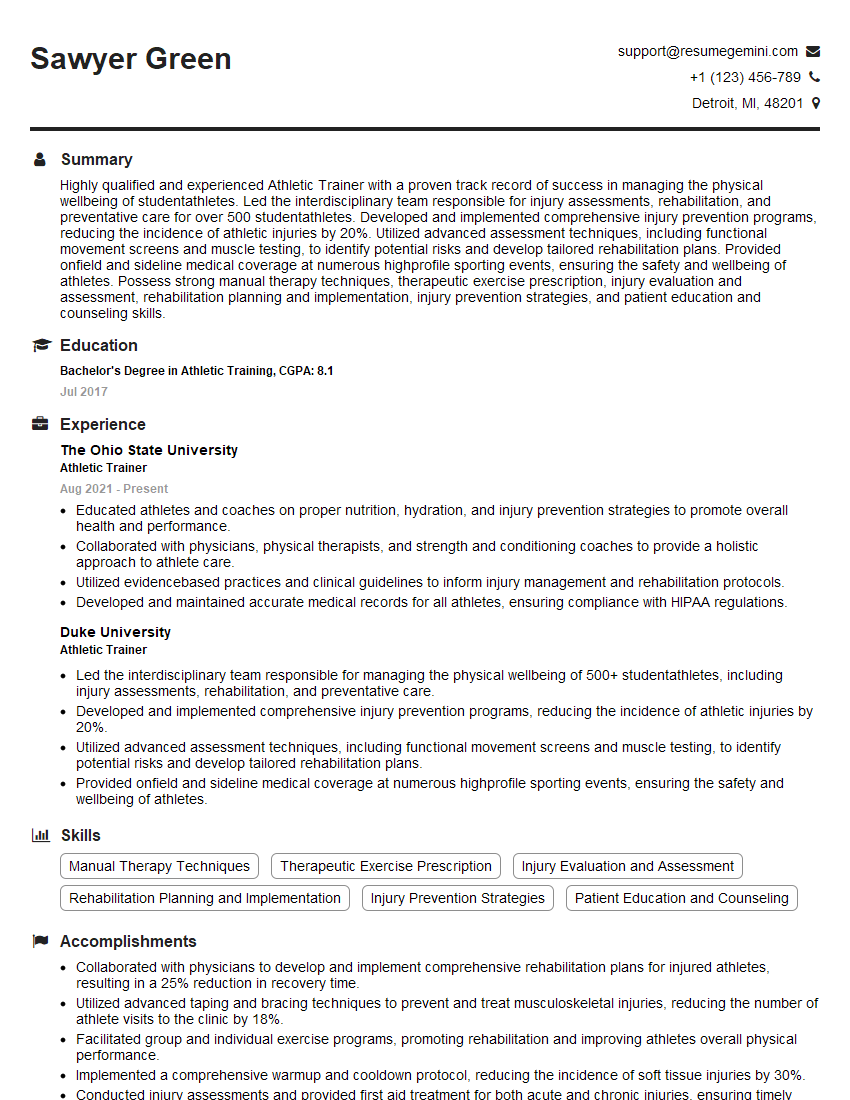
Athletic Trainer Resume Sample
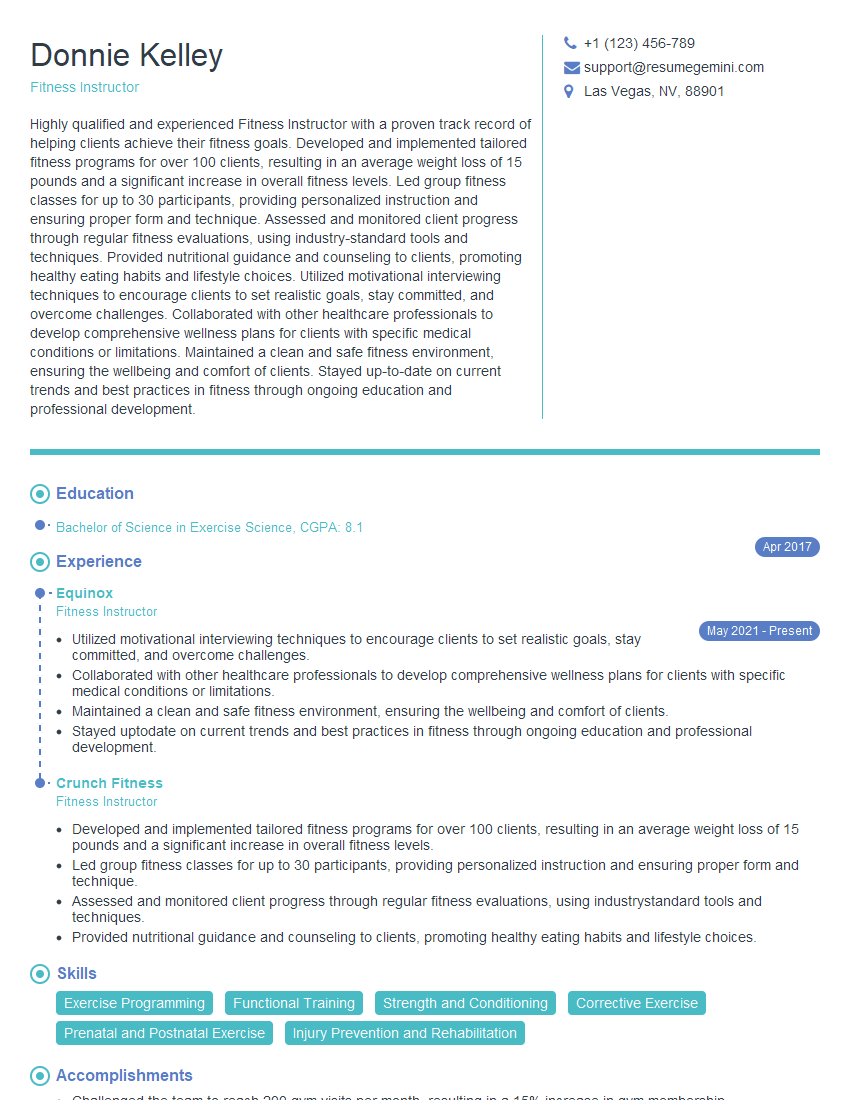
Fitness Instructor Resume Sample
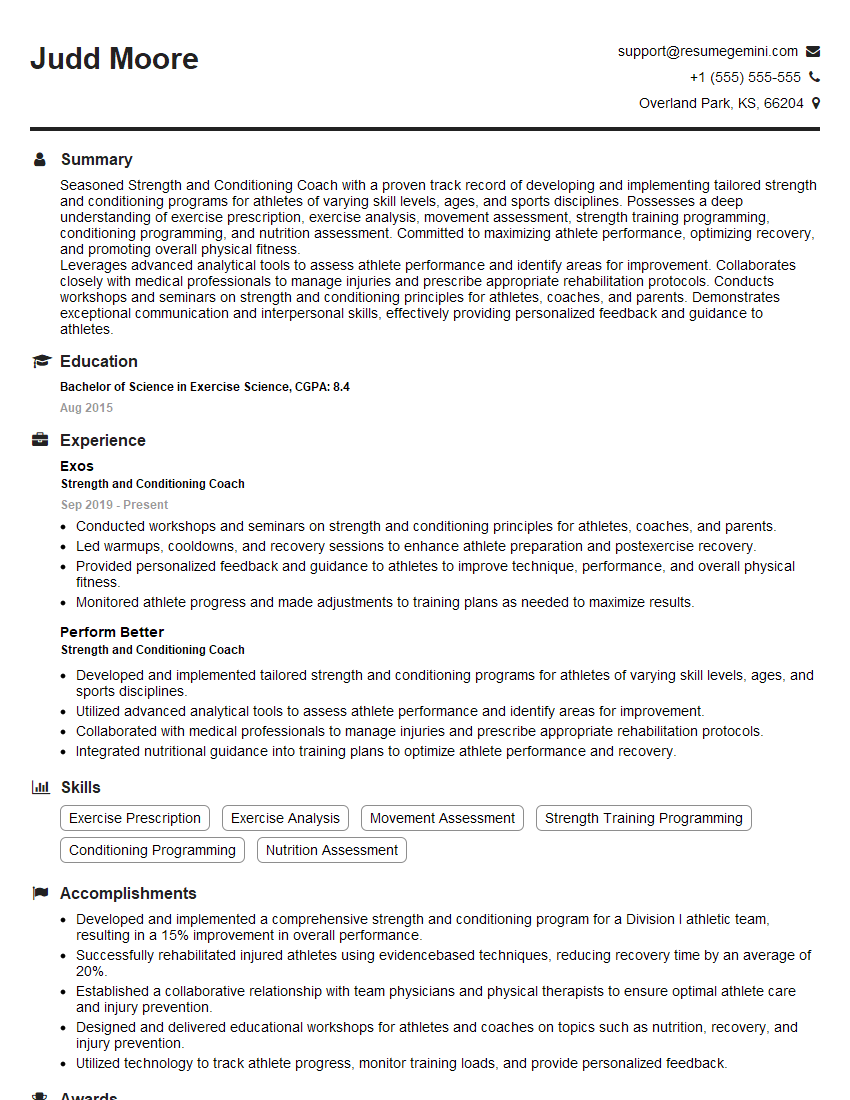
Strength and Conditioning Coach Resume Sample
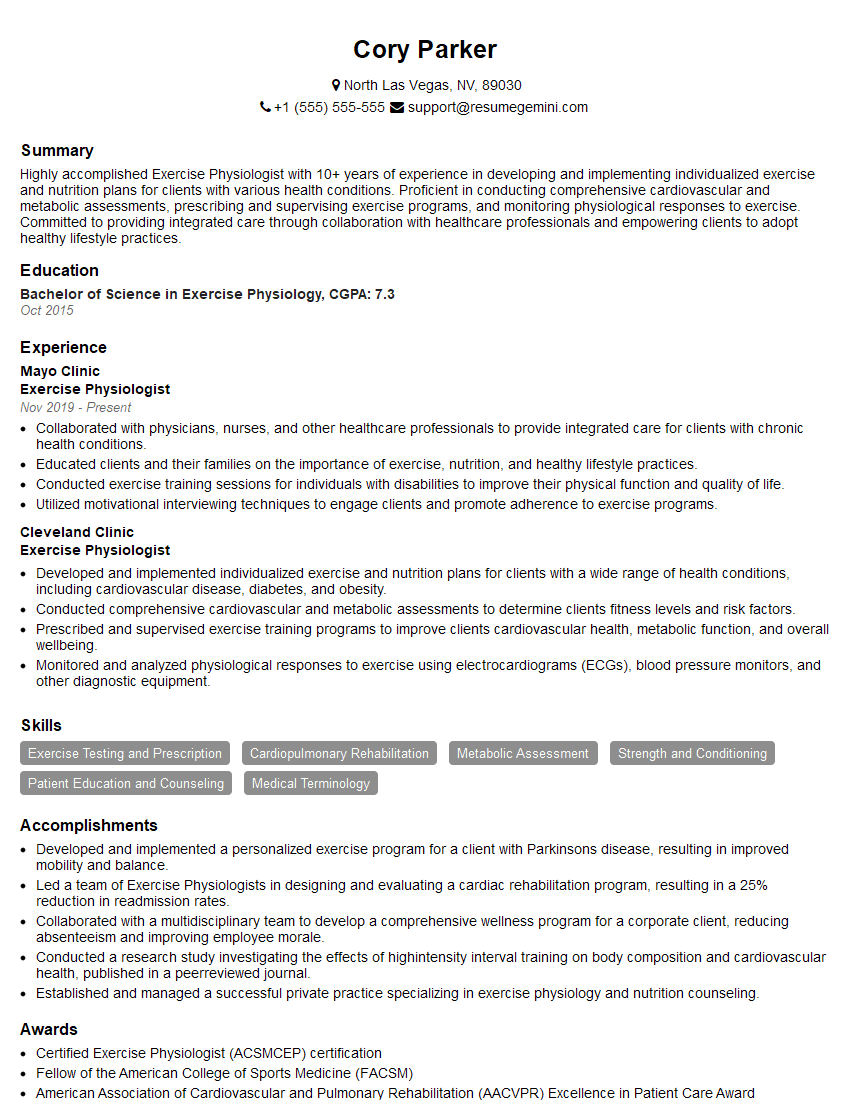
Exercise Physiologist Resume Sample
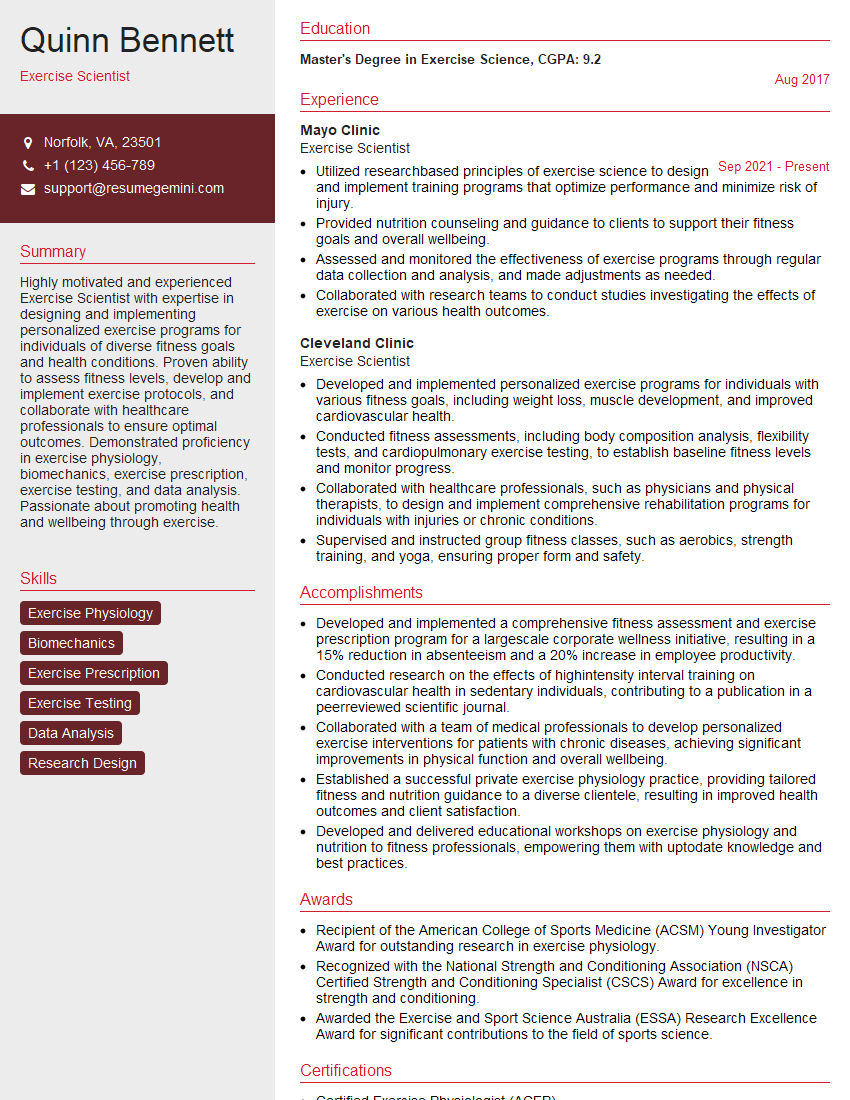
Exercise Scientist Resume Sample
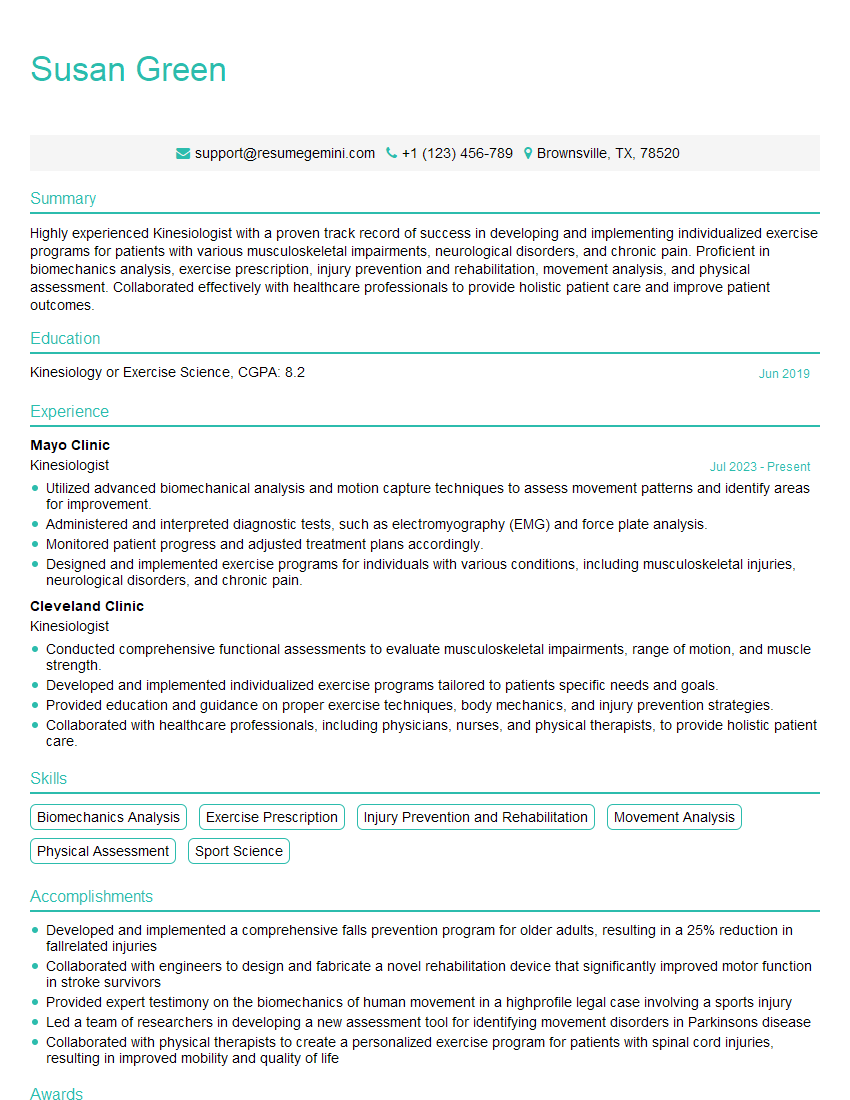
Kinesiologist Resume Sample
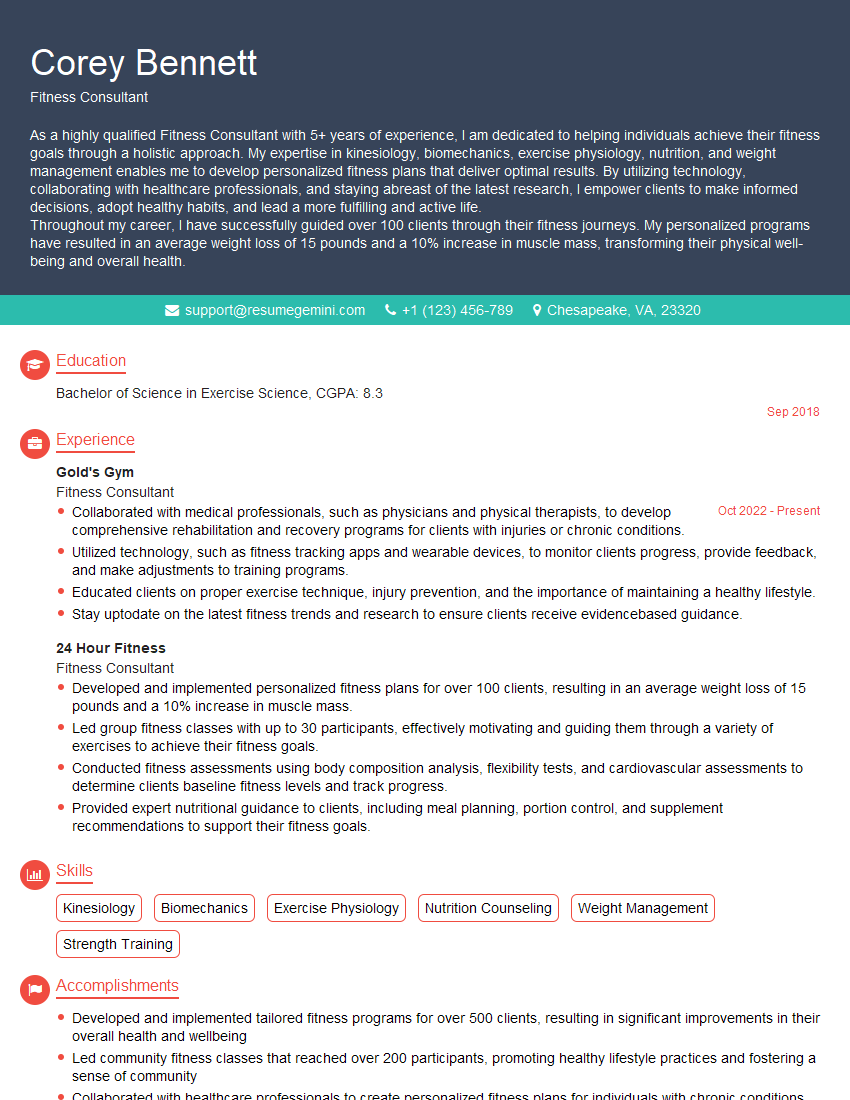
Fitness Consultant Resume Sample
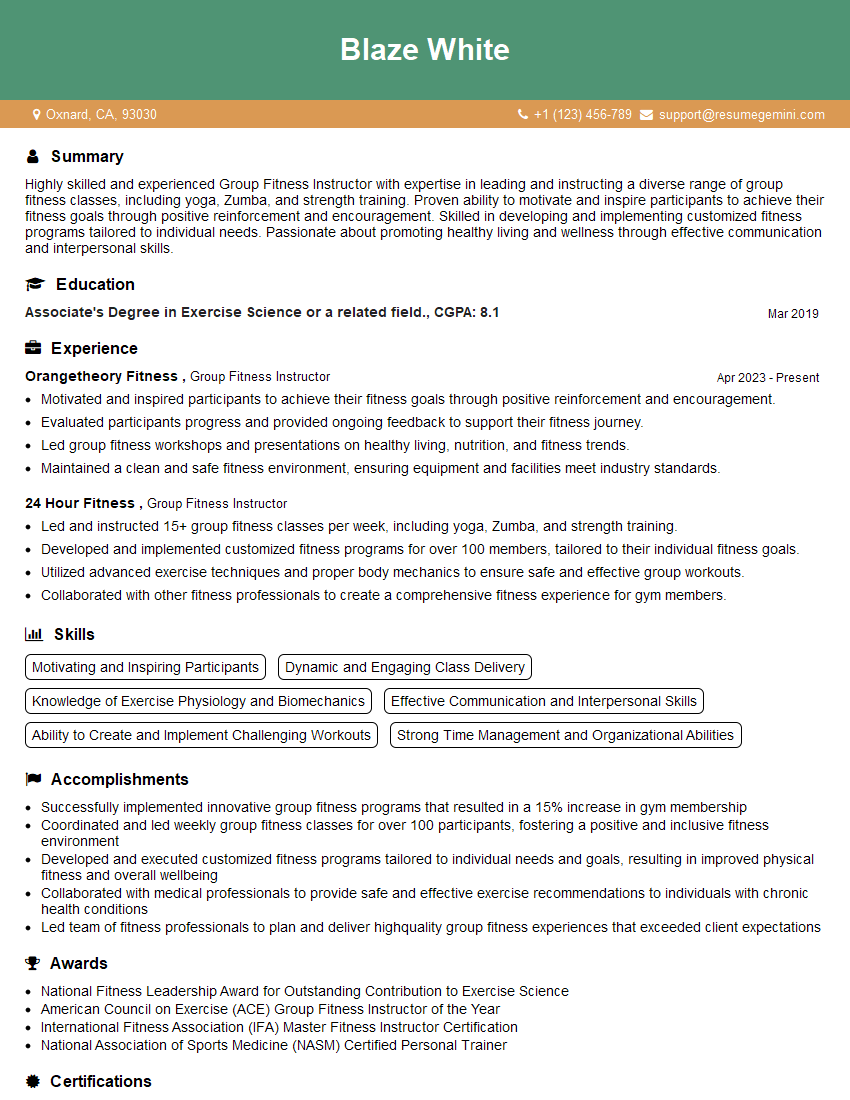
Group Fitness Instructor Resume Sample
Explore more articles
Users Rating of Our Blogs
Share Your Experience
We value your feedback! Please rate our content and share your thoughts (optional).
What Readers Say About Our Blog
Very informative content, great job.
good