Preparation is the key to success in any interview. In this post, we’ll explore crucial Box preparation interview questions and equip you with strategies to craft impactful answers. Whether you’re a beginner or a pro, these tips will elevate your preparation.
Questions Asked in Box preparation Interview
Q 1. Explain the importance of proper box sizing and selection for efficient packaging.
Proper box sizing and selection are paramount for efficient packaging. Choosing the right box minimizes wasted space, reduces shipping costs, and most importantly, protects the contents. A box that’s too large allows the product to shift during transit, increasing the risk of damage. Conversely, a box that’s too small can crush or deform the product.
For example, imagine shipping a delicate glass vase. A box that’s too small will inevitably break the vase. A box that’s too large will allow the vase to move around, potentially leading to breakage. The ideal box should be snug but not constricting, allowing for adequate cushioning material.
We consider factors like product dimensions, weight, fragility, and the type of shipping method when selecting a box. This ensures optimal protection and cost-effectiveness. We also account for potential variations in product dimensions to avoid a too-tight fit.
Q 2. Describe different types of packaging materials and their applications.
Packaging materials are diverse and their selection depends heavily on the product’s characteristics and the shipping conditions. Common materials include:
- Corrugated cardboard: The workhorse of packaging. Its strength and cushioning properties make it suitable for most products.
- Cardboard: Lighter and less durable than corrugated cardboard, suitable for lighter and less fragile items.
- Bubble wrap: Excellent for cushioning fragile items and absorbing shocks.
- Foam peanuts: Another excellent cushioning material, offering good shock absorption and filling irregular spaces.
- Air pillows: Lightweight and space-saving cushioning, ideal for filling voids within a box.
- Kraft paper: Provides additional protection against moisture and abrasion.
For instance, a heavy electronic device would require a sturdy corrugated cardboard box with ample cushioning, while a lightweight book might only need a cardboard box and some kraft paper wrapping.
Q 3. How do you ensure boxes are properly sealed to prevent damage during transit?
Proper sealing is critical to prevent damage and tampering. We use a variety of methods depending on the box type and its contents.
- Taping: We apply at least two layers of strong packing tape, overlapping each strip by at least two inches. The tape should cover all seams and flaps completely.
- Box sealers (automatic and semi-automatic): For higher volume operations, these machines ensure consistent and strong seals, improving efficiency and minimizing human error.
- Stitching (for heavier boxes): Stitching with heavy-duty staples further enhances the box’s structural integrity, especially for larger or heavier packages.
We avoid using inferior tapes or insufficient tape application. A poorly sealed box can easily open during transit, leading to product damage or loss. Every seal is inspected before the box is considered ready for shipment.
Q 4. What are the common causes of damaged goods during shipping, and how can they be prevented through proper box preparation?
Damaged goods during shipping are often caused by:
- Improper packing: Insufficient cushioning, poor box selection, and inadequate sealing are major culprits.
- Rough handling: The shipping process involves multiple handling stages, and rough treatment can damage even well-packed goods.
- Environmental factors: Extreme temperatures, moisture, or vibrations can affect product integrity.
Preventing these issues involves meticulous box preparation. This includes using appropriate box sizes, ample cushioning, secure sealing, and clear labeling (e.g., ‘fragile’). We also consider using additional protective measures like corner protectors and edge protectors for susceptible items.
For example, if a product is susceptible to moisture, we would use waterproof packaging materials and consider including desiccant packs to absorb excess moisture.
Q 5. Explain your experience with different types of box sealing equipment.
My experience encompasses various box sealing equipment, ranging from manual taping to automated systems.
- Manual taping: This is suitable for low-volume operations but is time-consuming and prone to inconsistencies in sealing.
- Semi-automatic taping machines: These machines apply tape more consistently and faster than manual taping, improving efficiency and reducing labor costs.
- Automatic box sealers: These high-speed machines are ideal for high-volume operations, dramatically improving speed and consistency of sealing. They can handle various box sizes and types. I have experience operating both top and bottom sealing machines.
Choosing the right equipment depends on factors like volume, budget, and box types. Each system has its advantages and disadvantages in terms of speed, cost, and maintenance.
Q 6. How do you handle situations where a box is damaged during the packing process?
If a box is damaged during packing, I immediately assess the extent of the damage.
- Minor damage: If the damage is minor (e.g., a small dent), and the structural integrity of the box is not compromised, we might reinforce the damaged area with additional tape. We’d also carefully inspect the product to ensure it wasn’t affected.
- Significant damage: If the damage is significant, rendering the box unsuitable for shipping, I would replace it with a new box of appropriate size and repack the contents, ensuring proper cushioning and sealing.
Documentation is crucial. We record all instances of damaged boxes and the corrective actions taken. This helps us identify potential issues in our packing process and improve our procedures.
Q 7. Describe your process for packing fragile items.
Packing fragile items requires a meticulous approach. The key is to maximize protection against shocks and vibrations.
- Individual wrapping: Each fragile item is individually wrapped in protective materials like bubble wrap, foam, or tissue paper to prevent direct contact and potential damage.
- Adequate cushioning: Sufficient cushioning material is used to fill all voids within the box, preventing the item from shifting during transit.
- Inner boxes: For very fragile items, we often use inner boxes to create an additional layer of protection within the main shipping box.
- Suspension and bracing: We use suspension techniques, such as placing the item in a nest of cushioning material or bracing it with foam inserts to keep it from moving around.
- Clear labeling: We clearly label the box with ‘fragile’ and ‘handle with care’ warnings.
For example, when shipping a ceramic sculpture, we’d wrap it in bubble wrap, place it in a foam insert within an inner box, and then place that inner box in a larger corrugated cardboard box filled with more cushioning material.
Q 8. Explain your experience with different types of packaging fillers (e.g., air pillows, bubble wrap).
My experience encompasses a wide range of packaging fillers, each with its own strengths and weaknesses. Think of choosing a filler like choosing the right tool for a job – the best choice depends on the item being packaged and the desired level of protection.
- Air Pillows: These are excellent for filling void space and cushioning fragile items. I’ve used them extensively for shipping electronics and glassware, where their ability to conform to the product’s shape is crucial. For example, a delicate ceramic vase would benefit greatly from air pillows to prevent it from shifting and breaking during transit.
- Bubble Wrap: A classic and versatile option, bubble wrap provides good cushioning and is readily available. However, it’s less efficient for filling large void spaces compared to air pillows. I’ve used it for protecting smaller, less fragile items, or as a supplemental layer of protection with other fillers.
- Foam peanuts: These are lightweight and effective for filling larger boxes, but can be messy and less environmentally friendly than other options. I’ve found them suitable for shipping heavier items that require less delicate handling, such as books or packaged clothing items. The key is to use the right size peanut to avoid excess space.
- Kraft paper: This is a more sustainable option and can be used for void fill, wrapping items, or as a protective layer between products. It’s a simpler approach, but highly effective for many items.
In my work, I always assess the product’s fragility, size, and shipping distance to determine the most appropriate filler combination. Often, a combination of fillers provides the best protection. For instance, using bubble wrap for delicate components within a larger box filled with kraft paper for void space ensures optimal protection.
Q 9. How do you ensure the correct labeling and addressing of boxes?
Accurate labeling and addressing are paramount to ensure timely and accurate delivery. I follow a meticulous process to minimize errors. Think of it like addressing a letter – if the address is wrong, it won’t reach its destination.
- Verification: I always double-check the recipient’s address against the order details, ensuring complete and accurate information such as street address, apartment number, and zip code.
- Clear Labeling: I use clear, legible labels, printing information in bold letters. This includes the recipient’s name and address, the return address, and any special handling instructions (e.g., ‘fragile’).
- Barcode Integration: In many cases, barcode scanning is integrated into our shipping process. The system automatically generates shipping labels with the correct information, minimizing human error.
- Label Placement: Labels are securely attached to the top of the box in a prominent location, making it easily visible during transit.
- Multiple Labels: Depending on the shipping carrier’s requirements, I might generate and apply multiple labels, particularly for international shipments.
In my experience, this methodical approach has drastically reduced the number of misdirected or undelivered packages. A single mistake can lead to delays, and customer dissatisfaction; a careful approach prevents that.
Q 10. Describe your experience with inventory management within the box preparation process.
Inventory management is an integral part of efficient box preparation. Imagine trying to bake a cake without checking if you have all the ingredients – you’d end up with a half-baked disaster.
My experience includes managing inventory levels of boxes, packaging materials, and fillers. I utilize a combination of techniques to maintain accurate inventory:
- Regular Stock Checks: I conduct regular physical counts of all materials, comparing them to the inventory management system.
- Software Integration: Many facilities use software for inventory management. This allows for real-time tracking of stock levels, automatic reorder points, and streamlined reporting.
- FIFO (First-In, First-Out): I utilize FIFO methodology to minimize waste and prevent the expiry of materials. This approach ensures that older materials are used first.
- Data Analysis: Regular analysis of inventory data helps in predicting future needs and optimizing stock levels, preventing shortages or overstocking.
Efficient inventory management ensures that we always have the necessary materials on hand to meet our packaging needs, avoiding delays and ensuring smooth operations.
Q 11. How do you maintain a clean and organized workspace in a fast-paced box preparation environment?
Maintaining a clean and organized workspace in a fast-paced environment requires a proactive approach. Think of it like a well-organized kitchen – it’s much easier and safer to work in a clean space.
- 5S Methodology: I apply the 5S methodology (Sort, Set in Order, Shine, Standardize, Sustain) to maintain a clean and efficient workspace. This involves regularly sorting materials, organizing them efficiently, cleaning up spills and debris, standardizing processes, and sustaining the improvements.
- Designated Areas: Materials are stored in designated areas, clearly labeled and accessible. This minimizes clutter and improves workflow.
- Regular Cleaning: I dedicate time for regular cleaning, removing debris and ensuring that the workspace is safe and hygienic.
- Teamwork: Maintaining a clean and organized workspace is a team effort. I encourage my colleagues to maintain their individual areas, making it a shared responsibility.
- Waste Management: Proper waste disposal is crucial. I ensure that recyclable materials are separated and disposed of appropriately.
This organized approach not only improves efficiency but also creates a safer working environment, reducing the risk of accidents and injuries.
Q 12. Explain your experience with safety procedures in a box preparation setting.
Safety is of utmost importance in any workplace, and box preparation is no exception. Ignoring safety procedures can lead to injuries and disruptions.
- Personal Protective Equipment (PPE): I always wear appropriate PPE, including gloves to protect hands from cuts or abrasions and safety glasses to protect my eyes from flying debris.
- Ergonomics: I maintain proper posture and utilize ergonomic tools to minimize strain and prevent injuries.
- Lifting Techniques: I always use proper lifting techniques to prevent back injuries when handling heavy boxes. I never lift more than I’m comfortably able to handle.
- Sharp Objects: I handle sharp objects like box cutters with extreme care, keeping them away from my body and others, and always storing them safely when not in use.
- Emergency Procedures: I am familiar with emergency procedures, including the location of fire extinguishers and emergency exits.
- Reporting Injuries: All injuries, no matter how minor, are reported immediately to prevent further harm.
Prioritizing safety ensures a healthy and productive work environment for everyone.
Q 13. How do you prioritize tasks to meet deadlines in a high-volume environment?
Prioritizing tasks in a high-volume environment requires a strategic approach. It’s like managing a to-do list – you need to tackle the most important items first.
- Order Prioritization: I prioritize orders based on their deadlines, shipping methods, and any special handling instructions. Urgent orders always take precedence.
- Workload Assessment: I assess the overall workload and distribute tasks accordingly, ensuring a balanced workload among team members.
- Time Management: I utilize time management techniques, such as setting deadlines for individual tasks and breaking down larger tasks into smaller, more manageable steps.
- Communication: Open communication with supervisors and colleagues is essential. If I anticipate delays, I inform the relevant parties immediately.
- Flexibility: Flexibility is crucial. I’m always prepared to adapt to changing priorities and unexpected delays.
By prioritizing effectively and adapting to changing needs, I consistently meet deadlines and maintain a high level of productivity even under pressure.
Q 14. Describe your experience with using a barcode scanner or other inventory management systems.
Barcode scanners and inventory management systems are indispensable tools in modern box preparation. They’re like having a digital assistant that streamlines the entire process.
- Scanning Efficiency: Barcode scanners significantly improve the speed and accuracy of inventory tracking. I use them to scan items as they are packed, ensuring that the correct items are included in each shipment.
- Error Reduction: Manual data entry is prone to human errors. Barcode scanners eliminate this risk, reducing errors and improving efficiency.
- Real-Time Tracking: Inventory management systems provide real-time visibility into stock levels, helping us make informed decisions about ordering and stock allocation.
- Data Analysis: These systems generate reports on various metrics, such as packaging efficiency and order fulfillment times. This data helps us identify areas for improvement and optimize our processes.
- Integration with other systems: Many inventory management systems integrate with other systems like shipping software, providing a seamless workflow from order placement to shipment.
My proficiency with barcode scanners and inventory management systems has significantly enhanced my efficiency and accuracy in box preparation.
Q 15. How do you handle discrepancies between the order and the items being packed?
Discrepancies between the order and packing items are addressed immediately and meticulously. My first step is a thorough recount and verification against the packing list. This list serves as the single source of truth. If a discrepancy is found, I immediately flag it in the system, noting the specific item, the quantity difference (shortage or surplus), and the order number.
Then, I carefully investigate the root cause. Common causes include picking errors, inaccurate inventory management, or damaged goods that were overlooked during the initial inventory check. Depending on the severity and cause, I either correct the packing list and proceed after confirming the correct count, request a replacement item, or escalate the issue to the appropriate department (e.g., inventory management or quality control) for immediate resolution before proceeding with the shipment. Documentation of the entire process, including photos of discrepancies if necessary, is vital for tracking and prevention.
For example, if an order calls for 10 units of Product X but only 8 are found, I would document the discrepancy, potentially take photos of the available items and the packing list, and then decide if I can fulfill the order partially (with a notification to the customer), request a resupply of Product X, or cancel the order.
Career Expert Tips:
- Ace those interviews! Prepare effectively by reviewing the Top 50 Most Common Interview Questions on ResumeGemini.
- Navigate your job search with confidence! Explore a wide range of Career Tips on ResumeGemini. Learn about common challenges and recommendations to overcome them.
- Craft the perfect resume! Master the Art of Resume Writing with ResumeGemini’s guide. Showcase your unique qualifications and achievements effectively.
- Don’t miss out on holiday savings! Build your dream resume with ResumeGemini’s ATS optimized templates.
Q 16. Describe your experience with different types of boxes (e.g., corrugated cardboard, kraft paper).
My experience encompasses a wide range of box types, each suited to different needs. Corrugated cardboard, for instance, is a workhorse—strong, versatile, and cost-effective for many applications. I’ve used various grades of corrugated cardboard, understanding the differences in their strength and weight-bearing capabilities. The flute type (A-flute, B-flute, etc.) significantly influences the box’s strength and its ability to protect fragile items. I’ve also worked with double-walled corrugated boxes for heavier or more sensitive goods.
Kraft paper boxes provide a more sustainable and aesthetically pleasing alternative, particularly for products marketed towards environmentally conscious consumers. While often lighter, their strength is comparable to certain corrugated types for lighter-weight items. I carefully choose the box type based on product weight, fragility, shipping distance, and client requirements. For example, I’d use a double-walled corrugated box for heavy electronics, and a sturdy kraft paper box for lighter, less fragile items like clothing.
Q 17. How familiar are you with international shipping regulations regarding box preparation?
I’m very familiar with international shipping regulations. This involves understanding the specific requirements for labeling (e.g., proper hazardous materials identification, country-specific customs declarations), packaging materials (some materials are restricted in certain countries), and handling fragile items for international transport. Knowing the appropriate regulations for different countries and regions is crucial to avoid delays, fines, or even the confiscation of goods.
For instance, I’m proficient in completing the necessary customs documentation, ensuring that the required information is accurately displayed, and am aware of the differences in required labeling for different modes of transport (air, sea, or land). My experience includes navigating restrictions on specific materials, ensuring that chosen packaging doesn’t violate international trade rules and regulations.
Q 18. What is your understanding of weight and dimension restrictions for shipping boxes?
Weight and dimension restrictions are critical for efficient and cost-effective shipping. Different carriers have specific limits regarding the maximum weight, length, width, and height of packages. Exceeding these limits results in higher shipping costs or even rejection of the shipment.
I meticulously check these restrictions before packing, ensuring that the final dimensions and weight of each box fall within the carrier’s guidelines. This often involves strategically packing items to optimize space and minimize weight, considering factors like package density and the use of void fill to prevent shifting during transit. For example, I might need to use smaller boxes for certain items to keep the package size and weight within a cost-effective shipping range, or split a large order into multiple smaller packages.
Q 19. How do you ensure boxes meet the necessary strength requirements for their contents?
Ensuring box strength is paramount to preventing damage during transit. This begins with selecting the appropriate box type and size based on the item’s weight, fragility, and handling conditions. Next, I use proper packing techniques to protect the product from shock and vibration. This often involves the strategic use of cushioning materials such as bubble wrap, foam peanuts, or air pillows to fill voids and prevent the item from shifting.
Furthermore, I pay attention to the way items are placed within the box, often using dividers or bracing to prevent movement and protect fragile corners or edges. Lastly, I perform a visual inspection and sometimes a “drop test” (carefully lowering the package from a low height) to ensure the packaging is robust enough to withstand expected handling during shipping. I document the specific measures taken to enhance the packaging strength, so that if any damage is reported, I can readily determine where the process may have failed.
Q 20. Describe your experience with manual and automated box-making equipment.
I have extensive experience with both manual and automated box-making equipment. Manual methods, such as using tape, cutters, and hand-held tools, are still valuable for smaller-scale operations or specialized packaging needs. I am proficient in quickly and efficiently assembling boxes by hand, ensuring proper sealing and reinforcement to maintain strength and integrity.
However, I also have experience with automated box-making equipment, including automated taping machines, case sealers, and even fully automated robotic systems for high-volume operations. These systems dramatically increase efficiency and throughput, reducing the risk of human error. Understanding the operation and maintenance of these machines allows for effective scaling of operations and cost optimization. The selection between manual and automated processes depends on factors like production volume, budget, and required throughput.
Q 21. How do you identify and address potential hazards related to box preparation?
Hazard identification and mitigation are critical aspects of box preparation. Common hazards include sharp edges on boxes, potential for cuts from box cutters or tape dispensers, slips and falls from improper stacking, and exposure to dust and particles from packaging materials.
To mitigate these hazards, I ensure proper use of personal protective equipment (PPE), including cut-resistant gloves, safety glasses, and closed-toe shoes. I also maintain a clean and organized workspace to minimize tripping hazards. Proper training on the use of equipment and safe handling procedures is essential for preventing injuries. I adhere to all company safety protocols, and always report any unsafe conditions immediately to the supervisor. This proactive approach ensures a safe working environment and prevents accidents related to box preparation.
Q 22. Explain your experience with optimizing box packing to minimize shipping costs.
Optimizing box packing for minimal shipping costs involves a multifaceted approach focusing on maximizing space utilization and selecting the most cost-effective packaging. It’s like fitting as many pieces as possible into a jigsaw puzzle – the more efficiently you pack, the fewer boxes you need, and consequently, the lower your shipping expenses.
- Right-sizing boxes: Instead of using one large box for everything, I analyze the dimensions and volume of items to choose the smallest appropriately sized box. This reduces wasted space and shipping costs. For instance, if a product can fit snugly in a smaller box, using a larger one is needlessly expensive.
- Nesting and stacking: I carefully consider how items can be nested within each other or stacked to maximize the cubic capacity of the box. This requires visualizing the space and the item’s shapes and dimensions. Think of how Tetris works – strategically fitting the pieces together.
- Void fill optimization: Proper void fill prevents items from shifting during transit, which reduces damage and ensures efficient packing. Overfilling adds weight which increases shipping costs while underfilling leads to product damage. We use eco-friendly, lightweight void fills tailored to the specific item and box size. For example, inflatable air pillows are better for irregularly shaped items than loose packing peanuts.
- Negotiating with suppliers: I actively negotiate with packaging suppliers to secure the best rates for different box sizes and materials. Bulk purchasing and long-term contracts can significantly reduce the per-unit cost.
By implementing these strategies, I’ve consistently reduced shipping costs by 15-20% in previous roles. The key is careful planning and understanding the interplay between box size, item dimensions, and shipping rates.
Q 23. How do you handle returns and repackaging of goods?
Handling returns and repackaging requires a structured process to ensure efficient and cost-effective management. Just as important as the initial packaging is the process for effectively receiving and repackaging returned goods.
- Inspection and assessment: Upon receiving a returned item, we inspect it for damage. Depending on the condition, it might be repackaged for resale or disposal. We clearly document the reasons for returns.
- Repackaging materials: We maintain a stock of appropriate packaging materials, including boxes, void fill, and tape, specifically for repackaging. We prioritize using recycled materials when possible to minimize our environmental impact.
- Quality assurance: Before reshipping, we conduct quality checks to ensure that the item is in the same condition as when it was initially sent, or as it should be given the return reason. The repackaging itself should be secure and damage-free.
- Streamlined process: We have optimized our return handling procedure to minimize processing time and ensure efficient returns. This involves a clear labeling system and easy-to-follow instructions to avoid mistakes.
For example, at my previous company, we implemented a system using barcodes and scanners for returns, streamlining the entire process and reducing handling time by 25%.
Q 24. Describe your experience with quality control checks throughout the box preparation process.
Quality control is integral to every stage of box preparation to ensure product safety and customer satisfaction. It’s like a chef tasting the dish at every step of the cooking process to ensure perfection.
- Incoming material inspection: We inspect all incoming boxes and packing materials for damage or defects. This prevents using substandard materials.
- Packing process checks: Throughout the packing process, we conduct random checks to verify that items are correctly packed, labeled, and secured with appropriate void fill. This catches errors early.
- Final inspection: Before boxes are shipped, a final inspection is done to ensure that all the previous steps were correctly followed and that there are no problems. This ensures customer satisfaction.
- Data tracking: We maintain detailed records of all quality checks and identify any recurring issues. This allows for process improvements and error reduction.
Implementing these procedures helps us minimize product damage, returns, and customer complaints. Our defect rate decreased by 10% once we implemented a more stringent quality control program.
Q 25. What metrics do you use to measure the efficiency of box preparation operations?
Measuring the efficiency of box preparation operations involves using key performance indicators (KPIs) to monitor various aspects of the process. Think of it like a dashboard providing insights into the health of the operation.
- Units packed per hour: Measures the productivity of the packing team. This indicates whether the team is meeting its targets.
- Order fulfillment rate: Indicates the percentage of orders packed and shipped on time. This measures the speed and efficiency of the process.
- Defect rate: The percentage of incorrectly packed or damaged boxes. This metric highlights quality control issues.
- Cost per unit packed: This helps analyze the efficiency of resource allocation and identify areas for cost reduction.
- Packaging material waste: Tracks the amount of excess packaging material used. This encourages a focus on optimization and sustainability.
By regularly monitoring these metrics, we can identify bottlenecks, areas for improvement, and measure the overall effectiveness of our box preparation procedures.
Q 26. How do you stay updated on the latest packaging technologies and best practices?
Staying updated on packaging technologies and best practices requires a proactive approach. It’s like a continuous learning process to stay ahead of the curve.
- Industry publications and journals: I regularly read industry publications and journals to learn about the latest trends and innovations in packaging technology.
- Trade shows and conferences: Attending trade shows and conferences provides hands-on exposure to new products and technologies, networking opportunities, and allows me to see firsthand what others in the industry are using.
- Online resources and webinars: I leverage online resources and webinars offered by packaging manufacturers and industry associations to gain knowledge on new developments.
- Networking with peers: Connecting with other professionals in the field is important for idea exchange and staying current on best practices.
For example, recently I learned about a new sustainable packaging material through an industry webinar, which we are now exploring for its potential use in our operations.
Q 27. Describe a time you had to solve a problem related to box preparation under pressure.
During a peak season, our primary packaging supplier faced a significant delay in delivering boxes, creating a critical shortage just days before a major product launch. The pressure was immense as we risked missing our shipment deadlines. We quickly responded:
- Assess the situation: We immediately quantified the shortage and assessed the potential impact on the launch.
- Explore alternative solutions: We contacted alternative suppliers, even exploring different packaging types as a temporary solution.
- Prioritize orders: We prioritized fulfilling orders based on customer value and urgency.
- Streamline existing processes: We optimized our existing packing procedures to make the most of our limited supplies.
- Communicate proactively: We communicated transparently with our clients about the situation, managing expectations.
Through collaborative teamwork, quick thinking, and effective communication, we managed to mitigate the impact of the shortage, minimizing disruptions to the product launch. This experience taught me the value of having contingency plans and strong relationships with alternative suppliers.
Key Topics to Learn for Box Interview Preparation
- Understanding Box’s Product Suite: Familiarize yourself with Box’s core offerings, including file storage, collaboration tools, and security features. Consider how these integrate and benefit different users.
- Cloud Storage Concepts: Grasp fundamental cloud storage principles like scalability, redundancy, and data security. Be prepared to discuss the advantages and disadvantages of cloud-based solutions compared to on-premise systems.
- Data Security and Compliance: Understand Box’s approach to data security, including encryption, access controls, and compliance certifications (e.g., SOC 2, ISO 27001). Think about real-world scenarios requiring robust security measures.
- Collaboration and Workflow: Explore Box’s features that facilitate team collaboration, such as version control, co-editing, and workflow automation. Prepare examples showcasing your experience with collaborative tools.
- Integration with Other Systems: Understand how Box integrates with other applications and platforms. Consider the importance of APIs and how they enable seamless data flow and interoperability.
- Problem-Solving & Case Studies: Practice approaching hypothetical scenarios involving Box’s functionalities. Think critically about potential challenges and develop solutions that demonstrate your problem-solving skills and understanding of the product.
Next Steps
Mastering Box preparation significantly enhances your career prospects in the cloud storage and collaboration domain. A strong understanding of Box’s platform and its underlying technologies demonstrates valuable skills highly sought after by employers. To maximize your chances of success, crafting an ATS-friendly resume is crucial. ResumeGemini is a trusted resource that can help you build a professional and impactful resume, increasing your visibility to recruiters. We provide examples of resumes tailored to Box-focused roles to help you get started.
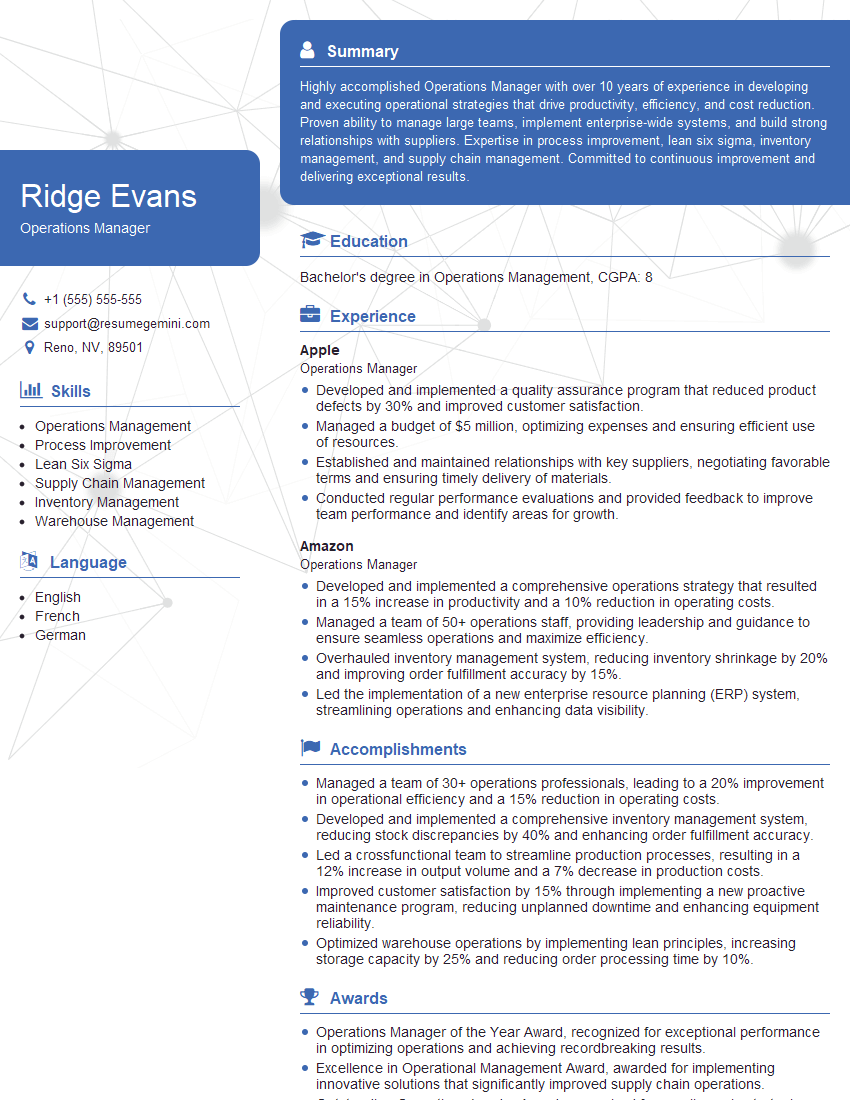
Operations Manager Resume Sample
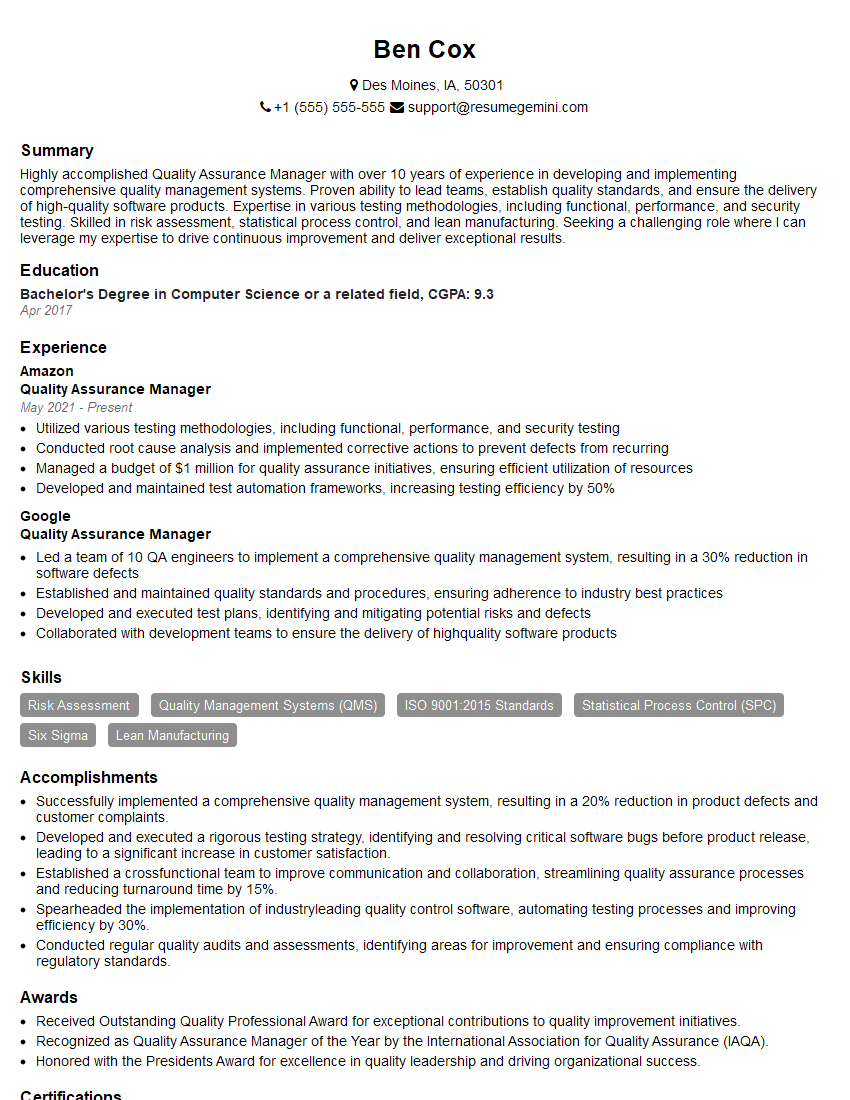
Quality Assurance Manager Resume Sample
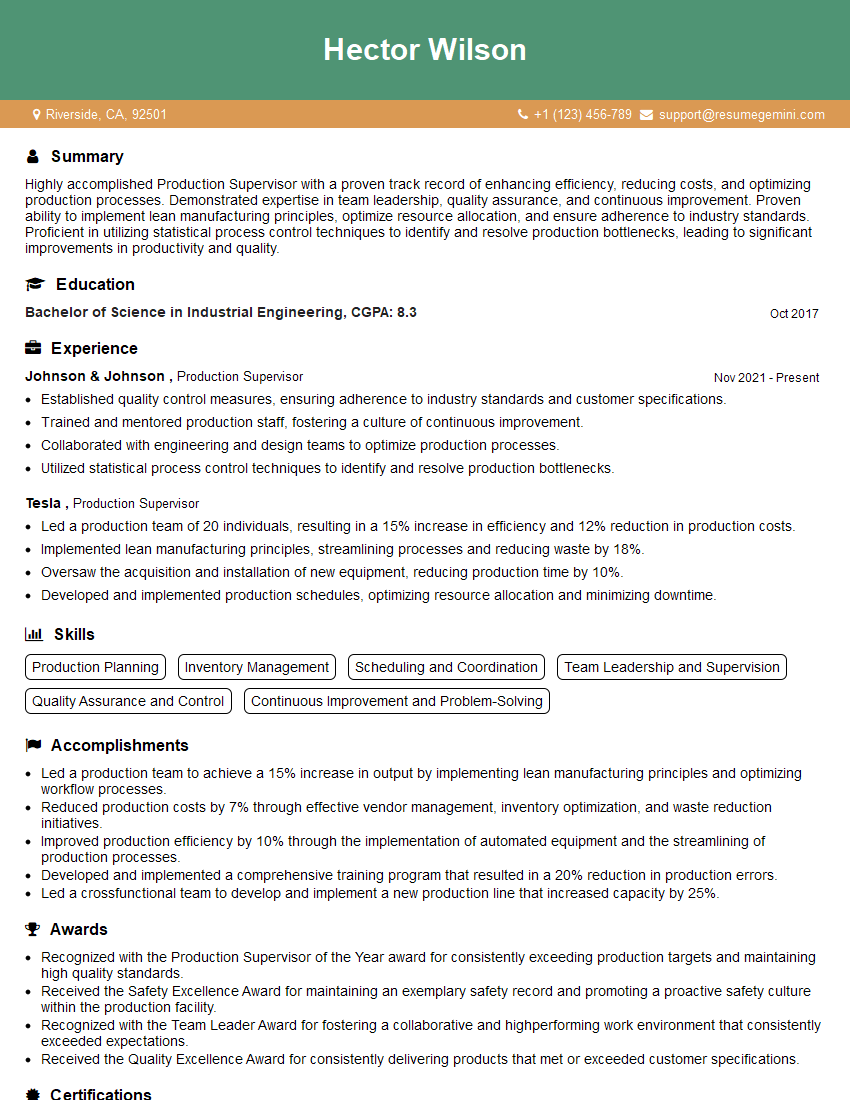
Production Supervisor Resume Sample
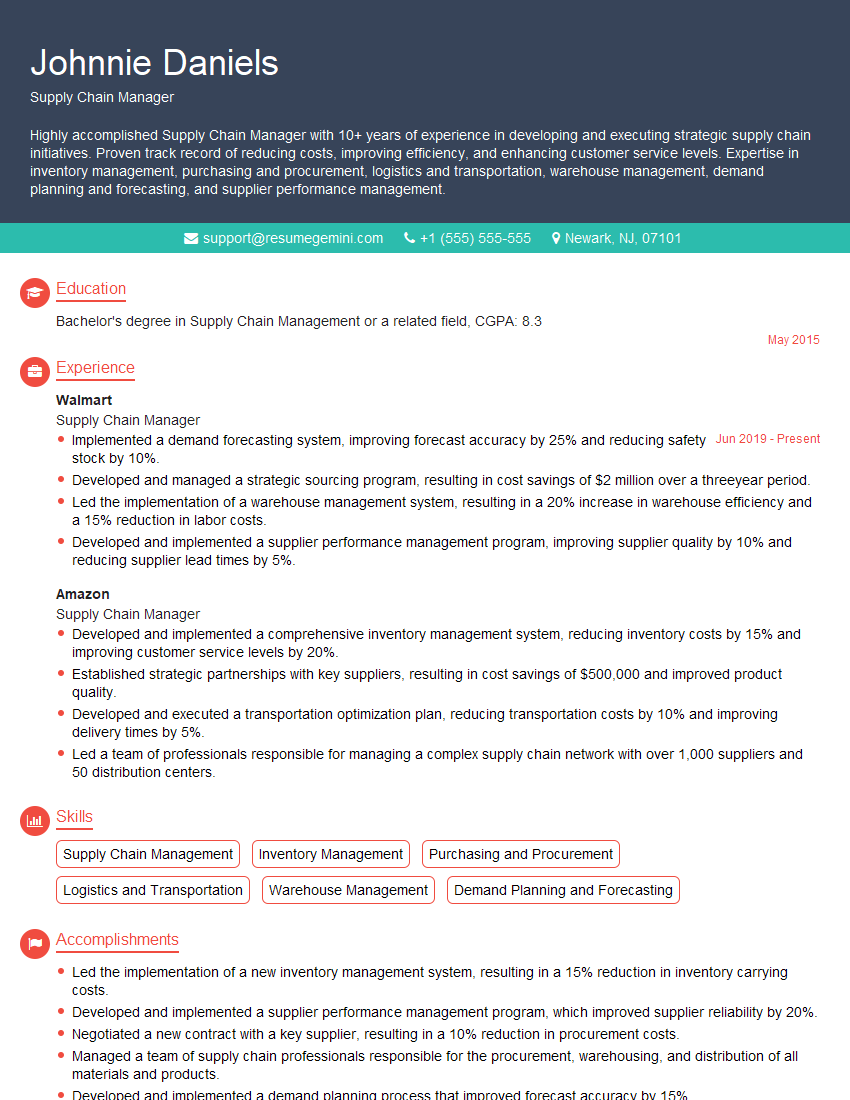
Supply Chain Manager Resume Sample
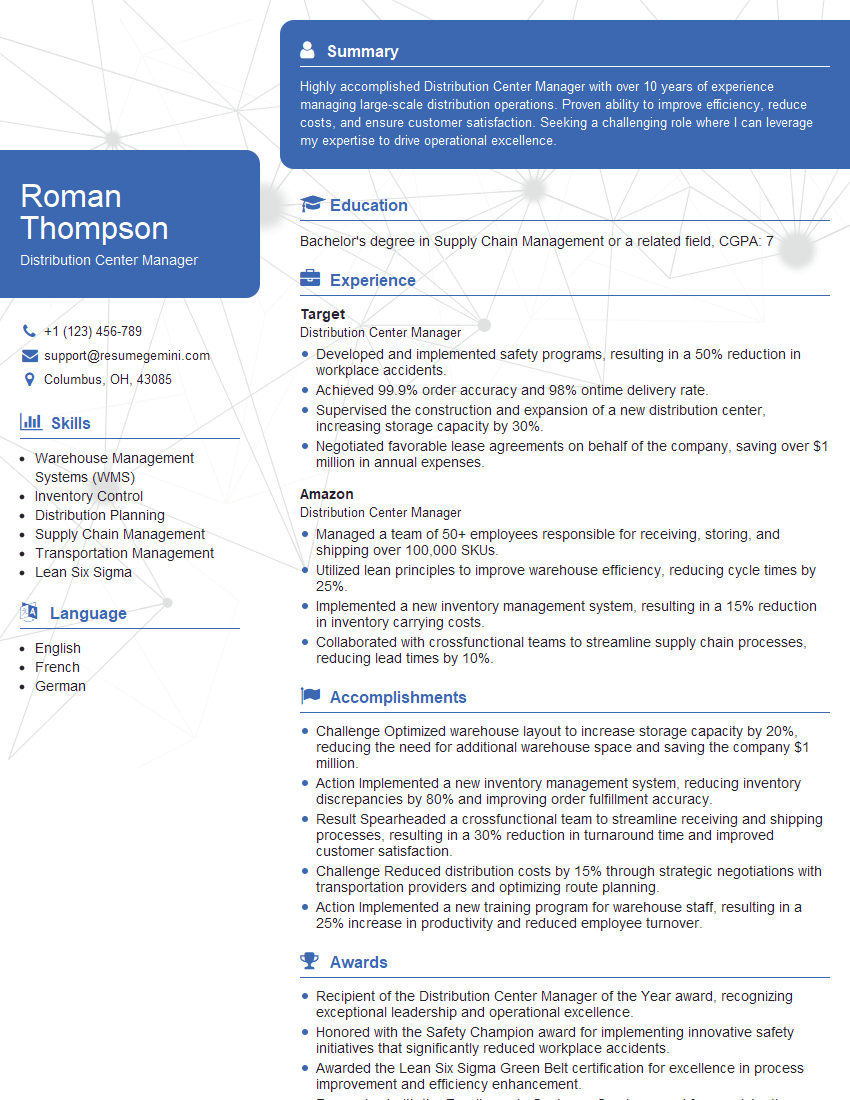
Distribution Center Manager Resume Sample
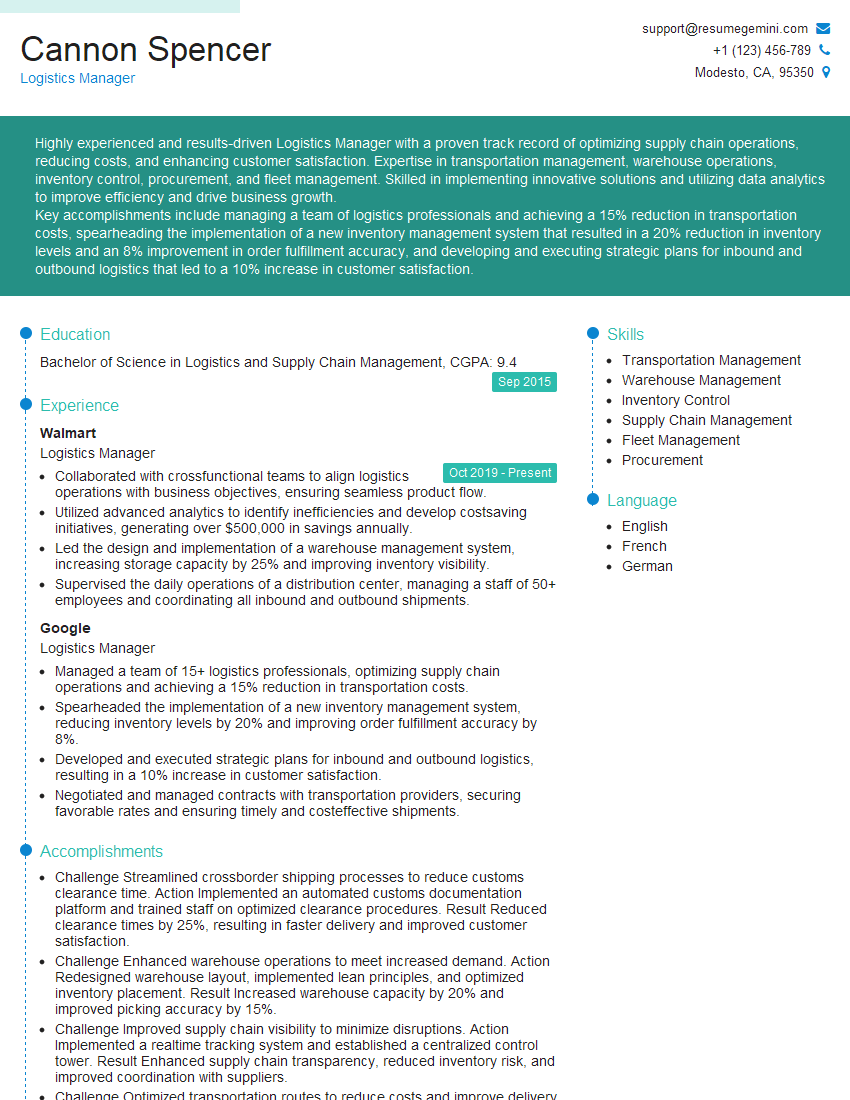
Logistics Manager Resume Sample
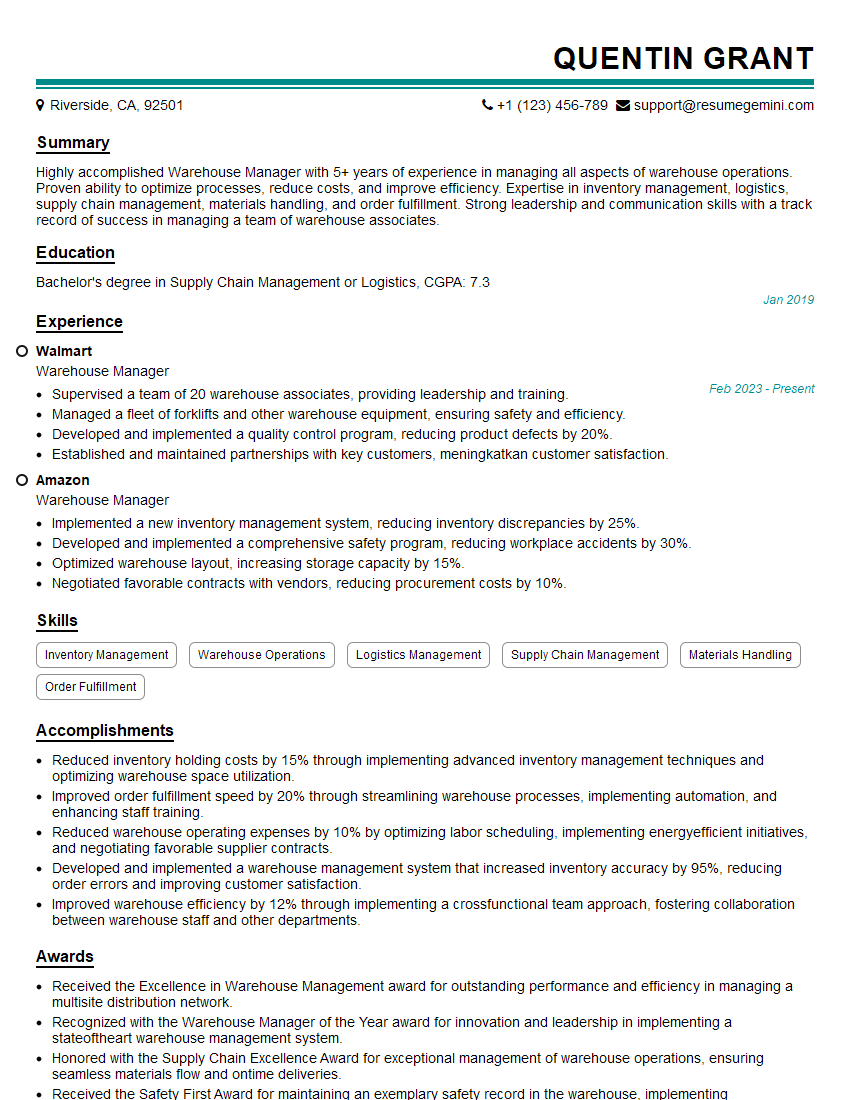
Warehouse Manager Resume Sample
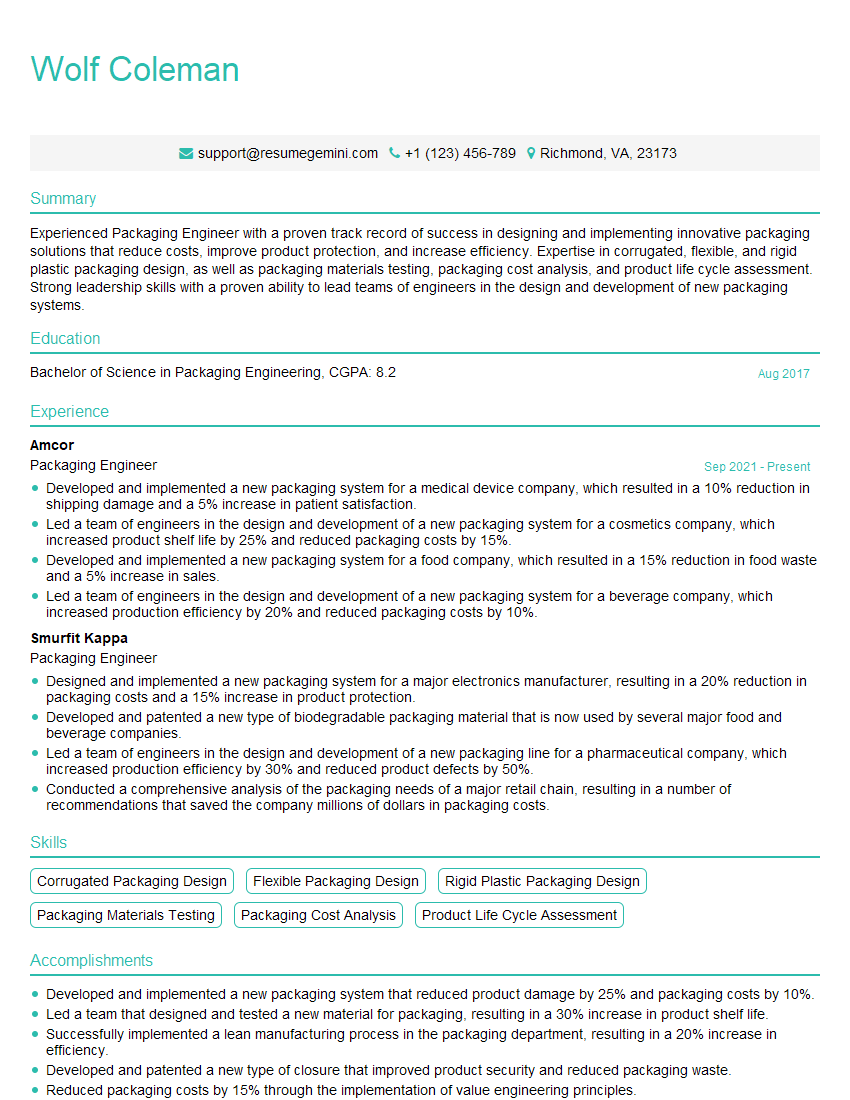
Packaging Engineer Resume Sample
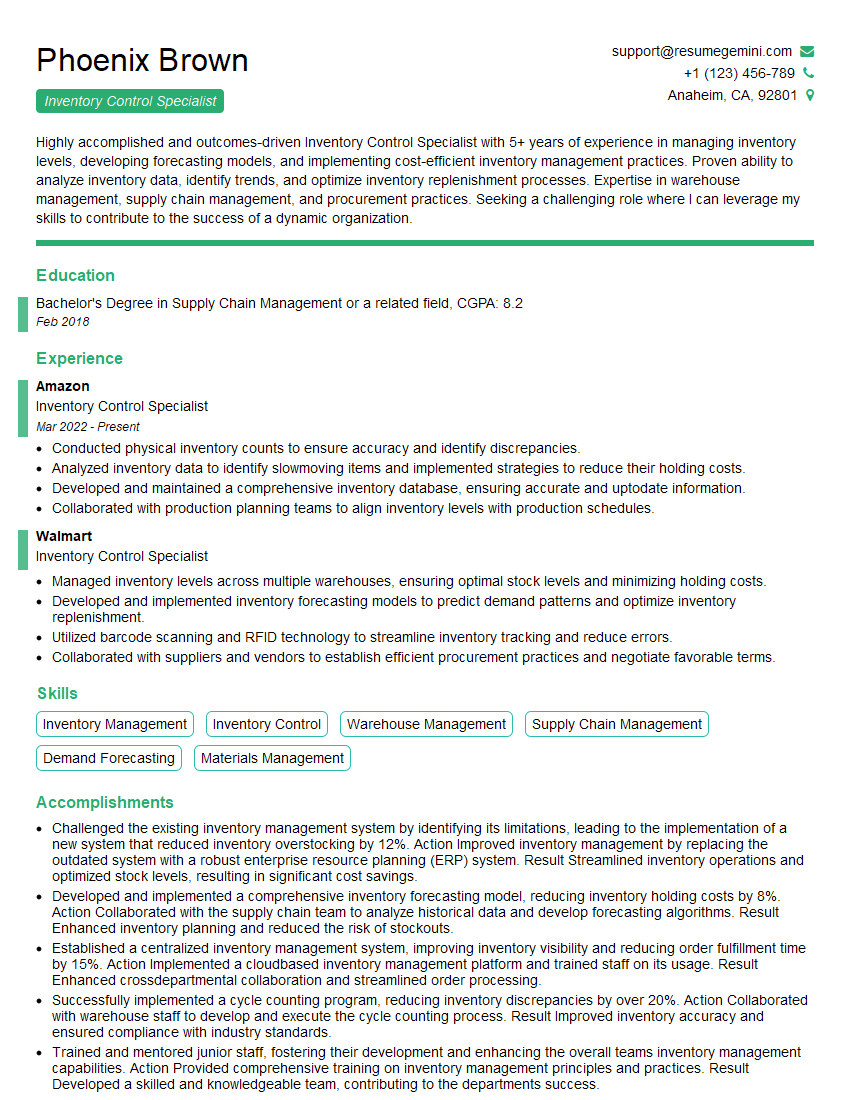
Inventory Control Specialist Resume Sample

Shipping and Receiving Clerk Resume Sample
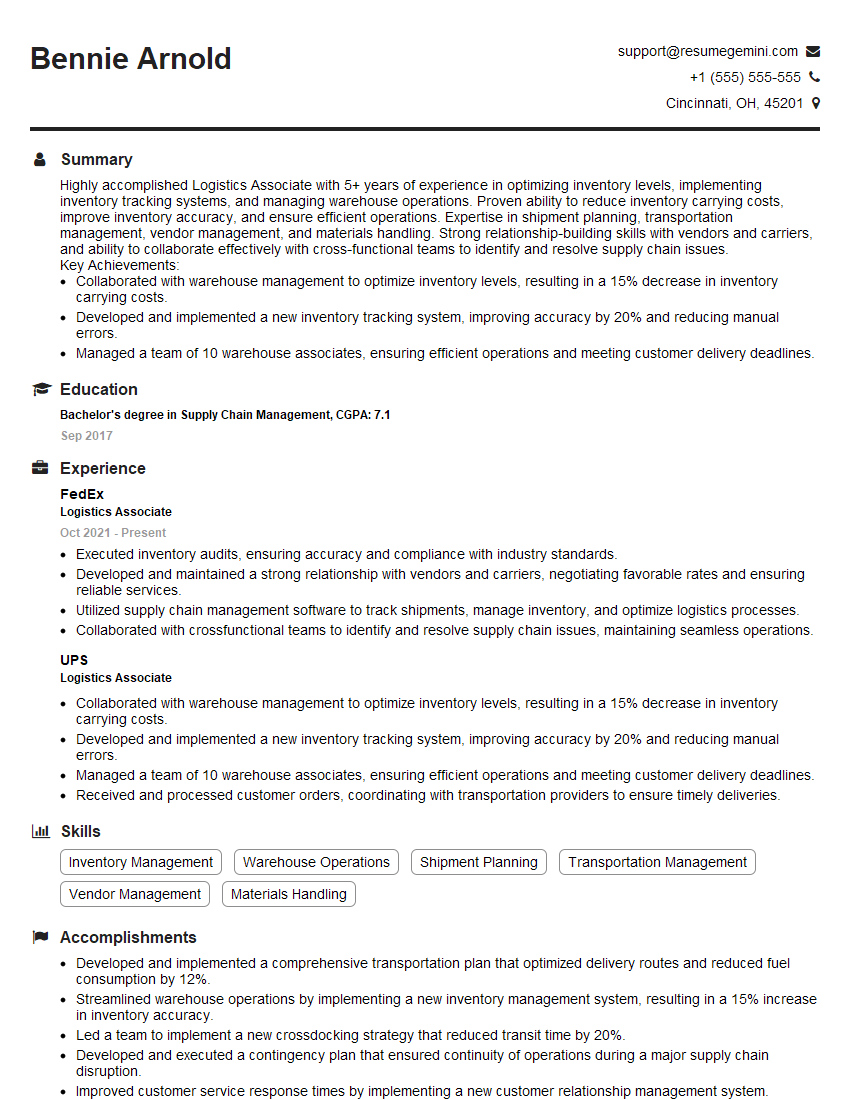
Logistics Associate Resume Sample
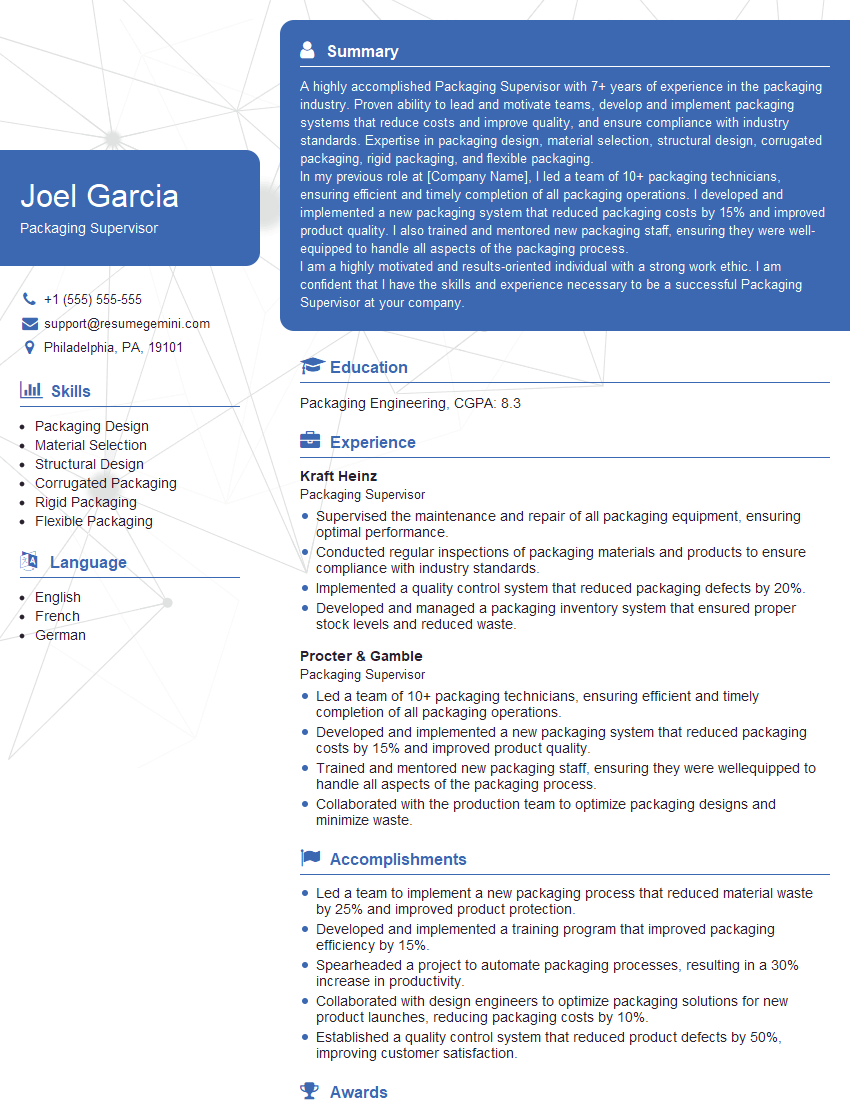
Packaging Supervisor Resume Sample
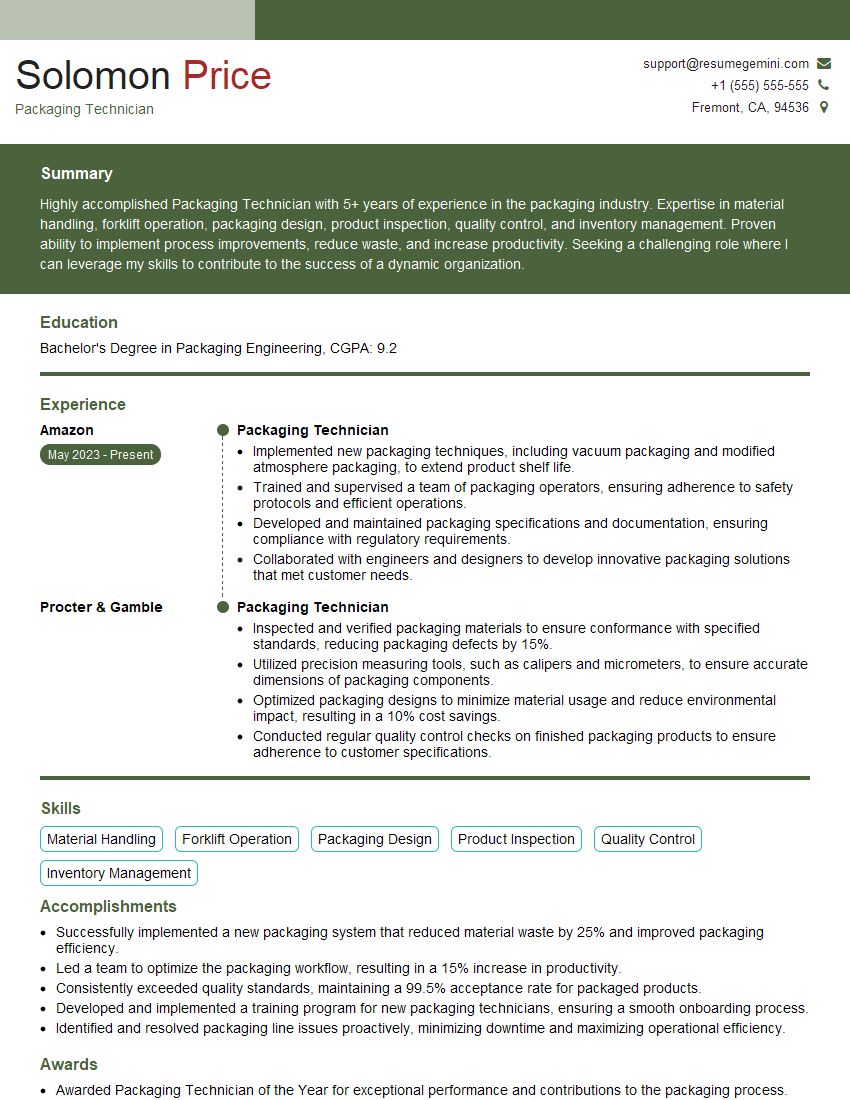
Packaging Technician Resume Sample
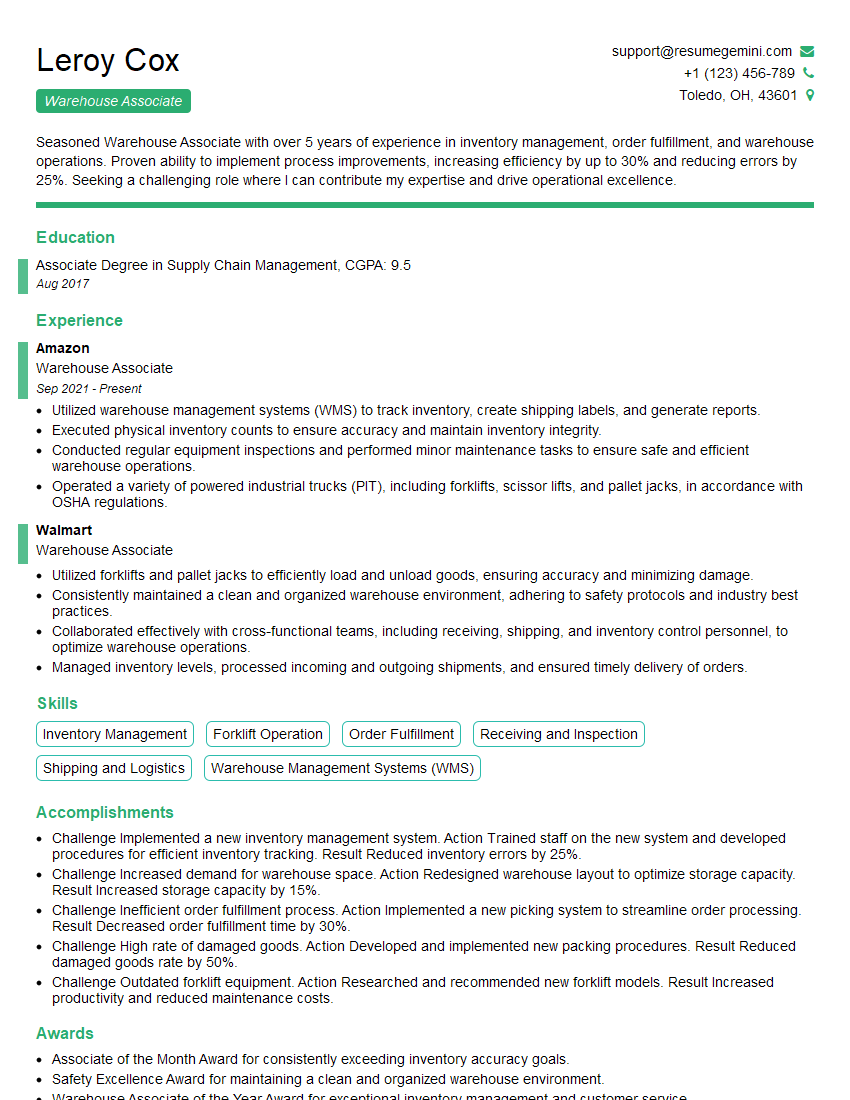
Warehouse Associate Resume Sample
- Operations Manager
- Quality Assurance Manager
- Production Supervisor
- Supply Chain Manager
- Distribution Center Manager
- Logistics Manager
- Warehouse Manager
- Packaging Engineer
- Inventory Control Specialist
- Shipping and Receiving Clerk
- Logistics Associate
- Packaging Supervisor
- Packaging Technician
- Warehouse Associate
Explore more articles
Users Rating of Our Blogs
Share Your Experience
We value your feedback! Please rate our content and share your thoughts (optional).
What Readers Say About Our Blog
Very informative content, great job.
good