Interviews are more than just a Q&A session—they’re a chance to prove your worth. This blog dives into essential Bridge Watch interview questions and expert tips to help you align your answers with what hiring managers are looking for. Start preparing to shine!
Questions Asked in Bridge Watch Interview
Q 1. Describe the standard procedures for taking over a bridge watch.
Taking over a bridge watch is a critical handover process ensuring continuous safe navigation. It’s not just about transferring duties; it’s about ensuring a seamless transition of situational awareness. The procedure typically involves a formal hand-over from the outgoing Watch Officer to the incoming Watch Officer.
- Pre-handover Briefing: The outgoing Watch Officer provides a comprehensive briefing, covering the vessel’s position, course, speed, recent events (e.g., any close-quarters situations, equipment malfunctions, or changes in weather), planned maneuvers, and any outstanding tasks. This often includes reviewing charts, radar displays, and other navigational equipment.
- Equipment Check: Both officers jointly verify the functionality of all navigational equipment, including GPS, radar (including ARPA if fitted), ECDIS, gyrocompass, autopilot, and communication systems. Any discrepancies are immediately addressed.
- Course and Speed Confirmation: The incoming officer confirms the vessel’s current course, speed, and heading, comparing it to the planned route. Any deviations are discussed and reconciled. This often involves checking the Automatic Identification System (AIS) for nearby vessels.
- Logbook Review: The incoming officer reviews the navigation logbook to understand the previous watch’s activities and any significant events.
- Weather Report: Both officers check the latest weather forecast and any relevant navigational warnings. This is crucial for anticipating changing conditions.
- Official Hand-Over: A formal hand-over is confirmed, typically including a signature in the logbook to verify that the responsibilities have been passed on.
For example, during a night watch handover, the outgoing officer might highlight a nearby vessel’s apparent course and speed, suggesting a potential close-quarters situation that requires close monitoring by the incoming officer. This proactive approach prevents misunderstandings and ensures continuous safe navigation.
Q 2. Explain the importance of maintaining a proper lookout.
Maintaining a proper lookout is paramount for collision avoidance and safe navigation. It’s the first line of defense against unseen hazards, especially in restricted waters or poor visibility. A proper lookout involves using all available senses—sight, hearing, and touch—to detect potential dangers.
- Visual Lookout: This involves systematically scanning the horizon, paying close attention to other vessels, navigational marks, floating debris, and weather conditions.
- Audible Lookout: This includes listening for foghorns, other vessel sounds (e.g., engines, alarms), and unusual noises that might indicate a hazard.
- Radar Lookout: Utilizing the radar to detect vessels or obstacles beyond visual range, especially in conditions of reduced visibility.
- AIS Monitoring: Monitoring the Automatic Identification System (AIS) to identify and track other vessels equipped with AIS transponders. This adds another layer to the lookout.
Imagine a scenario where a small fishing vessel is drifting silently and is not visible until very close. A vigilant lookout might hear the subtle sound of its engine or see a barely visible light, allowing time to take evasive action and avoid a collision.
Q 3. What are the responsibilities of a Bridge Watch Officer regarding collision avoidance?
The Bridge Watch Officer (BWO) holds primary responsibility for collision avoidance. This involves diligent adherence to the COLREGs (International Regulations for Preventing Collisions at Sea) and using all available tools and information to maintain a safe passage.
- Maintaining a Proper Lookout: As discussed previously, maintaining a constant and effective lookout is fundamental.
- Proper Use of Navigation Equipment: Effective utilization of radar, ARPA, ECDIS, and AIS to assess the risk of collision with other vessels or obstacles.
- Risk Assessment: Continuously assessing the risk of collision with all detected vessels and taking appropriate action to avoid a collision, based on the COLREGs.
- Navigation Planning: Careful route planning, considering factors like currents, tides, and traffic density.
- Communication: Using appropriate communication methods (VHF radio) to establish contact with other vessels and exchange information relevant to avoiding collisions.
- Action to Avoid Collision: Taking prompt and effective action to avoid a collision, altering course or speed as necessary, always adhering to the COLREGs.
For example, the BWO might use the ARPA to track a close-quarters situation, calculating the closest point of approach (CPA) and time to closest point of approach (TCPA). Based on this data, the BWO might decide to alter course to maintain a safe distance, documenting all actions in the logbook.
Q 4. How do you handle a situation with conflicting navigational instructions?
Conflicting navigational instructions are a serious concern and require careful consideration and prioritization. The fundamental principle is to always prioritize safety.
- Identify the Source of the Conflict: Determine the source and nature of the conflicting instructions. Are they from different charts, publications, or authorities?
- Verify the Information: Double-check the information’s accuracy and reliability. Look for updated Notices to Mariners and other relevant sources.
- Consult Relevant Publications: Refer to the appropriate navigational charts, sailing directions, and other relevant publications to resolve the conflict.
- Seek Clarification: If the conflict remains unresolved, contact relevant authorities (e.g., Vessel Traffic Services (VTS), coast guard) for clarification.
- Prioritize Safety: Ultimately, prioritize safety and take the most conservative course of action that ensures the vessel’s safe navigation. This may involve reducing speed or altering course to avoid any potential hazard.
- Document the Decision: Meticulously document the conflict, the steps taken to resolve it, and the final decision in the navigation logbook. This is crucial for post-incident analysis.
A real-world example might involve a situation where a chart shows a reported wreck, but a recent Notice to Mariners indicates the wreck has been removed. In such cases, the updated information must be considered and the navigational plan adapted accordingly.
Q 5. Explain the use of ARPA (Automatic Radar Plotting Aid).
ARPA (Automatic Radar Plotting Aid) is a crucial navigational aid that enhances situational awareness by automatically tracking targets detected by the radar. It significantly assists in collision avoidance.
- Target Acquisition and Tracking: ARPA automatically detects, acquires, and tracks targets (other vessels, landmasses) displayed on the radar.
- CPA/TCPA Calculation: It calculates the closest point of approach (CPA) and time to closest point of approach (TCPA) for each target. This provides crucial information for assessing collision risk.
- Target Information Display: ARPA displays essential information about each target, such as range, bearing, course, speed, and the calculated CPA and TCPA.
- Alarm Functions: Many ARPAs have alarm functions that alert the BWO to potential collision risks based on pre-set parameters. These parameters can include range, CPA, and TCPA thresholds.
- Prediction of Target Movement: It provides a prediction of the target’s future position, based on its current course and speed, helping in the assessment of risk.
Imagine a crowded harbor. ARPA helps the BWO to efficiently track many vessels simultaneously, instantly identifying potential collision risks. The CPA/TCPA calculations allow the BWO to make informed decisions about course alterations or speed adjustments, ensuring the vessel’s safety.
Q 6. Describe your experience with Electronic Chart Display and Information System (ECDIS).
ECDIS (Electronic Chart Display and Information System) has become an indispensable part of modern navigation. My experience with ECDIS involves its daily use for route planning, monitoring the vessel’s position, and maintaining situational awareness.
- Route Planning: I routinely use ECDIS to plan optimal routes, considering factors such as water depth, tides, currents, and navigational hazards.
- Position Monitoring: ECDIS continuously displays the vessel’s position, ensuring compliance with planned routes and avoiding hazardous areas.
- Chart Updates: ECDIS is linked to chart updating systems, ensuring that I’m always using the most up-to-date navigational information.
- Alarm Functions: ECDIS has various alarm functions that alert me to potential hazards, such as shallow water, restricted areas, and other safety-critical situations.
- Integration with Other Systems: ECDIS seamlessly integrates with other navigational systems, such as GPS, radar, and AIS, providing a holistic picture of the vessel’s surroundings.
For example, while planning a route in a busy shipping lane, I can utilize ECDIS’s route planning features to avoid congested areas. The system also alerts me if my planned route brings me near known dangers, such as underwater obstructions or restricted zones. This proactive approach ensures that I maintain a safe and efficient passage.
Q 7. How do you interpret navigational charts and publications?
Interpreting navigational charts and publications is a fundamental skill for any mariner. This involves understanding the symbology, scales, and conventions used to represent various navigational features and information.
- Chart Symbols and Abbreviations: I have a thorough understanding of all the symbols and abbreviations used on navigational charts, including those denoting depths, hazards, navigational marks, and other important features.
- Chart Scales and Projections: I understand the different chart scales and projections and how they affect distance and bearing measurements.
- Chart Datum and Tide Information: I can accurately interpret chart datums and use tide information to determine safe water depths.
- Navigational Warnings and Notices to Mariners: I regularly check for updated Notices to Mariners and other navigational warnings to ensure I have the latest information on navigational hazards and changes.
- Sailing Directions and other Publications: I utilize sailing directions, coast pilots, and other relevant publications to gain a better understanding of the navigational features and potential hazards of a specific area.
For instance, while navigating through a narrow channel, I’ll carefully study the chart for details like the depth contours, channel width, and the location of any navigational aids. Combining this chart information with the latest Notices to Mariners and sailing directions will ensure a safe passage through the channel.
Q 8. What actions do you take if you encounter a vessel exhibiting erratic behavior?
Encountering a vessel exhibiting erratic behavior is a serious situation requiring immediate action. My first priority is to maintain a safe distance and avoid any potential collision. I would immediately:
- Assess the situation: Determine the nature of the erratic behavior. Is the vessel changing course unpredictably? Is it failing to respond to signals? Is it showing signs of distress?
- Increase vigilance: Intensify radar and visual observations, paying close attention to the vessel’s movements and any changes in its behavior.
- Communicate: Attempt to contact the vessel via VHF radio, using the appropriate distress call if necessary (Mayday). If unable to make contact, I’ll log the attempted communication and the vessel’s details.
- Manoeuvre safely: Take evasive action to maintain a safe separation, considering the COLREGs and ensuring that my own maneuvers don’t put my vessel or others at risk. This might involve altering course, reducing speed, or both.
- Document everything: Thoroughly document the incident, including the time, location, vessel details (name, IMO number, flag), observed behavior, and actions taken. This record will be crucial if a further investigation is needed.
- Report: Depending on the severity of the situation, report the incident to the relevant authorities, such as the Coast Guard or other maritime safety agencies.
For example, if I observed a vessel making sharp, unpredictable turns without apparent reason, I’d maintain a significant distance, attempt radio contact to inquire about their condition, and alter my course to avoid a potential collision, while simultaneously documenting every step.
Q 9. Explain the process of reporting a navigational hazard.
Reporting a navigational hazard is crucial for ensuring the safety of all vessels. The process usually involves these steps:
- Identify the hazard: Accurately determine the nature, location, and extent of the hazard. Is it a submerged object, a floating debris field, a navigational buoy out of position, or something else? Use all available tools – radar, charts, GPS, visual observation.
- Assess the risk: Evaluate the potential danger posed by the hazard to other vessels. This assessment will guide the urgency of your report.
- Gather information: Record the precise location of the hazard using GPS coordinates. Note the date, time, and any relevant details about the hazard (size, type, etc.). Take photos or videos if possible.
- Contact the appropriate authority: Depending on your location and the nature of the hazard, this might be the Coast Guard, a harbor master, or another relevant authority. For example, in US waters, the Coast Guard is the primary contact.
- Submit the report: Provide clear and concise information, including the location, nature, and extent of the hazard, along with your vessel’s information. Many agencies now have online reporting systems.
- Follow up: If necessary, follow up on your report to ensure that the hazard has been addressed.
For instance, if I spotted a large floating container obstructing a shipping lane, I’d immediately note its position using GPS, capture images, and contact the Coast Guard with the details and a picture to ensure its swift removal.
Q 10. Describe your experience with bridge resource management (BRM).
Bridge Resource Management (BRM) is a crucial aspect of safe and efficient navigation. My experience with BRM focuses on teamwork, communication, and leadership. I’ve actively participated in BRM training, emphasizing the following:
- Effective communication: Clear and concise communication within the bridge team is paramount. This includes using standard terminology, active listening, and ensuring that everyone understands their roles and responsibilities. I always encourage open communication even if challenging situations emerge.
- Shared situational awareness: Maintaining a shared understanding of the navigational situation amongst all bridge personnel is key. I make sure everyone has access to relevant information, from charts and GPS data to radar images and weather reports.
- Decision-making: BRM emphasizes a systematic approach to decision-making, involving the entire bridge team in the process. We prioritize risk assessment, consider alternatives, and make informed decisions based on available data and expertise.
- Workload management: Distributing tasks efficiently among team members is vital to avoid overload and errors. I strive to assign responsibilities based on individual strengths and capabilities.
- Error prevention and management: Implementing checklists, standard operating procedures, and regular training significantly reduce errors and enhance safety. I value proactive approaches that prevent potential hazards before they arise.
In practice, this means I actively involve my team in pre-departure briefings and throughout the voyage, ensuring everyone understands our route, planned actions, and potential risks. I encourage them to speak up if they observe something unusual or have concerns.
Q 11. How do you handle emergency situations on the bridge?
Handling emergency situations on the bridge requires a calm, decisive, and systematic approach. My response is based on a prioritized action plan:
- Assess the situation: Rapidly determine the nature and severity of the emergency. Is it a fire, collision, grounding, medical emergency, or something else?
- Activate emergency procedures: Immediately implement the appropriate emergency procedures outlined in the ship’s emergency plan. This might involve activating distress signals, initiating damage control, or summoning medical assistance.
- Alert the crew: Inform relevant crew members of the emergency and assign specific tasks based on their training and skills. This will help maintain order and minimize confusion in a stressful situation.
- Communicate with external agencies: Contact relevant authorities, such as the Coast Guard or other emergency services, providing them with necessary details about the situation and our vessel’s location.
- Maintain control: Staying calm and maintaining control of the situation is crucial. My role is to ensure coordinated efforts and prevent panic.
- Post-incident actions: After the immediate emergency is resolved, we will conduct a thorough debriefing to analyze what happened, identify any areas for improvement, and ensure that lessons are learned for future incidents.
For instance, in a collision scenario, my immediate actions would be to assess damage, initiate damage control, activate the distress signal, and inform the appropriate authorities while simultaneously maintaining control of the ship’s steering.
Q 12. Explain the use of GPS and its limitations.
GPS (Global Positioning System) is a satellite-based navigation system providing precise location data. It’s widely used on ships for navigation, position fixing, and route planning.
- Use: GPS receivers onboard display latitude, longitude, speed, and course over ground. This information is crucial for plotting courses, monitoring position, and ensuring safe navigation.
- Limitations: While incredibly accurate, GPS has limitations. Signal reception can be affected by atmospheric conditions, obstructions (tall buildings, mountains), and intentional or unintentional jamming. GPS accuracy can also be impacted by multipath errors (signals bouncing off objects before reaching the receiver).
- Other Considerations: GPS should not be solely relied upon for navigation. It should be used in conjunction with traditional navigational methods, such as charts, compass, and visual bearings, particularly in areas with poor signal reception.
For example, while GPS provides a precise position fix, I also rely on paper charts, compass bearings, and visual landmarks as backup navigational tools. This integrated approach reduces reliance on a single system, improving the overall safety and reliability of the navigation.
Q 13. What is your understanding of the International Regulations for Preventing Collisions at Sea (COLREGs)?
The International Regulations for Preventing Collisions at Sea (COLREGs) are a set of rules designed to prevent collisions between vessels. My understanding of COLREGs is comprehensive. They are fundamental to my role, dictating the rules of the road at sea, including:
- Rules of the road: COLREGs define the responsibilities of vessels in various situations, such as crossing, overtaking, and meeting head-on. These rules prioritize safety and prevent potential conflicts.
- Lights and shapes: The rules clearly specify the lights and shapes vessels must display at night and in reduced visibility to indicate their type and intentions, aiding in collision avoidance.
- Sound signals: COLREGs dictate the use of sound signals to warn other vessels of approaching dangers or a vessel’s intentions, adding an auditory layer to collision avoidance.
- Distress signals: The regulations specify distress signals that should be used in emergency situations to alert other vessels and search and rescue services.
My knowledge extends beyond just the rules themselves. I understand the principles behind them and how to apply them correctly in various scenarios, considering factors such as visibility, vessel traffic density, and the specific circumstances of each situation. I also am aware that the COLREGs are internationally recognized and are the global standard for preventing collisions.
Q 14. How do you maintain situational awareness on the bridge?
Maintaining situational awareness on the bridge involves constantly monitoring and assessing the surrounding environment. My approach combines several strategies:
- Visual observation: Regularly scanning the horizon using binoculars and naked eye, paying attention to other vessels, navigational markers, and potential hazards. This is a continuous and fundamental aspect of my work.
- Radar monitoring: Constantly monitoring the radar screen for other vessels, identifying potential collision risks, and assessing their course and speed.
- Chart work: Continuously referencing charts to confirm position, identify potential hazards, and plan the route.
- Electronic charting system (ECS): Utilizing the ECS for up-to-date information including navigational warnings, chart updates, and other relevant information that is constantly being processed.
- GPS monitoring: Checking GPS data to confirm position and track the vessel’s progress against the planned route.
- Communication: Staying in contact with other vessels via VHF radio and listening for potential hazards or warnings.
- Bridge team coordination: Actively sharing information and coordinating tasks with the bridge team to ensure everyone maintains situational awareness.
Maintaining situational awareness is a continuous process, requiring constant vigilance and proactive attention to detail. It’s about more than just looking; it’s about understanding what you see and anticipating potential problems before they arise.
Q 15. Describe your experience with passage planning.
Passage planning is the cornerstone of safe and efficient navigation. It’s a methodical process of determining the most suitable route, considering various factors to ensure a smooth voyage. It starts with identifying the departure and destination points, then involves consulting charts, publications like nautical almanacs, and electronic navigational systems to plot a safe course, taking into account factors like weather, tides, currents, and potential hazards.
My experience encompasses planning passages across diverse geographical regions and varying weather conditions. For instance, I’ve planned transatlantic voyages, carefully considering the Gulf Stream currents and prevailing winds. I’ve also planned coastal passages where navigating narrow channels and shallow waters demanded meticulous attention to detail, using specialized charts and accounting for tidal restrictions. I always incorporate contingency plans for unexpected situations, such as engine failure or adverse weather, ensuring the safety of the vessel and crew.
- Chart work: Thoroughly examining charts to identify safe water depths, navigation hazards (rocks, wrecks), and restricted areas.
- Tide and current calculations: Predicting the impact of tides and currents on the vessel’s speed and course, using tidal atlases and current predictions.
- Weather forecasting: Consulting meteorological reports to determine optimal departure times and account for potential weather-related delays.
- Risk assessment: Identifying and mitigating potential risks through careful route planning and contingency planning.
Career Expert Tips:
- Ace those interviews! Prepare effectively by reviewing the Top 50 Most Common Interview Questions on ResumeGemini.
- Navigate your job search with confidence! Explore a wide range of Career Tips on ResumeGemini. Learn about common challenges and recommendations to overcome them.
- Craft the perfect resume! Master the Art of Resume Writing with ResumeGemini’s guide. Showcase your unique qualifications and achievements effectively.
- Don’t miss out on holiday savings! Build your dream resume with ResumeGemini’s ATS optimized templates.
Q 16. How do you manage workload during a busy watch?
Managing workload during a busy watch requires a systematic approach that prioritizes tasks based on urgency and importance. Think of it like a conductor of an orchestra – you need to coordinate multiple instruments (tasks) to create a harmonious and safe operation.
My strategy involves a combination of delegation (where appropriate), prioritization, and efficient time management. First, I would assess the immediate priorities – is there an immediate navigational hazard? Do we need to communicate with another vessel urgently? Once these urgent tasks are addressed, I then tackle the other tasks in order of importance. Using checklists and pre-planned schedules greatly helps. For example, regular bridge checks (radar, GPS, AIS) should be integrated seamlessly into the watch routine rather than being treated as separate tasks.
Furthermore, effective communication within the bridge team is crucial. Clearly assigning roles and responsibilities reduces confusion and improves efficiency. In a particularly demanding situation, I might utilize a ‘traffic light’ system to signal to the team which task is prioritized (red=immediate, amber=important, green=routine) .
Q 17. Explain the importance of accurate logbook entries.
Accurate logbook entries are paramount for several reasons: they serve as a legal record of the vessel’s voyage, an invaluable aid in accident investigations, and a tool for continuous improvement in navigational practices. Think of it as the vessel’s diary – a complete and accurate record of events.
Entries should be precise, factual, and timely, including details such as date, time, position, speed, course, weather conditions, any navigational aids passed, significant events (e.g., engine malfunctions, encounters with other vessels), and any maintenance performed. Entries should be made immediately or as soon as possible after an event. Inaccuracy or incompleteness in the logbook could have serious legal implications in case of an incident.
For example, a poorly documented near miss with another vessel could hinder a subsequent investigation. Similarly, vague entries about an engine malfunction might delay efficient repair. My approach emphasizes meticulous record-keeping, making sure that all entries are clear, concise, and unambiguous.
Q 18. How do you handle communication with other vessels?
Communication with other vessels is governed by the International Regulations for Preventing Collisions at Sea (COLREGs). Clear, concise, and unambiguous communication is essential to prevent accidents. It’s crucial to be professional, courteous, and to use the correct channels.
This usually involves using VHF radio, following standard communication procedures (e.g., identifying your vessel, stating your intentions), and using internationally recognised phrases. For example, if I need to pass another vessel in a confined channel, I will initiate communication well in advance, stating my intentions and requesting confirmation from the other vessel. We would confirm our understanding of each other’s plans, ensuring a safe and coordinated passage. In situations involving potential hazards or emergencies, I would use appropriate distress signals.
Accurate reporting of any unusual behavior or dangerous activities of other vessels to the relevant authorities is equally crucial. A logbook entry documenting such information, along with the time and exact location, is essential.
Q 19. What are your methods for maintaining effective teamwork on the bridge?
Effective teamwork on the bridge is critical for safe navigation. It’s a collaborative effort requiring mutual respect, clear communication, and a shared commitment to safety. This is similar to a well-oiled machine where each part has a vital function and must work together seamlessly.
My approach emphasizes fostering a positive and supportive environment. This includes regular briefings, where roles and responsibilities are clearly defined. This also means open communication, encouraging team members to raise concerns or questions without fear of reprisal. We use a system of mutual checks and balances; each member verifies the actions of another. I also focus on delegation of tasks based on individual expertise and experience. Regular training and drills reinforce teamwork and prepare us for unexpected situations. In the end, a strong, cohesive team contributes significantly to effective bridge watchkeeping.
Q 20. Describe your knowledge of tidal currents and their impact on navigation.
Tidal currents are the horizontal movement of water caused by the gravitational forces of the sun and moon. They significantly impact navigation, particularly in coastal areas and narrow channels. Understanding their influence is critical for safe and efficient passage planning.
I utilize tidal charts, tidal atlases, and electronic navigational systems to predict current speed and direction. For example, when navigating a narrow channel, I need to know the strength and direction of the current to correctly adjust my vessel’s course and speed, ensuring sufficient headway to prevent grounding or collision. Strong currents can significantly affect the vessel’s maneuverability. A proper understanding of tidal currents and their impact on the vessel is crucial for accurate passage planning, and this information is incorporated into the passage plan itself. I also account for the time it takes to transit a particular area given the current conditions, ensuring we arrive at a particular point before tidal conditions make the transit impossible or unsafe.
Q 21. Explain the use of various navigational aids, such as buoys and lights.
Navigational aids, such as buoys and lights, are essential for safe navigation, particularly in coastal waters or areas with limited visibility. They provide guidance to mariners, marking channels, dangers, and other important features.
Buoys are floating markers that indicate channels, hazards, or other important navigational information. They are identified by their shape, color, and light characteristics, as detailed in nautical charts and publications like the International Regulations for Preventing Collisions at Sea (COLREGs). Lights, both on buoys and on land, serve to help vessels navigate at night or in reduced visibility. Their color, intensity, and pattern help distinguish their purpose and location.
For example, a red buoy indicates the port side of a channel when entering from seaward, while a green buoy marks the starboard side. Knowing how to correctly interpret the information provided by these aids is paramount for safe navigation. Charts are always consulted, and I ensure my crew understands how to identify and interpret the meaning of different buoys and lights based on chart symbology and the COLREGs.
Q 22. How do you handle a medical emergency on board?
Handling a medical emergency onboard requires swift, coordinated action. Our first priority is to assess the situation and the casualty’s condition. This involves contacting the ship’s medical advisor via satellite communication (Inmarsat or Iridium) for immediate guidance. We’ll simultaneously initiate the ship’s emergency medical plan, which outlines roles and responsibilities for the crew. This includes notifying the Master and potentially diverting to the nearest port with appropriate medical facilities.
The ship’s medical kit contains essential medications and supplies, but we also ensure all crew members with medical training are involved in the care. Maintaining a calm and organized environment is crucial. Detailed records of the incident, treatment provided, and the casualty’s condition are maintained and later shared with medical professionals ashore.
I recall an instance where a crew member suffered a severe allergic reaction. Following protocol, we contacted our medical advisor, administered the epinephrine injection, and monitored vital signs, eventually contacting the coast guard for medevac once the situation stabilized. The prompt response and adherence to protocol ensured a positive outcome.
Q 23. What is your understanding of different types of fog signals?
Fog signals are crucial for safety in reduced visibility. Different signals indicate different vessel types and situations. There are two main categories: sound signals and light signals. Sound signals, generally produced by a whistle or horn, vary in duration, frequency, and pattern depending on the vessel’s status. For instance, a power-driven vessel in fog sounds one prolonged blast every two minutes. A sailing vessel makes one prolonged blast, a vessel restricted in her ability to maneuver makes two prolonged blasts, etc. These signals are governed by COLREGs (International Regulations for Preventing Collisions at Sea) and are essential to avoid collisions.
Light signals, such as flashing lights, are used in conjunction with sound signals to aid in vessel identification and navigation. Each type of vessel has a specific pattern of light flashes that should be visible in fog. Understanding and using these signals correctly is paramount to ensuring safety and preventing accidents in low-visibility conditions.
Q 24. Describe your experience with vessel traffic services (VTS).
Vessel Traffic Services (VTS) plays a vital role in improving safety and efficiency in busy waterways. My experience involves regular communication with VTS centers, providing updates on our vessel’s position, course, speed, and intentions. This is particularly important in congested areas or near harbor entrances. VTS operators provide crucial navigational information, such as traffic advisories, weather updates, and warnings of potential hazards. They coordinate vessel movements to prevent collisions and optimize traffic flow.
For instance, while approaching a busy port, we’ve received precise instructions from VTS, including recommended routes and speeds to avoid congestion and potential hazards like other vessels, restricted areas, or shallow water. Following their guidance is crucial to safe and efficient navigation, particularly when there is a lot of traffic in the area.
Q 25. Explain the procedures for conducting a safe alongside or berthing maneuver.
Safe alongside or berthing maneuvers require careful planning and execution. It starts with pre-arrival preparations, including studying charts, tidal predictions, and reviewing the port’s procedures. Communication with harbor pilots, tugboats (if used), and dock personnel is crucial. Once in the approach area, we continuously monitor our position, speed, and the surrounding environment. This includes checking wind, current, and the space available.
The maneuver involves slowing down gradually, using the engines and tugboat assistance for precise control. We use fenders and mooring lines to protect the vessel and ensure a secure berth. Throughout, continuous communication with the bridge team, including the helmsman and engine room personnel, ensures smooth and efficient execution. We rely heavily on the vessel’s dynamic positioning system, GPS, radar, and other navigation tools to achieve safe and accurate positioning.
I’ve successfully completed numerous berthing maneuvers in various ports, from small harbors to large container terminals, always prioritizing safety and adherence to standard procedures.
Q 26. How do you respond to different types of distress signals?
Responding to distress signals is a critical aspect of bridge watchkeeping. Recognizing various signals—visual (flares, flags), sound (fog signals, distress calls), and electronic (EPIRB, GMDSS)—is essential. Upon receiving a distress signal, the first step is verification. If verified, we immediately inform the Master and follow the ship’s emergency response plan. This involves contacting the appropriate authorities (coast guard, rescue coordination center) and relaying all relevant information, such as the location of the distressed vessel, the nature of the distress, and our ship’s position and capabilities. We may also render assistance if safe to do so, keeping in mind our own safety and the safety of our crew.
A recent experience involved responding to an EPIRB activation near our position. After confirming its authenticity with the RCC, we promptly informed them of our location and availability to assist and relayed crucial details from the EPIRB. Our quick response, along with other nearby vessels, allowed for the safe rescue of the distressed vessel’s crew.
Q 27. Describe your experience with using a gyrocompass and magnetic compass.
Gyrocompasses and magnetic compasses are both essential navigational tools, each with its strengths and limitations. A gyrocompass utilizes the Earth’s rotation to maintain a stable reference point for determining true north, unaffected by magnetic fields or metallic structures. It’s the primary source of heading information on most vessels. A magnetic compass, simpler and more traditional, relies on the Earth’s magnetic field. It’s affected by magnetic interference from the vessel itself, requiring deviations to be applied for accurate readings. It serves as a backup to the gyrocompass.
My experience involves regular use of both instruments. I know to regularly compare readings from both compasses to identify and correct for deviations in the magnetic compass, ensuring the accuracy of the heading information. In scenarios of gyrocompass malfunction, the magnetic compass becomes our crucial back-up, reinforcing the importance of understanding its limitations and compensation techniques.
Q 28. How do you maintain proper watchkeeping standards in accordance with STCW regulations?
Maintaining proper watchkeeping standards, in accordance with STCW (Standards of Training, Certification and Watchkeeping) regulations, is paramount to safety at sea. This involves adhering to a strict schedule of watch reliefs, ensuring adequate rest periods, and maintaining continuous vigilance. We must be alert and responsive, constantly monitoring navigational equipment (radar, GPS, AIS), checking for hazards and other vessels. Regular checks of weather reports and relevant charts are crucial. The bridge team’s workload must be managed efficiently, and clear communication and delegation are key.
STCW regulations mandate specific training and certifications for watchkeeping officers. Regular refresher courses ensure our knowledge and skills remain up-to-date. We must stay familiar with emergency procedures, and this includes regular drills and exercises to maintain preparedness for various scenarios. Maintaining personal fitness is also crucial for effective watchkeeping; fatigue can severely compromise our judgment.
Key Topics to Learn for Bridge Watch Interview
- Navigation and Chartwork: Understanding chart symbols, plotting courses, calculating ETA, and using electronic charting systems. Practical application includes demonstrating proficiency in interpreting navigational data and making informed decisions based on available information.
- Collision Avoidance: Applying the COLREGs (International Regulations for Preventing Collisions at Sea) and understanding radar interpretation, proper lookout procedures, and risk assessment in various scenarios. Practical application includes describing how you would handle a close-quarters situation and avoid a collision.
- Communication Procedures: Mastering VHF radio communication protocols, understanding distress calls, and using effective communication strategies. Practical application involves describing how you would communicate with other vessels and shore-based authorities in different situations.
- Ship Handling: Understanding the principles of ship maneuvering, including effects of wind, current, and tide. Practical application includes explaining how you would handle a vessel in various weather conditions and restricted waterways.
- Emergency Procedures: Familiarity with emergency response protocols, including fire fighting, man overboard drills, and search and rescue procedures. Practical application includes detailing your understanding of emergency procedures and your role in a crisis situation.
- Cargo Operations (If Applicable): Understanding cargo handling procedures, safety regulations, and documentation requirements. Practical application includes describing your experience with cargo handling and ensuring safety compliance.
- Bridge Resource Management (BRM): Understanding the principles of teamwork, communication, and leadership on the bridge. Practical application involves describing how you would work effectively as part of a bridge team and manage resources effectively.
Next Steps
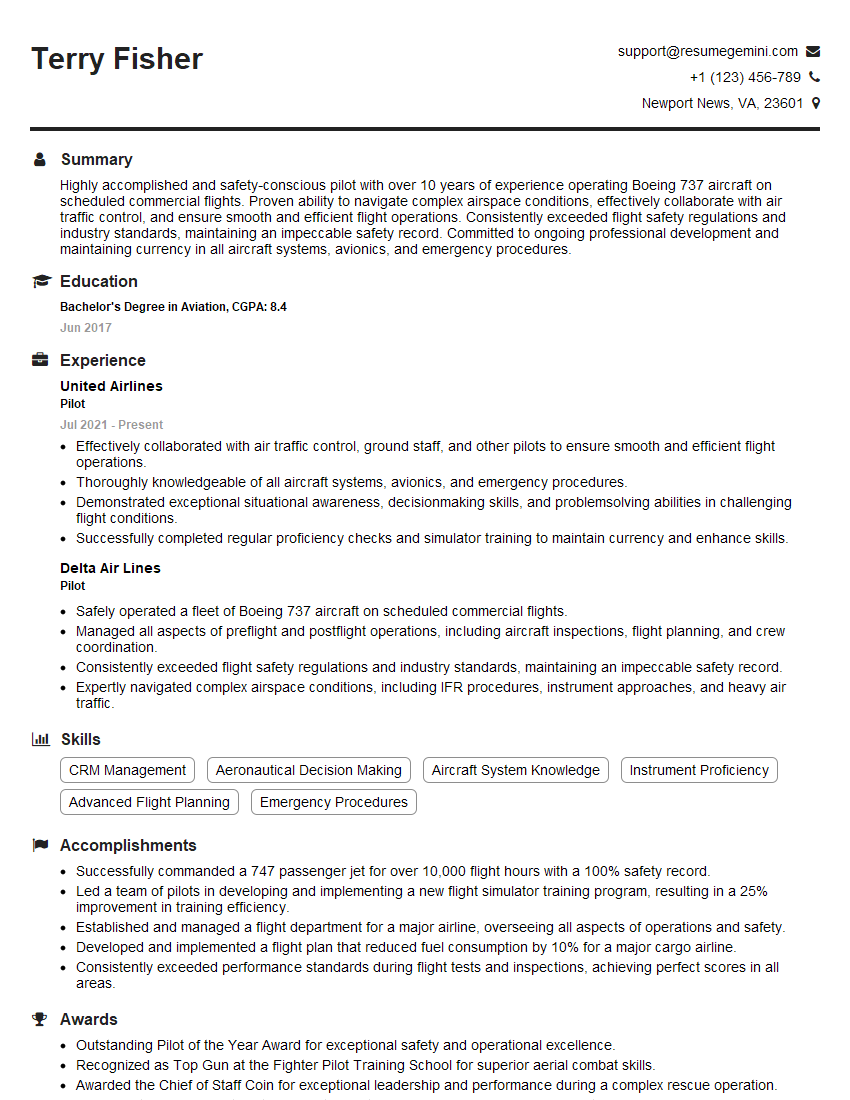
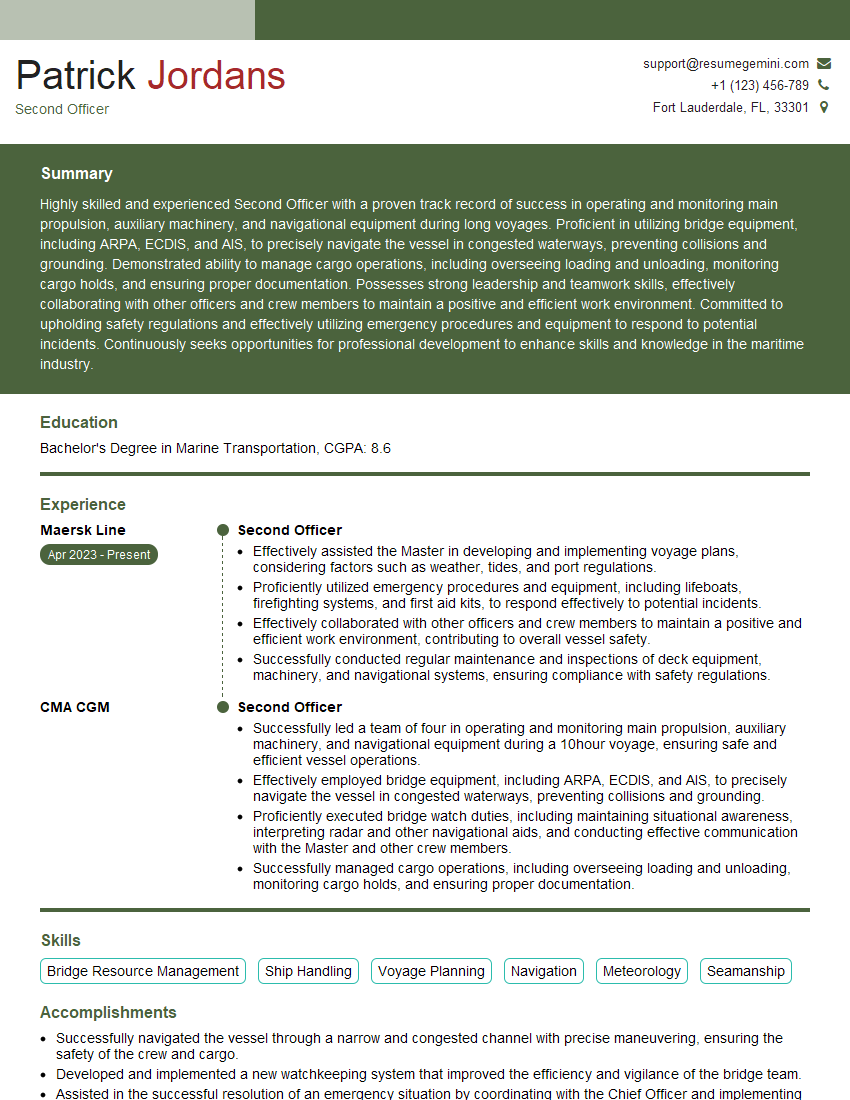
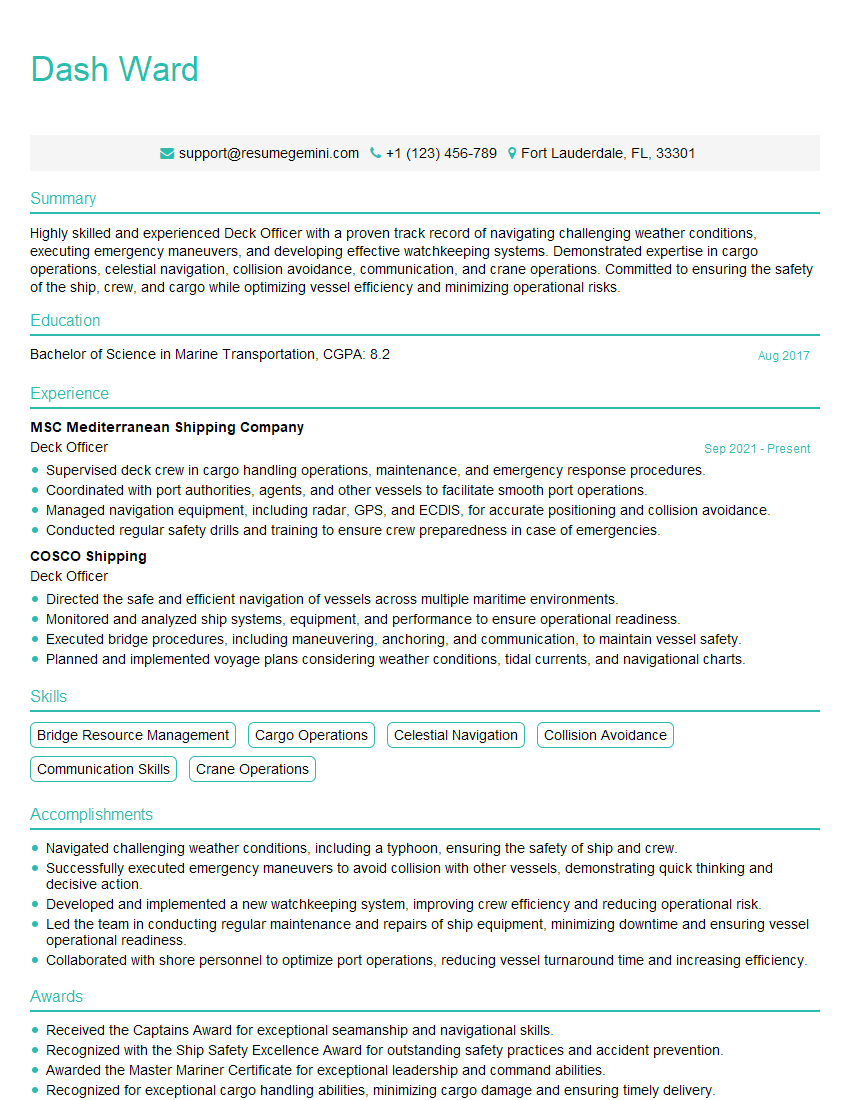
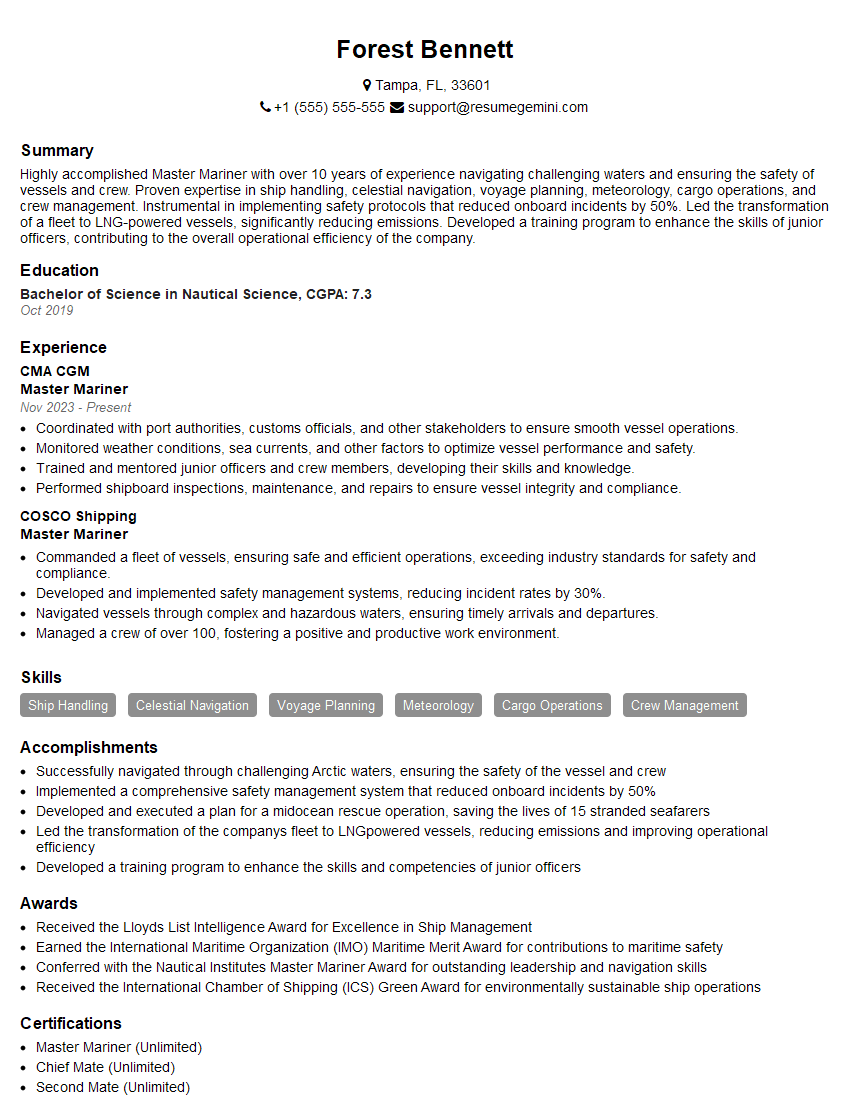
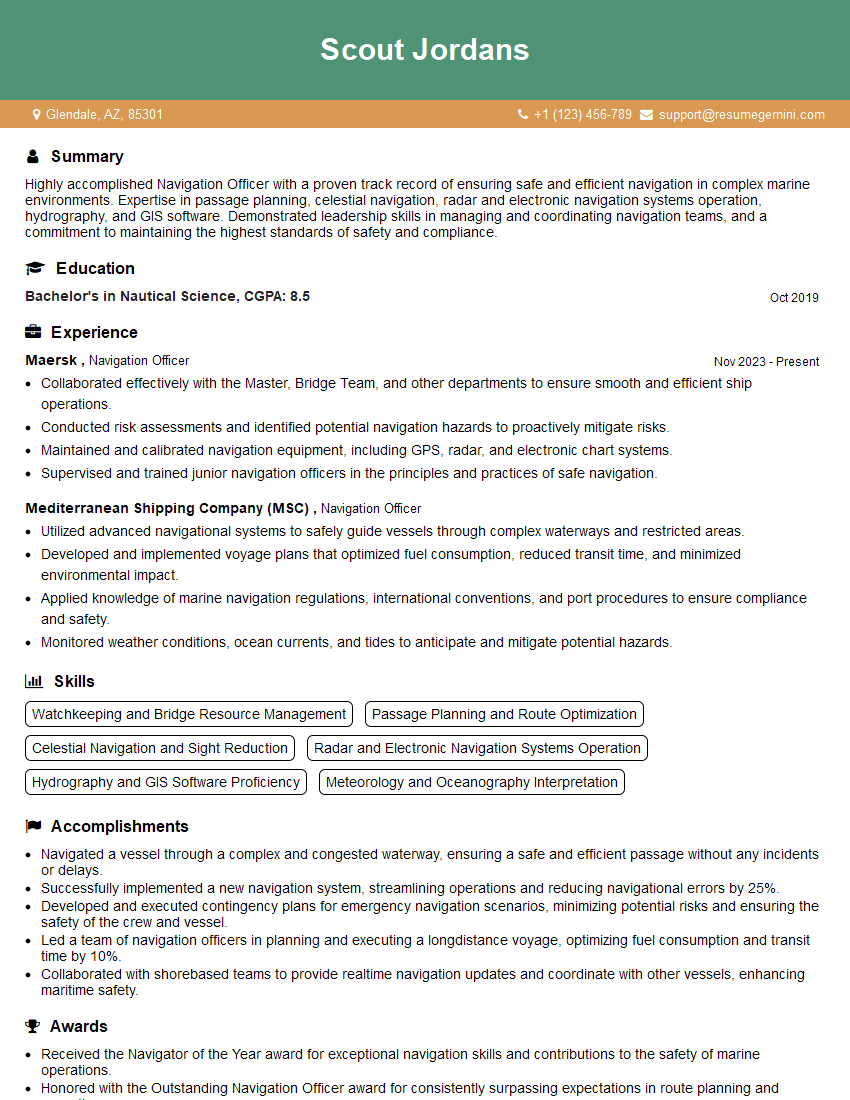
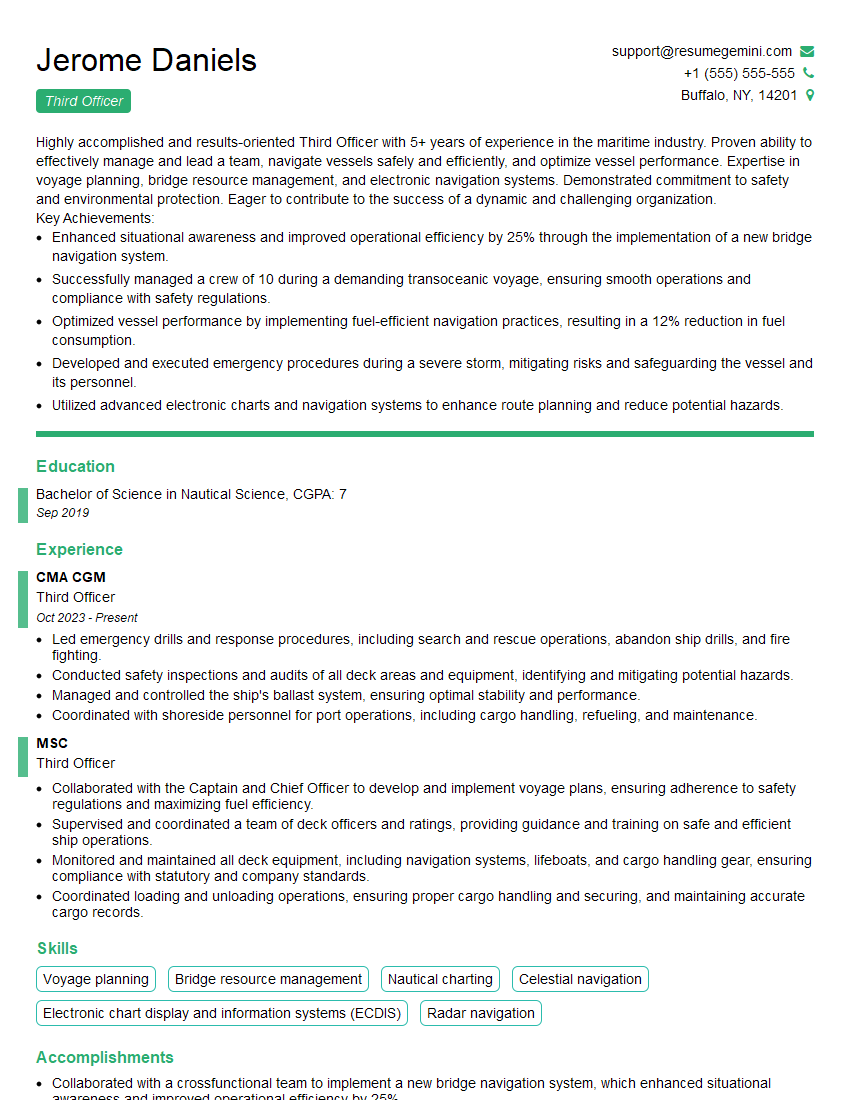
Mastering Bridge Watch knowledge is crucial for career advancement in the maritime industry, opening doors to higher-paying positions and greater responsibilities. To maximize your job prospects, it’s vital to present yourself effectively. Create an ATS-friendly resume that highlights your skills and experience. ResumeGemini is a trusted resource to help you build a professional and impactful resume. Examples of resumes tailored to Bridge Watch positions are available to help guide your resume creation process.
Explore more articles
Users Rating of Our Blogs
Share Your Experience
We value your feedback! Please rate our content and share your thoughts (optional).
What Readers Say About Our Blog
Very informative content, great job.
good