Every successful interview starts with knowing what to expect. In this blog, we’ll take you through the top British Standards Institution (BSI) interview questions, breaking them down with expert tips to help you deliver impactful answers. Step into your next interview fully prepared and ready to succeed.
Questions Asked in British Standards Institution (BSI) Interview
Q 1. Explain the importance of ISO 9001.
ISO 9001 is the internationally recognized standard for Quality Management Systems (QMS). Its importance lies in providing a framework for organizations to consistently meet customer and regulatory requirements, and to enhance customer satisfaction. Think of it as a recipe book for building a robust quality system. It’s not just about producing a good product; it’s about building a system that ensures consistent quality across all processes.
The benefits are numerous: improved efficiency, reduced errors and waste, enhanced customer satisfaction, increased market credibility (demonstrated commitment to quality), and a structured approach to continuous improvement. For instance, a manufacturing company using ISO 9001 might implement rigorous quality checks at each stage of production, leading to fewer defects and less rework. A software development company might use it to improve their project management processes and ensure consistent software quality.
Q 2. Describe your experience with ISO 14001 environmental management systems.
My experience with ISO 14001 Environmental Management Systems (EMS) spans several years, including conducting internal audits, assisting organizations in achieving certification, and developing environmental policies and procedures. I’ve worked with companies ranging from small manufacturing plants to large multinational corporations across various sectors.
A key aspect of my work has involved helping organizations identify environmental aspects (e.g., energy consumption, waste generation) and impacts (e.g., greenhouse gas emissions, water pollution). We then develop strategies to minimize these impacts and continuously improve environmental performance. For example, I helped a food processing plant reduce its water consumption by implementing a water recycling system, resulting in significant cost savings and reduced environmental impact. This involved a detailed analysis of their current processes, the identification of opportunities for improvement, and implementation of a new system with ongoing monitoring and review.
Q 3. What is your understanding of ISO 27001 information security management?
ISO 27001 is the international standard for Information Security Management Systems (ISMS). It provides a framework for establishing, implementing, maintaining, and continually improving an information security management system. Think of it as a security fortress around your organization’s sensitive data. It’s not just about firewalls and antivirus software; it’s about a comprehensive approach to managing all aspects of information security risk.
My understanding encompasses its key principles, including risk assessment and treatment, security controls implementation, and continuous monitoring and improvement. I’m familiar with the Annex A controls, which provide a detailed catalogue of security controls applicable to various organizational contexts. A practical example would be a bank using ISO 27001 to protect customer financial data through robust access controls, encryption, and incident response plans. This framework helps them systematically manage the risks associated with data breaches and maintain customer confidence.
Q 4. How would you conduct an internal audit against a specific BSI standard?
Conducting an internal audit against a specific BSI standard (or any ISO standard) involves a structured process. First, I’d develop an audit plan, defining the scope, objectives, and timeline. This would involve identifying the relevant clauses of the chosen standard and the processes or areas within the organization that need to be audited.
Next, I’d collect evidence through various methods such as document review, interviews, observations, and process walkthroughs. Crucially, I would compare the evidence against the requirements of the standard. During the audit, I’d document any non-conformities (where the organization doesn’t meet the standard’s requirements), observations (areas for improvement), and strengths. Finally, I’d prepare a report summarizing the findings, highlighting non-conformities and making recommendations for corrective and preventive actions. This report should be presented to management, and the corrective actions must be tracked and verified.
Q 5. Describe your experience with gap analysis related to BSI standards.
Gap analysis related to BSI standards is a crucial step in determining the difference between an organization’s current state and the requirements of the chosen standard. My experience involves using various methods, including questionnaires, interviews, document reviews, and process walkthroughs, to identify where an organization falls short of meeting the standard’s requirements.
For instance, in a recent project with a healthcare provider, we conducted a gap analysis against ISO 9001. We discovered they lacked a formal process for managing customer complaints. This gap was documented, and recommendations for implementing a robust complaint handling process were made. The gap analysis also highlighted areas where they exceeded the standard’s requirements, enabling us to identify potential areas for optimization. The outcome was a detailed report presenting the gaps, their implications, and a prioritized action plan to address them.
Q 6. How do you ensure compliance with BSI standards within an organization?
Ensuring compliance with BSI standards requires a multi-faceted approach. It’s not a one-off activity but an ongoing commitment. Key steps include establishing a robust management system based on the chosen standard, providing thorough training to employees on their roles and responsibilities within the system, implementing effective internal auditing and monitoring processes to identify any non-conformities, conducting regular management reviews to assess the effectiveness of the system, and promptly addressing any non-conformities through corrective and preventive actions.
Furthermore, it’s vital to embed the principles of the standard into the organizational culture. This includes making compliance a shared responsibility, encouraging proactive identification of risks and opportunities, and fostering a culture of continuous improvement. Think of it as weaving the standard into the fabric of the organization rather than treating it as a separate entity.
Q 7. Explain the process of obtaining BSI certification.
The process of obtaining BSI certification typically involves several stages. First, the organization needs to select the appropriate BSI standard(s) and determine its scope. Next, the organization needs to develop and implement a management system according to the chosen standard. This involves creating and documenting policies, procedures, and work instructions.
Once the management system is implemented, an internal audit is conducted to verify its effectiveness. After the internal audit, a BSI certification body will conduct a Stage 1 audit focusing on documentation review. If this is successful, a Stage 2 audit is conducted, which involves on-site assessment of processes and operations. Finally, upon successful completion of the Stage 2 audit, the organization will be issued a BSI certificate, valid for a specified period, typically three years. Regular surveillance audits are conducted during this period to maintain certification.
Q 8. What are the key differences between ISO 9001:2008 and ISO 9001:2015?
The shift from ISO 9001:2008 to ISO 9001:2015 represents a significant change in approach to quality management. While both standards aim to help organizations consistently meet customer and regulatory requirements, the 2015 version emphasizes a more risk-based thinking and a process approach.
- Risk-Based Thinking: ISO 9001:2015 integrates risk-based thinking throughout the entire quality management system (QMS). Organizations are required to identify, analyze, and address potential risks and opportunities that could affect their ability to meet customer requirements. This is a significant departure from the 2008 version, which focused more on reactive problem-solving.
- Process Approach: Both versions emphasize a process approach, but the 2015 version strengthens this by requiring a more comprehensive understanding of interconnected processes and their interactions within the entire QMS. This holistic approach fosters better efficiency and control.
- Leadership Commitment: The 2015 version significantly strengthens the role of top management. Leadership commitment and accountability are paramount, and the standard emphasizes the need for top management to actively participate in the QMS.
- Continuous Improvement: While both versions encourage continuous improvement, the 2015 version better facilitates this through a stronger emphasis on data analysis and the use of performance indicators to track progress and identify areas for improvement.
- Structure and Language: ISO 9001:2015 utilizes a revised structure based on the Annex SL framework, making it more consistent with other ISO management system standards. The language is also more concise and straightforward.
In essence, ISO 9001:2015 moves beyond simple compliance to a more proactive and integrated approach to quality management that aims to prevent problems before they occur and enhance overall organizational performance.
Q 9. Describe a time you identified a non-conformity during an audit. How did you handle it?
During an audit of a food processing plant, I observed a lack of proper sanitation procedures in the packaging area. Specifically, I found that cleaning logs were not being consistently completed, and there was evidence of cross-contamination risk due to inadequate cleaning between batches of different products. This was a clear non-conformity with the relevant food safety standards and the company’s own documented procedures.
My approach involved the following steps:
- Documentation: I carefully documented the non-conformity, including photographic evidence, specific locations, and the relevant clauses from the applicable standard and company’s procedures that were not being met.
- Communication: I immediately communicated my findings to the site manager and relevant personnel, explaining the potential risks associated with the non-conformity and its implications for food safety and regulatory compliance.
- Collaborative Investigation: We worked collaboratively to understand the root causes of the non-conformity. We identified a lack of training for cleaning staff, inconsistencies in the application of cleaning protocols, and a lack of supervisory oversight.
- Corrective Action Plan: Together, we developed a detailed corrective action plan, including additional staff training, improvements to the cleaning protocols and procedures, better supervision, and improved documentation methods. We also agreed on a timetable for implementation and verification.
- Follow-up: I scheduled a follow-up audit to verify the implementation and effectiveness of the corrective actions. This ensured that the non-conformity was rectified and the risk mitigated.
This collaborative approach ensured that the non-conformity was addressed effectively and efficiently, minimizing the potential risks and demonstrating a commitment to continuous improvement.
Q 10. How familiar are you with BSI’s auditing procedures?
I am extremely familiar with BSI’s auditing procedures. My experience encompasses various aspects, including:
- BSI’s Auditing Standards: I possess a deep understanding of BSI’s auditing methodologies and how they align with international standards like ISO 19011.
- Audit Stages: I am proficient in all stages of the audit process, from initial planning and document review to on-site observations, interviews, and reporting.
- Reporting and Follow-up: I am skilled in compiling comprehensive audit reports that clearly outline findings, non-conformities, and recommended corrective actions, along with subsequent follow-up to verify the effectiveness of implemented solutions.
- Specific BSI Standards: My experience extends to auditing against various BSI standards, such as ISO 9001, ISO 14001, and ISO 27001, allowing me to tailor my approach to the specific requirements of each standard.
- Use of Technology: I’m comfortable using BSI’s digital tools and platforms for audit planning, execution, and reporting.
My understanding extends beyond simply knowing the steps; I can critically evaluate the effectiveness of an organization’s management system based on its implementation and apply risk-based thinking throughout the auditing process.
Q 11. How would you explain complex technical standards to a non-technical audience?
Explaining complex technical standards to a non-technical audience requires careful communication and the use of relatable analogies. I avoid technical jargon whenever possible, focusing on explaining the ‘why’ behind the standard, rather than just the ‘what’.
For example, if I were explaining ISO 14001 (Environmental Management Systems), I might use this approach:
- Start with the ‘Why’: Instead of diving into technical details, I would begin by explaining the importance of environmental responsibility for the business and its impact on the wider community. This sets the context and creates engagement.
- Use Analogies: I might compare the environmental management system to a household’s cleaning routine. Just as a well-organized household maintains cleanliness and reduces risks, a well-implemented EMS minimizes the organization’s environmental footprint and reduces risks of pollution or fines.
- Focus on Benefits: I’d emphasize the benefits of compliance, such as reduced operational costs, improved brand reputation, and enhanced compliance with environmental regulations.
- Visual Aids: Using flowcharts, diagrams, or simple illustrations can help to visualize complex processes and make the standard more accessible.
- Interactive Communication: Encouraging questions and ensuring I tailor my explanation to the audience’s level of understanding is key.
By adopting this approach, I can ensure that even a non-technical audience grasps the fundamental principles and benefits of the standard.
Q 12. Describe your experience with corrective and preventative actions (CAPA).
My experience with Corrective and Preventative Actions (CAPA) is extensive. I have been involved in developing and implementing CAPA plans across various industries and standards. This process is critical for continuous improvement and risk mitigation within a quality management system.
My approach typically involves:
- Identifying Non-Conformities: Begin by accurately identifying and documenting the root cause of non-conformities. This often involves data analysis, investigation, and interviews with relevant personnel.
- Developing Corrective Actions: Once the root cause is understood, I develop a detailed corrective action plan aimed at eliminating the non-conformity. This plan outlines specific steps, responsibilities, and timelines for implementation.
- Developing Preventative Actions: Beyond addressing the immediate issue, a robust CAPA process aims to prevent similar non-conformities from recurring. This involves identifying systemic weaknesses and implementing preventive measures.
- Verification and Validation: I am responsible for verifying the effectiveness of both corrective and preventative actions. This typically involves monitoring and data analysis to ensure that the implemented actions have effectively addressed the root cause and prevented recurrence.
- Documentation and Reporting: Thorough documentation of the entire CAPA process, from identification of non-conformities to verification of effectiveness, is critical. This documentation provides a valuable source of information for continuous improvement.
I believe a successful CAPA system is crucial for continuous improvement and helps move an organization beyond merely reacting to problems towards proactively mitigating risk.
Q 13. What is your understanding of the Plan-Do-Check-Act (PDCA) cycle?
The Plan-Do-Check-Act (PDCA) cycle is a foundational framework for continuous improvement. It’s a cyclical process that helps organizations systematically identify areas for improvement, implement changes, and evaluate their effectiveness.
- Plan: This stage involves identifying the problem, establishing objectives, and developing a plan to achieve those objectives. It includes setting performance indicators to track progress.
- Do: This is the implementation phase where the plan is put into action. Data is collected throughout this phase to monitor progress against the established objectives.
- Check: This phase involves evaluating the results of the implemented plan. Data collected during the ‘Do’ phase is analyzed to determine whether the objectives have been met.
- Act: This final stage involves taking action based on the results of the ‘Check’ phase. If the objectives were met, the process is standardized. If not, the plan is reviewed, revised, and re-implemented.
The PDCA cycle is iterative and continuous; organizations move through this cycle repeatedly to continually improve their processes and performance.
For example, imagine a manufacturing company wanting to reduce waste. They would:
- Plan: Identify the types of waste, set a reduction target, and develop a plan with specific actions, responsible individuals and deadlines.
- Do: Implement the waste reduction plan.
- Check: Monitor waste levels and compare them to the target. Analyze the data to identify successes and shortcomings.
- Act: Adjust the plan based on the findings. If successful, standardize the new process. If not, refine the plan and repeat the cycle.
Q 14. How do you stay updated with the latest changes and revisions in BSI standards?
Staying updated on the latest changes and revisions in BSI standards is crucial for maintaining professional competence. My strategy involves a multi-faceted approach:
- BSI Website and Subscriptions: I regularly access the official BSI website to check for updates and notifications on standards revisions. I also subscribe to relevant BSI newsletters and alerts.
- Professional Networks: I actively participate in professional networks and communities, attending conferences, workshops, and webinars focused on standards and quality management. This provides valuable opportunities to learn about new developments from experts in the field.
- Industry Publications: I regularly review industry publications, journals, and magazines that discuss and analyze changes in quality management standards.
- Training Courses: I participate in ongoing professional development training courses that cover the latest updates and revisions to BSI standards. This ensures that my knowledge remains current and aligns with best practices.
- Direct Communication: If I have specific questions or require clarification on any aspect of a standard, I directly contact BSI or reach out to subject-matter experts through professional networks.
This combination of resources helps me remain fully informed about changes and ensures my expertise remains aligned with the most current versions of relevant standards.
Q 15. What are the benefits of implementing BSI standards within an organization?
Implementing BSI standards offers numerous benefits, significantly enhancing an organization’s operational efficiency and credibility. These benefits span various areas, from improved product quality and enhanced customer satisfaction to reduced risks and improved legal compliance.
- Improved Quality: BSI standards provide a framework for consistent processes, leading to improved product and service quality. Think of it as a recipe for success – following the steps ensures a better outcome. For example, implementing ISO 9001 (Quality Management Systems) can drastically reduce defects and rework, saving time and resources.
- Increased Efficiency: Standards streamline operations by identifying areas for improvement and optimization. A well-structured system based on BSI standards reduces waste, improves workflow, and enhances overall productivity. Imagine a well-organized kitchen versus a chaotic one – the former is demonstrably more efficient.
- Enhanced Customer Satisfaction: Meeting and exceeding customer expectations is paramount. BSI standards help organizations consistently deliver high-quality products and services, leading to greater customer loyalty and satisfaction. Think of it as consistently delivering a delicious meal – customers will keep coming back.
- Reduced Risks: BSI standards help identify and mitigate potential risks, minimizing disruptions and ensuring business continuity. This proactive approach protects against costly errors and reputational damage. It’s like having a robust insurance policy for your operations.
- Improved Legal Compliance: Adherence to BSI standards demonstrates a commitment to legal compliance, minimizing the risk of penalties and legal action. This is crucial for maintaining a strong reputation and avoiding costly lawsuits.
Career Expert Tips:
- Ace those interviews! Prepare effectively by reviewing the Top 50 Most Common Interview Questions on ResumeGemini.
- Navigate your job search with confidence! Explore a wide range of Career Tips on ResumeGemini. Learn about common challenges and recommendations to overcome them.
- Craft the perfect resume! Master the Art of Resume Writing with ResumeGemini’s guide. Showcase your unique qualifications and achievements effectively.
- Don’t miss out on holiday savings! Build your dream resume with ResumeGemini’s ATS optimized templates.
Q 16. Explain the role of a lead auditor in a BSI certification audit.
The lead auditor in a BSI certification audit plays a pivotal role, leading the audit team and ensuring the entire process is conducted professionally and effectively. They are responsible for the overall audit plan, overseeing the work of the audit team members, and ultimately determining whether the organization meets the requirements of the chosen standard.
- Planning and Execution: The lead auditor plans the audit scope, selecting appropriate audit team members, and coordinating audit activities. This requires strong organizational and communication skills.
- Team Management: They lead and guide the audit team, ensuring effective communication and collaboration amongst team members. It’s akin to conducting an orchestra – everyone needs to play their part in harmony.
- Objective Evaluation: The lead auditor objectively evaluates the organization’s conformity to the standard, identifying areas of strength and weakness. This requires a keen eye for detail and impartial judgment.
- Reporting and Conclusion: They prepare and deliver the audit report, summarizing findings and providing recommendations for improvement. This report forms the basis of the certification decision.
- Maintaining Independence: Maintaining impartiality and objectivity throughout the audit process is crucial for the lead auditor to ensure credibility and fairness.
Q 17. What is your understanding of risk management in relation to BSI standards?
Risk management is integral to all BSI standards. It involves identifying, analyzing, and mitigating potential risks that could impact an organization’s ability to achieve its objectives. Within the context of BSI standards, risk management is a proactive process, aiming to prevent problems before they occur rather than simply reacting to them.
Many BSI standards, such as ISO 31000 (Risk Management), provide a structured approach to risk management. This typically involves:
- Risk Identification: Identifying potential hazards and vulnerabilities that could negatively impact objectives.
- Risk Analysis: Assessing the likelihood and potential impact of identified risks.
- Risk Evaluation: Prioritizing risks based on their severity.
- Risk Treatment: Developing and implementing strategies to mitigate or eliminate identified risks. This could involve avoidance, reduction, transfer, or acceptance of the risk.
- Risk Monitoring and Review: Continuously monitoring and reviewing the effectiveness of risk treatment strategies and updating the risk management plan as needed.
For example, a manufacturing company might identify the risk of equipment malfunction. Through risk analysis, they determine the likelihood and impact of a malfunction. Then, they implement risk treatment strategies such as regular maintenance, redundancy in equipment, or insurance policies.
Q 18. Describe your experience with document control and record management.
Document and record control is crucial for maintaining a robust management system compliant with BSI standards. My experience involves establishing and maintaining systems ensuring documents are readily available, up-to-date, and controlled to prevent unauthorized changes. This includes creating, reviewing, approving, distributing, storing, and disposing of documents and records according to established procedures.
I have extensive experience with:
- Document Control Systems: Implementing and managing document control systems using electronic document management systems (EDMS) and version control software, ensuring only the latest versions of documents are used.
- Record Management: Establishing and maintaining efficient record management systems to ensure records are retained securely and are readily retrievable for audits or other needs. This includes both physical and electronic records.
- Change Management: Managing changes to documents effectively, ensuring all stakeholders are notified and that obsolete versions are appropriately managed.
- Audit Trails: Maintaining audit trails for all document and record changes to ensure accountability and traceability.
In a previous role, I implemented a new EDMS that reduced document retrieval time by 75% and improved overall efficiency of the document control process. This significantly enhanced audit readiness and streamlined communication.
Q 19. How would you manage conflicting priorities during an audit?
Managing conflicting priorities during an audit requires a systematic approach and strong communication skills. My strategy prioritizes a clear understanding of the audit objectives and the allocation of resources effectively. It’s like juggling – you need to keep all the balls in the air, but some might need more attention than others.
My approach involves:
- Prioritization Matrix: Creating a prioritization matrix based on the significance of each audit area and the potential impact of any non-conformances. This helps focus resources on the most critical aspects first.
- Communication and Collaboration: Open and transparent communication with the auditee is key. I clearly explain priorities, the reasons behind them, and any potential implications of delays. This fosters cooperation and understanding.
- Time Management: Effective time management is crucial. Breaking down the audit into manageable segments allows for flexibility and helps accommodate unexpected issues.
- Escalation Procedure: Having a clear escalation procedure for resolving significant conflicts, ensuring decisions are made promptly and appropriately by management.
- Documentation: Thoroughly documenting all decisions and communications, ensuring a clear audit trail and maintaining transparency throughout the process.
Q 20. How familiar are you with BSI’s online resources and tools?
I am very familiar with BSI’s online resources and tools. I regularly utilize their website for accessing standards, training materials, and other relevant information. I find their online tools, such as those related to certification management and training course registrations, user-friendly and efficient.
My familiarity extends to:
- BSI Shop: Accessing and purchasing BSI standards and publications online.
- Online Training Platforms: Utilizing BSI’s online training platforms for professional development and staying abreast of the latest updates to standards.
- Certification Databases: Using online databases to verify the validity of certifications and find certified organizations.
- Client Portals: Using client portals for managing certifications, accessing audit reports, and interacting with BSI personnel.
These resources are invaluable for staying up-to-date with changes in standards, accessing training resources, and managing certification processes efficiently. Regular use of these tools enhances my efficiency and supports my commitment to best practices.
Q 21. Describe your experience with root cause analysis.
Root cause analysis (RCA) is a critical problem-solving technique used to identify the underlying causes of problems or non-conformances. It’s not enough to treat symptoms; we need to address the root causes to prevent recurrence. Think of it like diagnosing an illness – you need to find the underlying cause, not just treat the symptoms.
My experience with RCA includes utilizing various techniques, such as:
- 5 Whys: A simple yet effective technique that involves repeatedly asking “why” to progressively drill down to the root cause. For example, if a machine malfunctions, asking “why” repeatedly might uncover a lack of preventive maintenance as the root cause.
- Fishbone Diagram (Ishikawa Diagram): A visual tool that helps organize potential causes categorized by factors like people, methods, machines, materials, measurements, and environment.
- Fault Tree Analysis (FTA): A top-down approach that identifies potential failure points and traces them back to their root causes.
In a previous audit, using a combination of the 5 Whys and a fishbone diagram, we uncovered a systemic issue in the training process as the root cause of repeated errors in a specific production stage. Addressing the root cause through improved training eliminated the problem completely.
Q 22. What are the potential challenges of implementing BSI standards?
Implementing BSI standards, while beneficial, presents several challenges. These can broadly be categorized into cost, time, resource, and cultural factors.
Cost: Certification audits, staff training, system overhauls, and potential process changes all incur significant financial investment. For smaller organizations, this can be particularly daunting.
Time: Implementing and maintaining a management system, whether it’s ISO 9001 (Quality Management) or ISO 14001 (Environmental Management), demands considerable time commitment from staff. Integrating the standard’s requirements into existing workflows takes time and careful planning.
Resources: Successful implementation needs dedicated personnel with the right skills and knowledge. Finding, training, and retaining this expertise can be challenging, particularly in competitive markets.
Cultural Resistance: Change management is crucial. Employees may resist new processes or procedures. Effective communication and training are essential to address this resistance and foster buy-in from all levels of the organization. For example, if a company is used to informal processes, transitioning to a documented system requires a shift in mindset.
For instance, I once worked with a small manufacturing company where the initial cost of implementing ISO 9001 seemed prohibitive. However, by breaking down the project into manageable phases and focusing on immediate benefits like reduced waste, we were able to demonstrate ROI and secure management buy-in.
Q 23. How do you ensure the objectivity and impartiality of your audits?
Objectivity and impartiality are paramount in BSI audits. We achieve this through several key measures:
Auditor Independence: BSI employs a rigorous selection process for its auditors, ensuring they have no conflict of interest with the organizations they audit. Auditors are rotated regularly to prevent familiarity bias.
Structured Audit Methodology: We follow established audit procedures and checklists, providing a consistent and transparent approach across all audits. This minimizes subjective interpretation.
Evidence-Based Findings: All audit findings are based on documented evidence, eliminating reliance on personal opinions. This ensures that the audit report reflects the actual state of the management system.
Peer Review and Oversight: Internal reviews of audit reports are conducted to maintain quality and ensure consistency in applying standards. This checks for any potential biases or inconsistencies.
Complaints Handling: We have clear procedures for handling complaints or appeals regarding audit findings, demonstrating our commitment to fairness and transparency.
For example, if a discrepancy arises during an audit, we carefully document it, gather evidence from multiple sources, and verify the information before reaching a conclusion. This meticulous process maintains the integrity of our audits.
Q 24. Explain the concept of continuous improvement within the context of BSI standards.
Continuous improvement, often represented by the Plan-Do-Check-Act (PDCA) cycle, is a core principle underpinning BSI standards. It’s not a one-time achievement but an ongoing process of refinement and enhancement.
Plan: Identifying areas for improvement based on audit findings, customer feedback, market trends, or other data sources. This involves setting objectives and developing strategies to address identified shortcomings.
Do: Implementing the planned changes, which might involve new processes, training, or technology implementation.
Check: Monitoring the effectiveness of the implemented changes by collecting and analyzing data to evaluate their impact.
Act: Taking corrective actions based on the results of the check phase. This might involve refining the implemented changes, adopting new strategies, or standardizing best practices.
Think of it like a gardener tending to their garden. They don’t plant seeds and then forget about them. They regularly inspect, water, weed, and adapt their techniques to ensure healthy growth. Similarly, organizations need to continually monitor their systems to ensure they remain effective and efficient, adapting to changing needs and circumstances.
Q 25. Describe your experience with internal auditing programs.
I have extensive experience in developing and implementing internal audit programs. My approach involves a blend of risk-based auditing and process-oriented reviews.
Risk Assessment: I start by identifying key risks and vulnerabilities within the organization. This helps prioritize audit areas, ensuring that resources are focused on the most critical aspects of the management system.
Process Mapping: I use process maps to visualize workflows and identify potential weaknesses or inefficiencies. This allows for a more thorough and systematic review.
Audit Planning and Execution: I develop detailed audit plans, which include timelines, resources, and specific audit objectives. During the execution phase, I follow established audit procedures, using checklists and sampling techniques to ensure efficiency and coverage.
Reporting and Follow-up: I prepare comprehensive audit reports, which identify both positive observations and areas for improvement. Crucially, I work with management to develop and track corrective actions to address identified issues.
In a previous role, I developed an internal audit program for a large logistics company. This program successfully reduced non-conformances by 25% within one year, demonstrating the effectiveness of a well-structured and risk-based approach.
Q 26. How would you handle a situation where management is resistant to implementing BSI standards?
Management resistance to implementing BSI standards is a common challenge. A proactive and collaborative approach is essential.
Demonstrate Value: Focus on the potential benefits of certification, such as improved efficiency, reduced costs, enhanced reputation, and increased customer satisfaction. Use data and case studies to support your arguments.
Address Concerns: Actively listen to and address any concerns or objections raised by management. This shows respect and builds trust.
Phased Implementation: Instead of attempting a complete overhaul, propose a phased implementation plan. This makes the project seem less overwhelming and allows for incremental progress.
Training and Education: Provide training to management and staff on the benefits and requirements of the chosen standard. This helps build understanding and reduces resistance.
Seek Senior Management Support: Engage with senior management to secure their buy-in and support for the initiative. Their commitment can influence the attitudes of other departments.
In one instance, I used a pilot project to demonstrate the practical benefits of ISO 14001. After successfully implementing the standard in a single department, it became much easier to gain wider organizational support.
Q 27. What are your salary expectations for this role?
My salary expectations for this role are in the range of £[Lower Bound] to £[Upper Bound] per annum, depending on the specific responsibilities and benefits package offered. This range reflects my experience, qualifications, and the current market rate for similar roles within the BSI compliance field.
Key Topics to Learn for British Standards Institution (BSI) Interview
- Understanding BSI’s Mission and Values: Research BSI’s core purpose, its commitment to standardization, and its impact on various industries. Consider how your values align with theirs.
- Standards Development Process: Familiarize yourself with the lifecycle of a standard, from proposal to publication and revision. Understand the roles of different stakeholders involved.
- Specific Standards & Their Applications: Depending on the role you’re applying for, delve into relevant British Standards (BS). Consider how these standards are implemented in real-world scenarios and the benefits they provide.
- ISO and International Standardization: BSI plays a key role in international standardization through ISO. Understand the relationship between British and international standards and their global impact.
- Certification and Accreditation: Learn about BSI’s certification services and the processes involved in achieving certification to relevant standards. This includes understanding the audit process and its importance.
- Risk Management and Compliance: Explore how standards contribute to effective risk management and compliance within organizations. Be prepared to discuss practical applications of these principles.
- Data Analysis and Interpretation: Depending on the role, you may need to demonstrate skills in analyzing data related to standards implementation and performance. Practice interpreting data and drawing relevant conclusions.
- Problem-Solving and Critical Thinking: Prepare to discuss your approach to problem-solving in situations where standards are involved. Focus on your ability to analyze issues, identify solutions, and implement effective strategies.
Next Steps
Mastering your understanding of the British Standards Institution (BSI) is crucial for career advancement in the field of standardization and quality management. It demonstrates a commitment to excellence and opens doors to exciting opportunities. To significantly boost your job prospects, it’s vital to create a compelling and ATS-friendly resume that highlights your relevant skills and experience. ResumeGemini is a trusted resource that can help you build a professional resume designed to get noticed by recruiters. Examples of resumes tailored to the British Standards Institution (BSI) are available to guide you.

Operations Manager Resume Sample
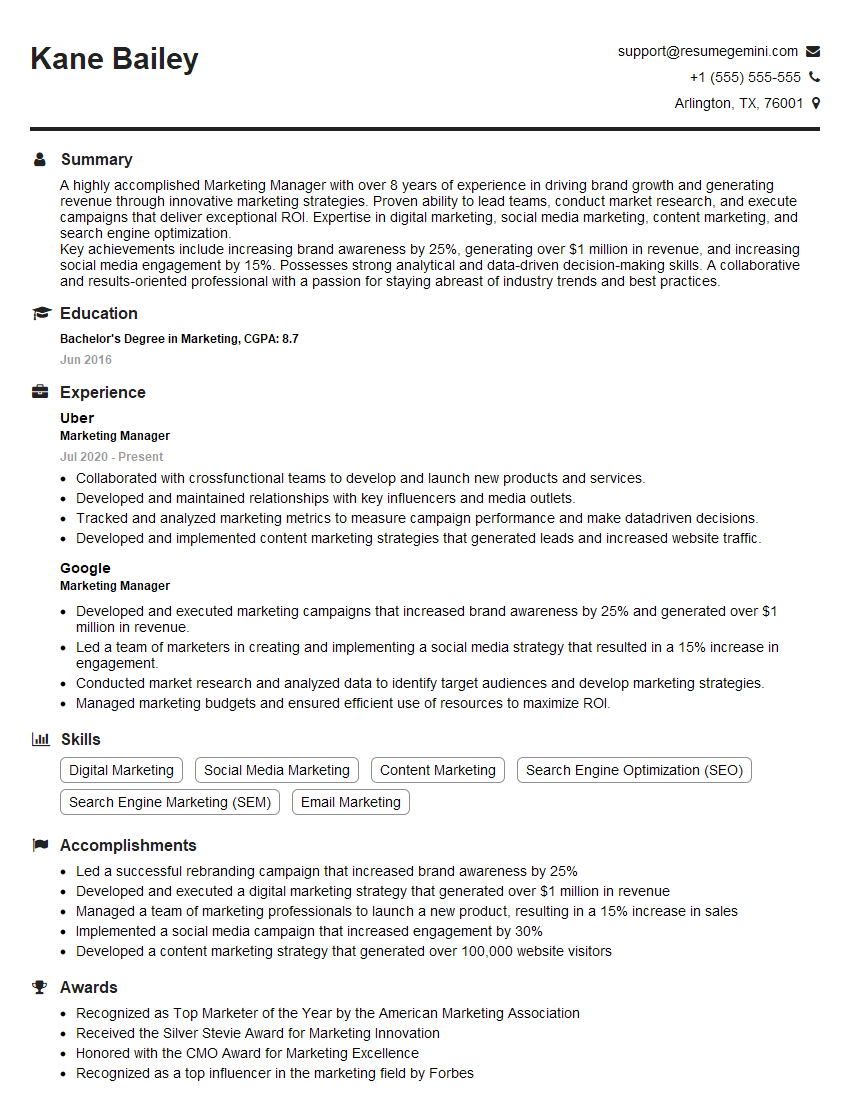
Marketing Manager Resume Sample
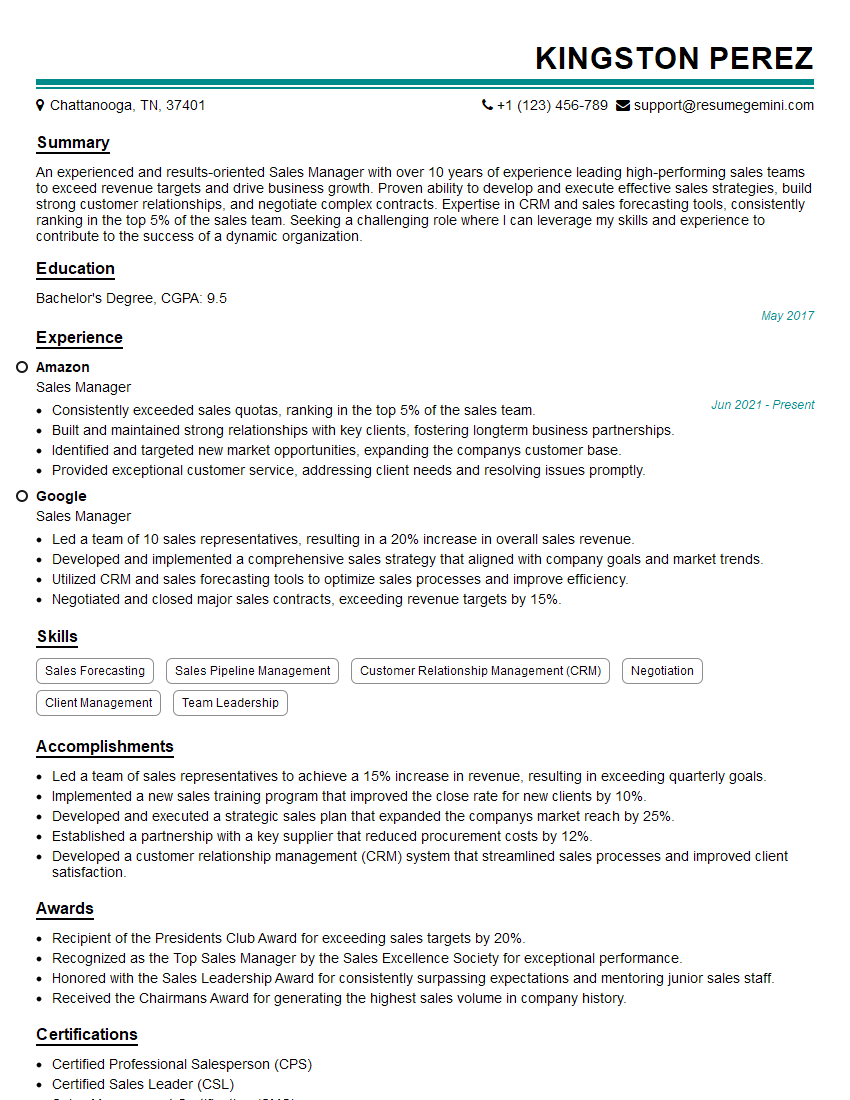
Sales Manager Resume Sample
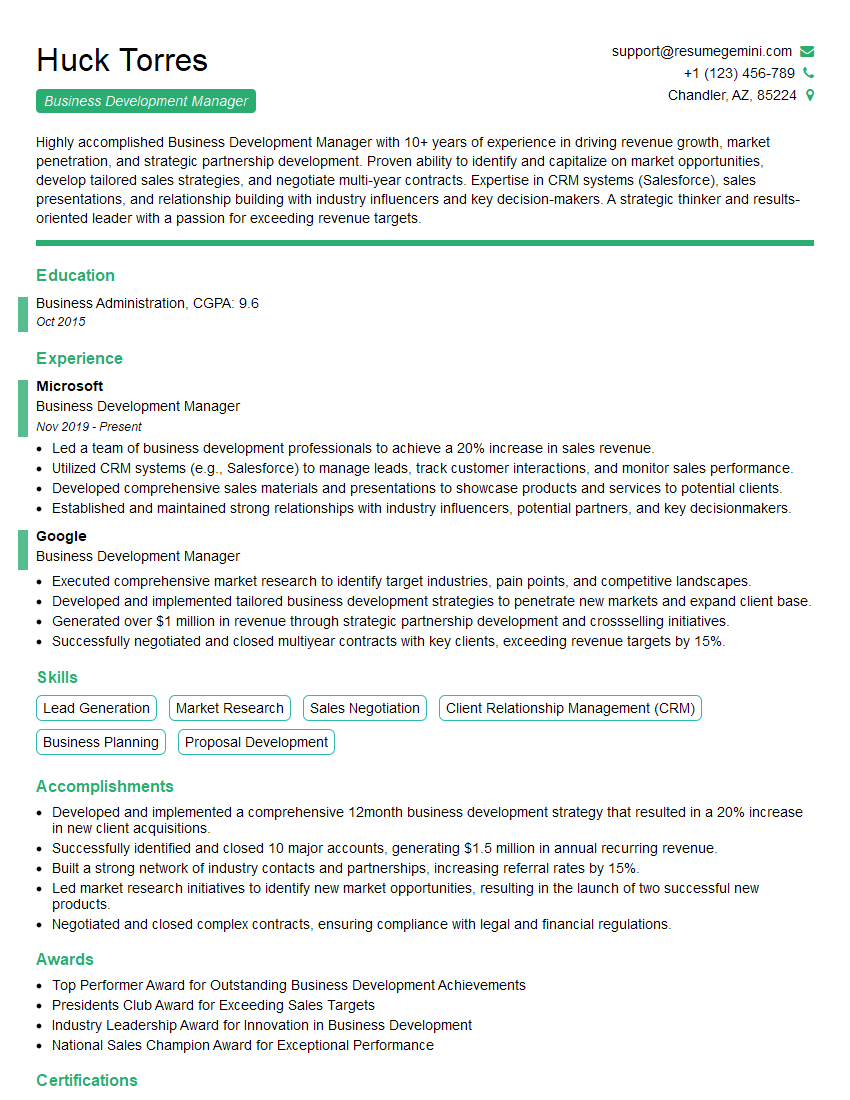
Business Development Manager Resume Sample
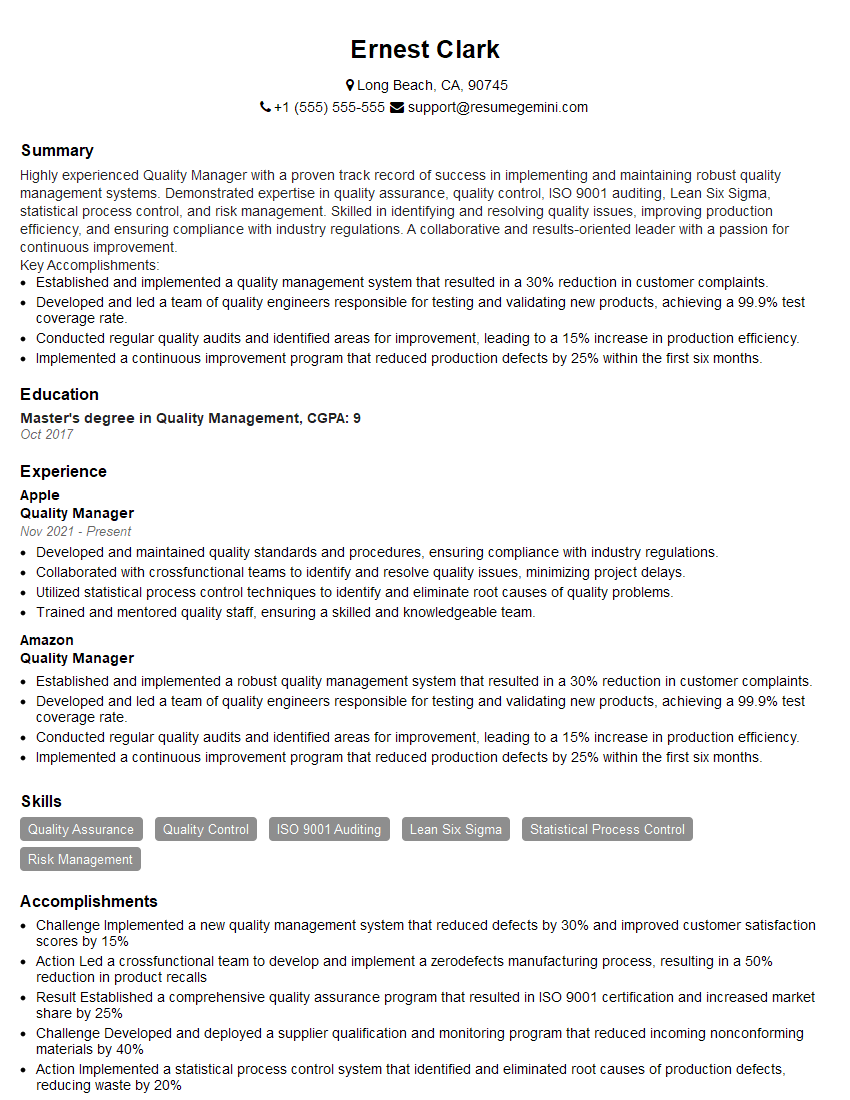
Quality Manager Resume Sample
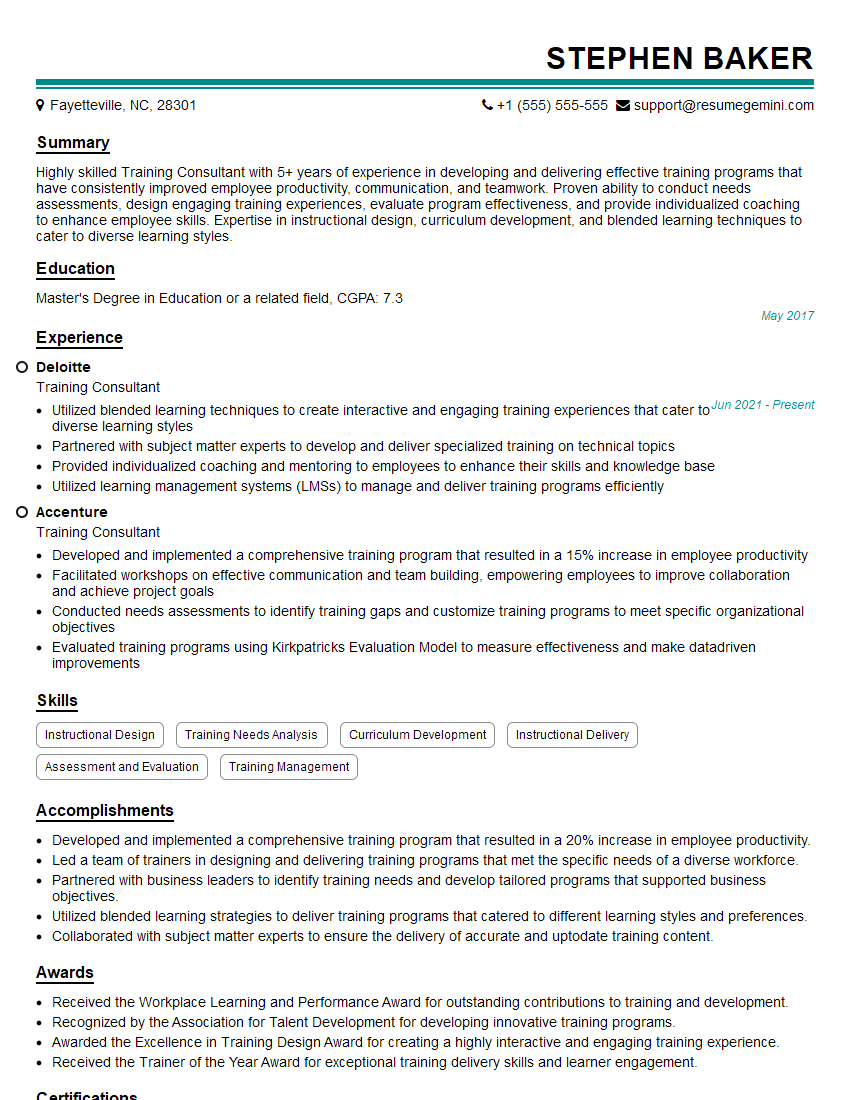
Training Consultant Resume Sample

Project Manager Resume Sample

Compliance Officer Resume Sample
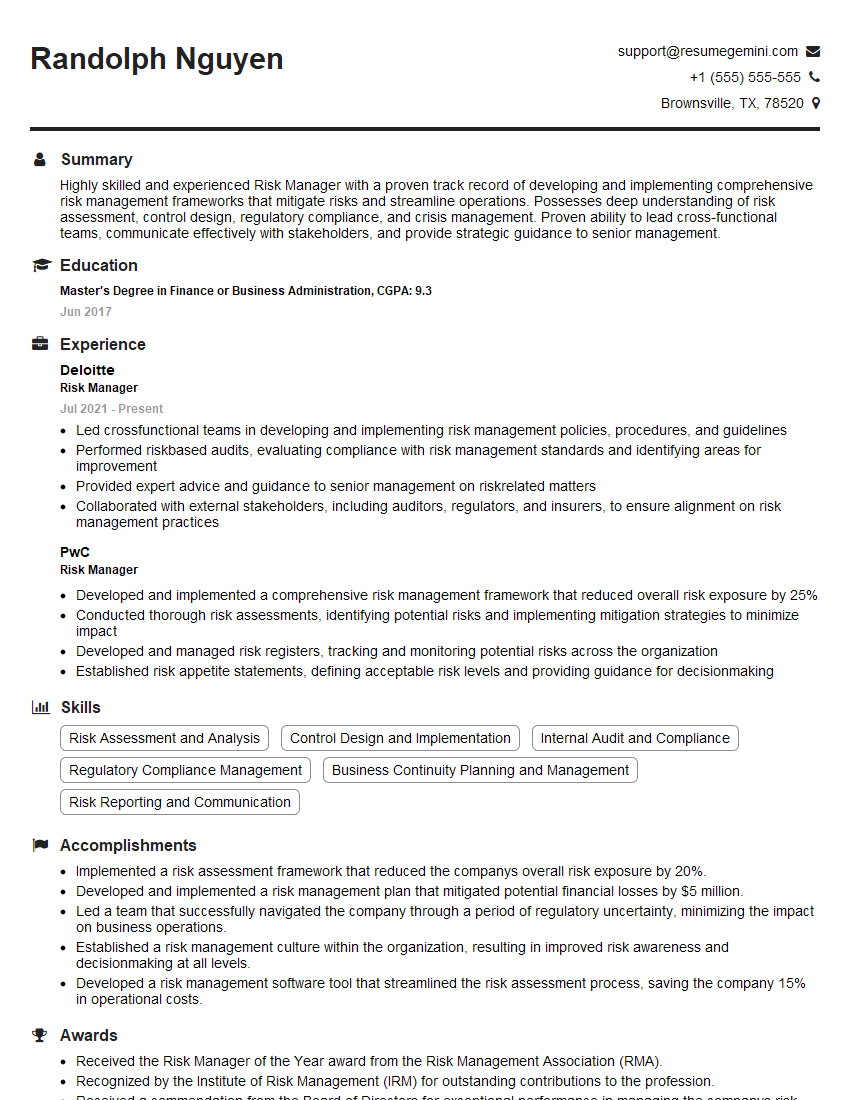
Risk Manager Resume Sample

Sustainability Consultant Resume Sample
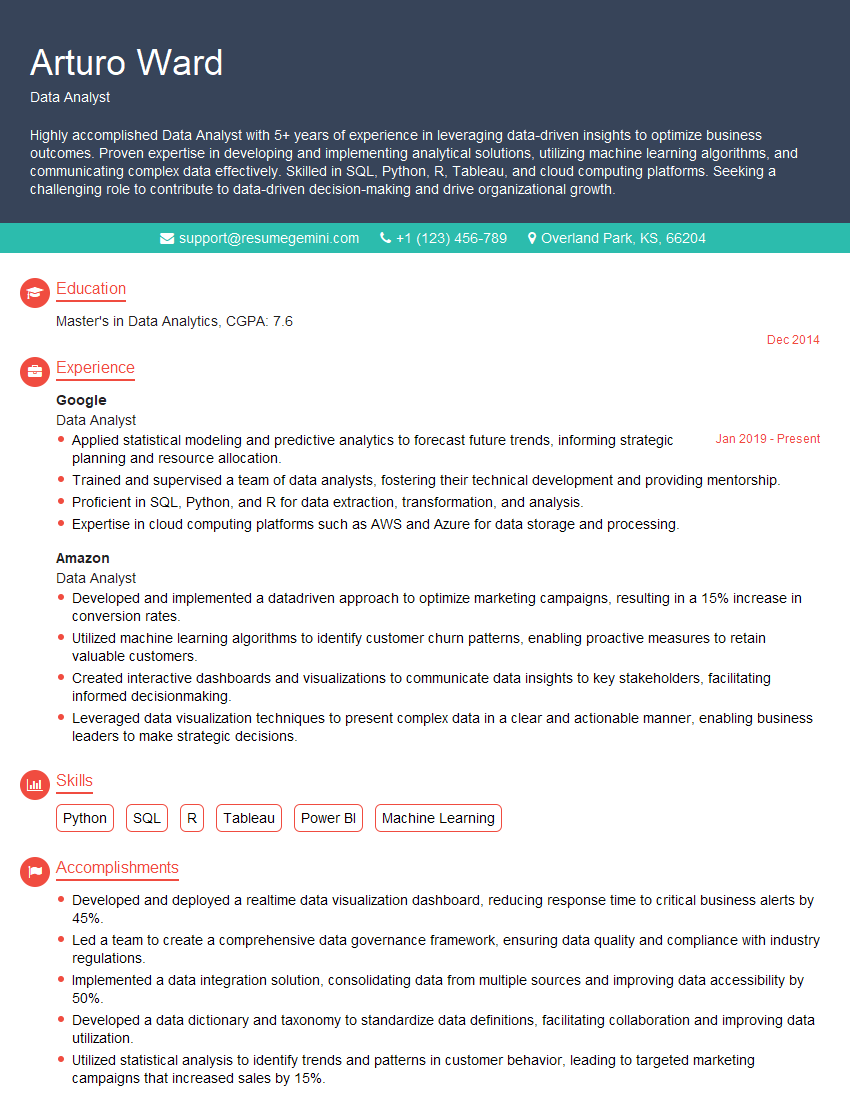
Data Analyst Resume Sample
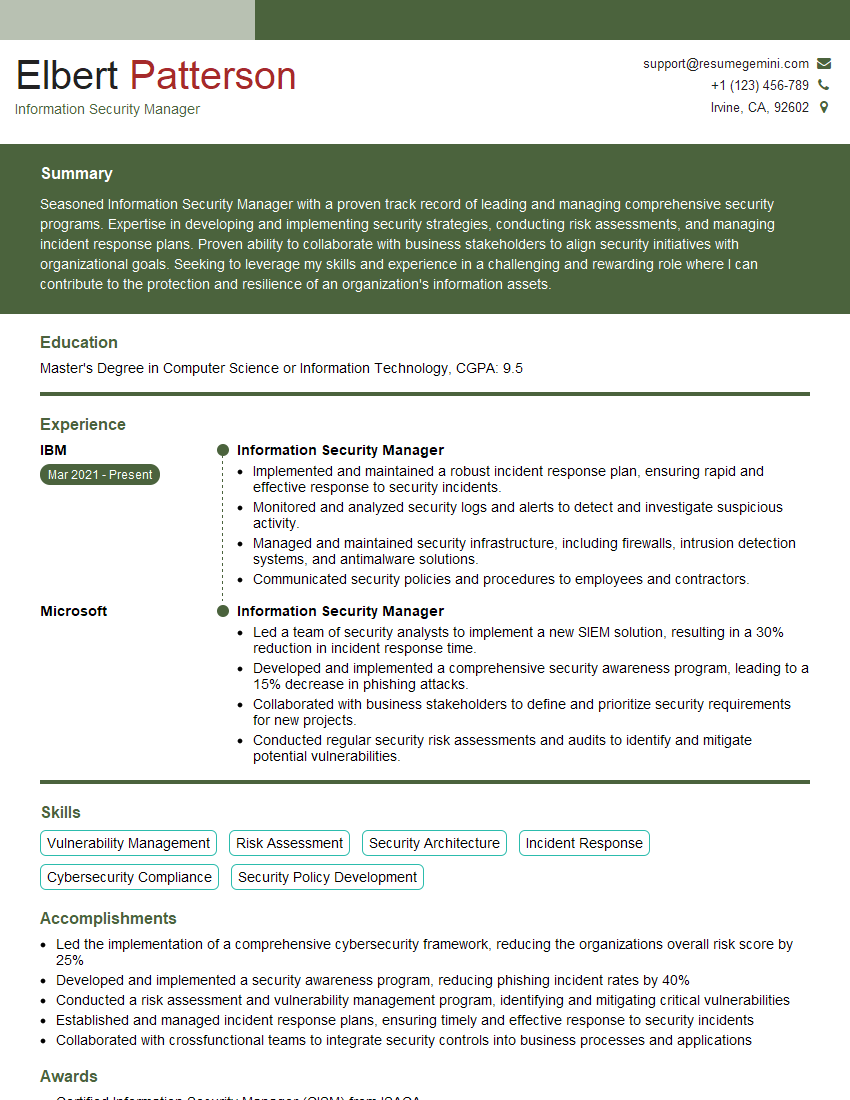
Information Security Manager Resume Sample
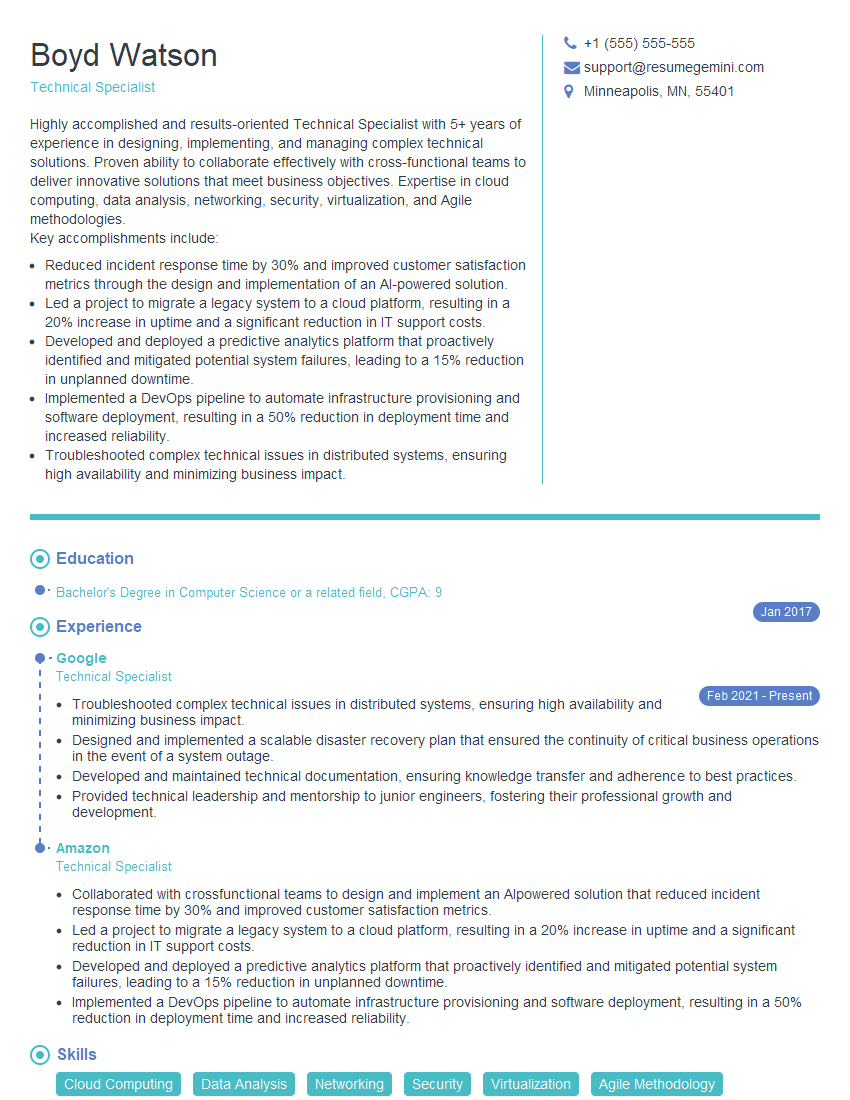
Technical Specialist Resume Sample

Technical Writer Resume Sample
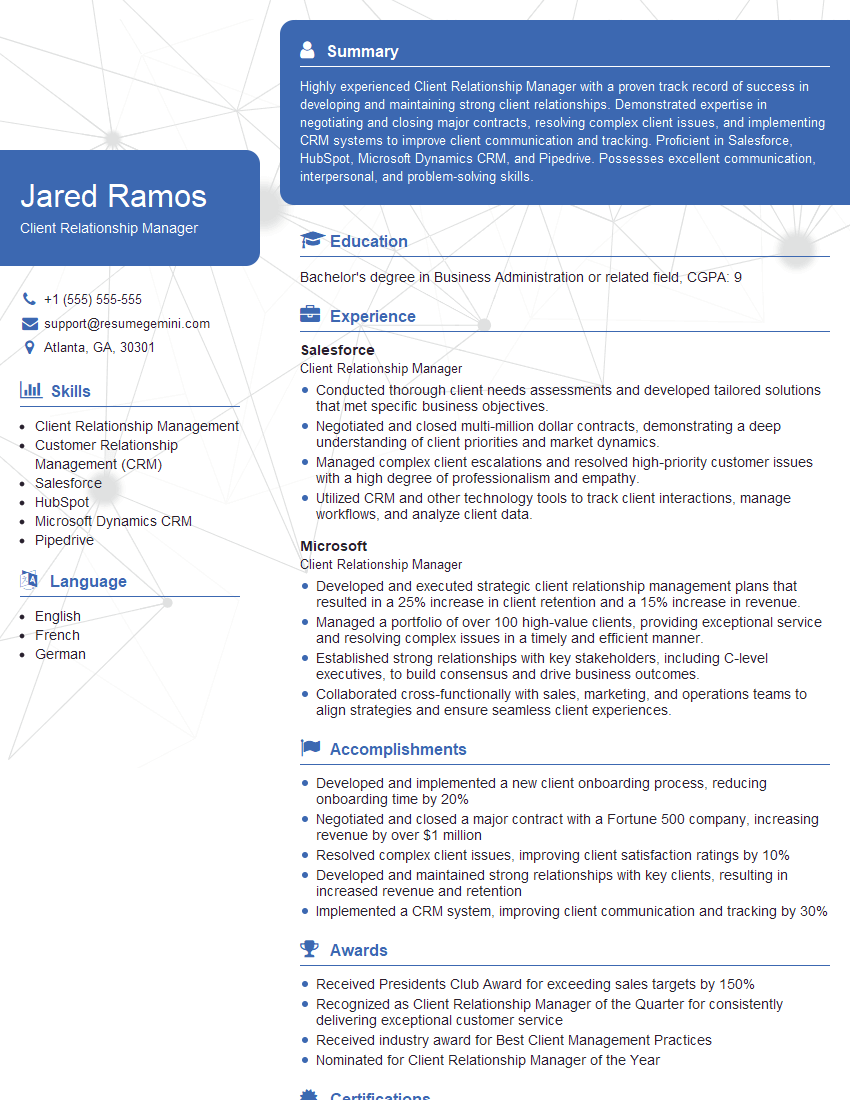
Client Relationship Manager Resume Sample
Explore more articles
Users Rating of Our Blogs
Share Your Experience
We value your feedback! Please rate our content and share your thoughts (optional).
What Readers Say About Our Blog
Very informative content, great job.
good