Are you ready to stand out in your next interview? Understanding and preparing for Brooding and Rearing interview questions is a game-changer. In this blog, we’ve compiled key questions and expert advice to help you showcase your skills with confidence and precision. Let’s get started on your journey to acing the interview.
Questions Asked in Brooding and Rearing Interview
Q 1. Describe the optimal brooding temperature and humidity for chicks.
Optimal brooding temperature and humidity are crucial for chick survival and healthy development. Think of it like creating a perfect, cozy nest for them. During the first week, the ideal temperature is around 95°F (35°C). This gradually decreases by 5°F (3°C) each week until they reach approximately 70°F (21°C) at about 4-6 weeks of age. Humidity should be maintained at 50-60%, which prevents respiratory problems and keeps the chicks comfortable. This can be achieved by using a humidifier or simply ensuring proper ventilation to avoid overly dry air. Monitoring is key; using a thermometer and hygrometer allows for adjustments based on chick behavior and environmental conditions.
For example, if you see chicks piling up together under the heat source, it indicates they’re cold and the temperature needs to be raised. Conversely, chicks panting or spreading their wings might suggest overheating, requiring a temperature decrease.
Q 2. What are the signs of heat stress in chicks?
Heat stress in chicks is a serious issue that can lead to death if not addressed promptly. Signs are quite evident if you know what to look for. Imagine a very hot summer day – how would you feel? Chicks will exhibit similar symptoms. You’ll notice increased panting, open mouths, and drooping wings. They become lethargic, less active, and might huddle away from the heat source, rather than seeking it out. They can also show increased water consumption, diarrhea, and even have reduced feed intake. Severe heat stress will lead to higher mortality rates.
A simple way to check is to gently touch the chick’s breast. If it feels unusually warm or hot to the touch, it’s a strong indication of heat stress. Immediate action is required to prevent serious health problems.
Q 3. How do you prevent and treat common chick diseases?
Preventing and treating chick diseases requires a proactive approach that combines biosecurity measures with prompt diagnosis and treatment. Think of it as building a strong immune system for your flock and maintaining a clean environment. Prevention starts with obtaining chicks from reputable sources known for their healthy flocks. Maintaining impeccable hygiene in the brooder is essential, regularly cleaning and disinfecting feeders, waterers, and the brooding area itself. Proper vaccination programs, tailored to the specific diseases prevalent in your region, are crucial. Providing a balanced diet rich in essential nutrients supports the immune system.
If disease does occur, early detection is key. Look for symptoms like lethargy, loss of appetite, respiratory distress, and unusual droppings. Contact a veterinarian immediately for diagnosis and treatment. Common diseases such as coccidiosis, Marek’s disease, and Newcastle disease often require specific medications and management strategies.
Q 4. Explain the importance of biosecurity in brooding and rearing.
Biosecurity in brooding and rearing is paramount to the success of your poultry operation. It’s essentially creating a protective barrier around your chicks to keep them safe from external threats. This involves implementing procedures to minimize the introduction and spread of diseases and parasites. This can include strict hygiene protocols, such as disinfecting equipment, footwear, and clothing before entering the brooder. Restricting access to the brooding area to authorized personnel only is also essential. Quarantine new arrivals for a period of time before integrating them into the main flock. Implementing effective rodent and pest control to prevent disease vectors is crucial. A well-planned biosecurity program significantly reduces the risk of disease outbreaks, leading to healthier flocks and higher profitability.
For example, a simple footbath with disinfectant at the entrance to the brooding area can make a significant difference in preventing disease transmission.
Q 5. What are the different types of brooding systems?
Several brooding systems exist, each with its own advantages and disadvantages. The choice depends on factors such as flock size, budget, and available space. These include:
- Floor brooding: Chicks are raised on the floor of a building, often with a heat source like a hover.
- Brooder house brooding: Chicks are raised in a dedicated brooder house, providing greater control over the environment.
- Battery brooding: Chicks are raised in individual or multi-tiered cages, ideal for intensive systems.
- Infrared brooding: Chicks are warmed using infrared lamps, providing localized heat.
Q 6. Discuss the advantages and disadvantages of each brooding system.
Each brooding system presents trade-offs.
- Floor brooding offers ease of setup and management but can be less efficient in terms of space utilization and can lead to uneven heating.
- Brooder houses provide more control over temperature, humidity, and biosecurity, but require more initial investment and maintenance.
- Battery brooding allows high stocking densities and better control over feed and water intake but raises welfare concerns regarding restricted movement and potential for injury.
- Infrared brooding is energy-efficient and provides precise heat control but can be expensive initially and may not provide uniform heating for large flocks.
The best system depends on your specific context and priorities. A small-scale operation might prefer floor brooding while a large commercial farm would likely use brooder houses or battery systems.
Q 7. How do you monitor chick growth and development?
Monitoring chick growth and development is essential for early identification of problems and ensuring optimal performance. Regular monitoring should include daily weight checks, particularly in the initial weeks, using a small scale. Observe their feed and water intake; reduced intake often signifies illness or environmental stress. Regularly assess the uniformity of the flock, noting any chicks significantly smaller or lagging behind their peers. Monitor mortality rates and investigate causes of any unusual deaths. Pay attention to the chicks’ activity levels, alertness, and fecal matter; changes in these indicators could point to health issues. Visual inspection helps evaluate feathering, leg structure, and overall physical condition. Record keeping is crucial to track growth trends and identify potential problems over time. This data can be invaluable for adjusting management practices and optimizing brooding and rearing strategies.
For instance, a consistent drop in average weight might signal an issue with feed quality or a disease outbreak.
Q 8. What are the key nutritional requirements for chicks during brooding?
Chicks during brooding have incredibly high nutritional needs, as they’re growing rapidly and developing their immune systems. Their diet needs to be highly digestible and rich in protein, energy, and essential vitamins and minerals.
- Protein: A high-protein diet (around 20-22% in the starter feed) is crucial for muscle development and overall growth. Think of it like giving a child building blocks – they need the right materials to build a strong body.
- Energy: Energy is provided primarily by carbohydrates and fats. Chicks need sufficient energy to maintain body temperature and grow. Insufficient energy leads to slow growth and increased susceptibility to disease.
- Vitamins and Minerals: Vitamins like A, D3, E, and K, and minerals like calcium and phosphorus are essential for bone development, immune function, and overall health. Deficiencies can lead to various health problems, including rickets (bone deformities).
- Amino Acids: The specific amino acids (the building blocks of protein) like methionine and lysine are critical for optimal growth and feathering. A deficiency here would limit the chick’s growth potential, like restricting a builder from using the best bricks.
Starter feed, specifically formulated for chicks, is vital during this stage. It’s finely ground for easy digestion. I always make sure to carefully monitor feed intake and adjust the formulation if necessary based on chick growth and health.
Q 9. Explain the importance of proper ventilation in brooding.
Proper ventilation in a brooding house is absolutely critical. It’s the lifeblood of a healthy brooding environment, preventing a buildup of harmful gases like ammonia and carbon dioxide, while maintaining the optimal temperature and humidity.
Poor ventilation leads to a dangerous build-up of ammonia, which is highly irritating to the respiratory system, causing respiratory disease and even death. High levels of carbon dioxide can also lead to reduced growth and health issues. Think of it like this: we need fresh air to breathe, and chicks are no different. They require a constant supply of clean, oxygen-rich air.
In my experience, a well-ventilated brooding house is essential for controlling moisture levels, preventing condensation, and reducing the risk of infectious diseases. We use a combination of natural ventilation (using windows and vents) and mechanical ventilation (fans) to maintain a constant airflow and adjust based on weather conditions and chick density. Regular checks using humidity and temperature gauges are essential.
Q 10. How do you manage chick mortality?
Managing chick mortality requires a proactive and multi-faceted approach. It begins even before the chicks arrive – ensuring a clean and disinfected brooding area is paramount. Once chicks arrive, constant observation is key. I always check my flocks multiple times a day.
- Early detection: Regular observation for any signs of illness or distress, like lethargy, ruffled feathers, or abnormal droppings, is crucial. Early intervention drastically increases survival rates.
- Cause identification: Attempting to identify the cause of death is vital. A necropsy (post-mortem examination) can help identify underlying disease or nutritional deficiencies.
- Biosecurity: Strict biosecurity measures, like controlling access to the brooding area, using proper sanitation protocols, and vaccinating chicks, are essential for preventing disease outbreaks.
- Proper brooding conditions: Maintaining optimal temperature, humidity, and ventilation reduces stress and enhances chick immunity, lowering mortality.
For example, I once had a mortality spike due to *E. coli* infection. After a necropsy and bacterial culture, we implemented stricter sanitation practices and introduced antibiotics under veterinary guidance, swiftly controlling the outbreak.
Q 11. Describe your experience with different types of feeders and waterers.
I’ve worked with various types of feeders and waterers over the years, each with its advantages and disadvantages. Choosing the right equipment directly impacts chick access to food and water, thus influencing their growth and overall health.
- Feeders: I’ve used everything from simple trough feeders (easy to clean but susceptible to spillage and contamination) to hanging feeders (reducing spillage but requiring regular adjustment to chick height) and automated feeders (ideal for large flocks, but requiring technical expertise and maintenance). The choice depends on the flock size and available resources.
- Waterers: Bell drinkers are common and easy to use, but can be prone to spillage. Nipple drinkers are excellent for minimizing wastage and maintaining water cleanliness, though they require more initial investment and can be more challenging to clean.
For example, in a large-scale operation, automated feeders are advantageous, providing consistent feed access and saving labor. However, in a smaller setting, simple trough feeders might be more practical and cost-effective.
Q 12. How do you identify and address leg problems in chicks?
Leg problems in chicks, such as crooked legs, spraddle leg, or slipped tendon, can significantly impact their survival and growth. Early detection and intervention are critical.
- Identification: Observe chicks regularly for signs such as inability to stand properly, legs splayed outwards, swollen joints, or difficulty moving. A careful examination of legs and feet is crucial.
- Causes: Leg problems can stem from nutritional deficiencies (especially vitamin D and calcium), genetic predisposition, bacterial infections, or even overcrowded conditions.
- Addressing Leg problems: Nutritional correction (adding vitamin D and calcium to feed) can address nutritional deficiencies. For severe cases, veterinary intervention might be required, potentially involving medication or corrective procedures.
- Prevention: Providing a suitable and comfortable brooding environment, ensuring proper nutrition, and managing stocking density can help prevent many leg problems.
In one instance, I noticed several chicks with crooked legs. Upon review, their calcium levels were low. We added a calcium supplement to their diet, and most chicks recovered. This highlights the importance of early intervention and nutritional management.
Q 13. What are the signs of cannibalism in chicks, and how do you prevent it?
Cannibalism is a serious problem in chick rearing, where chicks peck at each other, often causing injury or death. It’s usually triggered by stress and poor management practices.
- Signs: Observe for injured or dead chicks with pecking wounds, particularly around the head and vent area. Feather picking is an early indicator. Increased aggression and restlessness among chicks is also indicative.
- Prevention: Several strategies are crucial:
- Reduce stress: Maintain optimal temperature, humidity, and ventilation. Ensure adequate feed and water access. Avoid sudden changes in light intensity or environmental conditions.
- Debeaking: This involves trimming the chick’s beak to reduce its ability to peck. It’s a controversial practice but can be effective in severe cases and requires expertise to avoid injury.
- Provide adequate space: Overcrowding is a major contributor. Ensure sufficient space per chick.
- Lighting: Dim lighting, particularly during the crucial first few weeks, can reduce stress and aggression.
- Feed management: Ensure chicks have access to good quality feed consistently.
I’ve found that a combination of these measures, tailored to the specific situation, is usually effective in preventing cannibalism. For example, in a high-density situation, increasing space combined with dim lighting was instrumental in curbing aggression among my chicks.
Q 14. How do you monitor and manage the environmental conditions in the rearing house?
Monitoring and managing environmental conditions in the rearing house is a continuous process that involves regular observation, data logging, and adjustments to maintain optimal conditions.
- Temperature: Maintain an appropriate temperature range for each stage of growth, using thermometers strategically placed throughout the house. The temperature is critical and needs careful monitoring, particularly during the brooding period.
- Humidity: High humidity can encourage the growth of pathogens, while low humidity can lead to dehydration. I employ a hygrometer to maintain optimal levels.
- Ventilation: Monitor airflow using various strategies, from simple observation of air movement to sophisticated automated systems for temperature and ventilation control.
- Lighting: Control lighting duration and intensity to regulate chick behavior and growth, providing adequate light for feeding and activity but avoiding excessive light which can increase stress.
- Air Quality: Monitoring for ammonia and carbon dioxide levels is critical, using gas detectors to maintain safe and healthy levels. This can often be achieved by proper ventilation.
Data logging is crucial. I maintain detailed records of temperature, humidity, and ventilation settings to identify trends, optimize conditions, and troubleshoot issues promptly. My experience tells me that consistent monitoring and timely adjustments are key to success.
Q 15. What are the common health challenges faced during rearing?
Common health challenges during poultry rearing are multifaceted and depend heavily on factors like breed, age, and environmental conditions. They can broadly be categorized into infectious and non-infectious diseases.
Infectious Diseases: These are caused by pathogens like bacteria (e.g., E. coli, Salmonella), viruses (e.g., Newcastle Disease Virus, Avian Influenza), and parasites (e.g., coccidia, lice). Symptoms vary greatly depending on the pathogen, but often include reduced growth rates, respiratory distress, diarrhea, and increased mortality. For instance, a coccidiosis outbreak can lead to significant losses due to bloody diarrhea and dehydration.
Non-Infectious Diseases: These arise from nutritional deficiencies (e.g., vitamin deficiencies leading to skeletal deformities), environmental stressors (e.g., heat stress causing panting and reduced feed intake), and management issues (e.g., poor hygiene leading to leg problems). A classic example is leg weakness in fast-growing broiler breeds, often stemming from rapid growth outpacing skeletal development.
Proactive biosecurity measures, regular health checks, and prompt veterinary intervention are crucial to minimizing the impact of these challenges.
Career Expert Tips:
- Ace those interviews! Prepare effectively by reviewing the Top 50 Most Common Interview Questions on ResumeGemini.
- Navigate your job search with confidence! Explore a wide range of Career Tips on ResumeGemini. Learn about common challenges and recommendations to overcome them.
- Craft the perfect resume! Master the Art of Resume Writing with ResumeGemini’s guide. Showcase your unique qualifications and achievements effectively.
- Don’t miss out on holiday savings! Build your dream resume with ResumeGemini’s ATS optimized templates.
Q 16. Describe your experience with vaccination protocols.
My experience with vaccination protocols spans over 15 years, encompassing both broiler and layer production. We utilize a comprehensive vaccination program tailored to the specific health risks prevalent in our region and the bird’s age. The program typically includes core vaccines against Newcastle Disease, Infectious Bronchitis, Infectious Bursal Disease (Gumboro), and Avian Influenza.
The administration method varies depending on the vaccine type – we use both injectable and drinking water methods. For example, Newcastle Disease vaccines are often administered via eye drop or spray in the early stages of life, while other vaccines, like those against Infectious Bursal Disease, might be given via injection. We meticulously record vaccination dates, batch numbers, and any observed reactions in our detailed health records. This allows us to track vaccine efficacy, identify potential problems, and adapt our strategy as needed. A critical aspect is maintaining the cold chain for live vaccines to ensure their potency and efficacy.
In my experience, a well-executed vaccination program is not just about preventing disease outbreaks, it’s about enhancing overall bird health and productivity.
Q 17. Explain the importance of record-keeping in brooding and rearing.
Record-keeping is the backbone of successful brooding and rearing. It provides a crucial audit trail, allowing us to monitor bird health, growth rates, feed consumption, and mortality. This data is essential for identifying trends, making informed decisions, and improving efficiency.
Mortality Records: Daily mortality counts and causes of death are meticulously documented. This helps identify potential disease outbreaks or management issues early on.
Feed and Water Consumption: Tracking feed intake per bird per day allows for adjustments in feed formulation or delivery to optimize growth and minimize waste. Water consumption monitoring is crucial for detecting early signs of disease.
Growth Records: Regular weighing of birds at various ages allows us to assess growth rates and identify any deviations from the expected norms. This helps pinpoint nutritional deficiencies or other underlying problems.
Medication and Vaccination Records: Detailed records of all medications and vaccinations administered, including dates, dosages, and batch numbers, are essential for tracking efficacy and managing potential adverse effects.
Accurate and thorough record-keeping is vital for disease prevention, improving flock management practices, and meeting regulatory compliance requirements. We use both manual and computerized systems to ensure efficient data management and analysis.
Q 18. How do you ensure the welfare of the birds under your care?
Ensuring bird welfare is paramount. Our approach focuses on providing a safe, comfortable, and stimulating environment. This involves several key aspects:
Proper Housing and Environment: This includes maintaining appropriate temperature, humidity, ventilation, and lighting. We monitor these conditions regularly to prevent heat stress, ammonia build-up, and other environmental hazards. Think of it like creating a comfortable home for the birds.
Nutritional Needs: Providing a balanced diet with sufficient nutrients for optimal growth and health. This includes ensuring access to fresh, clean water at all times.
Biosecurity Measures: Implementing strict biosecurity protocols to prevent the introduction of diseases. This involves controlling access to the rearing house, using disinfectants, and adhering to strict hygiene protocols.
Minimizing Stress: Reducing stress through good management practices, such as minimizing noise and avoiding sudden changes in the environment. Remember, stressed birds are more susceptible to diseases.
Regular Health Monitoring: Conducting regular health checks to detect any signs of illness early and provide prompt treatment. Early intervention is crucial for effective disease management.
Our commitment to bird welfare is not just an ethical imperative; it’s directly linked to better productivity and profitability.
Q 19. How do you control pests and parasites in the rearing house?
Pest and parasite control is a continuous process involving a multi-pronged strategy. We focus on prevention and integrated pest management (IPM) to minimize reliance on chemical treatments.
Hygiene: Maintaining impeccable hygiene is fundamental. Regular cleaning and disinfection of the rearing house, equipment, and feeders are crucial. Removing manure and other waste promptly prevents pest buildup. Imagine cleaning your own home—it’s the same principle.
Rodent Control: We use a combination of physical barriers (e.g., rodent-proof structures) and traps to control rodent populations. Regular inspections and preventative measures are essential.
Insect Control: For insect control, we primarily employ preventative measures such as proper ventilation and netting to keep insects out. If necessary, we use approved insecticides sparingly, always adhering to label instructions and safety precautions.
Parasite Control: We incorporate appropriate medication in the feed or drinking water to control internal parasites like coccidia. External parasites like lice are addressed using approved treatments as needed.
A well-planned IPM strategy is essential for minimizing the risk of pest and parasite infestations, promoting bird health, and avoiding the overuse of chemicals.
Q 20. Describe your experience with different types of rearing systems.
My experience encompasses various rearing systems, each with its own advantages and disadvantages.
Floor Rearing: This traditional method is relatively low-cost but requires more labor for cleaning and waste management. It’s suitable for smaller-scale operations and specific breeds.
Cage Rearing: Cage systems offer better control over hygiene and waste management, enhancing biosecurity, but can impact bird welfare if not properly managed. Space allocation and bird density are crucial considerations.
Free-range Rearing: This system promotes natural behaviors and enhances bird welfare but requires larger land areas and presents challenges in disease control and feed management. It generally results in a higher cost per bird.
The choice of rearing system depends on several factors including available resources, breed, market demands, and welfare considerations. We select the system that best balances efficiency, profitability, and bird welfare.
Q 21. What is your experience with feed formulation and management?
Feed formulation and management are critical for optimal bird growth and health. We work closely with nutritionists to formulate diets that meet the specific nutrient requirements of the birds at each stage of development. This involves balancing energy, protein, vitamins, and minerals.
The formulation takes into account factors like breed, age, and environmental conditions. For instance, broiler chickens require a higher energy diet during the rapid growth phase compared to layers. We regularly monitor feed quality to ensure it meets the specified nutritional parameters.
Feed management involves efficient storage, handling, and distribution of feed to prevent spoilage and contamination. We use automated feeding systems to ensure consistent and accurate feed delivery. Regular monitoring of feed intake is essential for early detection of problems, such as reduced appetite due to illness or environmental stress. Effective feed management directly impacts bird health, growth, and overall productivity.
Q 22. How do you maintain optimal litter conditions?
Maintaining optimal litter conditions is crucial for bird health and growth. Think of the litter as the birds’ bed – it needs to be comfortable, dry, and clean to prevent disease and stress. We use a combination of strategies to achieve this.
- Type of Litter: We carefully select the litter material based on factors like absorbency, cost, and availability. Wood shavings are common, but we’ve also experimented with recycled paper products, ensuring they are free of harmful chemicals.
- Depth: The litter depth is adjusted based on the age of the birds and the type of litter used. Deeper litter provides better insulation and absorption, especially during the brooding phase. We typically start with a deeper bed and gradually reduce it as the birds grow.
- Regular Cleaning: Daily spot cleaning is essential to remove wet or soiled areas. More thorough cleaning and litter replacement is done regularly, the frequency depending on the flock size and litter type. We aim to keep the litter dry and free of ammonia buildup, a strong indicator of poor hygiene.
- Monitoring: We regularly monitor the litter’s condition for any signs of dampness, mold, or excessive ammonia smell. This often involves visual checks and sometimes the use of simple ammonia detection strips. Any issues are addressed immediately.
For example, during a particularly wet spell, we found that our usual wood shavings weren’t absorbing moisture fast enough. We supplemented with an absorbent material to keep the litter dry and prevent potential foot problems in the chicks.
Q 23. How do you monitor and manage the birds’ water intake?
Water is essential for bird health and productivity. Monitoring and managing water intake requires careful attention to several factors. Imagine it like this: you wouldn’t want to leave a child thirsty – similarly, we need to ensure consistent access to clean water for our birds.
- Cleanliness: We clean and disinfect waterers daily to prevent the growth of harmful bacteria and algae. This is particularly important during hot weather or when birds are young and more susceptible to illness.
- Accessibility: Waterers should be readily accessible to all birds, especially in crowded areas. We strategically position waterers to ensure adequate distribution and avoid competition among the birds.
- Type of Waterer: The type of waterer is adjusted based on bird age and size. For example, we use nipple drinkers for older birds as they are more hygienic and reduce water wastage. Bell drinkers are often more suitable for smaller chicks.
- Water Quality: We ensure access to clean, fresh water at all times. Regularly testing the water quality can help to identify any potential problems.
- Monitoring: We continuously monitor water consumption, noticing any changes that might indicate an illness or other problems. For instance, if water consumption drops significantly, this is a red flag that needs immediate investigation.
In one instance, we noticed a drastic decrease in water consumption among our flock. This led us to discover a malfunction in our water line, which we quickly repaired, preventing potential dehydration and mortality.
Q 24. What is your experience with different types of lighting systems?
Lighting systems are critical for regulating bird behavior and optimizing growth. Think of it like controlling the day-night cycle, adapting it to meet the bird’s specific needs at different stages of development.
- Brooding Phase: During brooding, we typically use higher light intensity to encourage feeding, reduce stress, and maintain warmth. We usually employ incandescent or specialized brooding lamps to provide focused warmth in the early stages.
- Growing Phase: As the birds age, the light intensity is gradually reduced. We use LED lighting for greater control and energy efficiency. It allows us to fine-tune the light spectrum and intensity for optimal growth.
- Light Cycle: We carefully regulate the light-dark cycle, manipulating it to impact the birds’ activity levels, feed intake, and ultimately, their overall development. This often involves gradually increasing the light duration as the birds mature.
- Types of Lights: We’ve experimented with various types including incandescent, fluorescent, and LED lighting systems. LED lighting is our preferred choice due to its energy efficiency, longevity, and the ability to adjust the color spectrum. For instance, certain wavelengths have been proven to improve feed conversion ratios.
One notable experience involved switching from traditional incandescent bulbs to energy-efficient LED lights. We not only reduced energy costs significantly, but also improved the overall bird health by controlling the light intensity and duration more effectively.
Q 25. Describe your experience with the transition from brooding to rearing.
The transition from brooding to rearing is a critical phase, requiring careful management to ensure the birds’ continued health and growth. Think of it as graduating from kindergarten to elementary school – the environment and requirements change, necessitating a smooth transition.
- Gradual Changes: We gradually reduce the temperature and light intensity, mimicking natural environmental changes. This prevents shock and ensures the birds can adapt smoothly to the new conditions.
- Space Management: The birds are provided with more space as they grow, reducing competition for resources and improving overall well-being. This often involves moving the birds to larger housing units.
- Nutritional Adjustments: The feed is gradually transitioned to a rearing diet that meets the nutritional needs of the growing birds. We use a feeding program based on the bird’s age and growth stage.
- Monitoring: Close monitoring is maintained throughout this transition period to identify and address any potential issues promptly. We watch for signs of stress, sickness, or reduced growth.
In one case, we experienced increased mortality during the transition due to a sudden temperature drop. After careful review, we implemented a slower temperature reduction and supplemented with additional heat sources, which greatly improved the success rate of the transition.
Q 26. How do you manage the movement and transfer of birds?
Moving and transferring birds requires careful planning and execution to minimize stress and prevent injury. We prioritize minimizing the birds’ discomfort and ensuring their safety throughout the process.
- Planning: The process is carefully planned considering the bird’s age, size, and the distance to be covered. This includes selecting suitable transport crates or equipment appropriate for the size and age of the birds.
- Handling: Birds are handled gently and efficiently, minimizing any undue stress. We use specialized equipment like catching nets and transport crates that maximize safety and efficiency.
- Environmental Conditions: Appropriate environmental conditions must be maintained during transport, such as temperature and ventilation, to prevent overheating or chilling. Often, we use climate-controlled trucks or vans.
- Post-Transfer Care: After transfer, birds are closely monitored to identify any signs of stress or illness. Providing access to feed and water immediately post-transfer is crucial.
We once experienced a significant increase in bird mortality after a long-distance transfer due to poor ventilation in the transport vehicle. Since then, we’ve implemented strict protocols for ventilation and temperature control during transportation, effectively mitigating this issue.
Q 27. How do you assess the overall health and growth of the flock?
Assessing the overall health and growth of the flock is an ongoing process that involves regular monitoring and data analysis. Imagine it like monitoring the growth of a plant – you’d check its height, leaf color, and overall health to assess its well-being.
- Weight Monitoring: Regular weighing of birds provides valuable information on growth rate and overall health. Significant deviations from the expected growth curve may indicate underlying problems.
- Mortality Rate: Monitoring mortality rates is crucial. High mortality rates warrant immediate investigation to determine the underlying causes, which may be related to nutrition, disease, or management practices.
- Feed Conversion Ratio (FCR): FCR, a measure of feed efficiency, is a valuable indicator of bird health and productivity. High FCR might suggest nutritional issues or disease.
- Visual Inspection: Regular visual inspection for signs of illness or injury, such as dull feathers, lethargy, or unusual droppings, is essential for early detection and intervention.
We once observed a sudden drop in growth rate among a particular flock. Through careful monitoring of mortality rates, FCR, and visual inspection, we were able to identify a nutritional deficiency in their feed, which we corrected immediately, restoring their growth rate.
Q 28. What is your experience with implementing biosecurity measures?
Implementing robust biosecurity measures is fundamental to preventing disease outbreaks and protecting the flock’s health. Think of it like building a strong wall to protect a castle – multiple layers of protection are vital.
- Quarantine: All new birds are quarantined upon arrival for a specified period to observe them for any signs of disease before introducing them to the main flock.
- Hygiene: Maintaining strict hygiene standards throughout the facility is essential. This includes regular disinfection of equipment, housing, and waterers.
- Personnel Hygiene: Personnel must adhere to strict hygiene protocols, including wearing protective clothing, disinfecting boots, and washing hands.
- Pest Control: Effective pest control programs are vital to preventing the introduction of disease vectors. We use a combination of preventative measures and targeted interventions to keep the facility free of rodents and insects.
- Visitor Control: Access to the facility is strictly controlled, limiting unnecessary entry and encouraging the use of protective clothing for visitors.
In one instance, a neighboring farm experienced a severe outbreak of avian influenza. Our strict biosecurity measures, including the quarantine protocol and thorough disinfection of vehicles, effectively prevented the disease from spreading to our flock.
Key Topics to Learn for Brooding and Rearing Interview
- Environmental Control: Understanding and maintaining optimal temperature, humidity, ventilation, and lighting for different brooding and rearing stages. Practical application includes troubleshooting environmental issues affecting chick/animal health and growth.
- Nutrition and Feed Management: Formulating appropriate diets, recognizing nutritional deficiencies, and implementing effective feeding strategies for optimal growth and health. This includes understanding the dietary needs at different growth stages and the impact of feed quality.
- Biosecurity and Disease Prevention: Implementing robust biosecurity protocols to minimize disease risks. Practical application includes understanding common diseases, vaccination protocols, and sanitation procedures.
- Growth and Development Monitoring: Tracking key performance indicators (KPIs) like weight gain, mortality rates, and feed conversion ratios. Practical application involves interpreting data to identify areas for improvement and optimize rearing practices.
- Health Management and Disease Recognition: Recognizing symptoms of common diseases and implementing appropriate treatment strategies. This includes understanding preventative measures and appropriate use of medication.
- Record Keeping and Data Analysis: Maintaining accurate and detailed records of brooding and rearing operations for analysis and improvement. This involves understanding data interpretation and its use in improving efficiency and productivity.
- Animal Welfare and Handling: Implementing humane handling techniques and ensuring animal welfare throughout the brooding and rearing process. Practical application involves understanding stress indicators and implementing appropriate mitigation strategies.
Next Steps
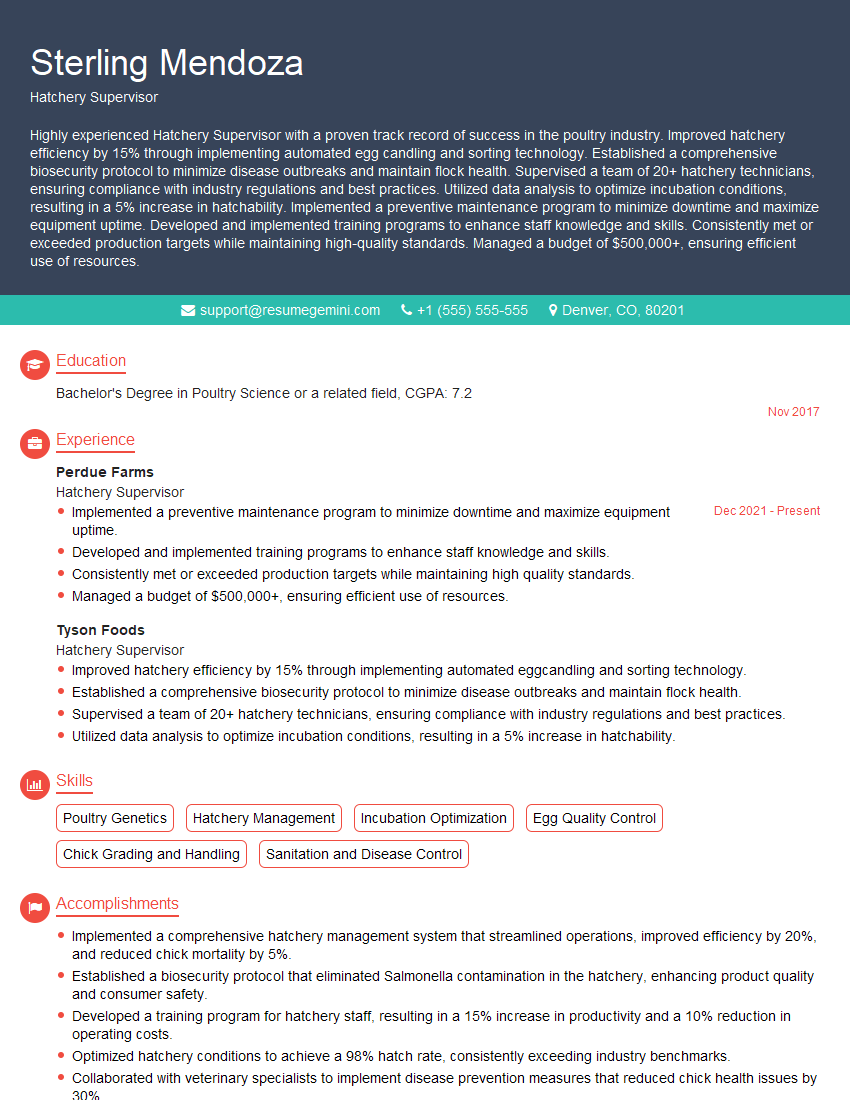
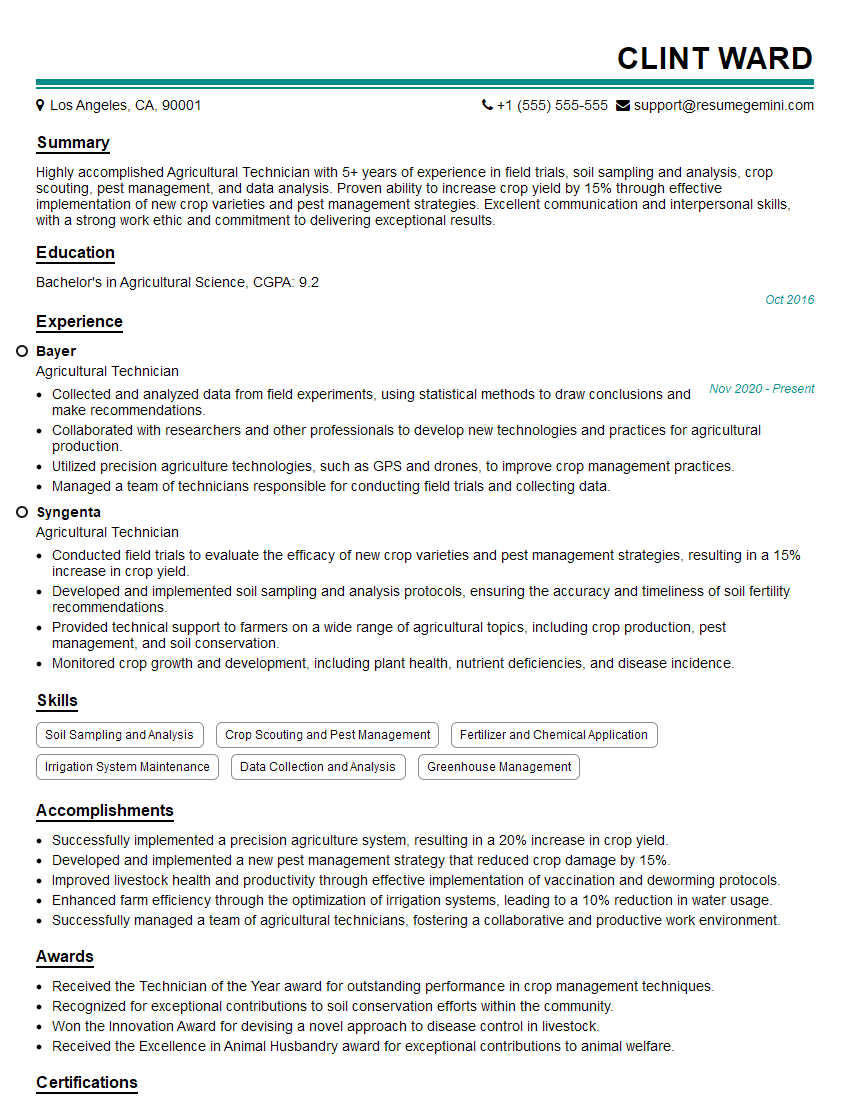
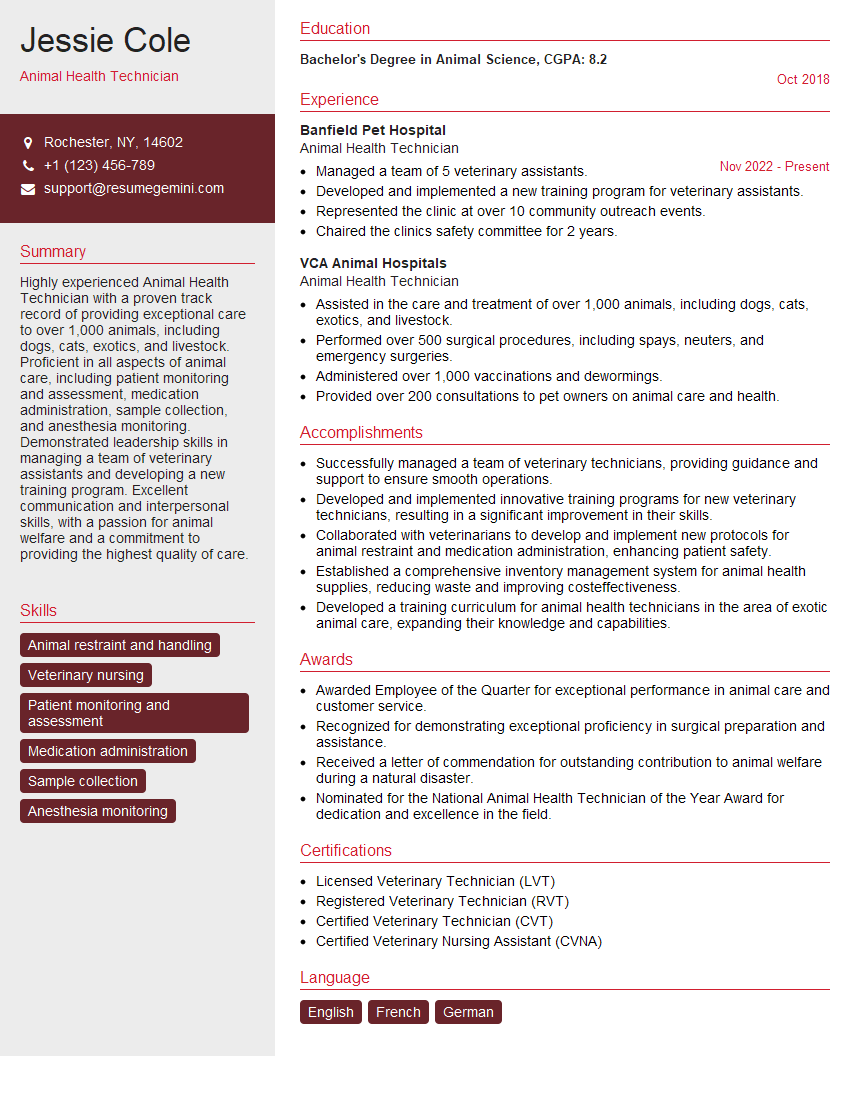
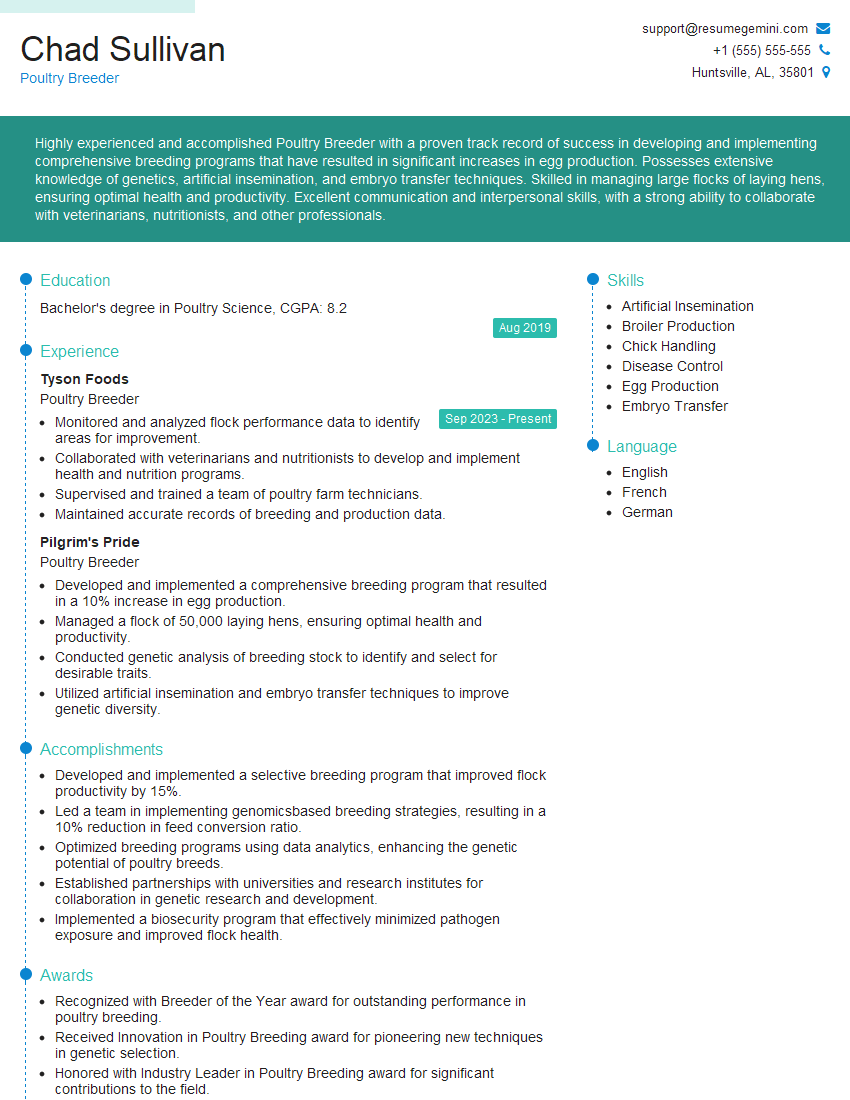
Mastering brooding and rearing techniques is crucial for a successful career in agriculture and animal husbandry, opening doors to diverse roles with increased responsibility and earning potential. To significantly improve your job prospects, it’s essential to create a compelling, ATS-friendly resume that highlights your skills and experience effectively. ResumeGemini is a trusted resource that can help you build a professional resume tailored to the specific requirements of brooding and rearing roles. Examples of resumes specifically designed for this field are available to help you showcase your expertise and land your dream job.

Explore more articles
Users Rating of Our Blogs
Share Your Experience
We value your feedback! Please rate our content and share your thoughts (optional).
What Readers Say About Our Blog
Very informative content, great job.
good