Are you ready to stand out in your next interview? Understanding and preparing for Budget and Fundraising interview questions is a game-changer. In this blog, we’ve compiled key questions and expert advice to help you showcase your skills with confidence and precision. Let’s get started on your journey to acing the interview.
Questions Asked in Budget and Fundraising Interview
Q 1. Describe your experience in developing and managing budgets.
Budget development and management is the cornerstone of financial stability for any organization. My approach involves a meticulous, multi-stage process. It begins with a thorough understanding of the organization’s strategic goals and translating those into quantifiable, line-item budget entries. This involves collaborating with various department heads to gather their individual needs and projections. I then consolidate these requests into a comprehensive budget, ensuring alignment with the overall strategic plan. Once the budget is approved, I implement robust tracking and monitoring systems, usually leveraging spreadsheet software or dedicated budgeting platforms, to regularly compare actual spending against the allocated amounts. This allows for proactive identification and mitigation of any potential overspending or budget shortfalls. For example, in my previous role at a non-profit, I implemented a zero-based budgeting system, requiring each department to justify every expense annually, leading to a 15% reduction in operational costs without compromising program effectiveness. Regular budget reviews and adjustments are crucial to adapt to unexpected events or changing priorities.
Q 2. How do you prioritize competing funding requests?
Prioritizing competing funding requests requires a systematic and objective approach. I typically use a multi-criteria decision analysis (MCDA) framework, assigning weights to different factors relevant to the organization’s mission. These factors might include alignment with strategic goals, potential impact, cost-effectiveness, urgency, and feasibility. Each funding request is then scored based on these criteria, and the requests are ranked accordingly. For instance, a project with high strategic alignment, significant potential impact, and reasonable cost would score higher than one with limited alignment and uncertain outcomes. Transparency is key in this process; I always clearly communicate the scoring system and rationale behind the prioritization decisions to all stakeholders.
Q 3. Explain your approach to forecasting revenue and expenses.
Forecasting revenue and expenses involves a blend of art and science. I begin with analyzing historical data, identifying trends and seasonality patterns. Then, I incorporate market research, economic forecasts, and internal projections to predict future performance. For revenue forecasting, I examine factors such as donor giving patterns, grant application success rates, and projected program participation. Expense forecasting involves reviewing previous expenditure data, anticipating changes in operational costs (e.g., inflation, contract renewals), and factoring in planned program expansions or improvements. I often use various forecasting techniques, including regression analysis and time series models, depending on the data available and the complexity of the prediction. Regularly reviewing and updating the forecast as new data becomes available is crucial for maintaining accuracy. For example, during a period of economic uncertainty, I revised our revenue forecast downward based on conservative projections, allowing us to proactively adjust spending and avoid a budget crisis.
Q 4. What strategies have you used to increase fundraising revenue?
Increasing fundraising revenue necessitates a multi-pronged strategy that involves diversifying funding sources and enhancing donor engagement. I’ve successfully employed strategies like implementing a robust donor database and CRM system to track interactions and cultivate relationships. We’ve also launched targeted fundraising campaigns through email marketing, social media engagement, and peer-to-peer fundraising initiatives. Developing compelling fundraising materials, such as impactful videos and stories showcasing the organization’s work, is crucial to resonate with potential donors. Furthermore, cultivating relationships with major donors and grant-making organizations through personalized communication and tailored proposals plays a significant role. For example, in one campaign, we implemented a matching gift program, which leveraged existing donor relationships and significantly increased the overall fundraising revenue.
Q 5. How do you track and measure the effectiveness of fundraising campaigns?
Tracking and measuring the effectiveness of fundraising campaigns involves setting clear, measurable goals before launch. Key performance indicators (KPIs) such as the number of donations, average donation size, conversion rates, cost per acquisition, and return on investment (ROI) are tracked meticulously. I use a variety of analytical tools, including website analytics, CRM reports, and dedicated fundraising software, to monitor these metrics. A/B testing different aspects of our fundraising campaigns, from email subject lines to donation page designs, allows us to optimize our strategies continuously. Post-campaign analysis helps us identify what worked well, areas for improvement, and valuable insights for future campaigns. For example, by analyzing the data from a recent email campaign, we discovered that shorter, more concise emails with a clear call to action led to a higher conversion rate.
Q 6. What experience do you have with grant writing and proposal development?
Grant writing and proposal development are crucial skills in securing external funding. My experience includes researching potential funding opportunities, aligning organizational needs with grant-maker priorities, and crafting compelling proposals that clearly articulate the problem, solution, methodology, budget, and impact. I understand the importance of adhering to specific grant guidelines and submitting high-quality proposals that meet or exceed the expectations of grant reviewers. I’ve successfully secured numerous grants, ranging from small foundation grants to larger government contracts. I emphasize collaboration with program staff to ensure the proposals accurately reflect the project’s goals and deliverables. Strong storytelling and clear communication are essential in securing funding. For instance, one successful grant proposal I developed focused on a community outreach program and included compelling narratives of the program’s impact on participants.
Q 7. How do you manage donor relationships?
Donor relationship management (DRM) is a critical component of successful fundraising. I believe in building genuine, long-term relationships with donors based on trust and mutual respect. This involves regular communication, personalized thank-you notes, and providing updates on how their contributions are making a difference. I use a CRM system to track donor interactions, preferences, and giving history. Segmenting donors based on giving levels and interests allows us to tailor our communication effectively. Regular stewardship reports and invitations to special events help to maintain engagement. We also actively solicit feedback from our donors to understand their priorities and enhance our fundraising strategies. For instance, we organized a donor appreciation event, which fostered stronger connections and increased donor retention rates.
Q 8. Describe your experience with budgeting software or tools.
My experience with budgeting software spans several leading platforms. I’m proficient in using tools like QuickBooks, Xero, and Adaptive Insights, each offering unique strengths depending on the organization’s size and complexity. For instance, QuickBooks excels for smaller non-profits due to its user-friendly interface and cost-effectiveness, while Adaptive Insights provides robust capabilities for larger organizations with intricate budgeting needs and multi-departmental collaboration. I’ve used these tools not only for creating and managing budgets but also for forecasting, reporting, and analyzing financial performance. In one instance, I used Adaptive Insights to build a dynamic budget model for a large university, allowing for scenario planning based on fluctuating enrollment and grant funding. This allowed us to make data-driven decisions regarding resource allocation.
Q 9. How do you ensure budget compliance and adherence to regulations?
Budget compliance and regulatory adherence are paramount. My approach involves a multi-pronged strategy. First, a thorough understanding of relevant regulations, such as those from the IRS for non-profits or government agencies for publicly funded projects, is crucial. Next, I establish clear internal controls, including regular budget reviews, approvals at multiple levels, and segregation of duties. This prevents errors and potential fraud. Finally, I implement robust reporting systems, providing regular updates to stakeholders, ensuring transparency and timely detection of any deviations from the budget. For example, when working with a client subject to strict government auditing, I developed a detailed chart of accounts and a rigorous expenditure tracking system, which ensured we not only met but exceeded compliance standards. Any deviations were immediately flagged and investigated.
Q 10. How do you identify and mitigate financial risks?
Identifying and mitigating financial risks is an ongoing process. I employ a proactive approach, starting with a thorough risk assessment. This involves identifying potential threats, such as changes in funding sources, economic downturns, or unexpected expenses. Once risks are identified, I develop strategies to mitigate them. This could include diversifying funding streams, establishing contingency funds, or negotiating flexible contracts with vendors. For instance, I once helped a non-profit navigate a significant drop in individual donations by securing a new grant and implementing cost-cutting measures. This approach ensures financial stability and sustainability, even in unforeseen circumstances.
Q 11. What is your experience with financial reporting and analysis?
My experience with financial reporting and analysis is extensive. I’m adept at creating comprehensive financial statements, including balance sheets, income statements, and cash flow statements. Beyond generating reports, I focus on analyzing the data to identify trends, areas of strength and weakness, and potential areas for improvement. For example, I helped a client analyze their program costs, leading to the identification of inefficiencies and cost-saving opportunities. I utilize data visualization tools like Excel and Tableau to present findings clearly and concisely, facilitating informed decision-making by stakeholders.
Q 12. Explain your understanding of different fundraising models (e.g., major gifts, planned giving).
I have a strong understanding of various fundraising models. Major gifts involve cultivating relationships with high-net-worth individuals to secure significant donations. This requires a personalized approach, building trust and showcasing the organization’s impact. Planned giving focuses on securing future donations through mechanisms like bequests in wills, charitable gift annuities, or trusts. This involves educating potential donors about the tax advantages and long-term impact of such gifts. Other models include corporate sponsorships, grant writing, crowdfunding, and event fundraising, each requiring tailored strategies based on the organization’s mission and target audience. A successful fundraising strategy often incorporates a mix of these models to create a diverse and sustainable revenue stream.
Q 13. How do you handle budget variances?
Handling budget variances requires a systematic approach. First, I investigate the cause of the variance – was it due to increased expenses, decreased revenue, or unforeseen circumstances? Then, I assess the significance of the variance. A small variance might be acceptable, while a large variance necessitates immediate action. Based on the root cause and significance, I implement corrective actions. This could involve adjusting spending, seeking additional funding, or renegotiating contracts. Regular monitoring and reporting are critical to ensuring that variances are identified and addressed promptly. In one case, a significant variance in program costs prompted us to analyze the program’s efficiency, ultimately leading to improvements in its implementation and saving the organization considerable funds.
Q 14. Describe your experience with capital campaigns.
My experience with capital campaigns is extensive. I’ve been involved in planning, executing, and managing several successful campaigns, raising millions of dollars for various organizations. This includes developing a comprehensive fundraising plan, identifying and cultivating major donors, creating compelling marketing materials, and managing the campaign budget. A key aspect is building a strong case for support, demonstrating the need and impact of the project. Strong communication and relationship building are crucial throughout the campaign. For example, I was involved in a capital campaign that raised $10 million to build a new hospital wing. This involved building strong relationships with potential donors, showcasing the need and impact of the project, and coordinating a multi-faceted fundraising strategy. Thorough planning, exceptional communication, and strategic donor engagement were instrumental to the campaign’s success.
Q 15. How do you build and maintain strong relationships with stakeholders?
Building and maintaining strong stakeholder relationships is crucial for successful budgeting and fundraising. It’s about fostering trust, open communication, and mutual understanding. I approach this by:
- Proactive Communication: Regularly updating stakeholders on progress, challenges, and financial performance through clear and concise reports, meetings, and presentations. For example, I might send a monthly email summarizing key financial data and upcoming fundraising events.
- Active Listening: Truly listening to stakeholder concerns, questions, and suggestions. This involves creating opportunities for feedback, such as surveys or informal one-on-one meetings. This shows I value their input.
- Transparency and Honesty: Being upfront about both successes and setbacks. Transparency builds trust, even when delivering challenging news.
- Relationship Building: Investing time in getting to know stakeholders personally and understanding their priorities. This might involve attending relevant industry events or scheduling casual coffee chats.
- Collaboration and Partnership: Working collaboratively with stakeholders to develop and implement budget and fundraising plans, ensuring everyone feels ownership and buy-in.
For instance, in a previous role, I built strong relationships with our board of directors by providing them with monthly financial reports that were easy to understand, supplemented by visual aids. This led to more effective decision-making and increased confidence in our financial management.
Career Expert Tips:
- Ace those interviews! Prepare effectively by reviewing the Top 50 Most Common Interview Questions on ResumeGemini.
- Navigate your job search with confidence! Explore a wide range of Career Tips on ResumeGemini. Learn about common challenges and recommendations to overcome them.
- Craft the perfect resume! Master the Art of Resume Writing with ResumeGemini’s guide. Showcase your unique qualifications and achievements effectively.
- Don’t miss out on holiday savings! Build your dream resume with ResumeGemini’s ATS optimized templates.
Q 16. How do you develop a comprehensive fundraising plan?
Developing a comprehensive fundraising plan requires a strategic and systematic approach. It’s more than just setting a target; it’s about crafting a roadmap to achieve it. My approach includes:
- Needs Assessment: Identifying the organization’s financial needs and setting realistic fundraising goals. This often involves reviewing past financial data, projecting future expenses, and identifying funding gaps.
- Target Audience Identification: Determining who the potential donors are (individuals, corporations, foundations, etc.) and tailoring fundraising strategies to appeal to each group. A thorough understanding of their motivations and giving patterns is crucial.
- Diversification of Fundraising Streams: Creating a diversified portfolio of fundraising activities, such as grants, individual donations, corporate sponsorships, events, and crowdfunding. This reduces reliance on a single funding source and increases overall resilience.
- Resource Allocation: Determining how much time, personnel, and financial resources will be allocated to each fundraising activity. Effective resource management maximizes impact and efficiency.
- Timeline and Milestones: Establishing a clear timeline with specific milestones to track progress and ensure accountability. This often involves creating a detailed project plan with key deadlines.
- Communication Strategy: Developing a robust communication plan to promote fundraising initiatives and engage donors effectively. This could include email campaigns, social media marketing, and press releases.
- Monitoring and Evaluation: Establishing a system for monitoring the progress of the fundraising plan and evaluating its effectiveness. Regular review and adjustments are vital.
For example, I once developed a fundraising plan for a non-profit that included a combination of grant applications, a major fundraising gala, and a year-long crowdfunding campaign. This diversified approach resulted in exceeding our fundraising goals by 15%.
Q 17. What is your approach to creating a realistic and achievable budget?
Creating a realistic and achievable budget requires meticulous planning and a thorough understanding of the organization’s financial situation. My approach is based on these key steps:
- Revenue Projection: Accurately forecasting income from all sources (grants, donations, program fees, etc.). This often involves reviewing past performance, considering current market trends, and seeking input from relevant stakeholders.
- Expense Budgeting: Carefully estimating expenses for all program activities, administrative overhead, and capital expenditures. It’s crucial to break down expenses into detail to avoid oversights.
- Zero-Based Budgeting: Starting from scratch each year, justifying every expenditure. This ensures that every dollar is being used effectively and prevents wasteful spending.
- Contingency Planning: Building in a contingency fund to cover unexpected expenses or revenue shortfalls. This reduces the risk of budget overruns and maintains financial stability.
- Regular Monitoring and Adjustments: Tracking actual expenses against the budget throughout the fiscal year. This allows for prompt identification and correction of any deviations.
I often use spreadsheet software or budgeting tools to track expenses and revenue and generate reports to visualize financial progress. For example, I might use a simple formula like =SUM(A1:A10) to calculate total expenses for a specific category.
Q 18. Describe a situation where you had to make difficult budget cuts. How did you approach it?
In a previous role, we faced a significant budget shortfall due to unexpected decreases in grant funding. We had to make difficult budget cuts to avoid a deficit. My approach was:
- Prioritization: We began by prioritizing programs and services based on their impact and alignment with the organization’s mission. We used a scoring system that weighed factors like program effectiveness and community need.
- Data-Driven Decisions: We analyzed detailed financial data to identify areas where we could reduce expenses without significantly impacting program quality. This included reviewing staffing levels, contracts, and operational costs.
- Stakeholder Consultation: We engaged all stakeholders in the process, explaining the financial situation transparently and seeking input on potential budget cuts. This fostered collaboration and buy-in.
- Phased Approach: We implemented budget cuts in phases, allowing us to monitor the impact of each reduction and make necessary adjustments along the way. This minimized disruption and allowed for flexibility.
- Communication: We communicated our decisions clearly and empathetically to all staff and stakeholders, explaining the rationale behind the cuts and acknowledging the impact on individuals and programs.
While the cuts were painful, the transparent and collaborative approach minimized negative consequences and maintained morale. We ultimately avoided a financial crisis and emerged stronger, having identified efficiencies and streamlined operations.
Q 19. How do you ensure transparency and accountability in your budget management?
Ensuring transparency and accountability in budget management is paramount. I achieve this through:
- Clear and Accessible Budget Documentation: Creating a detailed and easily understandable budget document that is readily available to all authorized stakeholders. This document includes clear explanations of all revenue streams and expenditure categories.
- Regular Financial Reporting: Providing regular financial reports that track actual expenses against the budget. These reports should be clear, concise, and visually appealing, using charts and graphs to highlight key trends.
- Internal Controls: Implementing strong internal controls, such as segregation of duties, to prevent fraud and ensure accurate financial record-keeping. This might involve multiple people approving large expenditures.
- Audits: Conducting regular audits to ensure compliance with financial regulations and identify areas for improvement. Independent audits add a layer of accountability.
- Open Communication: Maintaining open communication with stakeholders about the organization’s financial performance, addressing any concerns or questions promptly and transparently.
For example, I always make sure our financial statements are presented in a user-friendly way, avoiding technical jargon and using visual aids to make the data more accessible. This ensures that everyone involved can understand the financial health of the organization.
Q 20. What metrics do you use to assess the success of a fundraising campaign?
Measuring the success of a fundraising campaign requires a multi-faceted approach. I use several key metrics, including:
- Total Funds Raised: The overall amount of money raised during the campaign. This is the most basic but important measure of success.
- Donor Acquisition Cost: The cost of acquiring a new donor. A lower cost per donor indicates greater efficiency in fundraising efforts.
- Donor Retention Rate: The percentage of donors who make repeat contributions. High retention rates signal strong donor relationships and a sustainable fundraising model.
- Average Gift Size: The average donation amount received. An increase in average gift size suggests improved donor engagement and cultivation.
- Number of Donors: The total number of individuals or organizations who contributed to the campaign. This reflects the campaign’s reach and effectiveness in engaging a wider audience.
- Return on Investment (ROI): The ratio of funds raised to the resources invested in the campaign. This provides insight into the overall efficiency and effectiveness of the fundraising efforts.
By tracking these metrics, I can identify what worked well, what needs improvement, and make data-driven decisions to optimize future fundraising campaigns.
Q 21. How do you adapt your budgeting and fundraising strategies to changing circumstances?
Adapting budgeting and fundraising strategies to changing circumstances is essential for maintaining financial stability and achieving organizational goals. My approach focuses on:
- Monitoring the Environment: Continuously monitoring economic trends, regulatory changes, and competitive landscapes. This includes staying informed about relevant news and industry reports.
- Scenario Planning: Developing multiple budget scenarios based on different possible future conditions. This allows for flexibility and preparedness in the face of unexpected changes.
- Agile Budgeting: Employing an agile approach to budgeting, allowing for adjustments and course corrections throughout the year. This involves regular reviews and updates to the budget based on actual performance and changing circumstances.
- Diversification of Funding Sources: Maintaining a diversified portfolio of funding sources to reduce reliance on any single source and increase resilience to external shocks.
- Flexibility and Innovation: Being open to adapting fundraising strategies and exploring new approaches to reach donors and secure funding. This may involve experimenting with new technologies or fundraising methods.
For example, during the COVID-19 pandemic, I quickly adapted our fundraising plan by shifting from in-person events to virtual fundraising initiatives. This allowed us to continue fundraising efforts while ensuring the safety of our stakeholders.
Q 22. How familiar are you with different accounting principles (e.g., GAAP)?
I possess a strong understanding of Generally Accepted Accounting Principles (GAAP), the common set of accounting rules, standards, and procedures issued by the Financial Accounting Standards Board (FASB). My familiarity extends to their application in nonprofit accounting, which often has nuances compared to for-profit entities. This includes understanding the difference between cash and accrual accounting, revenue recognition principles for donations and grants, and the appropriate treatment of restricted and unrestricted funds. For example, I’ve successfully implemented GAAP compliant financial reporting for a non-profit organization, resulting in a cleaner audit process and improved transparency with donors and stakeholders. I also understand the importance of adhering to GAAP to ensure the credibility and reliability of our financial statements.
I’m also aware of other accounting frameworks such as IFRS (International Financial Reporting Standards), and I can adapt my approach based on the specific requirements of the organization and the applicable standards.
Q 23. Describe your experience with donor databases and CRM systems.
I have extensive experience with donor databases and CRM (Customer Relationship Management) systems. I’ve worked with various platforms, including Raiser’s Edge, DonorPerfect, and Salesforce Nonprofit Cloud. My experience goes beyond simply inputting data; I’m skilled in designing database structures to optimize data management, developing reporting mechanisms to track key metrics like donor retention and fundraising effectiveness, and leveraging the system’s capabilities for segmentation and targeted communication. For instance, in my previous role, I implemented a new donor database, which led to a 15% increase in donor retention rates within the first year by enabling more personalized communications and targeted stewardship efforts.
My proficiency also encompasses data migration and system integration, ensuring a smooth transition between different platforms or integrating the database with other crucial organizational systems. I understand the importance of data integrity and accuracy, and I employ best practices to minimize errors and maintain data consistency.
Q 24. How do you manage donor data and maintain confidentiality?
Maintaining donor confidentiality is paramount. My approach involves implementing strict data security measures, adhering to all relevant privacy regulations (like GDPR and CCPA), and training staff on data protection best practices. This includes limiting access to sensitive information on a need-to-know basis, using strong password policies, and encrypting sensitive data both in transit and at rest. Furthermore, I ensure our systems comply with data encryption standards and regularly review our security protocols.
For example, we employed multi-factor authentication and implemented access logs for all database entries, ensuring a clear audit trail. We also have protocols in place for handling data breaches and incidents, prioritizing prompt action and communication to affected parties. Transparency about our data handling practices is crucial, and we provide donors with clear information on how their data is collected, used, and protected.
Q 25. How do you present financial information to non-financial stakeholders?
Communicating financial information to non-financial stakeholders requires a clear and concise approach, avoiding jargon and technical terms. I use visual aids like charts, graphs, and dashboards to present complex data in an accessible manner. I tailor my presentations to the audience’s level of understanding, focusing on key performance indicators (KPIs) and the bigger picture rather than getting bogged down in intricate details. For instance, when presenting to a board of directors, I would focus on the organization’s overall financial health, highlighting key achievements and potential challenges. When communicating with donors, I would emphasize the impact of their contributions and how their support is making a difference.
Storytelling is a powerful tool; I often weave narratives around the financial data to make it more engaging and relatable. I also proactively seek feedback to ensure clarity and address any concerns or questions.
Q 26. What is your experience with fundraising events and their budget management?
I have significant experience in planning, executing, and managing the budgets for various fundraising events, from galas and auctions to smaller-scale events like community walks. My process begins with detailed budget forecasting, identifying all potential revenue streams and expenses. This includes estimating costs for venue rental, catering, entertainment, marketing, and staffing. I develop comprehensive budget spreadsheets that track actual versus budgeted figures, allowing for real-time monitoring of expenditures. For example, I once managed the budget for a large fundraising gala that raised over $250,000. Careful pre-planning and proactive cost management were crucial in achieving this successful outcome.
Throughout the event planning, I implement robust financial controls to track income and expenses and ensure compliance with internal policies and regulations. Post-event, I conduct a thorough reconciliation of the budget, analyzing variances and identifying areas for improvement in future events. This data is essential for informed decision-making in future fundraising event planning.
Q 27. Describe your process for reviewing and approving expense reports.
My process for reviewing and approving expense reports is thorough and systematic. It begins with verifying that all required documentation (receipts, invoices, etc.) is attached and accurately reflects the expense. I then check the expense against the approved budget and ensure that it aligns with organizational policies. Any questionable expenses are investigated to ensure proper justification and authorization. I utilize a digital expense reporting system which streamlines the process, flags potential irregularities, and maintains a clear audit trail.
For example, I’ve implemented a system where all expense reports undergo a two-step approval process, with the department manager providing initial approval, followed by a final review from the finance department before payment is processed. This ensures accountability and reduces the risk of errors or fraudulent activities.
Q 28. How do you ensure the financial sustainability of an organization?
Ensuring the financial sustainability of an organization requires a multi-faceted approach. It involves developing a diversified funding strategy that includes a mix of individual giving, corporate sponsorships, grants, and earned income. Regularly reviewing and updating the budget based on performance and changing economic conditions is critical. Additionally, cultivating strong relationships with donors and building a loyal donor base through transparent communication and consistent engagement is vital. Cost-effective management practices and efficient allocation of resources are essential, which often involve leveraging technology and streamlining processes.
Proactive financial planning, including developing realistic long-term financial projections and contingency plans to mitigate risks, is also crucial. For instance, I once helped an organization develop a three-year strategic plan with detailed financial projections that included diversifying their revenue streams and reducing operational expenses to secure their long-term financial stability. Regular monitoring of key financial metrics and performance indicators helps us identify potential problems early on and take timely corrective actions.
Key Topics to Learn for Budget and Fundraising Interview
- Budgeting Principles: Understanding budgeting models (zero-based, incremental, etc.), forecasting techniques, and variance analysis. Practical application: Analyzing historical data to project future needs and justifying budget requests.
- Fundraising Strategies: Developing and implementing diverse fundraising plans including grants, individual giving, corporate sponsorships, and events. Practical application: Creating a compelling fundraising proposal for a specific project and managing donor relationships.
- Financial Reporting and Analysis: Preparing financial statements, interpreting key financial indicators, and communicating financial information effectively to stakeholders. Practical application: Analyzing financial reports to identify trends, potential risks, and opportunities for improvement.
- Grant Writing and Proposal Development: Mastering the art of writing compelling grant proposals that resonate with funders and meet their specific requirements. Practical application: Researching potential grant opportunities and tailoring proposals to specific funding organizations.
- Donor Management and Stewardship: Building and maintaining strong relationships with donors, effectively acknowledging gifts, and demonstrating the impact of donations. Practical application: Developing a donor cultivation plan and implementing strategies for donor retention.
- Compliance and Regulations: Understanding relevant legal and ethical considerations in budget management and fundraising activities. Practical application: Ensuring compliance with all applicable laws and regulations related to fundraising and financial reporting.
- Technology in Fundraising: Utilizing CRM systems and online fundraising platforms to streamline processes and maximize fundraising impact. Practical application: Implementing and managing a CRM system for donor tracking and communication.
Next Steps
Mastering budget and fundraising skills is crucial for career advancement in the non-profit and for-profit sectors. Strong financial acumen and fundraising expertise are highly sought-after qualities, opening doors to leadership roles and increased earning potential. To significantly boost your job prospects, creating a compelling and ATS-friendly resume is essential. We highly recommend using ResumeGemini to craft a professional and impactful resume that highlights your skills and experience. ResumeGemini provides examples of resumes tailored to Budget and Fundraising roles, helping you showcase your qualifications effectively.
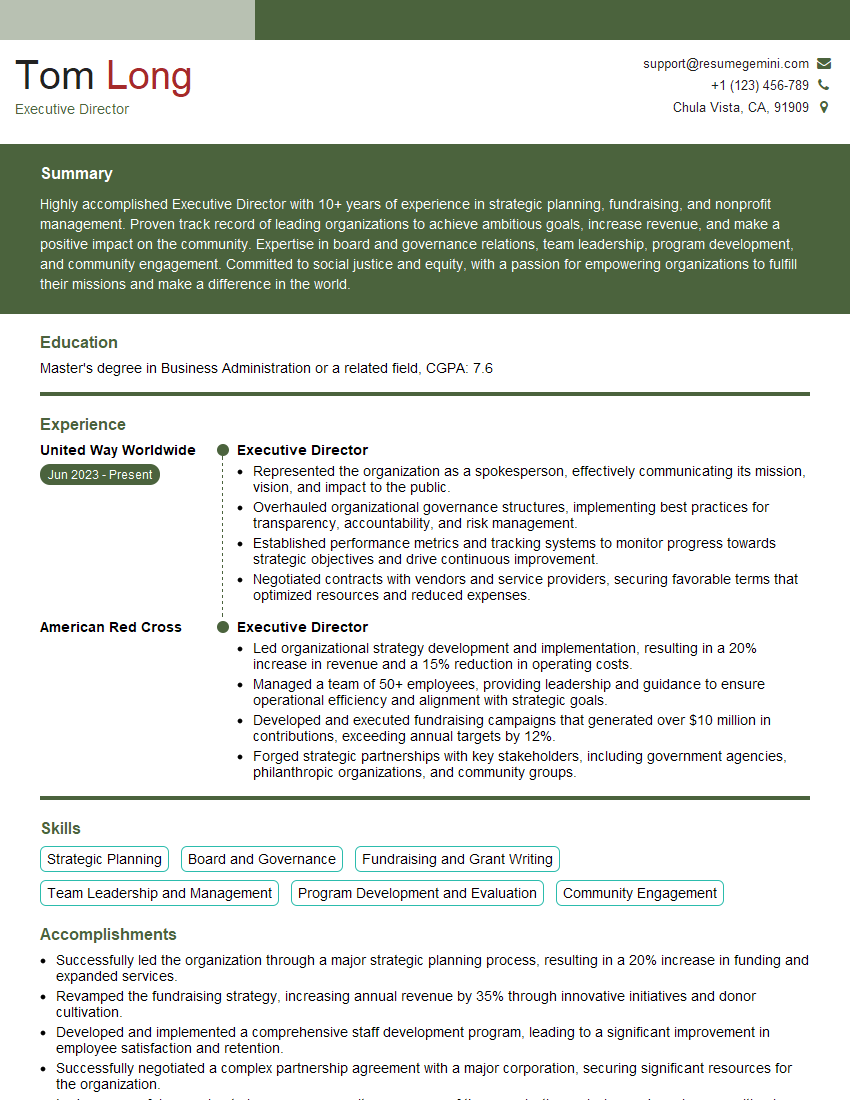
Executive Director Resume Sample
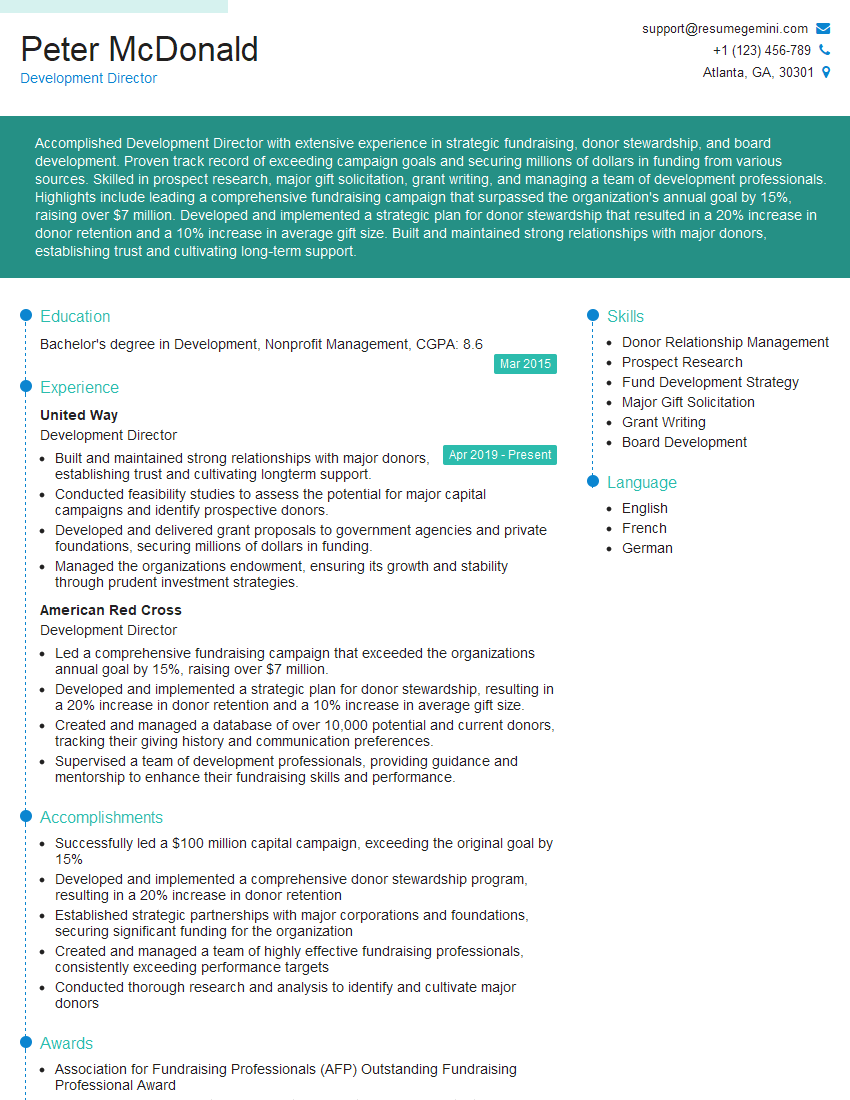
Development Director Resume Sample
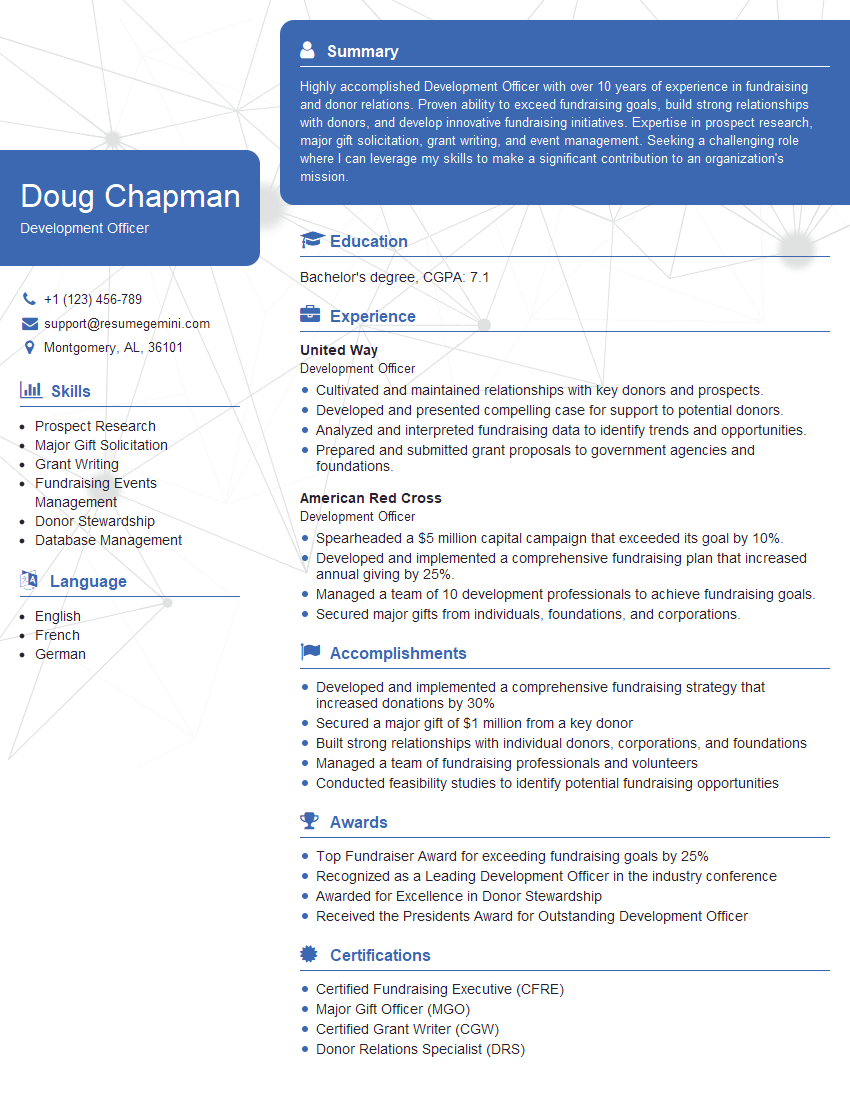
Development Officer Resume Sample
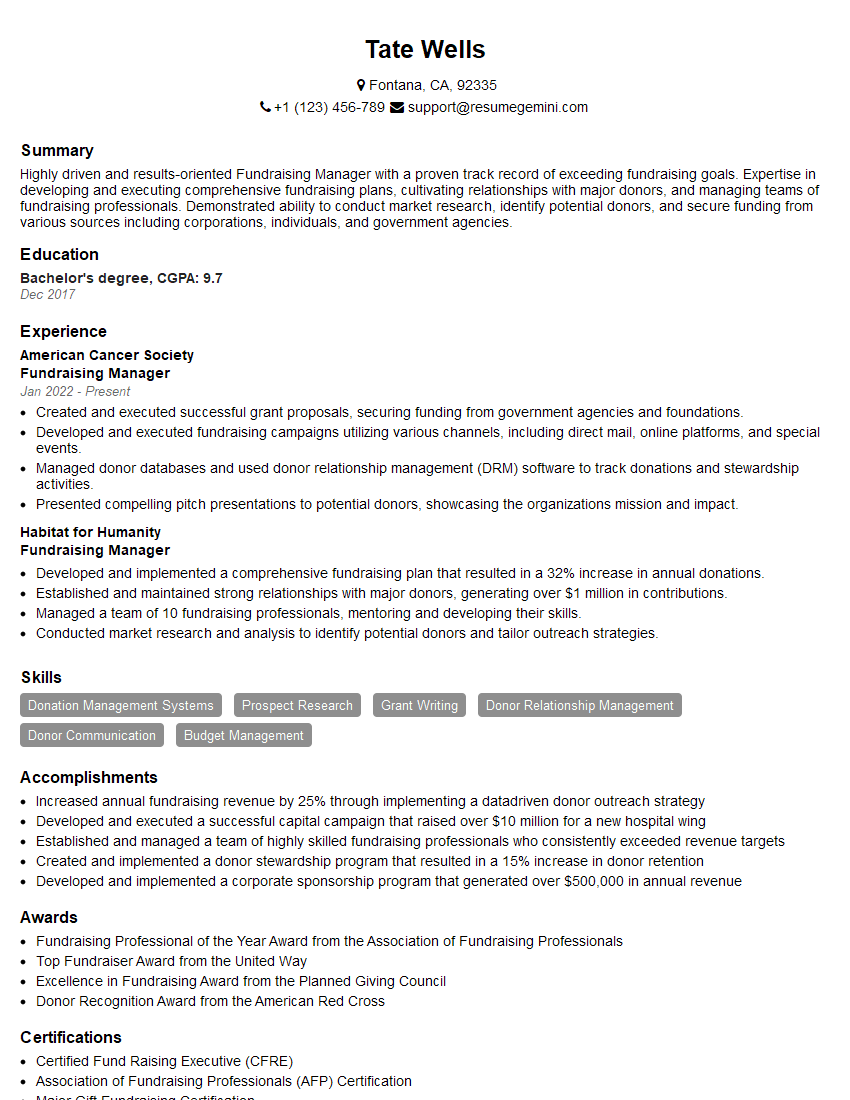
Fundraising Manager Resume Sample
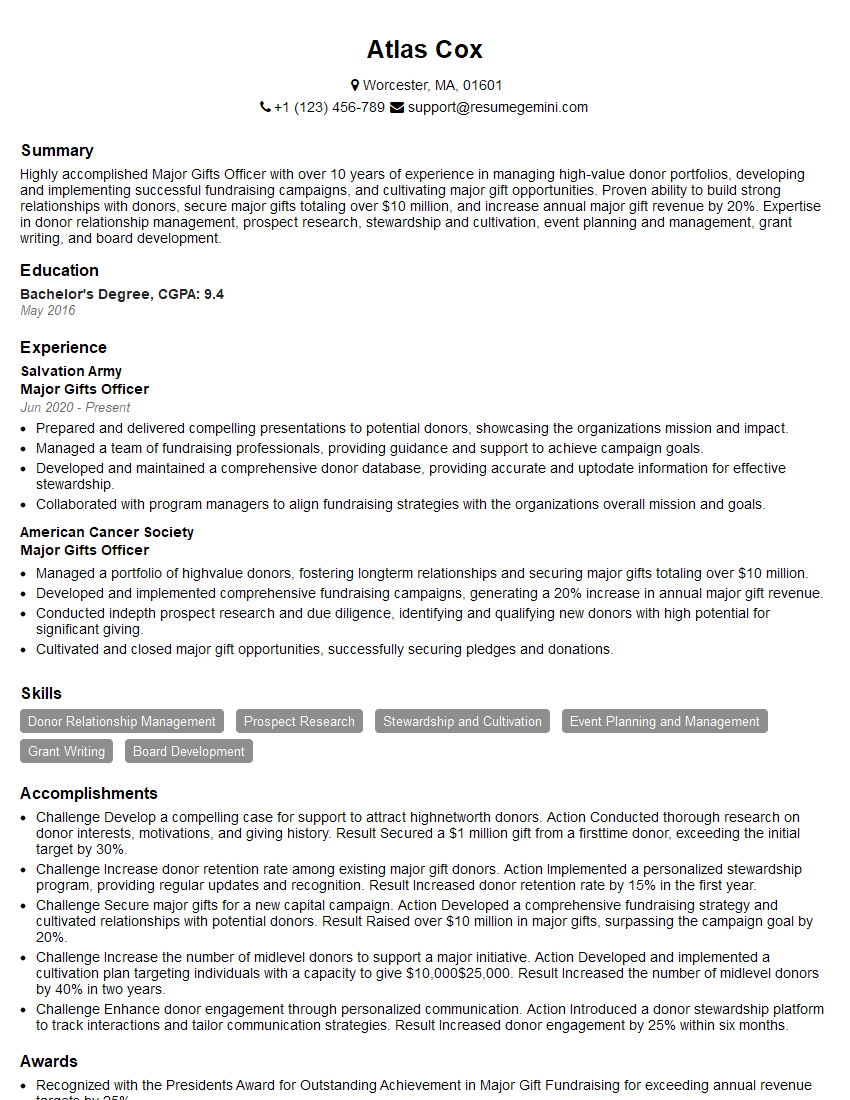
Major Gifts Officer Resume Sample
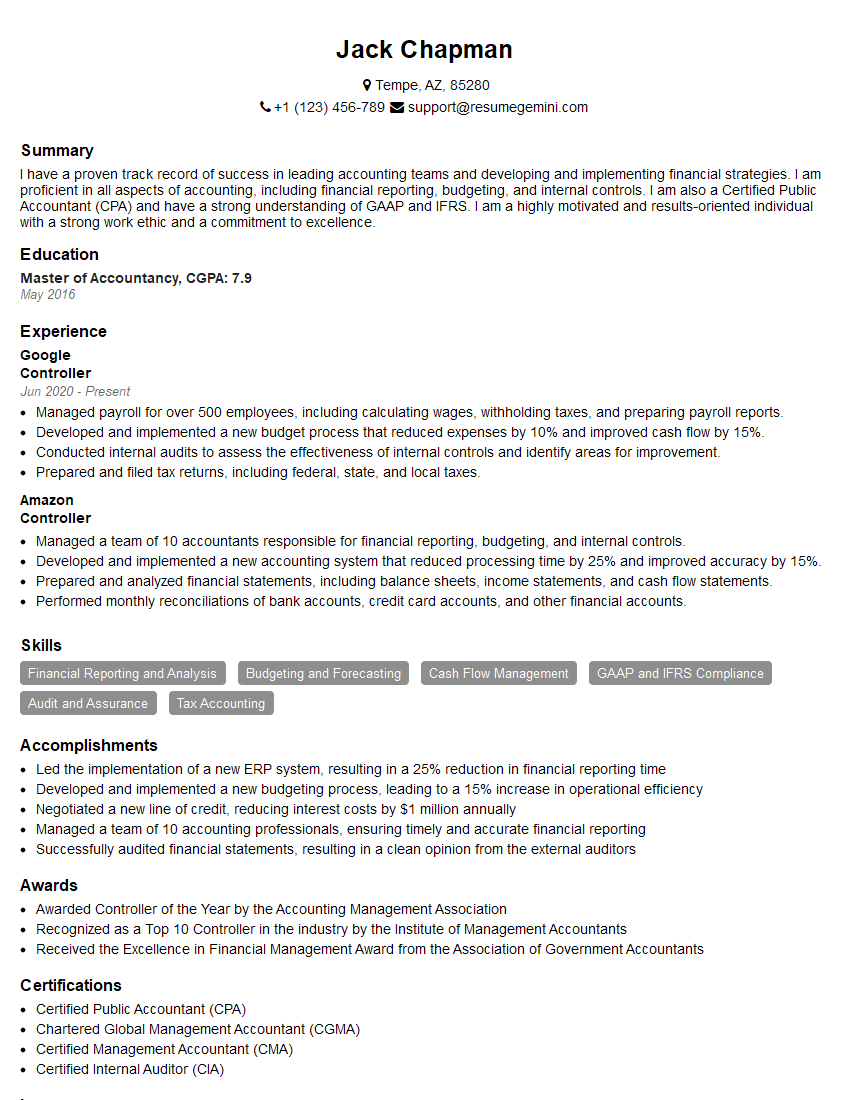
Controller Resume Sample
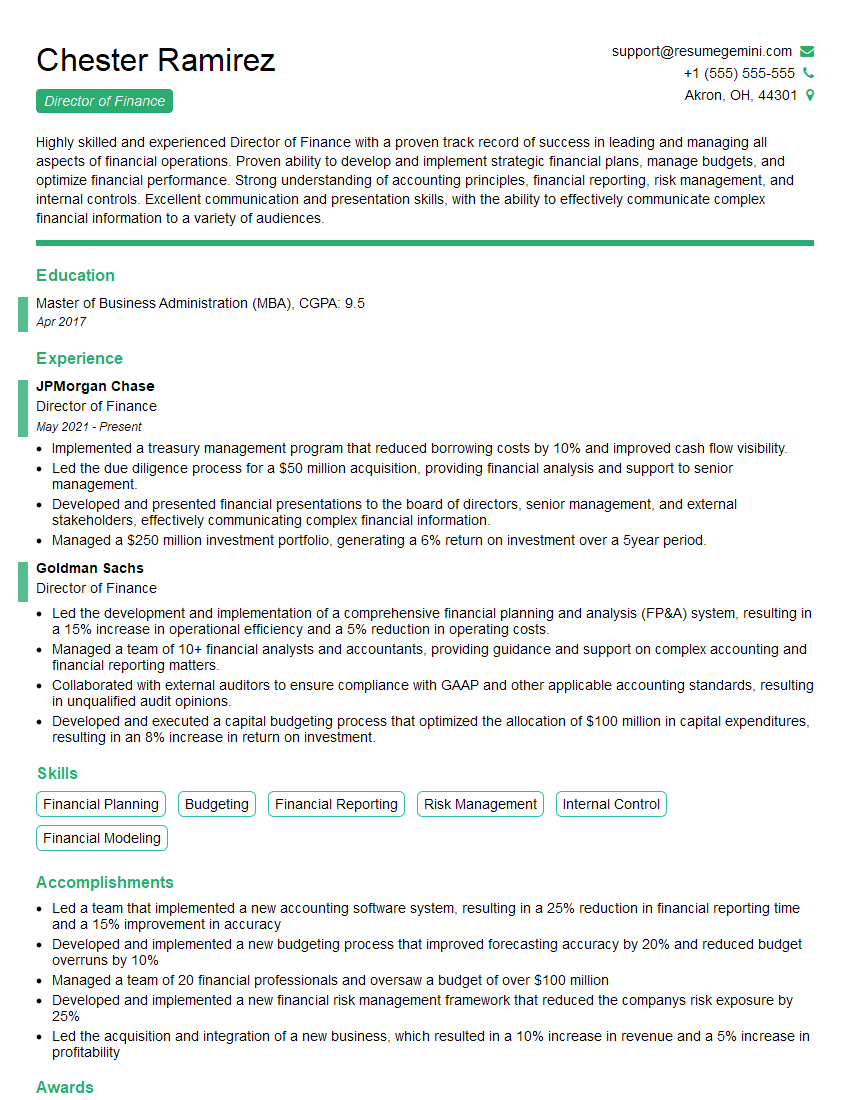
Director of Finance Resume Sample

Budget Manager Resume Sample
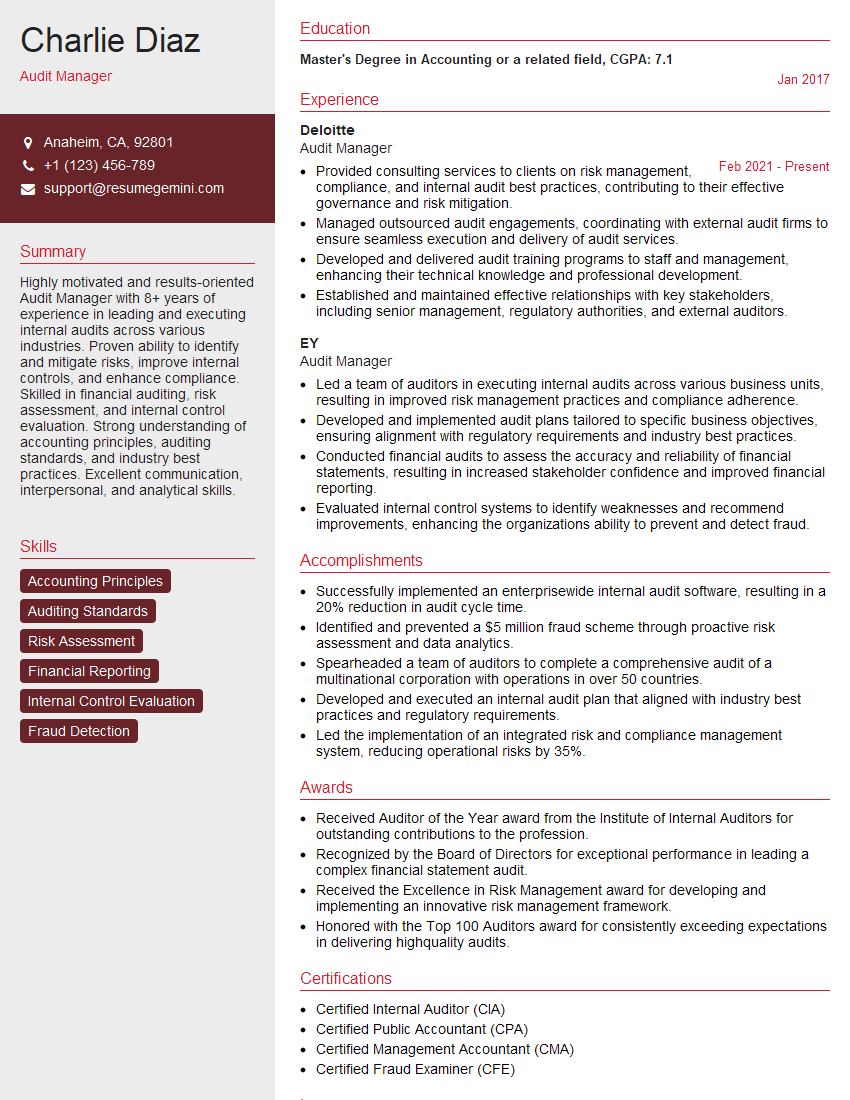
Audit Manager Resume Sample

Compliance Officer Resume Sample
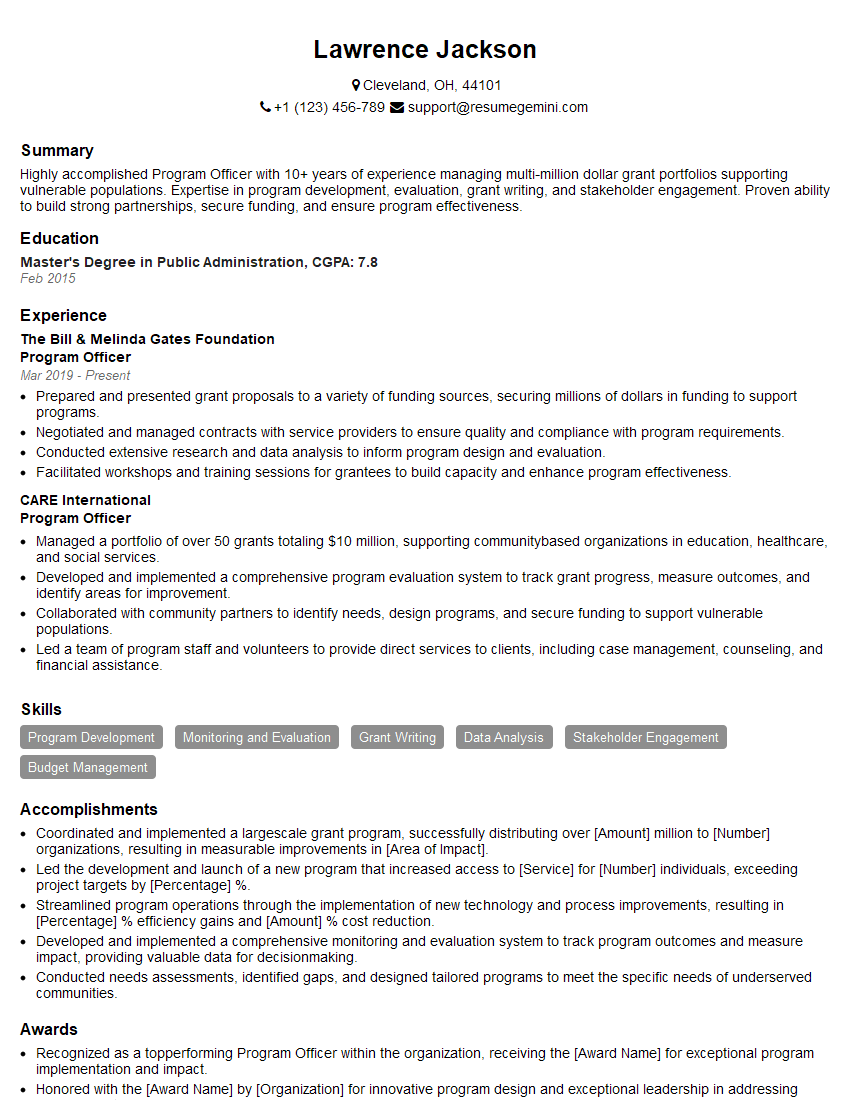
Program Officer Resume Sample
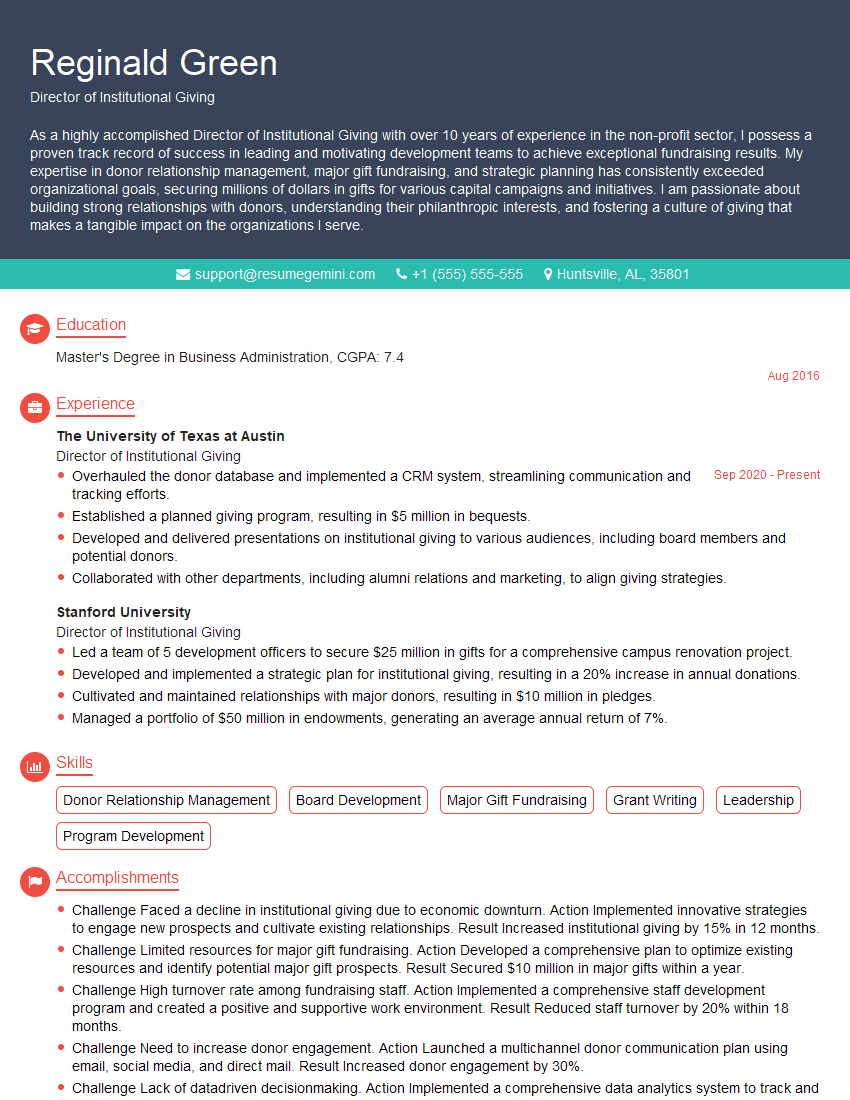
Director of Institutional Giving Resume Sample
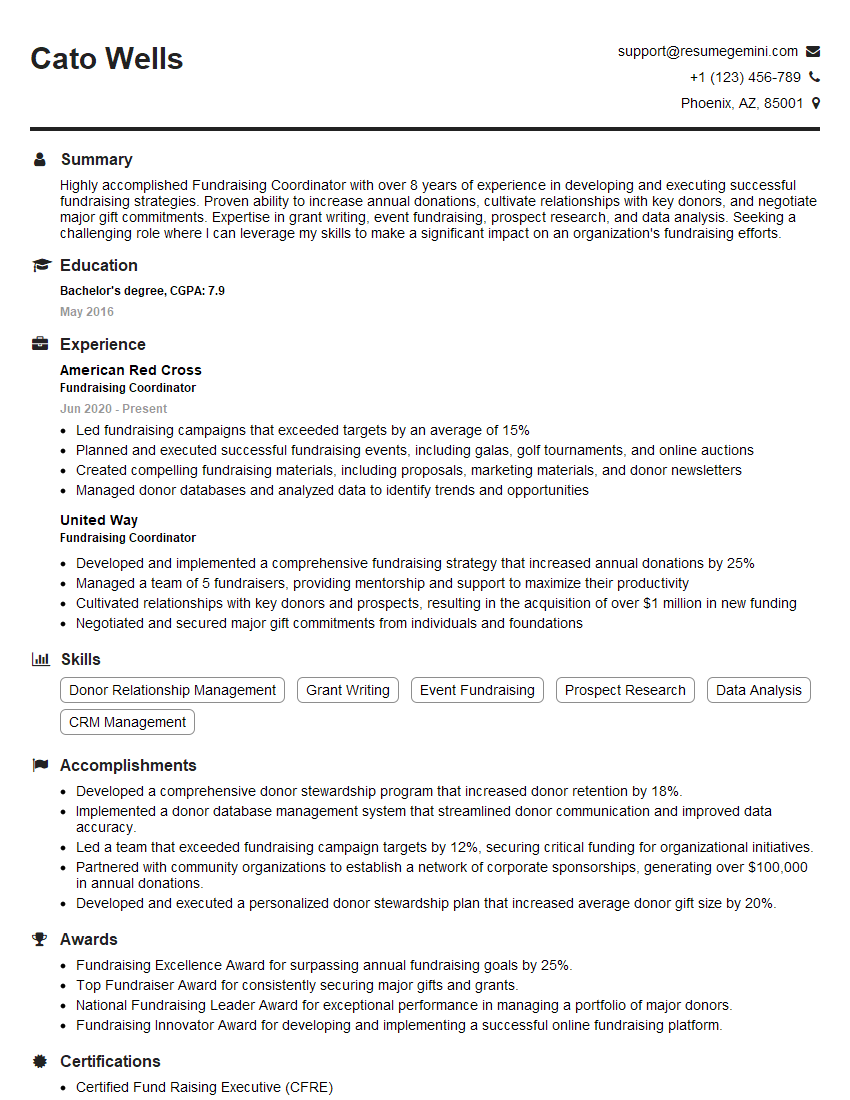
Fundraising Coordinator Resume Sample
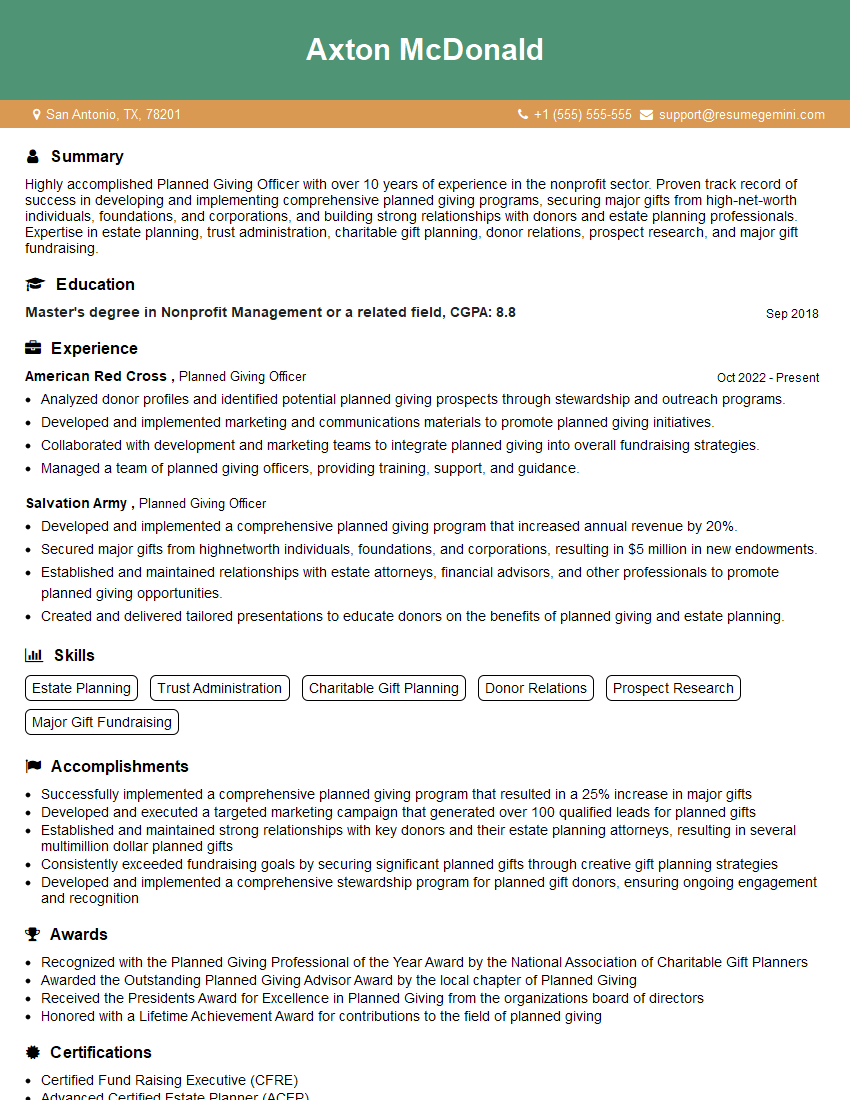
Planned Giving Officer Resume Sample
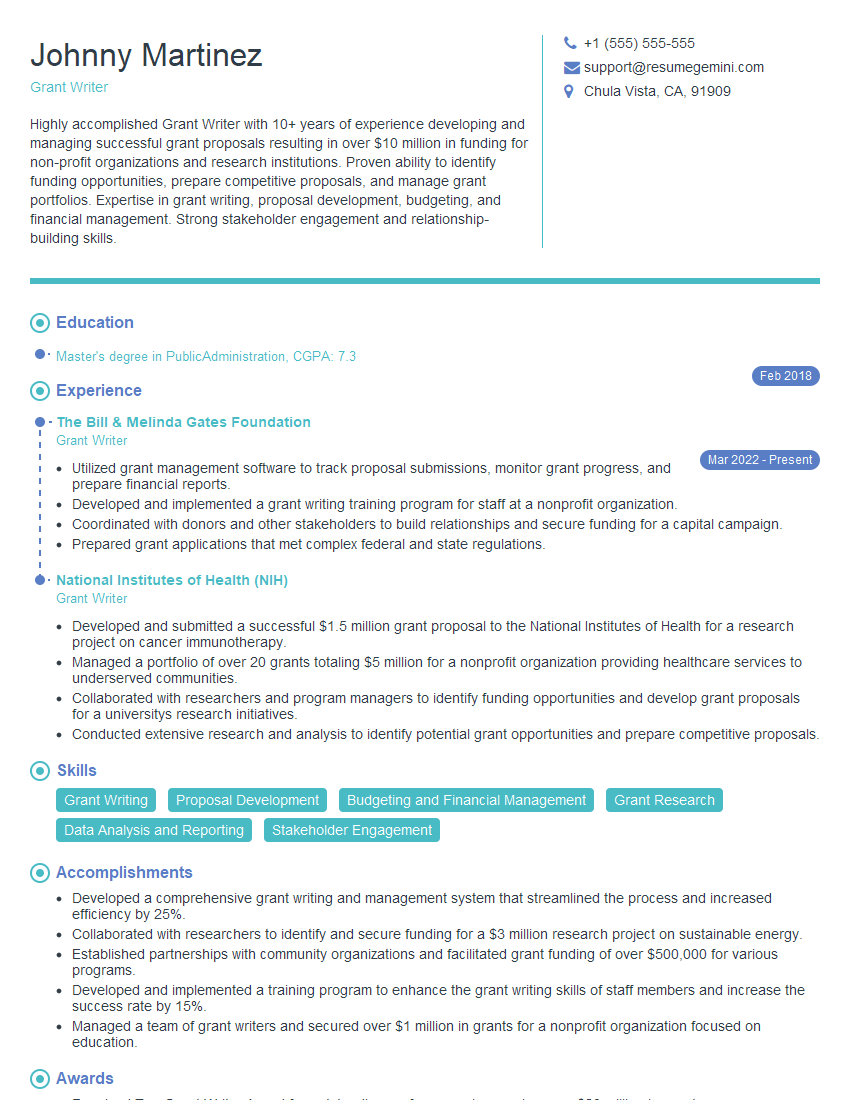
Grant Writer Resume Sample
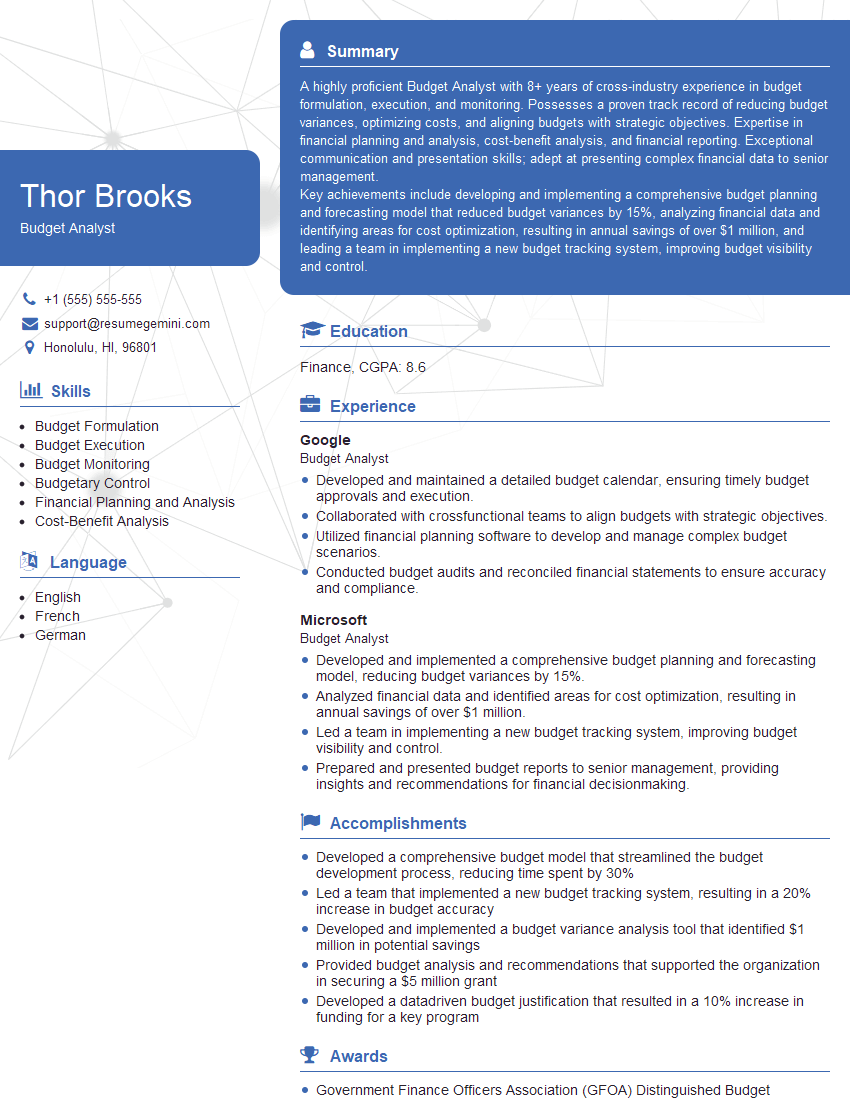
Budget Analyst Resume Sample
- Executive Director
- Development Director
- Development Officer
- Fundraising Manager
- Major Gifts Officer
- Controller
- Director of Finance
- Budget Manager
- Audit Manager
- Compliance Officer
- Program Officer
- Director of Institutional Giving
- Fundraising Coordinator
- Planned Giving Officer
- Grant Writer
- Budget Analyst
Explore more articles
Users Rating of Our Blogs
Share Your Experience
We value your feedback! Please rate our content and share your thoughts (optional).
What Readers Say About Our Blog
Very informative content, great job.
good