The right preparation can turn an interview into an opportunity to showcase your expertise. This guide to Organized and Methodical Work Habits interview questions is your ultimate resource, providing key insights and tips to help you ace your responses and stand out as a top candidate.
Questions Asked in Organized and Methodical Work Habits Interview
Q 1. Describe your preferred method for prioritizing tasks.
My preferred method for prioritizing tasks is a blend of urgency and importance, often visualized using a matrix like the Eisenhower Matrix (Urgent/Important). I start by listing all tasks, then categorize them:
- Urgent and Important: These are immediate deadlines and critical issues that require my immediate attention. I tackle these first.
- Important but Not Urgent: These are crucial tasks contributing to long-term goals but don’t have immediate deadlines. I schedule these proactively to avoid last-minute rushes. Think of this as preventative maintenance.
- Urgent but Not Important: These are often interruptions or requests that demand immediate action but don’t significantly impact my main objectives. I delegate these if possible or batch them for efficient processing.
- Neither Urgent nor Important: These are often time-wasters. I eliminate or delegate these to free up time for higher-priority items. This could involve unsubscribing from irrelevant emails or saying ‘no’ to less critical requests.
This method ensures I focus on what truly matters, preventing me from getting bogged down in less significant tasks and helps me consistently meet crucial deadlines.
Q 2. How do you organize your workload to meet deadlines?
Organizing my workload to meet deadlines involves several key strategies. First, I break down large projects into smaller, manageable tasks with specific due dates. This provides a clearer path and allows for better progress tracking. I use project management software to create detailed schedules, assigning realistic timeframes to each sub-task. This helps avoid overcommitment and ensures I have sufficient time for each item.
I also leverage time-blocking techniques, allocating specific time slots for focused work on particular tasks. This minimizes distractions and promotes efficient task completion. Finally, I regularly review my schedule and adjust it as needed. Unexpected delays or changes in priority are addressed promptly, with tasks being reordered or timelines adjusted to maintain overall project delivery.
Q 3. Explain your approach to managing multiple projects simultaneously.
Managing multiple projects simultaneously requires a structured approach. I utilize project management methodologies like Kanban or Agile, employing tools to visualize the workflow of each project. This provides a clear overview of the status of all projects and helps identify potential bottlenecks. I prioritize tasks across projects based on deadlines and overall impact. This might involve dedicating specific days or time blocks to certain projects. For example, Mondays might be dedicated to Project A, while Wednesdays focus on Project B. Regular communication with stakeholders is crucial to ensure everyone is aligned on progress and any changes needed.
I also find that regular reflection on my progress across all projects is vital. This allows for course correction and proactive problem-solving, ensuring I stay on track even with shifting priorities.
Q 4. What tools or techniques do you use to stay organized?
I rely on a combination of tools and techniques to maintain organization. Project management software like Asana or Trello is instrumental in task assignment, deadline setting, and progress tracking. I use digital calendars for scheduling, setting reminders, and time blocking. For note-taking and quick reference, I use a combination of digital note-taking apps (like OneNote or Evernote) and a physical notebook for brainstorming and free-form ideation. I also find that regular file organization and a clean workspace significantly contribute to my overall efficiency.
Beyond digital tools, I emphasize consistent habits. This includes daily planning sessions, regular review of my tasks, and prioritizing a clean workspace, both physical and digital. This system of both technology and personal discipline is vital for maximizing productivity and minimizing stress.
Q 5. How do you handle unexpected interruptions or changes in priorities?
Unexpected interruptions and priority shifts are inevitable. My approach focuses on flexibility and adaptability. I use a buffer in my schedule to accommodate unexpected events. When interruptions occur, I assess their urgency and importance within the context of my existing priorities. If the interruption is urgent and important, I adjust my schedule accordingly. If it’s less critical, I politely reschedule it or delegate it if possible. Regular communication is vital to inform stakeholders of any shifts in timelines due to unforeseen circumstances. Transparency and proactive updates are key to managing expectations.
To minimize disruptions, I also utilize techniques like the Pomodoro Technique, which involves focused work sessions followed by short breaks. This helps maintain concentration and reduces susceptibility to distractions.
Q 6. Describe a time you had to improve an inefficient process.
In a previous role, the team’s report generation process was extremely inefficient, relying on manual data entry and numerous spreadsheets. This was time-consuming, prone to errors, and lacked consistency. To improve this, I proposed a transition to a centralized database and automated reporting system using SQL. This involved designing the database schema, writing SQL queries to extract the necessary data, and developing automated reports using scripting languages.
The result was a significant reduction in time spent on report generation, a decrease in errors, and a substantial increase in the accuracy and consistency of the reports. This not only saved time but also improved the quality and reliability of the data available for decision-making. It demonstrated the value of proactively identifying and improving inefficient processes.
Q 7. How do you ensure accuracy in your work?
Accuracy is paramount in my work. I use multiple layers of checks and balances to ensure accuracy. This includes double-checking my work, employing peer reviews whenever feasible, and utilizing automated validation tools wherever applicable. For data entry, I use techniques like data validation rules and cross-referencing information from multiple sources. Moreover, I document my processes thoroughly, so others can understand my approach, which also serves as a self-check mechanism. Regularly reviewing my work and seeking feedback are crucial in identifying and correcting potential errors. A focus on attention to detail, meticulousness, and a commitment to quality control form the foundation of my approach to accuracy.
Q 8. How do you maintain detailed records and documentation?
Maintaining detailed records and documentation is crucial for accountability, traceability, and efficient knowledge sharing. My approach involves a multi-layered system. First, I utilize a consistent file naming convention, ensuring easy searchability. For example, I might use a format like YYYYMMDD_Project_Name_Document_Type.doc. Second, I leverage cloud-based storage services like Google Drive or Dropbox for easy access and collaboration. I create folder structures that mirror project phases or categories. Third, I always meticulously document my decision-making process, including rationale and any alternative options considered. Finally, regular backups are essential to prevent data loss.
For instance, in a past project involving software development, I meticulously documented each coding iteration, including version control (using Git) and detailed commit messages explaining changes. This approach proved invaluable when troubleshooting bugs or revisiting specific code sections later.
Q 9. What strategies do you employ to avoid errors?
Preventing errors involves a proactive, multi-pronged strategy. It begins with careful planning and meticulous attention to detail during the initial stages. This includes double-checking input data, using checklists, and carefully reviewing instructions. Beyond this, I employ techniques like peer review for critical tasks – a fresh set of eyes can often catch mistakes I might overlook. Regular self-auditing and utilizing error-checking tools are also critical. Finally, I acknowledge that errors are inevitable; therefore, establishing robust error-handling procedures and contingency plans is vital.
For example, in data analysis, I always verify data integrity and conduct sanity checks to ensure results align with expectations. If discrepancies occur, I trace the source, correcting errors and meticulously documenting the entire process.
Q 10. How do you handle conflicting deadlines?
Conflicting deadlines are a common challenge. My approach starts with prioritization based on urgency and impact. I use tools like Eisenhower Matrix (urgent/important) to categorize tasks. Next, I communicate openly and honestly with stakeholders to explain potential conflicts and seek collaborative solutions. This may involve renegotiating deadlines, re-allocating resources, or breaking down large tasks into smaller, more manageable chunks. Finally, time management techniques like time blocking and the Pomodoro Technique help maximize efficiency.
In a past project, I encountered overlapping deadlines for a marketing campaign and a software release. By communicating the conflict early and collaboratively adjusting the marketing timeline, we successfully launched both projects without compromising quality.
Q 11. Describe your experience using project management software.
I have extensive experience with various project management software, including Asana, Trello, and Jira. My proficiency includes task creation, assignment, progress tracking, and reporting. I find that these tools facilitate collaborative workflows, enhance communication, and provide a centralized repository for project-related information. Choosing the right software depends on the project’s complexity and the team’s needs. For instance, Jira’s robust features are better suited for large software development projects while Asana is more versatile and suitable for smaller teams and a wider range of projects.
In one project, using Asana’s Kanban boards allowed our team to visually track task progress, identify bottlenecks, and manage workflow seamlessly. This led to significantly improved team coordination and on-time project delivery.
Q 12. How do you track your progress on long-term projects?
Tracking progress on long-term projects requires a structured approach. I break down large projects into smaller, manageable milestones with clear deliverables and deadlines. I use project management software (like those mentioned previously) to set milestones and track progress against each. Regular progress reviews, preferably weekly or bi-weekly, are essential to assess performance against targets, identify any potential roadblocks, and adjust the plan as needed. Visual tools like Gantt charts can provide a clear overview of the project timeline and progress.
In a recent long-term research project, breaking the project into phases, each with specific objectives and reporting deadlines, enabled us to stay organized, effectively manage resources, and ultimately meet the final project deadline.
Q 13. How do you delegate tasks effectively?
Effective delegation involves selecting the right person for the task, providing clear instructions, setting expectations, and allocating adequate resources. I assess team members’ skills and experience, assigning tasks that align with their strengths. This enhances efficiency and fosters professional growth. Clear communication of deadlines, desired outcomes, and any specific requirements is essential. Regular check-ins are crucial to monitor progress, offer support, and address any arising challenges. I also make sure to provide the necessary tools and resources for the delegated tasks to be successfully completed.
In a previous team project, I delegated tasks based on individual strengths, resulting in better quality work and faster completion times. Regular check-ins allowed for quick resolution of any issues, leading to project success.
Q 14. Explain your system for managing emails and communications.
My email management system is built around prioritization and organization. I utilize labels, filters, and folders to categorize emails based on project, sender, or urgency. I check email at scheduled times instead of constantly monitoring my inbox. This prevents constant interruptions and allows for focused work sessions. I prioritize emails based on importance and time-sensitivity, addressing urgent matters first. I aim to respond to emails promptly, but if immediate response isn’t feasible, I acknowledge receipt and provide a timeline for a more detailed response.
For complex communication, I prefer to schedule meetings or phone calls for more efficient and comprehensive discussions, thus avoiding lengthy email threads.
Q 15. How do you ensure information is readily accessible?
Ensuring readily accessible information hinges on a robust system of organization and documentation. Think of it like a well-stocked library – if you can’t find a book, it’s useless. I utilize a multi-pronged approach.
- Clear Filing Systems: I employ a hierarchical file structure (e.g., project folders, subfolders by date or task) both digitally and physically, utilizing descriptive file names. This makes finding specific documents incredibly easy. For instance, instead of ‘Document1.docx’, I’d use ‘ProjectX_MeetingMinutes_2024-10-26.docx’.
- Metadata and Tagging: I leverage metadata and tagging features in document management systems to categorize and search for files efficiently. This allows for quick retrieval using keywords or relevant attributes.
- Centralized Repositories: I prefer using cloud-based storage and project management tools (like Notion, Asana, or similar) that provide version control and easy collaborative access. This eliminates the risk of data loss and ensures everyone on the team has up-to-date information.
- Regular Clean-up: Periodically reviewing and archiving less relevant data ensures the system remains efficient and prevents clutter. This includes deleting redundant files and organizing archives based on a clear retention policy.
This systematic approach ensures information is not only accessible but also easily manageable and shareable, saving time and improving overall productivity.
Career Expert Tips:
- Ace those interviews! Prepare effectively by reviewing the Top 50 Most Common Interview Questions on ResumeGemini.
- Navigate your job search with confidence! Explore a wide range of Career Tips on ResumeGemini. Learn about common challenges and recommendations to overcome them.
- Craft the perfect resume! Master the Art of Resume Writing with ResumeGemini’s guide. Showcase your unique qualifications and achievements effectively.
- Don’t miss out on holiday savings! Build your dream resume with ResumeGemini’s ATS optimized templates.
Q 16. How do you handle large volumes of data?
Managing large volumes of data requires strategic planning and the right tools. Imagine trying to sort a mountain of sand by hand – it’s impossible! I leverage several key strategies:
- Data Analysis Tools: I proficiently use data analysis software (e.g., Excel, Python with Pandas, SQL) to clean, organize, and analyze large datasets. This allows me to identify patterns, trends, and anomalies efficiently.
- Database Management: For very large datasets, I utilize database management systems (DBMS) like MySQL or PostgreSQL. These systems offer structured storage, efficient querying, and data integrity features, allowing for complex data manipulation.
- Data Visualization: I translate complex data into easily understandable visual representations (charts, graphs, dashboards) to facilitate quicker comprehension and informed decision-making. This allows me to identify key insights easily.
- Automation: Where possible, I automate data processing tasks using scripting languages (like Python) to reduce manual effort and minimize errors. For example, I might automate the process of importing data from multiple sources into a central database.
The combination of these techniques helps me handle large datasets effectively, ensuring accuracy, and facilitating informed analysis.
Q 17. Describe your approach to problem-solving, emphasizing methodical steps.
My problem-solving approach is deeply methodical and follows a structured process. It’s like assembling a complex machine – each step is crucial for a successful outcome.
- Define the Problem: Clearly articulate the problem and its scope, gathering all necessary information. This includes identifying the root cause, not just the symptoms.
- Brainstorm Solutions: Generate a range of potential solutions, no matter how unconventional. This involves creative thinking and considering multiple perspectives.
- Analyze and Evaluate: Evaluate each solution’s feasibility, cost, and potential impact. This often involves using data analysis or prototyping to test solutions.
- Select the Best Solution: Based on the analysis, choose the solution that offers the best balance of effectiveness, efficiency, and practicality.
- Implement and Monitor: Execute the chosen solution, closely monitoring its results. This often includes setting up metrics to track progress and making adjustments as needed.
- Document and Learn: Document the entire process, including challenges encountered and lessons learned. This creates a repository of knowledge for future reference.
For example, when facing a project delay, I would first pinpoint the exact causes (e.g., resource constraints, unforeseen technical issues), then brainstorm solutions (e.g., resource reallocation, process optimization), analyze the feasibility of each, choose the best solution, implement it, and monitor progress closely.
Q 18. How do you ensure consistent quality in your work?
Consistent quality is paramount. It’s like baking a cake – following a precise recipe ensures consistent results. My approach centers around:
- Standard Operating Procedures (SOPs): I establish clear, documented SOPs for routine tasks. This ensures everyone follows the same process, minimizing inconsistencies.
- Quality Checks: I incorporate regular quality checks and reviews throughout the workflow, catching errors early on. This could involve peer reviews, self-reviews, or automated testing.
- Continuous Improvement: I actively seek feedback and use it to refine processes and improve quality. This might involve analyzing error reports, gathering user feedback, or implementing best practices.
- Use of Templates and Checklists: Utilizing templates and checklists for common tasks minimizes errors and ensures consistency in output and formatting.
By adhering to these principles, I maintain a high standard of quality across all my work, ensuring reliability and accuracy.
Q 19. How do you identify and address potential risks or challenges?
Identifying and addressing potential risks is proactive, not reactive. It’s like a ship’s captain charting a course – anticipating storms ensures a smoother journey. My process involves:
- Risk Assessment: I systematically identify potential risks associated with a project or task, considering factors such as deadlines, resources, and external factors.
- Prioritization: I prioritize risks based on their likelihood and potential impact, focusing on those that pose the greatest threat.
- Mitigation Strategies: I develop and implement strategies to mitigate identified risks. These strategies might involve contingency planning, improved communication, or additional resources.
- Monitoring and Review: I continuously monitor the effectiveness of mitigation strategies and adjust them as needed. This is an iterative process.
For example, if a project depends on a third-party vendor, I’d assess the risk of delay or failure, plan alternative suppliers, and regularly monitor their performance.
Q 20. Explain your process for conducting thorough research.
Thorough research is the foundation of informed decisions. It’s like building a house – a solid foundation ensures a stable structure. My research process involves:
- Define the Research Question: Clearly articulate the research question or objective. This ensures focused and efficient research.
- Identify Relevant Sources: Locate reliable and credible sources using academic databases, reputable websites, and other relevant channels. This might include peer-reviewed articles, industry reports, or expert interviews.
- Evaluate Sources Critically: Assess the credibility, bias, and relevance of each source before using it. This involves considering the author’s expertise, publication date, and potential conflicts of interest.
- Gather and Analyze Data: Systematically collect and analyze data from the identified sources. This involves synthesizing information, identifying patterns, and drawing conclusions.
- Document Findings: Meticulously document findings, including sources, methodologies, and analysis. This ensures transparency and reproducibility.
This structured approach guarantees thorough and reliable research, forming a strong basis for decision-making and problem-solving.
Q 21. Describe a time you had to improve your organizational skills.
Early in my career, I struggled with managing multiple projects simultaneously. It felt like juggling chainsaws! I realized I needed a more structured approach.
To improve, I implemented several strategies:
- Project Management Software: I started using project management software to track tasks, deadlines, and progress across multiple projects. This provided a centralized view of all my work.
- Time Blocking: I began time blocking – scheduling specific blocks of time for particular tasks. This improved focus and prevented multitasking, leading to increased efficiency.
- Prioritization Techniques: I learned and applied prioritization techniques like the Eisenhower Matrix (urgent/important) to focus my energy on the most critical tasks first.
- Regular Review and Adjustment: I established a routine of regularly reviewing my schedule and adjusting my plans as needed. This ensured flexibility and adaptability.
This conscious effort significantly improved my organizational skills, enabling me to manage multiple projects effectively and meet deadlines consistently. The transformation was remarkable – from feeling overwhelmed to feeling in control.
Q 22. How do you adapt your organizational approach to different projects?
My organizational approach is highly adaptable and hinges on understanding the project’s unique requirements. I don’t believe in a one-size-fits-all method. Instead, I begin by thoroughly analyzing the project scope, timelines, and deliverables. This initial assessment guides my choice of tools and techniques.
For example, a short-term, highly focused project might benefit from a simple task list and a shared online calendar. A larger, more complex project involving multiple stakeholders might require a more robust project management system like Asana or Trello, incorporating Gantt charts for visualizing timelines and assigning tasks.
In either case, the core principles remain consistent: clear goal setting, task prioritization, and regular progress monitoring. I meticulously document every step, creating a clear audit trail for accountability and transparency.
Q 23. How do you handle feedback and use it to refine your methods?
I actively solicit and welcome feedback as a crucial component of continuous improvement. I view feedback not as criticism, but as invaluable insights for refining my processes. I approach feedback systematically, categorizing it into areas for immediate action, areas requiring further investigation, and areas representing successful practices to maintain.
For instance, if feedback suggests I’m not communicating updates effectively, I might implement regular status reports or utilize project management software with built-in communication features. If feedback points to inaccuracies in data entry, I’d review my data validation processes and potentially incorporate additional checks.
I document all feedback received, along with the actions taken in response. This creates a record of continuous learning and improvement, demonstrating a commitment to excellence and efficiency.
Q 24. How do you ensure the accuracy and completeness of your data entry?
Data accuracy and completeness are paramount. My approach is multi-layered, beginning with meticulous data entry techniques, including double-checking entries and using data validation tools to catch errors in real-time. I employ techniques like checksums or hash verification for critical data to ensure integrity.
For example, when entering numerical data, I might use spreadsheet formulas to perform cross-checks or create automated error alerts. For textual data, I might utilize spell-checking and grammar tools, and establish standardized naming conventions to minimize inconsistencies.
Beyond initial entry, I regularly conduct data audits, comparing data sources to identify and resolve discrepancies. This proactive approach ensures that the data is not only accurately entered but remains accurate over time. I also maintain detailed logs of data modifications and corrections, providing a clear audit trail.
Q 25. Describe your experience with data analysis and reporting.
I have extensive experience in data analysis and reporting, leveraging various tools and techniques to extract meaningful insights from raw data. My expertise spans data cleaning, transformation, and visualization. I’m proficient in using tools like SQL, Excel, and data visualization software such as Tableau or Power BI.
For example, in a previous role, I used SQL to query a large database, identifying trends in customer behavior. I then visualized this data using Tableau, creating interactive dashboards to present key findings to stakeholders. These dashboards allowed for a dynamic exploration of the data and enabled data-driven decision-making. I am comfortable generating reports tailored to different audiences, ensuring clarity and relevance.
I focus on creating clear, concise reports that effectively communicate complex data insights using charts, graphs, and tables. I always prioritize data accuracy and contextualization, providing the necessary background and explanation for accurate interpretation.
Q 26. How do you maintain confidentiality and data security?
Maintaining confidentiality and data security is a top priority. I strictly adhere to all relevant data protection policies and regulations, including GDPR and HIPAA where applicable. This includes understanding and complying with access control protocols, encryption techniques, and data disposal procedures.
I never share sensitive data without proper authorization and utilize secure communication channels for transmitting confidential information. I’m trained in recognizing and mitigating security threats, and I report any potential breaches immediately. I also understand the importance of password management and regularly update passwords to prevent unauthorized access.
Furthermore, I’m meticulous in adhering to protocols for data storage and disposal, ensuring that sensitive data is securely archived or destroyed according to organizational policies. I treat data security as a continuous responsibility.
Q 27. How do you stay organized while working remotely?
Working remotely requires a proactive and structured approach to organization. My strategy involves establishing a dedicated workspace, free from distractions, and utilizing technology to its fullest extent. I maintain a clear distinction between my work and personal life, establishing specific work hours and adhering to them.
I use project management tools like Asana or Trello to manage tasks and collaborate with team members. Video conferencing facilitates real-time communication, while instant messaging tools support quick queries. Regular virtual check-ins with colleagues enhance communication and prevent feelings of isolation.
Crucially, I maintain a digital filing system using cloud-based storage, ensuring easy access to files from any location. This system involves careful folder naming conventions and regular archiving of completed projects. I also prioritize regular breaks and mindful self-care practices to mitigate potential burnout associated with remote work.
Q 28. How do you use technology to enhance your organizational skills?
Technology is an indispensable tool in enhancing my organizational skills. I leverage a range of software and applications to streamline my workflow and improve efficiency. This includes project management software, cloud-based storage, collaborative platforms, calendar applications, and note-taking apps.
For example, I use Google Calendar for scheduling meetings and setting reminders. Evernote helps me manage notes and research. Slack or Microsoft Teams facilitate team communication. I employ cloud storage services like Google Drive or Dropbox for secure file storage and collaboration. I also utilize automation tools wherever possible, reducing manual tasks and improving accuracy.
Furthermore, I continuously explore and adopt new technologies to optimize my processes. I’m keen to learn new applications and tools that can improve my efficiency and enhance the quality of my work. Staying abreast of technological advancements is critical for maintaining a competitive edge.
Key Topics to Learn for Organized and Methodical Work Habits Interview
- Time Management Strategies: Explore techniques like prioritizing tasks, utilizing time-blocking, and effectively managing deadlines. Consider how you’ve overcome challenges related to time constraints in past roles.
- Task Prioritization & Planning: Discuss your approach to identifying crucial tasks, breaking down complex projects into smaller, manageable steps, and using project management tools (e.g., to-do lists, Kanban boards). Provide examples of how this has improved your efficiency.
- Workflow Optimization: Describe how you streamline your processes to minimize wasted time and effort. This could include automating repetitive tasks, using templates, or improving your filing and information retrieval systems.
- Organization & Filing Systems: Illustrate your ability to maintain organized physical and digital files. Discuss strategies for efficient information retrieval and how you ensure accuracy and accessibility of your records.
- Attention to Detail & Accuracy: Showcase your commitment to precision and accuracy in your work. Provide examples of how you have meticulously reviewed your work to identify and correct errors, preventing mistakes from impacting projects.
- Problem-Solving & Adaptability: Explain how you approach challenges that disrupt your workflow. Discuss your ability to adjust your plans, prioritize tasks, and remain organized under pressure.
- Communication & Collaboration: Highlight how your organized approach benefits teamwork. Discuss your ability to clearly communicate project status, share information effectively, and collaborate seamlessly with colleagues.
Next Steps
Mastering organized and methodical work habits is crucial for career advancement. Employers highly value candidates who can manage their time effectively, prioritize tasks efficiently, and maintain accuracy in their work. This translates to increased productivity, reduced errors, and smoother project completion – all highly desirable attributes in any professional environment. To maximize your job prospects, create an ATS-friendly resume that showcases these skills. ResumeGemini is a trusted resource that can help you build a professional resume that highlights your strengths. Examples of resumes tailored to showcase organized and methodical work habits are available to guide you.
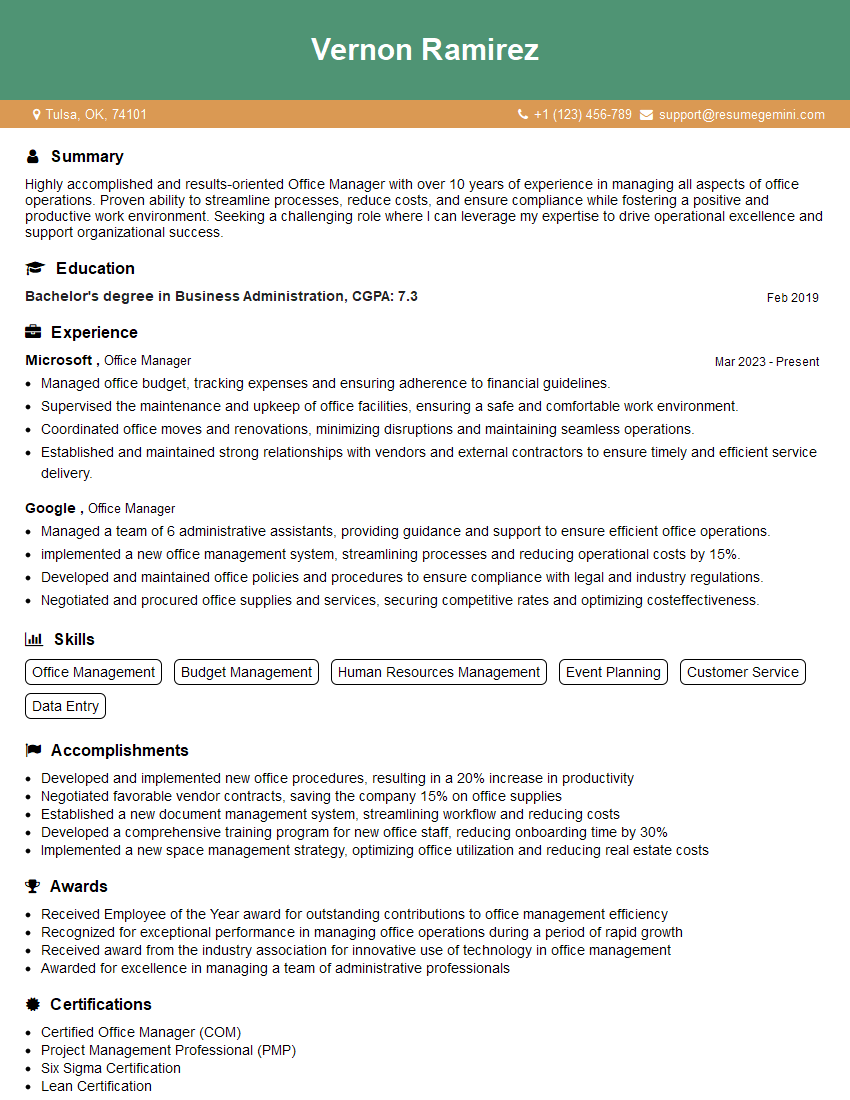
Office Manager Resume Sample

Operations Manager Resume Sample
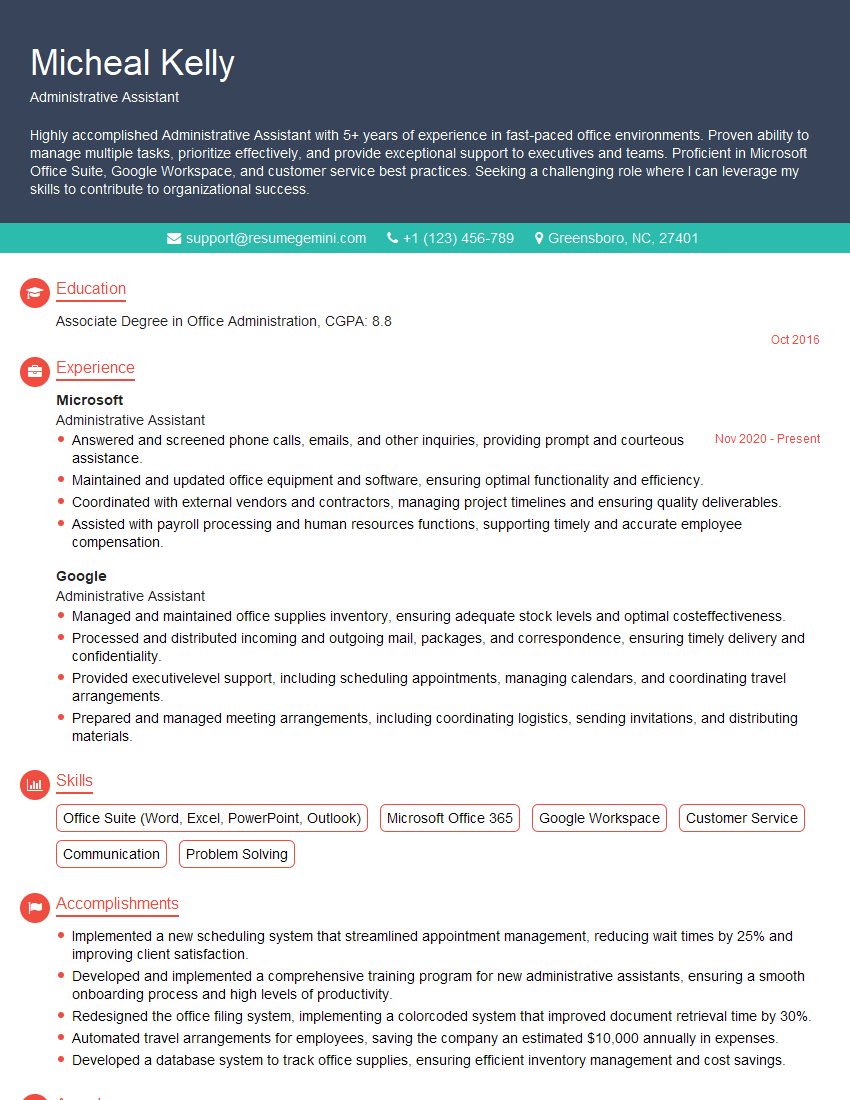
Administrative Assistant Resume Sample
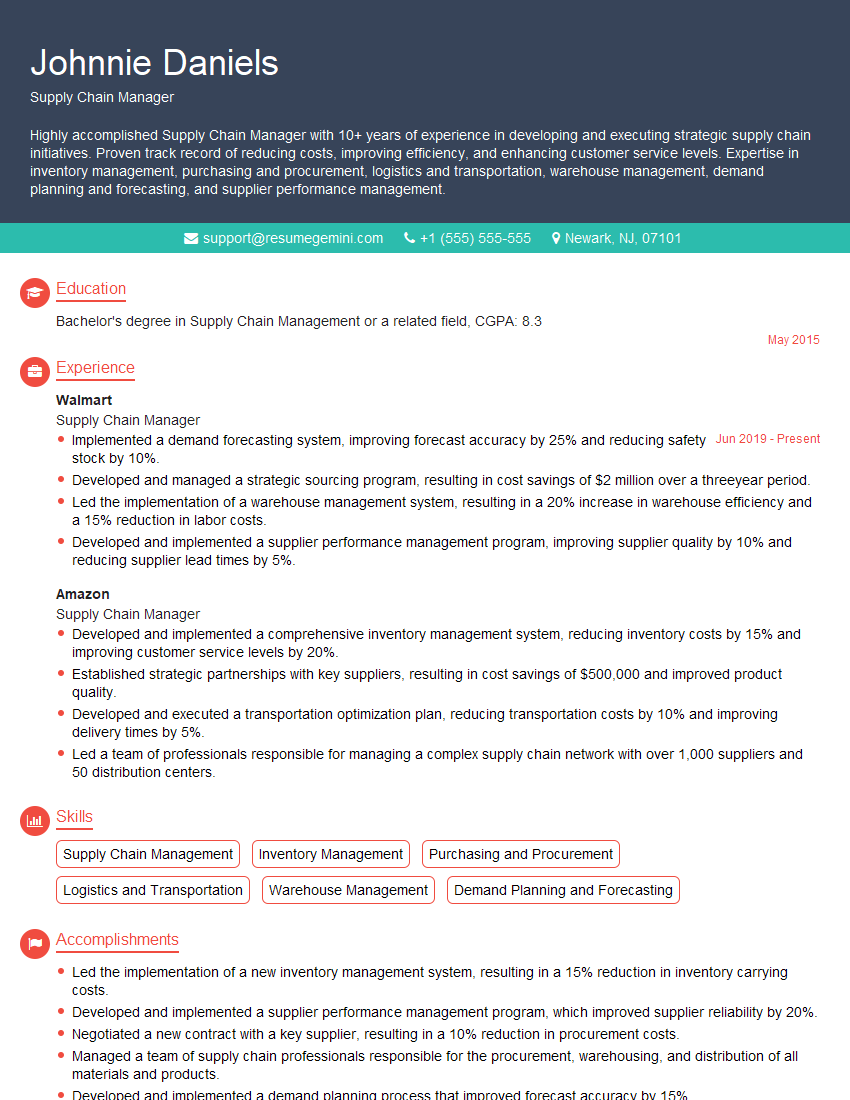
Supply Chain Manager Resume Sample
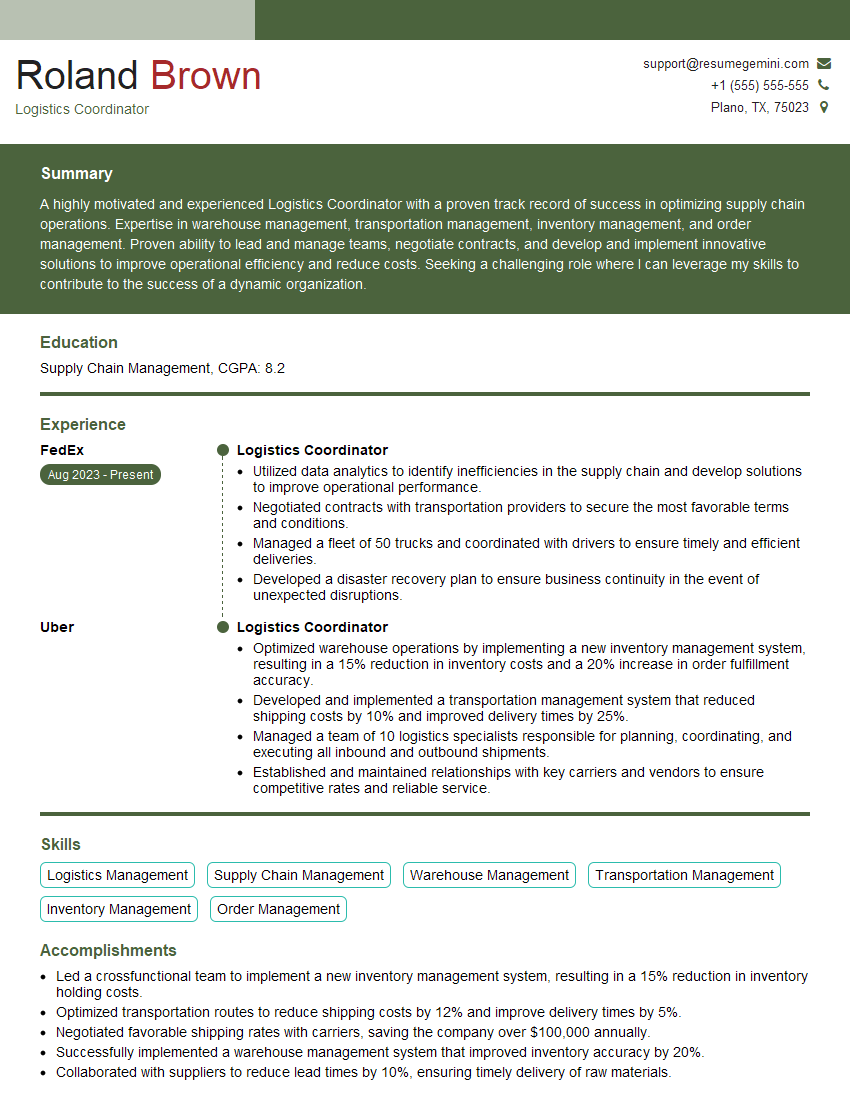
Logistics Coordinator Resume Sample
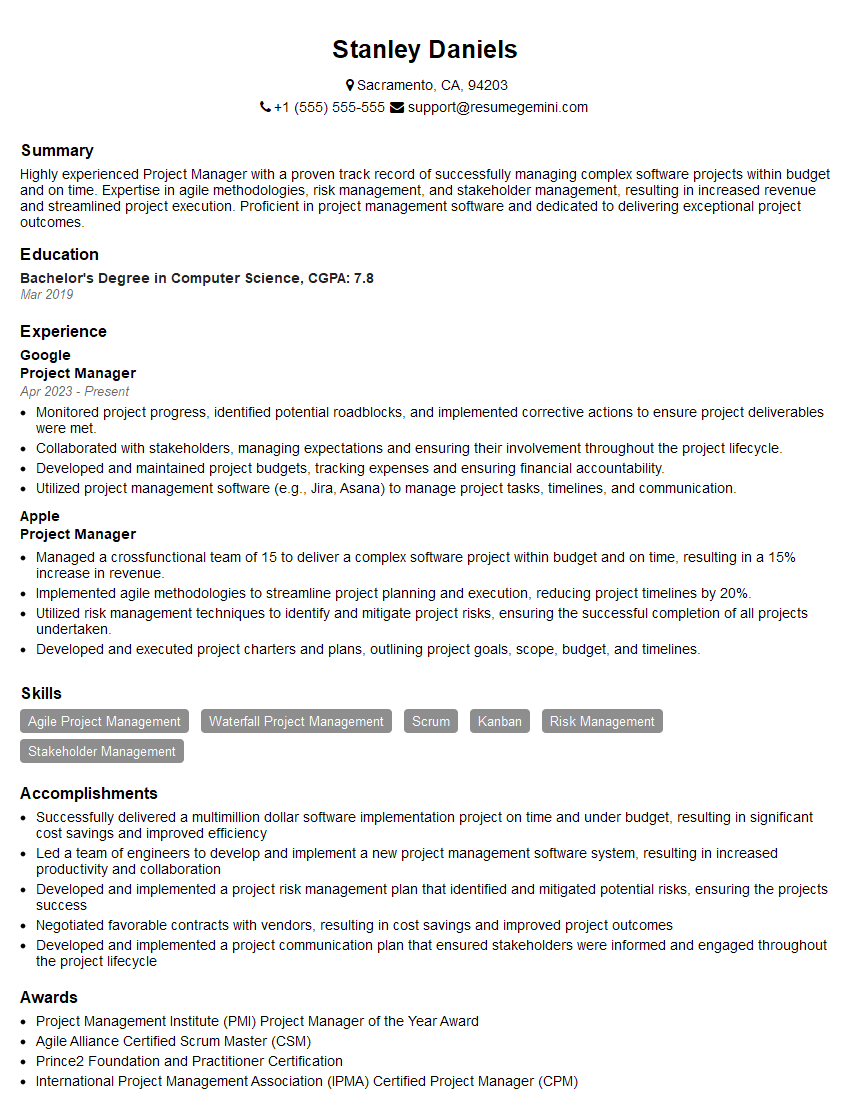
Project Manager Resume Sample

Compliance Officer Resume Sample
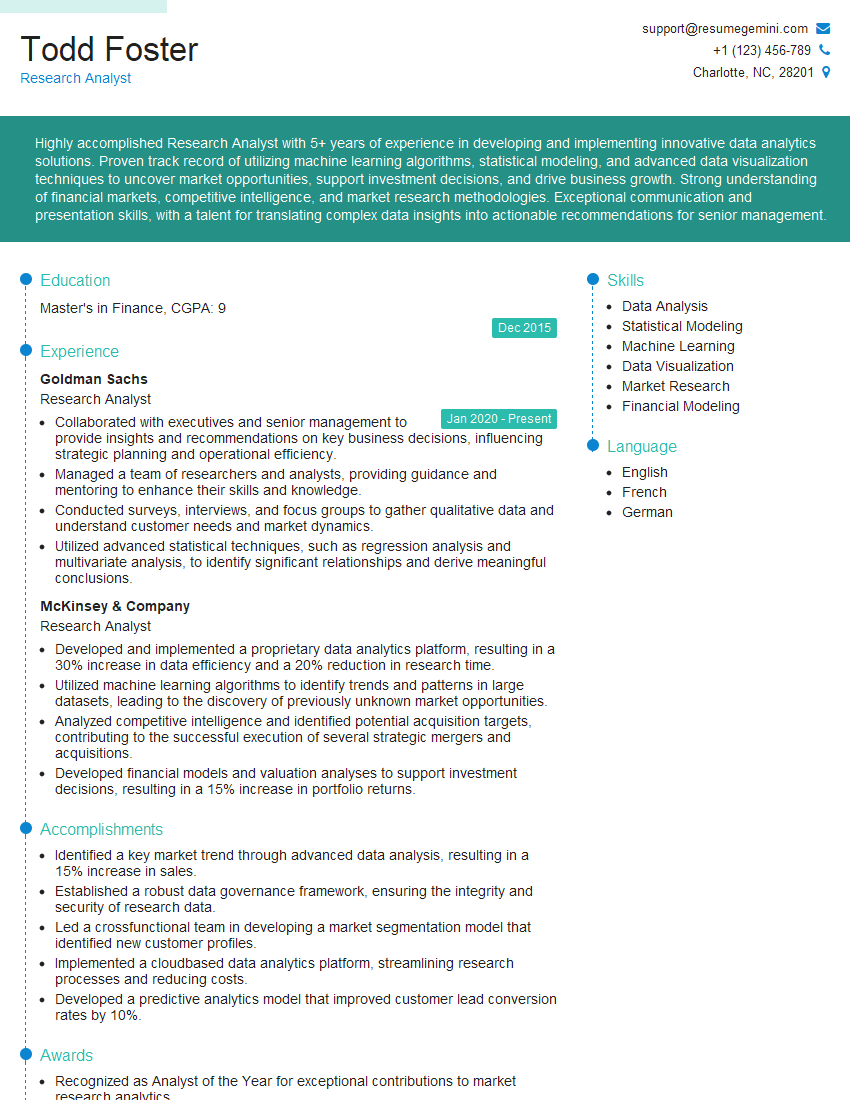
Research Analyst Resume Sample
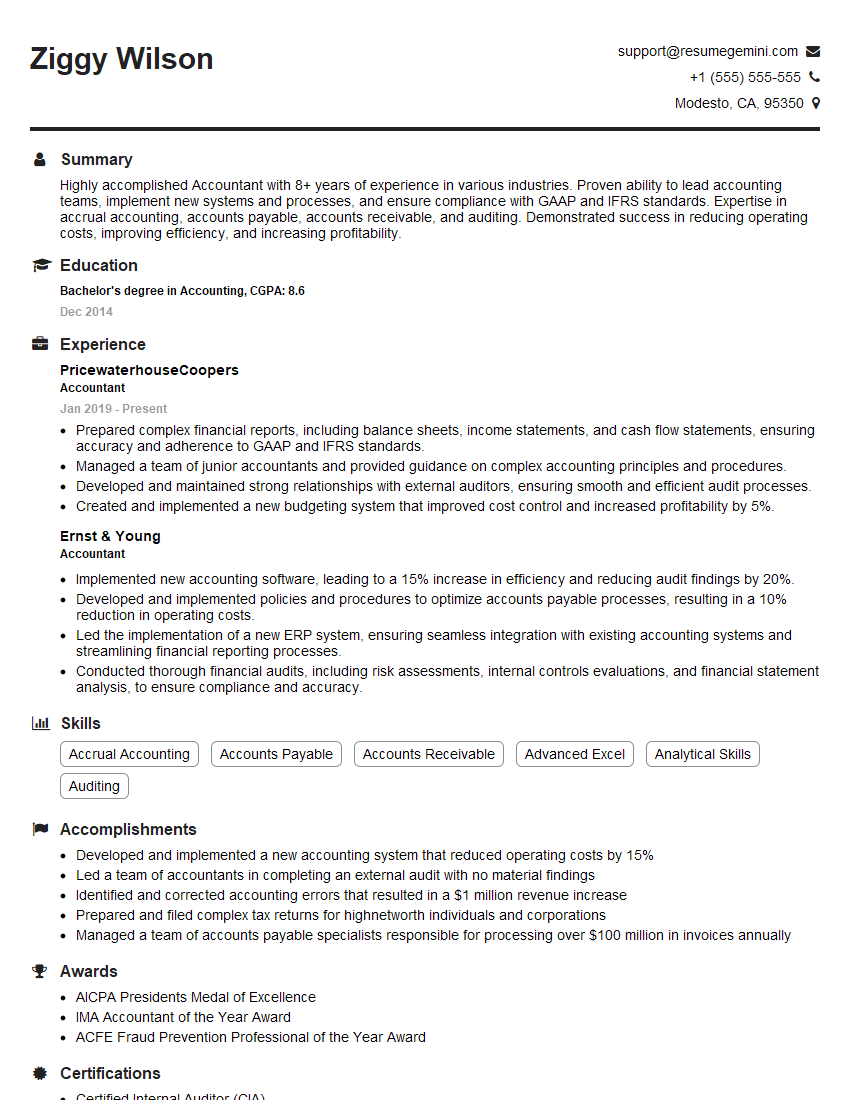
Accountant Resume Sample
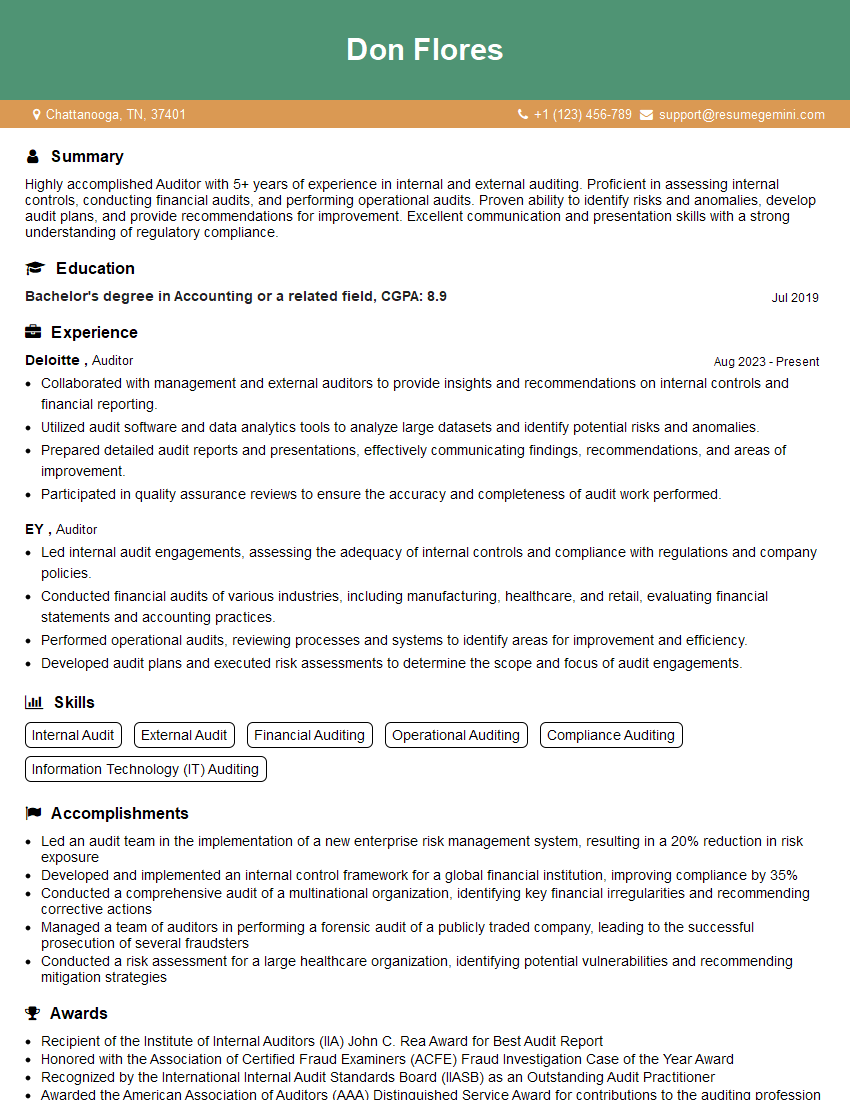
Auditor Resume Sample
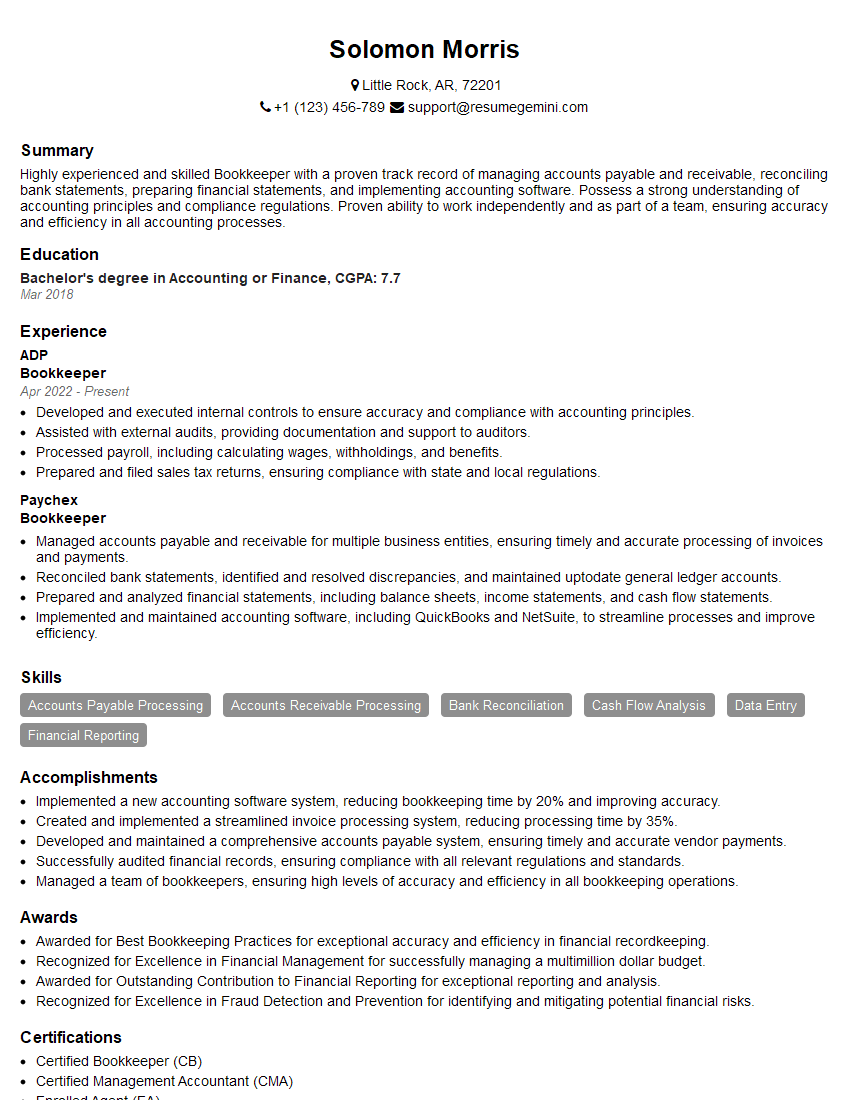
Bookkeeper Resume Sample
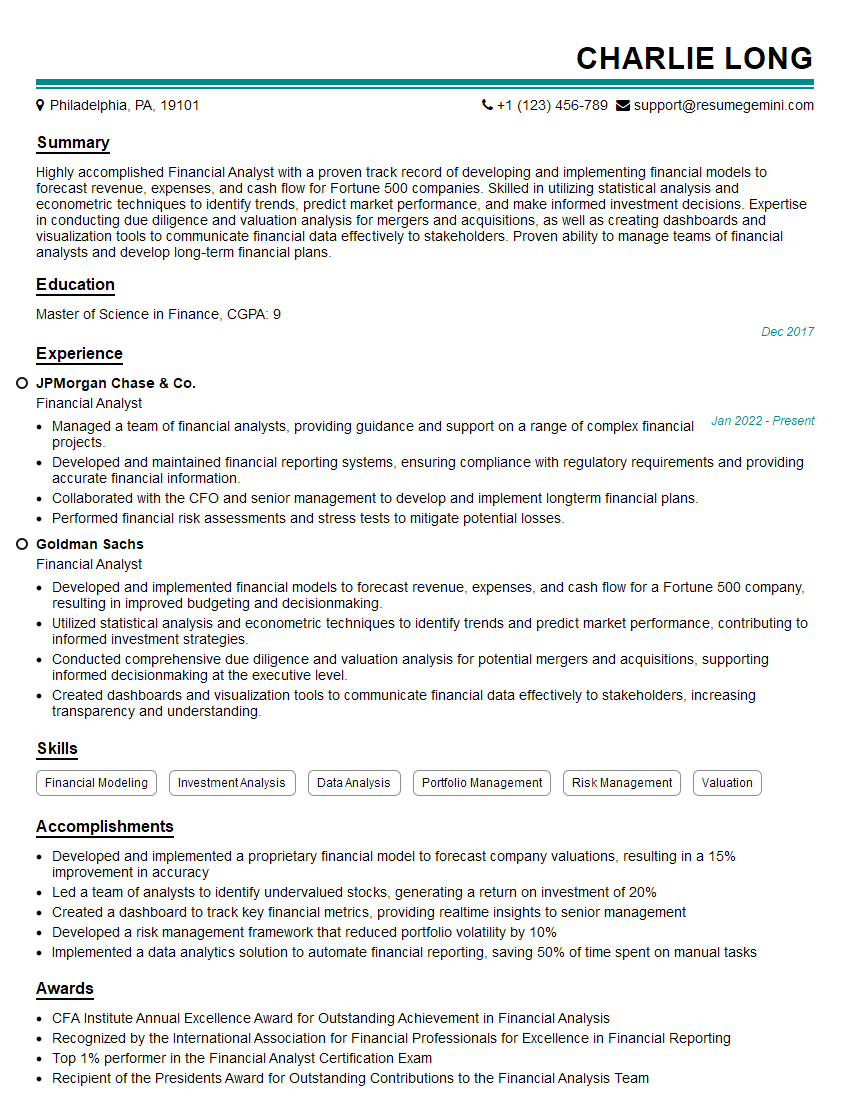
Financial Analyst Resume Sample
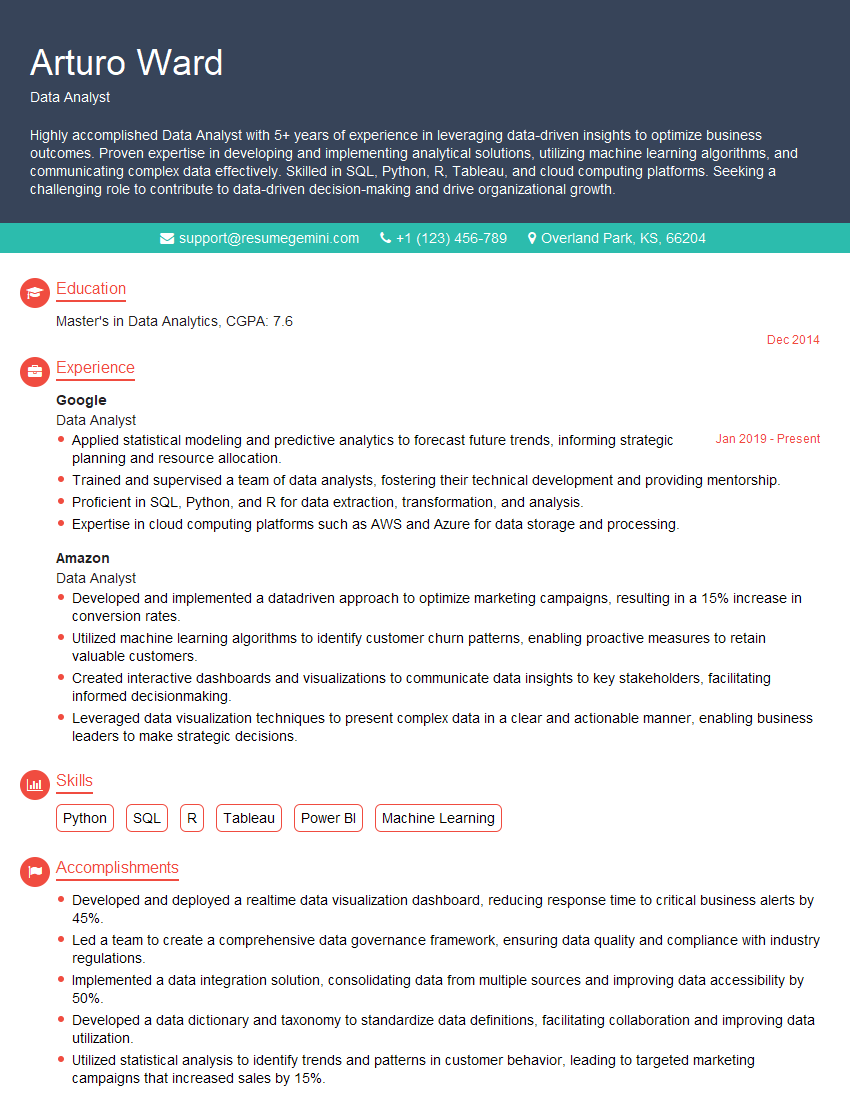
Data Analyst Resume Sample
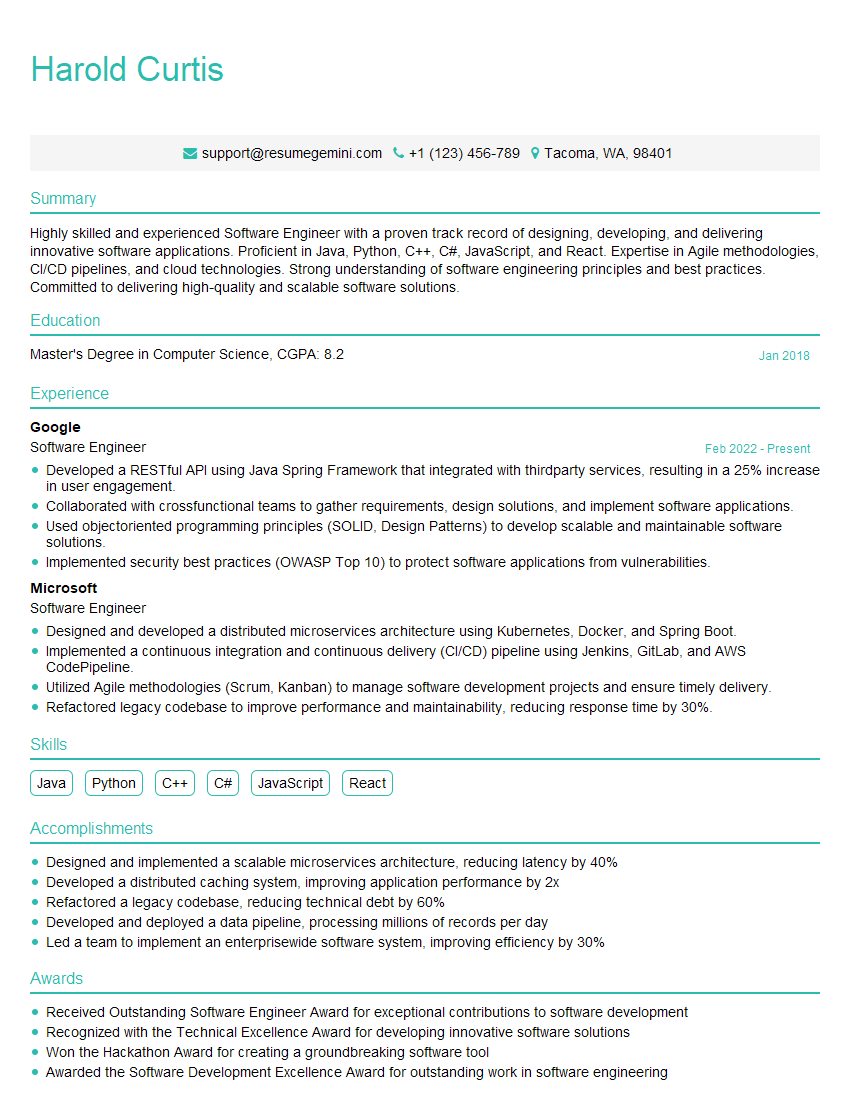
Software Engineer Resume Sample
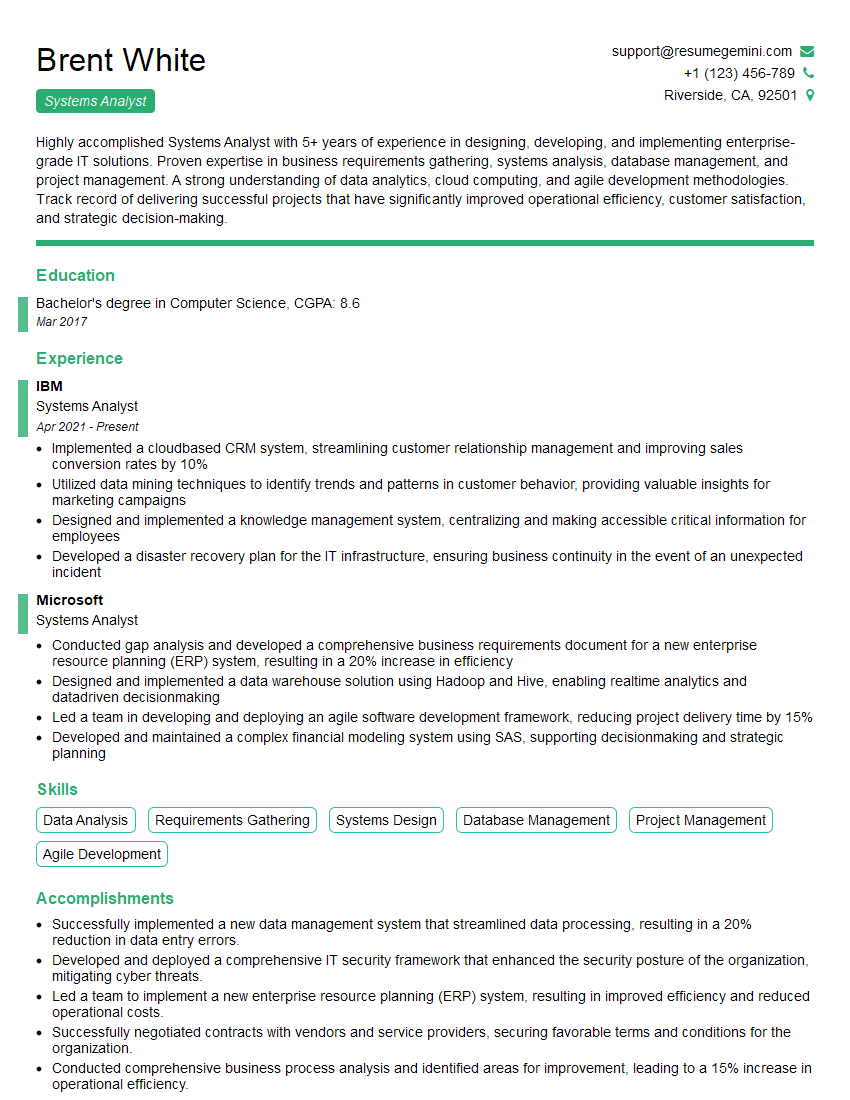
Systems Analyst Resume Sample
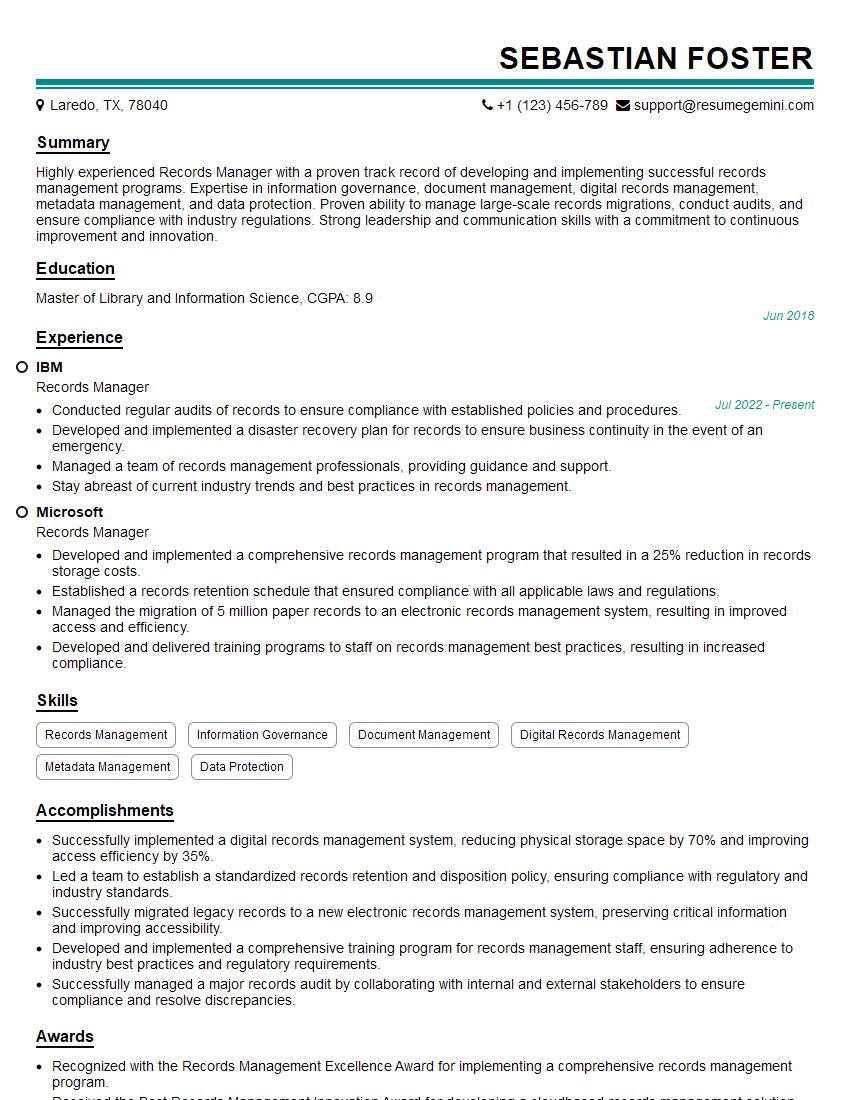
Records Manager Resume Sample
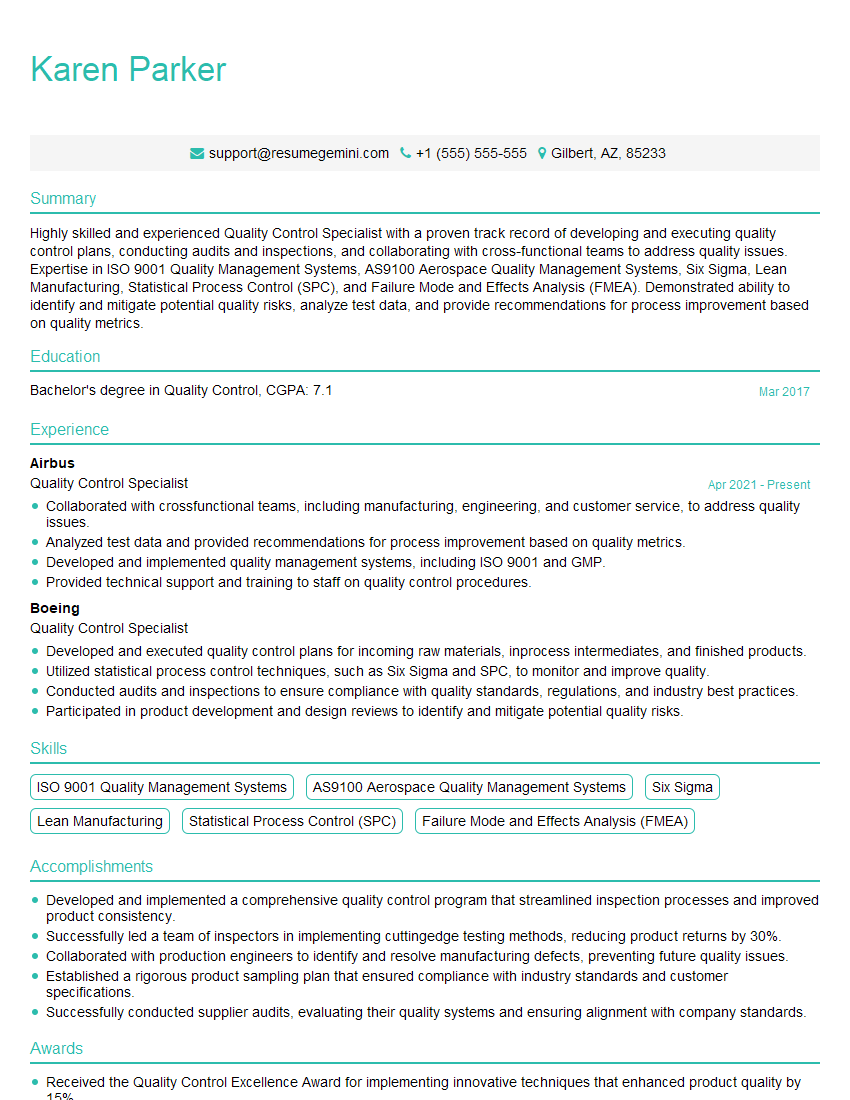
Quality Control Specialist Resume Sample
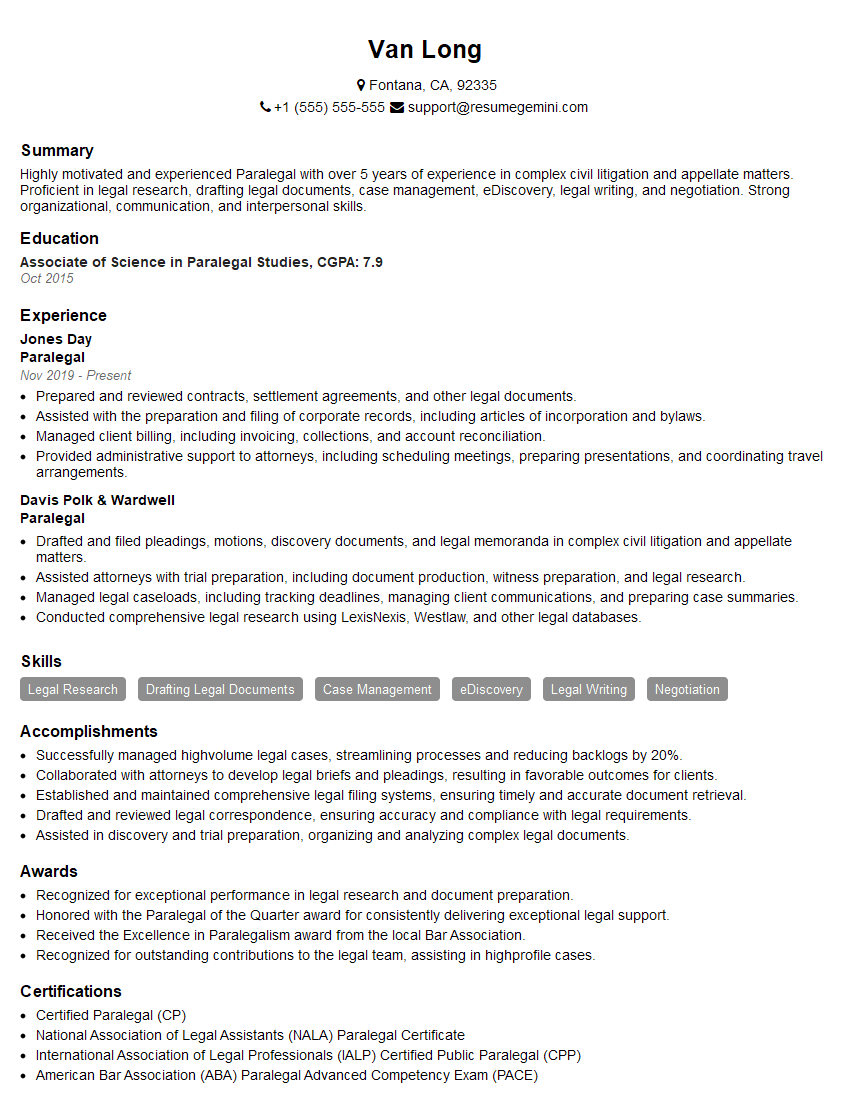
Paralegal Resume Sample
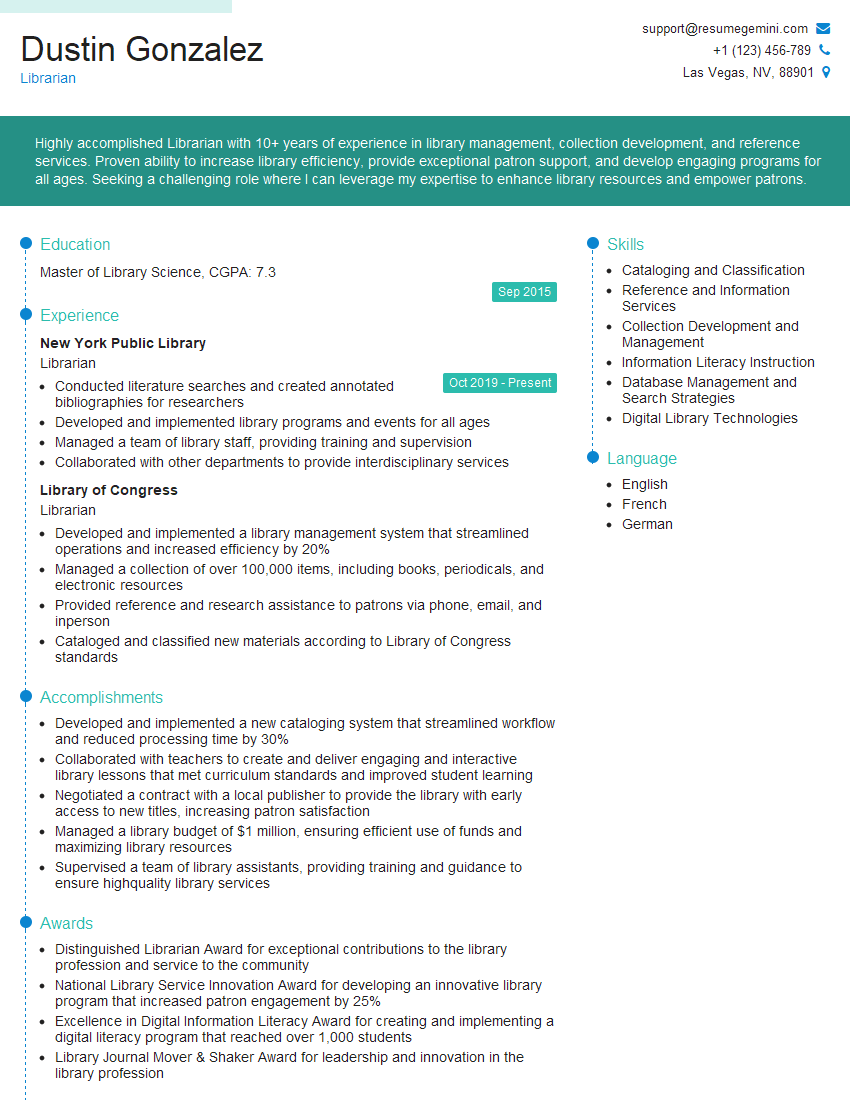
Librarian Resume Sample
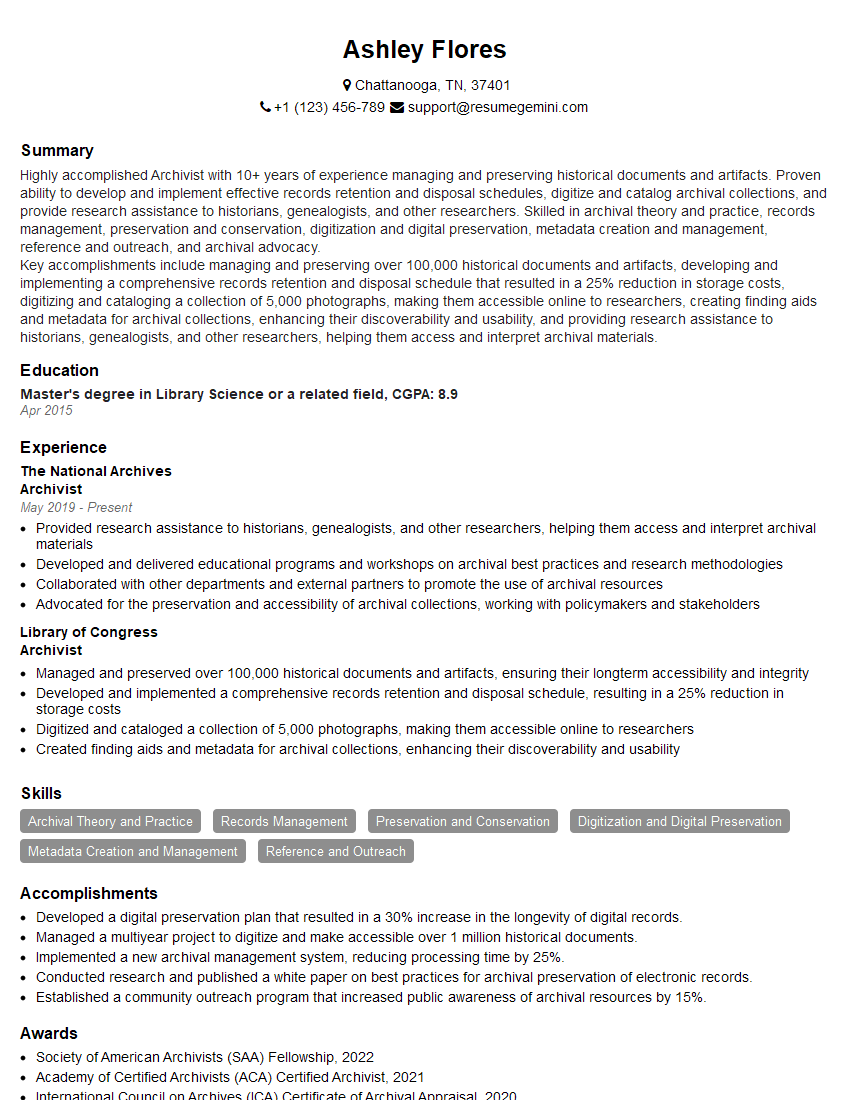
Archivist Resume Sample
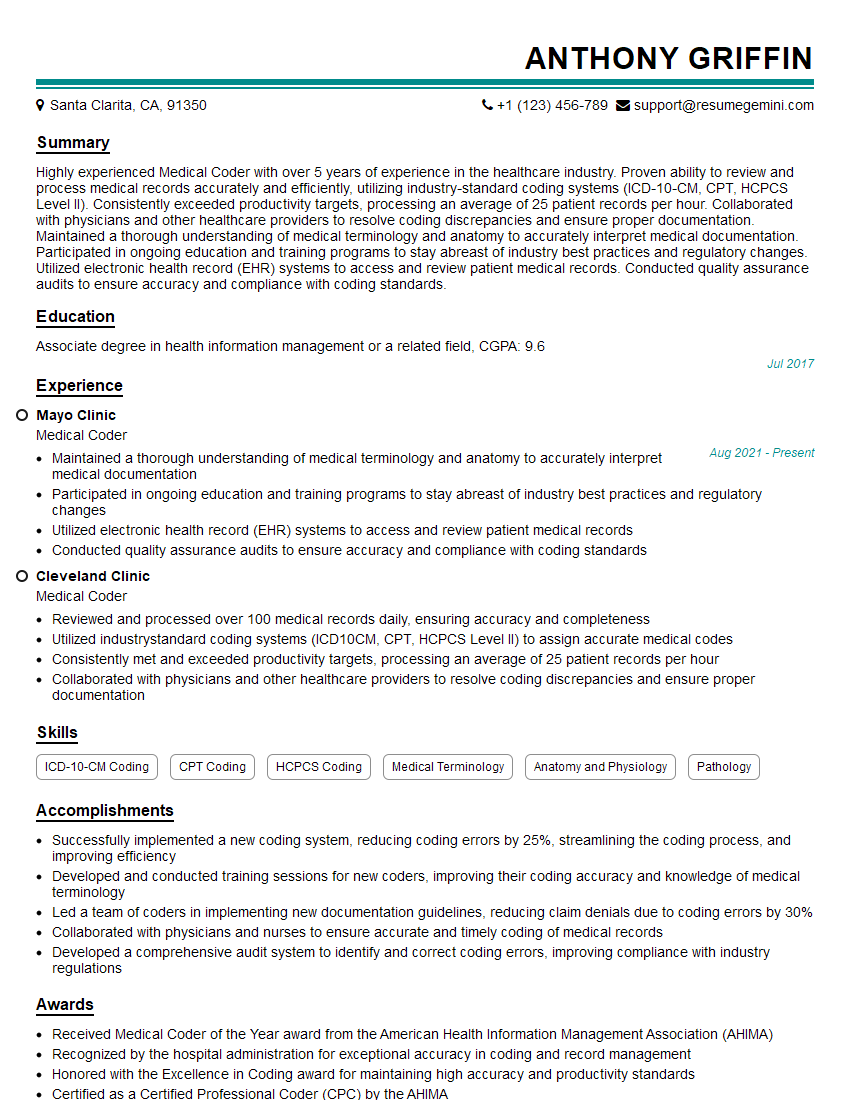
Medical Coder Resume Sample
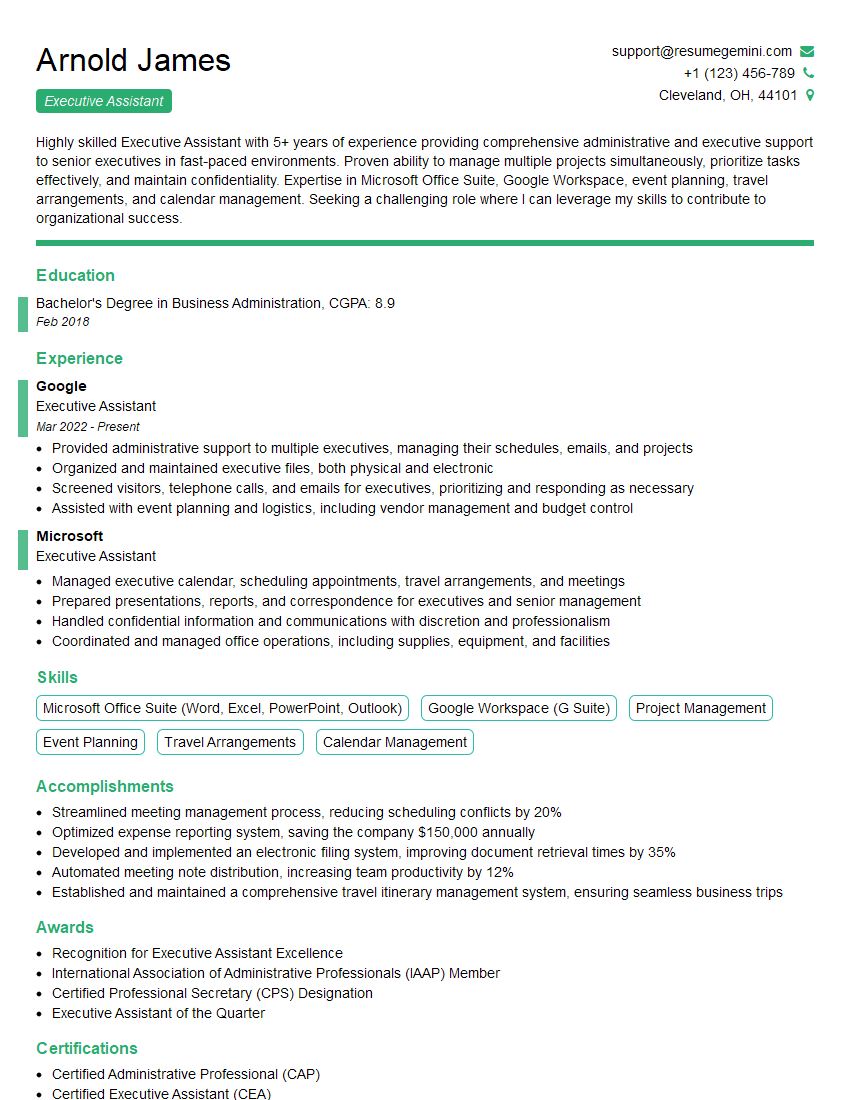
Executive Assistant Resume Sample
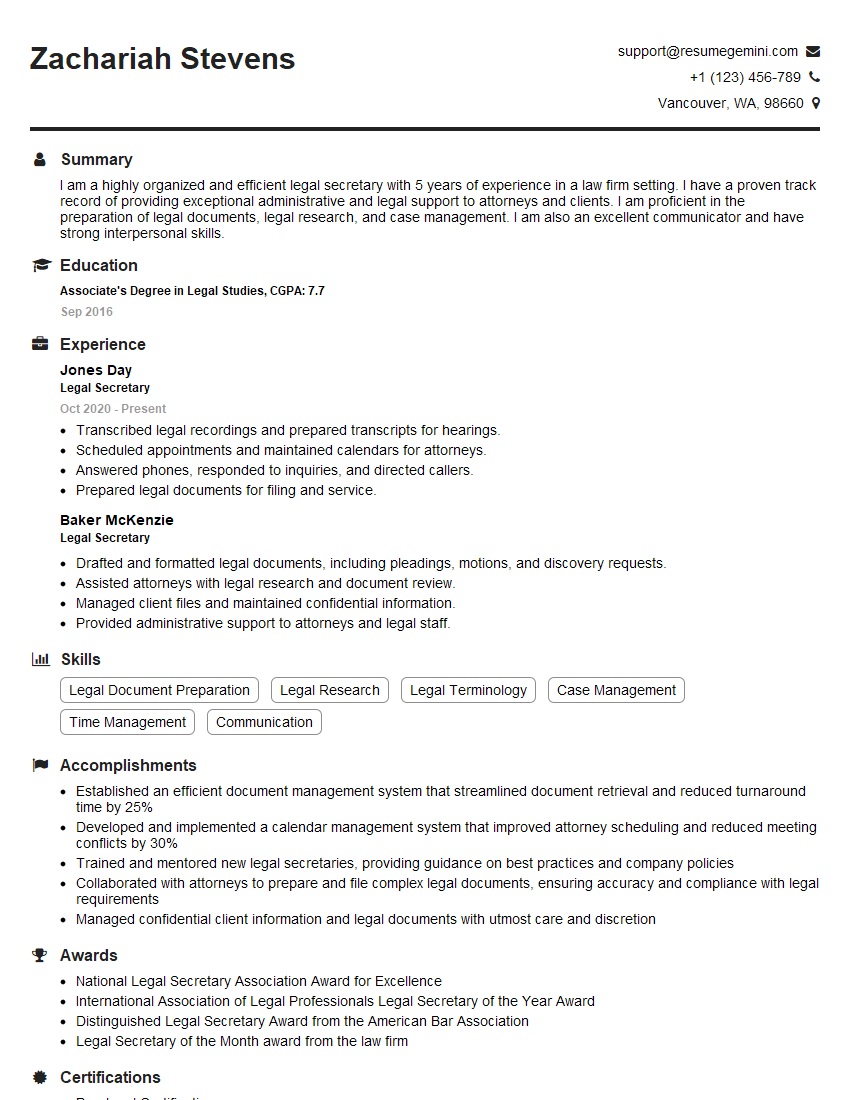
Legal Secretary Resume Sample
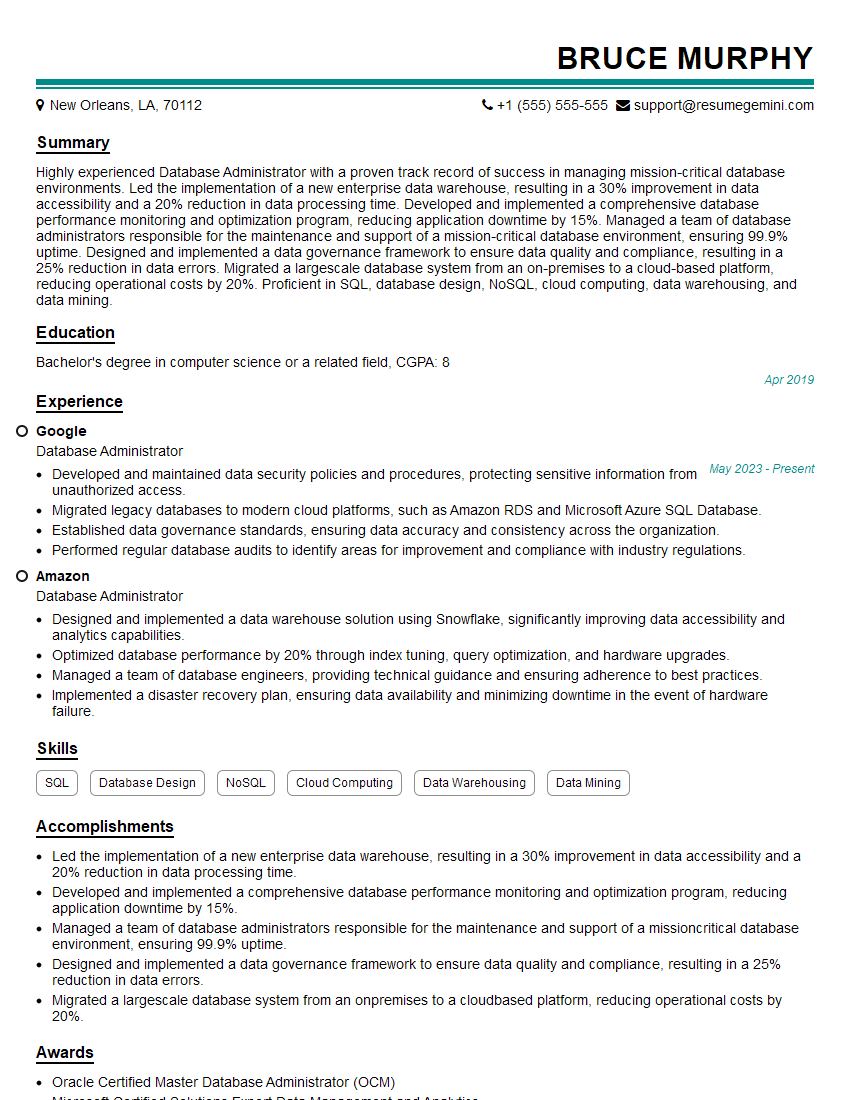
Database Administrator Resume Sample
- Office Manager
- Operations Manager
- Administrative Assistant
- Supply Chain Manager
- Logistics Coordinator
- Project Manager
- Compliance Officer
- Research Analyst
- Accountant
- Auditor
- Bookkeeper
- Financial Analyst
- Data Analyst
- Software Engineer
- Systems Analyst
- Records Manager
- Quality Control Specialist
- Paralegal
- Librarian
- Archivist
- Medical Coder
- Executive Assistant
- Legal Secretary
- Database Administrator
Explore more articles
Users Rating of Our Blogs
Share Your Experience
We value your feedback! Please rate our content and share your thoughts (optional).
What Readers Say About Our Blog
Very informative content, great job.
good