The right preparation can turn an interview into an opportunity to showcase your expertise. This guide to Cross-Functional Collaboration Skills interview questions is your ultimate resource, providing key insights and tips to help you ace your responses and stand out as a top candidate.
Questions Asked in Cross-Functional Collaboration Skills Interview
Q 1. Describe your experience working on cross-functional projects.
Cross-functional collaboration is the cornerstone of successful projects in today’s complex organizational structures. My experience spans numerous projects involving teams from engineering, marketing, sales, and product development. For example, in my previous role at TechCorp, I led the cross-functional team responsible for launching a new software product. This involved coordinating efforts across development, testing, marketing, and sales teams, ensuring alignment on timelines, features, and messaging. Another significant project involved a company-wide initiative to improve customer onboarding. This required collaborating with customer support, product training, and sales teams to streamline the process and improve customer satisfaction. These projects demanded meticulous planning, consistent communication, and a deep understanding of each team’s unique challenges and priorities.
- Project 1: Software Launch: Successfully launched a new software product on time and under budget by establishing clear communication channels, regular progress meetings, and a shared project management system.
- Project 2: Customer Onboarding Improvement: Reduced customer onboarding time by 30% and increased customer satisfaction ratings by 15% by collaborating closely with different teams and implementing a revised training program.
Q 2. Explain a time you had to negotiate with a different team to achieve a common goal.
During the TechCorp software launch, the marketing team initially wanted a much longer launch campaign than the engineering team felt was feasible. The engineering team felt that extending the campaign would delay the release of crucial features. To resolve this, I facilitated a negotiation session involving key members from both teams. We started by clearly defining each team’s goals and constraints. The marketing team’s priority was maximizing brand awareness, while engineering’s was ensuring product stability and feature completeness. We then brainstormed alternative solutions, such as a phased launch—initially focusing on core features with a shorter marketing campaign, followed by a second phase incorporating additional features. This compromise satisfied both teams’ needs, allowing for a successful product launch.
Q 3. How do you handle conflicting priorities between different teams?
Conflicting priorities are inevitable in cross-functional projects. My approach focuses on prioritizing based on strategic alignment and impact. I start by clearly defining the overall project goals and then evaluating each team’s objectives against these overarching goals. We utilize a prioritization matrix, weighing factors like strategic importance, urgency, and potential impact. Sometimes, this requires making difficult decisions—we might need to delay less critical tasks to ensure that higher-priority objectives are met. Open and transparent communication is crucial here to ensure all teams understand the rationale behind prioritization decisions.
For instance, during the customer onboarding project, the product training team prioritized creating a comprehensive training manual, while the sales team wanted faster onboarding to close deals quickly. By using a prioritization matrix, we decided to deliver a streamlined, quick-start guide first to address the immediate needs of the sales team, followed by a more in-depth manual. This addressed both teams’ priorities in a phased approach.
Q 4. What strategies do you use to build consensus among diverse teams?
Building consensus among diverse teams involves fostering trust, open communication, and a shared understanding of the project goals. I employ several strategies:
- Regular Communication: Frequent meetings, updates, and collaborative tools facilitate transparency and keep everyone informed.
- Shared Vision: Articulating a clear, concise vision and explaining how each team’s contribution fits into the big picture is key.
- Collaborative Problem Solving: Encouraging teams to work together to identify and solve challenges collaboratively, fostering a sense of shared ownership.
- Active Listening and Empathy: Understanding each team’s perspectives, concerns, and constraints is essential for building trust and finding common ground.
In practice, this means using tools like shared project management software, regular stand-up meetings, and workshops to foster collaboration. I also make sure to actively solicit input from all teams, ensuring everyone feels heard and valued.
Q 5. Describe your approach to conflict resolution in a cross-functional setting.
My approach to conflict resolution emphasizes proactive communication and collaborative problem-solving. I believe in addressing conflicts early, before they escalate. When disagreements arise, I follow these steps:
- Identify the Root Cause: Understand the underlying reasons for the conflict, avoiding personal attacks.
- Facilitate Open Dialogue: Create a safe space for all parties to express their concerns and perspectives.
- Find Common Ground: Identify areas of agreement and leverage those as a foundation for compromise.
- Develop Solutions Collaboratively: Work together to brainstorm and select mutually acceptable solutions.
- Document Agreements: Ensure clarity and accountability by documenting the agreed-upon solutions.
In the past, I successfully resolved a conflict between the design and engineering teams by facilitating a collaborative workshop where they could brainstorm alternative solutions together. This fostered understanding and led to a design that met both aesthetic and technical requirements.
Q 6. How do you effectively communicate complex technical information to non-technical audiences?
Communicating complex technical information to non-technical audiences requires simplifying the language and focusing on the ‘why,’ not just the ‘how.’ I use several techniques:
- Analogies and Metaphors: Relating technical concepts to everyday experiences makes them easier to grasp.
- Visual Aids: Charts, graphs, and diagrams can effectively illustrate complex information.
- Storytelling: Framing technical details within a narrative makes the information more engaging and memorable.
- Focus on Outcomes: Emphasize the benefits and impact of the technical solution rather than dwelling on technical jargon.
- Check for Understanding: Regularly ask questions to ensure the audience is following along and address any confusion promptly.
For instance, when explaining a complex algorithm to a marketing team, I might use an analogy to a recipe, outlining the steps and how each step contributes to the final outcome—a successful marketing campaign.
Q 7. How do you measure the success of a cross-functional project?
Measuring the success of a cross-functional project depends on the specific objectives. A multi-faceted approach is necessary, considering quantitative and qualitative metrics. These metrics should be established at the beginning of the project and tracked throughout its lifecycle.
- Quantitative Metrics: These are measurable outcomes like project completion time, budget adherence, customer satisfaction scores (CSAT), and key performance indicators (KPIs) relevant to the project goals.
- Qualitative Metrics: These capture less tangible aspects like team morale, collaboration effectiveness, and stakeholder satisfaction. Feedback surveys and team assessments can help gauge these elements.
In the customer onboarding project, success was measured by improvements in onboarding time (quantitative), as well as increases in customer satisfaction scores and team collaboration ratings (qualitative). A holistic approach is essential; no single metric fully captures the success of a complex cross-functional undertaking.
Q 8. What tools or technologies have you used to facilitate cross-functional collaboration?
Facilitating cross-functional collaboration requires leveraging the right tools. My experience encompasses a range of technologies, chosen based on project needs and team preferences. For example, in one project involving geographically dispersed teams, we heavily relied on Microsoft Teams for instant messaging, file sharing, and video conferencing. This allowed for real-time communication and minimized email clutter. For project management, we used Asana to track tasks, deadlines, and dependencies across different teams. Its visual dashboards provided a clear overview of progress and helped identify potential bottlenecks. For more complex projects requiring detailed documentation and version control, we’ve utilized Confluence (for collaborative document creation) and GitHub (for code management and collaboration). In addition, tools like Miro and Mural have been incredibly useful for visual collaboration, brainstorming, and workflow mapping, particularly during the initial phases of a project.
Q 9. Describe a time you had to adapt your communication style to work effectively with different personalities.
Adapting communication style is crucial for effective cross-functional collaboration. In a recent project, I worked with a team that included highly analytical engineers, detail-oriented designers, and big-picture-focused marketing professionals. The engineers preferred concise, data-driven communication. With them, I focused on providing clear, quantifiable results and using data visualizations to support my arguments. The designers, on the other hand, appreciated visual aids and collaborative brainstorming sessions. I adapted my communication by incorporating more visual elements and creating open dialogue around design choices. Finally, the marketing team responded well to persuasive storytelling and high-level overviews. I focused on highlighting the impact and value of our work, ensuring alignment with their marketing objectives. By understanding and adjusting to each team’s communication preferences, I fostered a more productive and inclusive environment.
Q 10. How do you ensure alignment and transparency across multiple teams?
Ensuring alignment and transparency across multiple teams involves a multi-pronged approach. Firstly, establishing clear communication channels is paramount. Regular cross-functional meetings, using tools like those mentioned earlier, are key to keeping everyone informed and on the same page. Secondly, I emphasize the importance of a shared project vision and objectives. A well-defined project charter, communicated to all stakeholders, serves as a guiding document and ensures everyone understands the ‘why’ behind their work. Thirdly, transparent progress tracking, using project management tools like Asana or Jira, allows everyone to monitor progress and identify potential issues early. Finally, I encourage open communication and feedback loops at all levels, creating a safe space for questions and concerns, ensuring that no information is siloed.
Q 11. Explain your experience with different collaboration methodologies (e.g., Agile, Waterfall).
I have extensive experience working with both Agile and Waterfall methodologies. In Waterfall projects, the focus is on sequential phases with well-defined deliverables at each stage. My role often involves coordinating handoffs between teams, ensuring that each stage is completed successfully before the next begins. This requires meticulous planning and documentation to avoid delays. In Agile projects, I thrive in the iterative and collaborative nature. I facilitate daily stand-ups, sprint planning sessions, and retrospectives, ensuring that teams are aligned on priorities and address roadblocks proactively. Agile’s emphasis on flexibility and quick feedback loops is beneficial in complex cross-functional projects where requirements may evolve. My experience allows me to adapt my approach depending on the project’s complexity, timeline, and team dynamics.
Q 12. How do you identify and address potential roadblocks in cross-functional projects?
Identifying and addressing roadblocks in cross-functional projects requires a proactive approach. Firstly, regular communication and progress tracking, as mentioned earlier, are essential for early detection. Secondly, I encourage open communication where team members feel comfortable raising issues without fear of blame. Thirdly, I utilize root cause analysis techniques to understand the underlying reasons for roadblocks. This might involve brainstorming sessions with the affected teams to identify contributing factors and solutions. Finally, I focus on implementing solutions collaboratively, involving all relevant stakeholders in the decision-making process. This ensures buy-in and avoids creating new obstacles. For instance, if a dependency between two teams is causing a delay, we might re-prioritize tasks, allocate additional resources, or adjust project timelines collaboratively.
Q 13. How do you manage dependencies between different teams?
Managing dependencies between different teams involves careful planning and coordination. Firstly, I use a dependency mapping tool, or even a simple spreadsheet, to clearly visualize the relationships between different tasks and teams. This allows for a clear understanding of which teams are reliant on others and what the critical path is. Secondly, I establish clear communication channels and regular check-ins between dependent teams. This ensures that progress is monitored and any potential issues are identified early. Thirdly, I build buffer time into the schedule to account for potential delays. Finally, if a dependency issue arises, I work collaboratively with the affected teams to develop mitigation strategies, potentially involving re-prioritization, resource reallocation, or risk assessment. The key is proactive communication and collaboration to avoid cascading delays.
Q 14. Describe a time you had to overcome resistance to change within a cross-functional team.
Overcoming resistance to change is a common challenge in cross-functional projects. In one instance, a team was resistant to adopting a new project management tool, citing concerns about learning curve and compatibility issues. To overcome this, I organized a series of training sessions tailored to the team’s needs, addressing their specific concerns. I also demonstrated the tool’s benefits through practical examples relevant to their work. Furthermore, I actively solicited feedback and incorporated suggestions to improve the implementation process. By engaging the team in the change process, rather than imposing it upon them, I gradually gained their buy-in and overcame their initial resistance. Open communication, active listening, and addressing concerns directly were crucial to this successful transition.
Q 15. How do you foster a culture of collaboration within a team?
Fostering a collaborative culture isn’t about a single action, but a consistent effort. It’s like building a strong foundation for a house – you need solid blocks, carefully placed. I approach this through a multi-pronged strategy focusing on communication, shared goals, and recognition.
Open Communication: I establish clear communication channels, utilizing tools like Slack or Microsoft Teams for quick updates and project management software like Jira or Asana for task tracking and progress visibility. Regular team meetings, both formal and informal, are crucial to discuss progress, address roadblocks, and encourage open dialogue. I make sure everyone feels comfortable voicing their opinions and concerns.
Shared Goals and Vision: I ensure everyone understands the overarching project goals and how their individual contributions fit into the bigger picture. This helps create a sense of shared ownership and purpose, encouraging collaboration rather than siloed working. A well-defined project charter that’s readily accessible to all team members is key.
Recognition and Appreciation: Acknowledging individual and team contributions is vital. Publicly praising successes, both big and small, boosts morale and strengthens the sense of team unity. Celebrating milestones reinforces positive collaborative behaviors.
Lead by Example: I actively participate in collaborative efforts, demonstrating a willingness to contribute and support others. This sets a positive example for the team and encourages reciprocal behavior.
Career Expert Tips:
- Ace those interviews! Prepare effectively by reviewing the Top 50 Most Common Interview Questions on ResumeGemini.
- Navigate your job search with confidence! Explore a wide range of Career Tips on ResumeGemini. Learn about common challenges and recommendations to overcome them.
- Craft the perfect resume! Master the Art of Resume Writing with ResumeGemini’s guide. Showcase your unique qualifications and achievements effectively.
- Don’t miss out on holiday savings! Build your dream resume with ResumeGemini’s ATS optimized templates.
Q 16. What metrics do you use to track the progress of cross-functional projects?
Tracking cross-functional project progress requires a holistic approach, moving beyond just timelines. I leverage a combination of quantitative and qualitative metrics:
On-time Delivery Rate: This measures the percentage of project milestones completed on schedule. It helps identify potential delays and allows for proactive intervention.
Budget Adherence: Tracking actual spending against the budgeted amount provides a clear picture of financial performance and allows for course correction if necessary.
Quality Metrics: Depending on the project, this could involve defect rates, customer satisfaction scores, or other relevant indicators. High-quality output demonstrates successful collaboration.
Collaboration Effectiveness: This is a more qualitative metric. I use tools like team surveys or feedback sessions to gauge team morale, communication efficiency, and the overall collaborative experience. This helps identify areas for improvement in team dynamics.
Risk Register Status: Tracking identified risks and their mitigation strategies provides insight into potential project disruptions and how effectively the team is addressing them.
These metrics, combined with regular progress reviews and team meetings, provide a comprehensive view of project health and help identify areas needing attention.
Q 17. Describe your experience with risk management in cross-functional projects.
Risk management is crucial for cross-functional projects, given their increased complexity. My approach is proactive and involves:
Risk Identification: Early in the project, I facilitate workshops involving representatives from each participating department to brainstorm potential risks. This collaborative approach ensures a wider perspective.
Risk Assessment: We assess each identified risk based on its likelihood and potential impact. This helps prioritize mitigation efforts.
Risk Mitigation Strategies: For each high-priority risk, we develop specific mitigation strategies, assigning ownership and setting timelines for implementation. This could involve contingency planning, risk transfer, or risk avoidance.
Monitoring and Control: Throughout the project, we regularly monitor the risk register, updating the status of identified risks and adjusting mitigation plans as needed. This involves regular communication and collaboration among team members.
For example, in a recent software implementation project, we identified a potential risk of data migration failure. We developed a detailed migration plan with backups and rollback procedures, regularly monitored the progress, and successfully mitigated the risk.
Q 18. How do you ensure accountability across multiple teams?
Ensuring accountability across multiple teams requires clear roles, responsibilities, and a robust tracking system. I employ a few key strategies:
Role Clarity: Each team member’s role and responsibilities within the project are clearly defined and documented, leaving no room for ambiguity. This includes identifying key decision-makers and escalation paths.
Regular Progress Updates: I implement a system for tracking individual and team progress. This could be a shared project management tool where each team updates their progress regularly. This transparency keeps everyone accountable.
Performance Metrics: Establishing clear performance metrics and targets for each team promotes accountability. This helps to track individual and team contributions towards the overall project objectives.
Open Communication and Feedback: Regular team meetings and one-on-one check-ins provide opportunities to address performance issues promptly and provide constructive feedback. This fosters a culture of accountability and improvement.
I find that a combination of these strategies, alongside a culture of trust and open communication, is the most effective way to ensure accountability across multiple teams.
Q 19. How do you handle disagreements or differing opinions among team members?
Disagreements are inevitable in cross-functional projects. Instead of seeing them as obstacles, I view them as opportunities for improved decision-making. I approach conflict resolution using a structured, collaborative approach:
Active Listening: I encourage each party to fully express their perspective without interruption. This helps understand the root cause of the disagreement.
Collaborative Problem-Solving: Rather than imposing a solution, I facilitate a discussion to find a mutually agreeable solution. This might involve brainstorming alternative solutions or seeking input from other stakeholders.
Data-Driven Decision Making: Where possible, I base decisions on data and evidence, rather than opinions. This provides an objective basis for evaluating different perspectives.
Mediation (If Necessary): If the disagreement persists, I may act as a mediator to help the parties reach a consensus. This involves helping them to identify common ground and find compromise solutions.
The key is to create a safe space where team members feel comfortable expressing their opinions without fear of judgment. The focus should always be on finding the best solution for the project, not on winning an argument.
Q 20. How do you build trust and rapport with individuals from different departments?
Building trust and rapport across departments requires demonstrating empathy, understanding, and a genuine interest in their perspectives. My approach focuses on relationship-building:
Understanding Different Perspectives: I actively seek to understand the unique challenges and priorities of each department. This helps me to tailor my communication and approach to resonate with each team.
Building Personal Connections: I make an effort to get to know individuals from different departments on a personal level, fostering informal relationships and establishing a sense of common ground. Casual conversations, shared lunches, or even virtual coffee breaks can help.
Demonstrating Respect and Value: I show respect for each department’s expertise and contribution to the project. Acknowledging their efforts and recognizing their unique perspectives is crucial.
Transparency and Open Communication: Keeping all teams informed and involved in the decision-making process helps build trust and confidence.
For example, in a past project, I made a point of attending meetings with the marketing team, even if my direct involvement wasn’t needed. This helped build relationships and foster a better understanding of their work and perspective.
Q 21. What are some common challenges you encounter when working across different departments?
Working across departments inevitably presents challenges. Some common ones I encounter include:
Conflicting Priorities: Different departments often have different priorities, which can lead to disagreements on resource allocation or project direction. This requires careful negotiation and prioritization.
Communication Barriers: Different departments may use different communication styles or terminology, leading to misunderstandings. Establishing clear communication protocols and regular communication helps.
Siloed Thinking: Teams might operate in isolation, failing to see the bigger picture or the impact their actions have on other departments. Promoting cross-departmental collaboration and open communication helps break down silos.
Varying Work Styles: Different departments may have different work styles and processes, leading to inefficiencies. Establishing clear project guidelines and collaborative workflows helps to harmonize these differences.
Resource Constraints: Competition for shared resources, such as budget, personnel, or equipment, can create conflicts. Strategic resource allocation and prioritization are key.
Addressing these challenges requires a proactive approach, clear communication, and a commitment to collaborative problem-solving.
Q 22. Describe a time you had to influence a team without direct authority.
Influencing a team without direct authority requires a blend of relationship-building, persuasive communication, and demonstrating value. It’s about earning trust and respect, not demanding compliance.
In a previous project, we needed to integrate a new CRM system across multiple departments – marketing, sales, and customer service – each with their own established workflows. I didn’t manage any of these teams, but I was leading the CRM implementation. I started by individually meeting with each team lead to understand their concerns and priorities. This helped me tailor my approach, addressing specific pain points instead of a blanket approach. I then presented the benefits of the new system, highlighting how it would improve *their* individual team efficiency and overall company performance, using data and real-world examples whenever possible. I also actively sought their input and suggestions for implementation, fostering a sense of ownership and collaboration. This participatory approach was more effective than simply directing them, ultimately leading to smoother adoption and a more successful integration.
Q 23. How do you facilitate effective decision-making in a cross-functional team?
Facilitating effective decision-making in a cross-functional team hinges on establishing clear processes, encouraging open communication, and ensuring everyone feels heard. It’s vital to avoid groupthink and promote diverse perspectives.
I typically use a structured approach. First, I clearly define the problem and the desired outcome. Then, I facilitate brainstorming sessions, ensuring everyone has a chance to contribute. We explore various solutions, evaluating pros and cons using a framework like a decision matrix. This matrix helps to visualize and compare different options objectively, reducing biases and ensuring data-driven decision making. Finally, we reach a consensus, clearly documenting the decision, the rationale, and the assigned responsibilities. If consensus is unattainable, a clear escalation path needs to be pre-defined and transparent to the team.
Q 24. What strategies do you use to keep cross-functional teams motivated and engaged?
Maintaining motivation and engagement in cross-functional teams requires fostering a sense of shared purpose, recognizing individual contributions, and providing regular feedback and opportunities for growth. It’s about creating a collaborative and supportive environment where people feel valued and appreciated.
I employ several strategies: regular team meetings focusing on both progress and celebrating successes; providing opportunities for team members to showcase their skills and expertise; offering constructive feedback regularly; creating channels for informal communication to build rapport; and actively seeking individual team members’ feedback on the project and their roles within it. Recognizing individual contributions publicly is also crucial. Finally, celebrating milestones, both big and small, helps maintain morale and shows appreciation for the team’s efforts.
Q 25. How do you manage expectations across different teams?
Managing expectations across different teams starts with clear communication, setting realistic goals, and establishing transparent reporting mechanisms. It’s about proactively addressing potential conflicts and ensuring everyone understands their roles and responsibilities.
I use a ‘communication matrix’ to outline expectations. This matrix clearly details the deliverables, timelines, and key performance indicators (KPIs) for each team. It also specifies communication channels and frequency, ensuring that everyone is informed and aligned. Regular check-in meetings with individual teams and a consolidated cross-functional meeting help identify potential roadblocks early on. Proactive communication is key – addressing challenges and adjusting expectations as needed is far better than ignoring potential problems and allowing them to escalate.
Q 26. Describe your experience using project management software to support cross-functional collaboration.
Project management software is essential for effective cross-functional collaboration. It provides a central hub for communication, task management, and progress tracking, ensuring everyone stays on the same page.
I have extensive experience using tools like Asana, Jira, and Microsoft Teams. These platforms allow for centralized task assignment, progress tracking, real-time communication through chats and shared documents, and the ability to integrate with other tools like calendars and email. For example, in a recent project, using Jira’s Kanban boards allowed all teams – design, development, and marketing – to visualize the workflow, identify bottlenecks, and collaborate on tasks seamlessly. The platform’s reporting features also provided crucial insights into project progress and resource allocation, making it easier to manage expectations and make data-driven decisions.
Q 27. How do you ensure that all stakeholders are kept informed of project progress?
Keeping stakeholders informed requires a multi-pronged approach that involves regular updates, transparent reporting, and readily accessible information. It’s about tailoring communication to suit different stakeholder needs and preferences.
I typically use a combination of methods. Regular project status reports, either weekly or bi-weekly, are circulated to all stakeholders. These reports highlight key achievements, roadblocks, and anticipated timelines. We also utilize project management software, which allows stakeholders to track progress in real-time. For more detailed updates, we hold regular stakeholder meetings, allowing for Q&A and open discussions. Finally, I create a central repository for project documents and updates, ensuring information is easily accessible to everyone.
Q 28. How do you adapt your communication and collaboration style to different organizational cultures?
Adapting communication and collaboration styles to different organizational cultures is crucial for effective cross-functional teamwork. It involves understanding the nuances of each culture and tailoring your approach to resonate with the individuals and teams involved.
This requires active listening and observation. Some cultures are more formal, relying on written communication and hierarchical structures; others are more informal and collaborative. I adapt my communication style by being mindful of communication preferences, adjusting the formality of my language and the frequency of communication accordingly. For example, in a highly formal culture, I would prioritize written reports and scheduled meetings; in a more informal culture, I might utilize more frequent informal communication channels, such as instant messaging, and foster a more open and collaborative atmosphere. Understanding power dynamics and decision-making processes within each culture is equally important in order to navigate interactions and build relationships effectively.
Key Topics to Learn for Cross-Functional Collaboration Skills Interview
- Communication & Active Listening: Mastering clear, concise communication across different departments and actively listening to understand diverse perspectives. This includes understanding different communication styles and adapting your approach accordingly.
- Conflict Resolution & Negotiation: Developing strategies for addressing disagreements constructively, finding common ground, and negotiating solutions that satisfy all stakeholders. Practice scenarios involving differing priorities and resource constraints.
- Teamwork & Collaboration: Understanding team dynamics, leveraging individual strengths, and fostering a collaborative environment. Think about examples where you’ve contributed to a team’s success by fostering inclusivity and shared responsibility.
- Project Management & Coordination: Demonstrating the ability to manage projects involving multiple teams, coordinating timelines, resources, and deliverables. Consider how you’ve streamlined processes and overcome logistical challenges in cross-functional projects.
- Empathy & Emotional Intelligence: Understanding and responding appropriately to the emotions and perspectives of colleagues from various backgrounds and departments. Reflect on situations where you demonstrated understanding and sensitivity to differing viewpoints.
- Influence & Persuasion: Articulating your ideas effectively and persuading others to collaborate towards shared goals, even when facing resistance. Practice influencing decisions without resorting to authority or pressure.
- Problem-Solving in a Collaborative Context: Applying problem-solving methodologies that incorporate input from multiple teams, considering diverse perspectives, and arriving at comprehensive solutions. Prepare examples showcasing your ability to synthesize diverse input into effective solutions.
Next Steps
Mastering cross-functional collaboration skills is crucial for career advancement. It showcases your ability to work effectively in complex organizational settings and contribute significantly to team success. This skillset is highly valued by employers across industries. To maximize your job prospects, creating an ATS-friendly resume is essential. ResumeGemini can help you build a powerful resume that highlights your cross-functional collaboration abilities effectively. We provide examples of resumes tailored to showcasing these skills, ensuring your qualifications stand out. Take advantage of this resource to create a resume that accurately reflects your capabilities and helps you land your dream job.
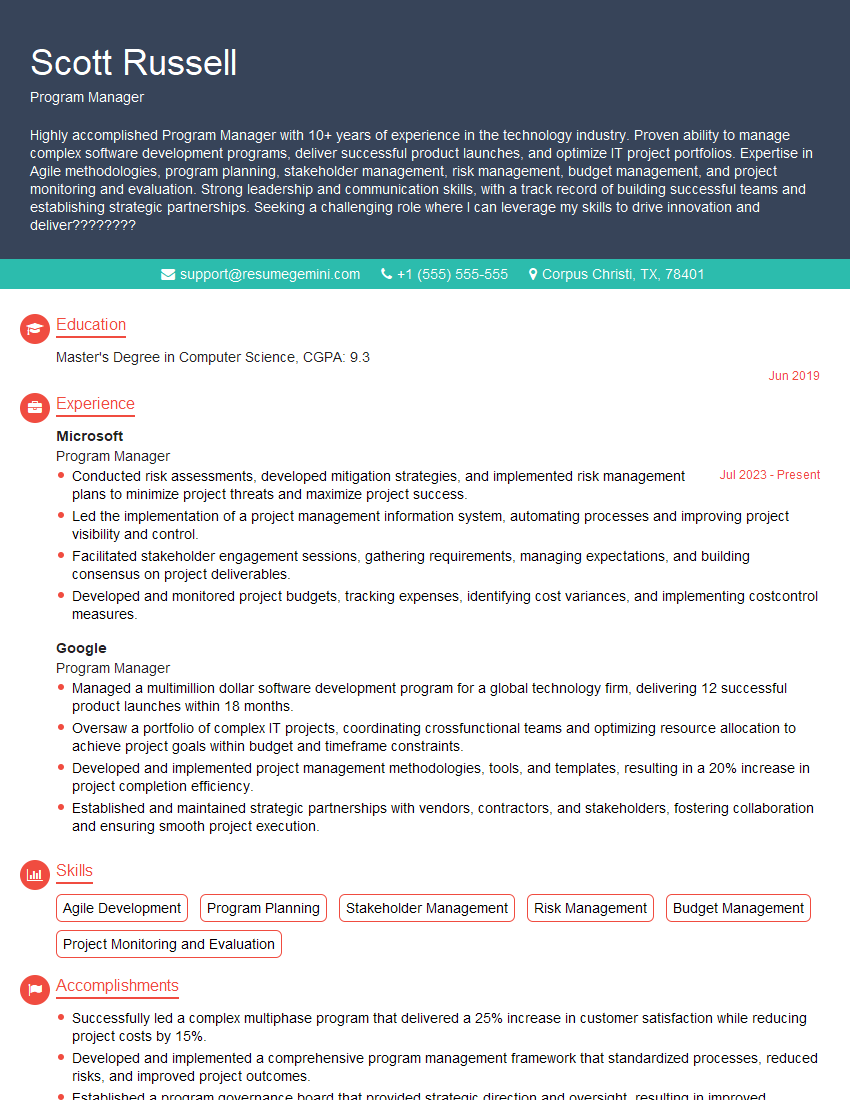
Program Manager Resume Sample
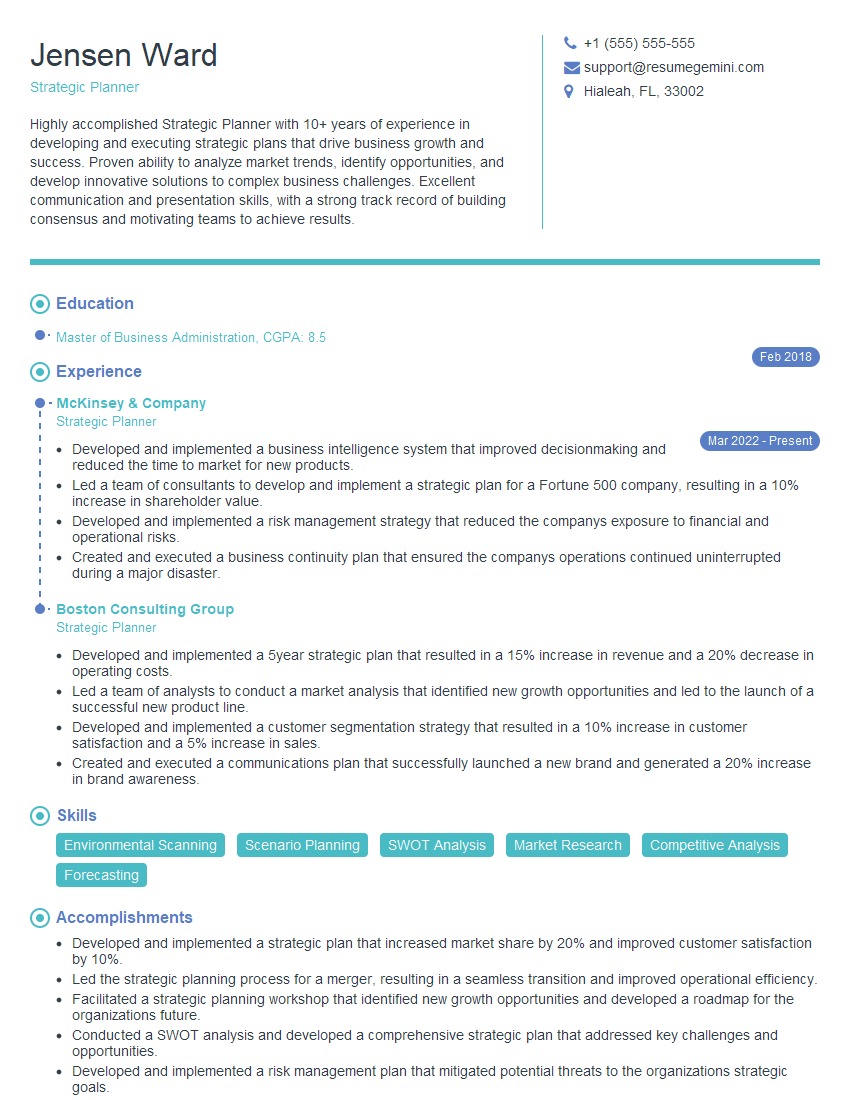
Strategic Planner Resume Sample

Operations Manager Resume Sample
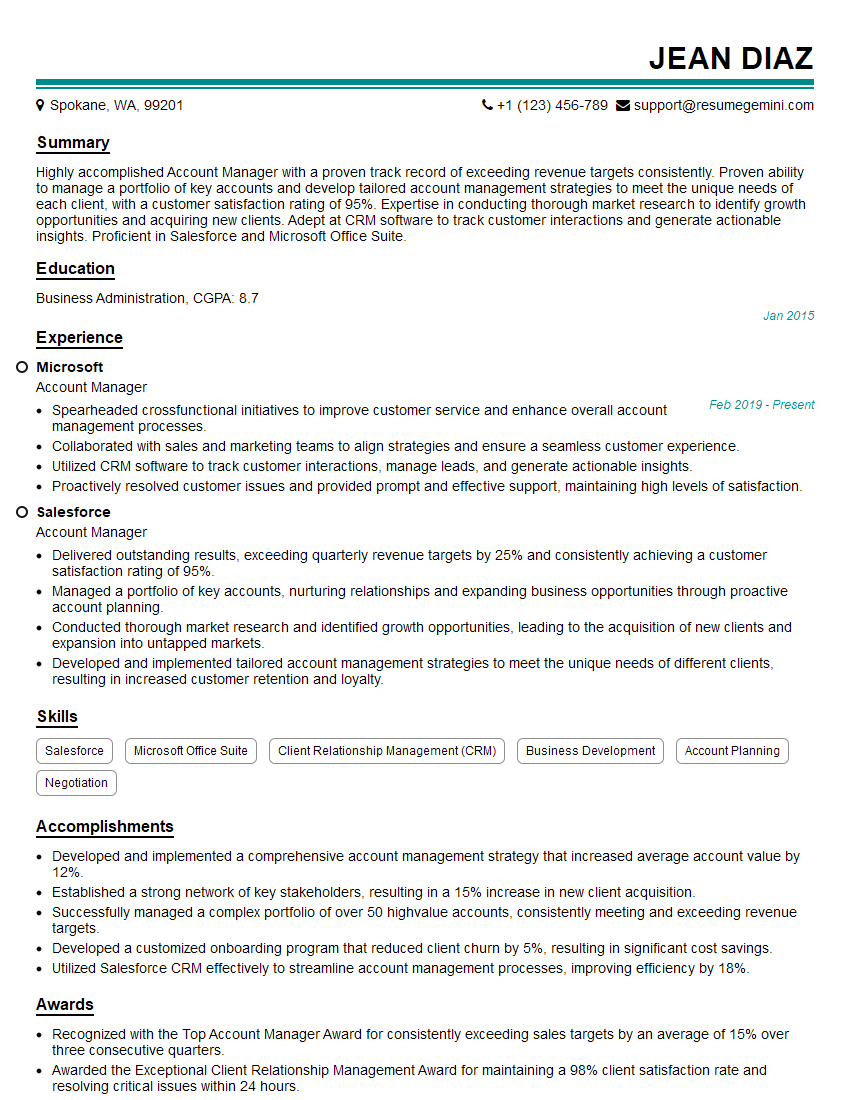
Account Manager Resume Sample
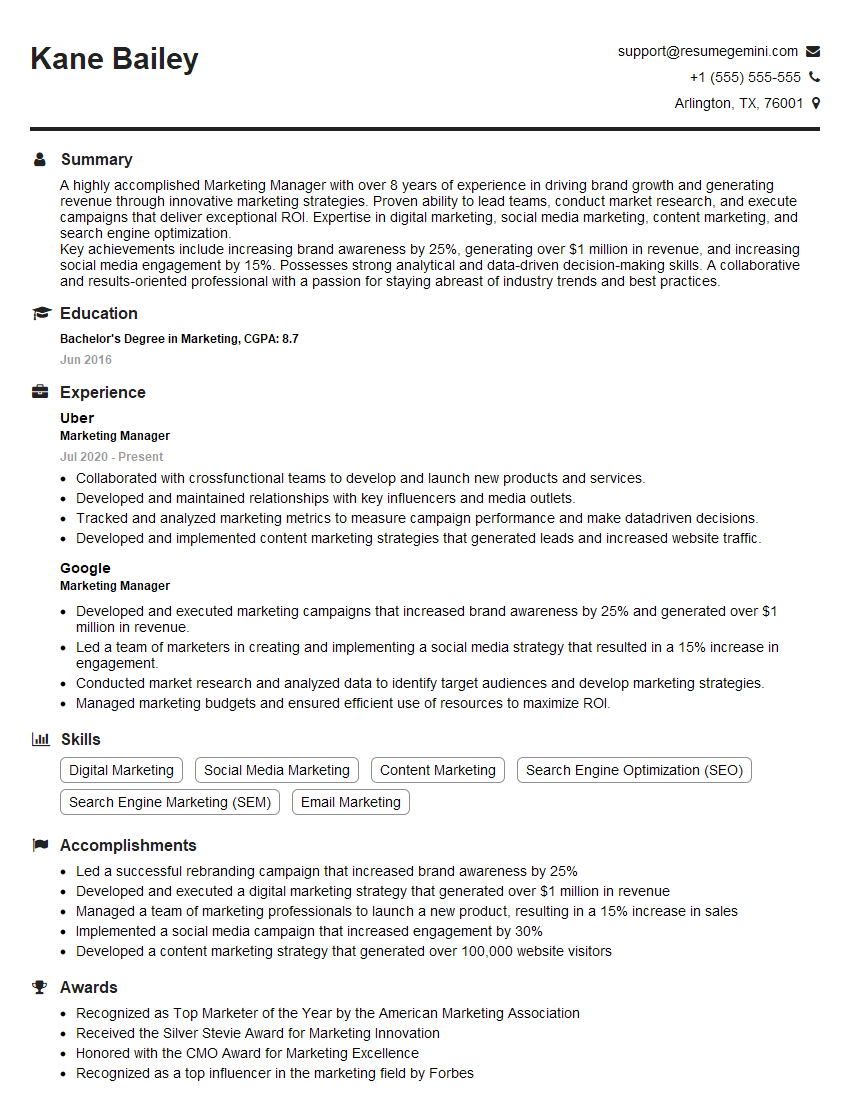
Marketing Manager Resume Sample
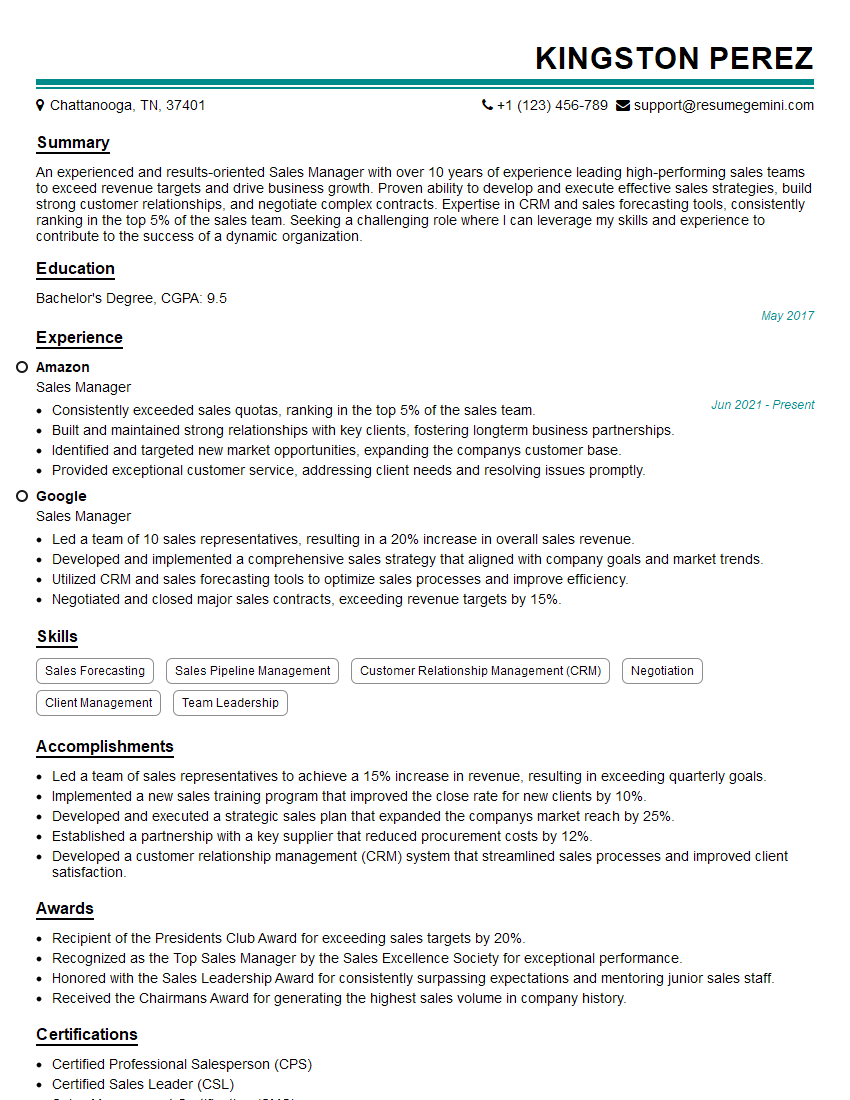
Sales Manager Resume Sample
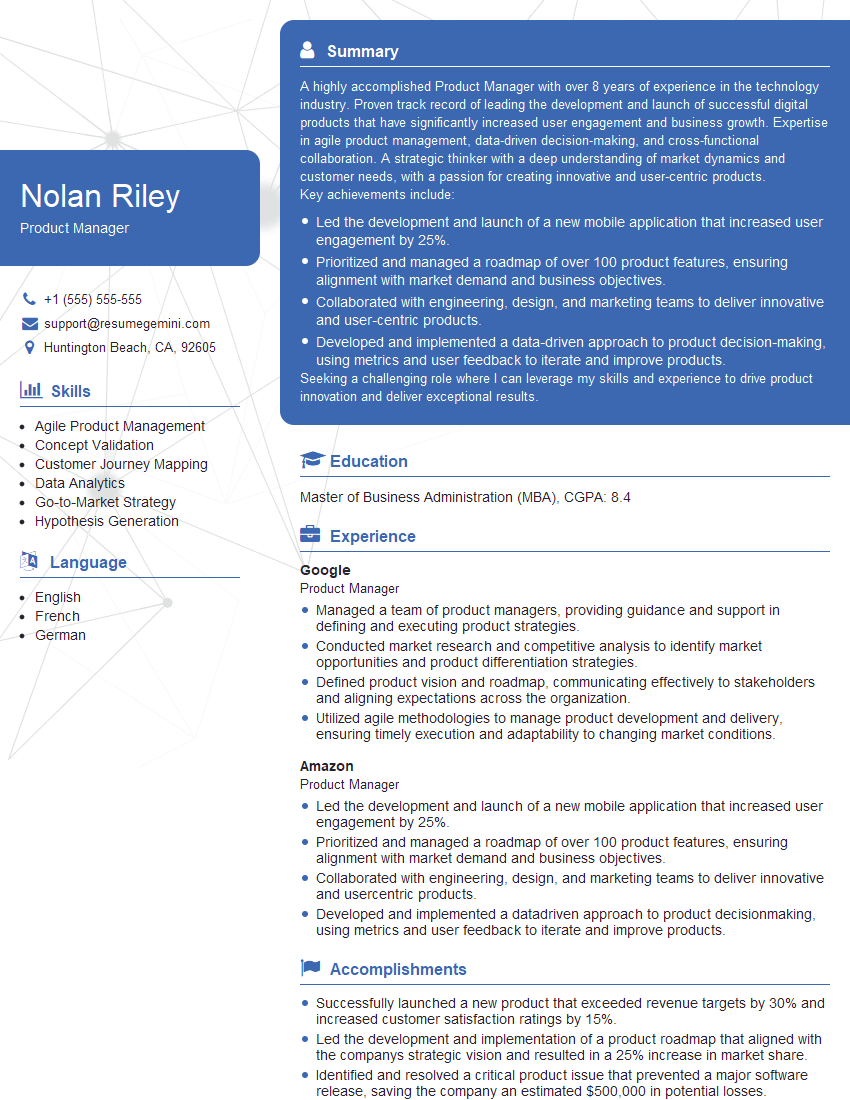
Product Manager Resume Sample
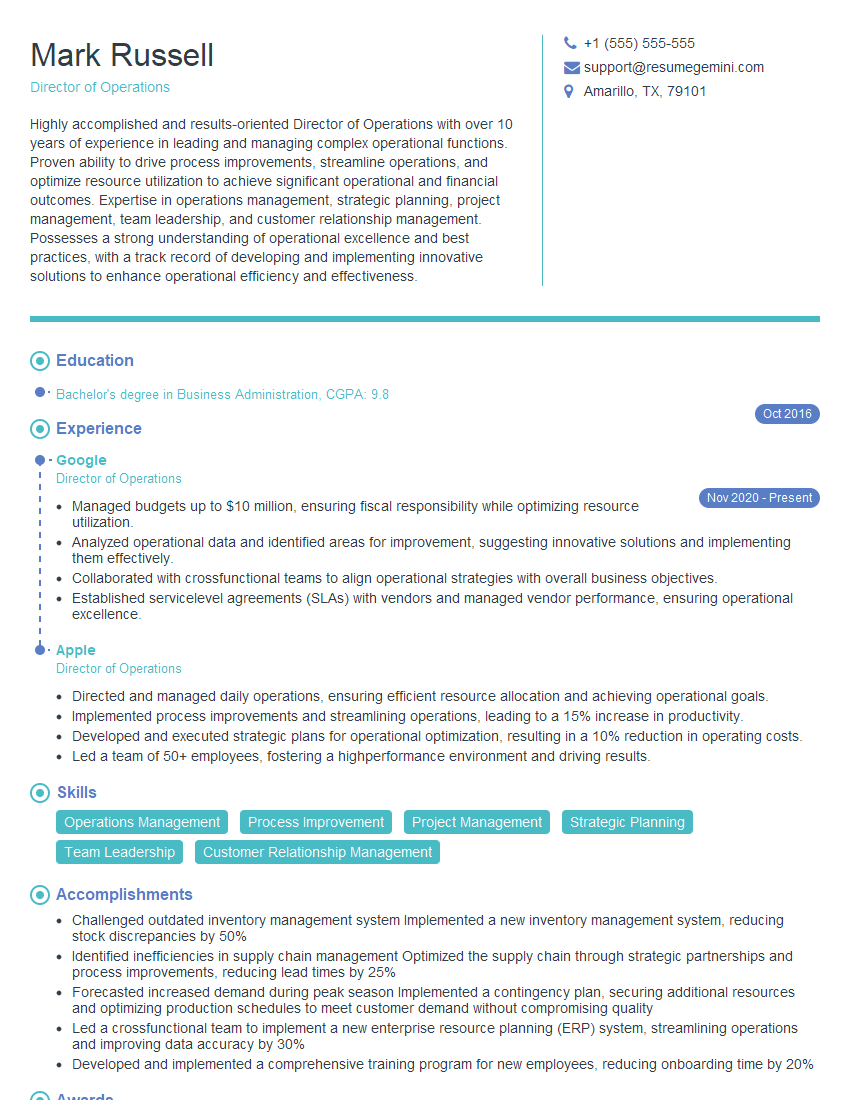
Director of Operations Resume Sample
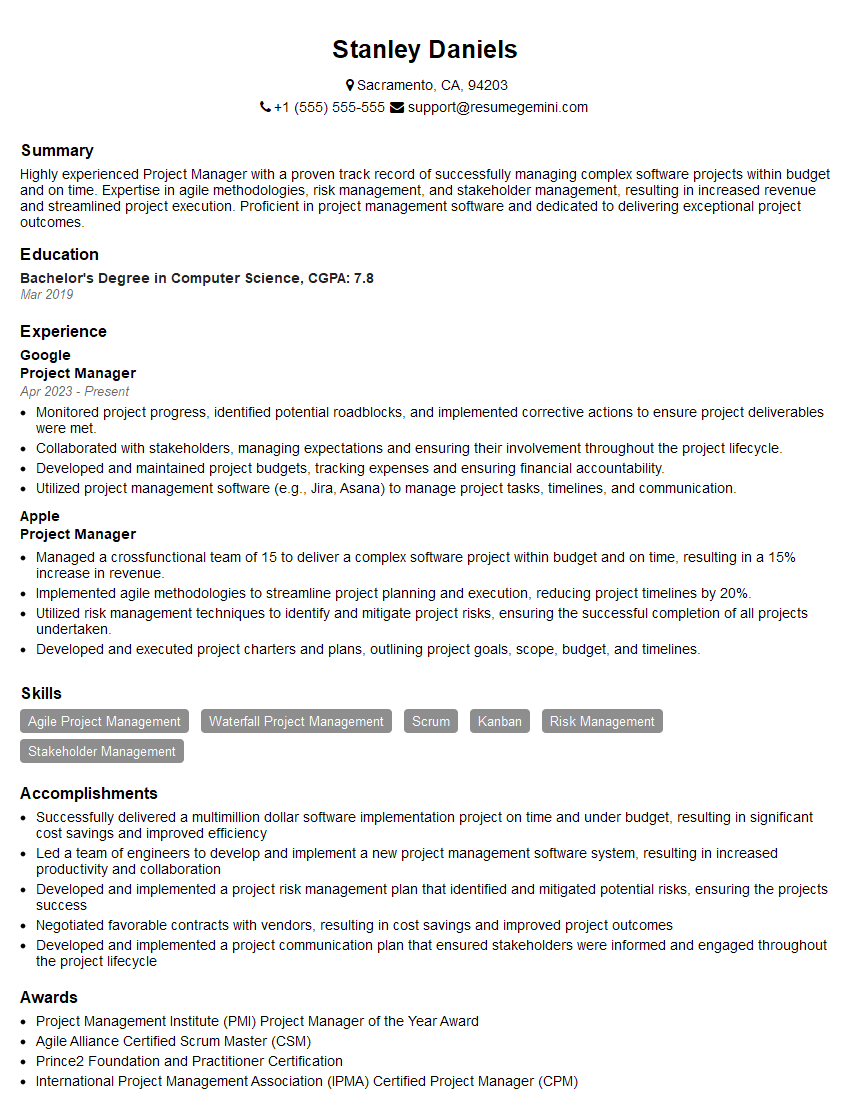
Project Manager Resume Sample

Chief of Staff Resume Sample
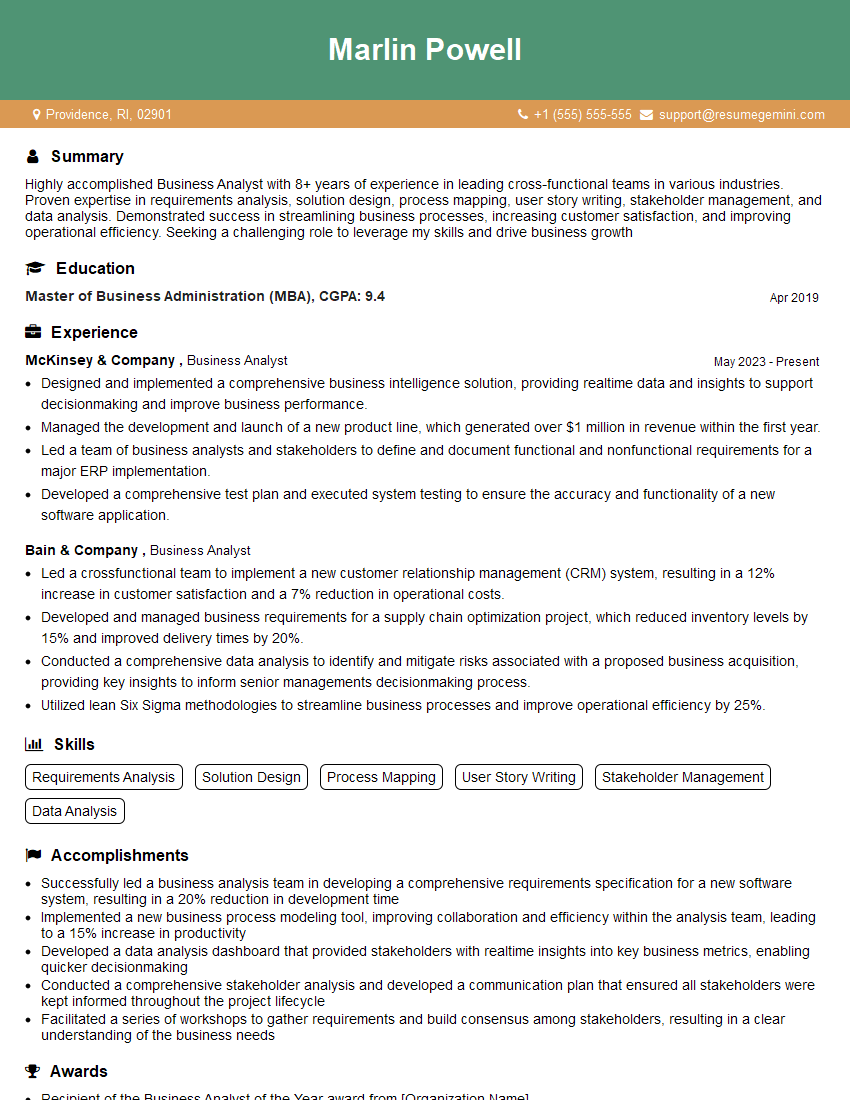
Business Analyst Resume Sample
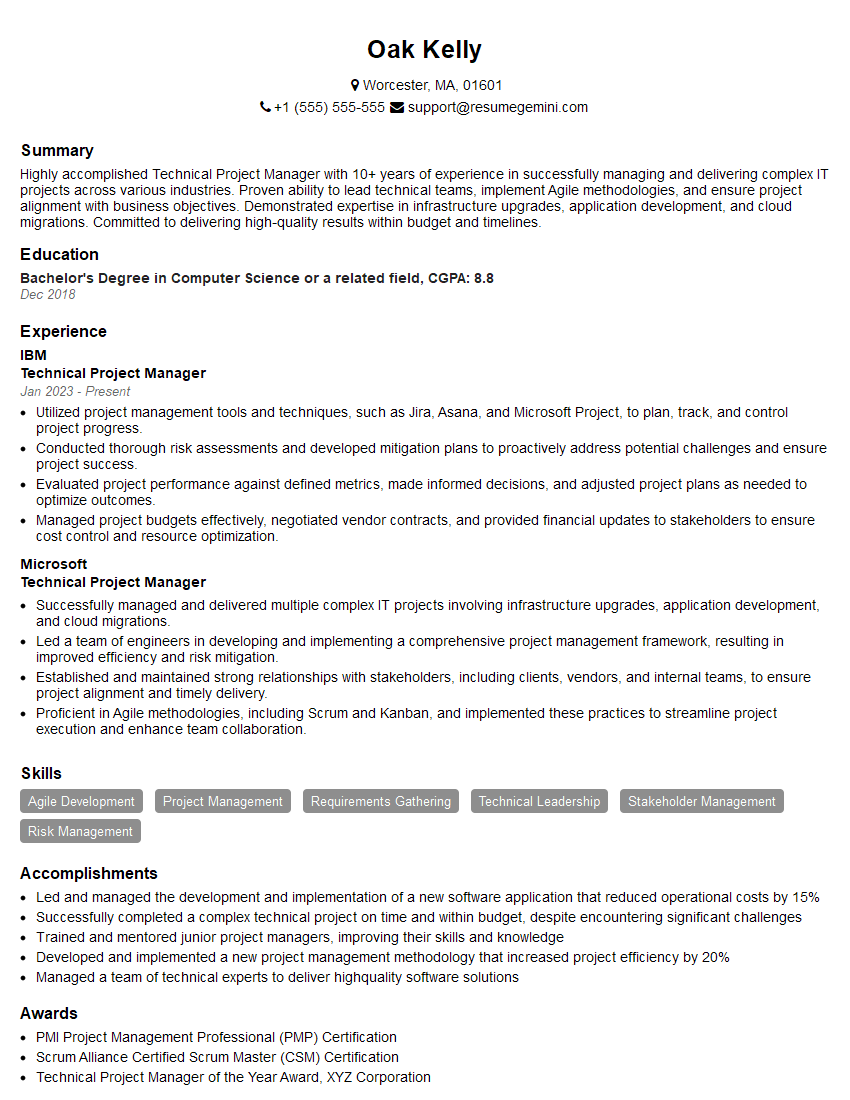
Technical Project Manager Resume Sample
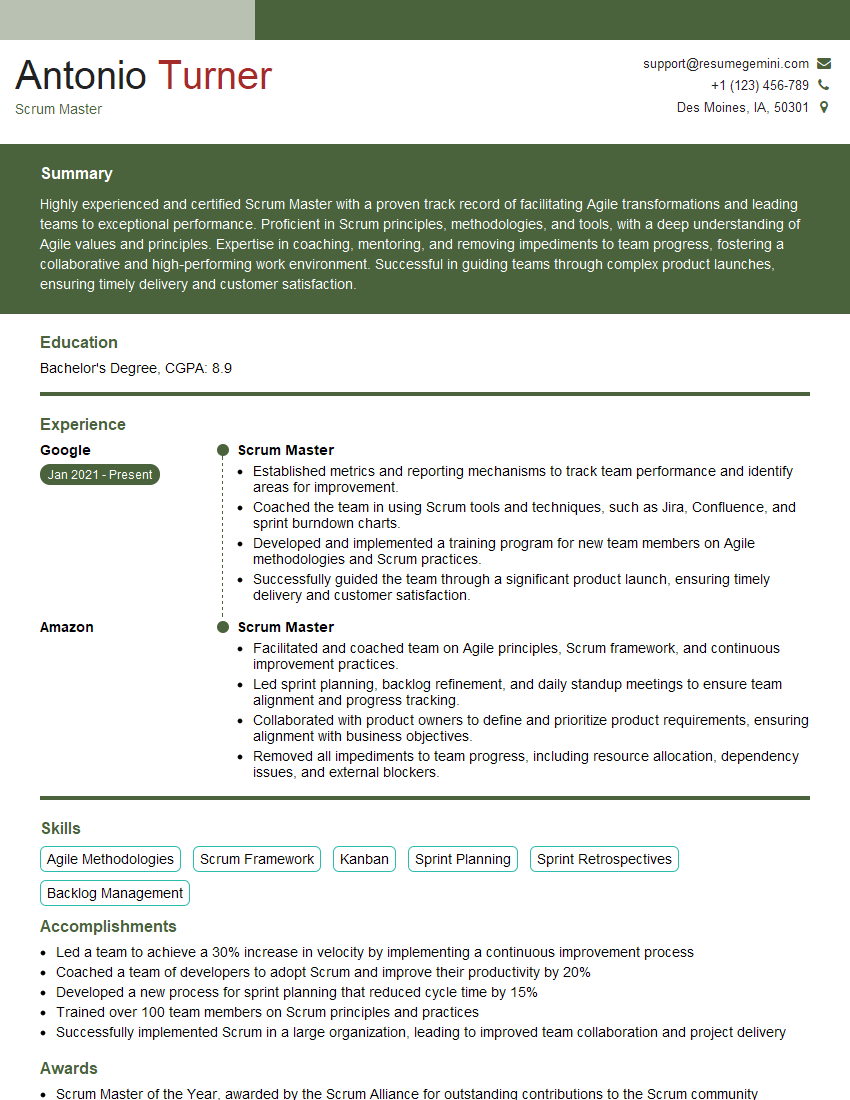
Scrum Master Resume Sample
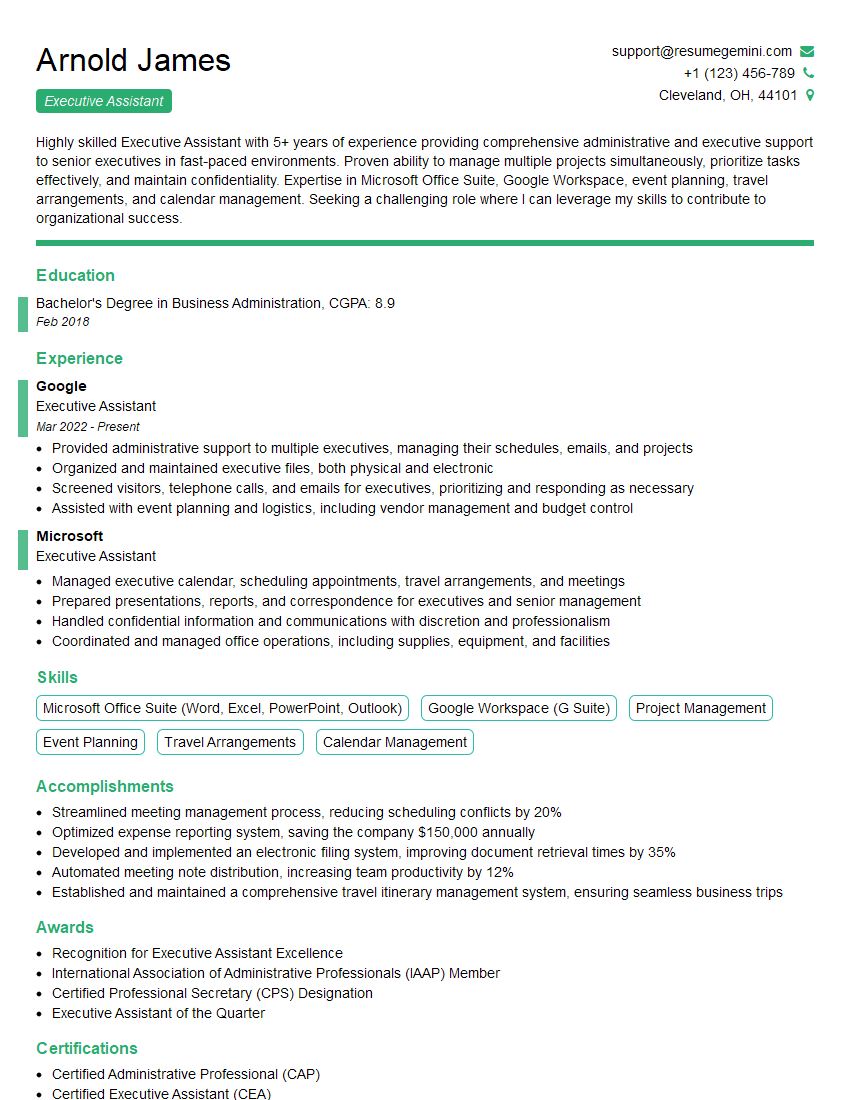
Executive Assistant Resume Sample
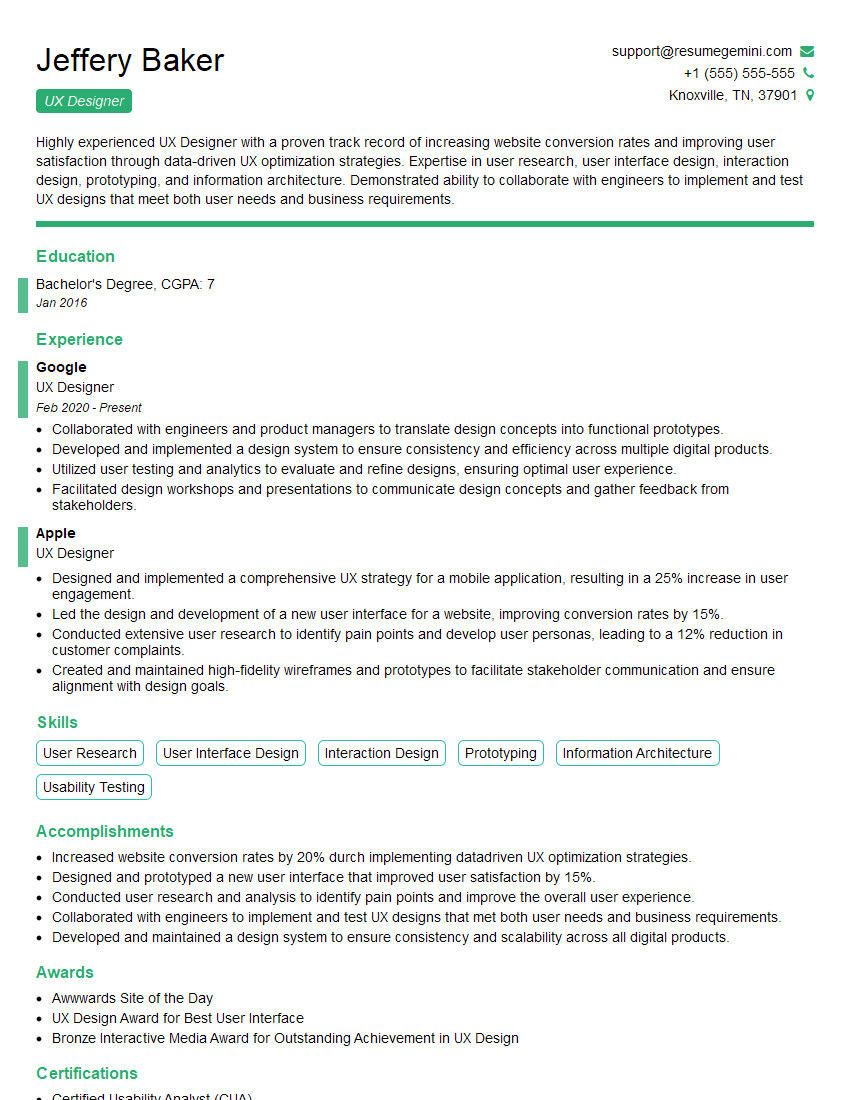
UX Designer Resume Sample
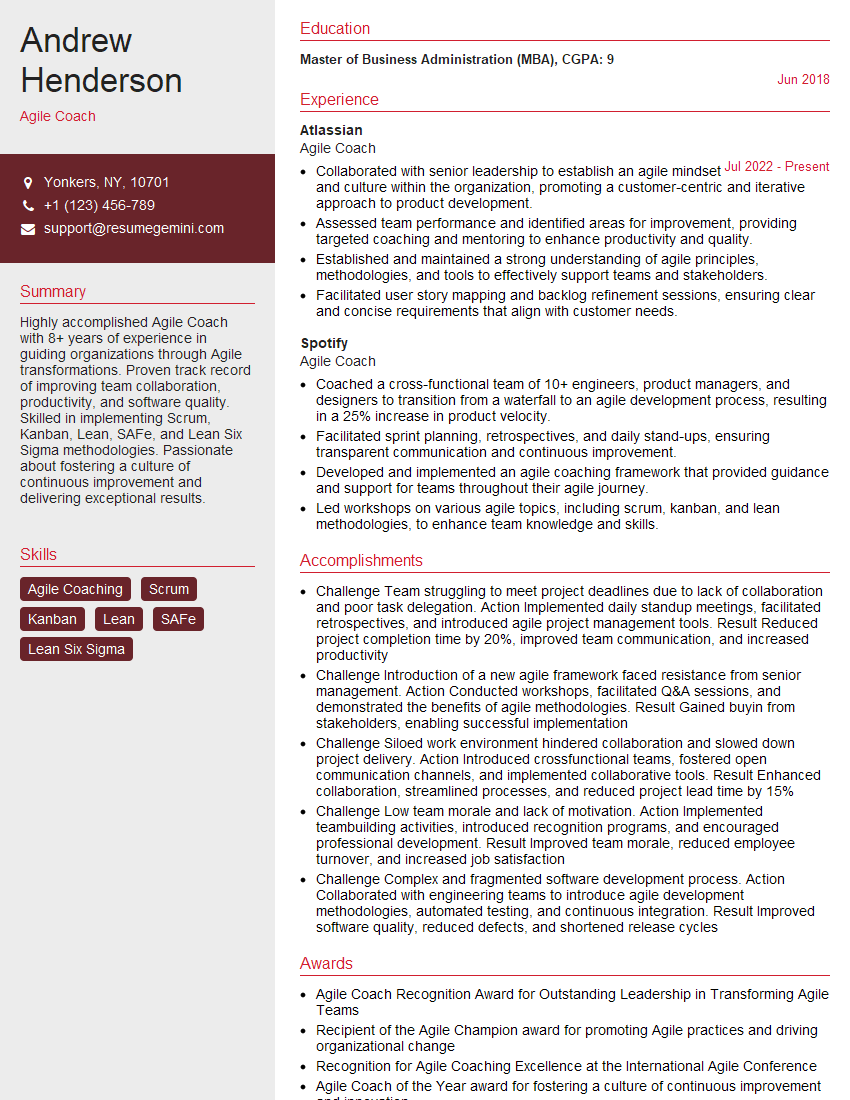
Agile Coach Resume Sample
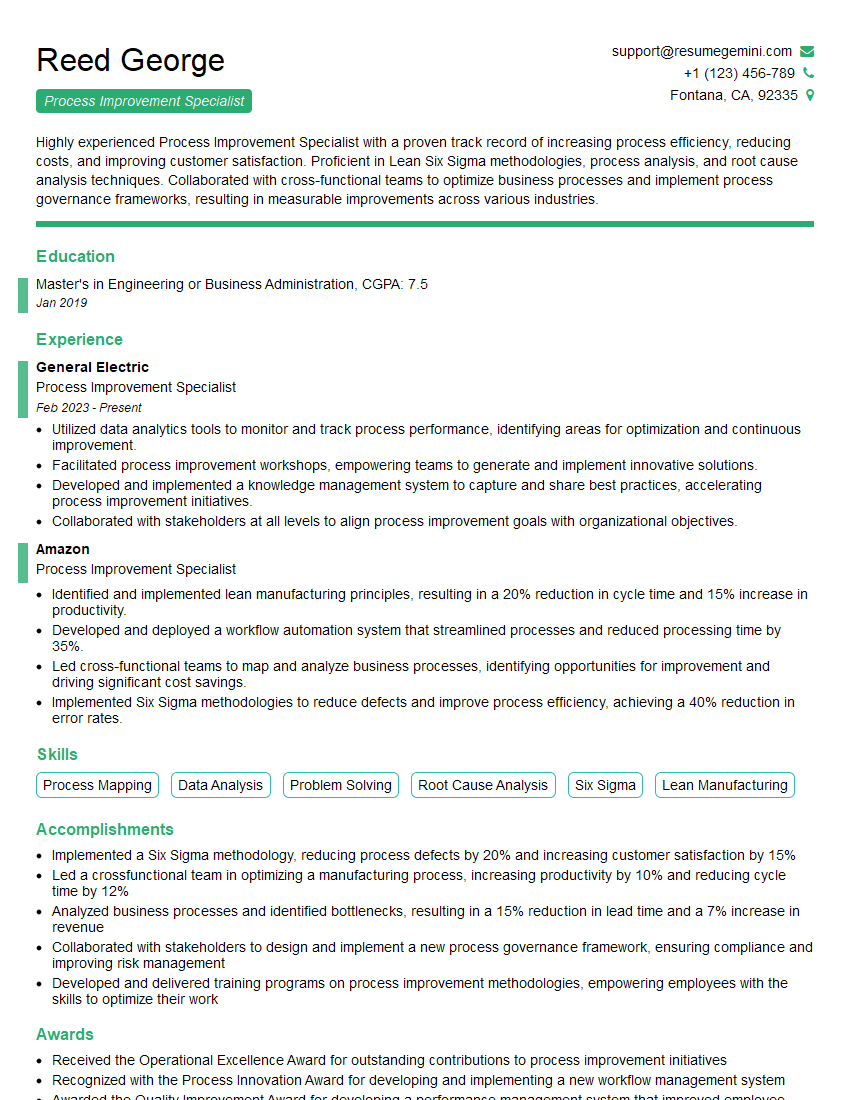
Process Improvement Specialist Resume Sample
- Program Manager
- Strategic Planner
- Operations Manager
- Account Manager
- Marketing Manager
- Sales Manager
- Product Manager
- Director of Operations
- Project Manager
- Chief of Staff
- Business Analyst
- Technical Project Manager
- Scrum Master
- Executive Assistant
- UX Designer
- Agile Coach
- Process Improvement Specialist
Explore more articles
Users Rating of Our Blogs
Share Your Experience
We value your feedback! Please rate our content and share your thoughts (optional).
What Readers Say About Our Blog
Very informative content, great job.
good